Ancient site · Rome
Temple of Venus and Roma
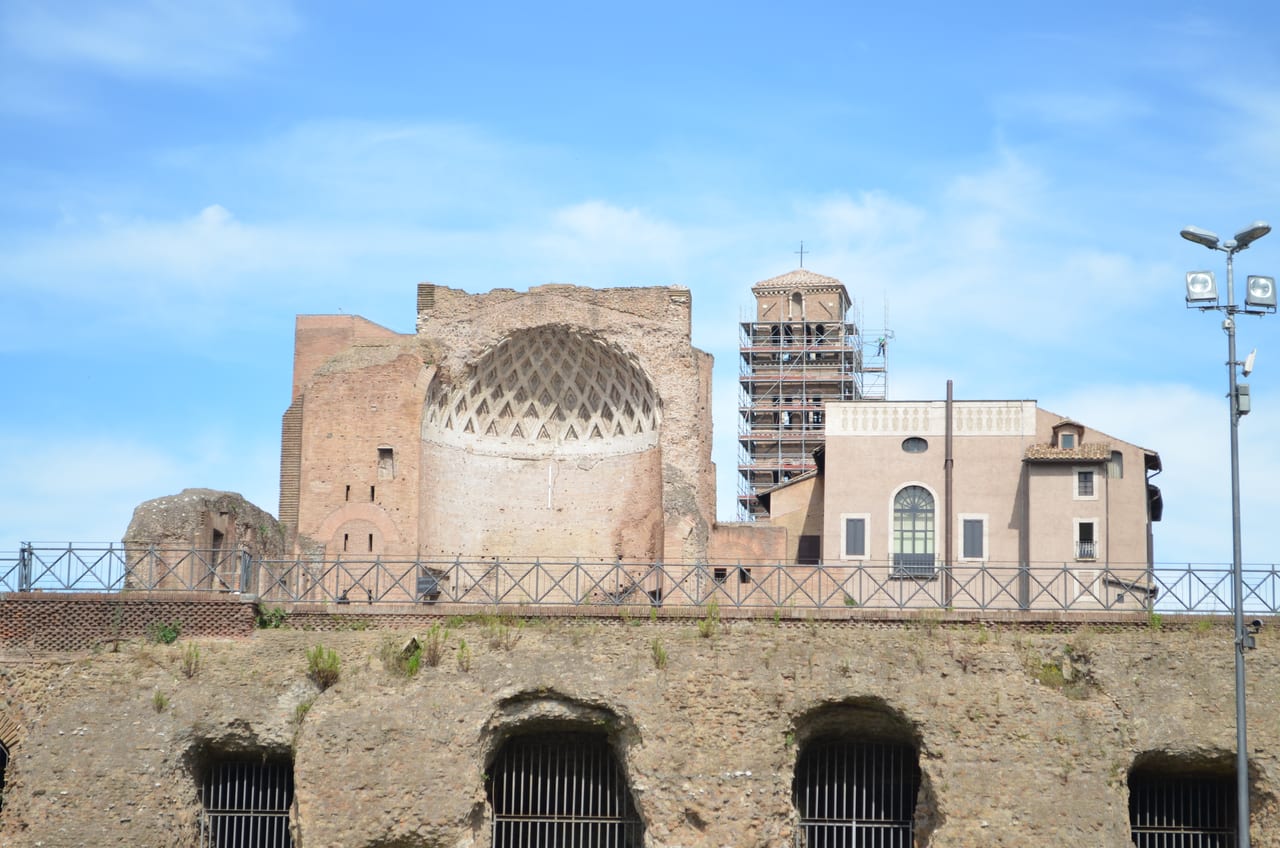
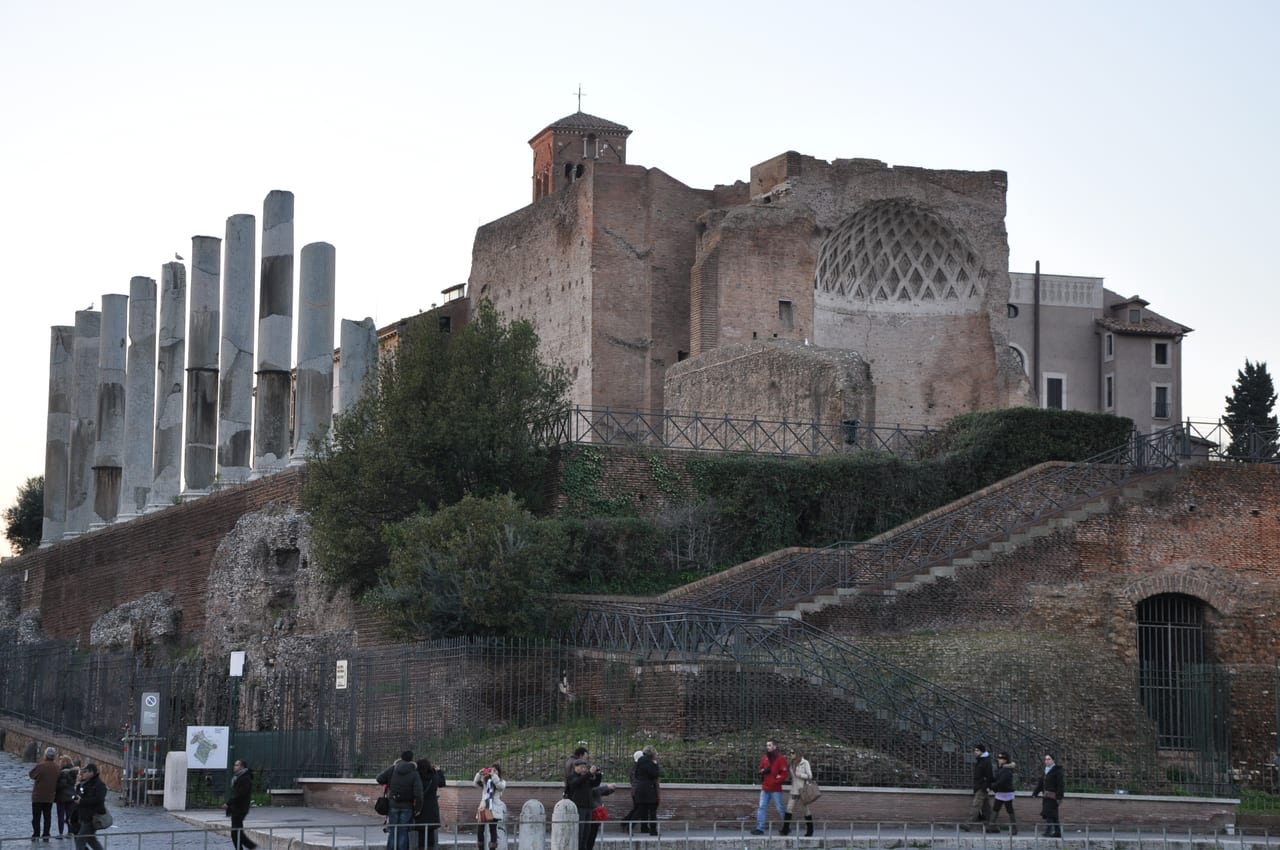
DirectionsThe Temple of Venus and Roma was the largest known temple of ancient Rome, pairing Venus Felix with Roma Aeterna in an immense imperial sanctuary.
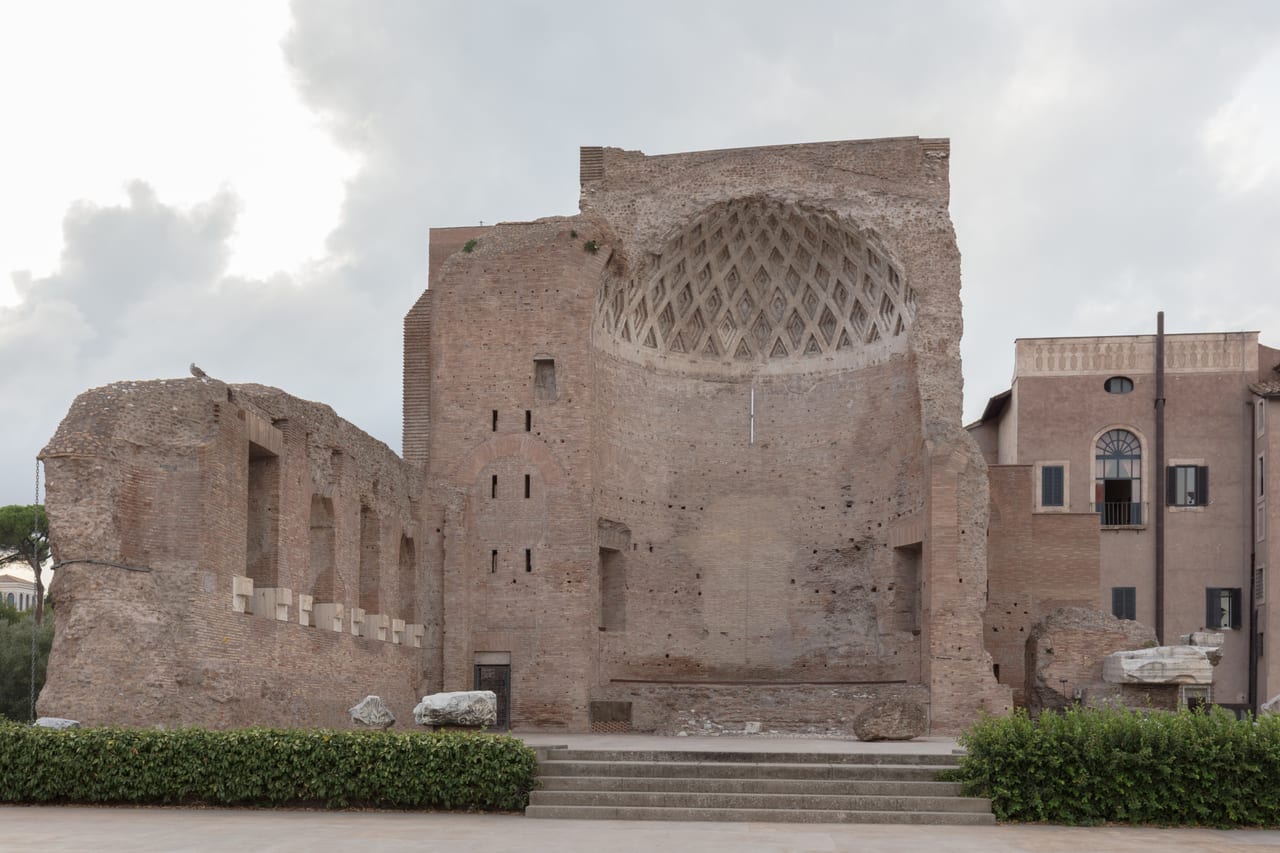
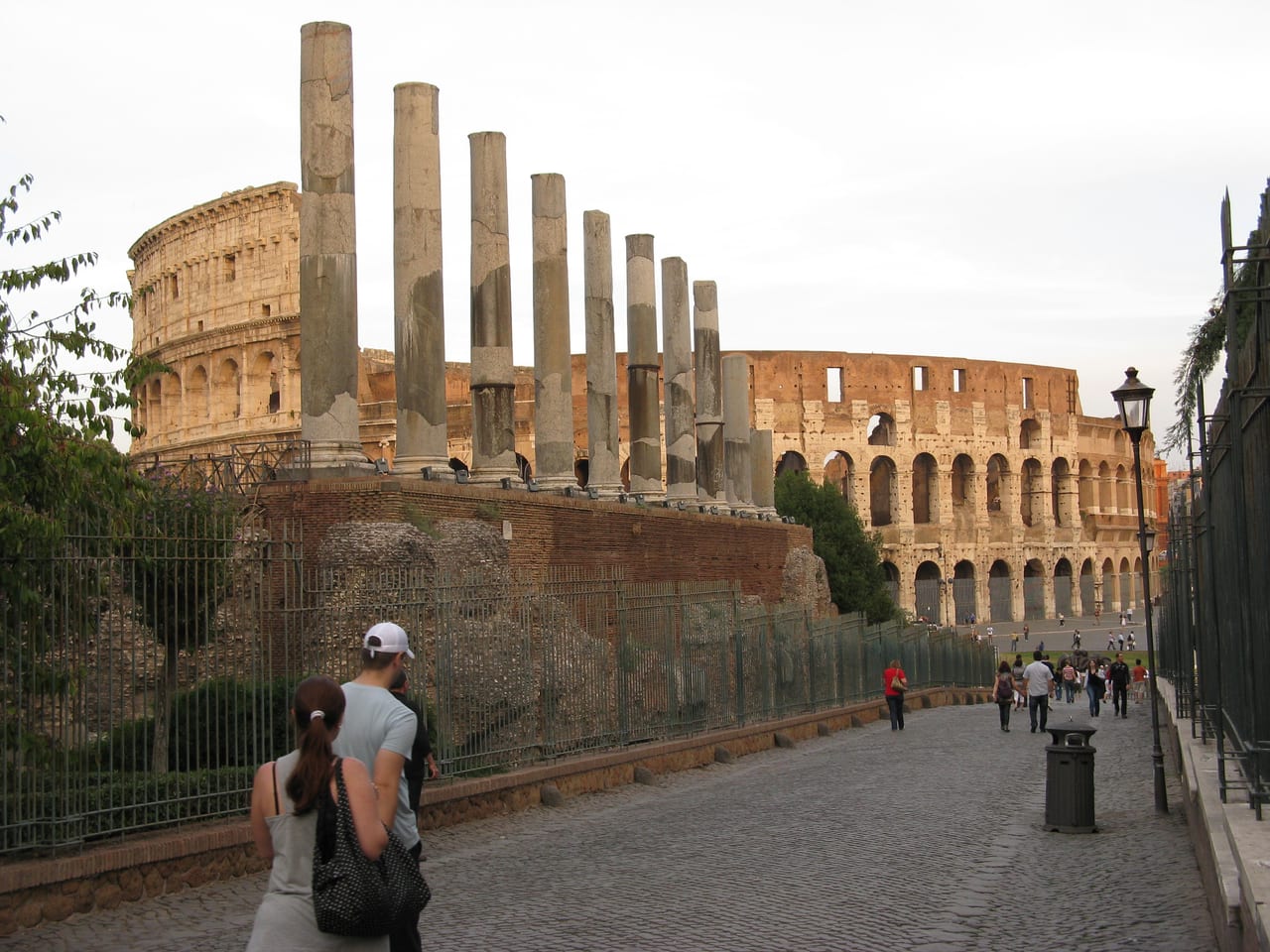
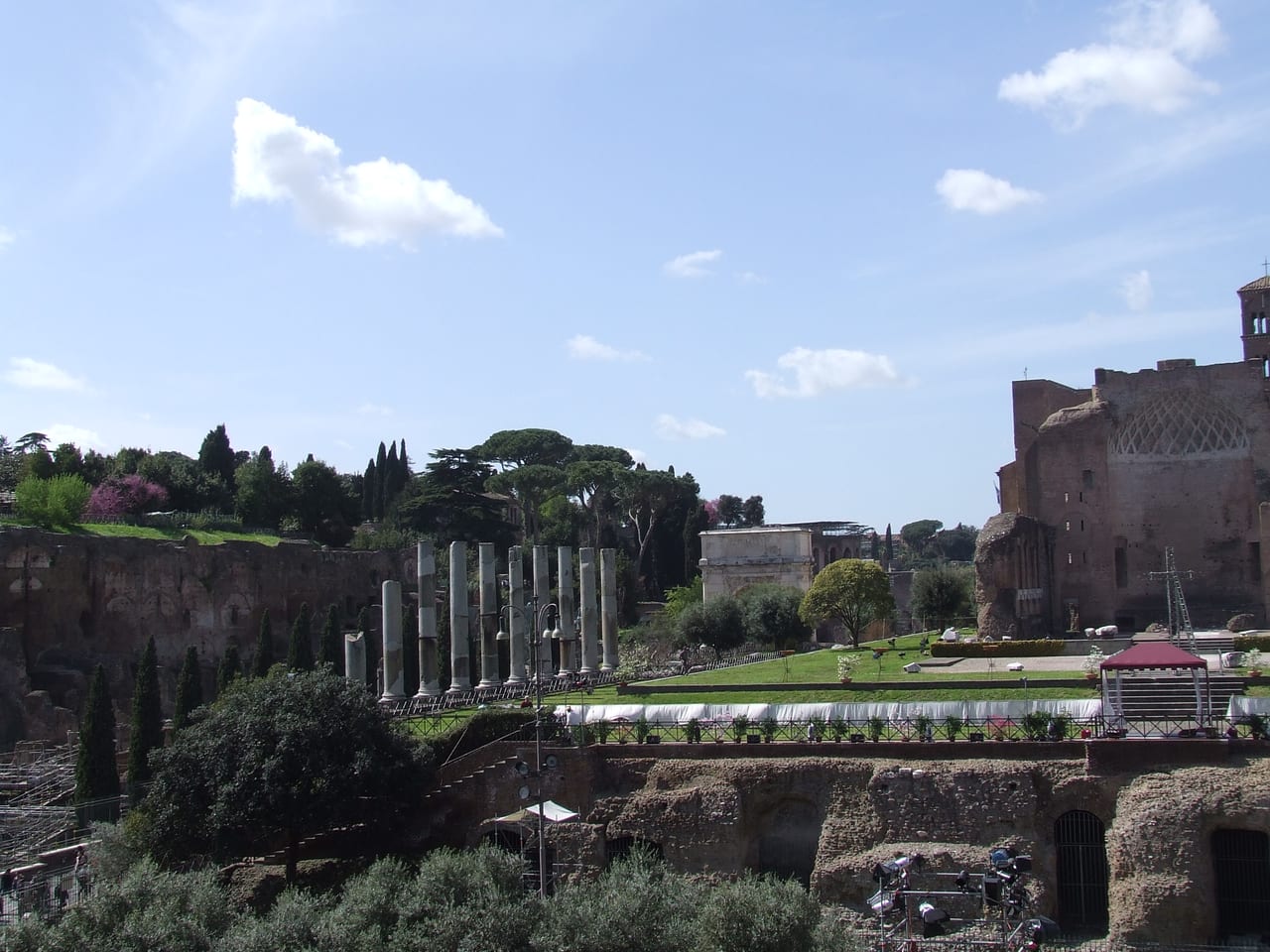
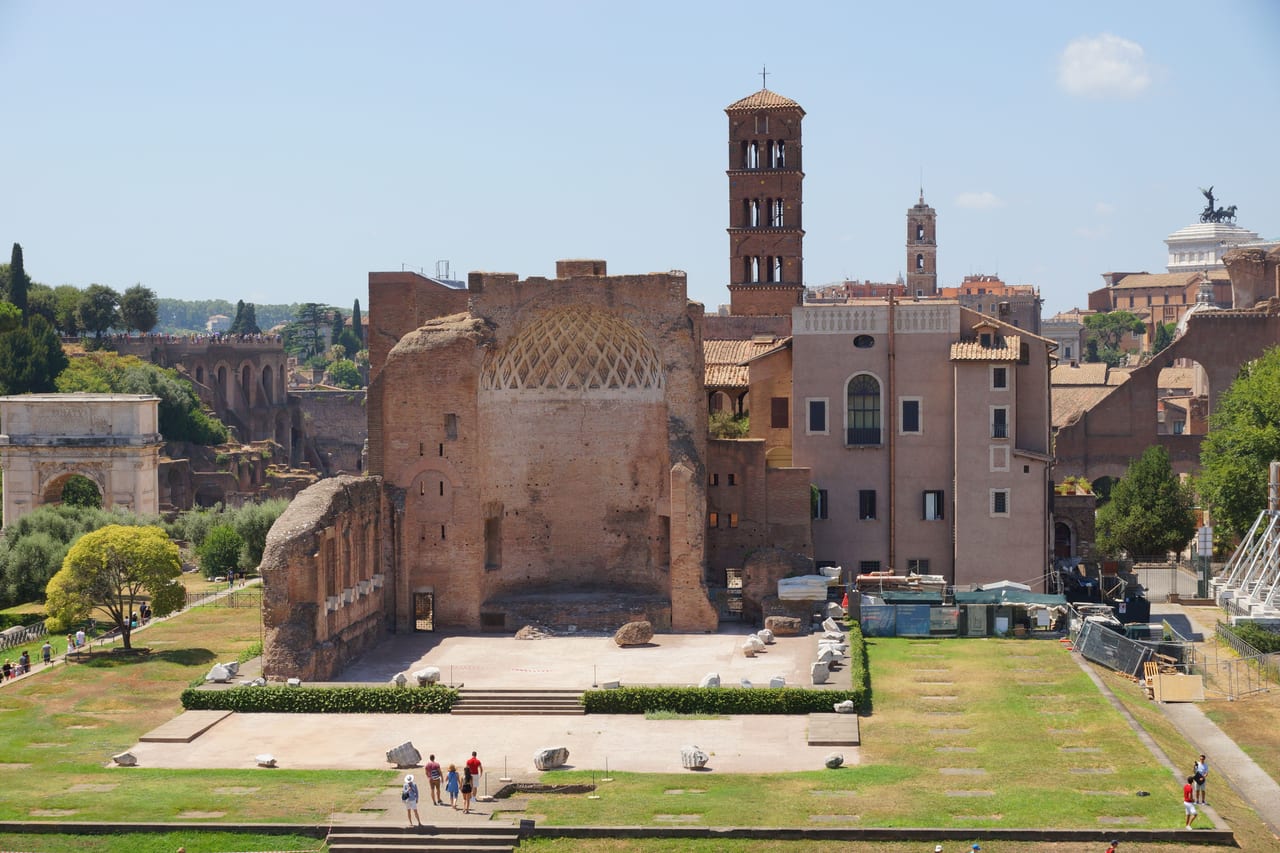
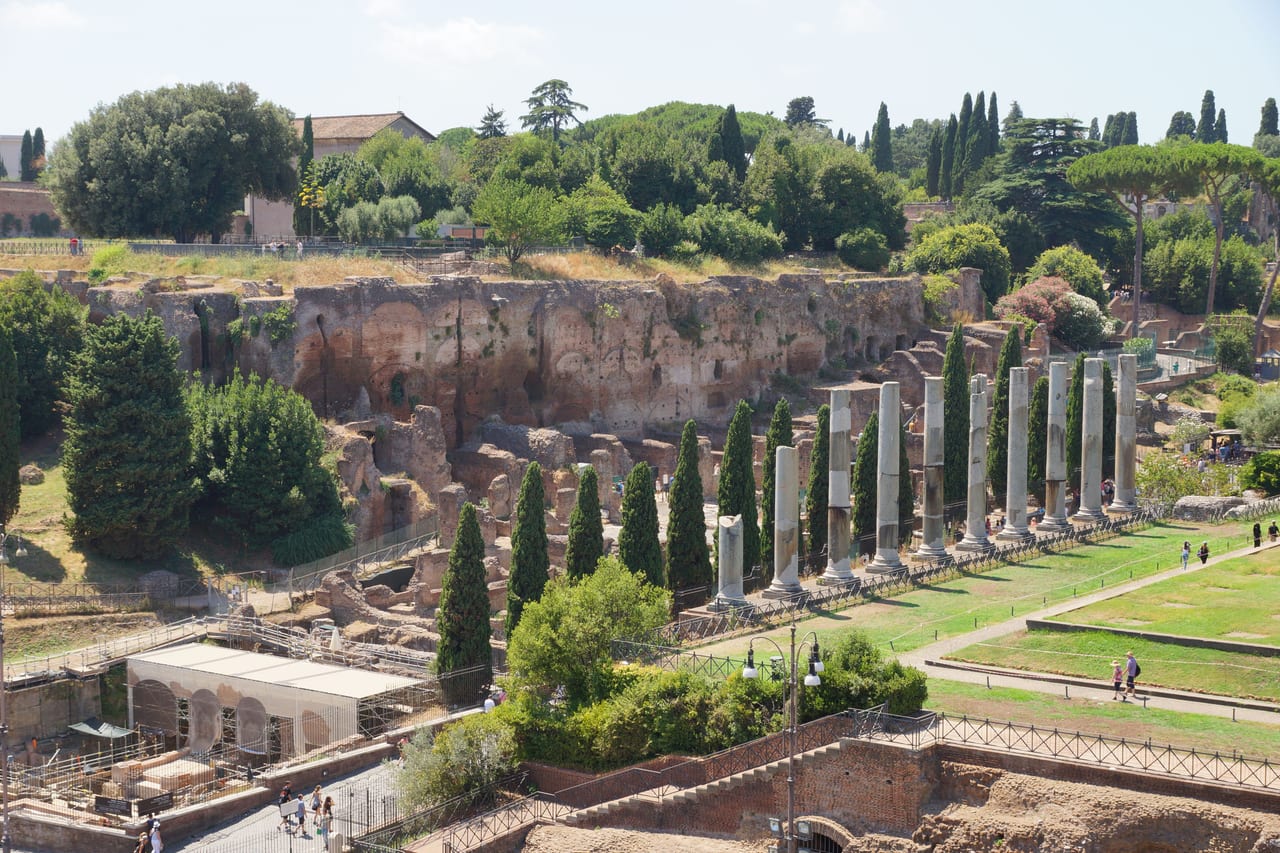
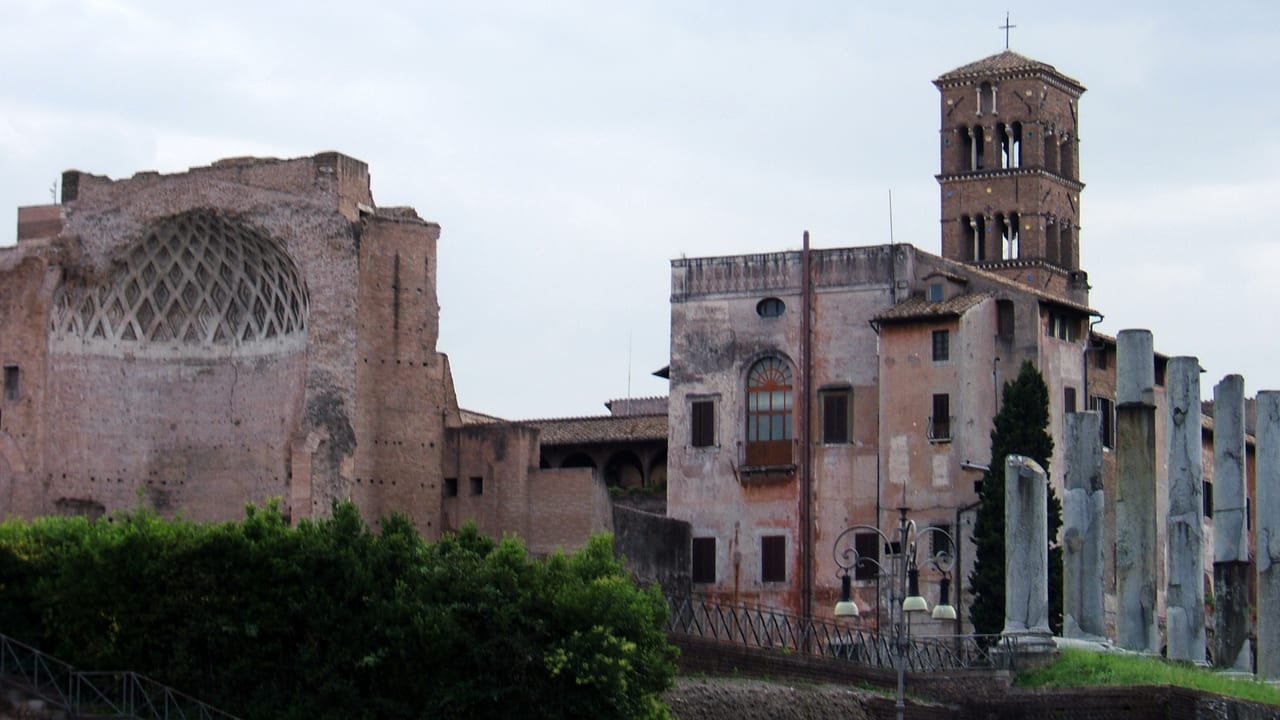
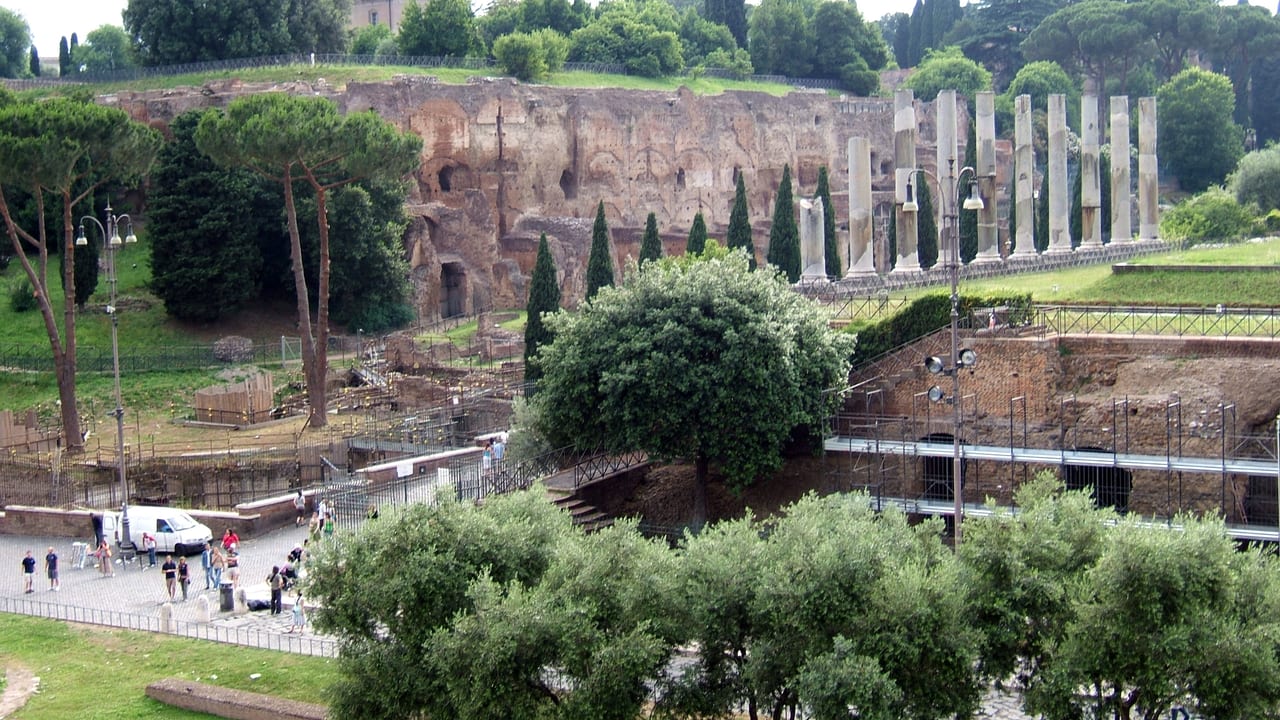
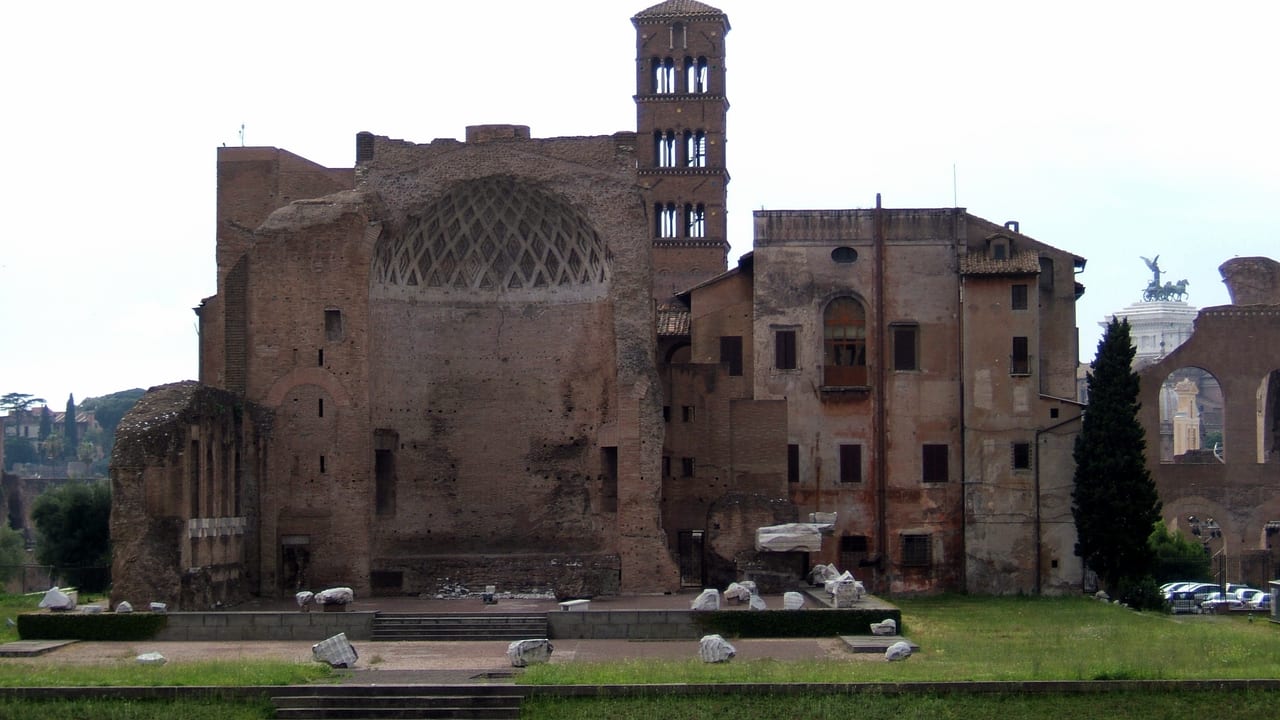
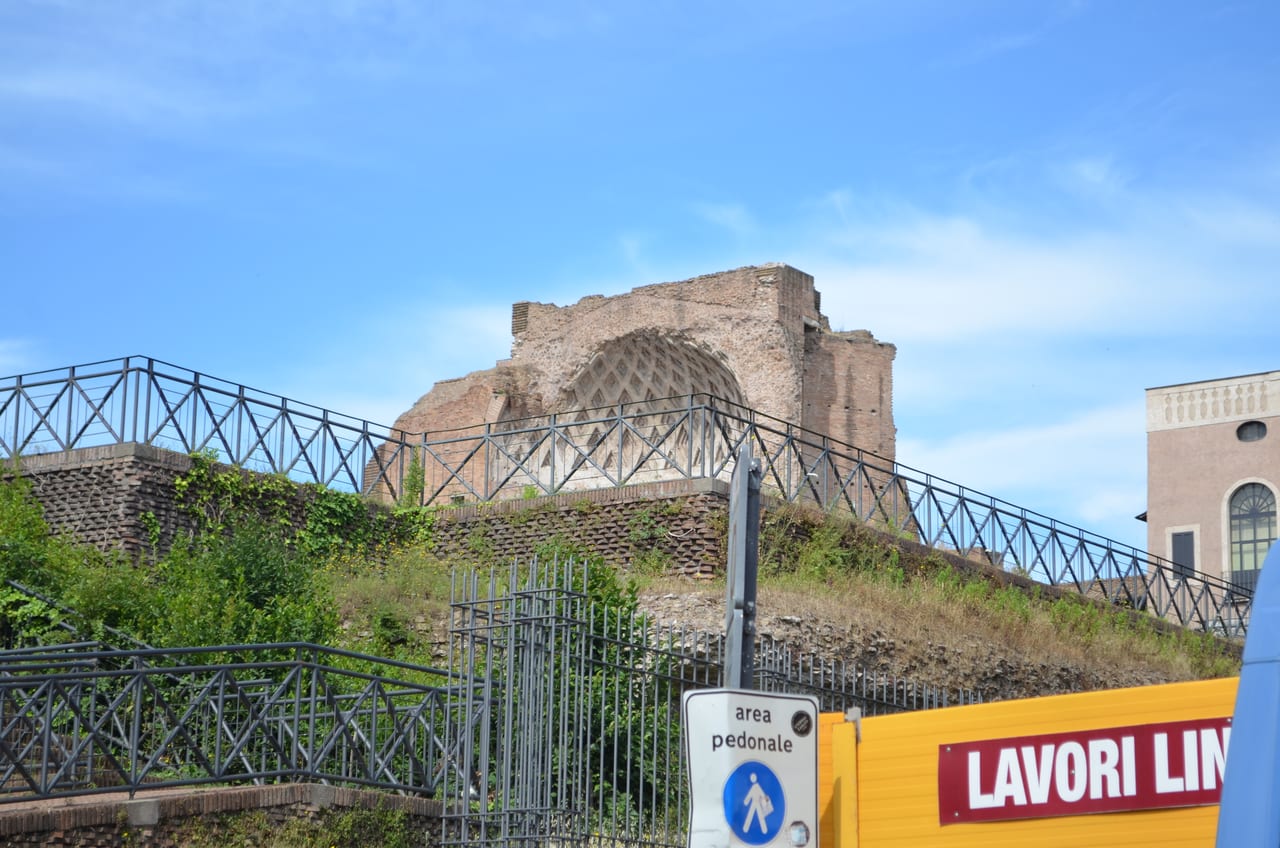
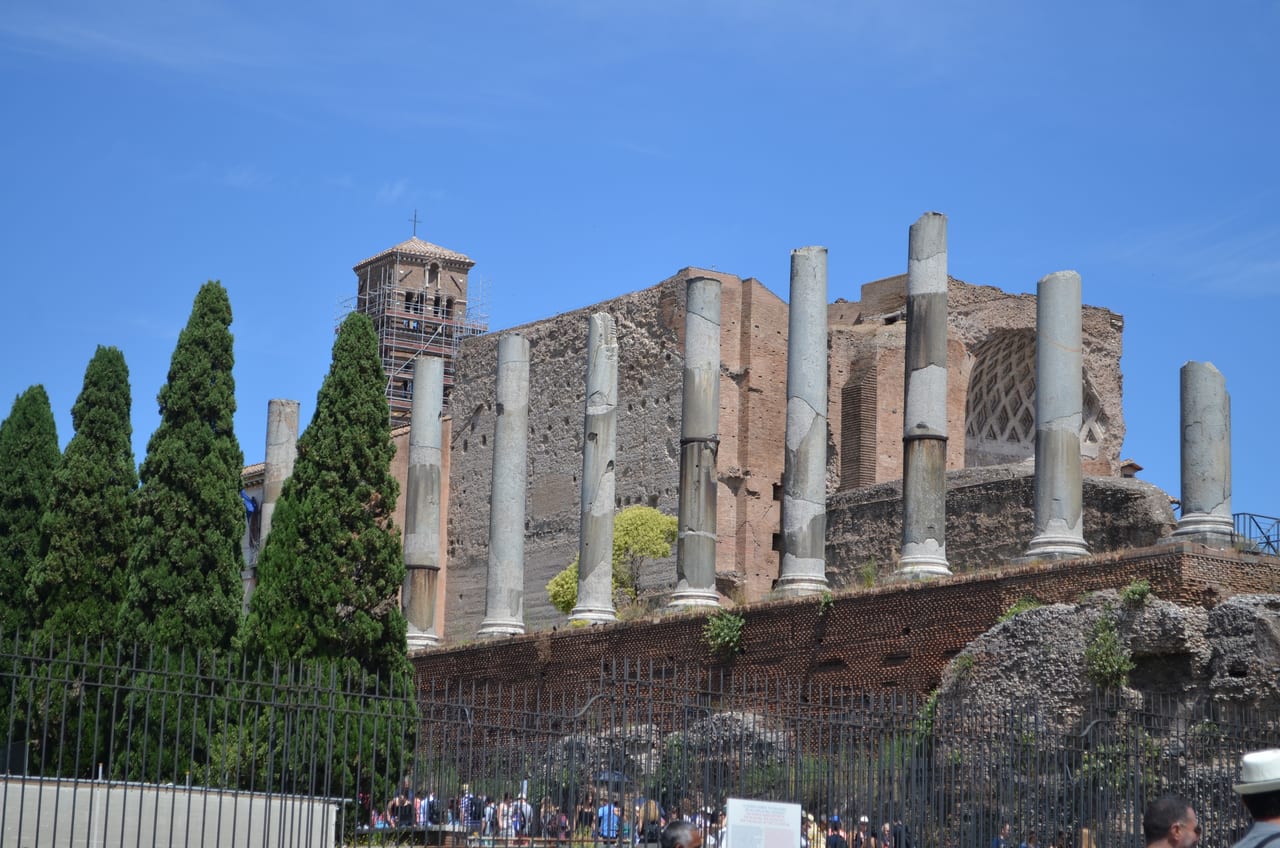
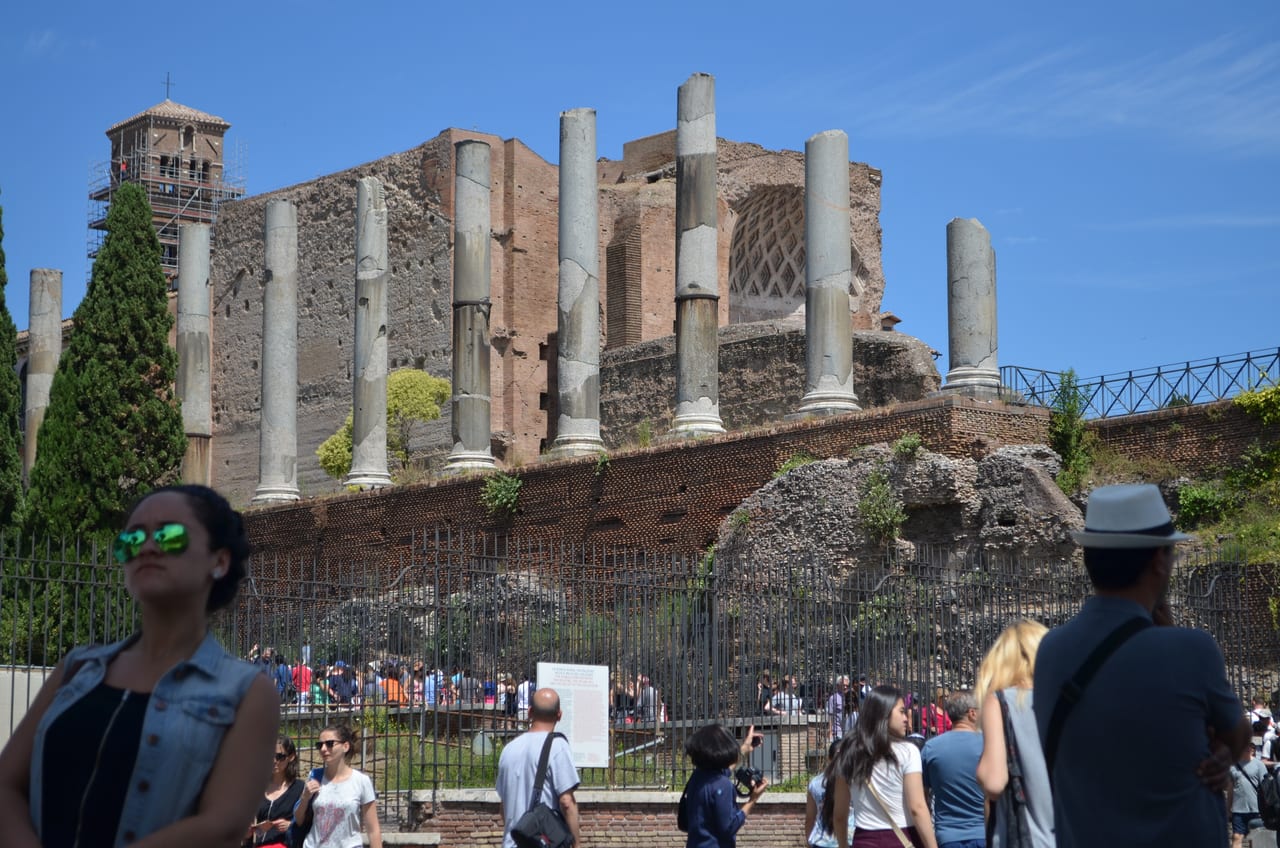
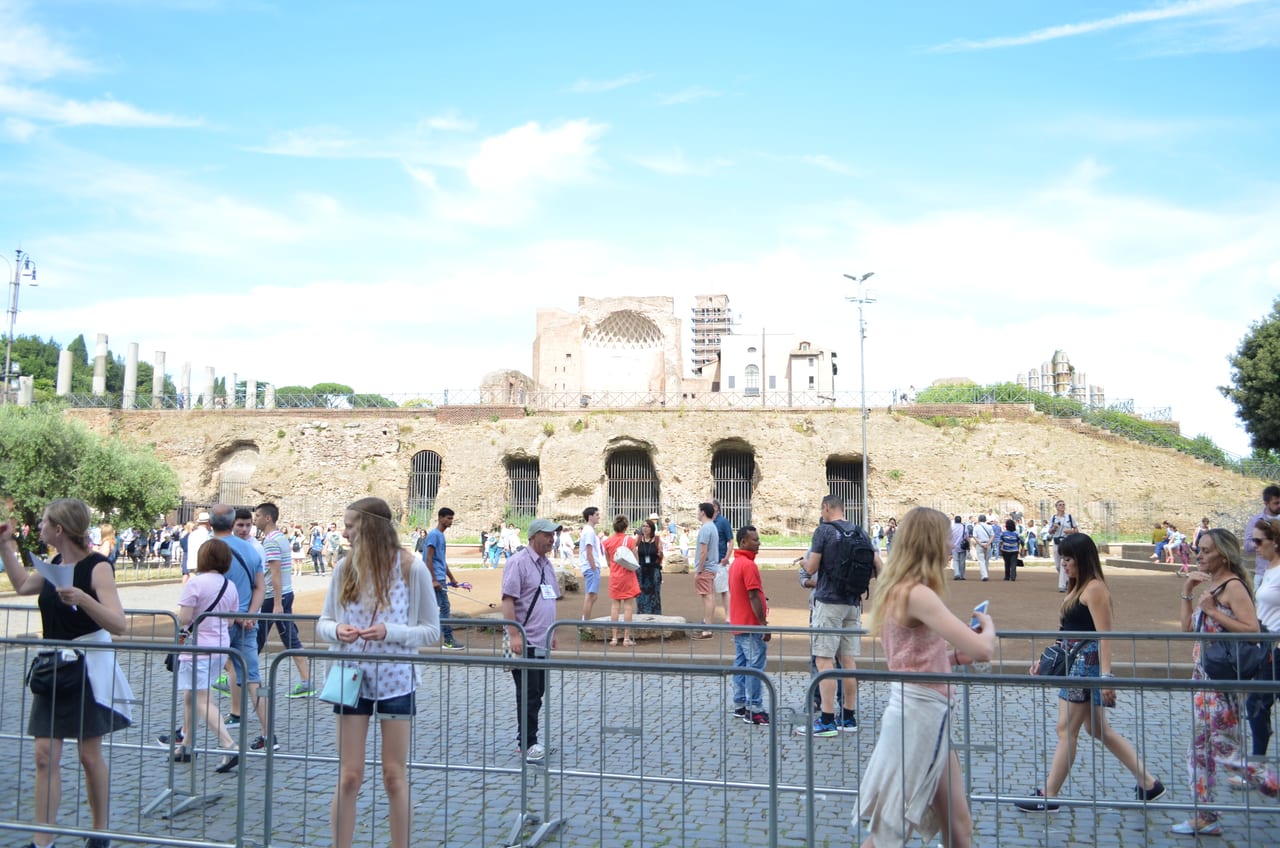
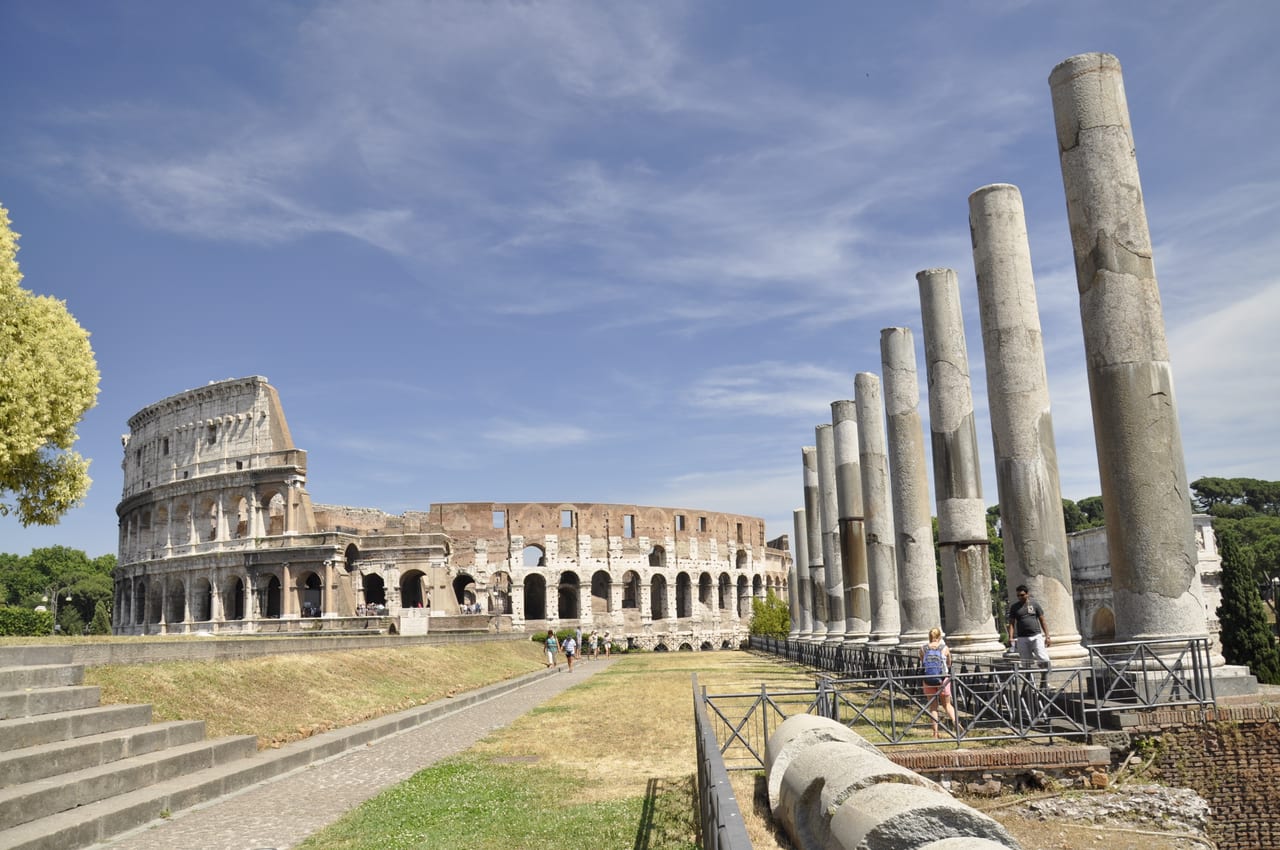
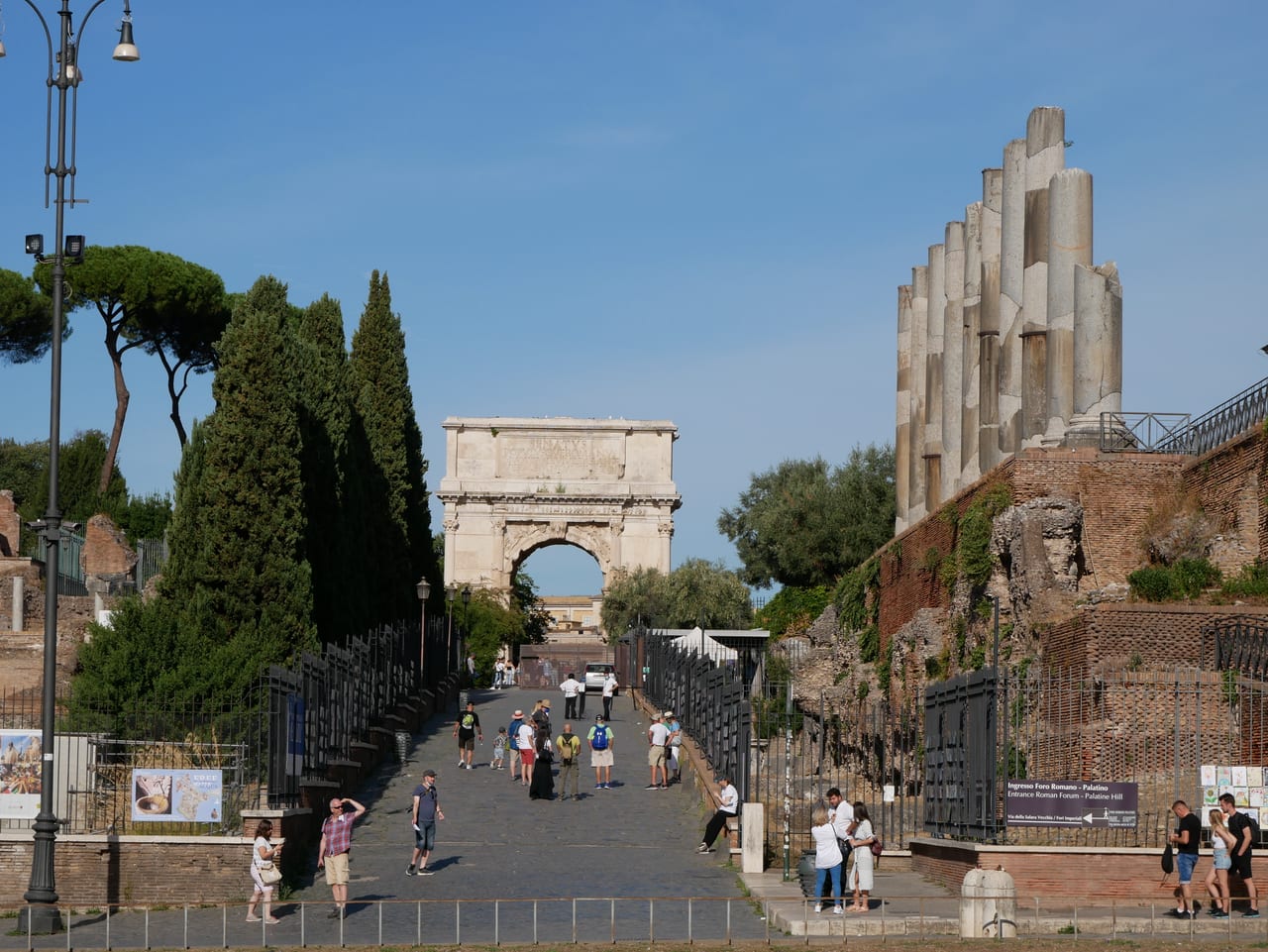
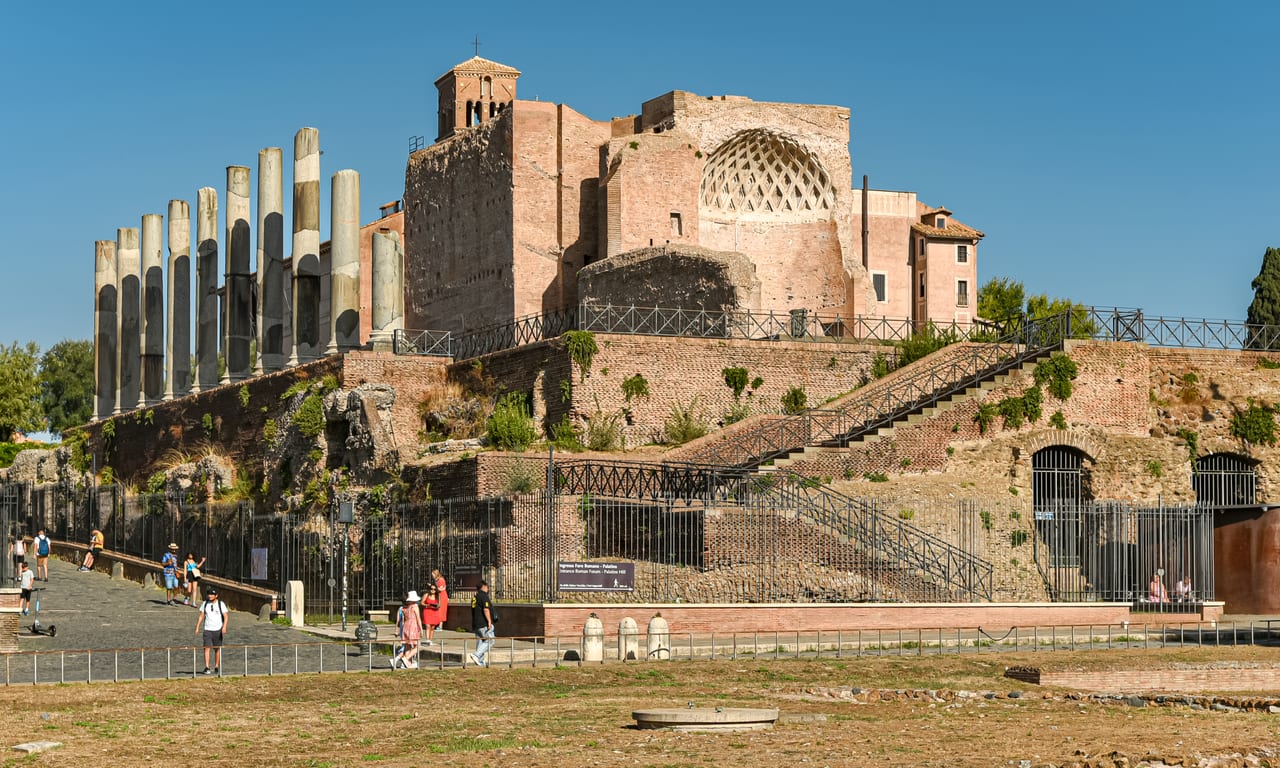
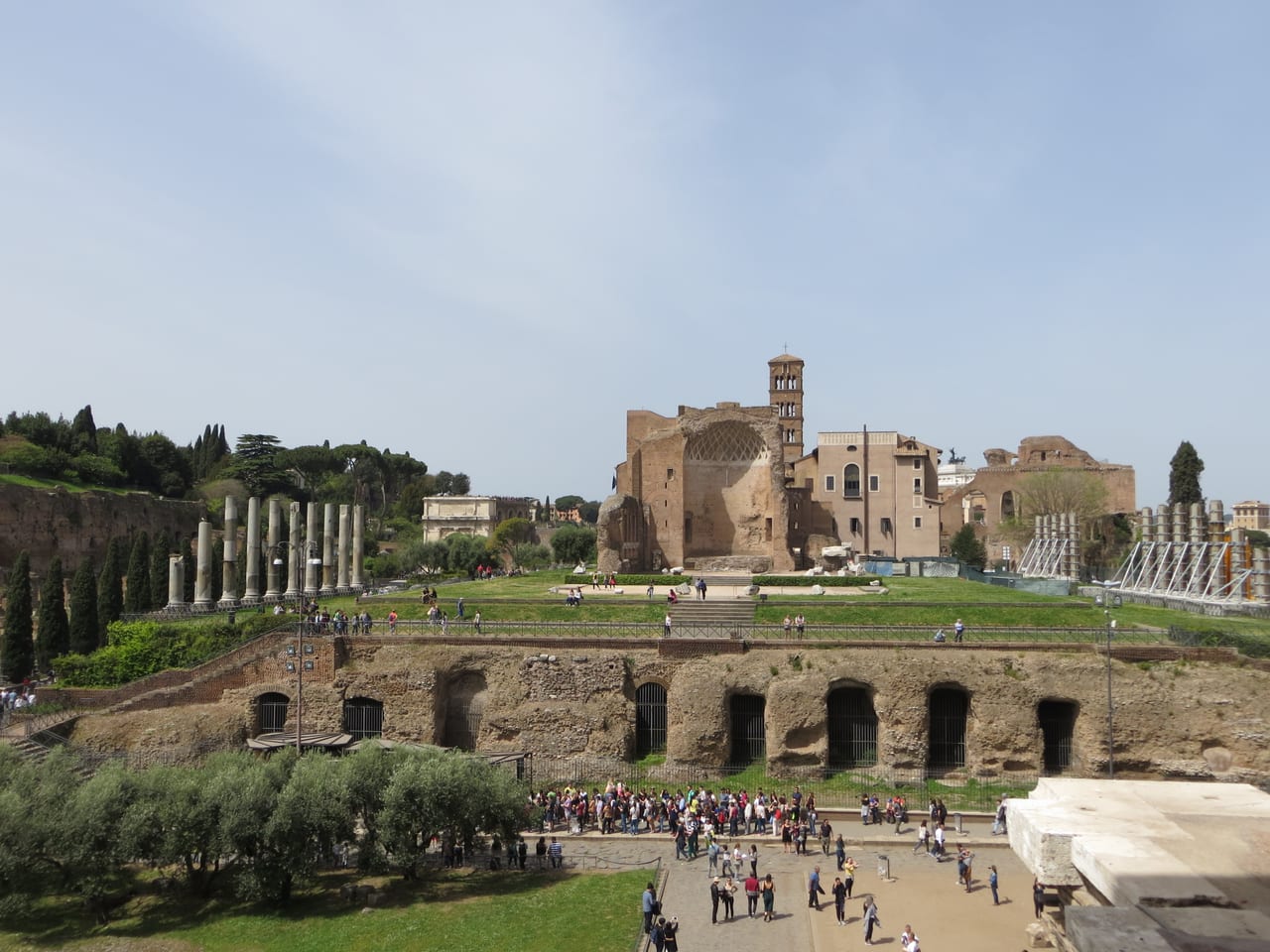
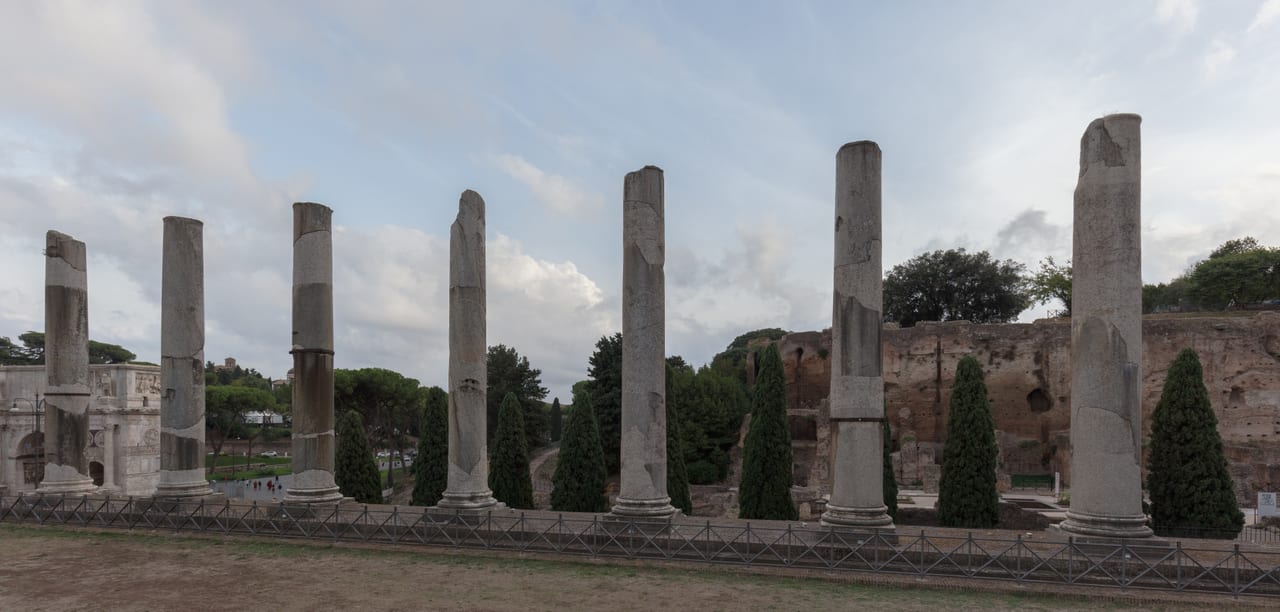
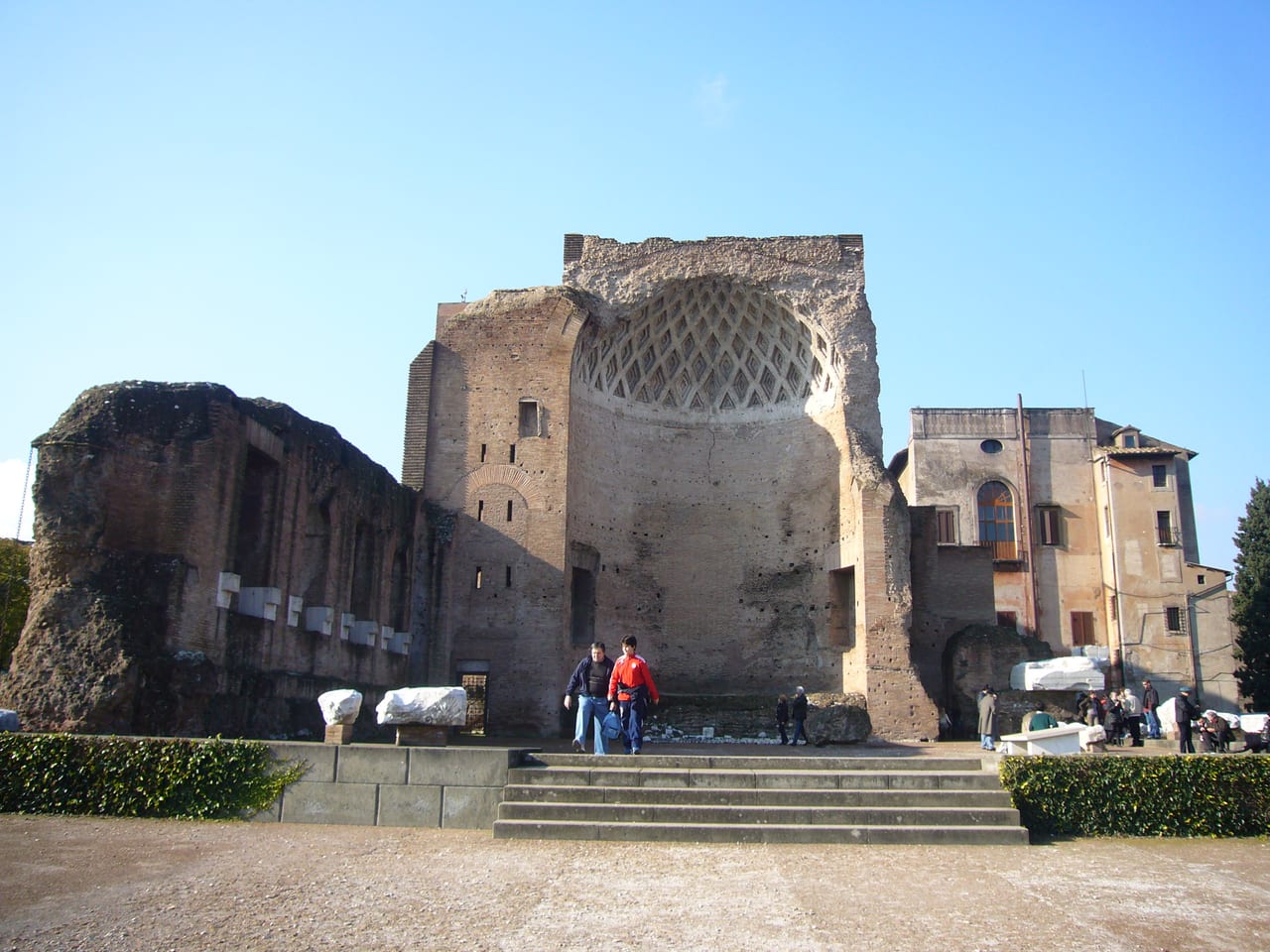
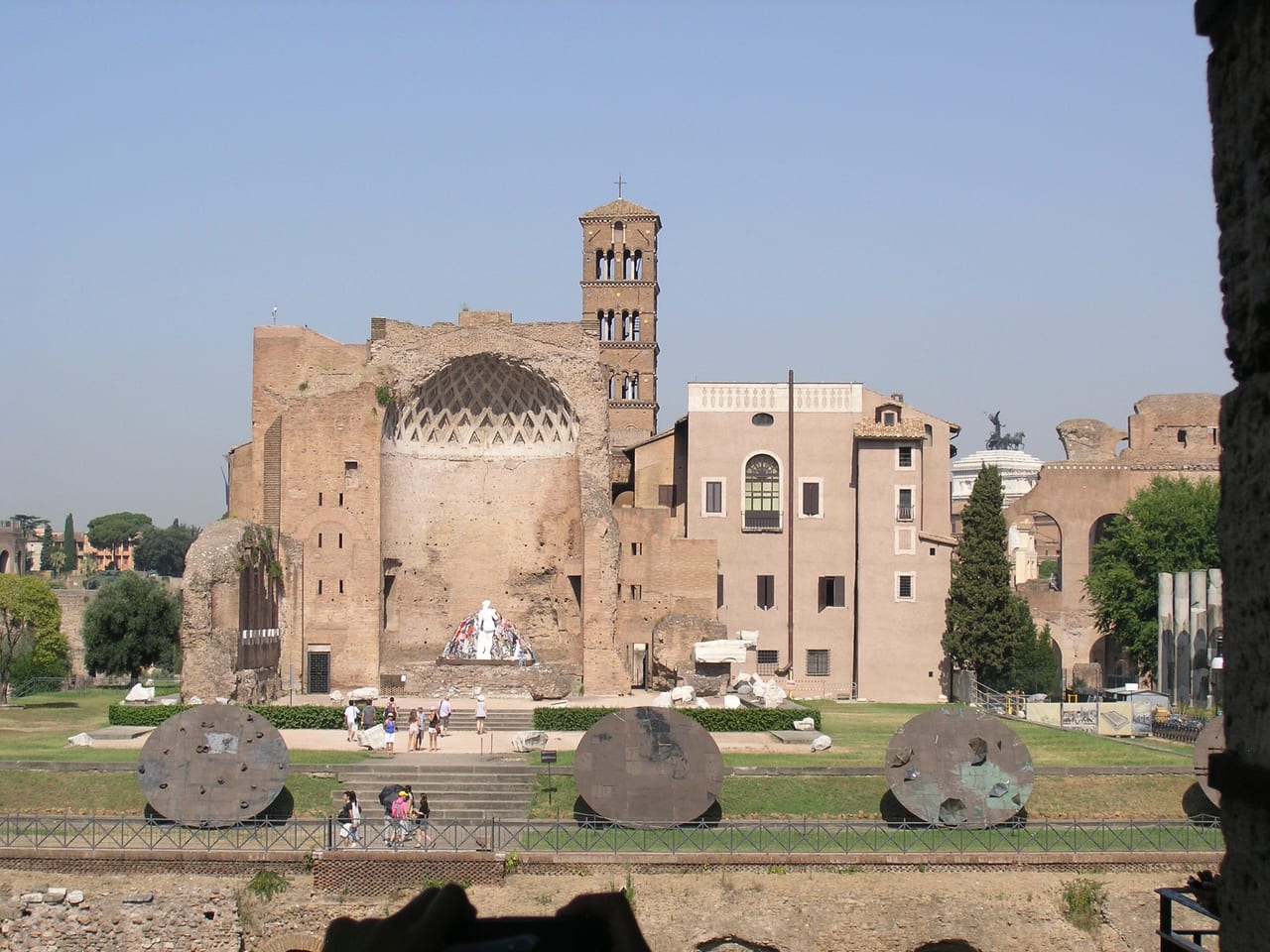
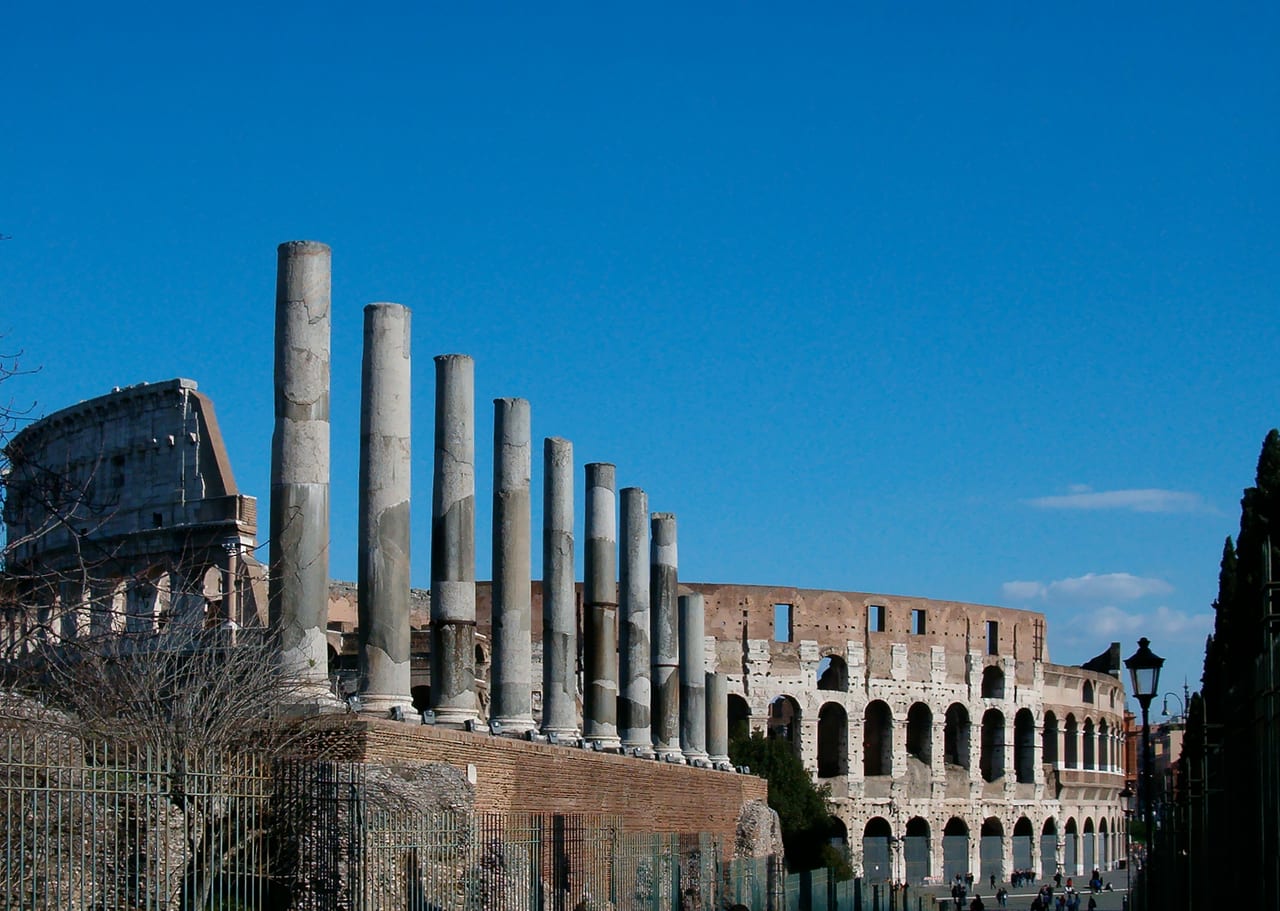
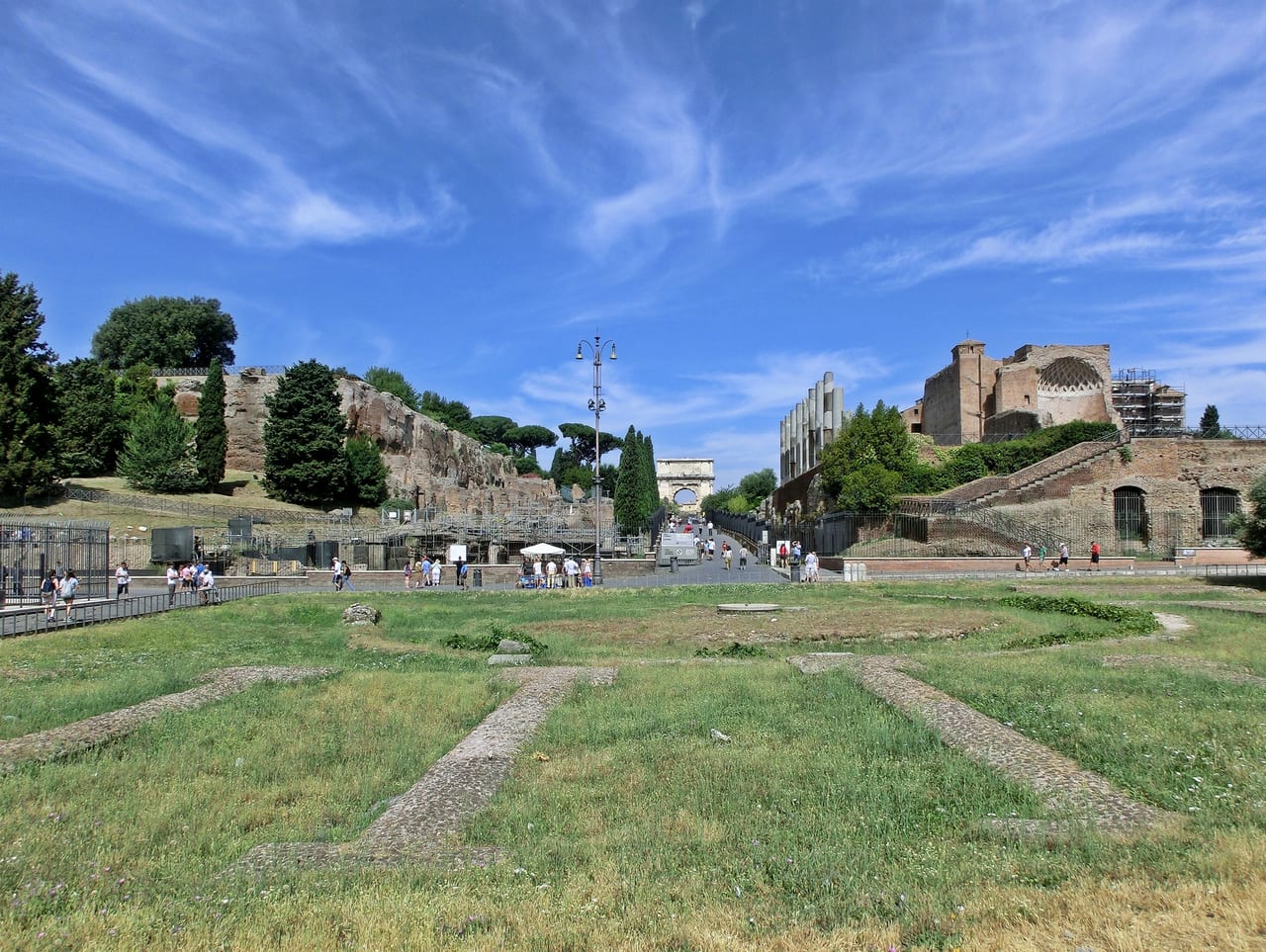
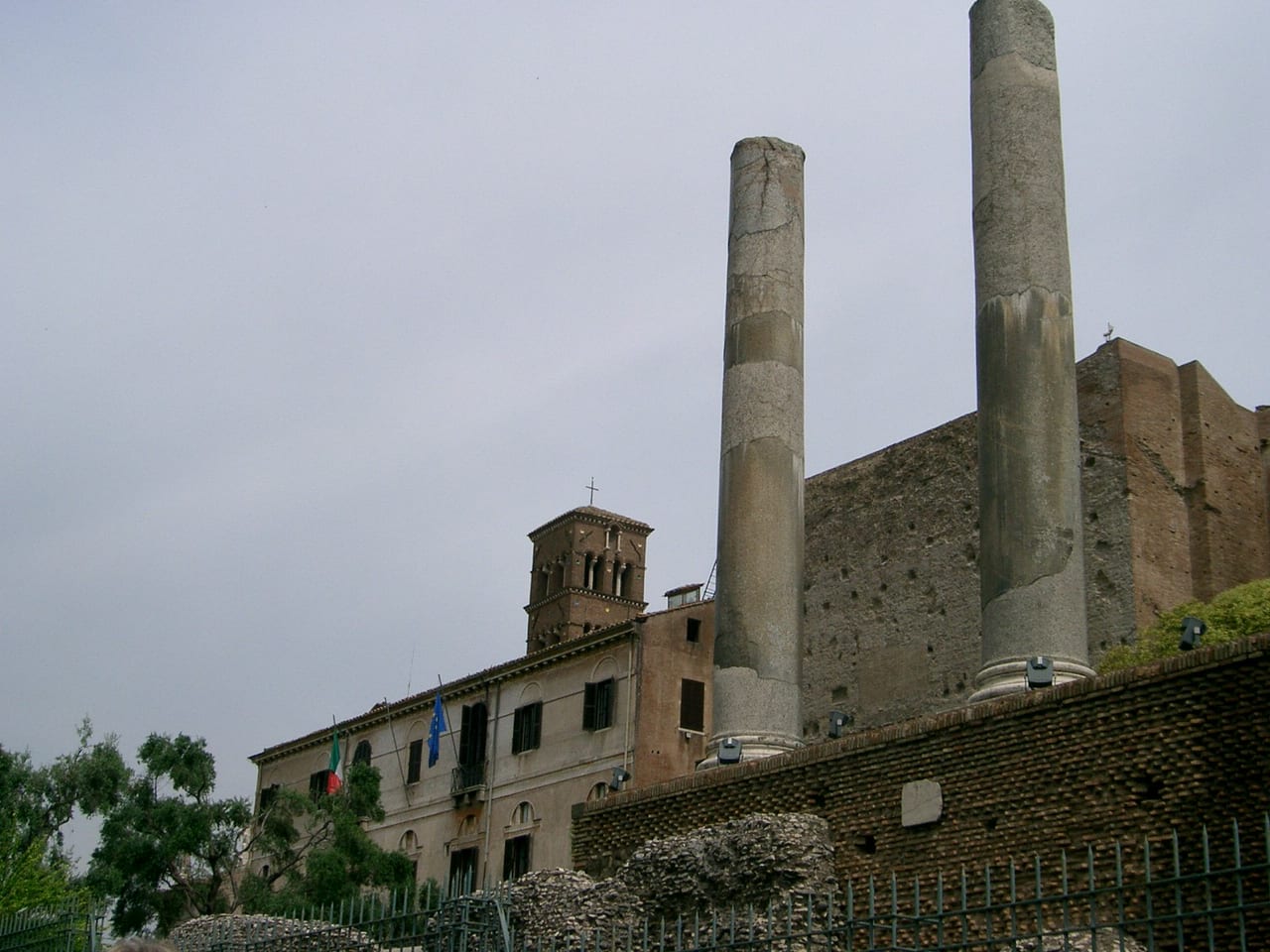
Photograph 1 of 34 of Temple of Venus and Roma
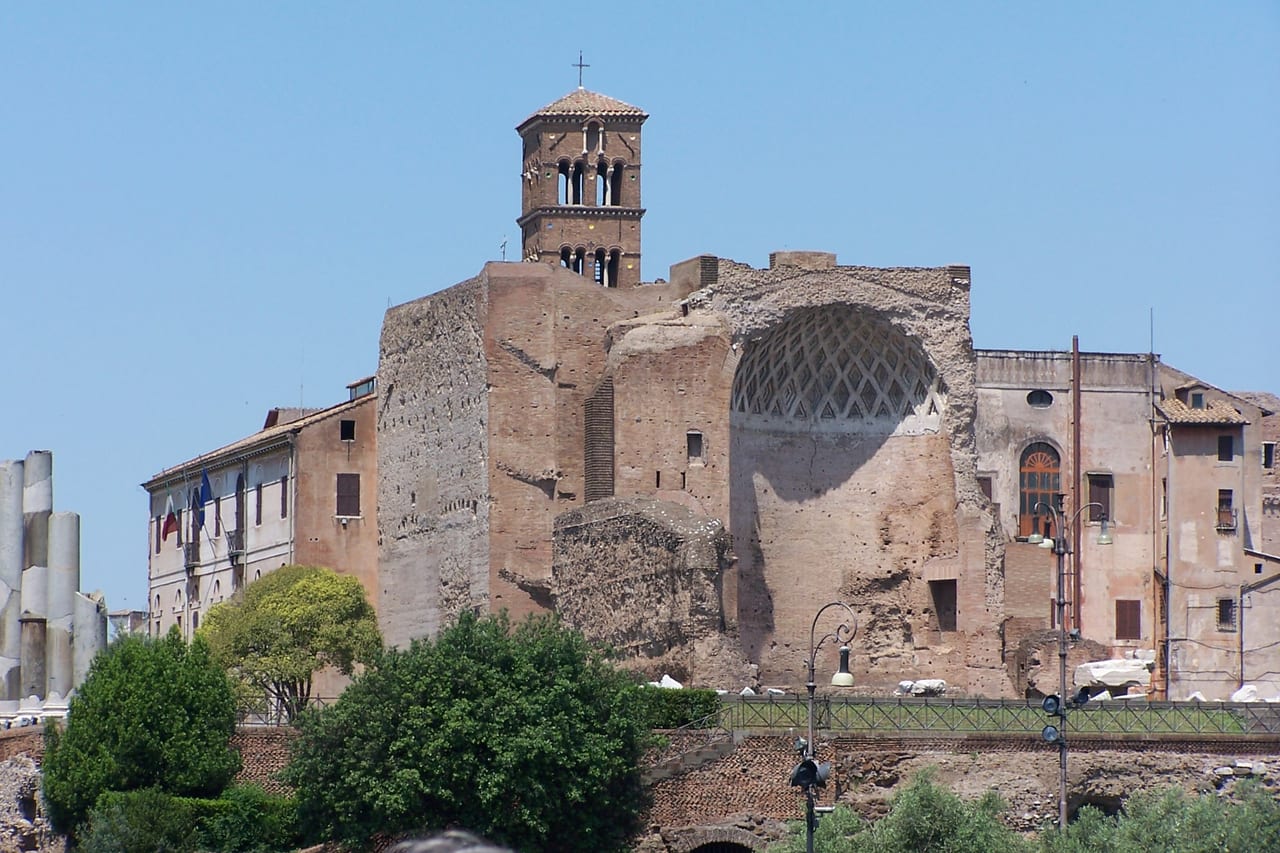
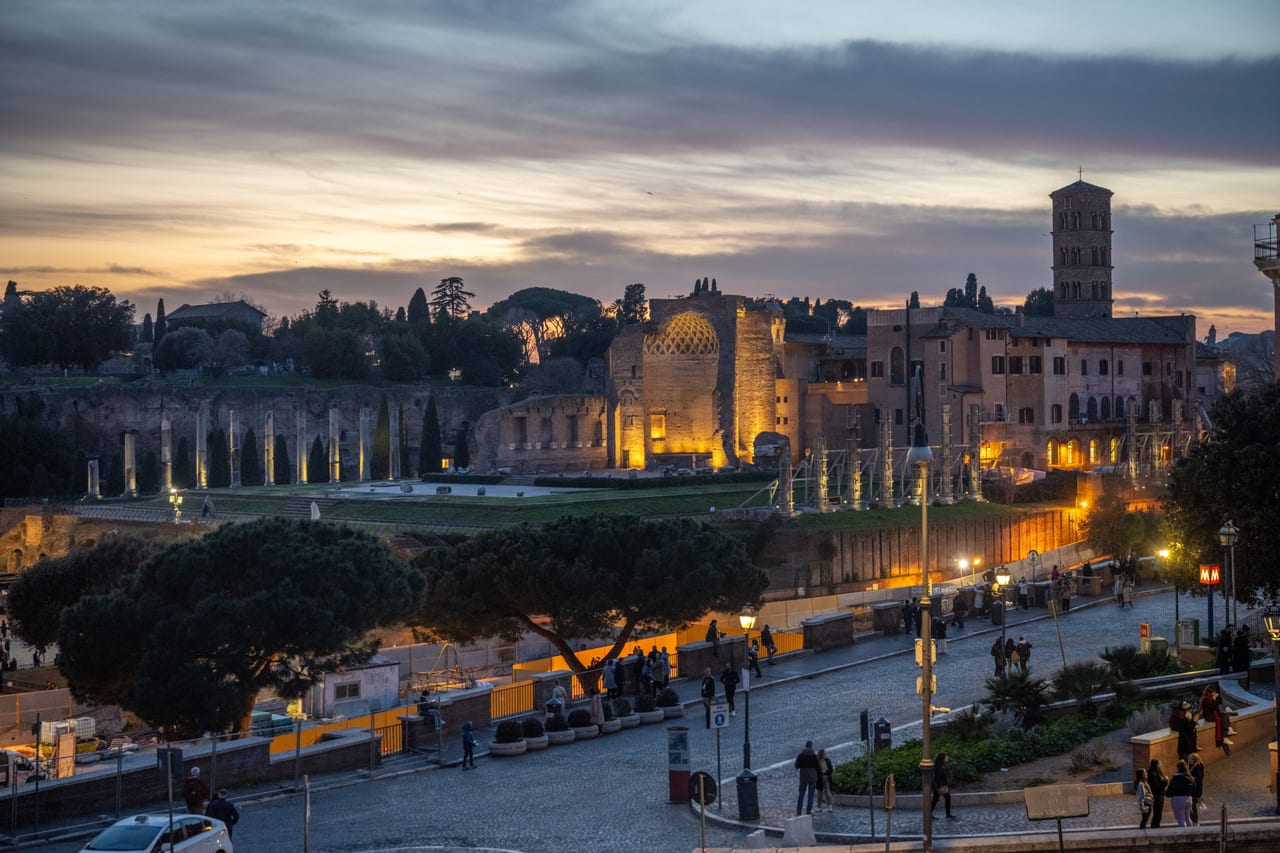
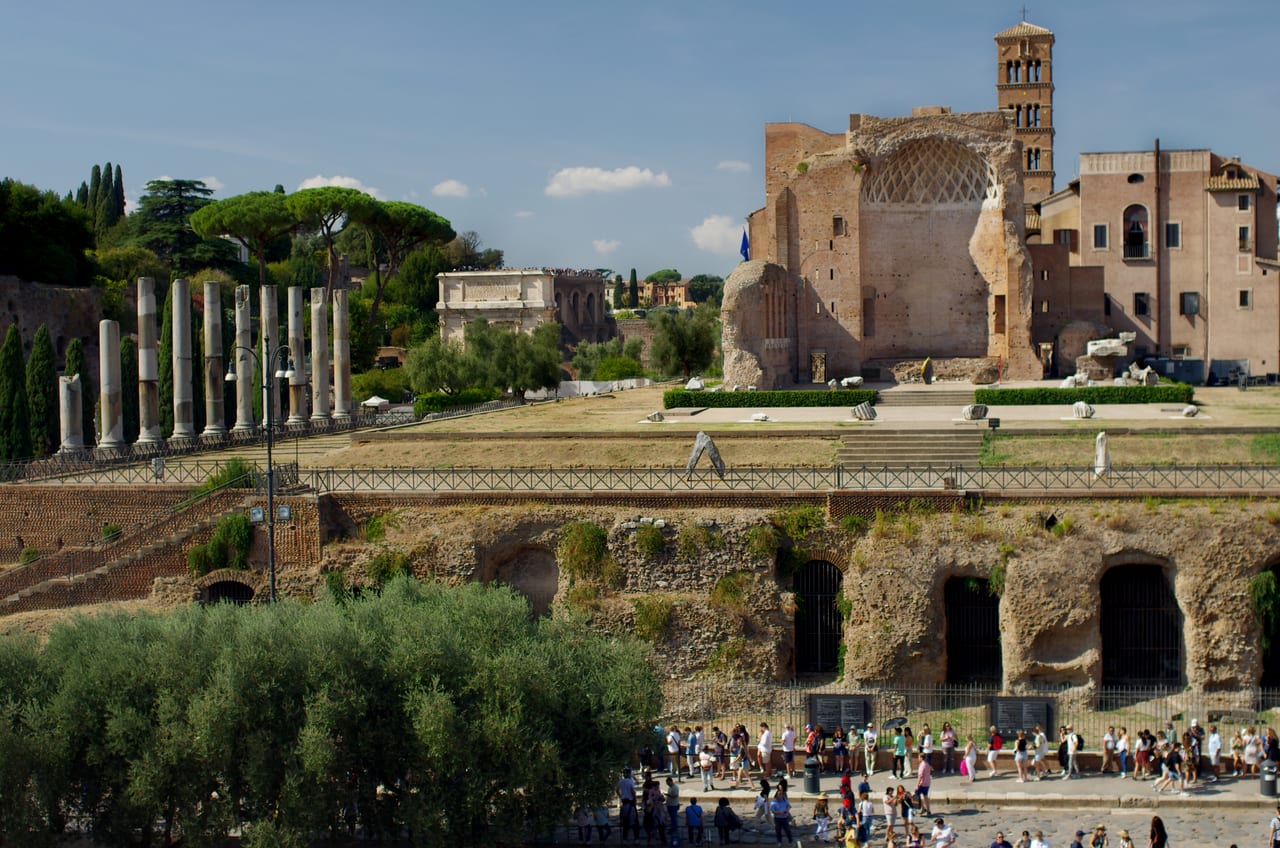
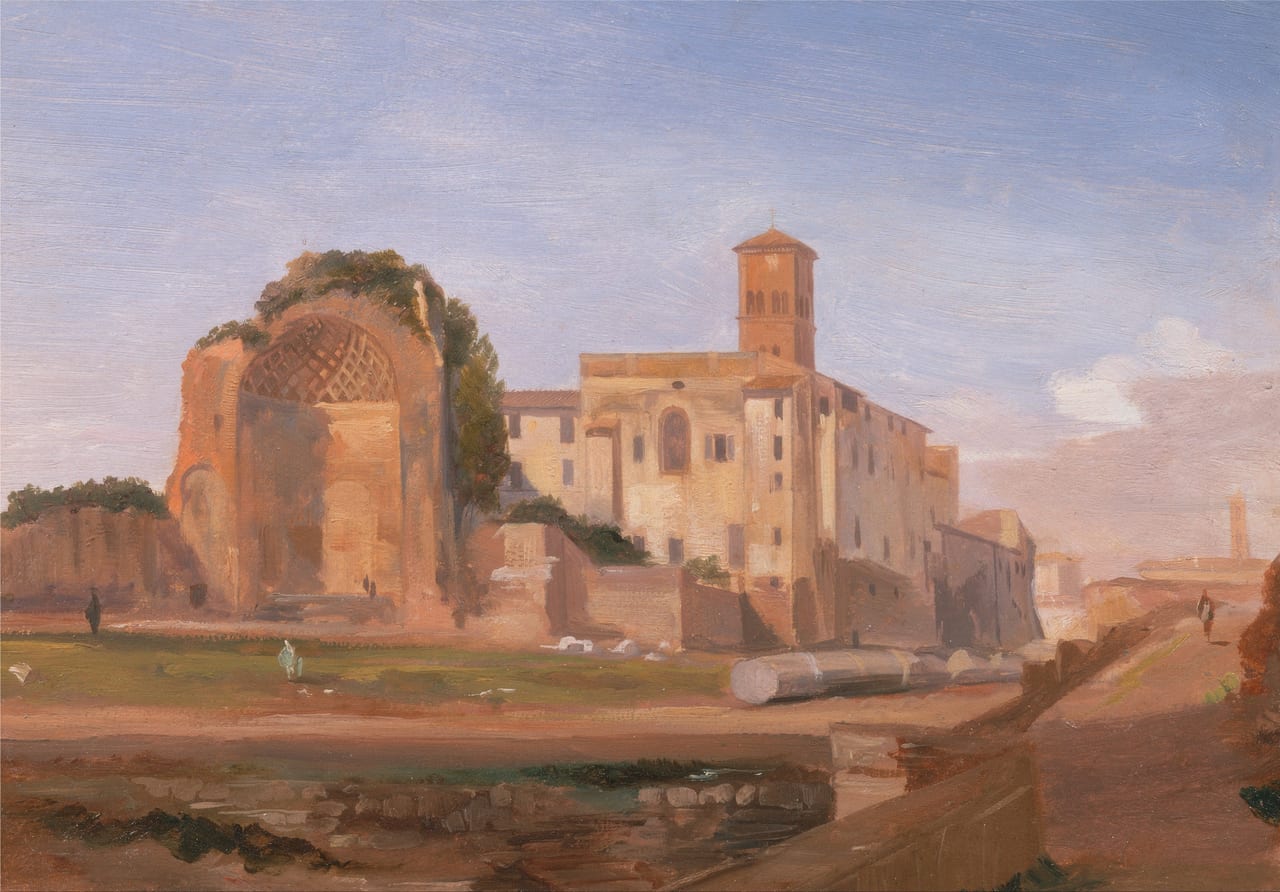
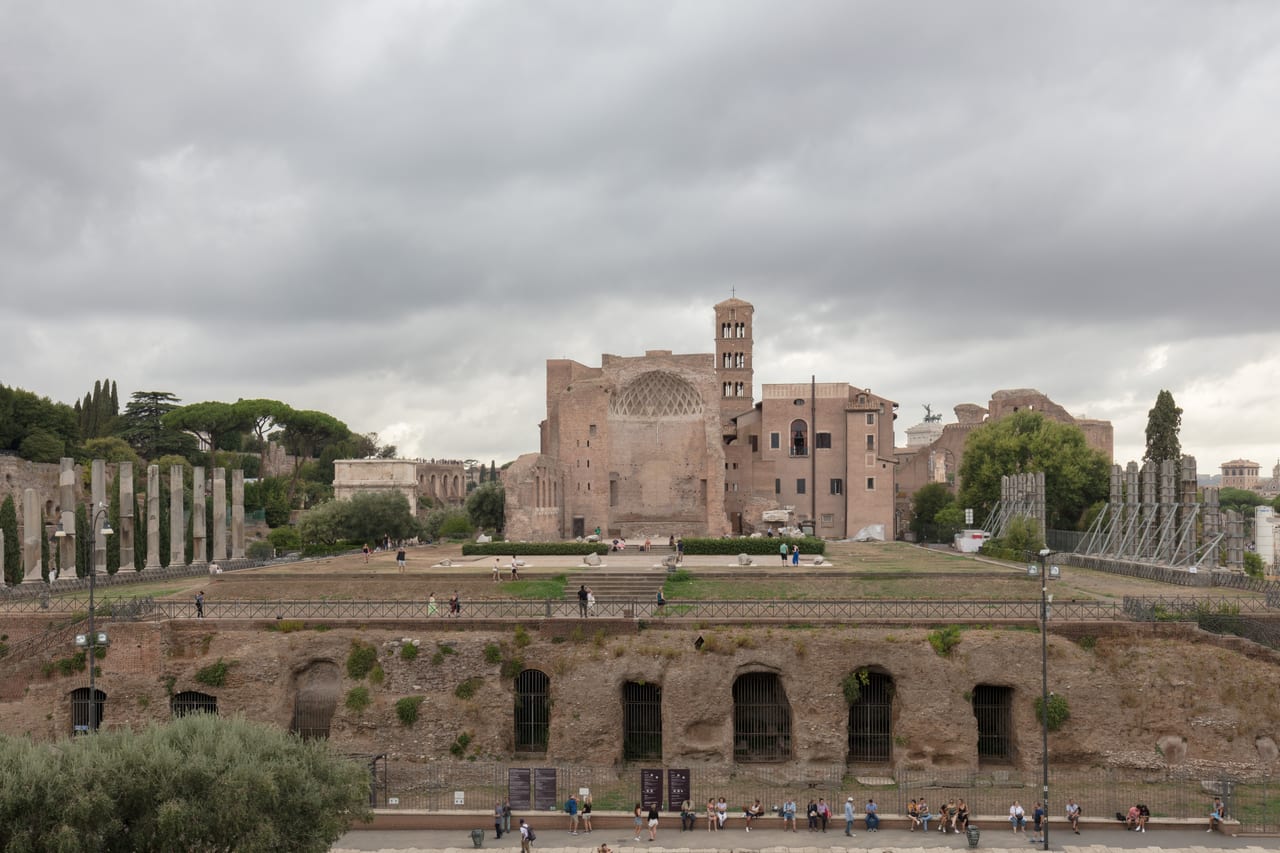
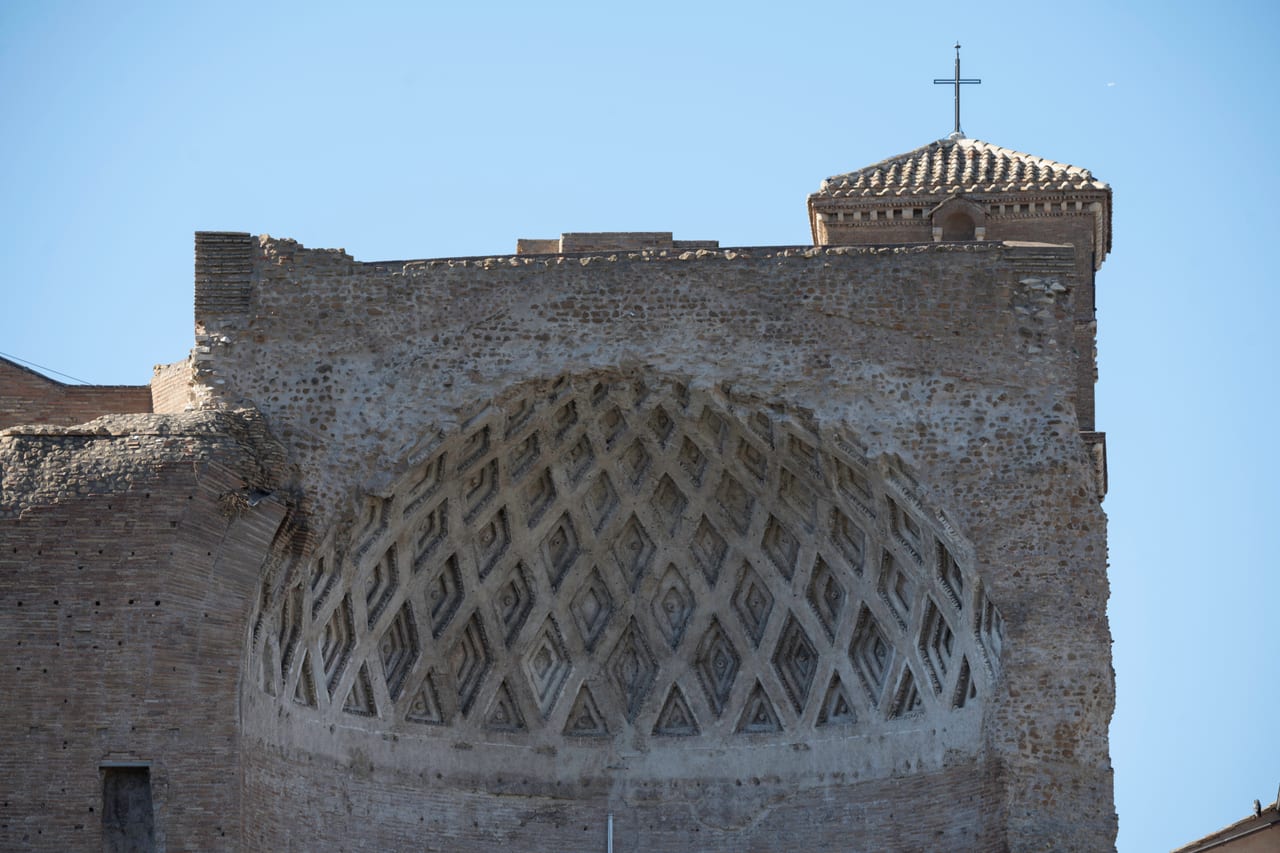
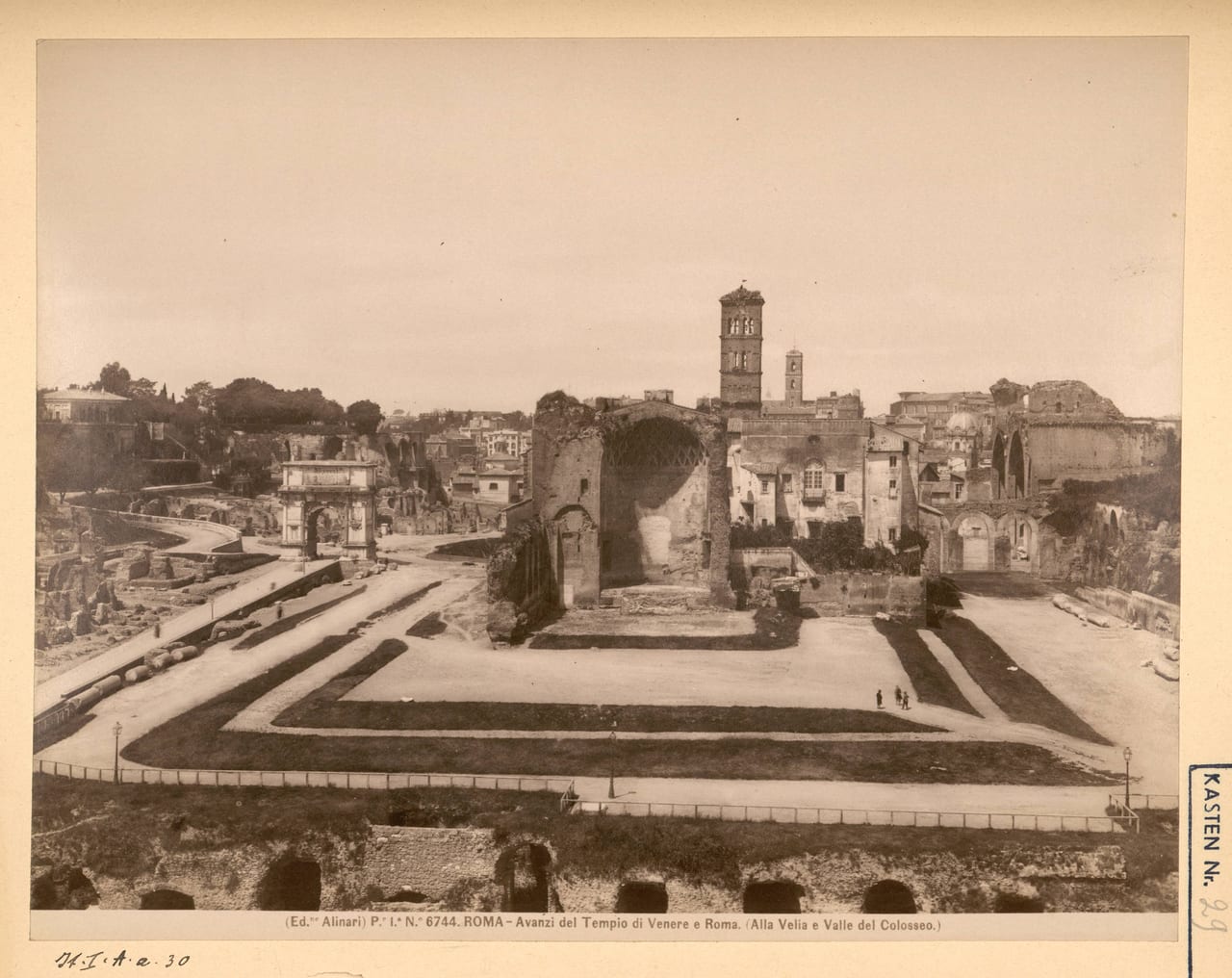
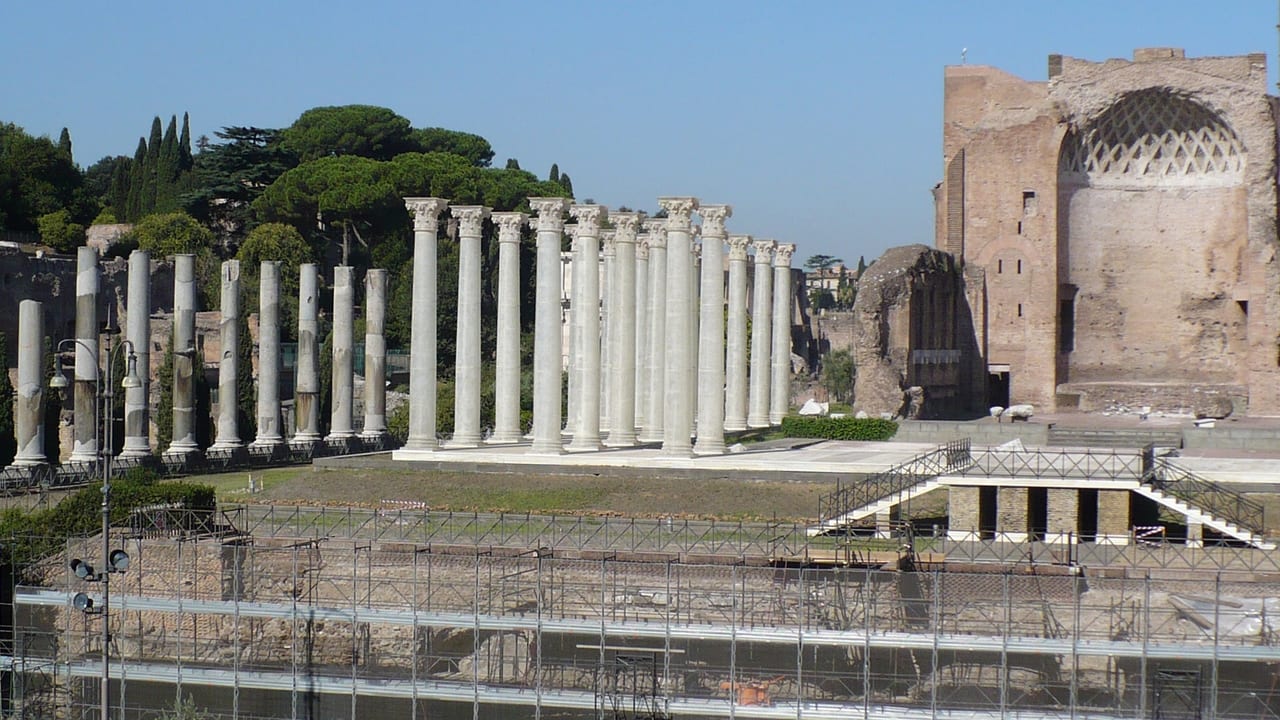
The temple occupied the former atrium of Nero’s Domus Aurea, where the emperor’s 35-metre bronze Colossus once stood. Hadrian moved the statue to honour the Sun god with the help of twenty-four elephants and designed the temple himself. Construction began in 121; Hadrian inaugurated it in 135, and Antoninus Pius completed it in 141. The architect Apollodorus of Damascus criticised the design and was executed for his boldness. A fire in 307 led to restoration under Maxentius, who added the surviving apses and vaults; another intervention took place under Eugenius between 392 and 394. In late antiquity, the sanctuary was known as the templum urbis and associated with the duodecemviri urbis Romae. Its bronze roof tiles were removed in 625 for Old Saint Peter’s, and an earthquake destroyed much of it in the ninth century. A general restoration in 1933–35 preceded its reopening to visitors in 2010.
At a glance
- Built
- 135
Ways to explore Temple of Venus and Roma
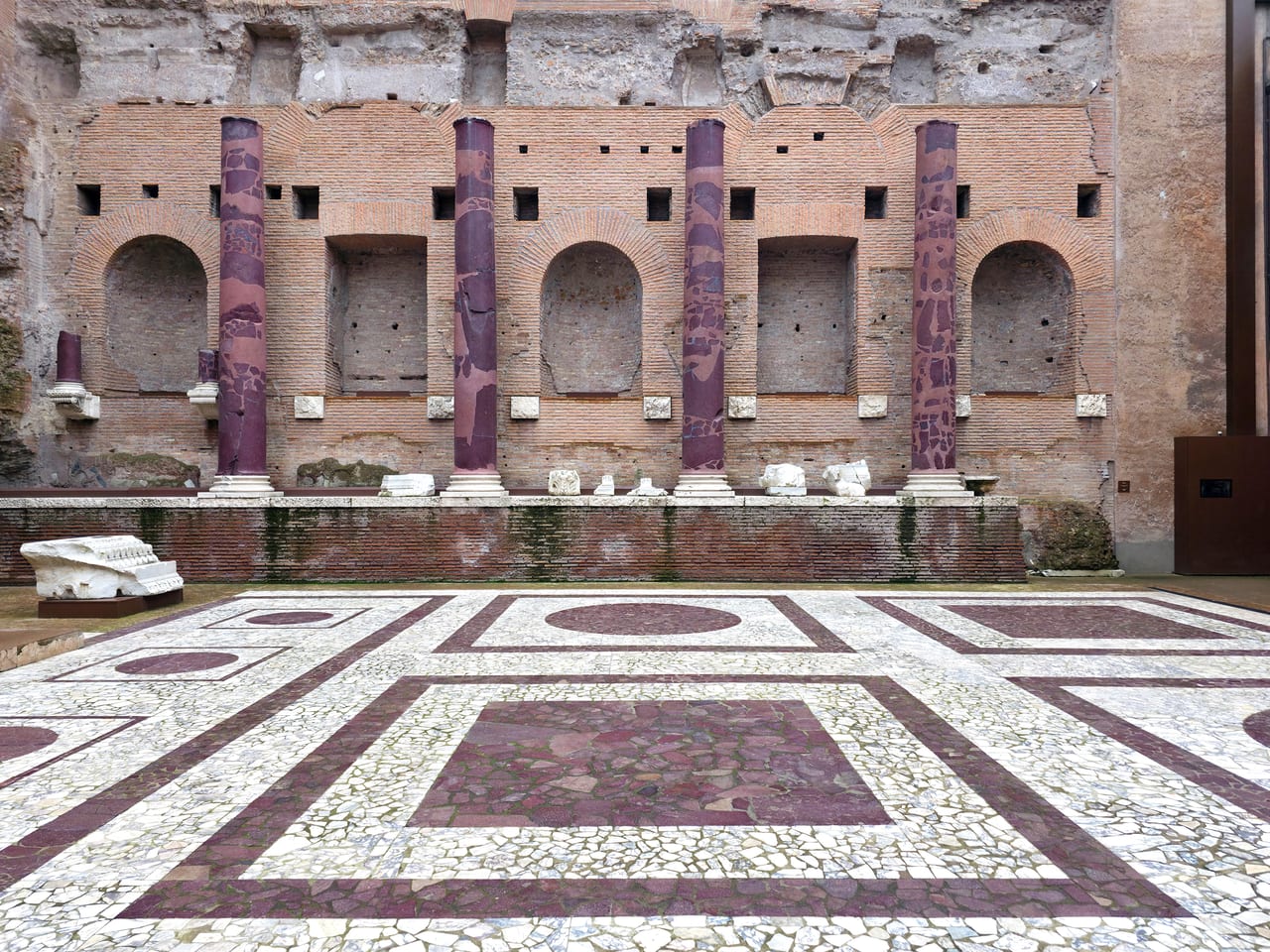
Read the surviving plan through the box hedges marking the vanished peristyle, and examine the granite columns recovered from the outer portico. In the western cell, now incorporated into the former convent of Santa Francesca Romana, look for the original floor, the brick statue base, porphyry columns and framed statue niches. The eastern cell is less complete but retains stucco in its apsidal basin. Archaeological soundings below the temple revealed a wealthy Republican-era house.
Places to stay near Temple of Venus and Roma

Live availability and prices from Stay22's partners, refreshed periodically and subject to change. Booking through these links may earn us a commission at no extra cost to you. See our privacy policy.
Cafés near Temple of Venus and Roma
Cafés near Temple of Venus and Roma loads as you scroll.
Attractions nearby
Attractions near Temple of Venus and Roma loads as you scroll.
Cities nearby
Cities nearby loads as you scroll.
More in Rome
See more of Rome.
Find great cafés, places to stay and other interesting places to visit in Rome.