Ancient site · Rome
Temple of Minerva Medica
DirectionsA ten-sided Roman nymphaeum once crowned by a 33-metre dome, the Temple of Minerva Medica marks a bold passage from imperial spectacle toward Byzantine church architecture.
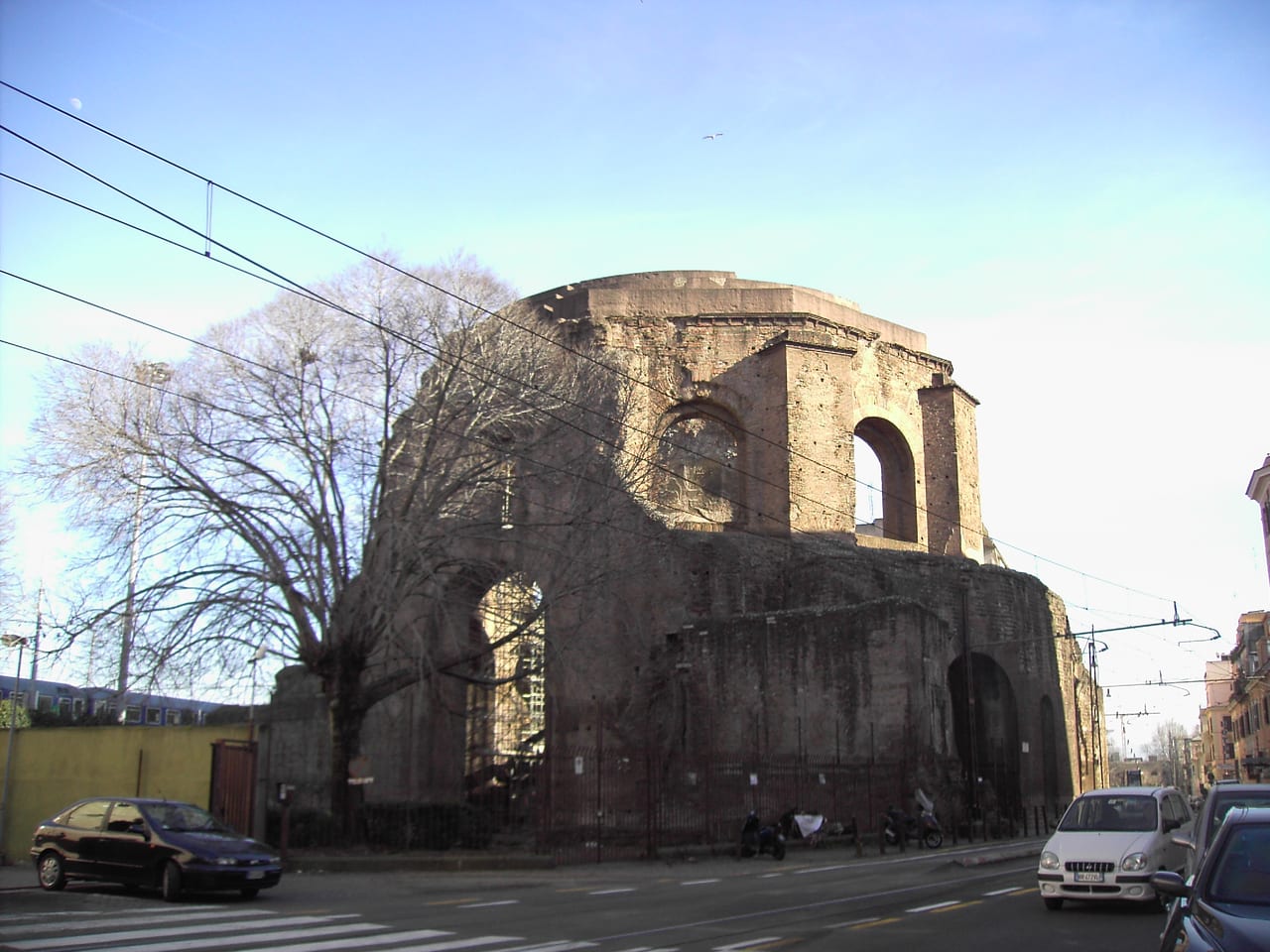
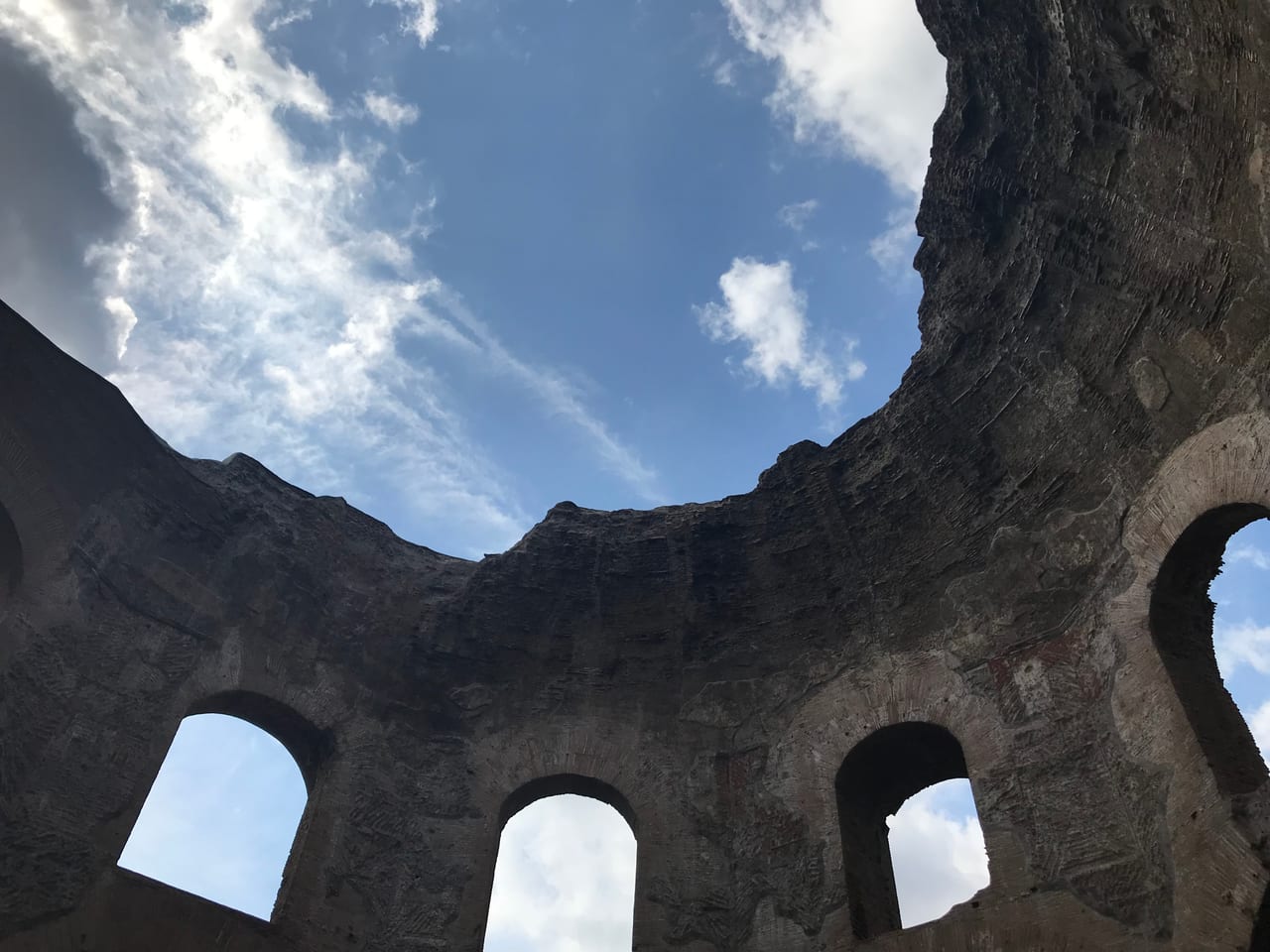
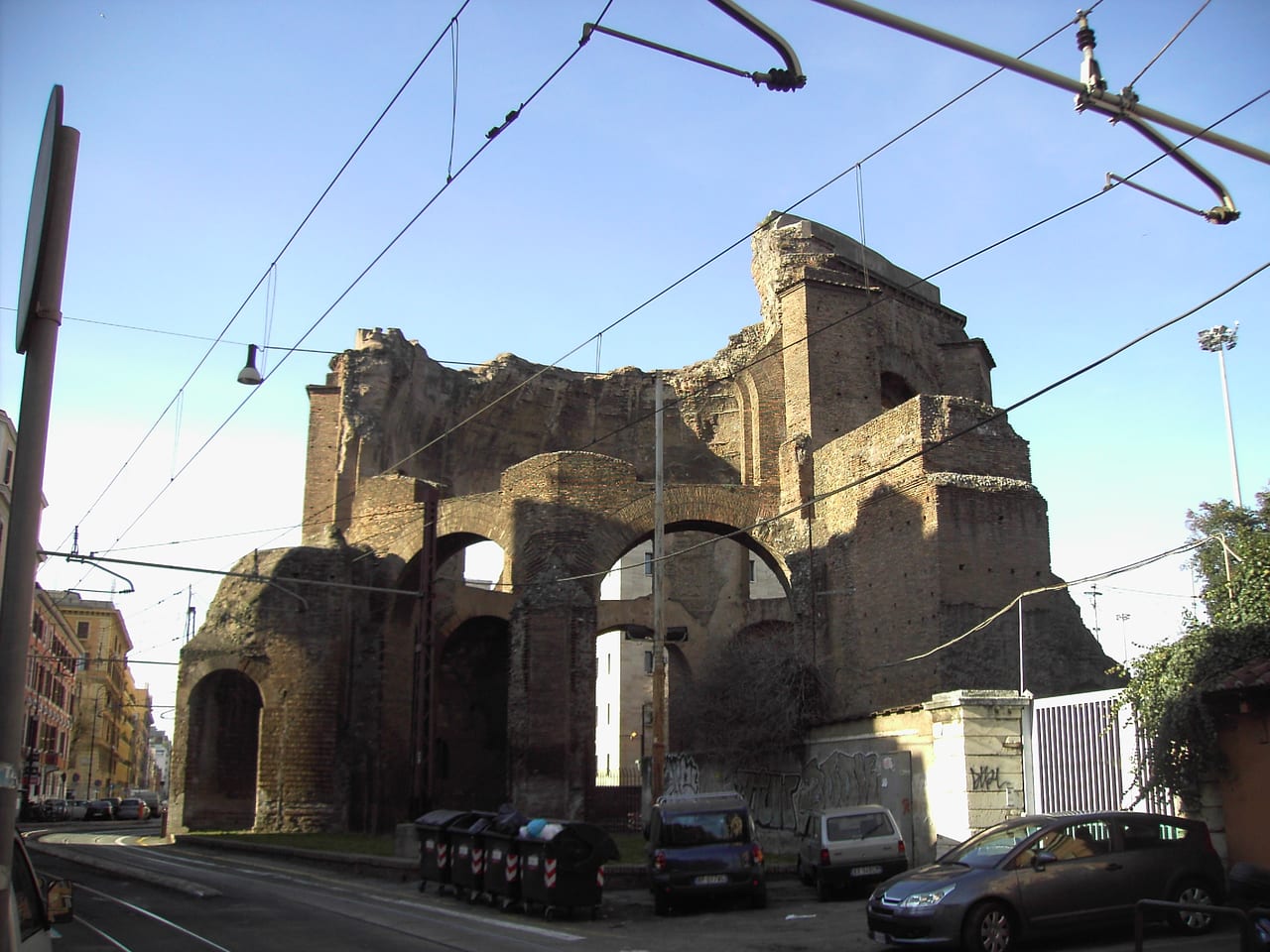
Photograph 1 of 3 of Temple of Minerva Medica
Dating from the late 3rd or early 4th century CE, this ruined nymphaeum once belonged to the Horti Liciniani on the Esquiline. It stood between the Via Labicana and the Aurelian Walls, just inside the line of the Anio Vetus, and now faces Via Giolitti. Its traditional identification as a temple to Minerva Medica—the “Minerva the Doctor” mentioned by Cicero and other writers—is unsupported: neither ancient literature nor inscriptions mention the building. The decagonal structure is in opus latericium, with a central hall measuring approximately 24 metres across. Nine niches flank the entrance, with ten corresponding round-arched windows above them; later chambers were added around three sides. Marble once covered both the interior and exterior. A similar building appeared in Cologne roughly 50 years later and forms the central part of today’s St Gereon’s Basilica. The monument is protected as Italian national heritage.
At a glance
- Heritage
- Italian national heritage
Ways to explore Temple of Minerva Medica
From Via Giolitti, study the surviving brickwork and the building’s unusually broad central volume. Note the sequence of entrance niches and the round-arched windows above them, then trace the later chambers wrapped around three sides. The exposed masonry makes the contrast between the original marble finish and the present ruin especially legible. Its scale is best appreciated by comparing the openings with the surrounding walls.
Places to stay near Temple of Minerva Medica

Live availability and prices from Stay22's partners, refreshed periodically and subject to change. Booking through these links may earn us a commission at no extra cost to you. See our privacy policy.
Cafés near Temple of Minerva Medica
Cafés near Temple of Minerva Medica loads as you scroll.
Attractions nearby
Attractions near Temple of Minerva Medica loads as you scroll.
Cities nearby
Cities nearby loads as you scroll.
More in Rome
See more of Rome.
Find great cafés, places to stay and other interesting places to visit in Rome.