Ancient site · Rome
Temple of Castor and Pollux
DirectionsAn archaeological site in Rome, built around 496.
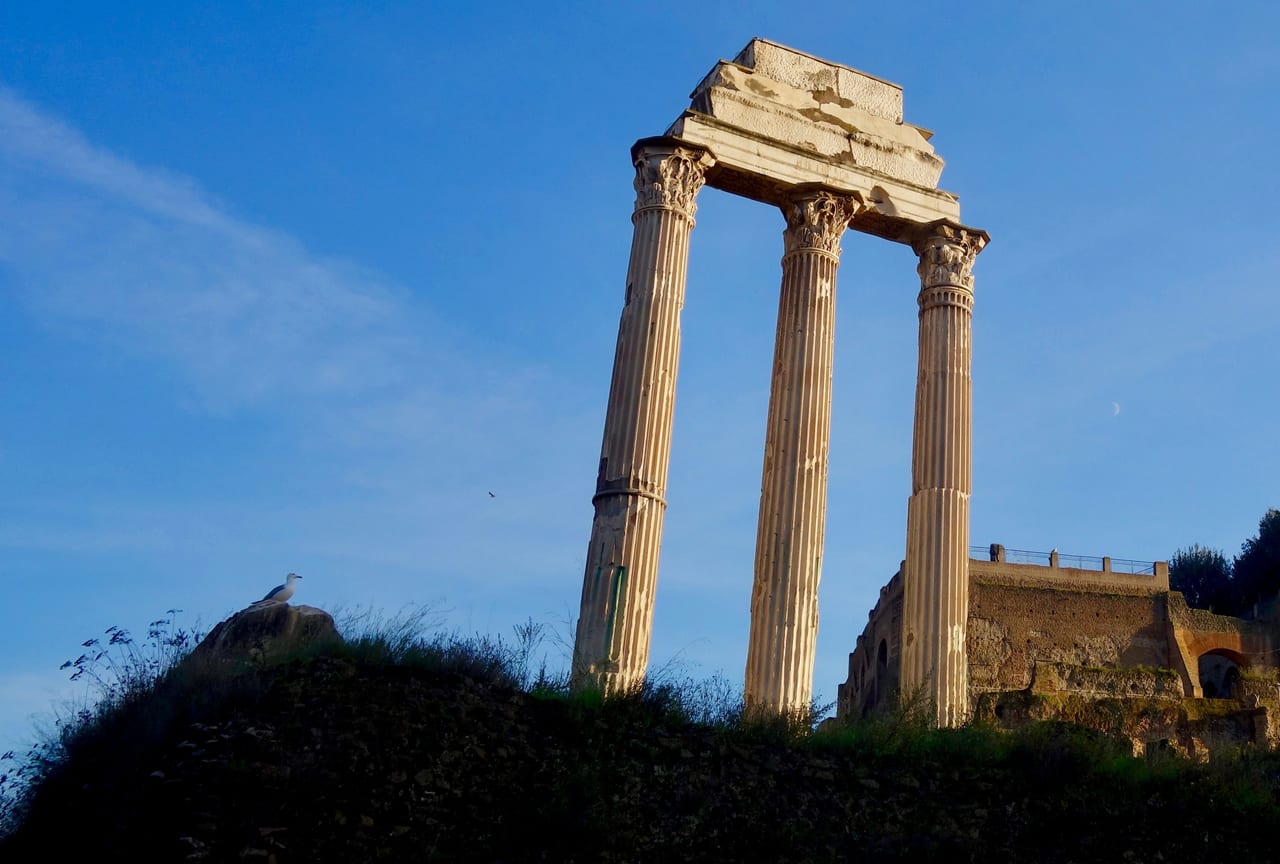
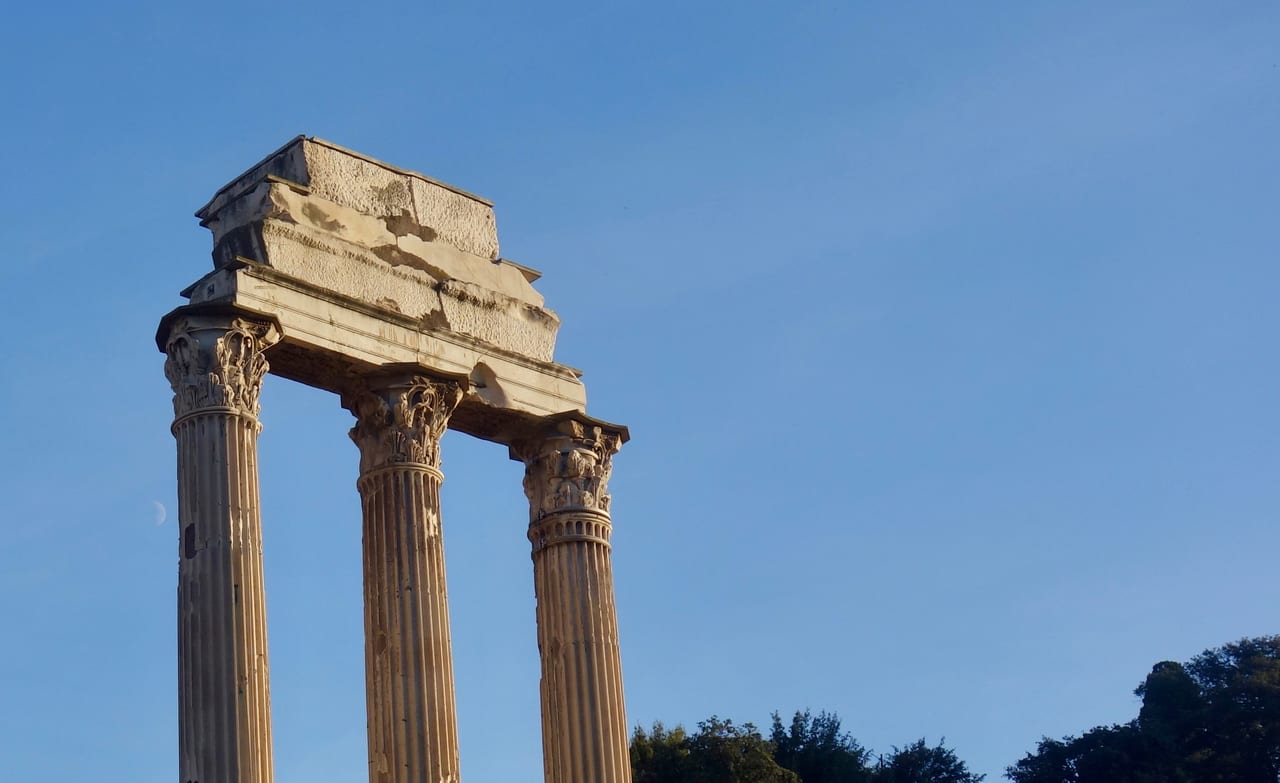
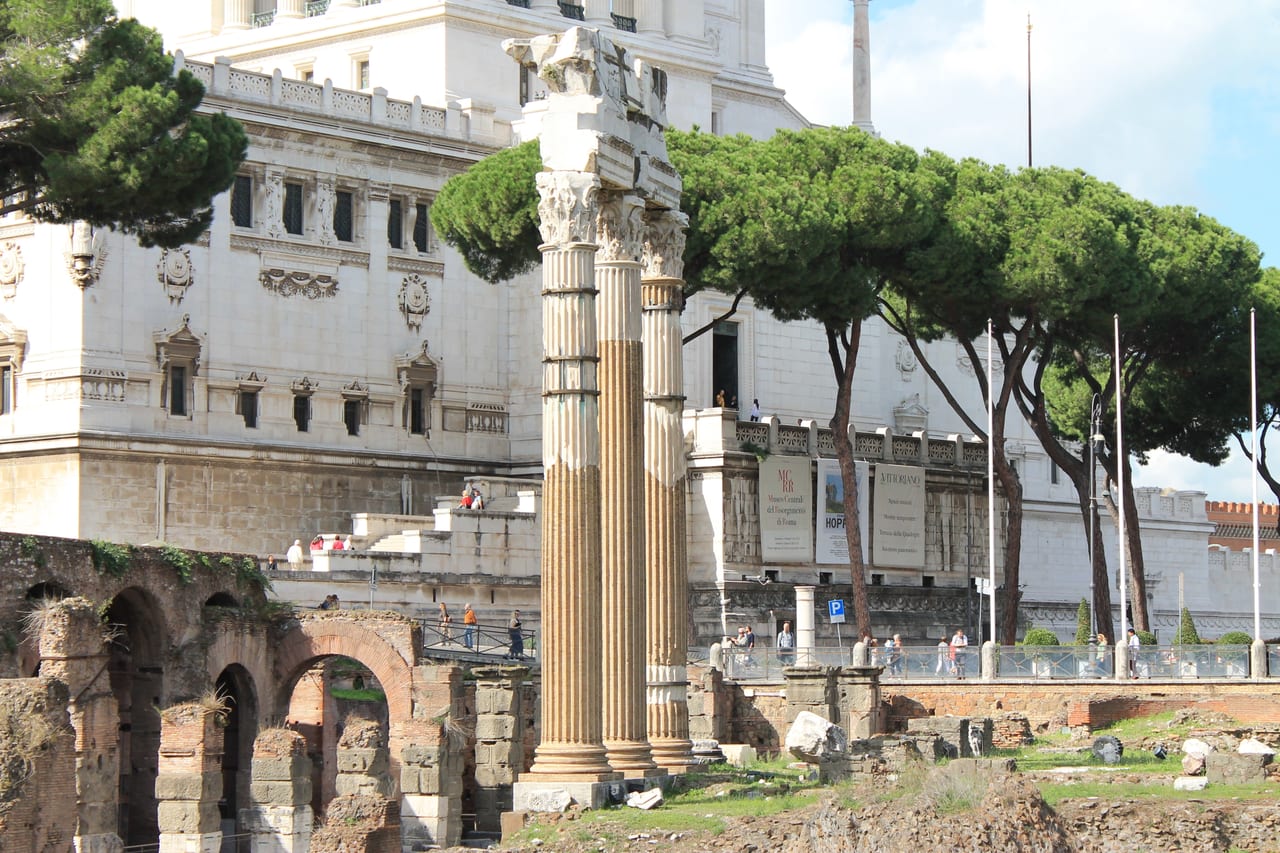
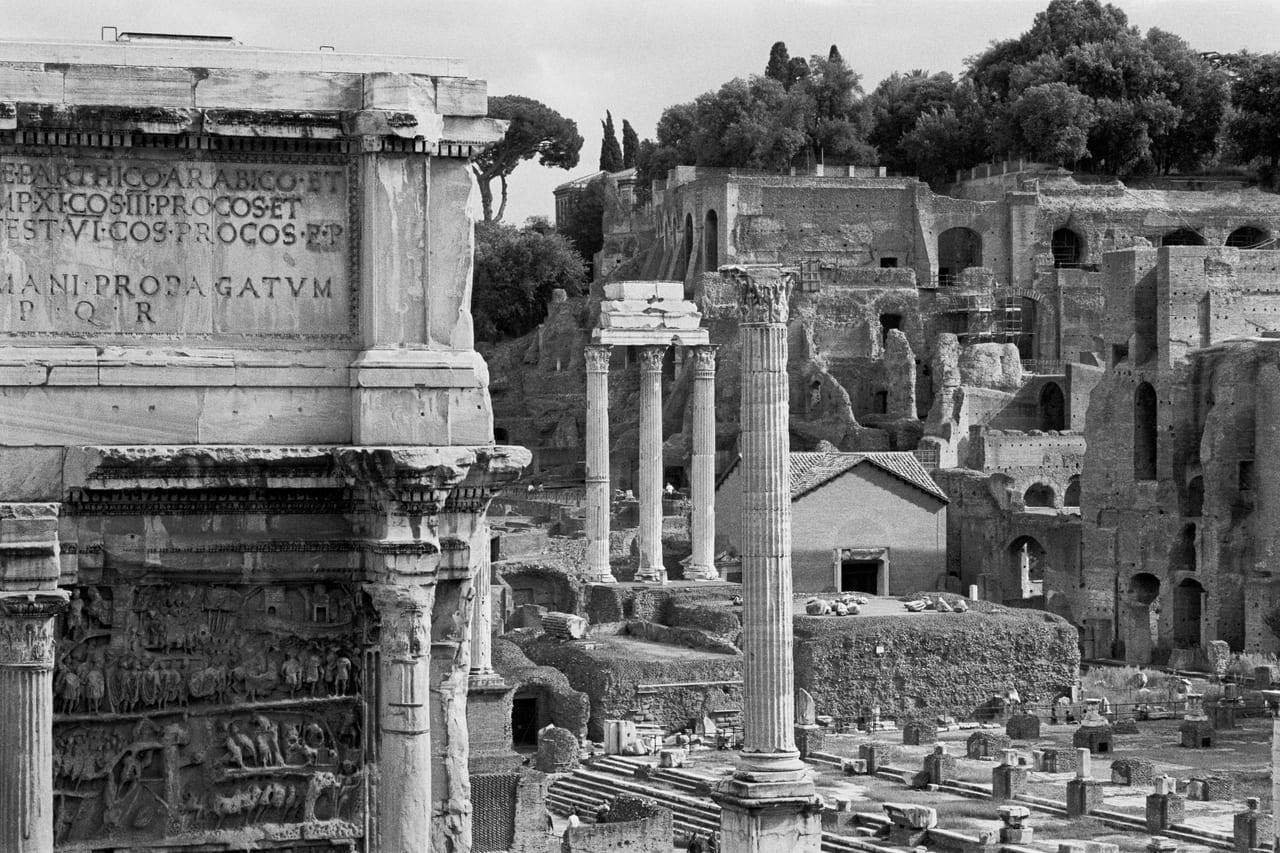
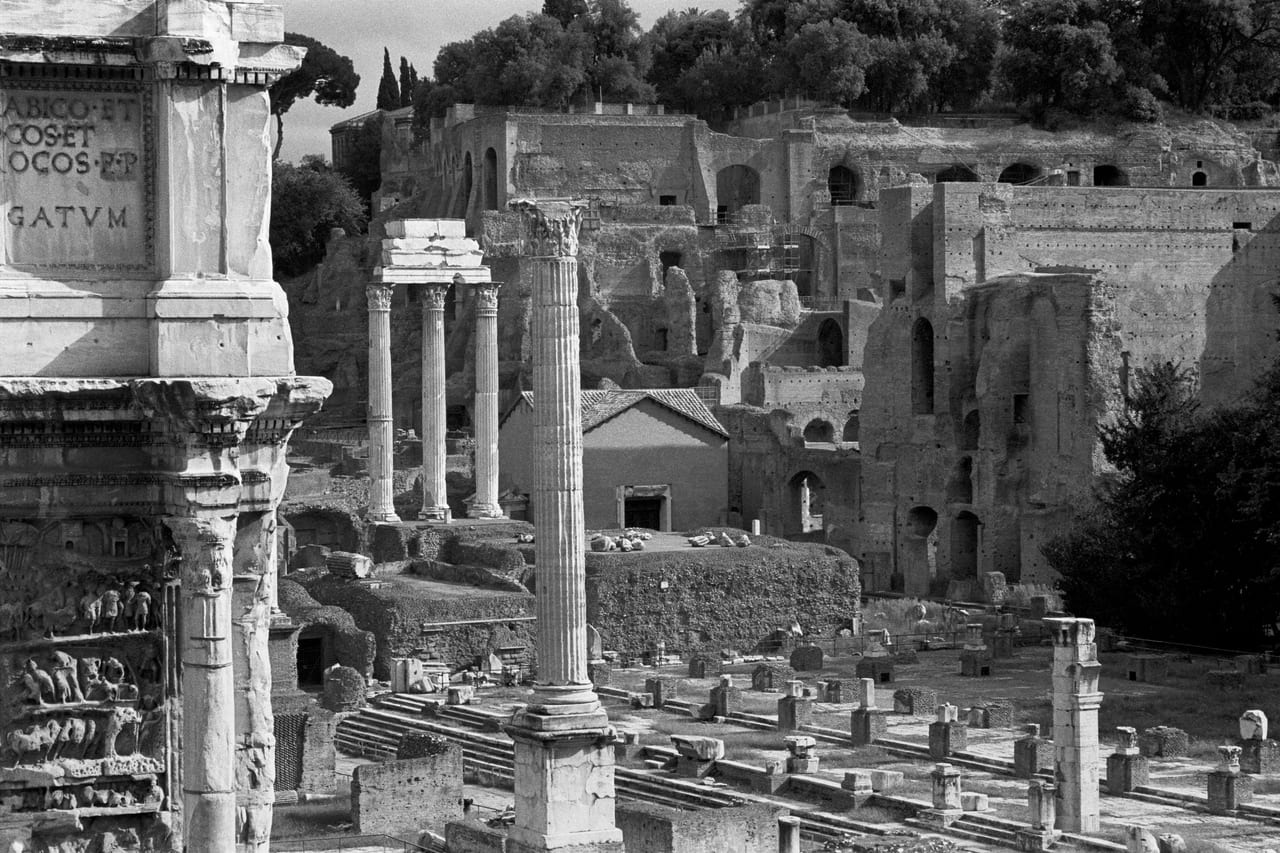
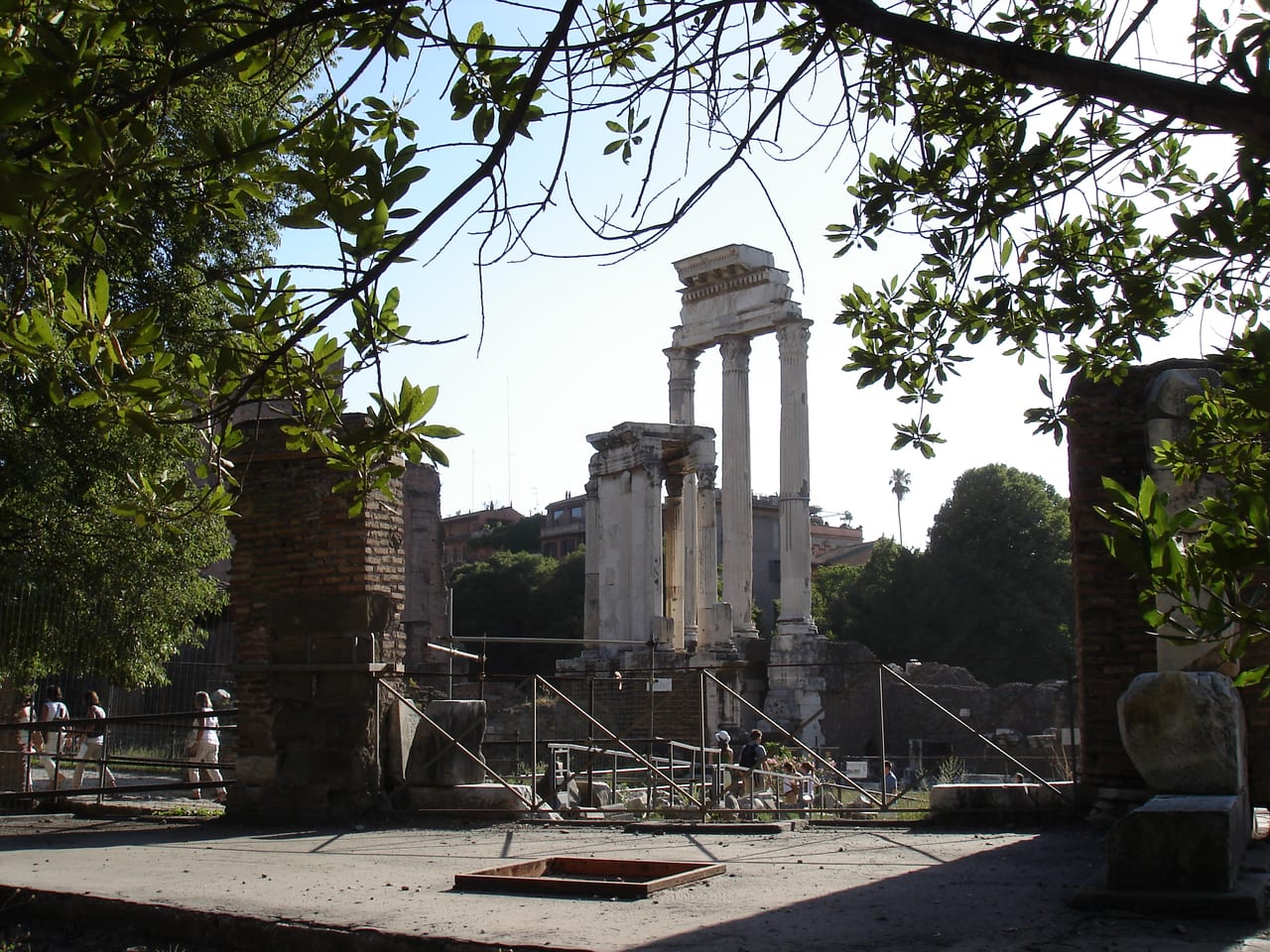
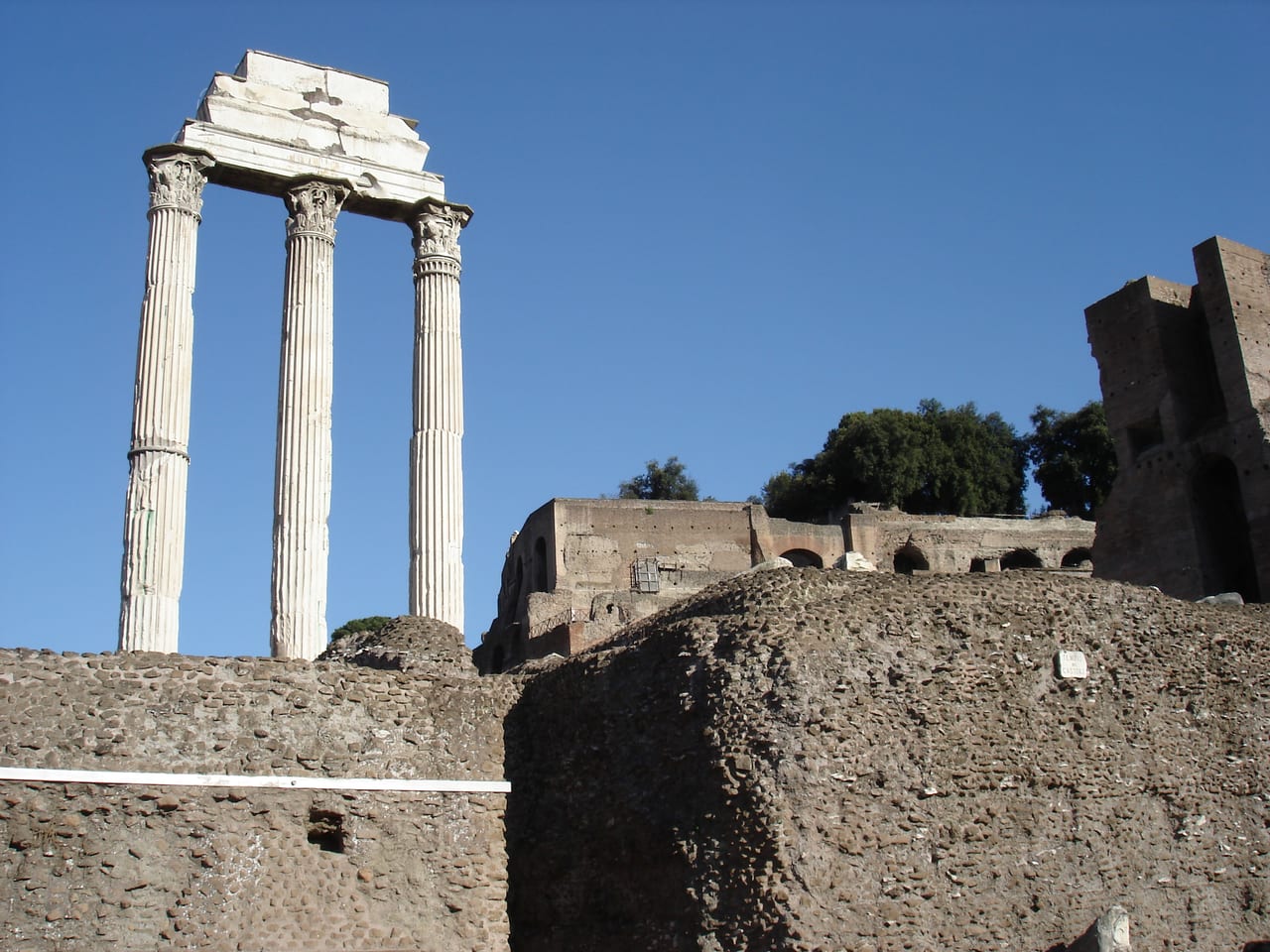
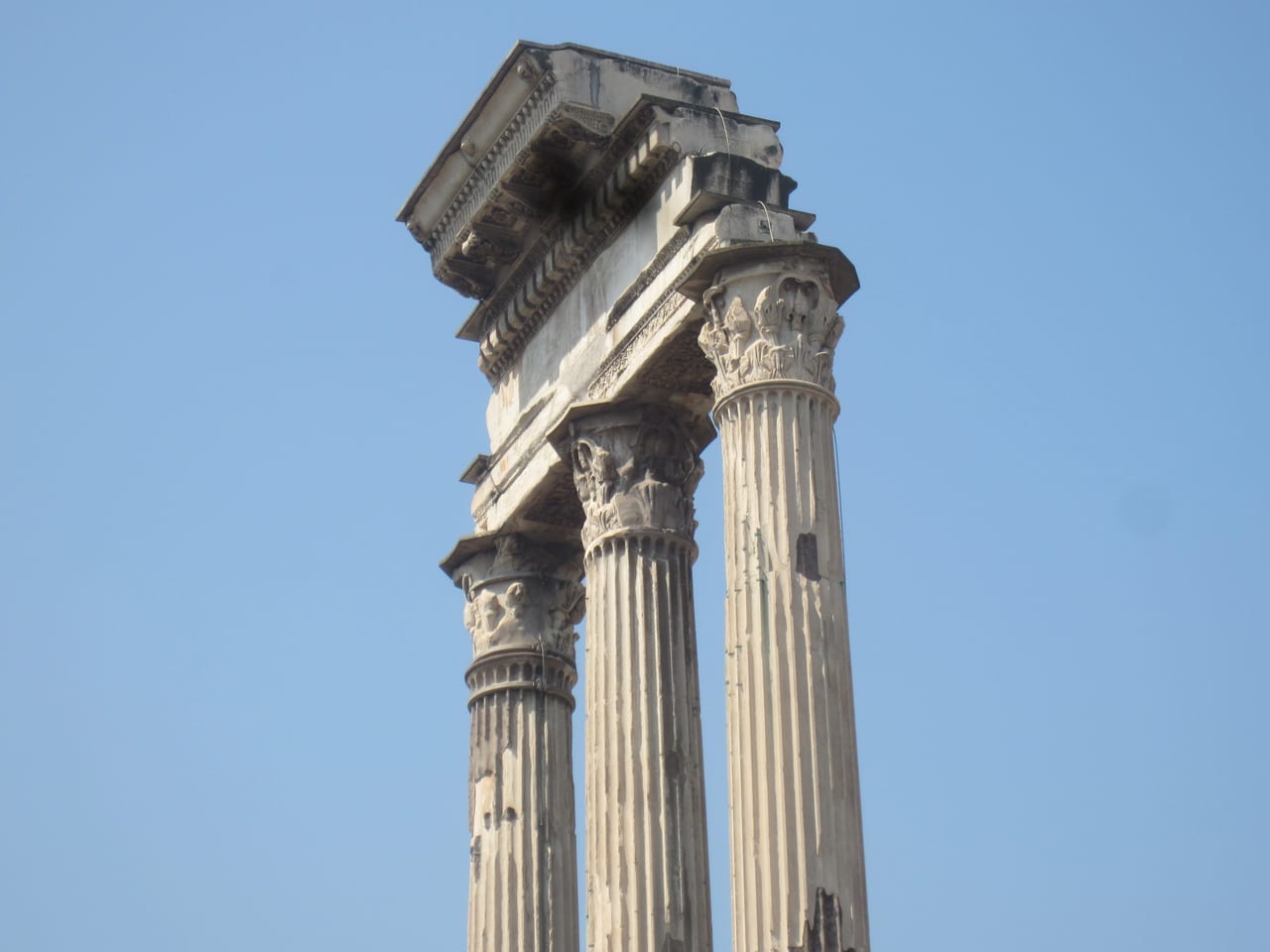
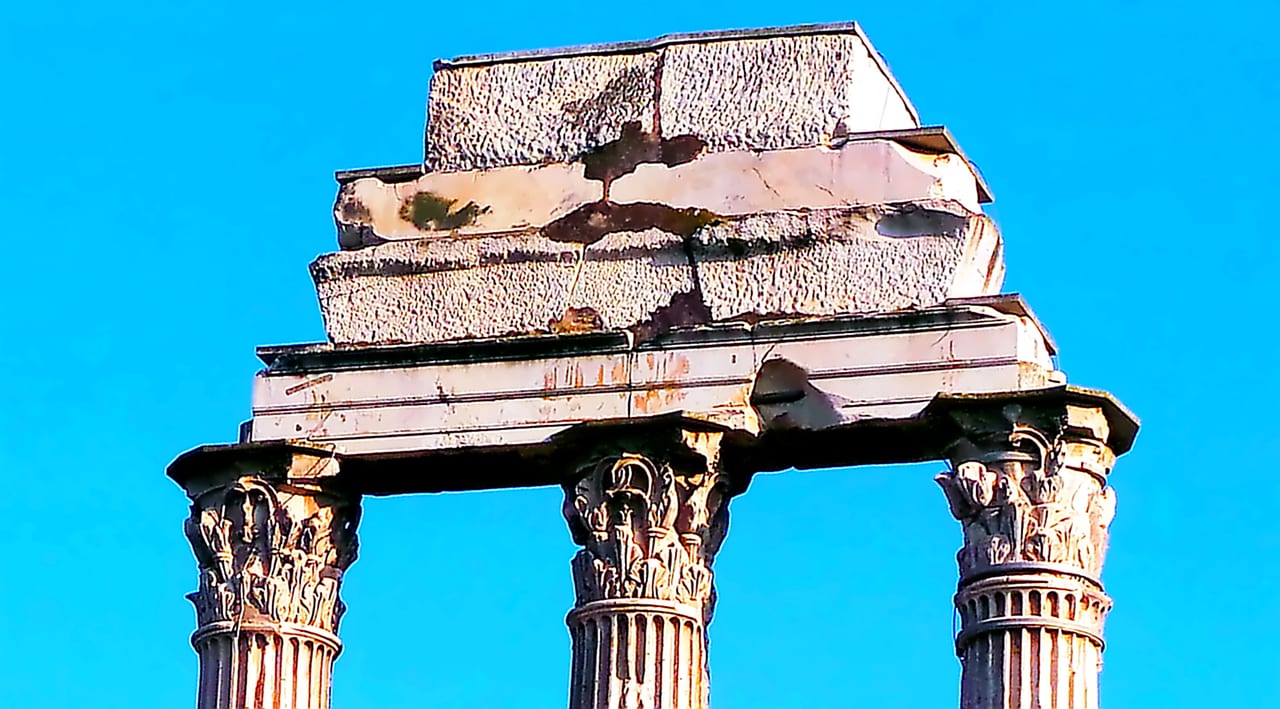
Photograph 1 of 17 of Temple of Castor and Pollux
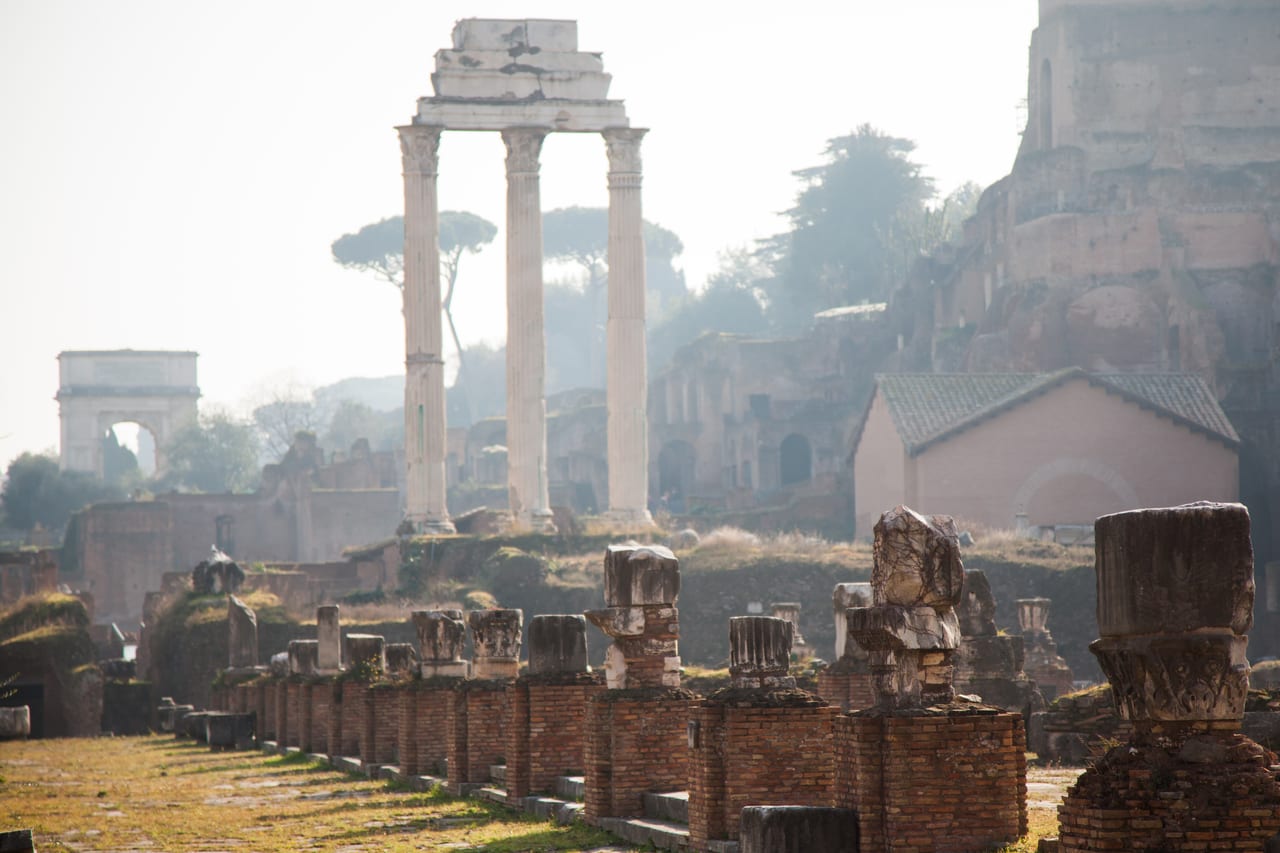
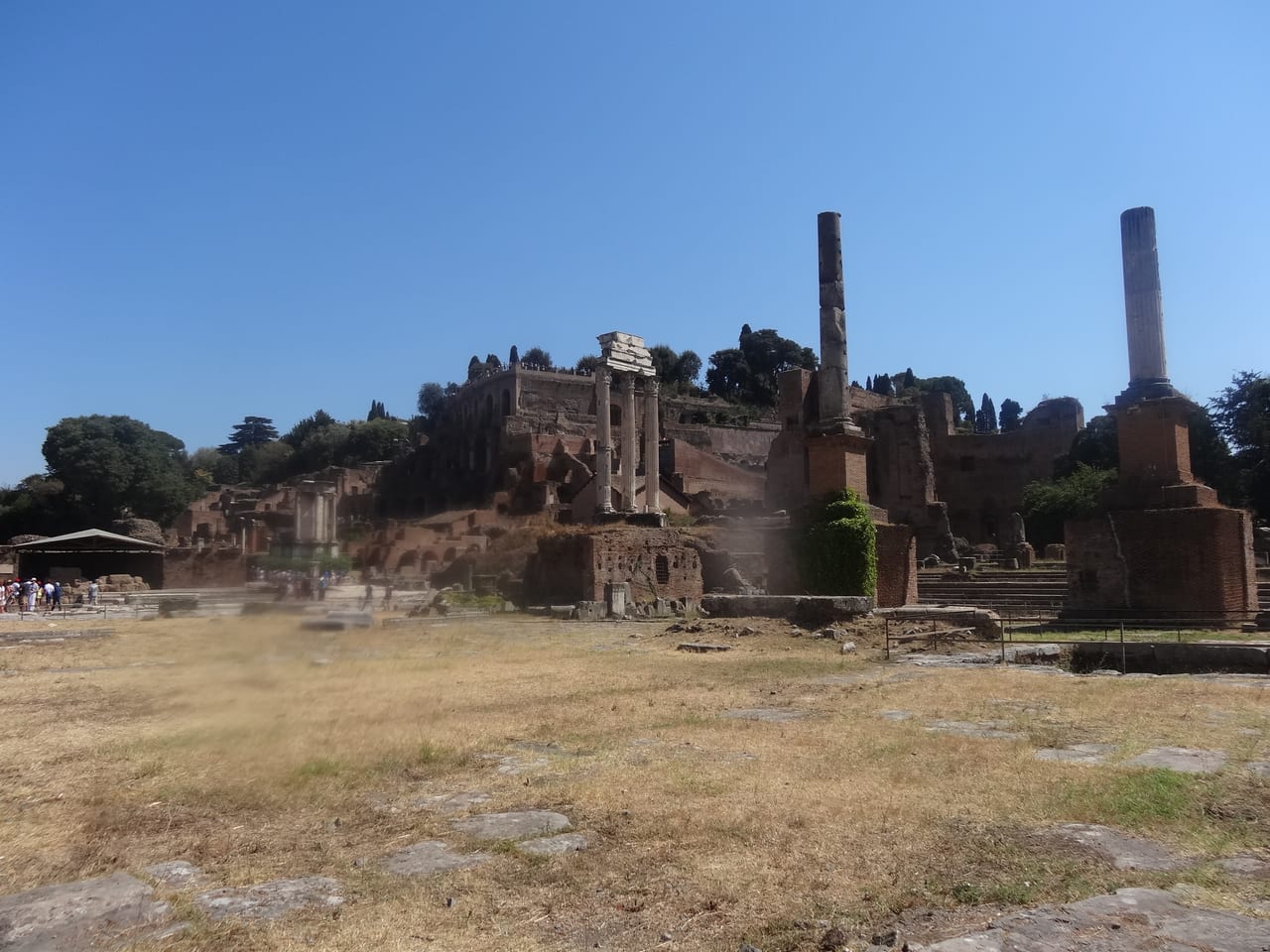
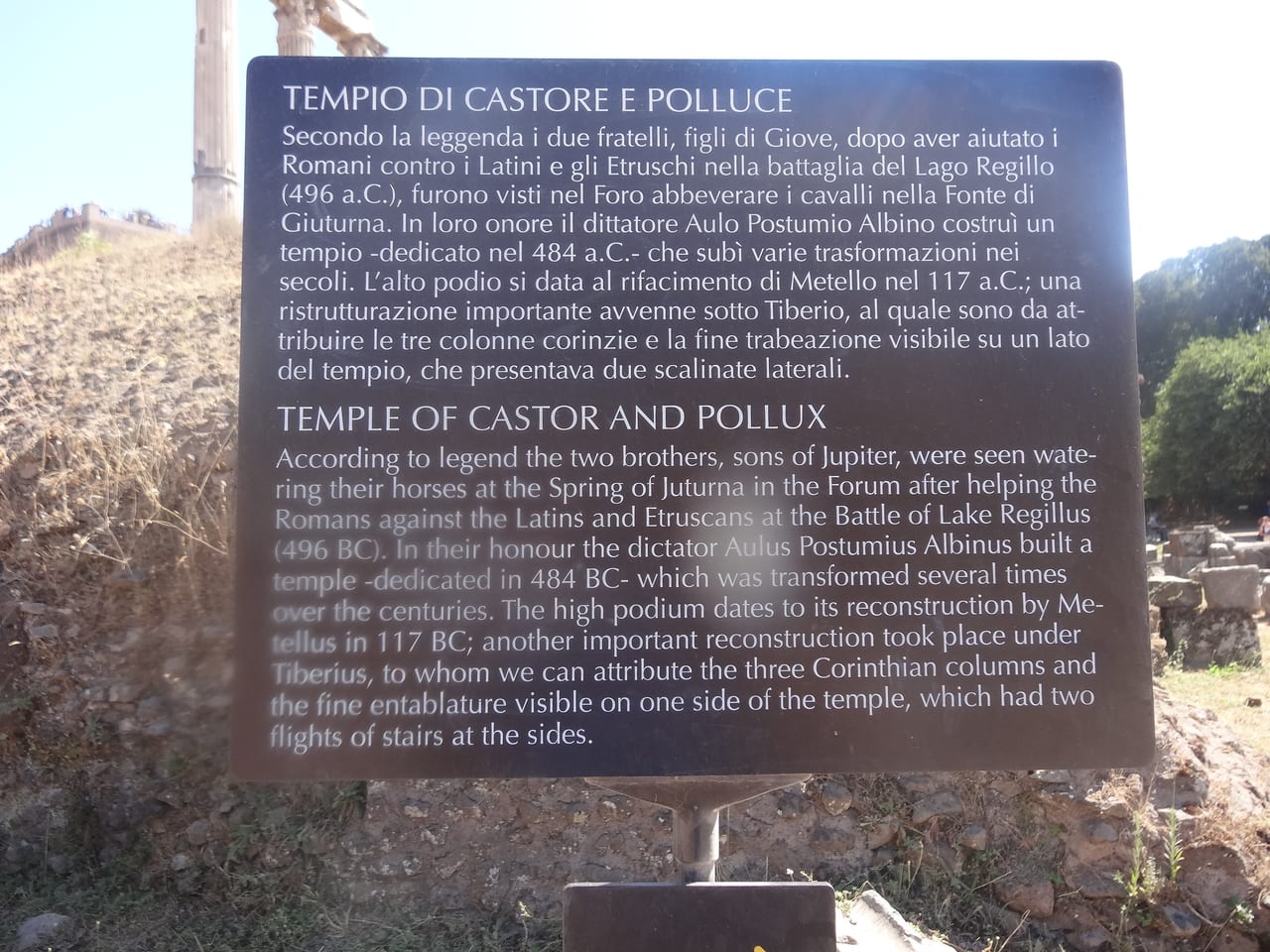
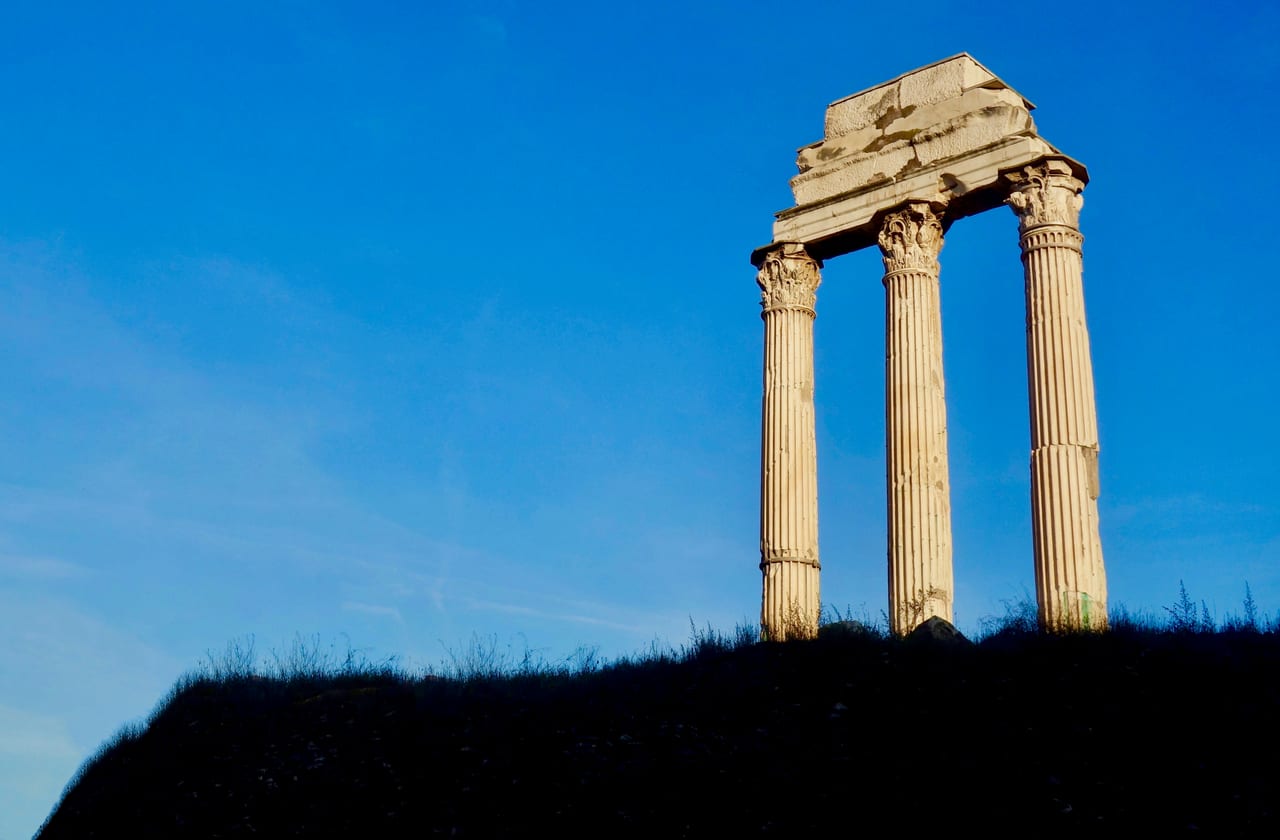
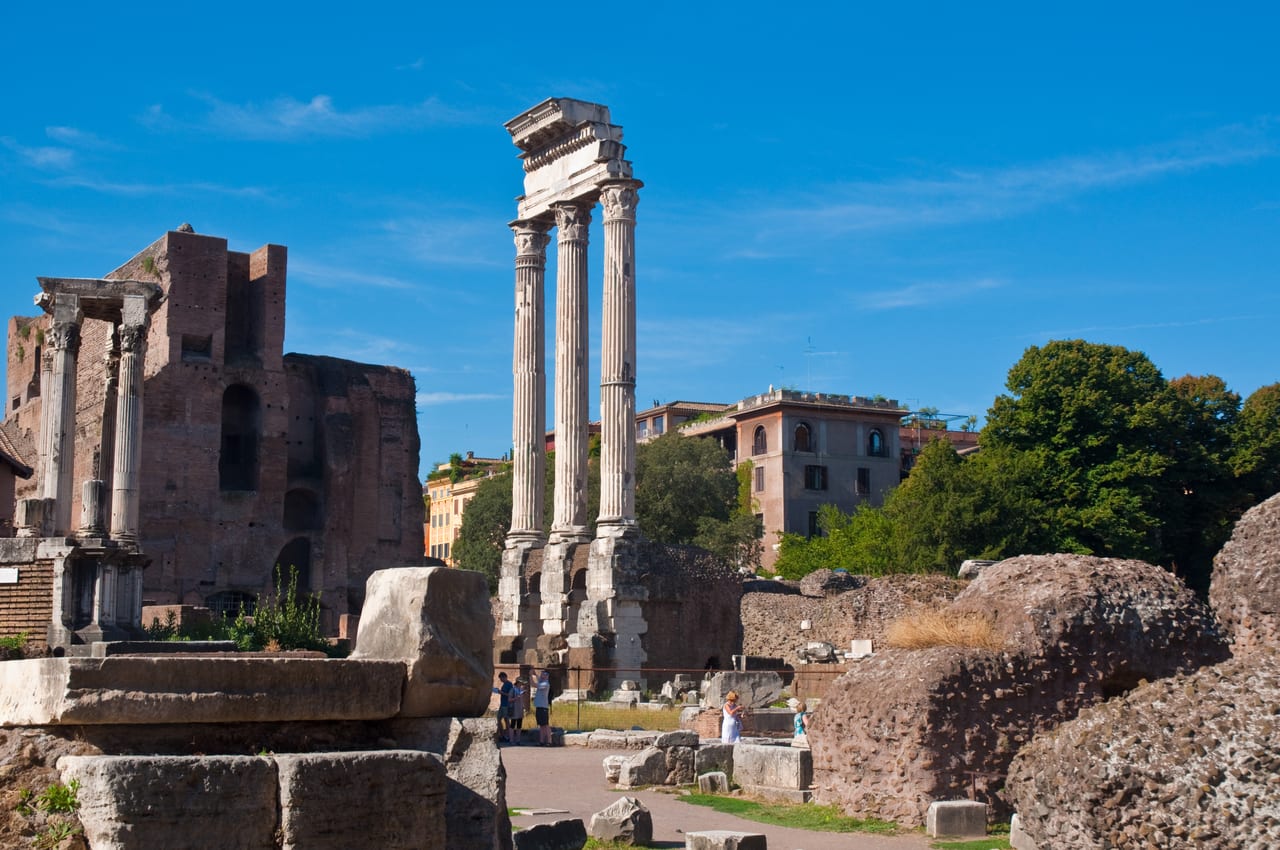
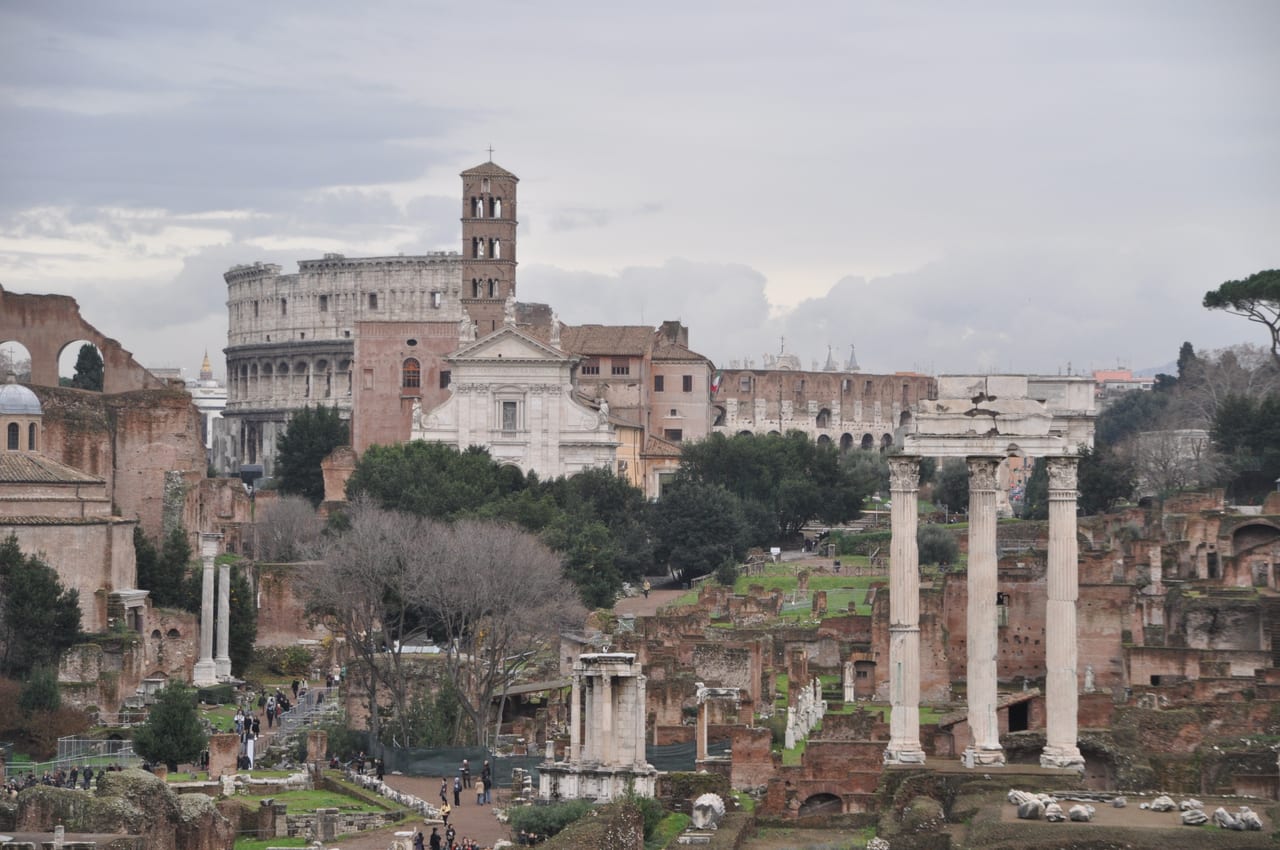
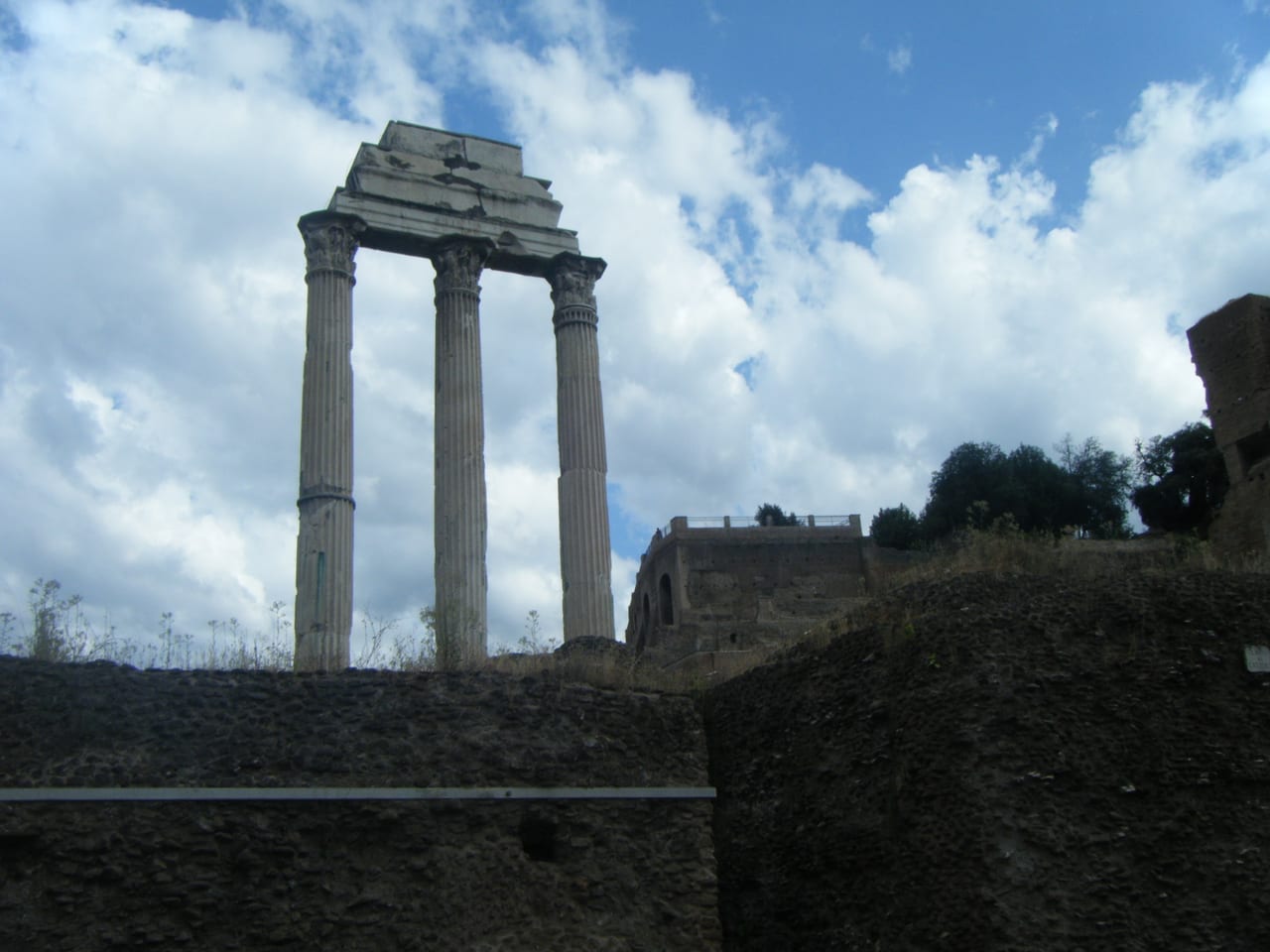
The temple was vowed by the dictator Aulus Postumius Albus before the Battle of Lake Regillus in 495 BC, after which legend placed Castor and Pollux at the Forum’s Spring of Juturna. One of Postumius’ sons dedicated it on 15 July 484 BC. The Dioscuri—twin sons of Jupiter and Leda—entered Roman worship through Greek culture in Southern Italy. During the Republic, the temple hosted Senate meetings, while its podium became a speaking platform from the mid-2nd century BC. In imperial times, chambers between its foundations accommodated the office of weights and measures and the State treasury; drainage finds suggest one may also have been used by a dentist. Lucius Caecilius Metellus Dalmaticus rebuilt and enlarged it in 117 BC, and Gaius Verres restored it in 73 BC. A fire in 14 BC led Tiberius to rebuild it, with dedication in 6 AD; the surviving superstructure belongs to that phase, while the podium is earlier. Its imperial symbolism shifted from Augustus’s intended heirs to Tiberius and Drusus. After late-antique decline, three columns remained by the 15th century. Excavations took place from 1983 to 1989.
At a glance
- Built
- 496
Ways to explore Temple of Castor and Pollux
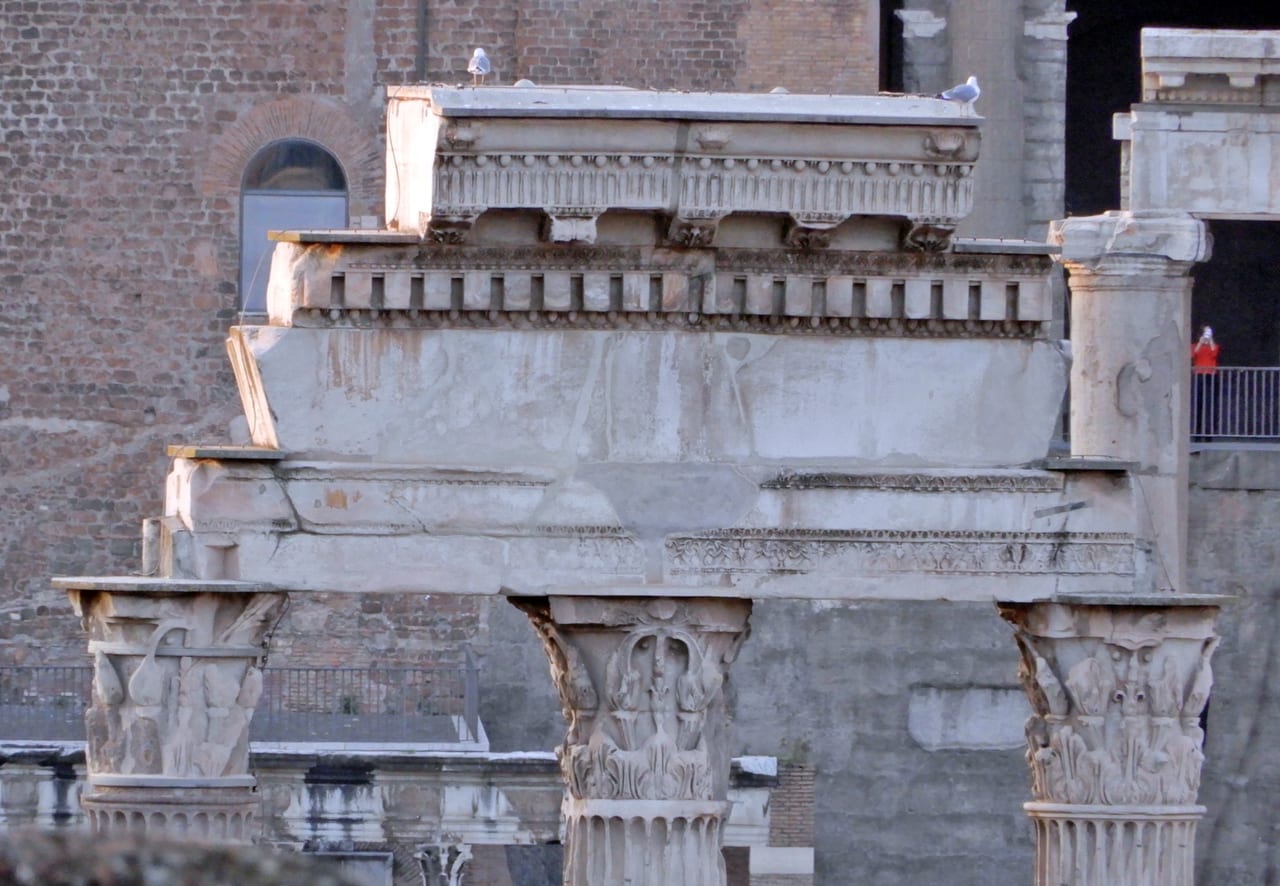
Study the surviving Corinthian columns and the fragment of entablature from ground level, then note the podium’s substantial scale: 32 by 49.5 metres and 7 metres high. The temple’s octastyle arrangement had eight columns across the short sides and eleven along the long sides, while archaeological evidence indicates two side stairways rather than the single central stairway described by ancient writers. The original cella had a mosaic pavement.
Places to stay near Temple of Castor and Pollux

Live availability and prices from Stay22's partners, refreshed periodically and subject to change. Booking through these links may earn us a commission at no extra cost to you. See our privacy policy.
Cafés near Temple of Castor and Pollux
Cafés near Temple of Castor and Pollux loads as you scroll.
Attractions nearby
Attractions near Temple of Castor and Pollux loads as you scroll.
Cities nearby
Cities nearby loads as you scroll.
More in Rome
See more of Rome.
Find great cafés, places to stay and other interesting places to visit in Rome.