Ancient site · Rome
Temple of Caesar
DirectionsInside stood a statue of the deified Caesar marked by a star, recalling the comet seen after his death and interpreted as a sign of divine status.
Photograph 1 of 15 of Temple of Caesar
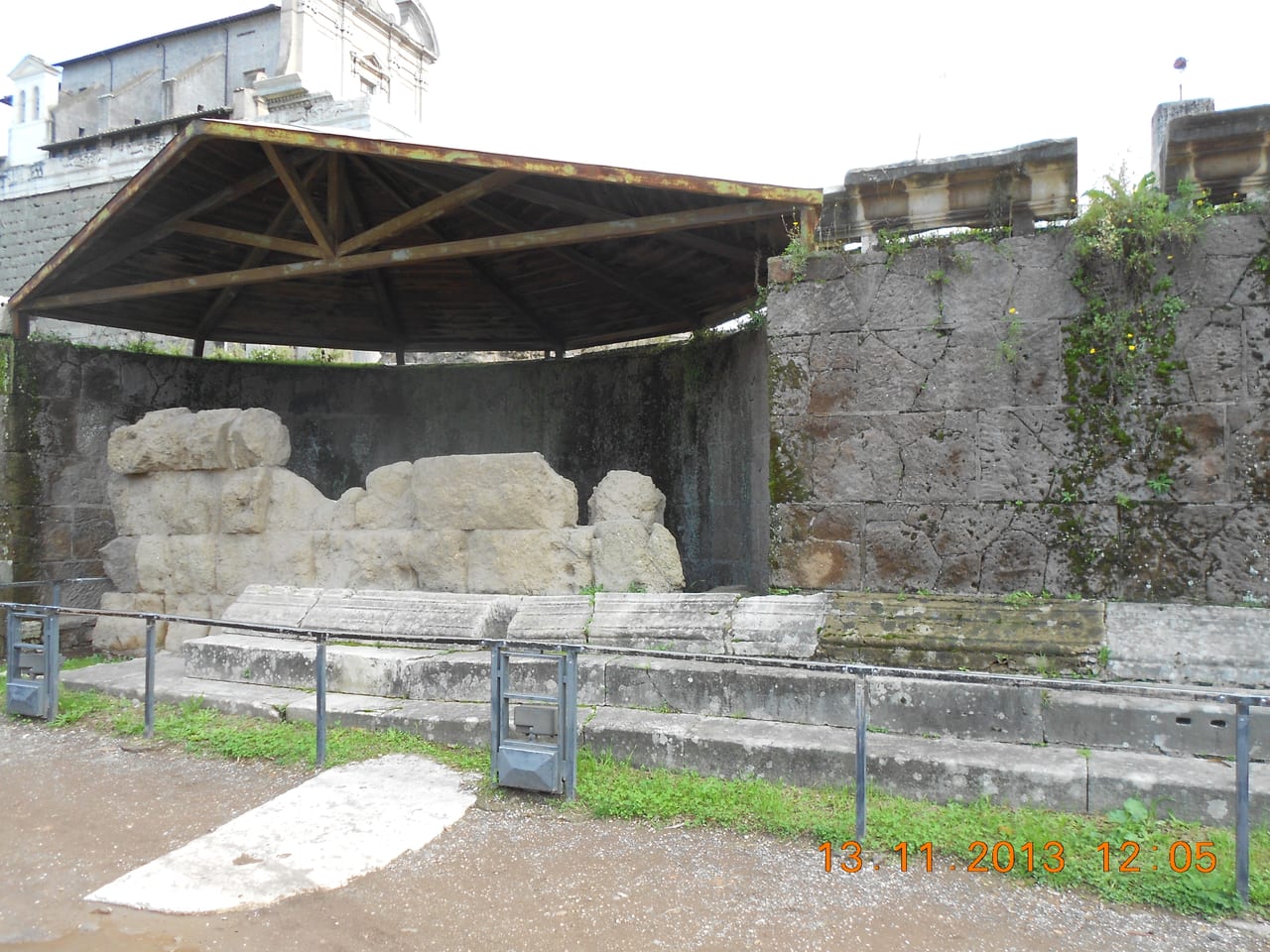
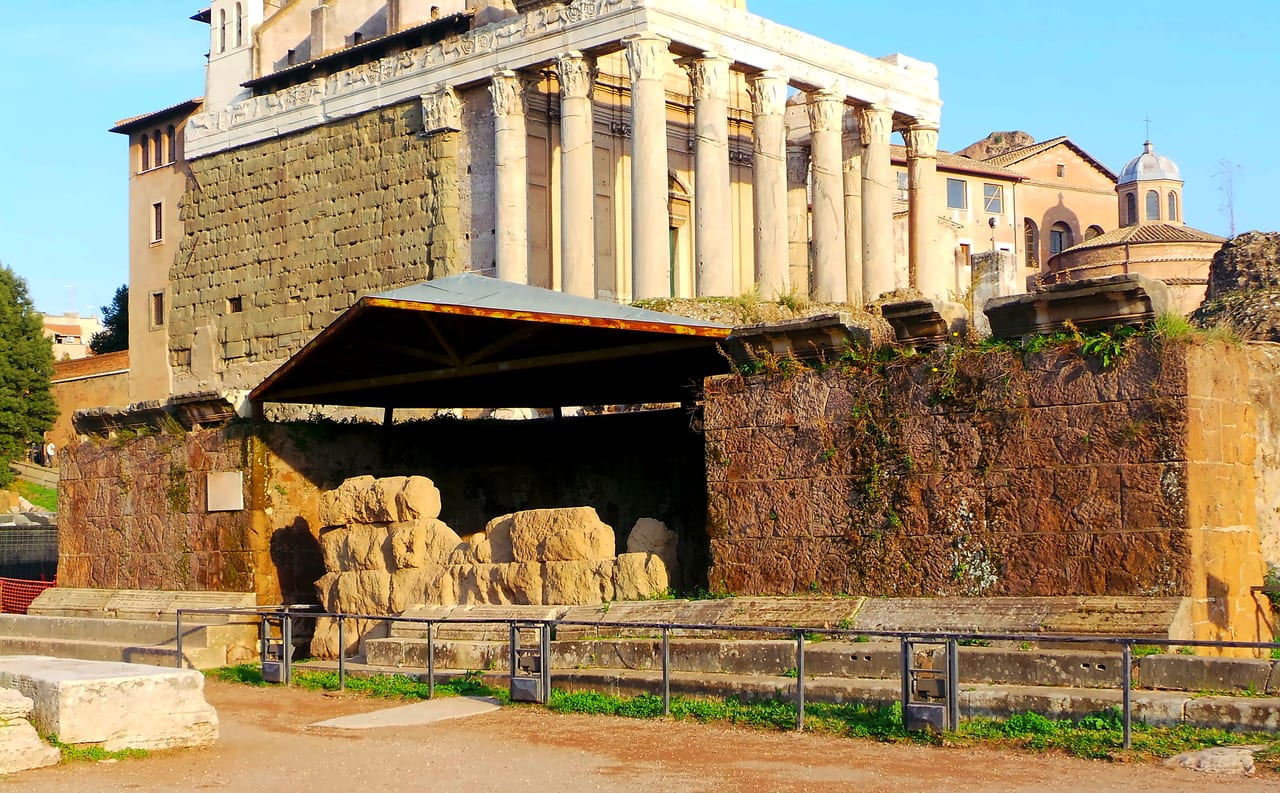
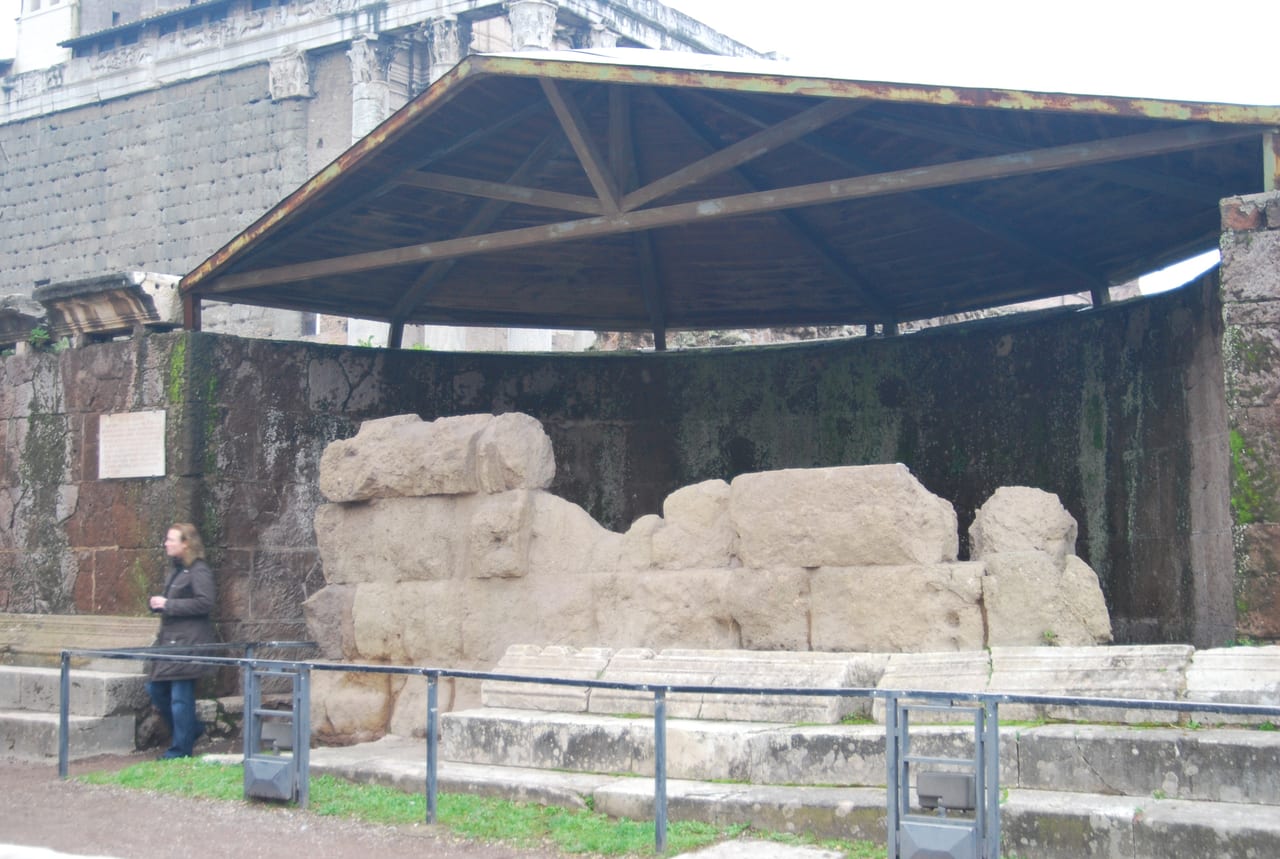
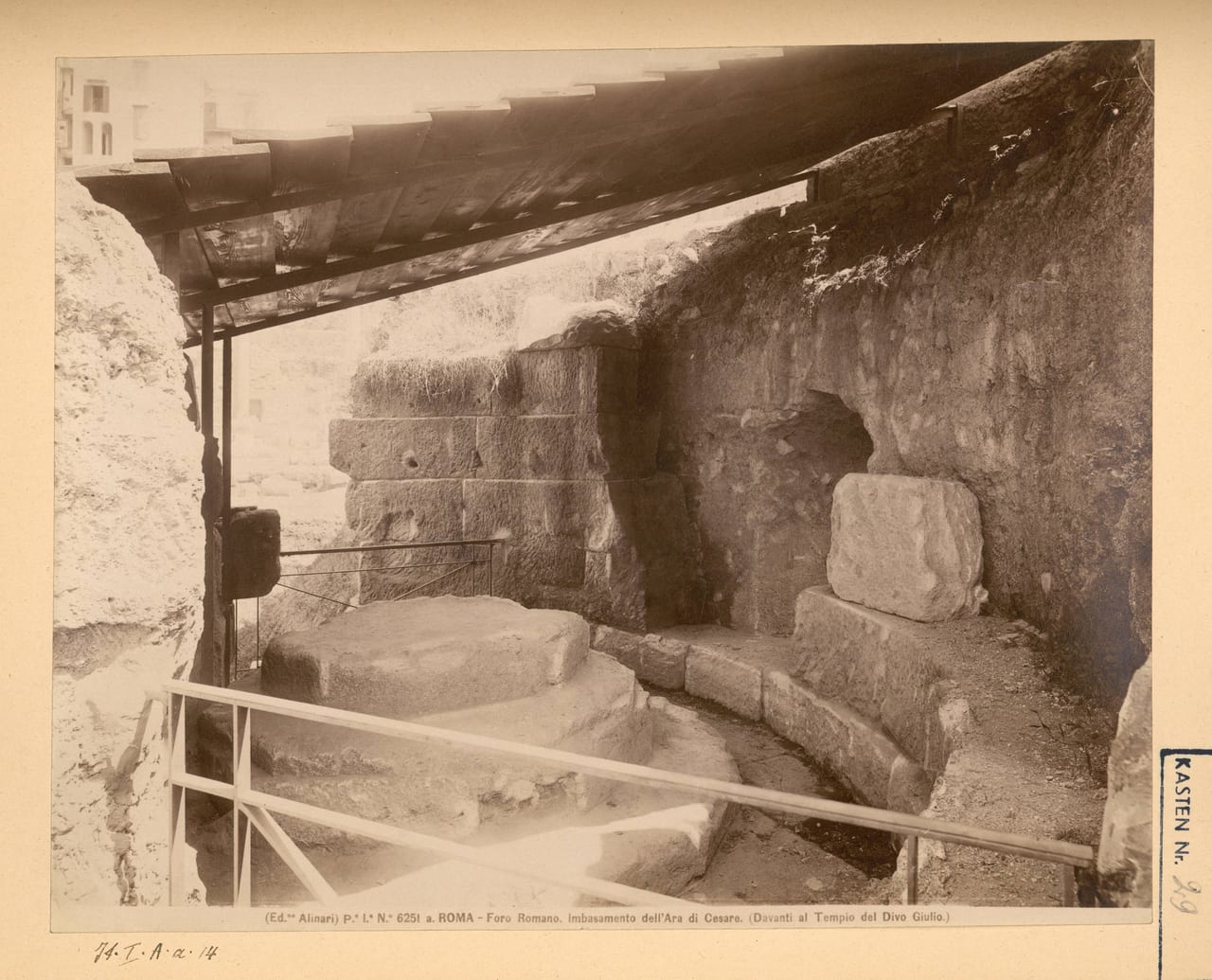
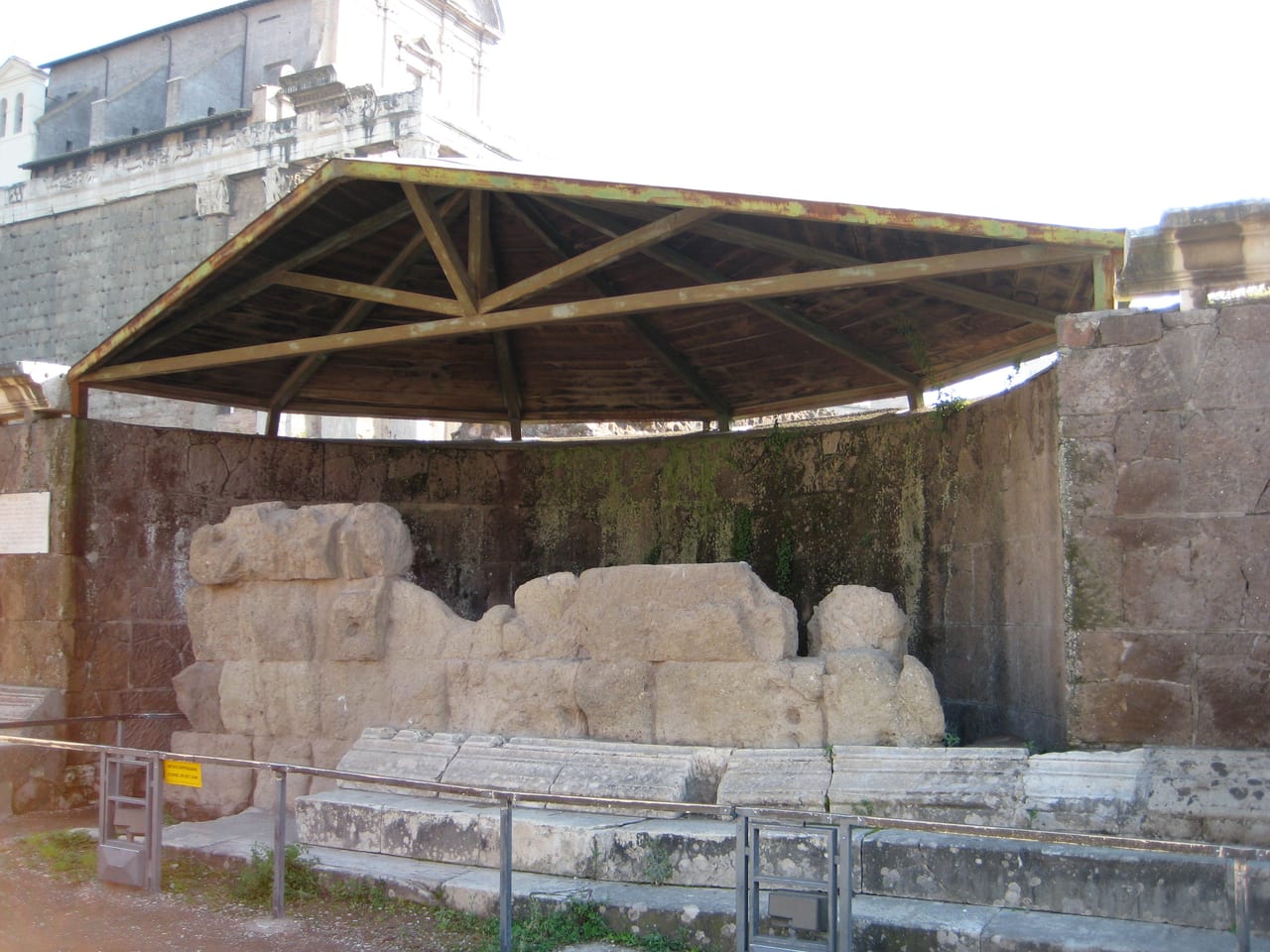
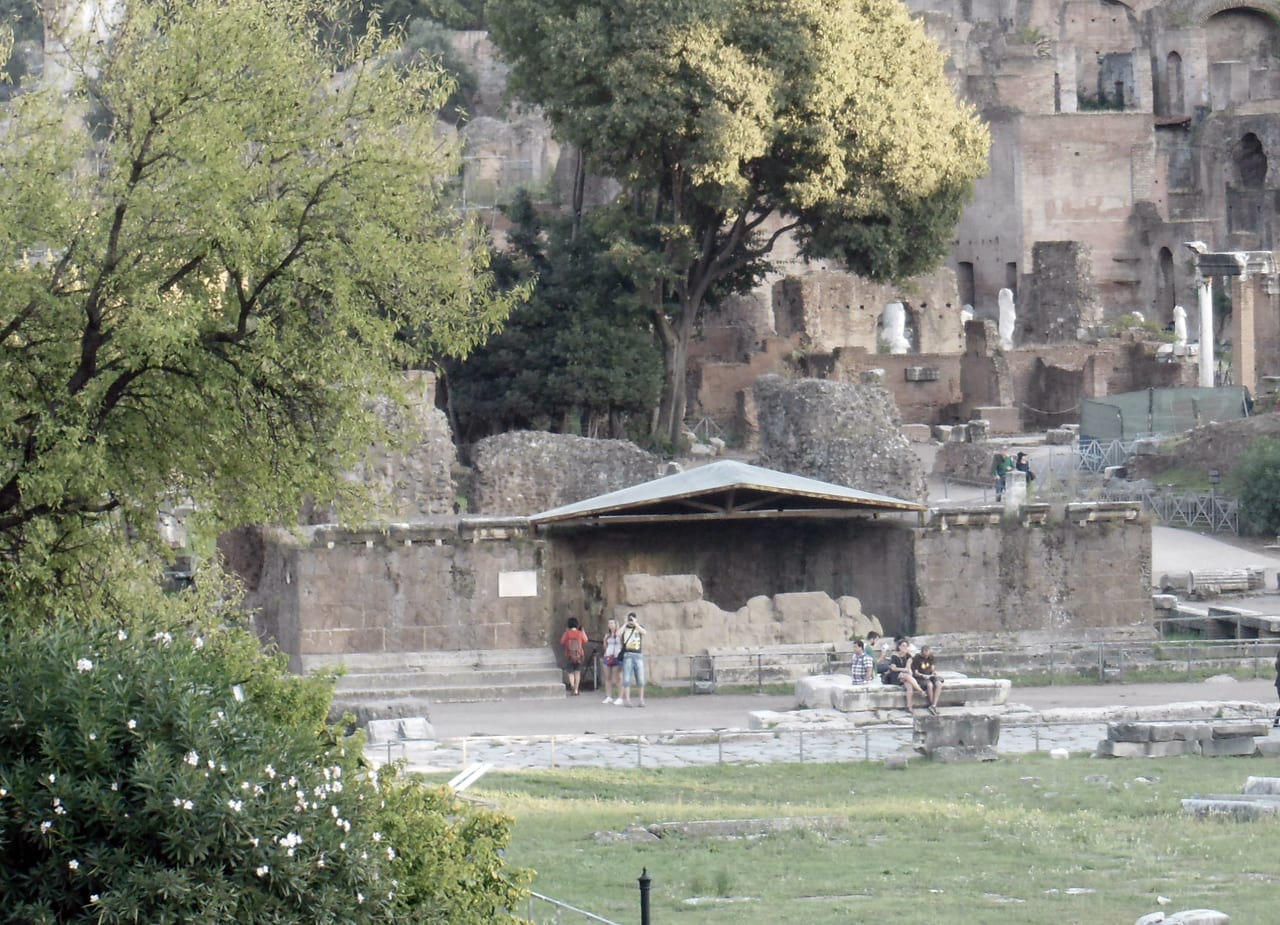
The Temple of Divus Iulius arose at the eastern end of the Forum, where Caesar’s body had been cremated after his assassination. The Senate decreed it in 42 BC, after the defeat of the conspirators at Philippi; Octavian, Caesar’s adopted son, completed and dedicated it on 18 August 29 BC, three days after his triumph over Cleopatra’s Egypt. Spoils from that victory were placed inside. The temple was a tightly spaced, six-columned Corinthian prostyle in Lunense marble. Its façade carried the beaks of ships captured at Actium, while the cella walls continued the order with pilasters. Frieze and architectural fragments combine acanthus scrolls, female figures, Gorgons and possibly Victories, alongside cornices with modillions and Corinthian capitals. The building became an early monumental use of the Corinthian order and influenced later Augustan architecture. Its speaker’s platform hosted funeral orations for Octavia in 11 BC and Augustus in AD 14. The Forum excavations exposed the remains in 1872, with further campaigns in 1888, 1898–99 and 1950.
At a glance
- Built
- 29
- Style
- ancient Roman architecture
Ways to explore Temple of Caesar
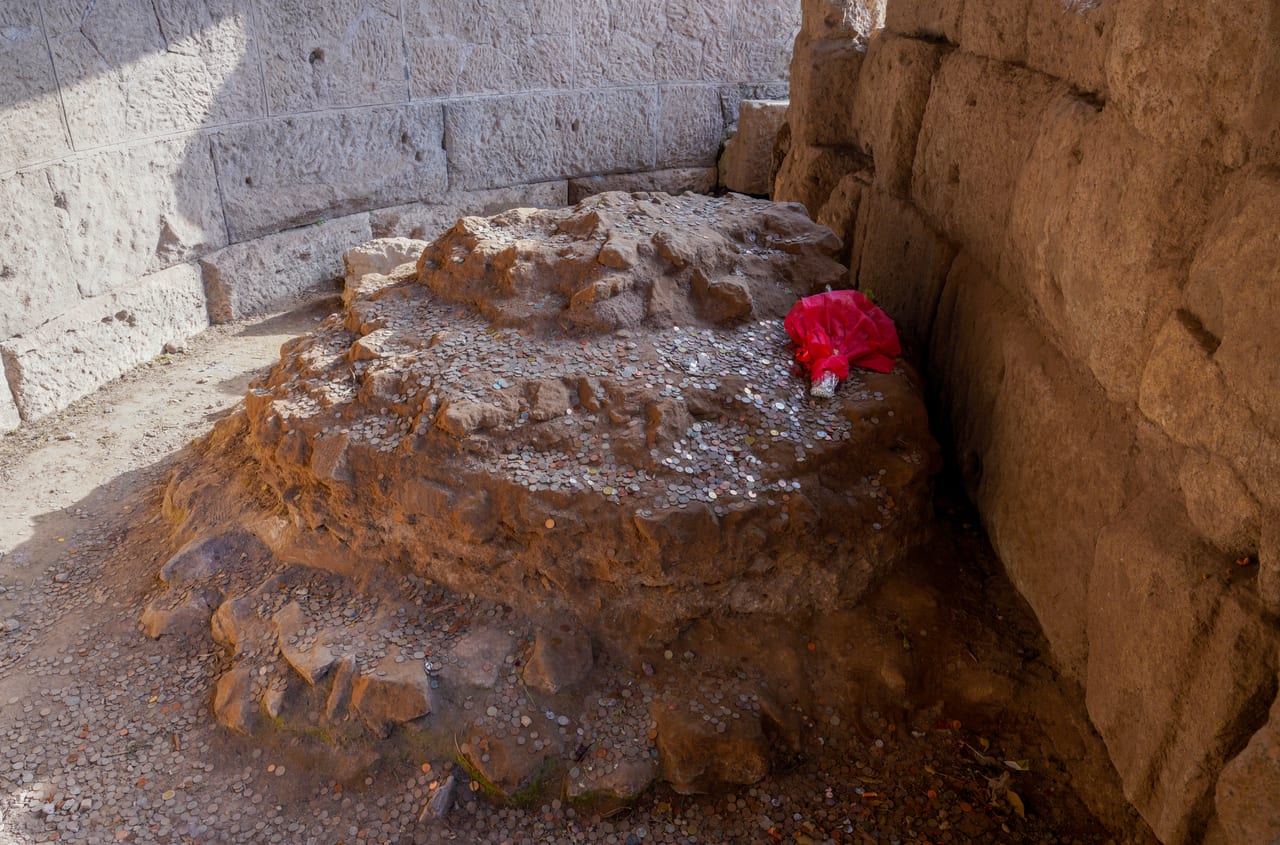
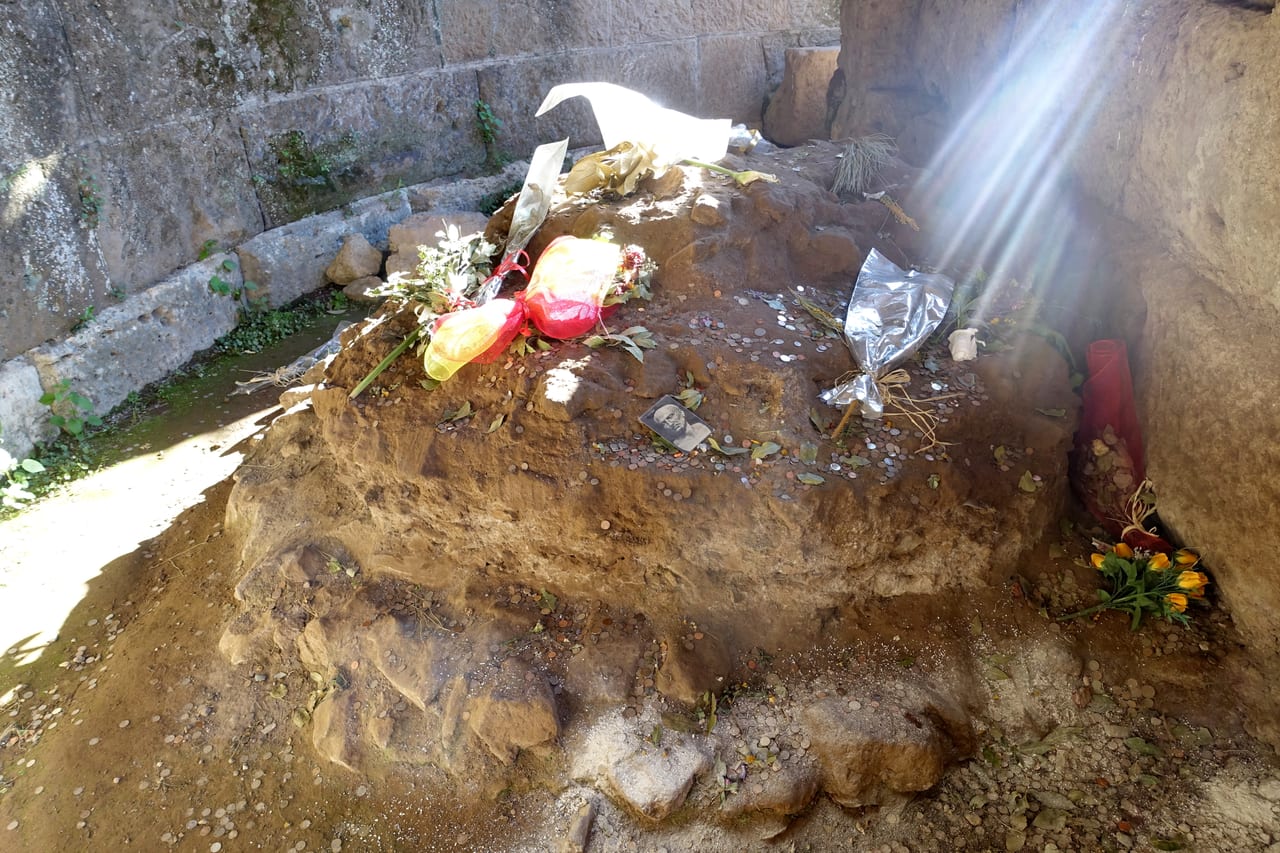
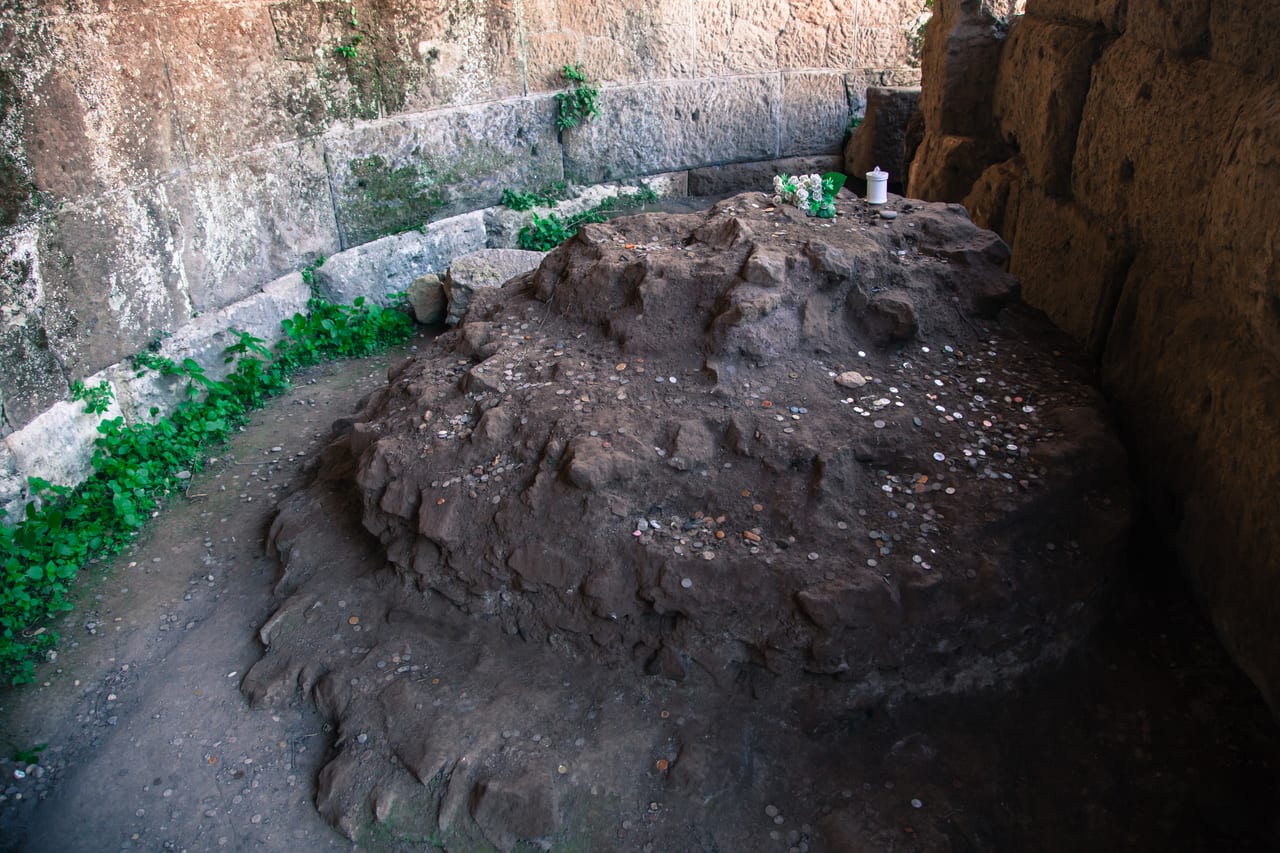
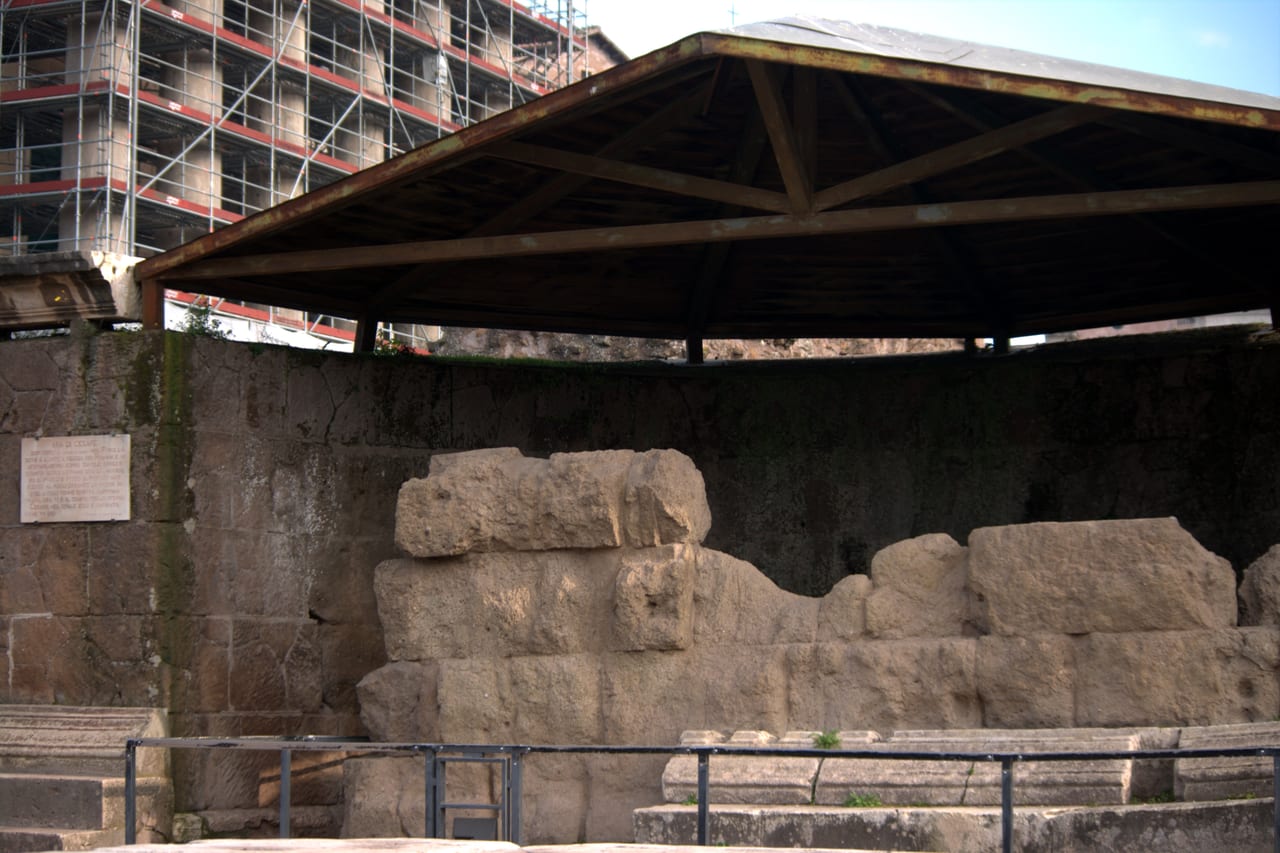
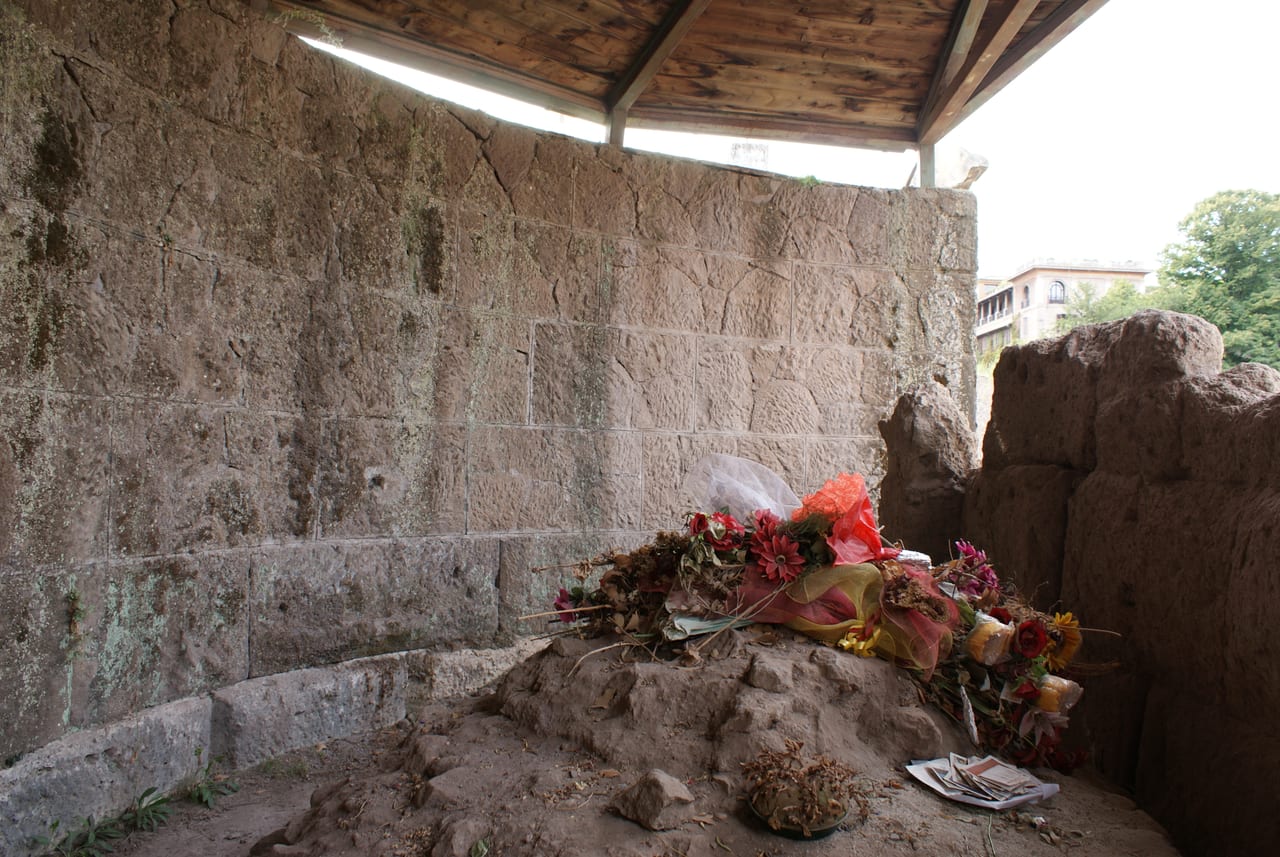
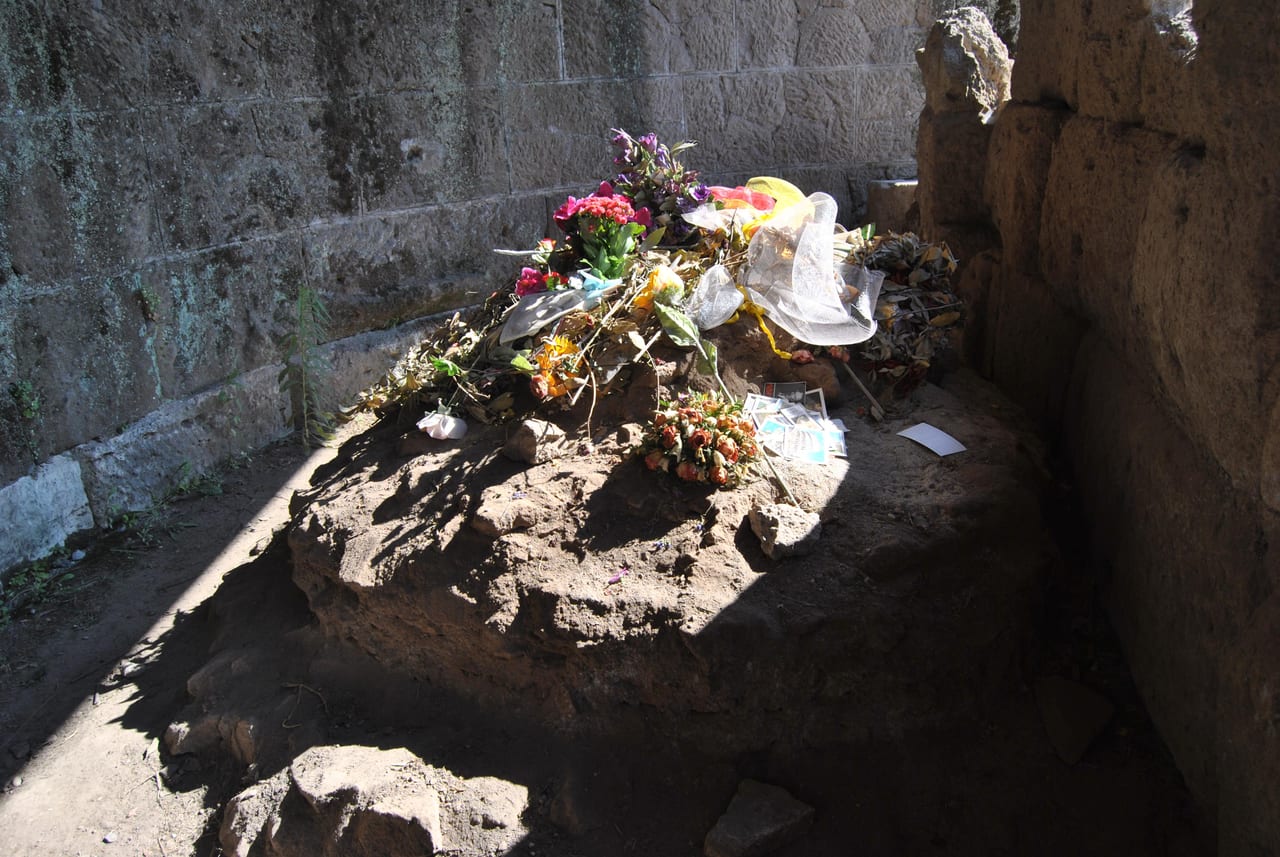
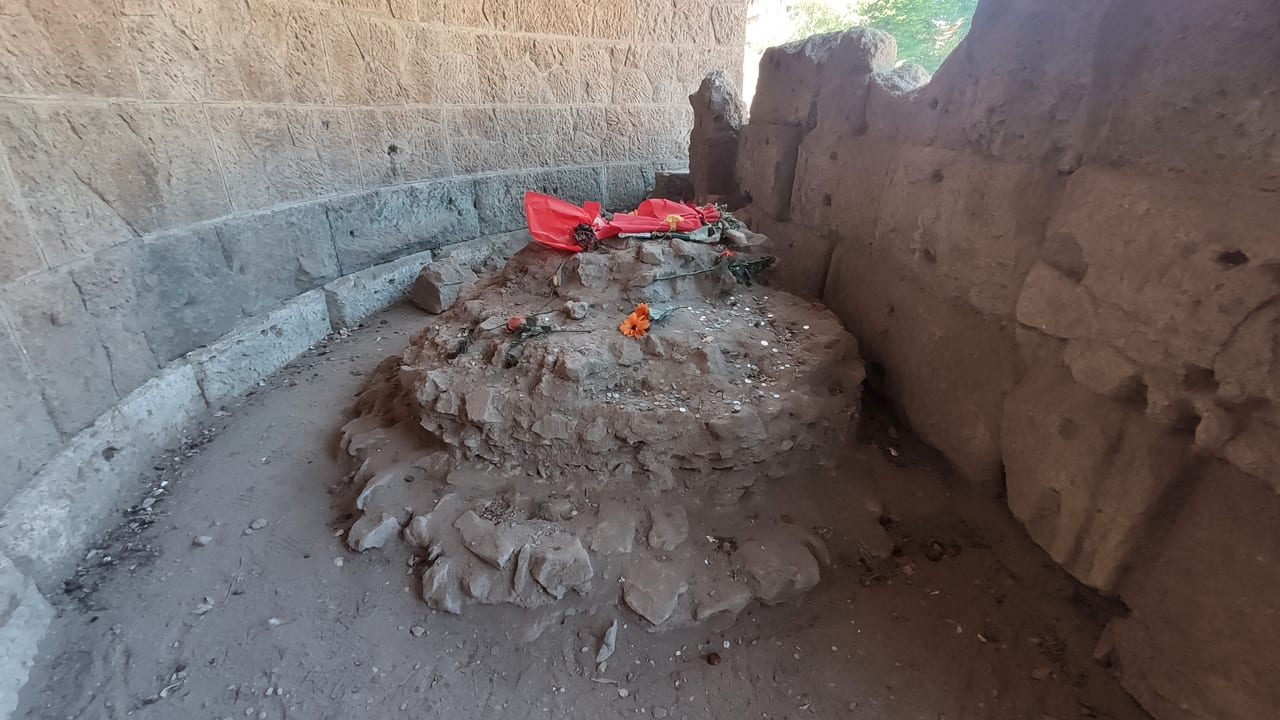
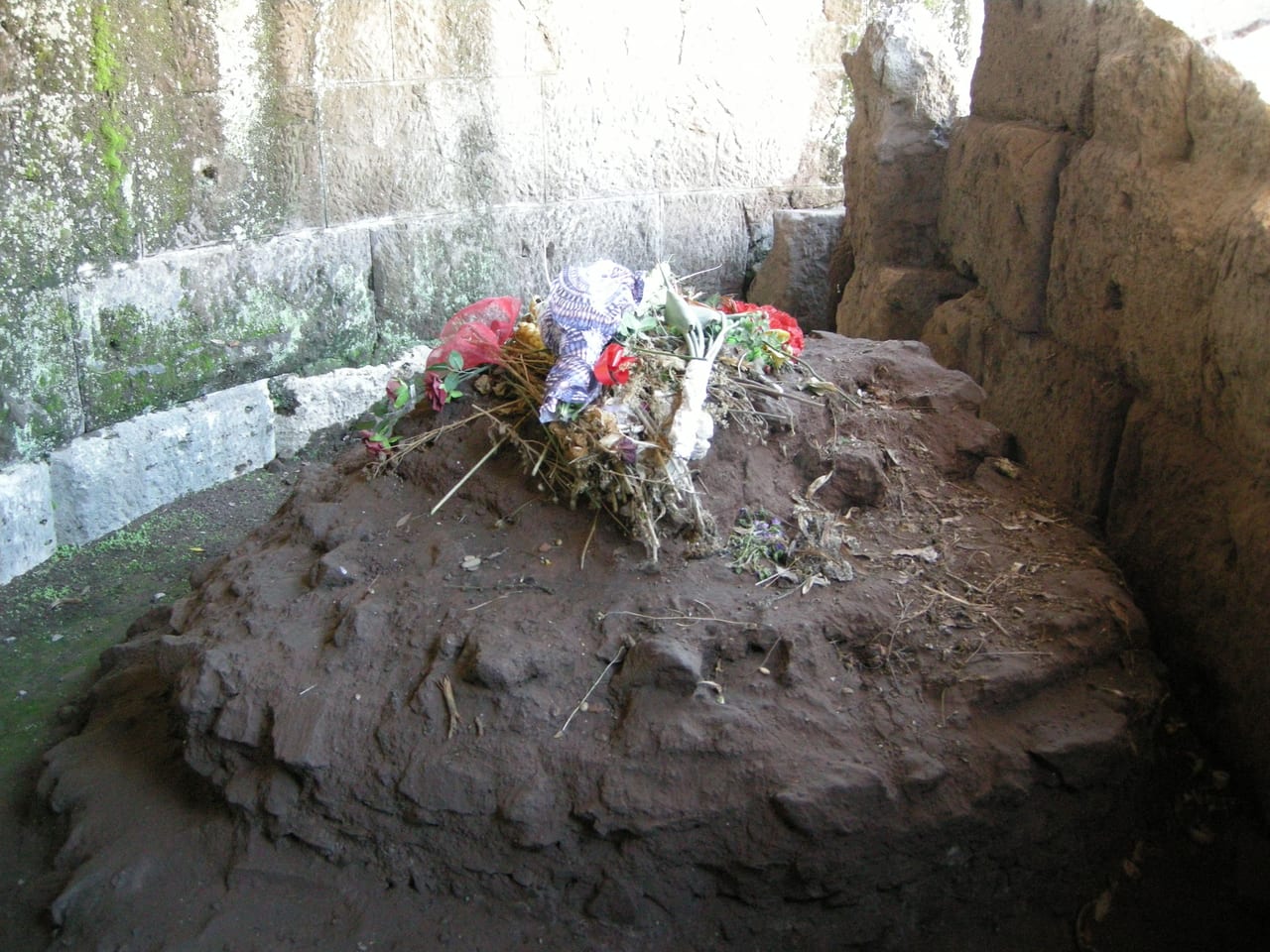
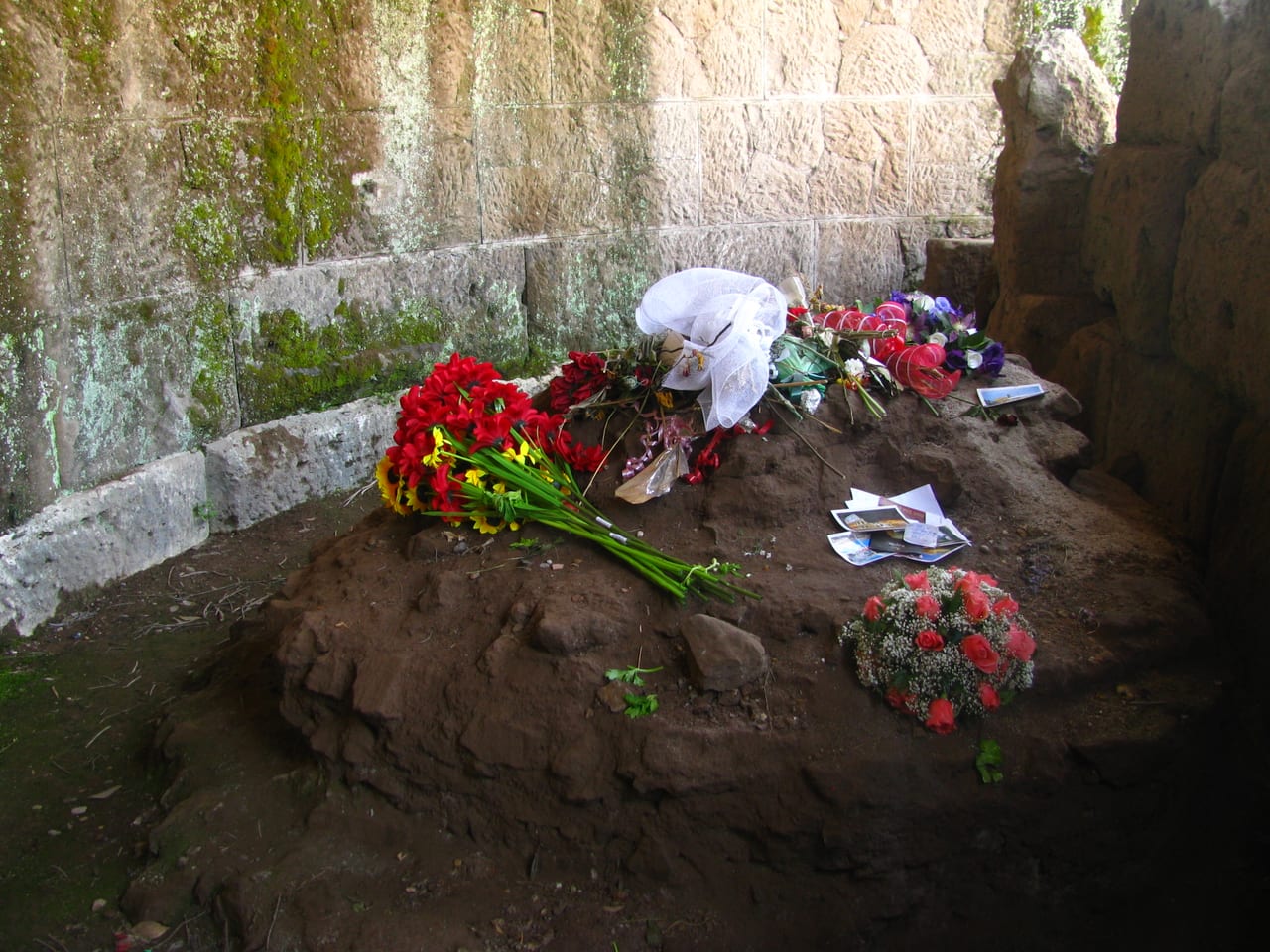
Focus on the surviving cement podium, where gaps reveal the former positions of the façade’s columns and the front wall of the cella. At the front, look behind the partly rebuilt closing wall for the semicircular exedra and its small circular altar; visitors still leave flowers there. Examine the scattered Lunense-marble fragments for Corinthian capitals, carved acanthus and mythological motifs, then consider how the platform and temple aligned with the surrounding Forum monuments.
Places to stay near Temple of Caesar

Live availability and prices from Stay22's partners, refreshed periodically and subject to change. Booking through these links may earn us a commission at no extra cost to you. See our privacy policy.
Cafés near Temple of Caesar
Cafés near Temple of Caesar loads as you scroll.
Attractions nearby
Attractions near Temple of Caesar loads as you scroll.
Cities nearby
Cities nearby loads as you scroll.
More in Rome
See more of Rome.
Find great cafés, places to stay and other interesting places to visit in Rome.