Theatre · Rome
Teatro dell'Opera di Roma
DirectionsAt the 1938 Caracalla season, its 1,500-square-metre stage became the world’s largest, with a 22-metre proscenium and seating expanded to 20,000.
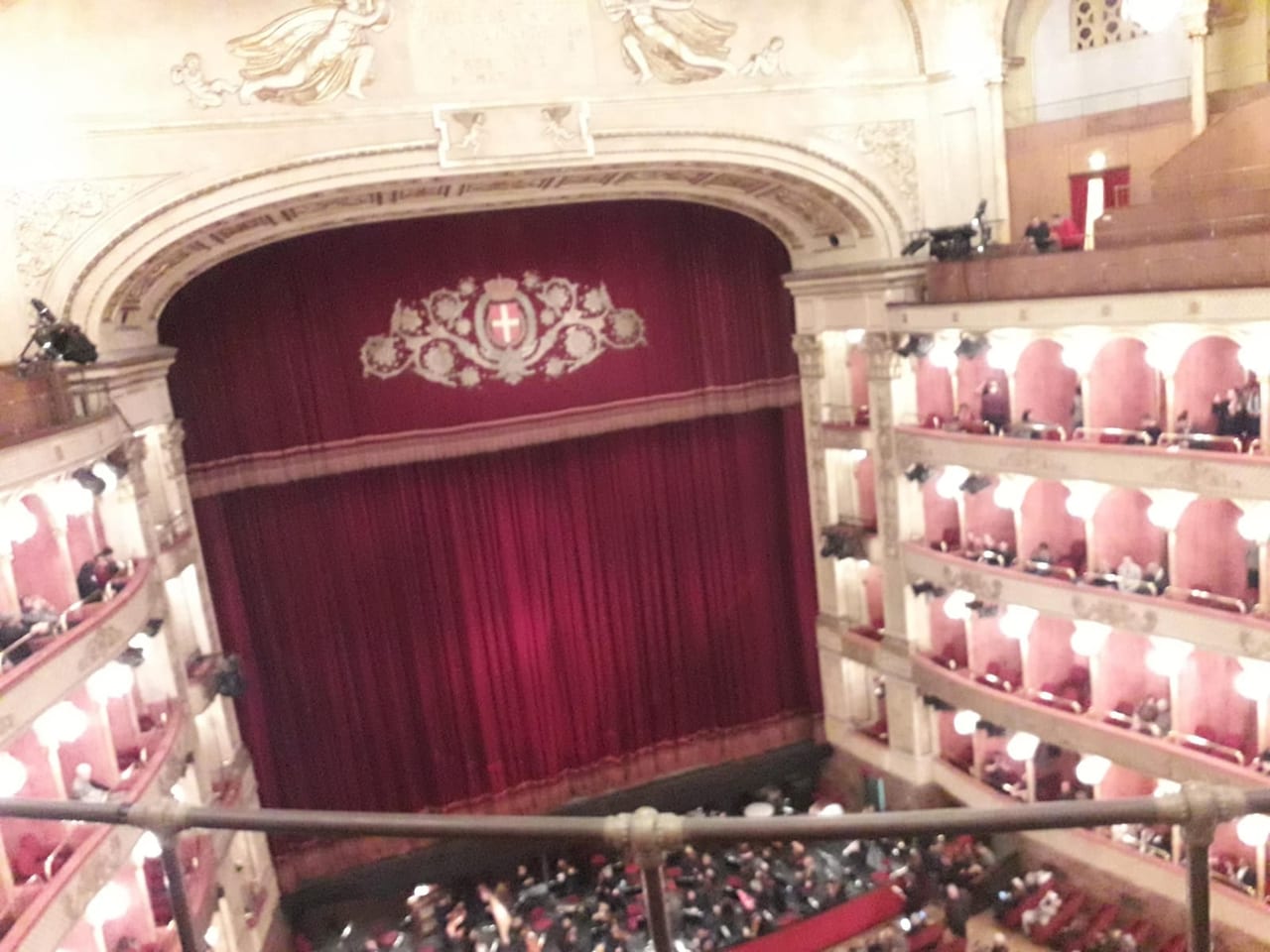
Photograph 1 of 18 of Teatro dell'Opera di Roma
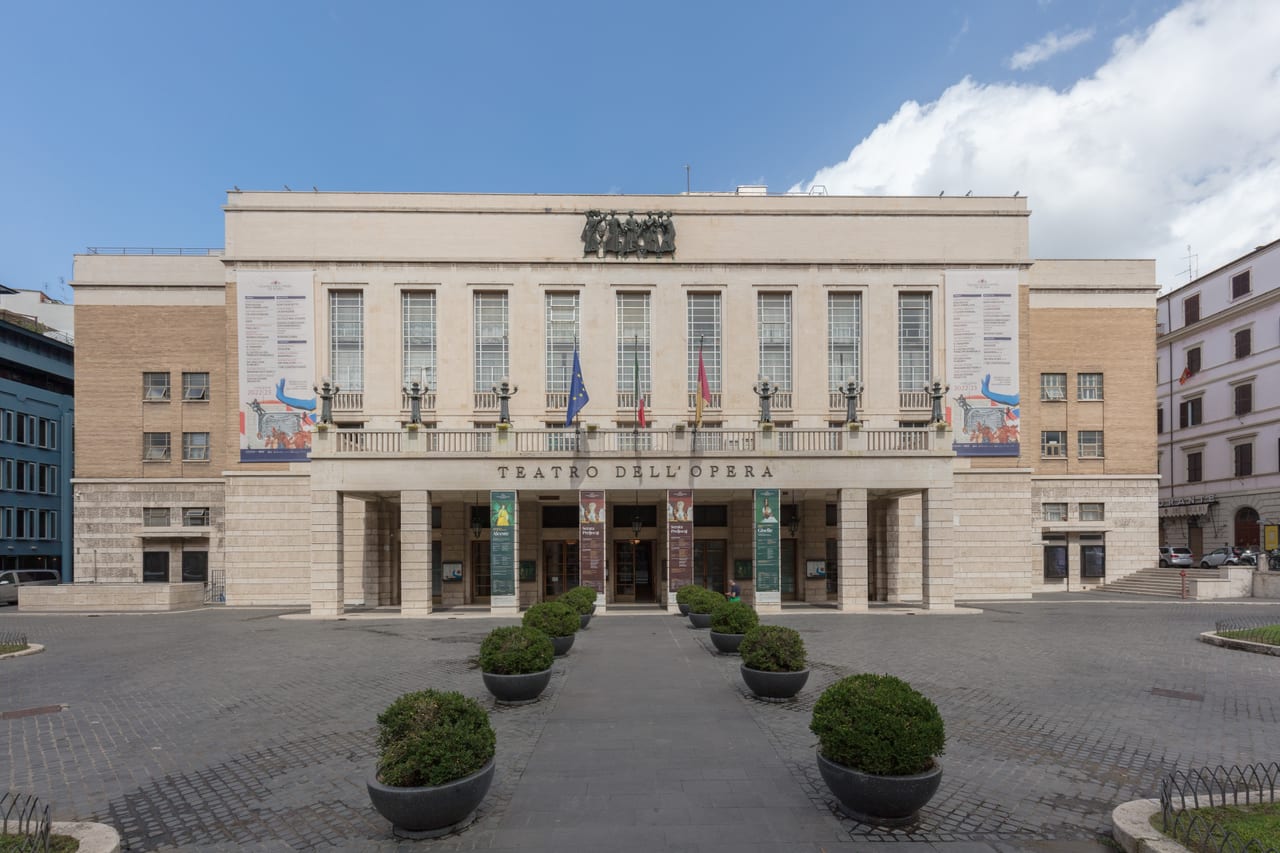
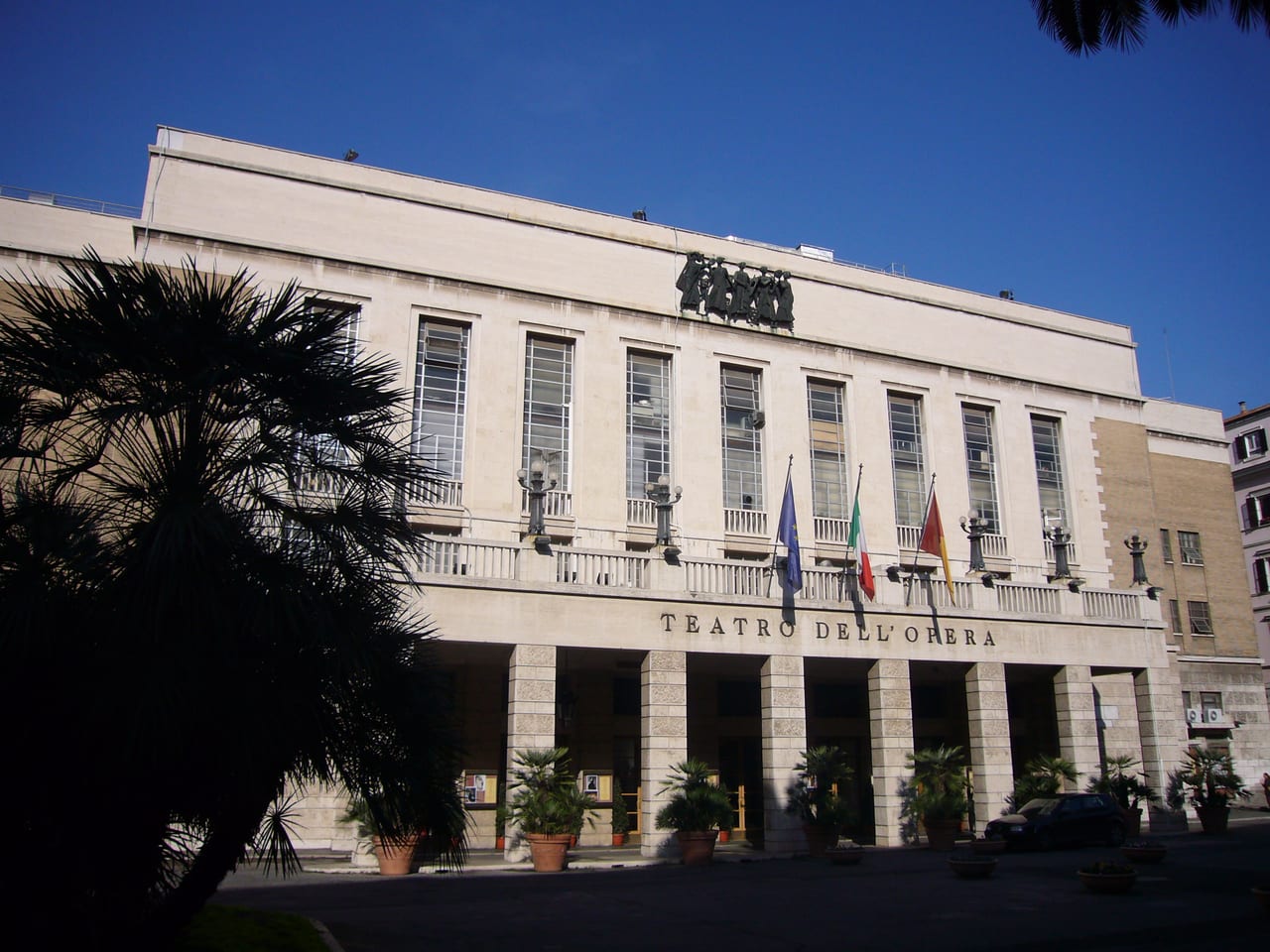
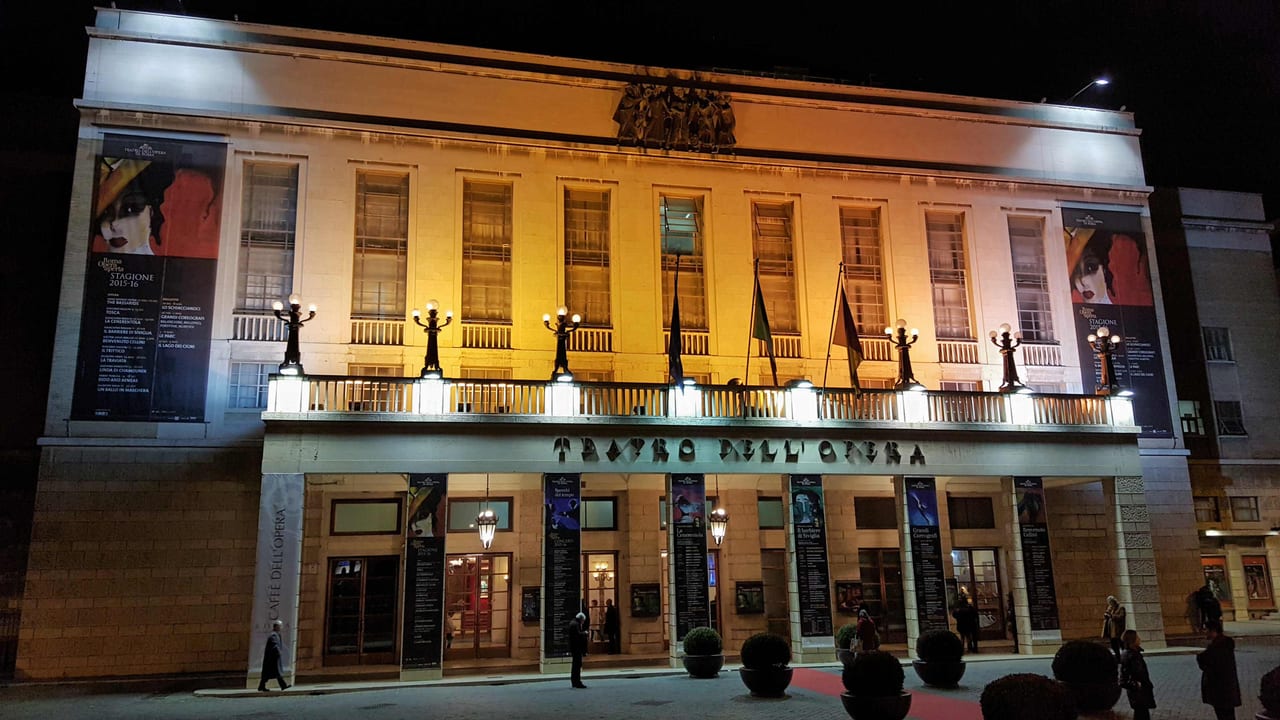
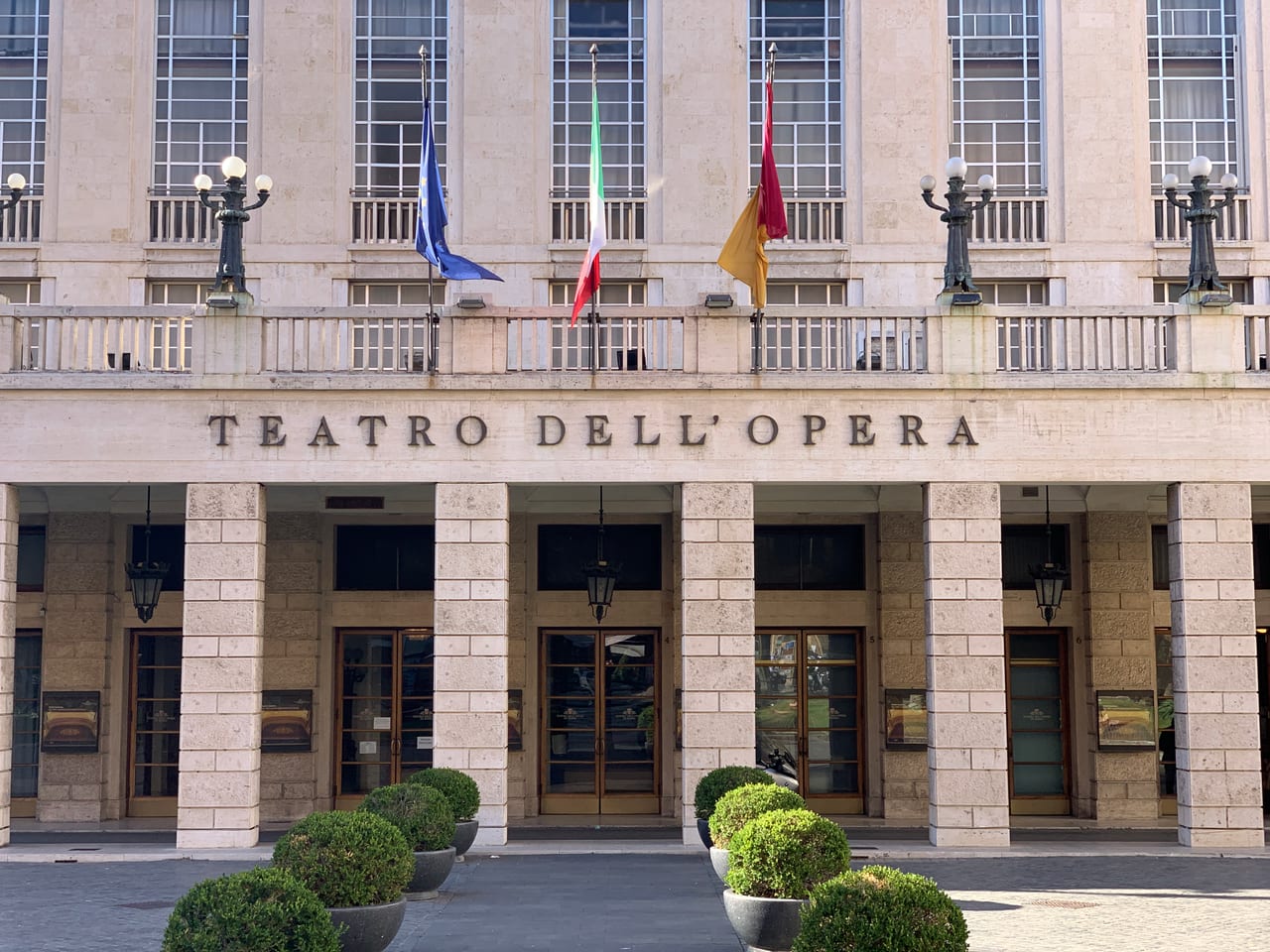
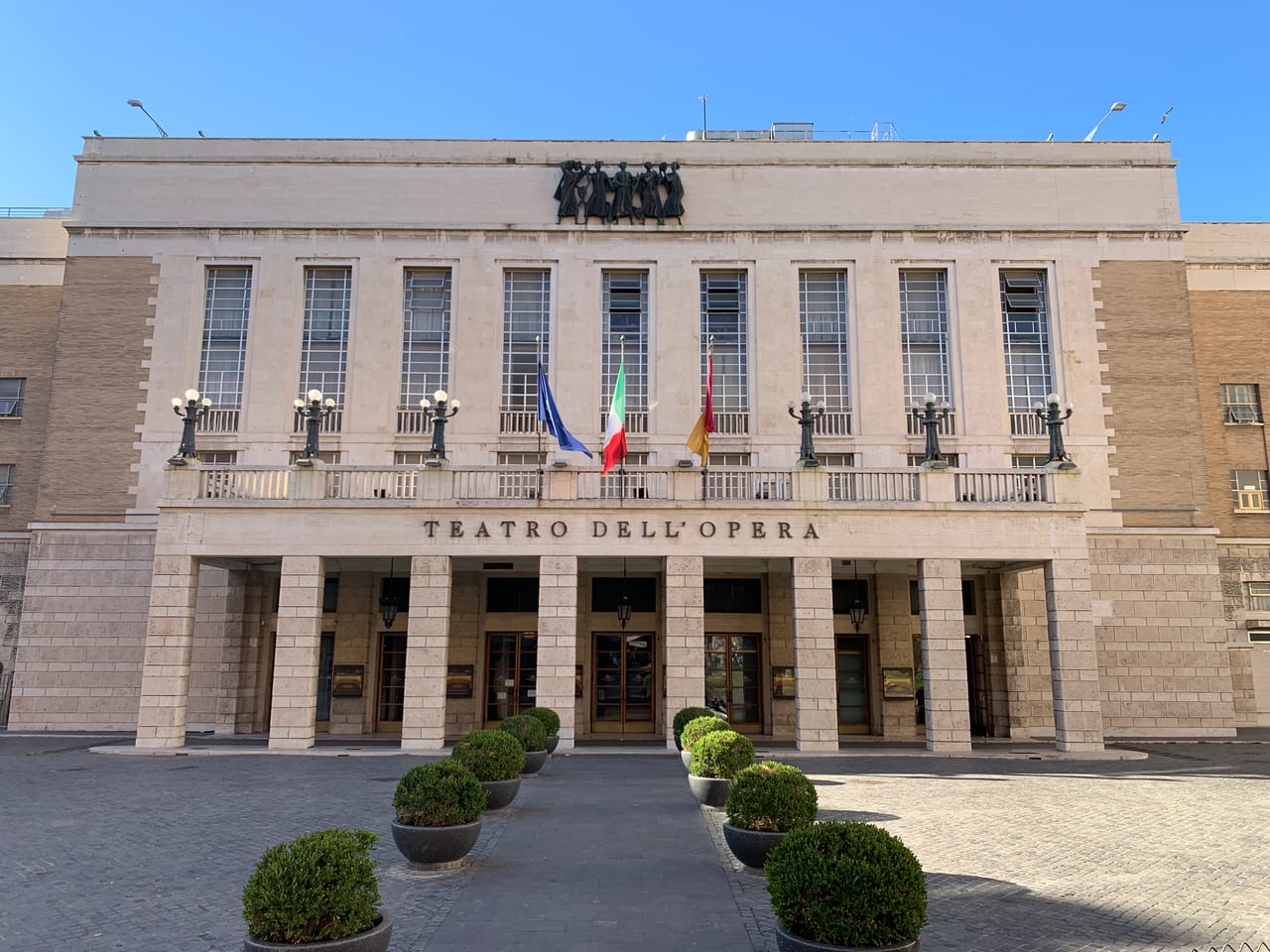
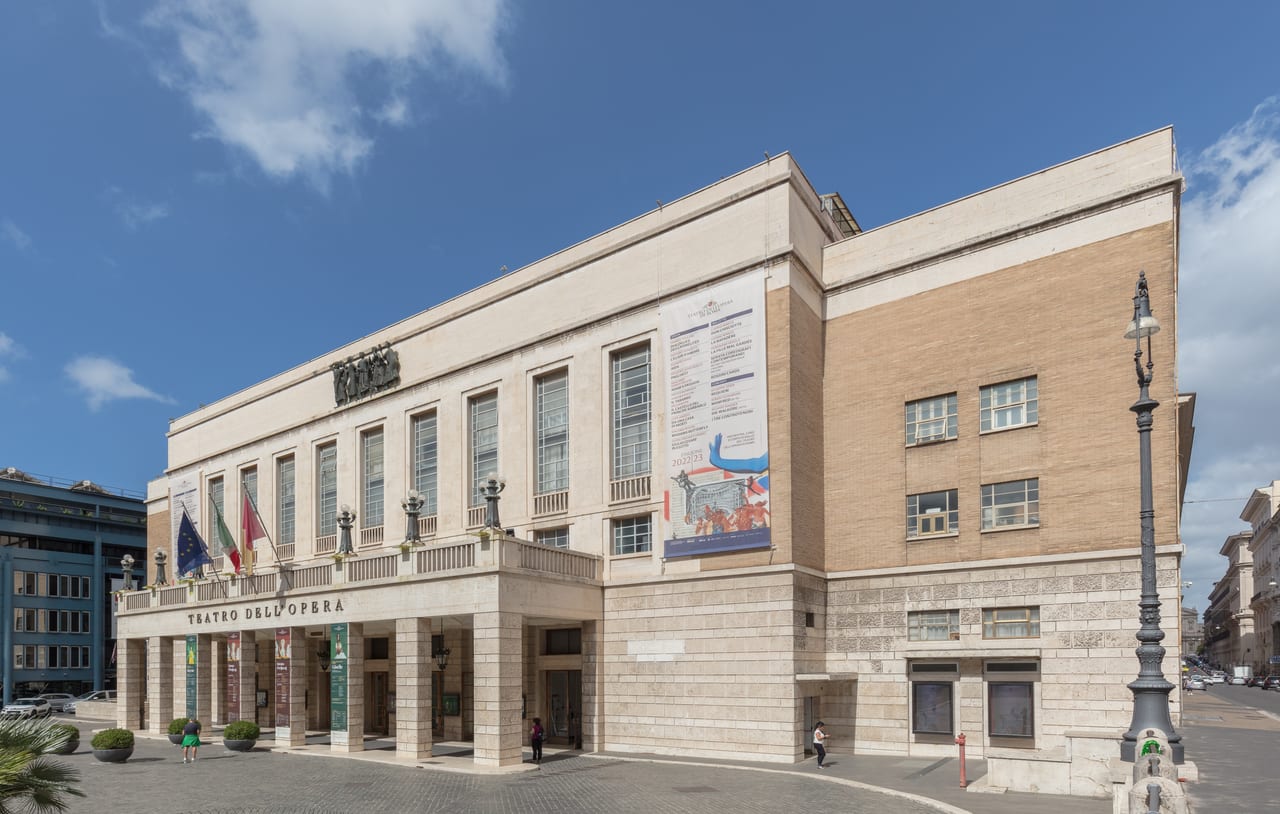
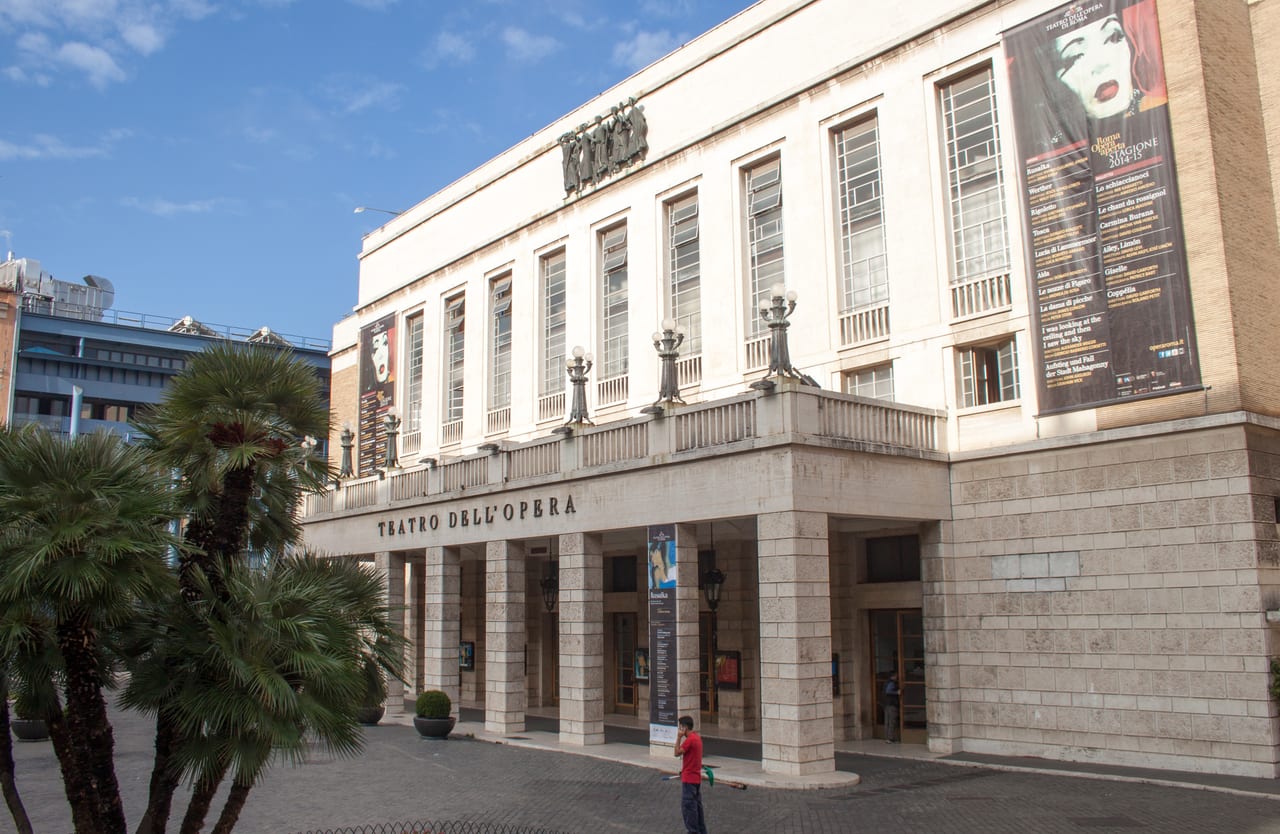
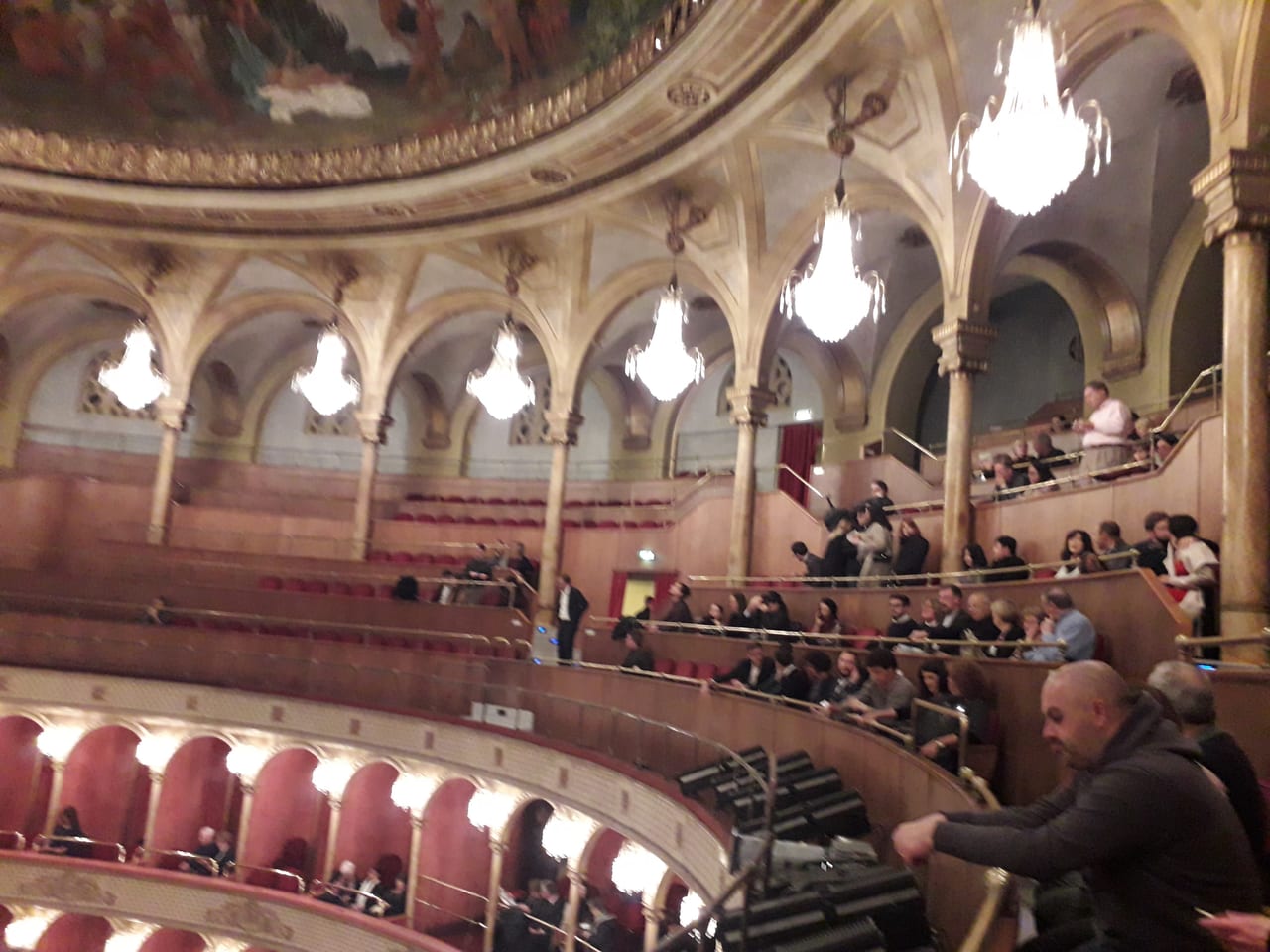
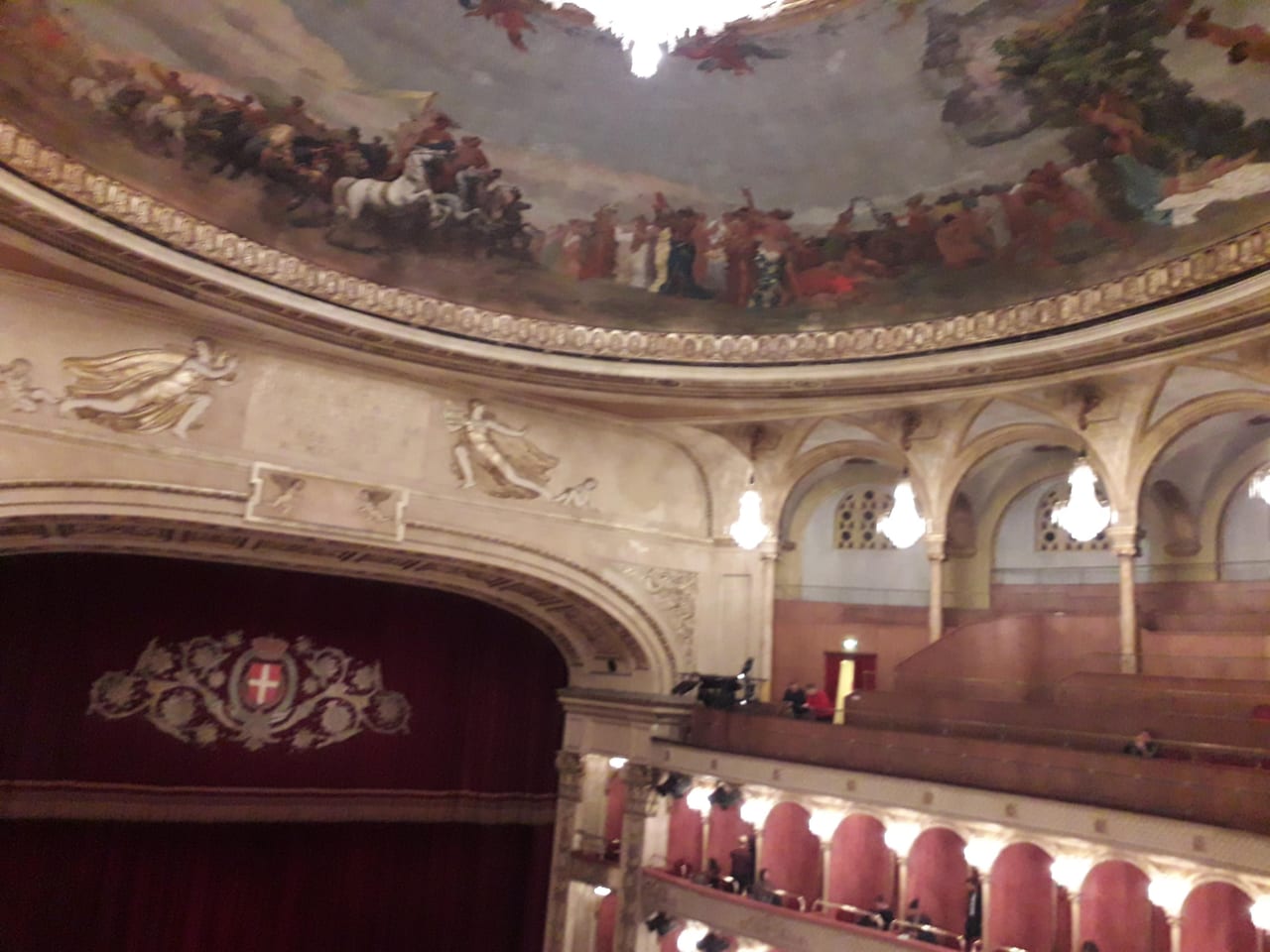
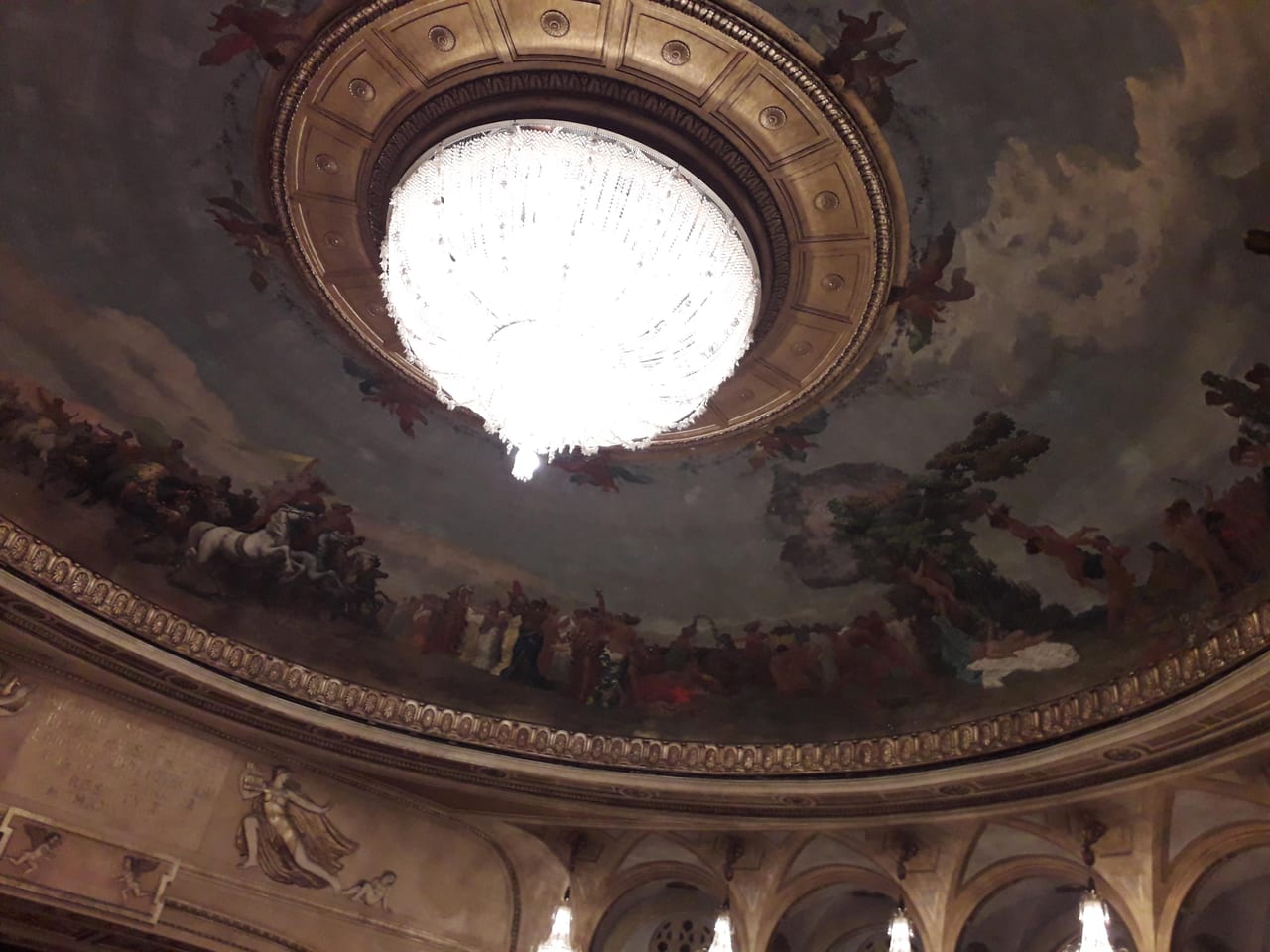
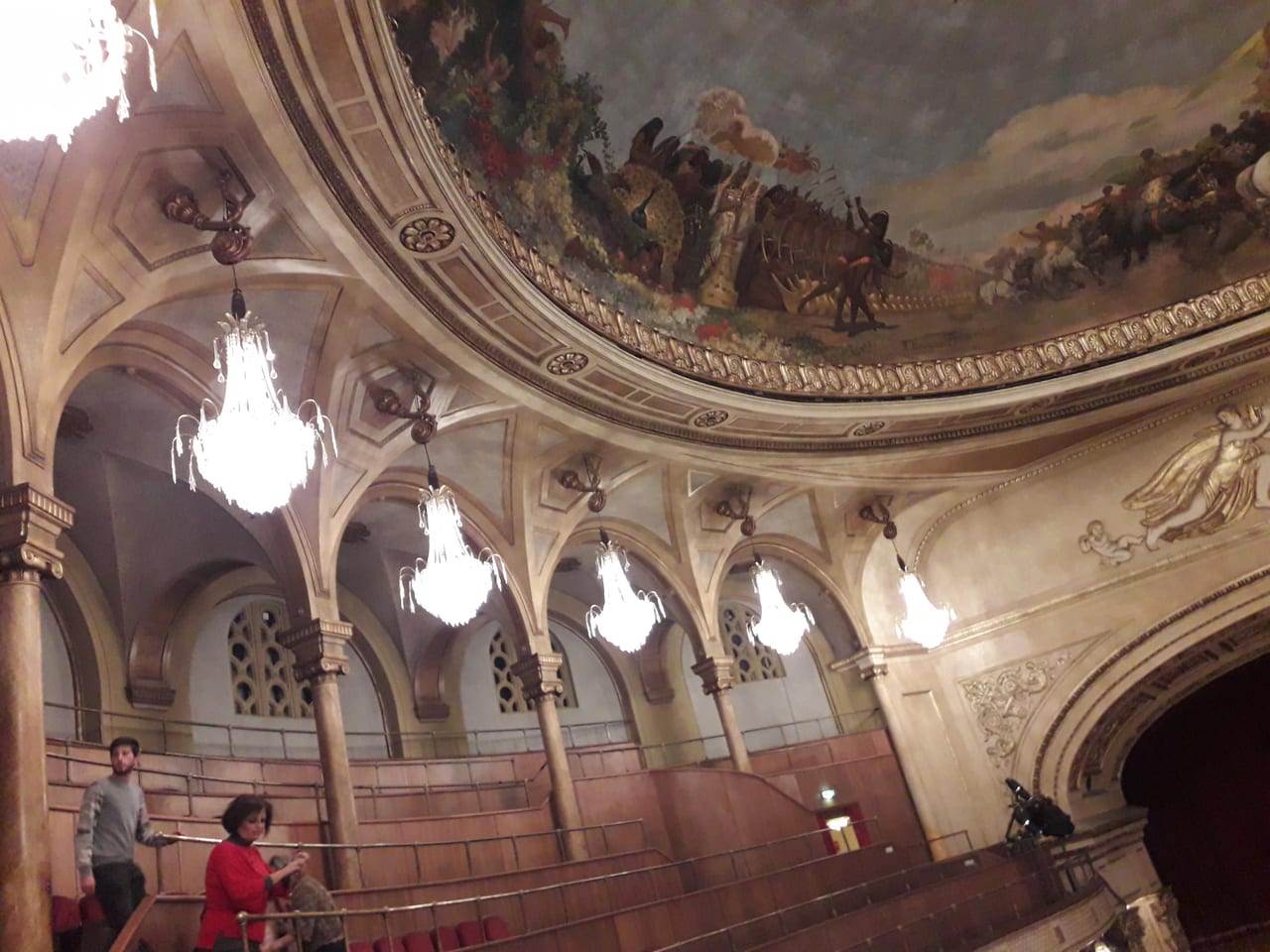
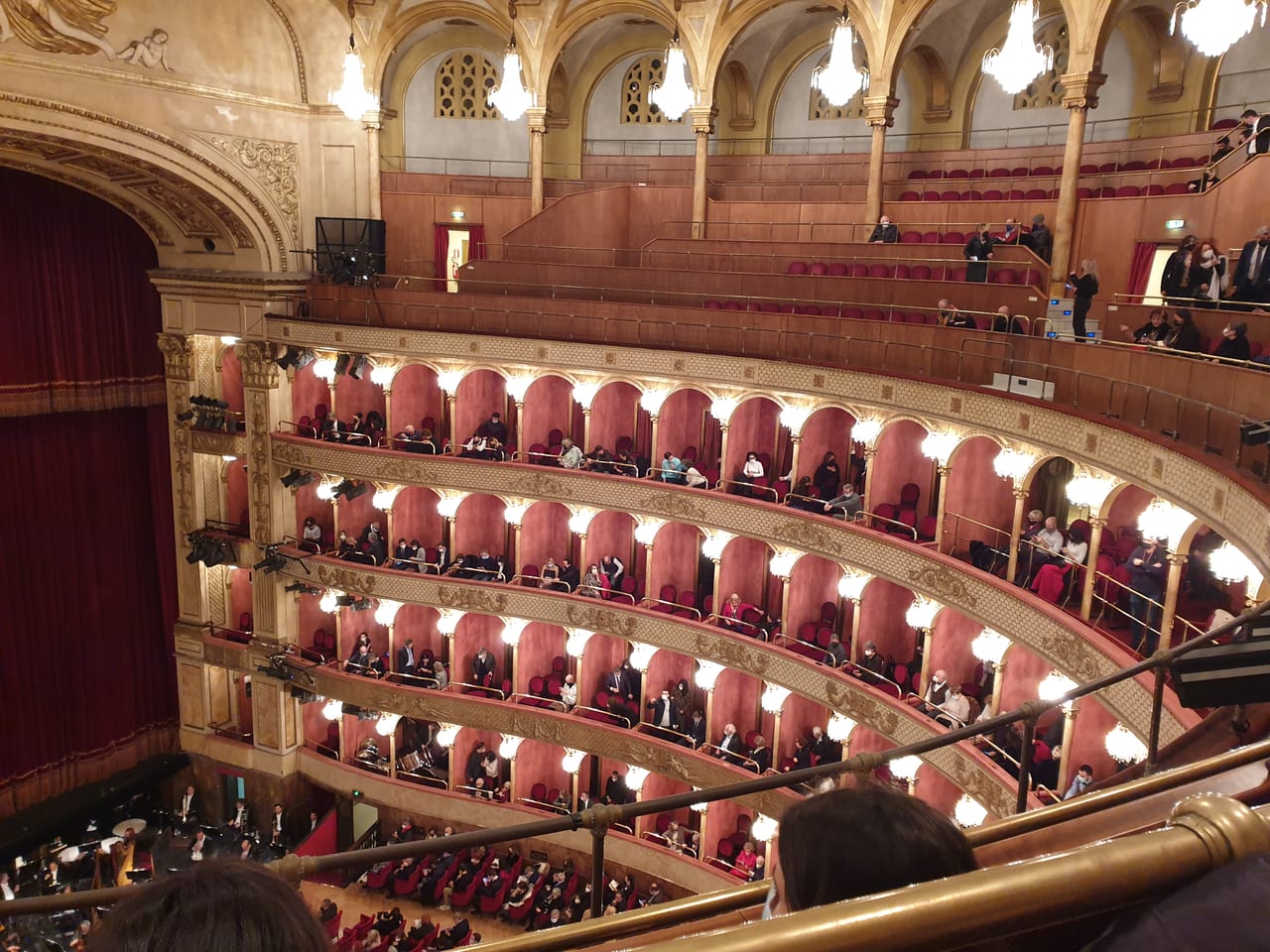
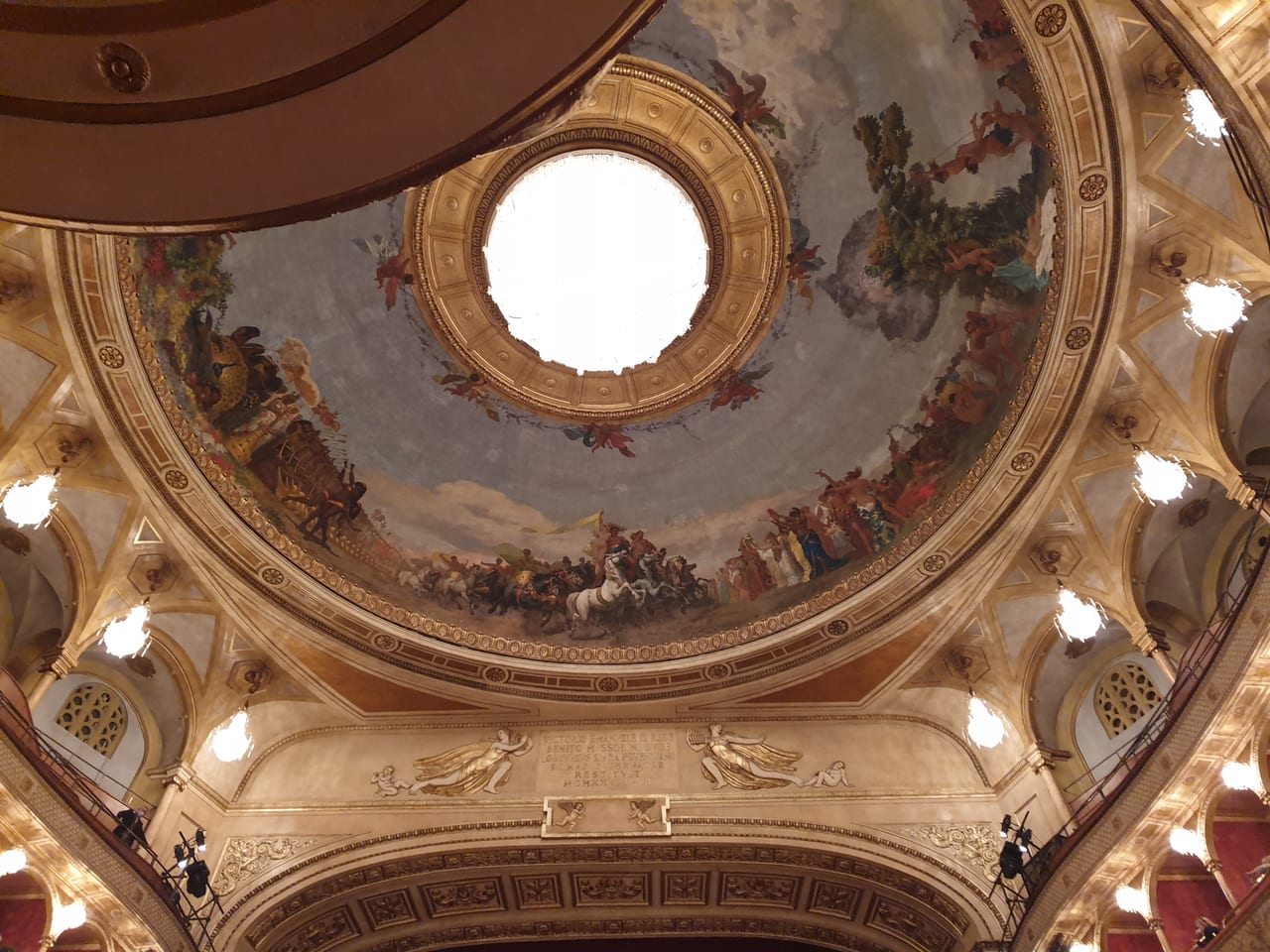
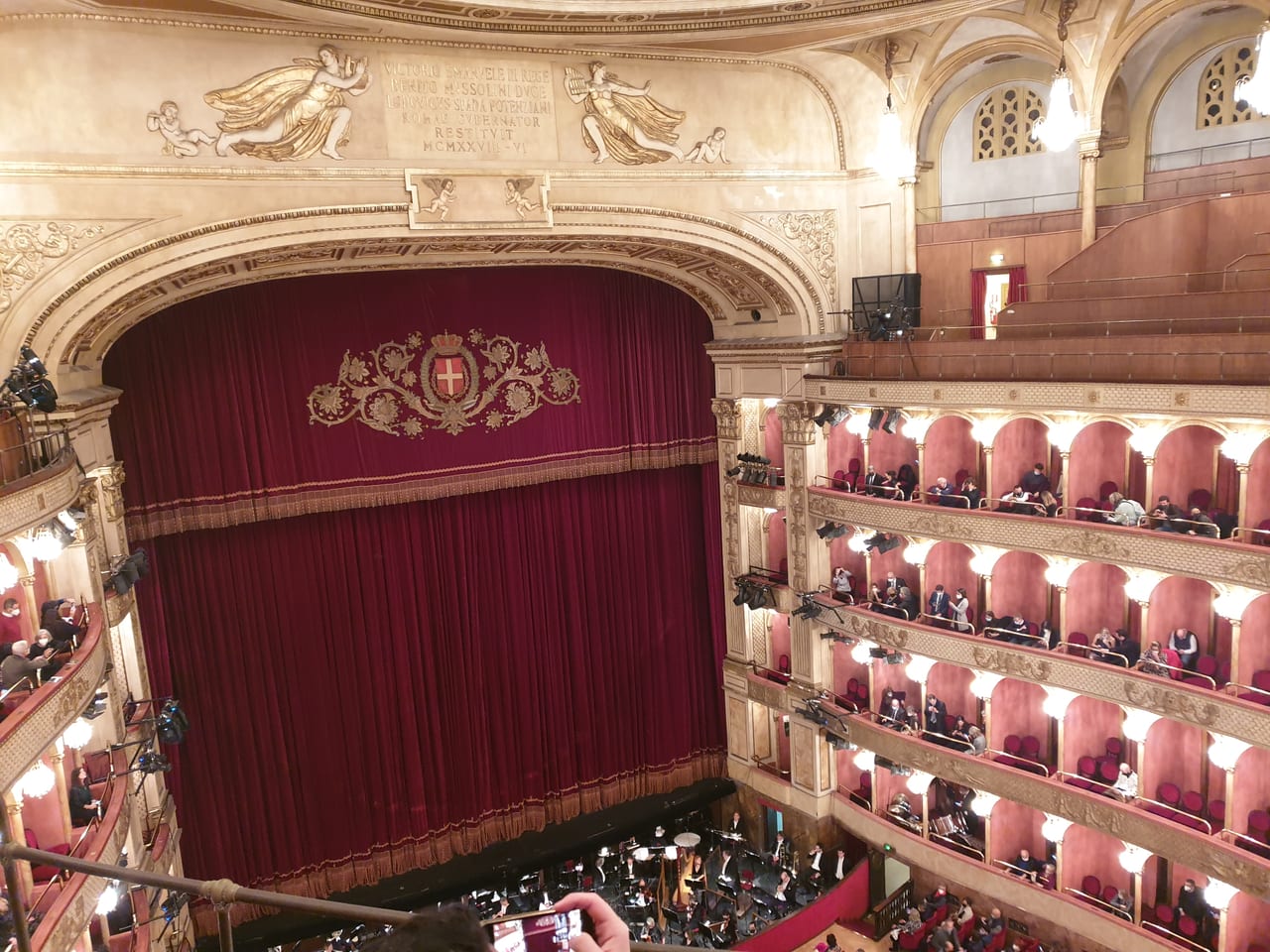
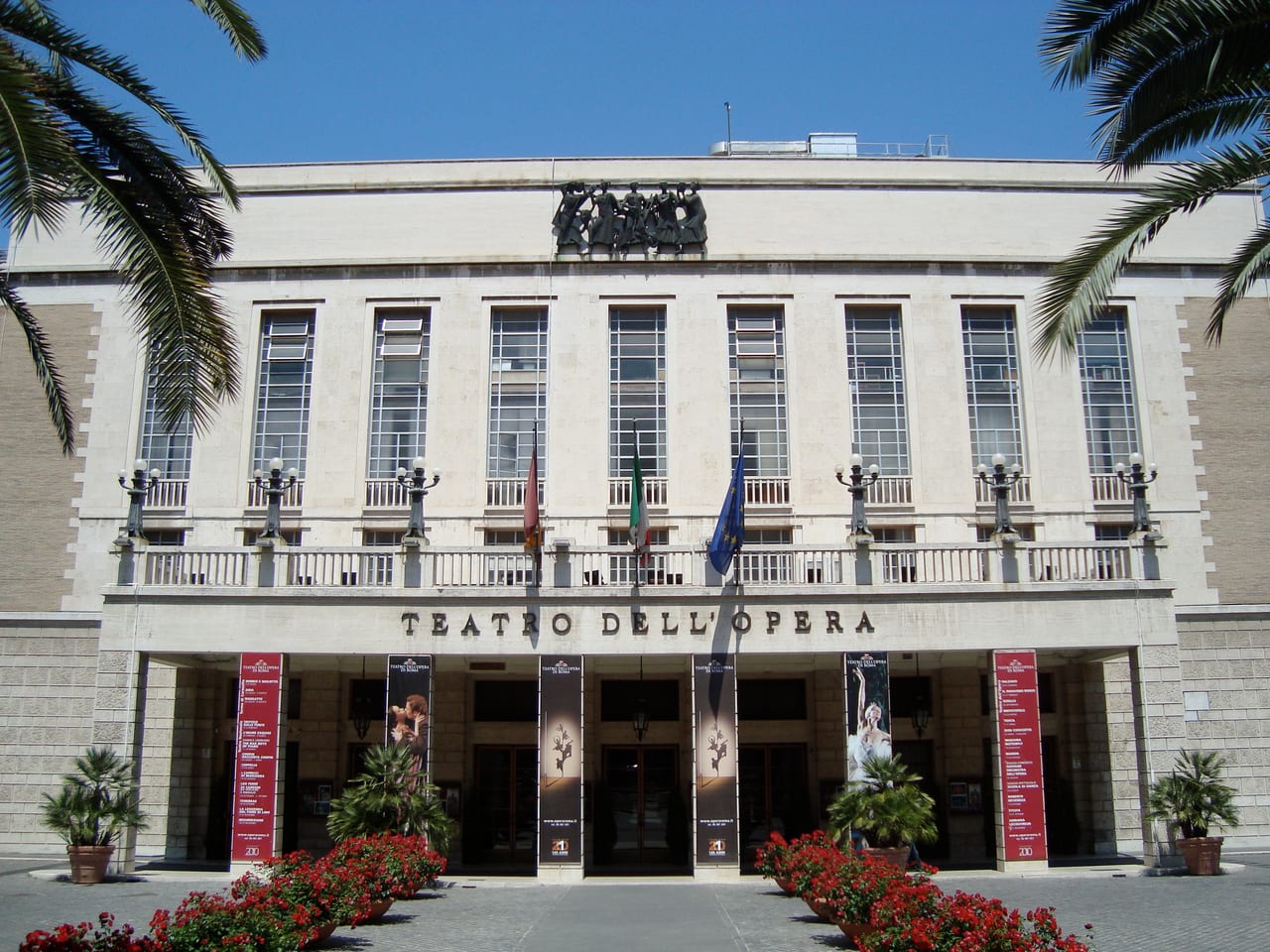
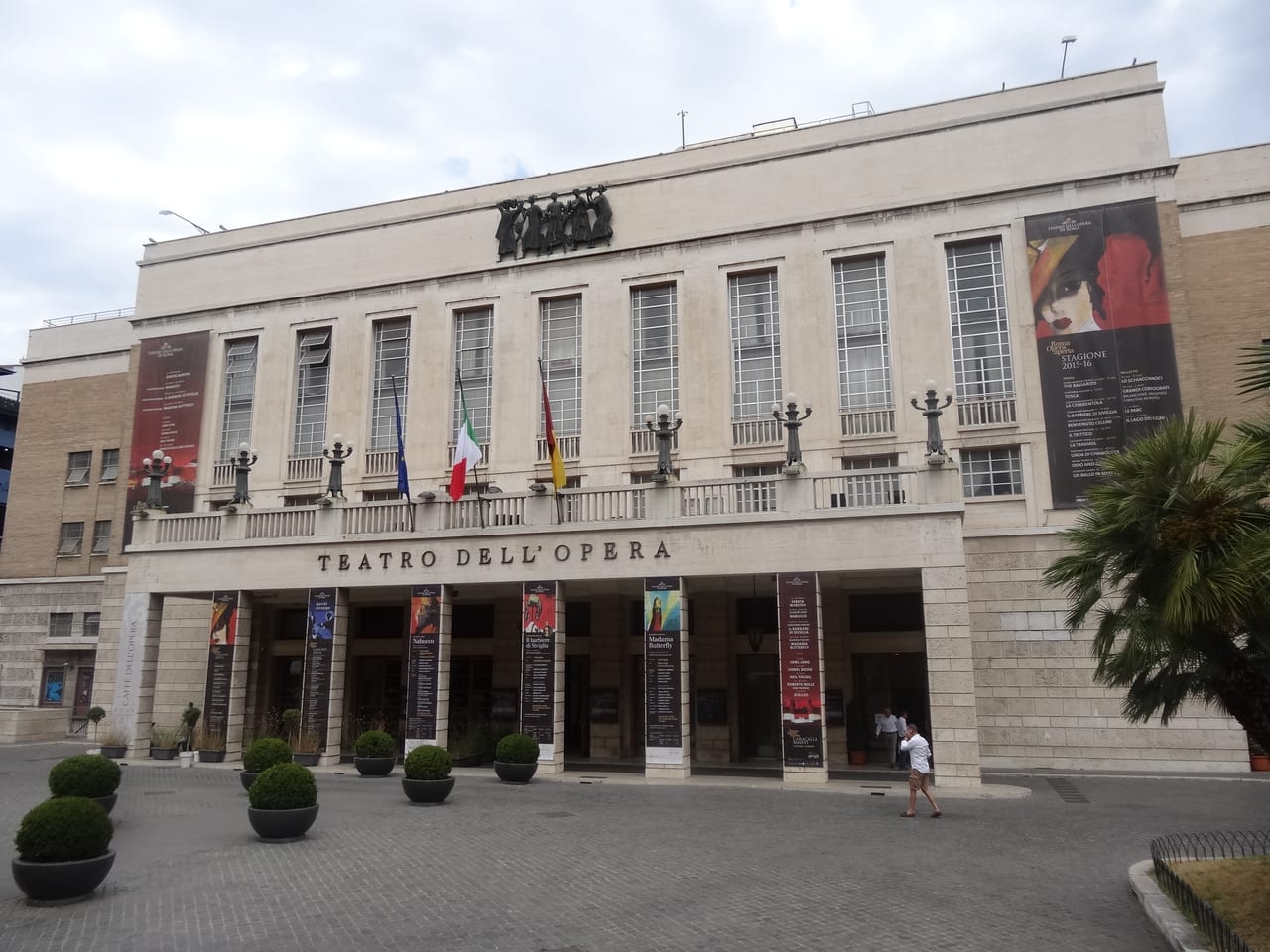
Known as the Teatro Costanzi after its founder Domenico Costanzi, the theatre emerged from the development of the route between the railway station and Via del Corso. Costanzi first built the Hotel Quirinale in 1874, then commissioned Achille Sfondrini to construct the theatre in 1879. Its fashionable neo-Renaissance design accommodated 1,100 spectators, with notably fine acoustics and a painted dome by Annibale Brugnoli. It opened on 27 November 1880 with Rossini’s Semiramide, attended by King Umberto I and Queen Margherita. Financial difficulties left Costanzi supporting the enterprise personally; administration passed to Walter Mocchi in 1907 and, in 1912, to Emma Carelli. Rome acquired the theatre in 1926 and entrusted its transformation to Marcello Piacentini. He rebuilt the exterior, completed the boxes, remodelled the gallery and installed Europe’s largest crystal chandelier. Reopened in 1928 as the Teatro Reale dell’Opera, it received another Piacentini restoration between 1956 and 1960, including the grand staircase, box foyer and a twentieth-century façade; capacity rose to about 1,560. Its artistic record includes premieres of Tosca, Cavalleria rusticana and Cecilia, while its ballet school dates from 1928. The theatre is Italian national heritage.
At a glance
- Built
- 1880
- Architect
- Achille Sfondrini
- Heritage
- Italian national heritage
Ways to explore Teatro dell'Opera di Roma
Look closely at the painted dome, the crystal chandelier and the patinated stucco Fame holding instruments above the royal box and first tier. The organ, installed behind an expressive grille to the right of the stage, is another easily missed detail. If access permits, notice the grand staircase, box foyer and the model of Piacentini’s unrealised façade project displayed in a corridor. For performance-going, compare an opera programme with the ballet season and the theatre’s own company and chorus.
Places to stay near Teatro dell'Opera di Roma

Live availability and prices from Stay22's partners, refreshed periodically and subject to change. Booking through these links may earn us a commission at no extra cost to you. See our privacy policy.
Cafés near Teatro dell'Opera di Roma
Cafés near Teatro dell'Opera di Roma loads as you scroll.
Attractions nearby
Attractions near Teatro dell'Opera di Roma loads as you scroll.
Cities nearby
Cities nearby loads as you scroll.
More in Rome
See more of Rome.
Find great cafés, places to stay and other interesting places to visit in Rome.