Memorial · Rome
Shota Rustaveli
DirectionsRustaveli’s epic, The Knight in the Panther’s Skin, stands as Georgia’s national poem and has travelled across languages far beyond its medieval origins.
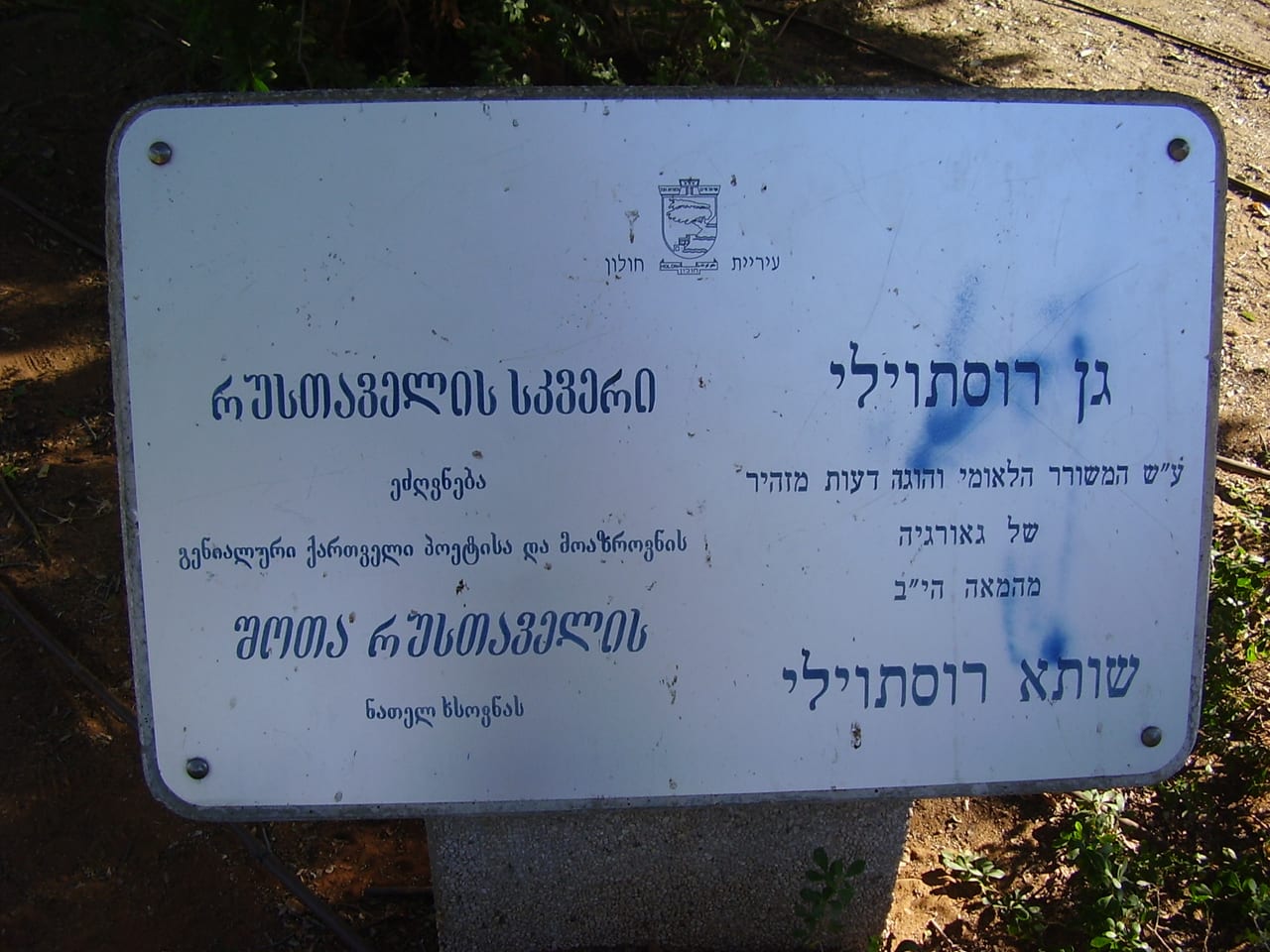
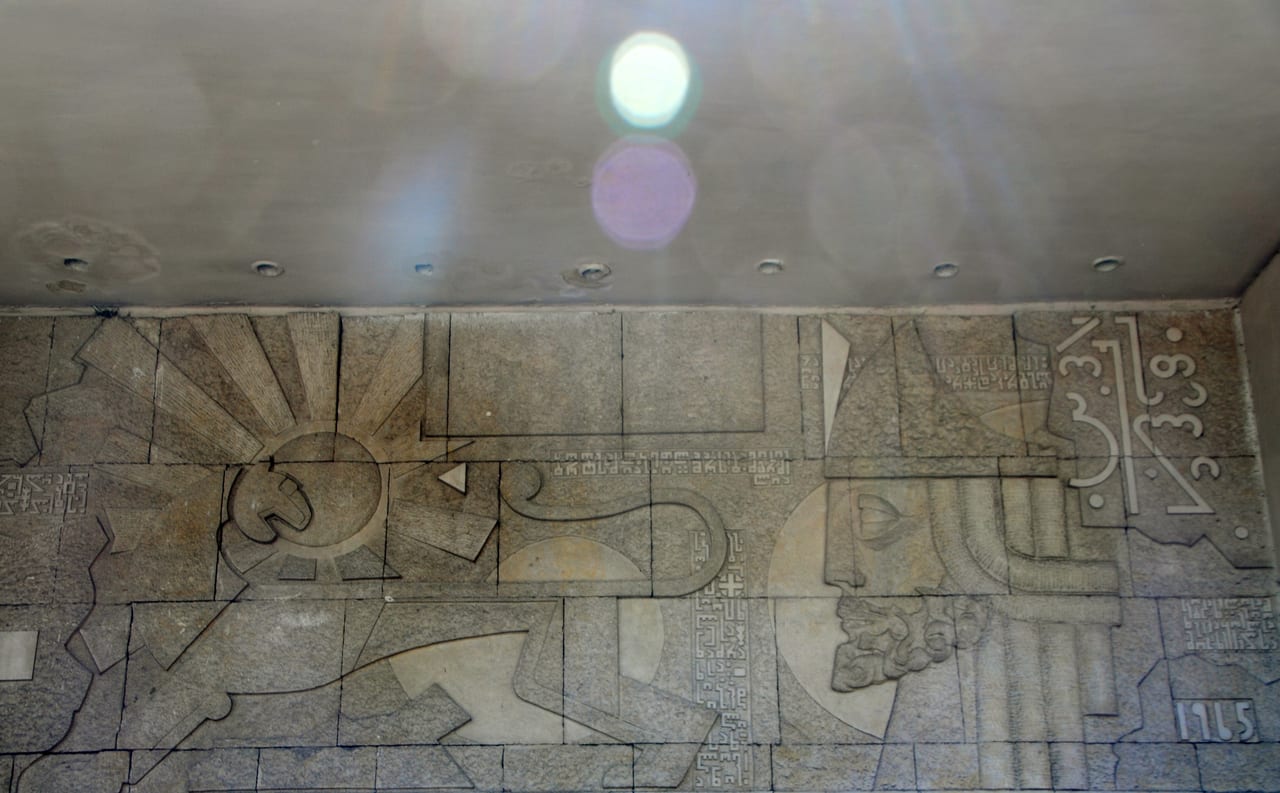
Photograph 1 of 2 of Shota Rustaveli
Shota Rustaveli was born in Rustavi around 1160 and died in Jerusalem after 1216, although both the details of his life and the circumstances of his death remain uncertain. His sobriquet means “lord of Rustavi” or “inhabitant of Rustavi,” linking him to a town in southern Georgia’s Meskheti region. A prince of Georgia, Rustaveli may have served as treasurer to Queen Tamar, whose reign forms the political background to his career. He is also associated with the Georgian Monastery of the Holy Cross in Jerusalem, where he may have painted frescoes; a face on one of its columns is thought possibly to portray him. Legends surround his education and journeys eastward. Among Georgia’s secular literary works, Rustaveli’s poem occupies a central place. A sixteenth-century manuscript preserves two pages, while a few lines survive from the fourteenth century. Later manuscript witnesses include the 1653 copy H-54. The poem was first printed in Tbilisi in 1712 by Georgia’s first publishing house, founded by Sulkhan-Saba Orbeliani with the assistance of King Vakhtang VI. Rustaveli’s name now belongs to Georgia’s highest arts and literature prize, as well as institutions, public places and transport facilities in Tbilisi.
Ways to explore Shota Rustaveli
Pause at the memorial to read the name in its local form, Shota Rustaveli, and note whether the inscription identifies him as a poet or names his major work. Pair the visit with a translated passage from his poem, then look for Georgian cultural references elsewhere in the city. The memorial is best approached as a starting point for reading rather than as a standalone architectural monument.
Places to stay near Shota Rustaveli

Live availability and prices from Stay22's partners, refreshed periodically and subject to change. Booking through these links may earn us a commission at no extra cost to you. See our privacy policy.
Cafés near Shota Rustaveli
Cafés near Shota Rustaveli loads as you scroll.
Attractions nearby
Attractions near Shota Rustaveli loads as you scroll.
Cities nearby
Cities nearby loads as you scroll.
More in Rome
See more of Rome.
Find great cafés, places to stay and other interesting places to visit in Rome.