Ancient site · Rome
Servian Wall
DirectionsIts surviving masonry belongs to one of Italy’s largest ancient defensive circuits, enclosing roughly 426 hectares across Rome’s seven hills.
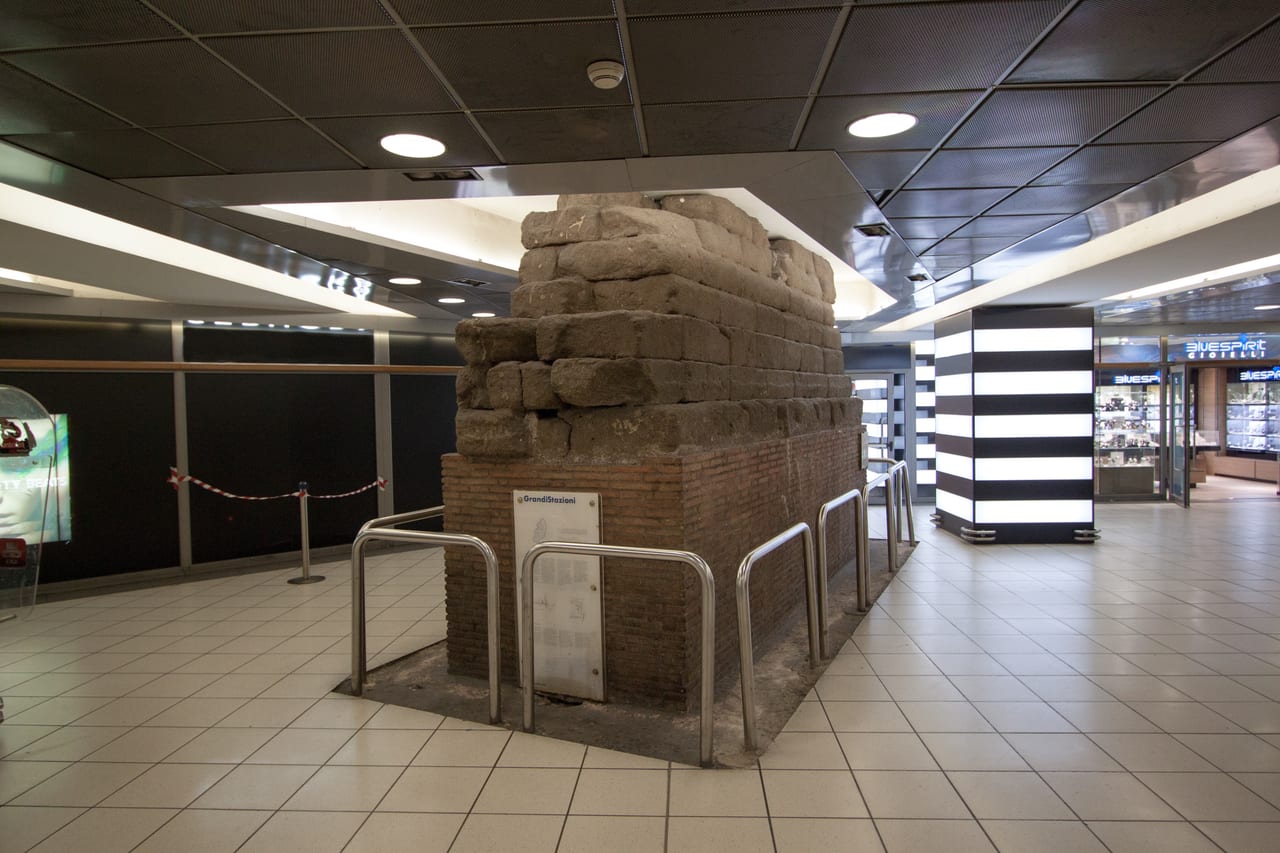
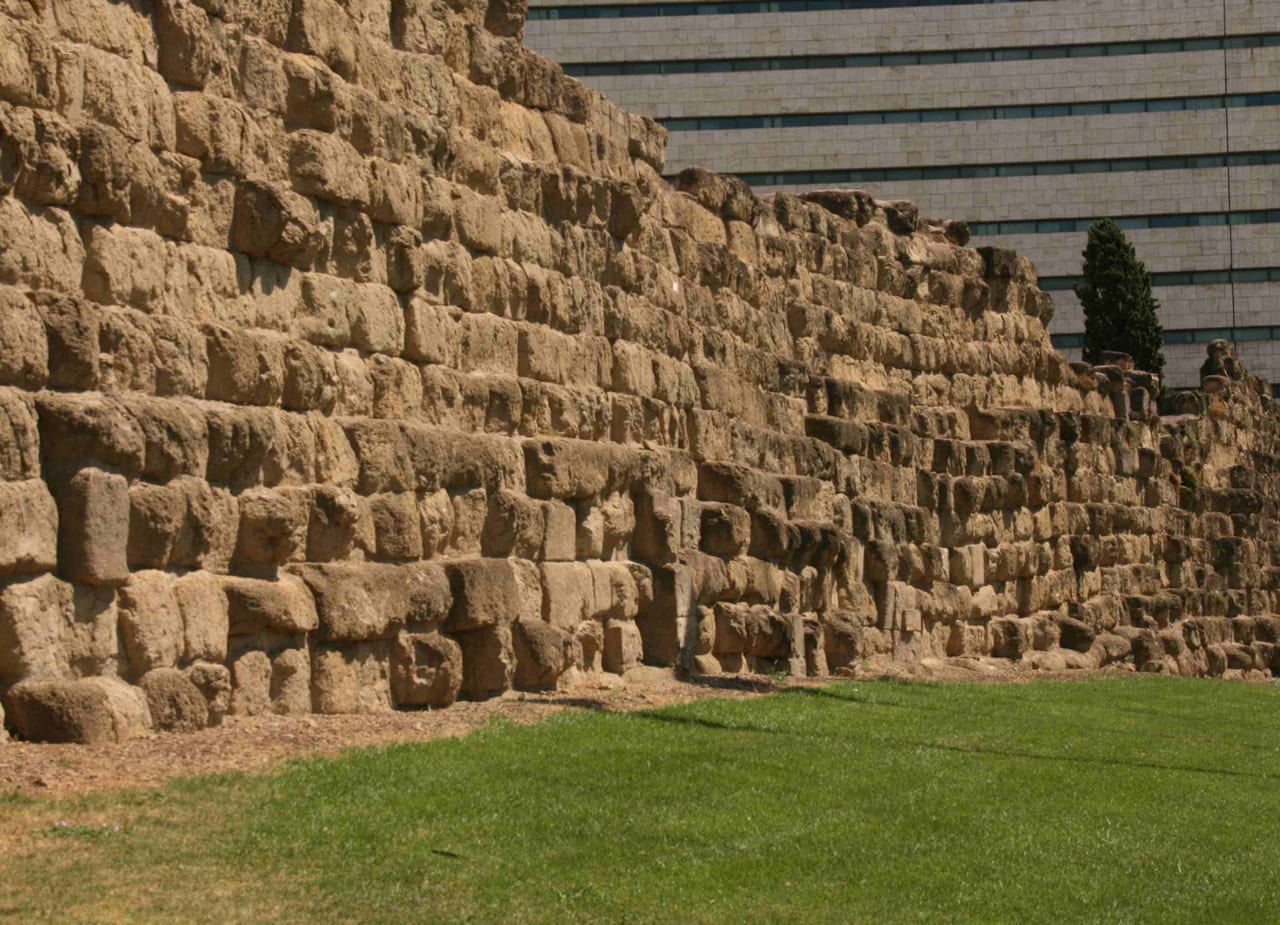
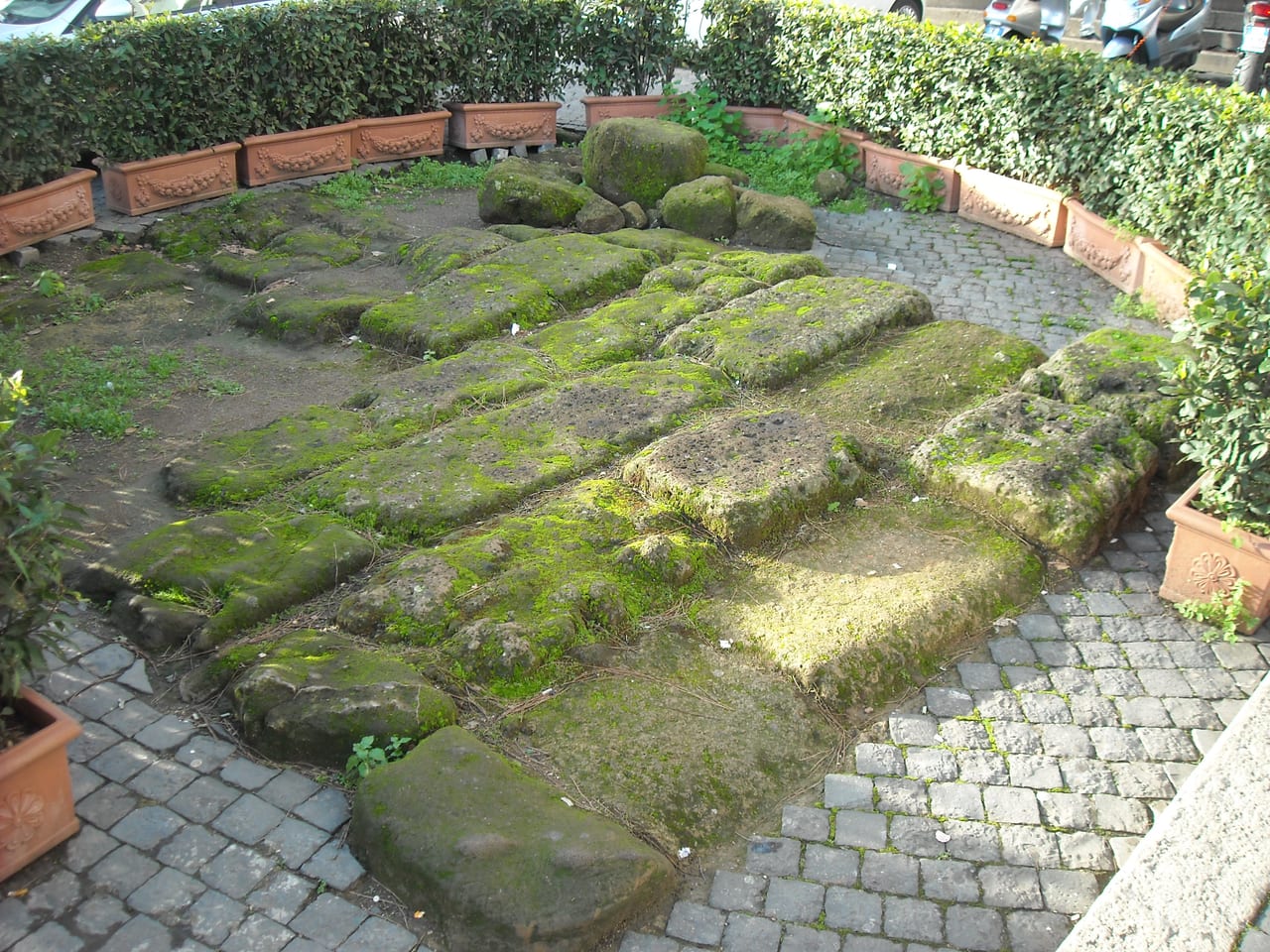
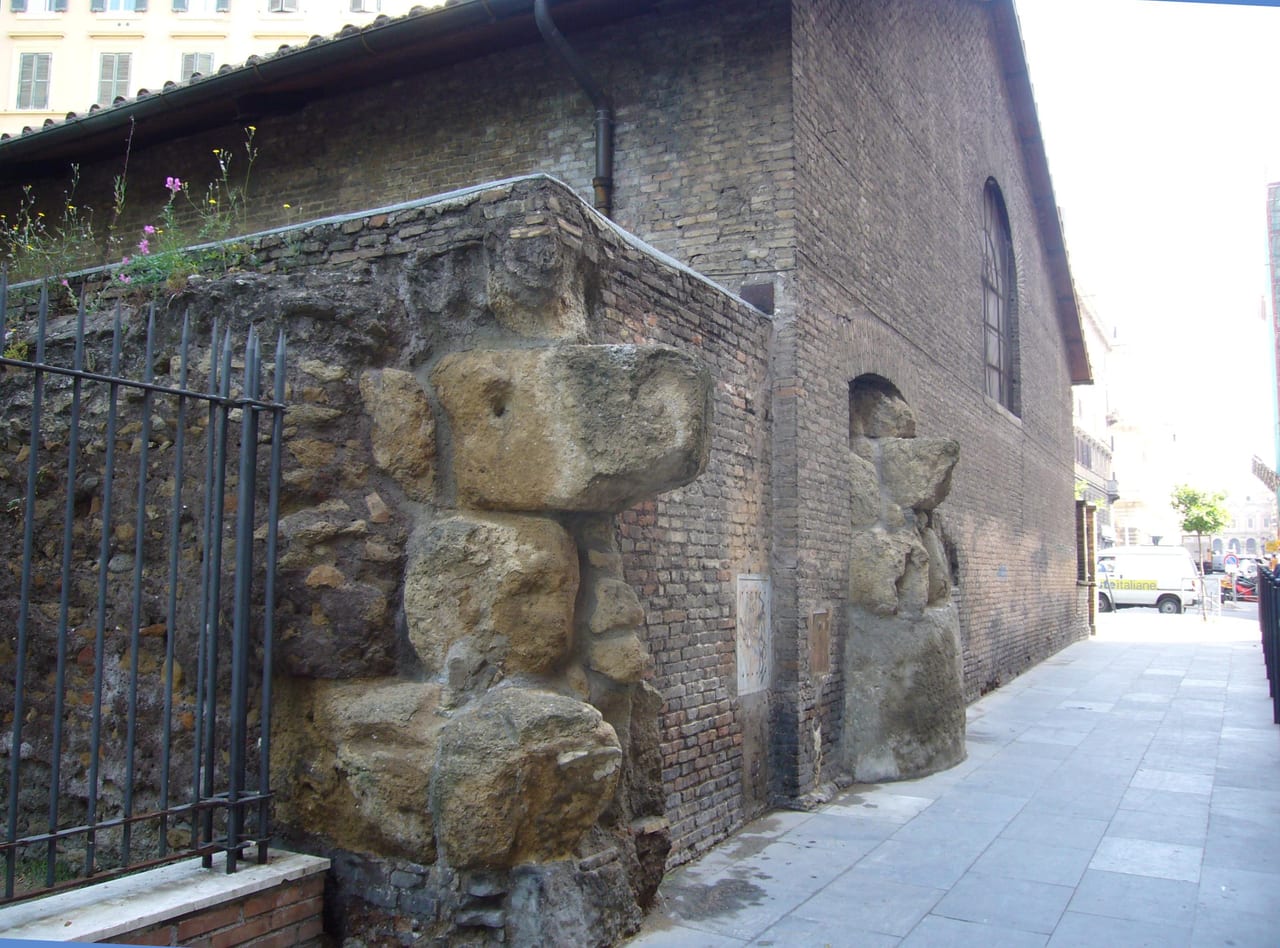
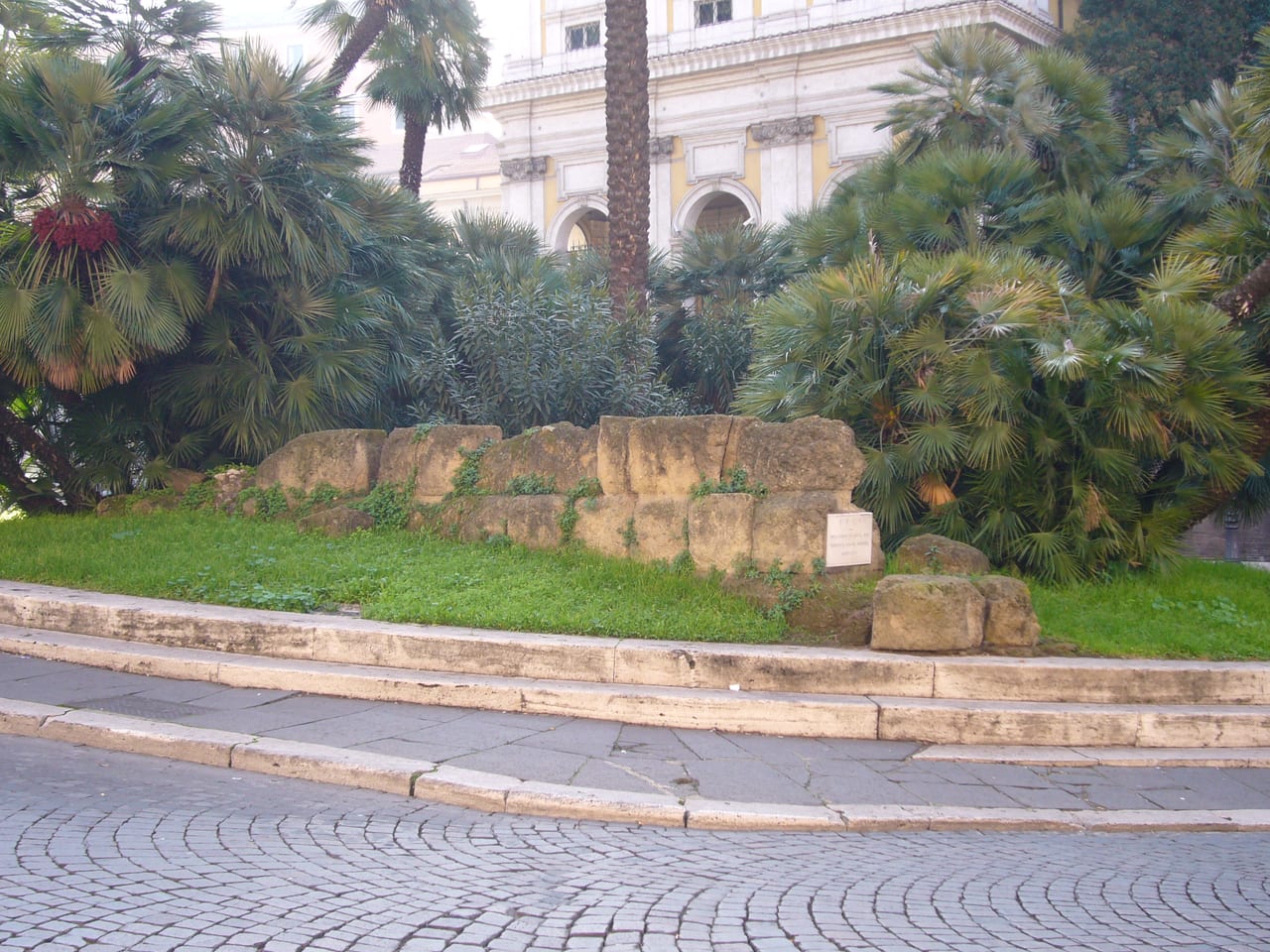
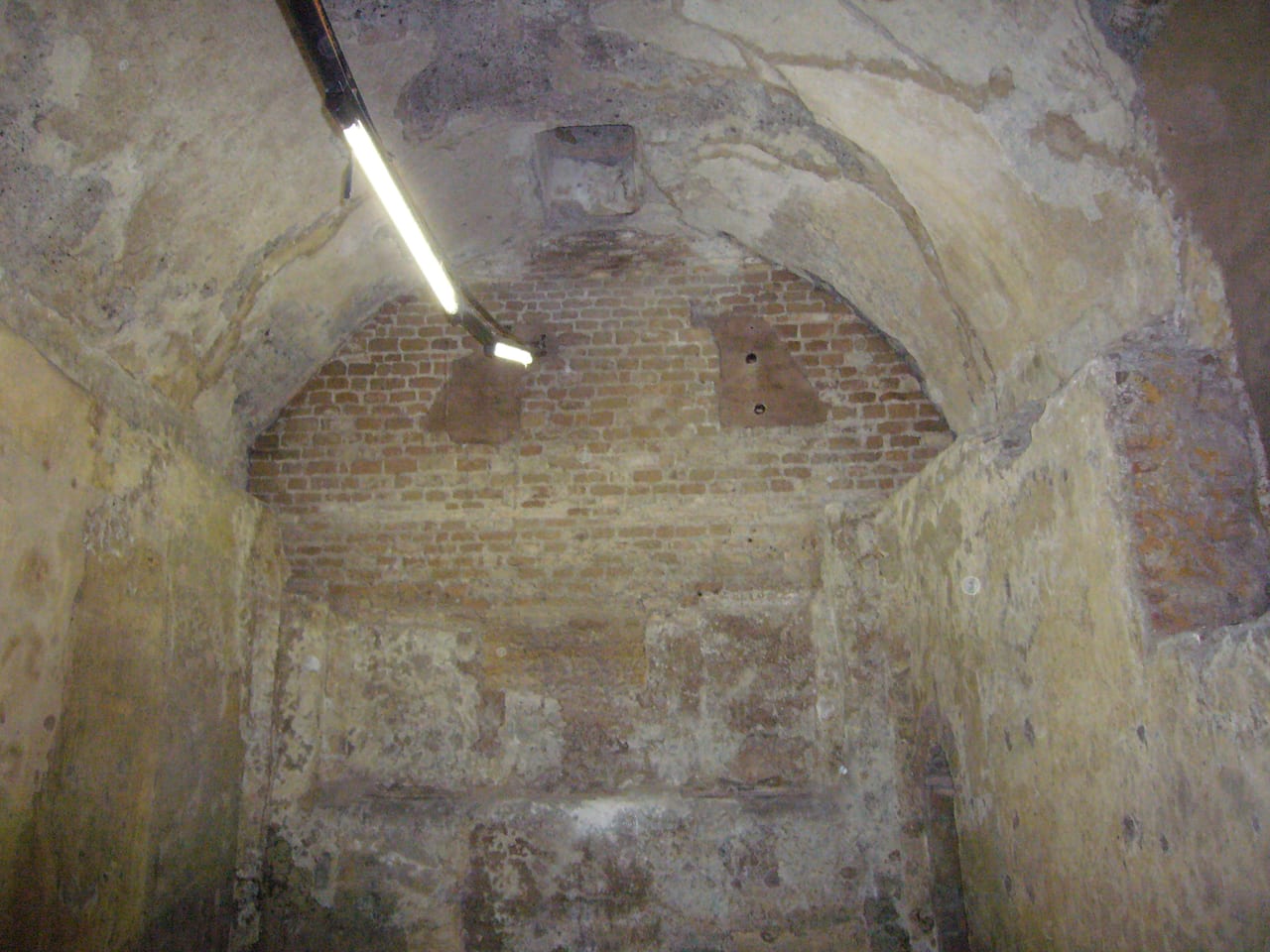
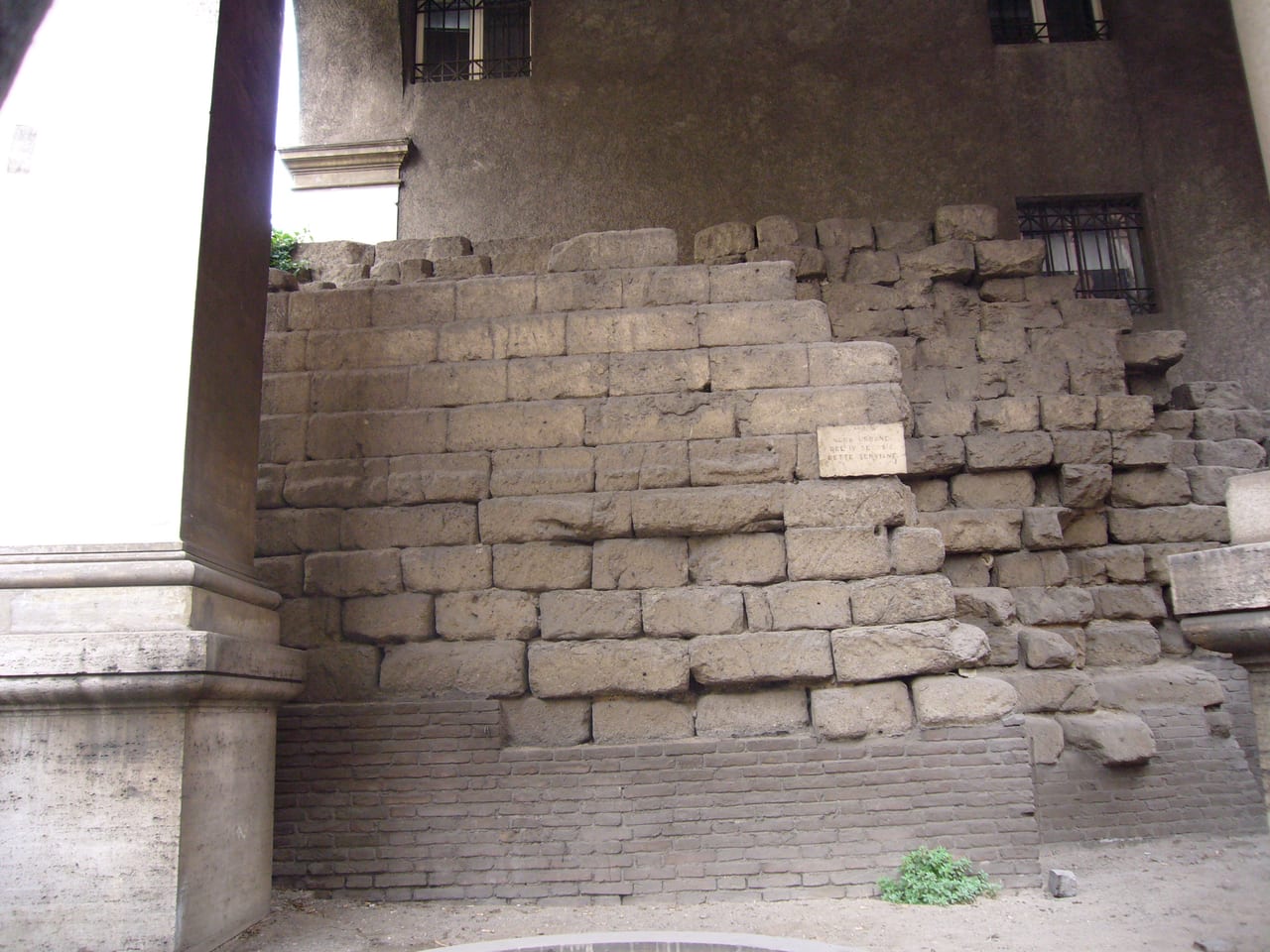
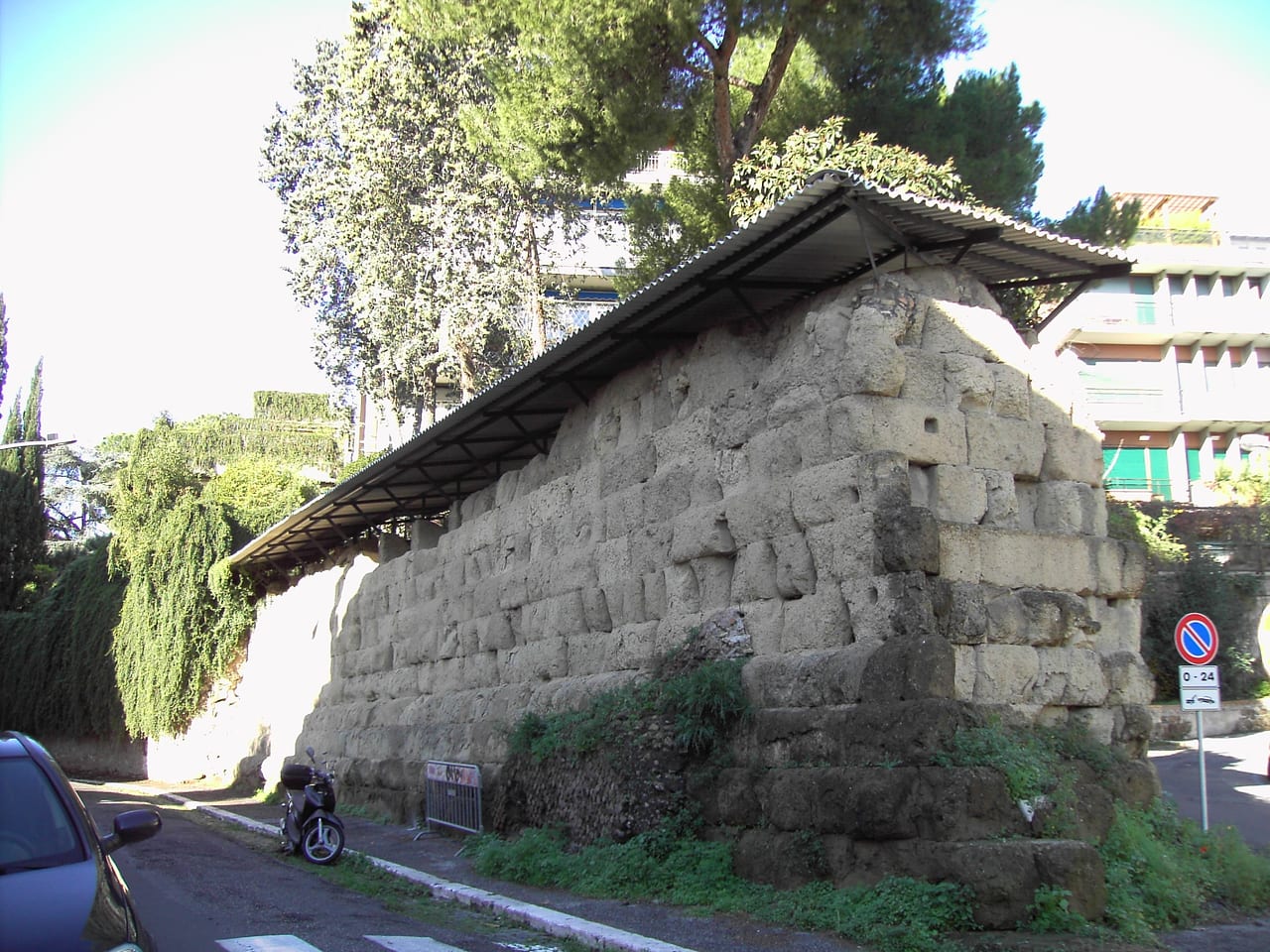
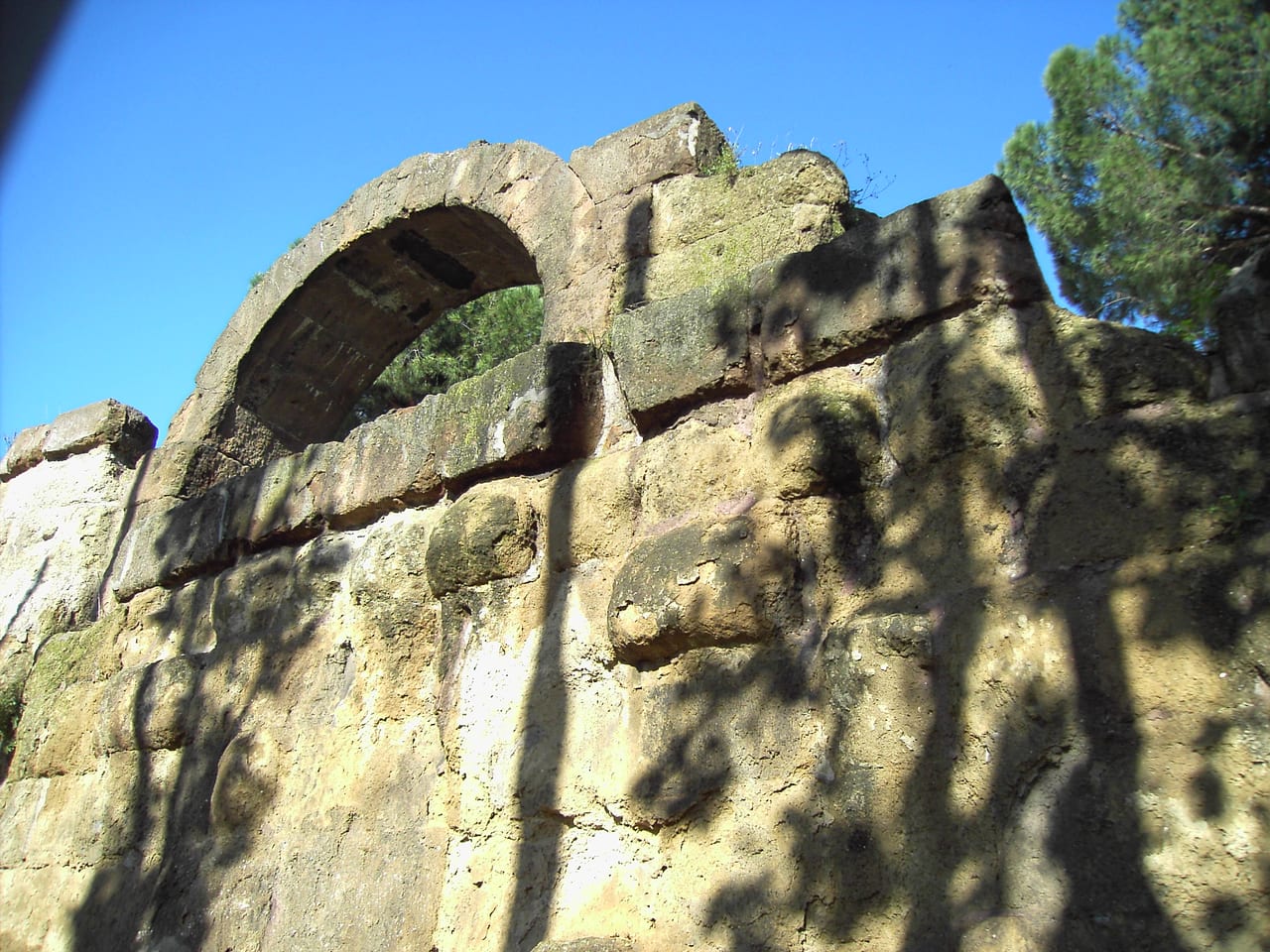
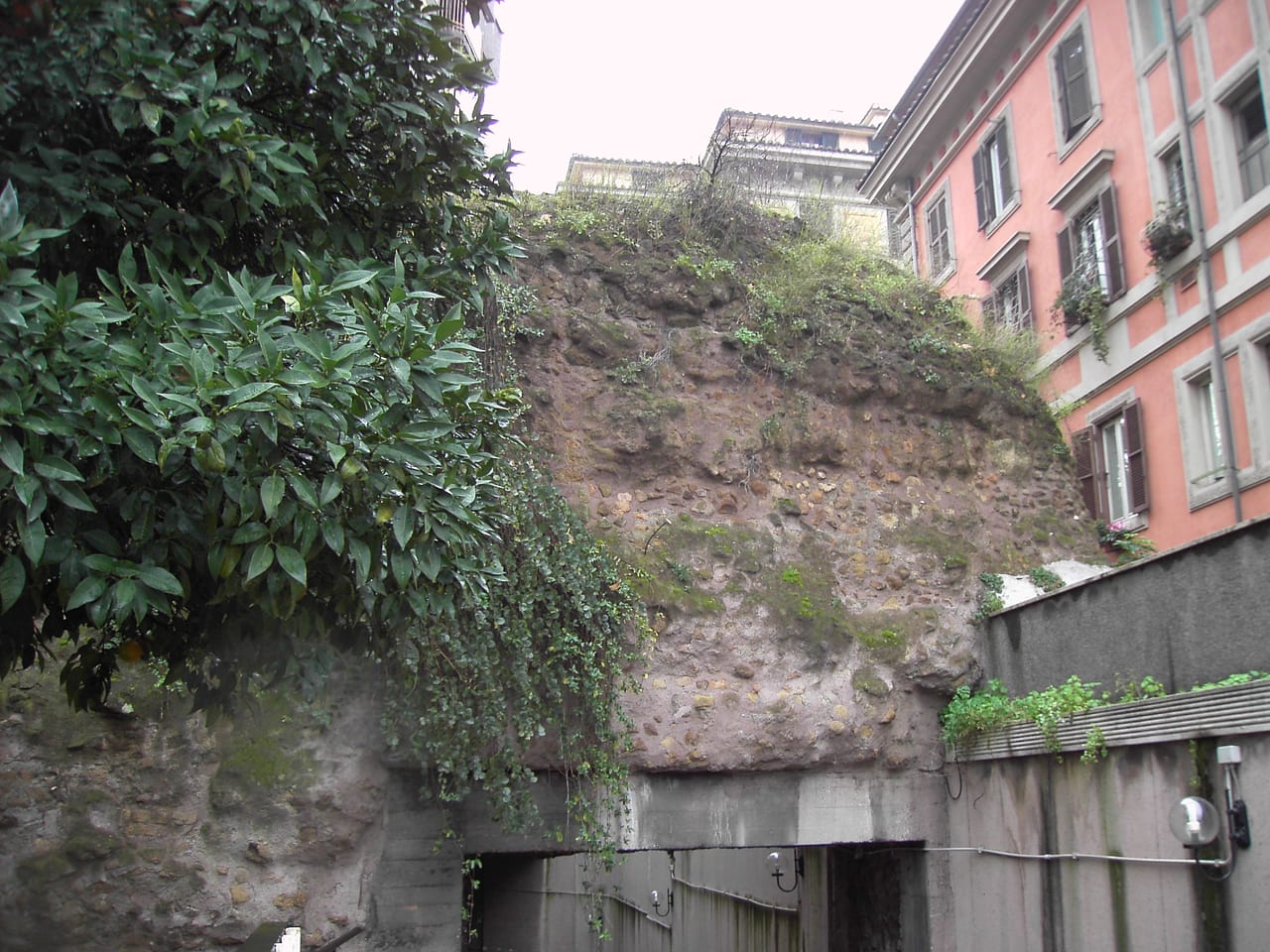
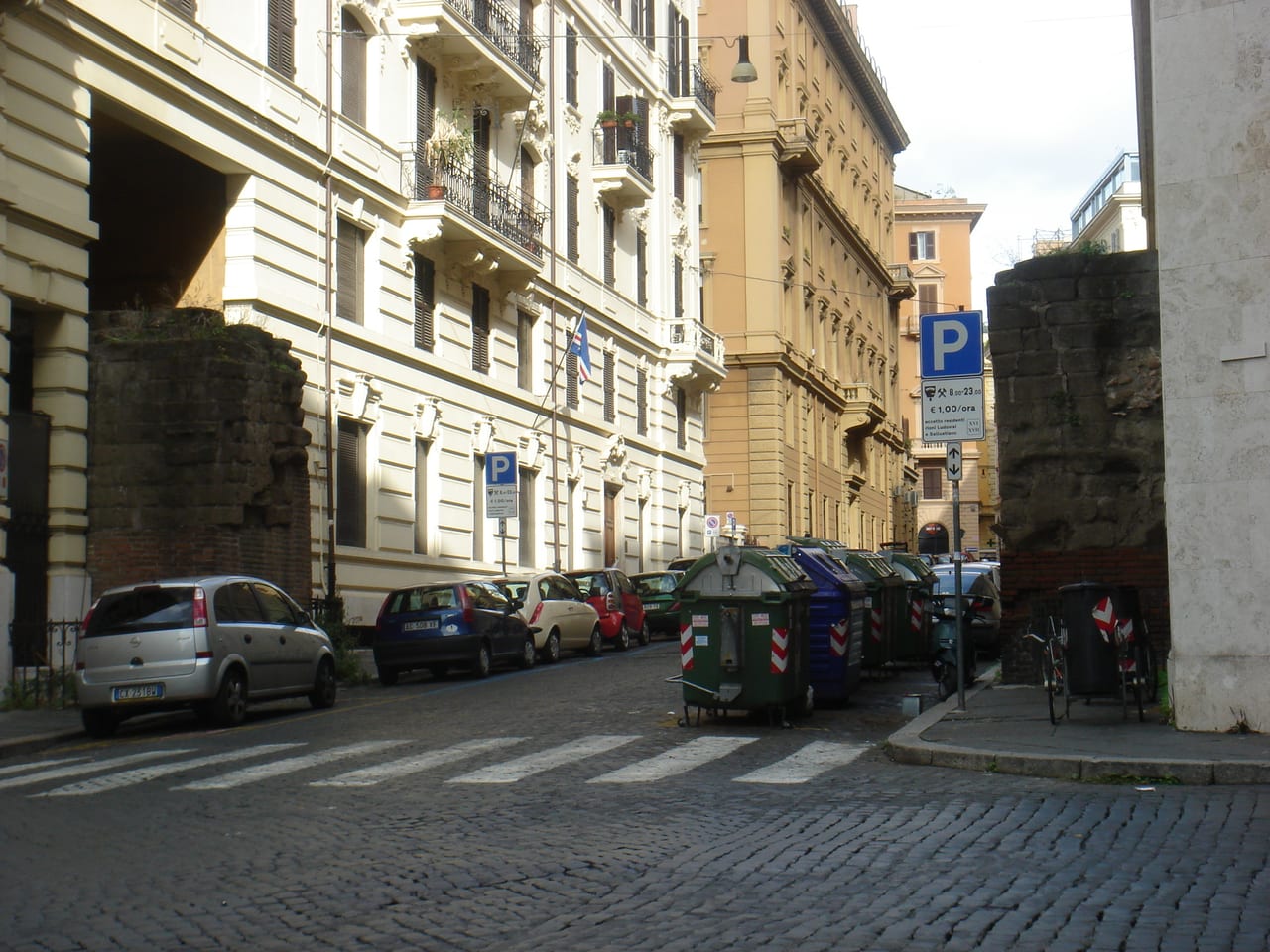
Photograph 1 of 15 of Servian Wall
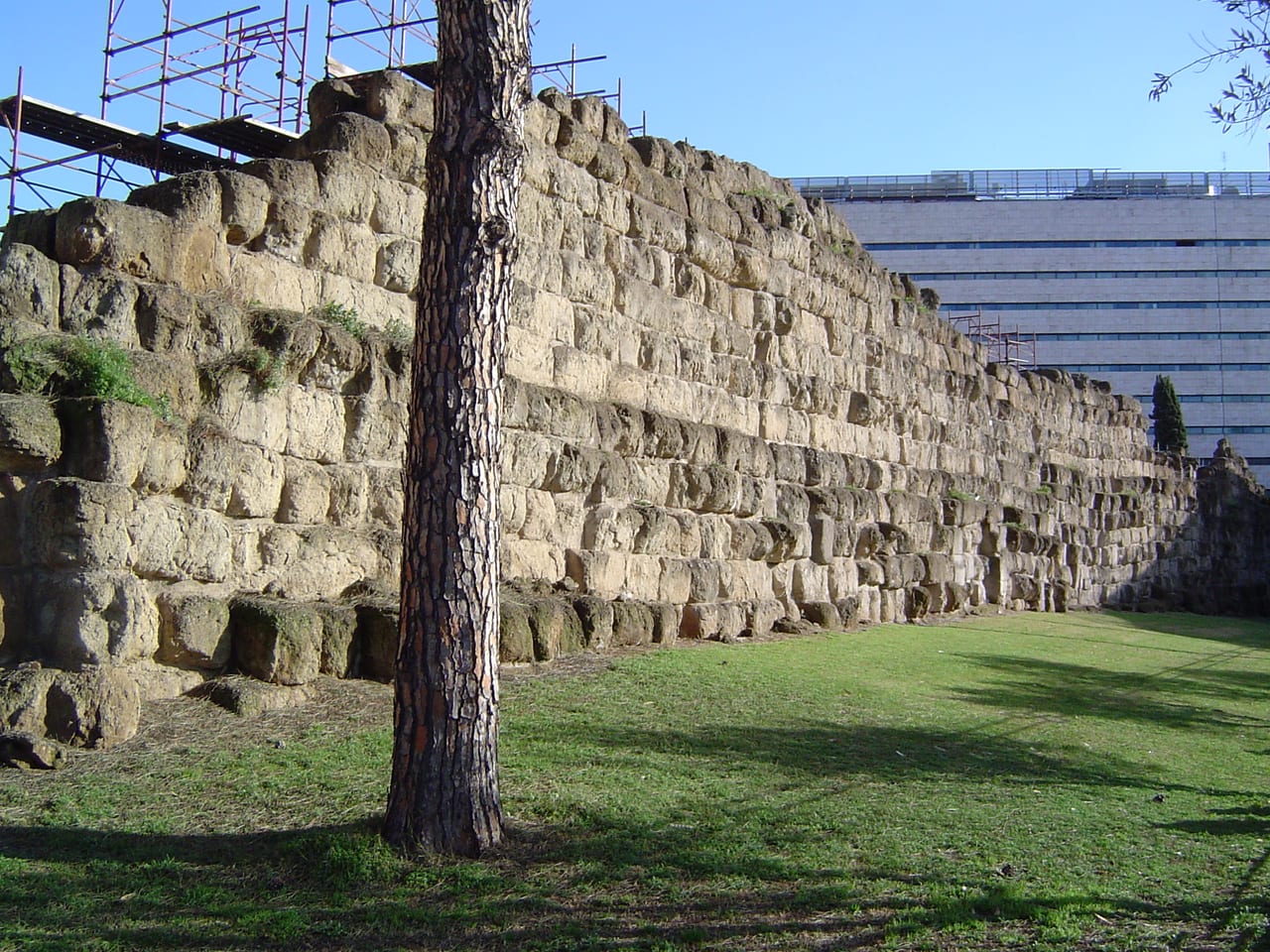
Tradition attributes Rome’s first unified defences to Tarquinius Priscus, later enlarged by Servius Tullius, whose name they retain. Before the sixth century BC, the hills around the Palatine relied on separate strongholds, slopes and occasional earthworks; the new circuit brought the Quirinal, Viminal and Esquiline within one urban perimeter. On exposed ground it combined masonry with the broad agger, or rampart, and a deep ditch. The walls protected Rome for more than 150 years, until the Senones’ invasion and sack of 390 BC. The Republican rebuilding, begun in 378 BC under the censors Spurius Servilius Priscus and Quintus Cloelius Siculus, used stronger Grotta Oscura tuff, quarried after Veii’s conquest in 396 BC. Alternating rows of blocks bear rough marks, probably recording work by several building teams; craftsmen or architects may have come from Syracuse, then ruled by Dionysius the Elder. The circuit was restored in 353, 217, 212 and 87 BC. As Rome expanded after the Punic Wars, its gates became roads or monuments, and Aurelian’s third-century walls replaced its military role.
At a glance
- Built
- 350
Ways to explore Servian Wall
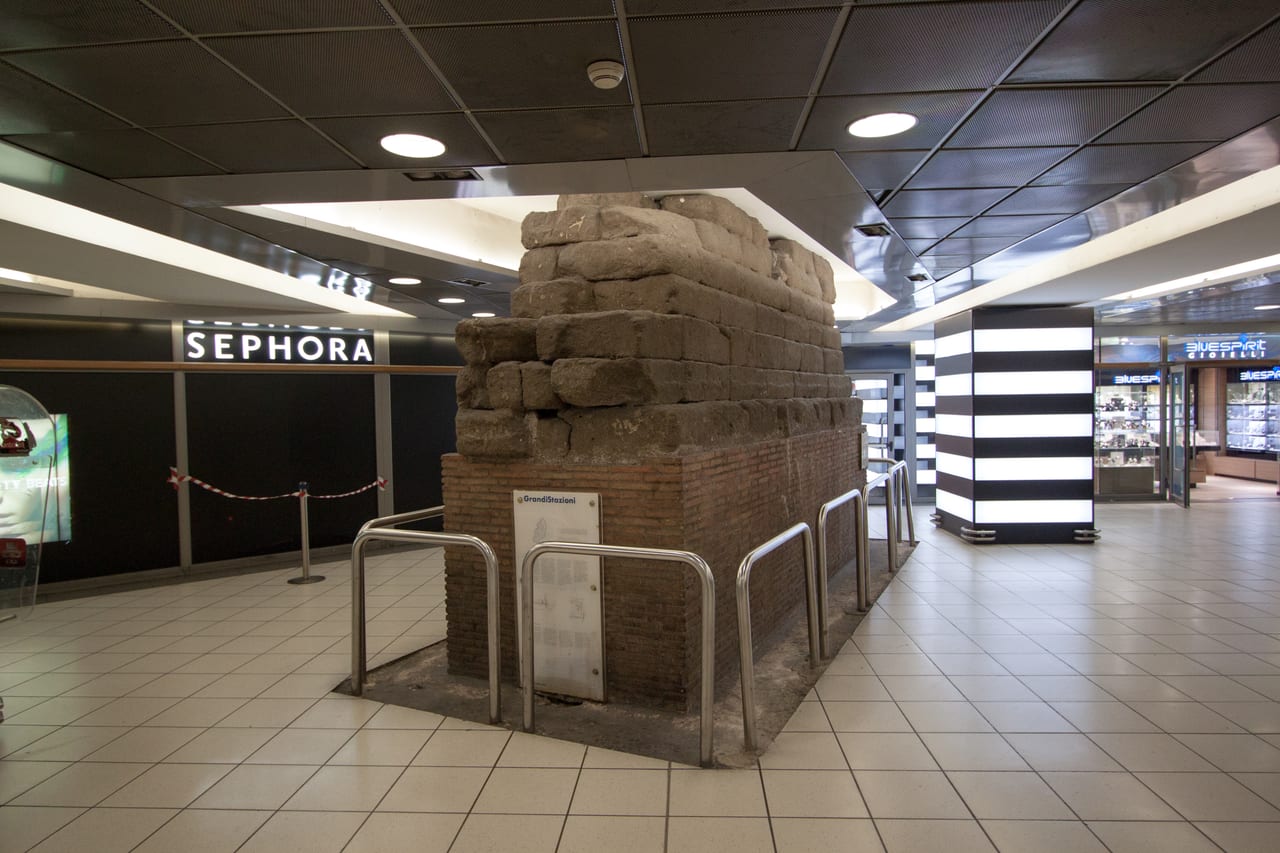
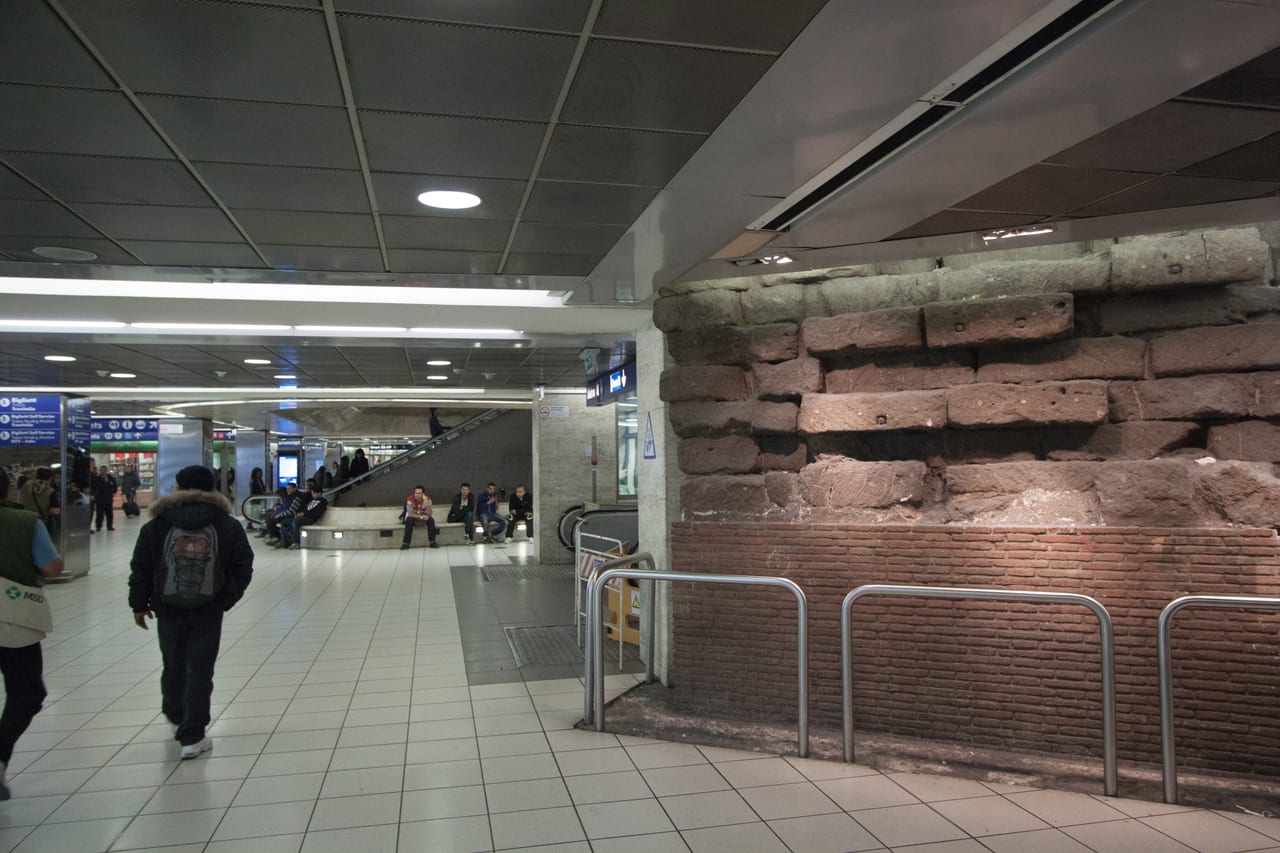
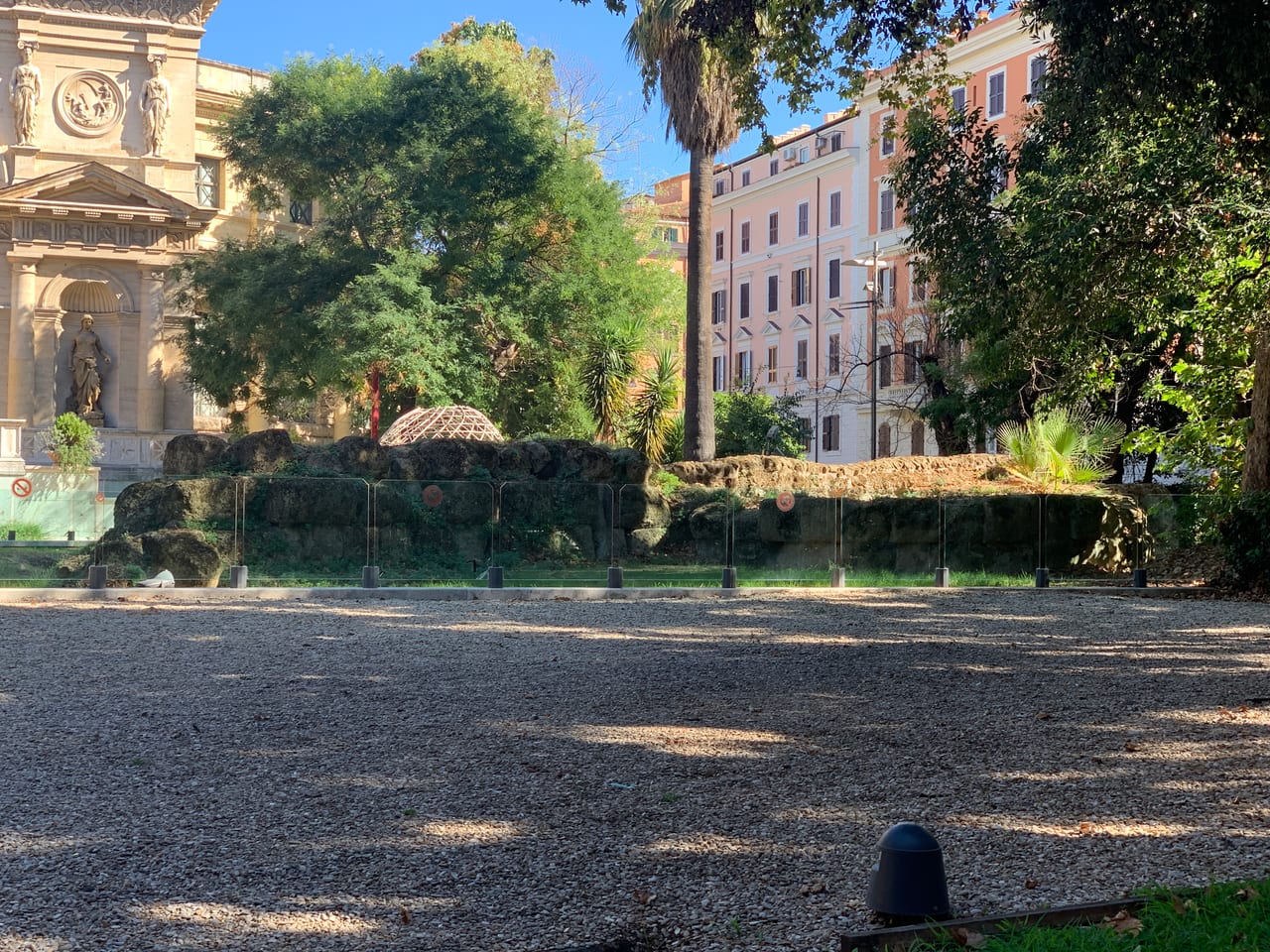
Begin at Piazza dei Cinquecento, where the longest surviving section measures 94 metres; the Viminal Gate opened within it. Compare the three rows of blocks at Largo Magnanapoli, remains in the Palazzo Antonelli atrium and fragments along Via Salandra. Near the Capitoline, inspect the ancient defences in the garden between Santa Maria in Aracoeli and the rear steps of the Vittoriano. Further fragments survive beneath Termini station.
Places to stay near Servian Wall

Live availability and prices from Stay22's partners, refreshed periodically and subject to change. Booking through these links may earn us a commission at no extra cost to you. See our privacy policy.
Cafés near Servian Wall
Cafés near Servian Wall loads as you scroll.
Attractions nearby
Attractions near Servian Wall loads as you scroll.
Cities nearby
Cities nearby loads as you scroll.
More in Rome
See more of Rome.
Find great cafés, places to stay and other interesting places to visit in Rome.