Church · Rome
Santo Stefano Rotondo
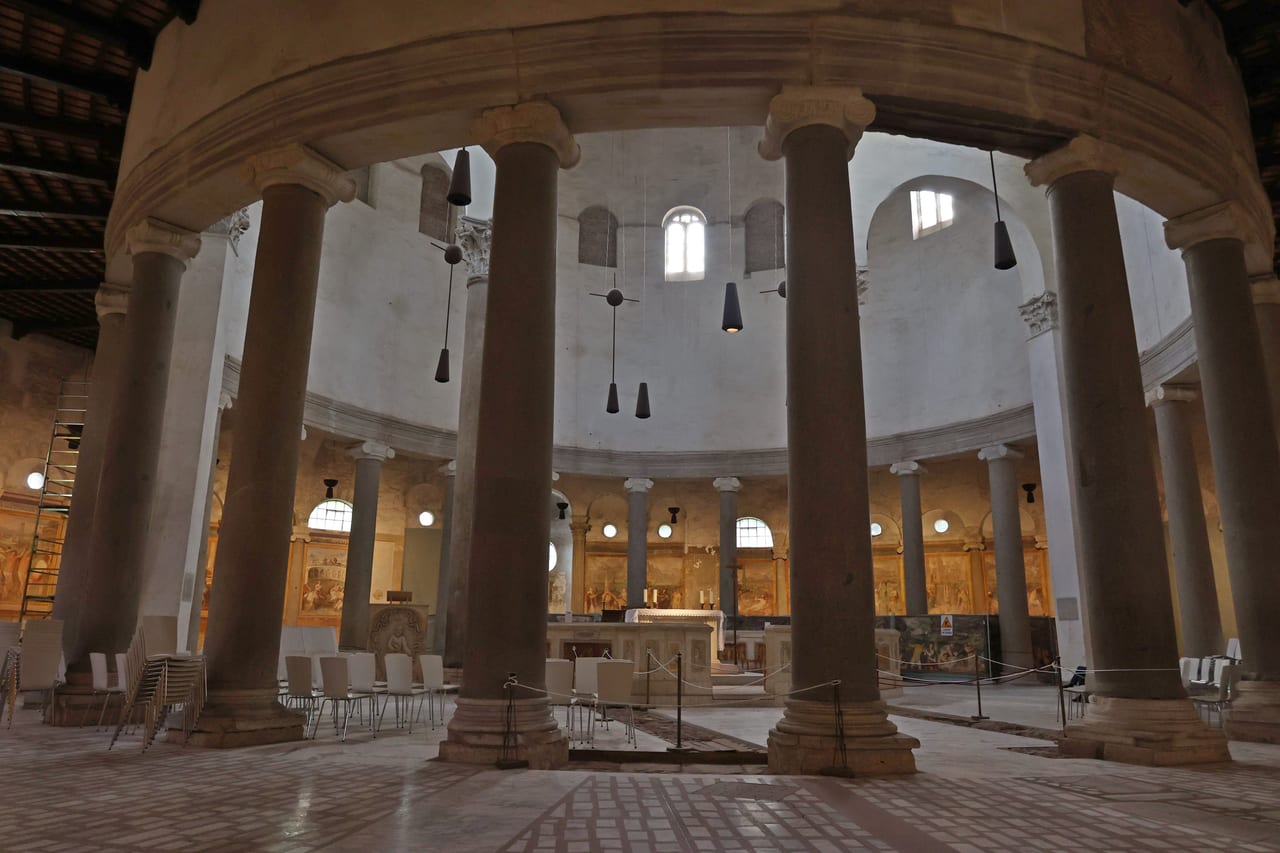
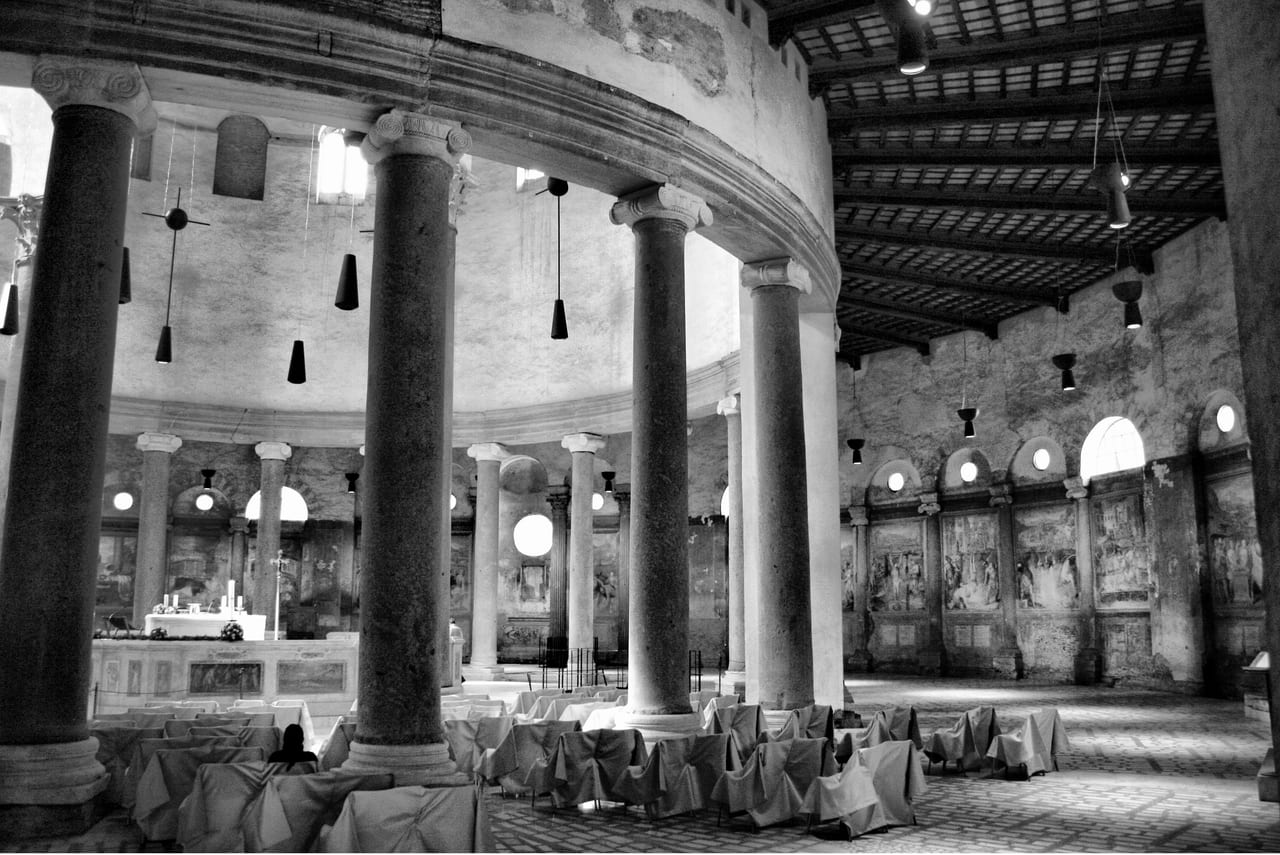
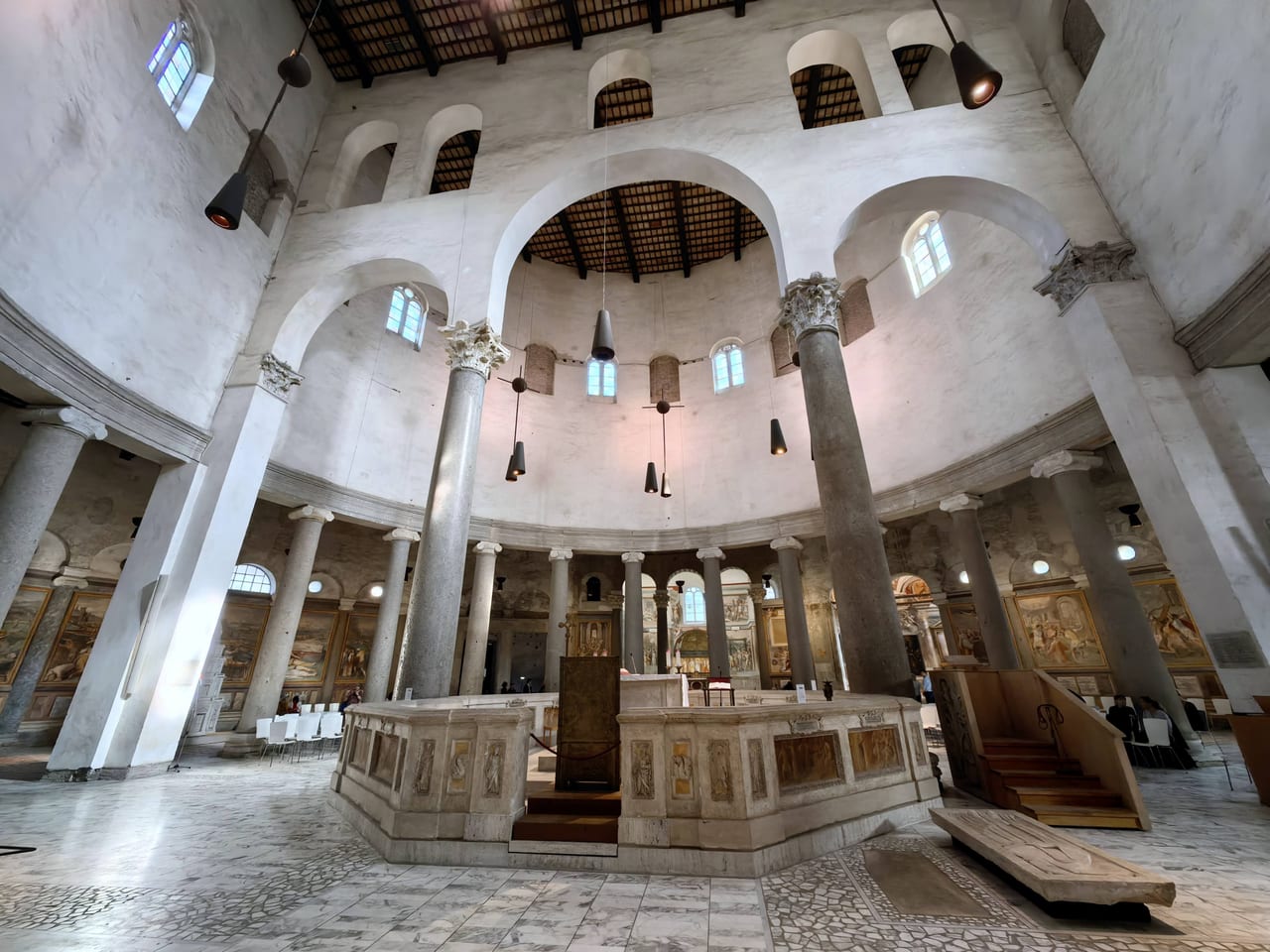
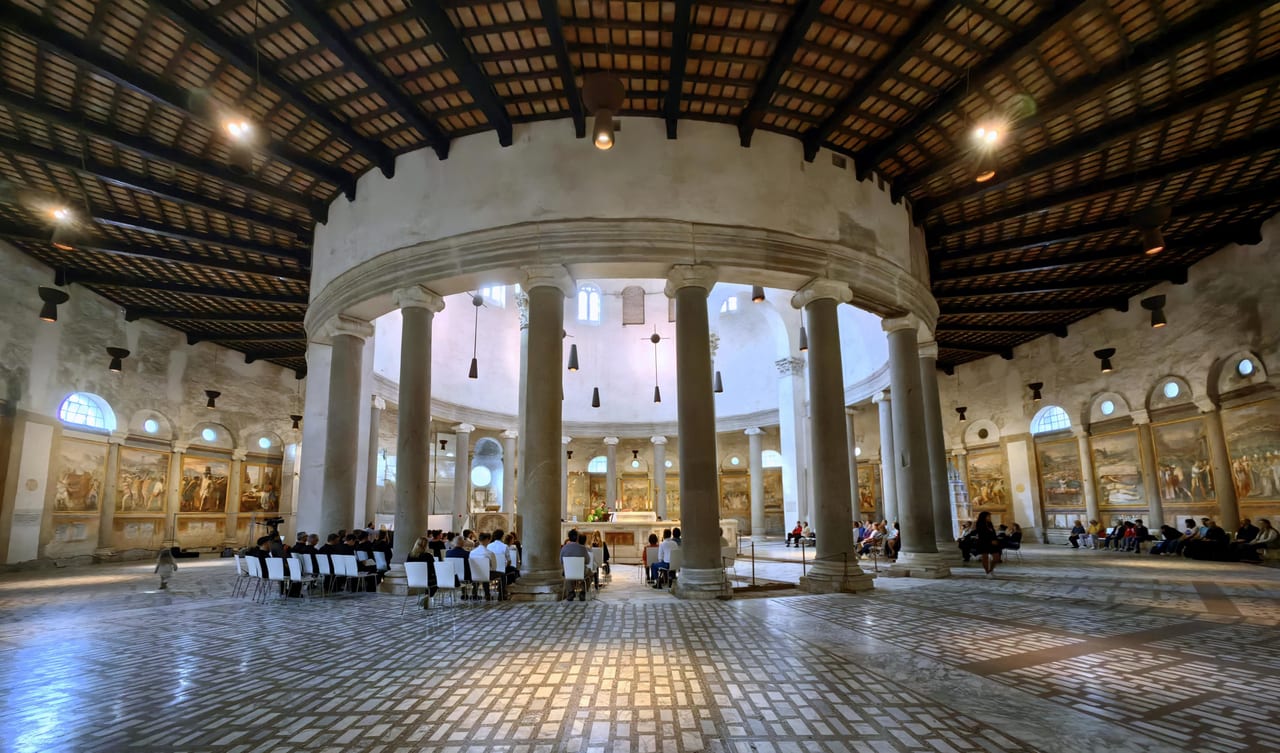
DirectionsSanto Stefano Rotondo preserves an extraordinary early Christian experiment: a circular sanctuary whose original design combined concentric ambulatory rings with a Greek-cross arrangement.
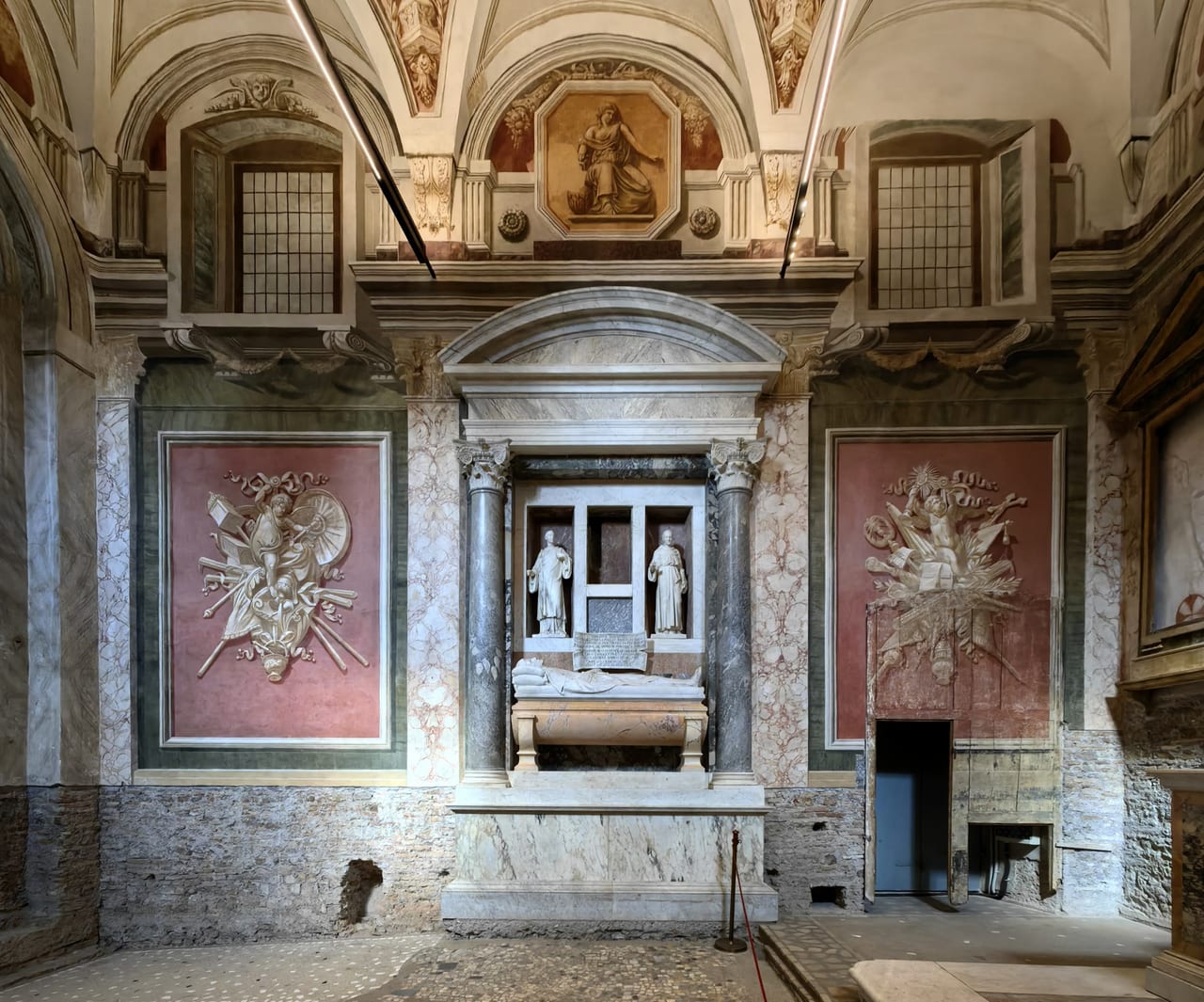
Photograph 1 of 14 of Santo Stefano Rotondo
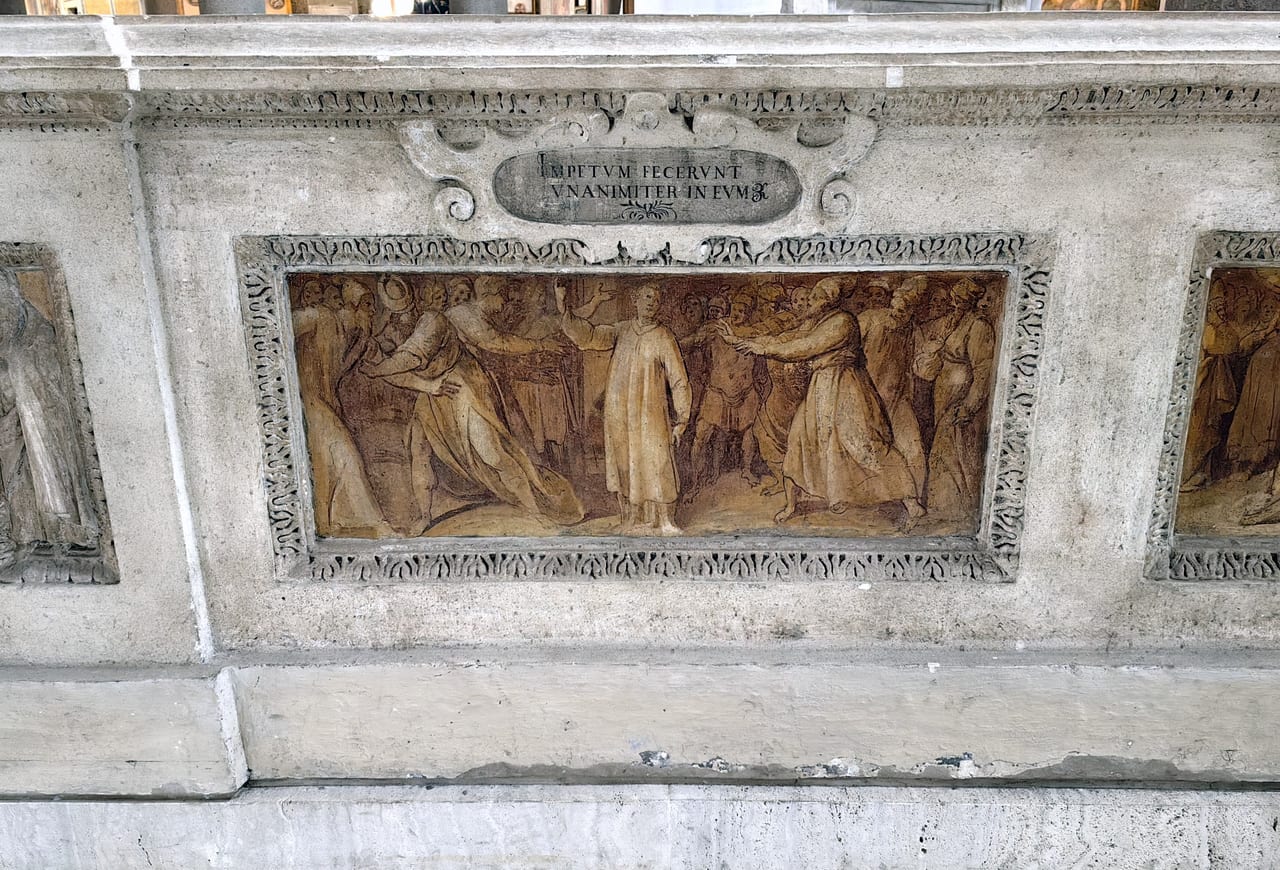
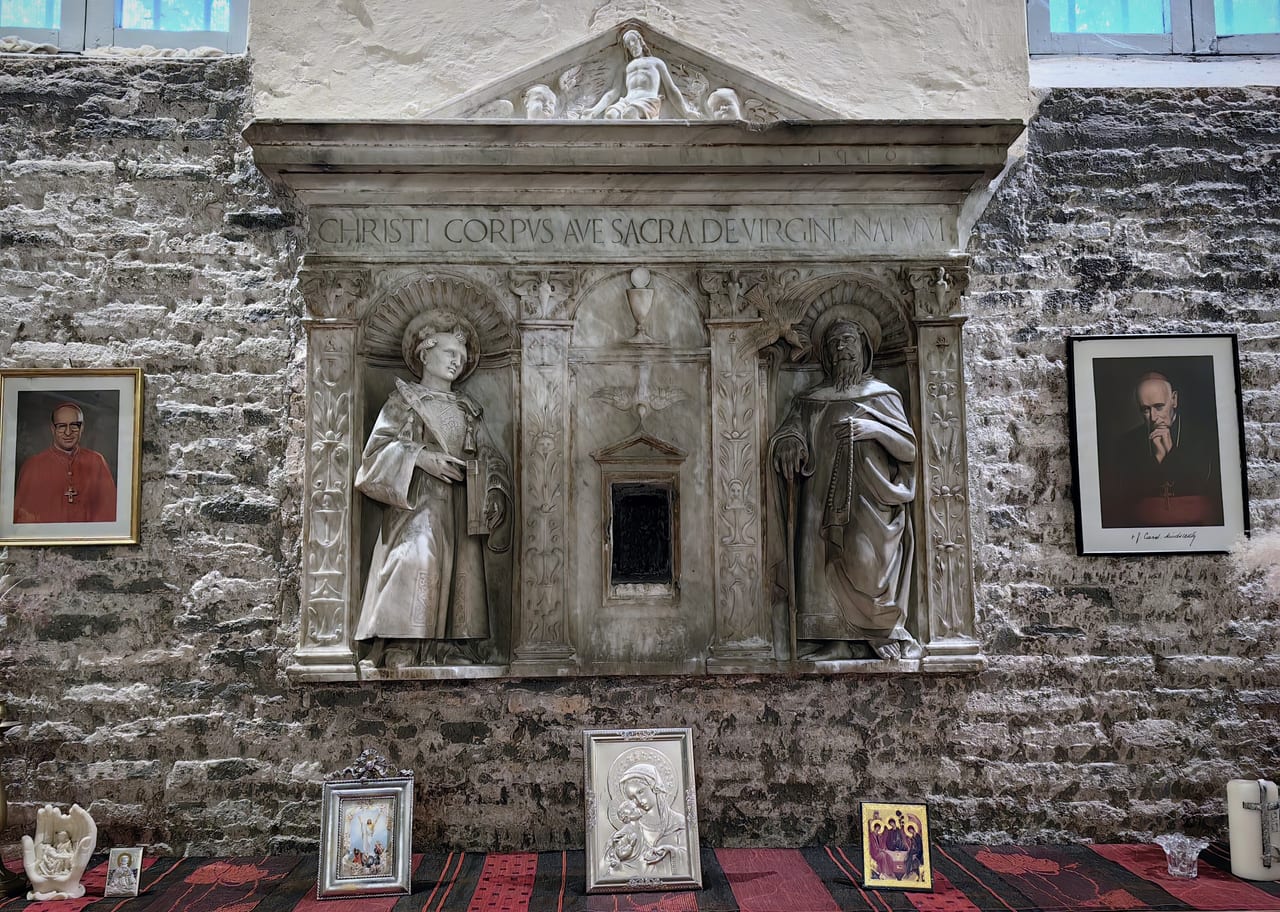
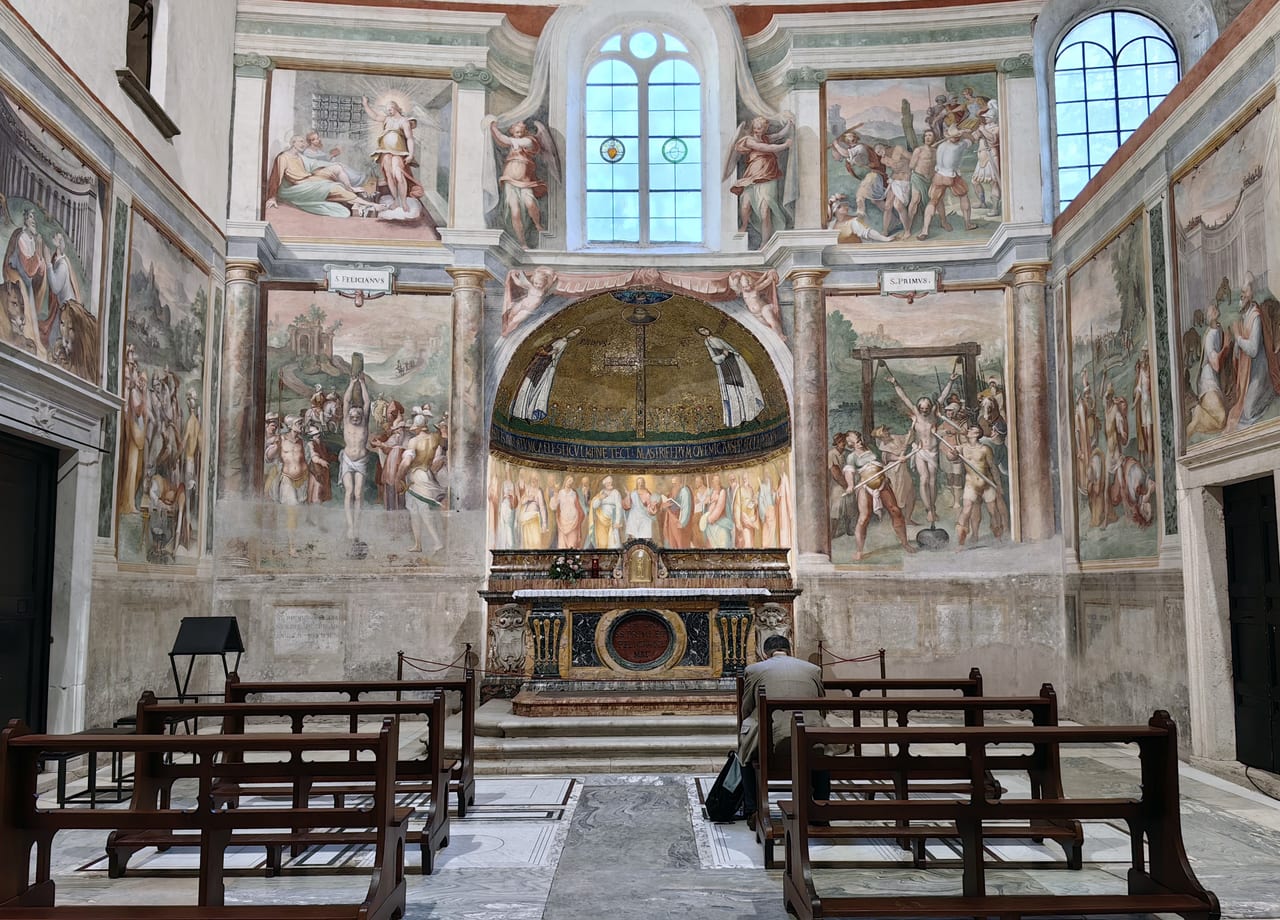
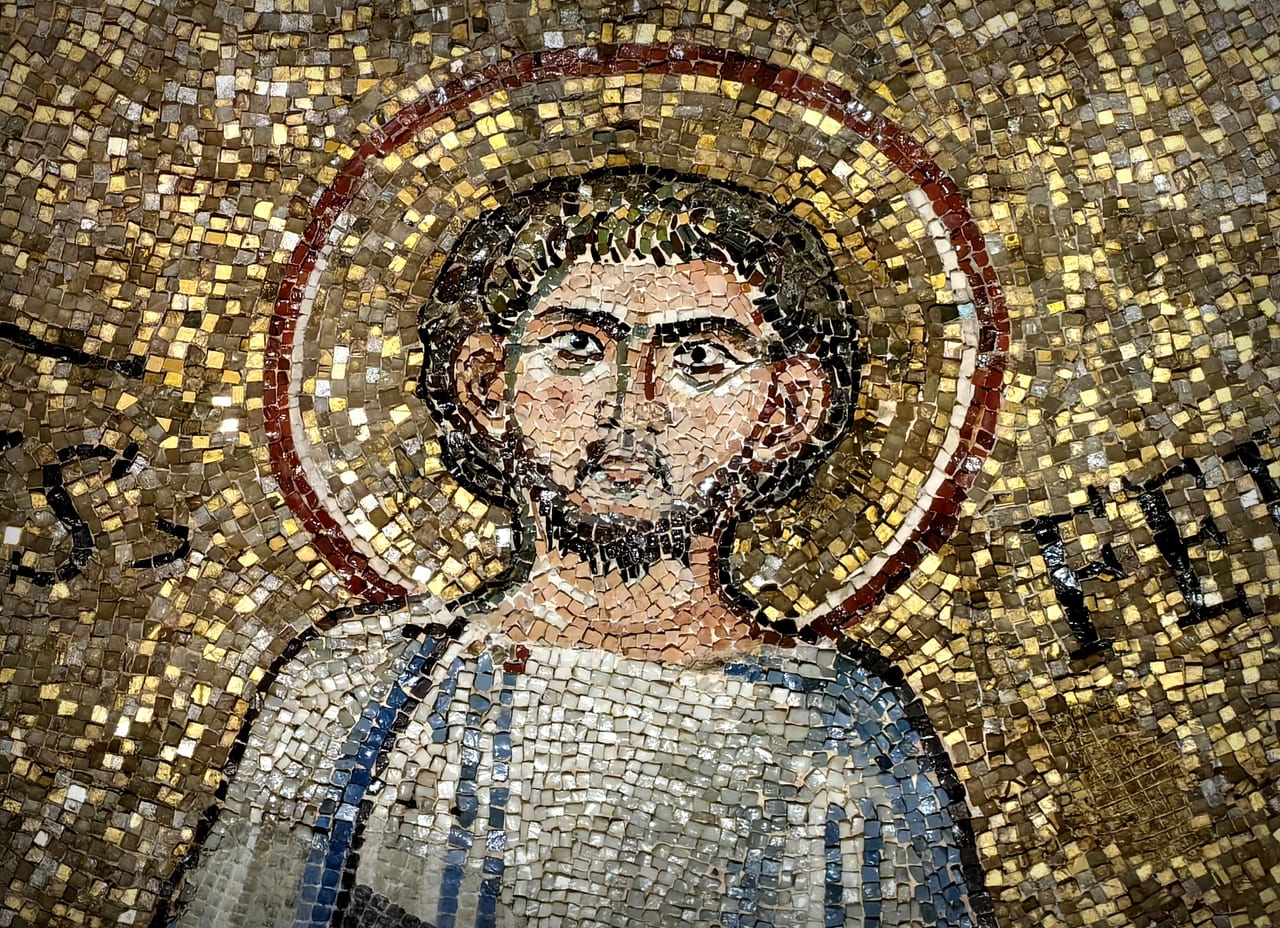
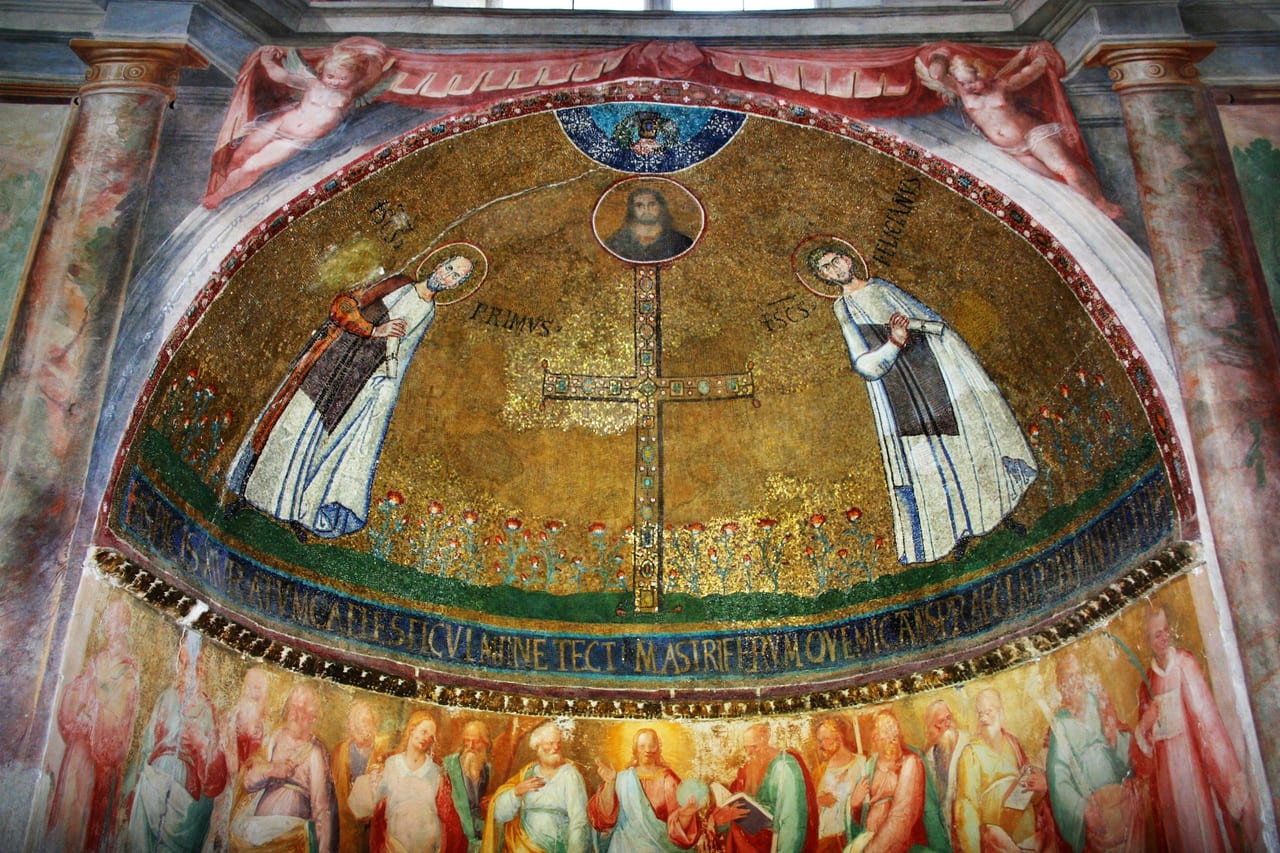
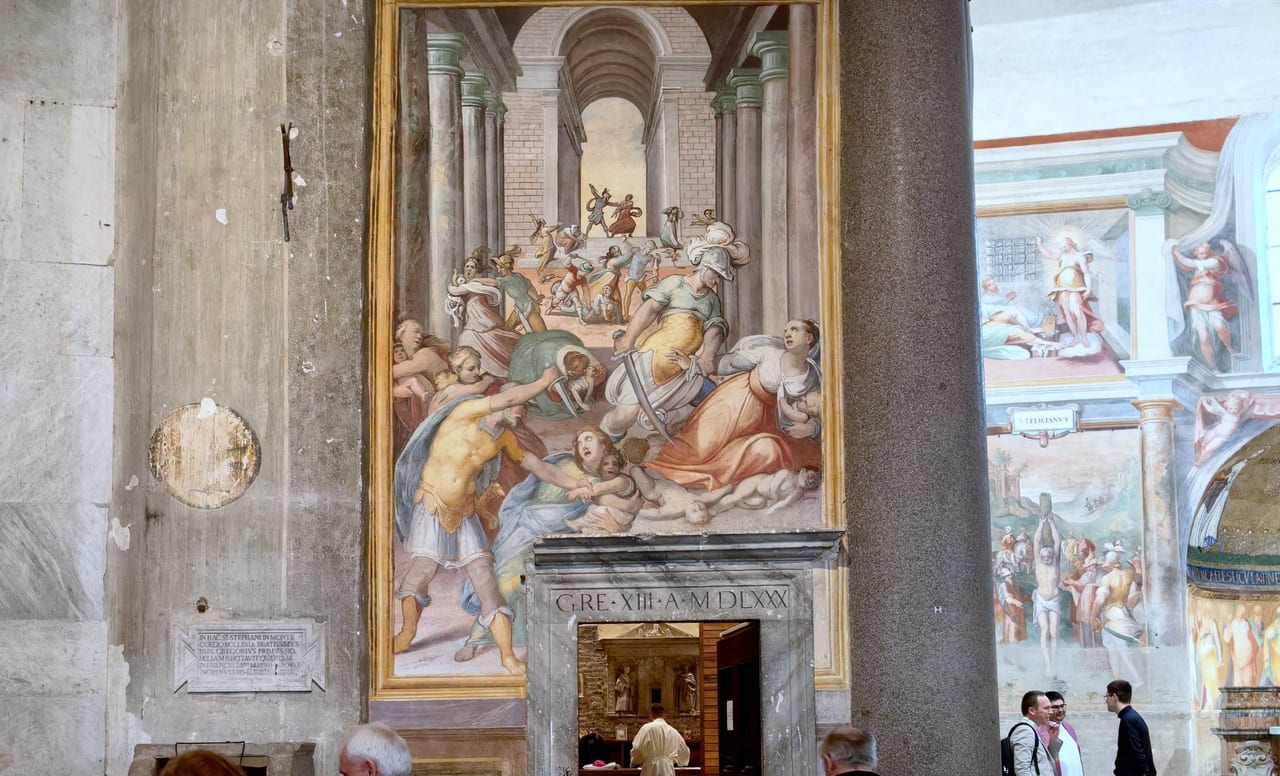
Santo Stefano Rotondo was probably begun under Pope Leo I, between 440 and 461: foundations contained coins of Emperor Libius Severus, while dendrochronology dates the roof timber to around 455. Pope Simplicius consecrated it later. The church stood near the Castra peregrina, a Roman military complex, and a Mithraeum established around 180, uncovered in 1973–75. Its earliest interior used cipollino marble, an altar within a bounded central space, and 22 reused columns with fifth-century Ionic capitals. The building belonged to the classical revival of Roman early Christian architecture and recalled the Anastasis rotunda at Jerusalem’s Holy Sepulchre. Mosaics and costly marble were added under John I and Felix IV between 523 and 529. In the seventh century, Pope Theodore I transferred the relics of Saints Primus and Felicianus here; their chapel retains a rare gold-ground mosaic. Pope Innocent II’s restoration, 1139–43, abandoned most of the outer structure. Bernardo Rossellino’s fifteenth-century renovation reshaped the interior and removed the surviving outer ambulatory. Niccolò Circignani, known as Pomarancio, painted the martyrdom cycle in 1583. Since 1580 the basilica has belonged to the German-Hungarian College; it is a minor basilica, Hungary’s national church, and an Italian national heritage monument.
At a glance
- Built
- 401
- Architect
- Bernardo Rossellino
- Style
- Early Christian architecture
- Heritage
- Italian national heritage
Ways to explore Santo Stefano Rotondo
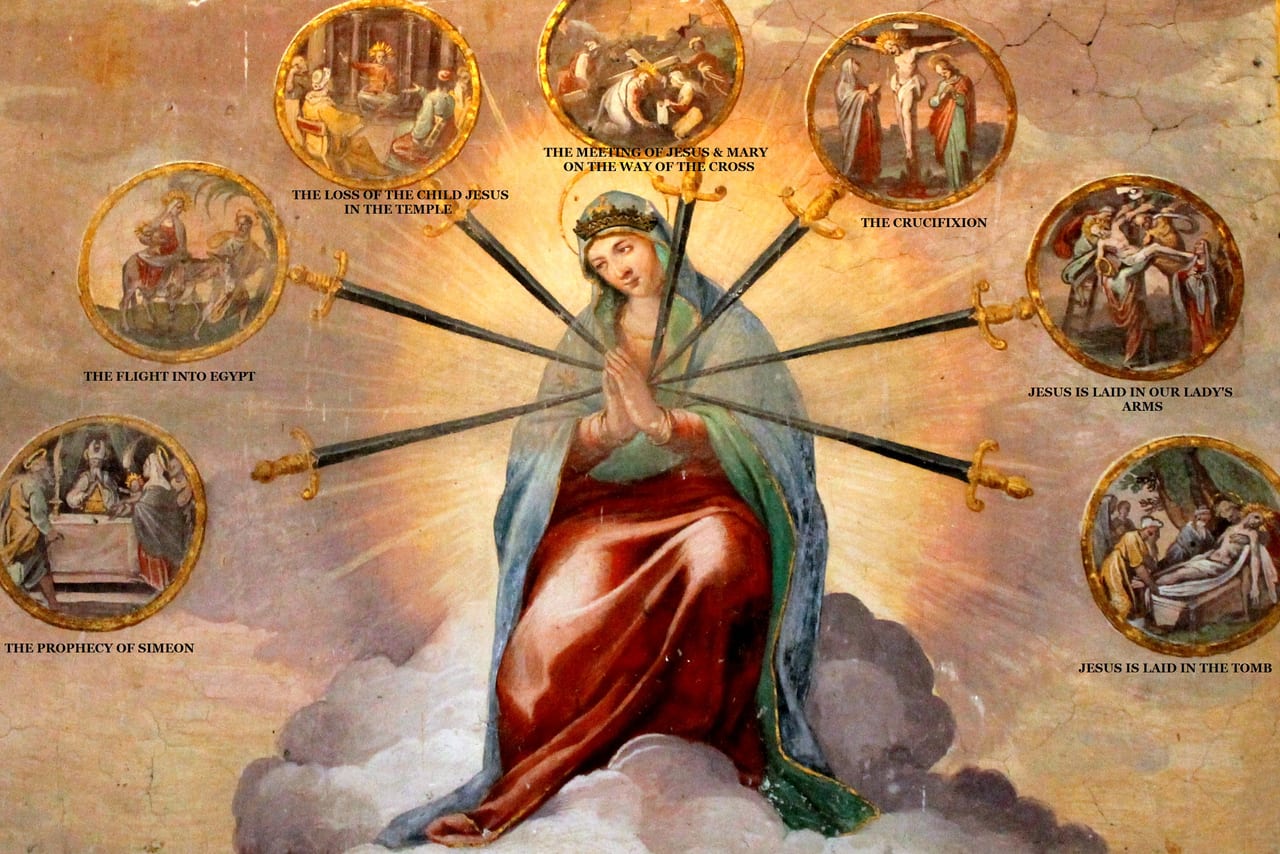
Begin beneath the central drum, examining the uneven reused shafts, bases, architraves, and the later masonry that encloses the church. In the chapel of Saints Primus and Felicianus, study the gold-ground apse mosaic: the martyrs flank a jewelled cross beneath Christ and a starry sky. Continue to Pomarancio’s painted octagonal enclosure and martyrdom scenes, noting their Latin and Italian captions. Look for the marble chair attributed to Gregory the Great and the 1613 wooden tabernacle now placed in the ambulatory. The archaeological excavations beneath the church and nearby area have continued since 1958.
Places to stay near Santo Stefano Rotondo

Live availability and prices from Stay22's partners, refreshed periodically and subject to change. Booking through these links may earn us a commission at no extra cost to you. See our privacy policy.
Cafés near Santo Stefano Rotondo
Cafés near Santo Stefano Rotondo loads as you scroll.
Attractions nearby
Attractions near Santo Stefano Rotondo loads as you scroll.
Cities nearby
Cities nearby loads as you scroll.
More in Rome
See more of Rome.
Find great cafés, places to stay and other interesting places to visit in Rome.