Church · Rome
Santi Apostoli
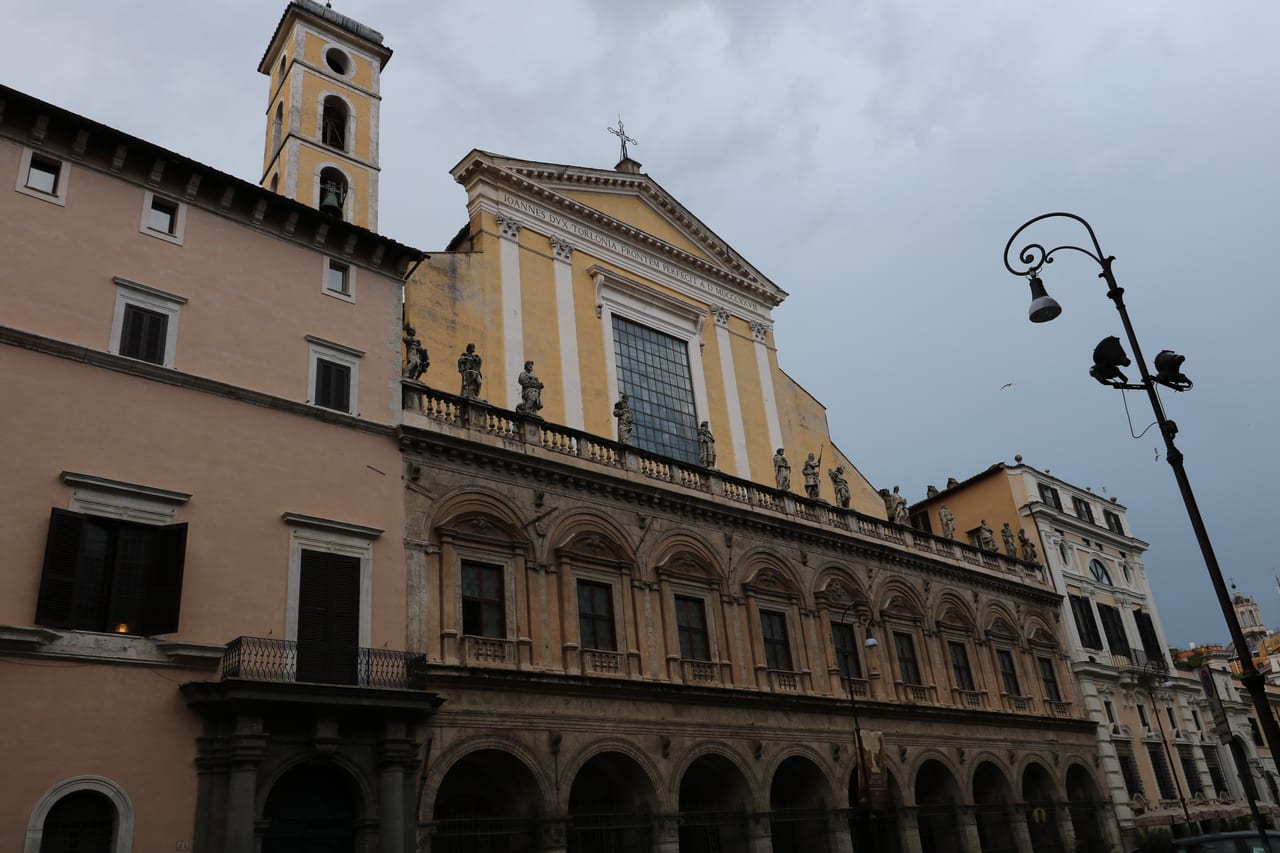
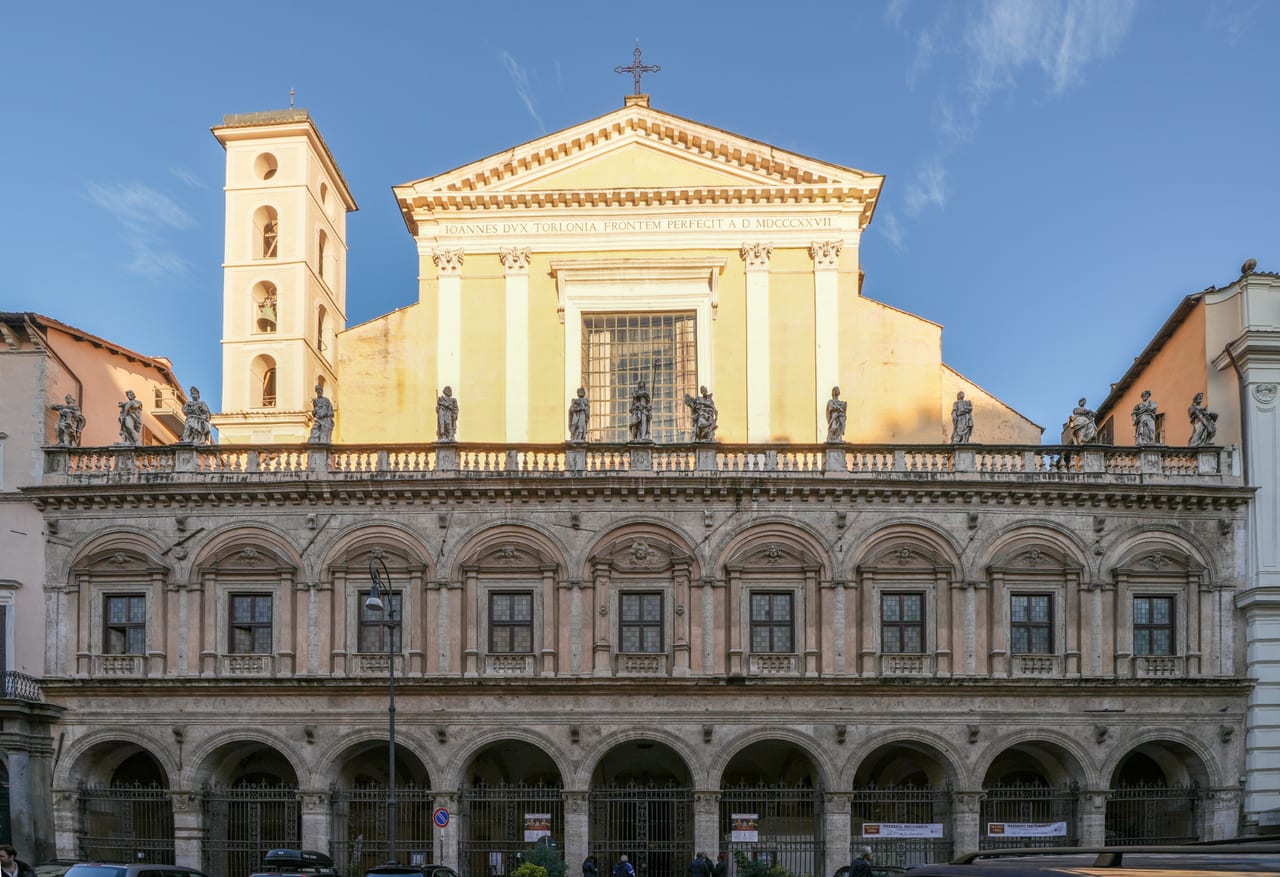
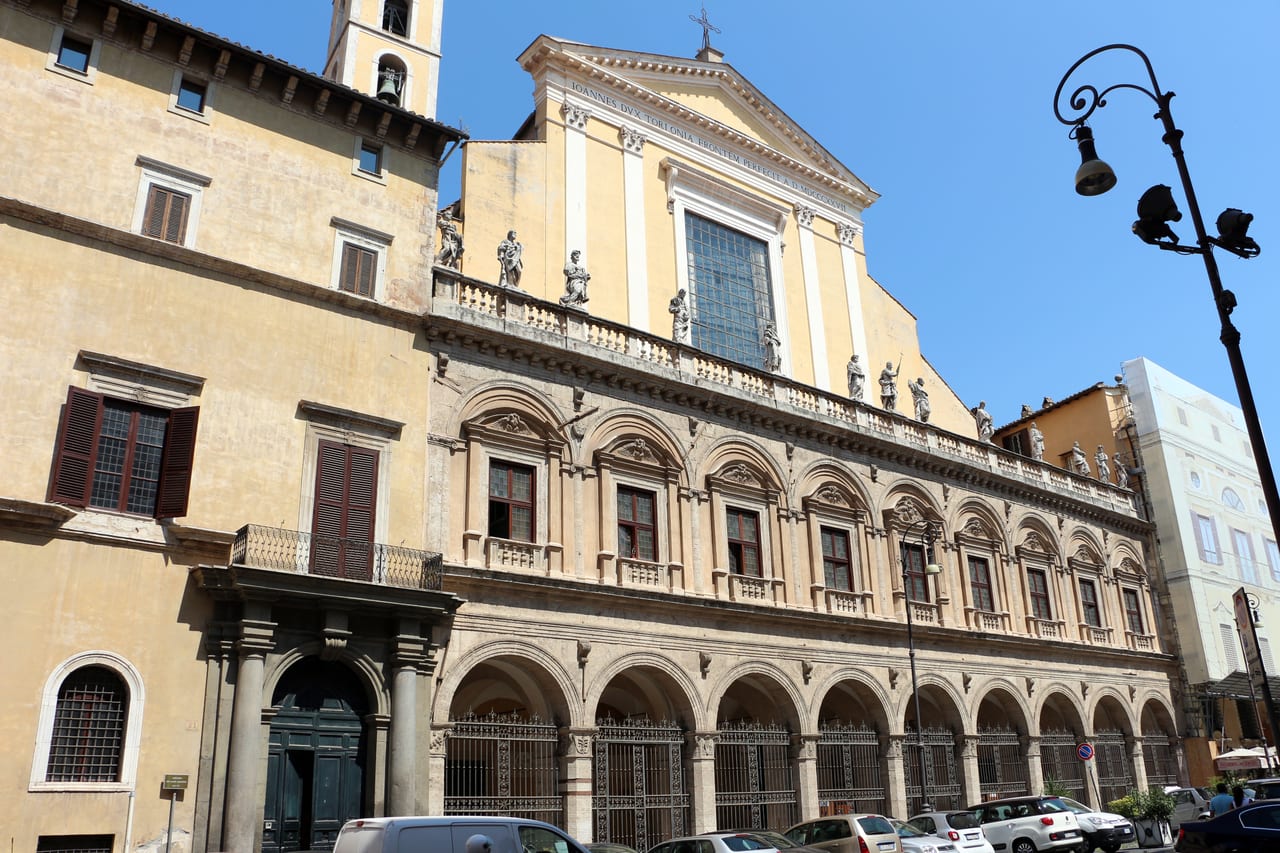
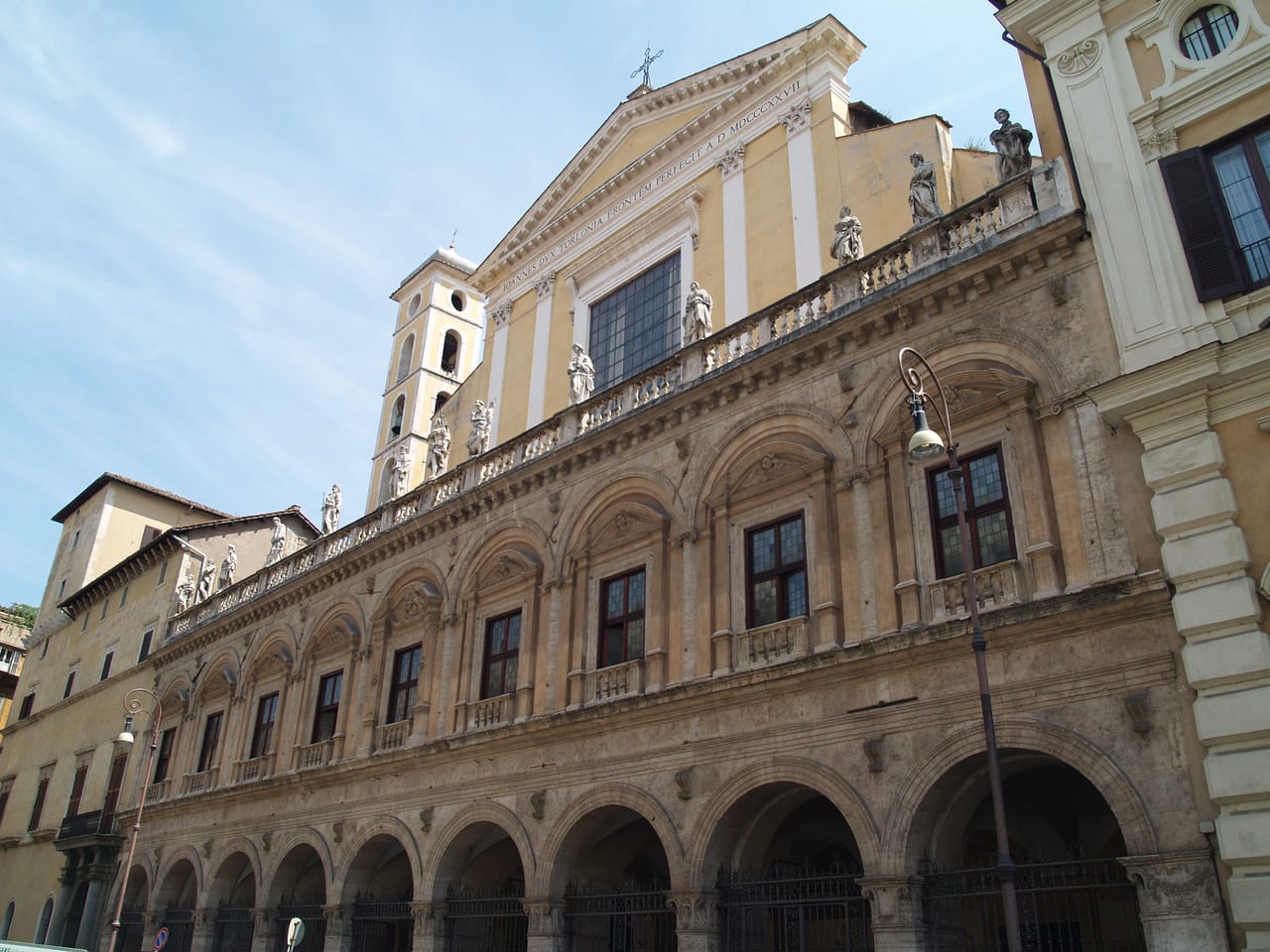
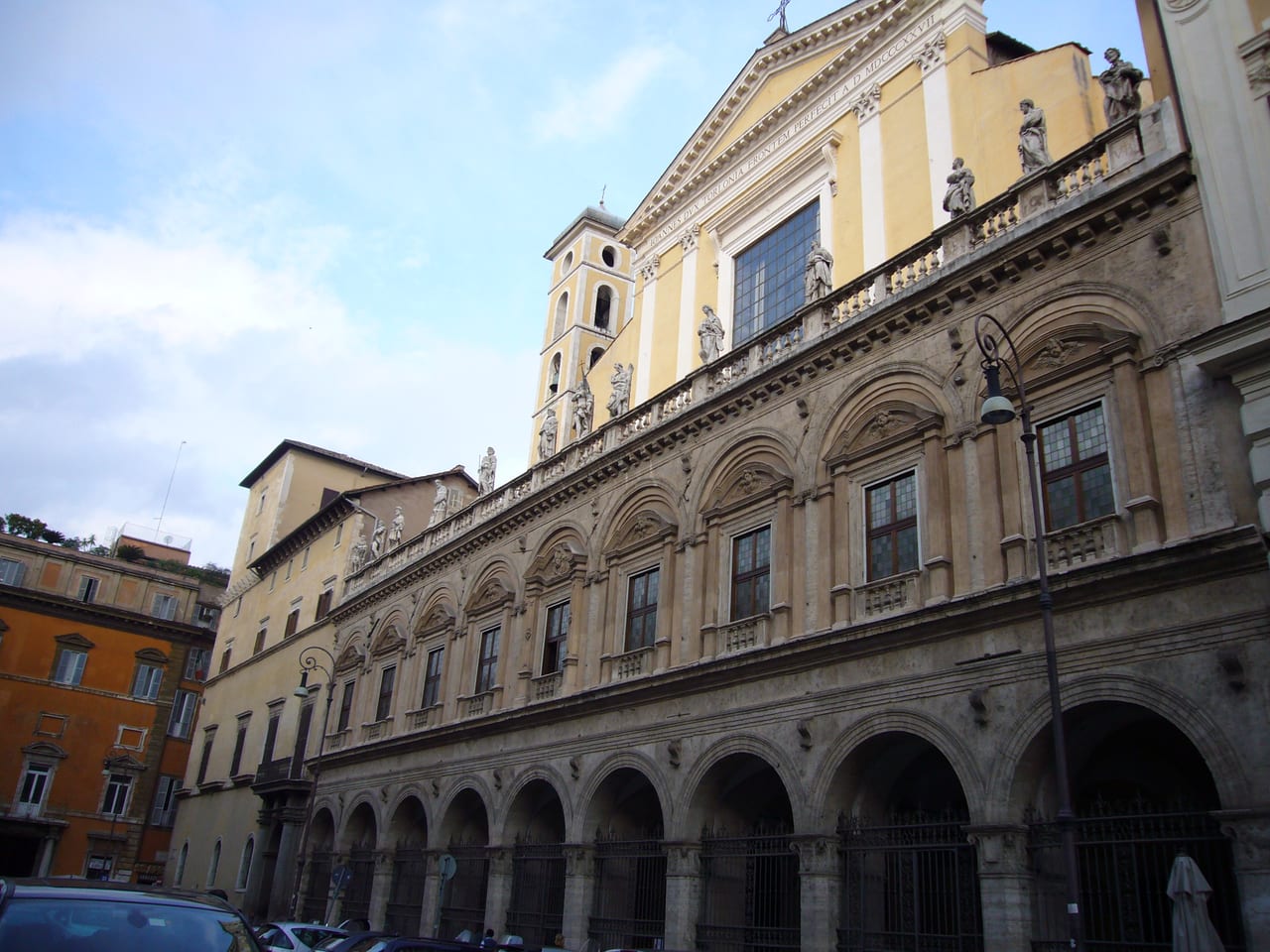
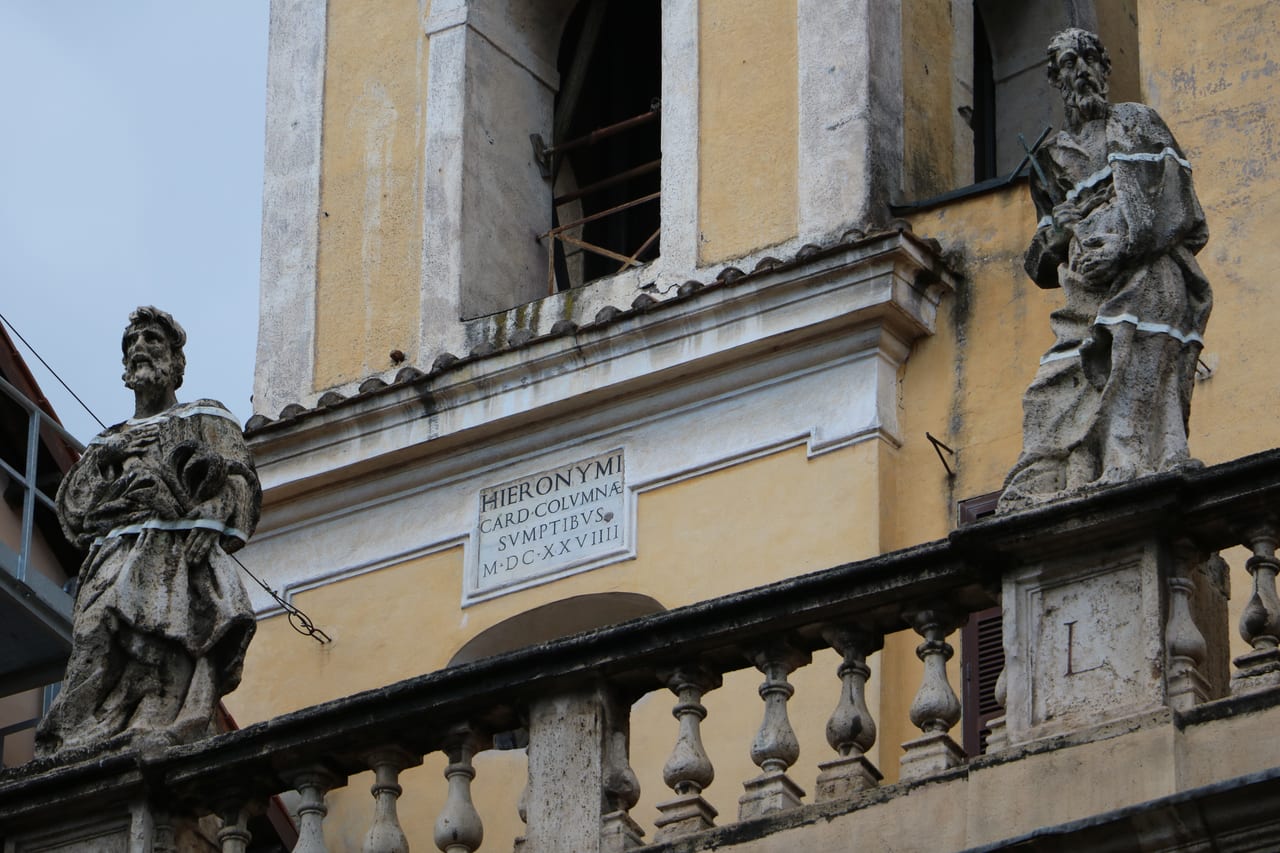
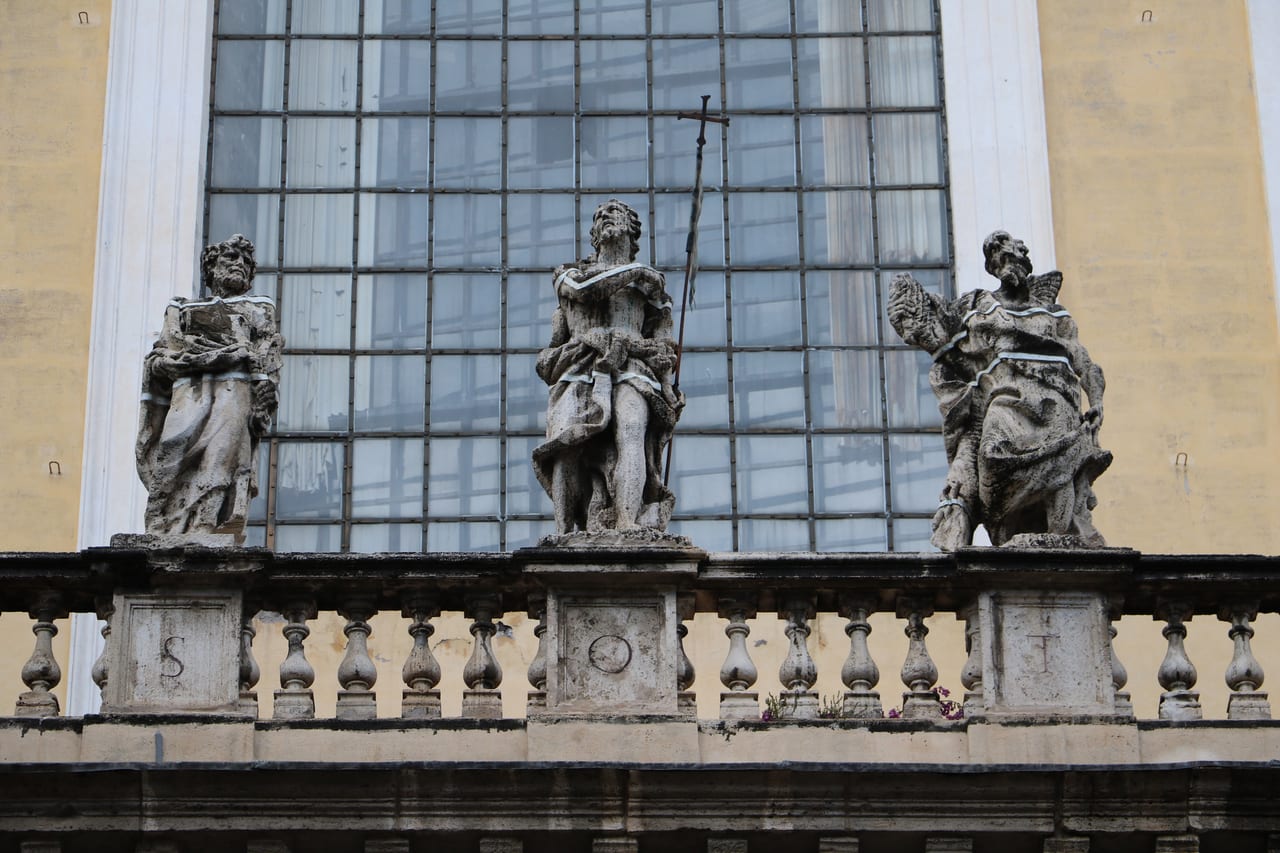
DirectionsSanti Apostoli is Rome’s only basilica not built over earlier Roman structures, despite incorporating ancient spolia thought to come from the Baths of Constantine.
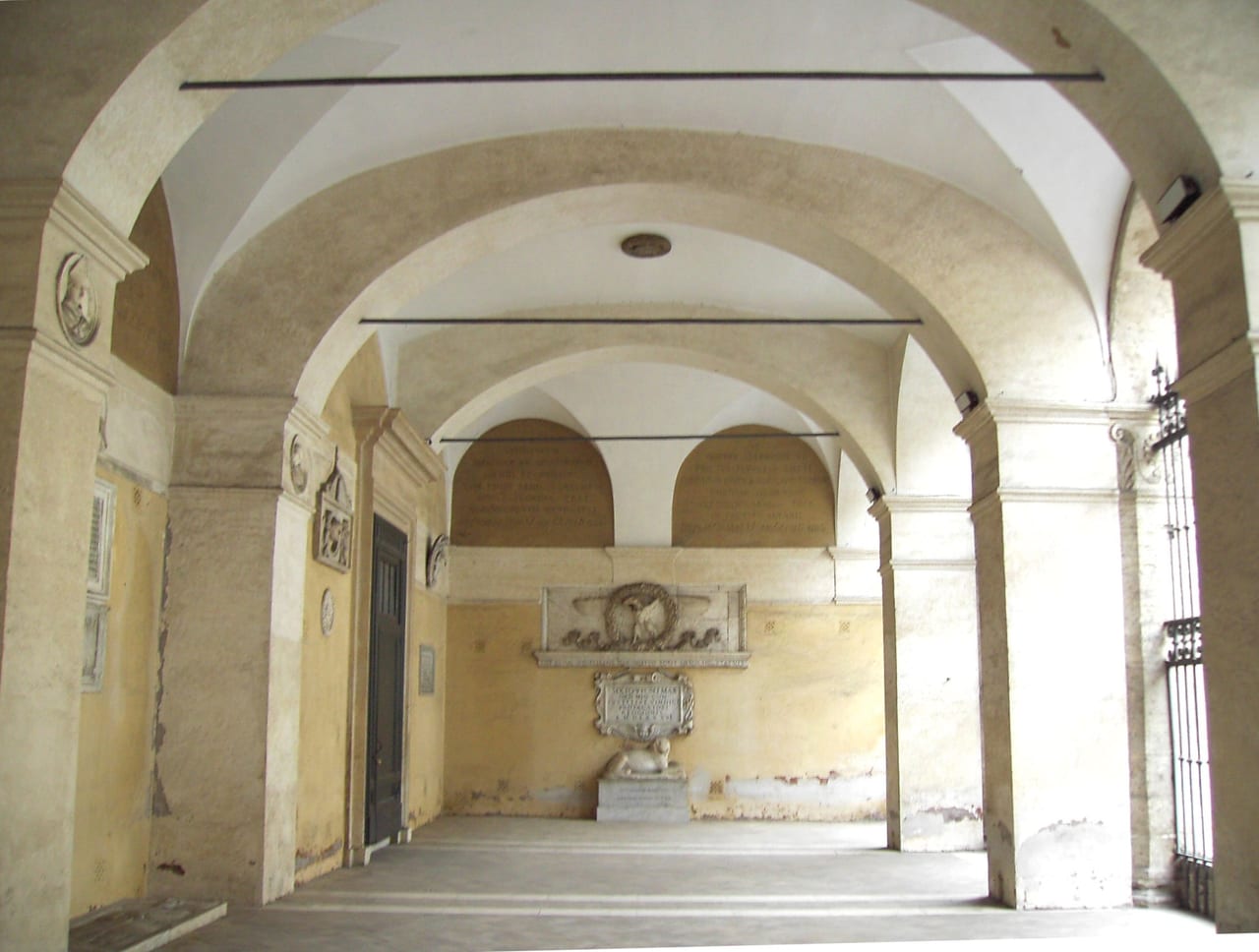
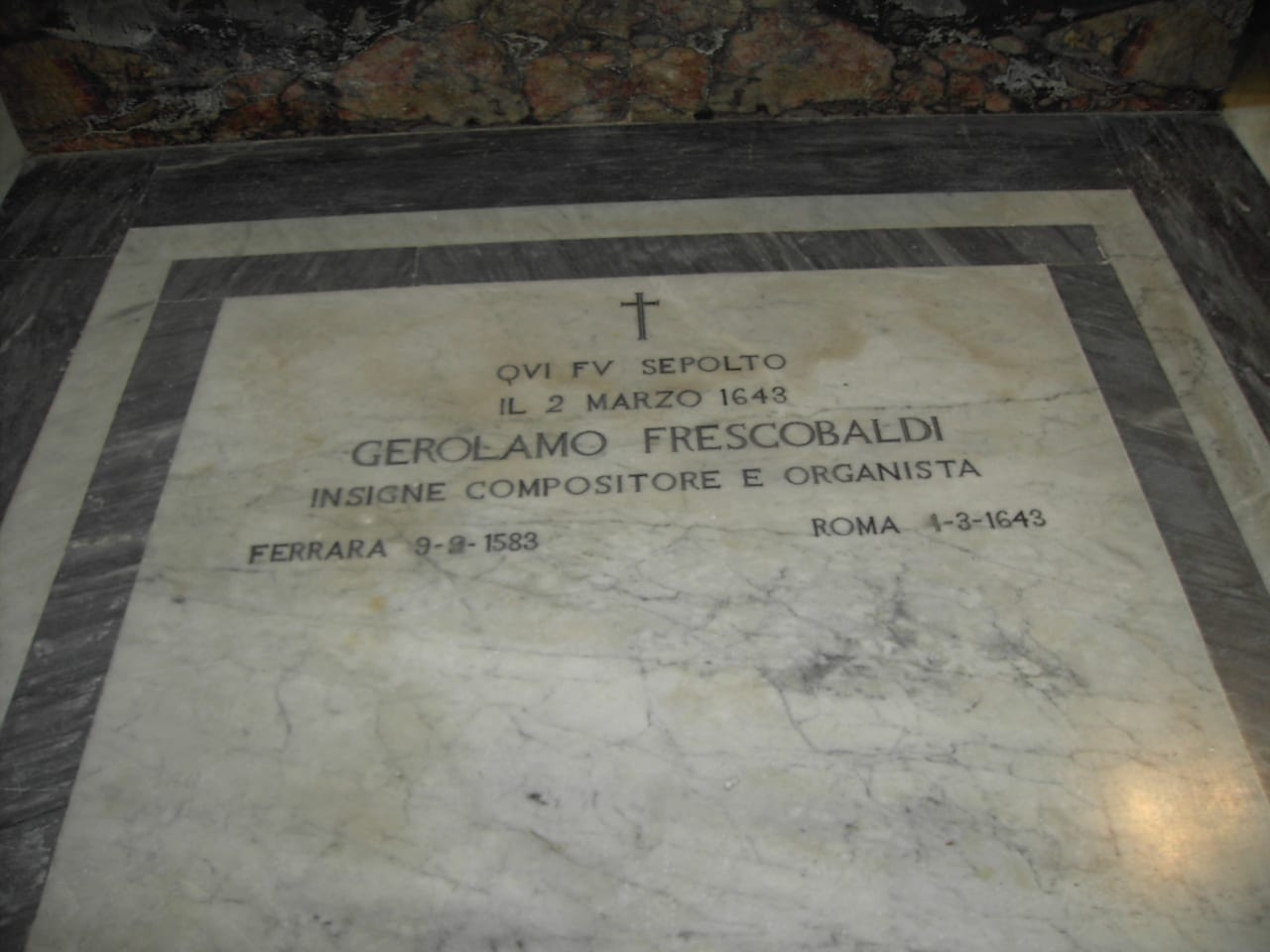
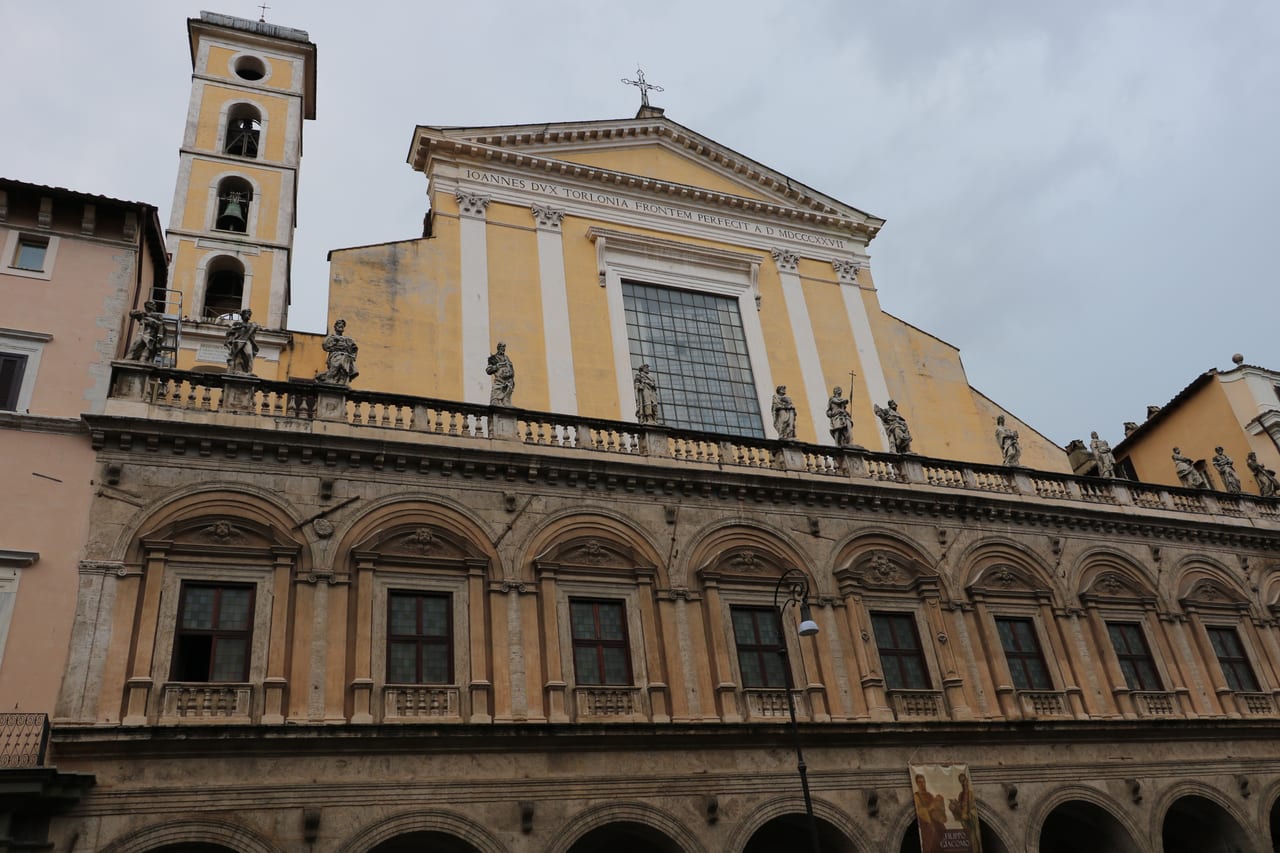
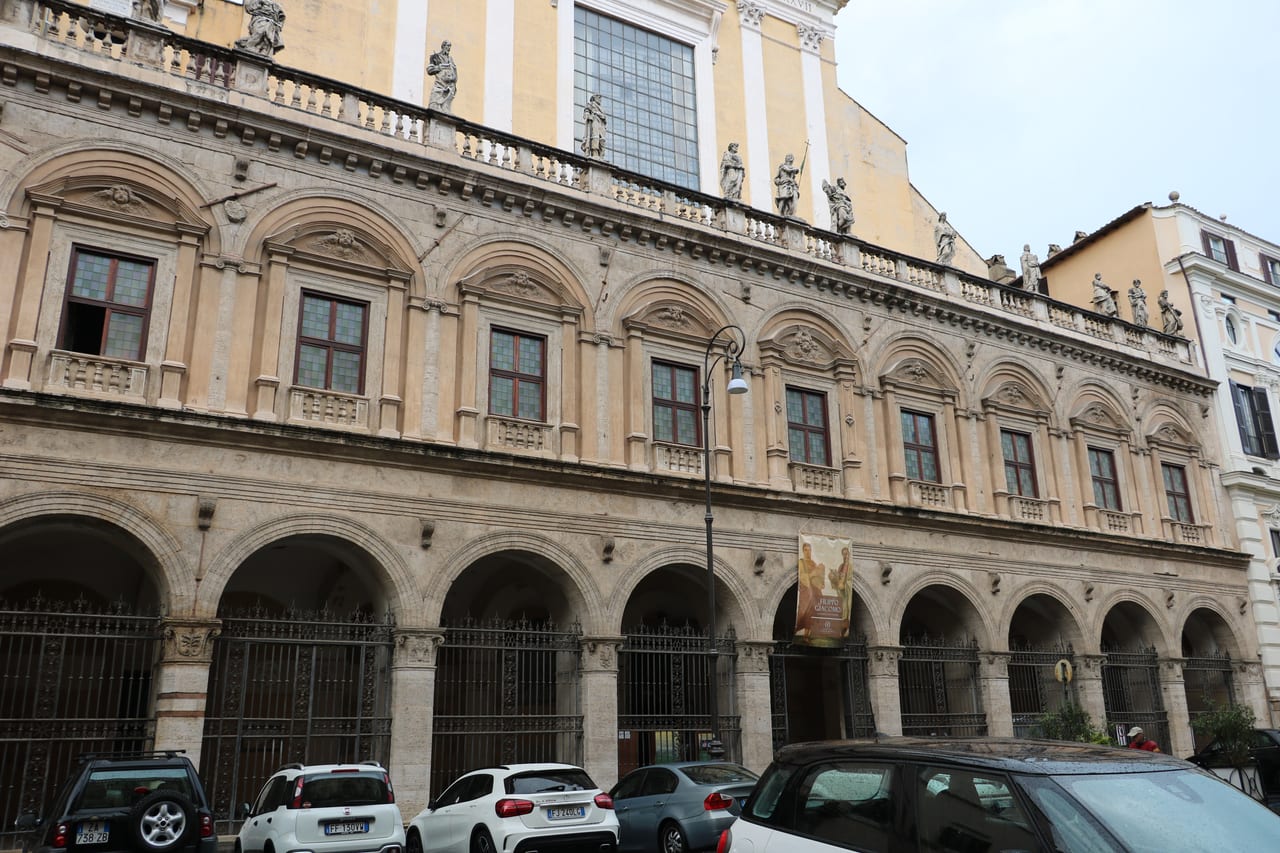
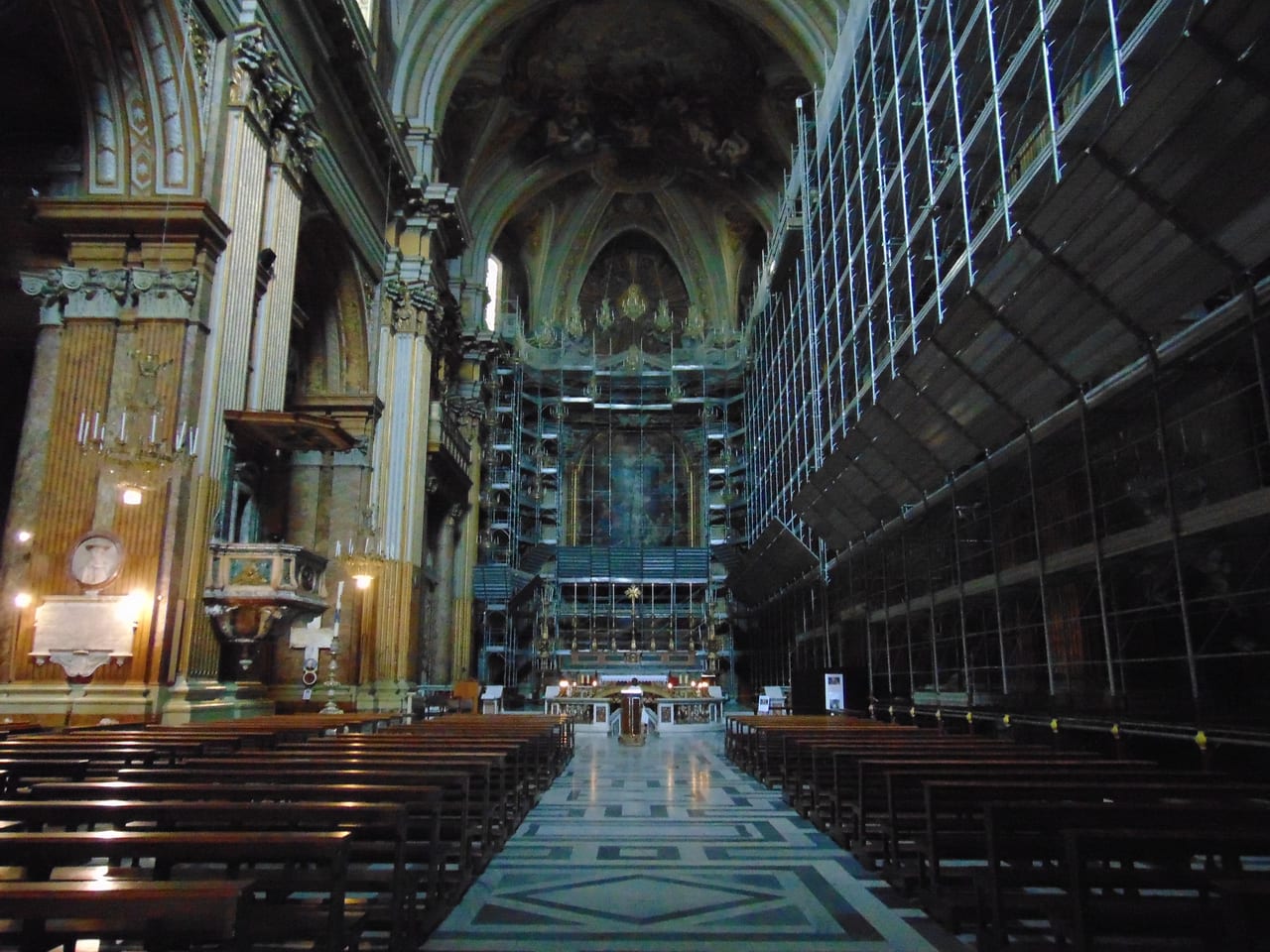
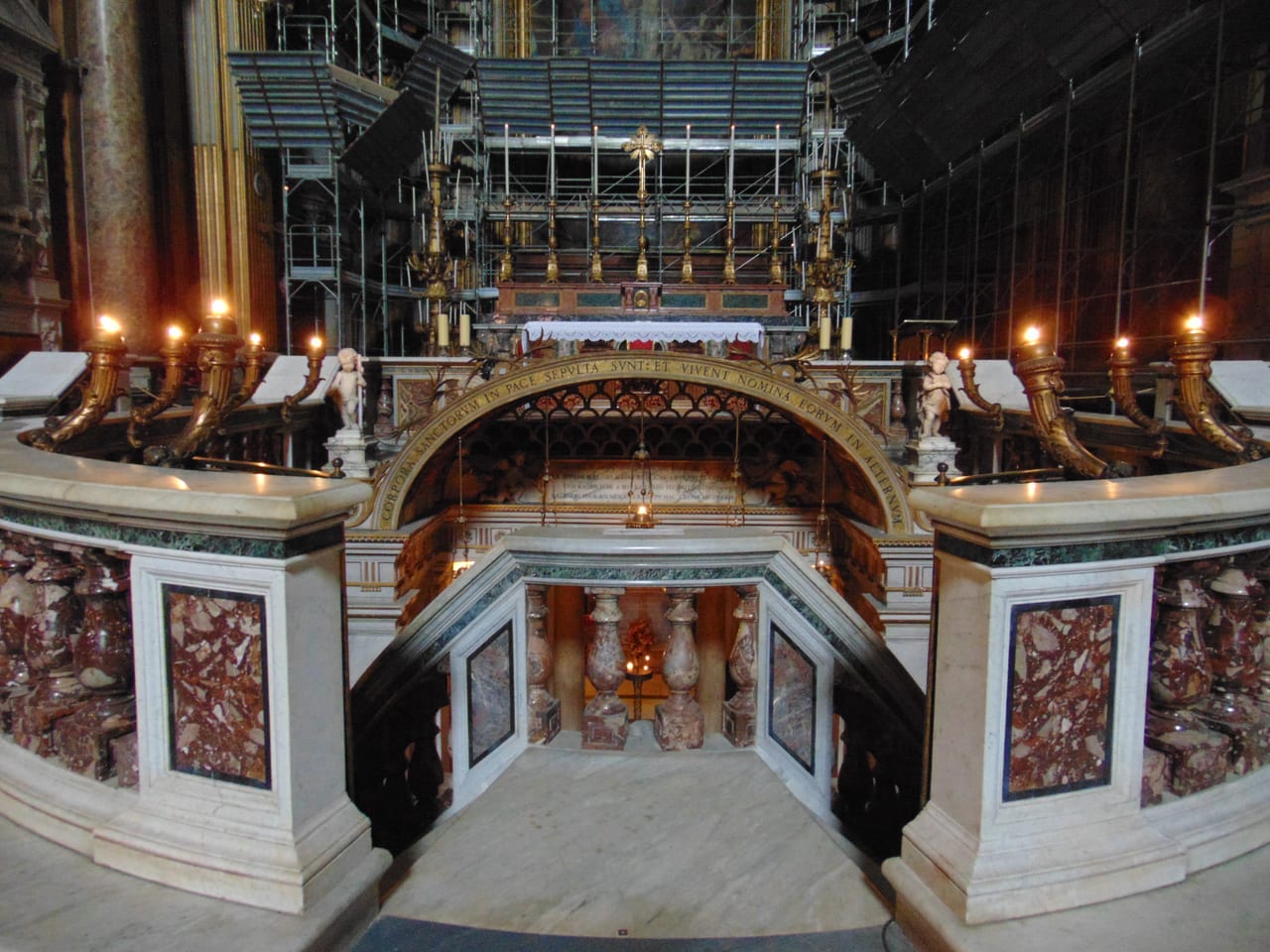
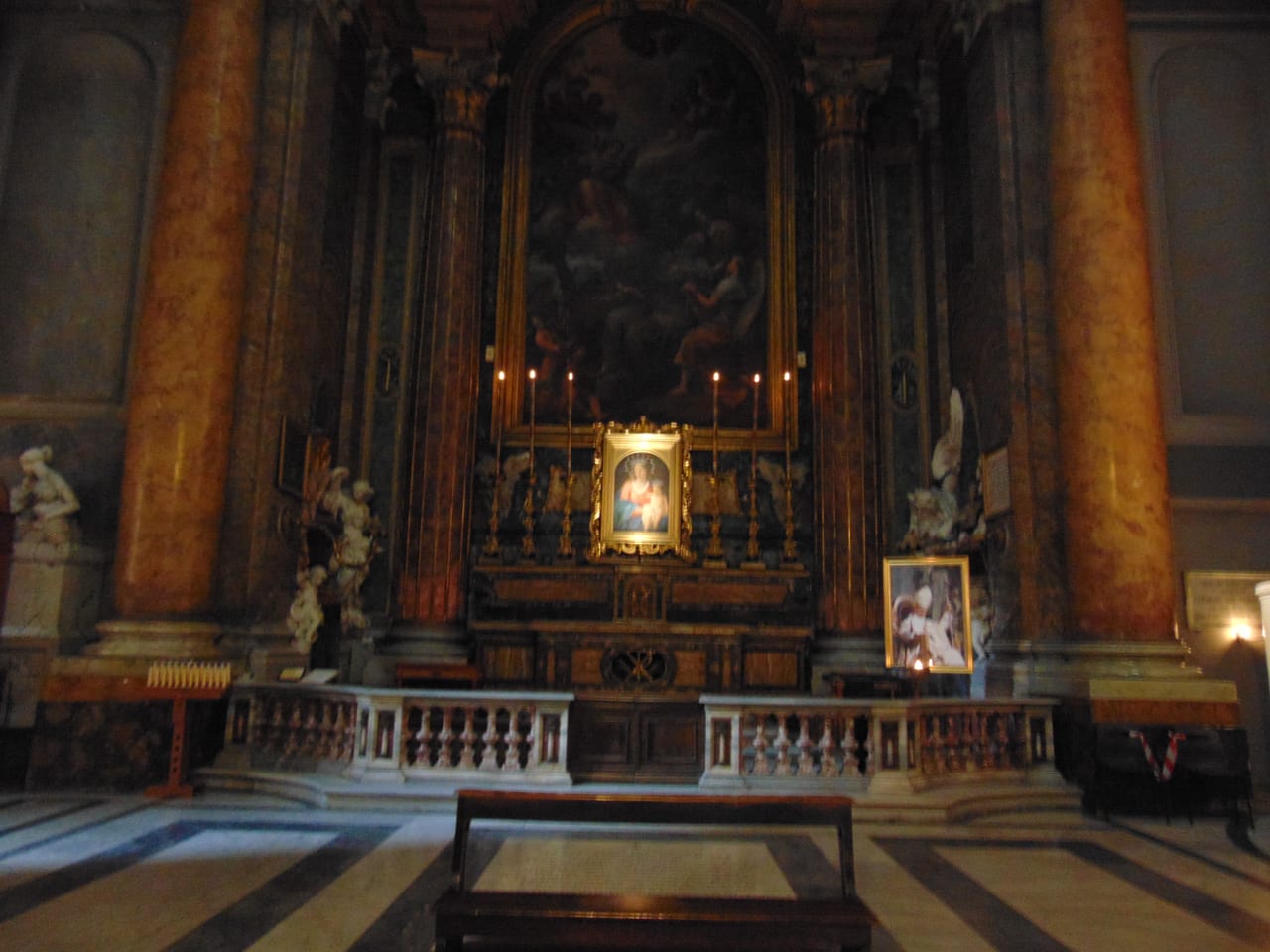
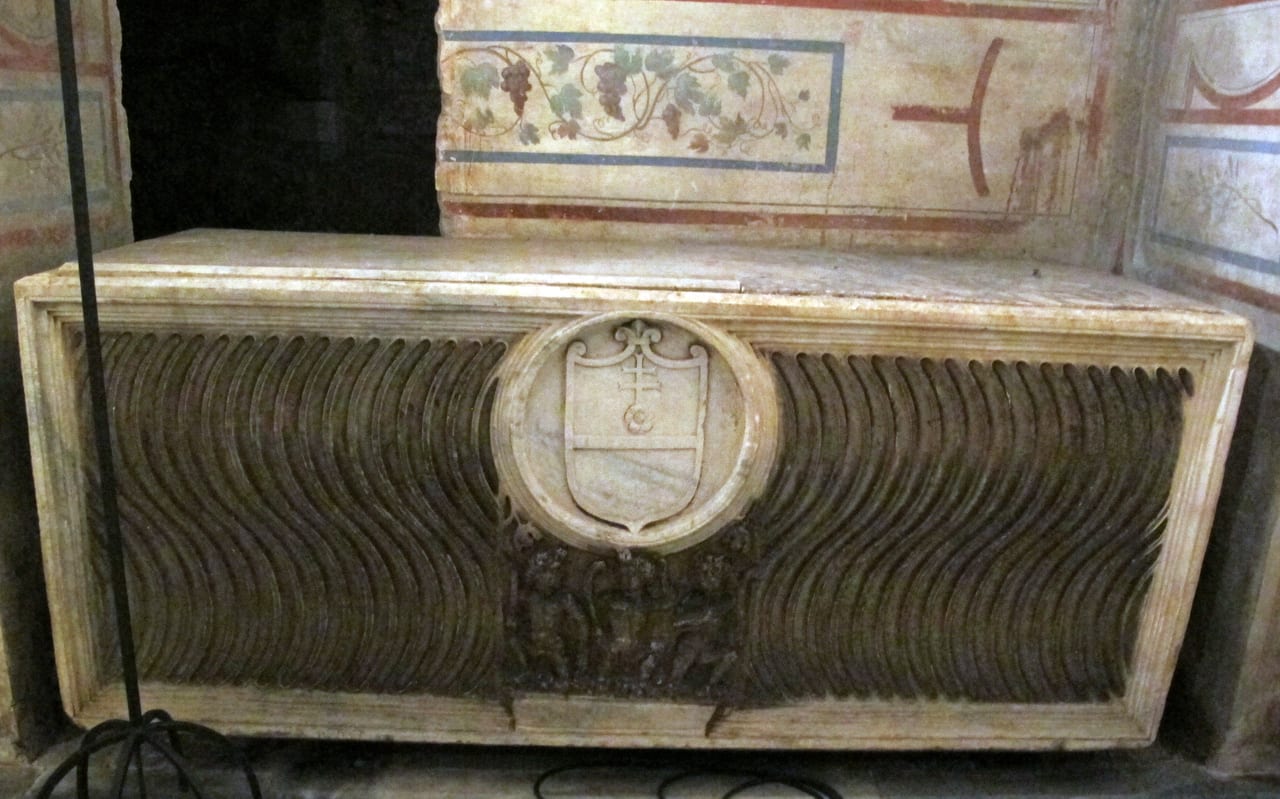
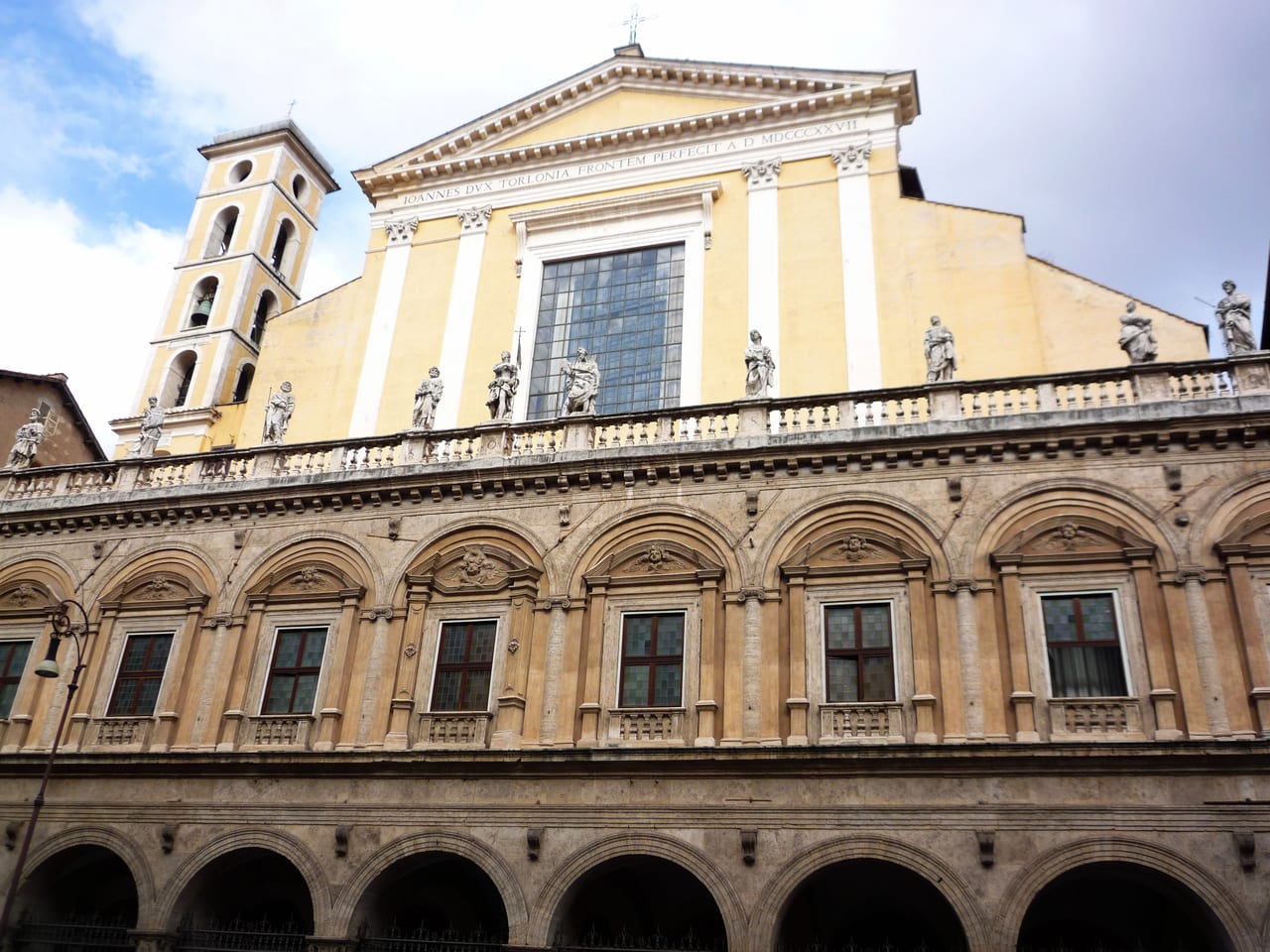
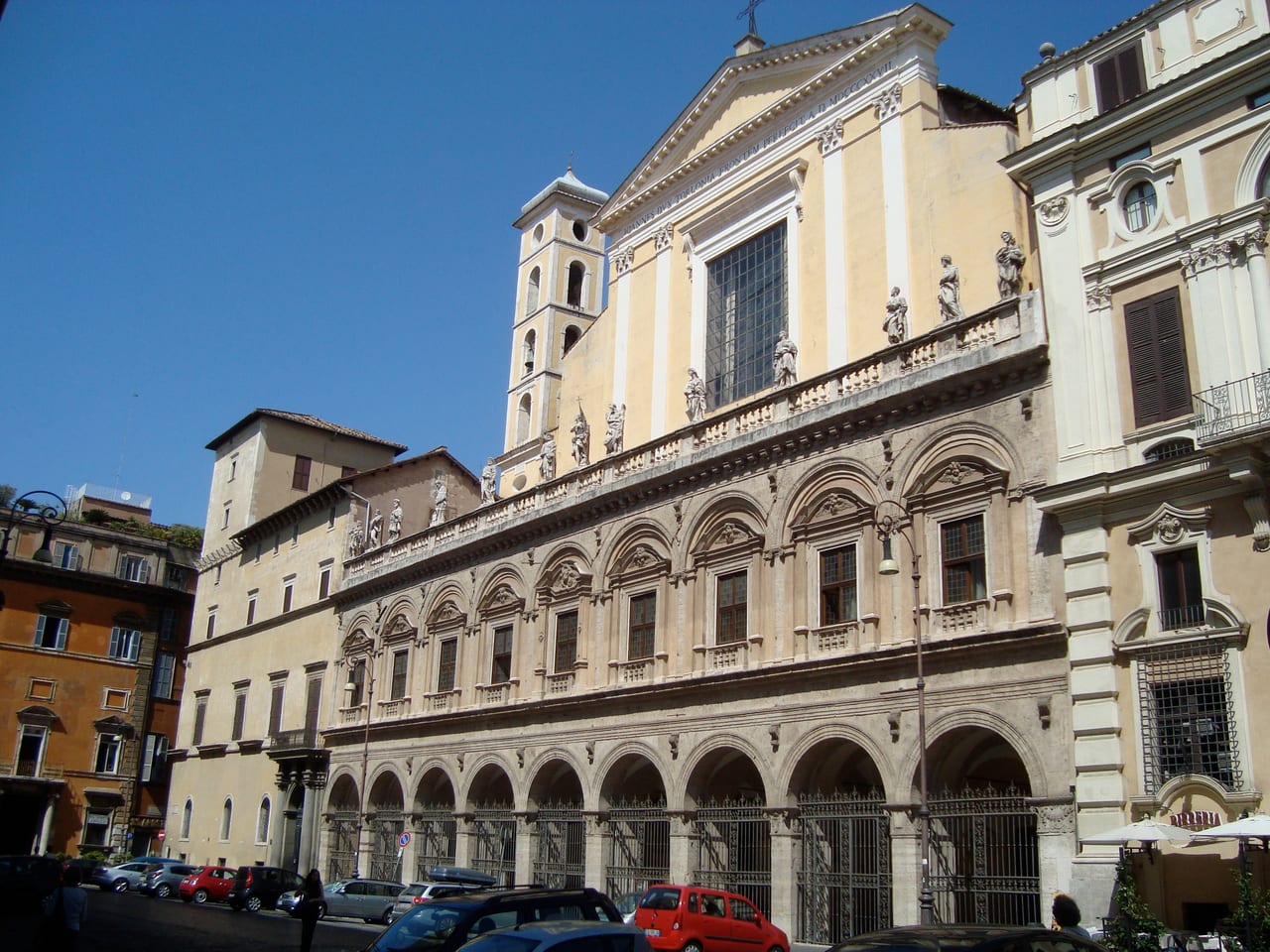
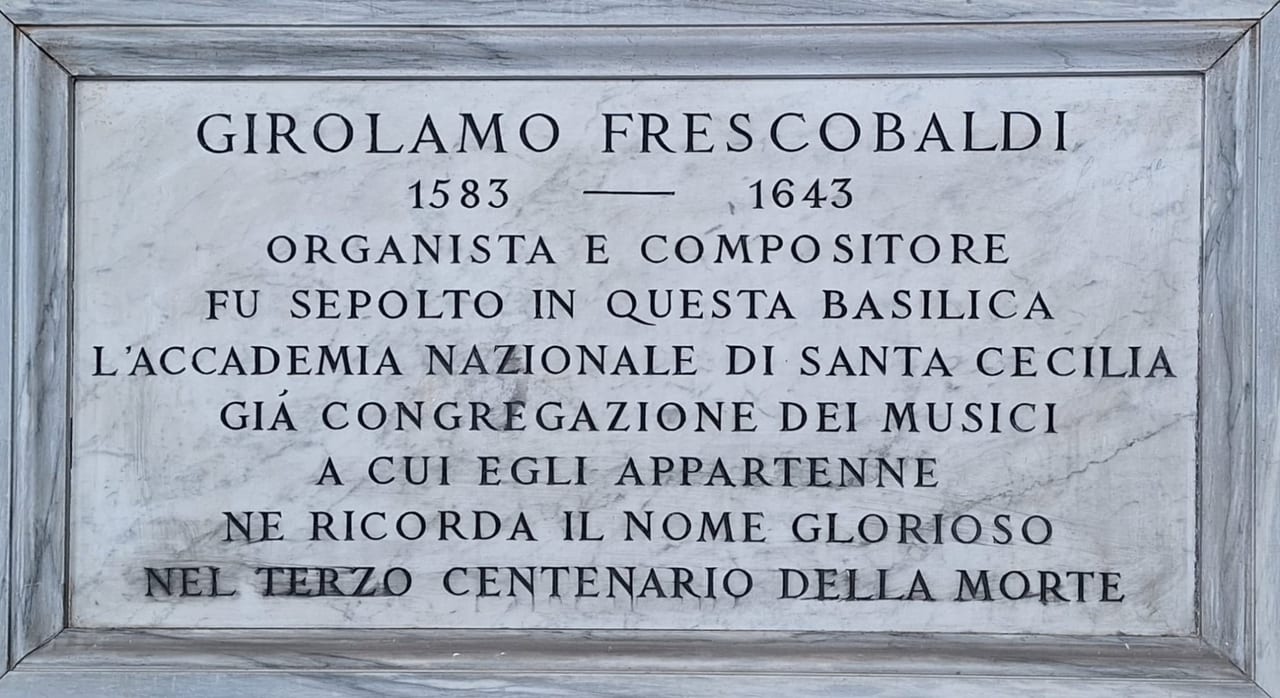
Photograph 1 of 23 of Santi Apostoli
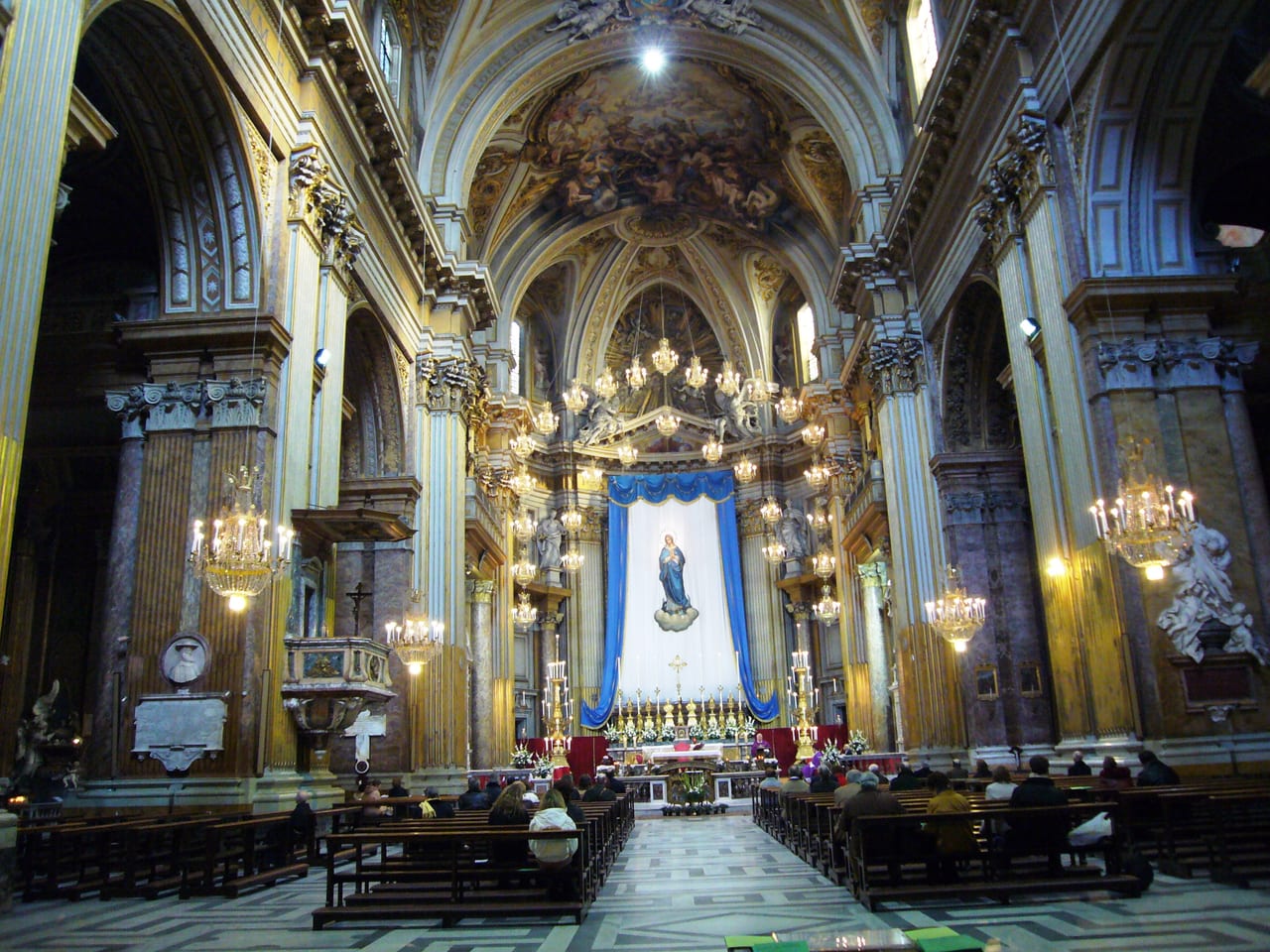
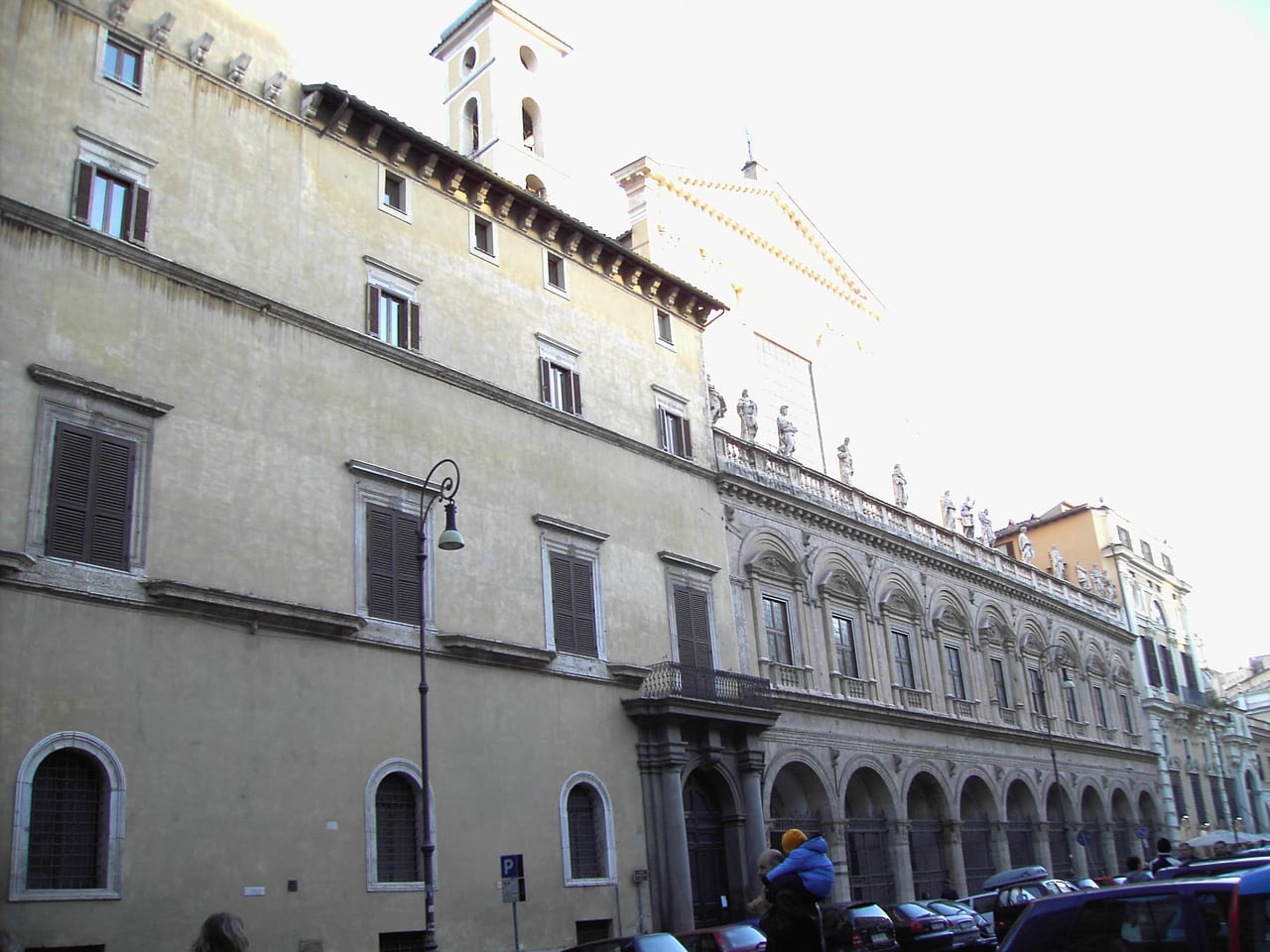
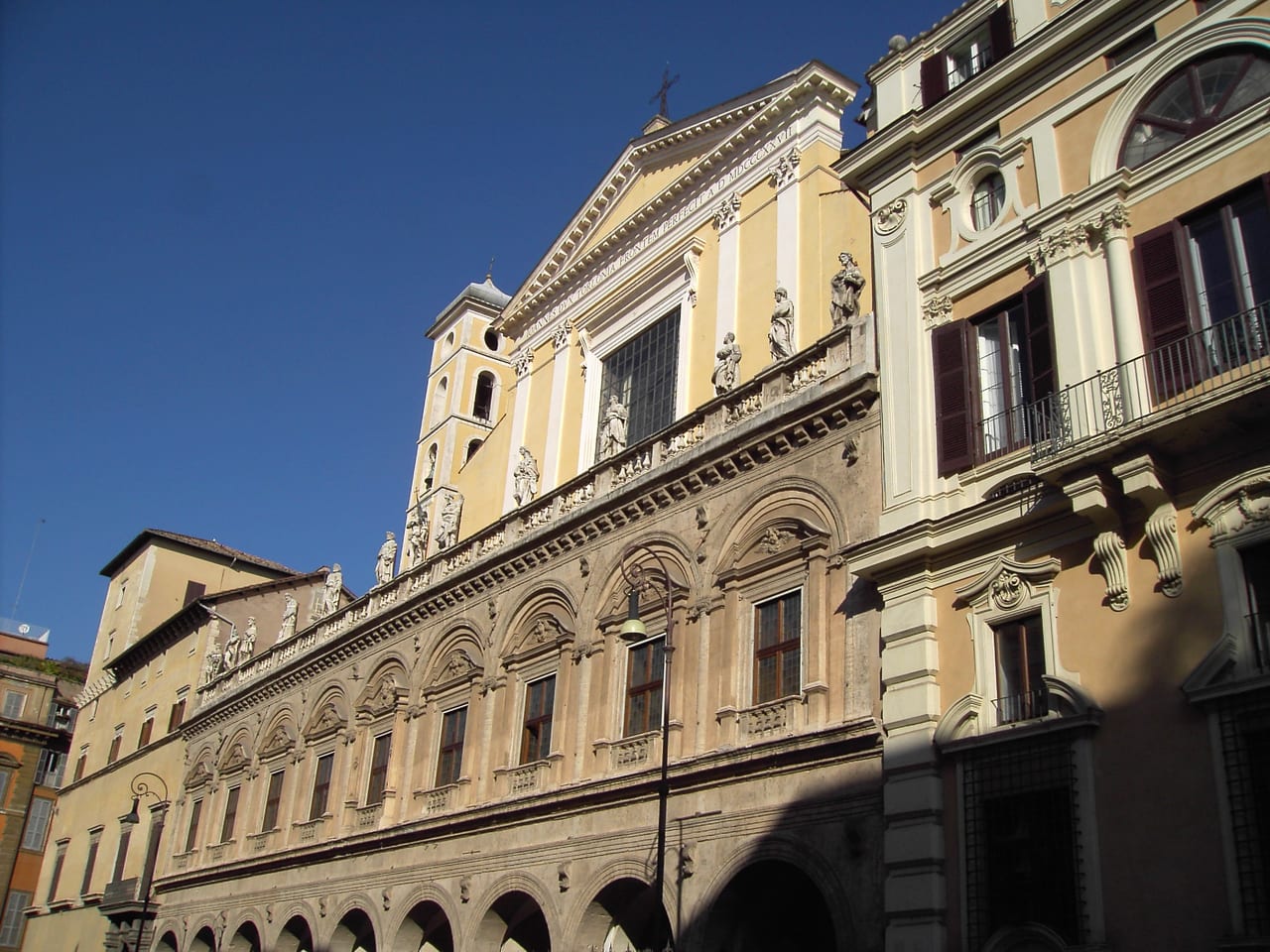
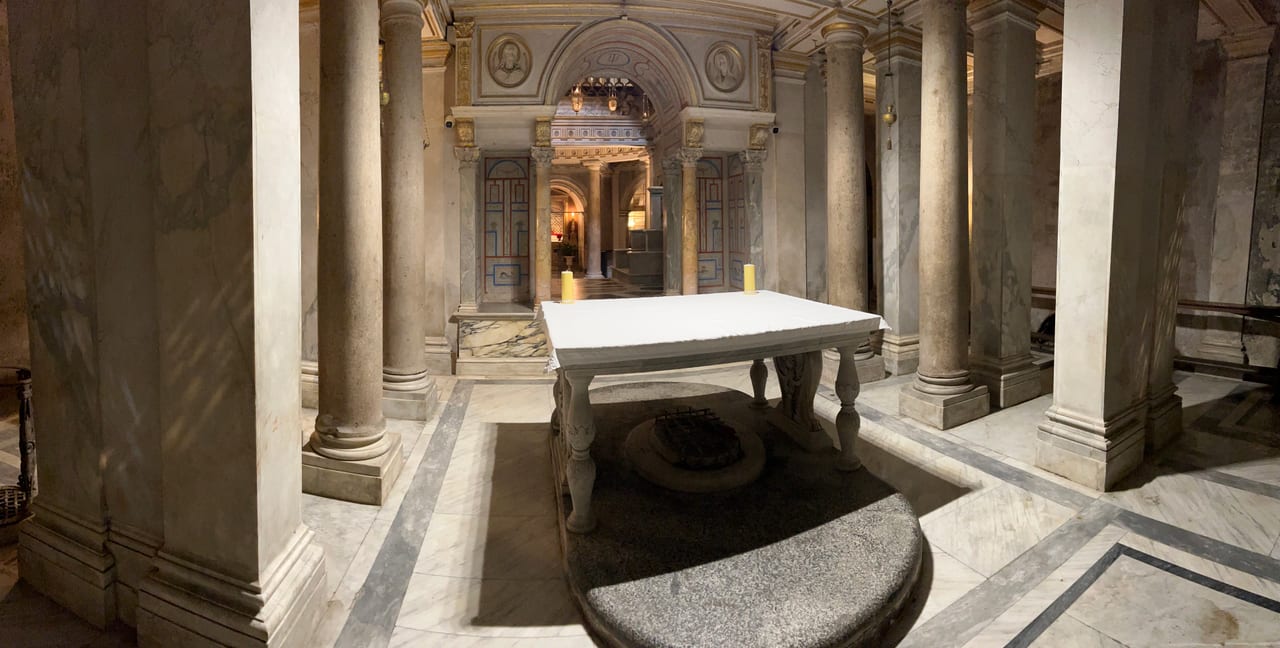
The church began in the fourth century, when Pope Julius I established the Basilica Iulia; fifth-century texts already call it the titulus apostolorum. A Byzantine rebuilding followed, with Pope Pelagius I continuing the work under Narses in the sixth century. The new basilica probably had a domeless triconch plan, rather than the Greek-cross design often associated with its Constantinopolitan model, and it preserves the relics of Philip and James the Less. Pope Adrian I later praised its spaciousness and mosaics. A 1348 earthquake destroyed the building. Pope Martin V initiated its fifteenth-century restoration, which added the portico and Melozzo da Forlì’s Ascension fresco; surviving fragments are now divided between the Vatican Museums and the Quirinal Palace. Clement XI commissioned a complete reconstruction in 1702, carried through successive architects and consecrated by Benedict XIII in 1724. Its present character combines Baroque interiors with Giuseppe Valadier’s Neoclassical façade, completed in 1827. The crypt, created by Luigi Carimini in 1869–71, gathers the apostolic relics and other remains. A national heritage site and minor basilica, it stands beside Palazzo Colonna.
At a glance
- Built
- 501
- Architect
- Baccio Pontelli
- Style
- baroque architecture
- Heritage
- Italian national heritage
Ways to explore Santi Apostoli
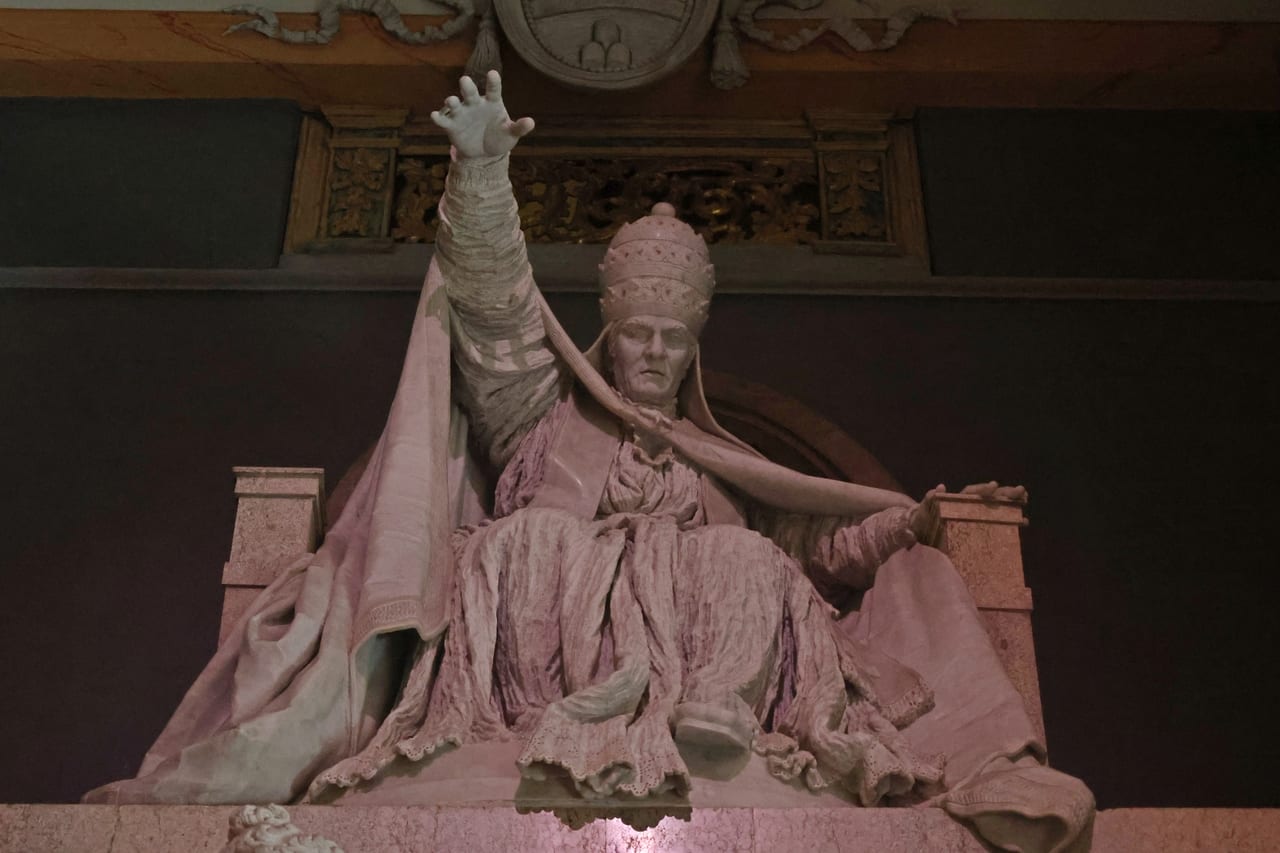
Pass through the fifteenth-century portico and inspect Antonio Canova’s funerary stele for Giovanni Volpato in the narthex. Inside, look for the illusionistic Fall of the Rebel Angels above the presbytery, Baciccio’s vaulted Triumph of the Franciscan Order, Canova’s tomb of Clement XIV, and the San Francesco chapel altarpiece by Giuseppe Bartolomeo Chiari. The Bessarione Chapel’s damaged Renaissance frescoes can be visited on Fridays and Saturdays from 9:00 to 12:00. Notice the Mascioni organ’s two separate pipe sections and its mobile console.
Places to stay near Santi Apostoli

Live availability and prices from Stay22's partners, refreshed periodically and subject to change. Booking through these links may earn us a commission at no extra cost to you. See our privacy policy.
Cafés near Santi Apostoli
Cafés near Santi Apostoli loads as you scroll.
Attractions nearby
Attractions near Santi Apostoli loads as you scroll.
Cities nearby
Cities nearby loads as you scroll.
More in Rome
See more of Rome.
Find great cafés, places to stay and other interesting places to visit in Rome.