Church · Rome
Sant'Eusebio
DirectionsIn 1470, its Celestine monastery housed one of Rome’s earliest printing presses, possibly operated by Georg Lauer, producing a Latin Chrysostom edition among other works.
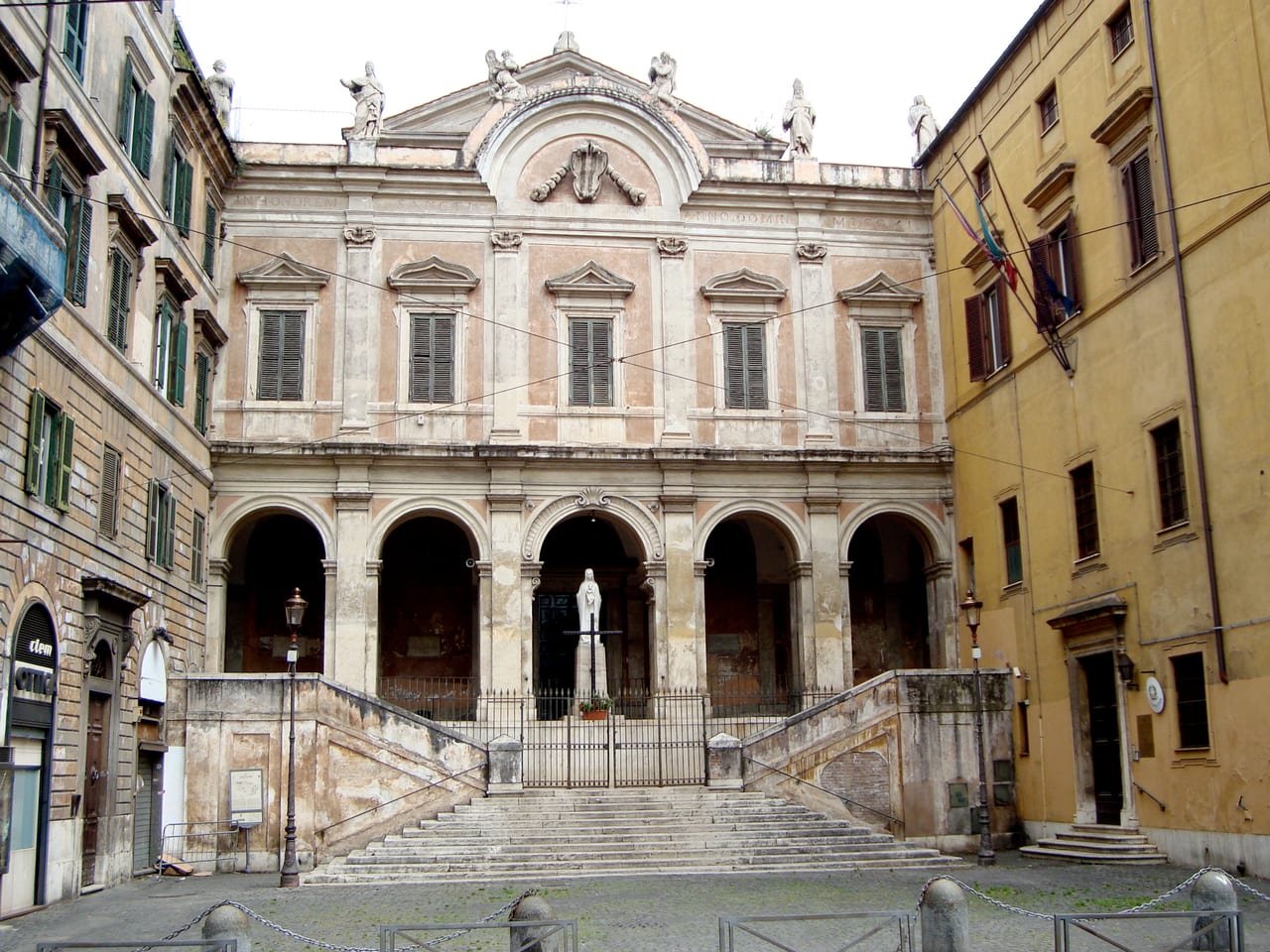
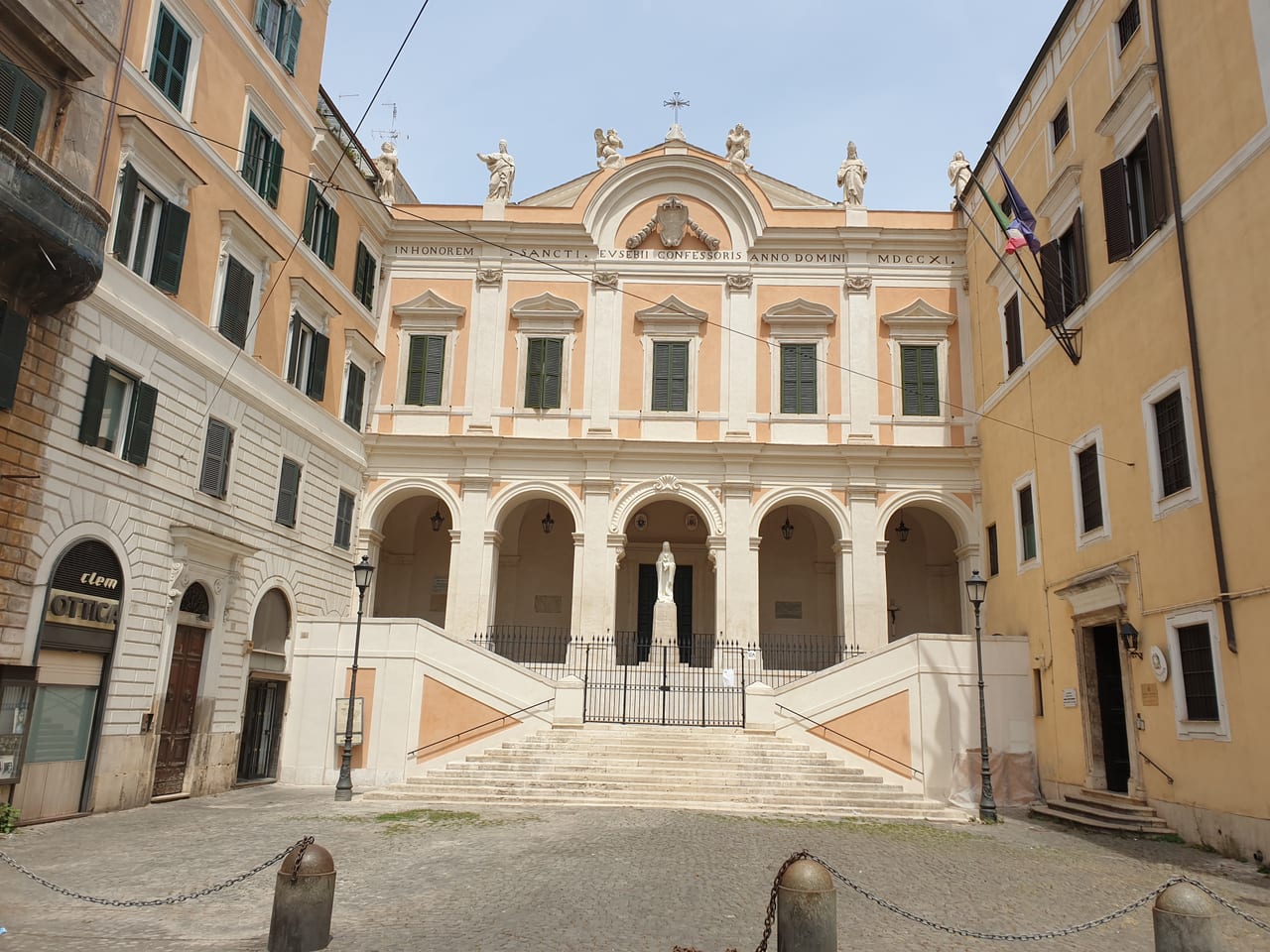

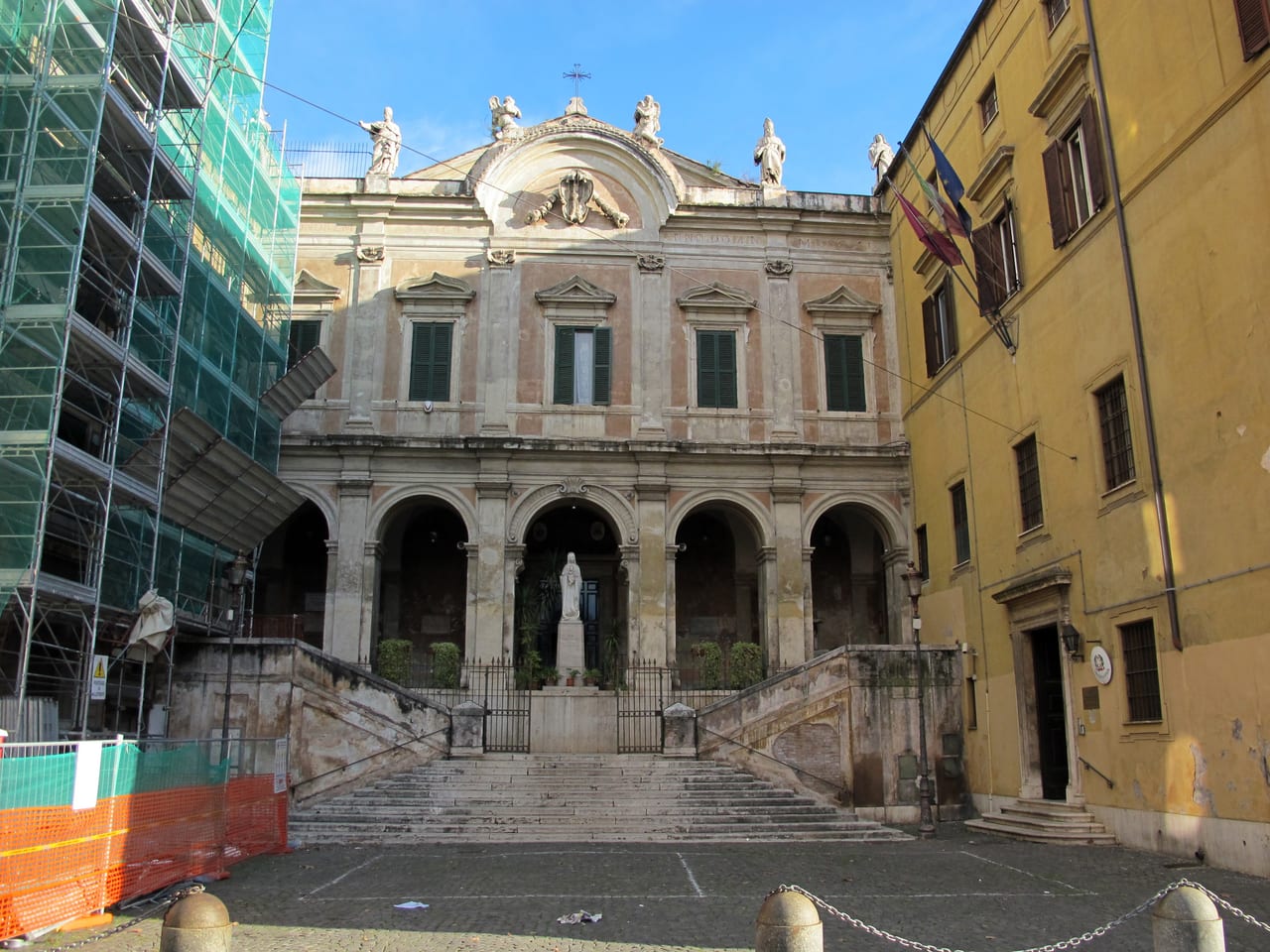
Photograph 1 of 8 of Sant'Eusebio
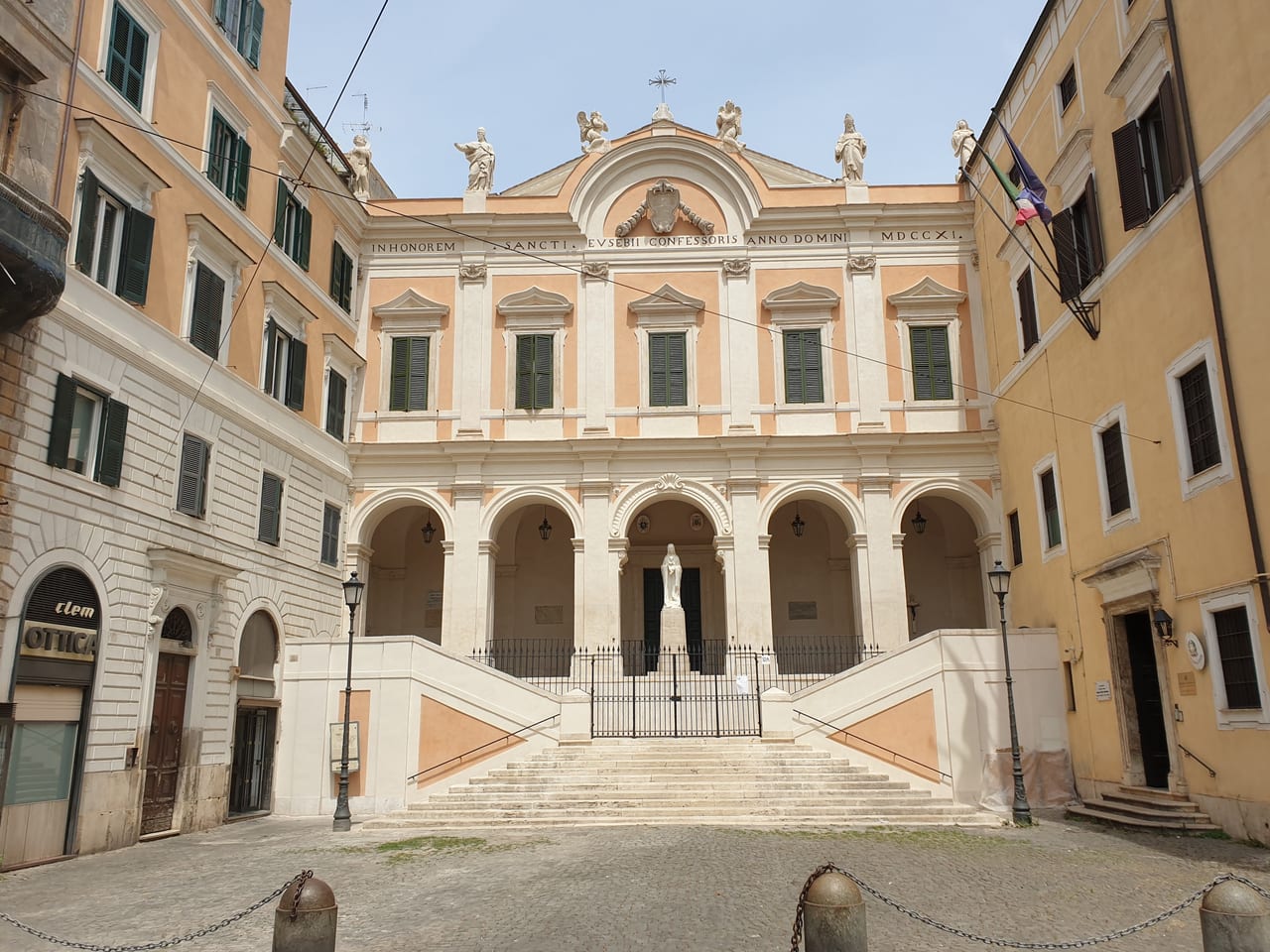
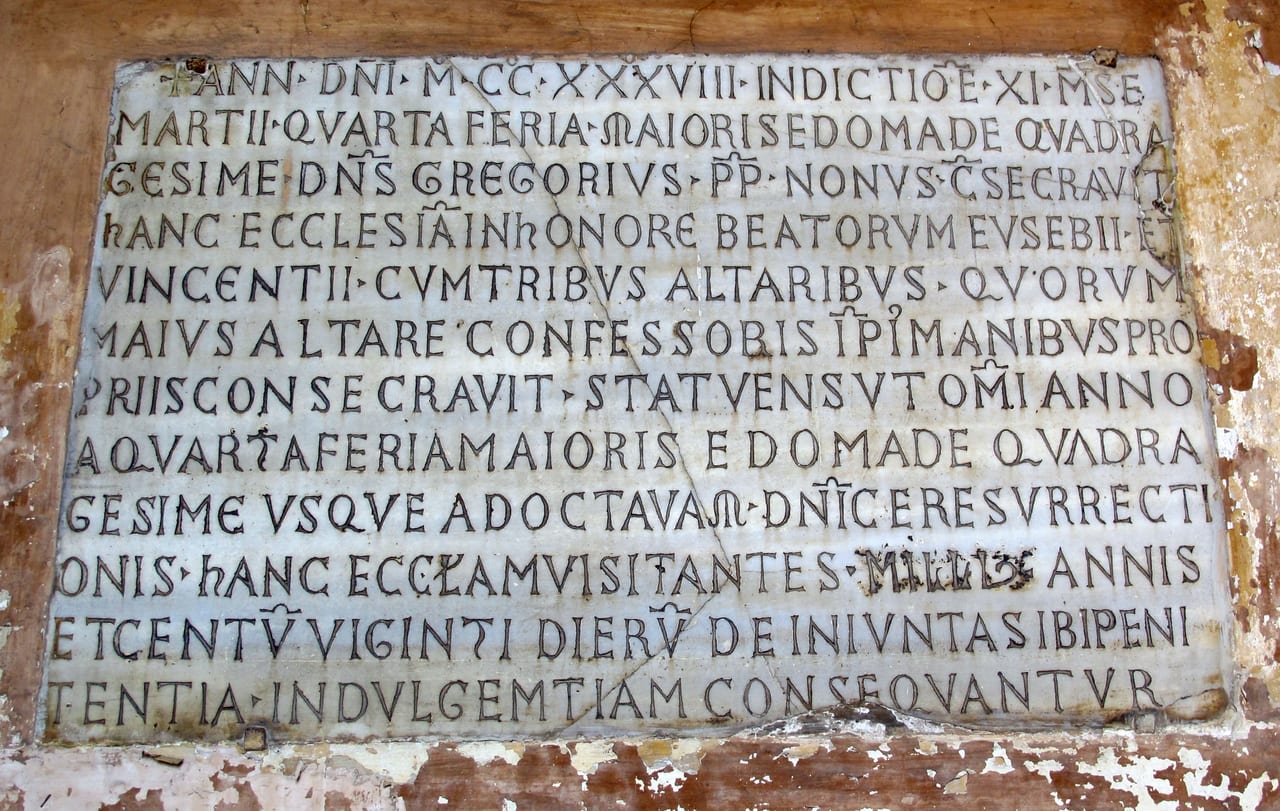
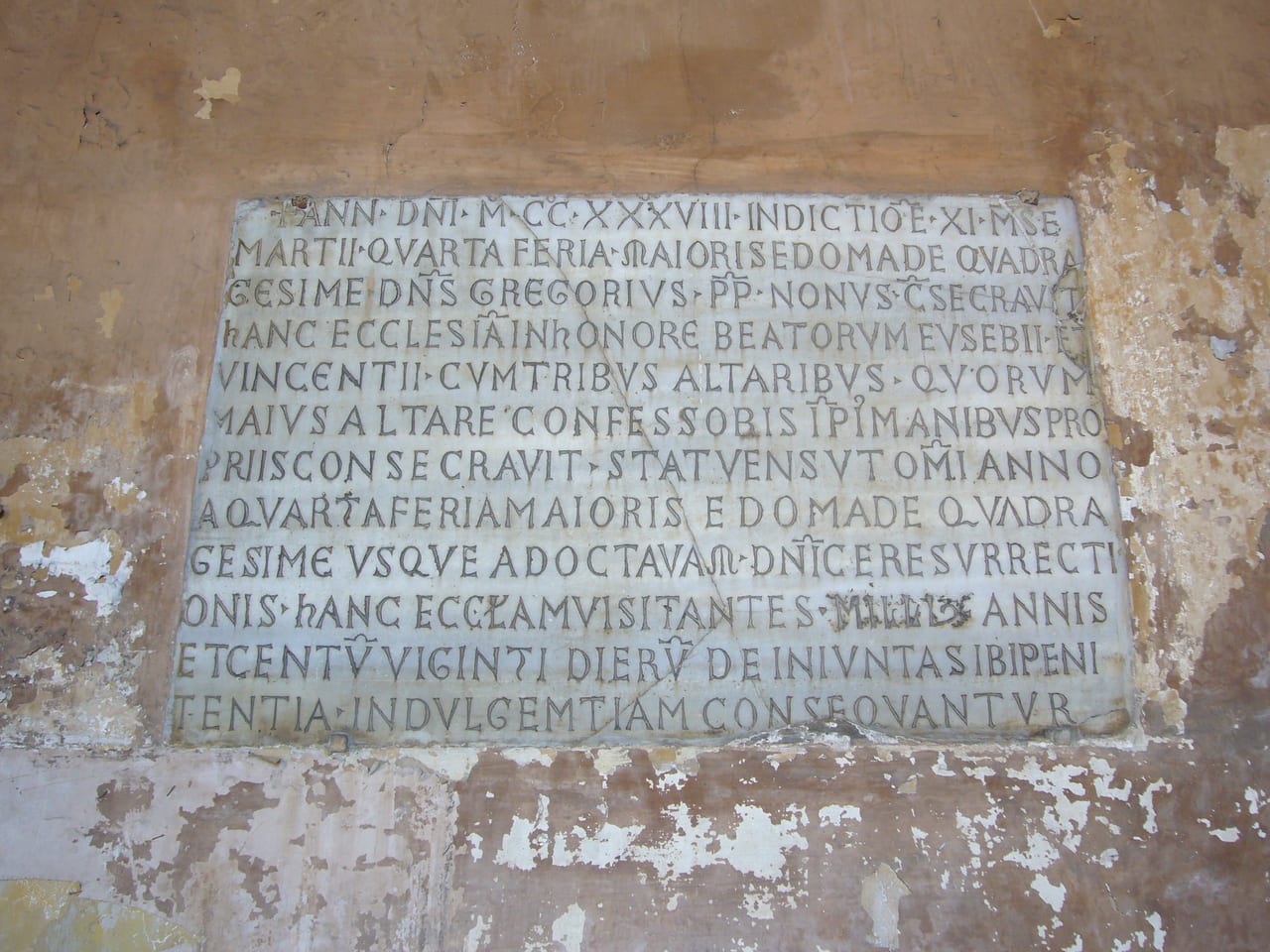
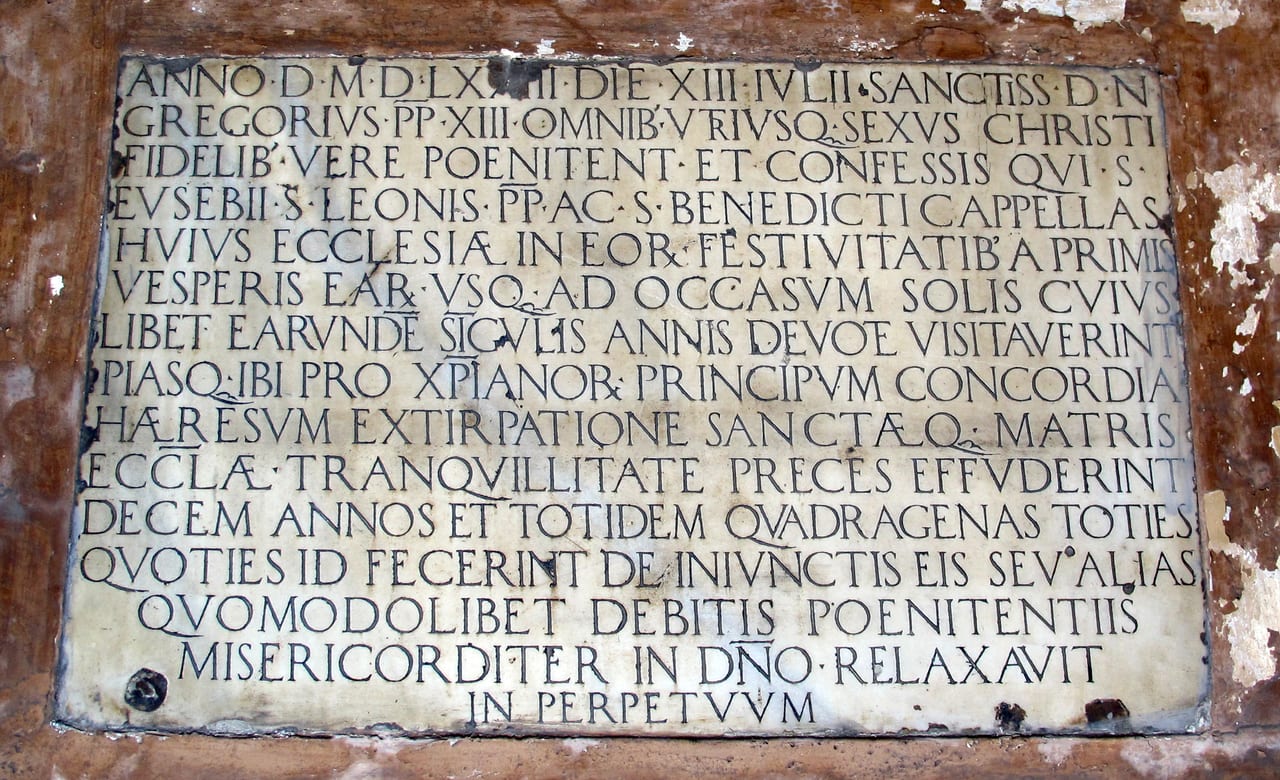
Sant’Eusebio is traditionally associated with the domus of the priest Eusebius, an opponent of Arianism who was condemned by Constantius II to die of starvation. A Christian titulus existed by the 4th century, probably founded under Pope Liberius and consecrated in 357; its earliest surviving documentary mention dates to 474. After repeated medieval restorations, the church was rebuilt from its foundations and consecrated in 1238 by Gregory IX. The adjoining Celestine monastery was suppressed in 1810, and later passed through Jesuit and secular administration before becoming a parish in 1888. The medieval basilica’s Romanesque character largely disappeared through 17th-, 18th- and 20th-century alterations. Onorio Longhi remodelled the interior in 1600, while Carlo Stefano Fontana created the restrained Baroque façade in 1711–1712. Inside, three naves contain white-and-gold stucco, a 16th-century walnut choir, and Anton Raphael Mengs’s neoclassical Glory of Saint Eusebius, painted in 1757. A three-tier medieval bell tower, Fontana’s cloister, and two pipe organs—one by Johannes Conrad Werle from 1740—complete the complex.
At a glance
- Built
- 401
- Architect
- Onorio Longhi
- Style
- Neoclassical architecture
- Heritage
- Italian national heritage
Ways to explore Sant'Eusebio
Approach via the double-flight staircase and examine the façade’s five-arch portico, contrasting orders, mixed-line pediments and recessed triangular gable. Inside, look up to Mengs’s painting on the vault, then inspect the paintings by Passeri, Ruthart, Croce, Rossetti, Batoni and Solimena, along with the walnut choir. From the sacristy, view the two-tier cloister and central fountain. The Werle organ occupies the right transept; a Tamburini instrument stands above the entrance. On 17 January, the traditional blessing of animals is held here.
Places to stay near Sant'Eusebio

Live availability and prices from Stay22's partners, refreshed periodically and subject to change. Booking through these links may earn us a commission at no extra cost to you. See our privacy policy.
Cafés near Sant'Eusebio
Cafés near Sant'Eusebio loads as you scroll.
Attractions nearby
Attractions near Sant'Eusebio loads as you scroll.
Cities nearby
Cities nearby loads as you scroll.
More in Rome
See more of Rome.
Find great cafés, places to stay and other interesting places to visit in Rome.