Church · Rome
Sant'Andrea della Valle
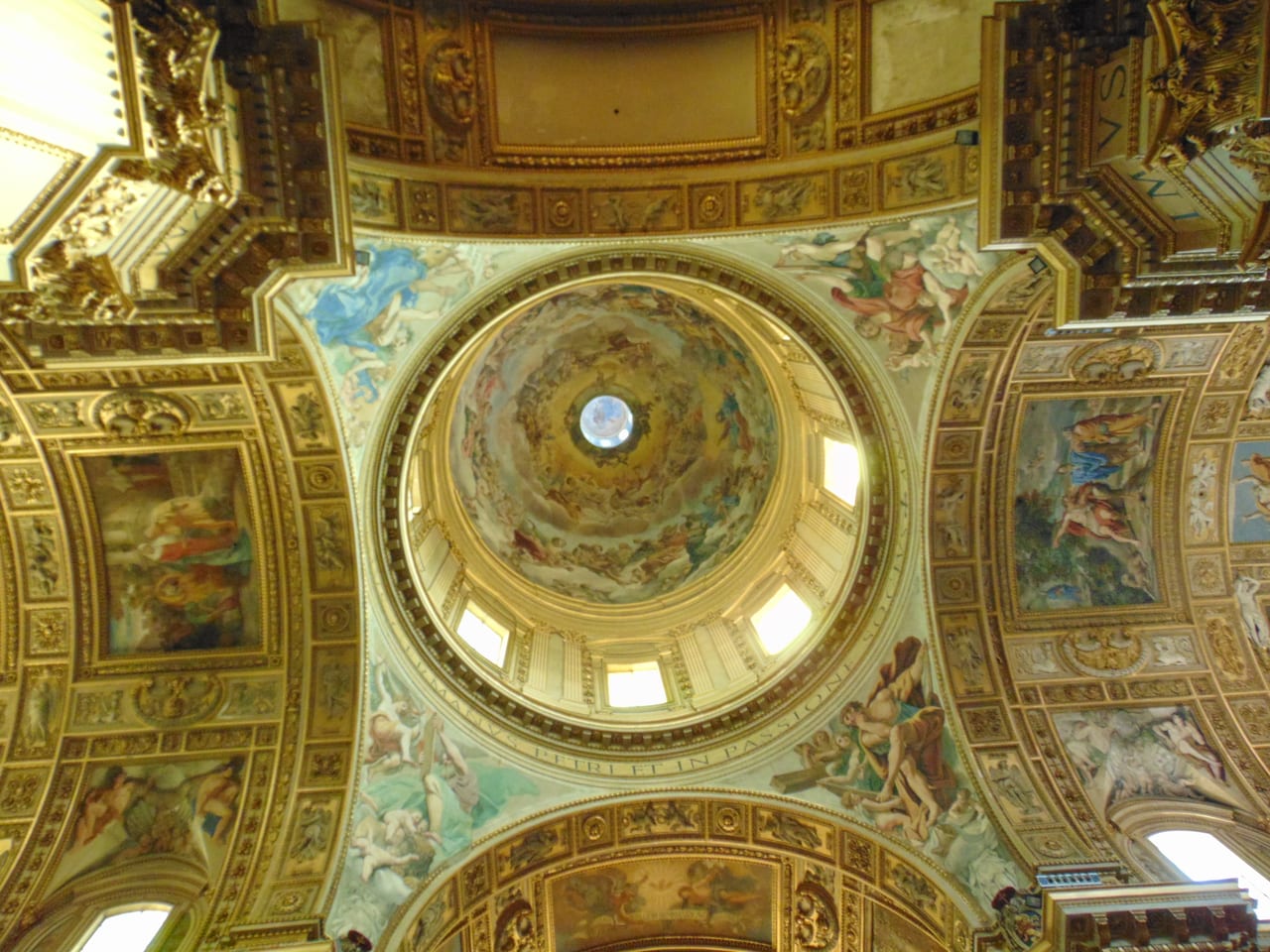
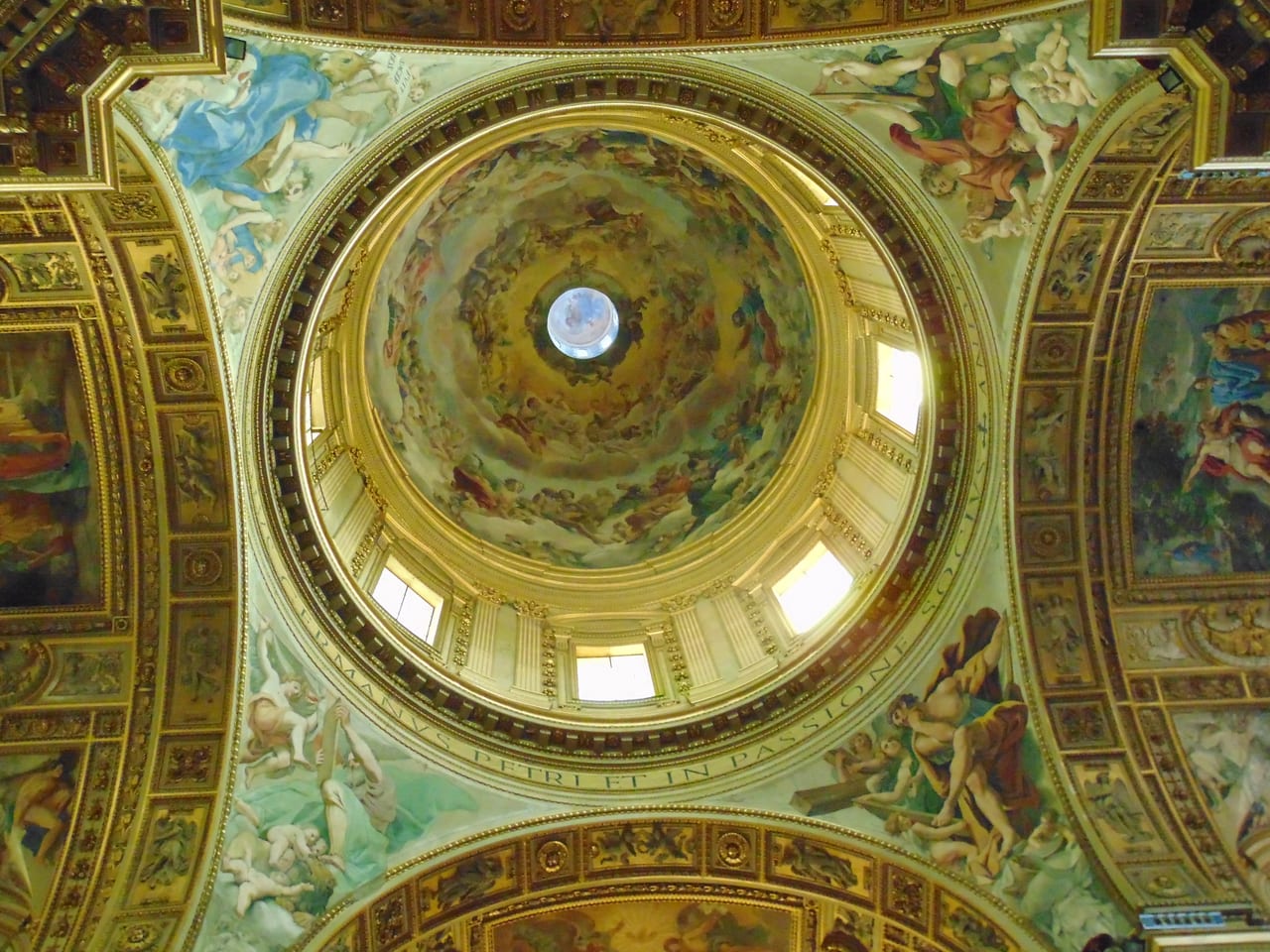
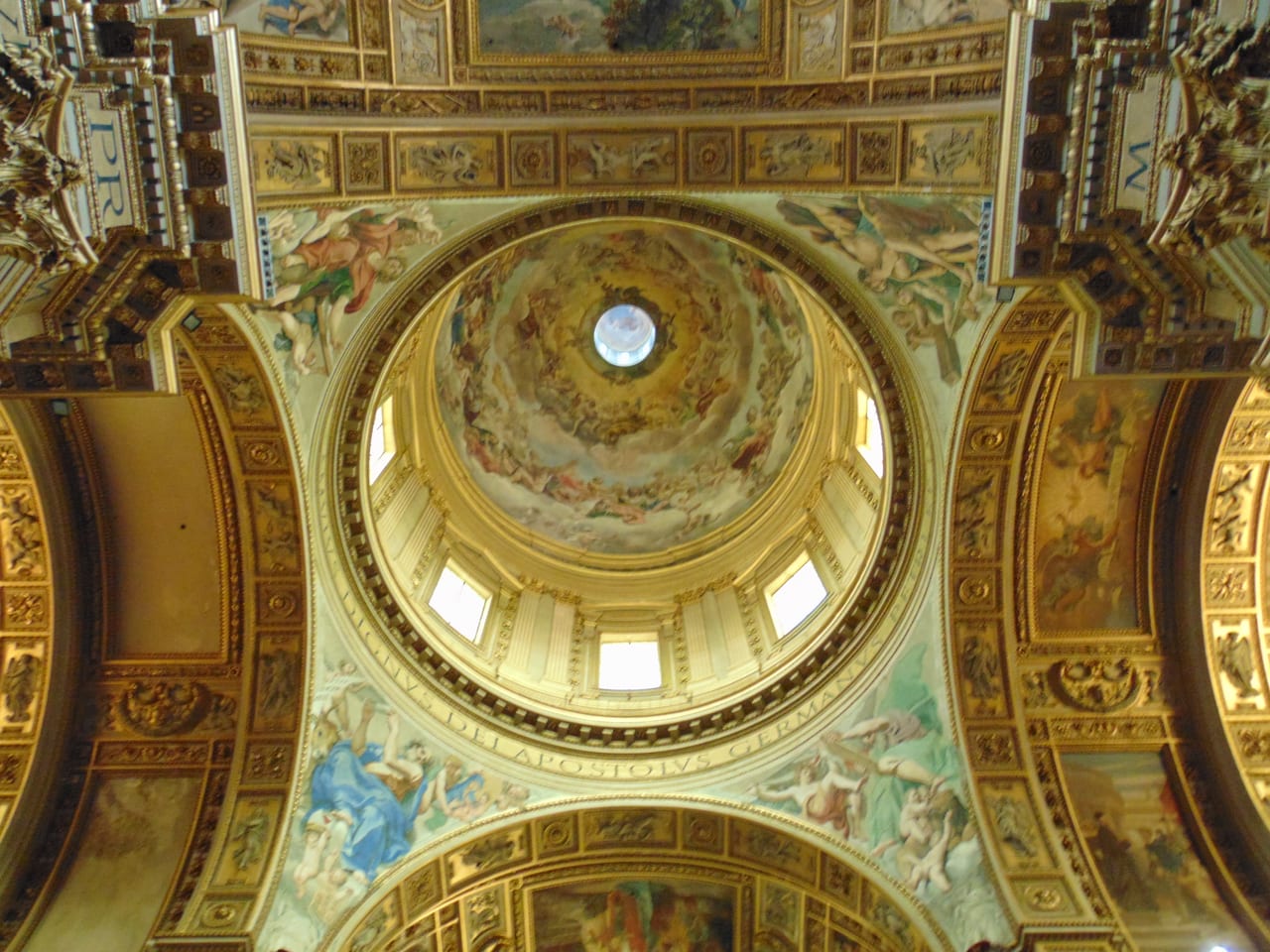
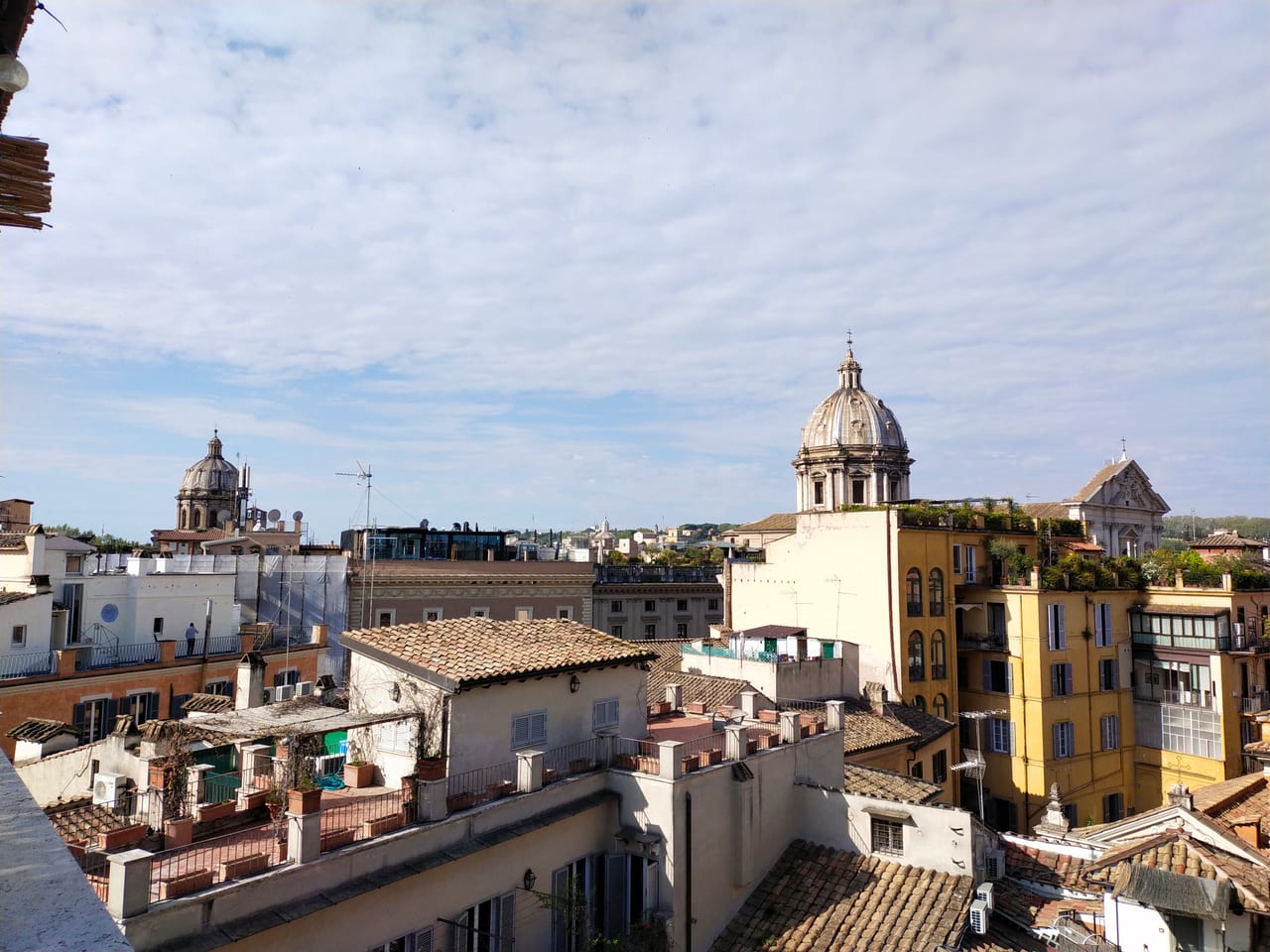
DirectionsIts dome, frescoed by Giovanni Lanfranco in 1627, was once Rome’s third largest after St Peter’s and the Pantheon, and became a model for later domes.
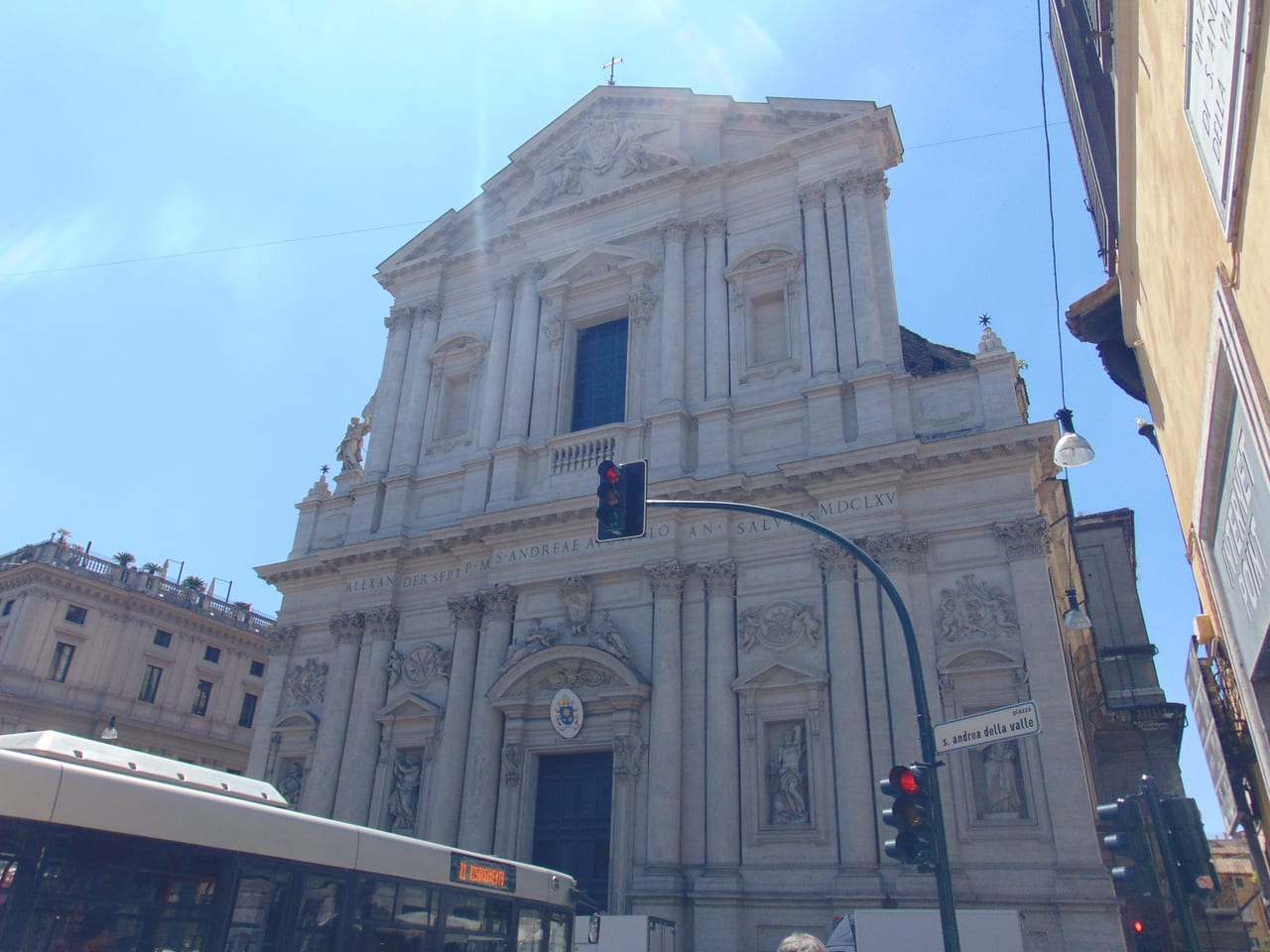
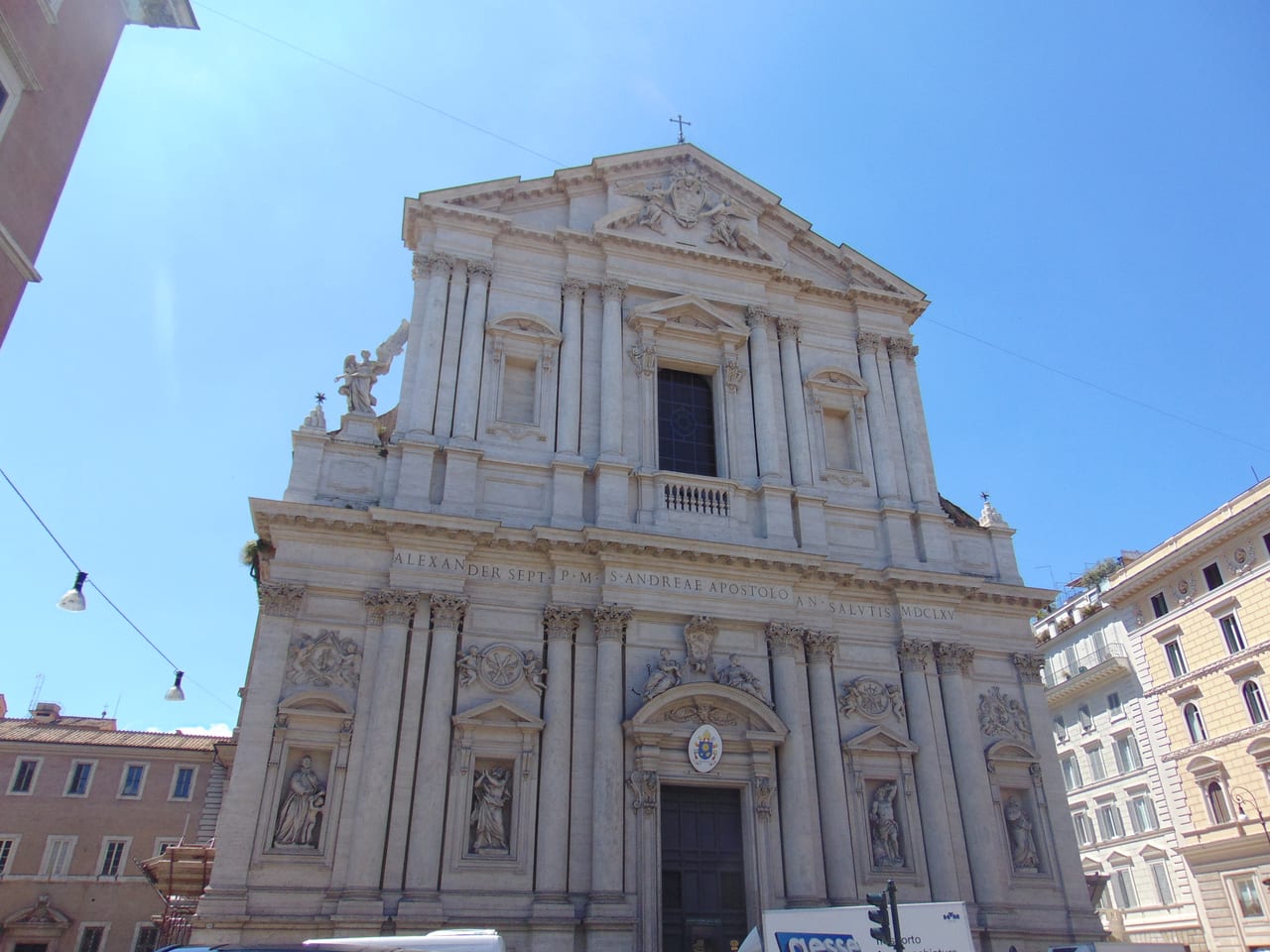
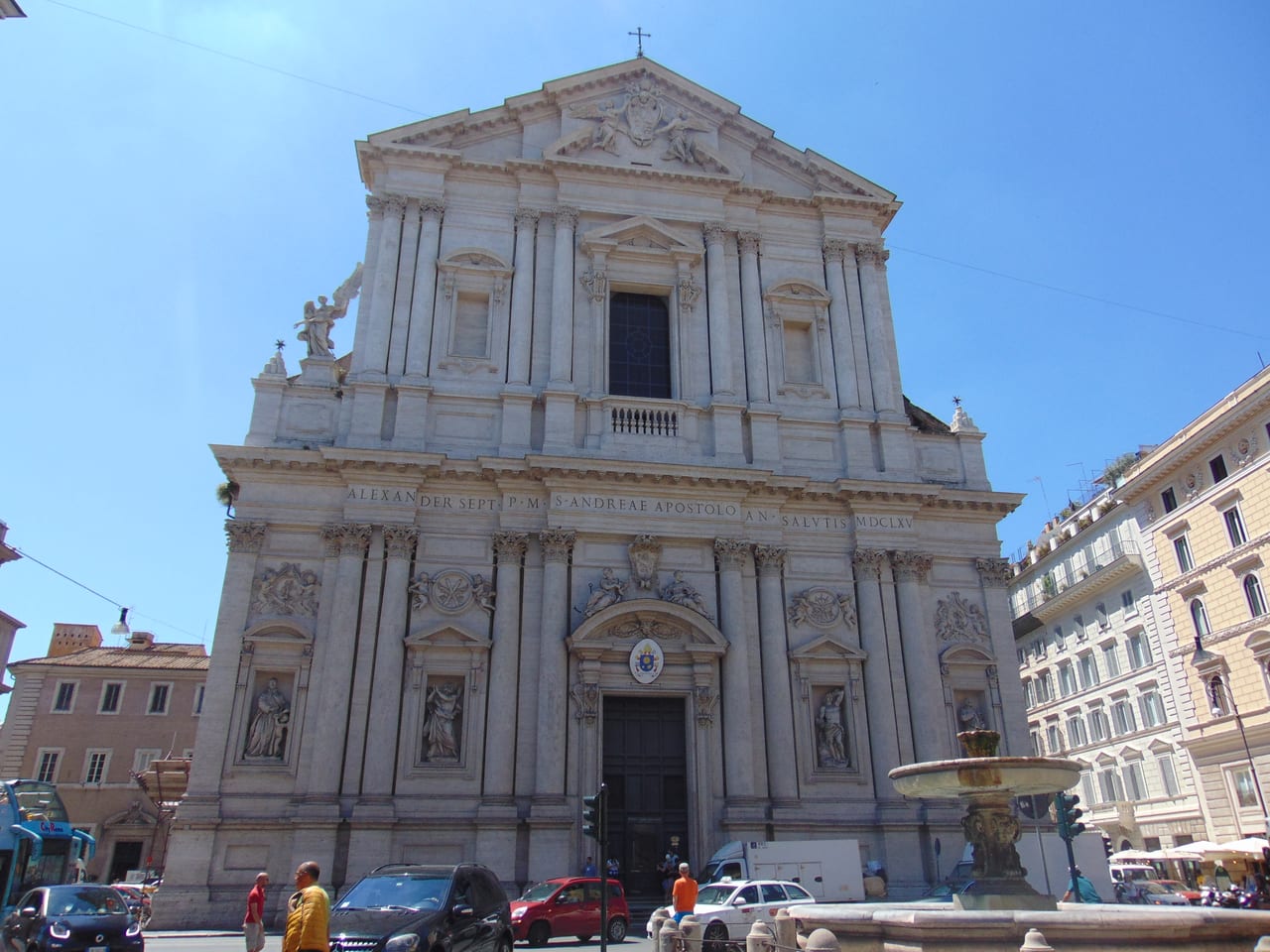
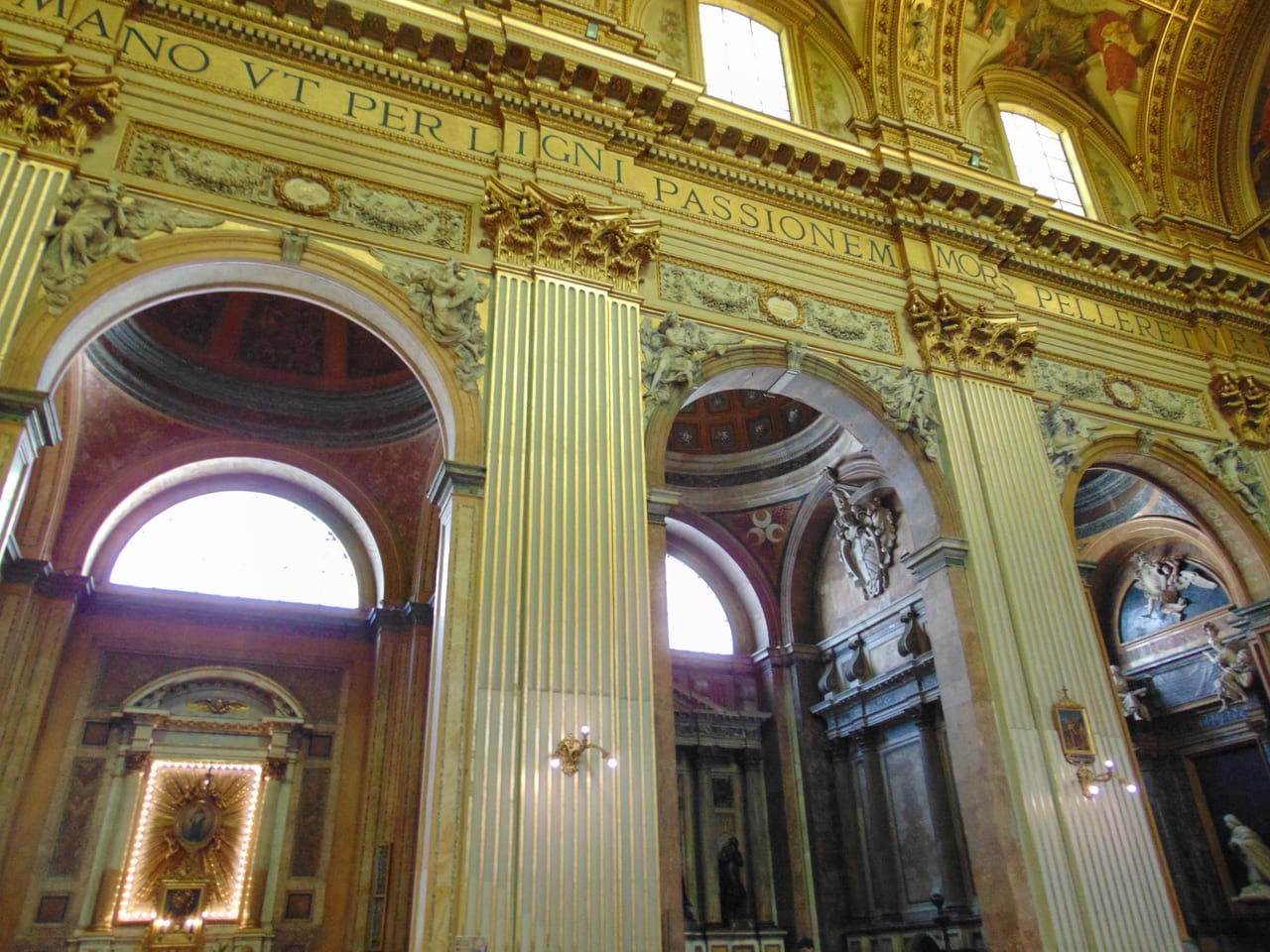
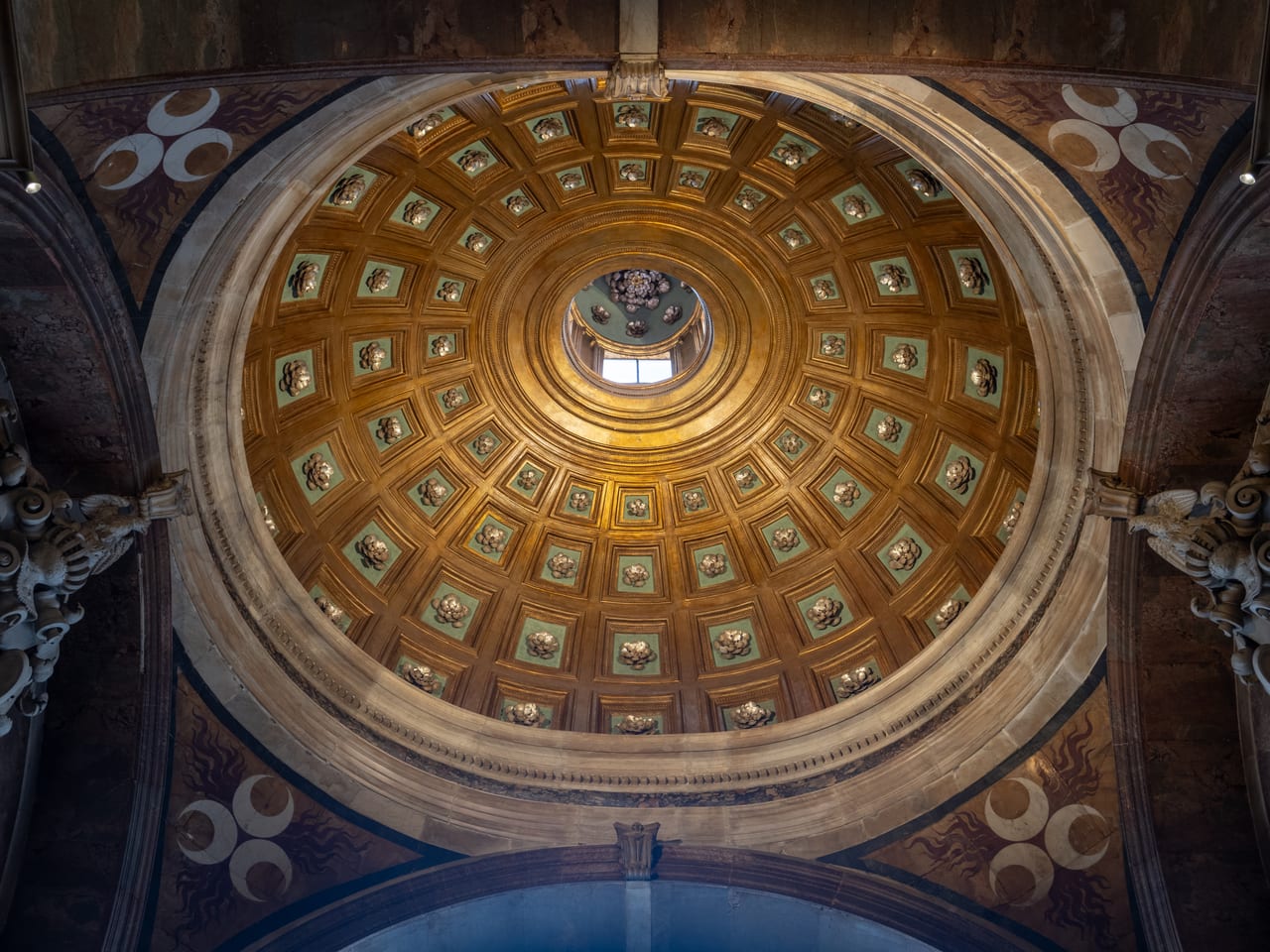
Photograph 1 of 13 of Sant'Andrea della Valle
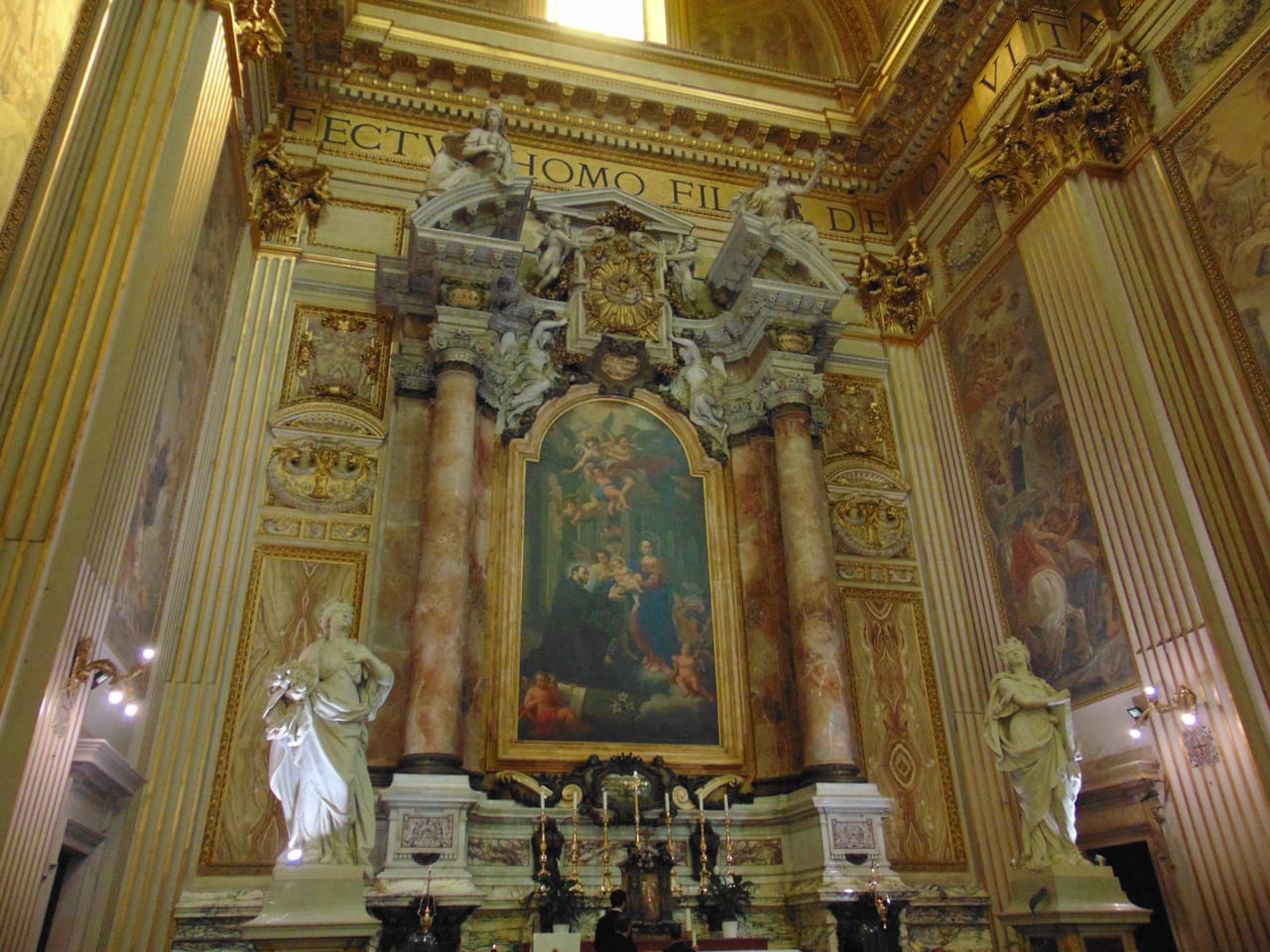
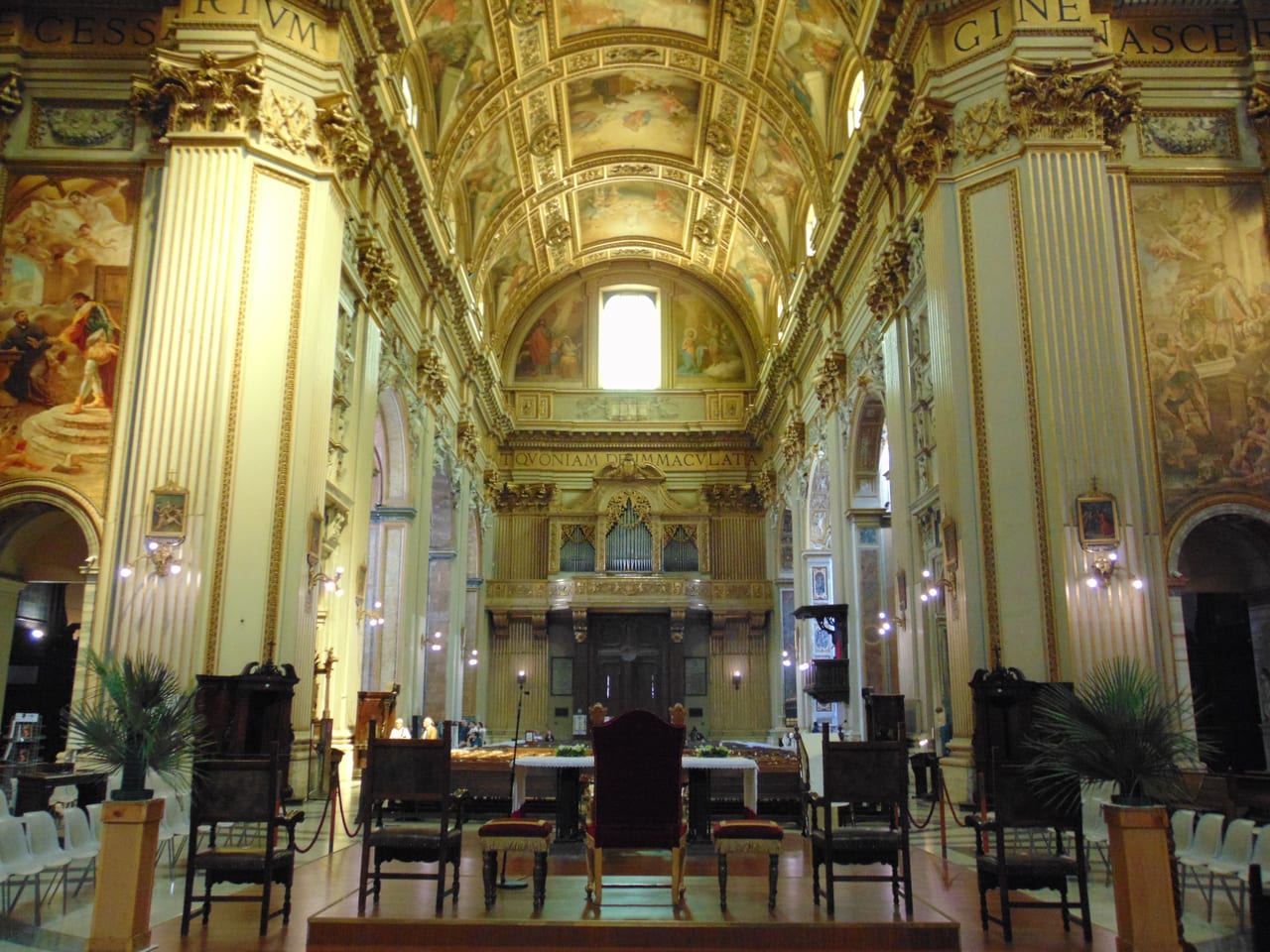
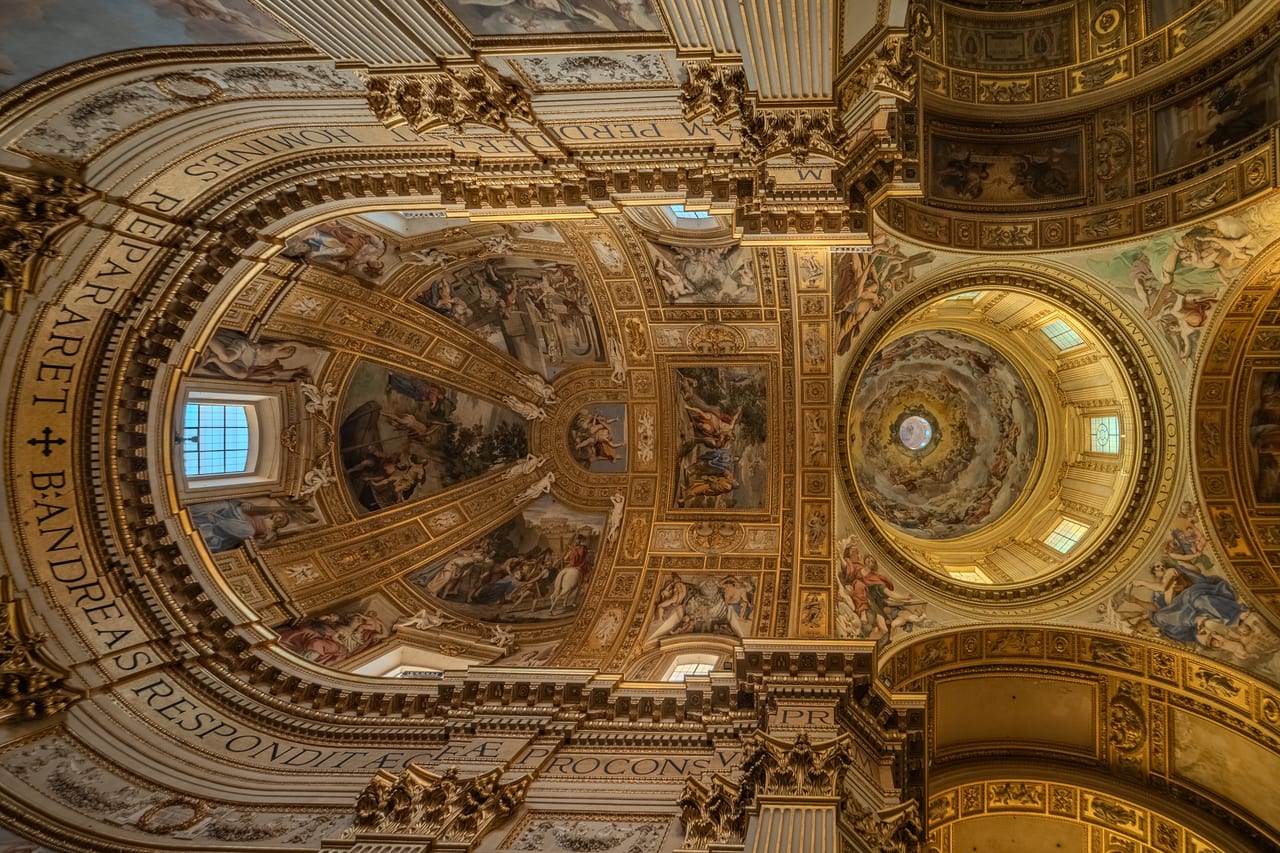
Sant’Andrea della Valle began with a 1582 bequest from Donna Costanza Piccolomini d’Aragona, Duchess of Amalfi, who left her palace and the adjoining church of San Sebastiano to the Theatines. Amalfi’s patron saint determined the dedication. Giacomo della Porta and Pier Paolo Olivieri began work around 1590 under Cardinal Gesualdo; after his death, Cardinal Alessandro Peretti di Montalto revived the project in 1608 with an endowment exceeding 150,000 gold scudi and a grander scheme largely by Carlo Maderno. The interior was completed by 1650, with later changes by Francesco Grimaldi, while Carlo Rainaldi added the Baroque façade between 1655 and 1663. The basilica became one of the great seventeenth-century preaching churches of the Counter-Reformation and remains the Theatines’ general-curia church. Its artistic programme spans several generations: Alessandro Algardi shaped the apse decoration, Domenichino painted the apse half-dome, and Mattia Preti created the apse wall scenes in 1650–1651. A two-manual, 36-stop organ dates from 1845.
At a glance
- Architect
- Francesco Maria Grimaldi
- Style
- baroque architecture
- Heritage
- Italian national heritage
Ways to explore Sant'Andrea della Valle
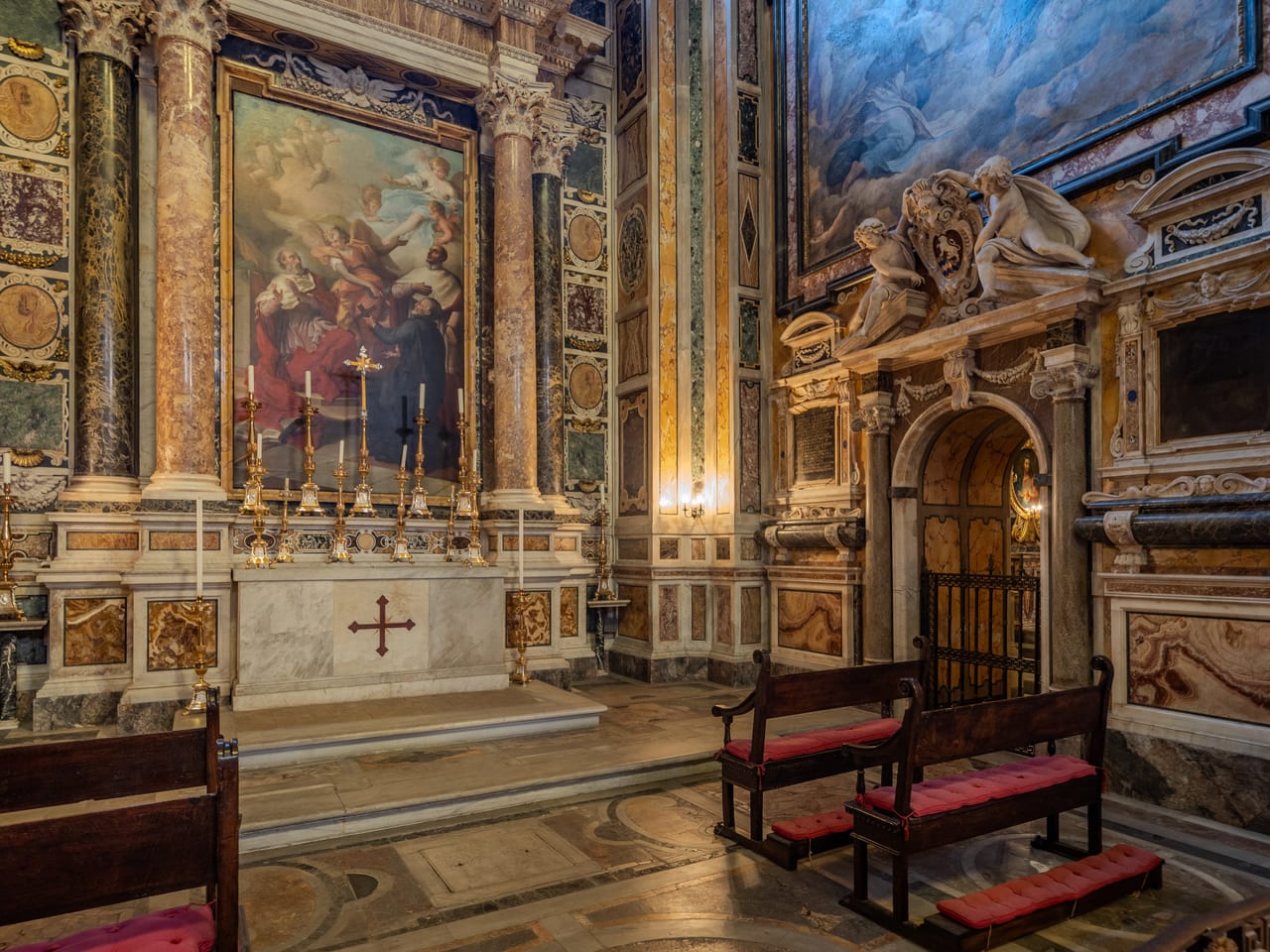
Begin beneath the façade and look across the nave for the scale of the interior, then work through the side chapels rather than treating them as a single sequence. Look for the Strozzi Chapel’s bronze versions of Michelangelo’s Leah and Rachel, Pietro Bernini’s Saint John the Baptist, Francesco Mochi’s unusually large Saint Martha, and the Chapel of Saint Andrew Avellino. In the apse, compare the fresco cycles with Preti’s dramatic wall scenes. The organ may be heard during weekday-afternoon practice; outside, see Carlo Maderno’s fountain in the square.
Places to stay near Sant'Andrea della Valle

Live availability and prices from Stay22's partners, refreshed periodically and subject to change. Booking through these links may earn us a commission at no extra cost to you. See our privacy policy.
Cafés near Sant'Andrea della Valle
Cafés near Sant'Andrea della Valle loads as you scroll.
Attractions nearby
Attractions near Sant'Andrea della Valle loads as you scroll.
Cities nearby
Cities nearby loads as you scroll.
More in Rome
See more of Rome.
Find great cafés, places to stay and other interesting places to visit in Rome.