Church · Rome
Sant'Agnese in Agone
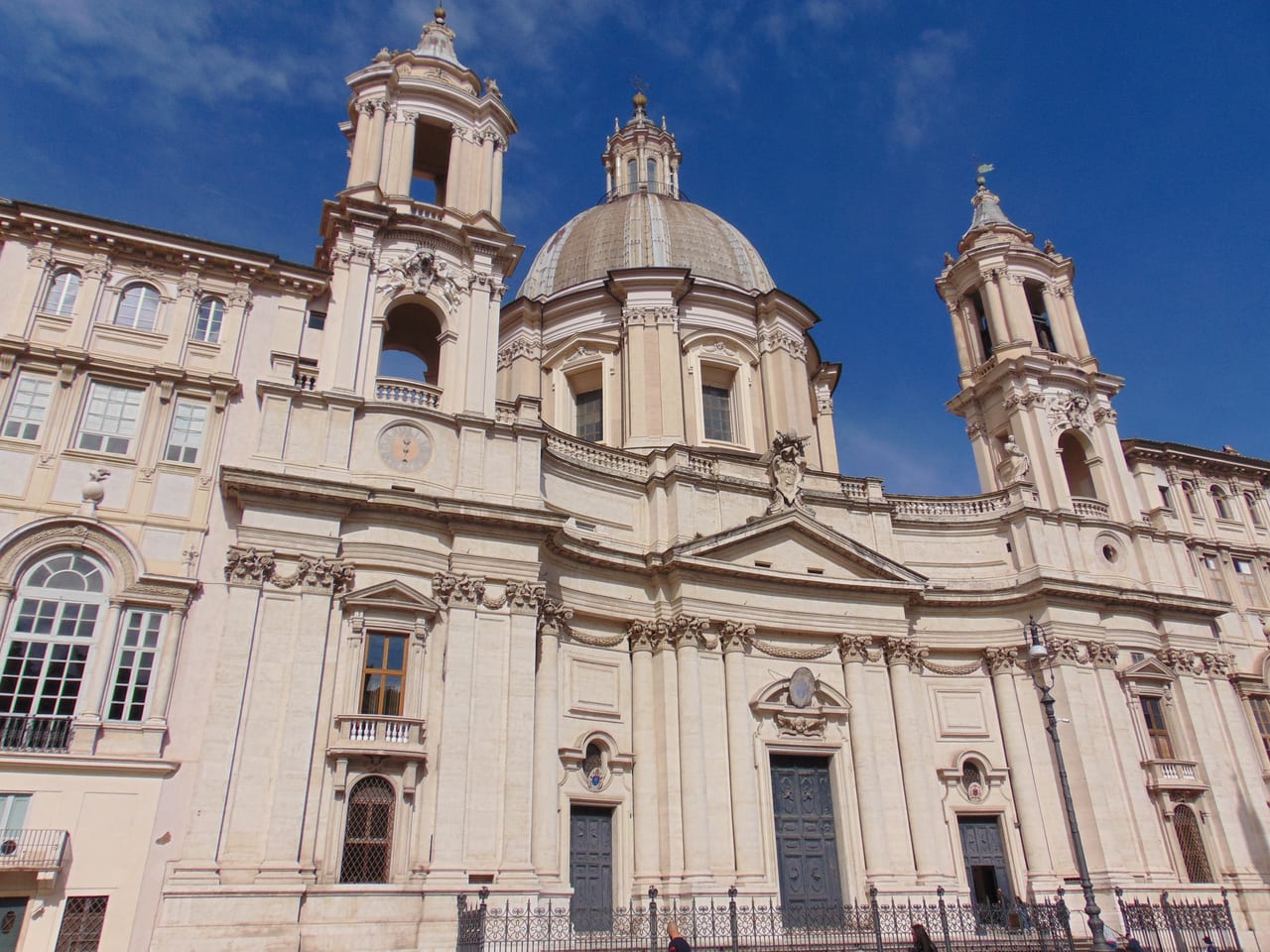
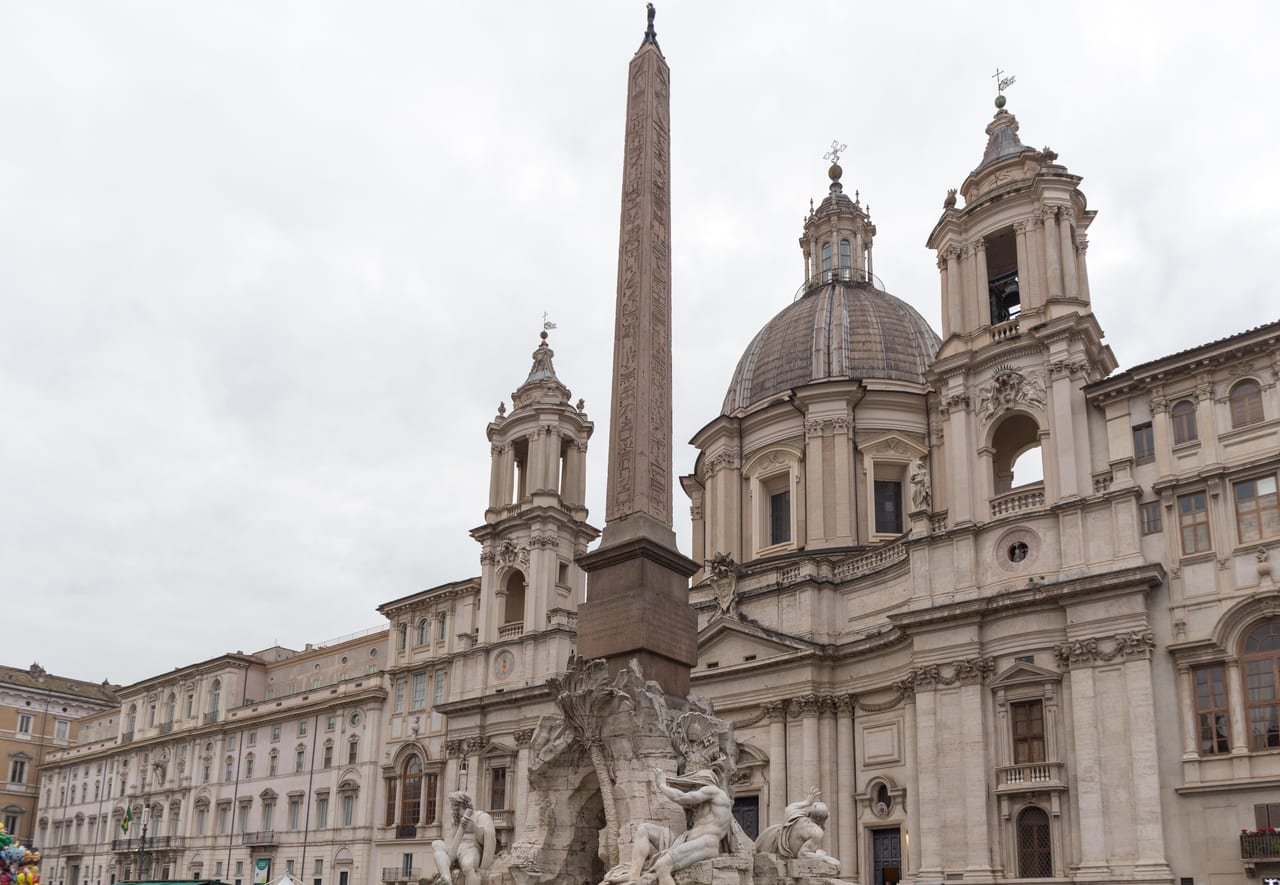
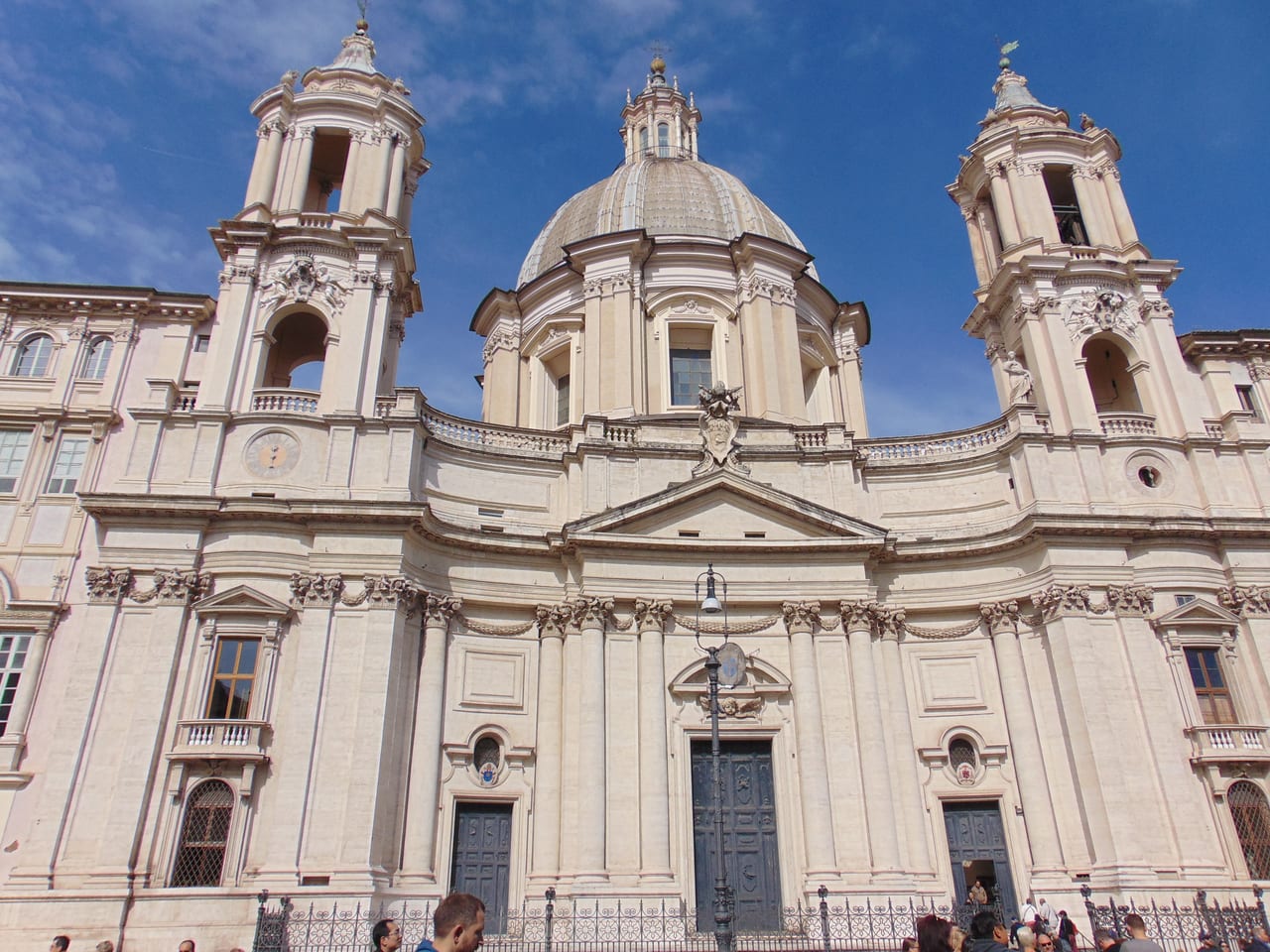
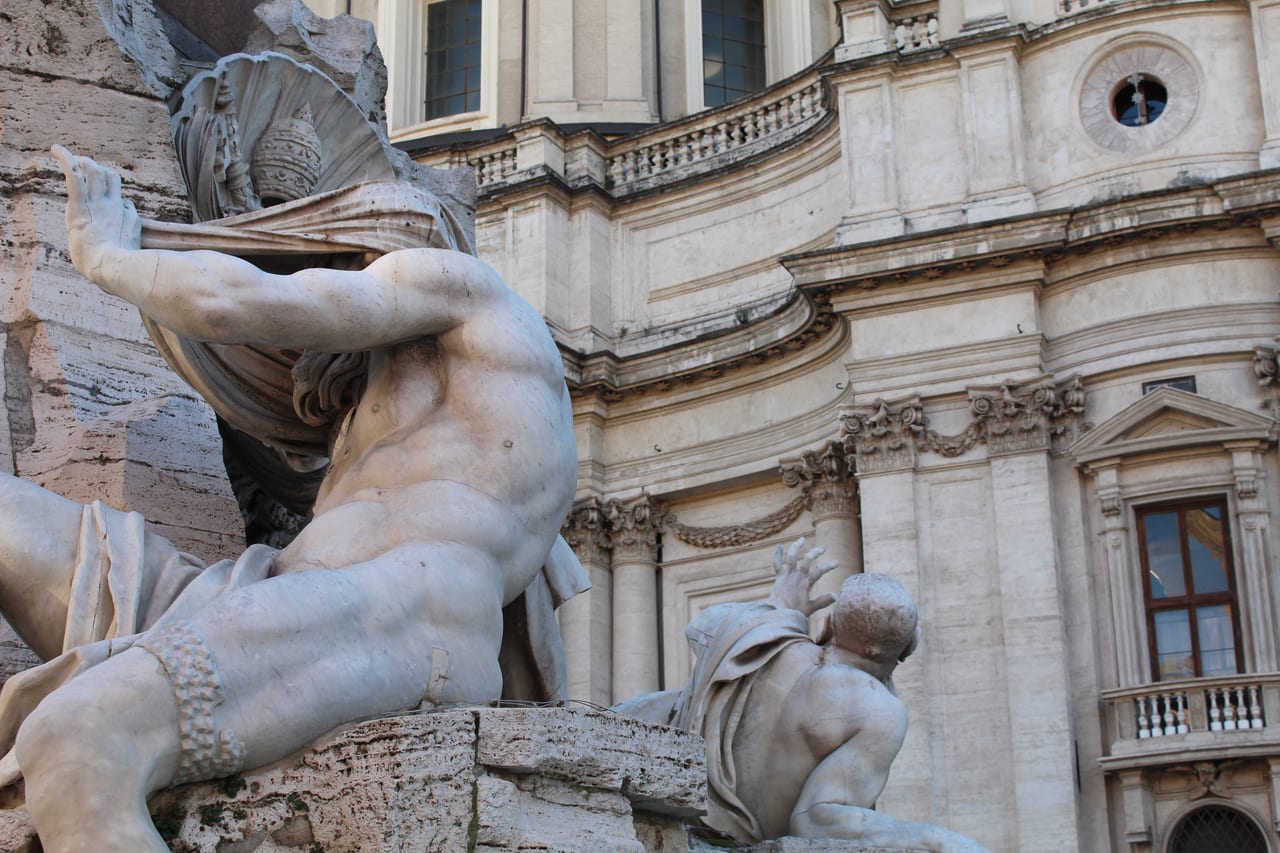
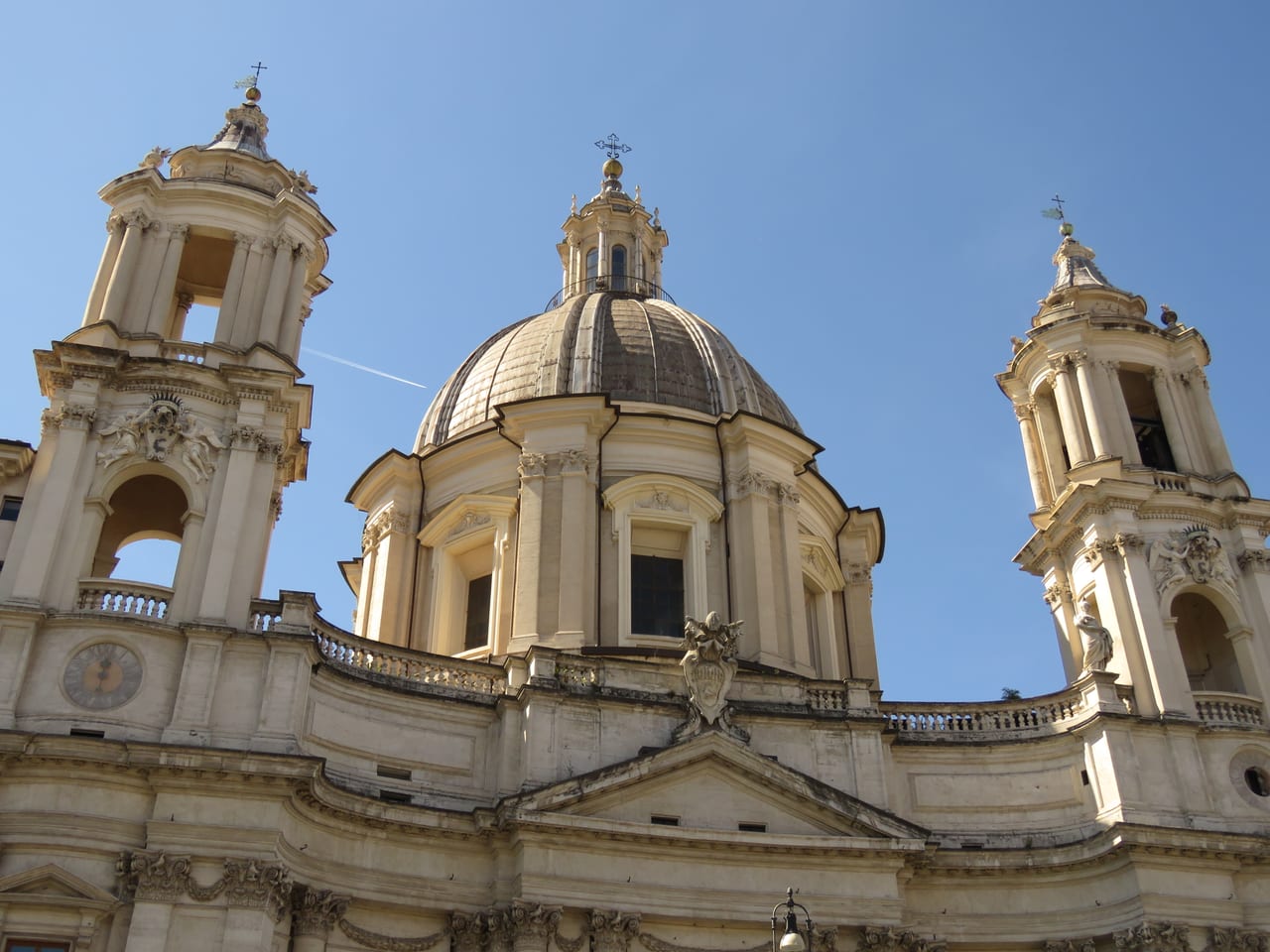
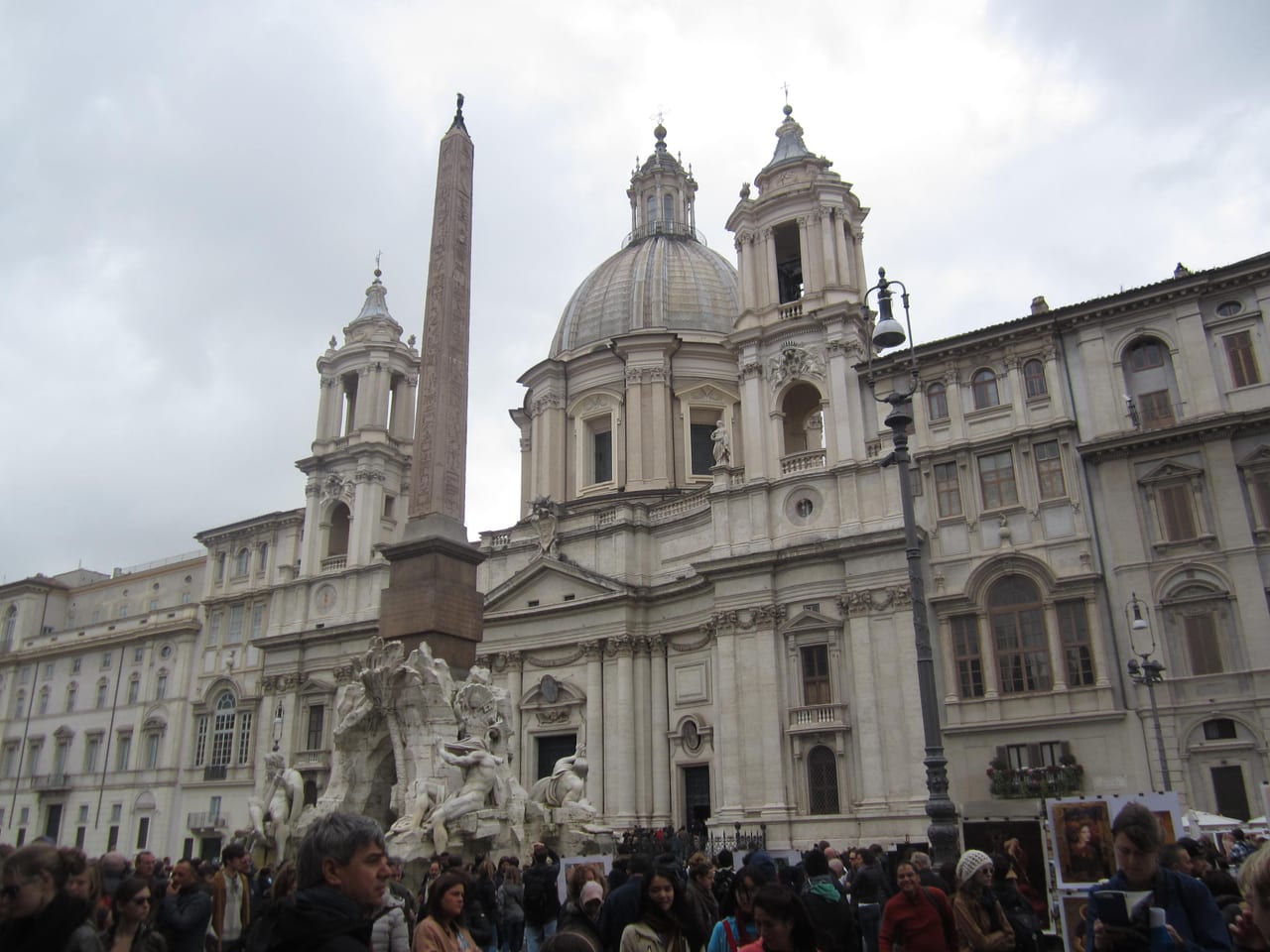
DirectionsIts concave Baroque façade, shaped by Francesco Borromini to heighten the dome’s presence, creates one of Rome’s most theatrically composed church fronts.
Photograph 1 of 11 of Sant'Agnese in Agone
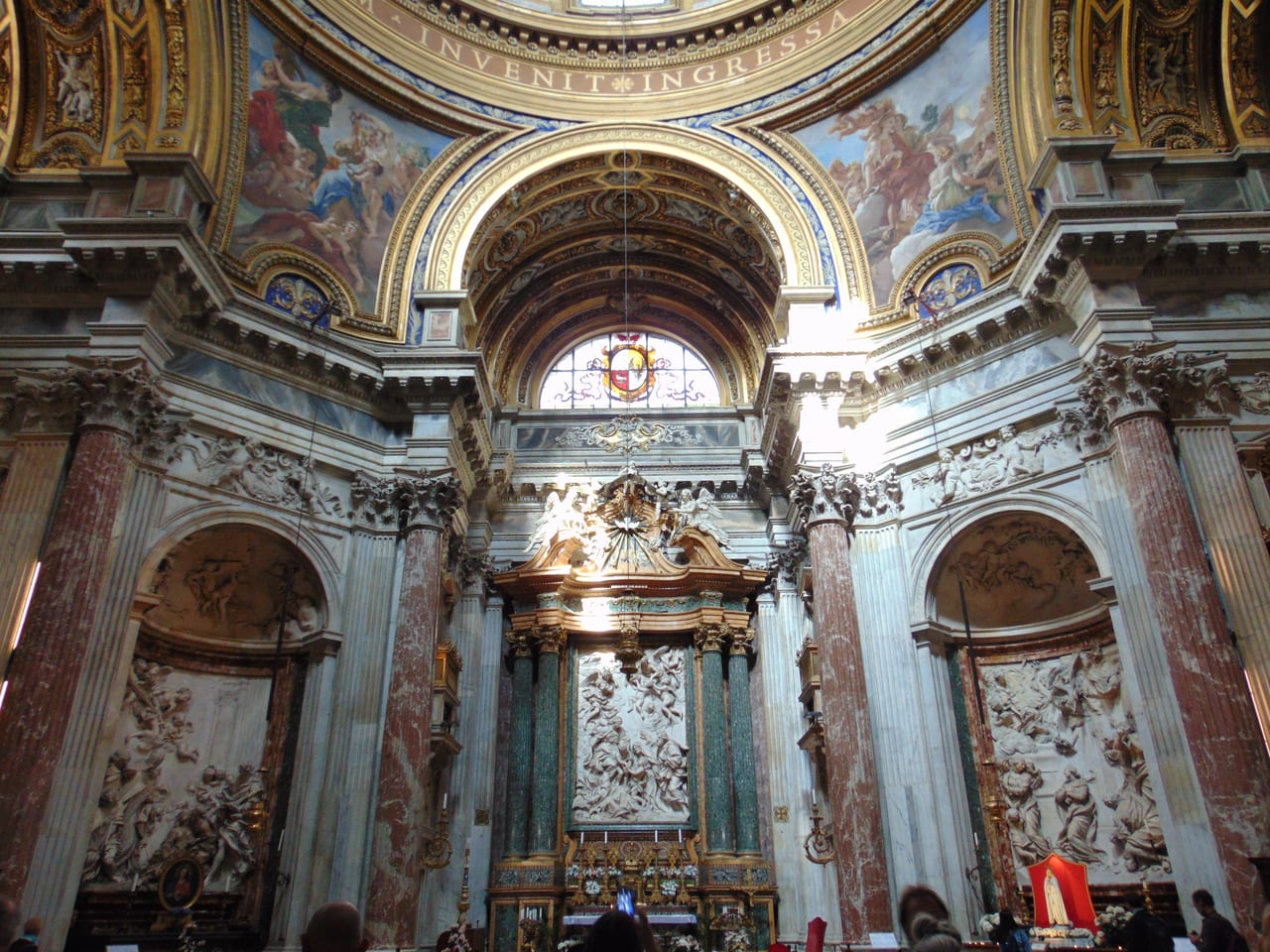
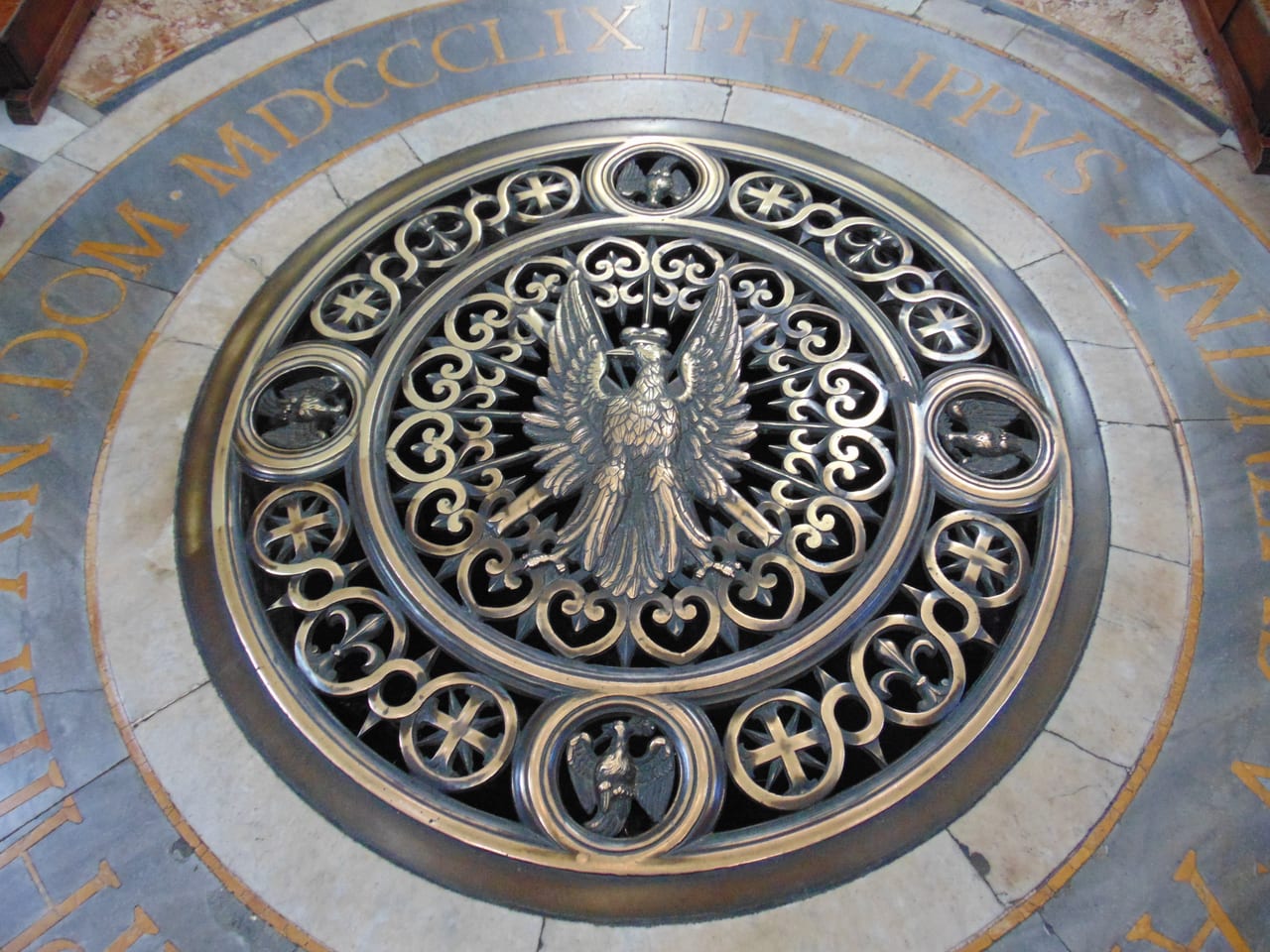
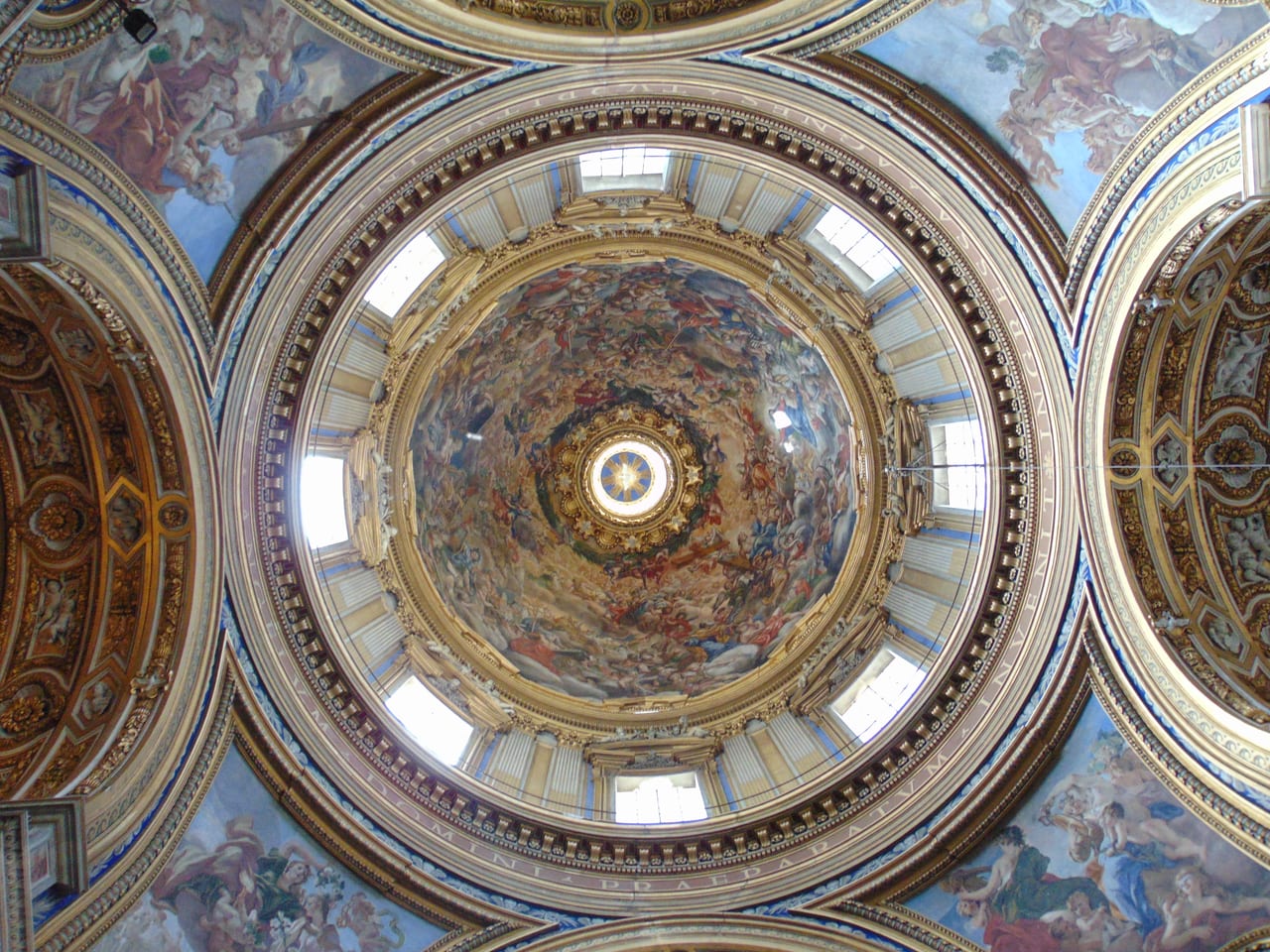
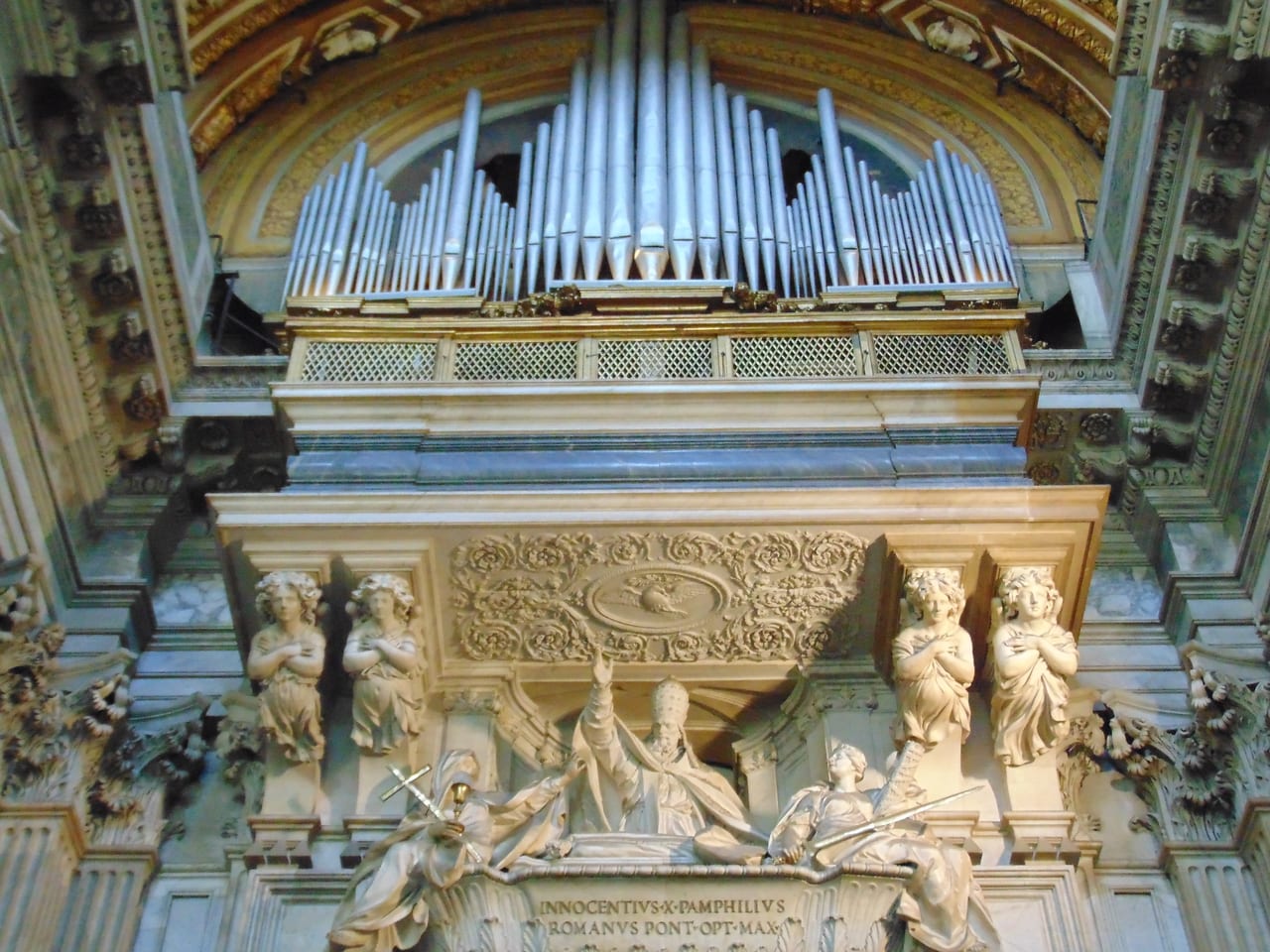
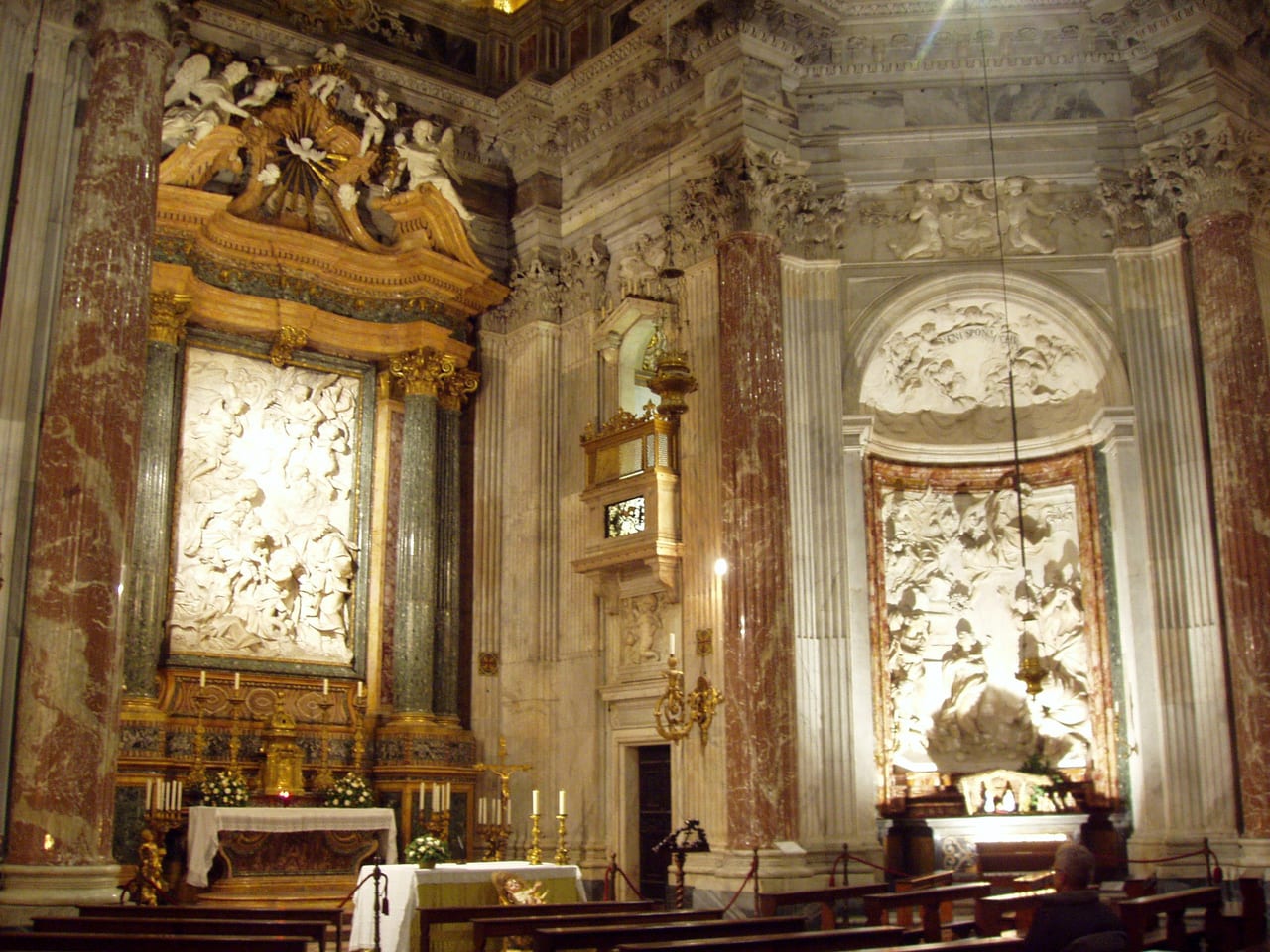
The church stands on a site associated with Saint Agnes’s martyrdom. A small church was recorded there by the late eighth century; it was later replaced by an ancient basilica founded by Callixtus II. Innocent X Pamphilj commissioned the present rebuilding as a chapel linked to the family palace and their extensive properties around the piazza. Girolamo Rainaldi produced the first design in 1652, Francesco Borromini directed the works from 1653 to 1657, and Carlo Rainaldi completed the building in 1672. Innocent X’s funerary monument remains inside. The interior follows a Greek-cross plan, with short arms meeting beneath a central octagon and richly gilded stucco vaults. The dome’s pendentives, painted by Giovan Battista Gaulli between 1667 and 1671, represent the four cardinal virtues; the dome fresco depicts Saint Agnes entering heavenly glory, begun by Ciro Ferri and completed by Sebastiano Corbellini. Carlo Rainaldi’s high altar, made between 1720 and 1724, contains Domenico Guidi’s Holy Family. Restoration in the 2000s brought the church back to public use as a concert venue, while its medieval-oratory crypt underwent study and conservation from 2017 to 2026.
At a glance
- Built
- 1650
- Architect
- Carlo Rainaldi
- Style
- baroque architecture
- Heritage
- Italian national heritage
Ways to explore Sant'Agnese in Agone
Pause beneath the dome to follow the transition from the gilded pendentives to the painted heavenly scene. In the central octagon, examine the four altars and their marble works, then compare the Saint Agnes and Saint Sebastian transepts. Look for Alessandro Algardi’s marble relief, The Miracle of Saint Agnes’s Hair, in the underground space. The church also contains two pipe organs: the 1913 Walcker instrument, enlarged in 2013, and a mid-nineteenth-century positive organ by Pasquale Giantosca.
Places to stay near Sant'Agnese in Agone

Live availability and prices from Stay22's partners, refreshed periodically and subject to change. Booking through these links may earn us a commission at no extra cost to you. See our privacy policy.
Cafés near Sant'Agnese in Agone
Cafés near Sant'Agnese in Agone loads as you scroll.
Attractions nearby
Attractions near Sant'Agnese in Agone loads as you scroll.
Cities nearby
Cities nearby loads as you scroll.
More in Rome
See more of Rome.
Find great cafés, places to stay and other interesting places to visit in Rome.