Church · Rome
Sant'Agata dei Goti Church
DirectionsSant’Agata dei Goti is the only surviving contemporary example of an Arian place of worship associated with Rome’s Gothic community.
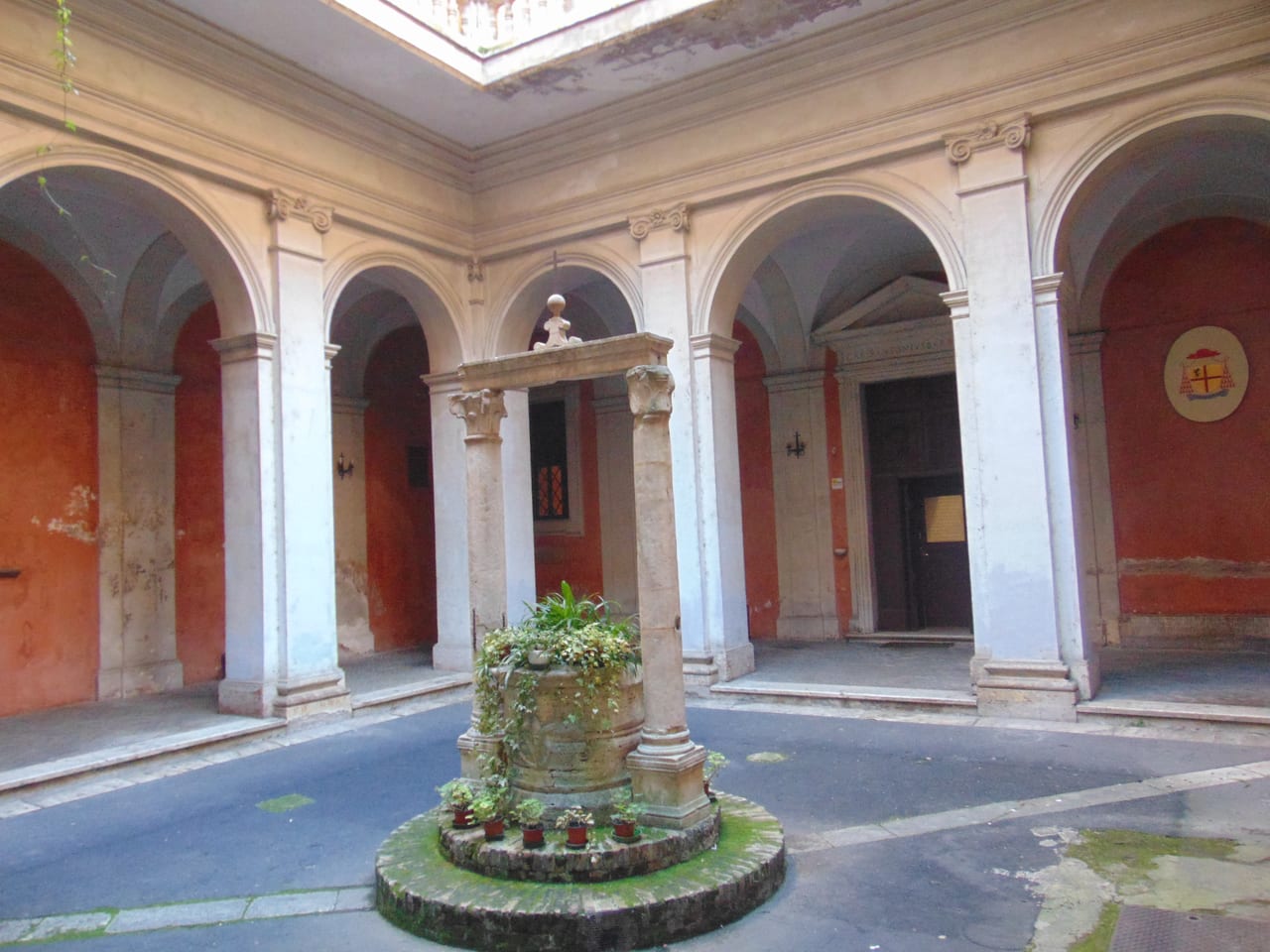
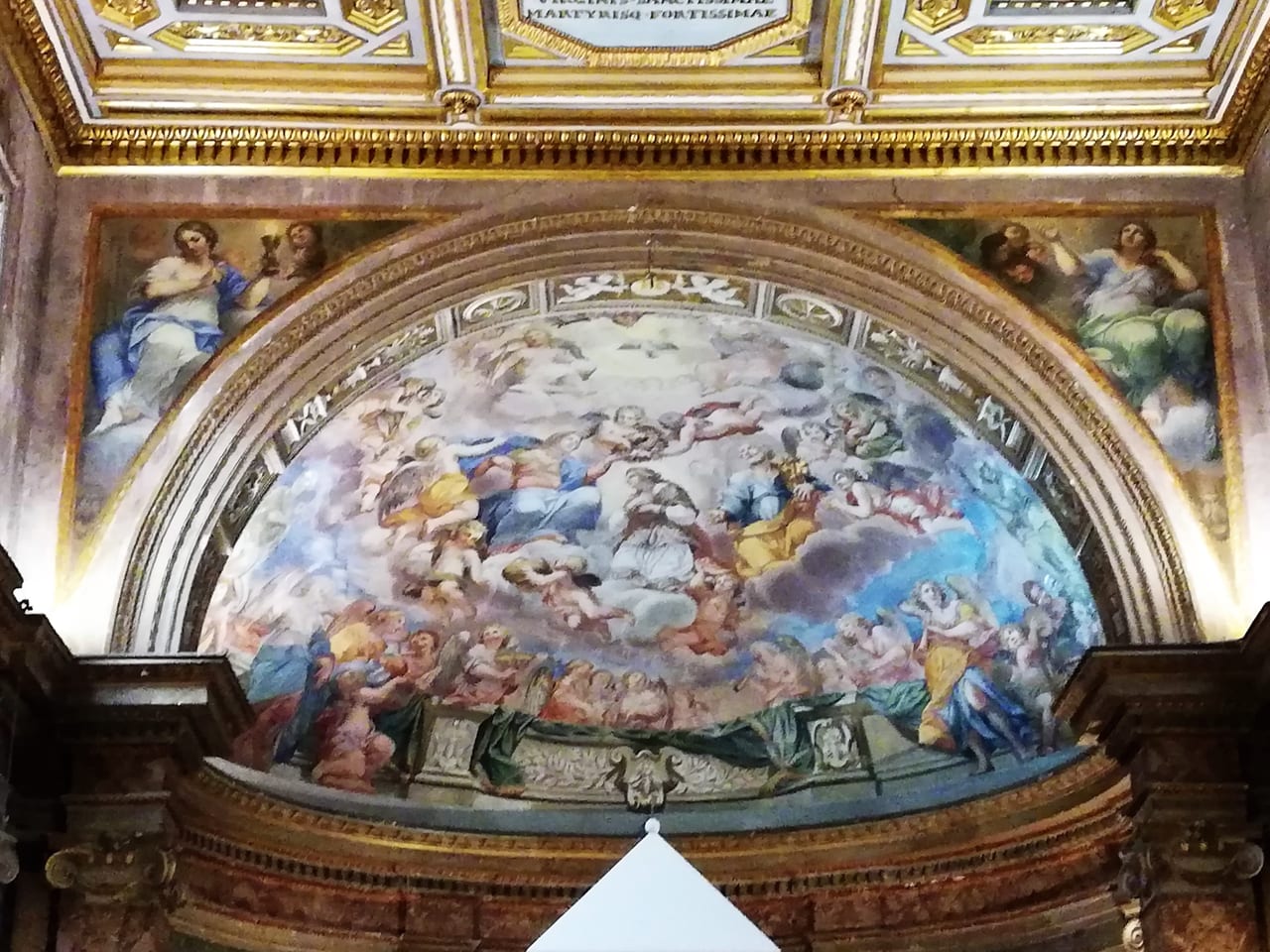
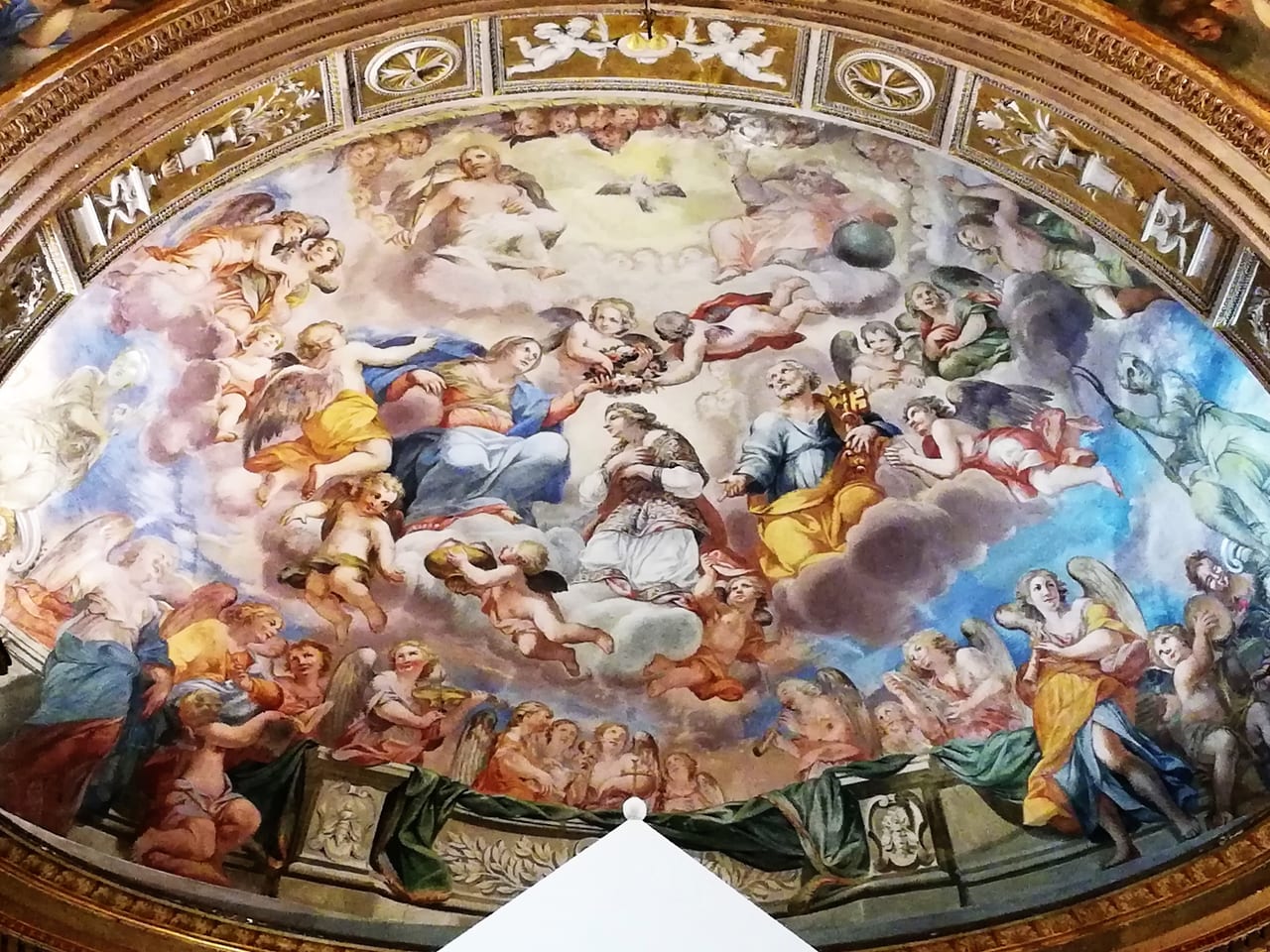
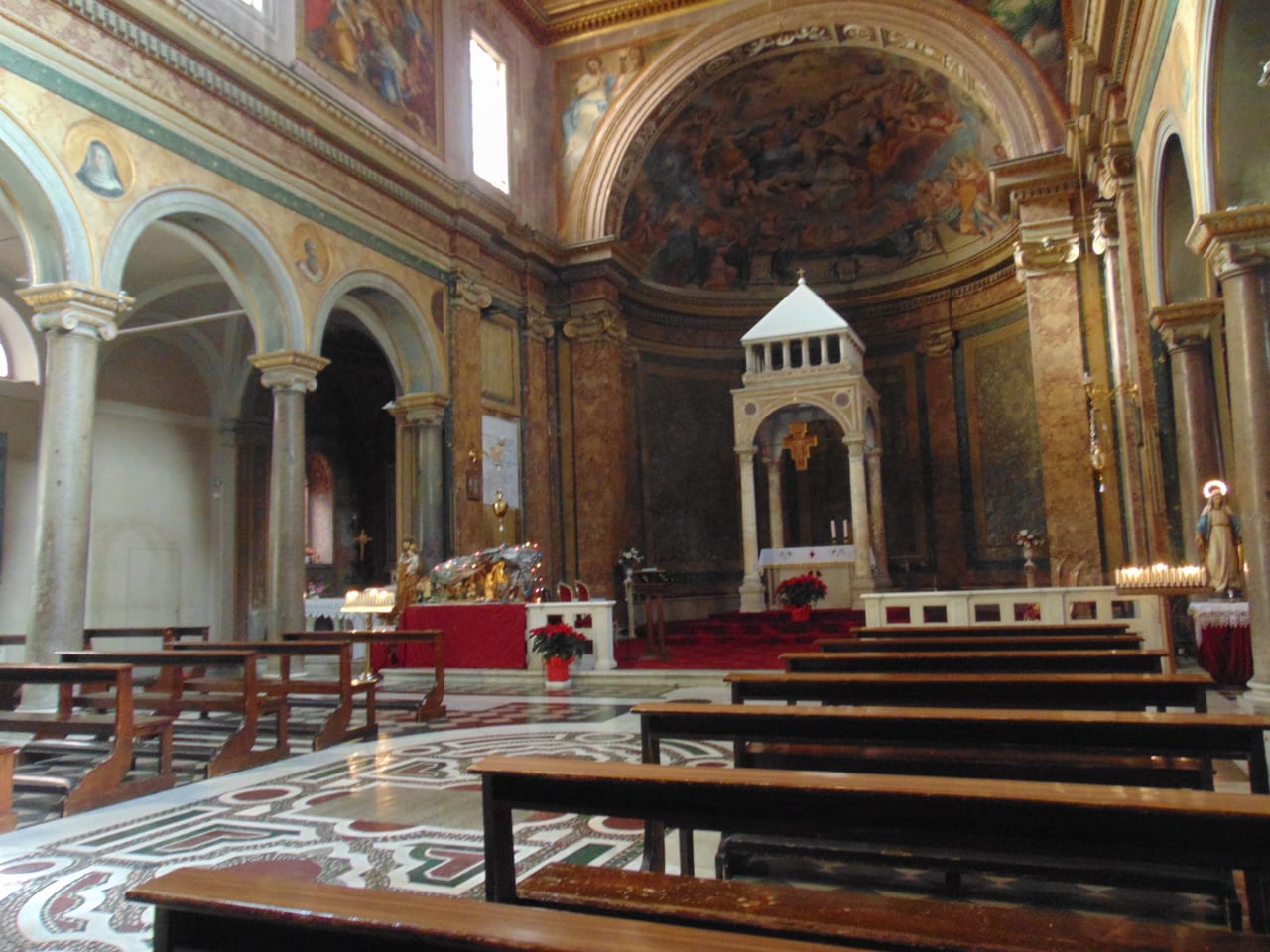
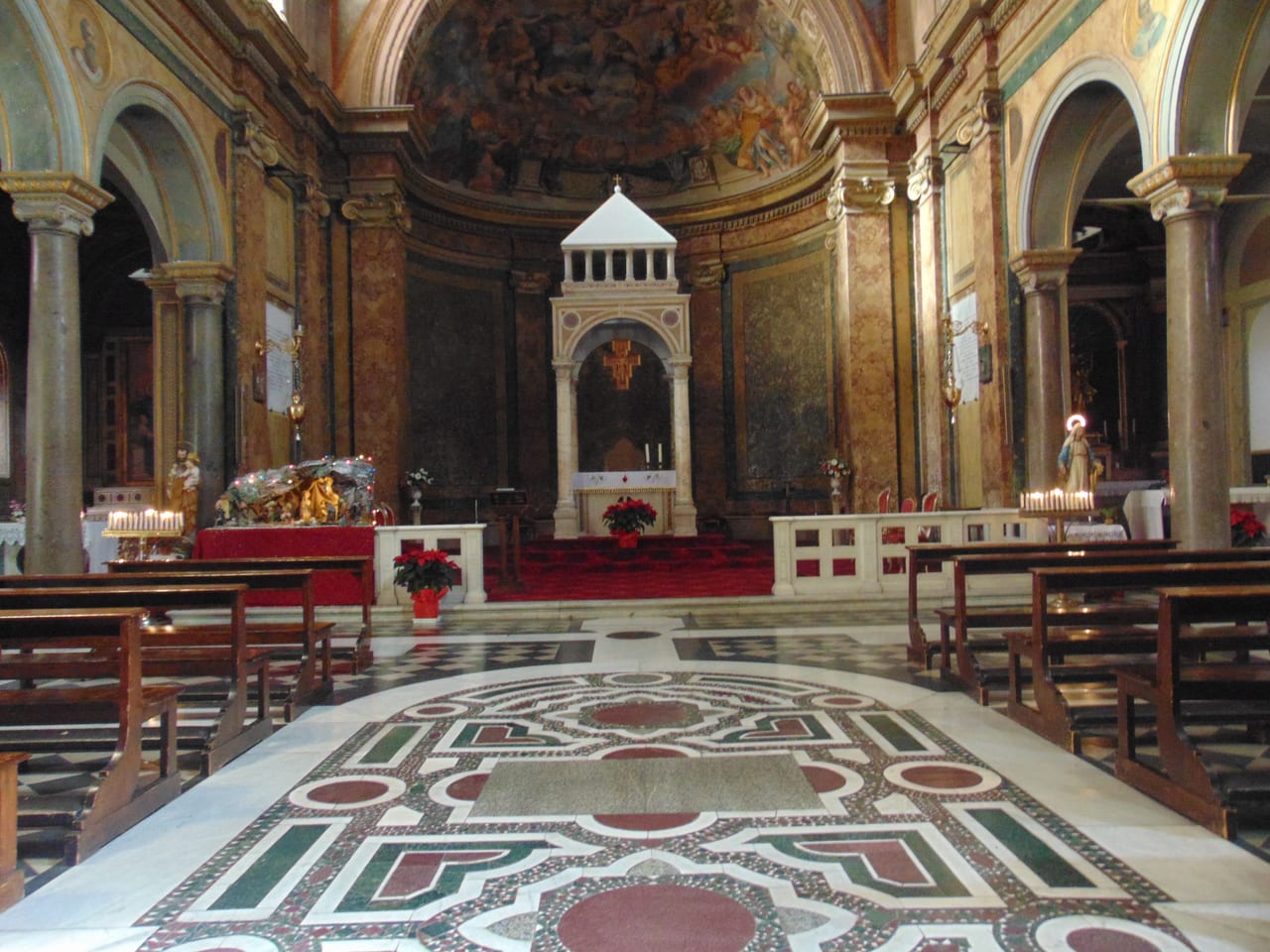
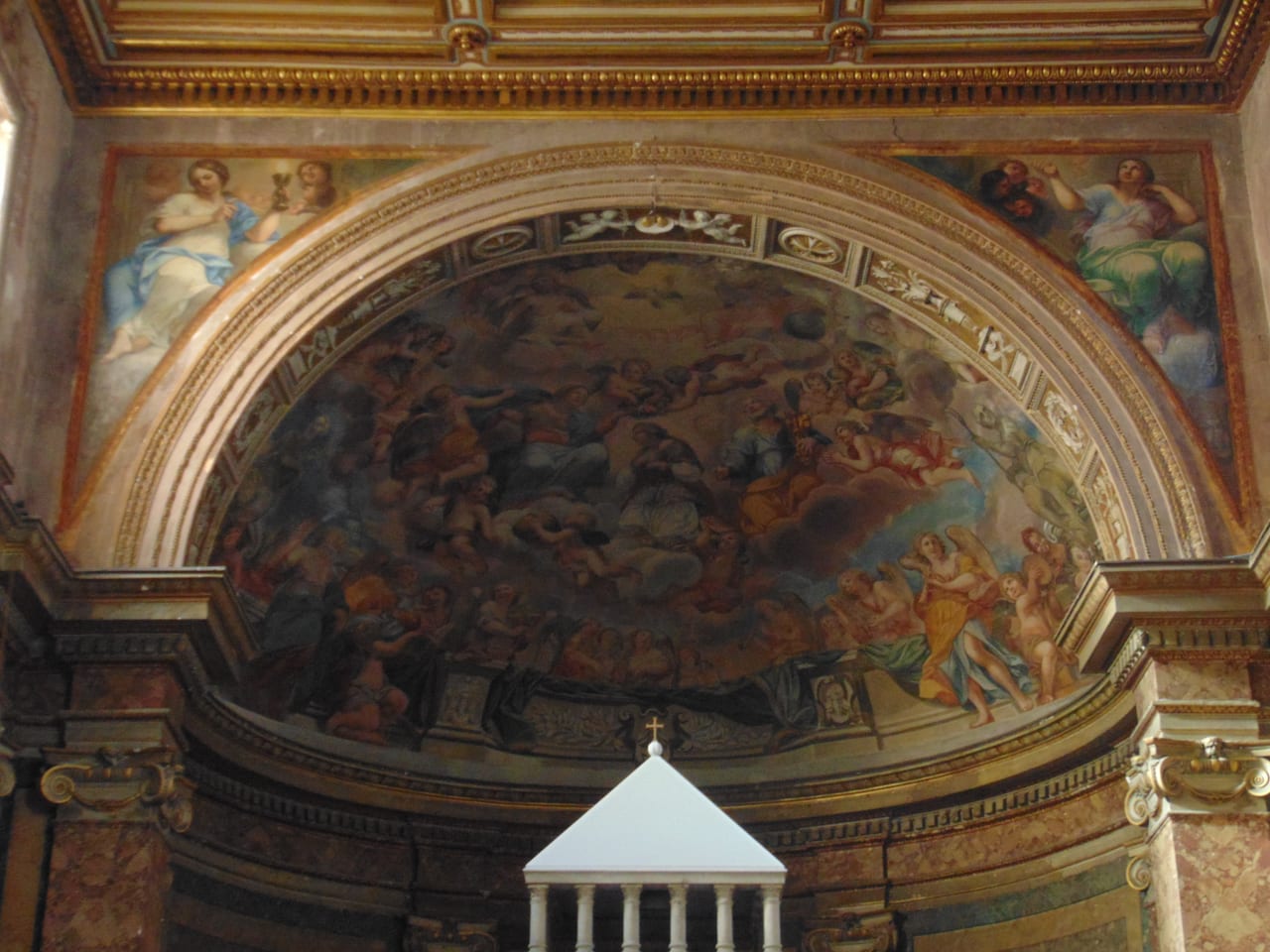
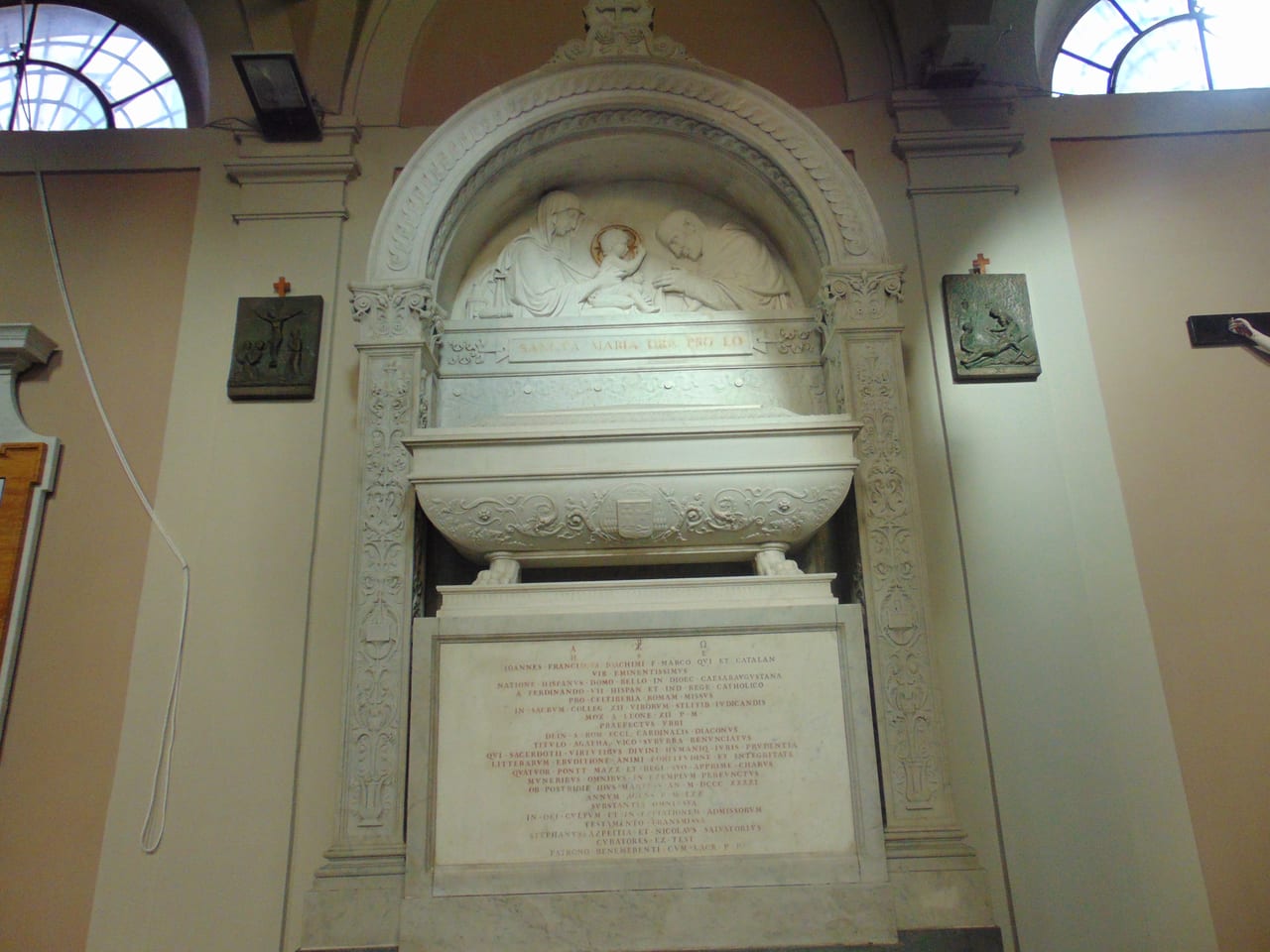
Photograph 1 of 8 of Sant'Agata dei Goti Church
Founded in the fifth century by Ricimer, a Roman general of Gothic origin, Sant’Agata dei Goti began as a place of Arian worship. In 593, Pope Gregory I reclaimed it and consecrated it for Catholic use. A legend says the change provoked the devil, who took the form of a sow and protested for three days with sulphurous smoke and nocturnal groans, before being driven away by a fragrant cloud that settled on the high altar. The church subsequently became the seat of a cardinal deaconry. After falling into disrepair during the first half of the sixteenth century, that title moved to Sant’Agata alla Suburra. The building lost its Gothic designation in popular usage and was known as Sant’Agata de caballo, then, until 1922, as Sant’Agata alla Suburra. Ricimer’s votive mosaic disappeared in 1589. The present building, beneath Villa Aldobrandini and at the head of the Suburra road, was rebuilt in 1633, with a new façade added in 1729. Its baroque form is recognised as Italian national heritage.
At a glance
- Built
- 401
- Style
- baroque architecture
- Heritage
- Italian national heritage
Ways to explore Sant'Agata dei Goti Church
Approach from via del Mazzarino and note the church’s elevated position beneath Villa Aldobrandini, at the head of the route descending toward the Suburra. Spend time with the baroque façade, whose proportions and detailing belong to the building’s later appearance.
Places to stay near Sant'Agata dei Goti Church

Live availability and prices from Stay22's partners, refreshed periodically and subject to change. Booking through these links may earn us a commission at no extra cost to you. See our privacy policy.
Cafés near Sant'Agata dei Goti Church
Cafés near Sant'Agata dei Goti Church loads as you scroll.
Attractions nearby
Attractions near Sant'Agata dei Goti Church loads as you scroll.
Cities nearby
Cities nearby loads as you scroll.
More in Rome
See more of Rome.
Find great cafés, places to stay and other interesting places to visit in Rome.