Church · Rome
Santa Susanna
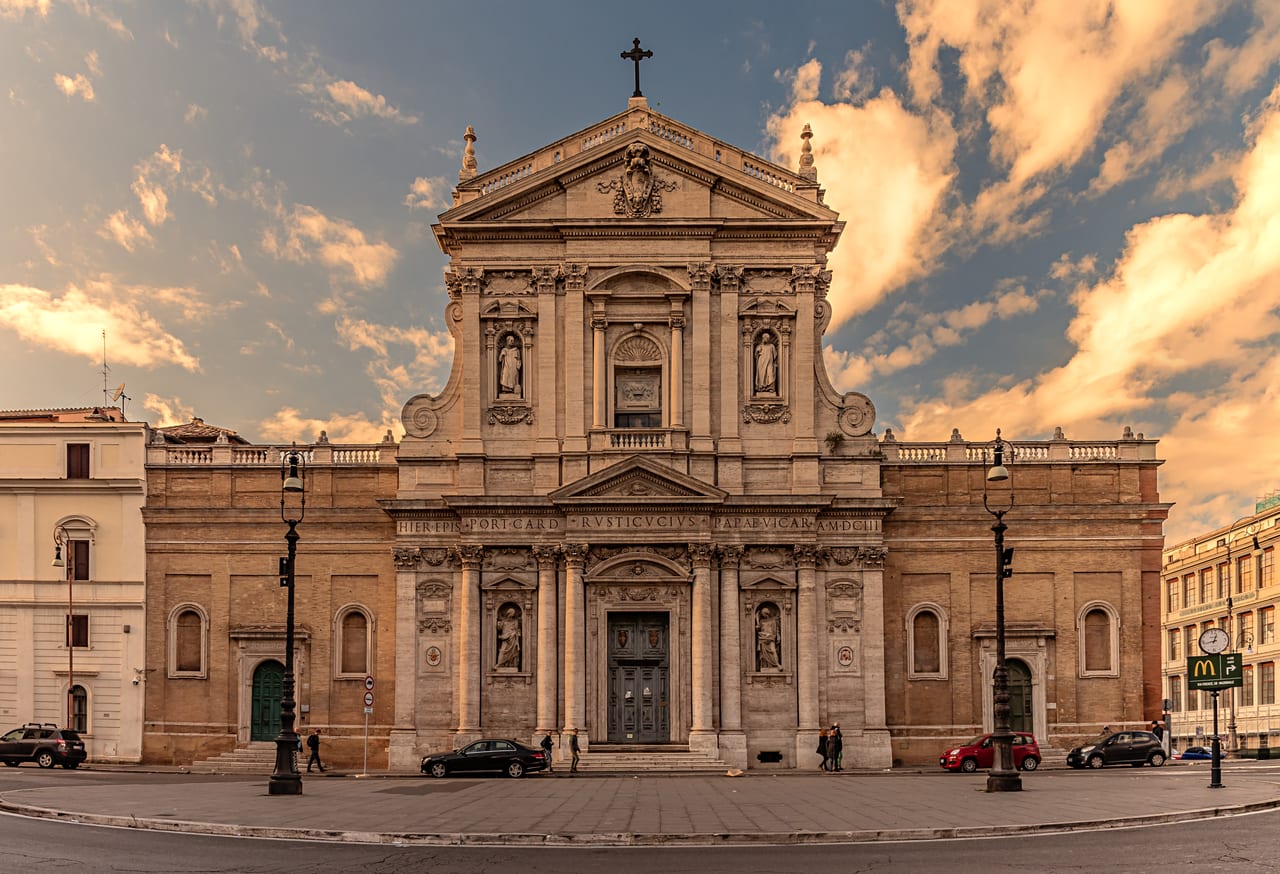
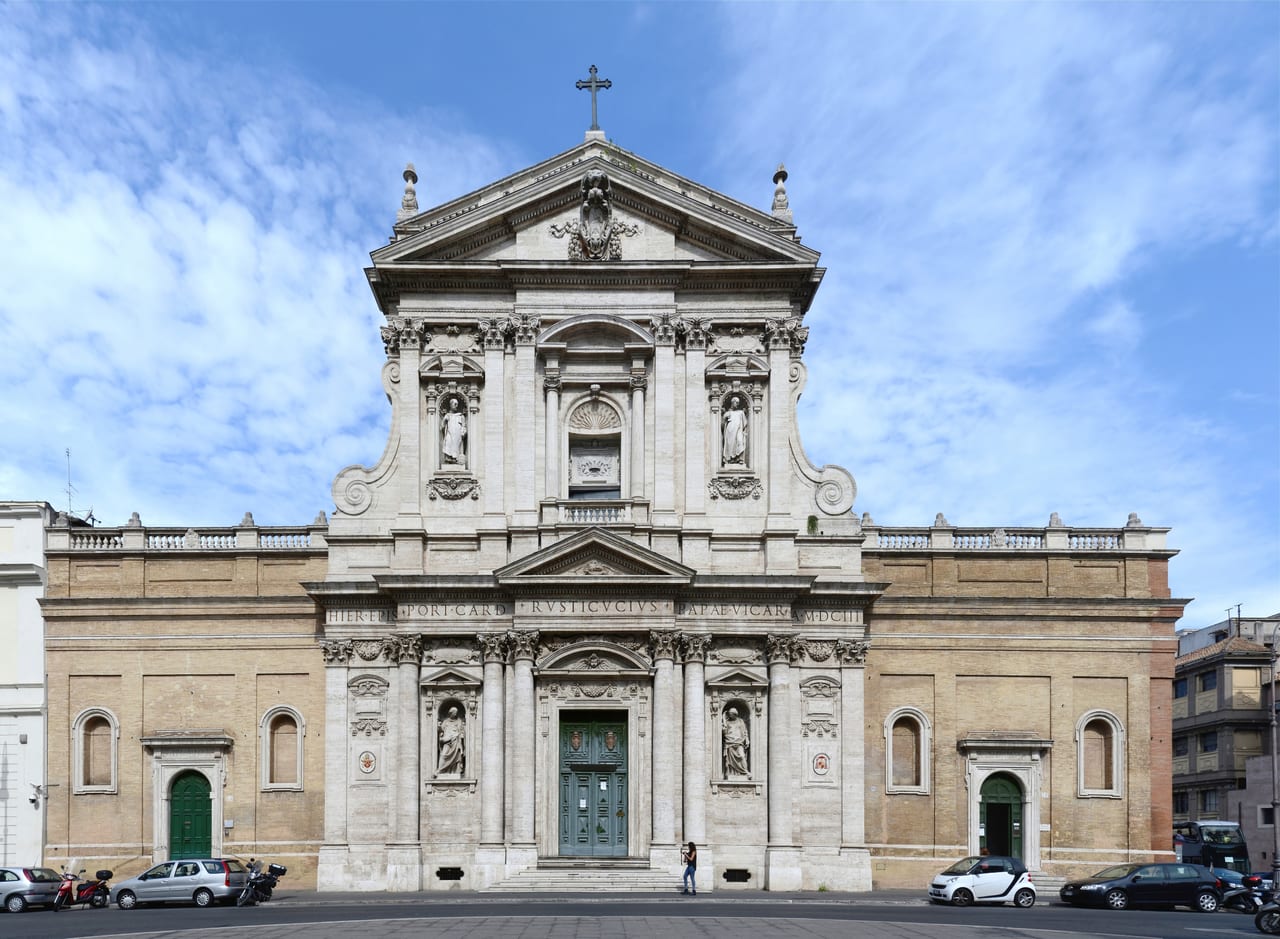
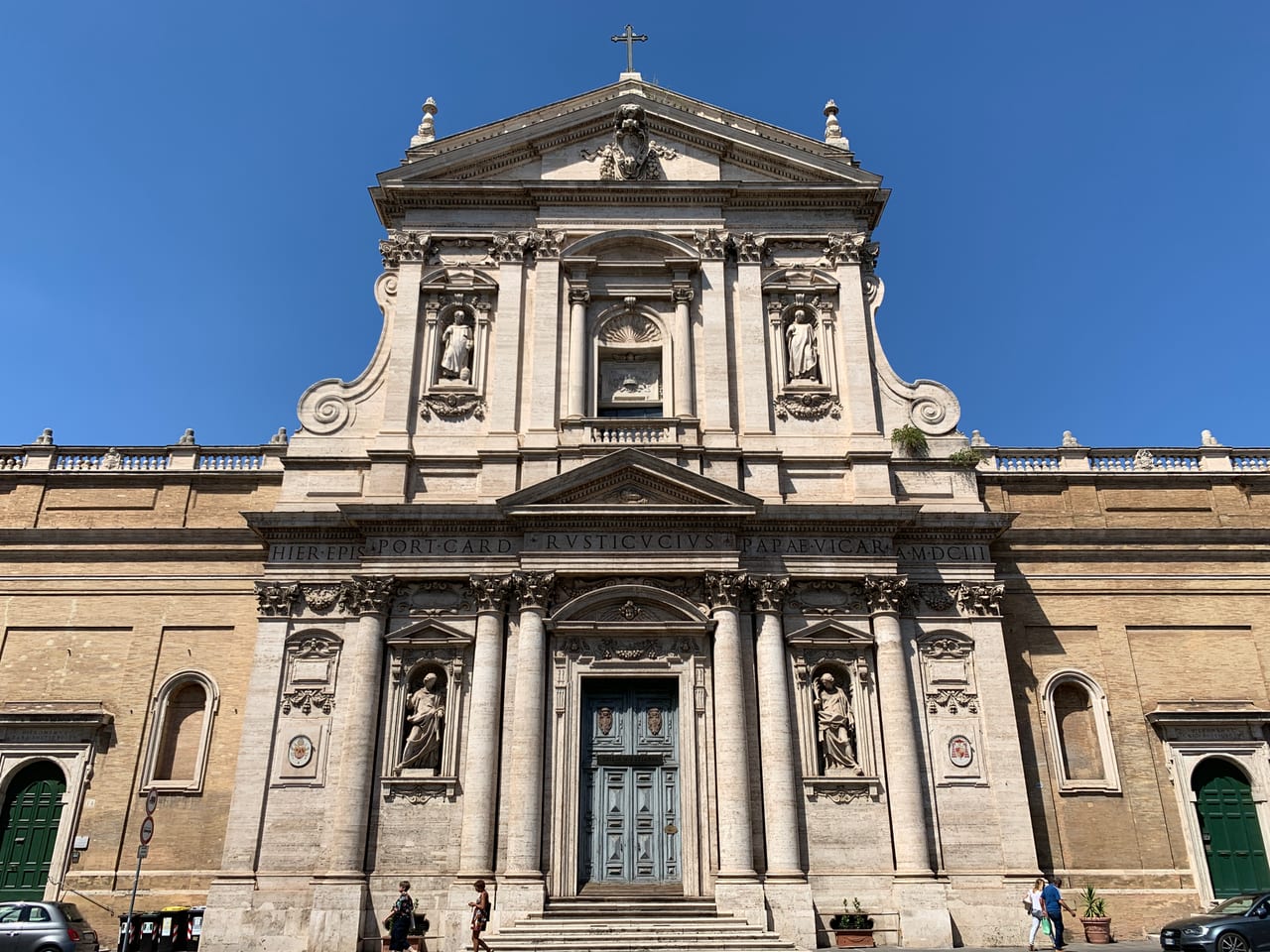
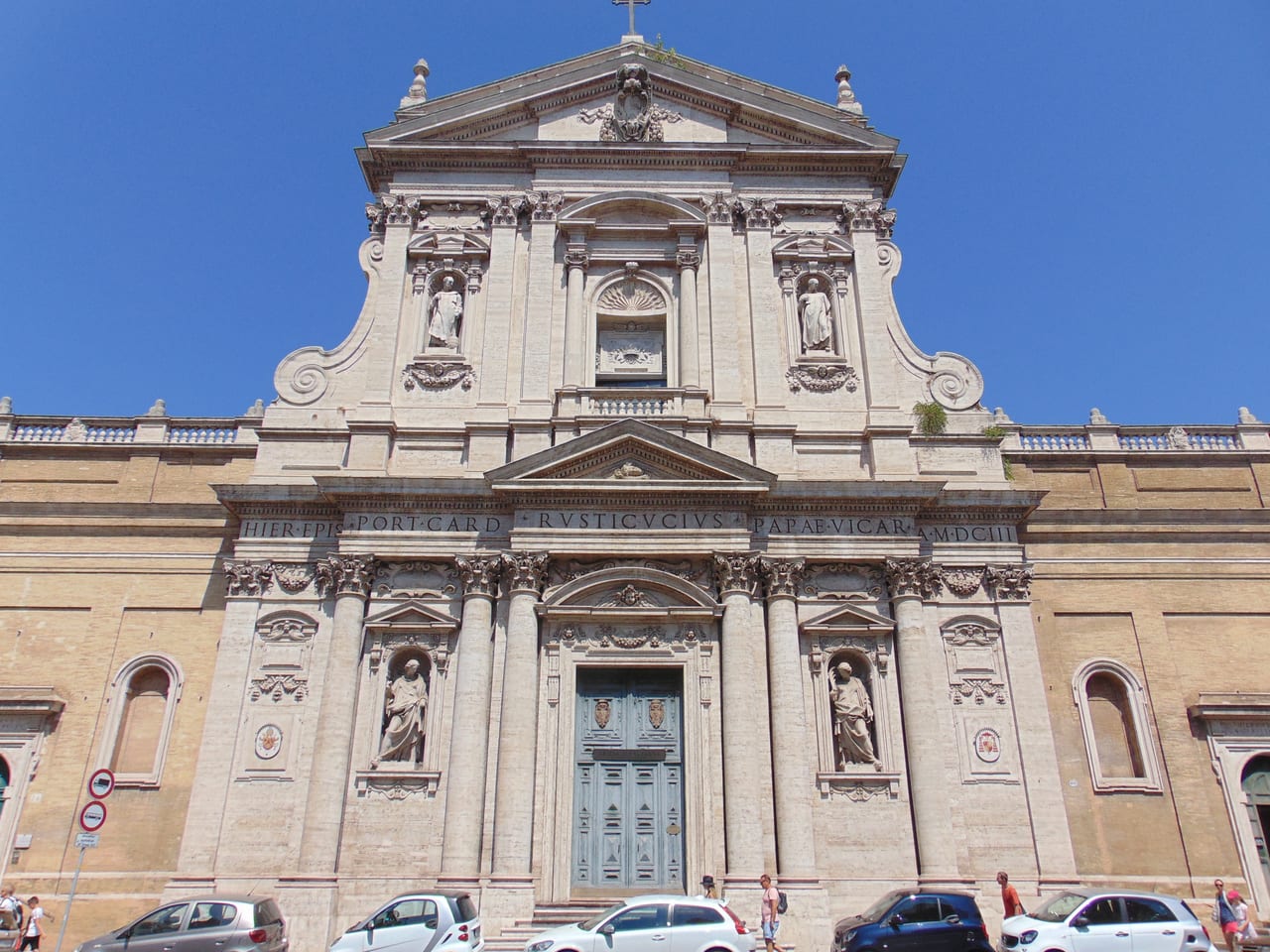
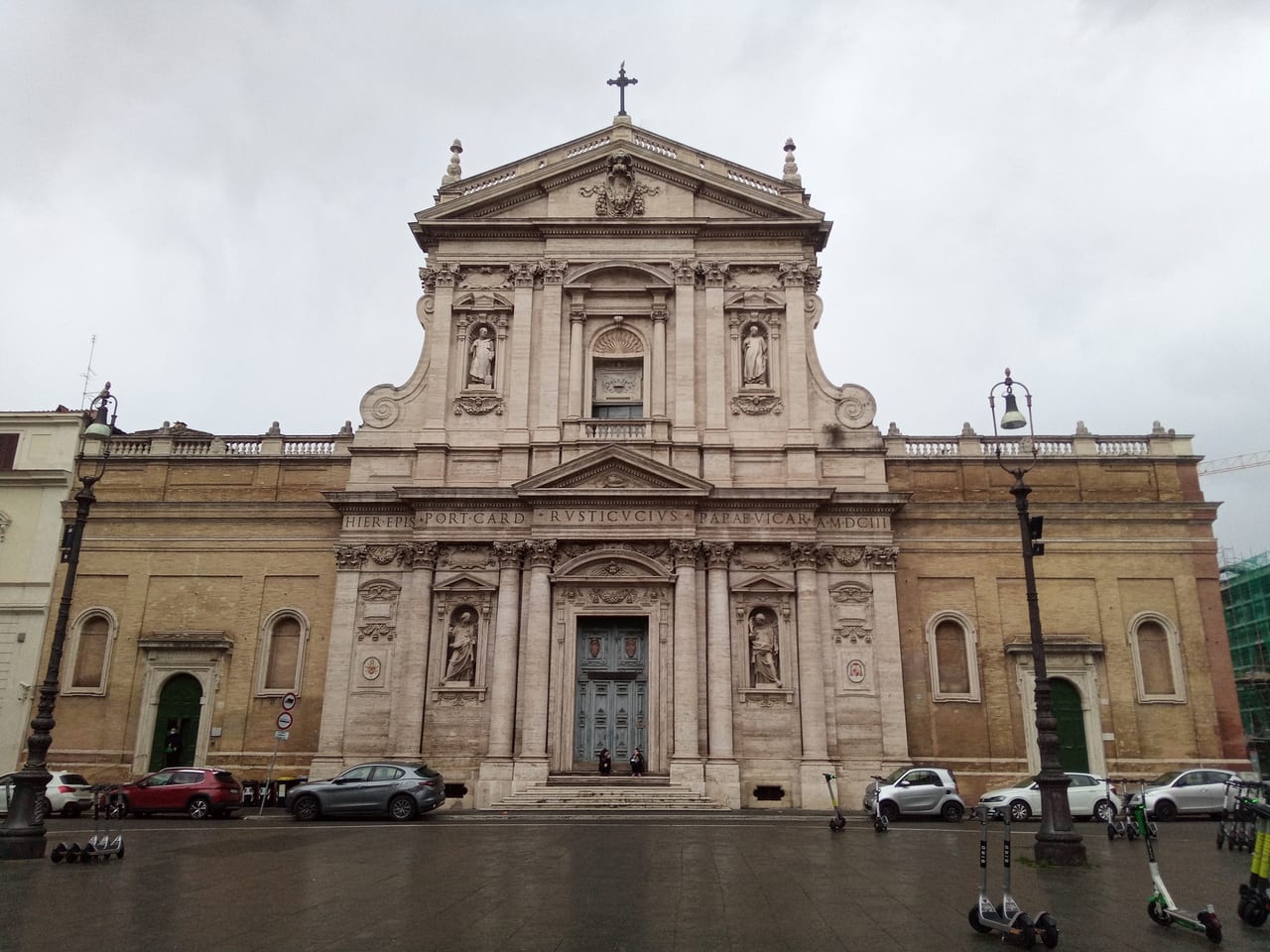
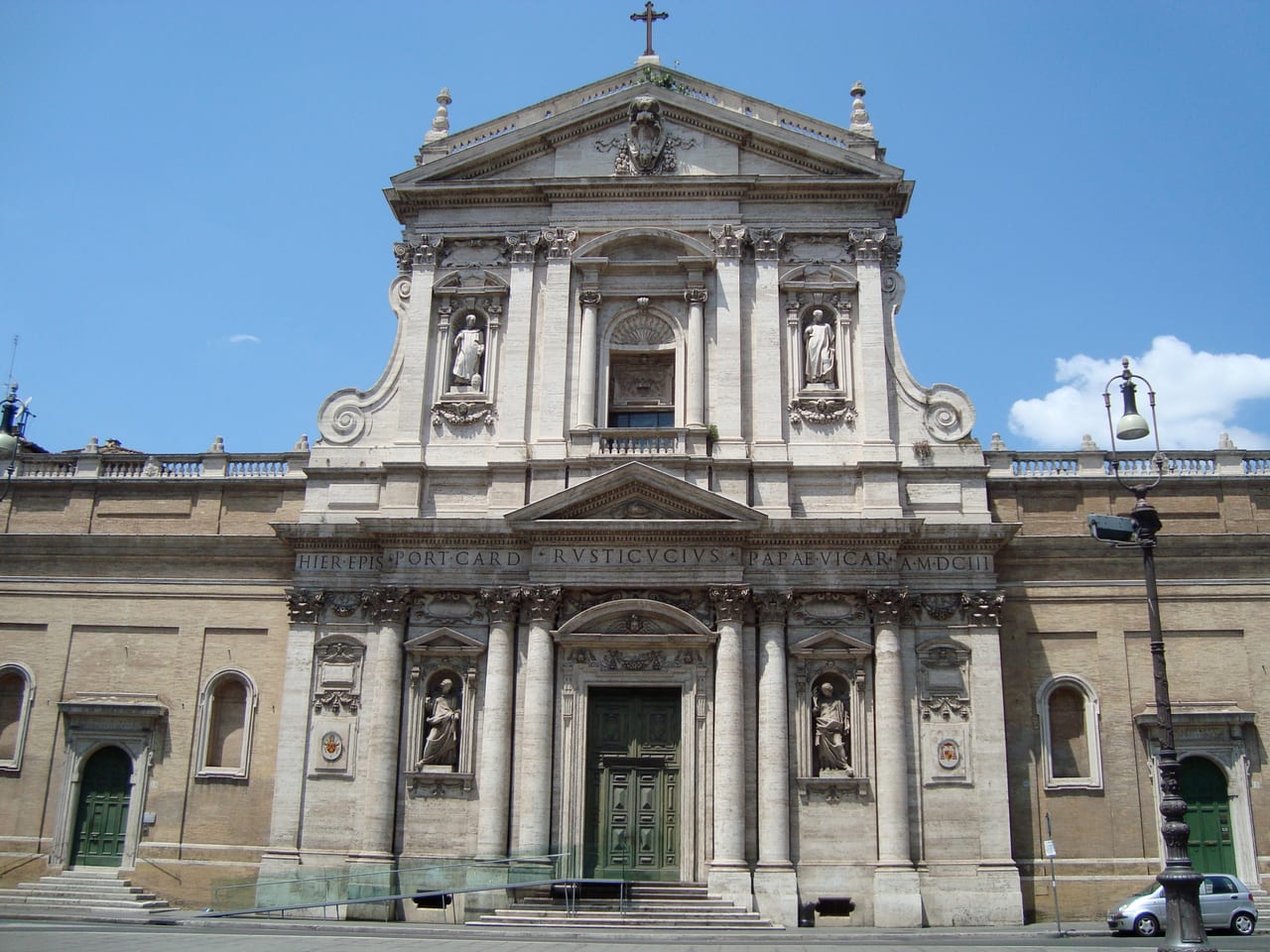
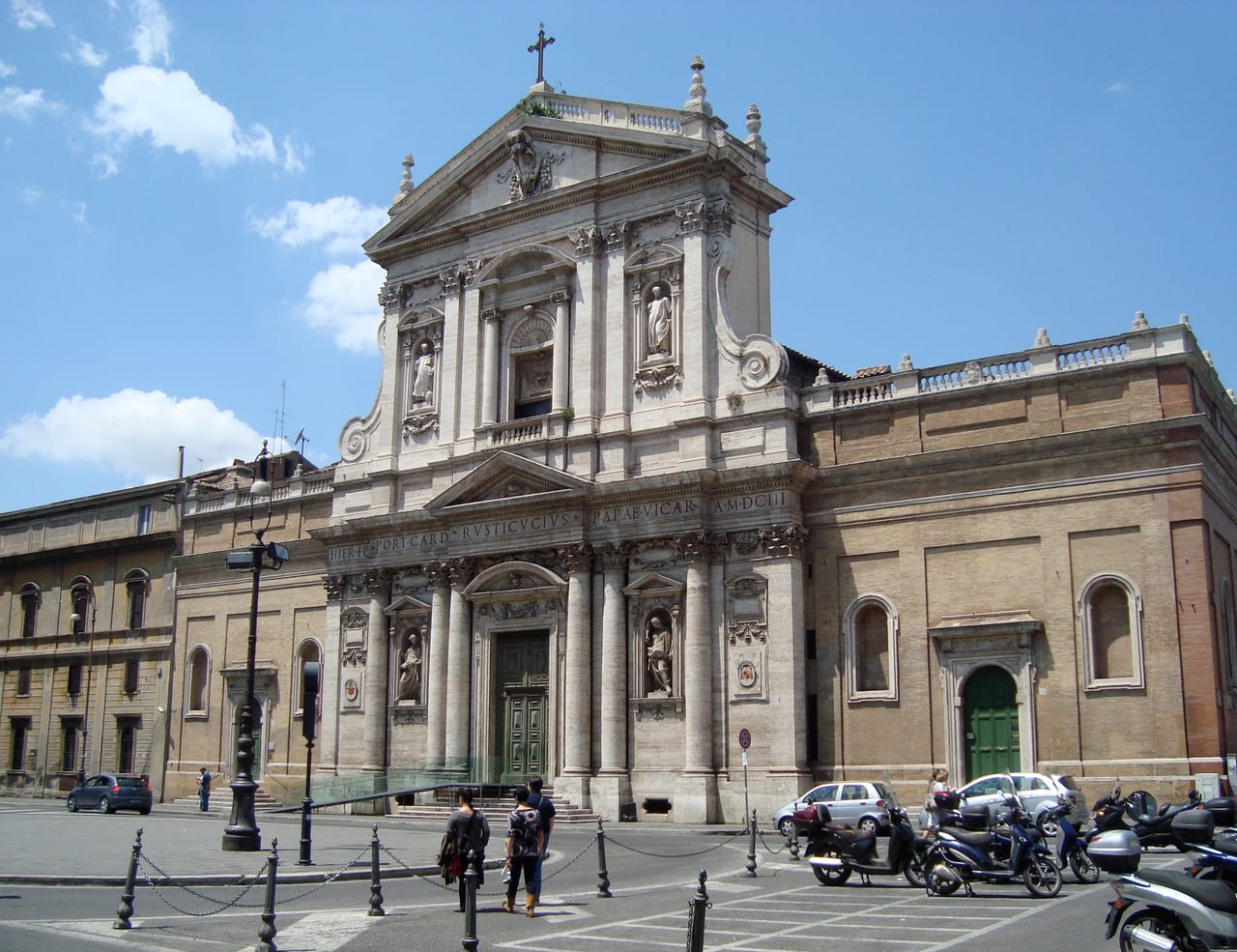
DirectionsSanta Susanna’s 1603 façade is regarded as the first fully realised example of Baroque architecture, using stepped projections to intensify the building’s central axis.
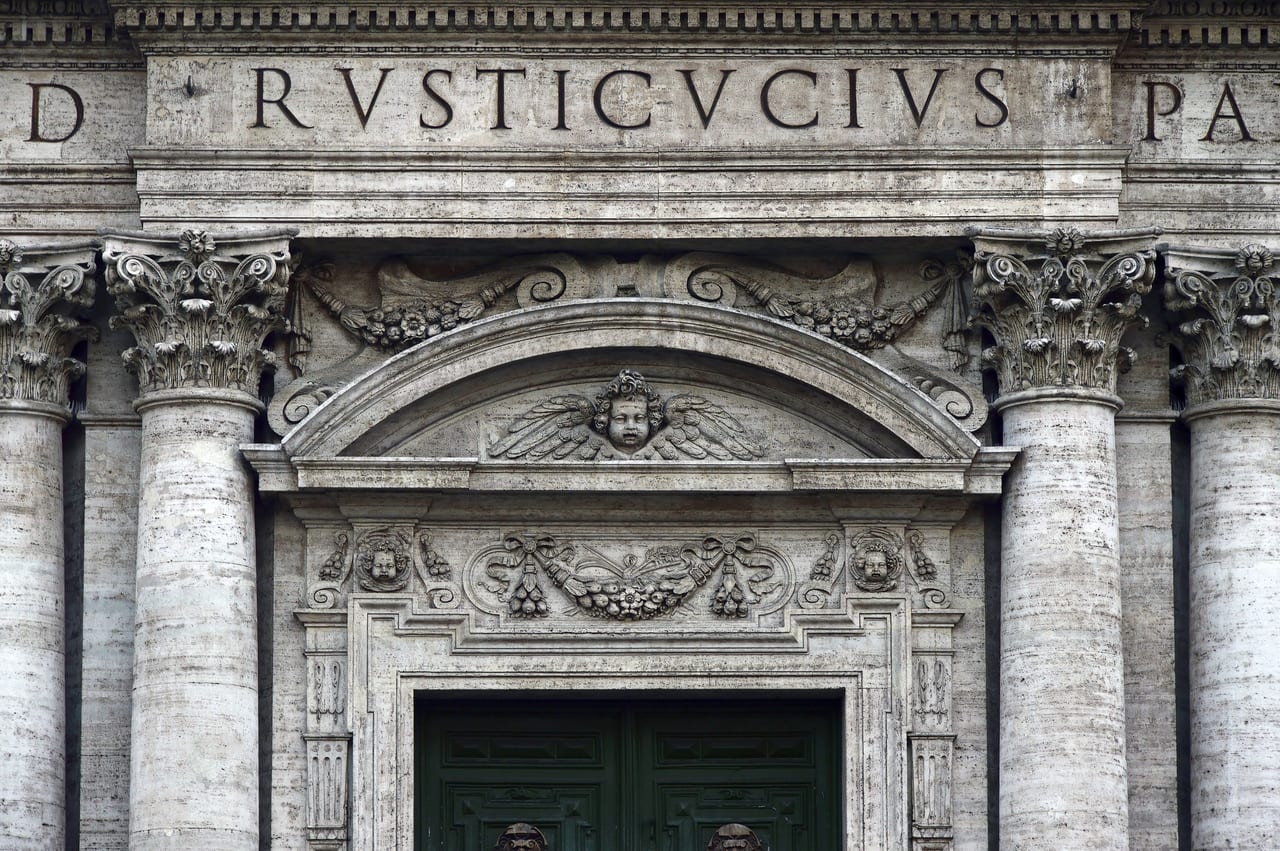
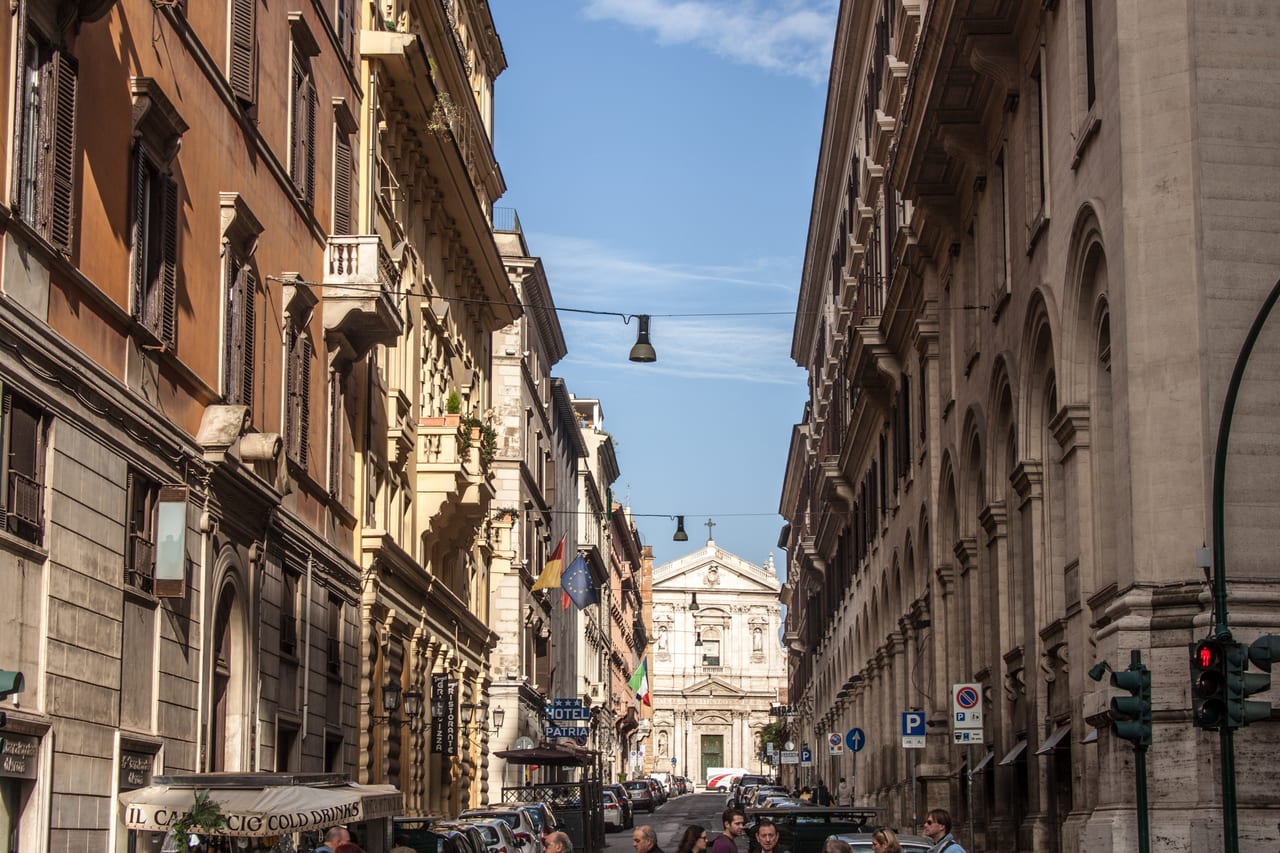
Photograph 1 of 10 of Santa Susanna
Santa Susanna occupies a site with Roman imperial remains. Beneath the confession, nineteenth-century excavations uncovered a third-century Roman house, while work in 1990 revealed a Roman sarcophagus containing fragments of painted plaster. The church, originally known as ad duas domos or Titulus Cai, was rebuilt under Pope Leo III around 800 and completely reconstructed by Pope Sixtus IV in 1475. Carlo Maderno created the present façade in 1603. Its design advances progressively from lightly marked pilasters at the edges to paired columns around the portal, then retreats above into less prominent pilasters and a balustrade. Inside, a single nave leads to a smaller semicircular apse, separated from the presbytery by a marble balustrade. The Cistercian women’s community took possession in 1587; after the convent was confiscated following Italian unification, it was later returned. Paulist Fathers administered worship from 1922, when the church became the national church of American Catholics in Rome. That role ended in 2017, and the Cistercian community remains the complex’s exclusive owner.
At a glance
- Built
- 1603
- Architect
- Carlo Maderno
- Style
- baroque architecture
- Heritage
- Italian national heritage
Ways to explore Santa Susanna
Look first at the façade’s changing depth, then enter to study Baldassare Croce’s 1595 fresco cycle on the walls. In the apse, note Cesare Nebbia’s Gloria di Santa Susanna and Tommaso Laureti’s altarpiece, Martirio di Santa Susanna. The Peretti Chapel contains works by Nebbia and Giovan Battista Pozzo. Ask whether the sacristy’s glass flooring is accessible: it reveals Roman remains. Also look for the 1965 Ruffatti organ in the nave and the older positive organ in the nuns’ choir.
Places to stay near Santa Susanna

Live availability and prices from Stay22's partners, refreshed periodically and subject to change. Booking through these links may earn us a commission at no extra cost to you. See our privacy policy.
Cafés near Santa Susanna
Cafés near Santa Susanna loads as you scroll.
Attractions nearby
Attractions near Santa Susanna loads as you scroll.
Cities nearby
Cities nearby loads as you scroll.
More in Rome
See more of Rome.
Find great cafés, places to stay and other interesting places to visit in Rome.