Church · Rome
Santa Prisca
DirectionsIts Tamburini organ, built in 1953–54 to a design by Fernando Germani for Angelo Giuseppe Roncalli, remains an unusually precise modern presence within this ancient church.
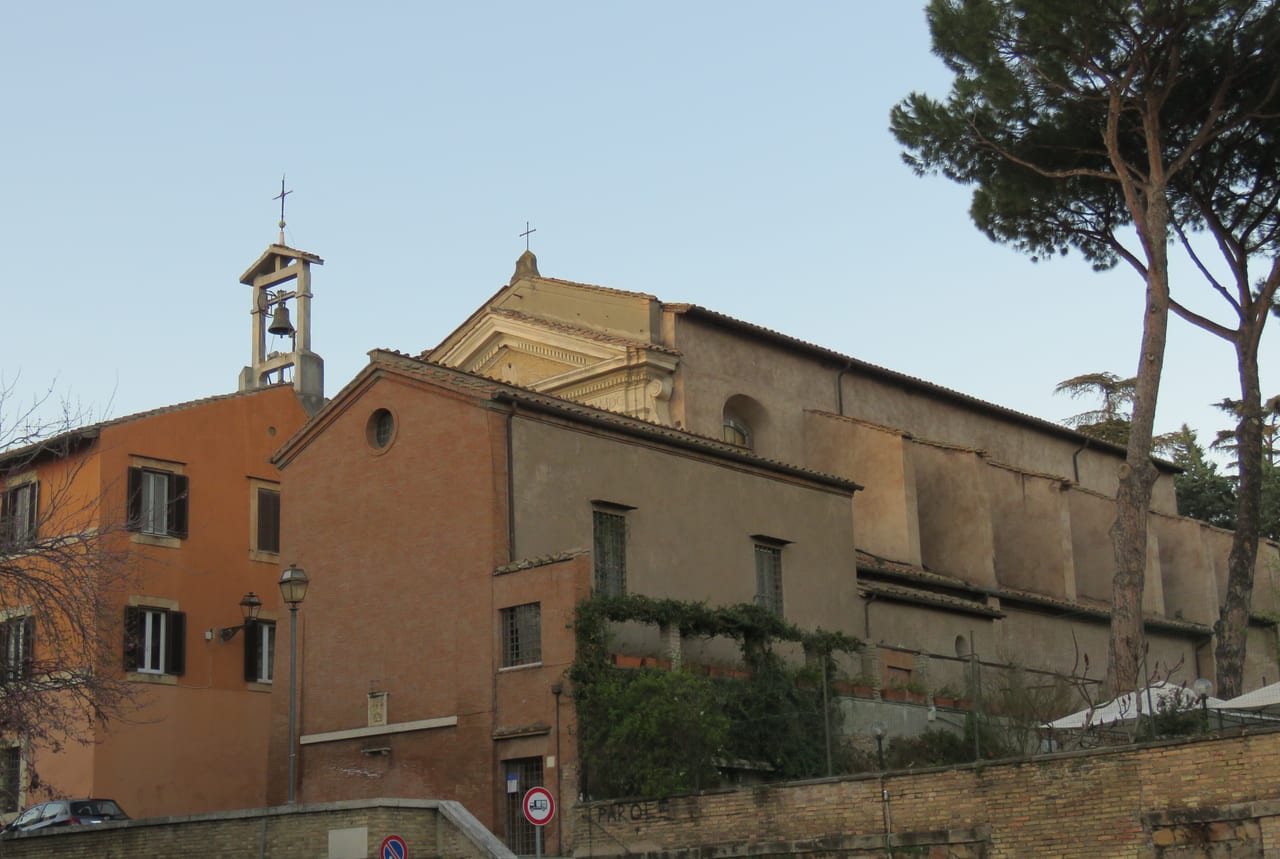
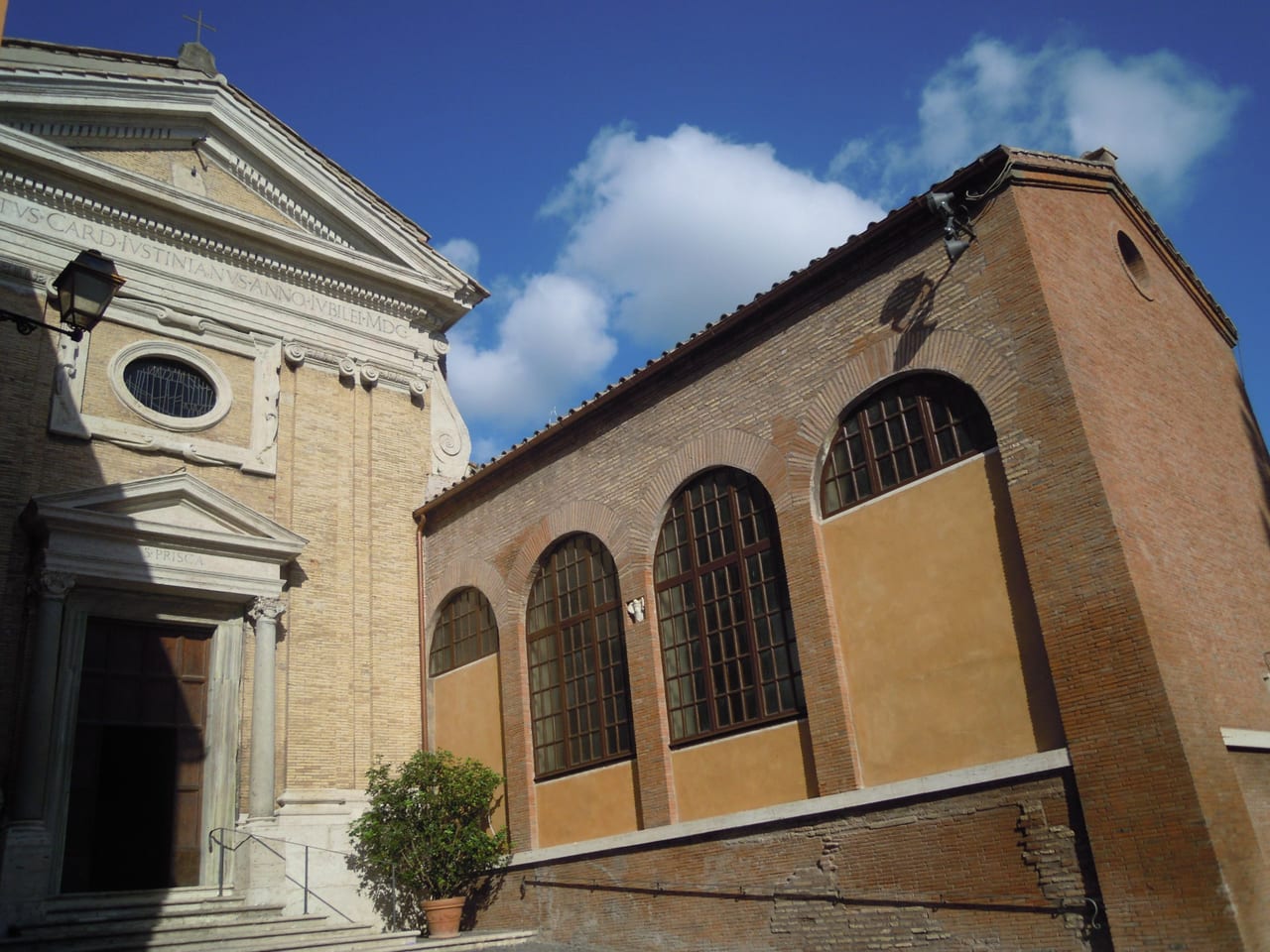
Photograph 1 of 2 of Santa Prisca
Santa Prisca rises above a late-first-century Roman domus, traditionally associated either with Lucius Licinius Sura or with Trajan’s pre-imperial residence. Christian tradition places a house-church here in 57, linked to Aquila and Priscilla, while documentary evidence begins with the synod of 499. Pope Evaristus established the cardinal title in 112. The church itself was built between the fourth and fifth centuries and became known as the titulus Aquilae et Priscae. Restored under Hadrian I, it passed from Basilian monks to Benedictines, Franciscans in 1414, Dominicans in 1455 and Augustinians in 1600. The Normans damaged it during the sack of Rome in 1084; later fire led Callistus III to demolish the first four bays. Carlo Lombardo’s 1600 rebuilding introduced the Baroque façade, high altar and enclosing pilasters. Further alterations followed in 1660, 1728 and 1827, while French occupation closed the church in 1798. Excavations in 1933–34 revealed the domus and a second-century Mithraeum, suggesting an unusual overlap of Christian and Mithraic worship. Inside, Anastasio Fontebuoni’s 1600 frescoes and Passignano’s altarpiece accompany the coffered wooden ceiling and Roman columns embedded in the piers.
At a glance
- Built
- 401
- Architect
- Carlo Lambardi
- Style
- baroque architecture
- Heritage
- Italian national heritage
Ways to explore Santa Prisca
Begin at the narrow forecourt, examining the brick façade, travertine details, Corinthian granite columns and oval oculus. Inside, compare the three aisles and their rounded arches with the ancient columns still visible within the rectangular piers. Study Fontebuoni’s Apostles, angels and saints, then the presbytery scenes of Santa Prisca and Passignano’s baptismal altarpiece. In the first right chapel, look closely at the repurposed Roman capital and Antonio Biggi’s bronze Baptism of Christ.
Places to stay near Santa Prisca

Live availability and prices from Stay22's partners, refreshed periodically and subject to change. Booking through these links may earn us a commission at no extra cost to you. See our privacy policy.
Cafés near Santa Prisca
Cafés near Santa Prisca loads as you scroll.
Attractions nearby
Attractions near Santa Prisca loads as you scroll.
Cities nearby
Cities nearby loads as you scroll.
More in Rome
See more of Rome.
Find great cafés, places to stay and other interesting places to visit in Rome.