Church · Rome
Santa Maria Maddalena
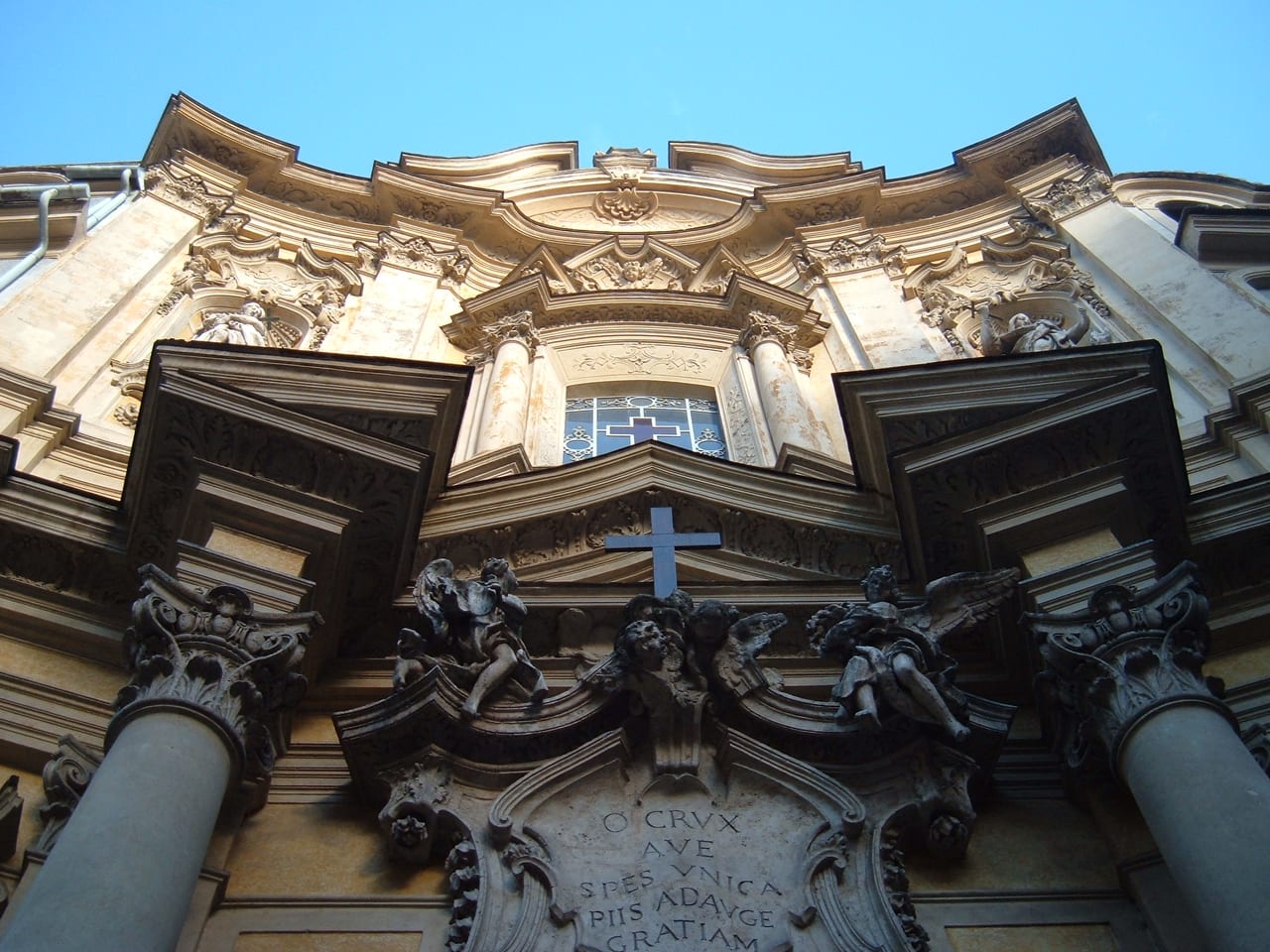
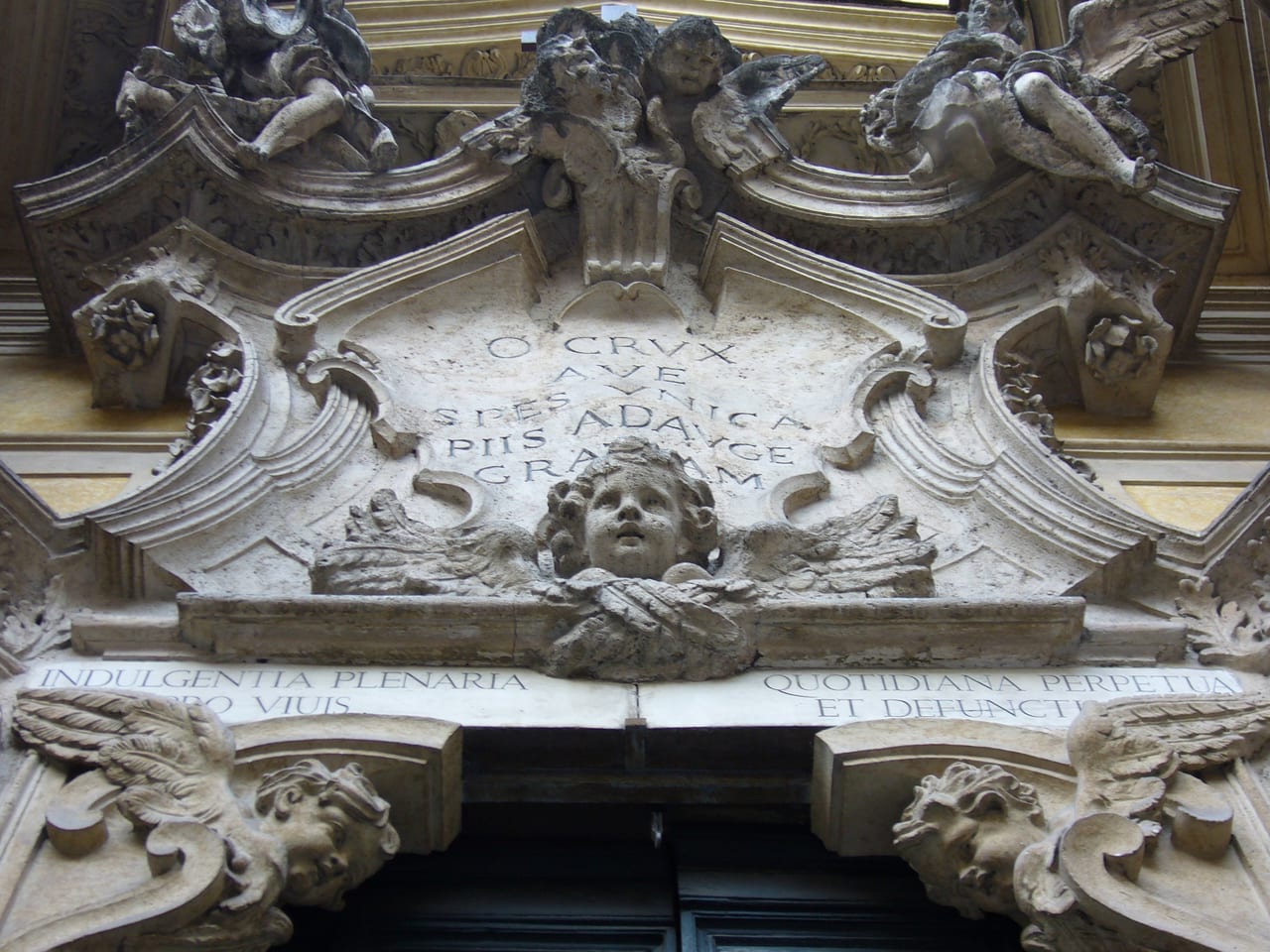
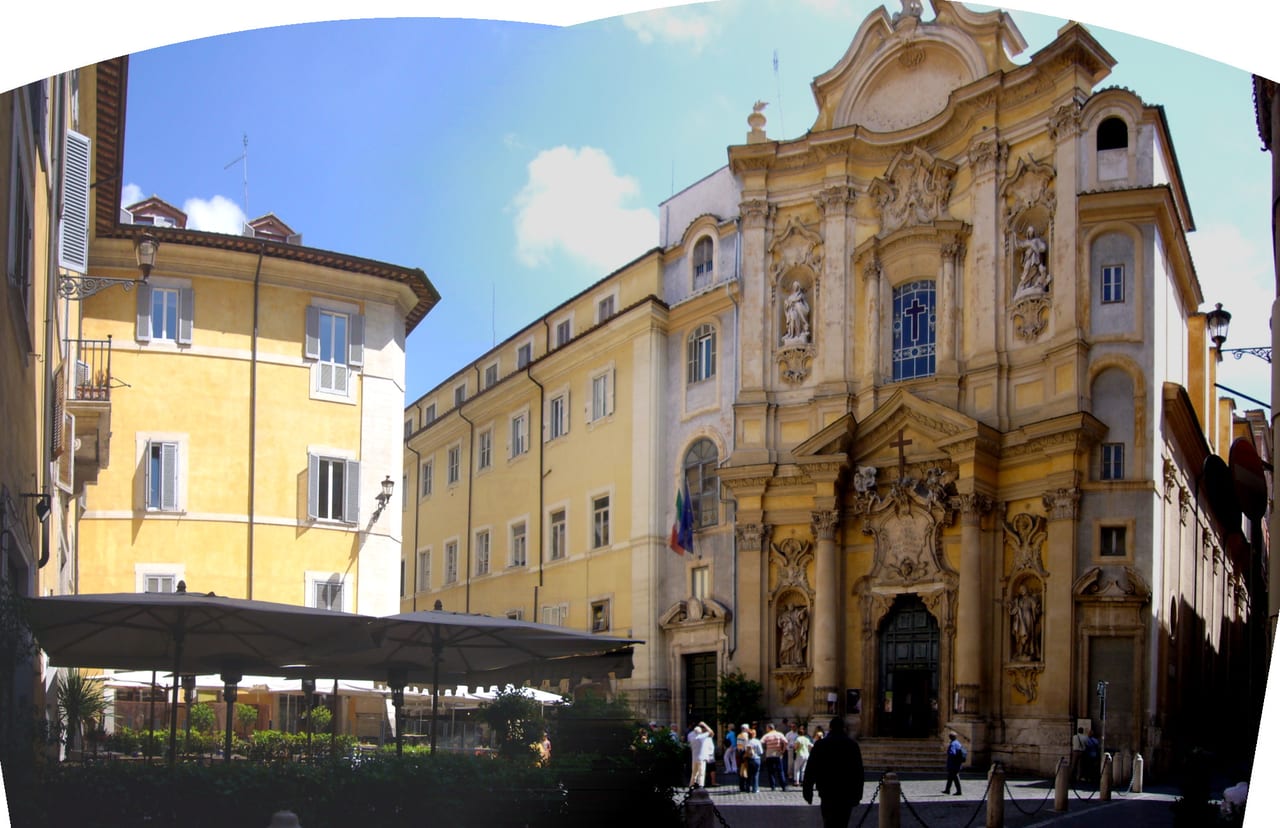
DirectionsSanta Maria Maddalena is one of Rome’s few Rococo churches, its extravagantly decorated façade earning the irreverent nickname “sugar church” for its resemblance to a decorated cake.
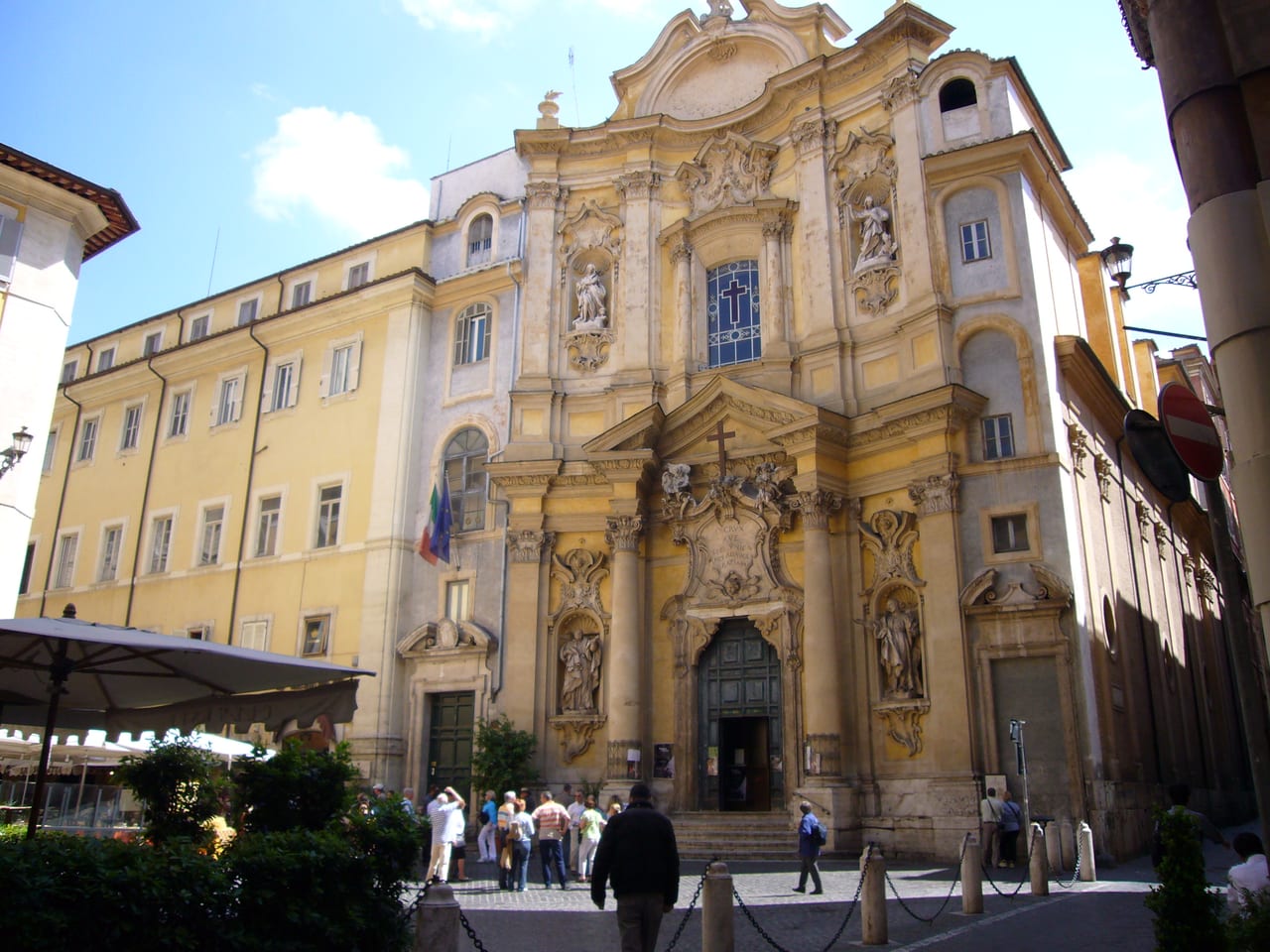
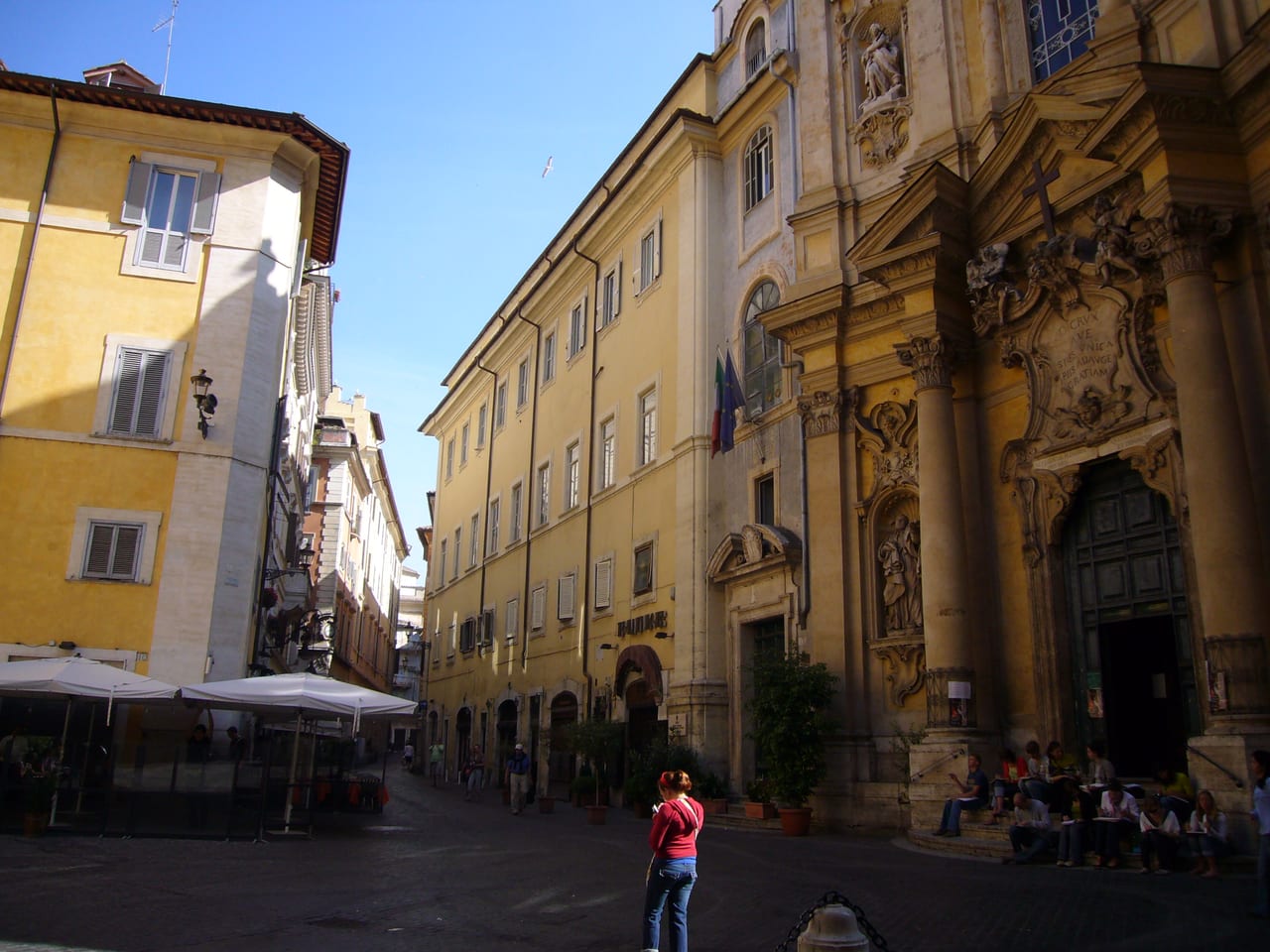
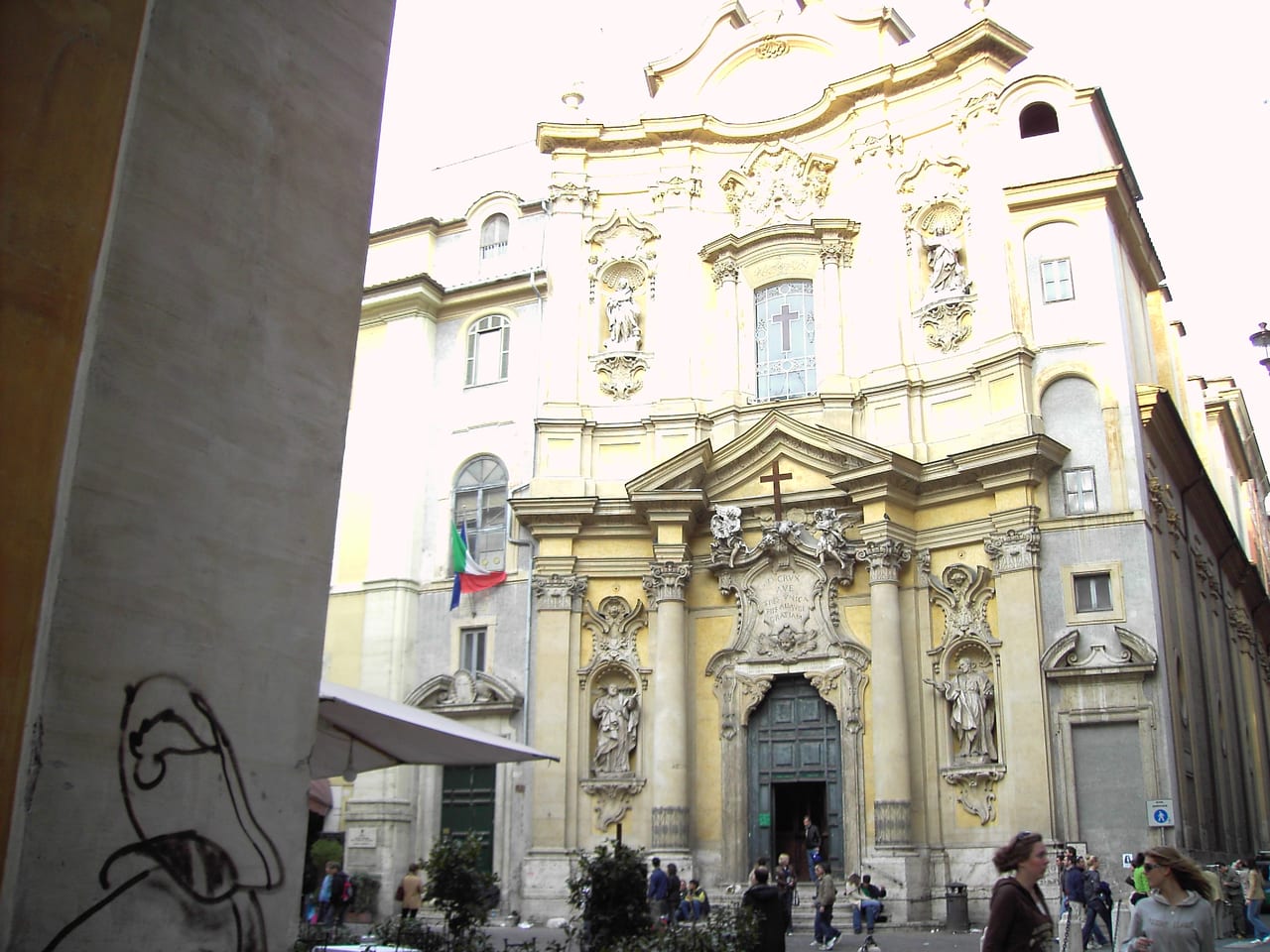
Photograph 1 of 15 of Santa Maria Maddalena
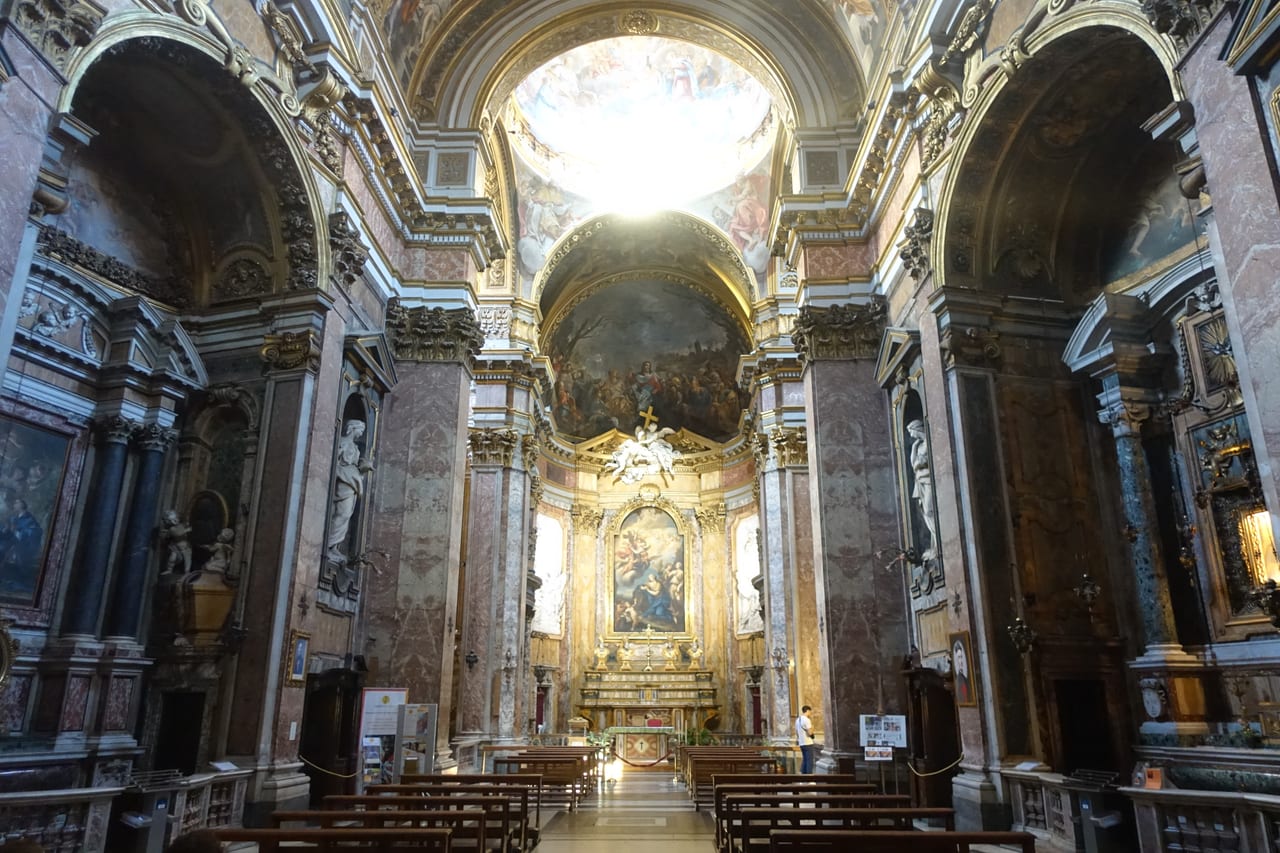
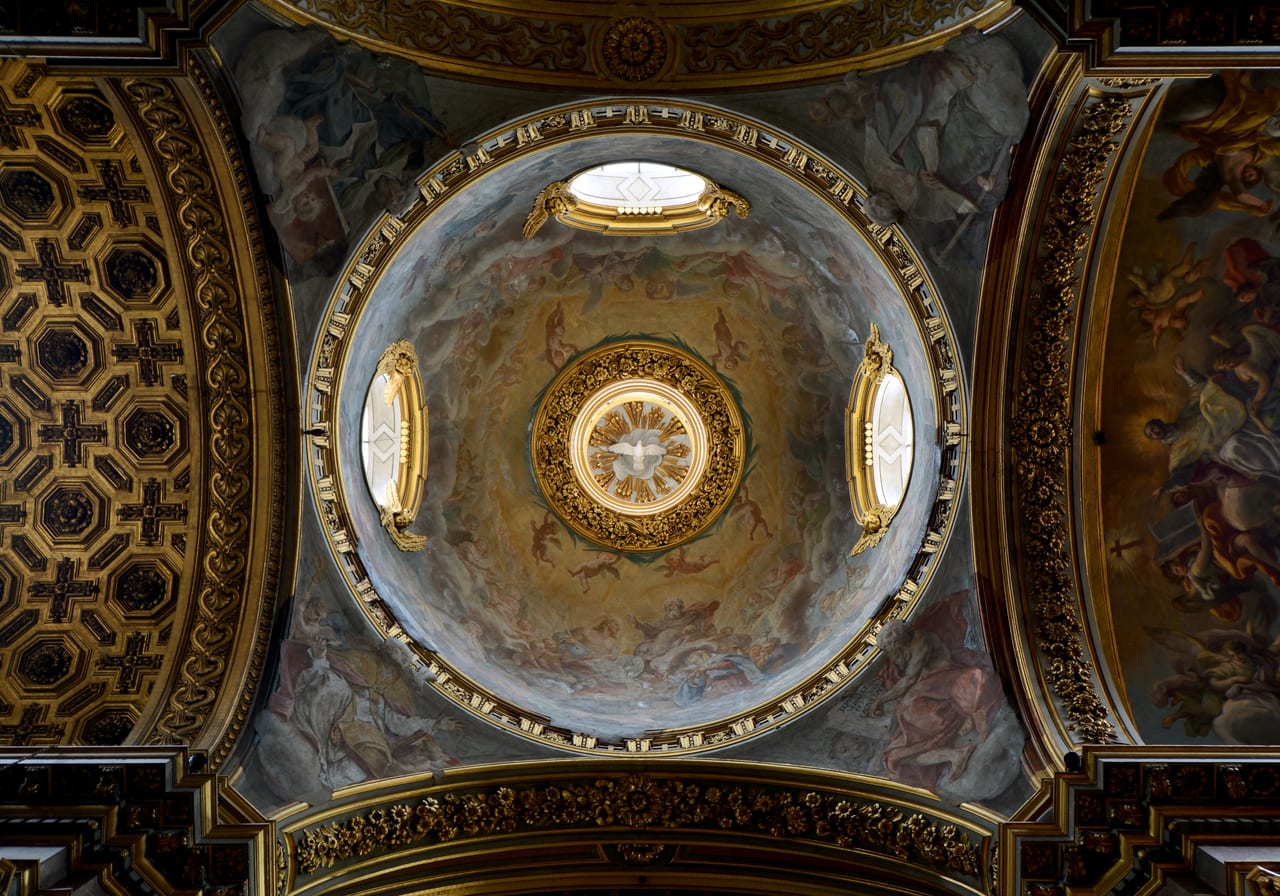
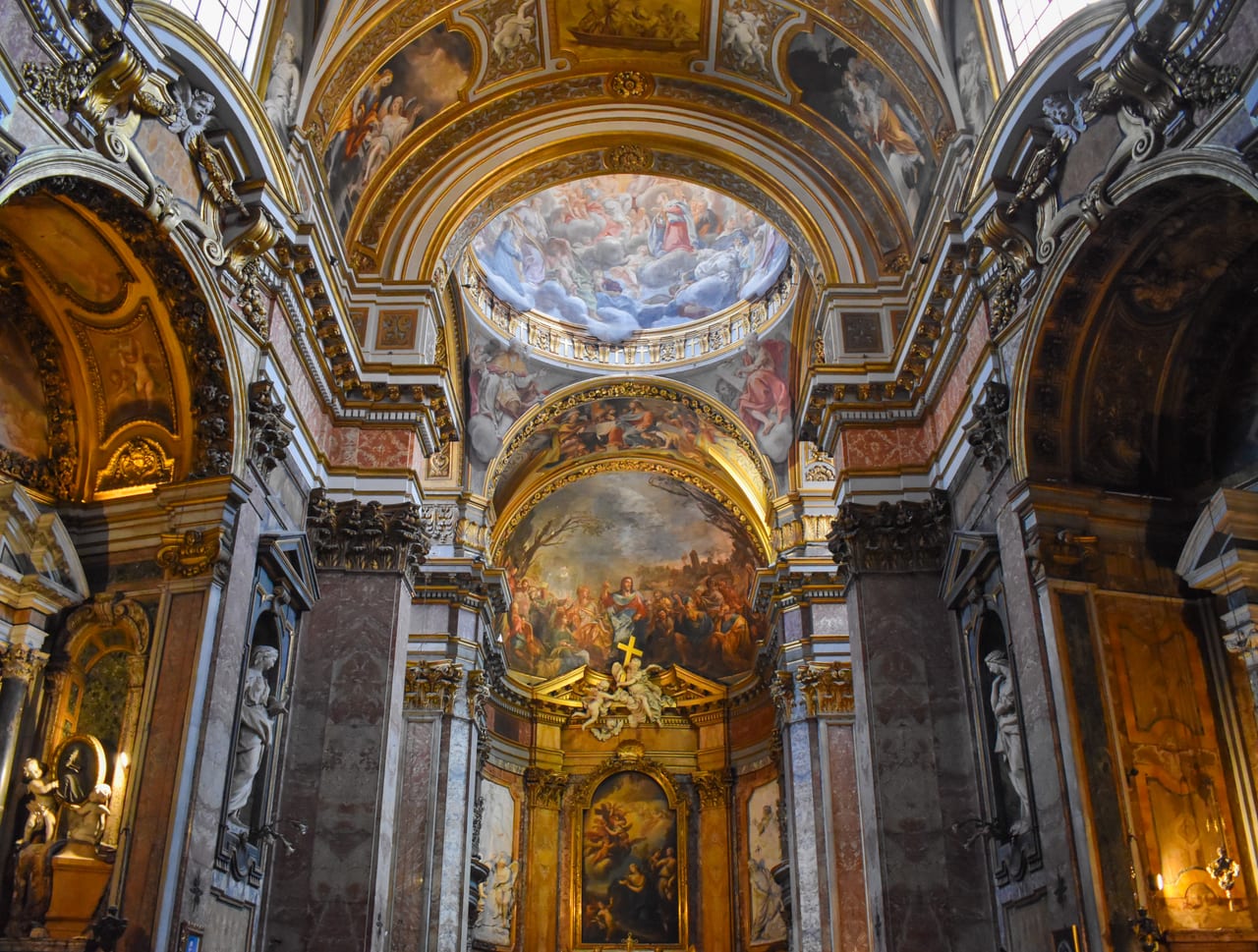
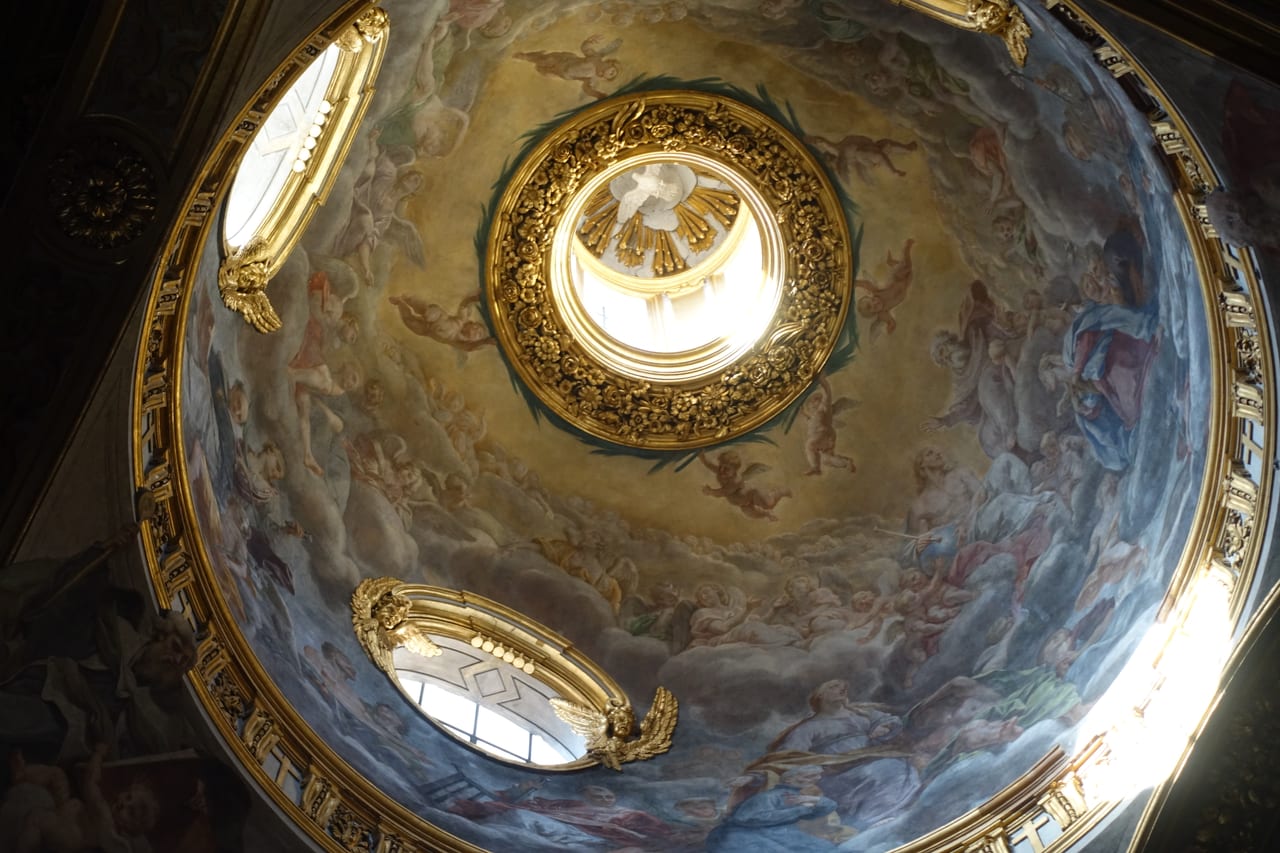
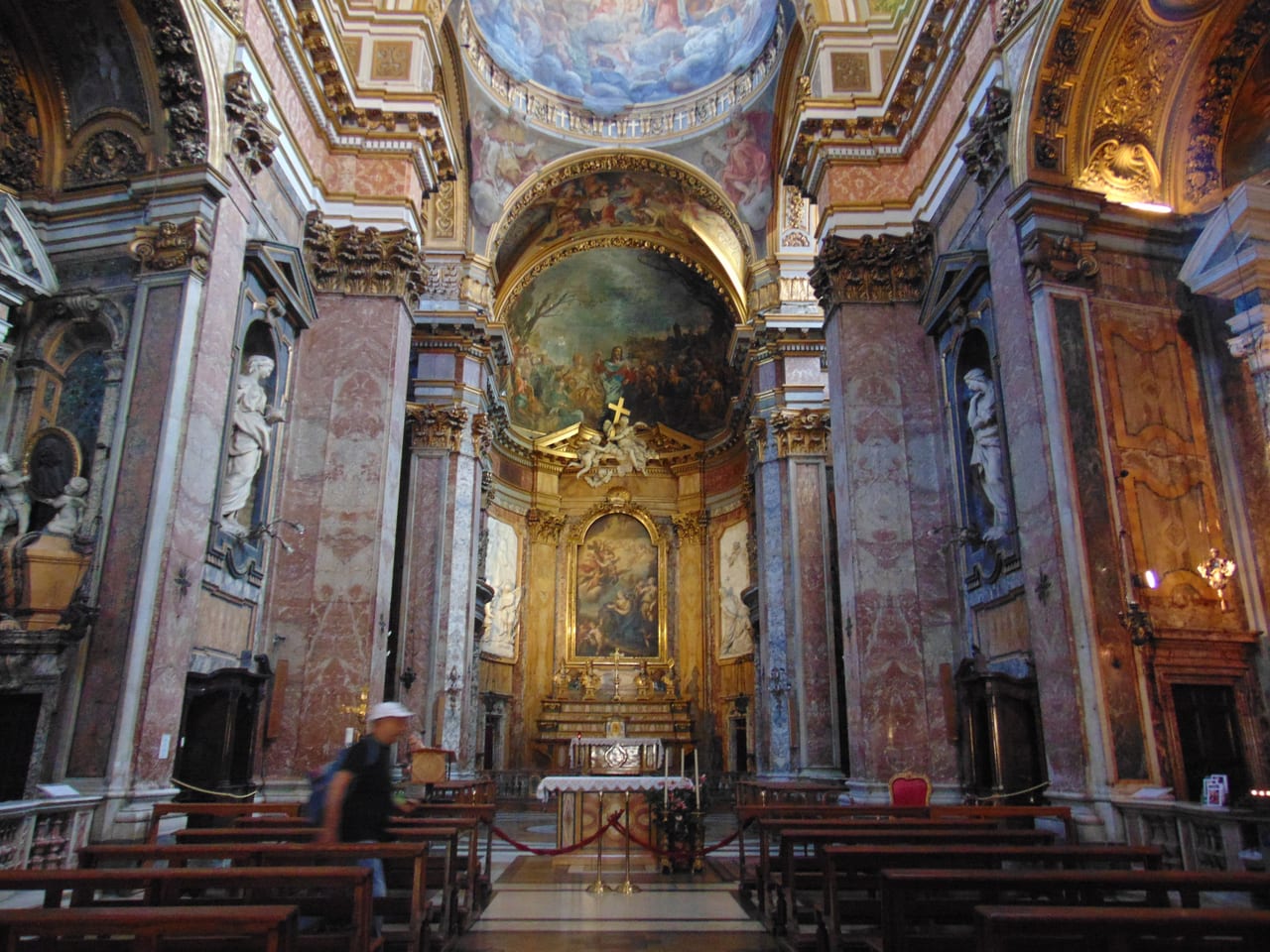
Santa Maria Maddalena grew from a fourteenth-century chapel once owned by the Arciconfraternita del Gonfalone. In 1586 it was entrusted to Camillo de Lellis, who made it the headquarters of the Camillians; the order and its convent then occupied the surrounding block. Pope Urban VIII authorised a new square opposite the church in 1628, requiring the rebuilding and demolition of neighbouring houses and creating the unified setting seen today. Interior reconstruction began in 1630 and proceeded chapel by chapel. The building was considered complete in 1699, though its consecration followed on 4 May 1727. Carlo Fontana is credited with the dome and vault, Giovanni Antonio De Rossi also worked on the project, and Giuseppe Sardi completed the façade in 1735. Inside, an elongated octagonal nave leads towards a domed crossing and an emphatic apse. Camillo’s remains were transferred to one of the chapels in 1742, before his canonisation on 29 June 1746. The church is the regional church of Abruzzese residents in Rome and acquired a cardinal title in 2024.
At a glance
- Built
- 1735
- Architect
- Carlo Fontana
- Style
- Baroque
- Heritage
- Italian national heritage
Ways to explore Santa Maria Maddalena
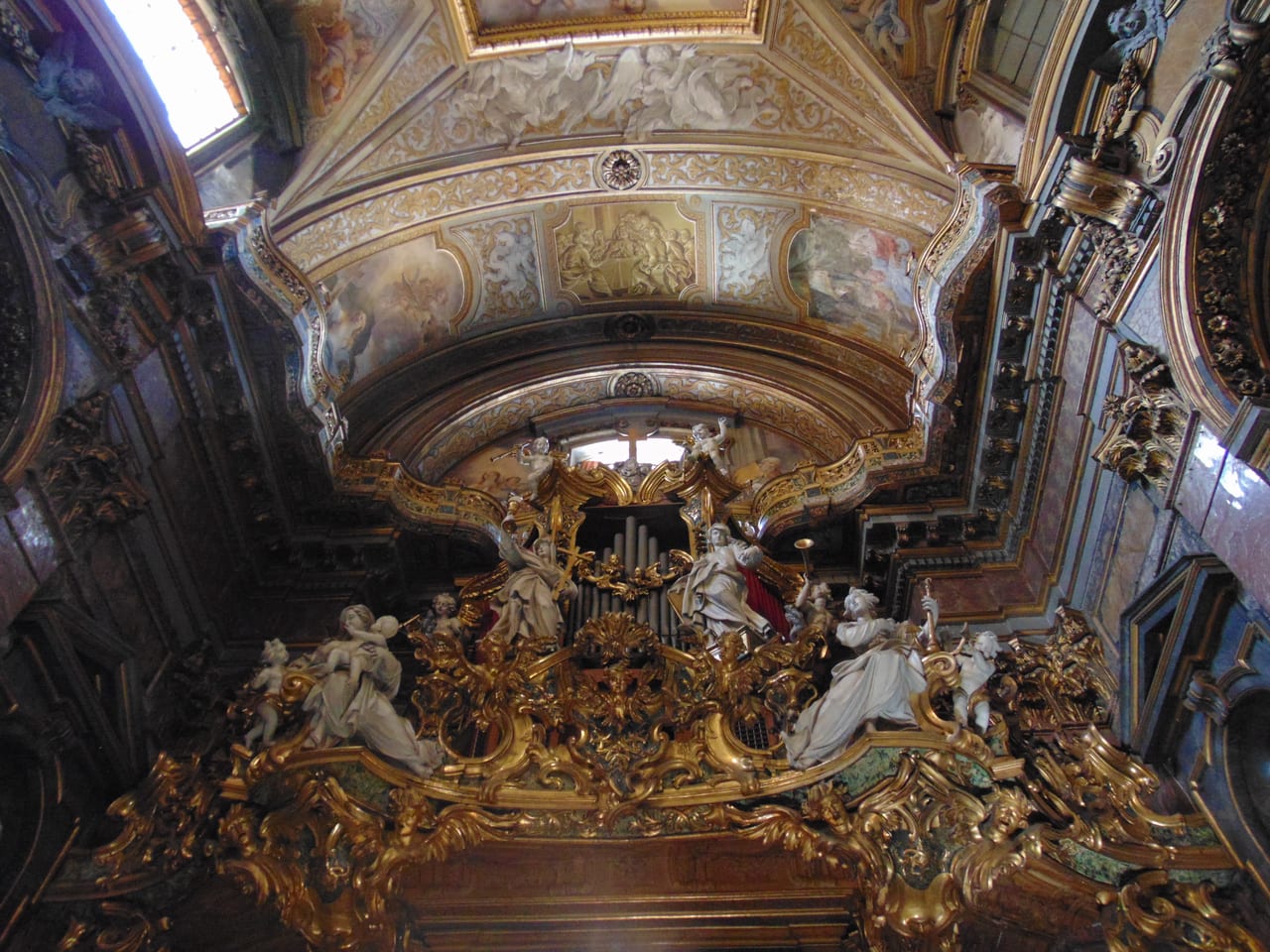
Study the high altar’s concave side walls and slightly convex front, then seek out Michele Rocca’s 1698 painting and Aureliano Milani’s apse fresco. Compare Luca Giordano’s Saint Lawrence Giustiniani with Baciccia’s Saint Nicholas of Bari. Look for Carlo Monaldi’s Humility in the first left niche. The sacristy rewards close attention to painted-marble cupboards and trompe-l’œil windows. In the counter-façade, inspect the gilded organ ensemble and its white stucco allegories.
Places to stay near Santa Maria Maddalena

Live availability and prices from Stay22's partners, refreshed periodically and subject to change. Booking through these links may earn us a commission at no extra cost to you. See our privacy policy.
Cafés near Santa Maria Maddalena
Cafés near Santa Maria Maddalena loads as you scroll.
Attractions nearby
Attractions near Santa Maria Maddalena loads as you scroll.
Cities nearby
Cities nearby loads as you scroll.
More in Rome
See more of Rome.
Find great cafés, places to stay and other interesting places to visit in Rome.