Church · Rome
Santa Maria in Vallicella
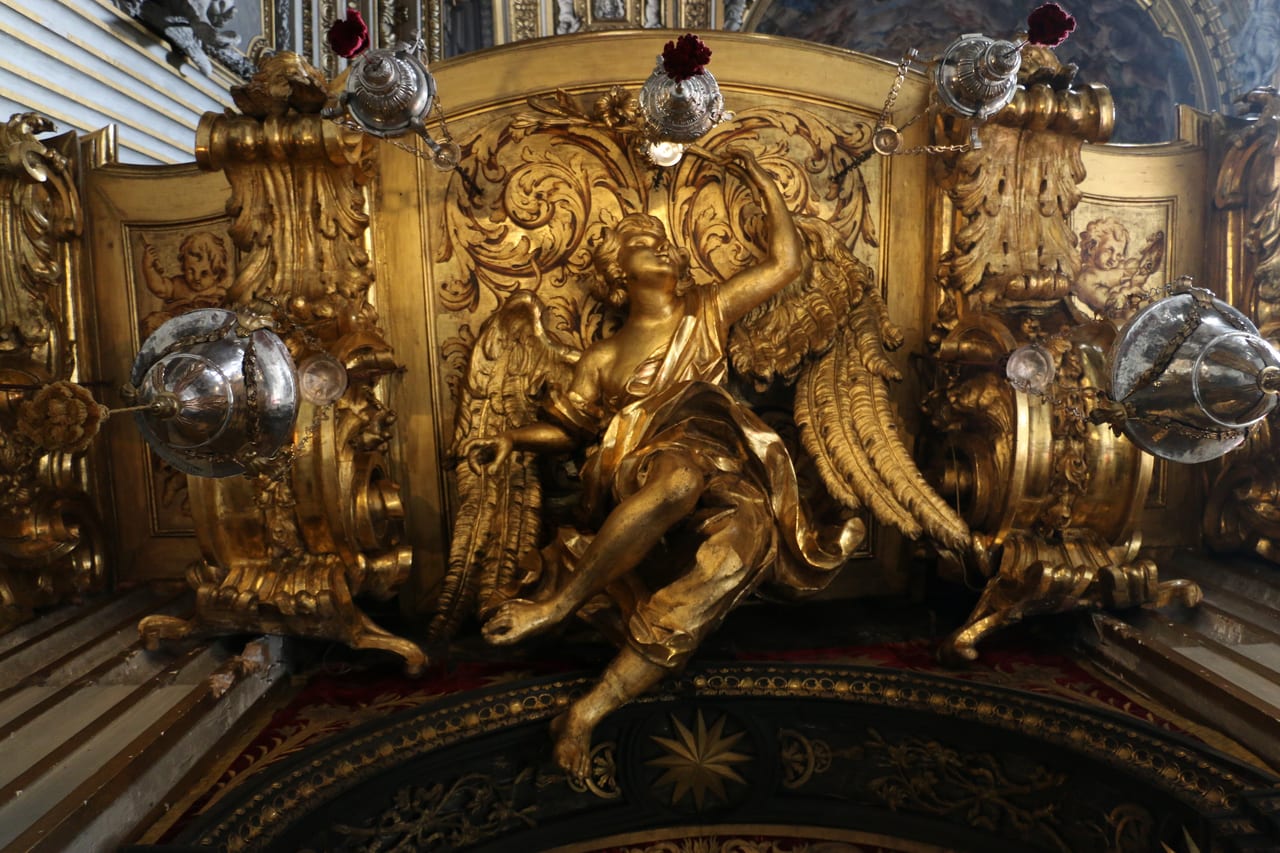
DirectionsIts high altar conceals a miraculous Madonna beneath a liftable copper painting by Peter Paul Rubens, creating one of Rome’s most unusual devotional displays.
Photograph 1 of 3 of Santa Maria in Vallicella
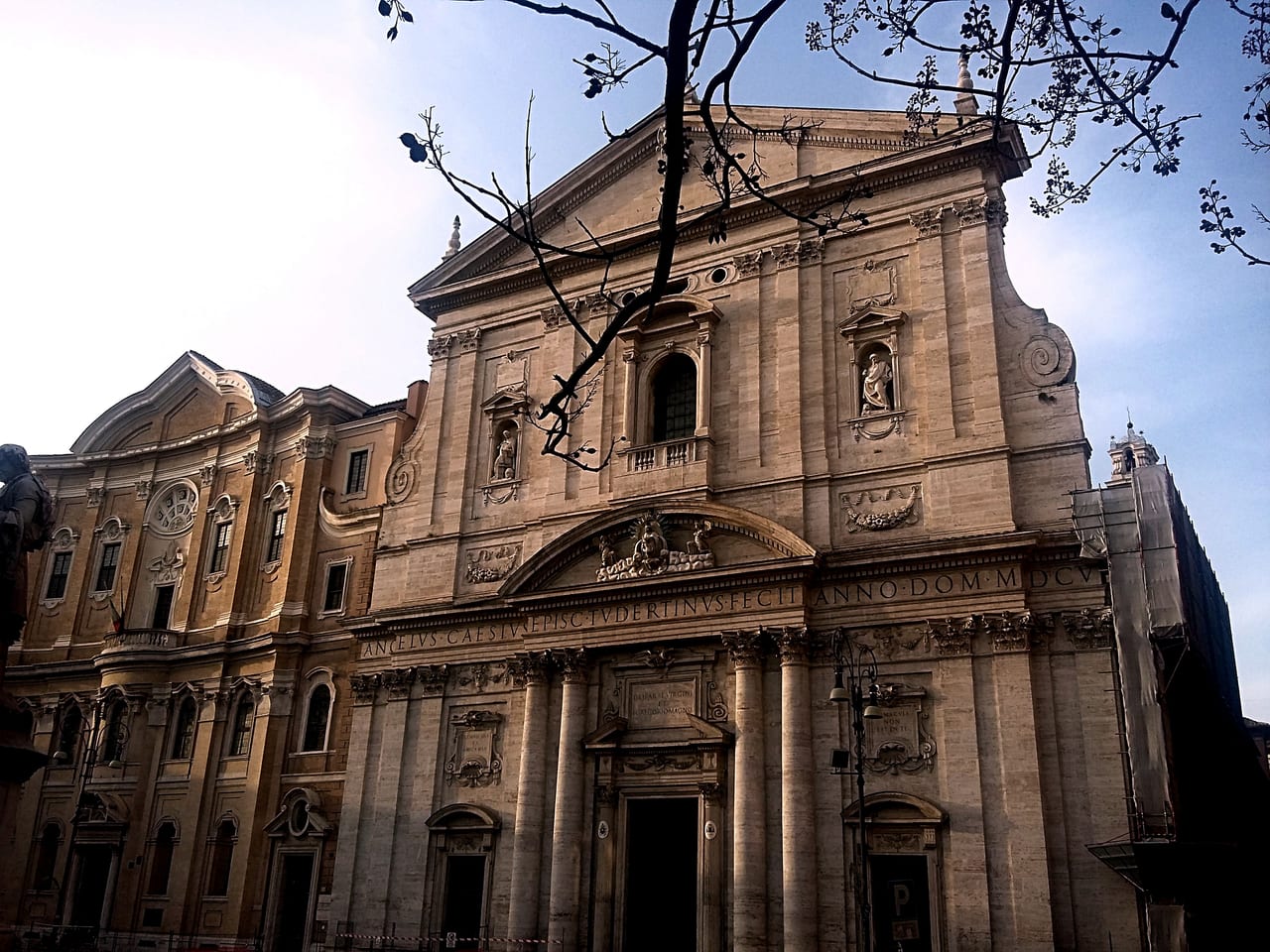
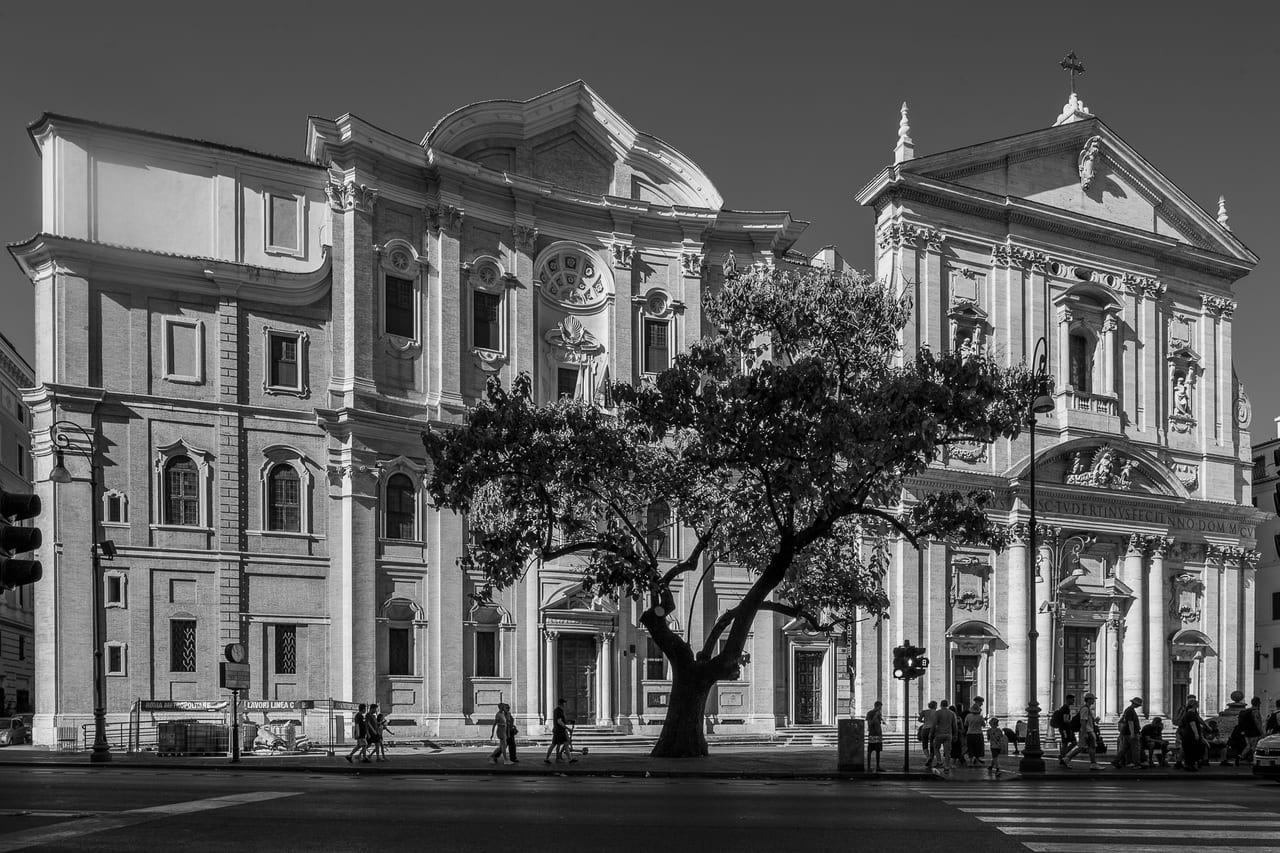
Santa Maria in Vallicella grew from a medieval church recorded here from the 13th century, on ground ancient Romans associated with the infernal deities and called Tarentum. From the 14th century it was also known as Santa Maria in Puteo albo. Filippo Neri founded the Congregation of the Oratory in 1551; after its recognition by Gregory XIII in 1575, the neglected church was rebuilt as the Chiesa Nuova. Matteo di Città di Castello began the new building, first celebrated in 1577 with a single nave and four chapels on each side. Martino Longhi the Elder, Giacomo Della Porta, Fausto Rughesi and others shaped its later form: three aisles, a semicircular apse, transept and dome. The façade, completed in 1605, has paired pilasters, sculptural niches and volutes; Camillo Arcucci added the campanile in 1666. Pietro da Cortona later frescoed the vault, dome and apse between 1647 and 1666. Its artistic programme includes works by Federico Barocci, Cavalier d’Arpino and Caravaggio, whose Deposition was removed in 1797 and is now in the Vatican Museums. The marble floor was renewed in 1895.
At a glance
- Built
- 1575
- Style
- baroque architecture
- Heritage
- Italian national heritage
Ways to explore Santa Maria in Vallicella
Begin with the façade: inspect its paired pilasters, the Madonna Vallicelliana in the central pediment, and the statues of Gregory the Great and Jerome. Inside, look upward for Cortona’s painted vault, dome and apse, then examine the fifteen gilded oval canvases and the stucco allegories by Ercole Ferrata. The side chapels reward a slower circuit, particularly the Visitazione by Barocci, the Pinelli chapel’s Marian scenes, and the Borromini-designed wooden pulpit in the right transept.
Places to stay near Santa Maria in Vallicella

Live availability and prices from Stay22's partners, refreshed periodically and subject to change. Booking through these links may earn us a commission at no extra cost to you. See our privacy policy.
Cafés near Santa Maria in Vallicella
Cafés near Santa Maria in Vallicella loads as you scroll.
Attractions nearby
Attractions near Santa Maria in Vallicella loads as you scroll.
Cities nearby
Cities nearby loads as you scroll.
More in Rome
See more of Rome.
Find great cafés, places to stay and other interesting places to visit in Rome.