Church · Rome
Santa Maria della Vittoria
DirectionsBernini’s Ecstasy of Saint Teresa turns a chapel into theatre, with concealed daylight descending from an unseen window to animate the gilded marble scene.
Photograph 1 of 17 of Santa Maria della Vittoria
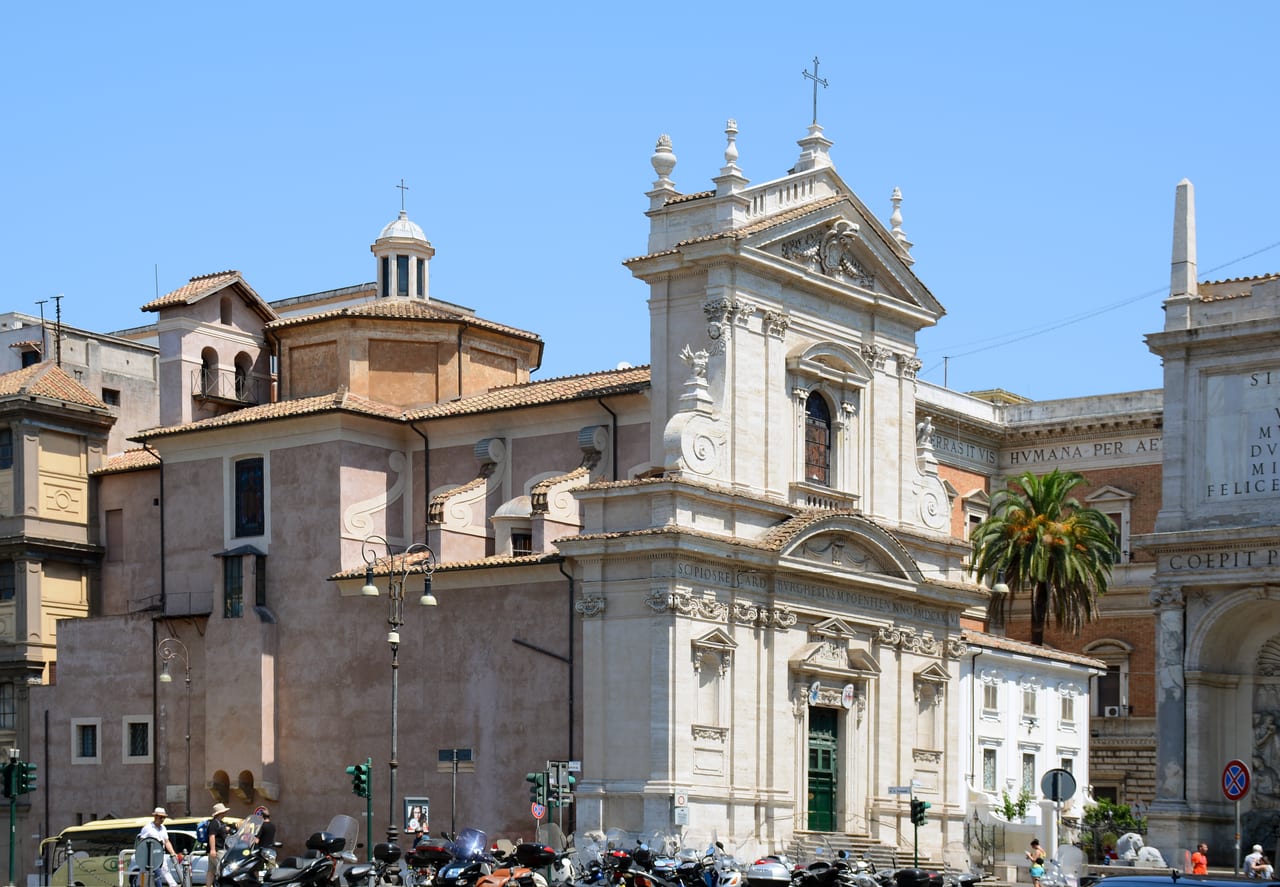
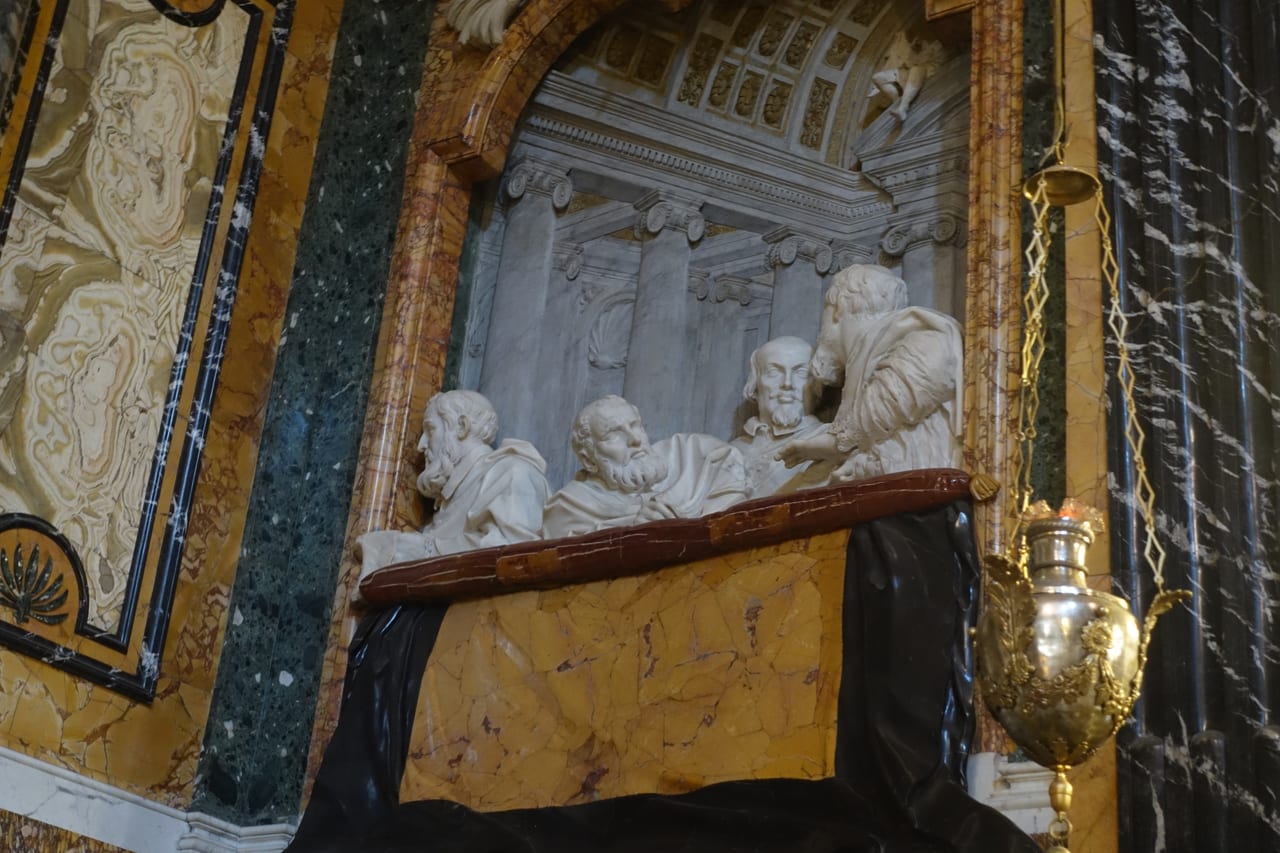
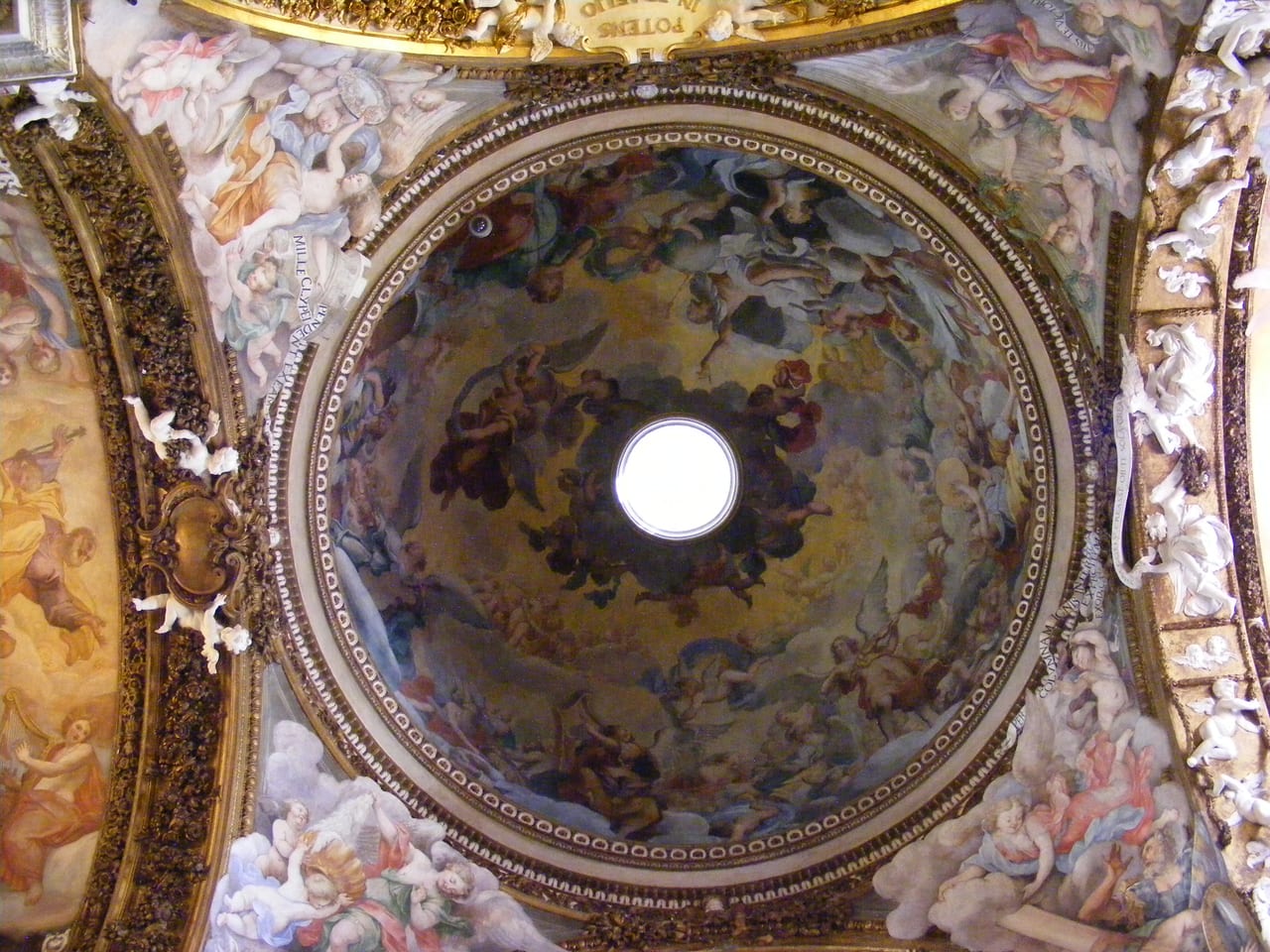
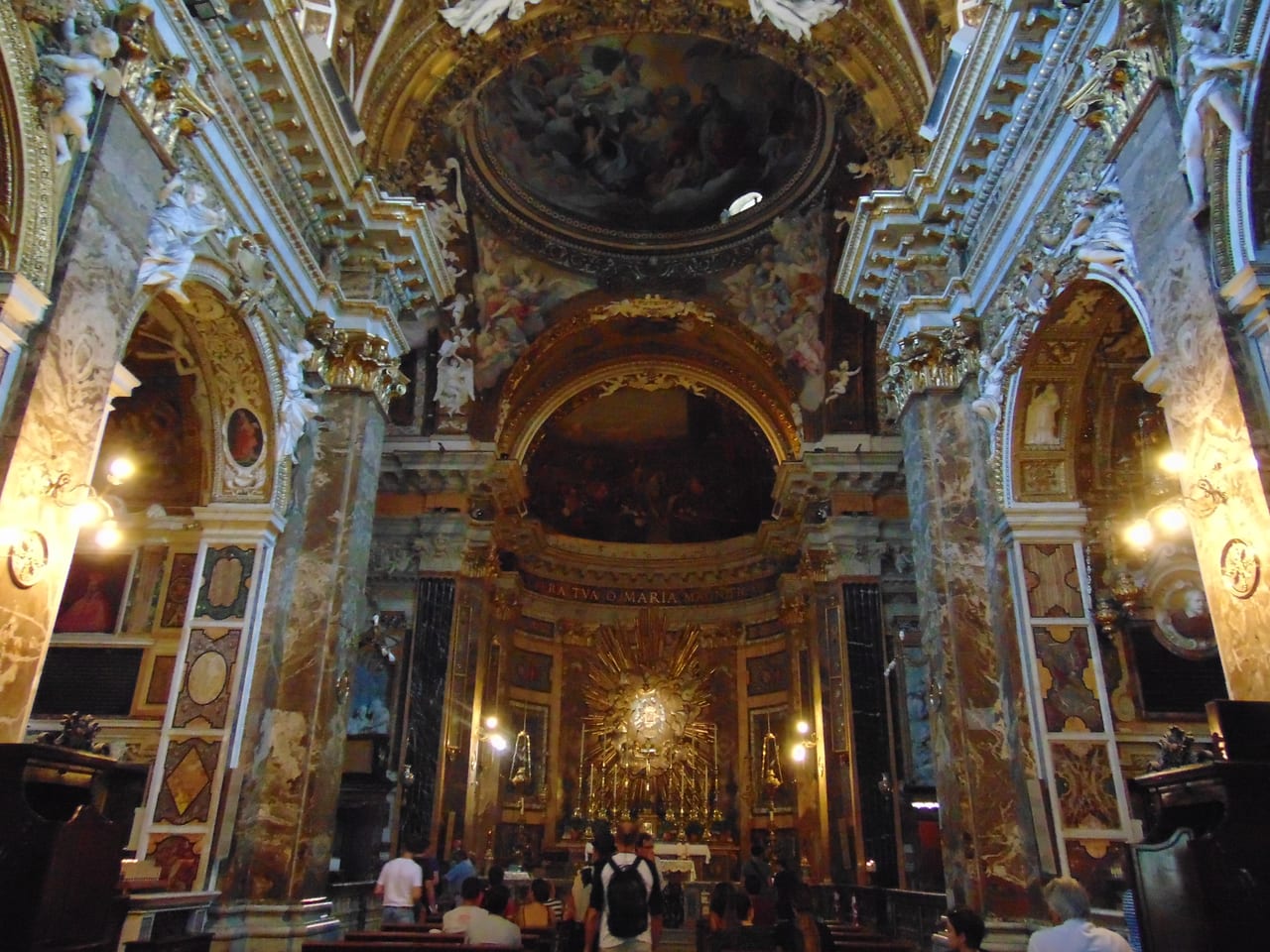
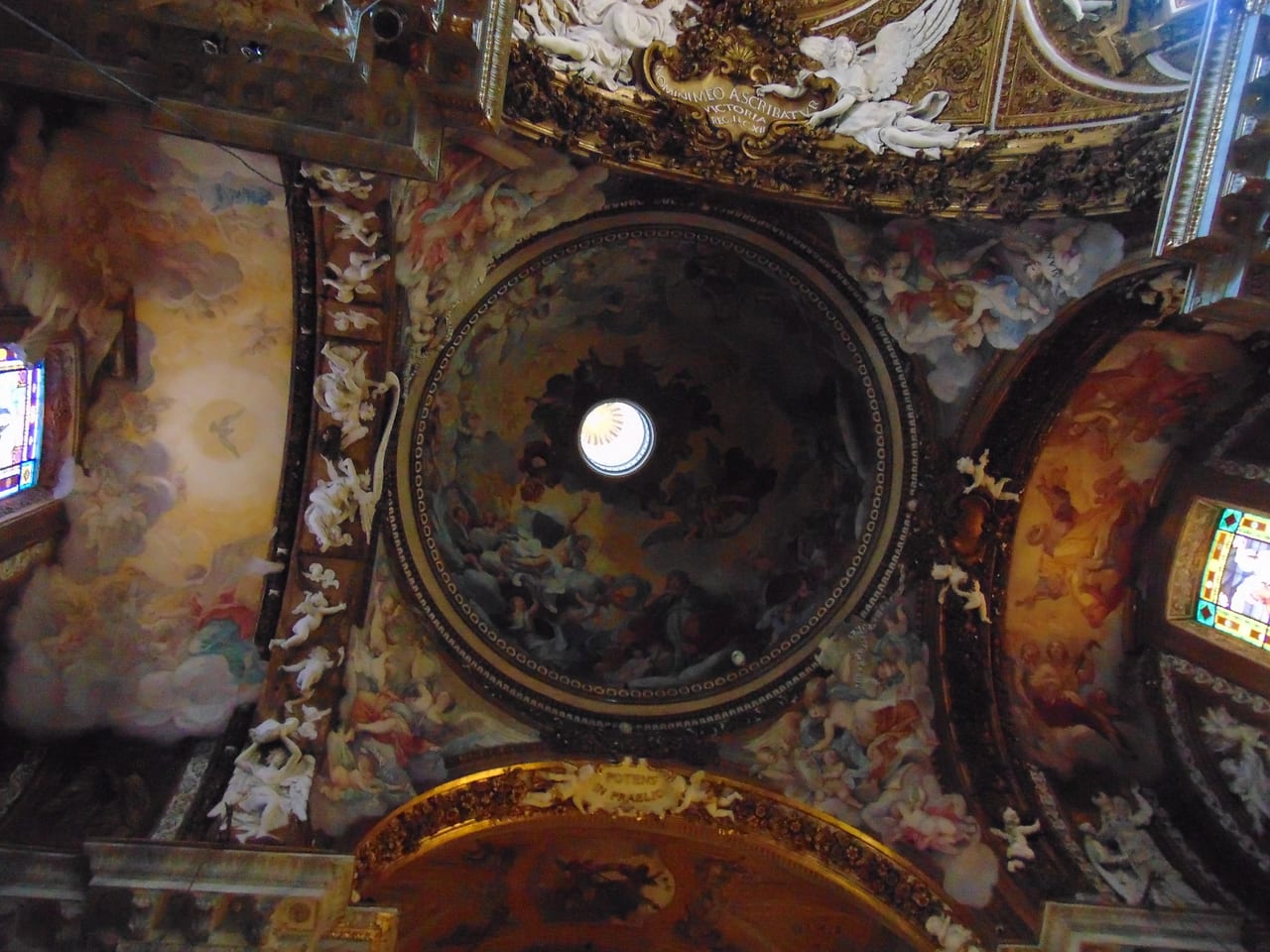
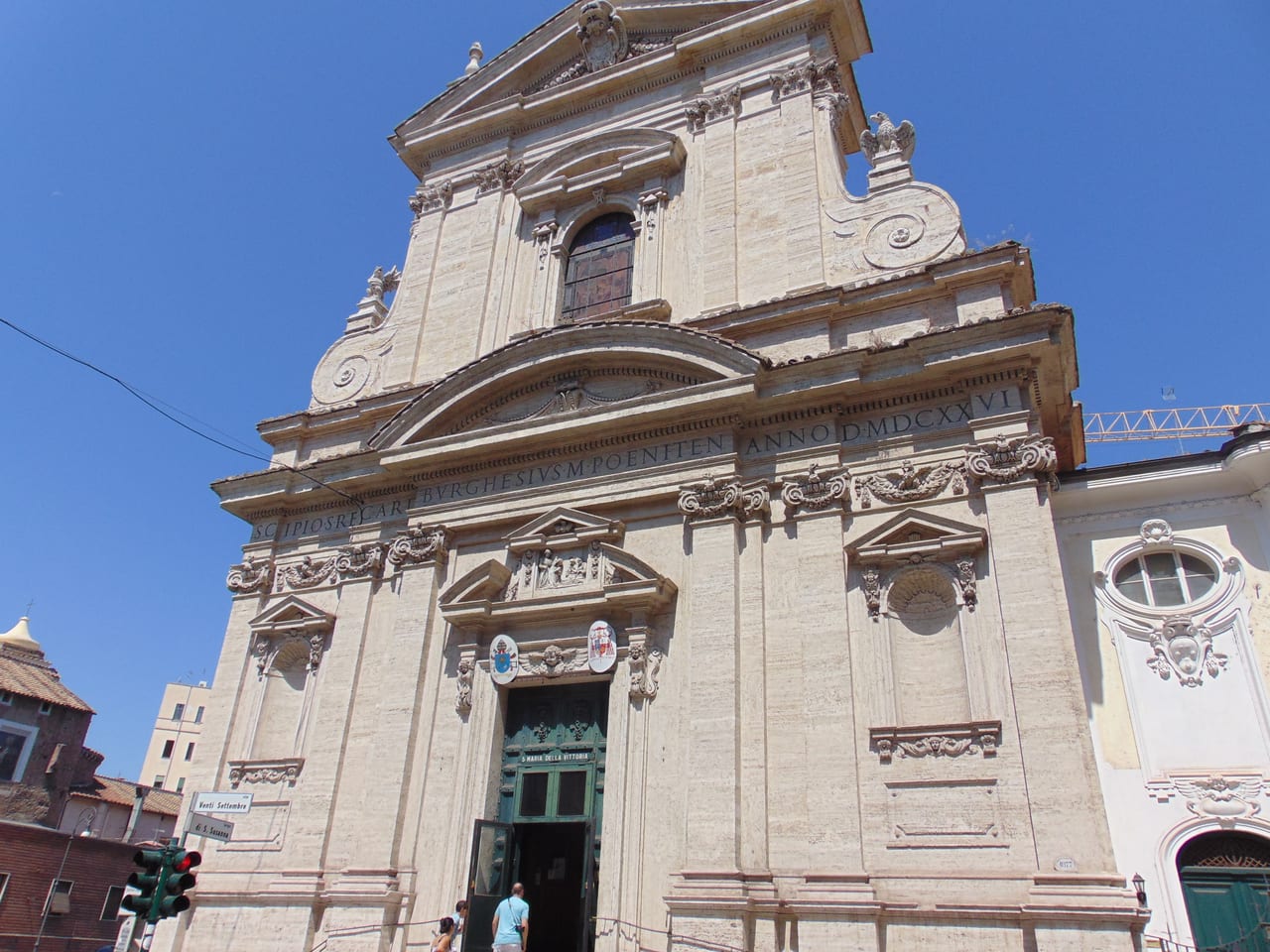
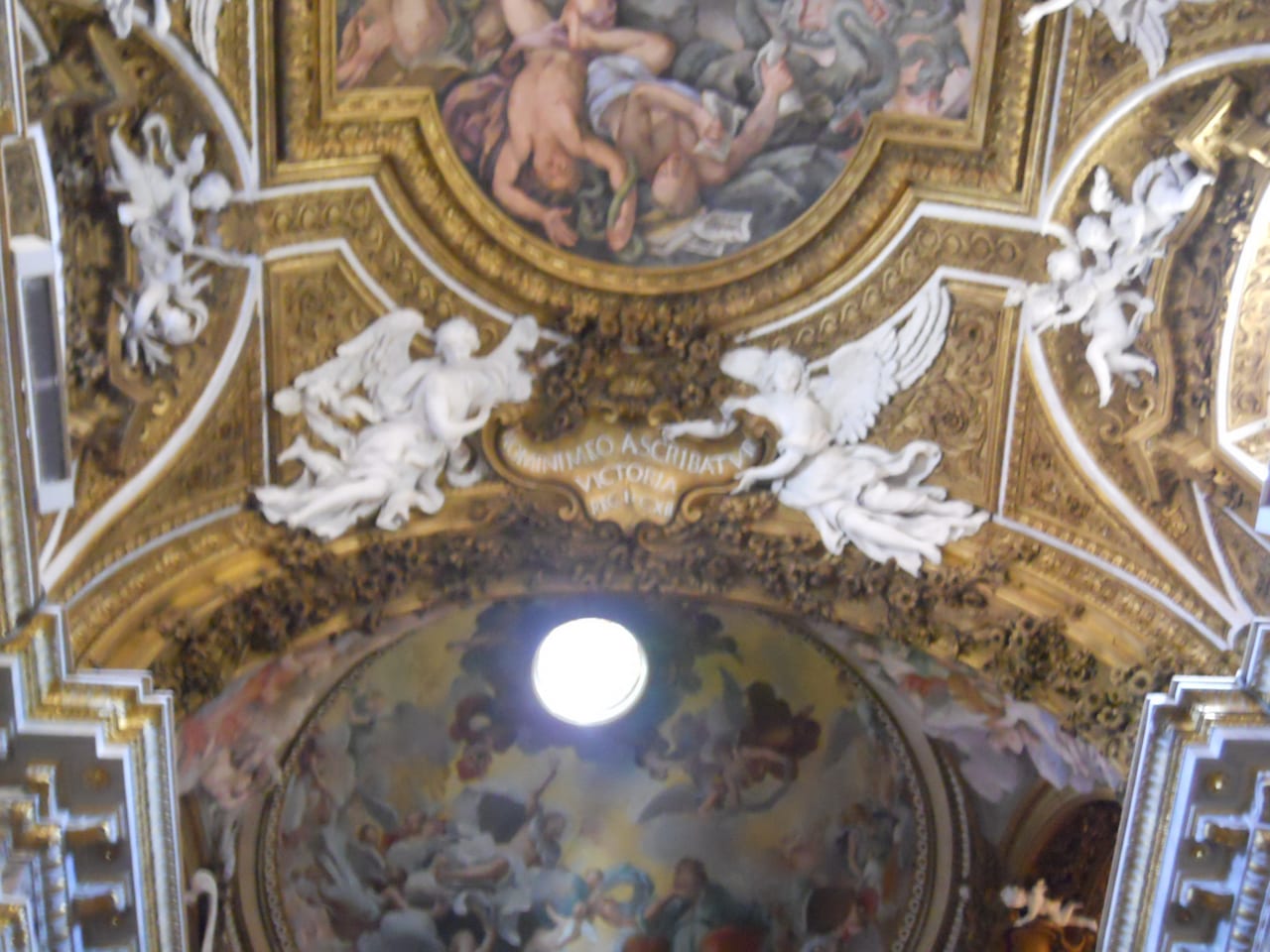
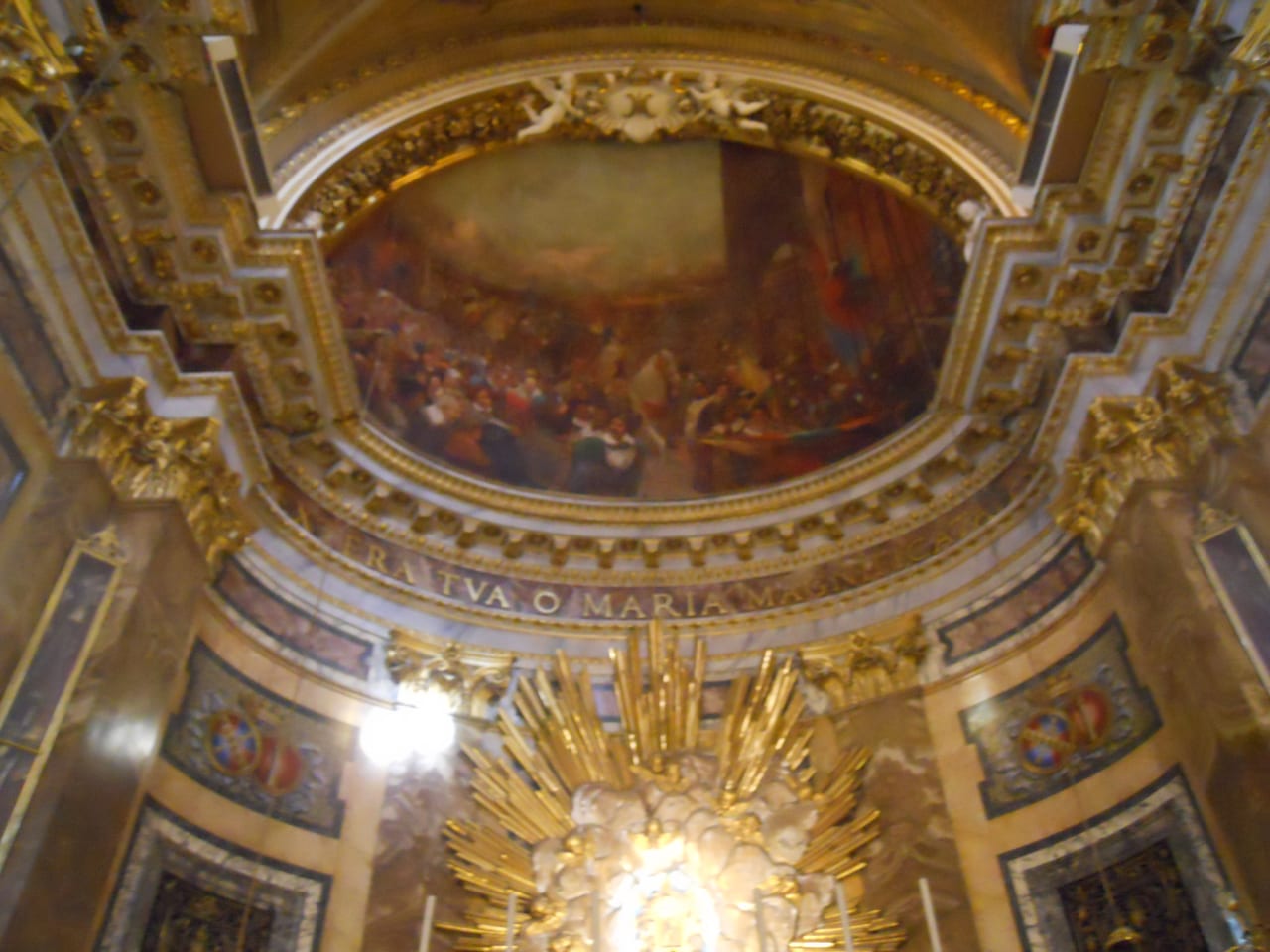
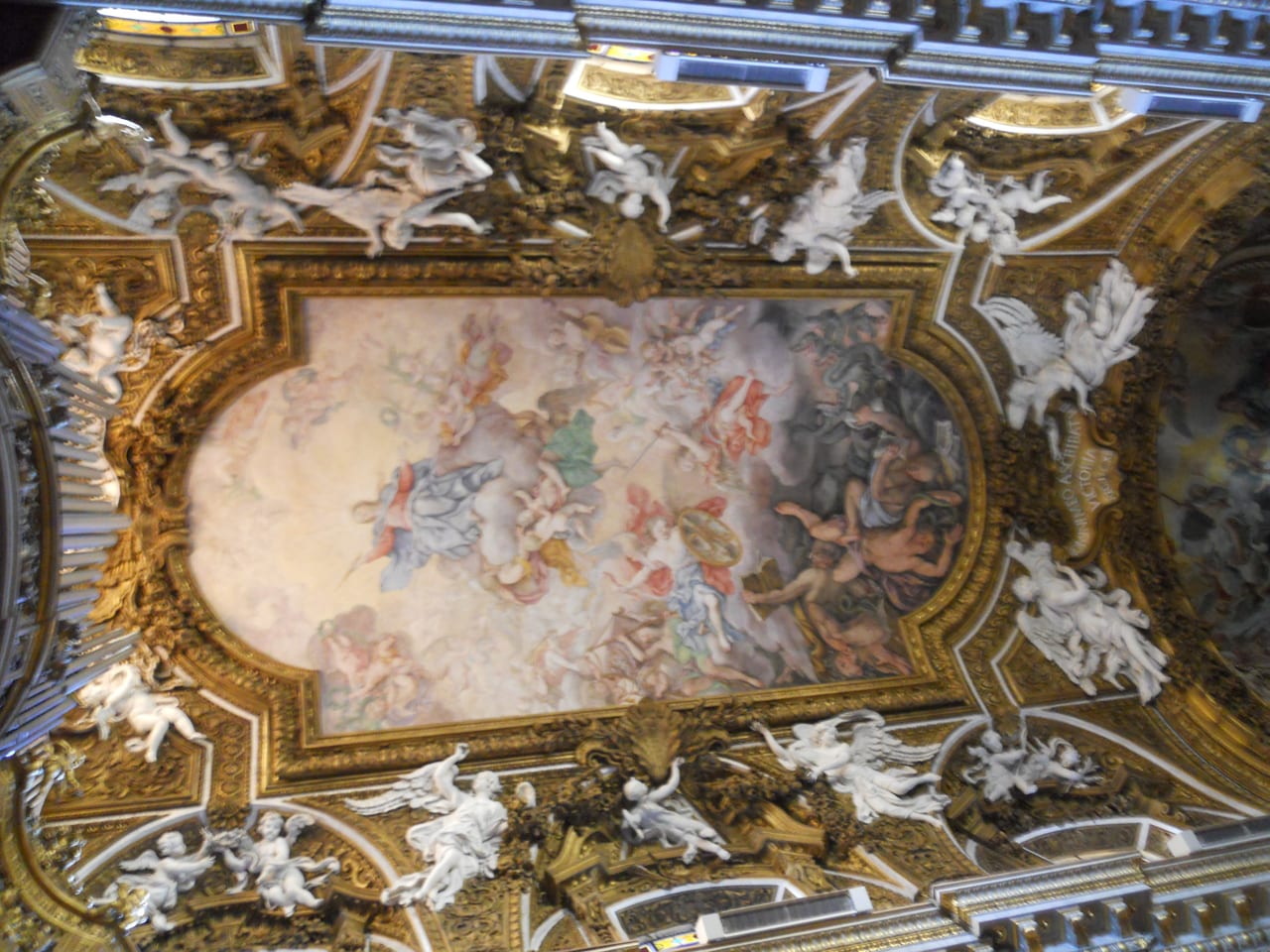
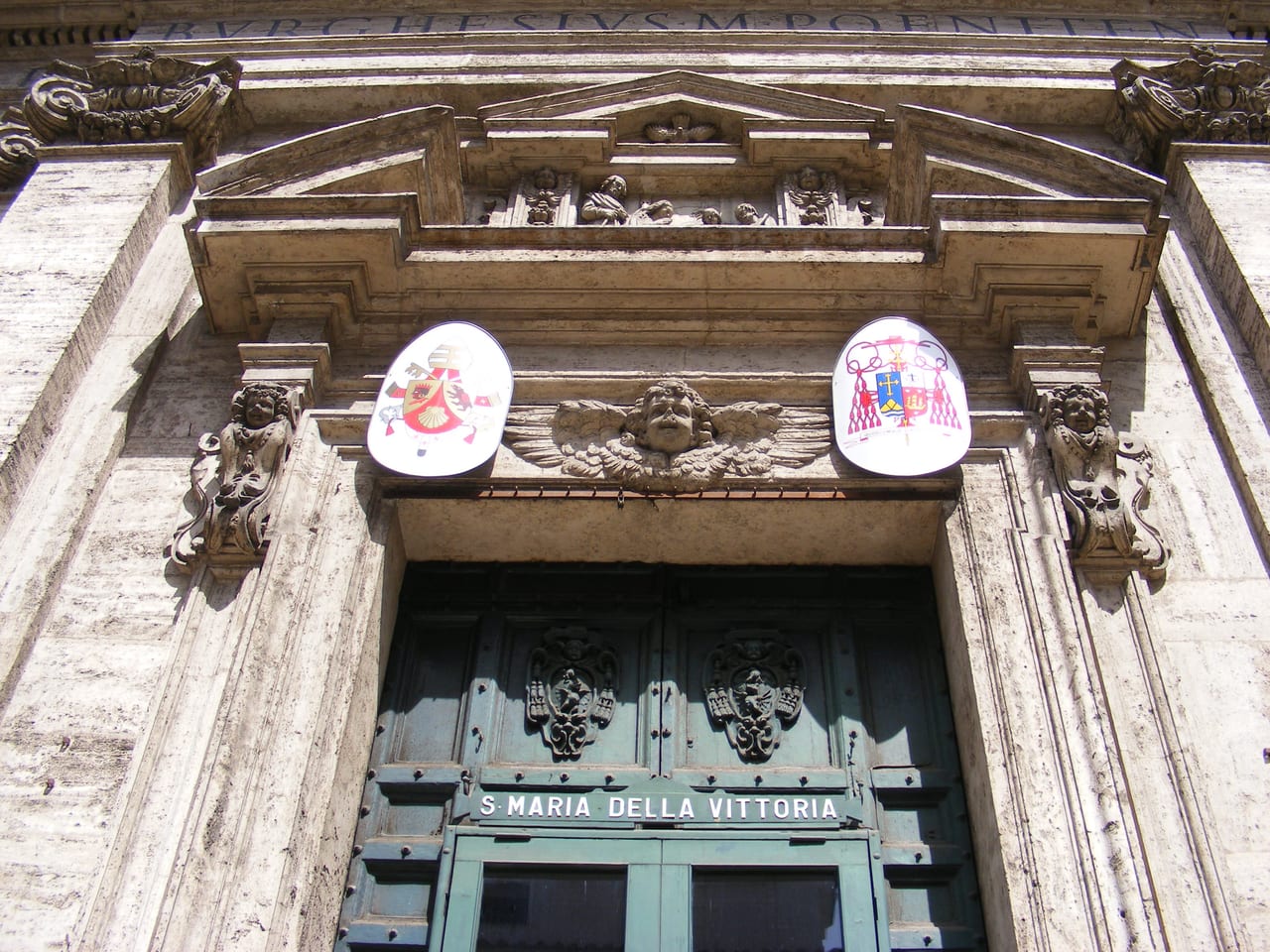
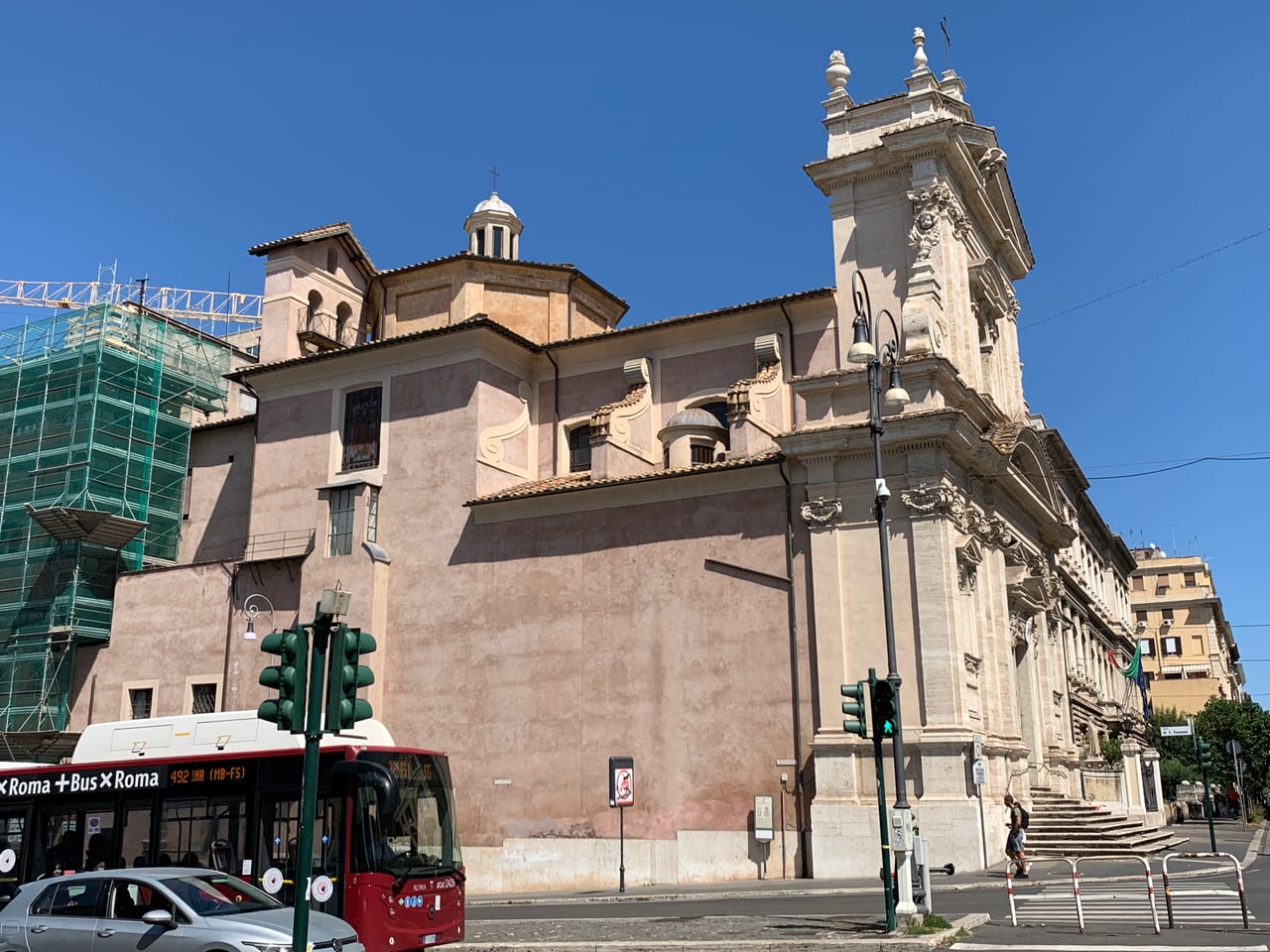
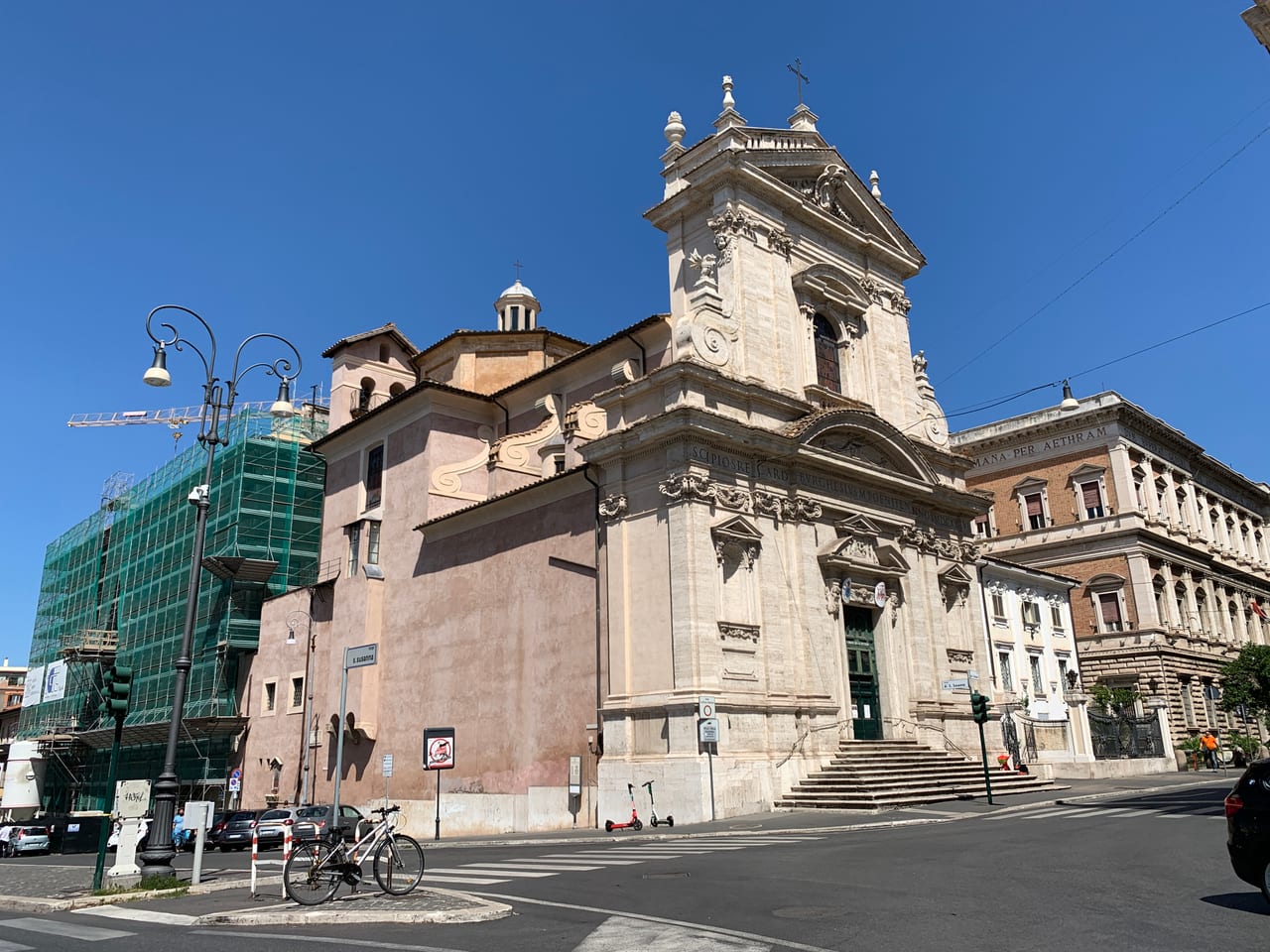
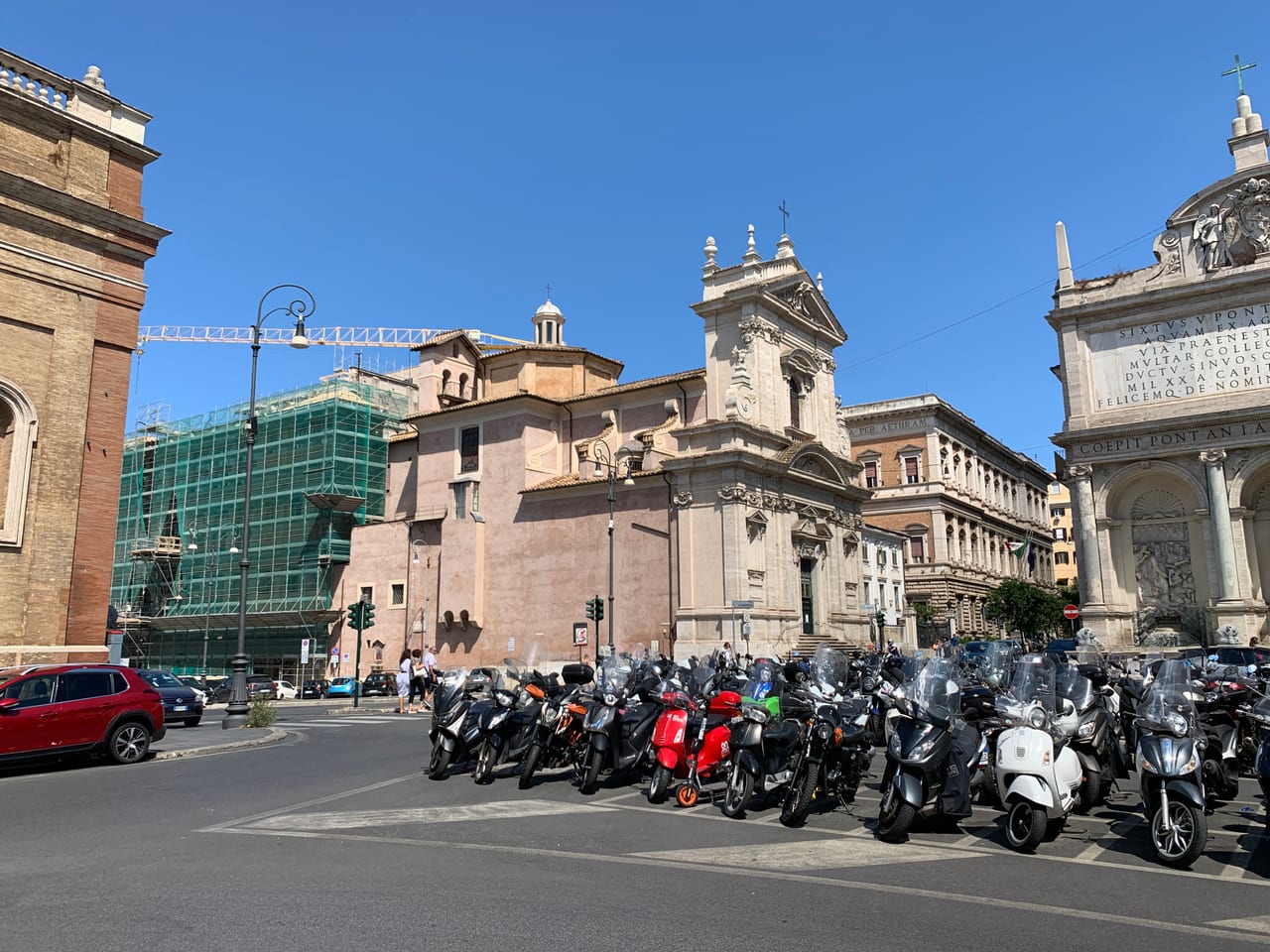
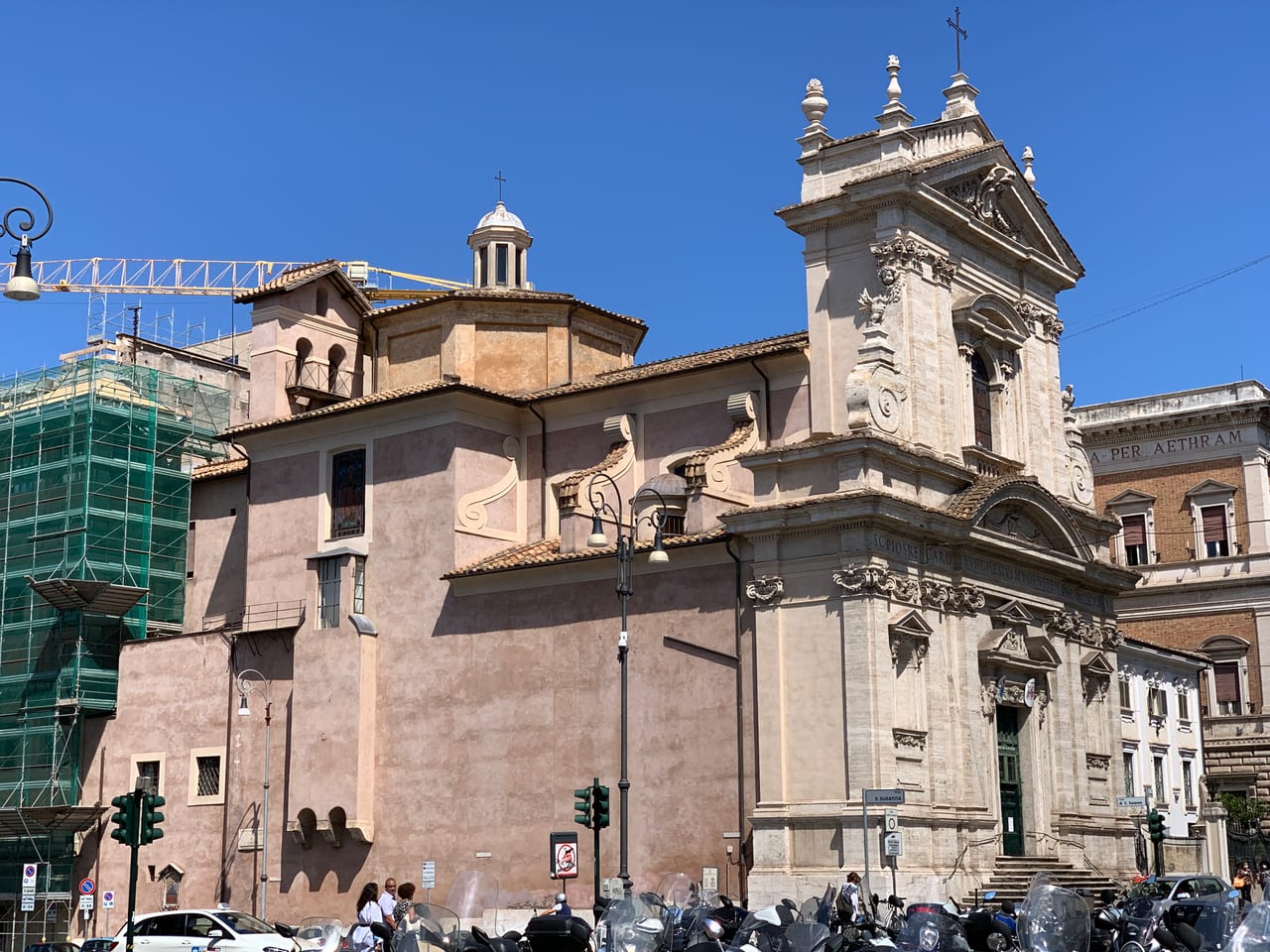
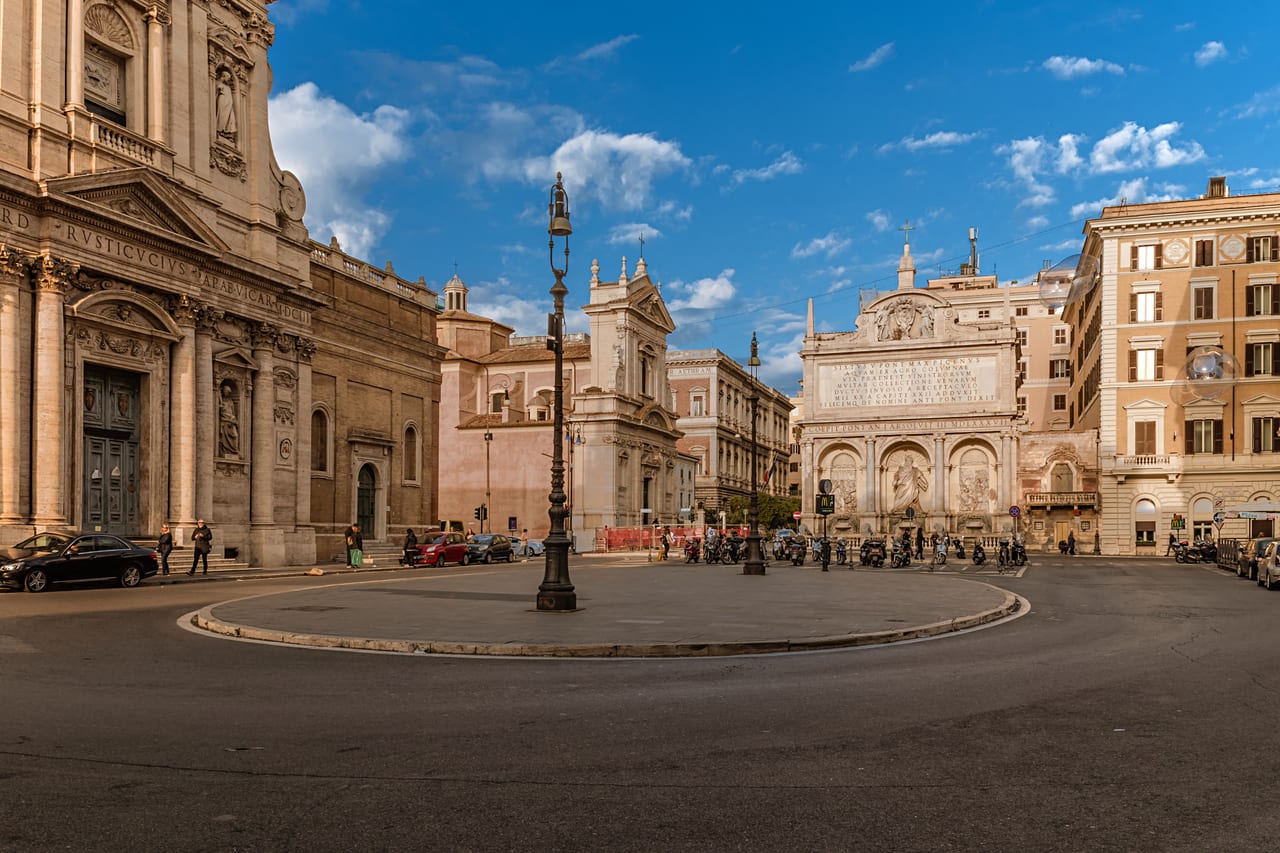
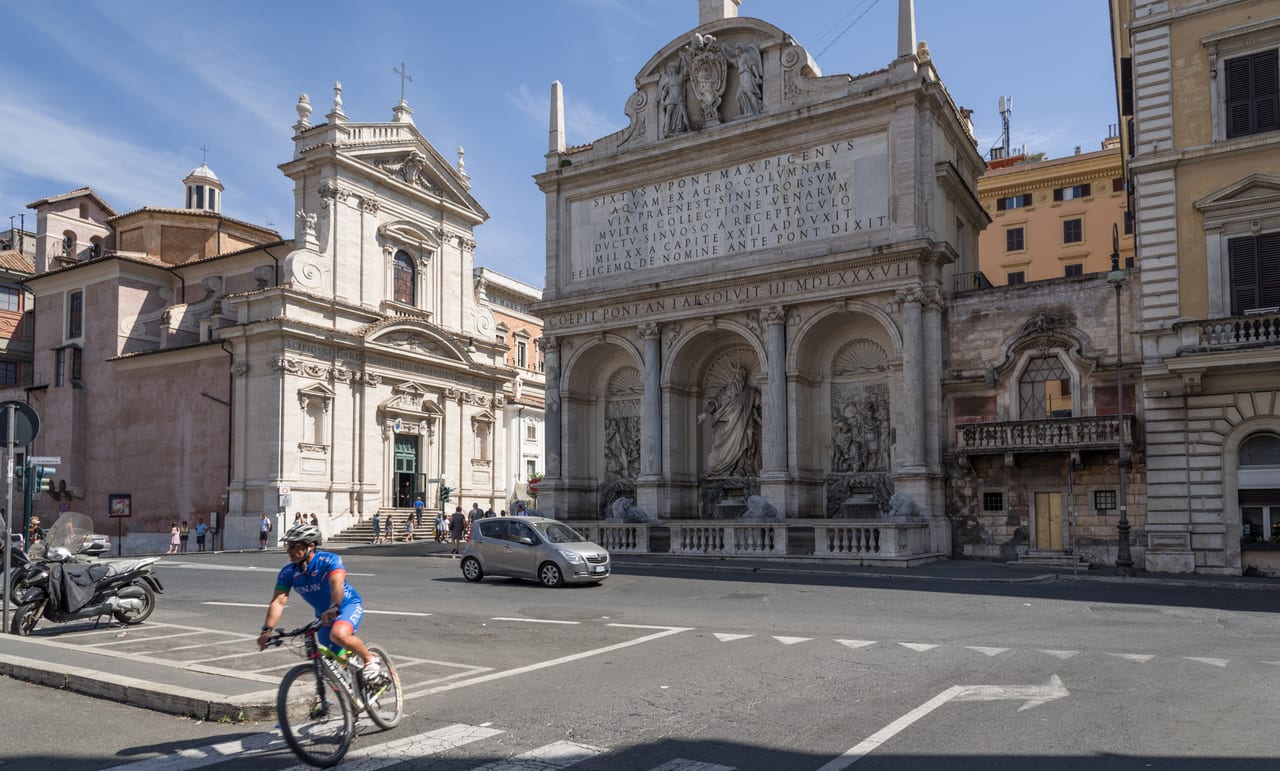
Built for the Discalced Carmelites between 1608 and 1620, Santa Maria della Vittoria was initially dedicated to Saint Paul. Its later name commemorates the Battle of White Mountain near Prague during the Thirty Years’ War, when Catholic forces achieved a temporary victory over Protestant troops; a Bohemian Madonna was then placed on the high altar. Pope Innocent X confirmed the dedication to Our Lady of Victory in a brief issued during his pontificate. Carlo Maderno designed the church, while Giovanni Battista Soria created its 1626 façade, modelled on nearby Santa Susanna. The two-storey front has a triangular pediment and an arched pediment above the entrance. Inside, a single barrel-vaulted nave is flanked by three chapels on each side. Gian Domenico Cerrini painted the nave’s Triumph of the Virgin over Heresies and the Assumption of the Virgin in the dome. The church also contains the Merenda family funeral chapel, altarpieces by Domenichino and Guercino, a Sebastiano Conca painting in the sacristy, and a Saint Paul attributed to Guido Reni.
At a glance
- Built
- 1620
- Architect
- Carlo Maderno
- Style
- Italian Baroque architecture
- Heritage
- Italian national heritage
Ways to explore Santa Maria della Vittoria
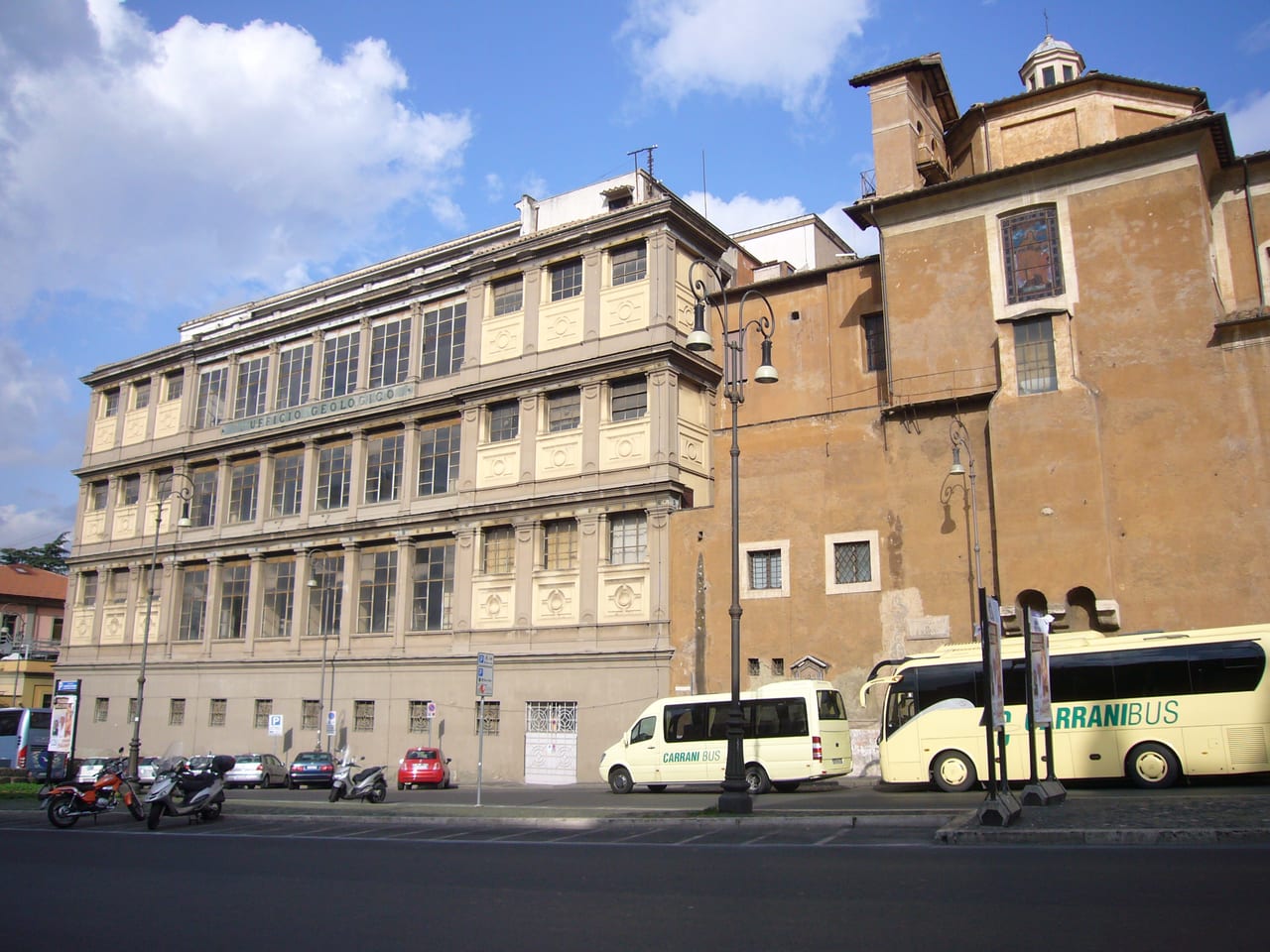
Begin with the nave ceiling and dome, then examine the side chapels, the Merenda funeral chapel, and the altarpieces by Domenichino and Guercino. In the left transept, study the layers of marble, gilding, fresco, and sculpted drapery surrounding Bernini’s Saint Teresa and the angel. From outside, look along the church’s left side for the three projecting, curved marble shelves that support the hidden lighting arrangement behind the chapel.
Places to stay near Santa Maria della Vittoria

Live availability and prices from Stay22's partners, refreshed periodically and subject to change. Booking through these links may earn us a commission at no extra cost to you. See our privacy policy.
Cafés near Santa Maria della Vittoria
Cafés near Santa Maria della Vittoria loads as you scroll.
Attractions nearby
Attractions near Santa Maria della Vittoria loads as you scroll.
Cities nearby
Cities nearby loads as you scroll.
More in Rome
See more of Rome.
Find great cafés, places to stay and other interesting places to visit in Rome.