Church · Rome
Santa Maria del Popolo
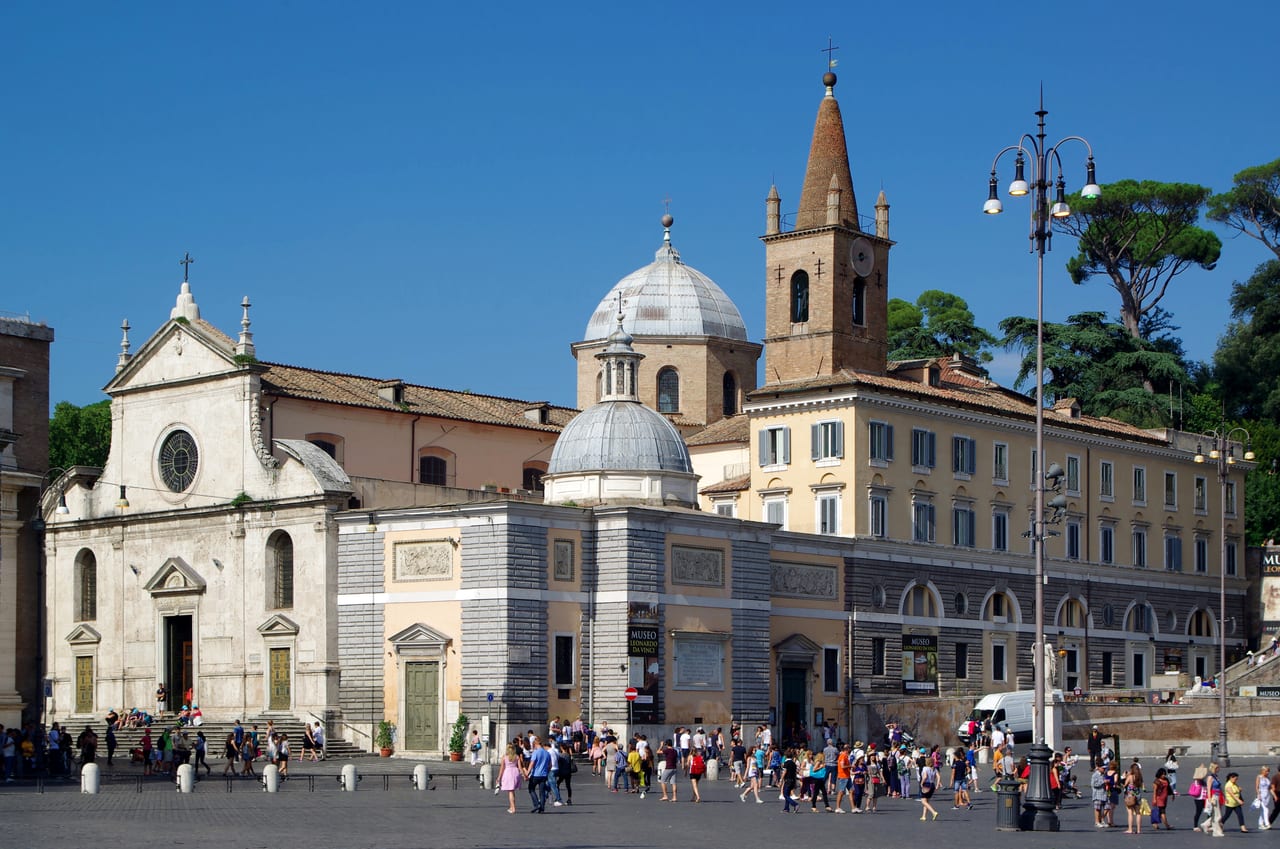
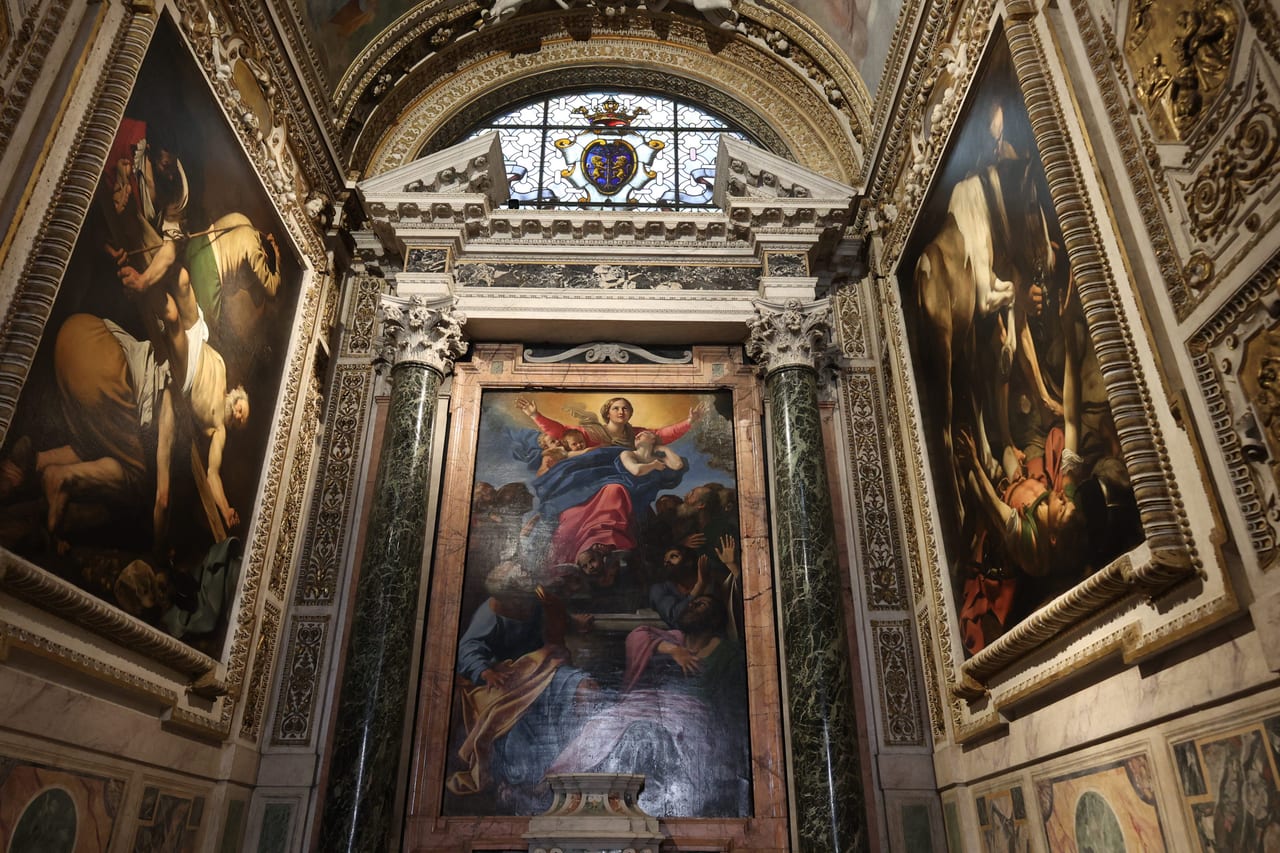
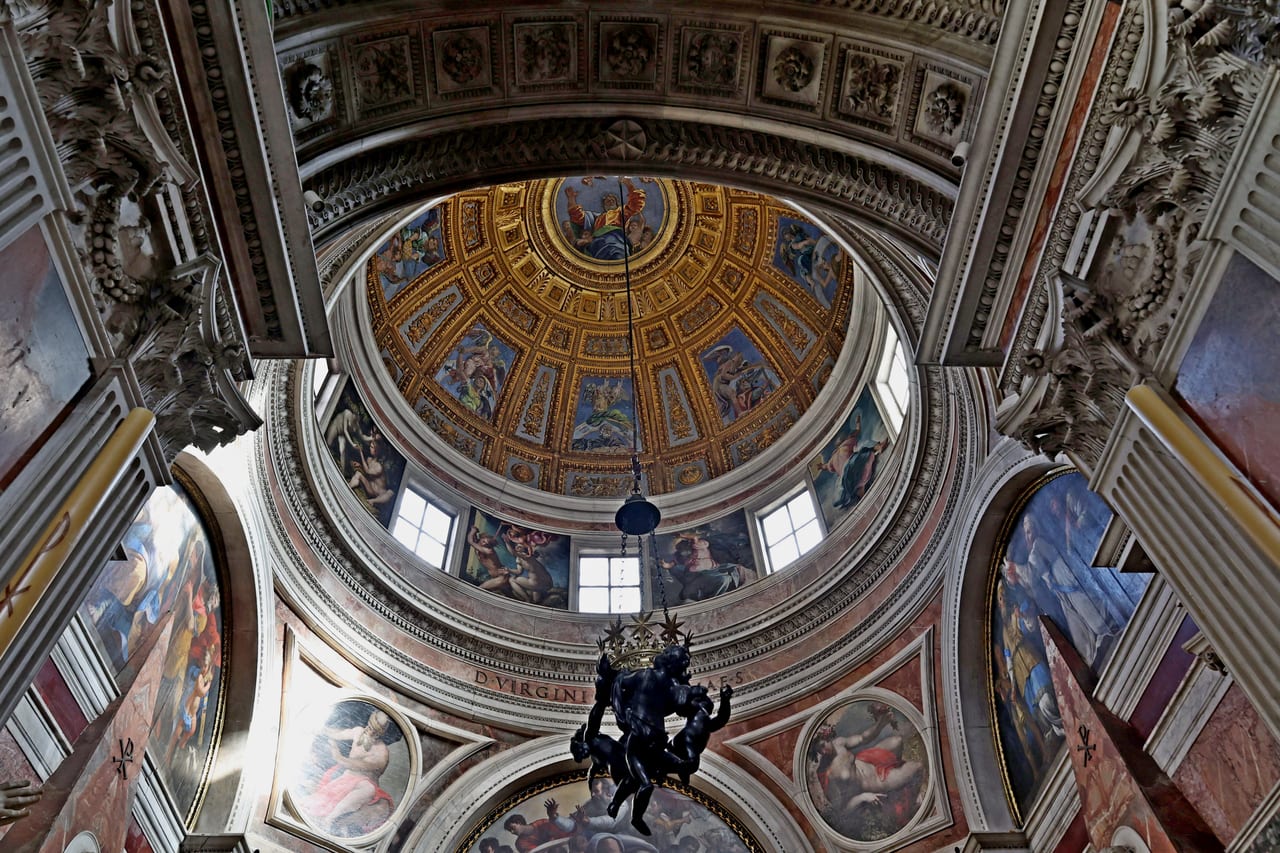
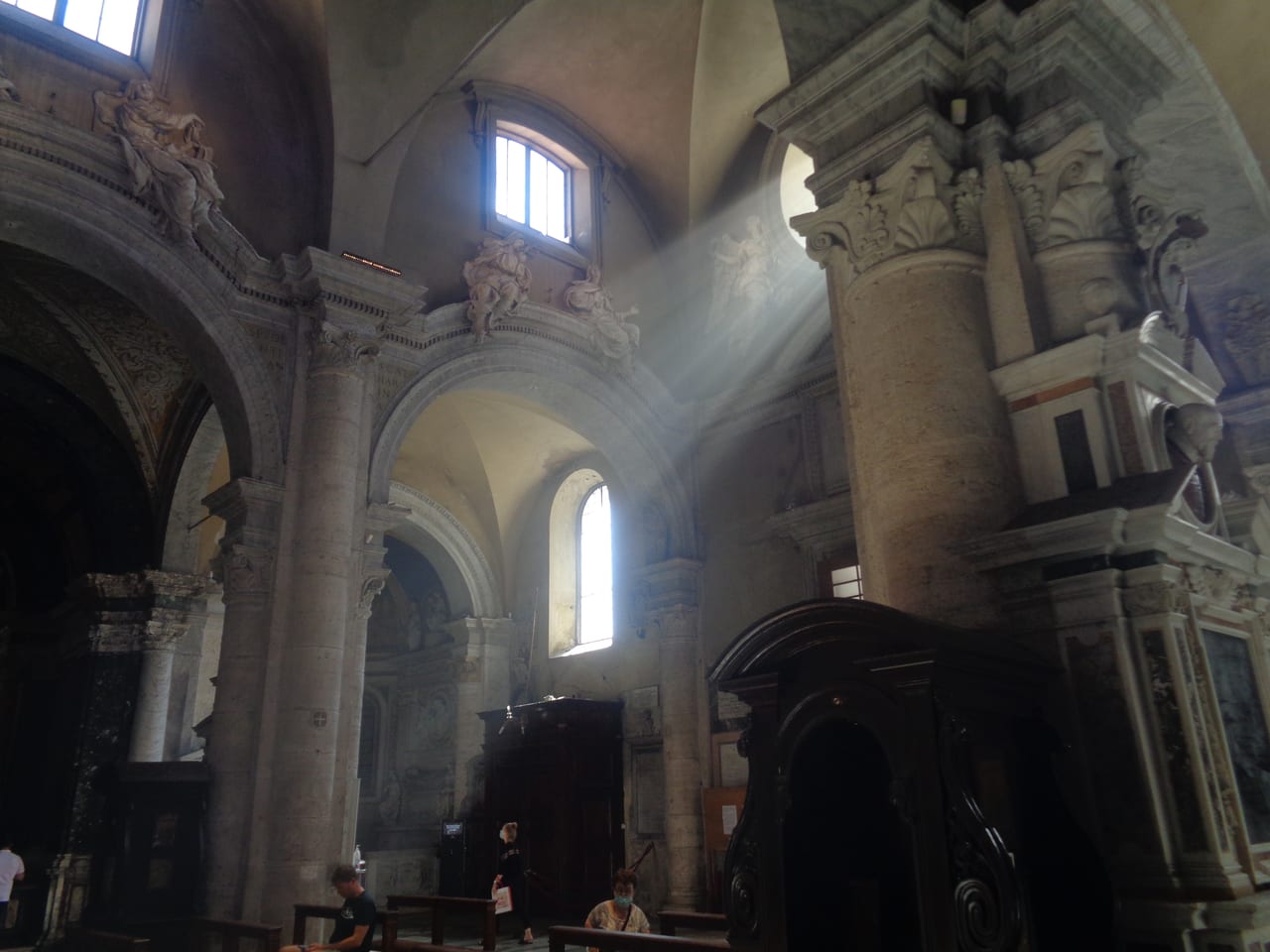
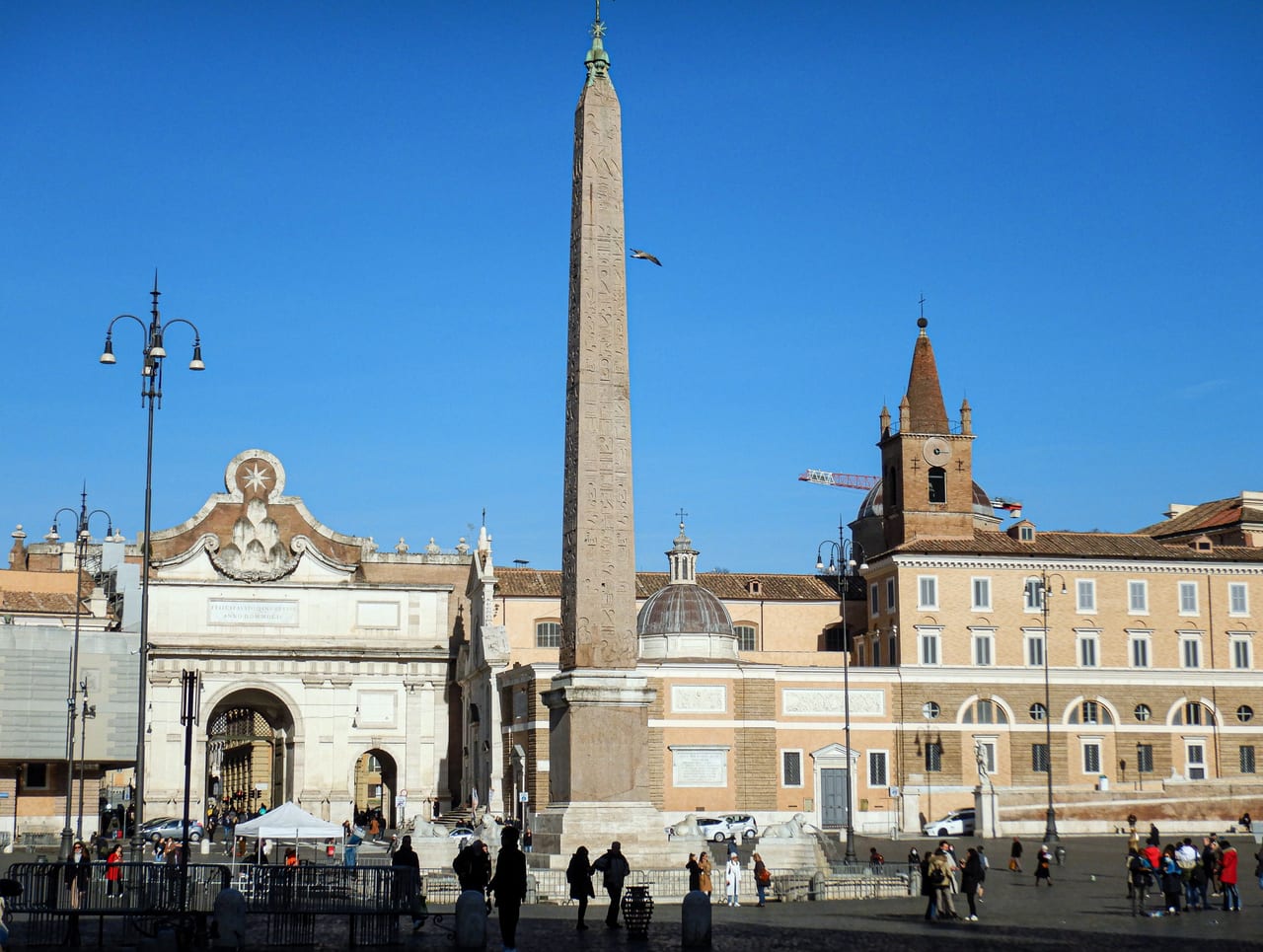
DirectionsFew Roman interiors gather works attributed to Raphael, Gian Lorenzo Bernini, Caravaggio, Pinturicchio, Bramante and Algardi within a building first raised in 1099.
Photograph 1 of 12 of Santa Maria del Popolo
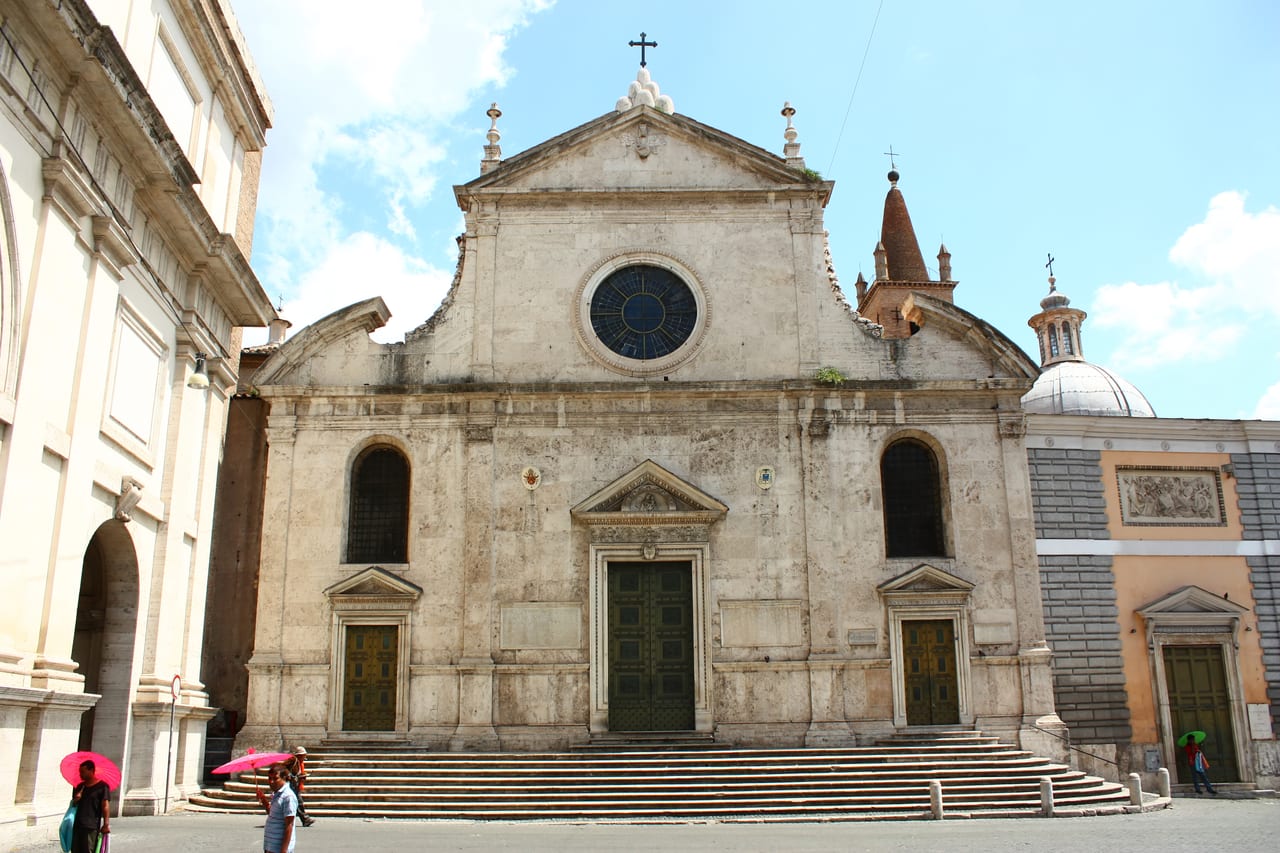
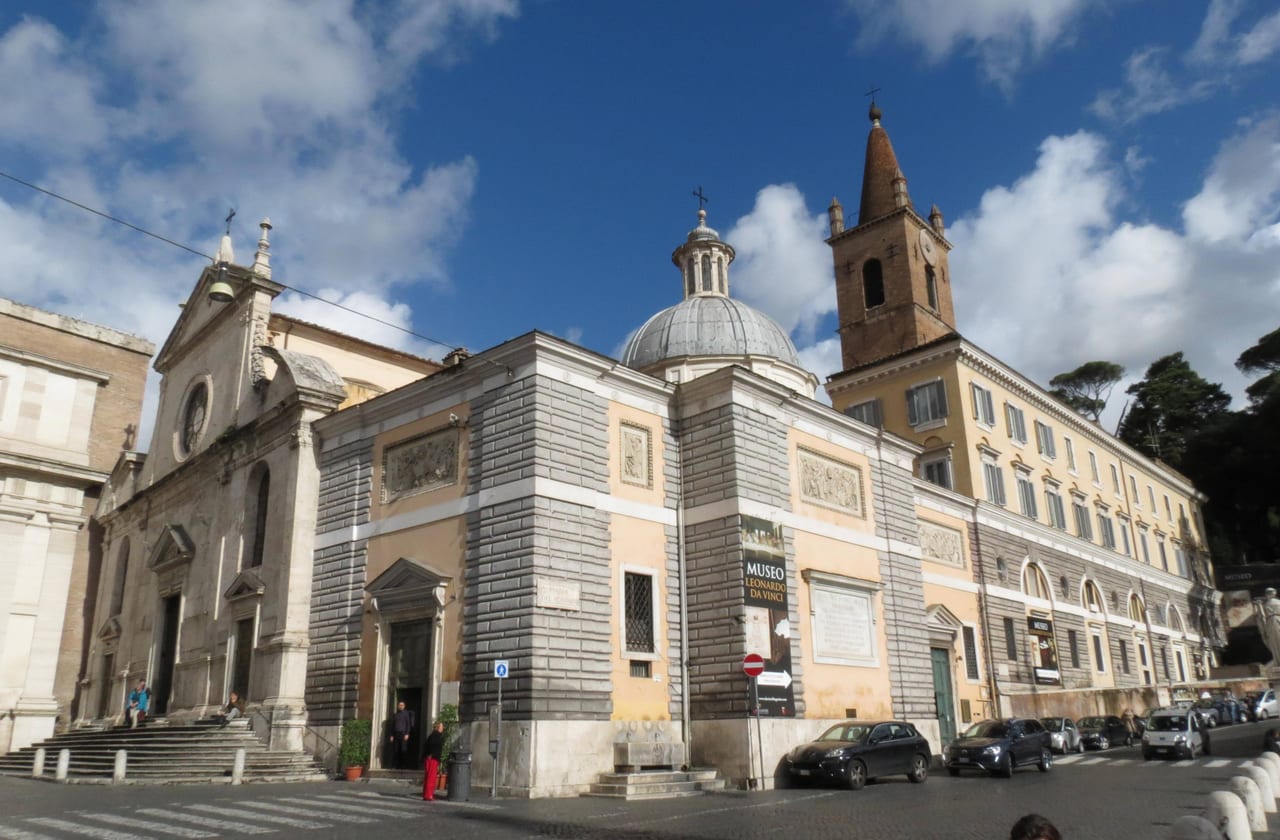
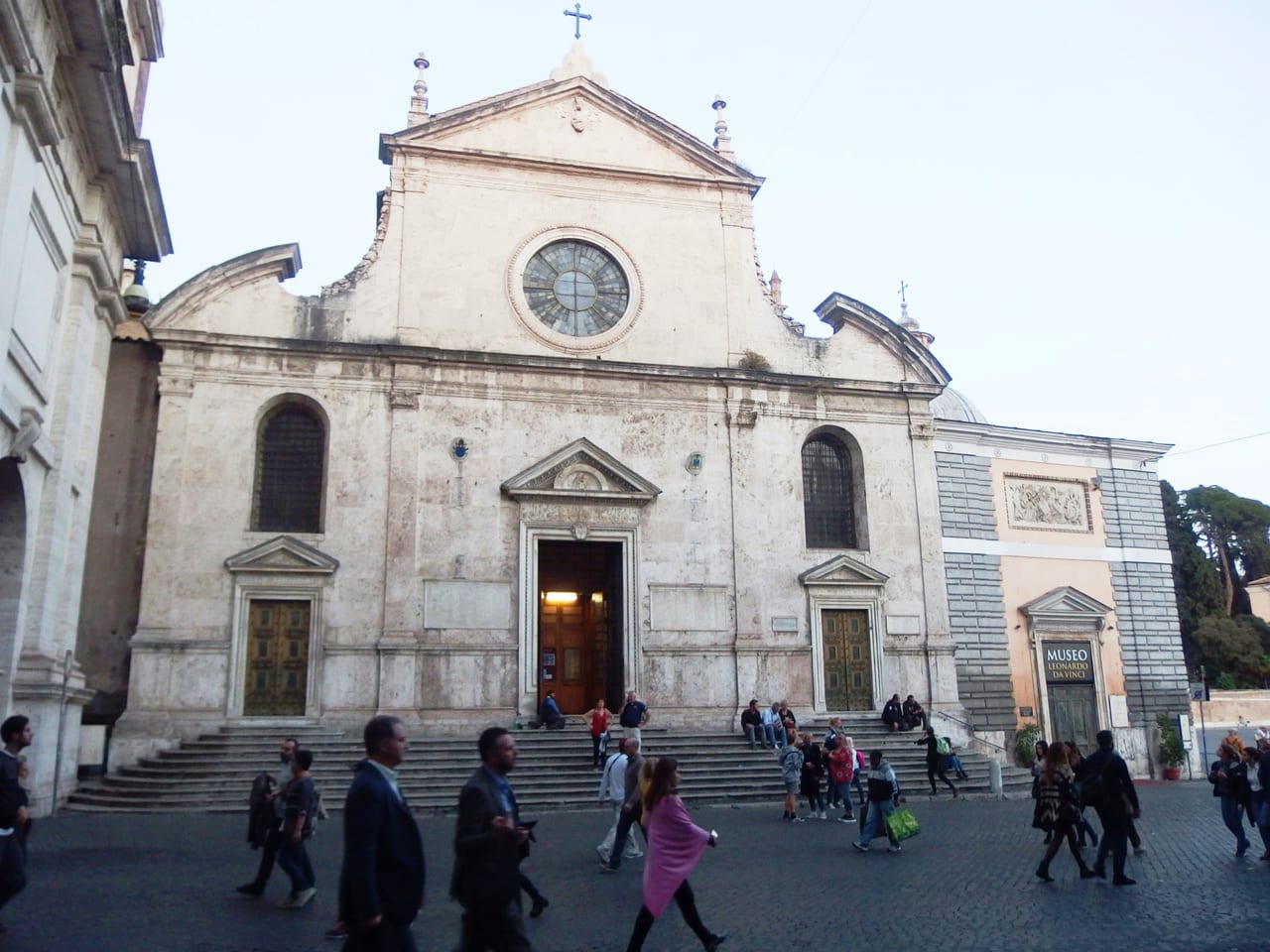
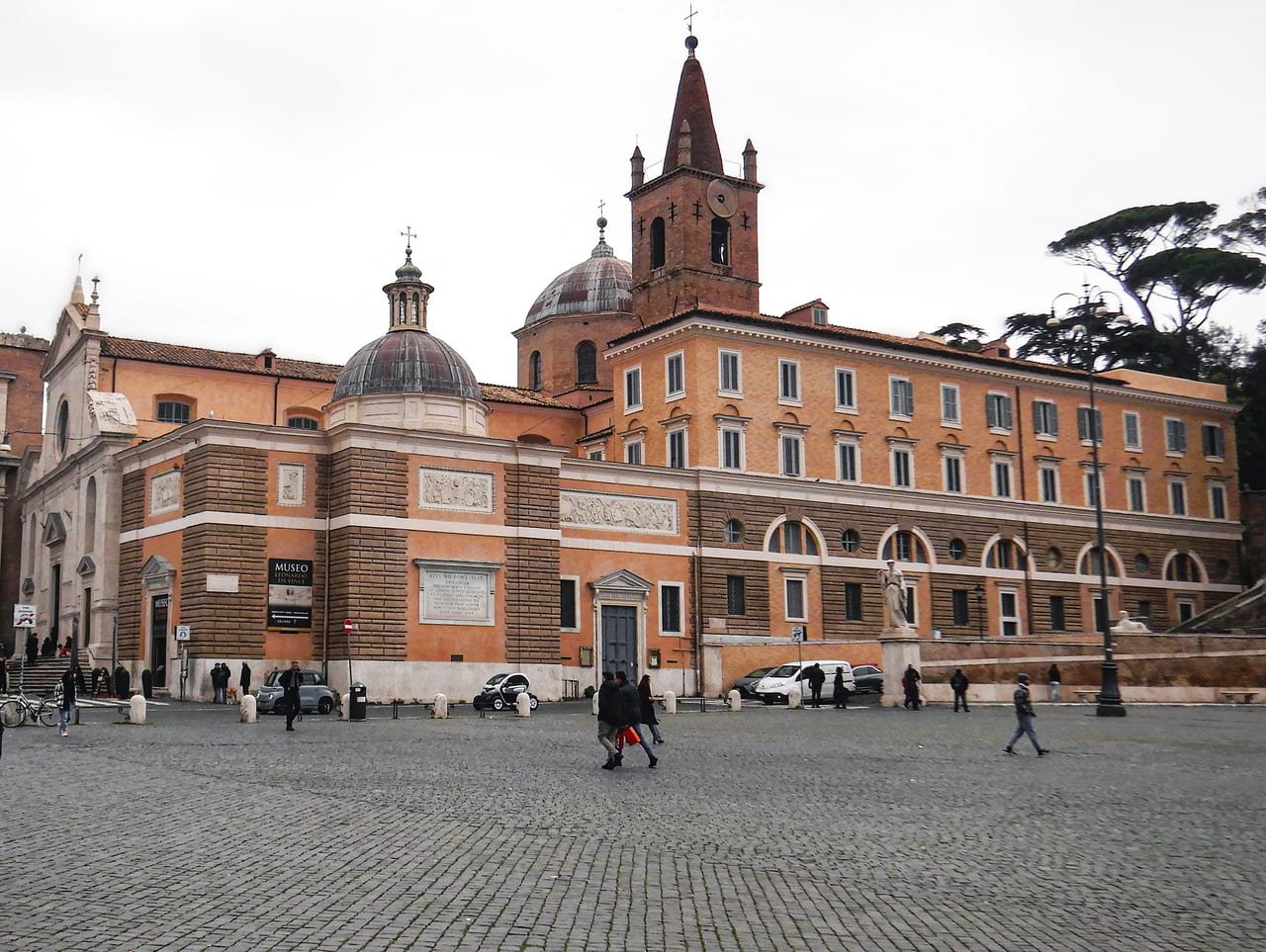
Its origin is wrapped in a medieval cleansing legend: Pope Paschal II supposedly exorcised demons from a walnut tree growing over Nero’s alleged burial place, then consecrated a chapel there. The story’s factual basis is weak, but the site’s early purpose was probably to secure the road beyond Porta Flaminia, an area troubled by bandits. The name “del Popolo” most likely refers to the rural parish that formed around the chapel. The Augustinians took charge in the mid-13th century; their order’s union was confirmed in 1244, and a major chapter met here in 1256. Pope Sixtus IV ordered a complete rebuilding in 1472–77: a three-aisled Latin-cross plan, four chapels on each side, an octagonal dome and a Lombard-style bell tower. The project is often attributed to Baccio Pontelli, though the attribution remains disputed. Julius II added Bramante’s spacious choir in 1505–10, turning the basilica into a Della Rovere dynastic monument. Its Marian icon drew pilgrims, while papal ceremonies, diplomatic proclamations and notable burials reinforced its political and religious stature.
At a glance
- Built
- 1099
- Architect
- Baccio Pontelli
- Style
- Renaissance architecture
- Heritage
- Italian national heritage
Ways to explore Santa Maria del Popolo
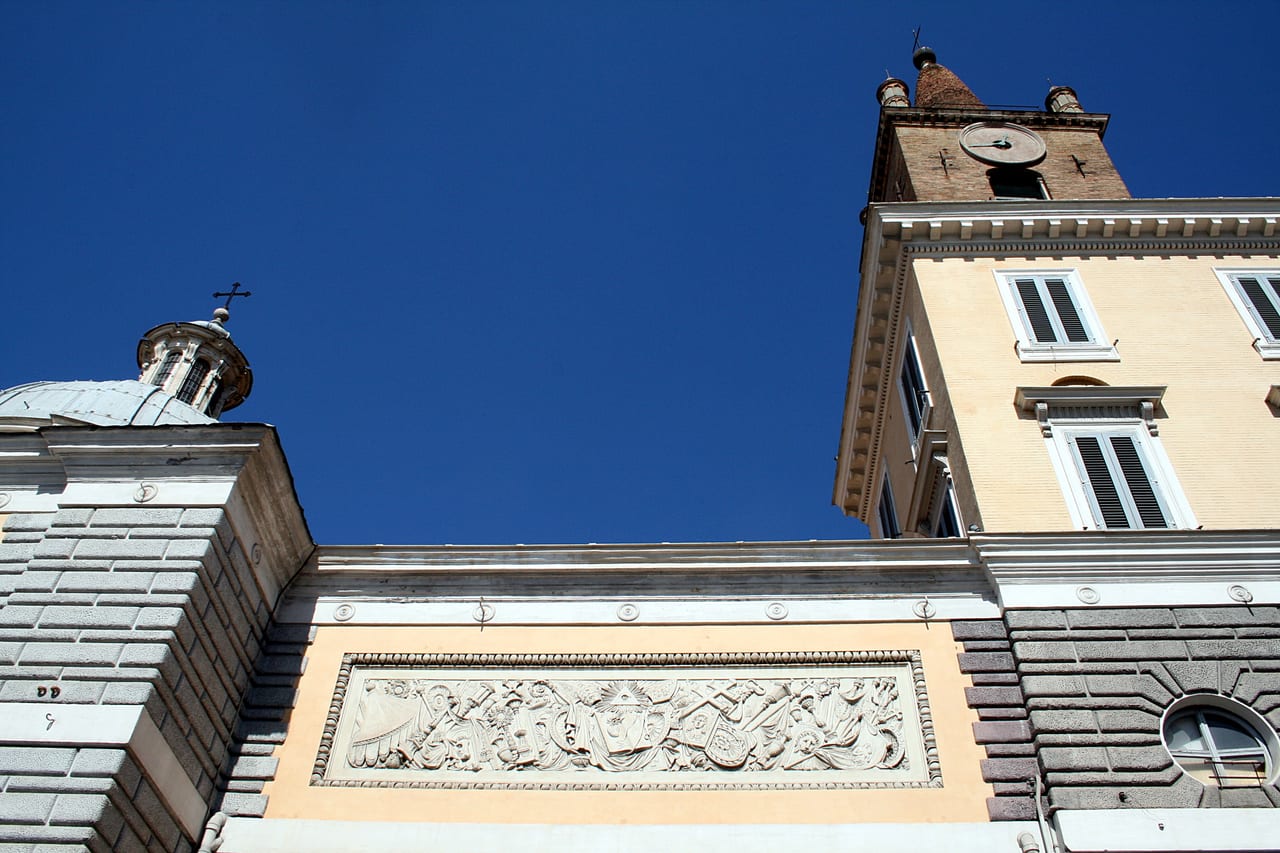
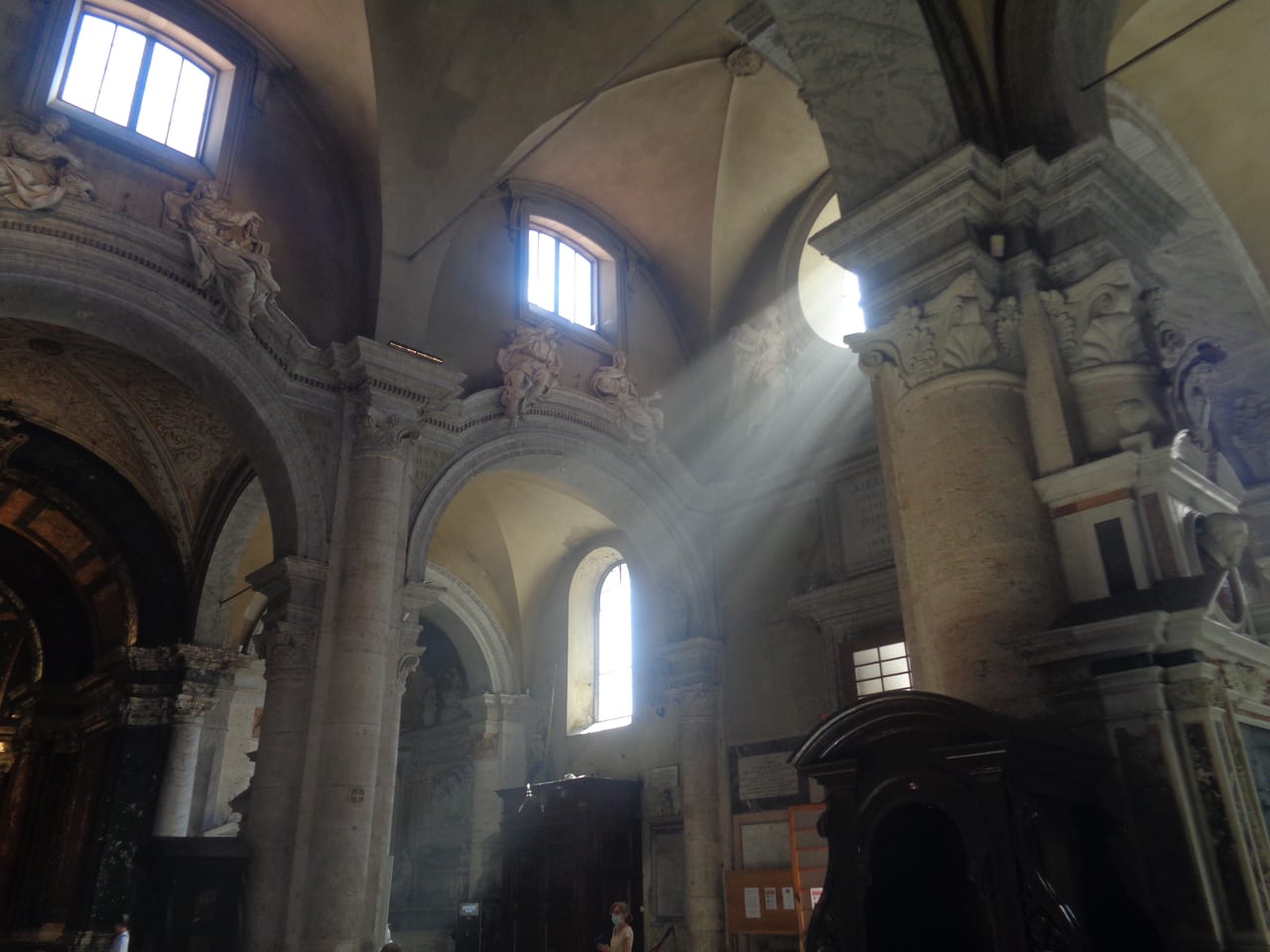
Start with the façade’s paired 1477 inscriptions, then compare its restrained exterior with the layered interior. Visitors can examine the octagonal dome and follow the Latin-cross plan toward the choir. In the choir, examine Pinturicchio’s sail-vault frescoes, Guillaume de Marcillat’s stained glass and Andrea Sansovino’s monumental tombs. Visitors can find Raphael’s Chigi Chapel, the Madonna del Popolo, the marble Coronation of the Virgin in the sacristy corridor and the family monuments in the transept. The church rewards a slow circuit rather than a single central viewpoint.
Places to stay near Santa Maria del Popolo

Live availability and prices from Stay22's partners, refreshed periodically and subject to change. Booking through these links may earn us a commission at no extra cost to you. See our privacy policy.
Cafés near Santa Maria del Popolo
Cafés near Santa Maria del Popolo loads as you scroll.
Attractions nearby
Attractions near Santa Maria del Popolo loads as you scroll.
Cities nearby
Cities nearby loads as you scroll.
More in Rome
See more of Rome.
Find great cafés, places to stay and other interesting places to visit in Rome.