Church · Rome
Santa Costanza
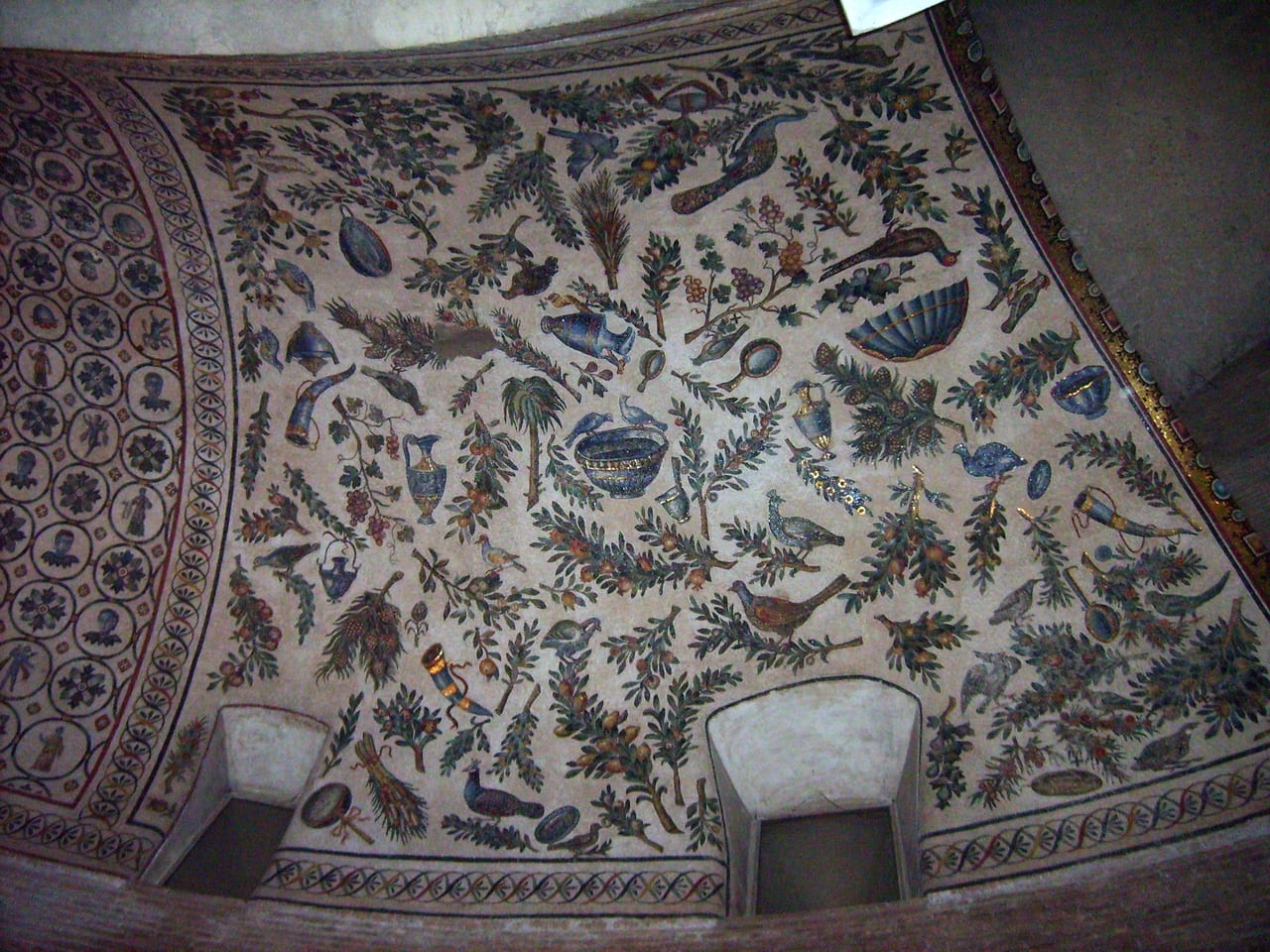
DirectionsSanta Costanza retains Rome’s oldest surviving monumental Christian mosaics, dated to around 360, where imperial imagery and traditional vine-harvest motifs acquired new religious meanings.
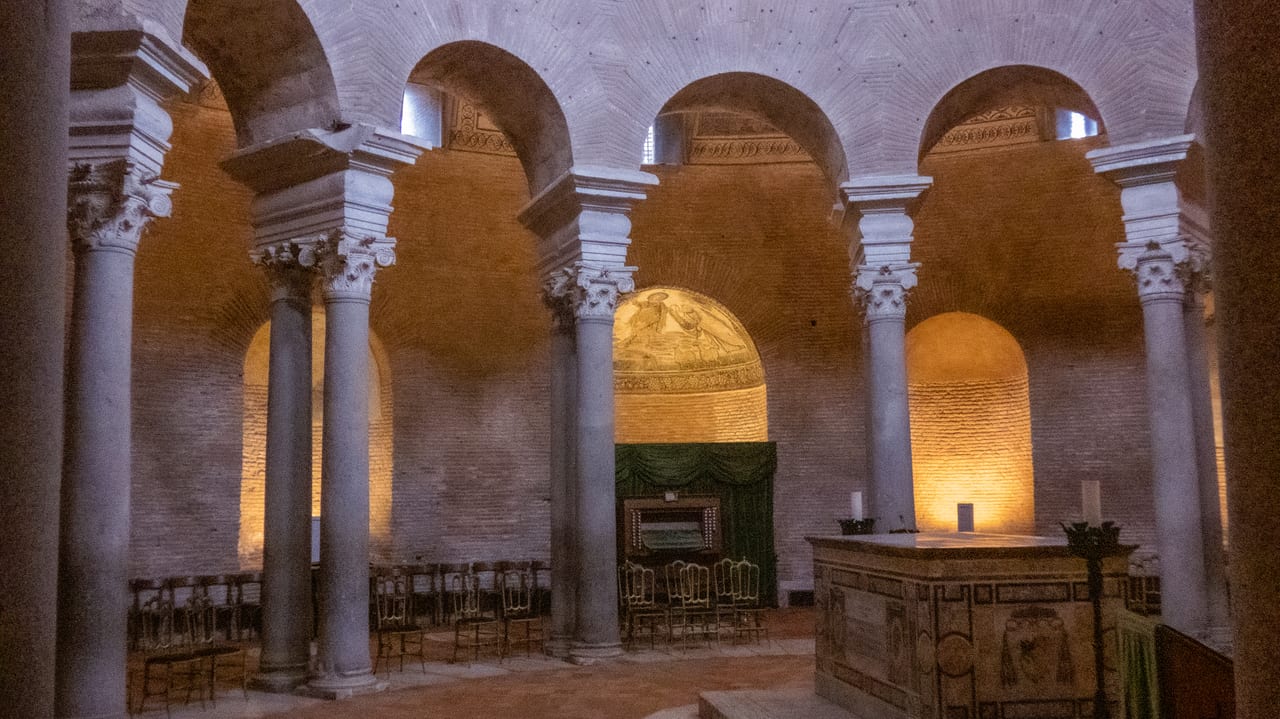
Photograph 1 of 5 of Santa Costanza
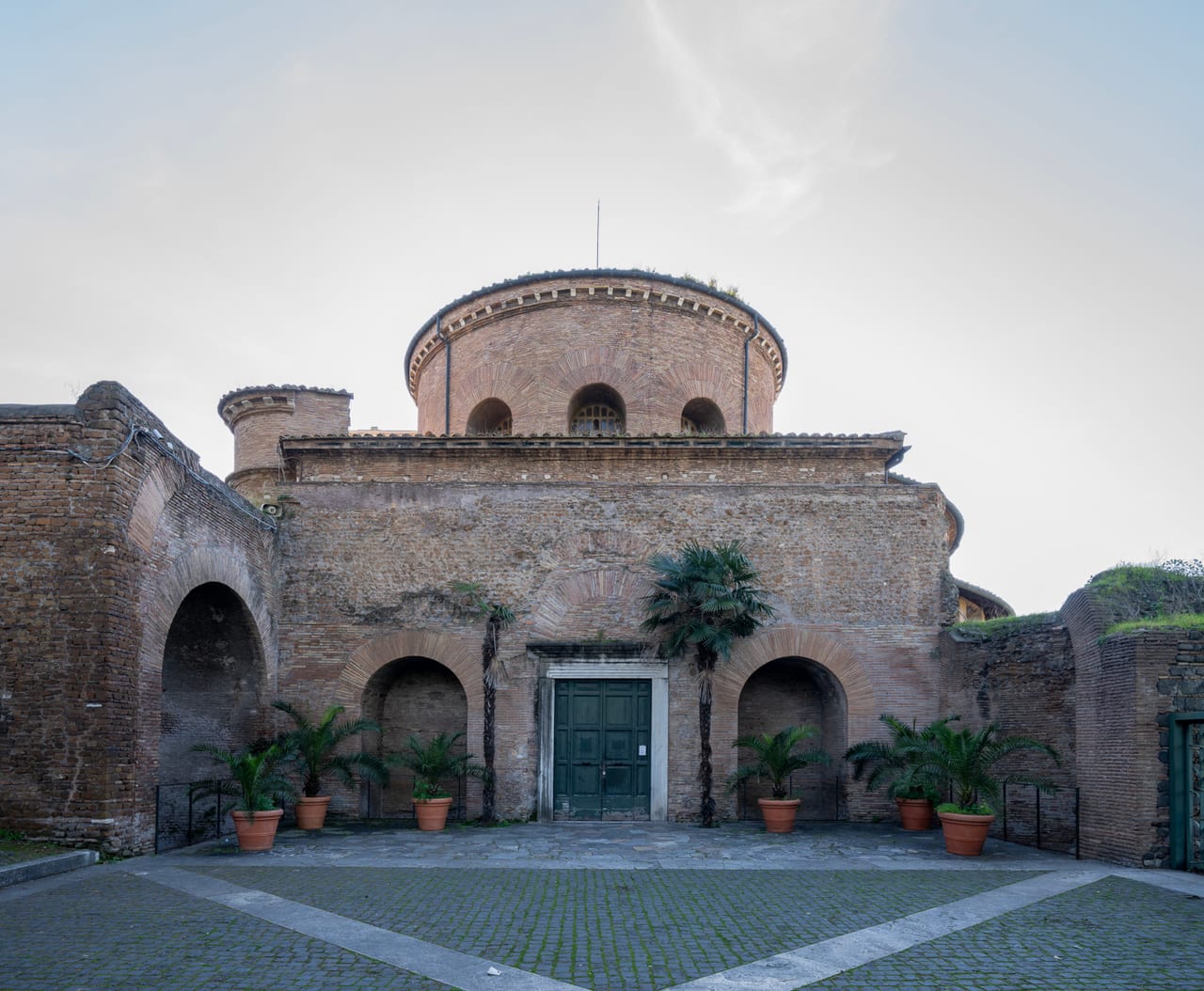
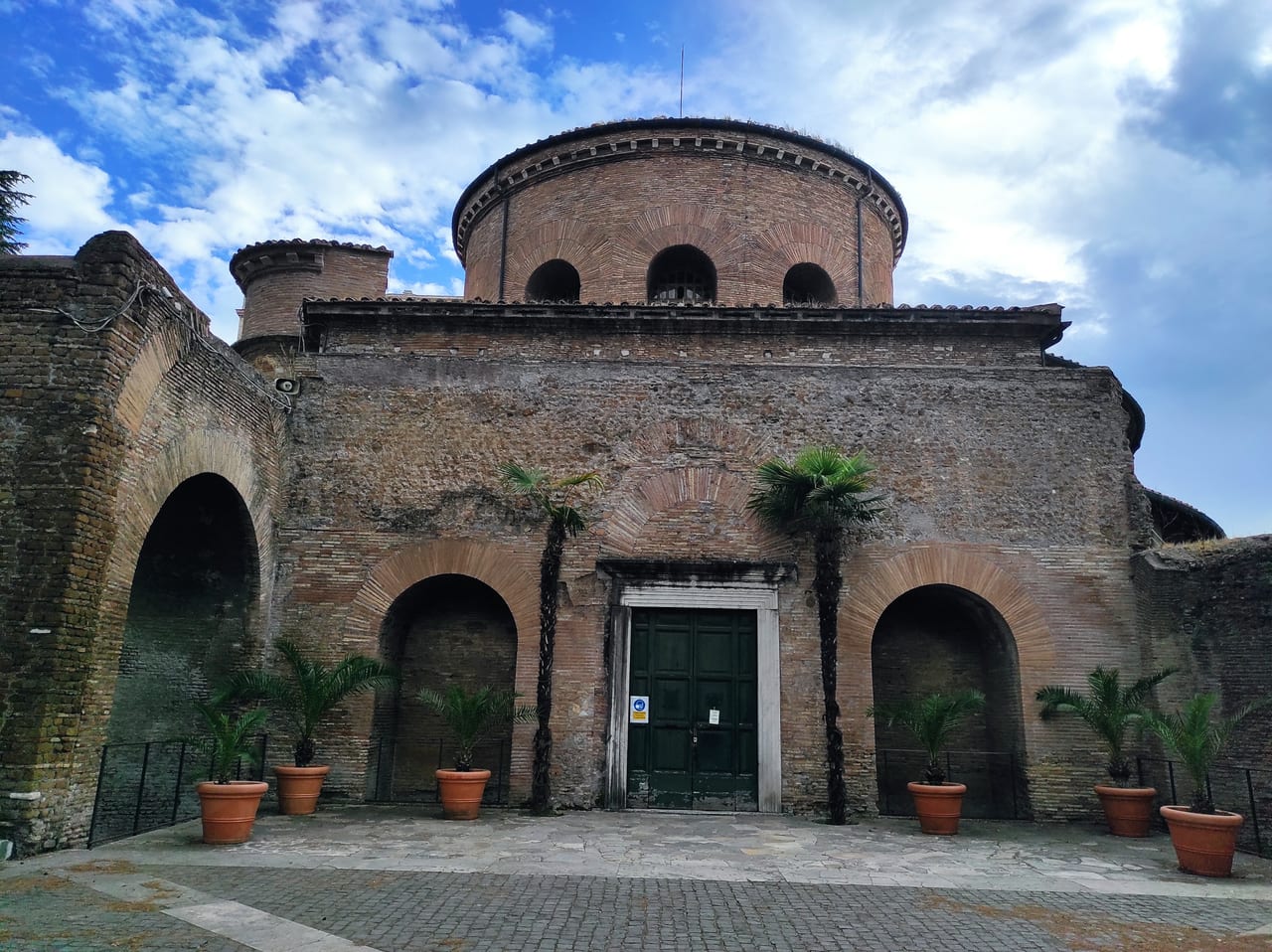
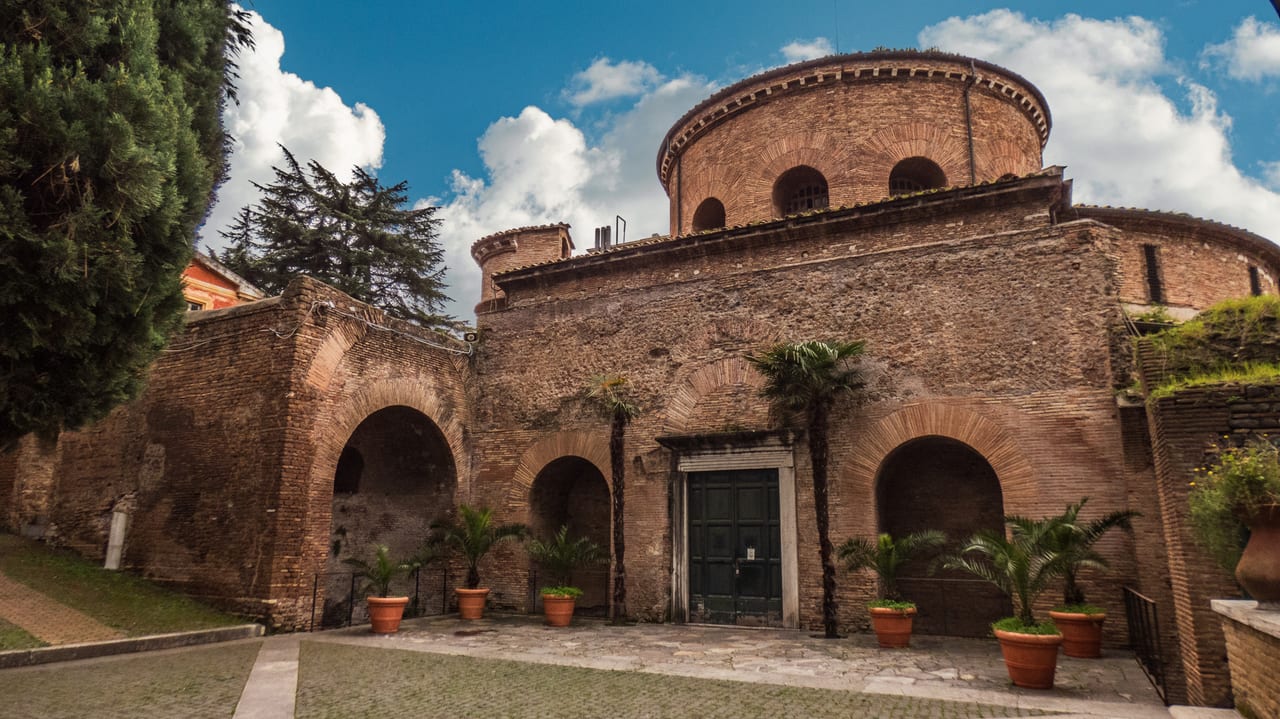
Costanza, daughter of Constantine I, commissioned the mausoleum between 340 and 345 beside the Constantinian basilica and near Saint Agnes’s burial, to whom she was devoted. She and her sister Helena, wife of Emperor Flavius Claudius Julianus, were buried here. The medieval name Santa Costanza arose when Costantina came to be venerated as a saint. Originally imperial property rather than ecclesiastical, the building later functioned as the basilica’s baptistery before Pope Alexander IV made it an autonomous church in 1254. Renaissance architects admired its spatial clarity and preservation; the surviving harvest imagery also caused a long-lived misidentification as a temple of Bacchus. The circular plan centres on a domed room lit by twelve arched windows. Twelve pairs of reused composite-column capitals form a ring beneath the dome, separating the interior from a barrel-vaulted ambulatory. A vanished outer ring once surrounded it. The thick exterior wall contains niches, including one that held Costanza’s porphyry sarcophagus, now in the Vatican Museums. A later baptistery phase added a narthex and font bases. The dome’s mosaics were destroyed around 1620, but drawings preserve their former river, biblical and ornamental programme. The ambulatory vault retains geometric, naturalistic and figural decoration, while the two niches contain Traditio legis and Traditio pacis scenes.
At a glance
- Heritage
- Italian national heritage
Ways to explore Santa Costanza
Begin with the ring of paired columns, then follow the ambulatory slowly to see how the barrel vault’s repeated panels change around the entrance and opposite opening. Look for peacocks, doves, fruiting branches, winged cupids and butterfly-winged figures among the decorative fields. In the two niches, examine Christ’s gestures toward Peter, the palms, the four paradisiacal rivers and the surrounding symbols. Notice the surviving baptistery foundations and the contrast between the bright central drum and the shaded passage.
Places to stay near Santa Costanza

Live availability and prices from Stay22's partners, refreshed periodically and subject to change. Booking through these links may earn us a commission at no extra cost to you. See our privacy policy.
Cafés near Santa Costanza
Cafés near Santa Costanza loads as you scroll.
Attractions nearby
Attractions near Santa Costanza loads as you scroll.
Cities nearby
Cities nearby loads as you scroll.
More in Rome
See more of Rome.
Find great cafés, places to stay and other interesting places to visit in Rome.