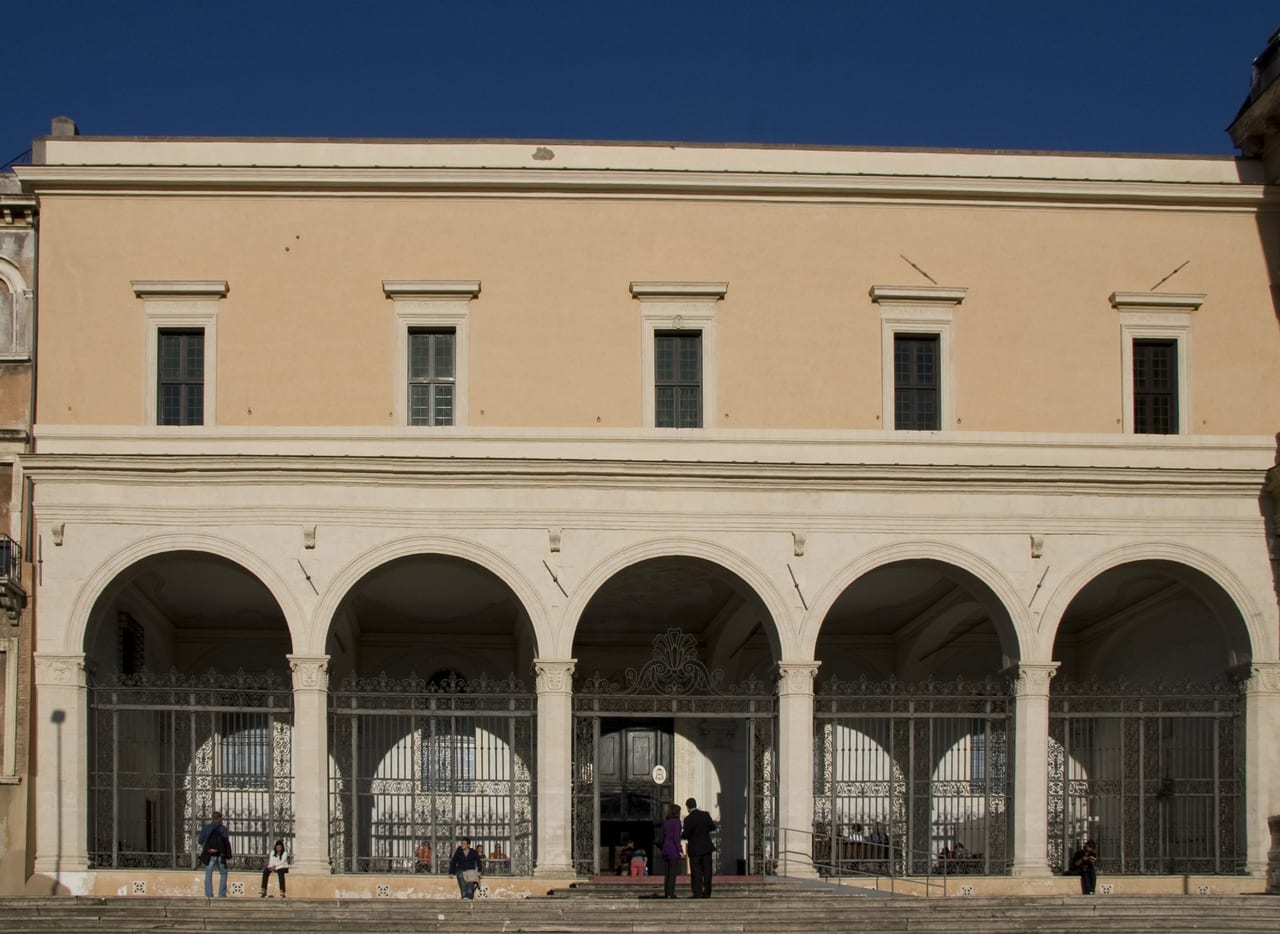
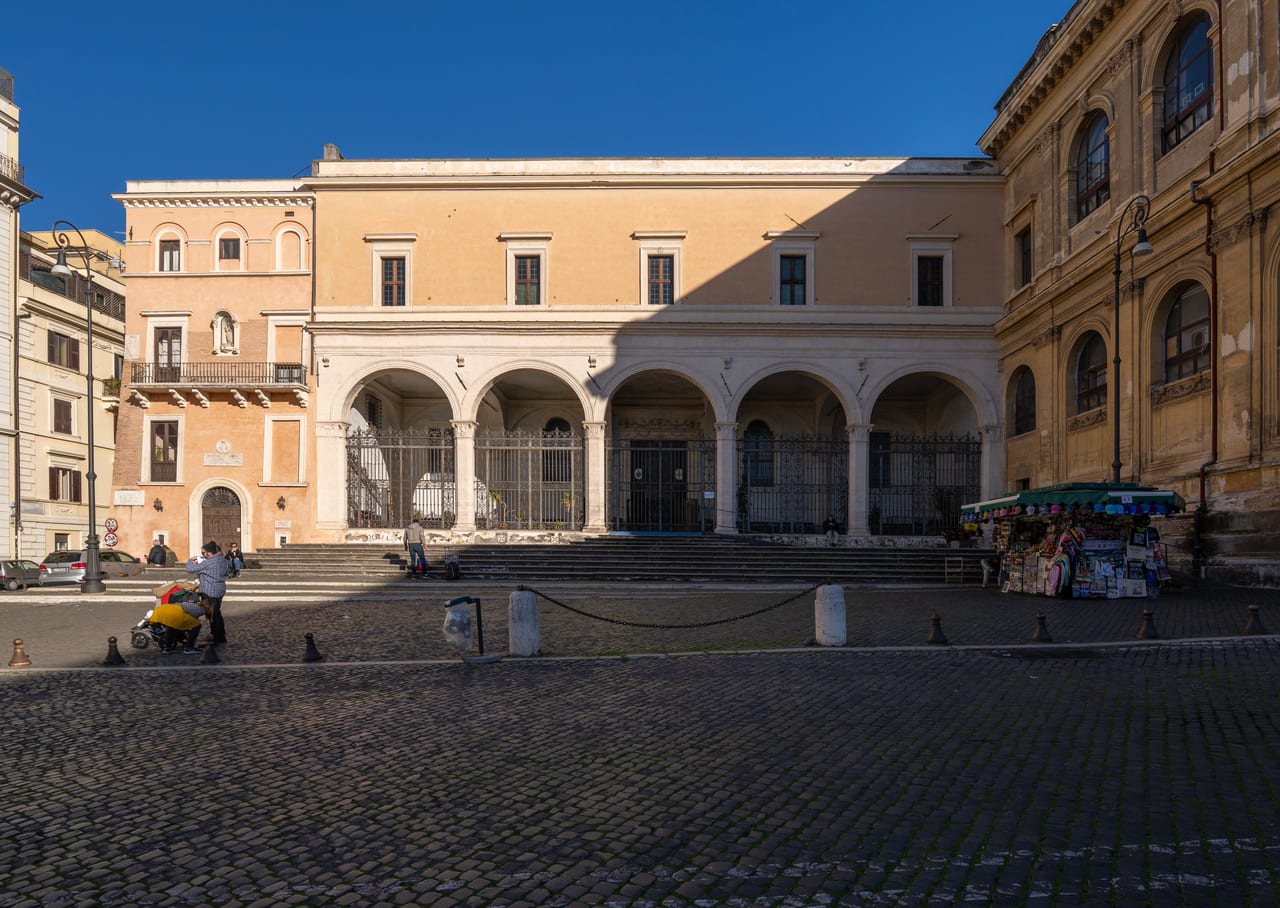
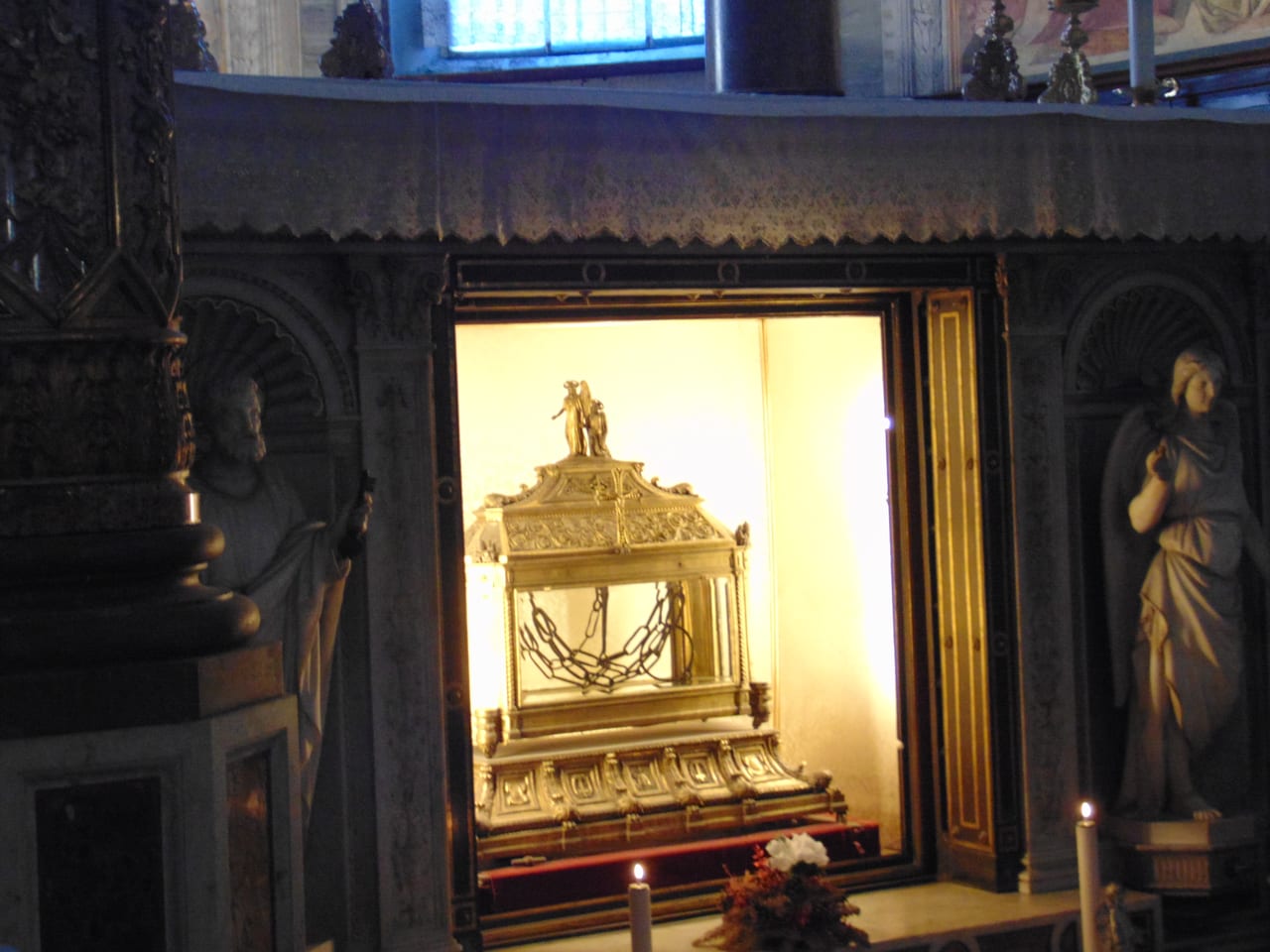
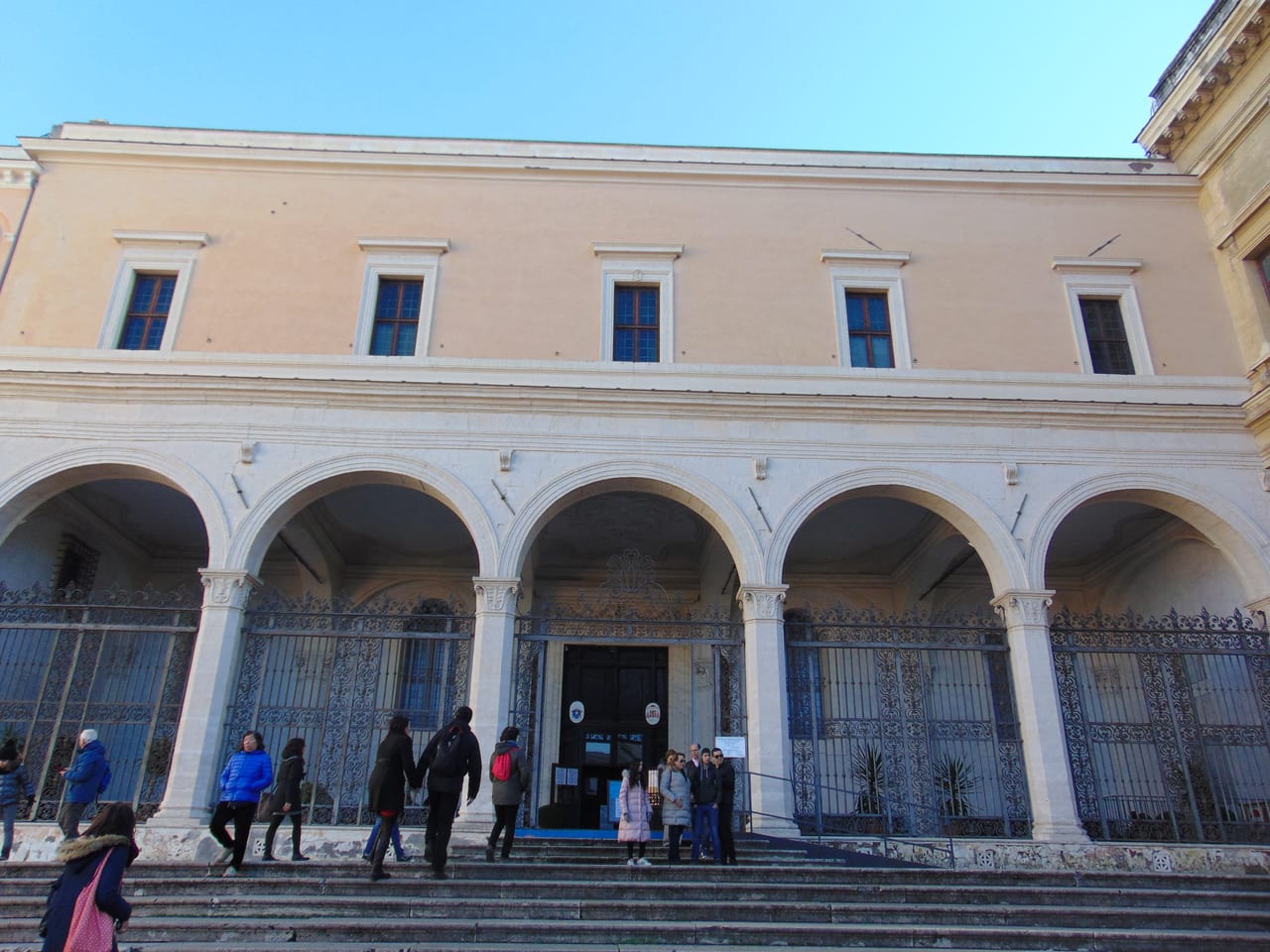
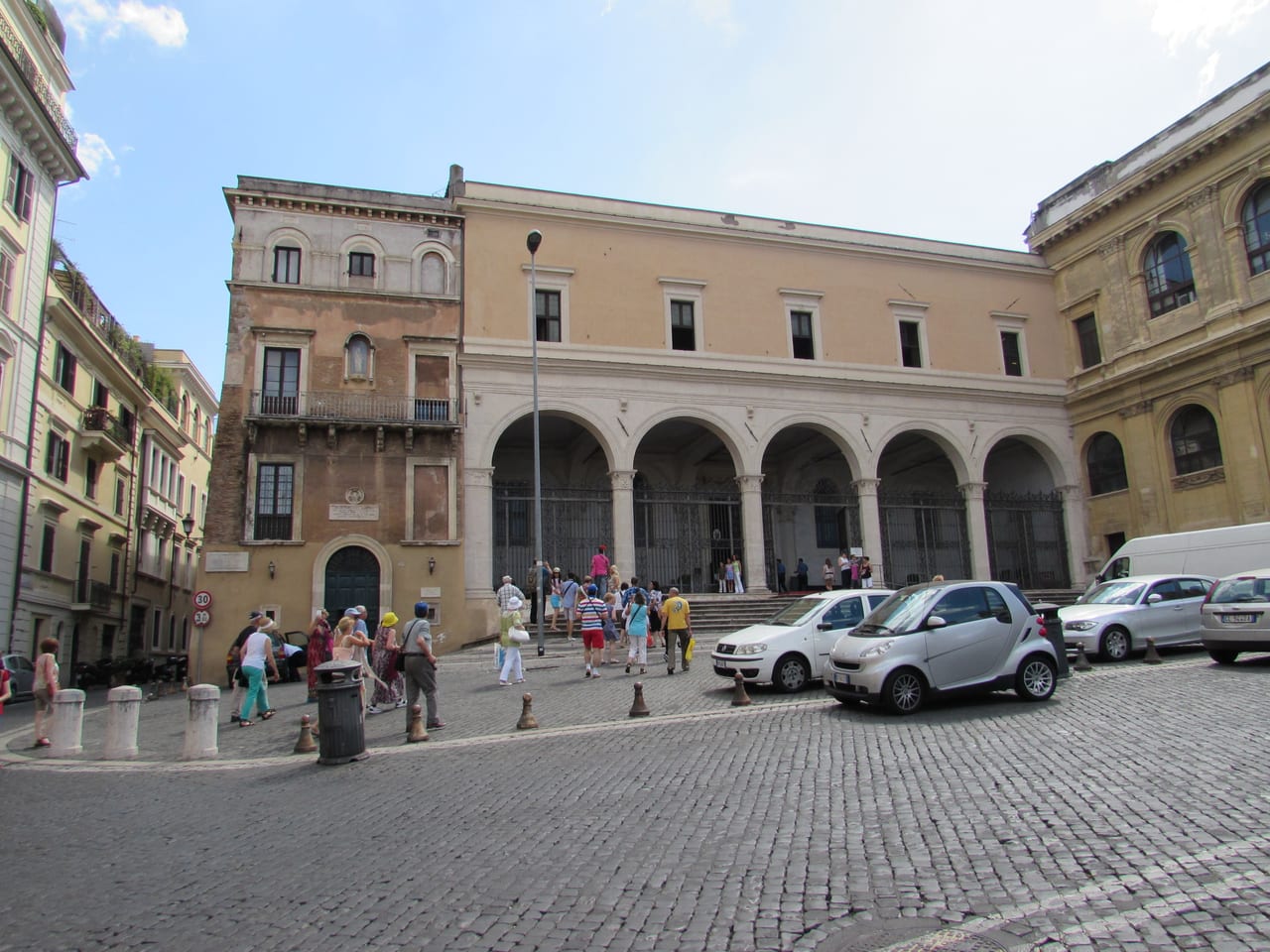
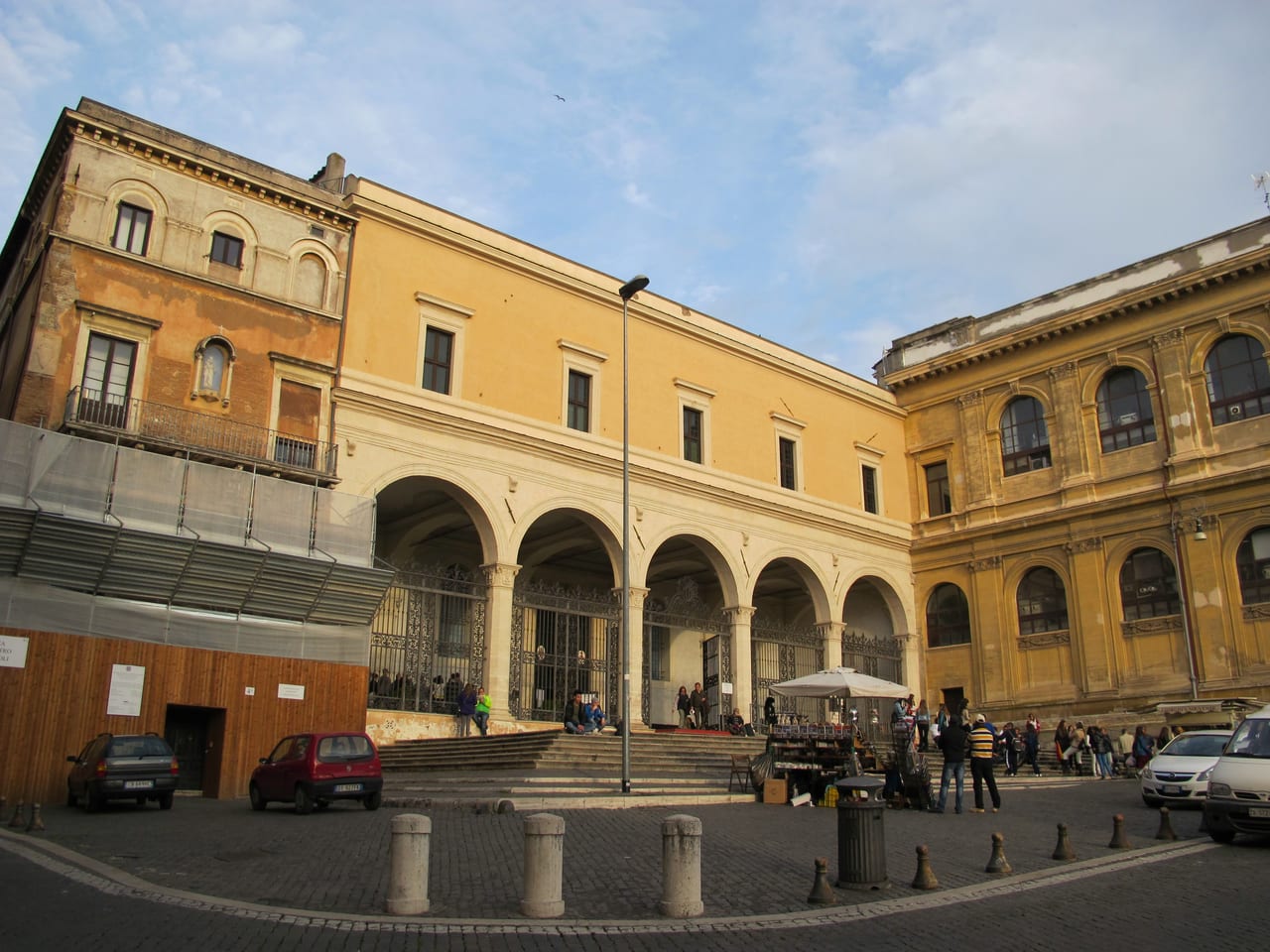
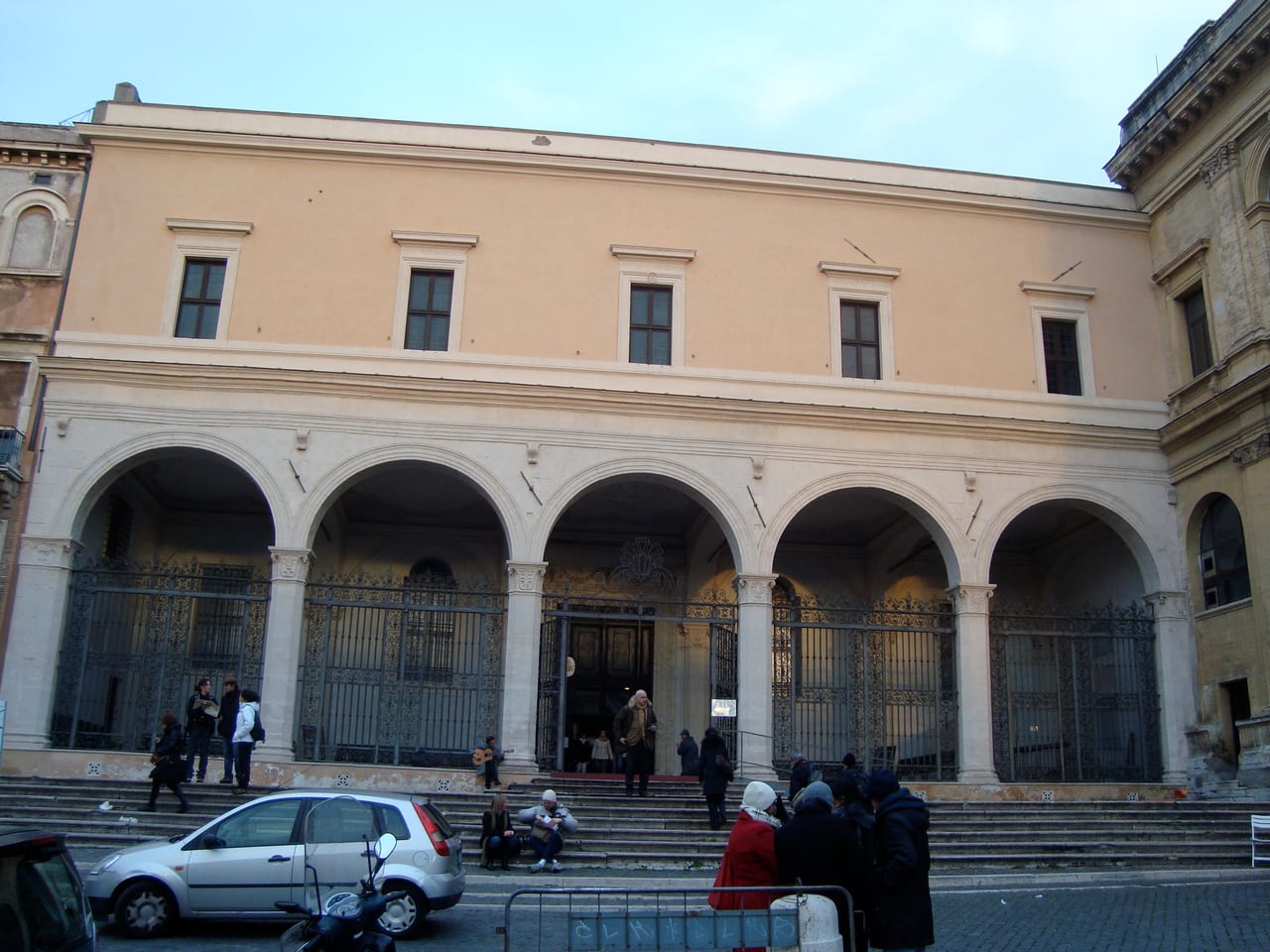
Photograph 1 of 35 of San Pietro in Vincoli
Church · Rome
Twenty original Doric columns in Greek marble divide the nave, probably removed from the nearby Portico of Livia and reused here.
Photograph 1 of 35 of San Pietro in Vincoli
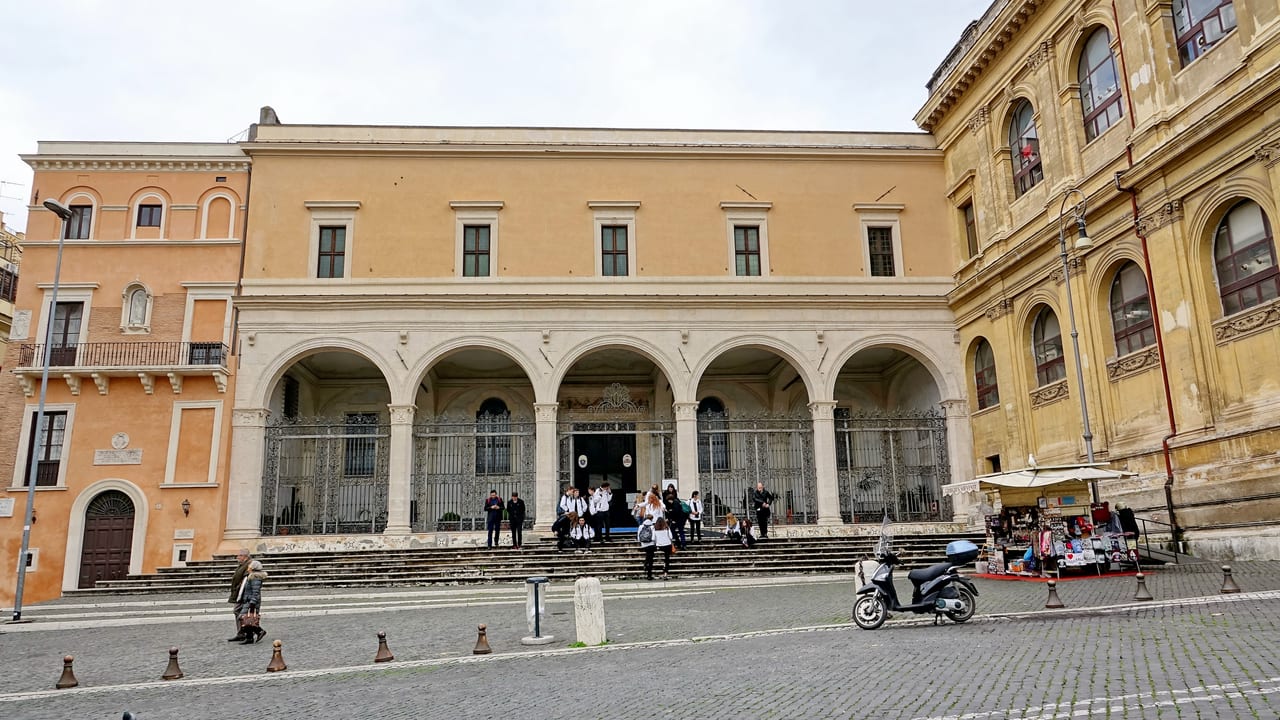
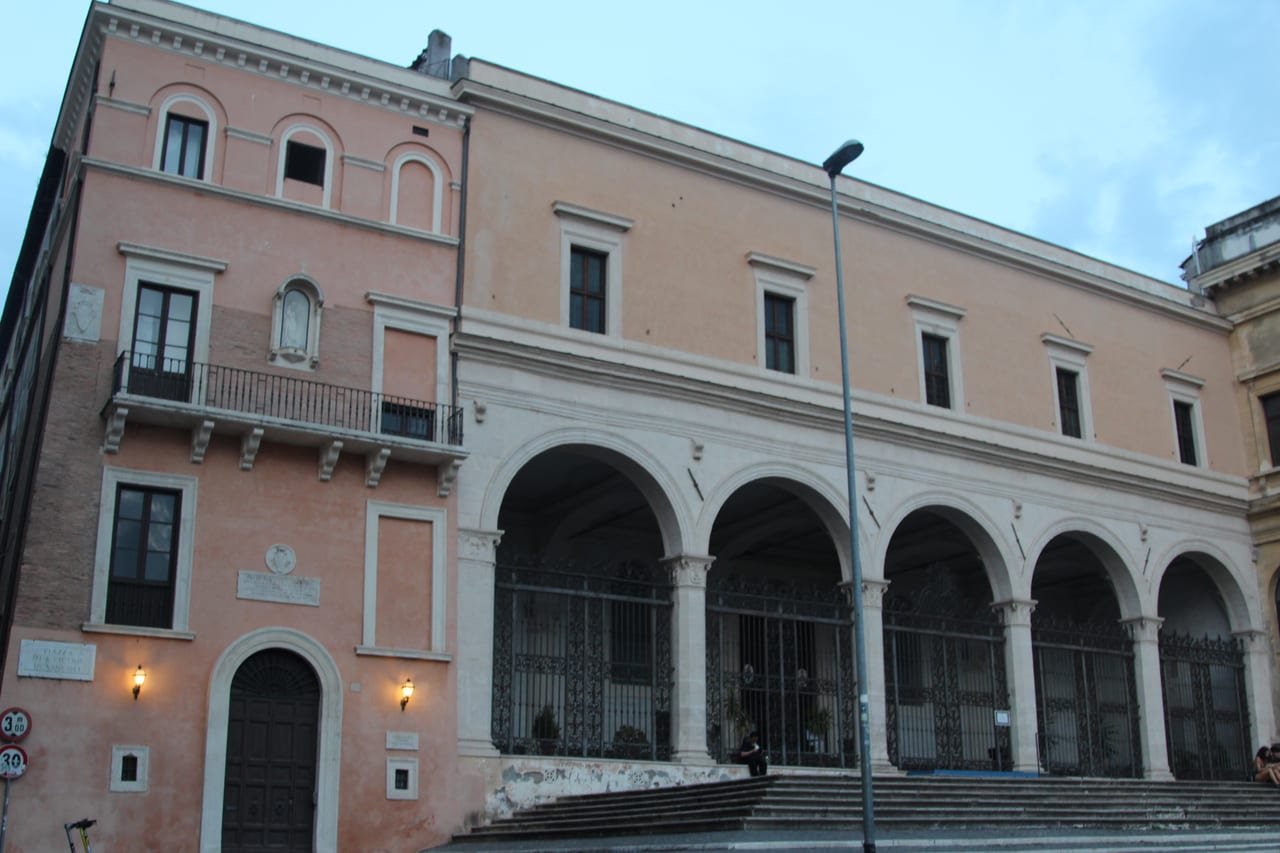
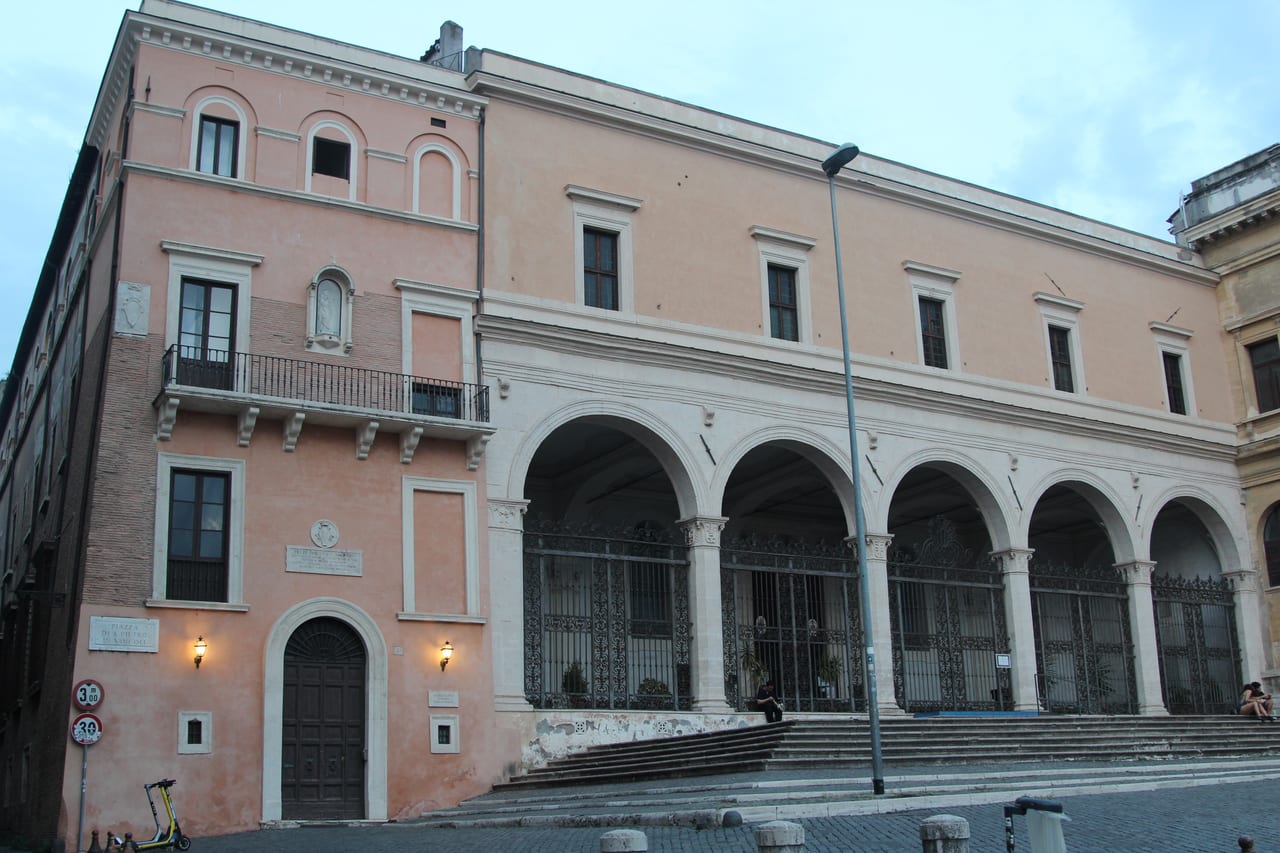
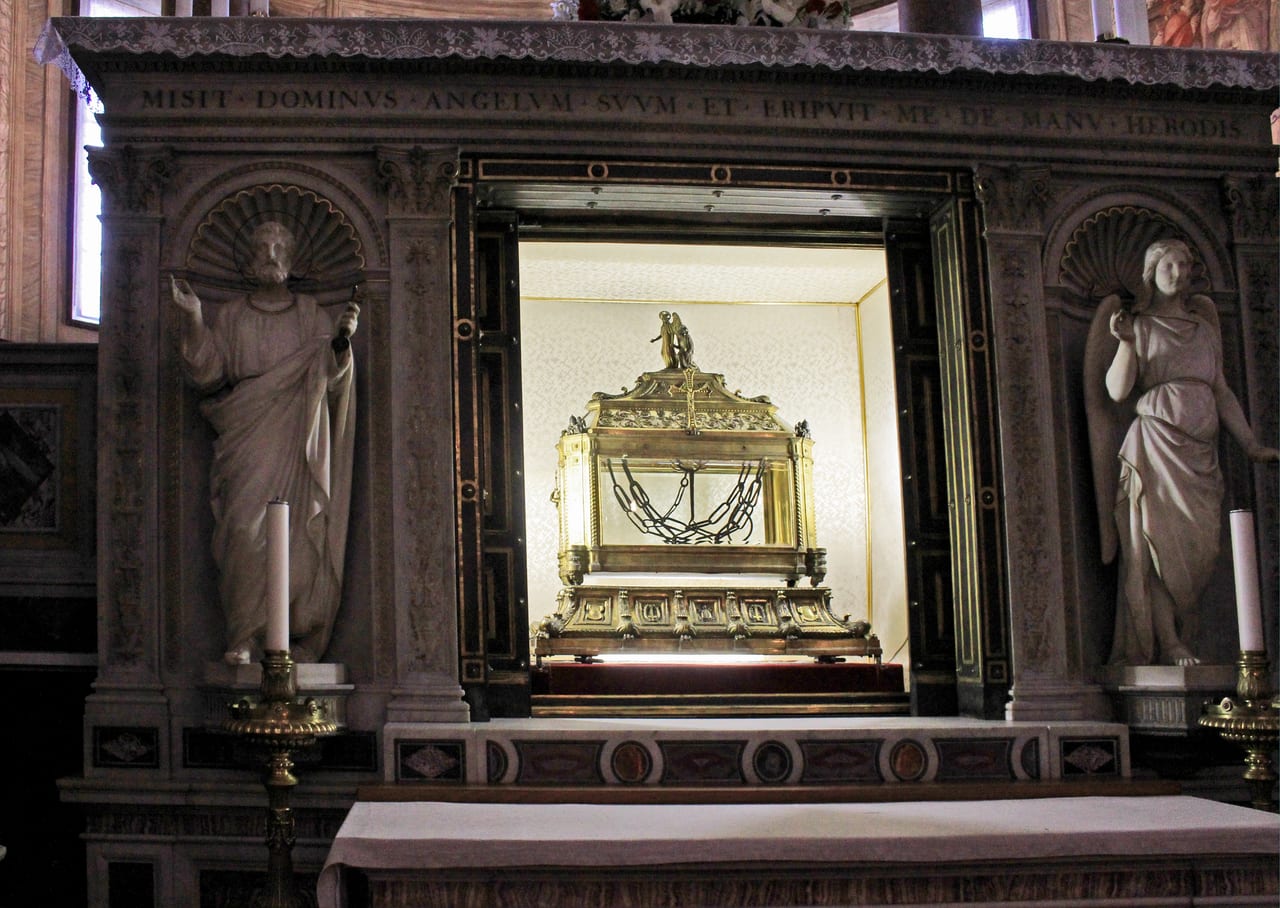
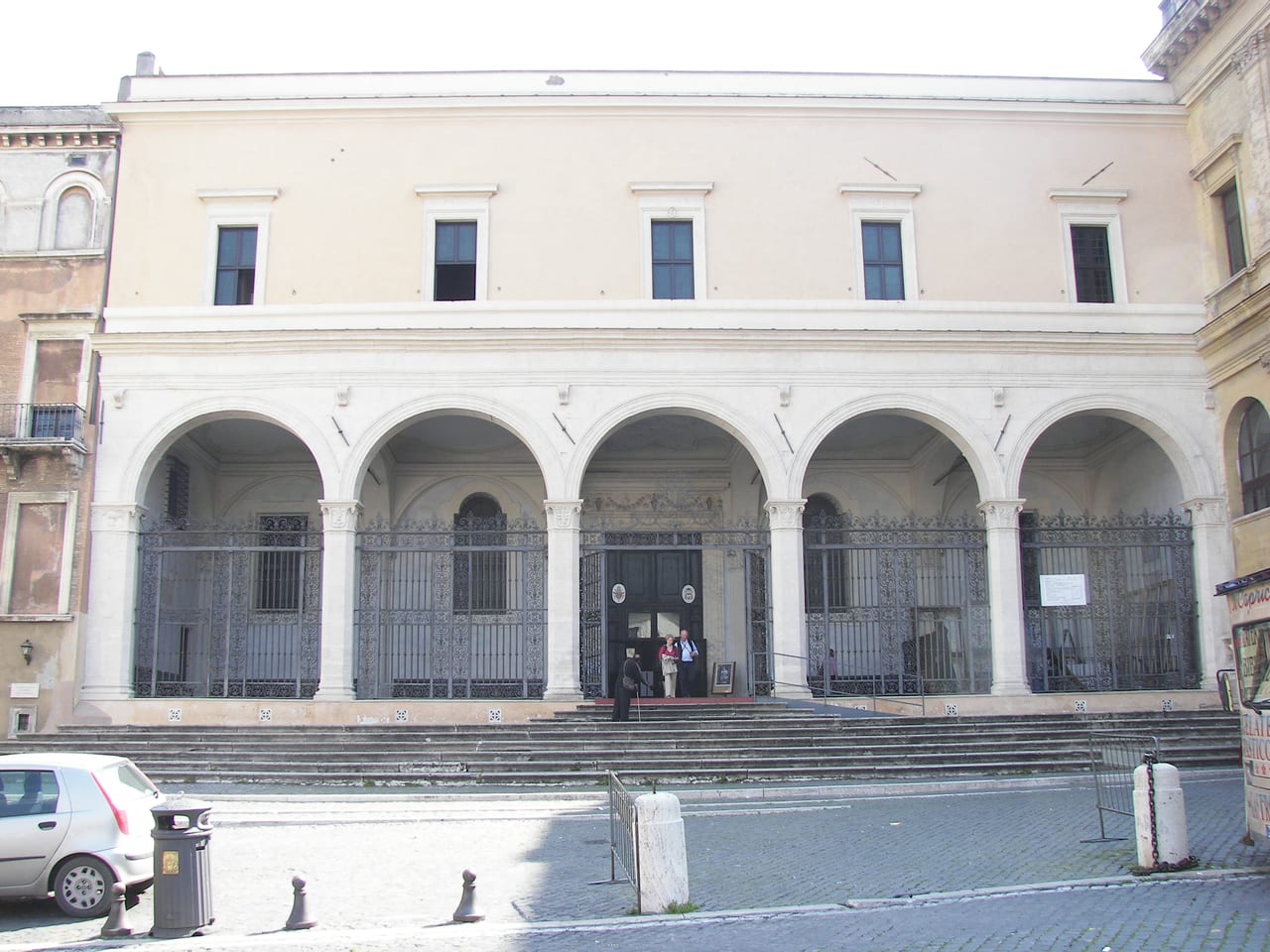
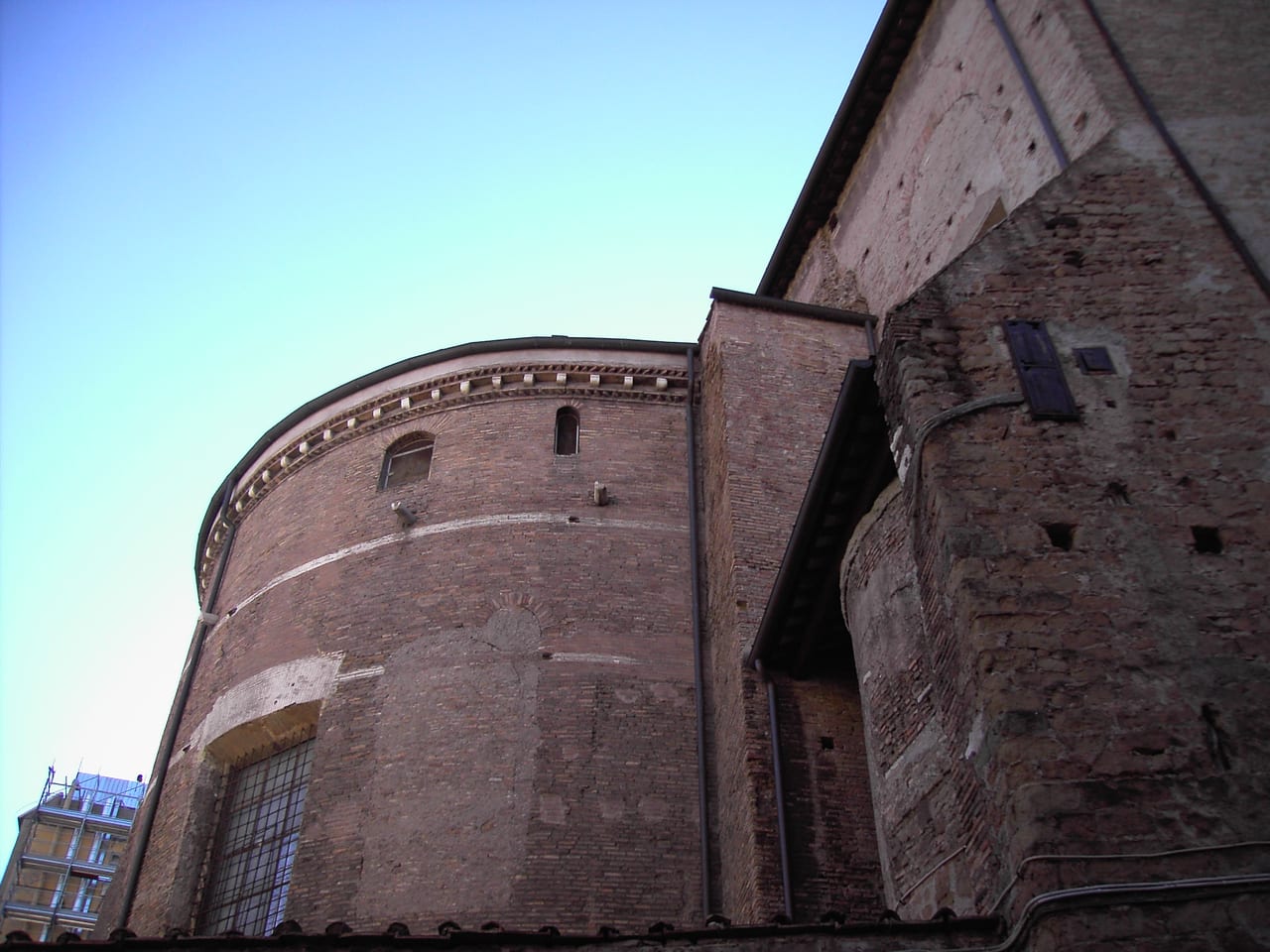
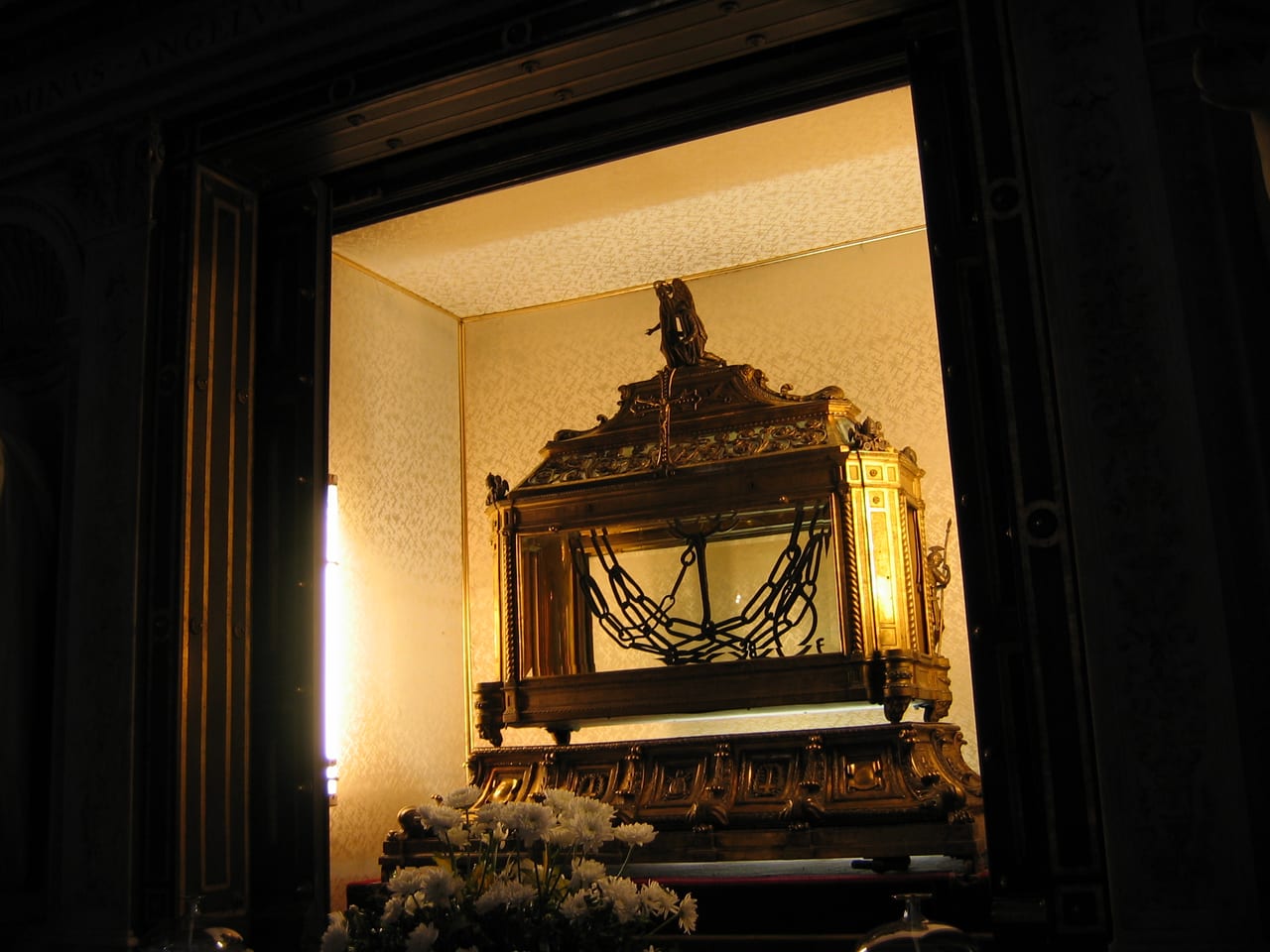
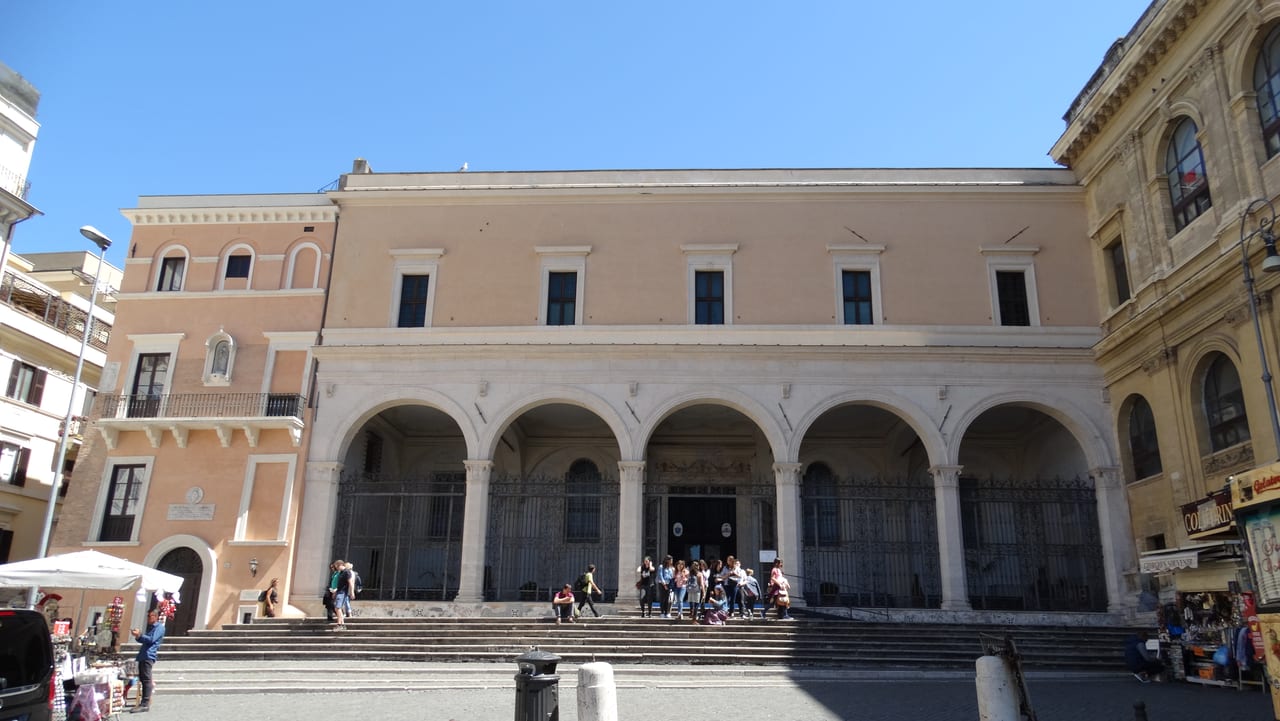
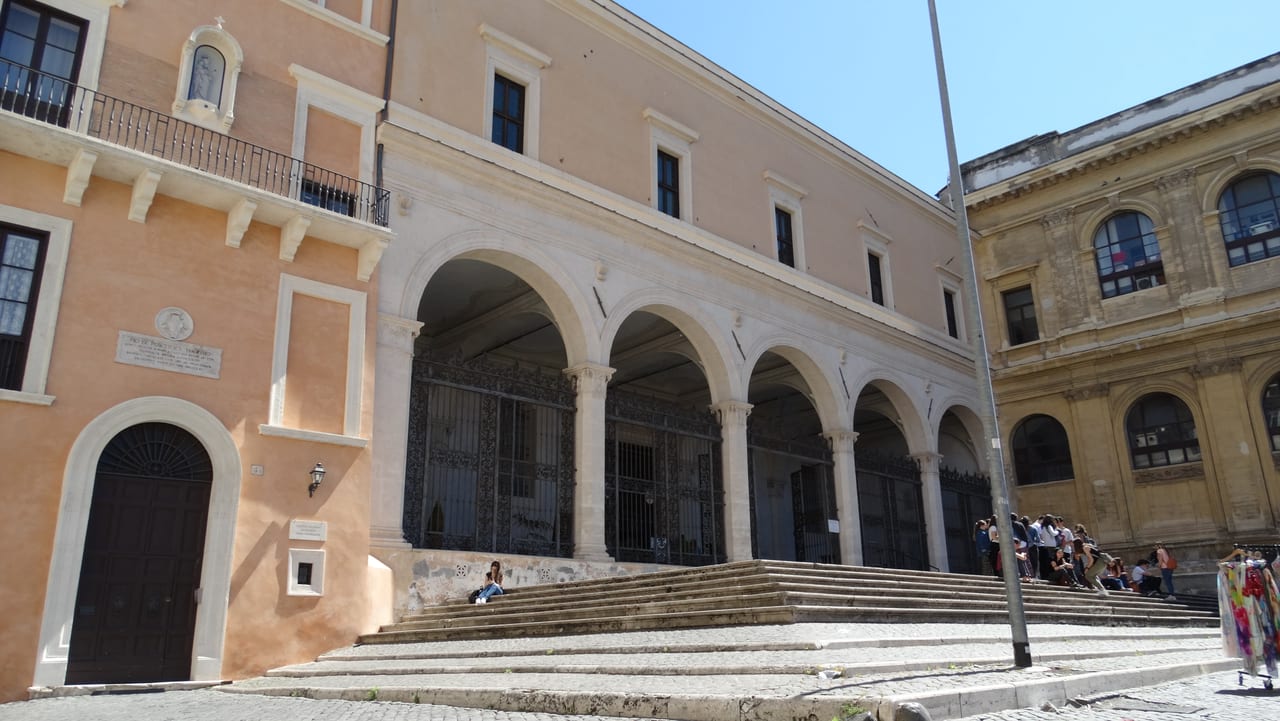
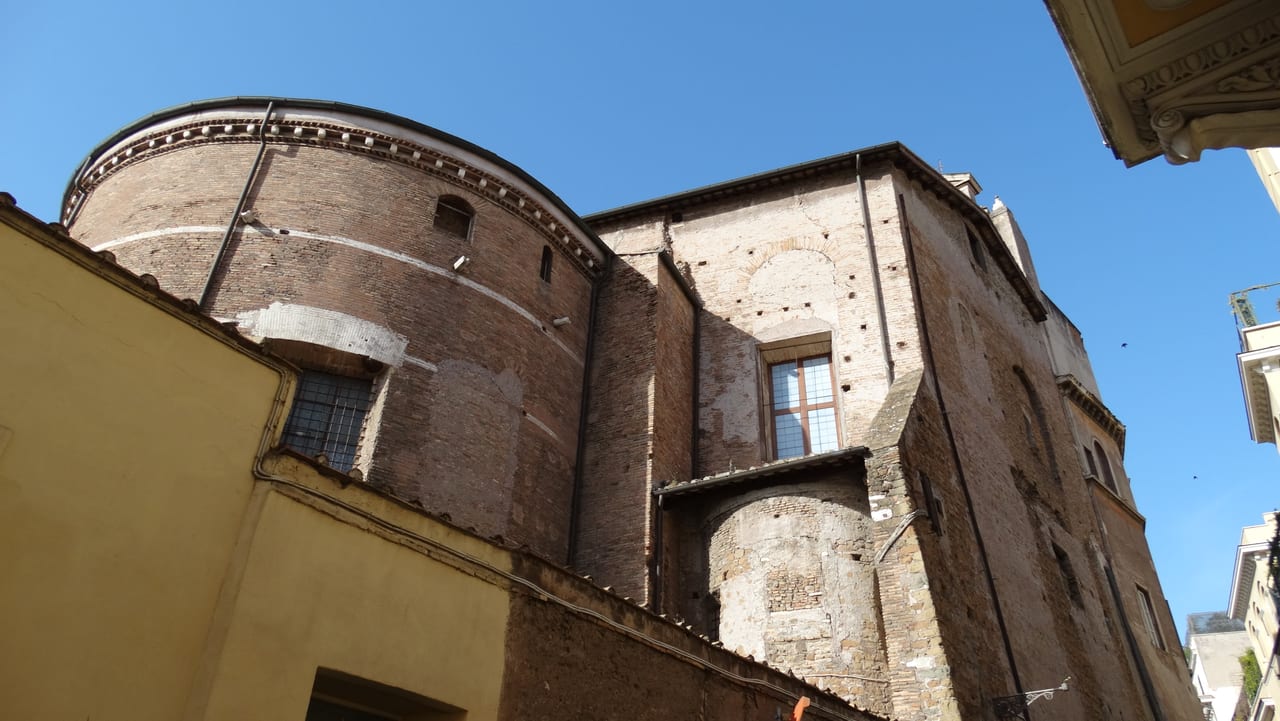
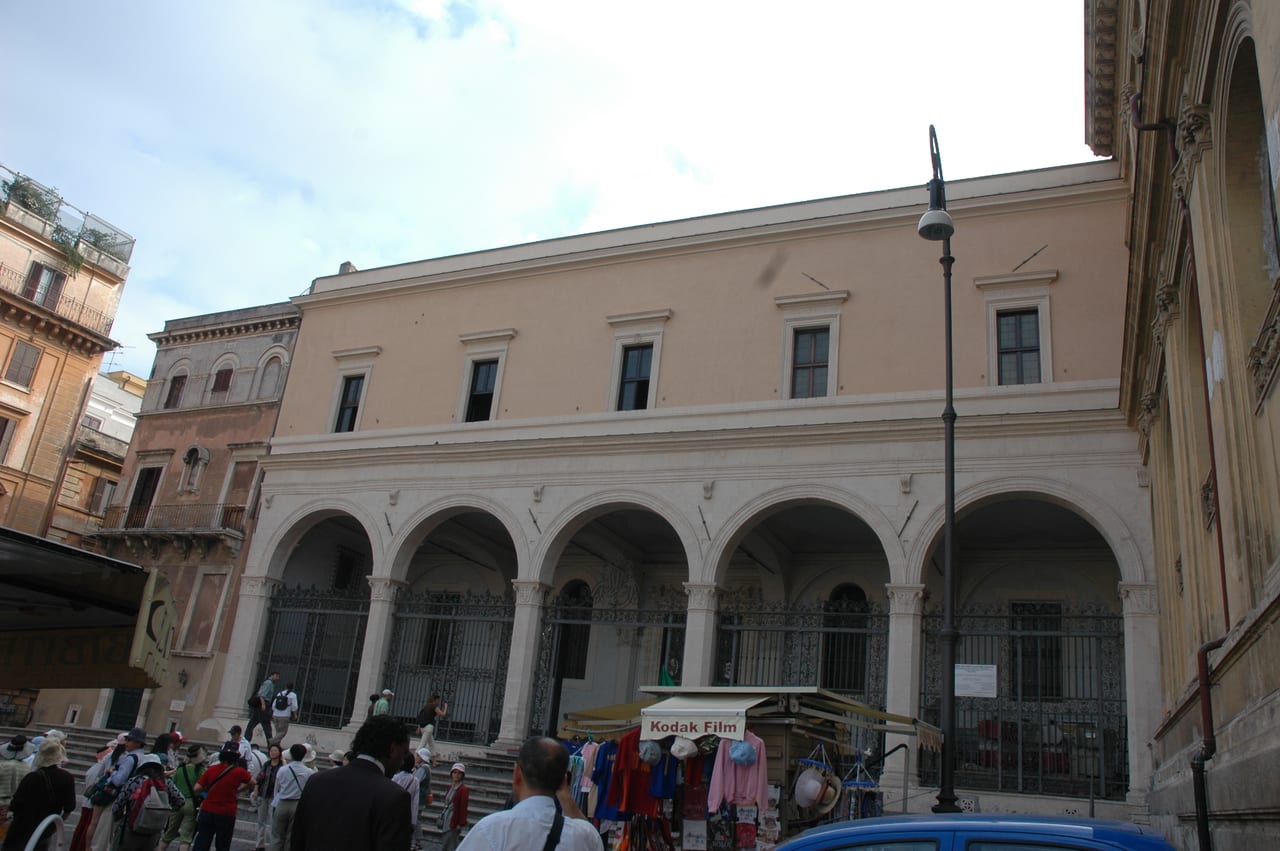
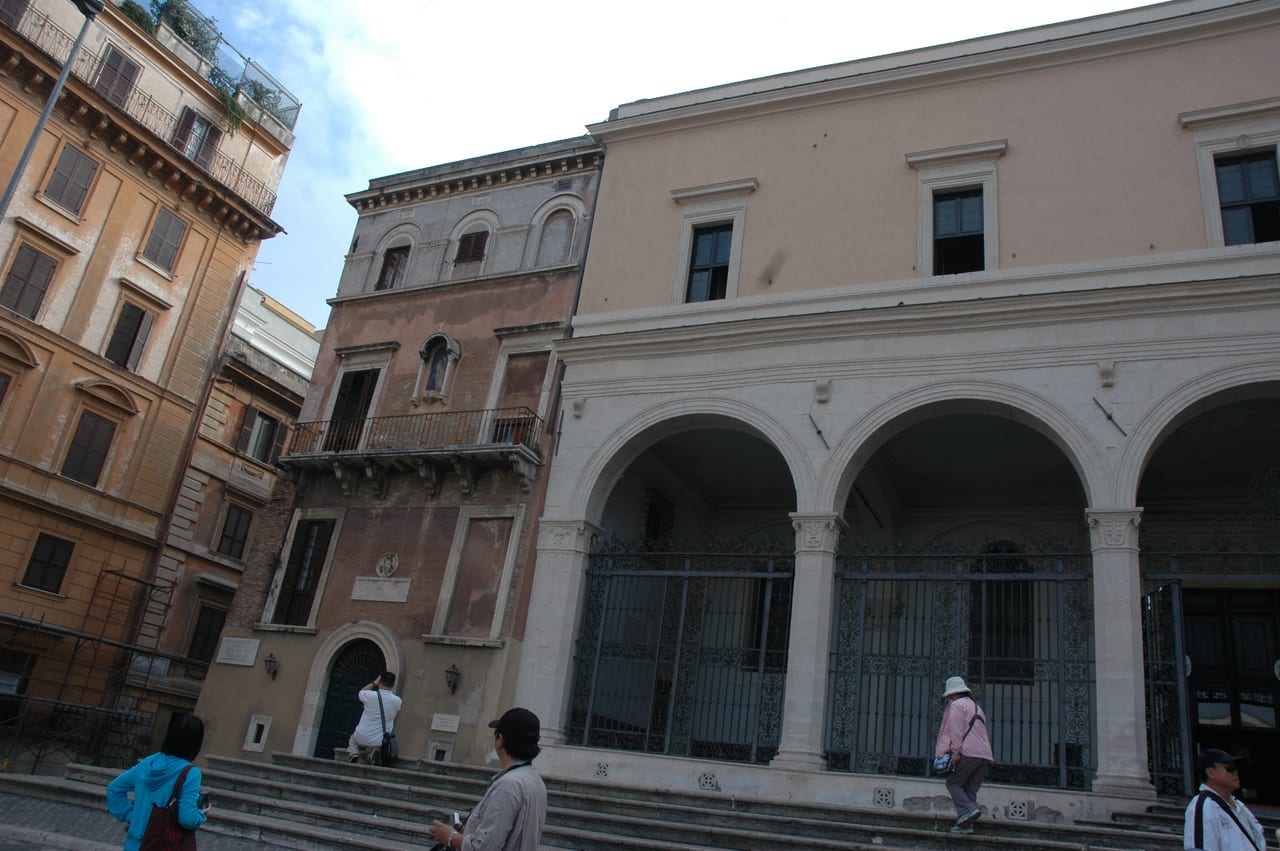
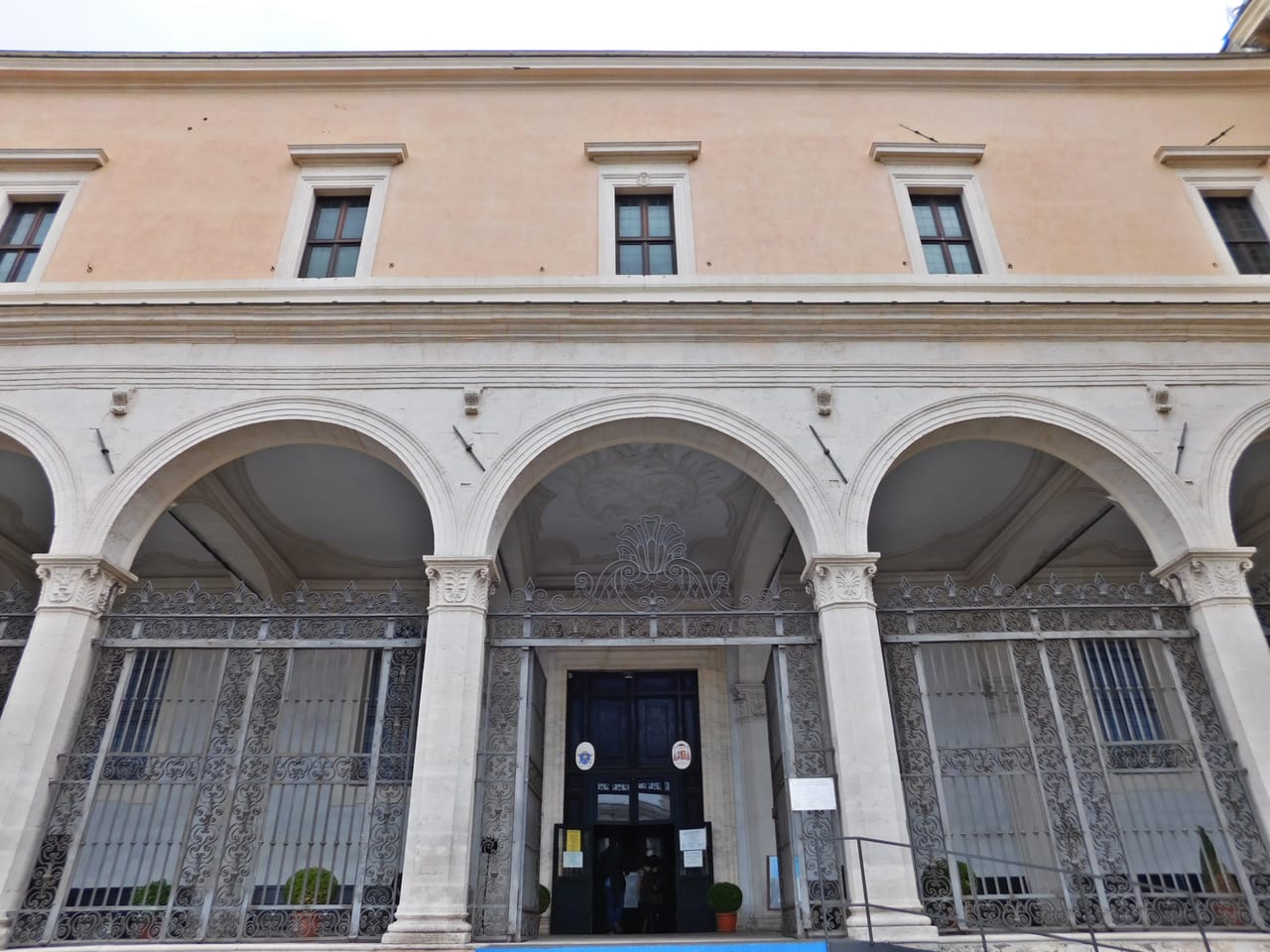
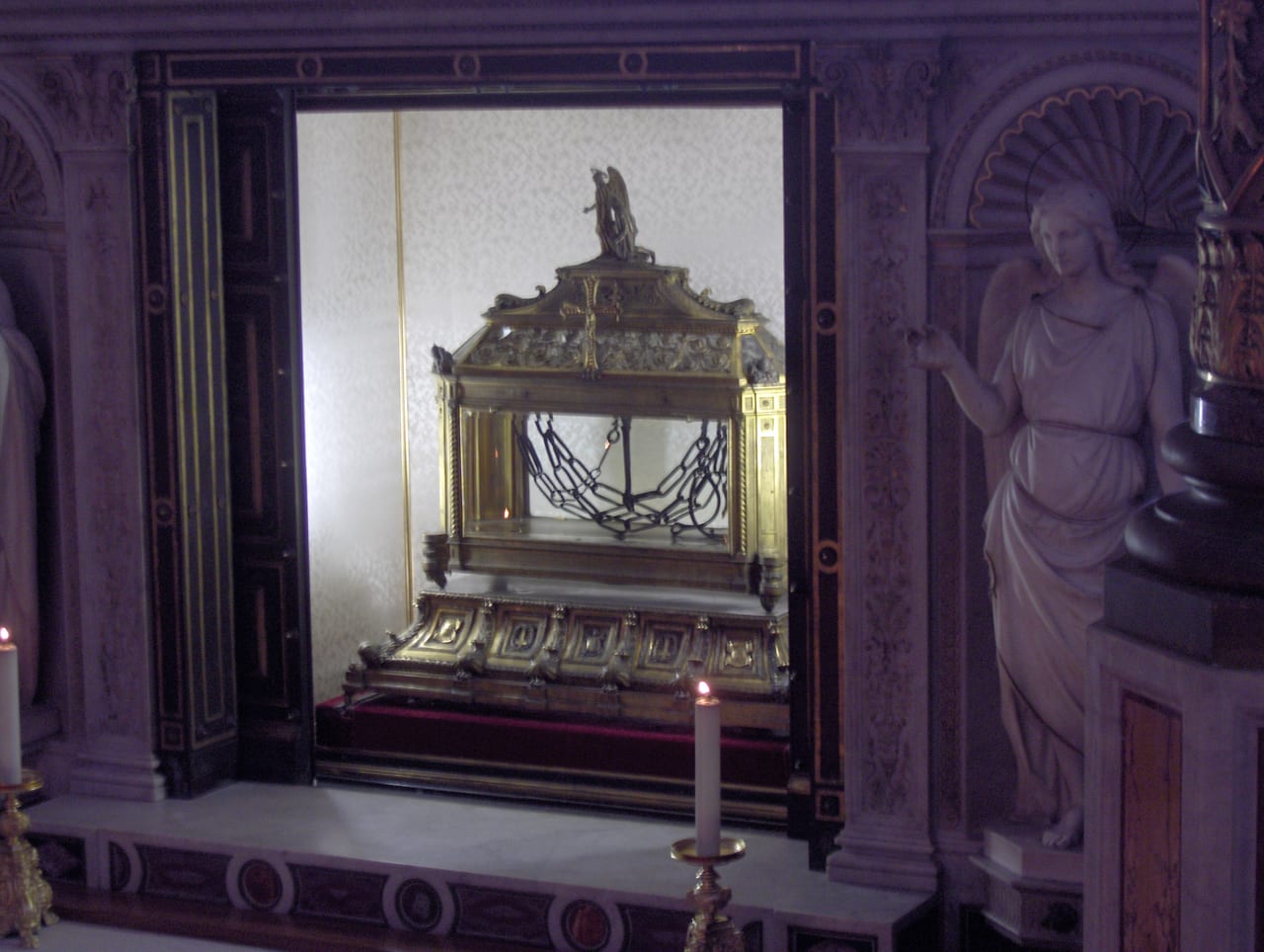
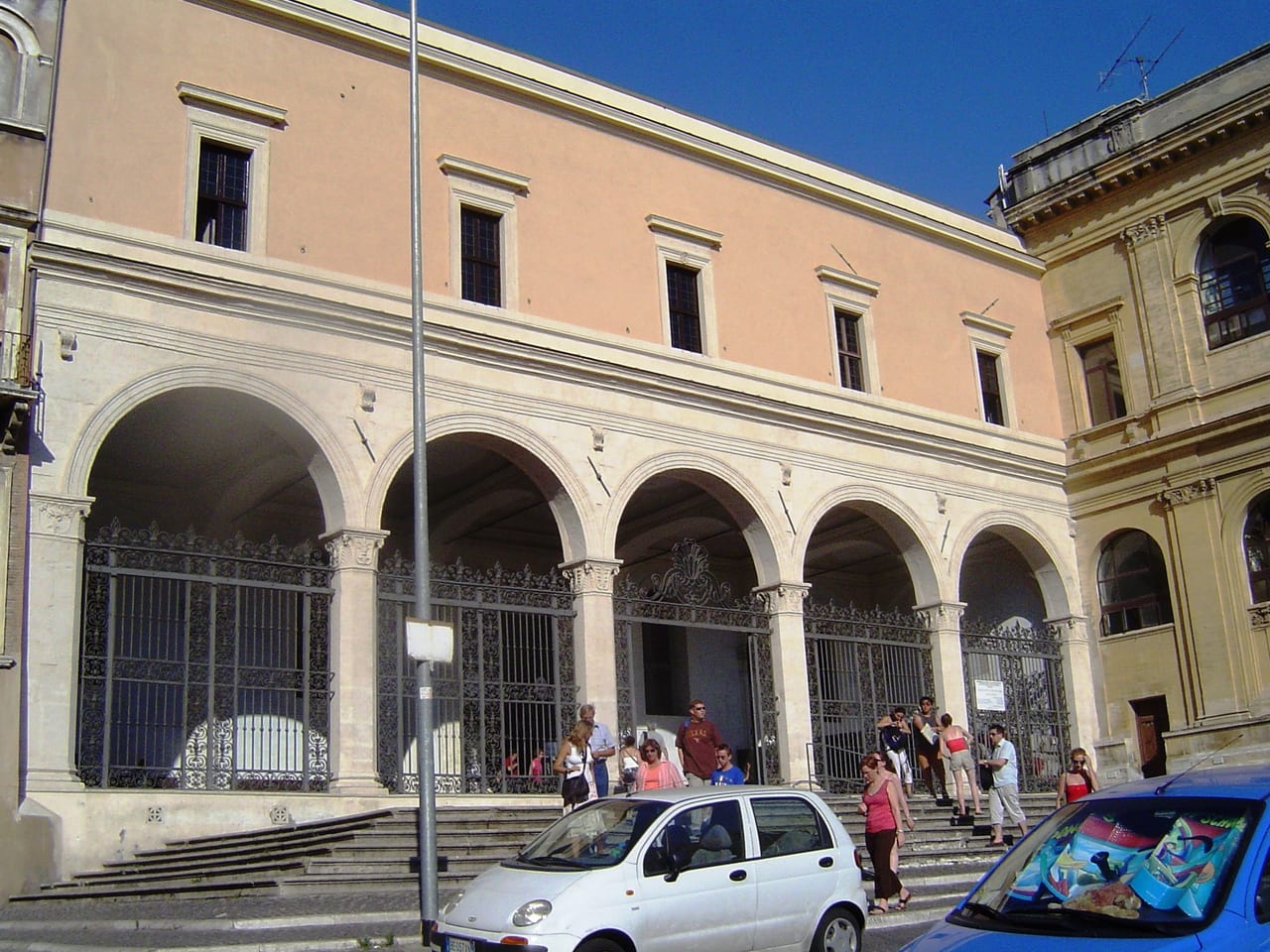
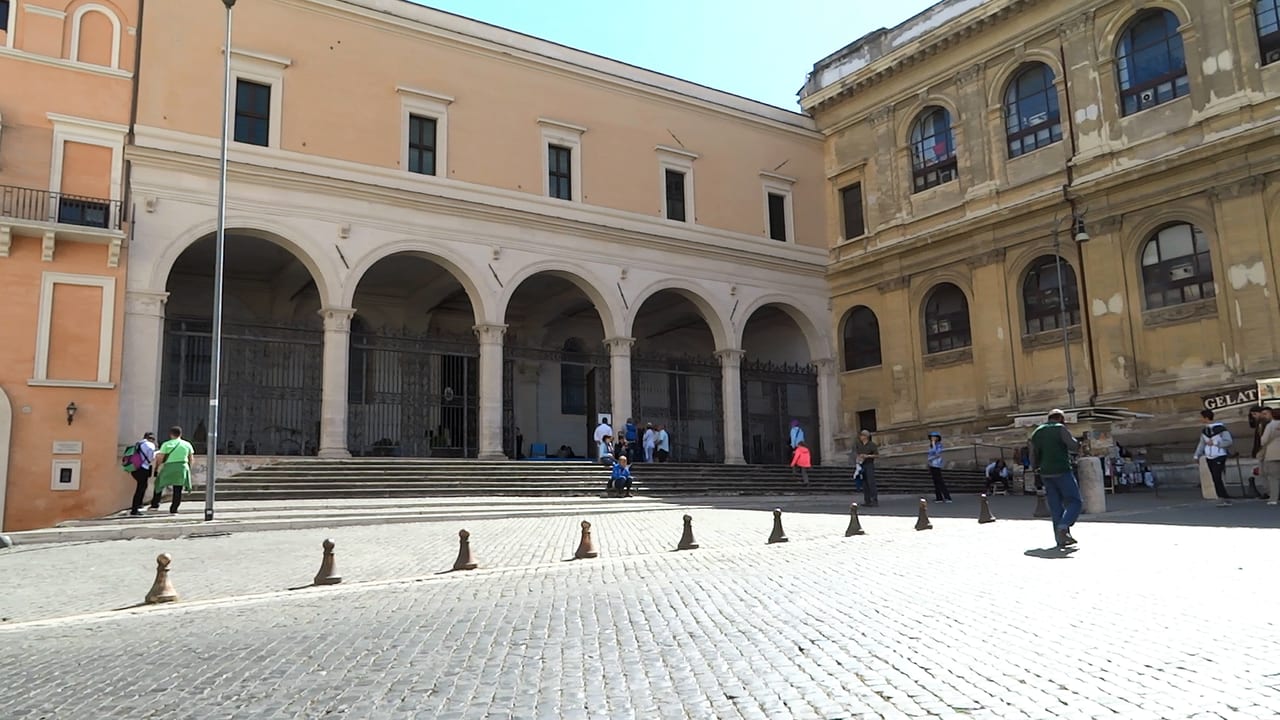
The basilica grew from an earlier Christian foundation associated with the titulus apostolorum. Archaeology beneath it has revealed Roman structures dating from the 3rd century BCE to the 3rd century CE, including a complex linked to Nero’s Domus Transitoria. A basilical church was built there in the second half of the 4th century; after its destruction, Presbitero Filippo and Licinia Eudossia rebuilt it between 432 and 470. The basilica was consecrated in 439, during the pontificate of Pope Sixtus III. Its identity rests on the tradition that Eudossia brought Peter’s Jerusalem chains to Rome, where Pope Leo I placed them beside the chains from the Mamertine Prison and they fused. Restorations followed under Adrian I in 780, Sixtus IV in 1471 and Julius II in 1503. The latter campaign established the present portico and reshaped the convent; its cloister is attributed by Vasari to Giuliano da Sangallo. After Italian unification, the convent housed Sapienza’s Faculty of Engineering. The three-aisled interior retains a 5th-century apse and external walls, while the portico, designed by Baccio Pontelli, belongs to the Renaissance rebuilding. Later additions include Francesco Fontana’s 1706 coffered ceiling, Jacopo Coppi’s 1577 apse frescoes, Virginio Vespignani’s 1876–77 presbytery, and an organ built by Giacomo Alari in 1686–87. The right transept contains Michelangelo’s long-delayed mausoleum for Julius II, completed in 1545.
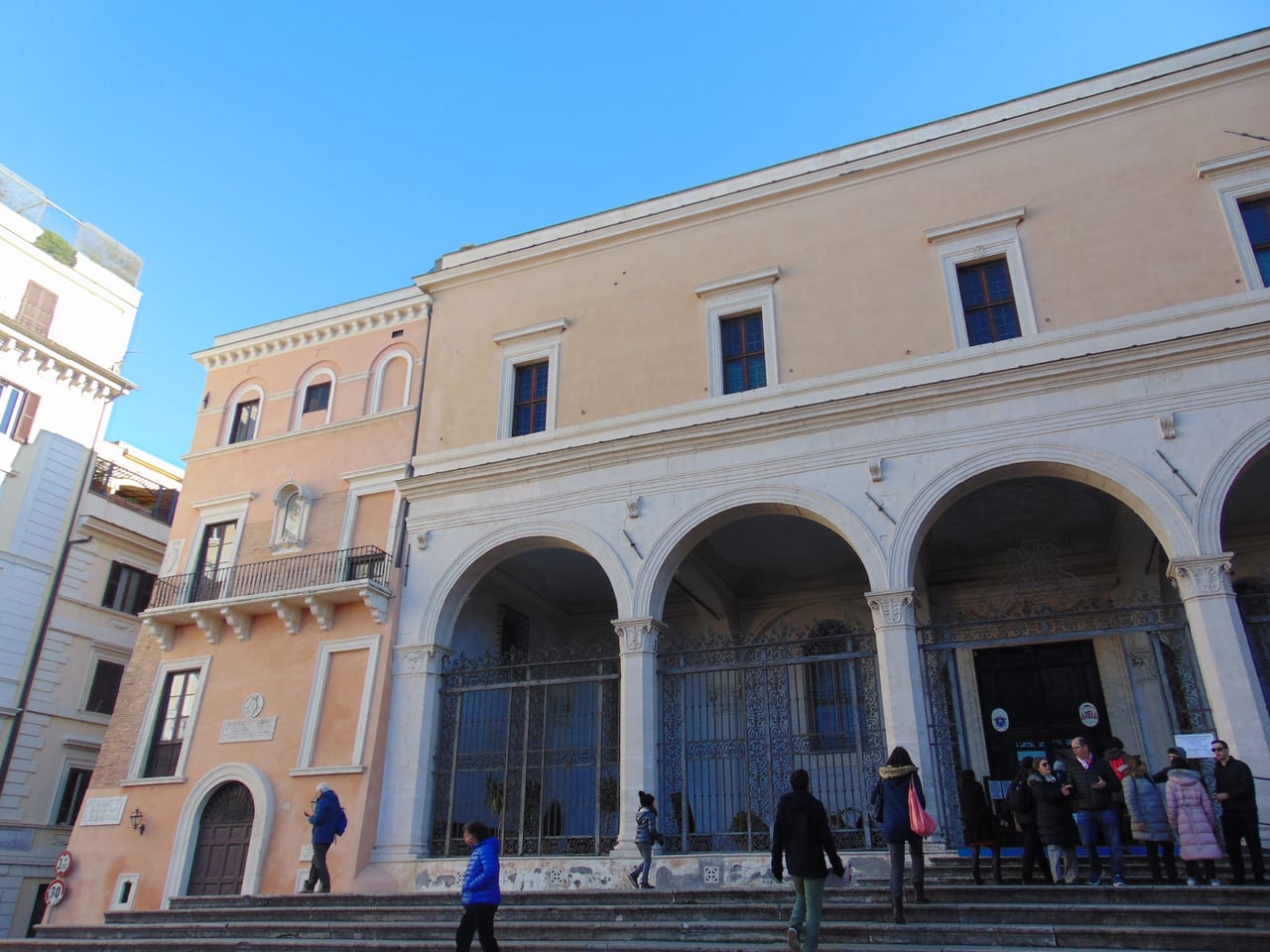
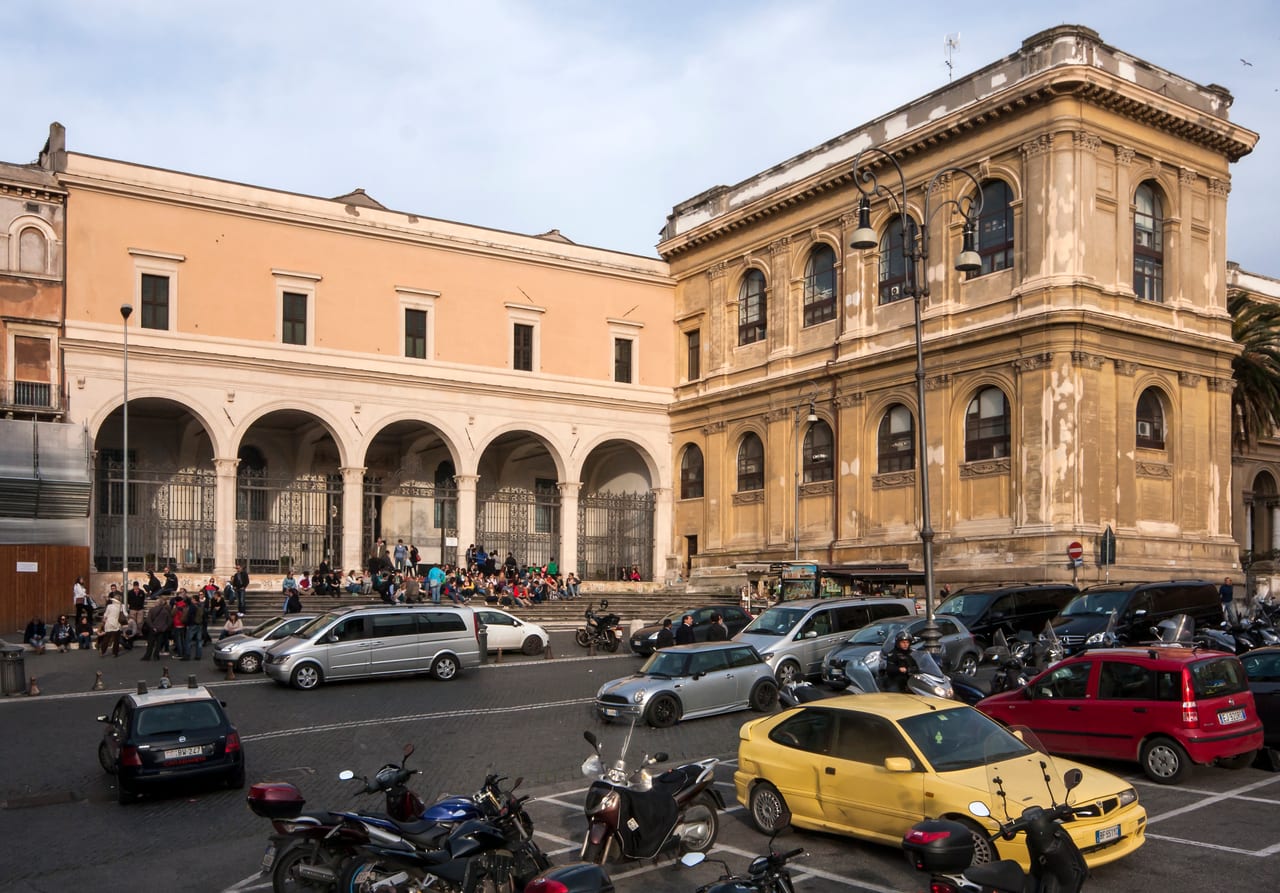
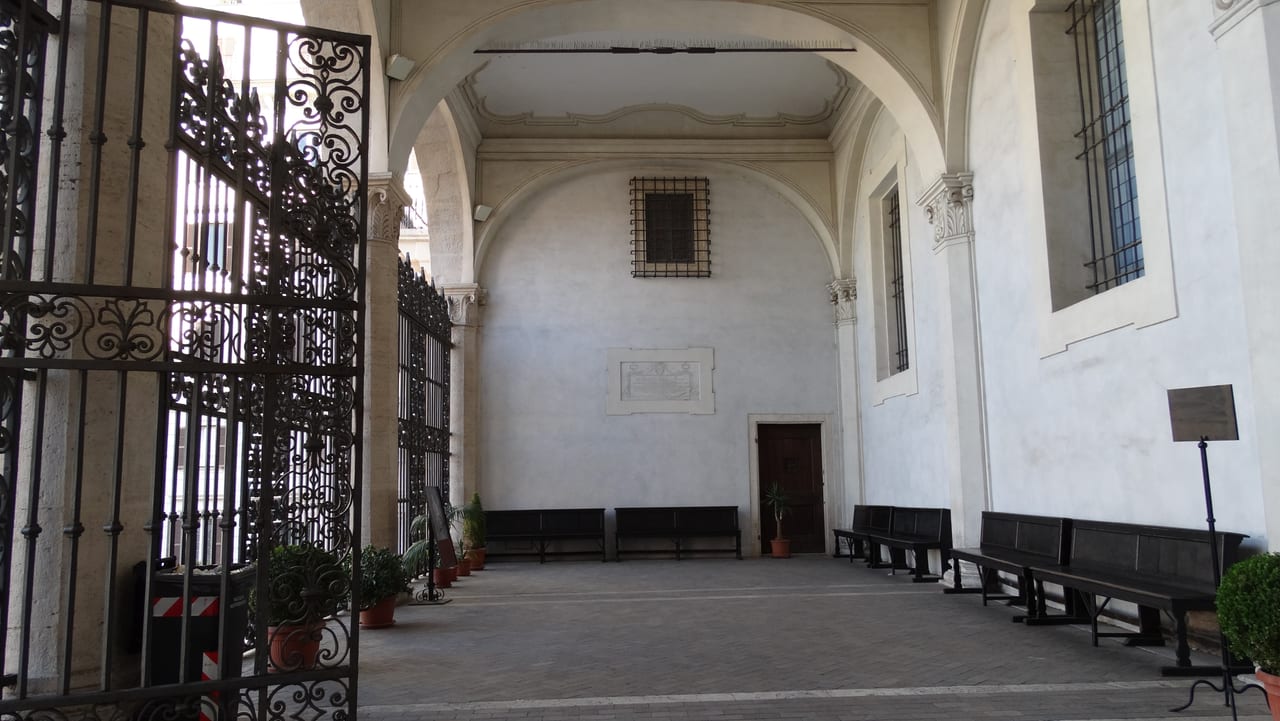
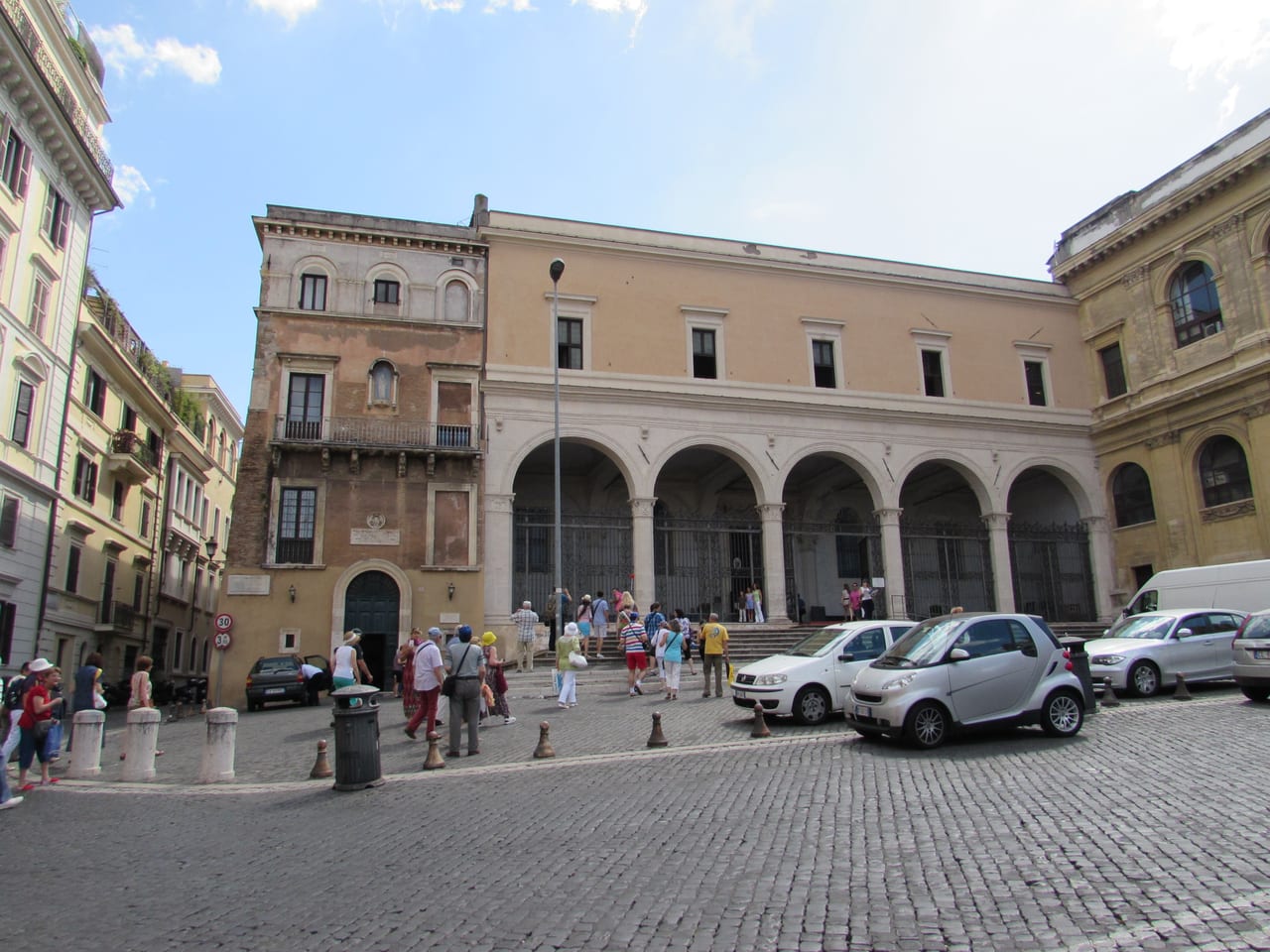
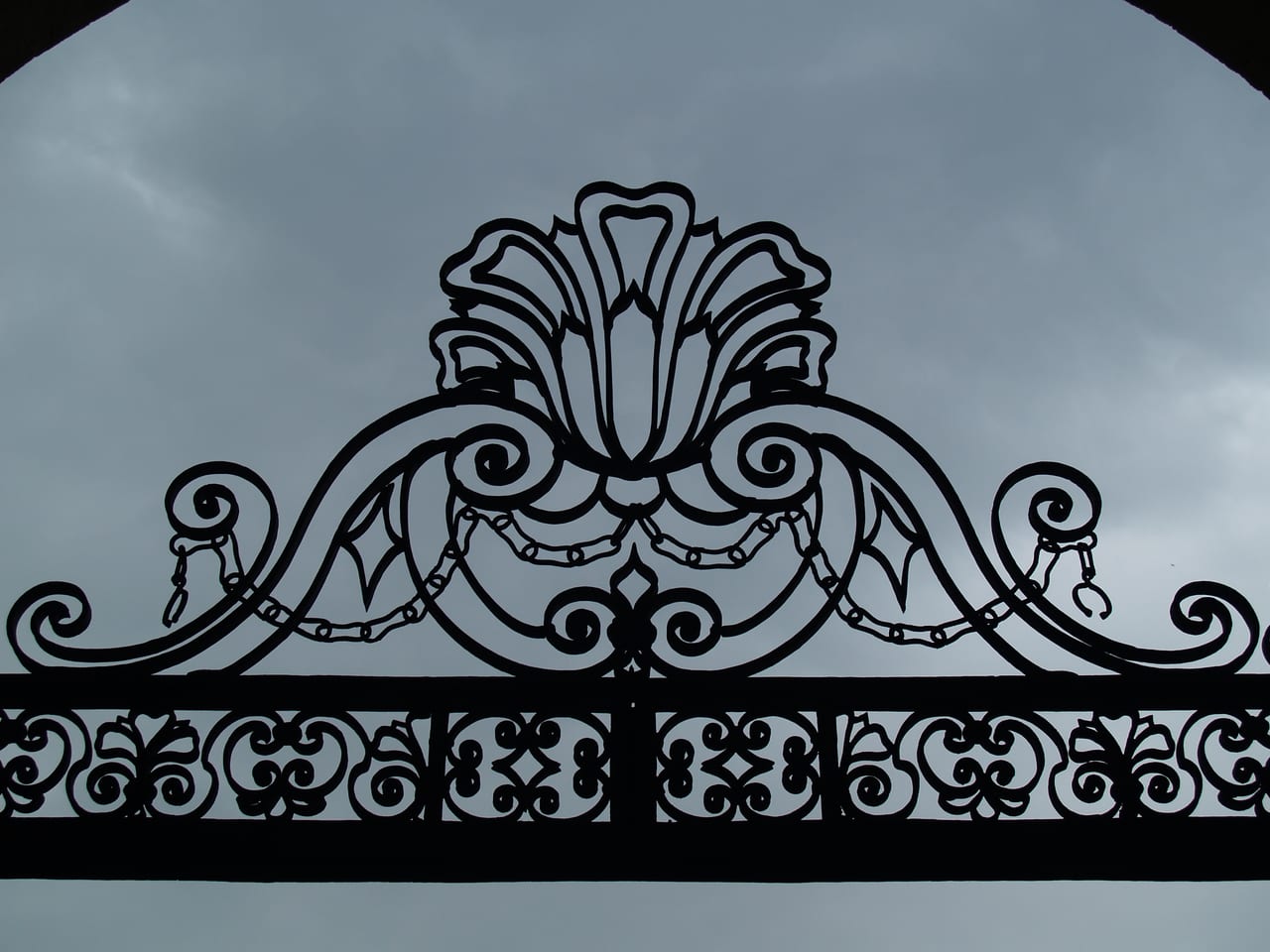
Begin beneath the five-arch portico, noting the bronze gate and Julius II’s emblems, then enter for the unusual off-axis apse and the carved tombs of Antonio and Piero del Pollaiolo. Look for the 1706 ceiling fresco, the bearded Byzantine-style image of Saint Sebastian, and Guercino’s Saint Margaret of Antioch. The crypt contains the sarcophagus of the Seven Maccabee Brothers, while the convent courtyard has Simone Mosca’s 1517 well and a 1642 fountain. If accessible, inspect the gilded organ case and its three groups of principal pipes.
Live availability and prices from Stay22's partners, refreshed periodically and subject to change. Booking through these links may earn us a commission at no extra cost to you. See our privacy policy.
More in Rome
Find great cafés, places to stay and other interesting places to visit in Rome.
