Church · Rome
San Pietro in Montorio
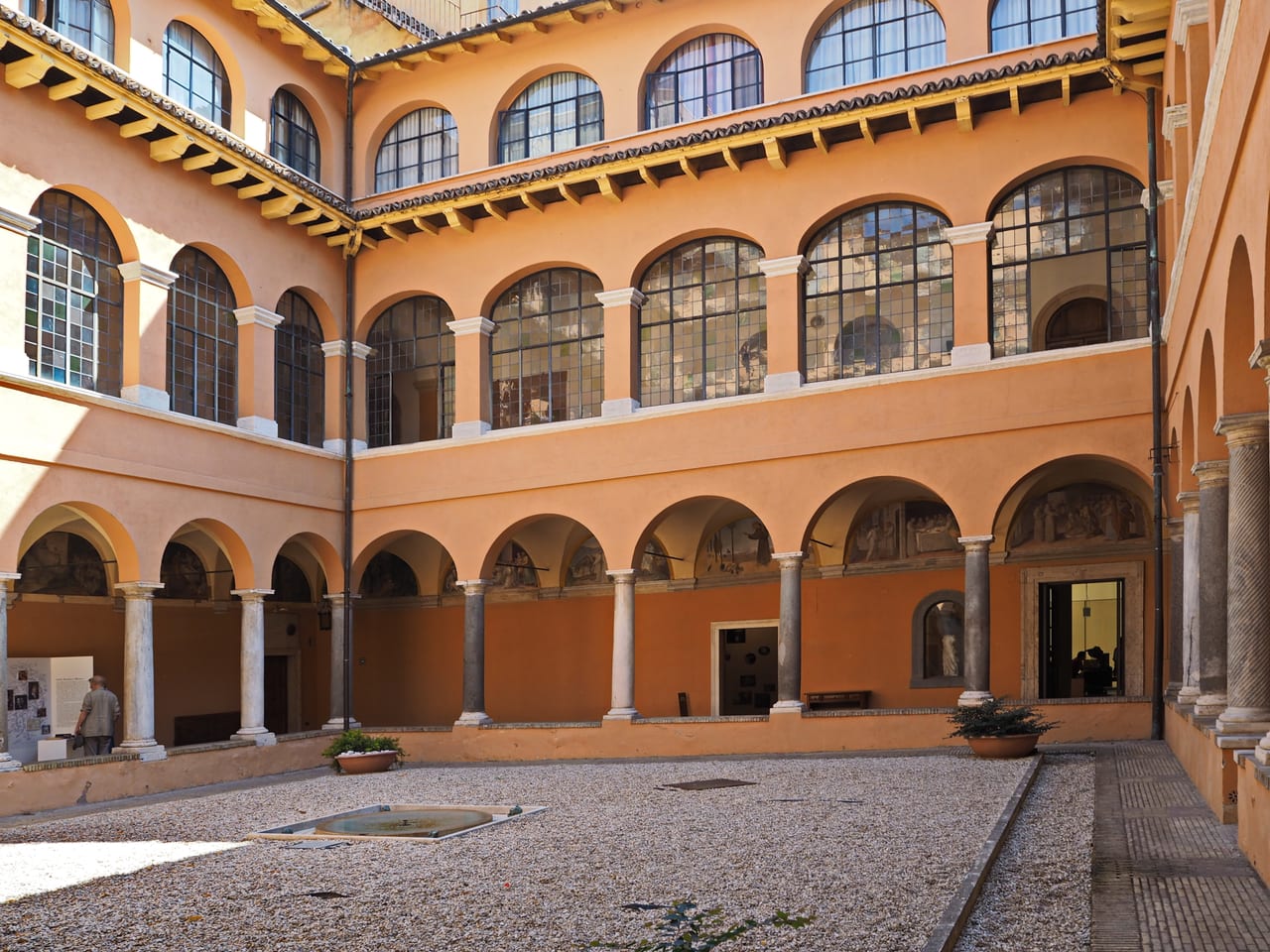
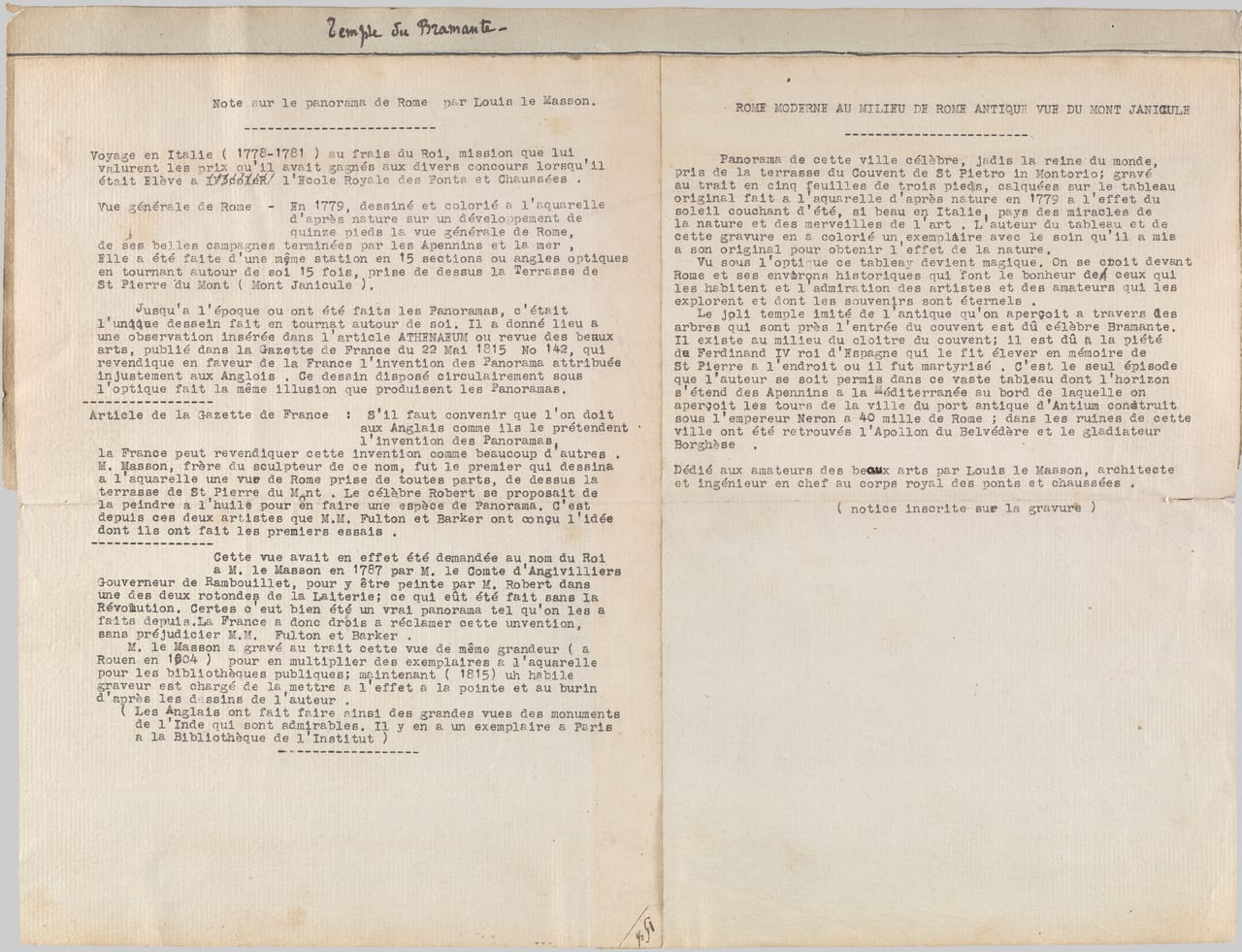
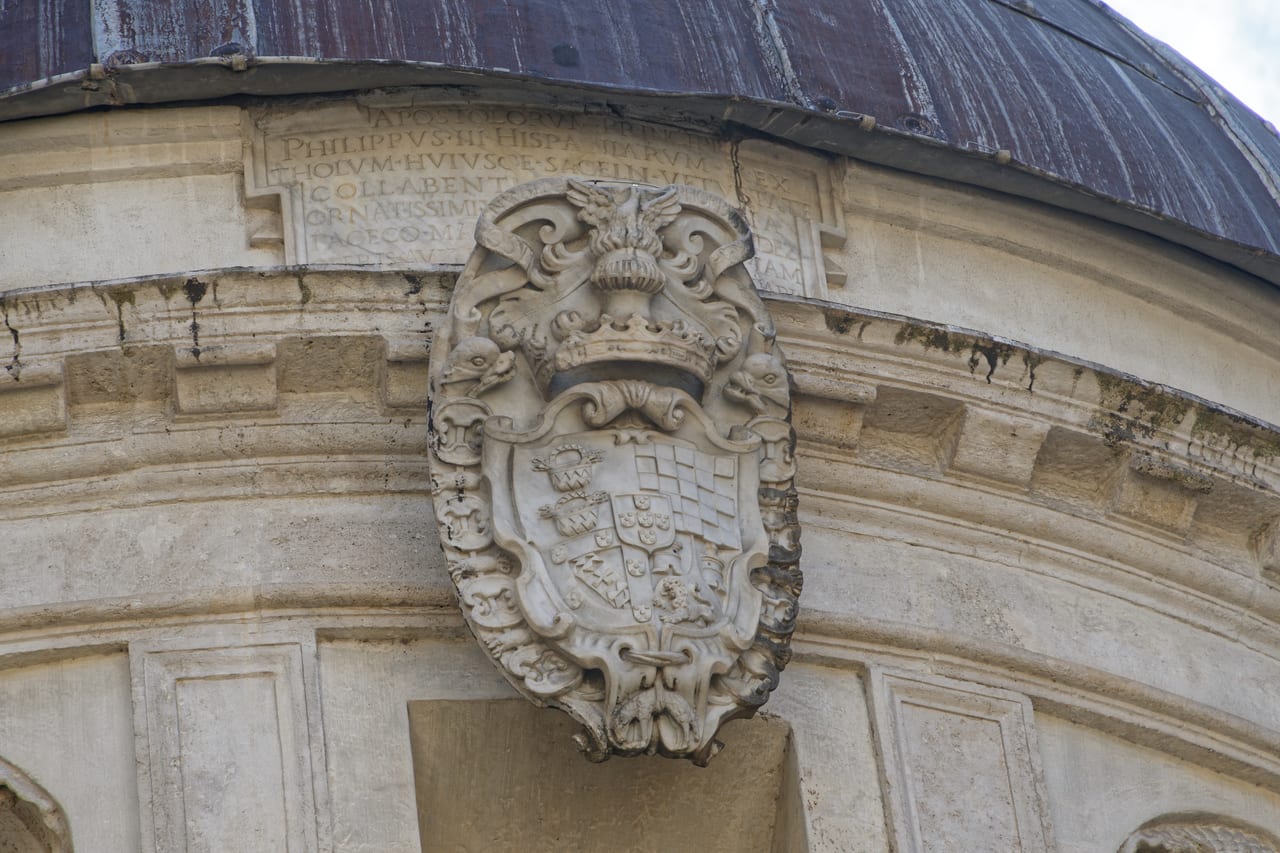
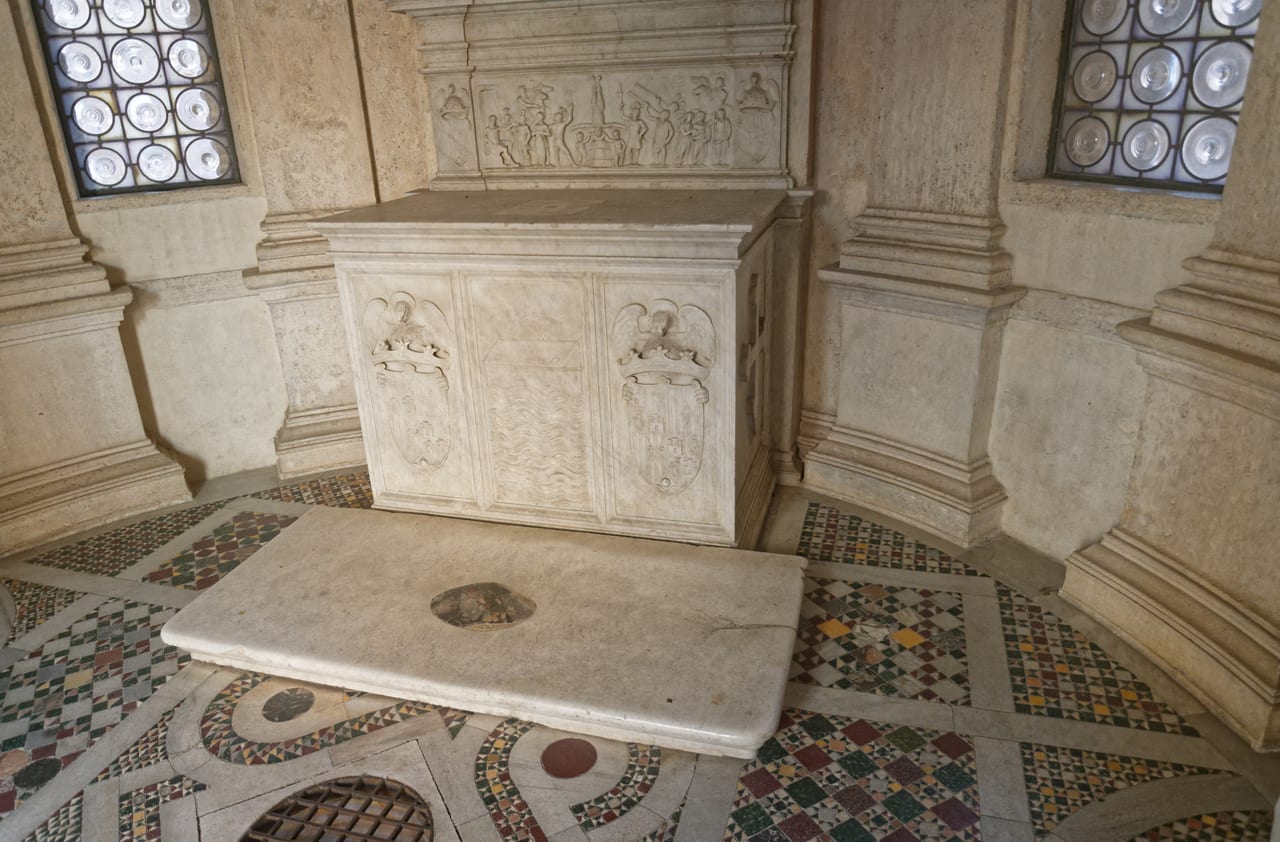
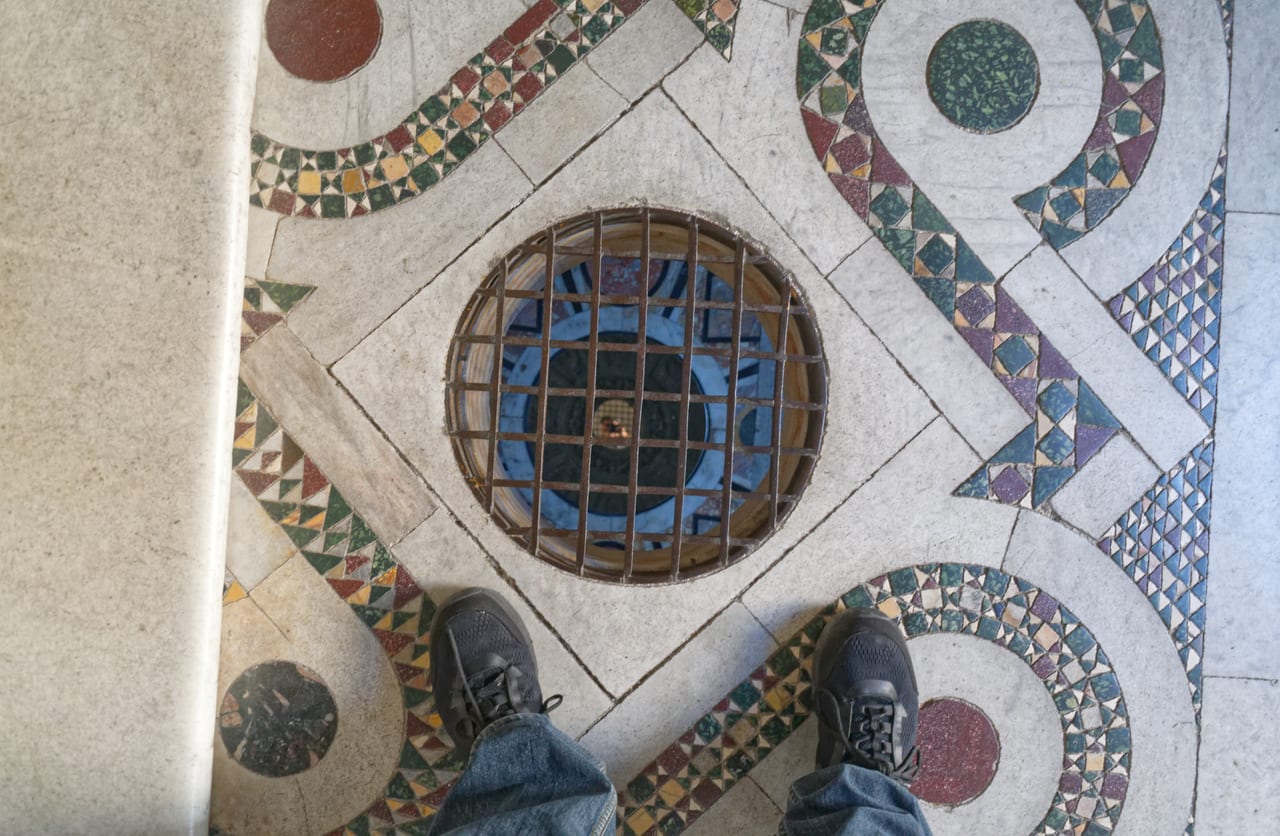
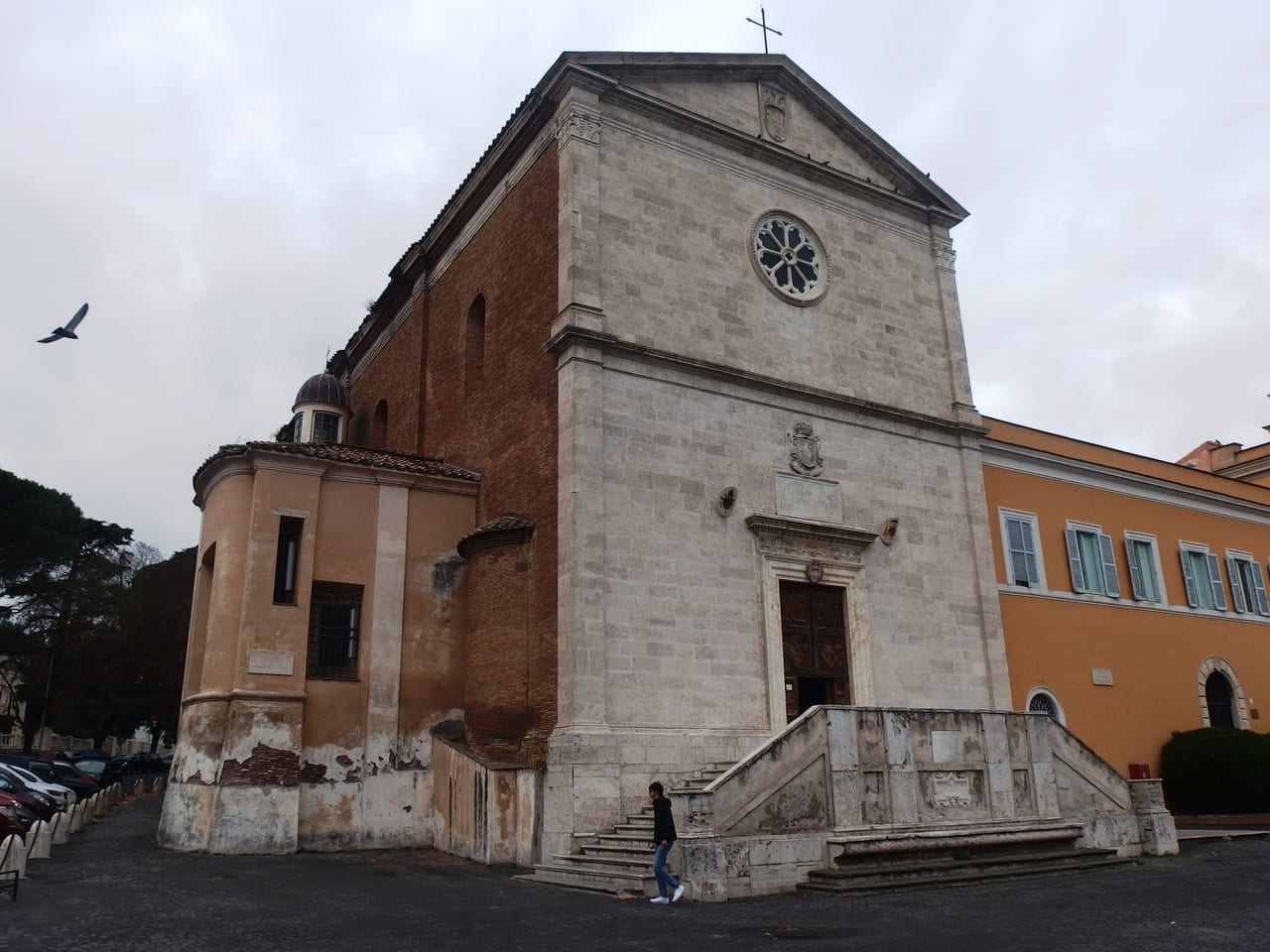
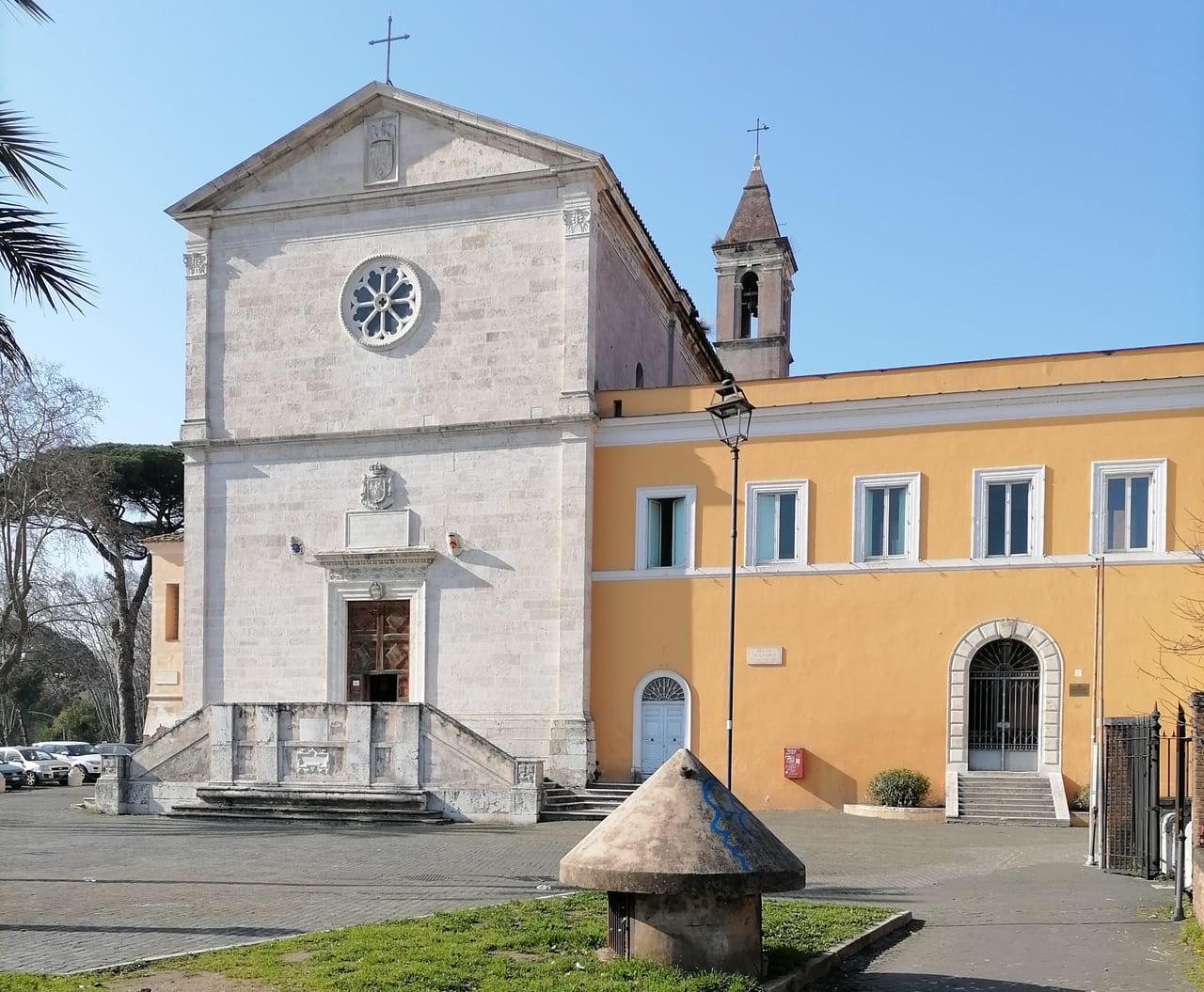
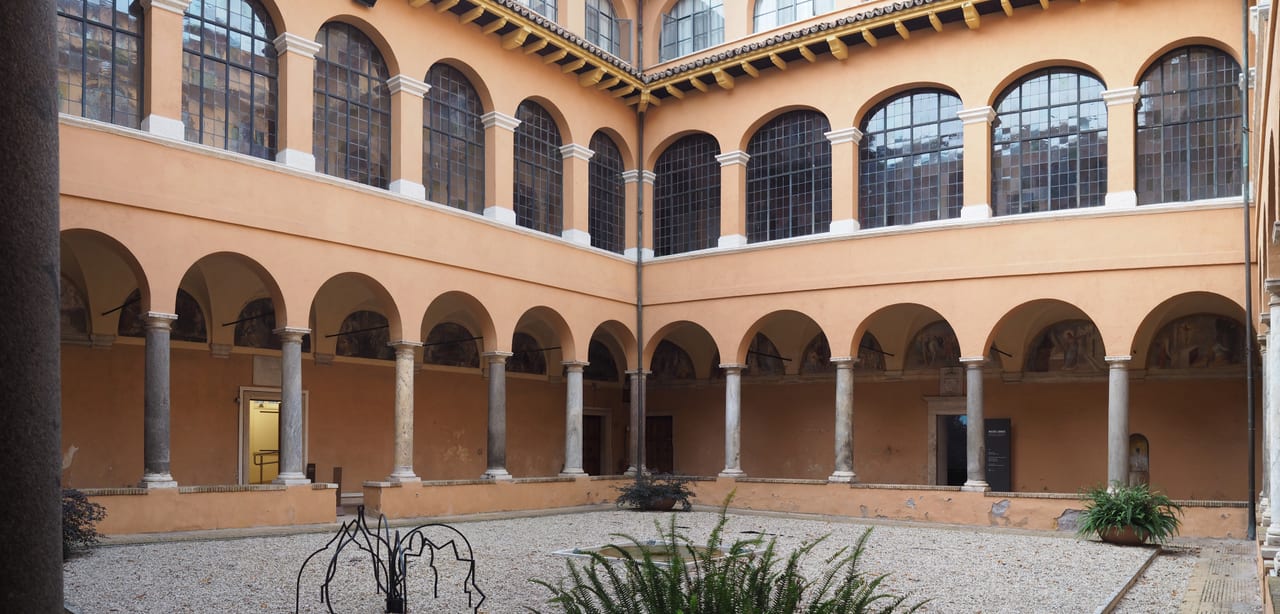
DirectionsIts first courtyard contains Bramante’s Tempietto, a tiny, elevated, peripteral monument whose cylindrical body and Tuscan colonnade make it a defining work of Renaissance architecture.
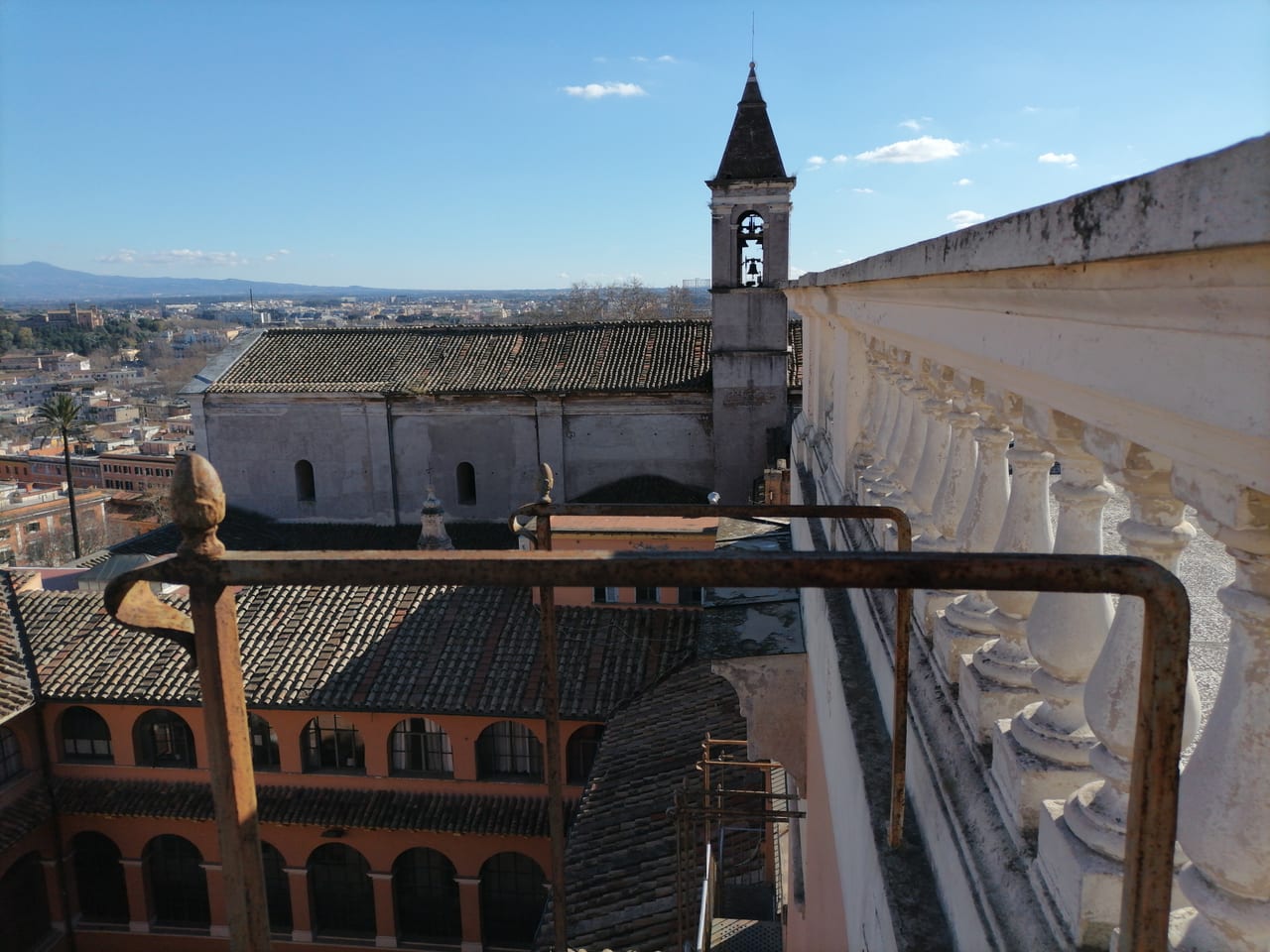
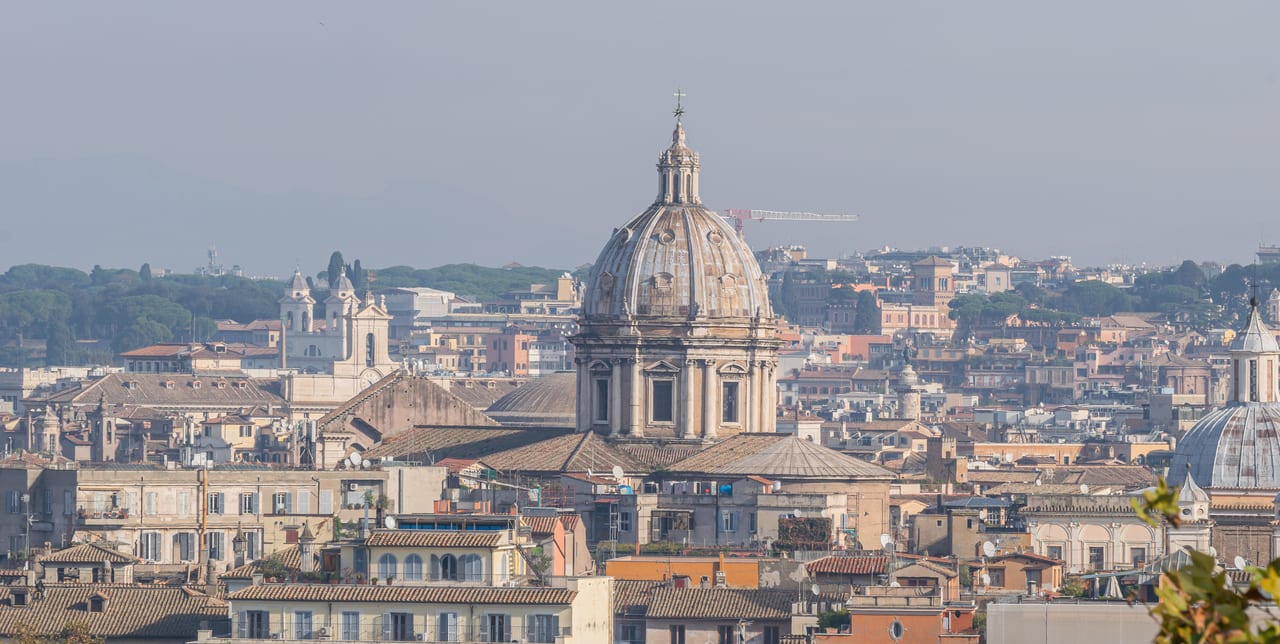
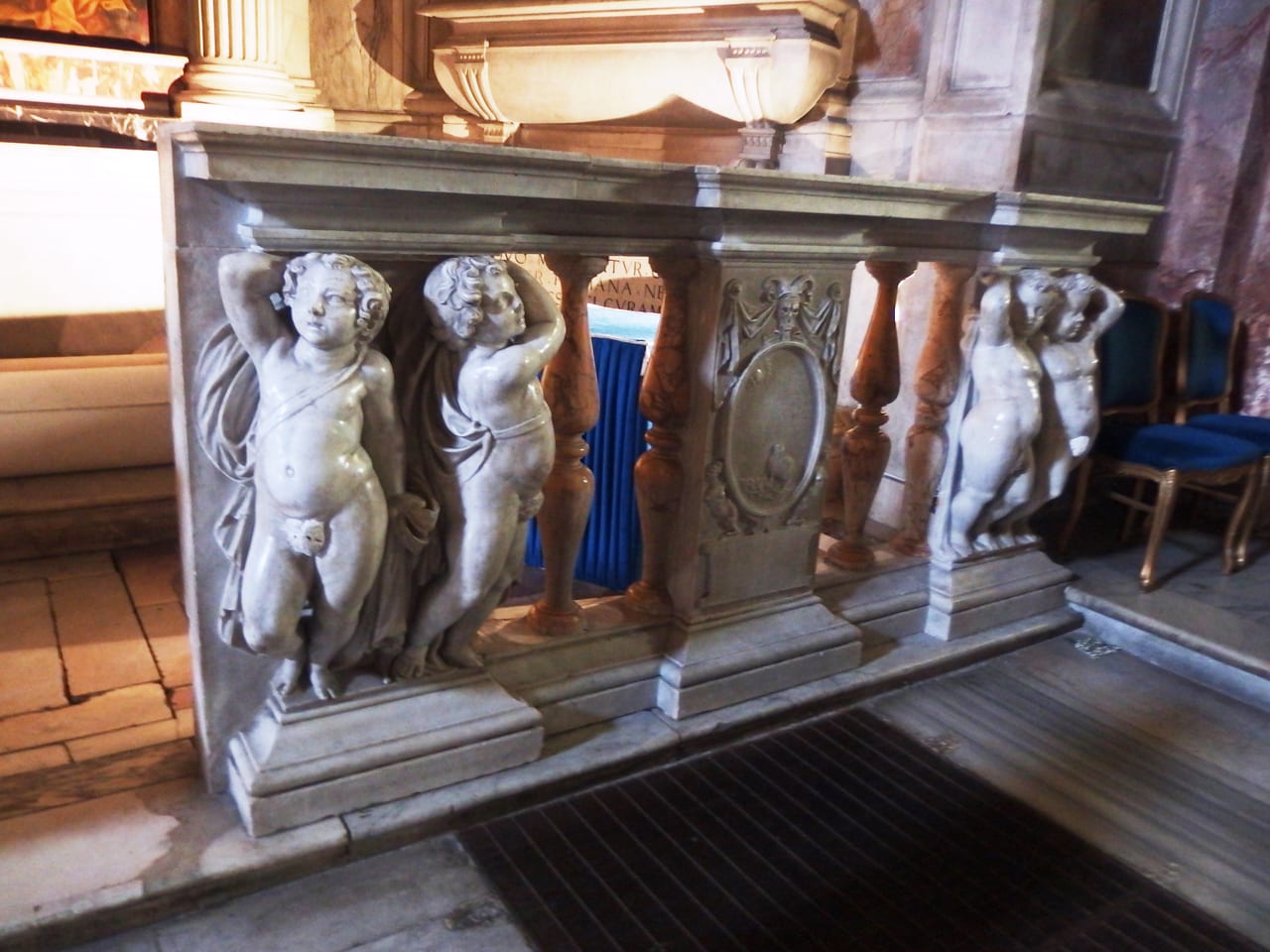
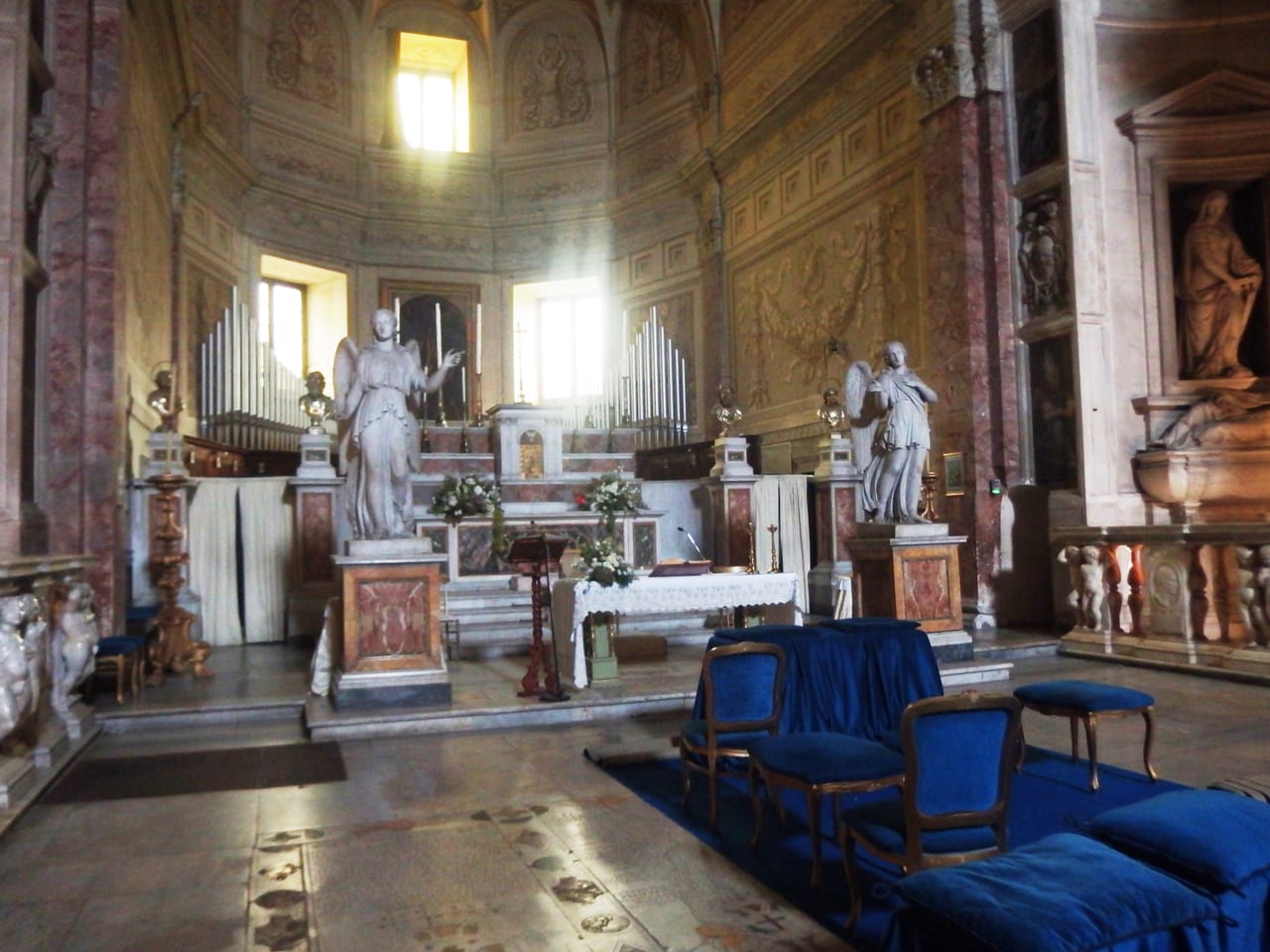
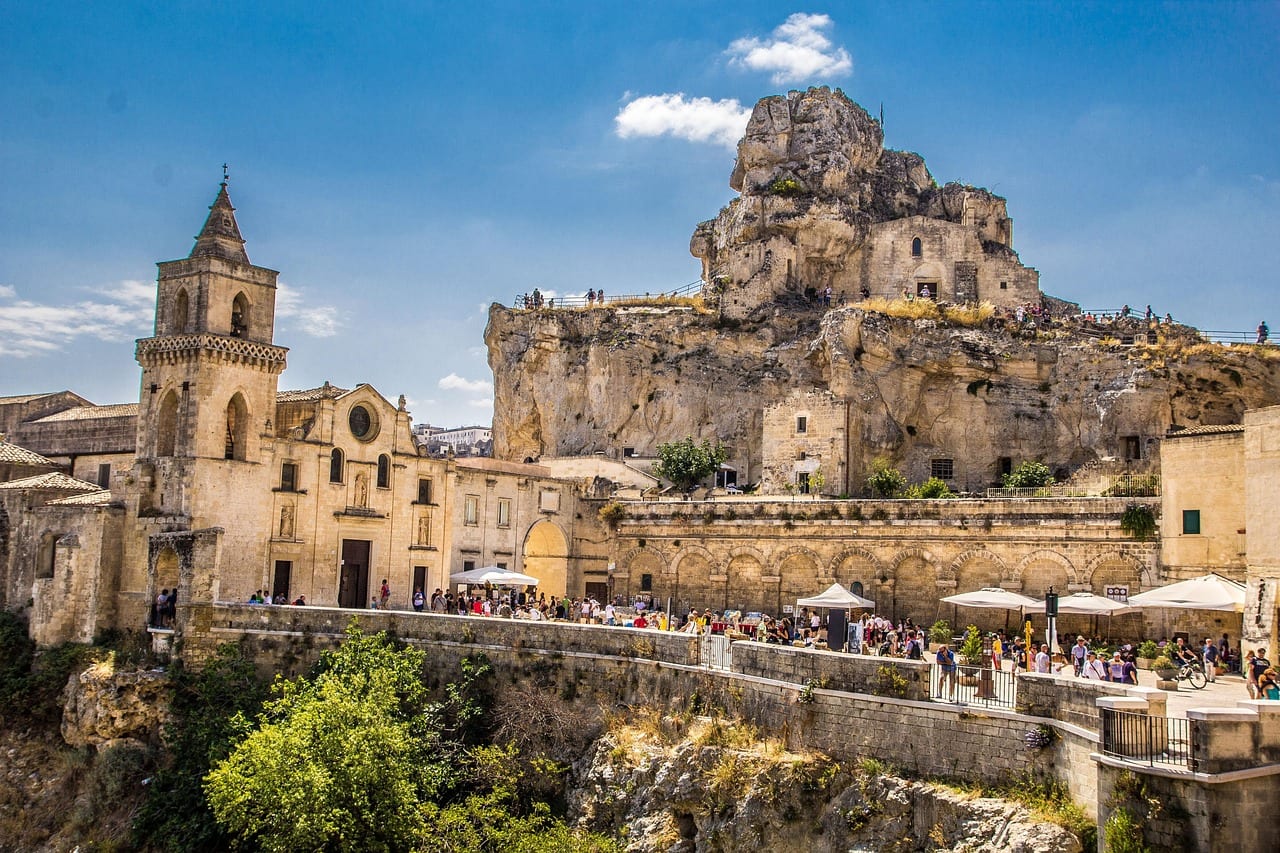
Photograph 1 of 25 of San Pietro in Montorio
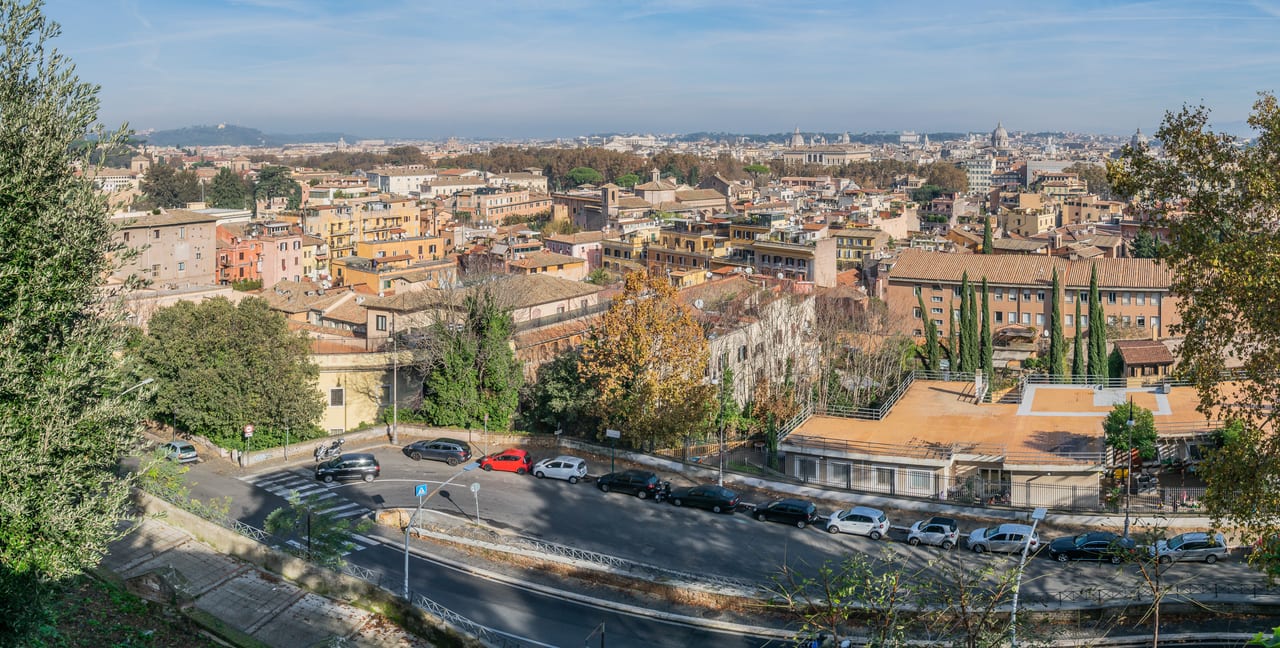
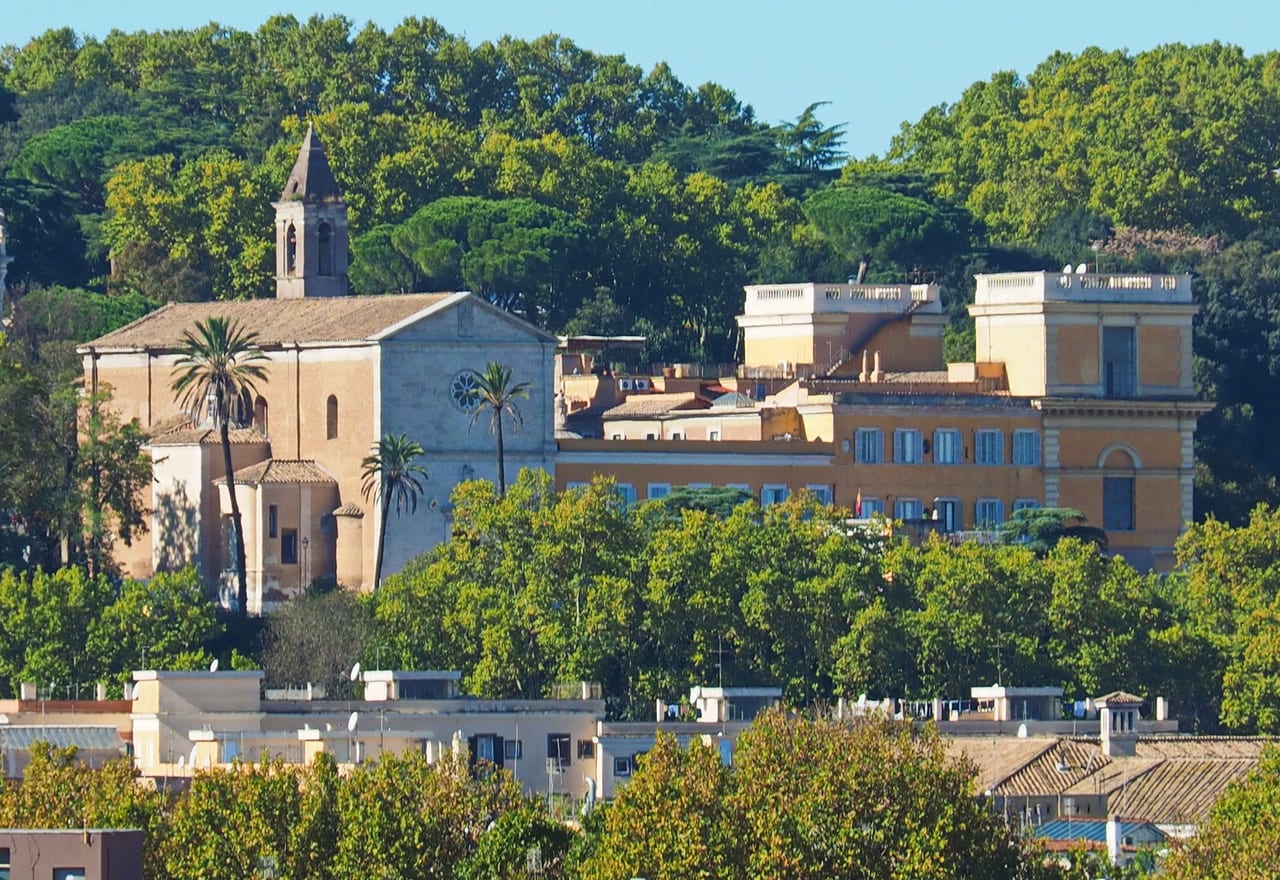
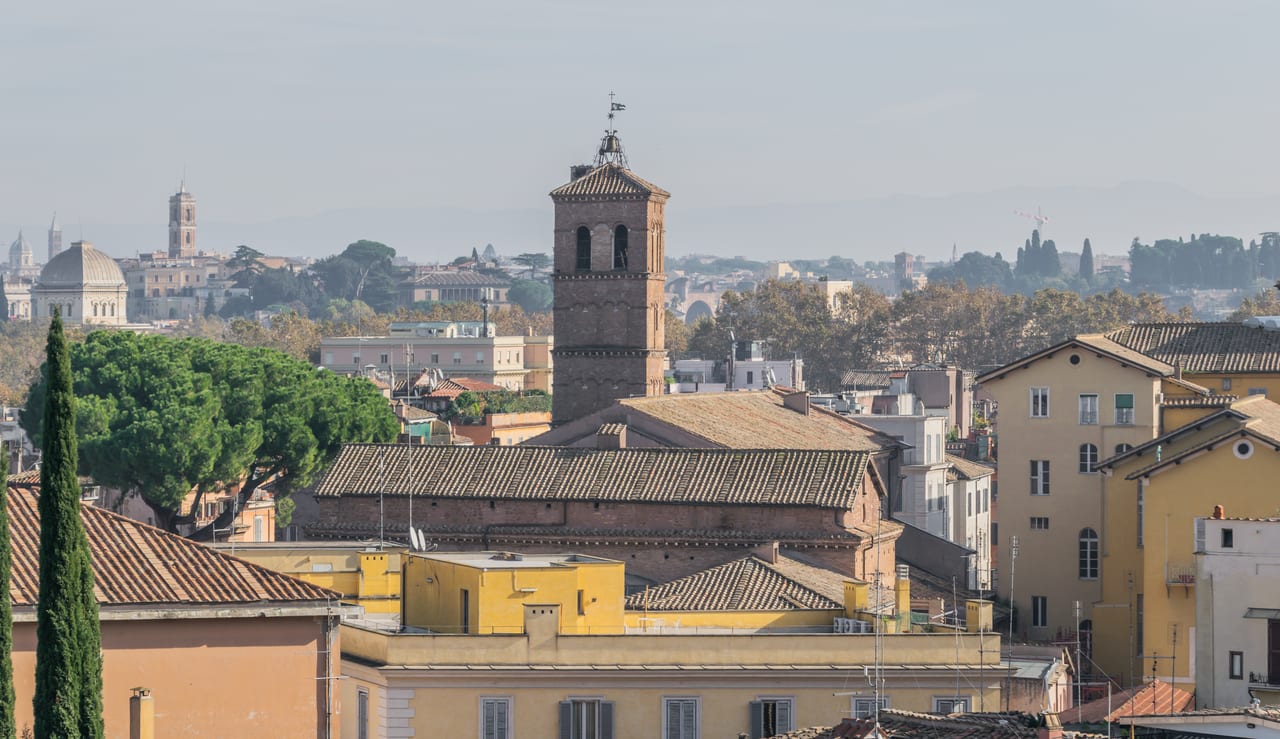
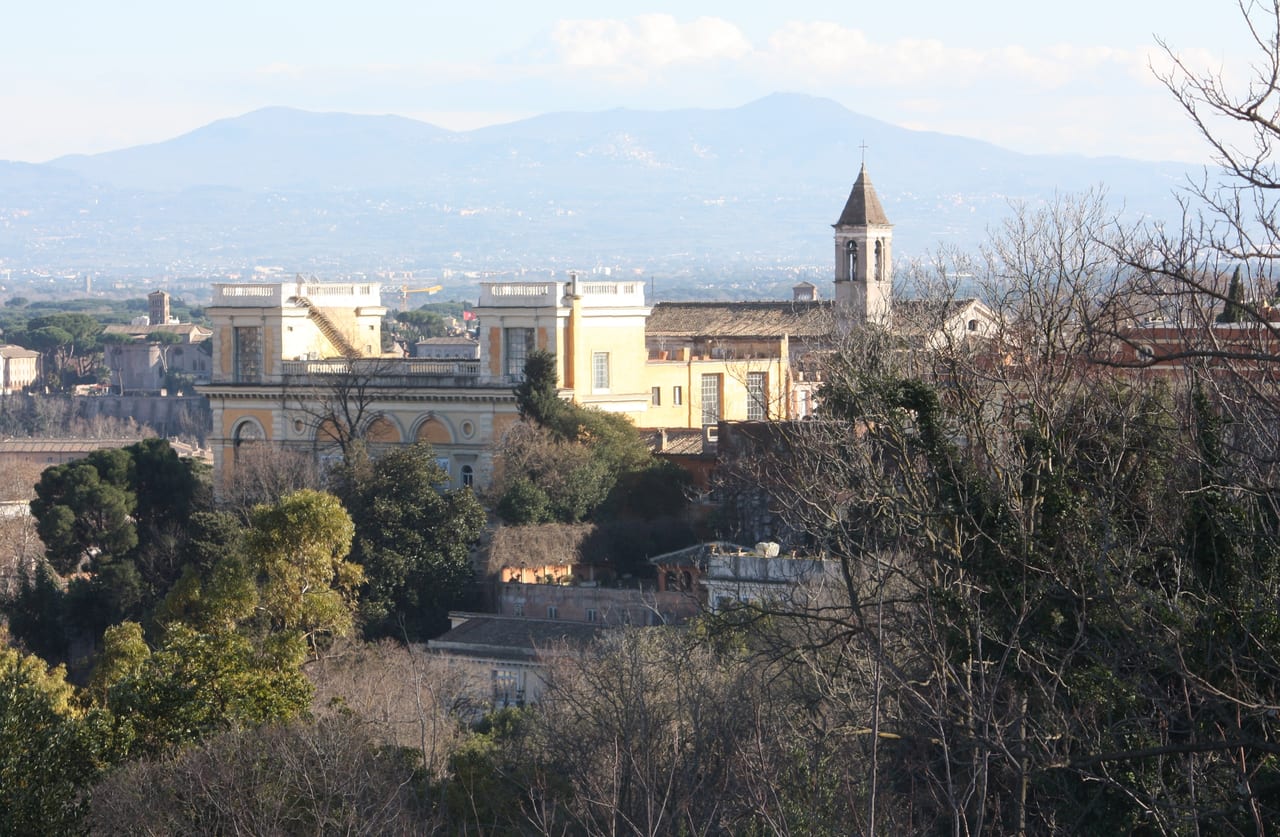
San Pietro in Montorio stands on a site associated with Saint Peter’s crucifixion, where a monastery is recorded as early as the first half of the ninth century. The complex passed from the Benedictines to the Celestines, Ambrosians and Cistercian nuns; by 1320, the church was known as San Pietro del Monte Aureo. In 1472, Sixtus IV assigned its dilapidated buildings and surrounding land to Amedeo da Silva’s Franciscan congregation. The old church was demolished and a new one begun within the pope’s urban programme, with financial support from Louis XI of France and, later, Ferdinand II and Isabella of Castile. Alexander VI consecrated it in 1500. The design has been attributed to Baccio Pontelli or Meo del Caprino. French forces damaged the complex during the defence of the Gianicolo in 1849, when the church became a hospital and its archive was looted. The convent was suppressed in 1809, recovered by the friars in 1814, and recognised in 1876 as Spanish property, becoming the seat of the Royal Spanish Academy in Rome.
At a glance
- Built
- 1401
- Architect
- Donato Bramante
- Style
- baroque architecture
- Heritage
- Italian national heritage
Ways to explore San Pietro in Montorio
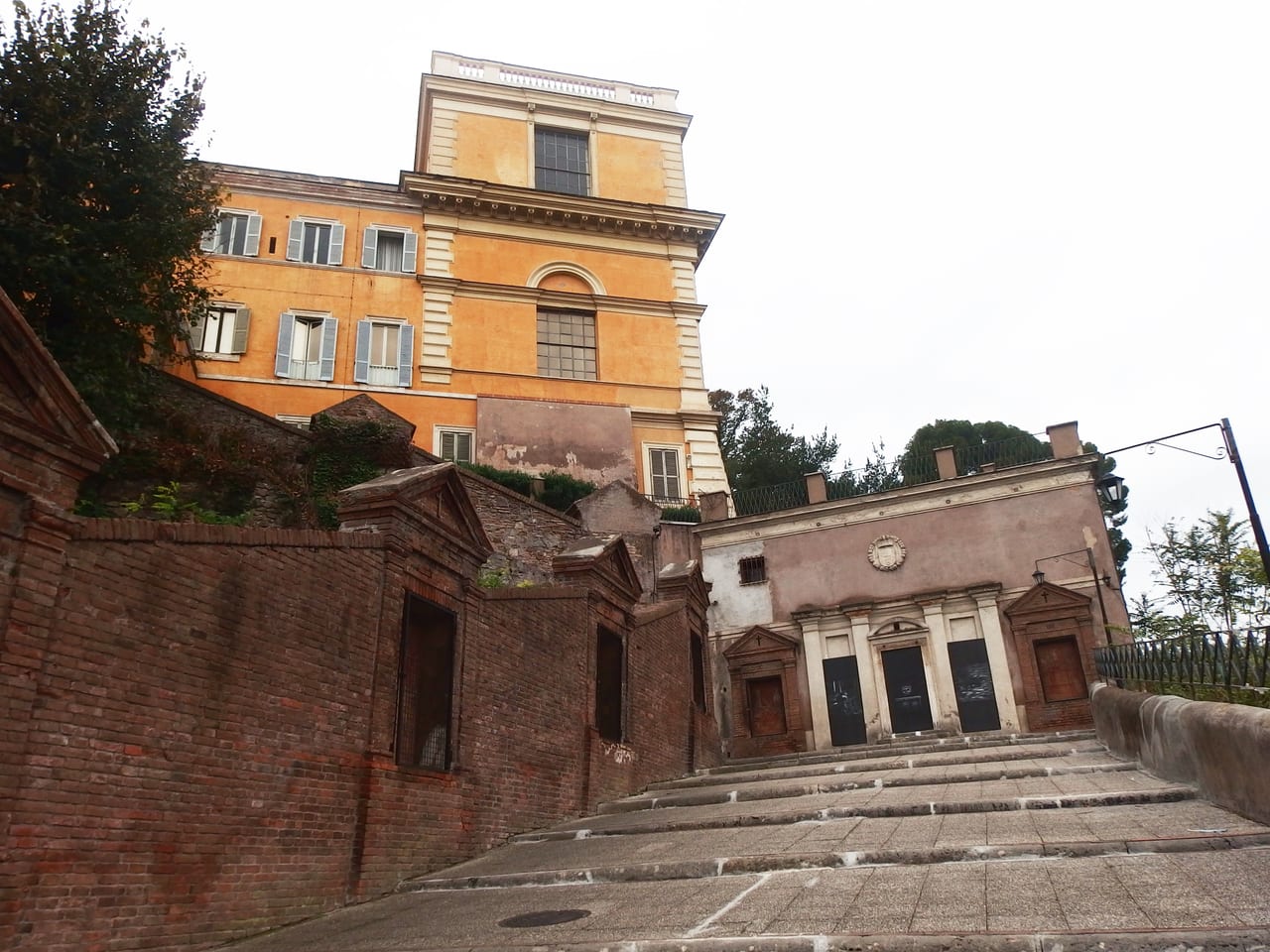
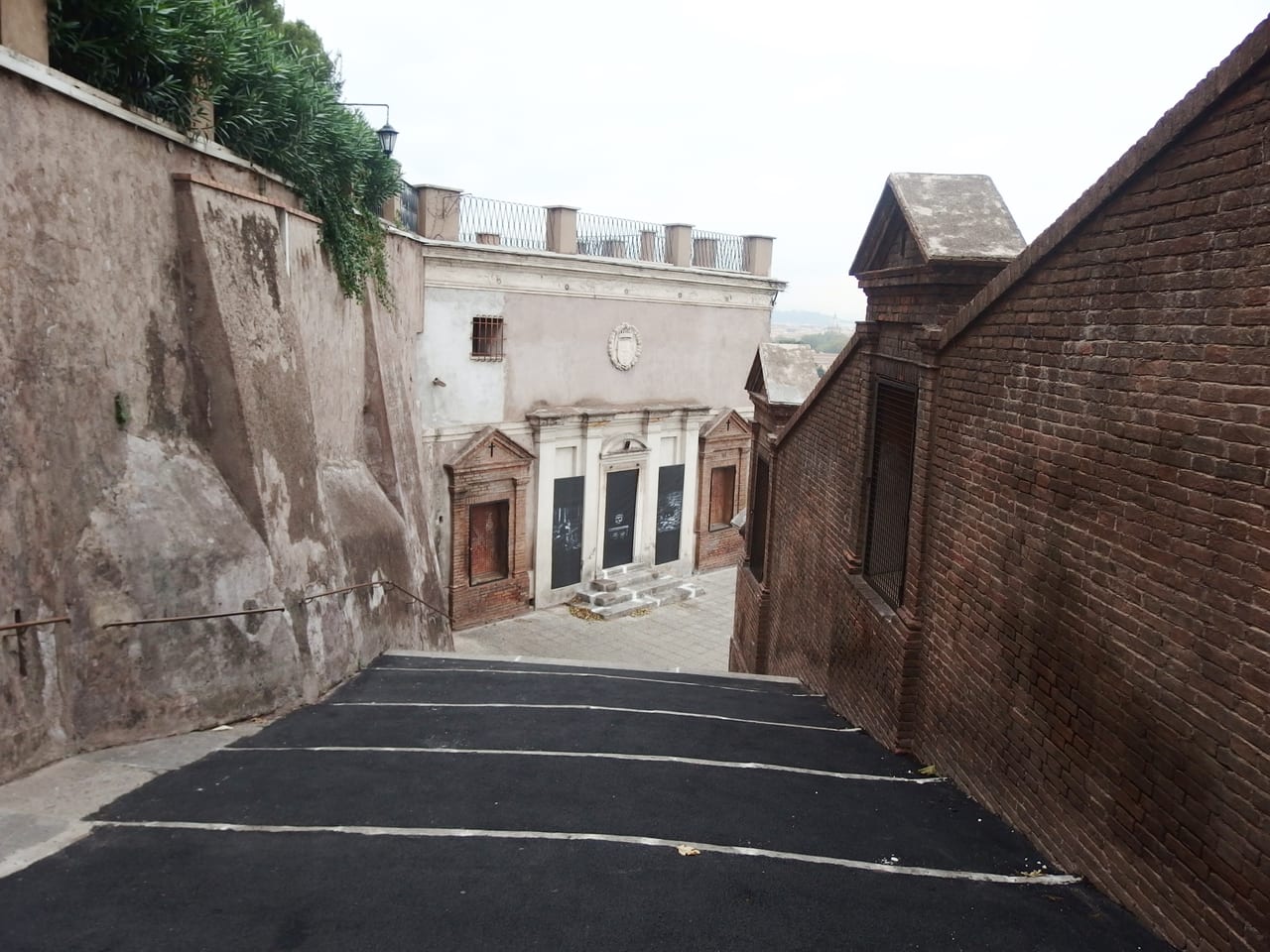
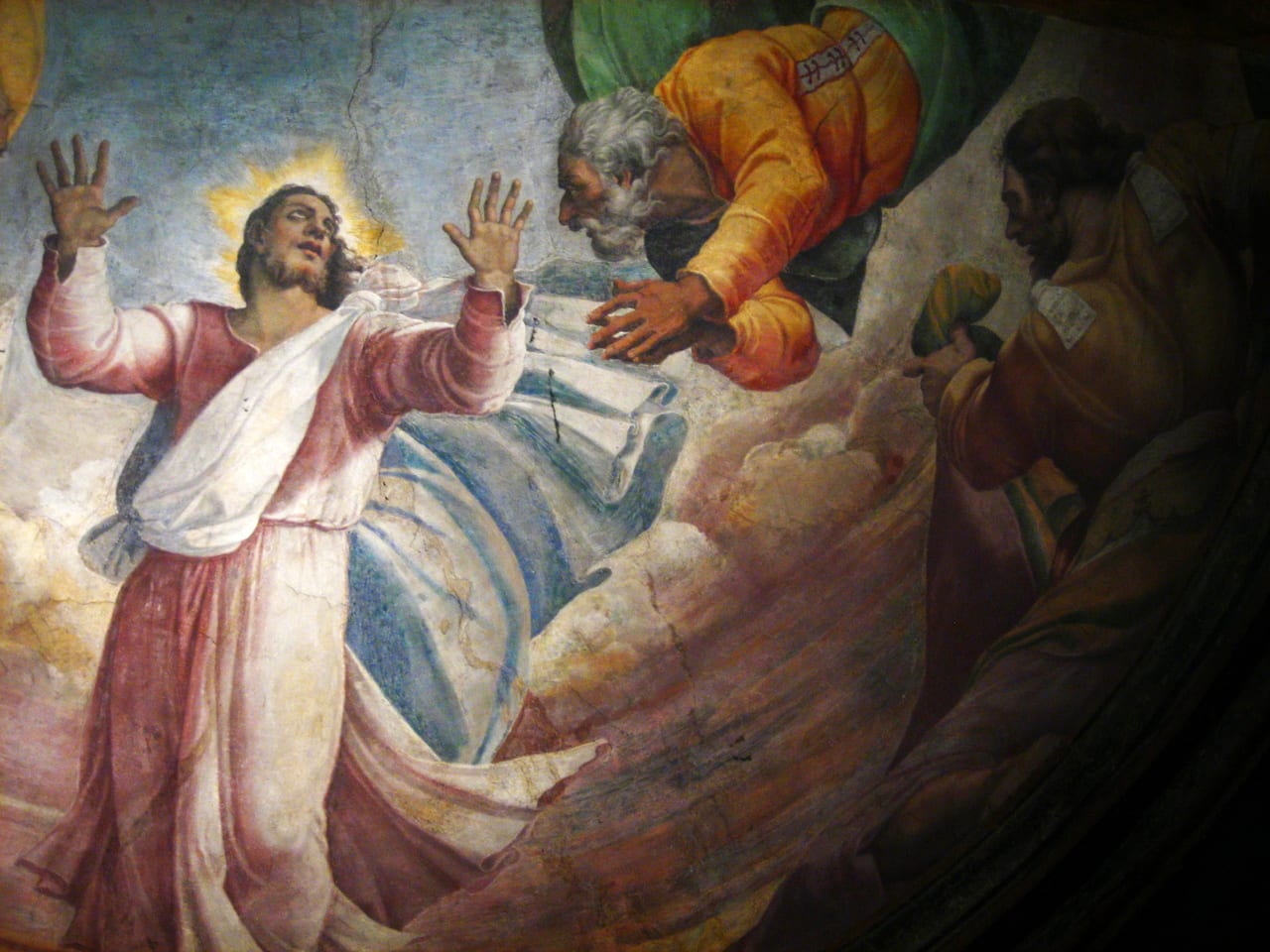
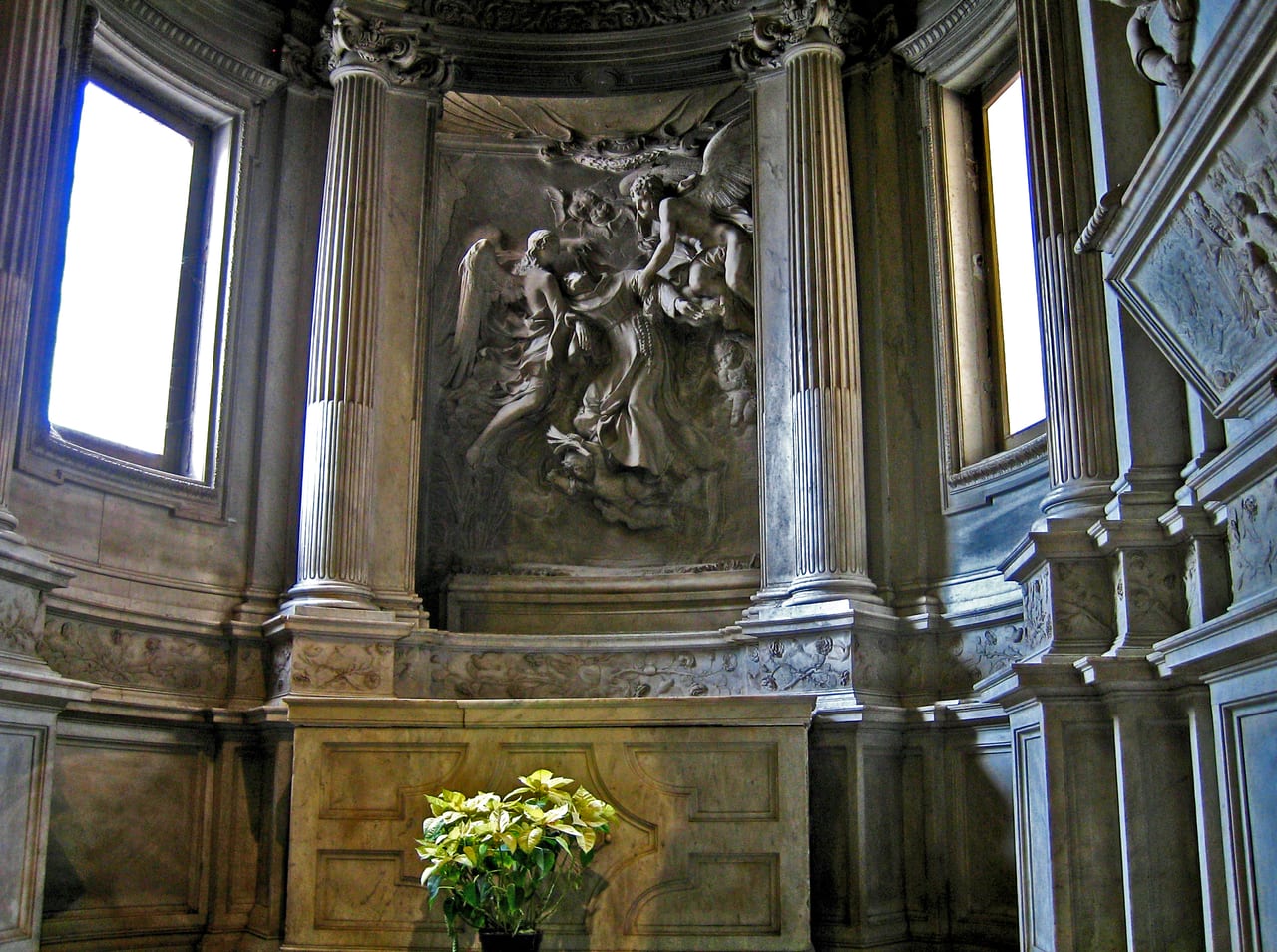
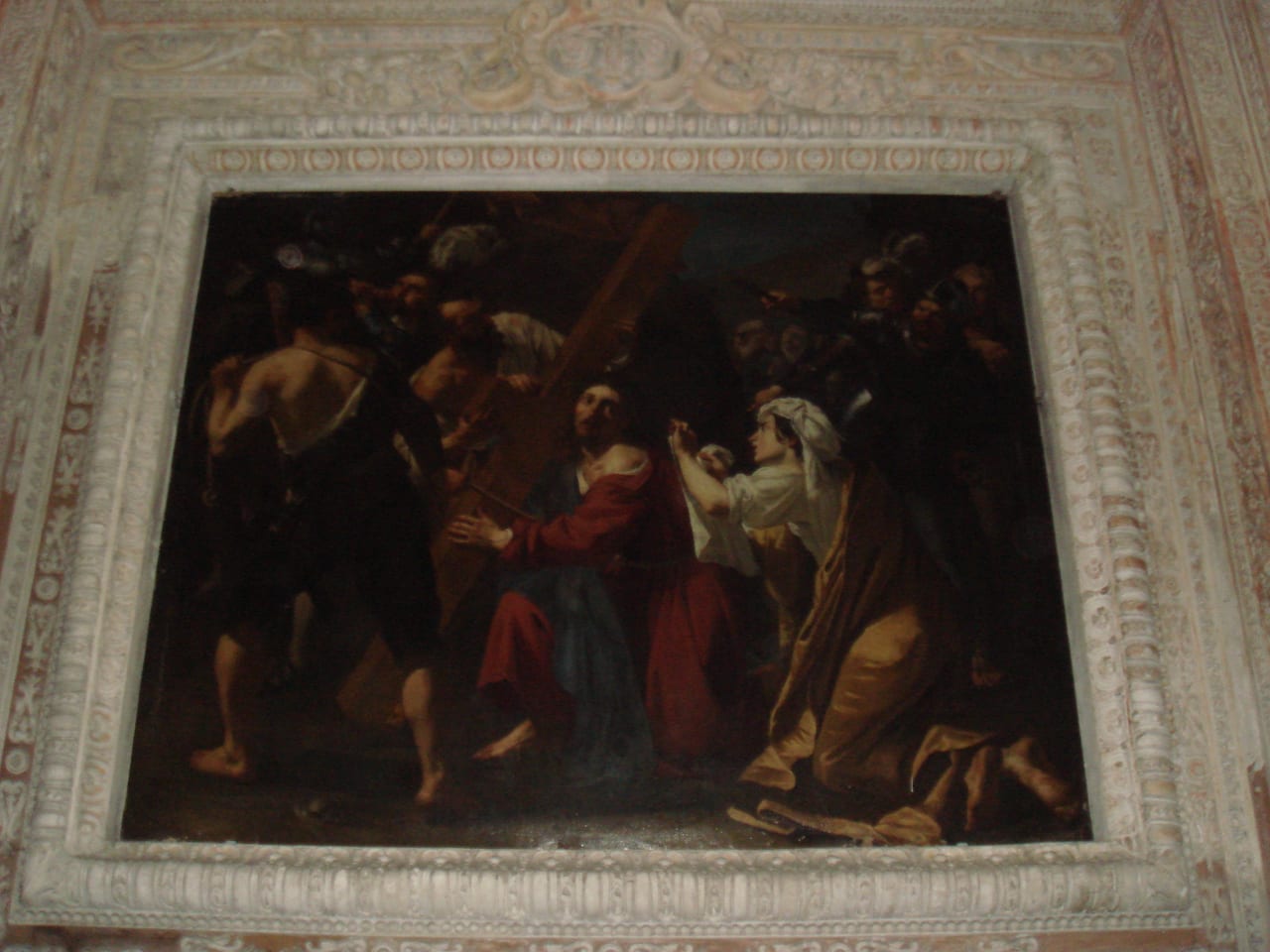
Inside, compare the first chapel on the right, with Sebastiano del Piombo’s Flagellation and Transfiguration, to the frescoes and allegorical sibyl in the next chapel. Look for Vasari’s work, the funerary monuments by Bartolomeo Ammannati, and the memorials to Hugh O’Neill and Rory O’Donnell. The 1968 Mascioni organ occupies the apse. Along the stepped Via S. Pietro in Montorio, the 1957 polychrome-terracotta stations by Carmelo Pastor form a separate walk.
Places to stay near San Pietro in Montorio

Live availability and prices from Stay22's partners, refreshed periodically and subject to change. Booking through these links may earn us a commission at no extra cost to you. See our privacy policy.
Cafés near San Pietro in Montorio
Cafés near San Pietro in Montorio loads as you scroll.
Attractions nearby
Attractions near San Pietro in Montorio loads as you scroll.
Cities nearby
Cities nearby loads as you scroll.
More in Rome
See more of Rome.
Find great cafés, places to stay and other interesting places to visit in Rome.