Church · Rome
San Pancrazio
DirectionsDuring its seventh-century rebuilding, San Pancrazio was arranged so the tomb of its approximately fourteen-year-old martyr lay directly beneath the high altar.
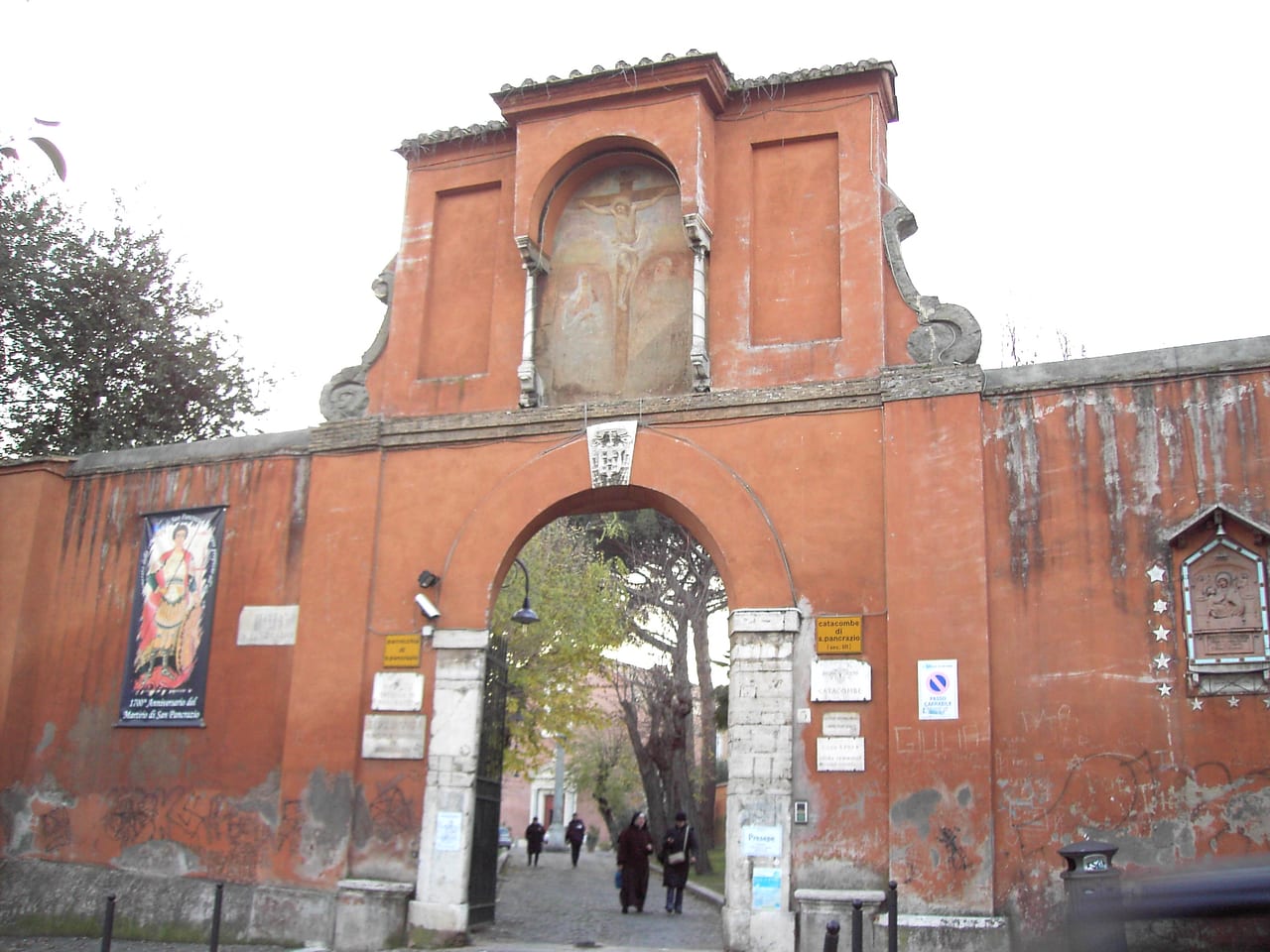
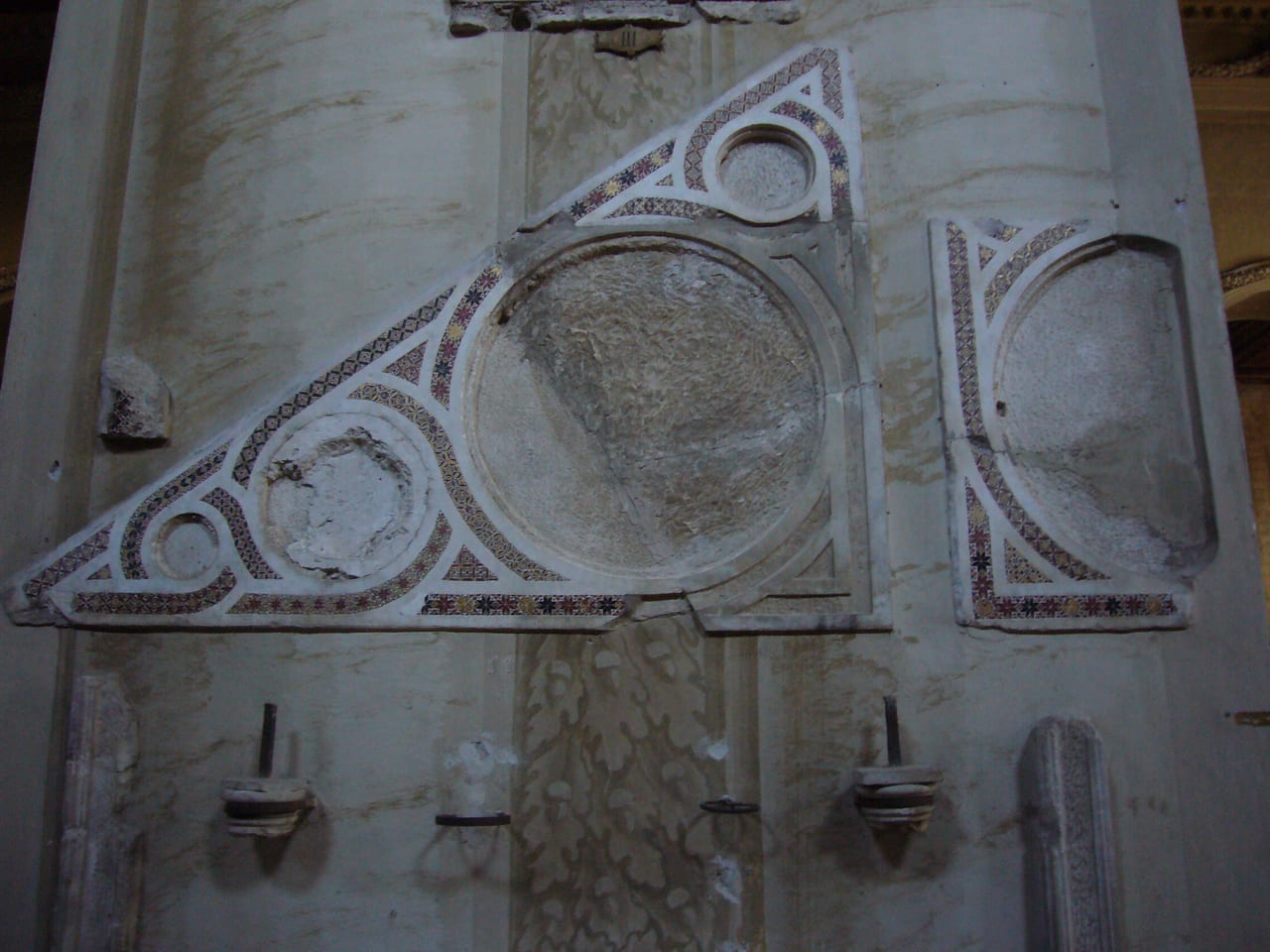
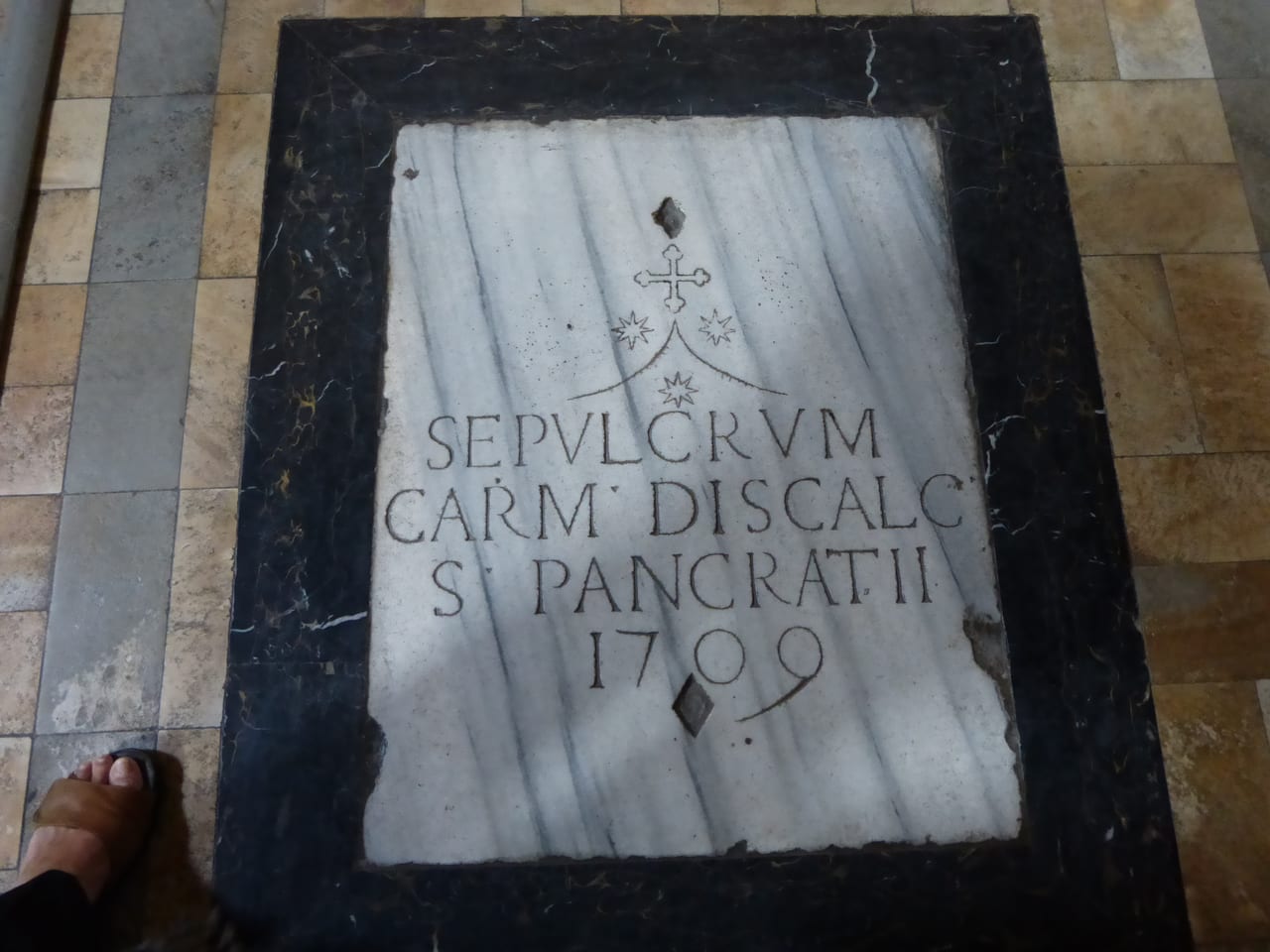
Photograph 1 of 3 of San Pancrazio
San Pancrazio was built on the Gianicolo by order of Pope Symmachus, whose pontificate lasted from 498 to 514, at the burial place of the young martyr Pancrazio. He was killed in Rome on 12 May 304, during the reign of Diocletian and the final, severe persecution of Christians, in which about 15,000 people died. His growing fame was such that, by the middle of the sixth century, the nearby Porta Aurelia in the Aurelian Walls had become Porta San Pancrazio. Pope Gregory I ordered a monastery named San Vittore beside the basilica to ensure regular liturgical services, entrusting it to Benedictine monks; the saint commemorated by the name is uncertain. In the first half of the seventh century, during the pontificate of Pope Honorius I, the basilica underwent a complete rebuilding so that the saint’s tomb lay directly beneath the high altar. The tribune frescoes are attributed to Antonio Tempesta. Since the seventeenth century, the basilica has been entrusted to the Discalced Carmelites and holds the rank of cardinal title. It became a parish on 12 April 1931 through Pius XI’s bull Pastorale munus. John Paul II visited on 22 April 1979. San Pancrazio is recognized as Italian national heritage.
At a glance
- Built
- 501
- Heritage
- Italian national heritage
Ways to explore San Pancrazio
Enter through the public access to the Catacombs of San Pancrazio, whose narrow passages and underground chapels convey a markedly enclosed experience. The entrance associated with the matron Ottavilla is reserved for scholars of Christian archaeology. Inside the basilica, look up toward the tribune frescoes attributed to Antonio Tempesta, then place the church in its wider setting beside Villa Doria Pamphilj and the Gianicolo.
Places to stay near San Pancrazio

Live availability and prices from Stay22's partners, refreshed periodically and subject to change. Booking through these links may earn us a commission at no extra cost to you. See our privacy policy.
Cafés near San Pancrazio
Cafés near San Pancrazio loads as you scroll.
Attractions nearby
Attractions near San Pancrazio loads as you scroll.
Cities nearby
Cities nearby loads as you scroll.
More in Rome
See more of Rome.
Find great cafés, places to stay and other interesting places to visit in Rome.