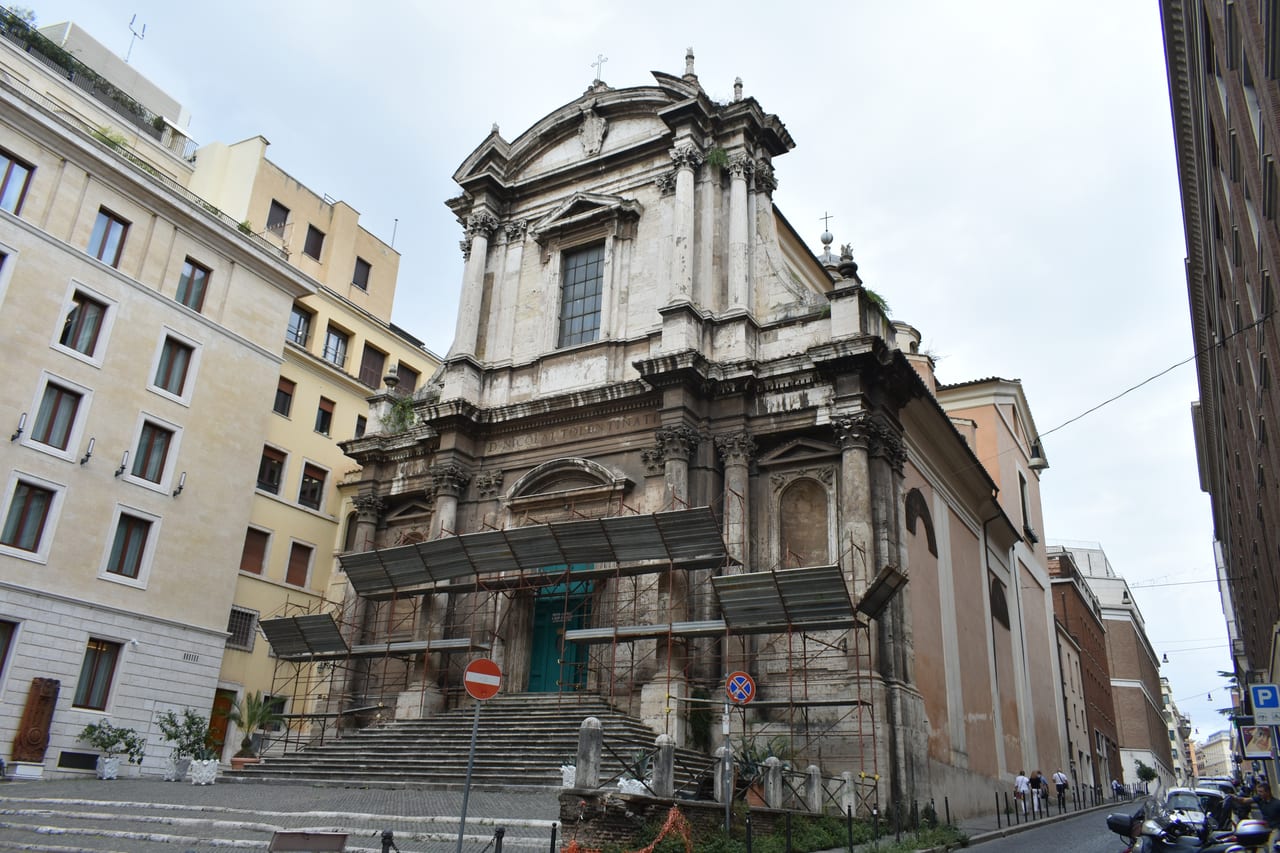
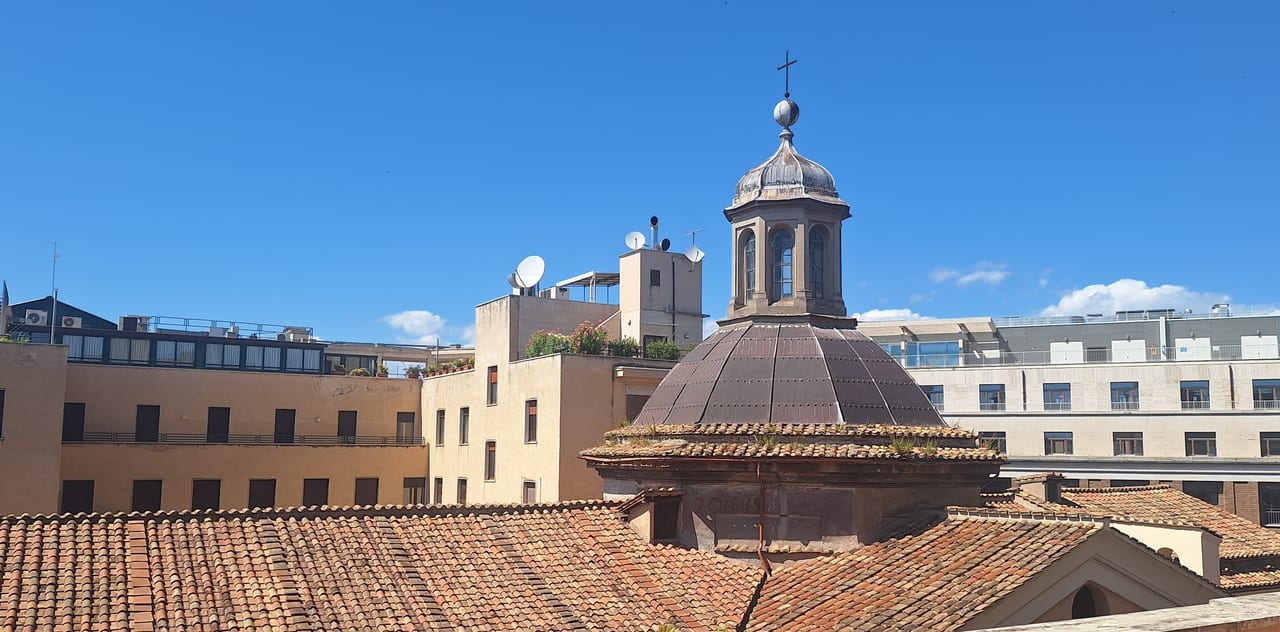

Photograph 1 of 15 of San Nicola da Tolentino agli Orti Sallustiani
Church · Rome
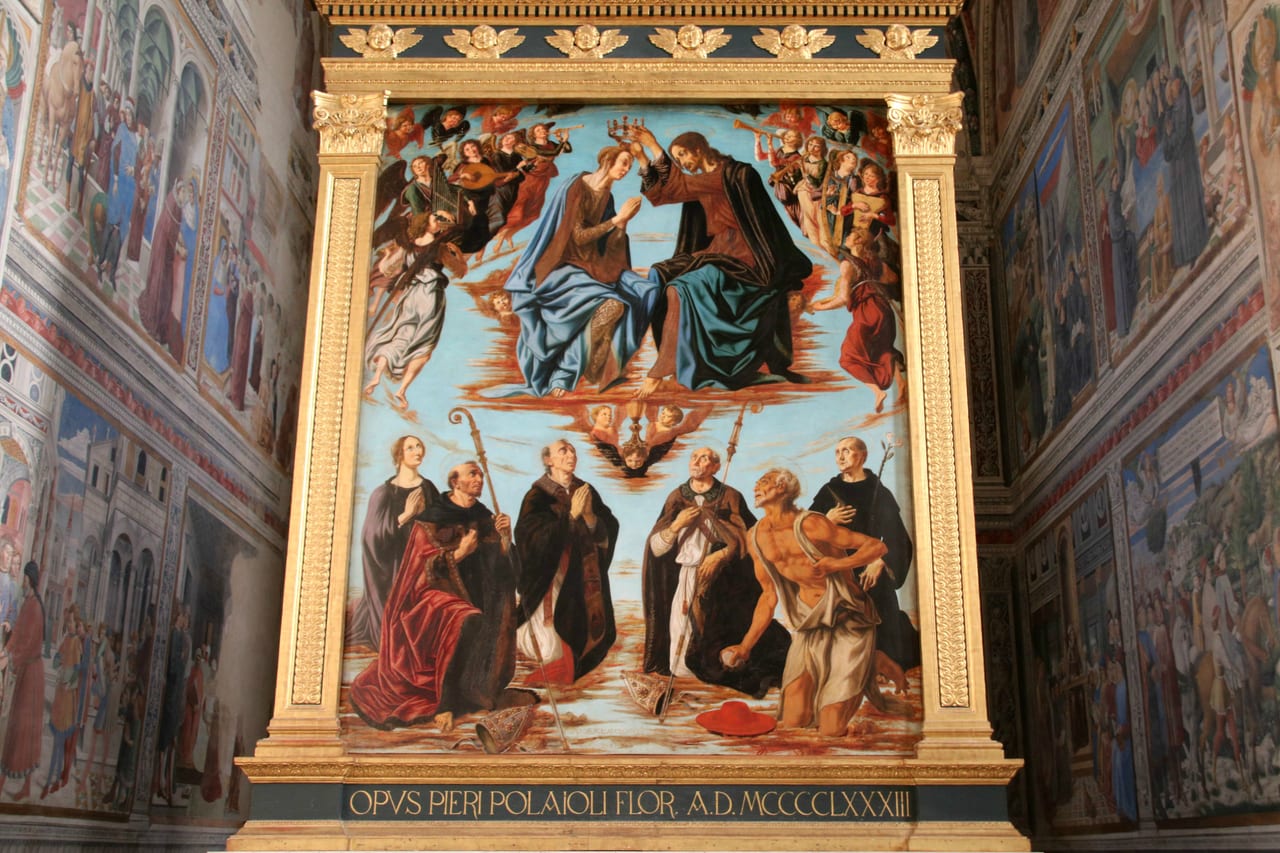
Its functioning 1629 pipe organ, attributed to Celestino Testa, is the sole surviving object from the destroyed city of Castro and its former church of San Savino.
Photograph 1 of 15 of San Nicola da Tolentino agli Orti Sallustiani
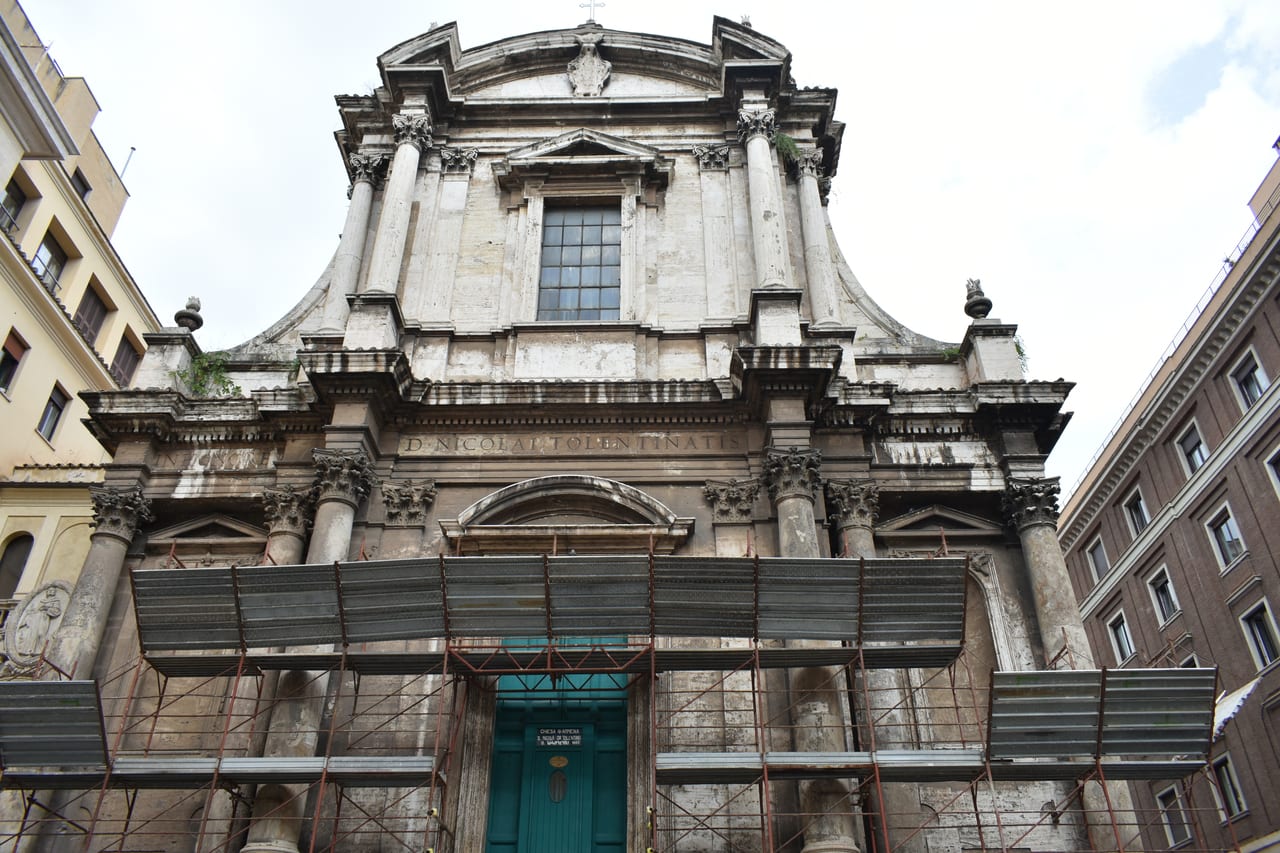
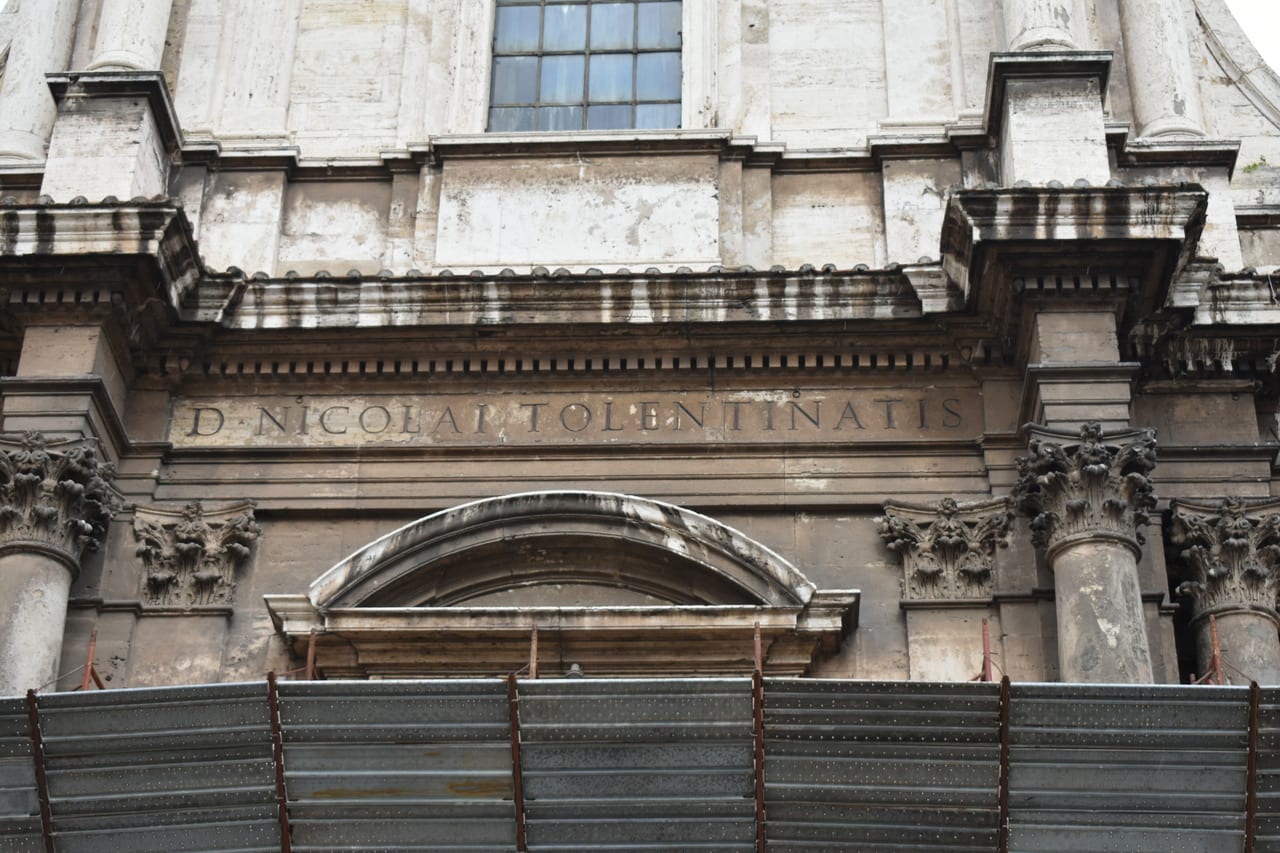
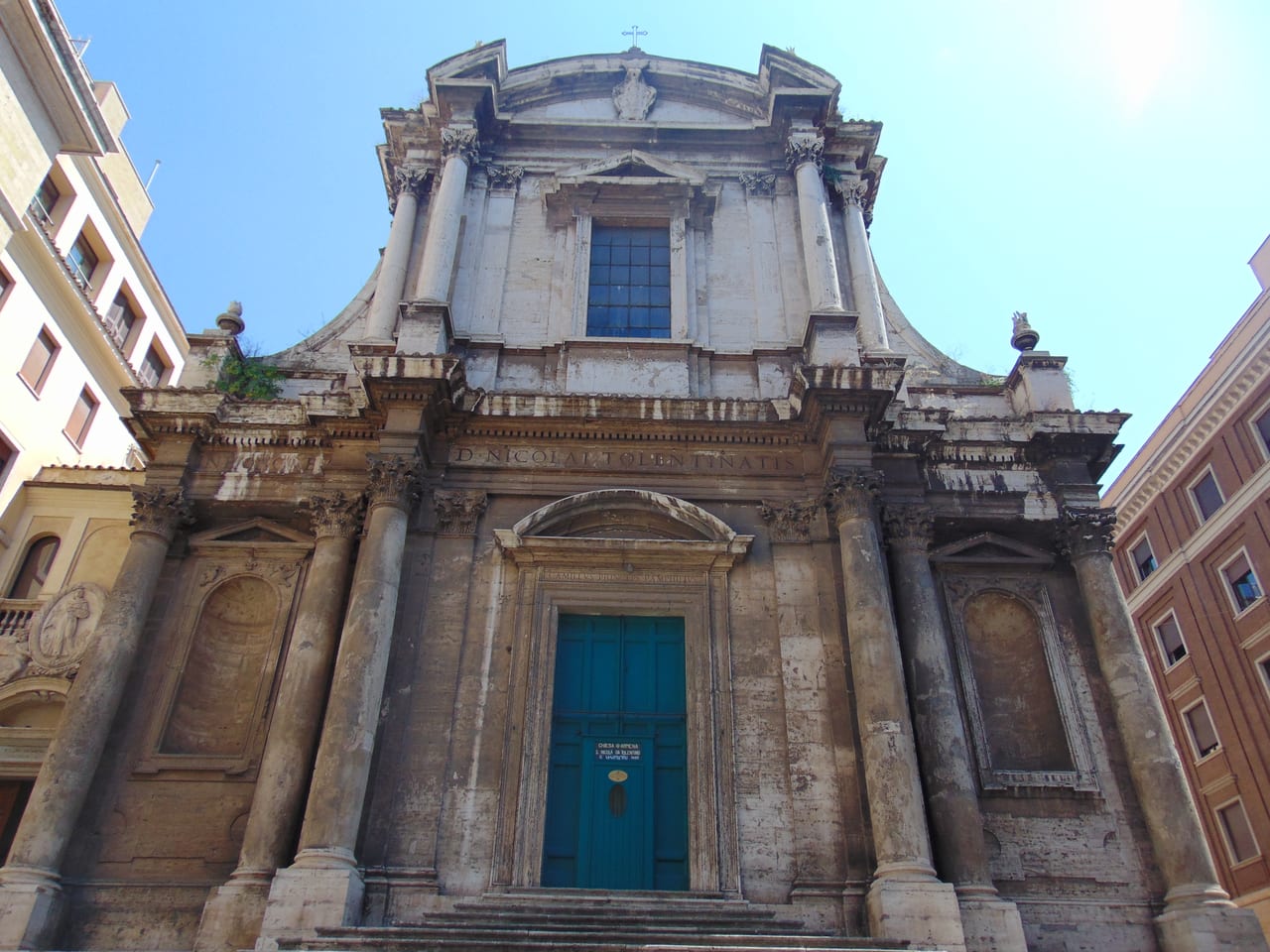
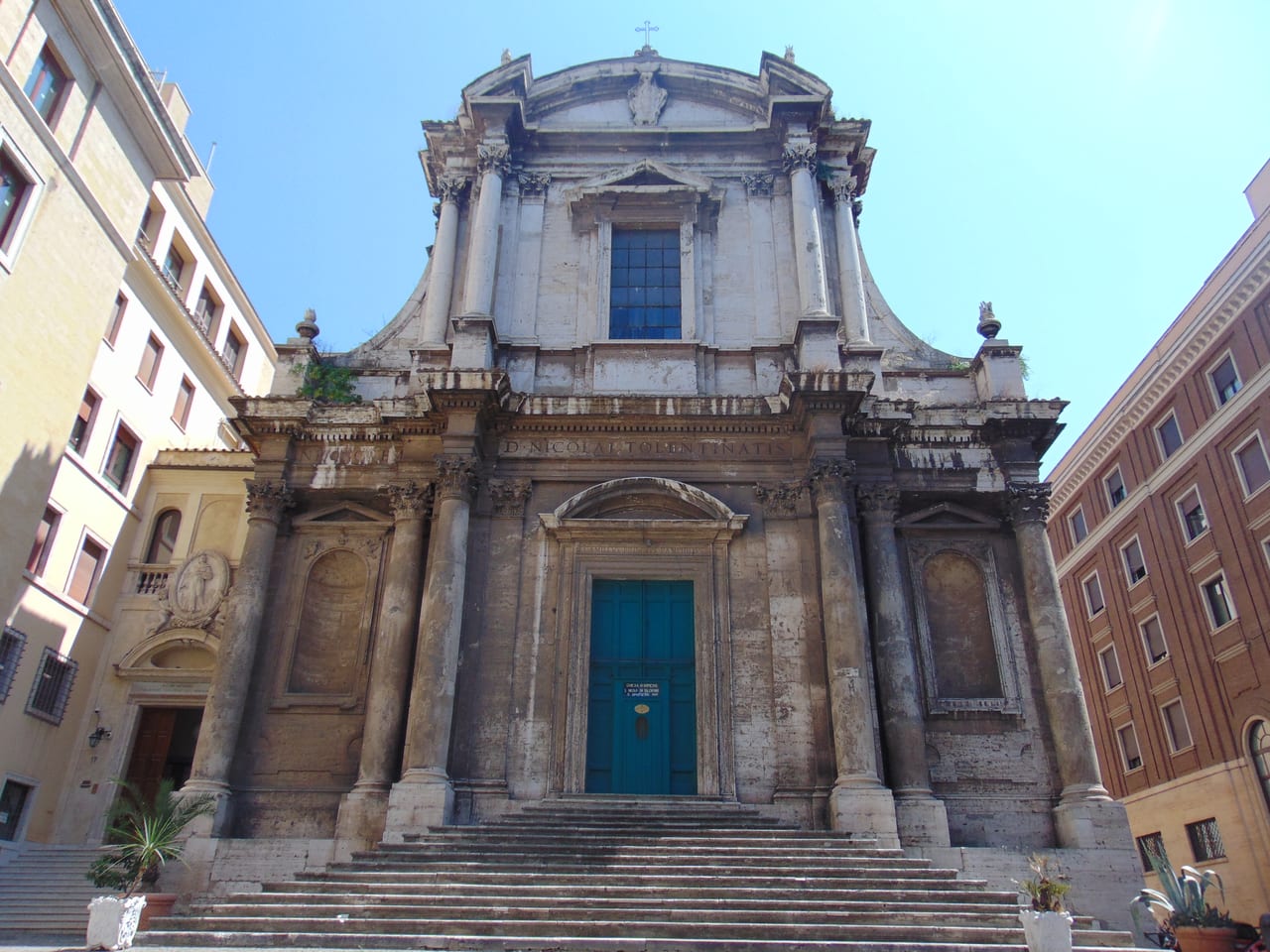
Founded by the Discalced Augustinians in 1599, San Nicola da Tolentino was rebuilt in 1654 at the expense of the Pamphili princes, following designs by Baratta. Francesco Buzio completed the façade and its staircase in 1670. The Baroque front rises in two orders, divided into three sections by pilasters, paired pilasters and columns; its central portal is crowned by a semicircular pediment, while the flanking niches bear Pamphili coats of arms with doves carrying olive branches. Inside, Alessandro Algardi created the high altar and the other altars, including the sculptural Vision of Saint Nicholas of Tolentino with the Virgin, Saint Augustine and Saint Monica. Pietro da Cortona designed the Gavotti Chapel, with sculpture by Antonio Raggi and Ercole Ferrata. Further highlights include a reproduction of Jerusalem’s Holy Sepulchre, the funeral monument of Cardinal Aghagianian and Giovan Battista Gaulli’s Saint John the Baptist. The complex is an Italian national heritage site.
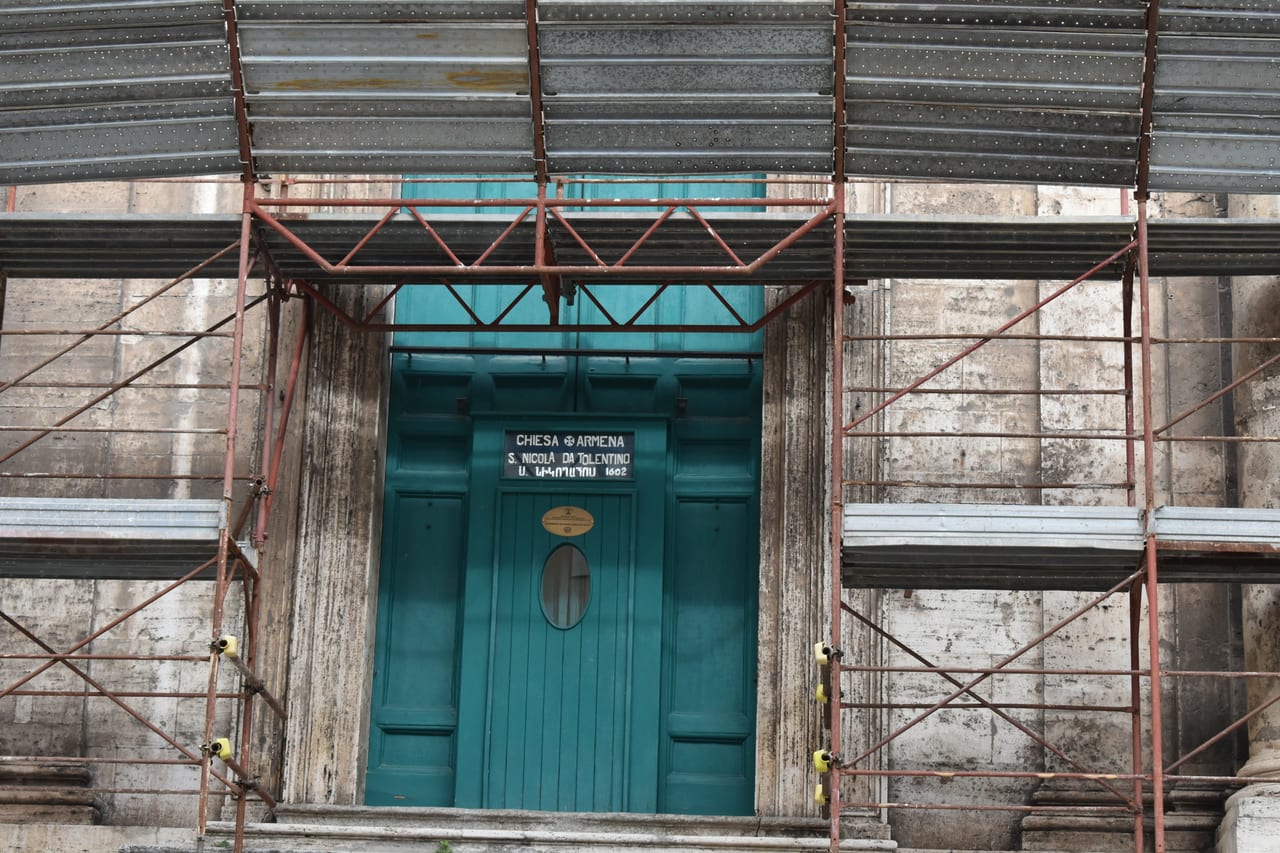
Check current access arrangements, as the adjoining convent now houses the Pontifical Armenian College and the church is used for Armenian-rite worship. Beside the college, look for the khachkar commemorating the Armenian genocide; a second, older stele stands in the inner cloister. A marble plaque installed by Rome in 2006 commemorates the victims of the Metz Yeghern.
Live availability and prices from Stay22's partners, refreshed periodically and subject to change. Booking through these links may earn us a commission at no extra cost to you. See our privacy policy.
More in Rome
Find great cafés, places to stay and other interesting places to visit in Rome.
