Church · Rome
San Girolamo della Carità
DirectionsIts first oratory, built by Saint Philip Neri beside the church in former granary rooms, survives together with the saint’s private chamber.
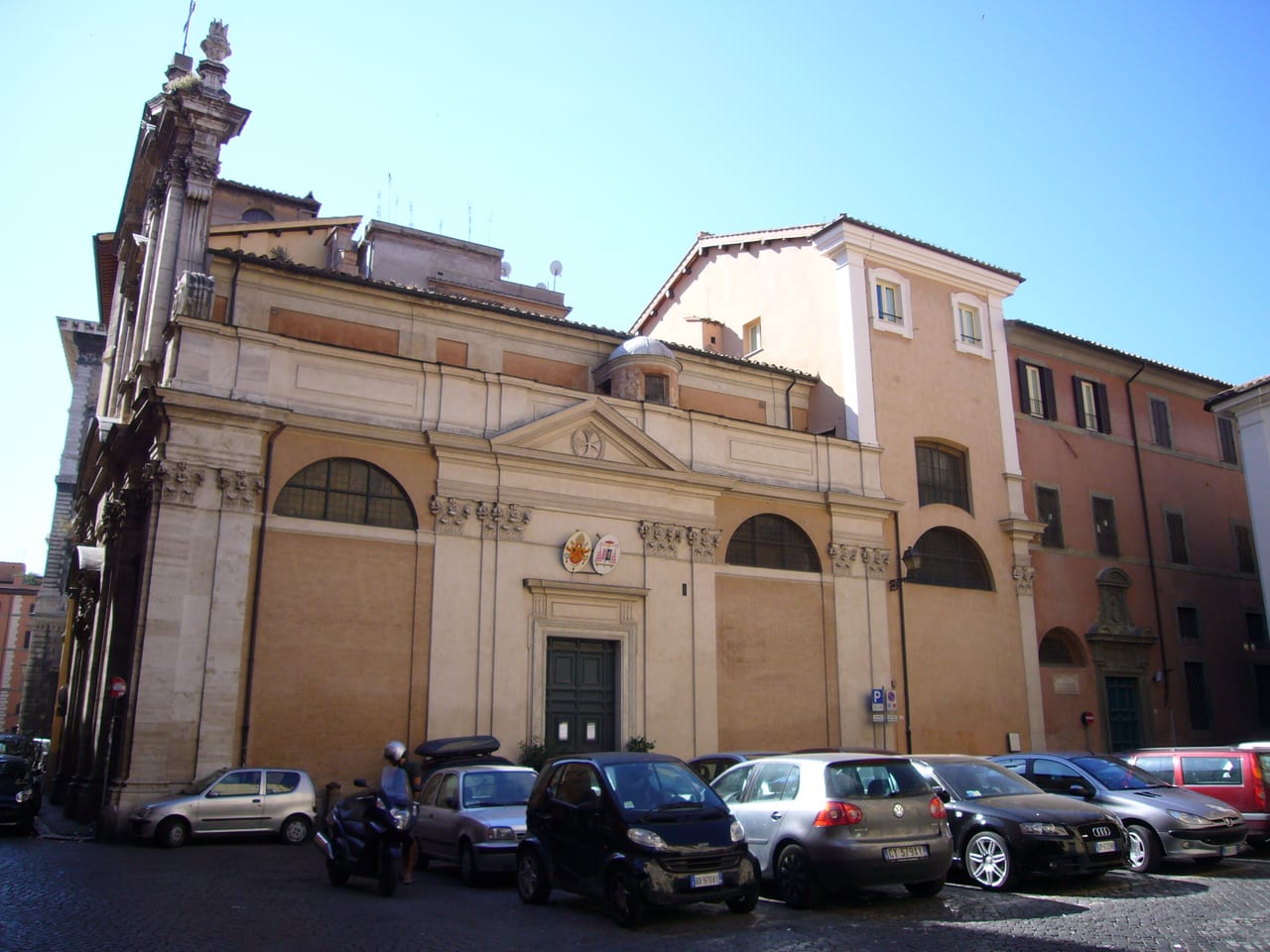
Photograph 1 of 2 of San Girolamo della Carità
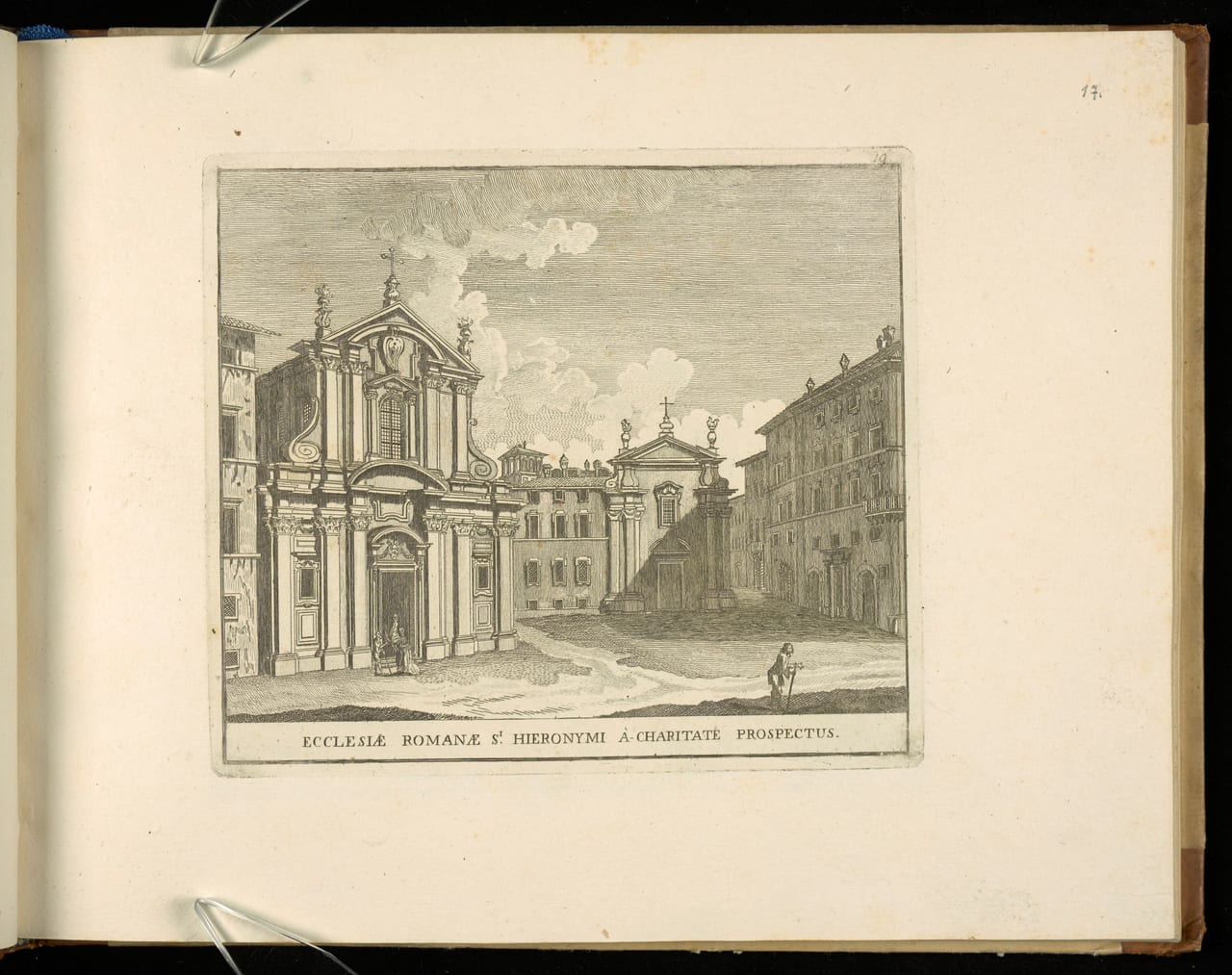
According to tradition, San Girolamo della Carità was founded in the fourth century on the site of the Roman matron Paula’s house, where she had hosted Jerome. The church was rebuilt around 1654 by Domenico Castelli, with 1656 recorded as its inception date. Francesco Salviati, the painter, was buried here. Carlo Rainaldi designed the façade in 1660 and the main altar, giving the building its Baroque character. Inside, a single nave lies beneath an elaborately carved wooden ceiling. The altar holds a copy of Domenichino’s Last Communion of Saint Jerome, now in the Vatican Pinacoteca, based on Agostino Carracci’s celebrated painting. The church’s adjoining spaces preserve its Oratorian associations. Filippo Neri’s first oratory and room occupy former granary premises, while the Antamoro Chapel, created in 1708, is Filippo Juvarra’s only Roman work and contains Pierre Legros’s marble Saint Philip Neri. The church is recognised as Italian national heritage.
At a glance
- Built
- 1656
- Style
- baroque architecture
- Heritage
- Italian national heritage
Ways to explore San Girolamo della Carità
Read the façade before entering, then let the single nave guide your attention towards the carved ceiling and Rainaldi’s altar. Examine the Spada Chapel’s jasper and precious marbles, funerary illusion, ancestor busts, bronze garland and fifteenth-century painting. On the left, compare the Antamoro Chapel with the adjacent oratory rooms; on the right, seek the Speziali Chapel and its wooden crucifix, where Saint Philip Neri celebrated Mass.
Places to stay near San Girolamo della Carità

Live availability and prices from Stay22's partners, refreshed periodically and subject to change. Booking through these links may earn us a commission at no extra cost to you. See our privacy policy.
Cafés near San Girolamo della Carità
Cafés near San Girolamo della Carità loads as you scroll.
Attractions nearby
Attractions near San Girolamo della Carità loads as you scroll.
Cities nearby
Cities nearby loads as you scroll.
More in Rome
See more of Rome.
Find great cafés, places to stay and other interesting places to visit in Rome.