Church · Rome
San Giovanni a Porta Latina
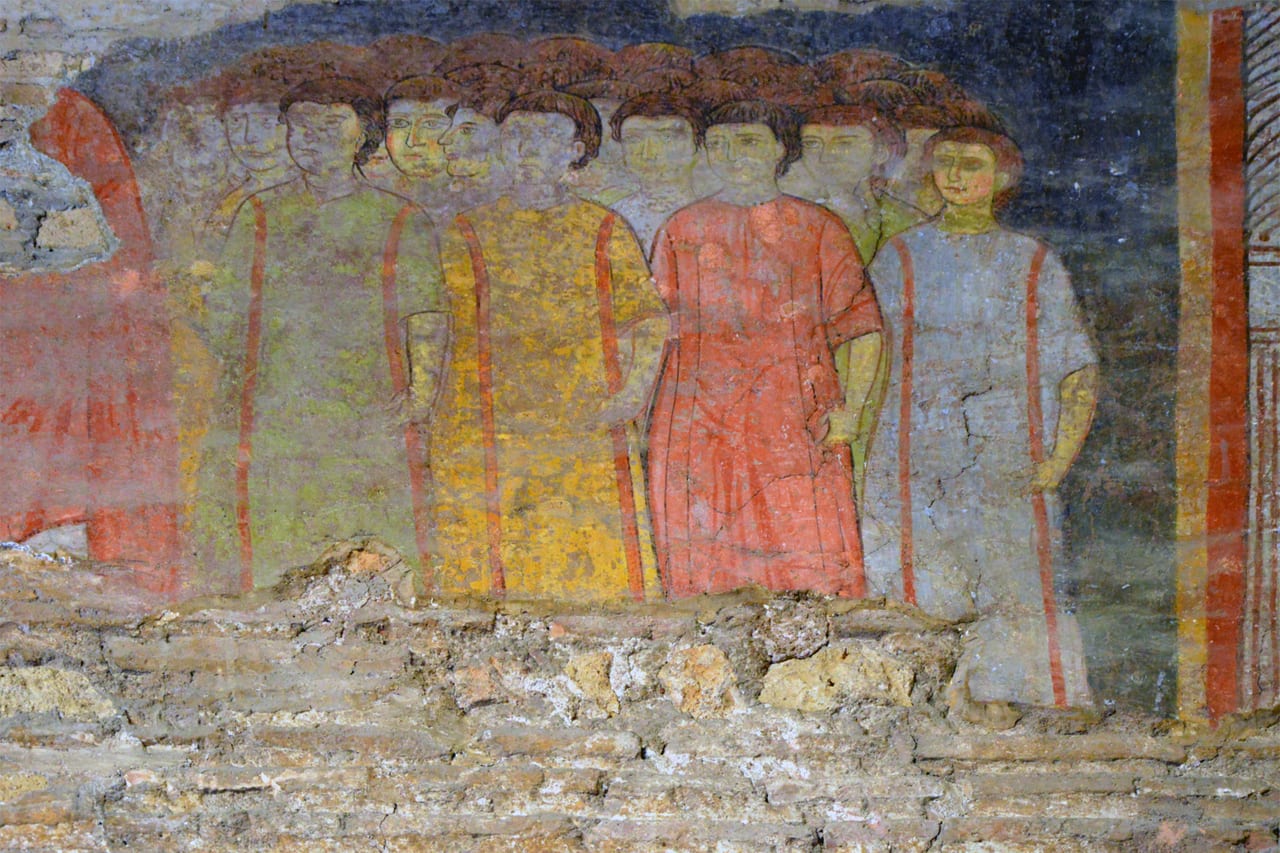
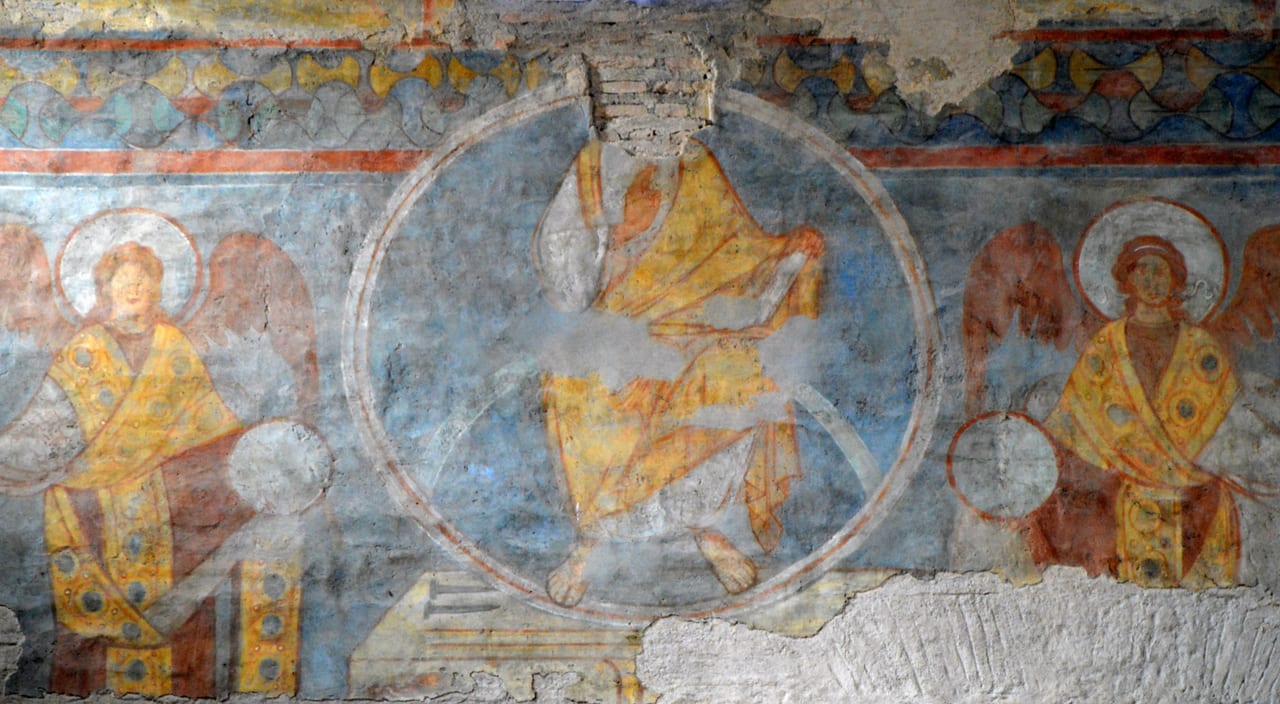
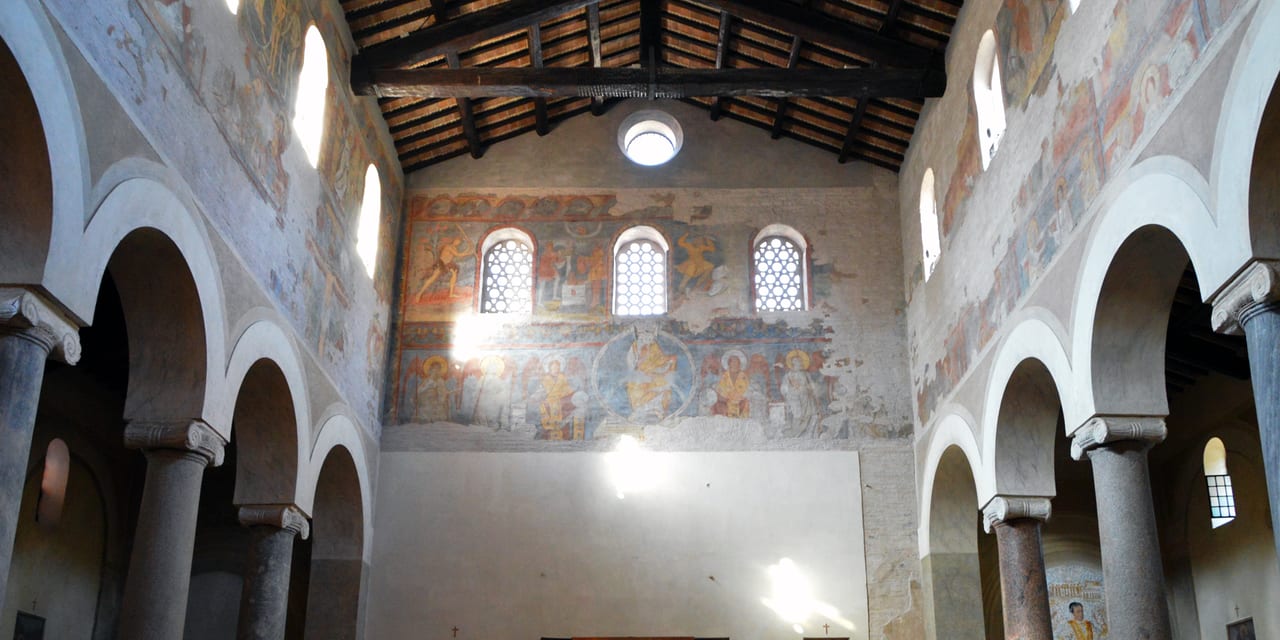
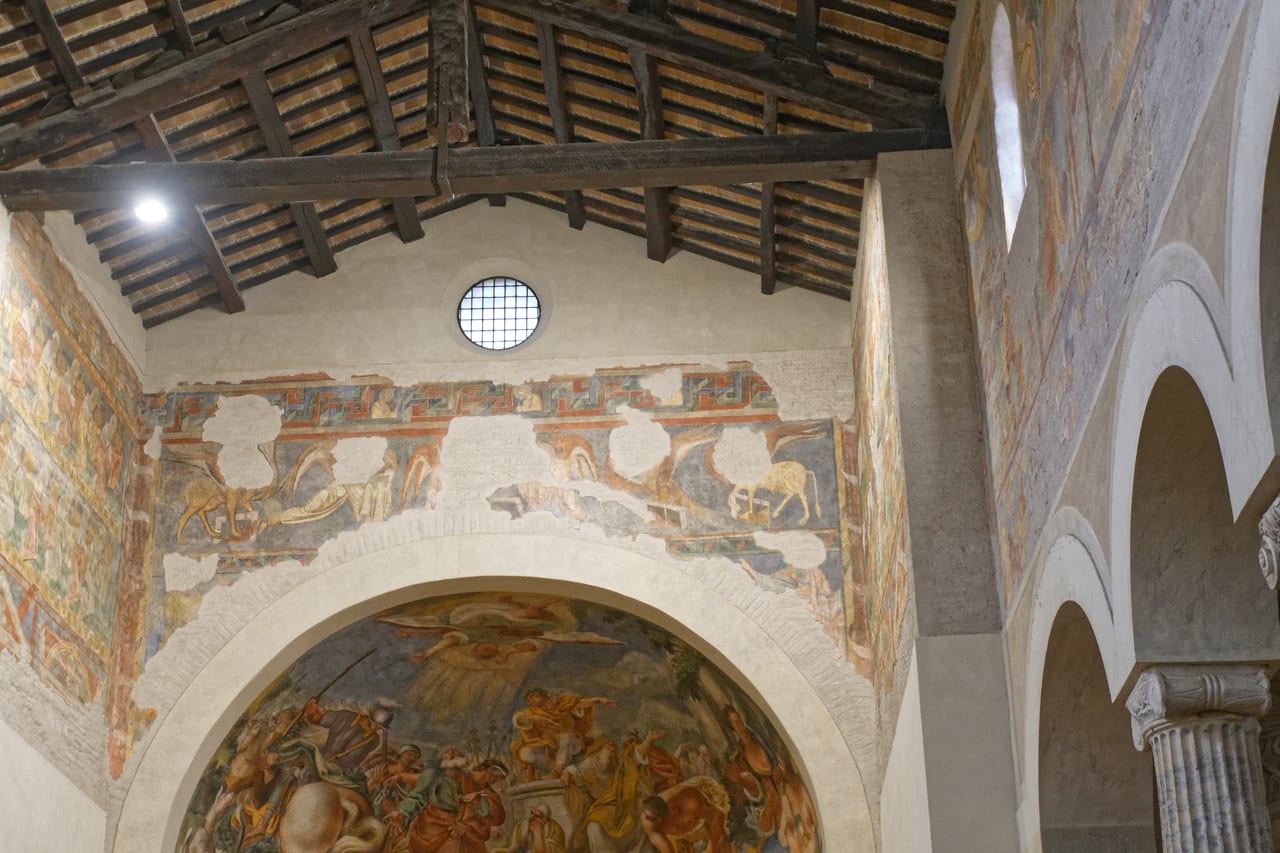
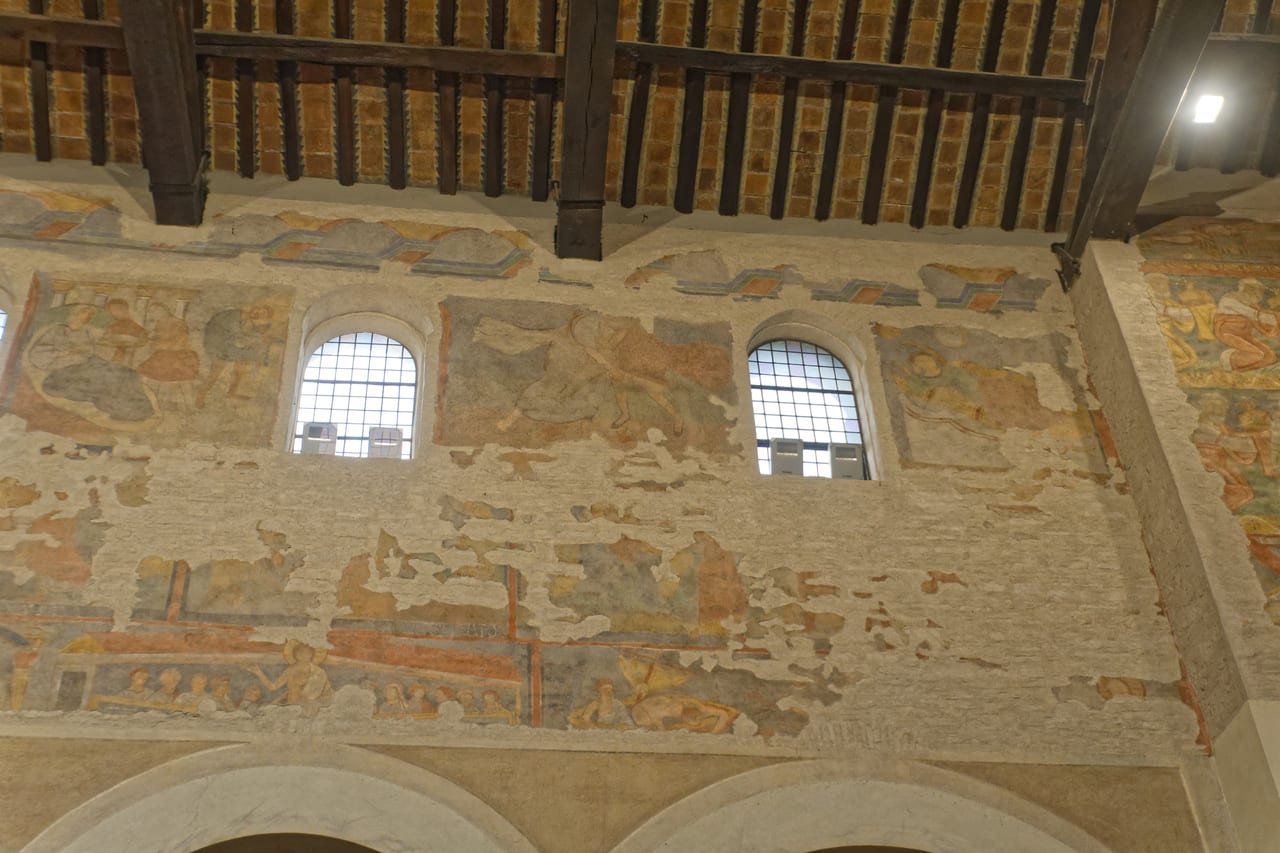
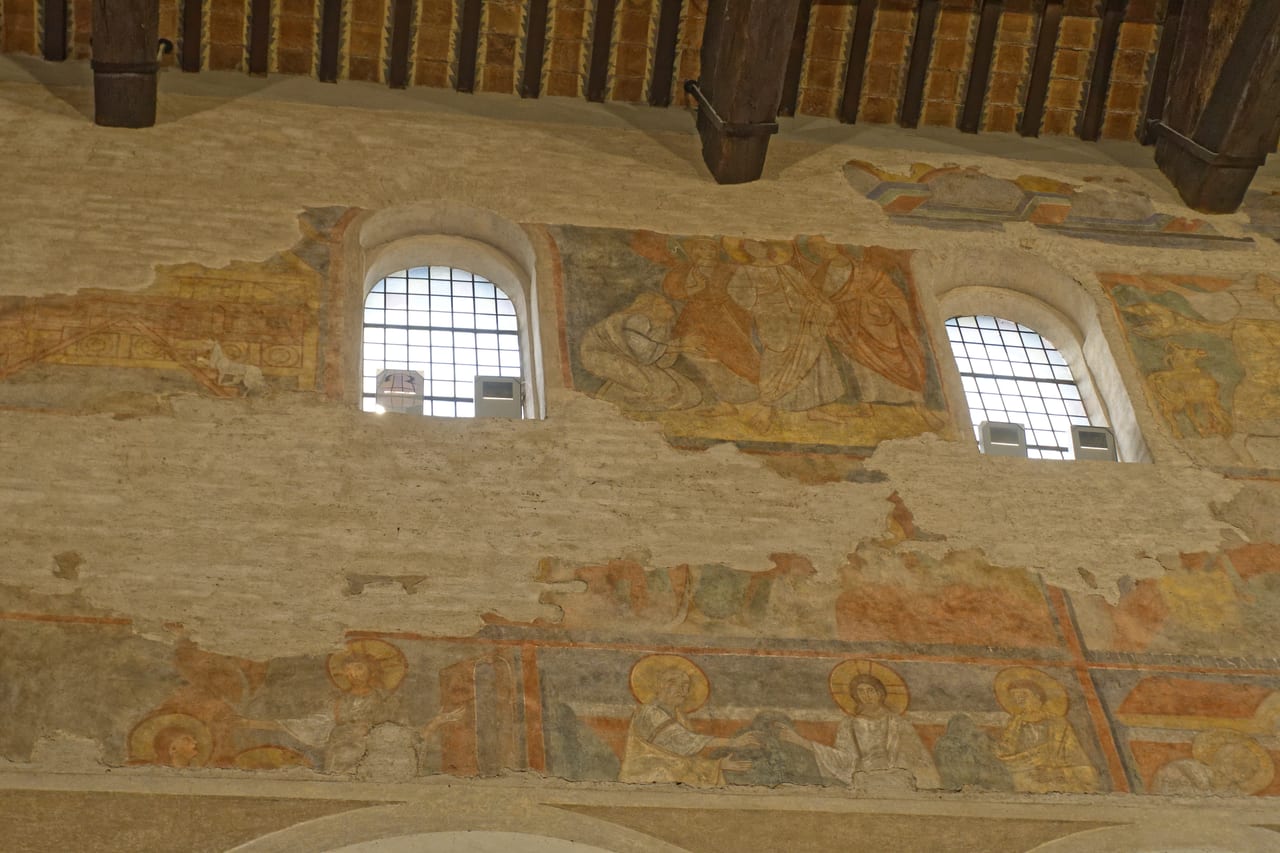
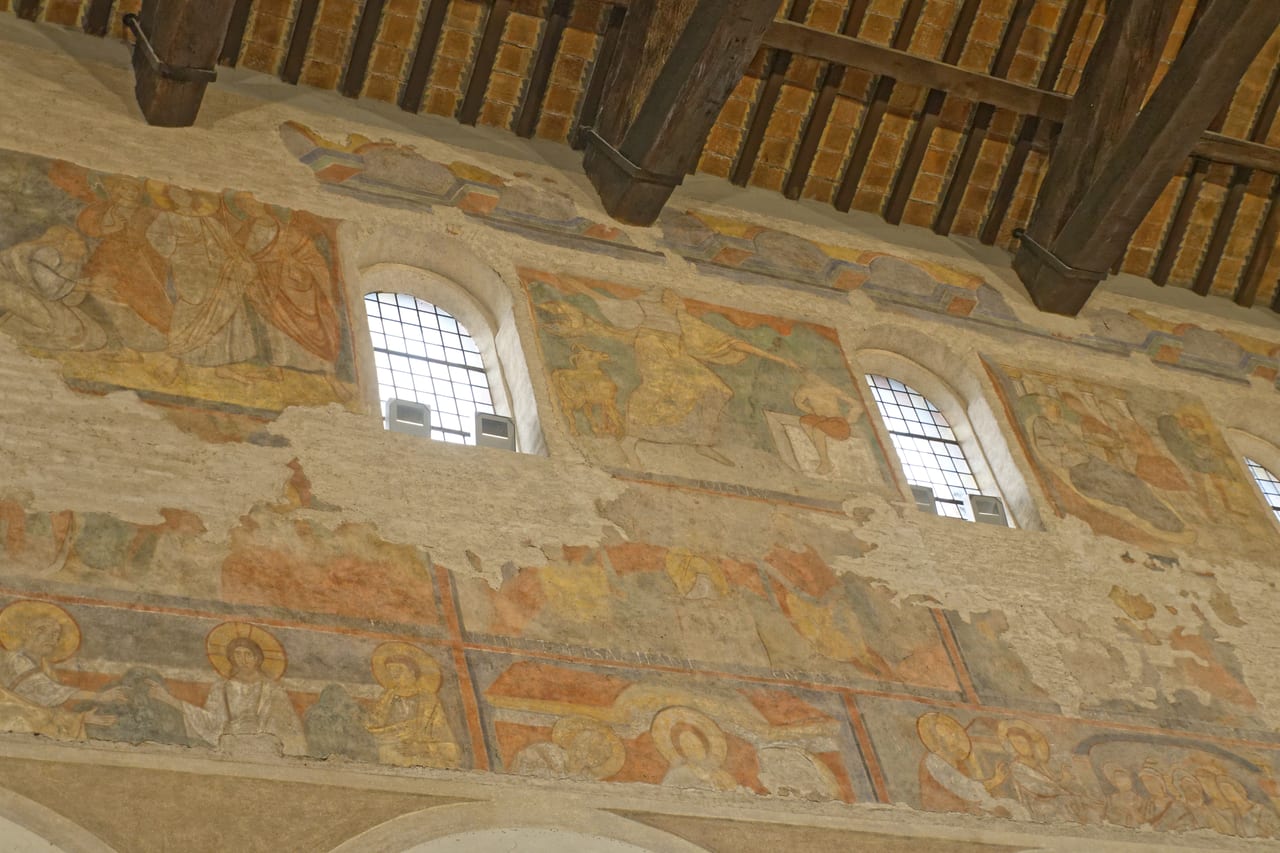
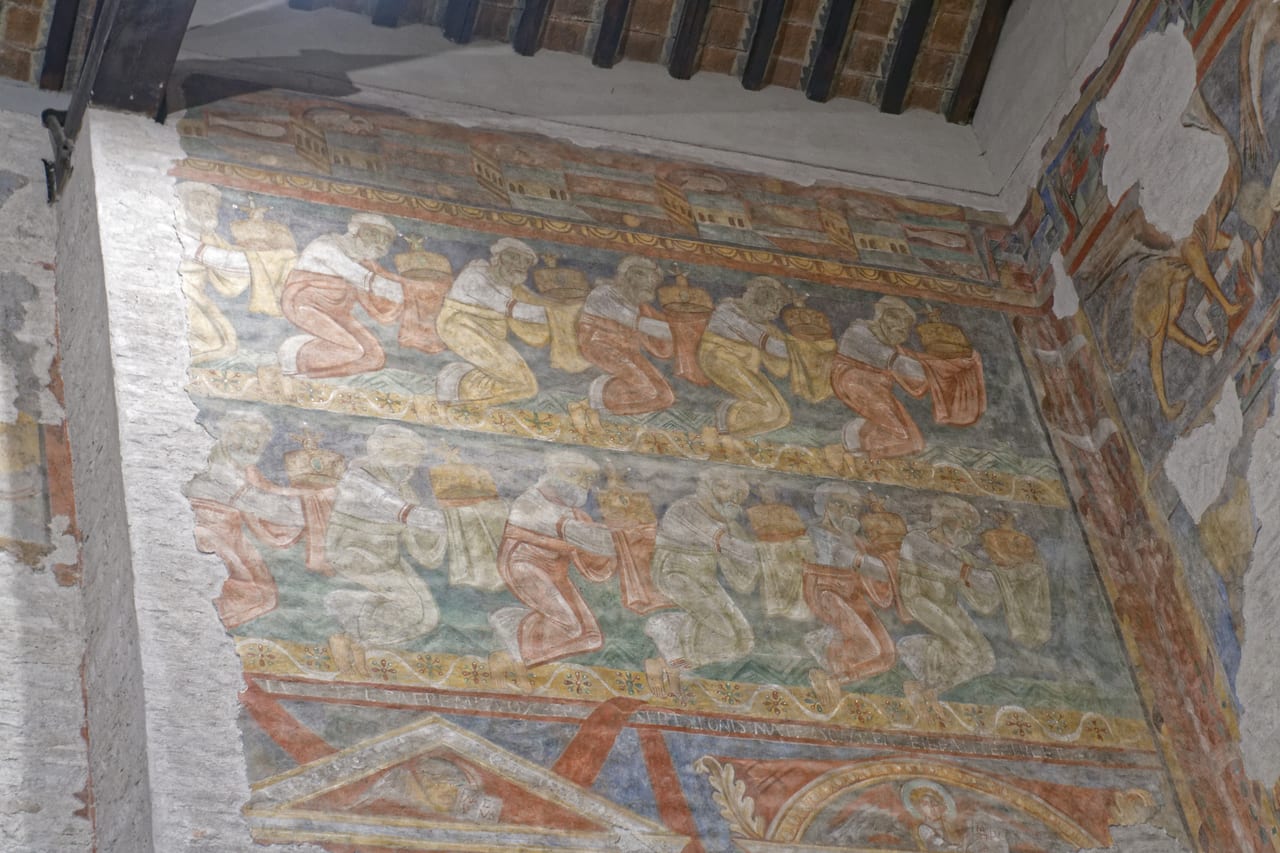
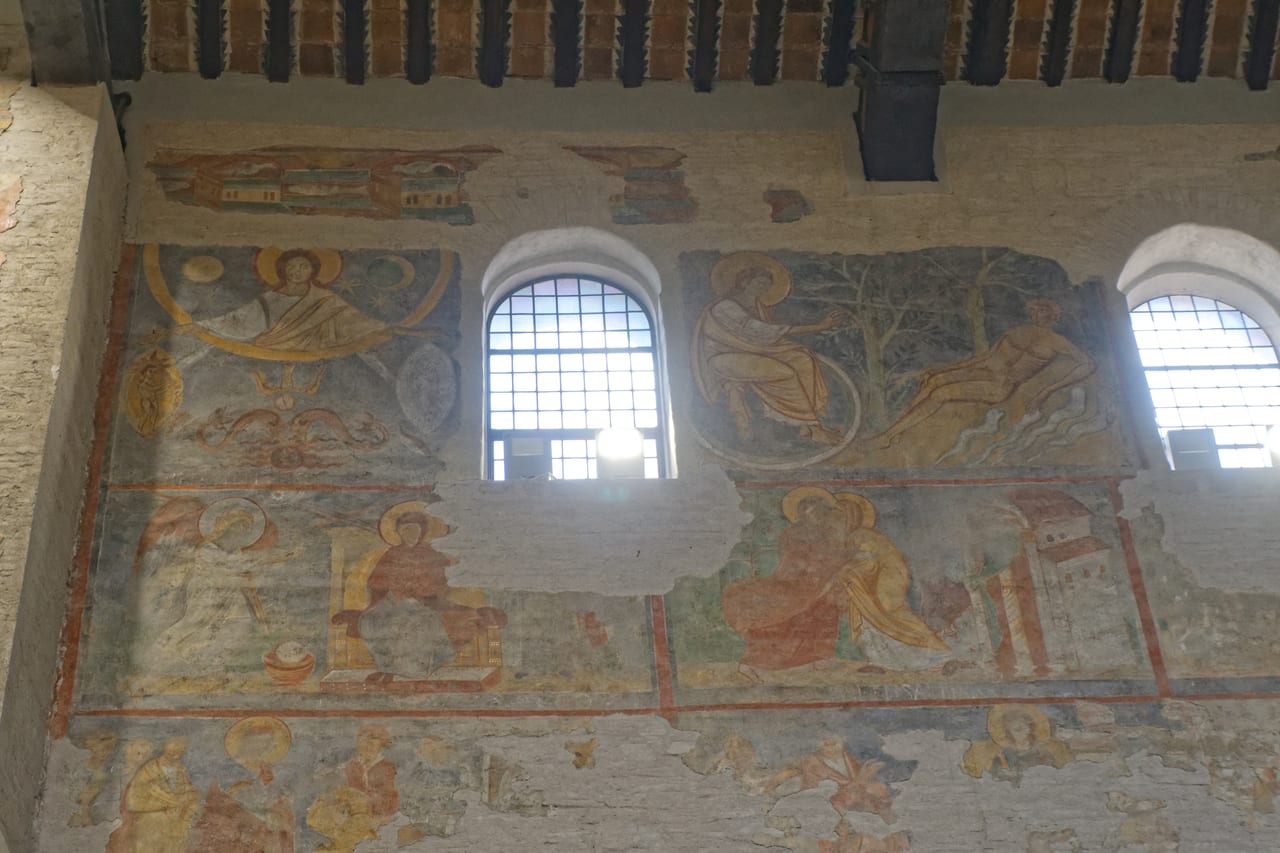
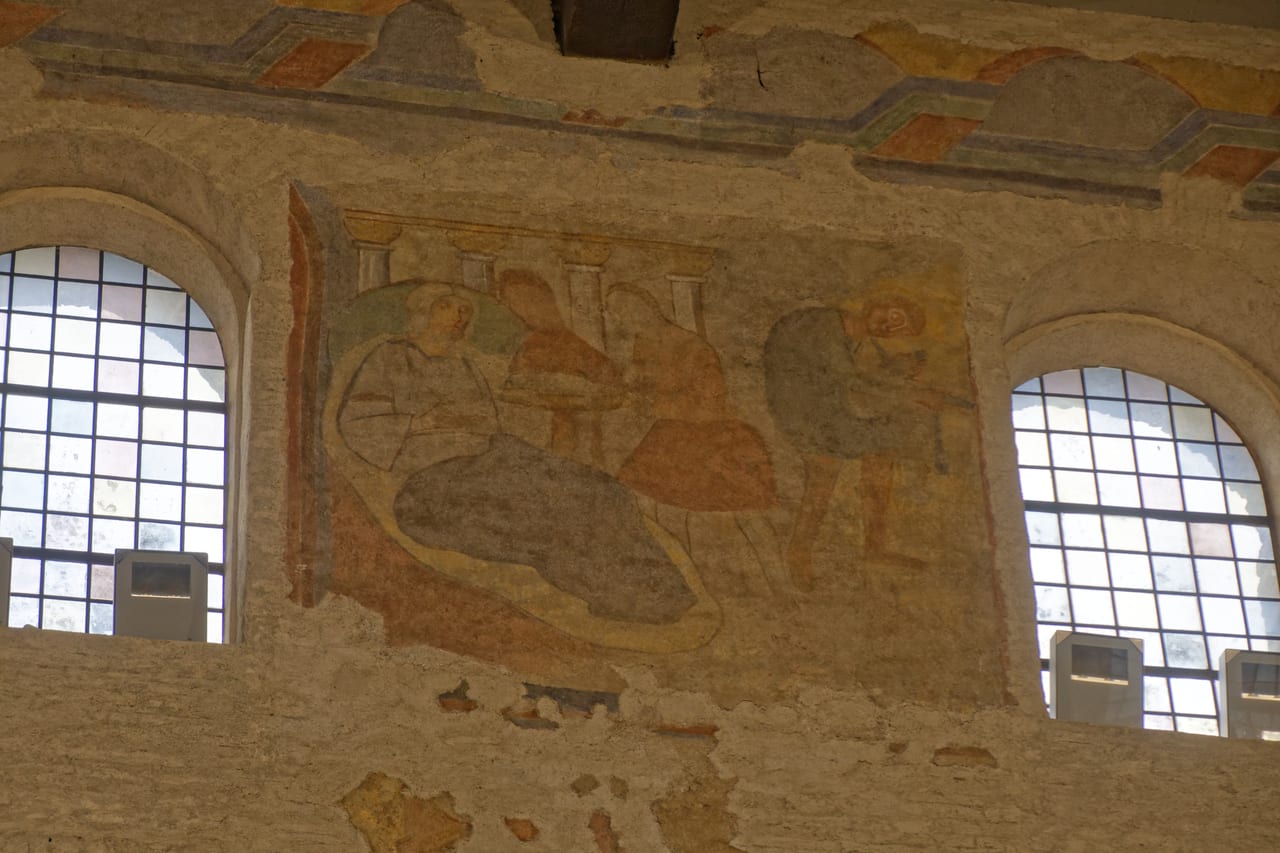
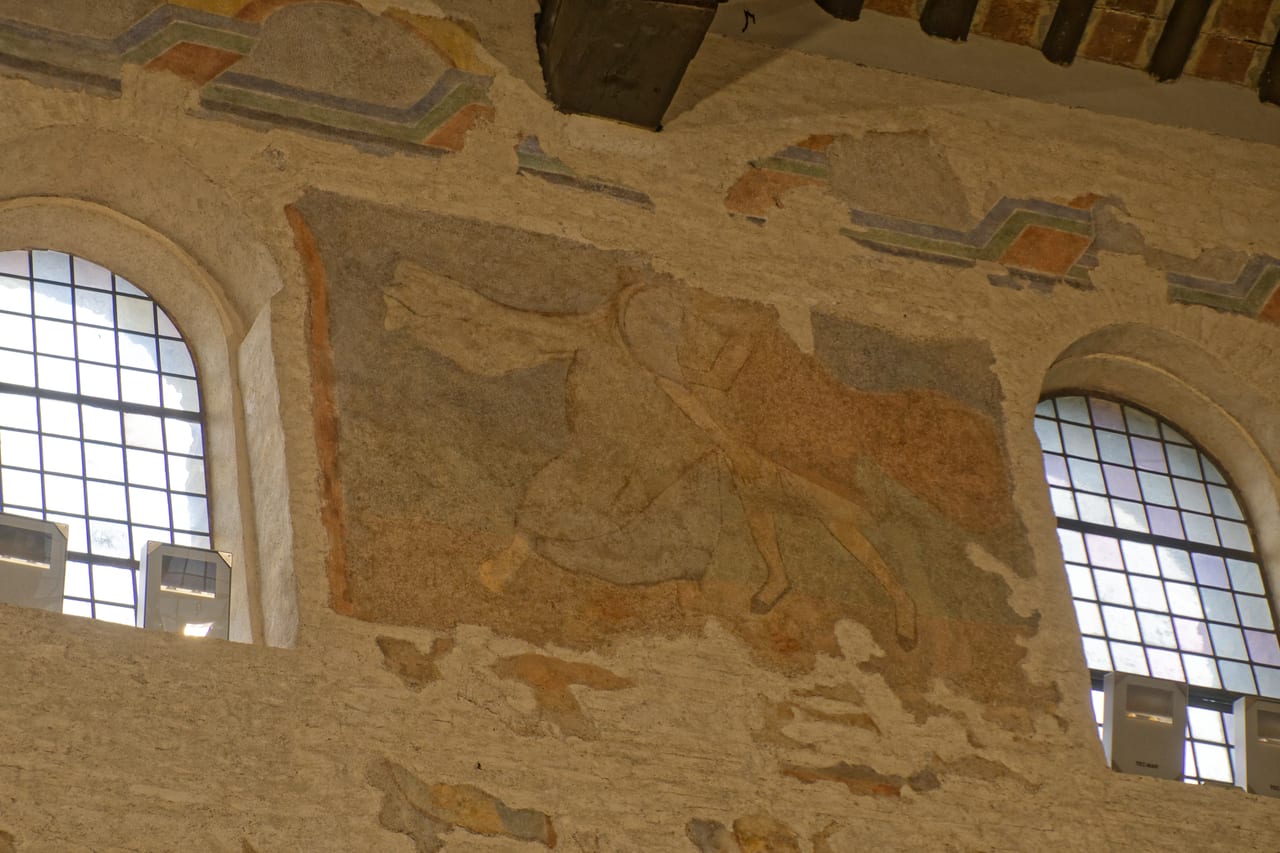
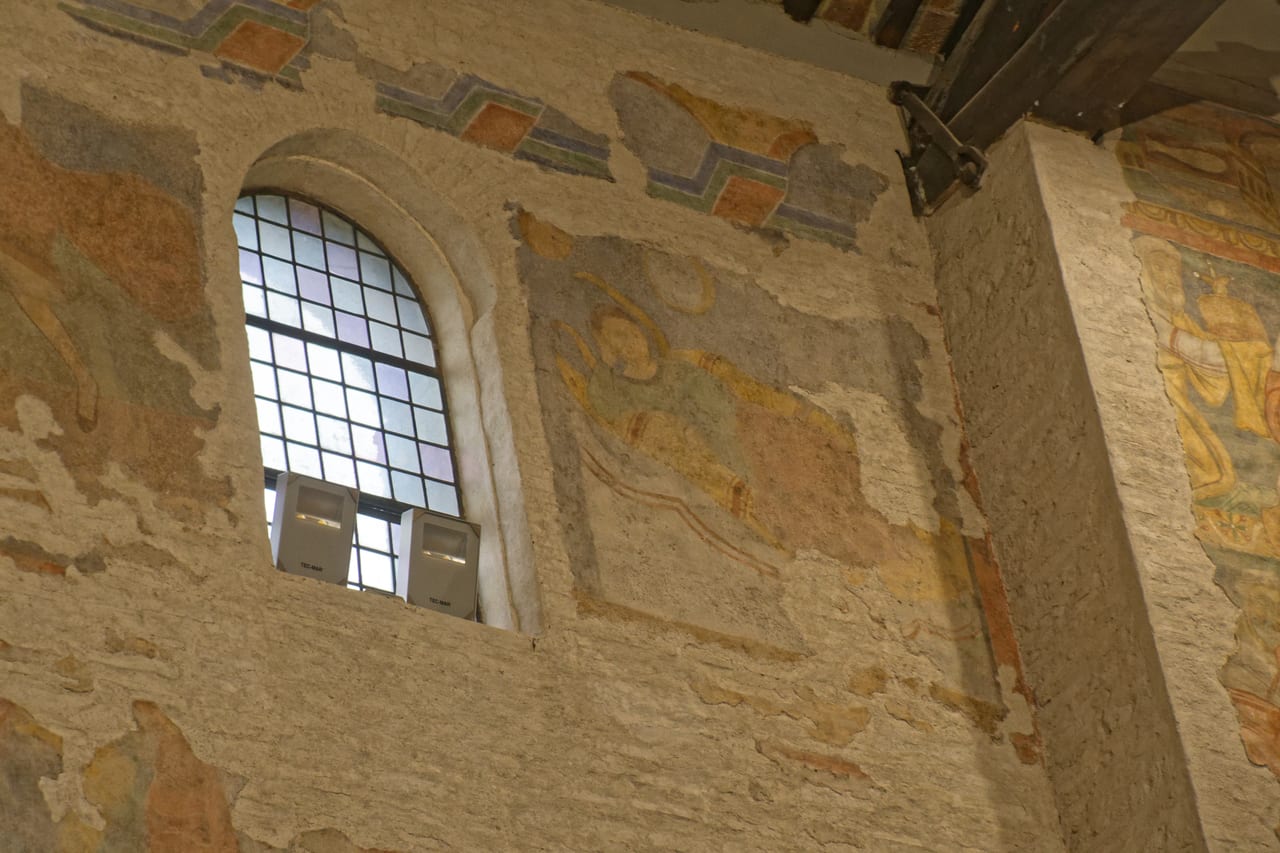
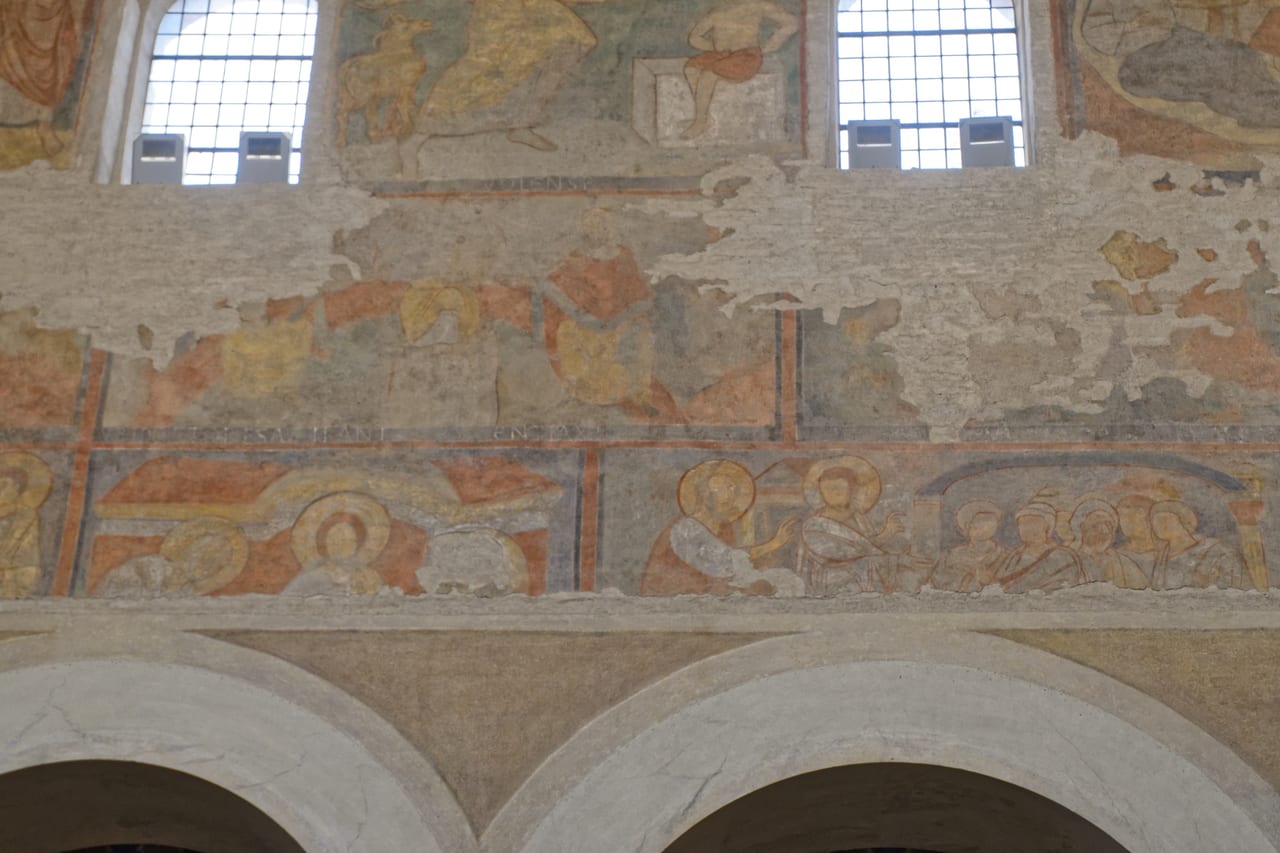
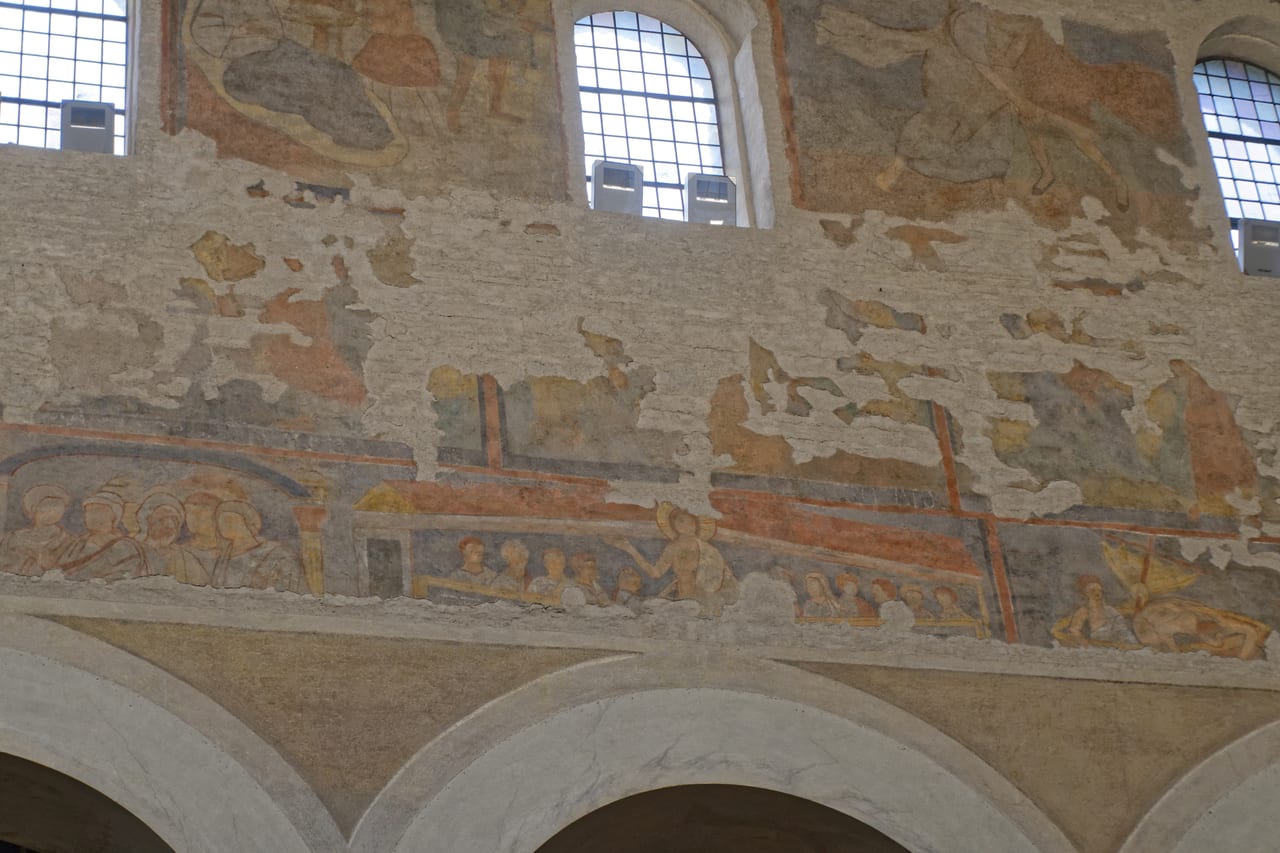
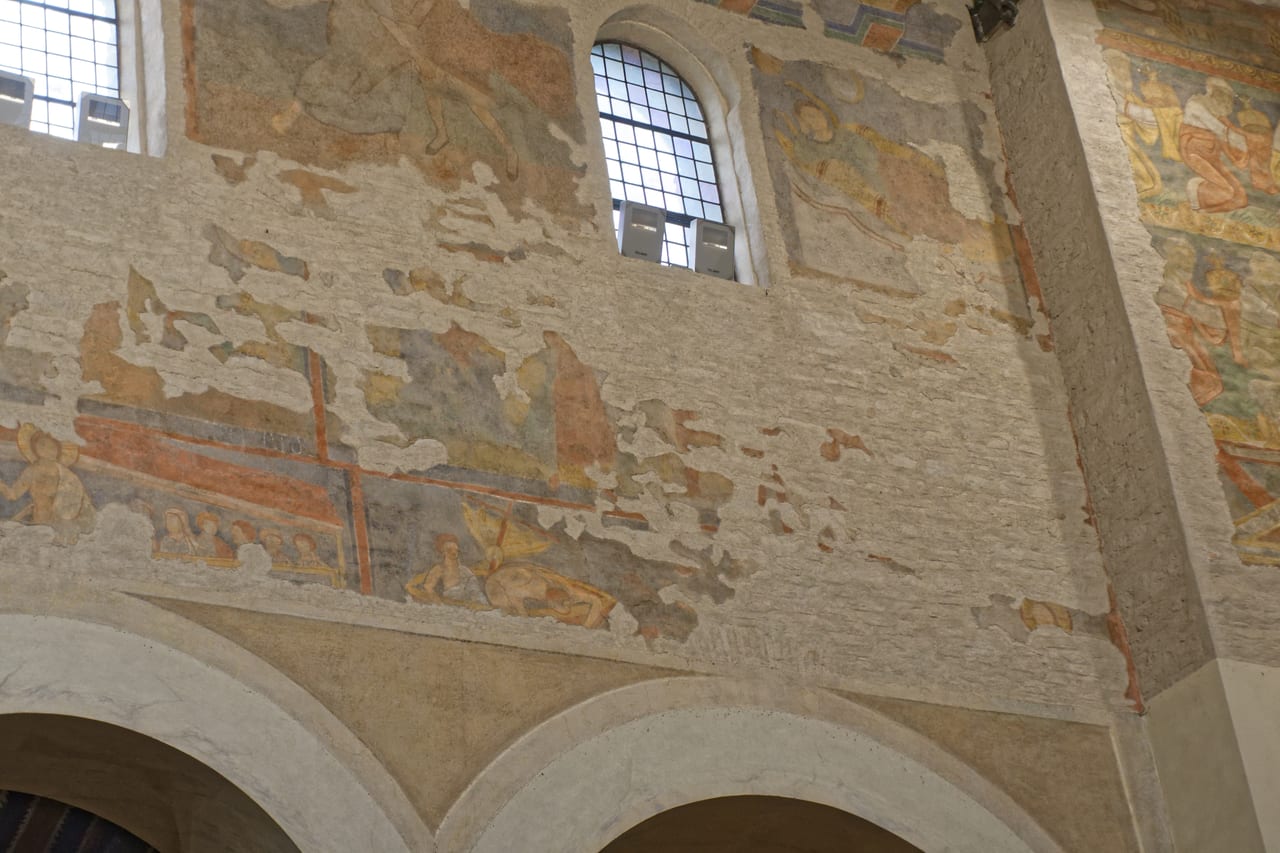
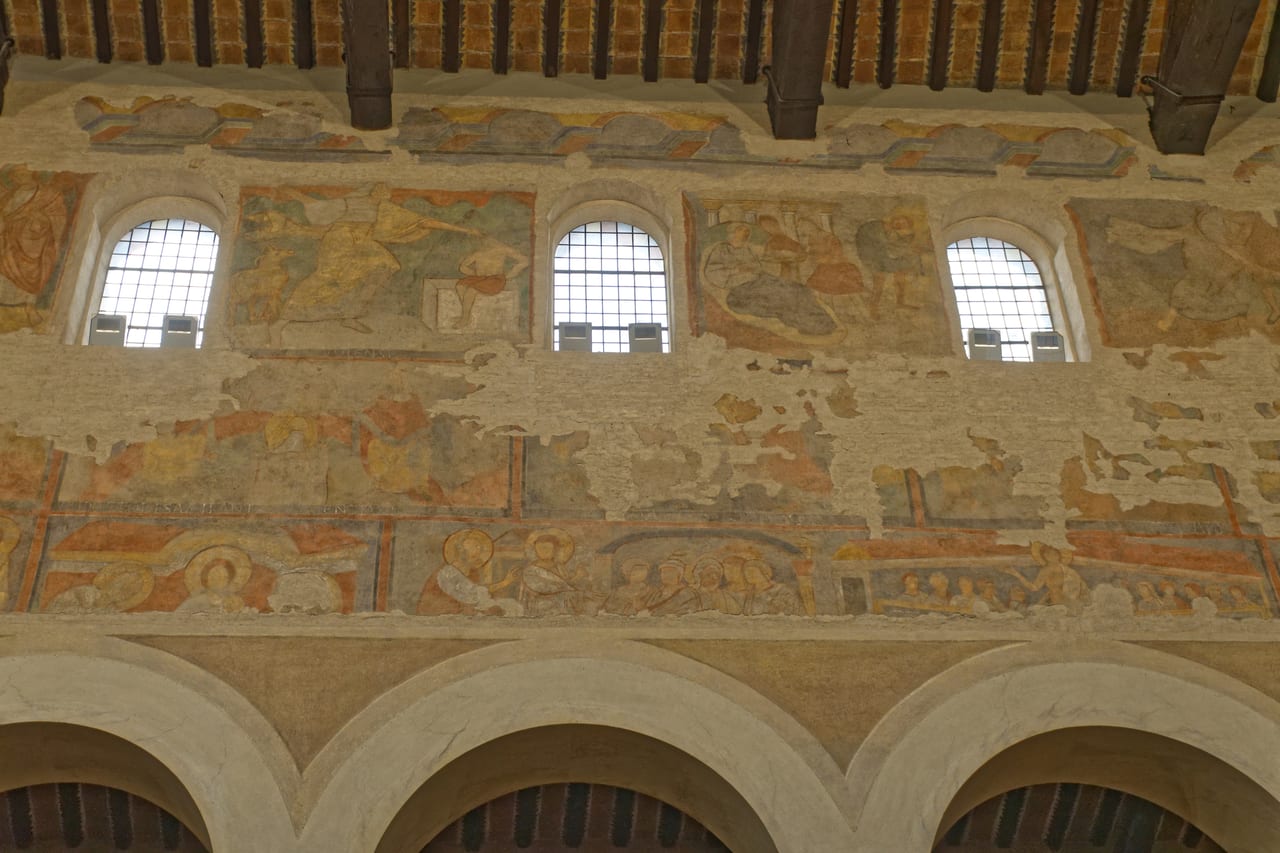
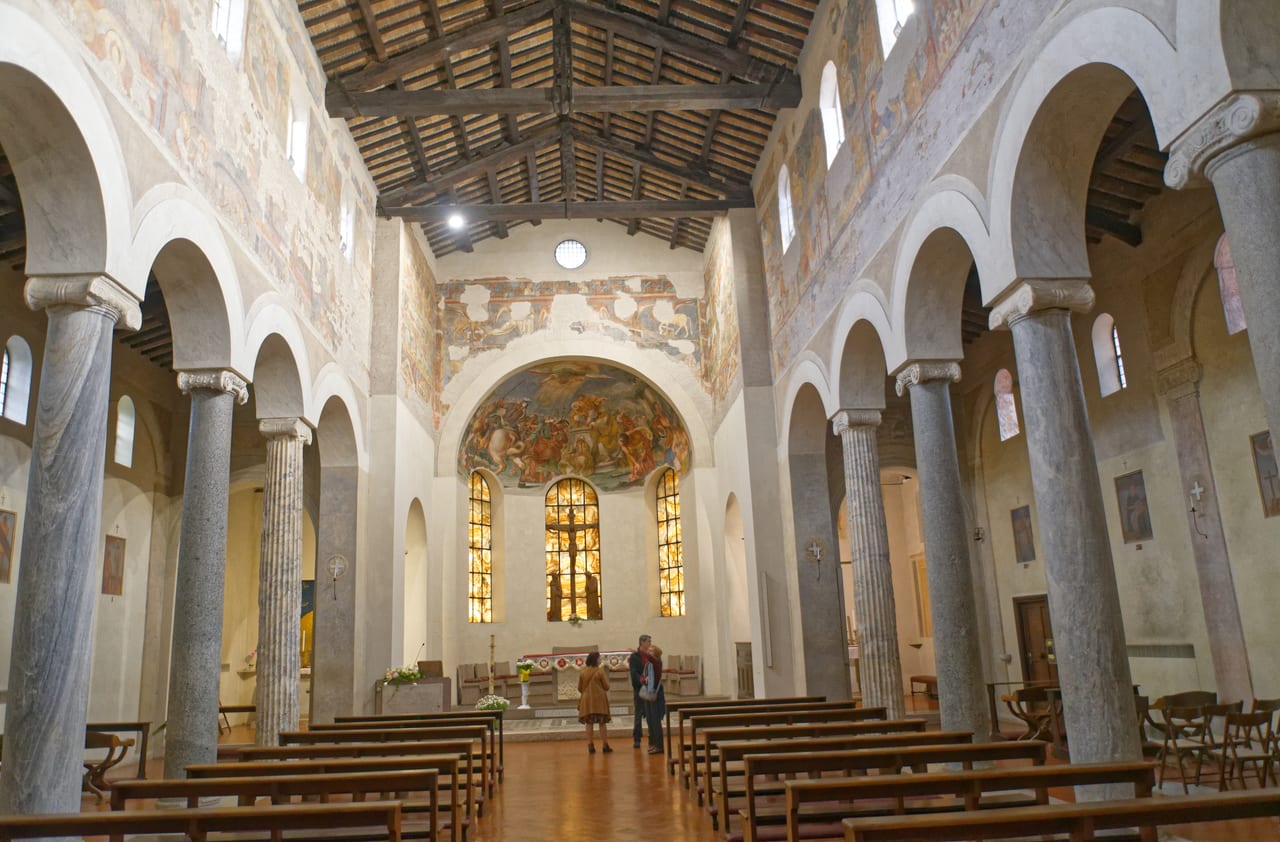
DirectionsIts recently restored cycle of 46 biblical frescoes ranks among the capital’s major medieval painting ensembles created before Cavallini and the Roman School.
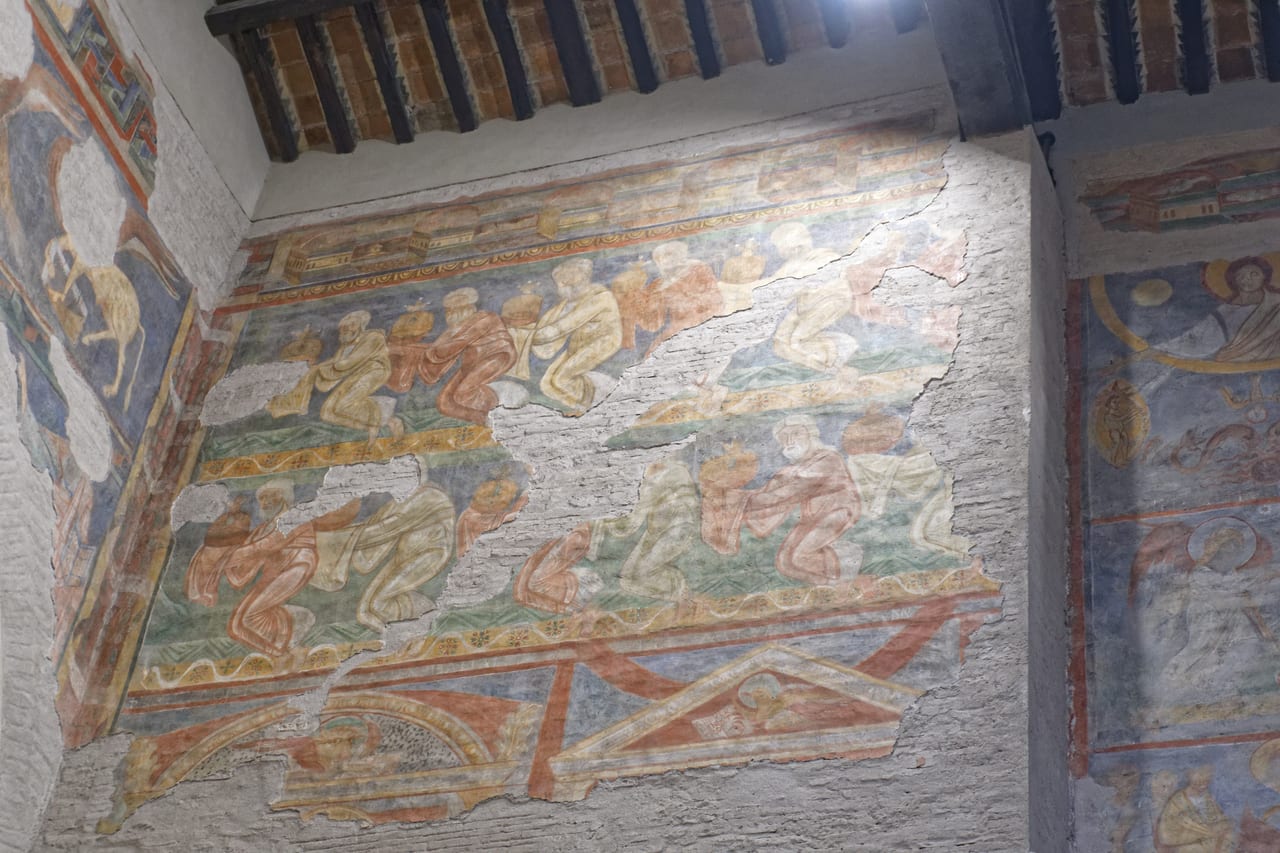
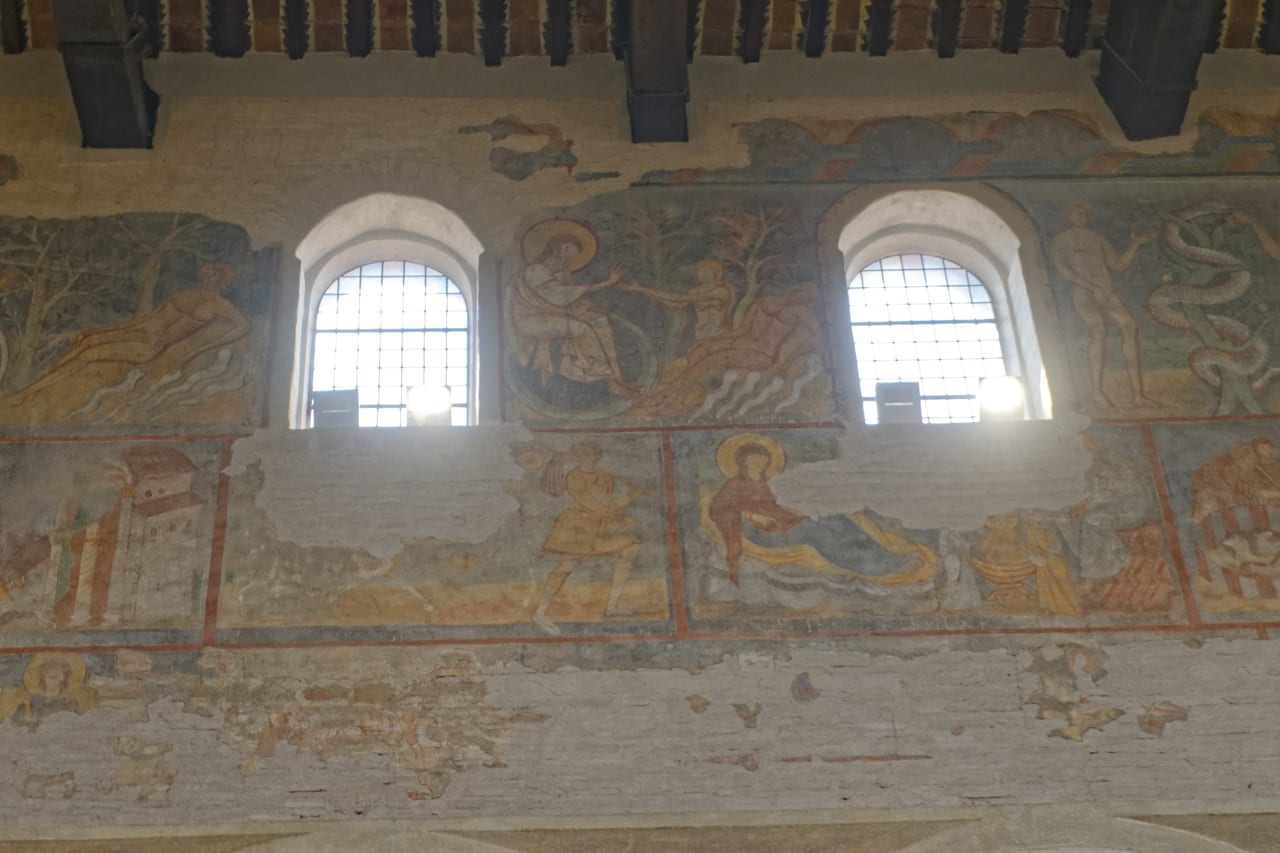
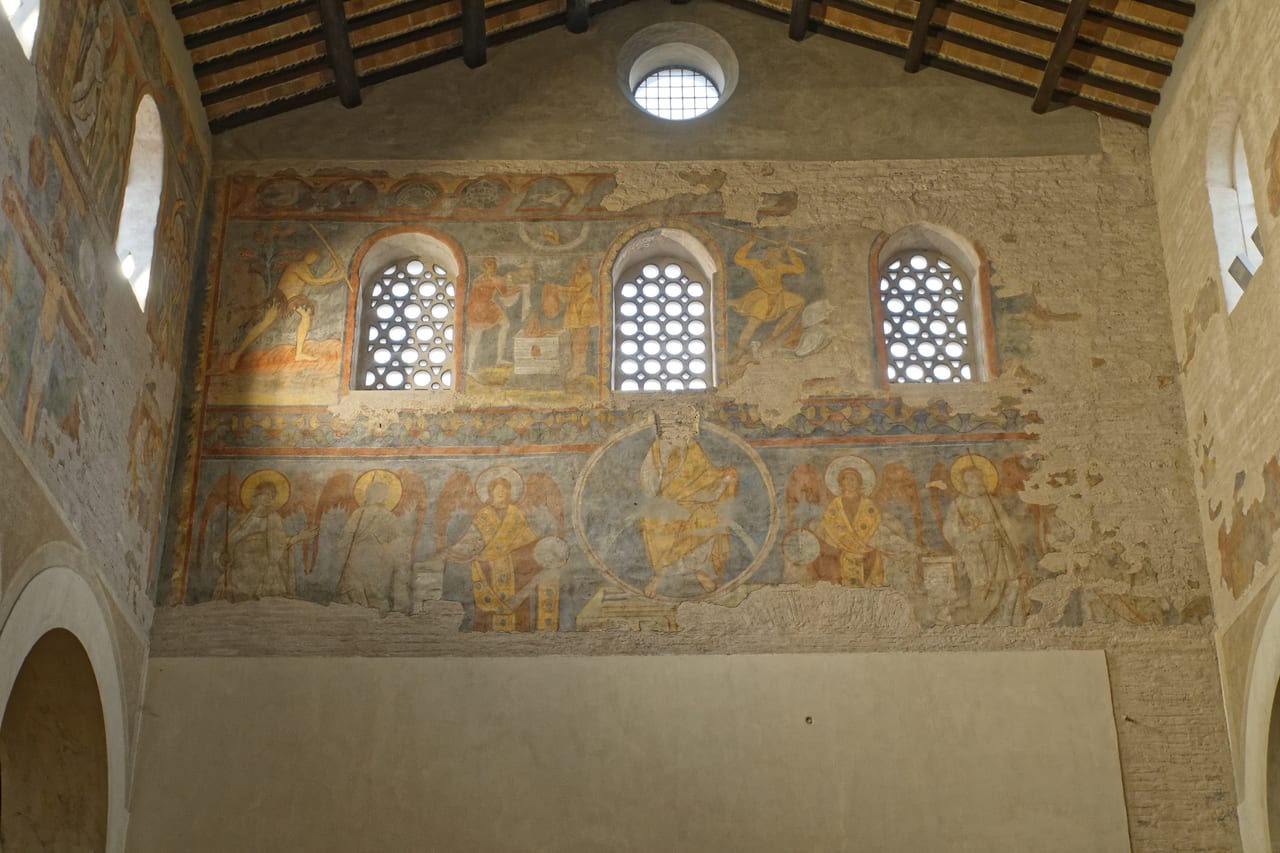
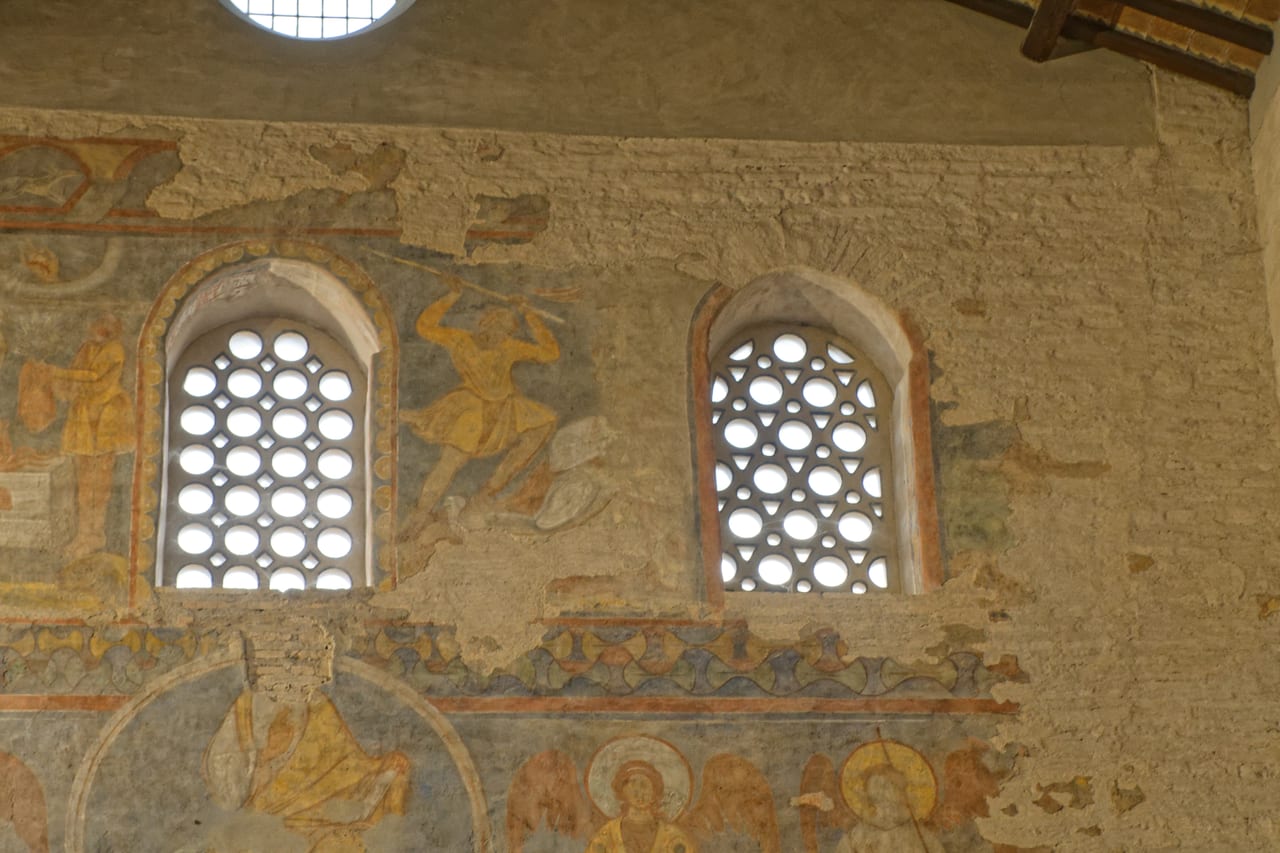
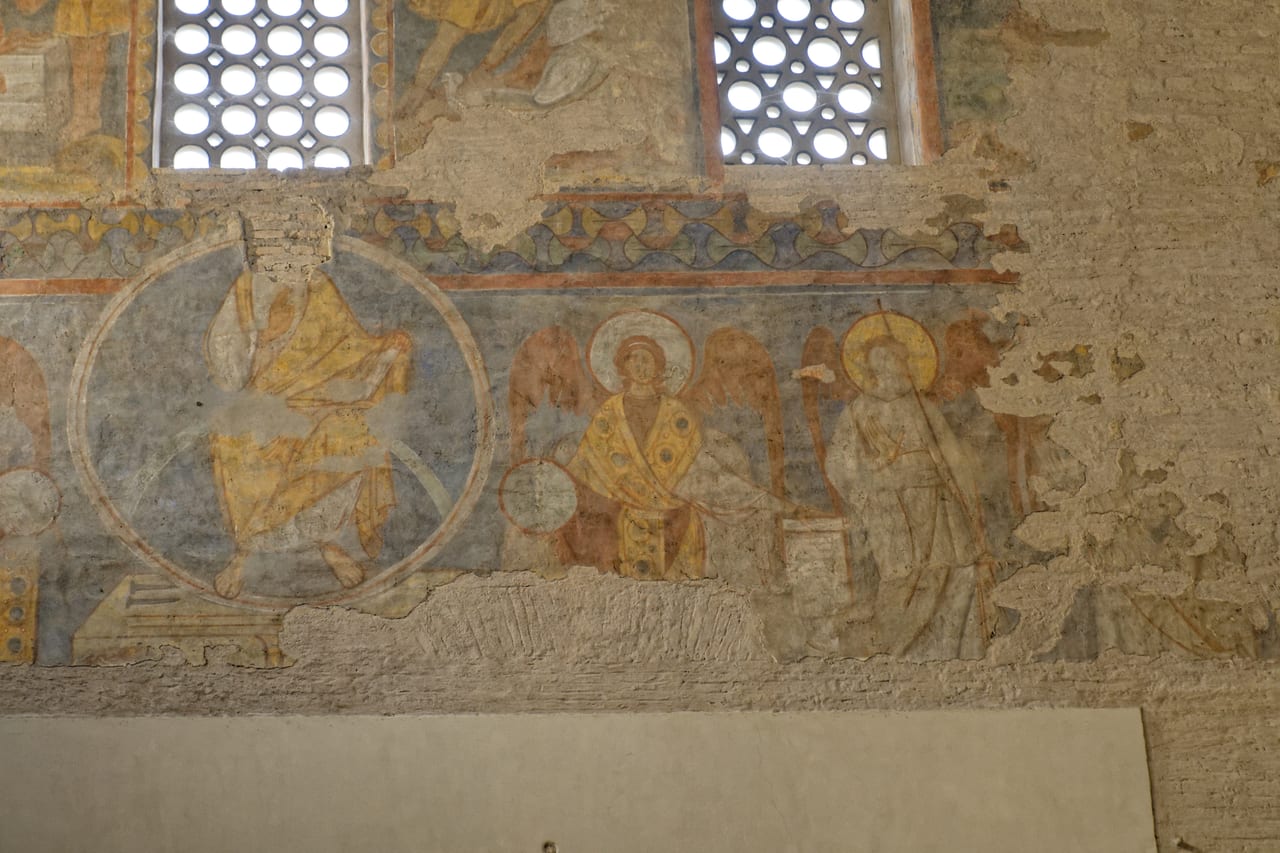
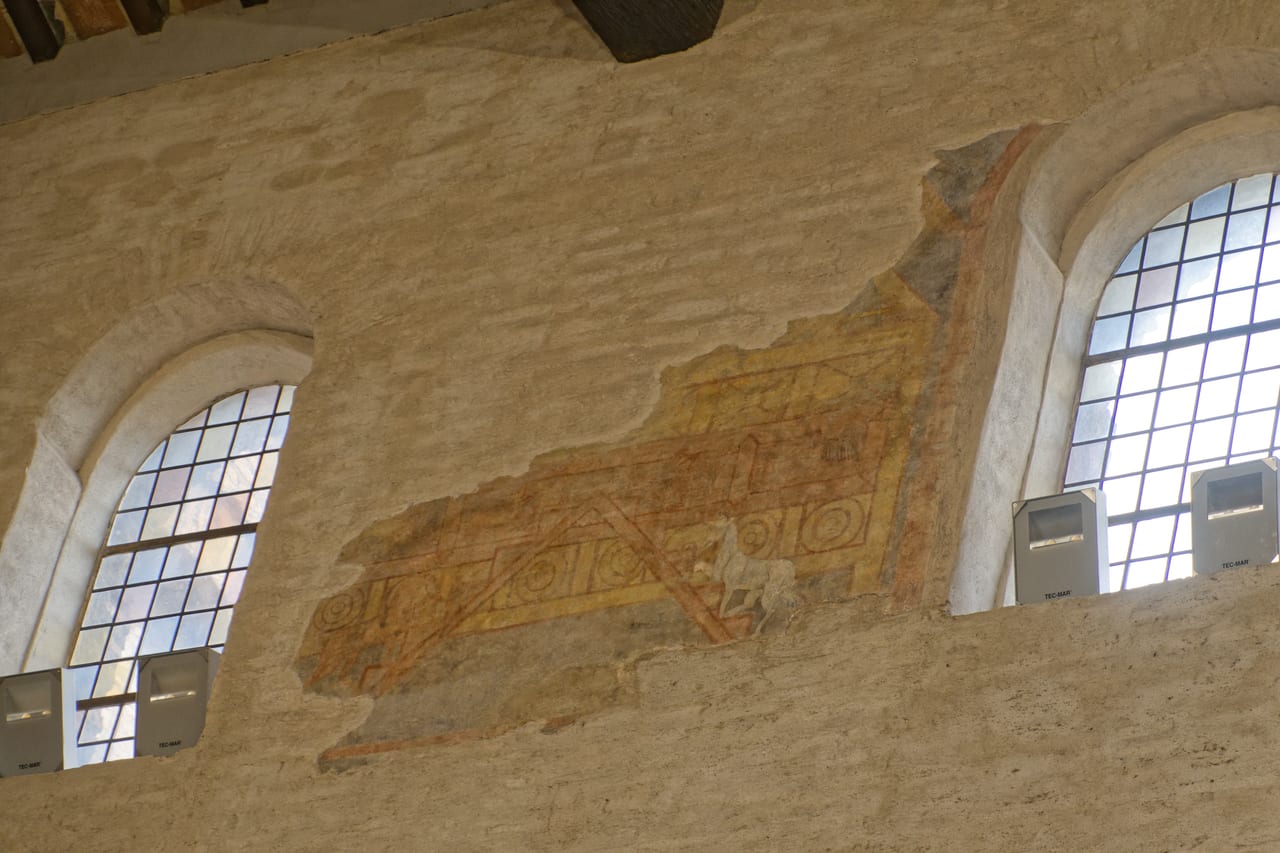
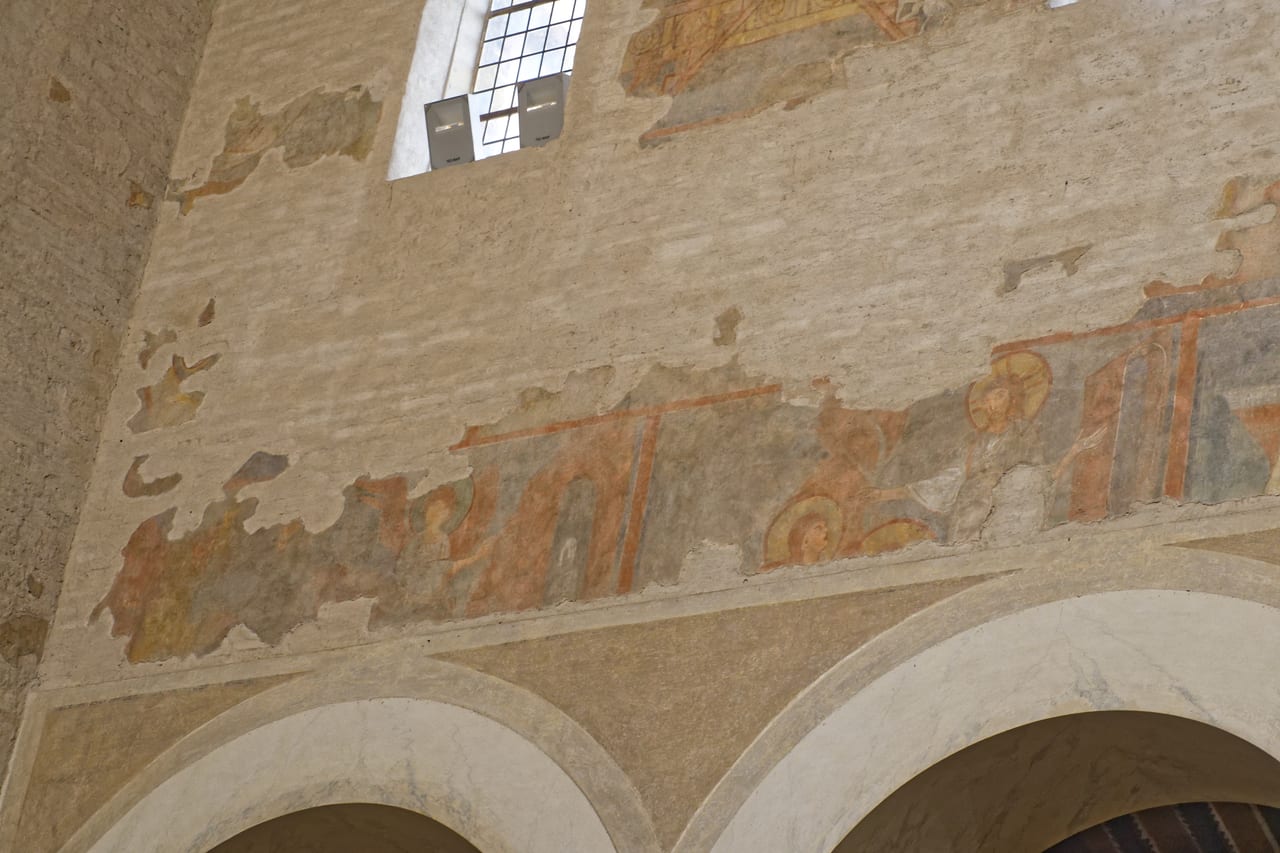
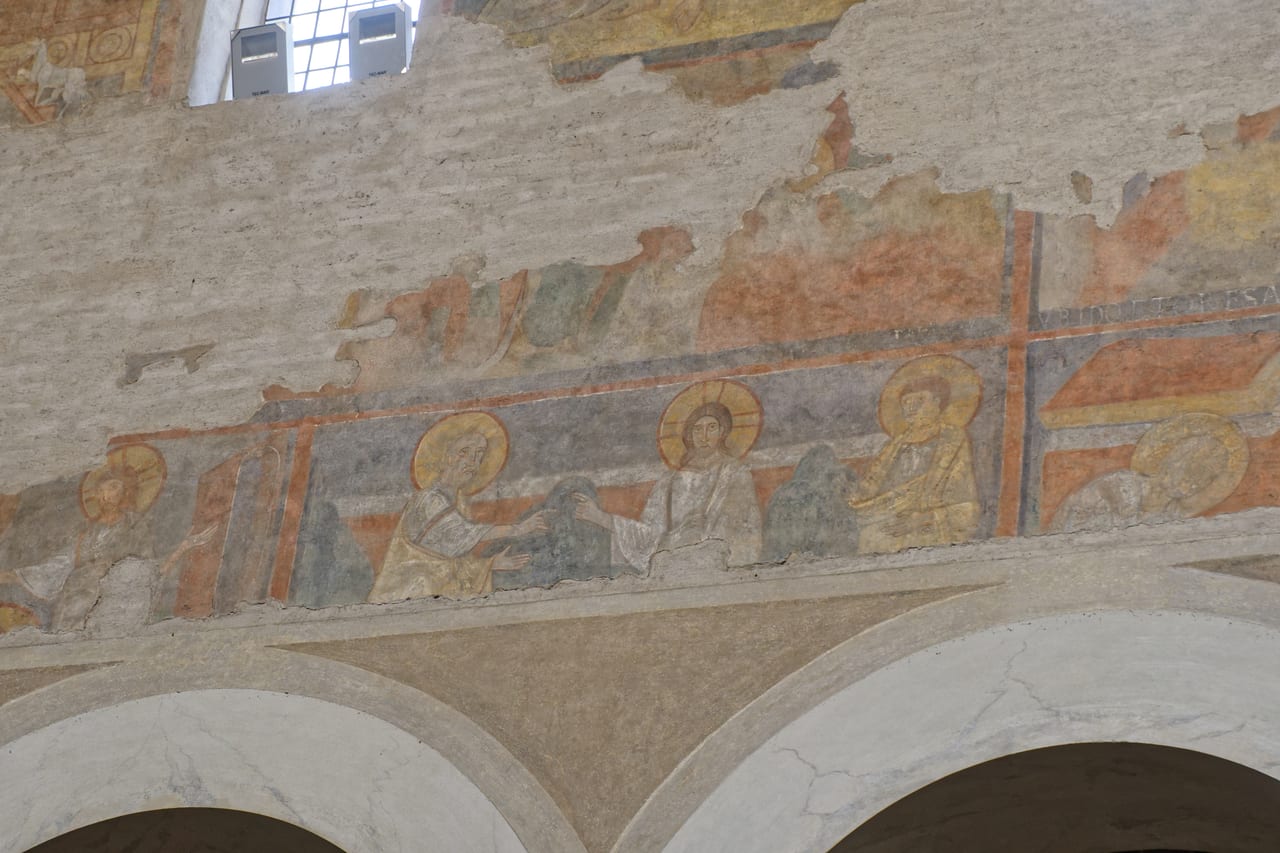
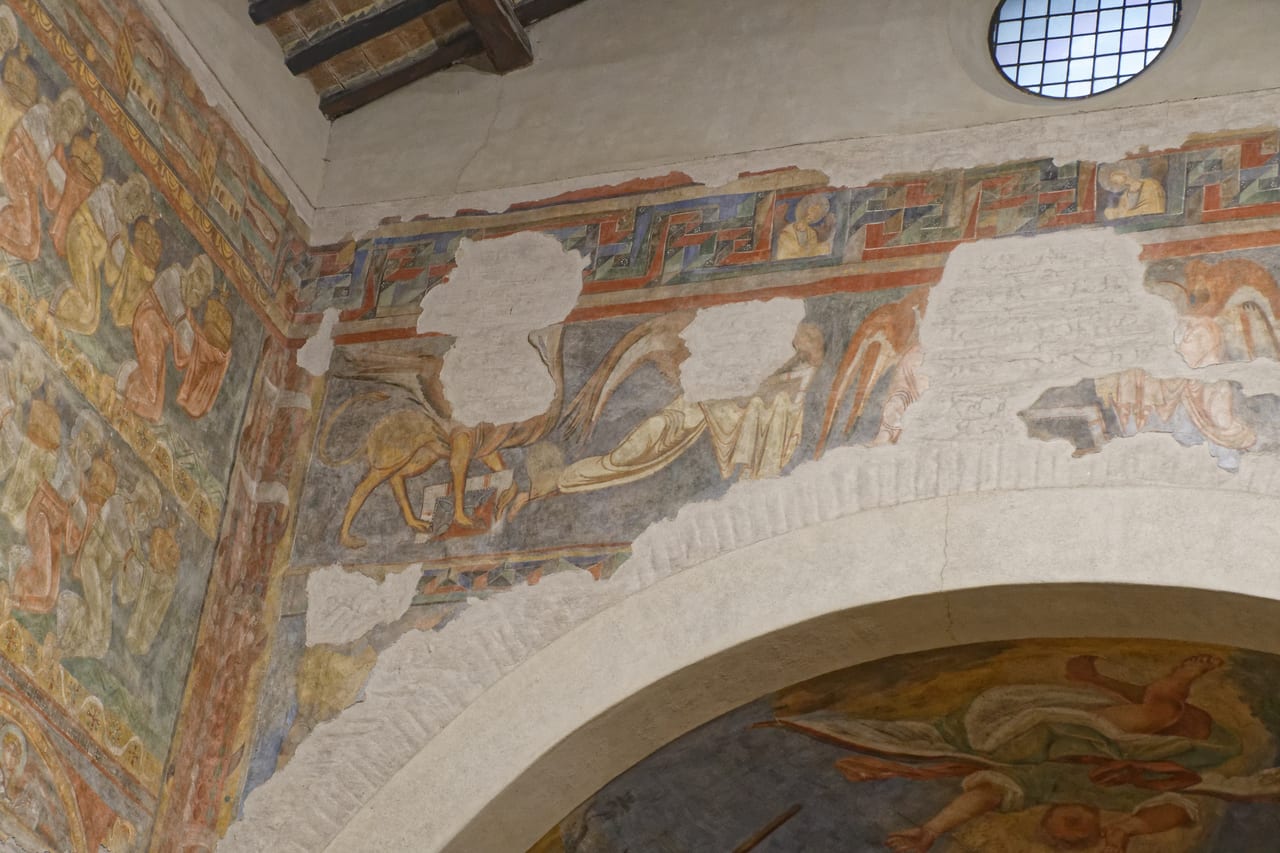
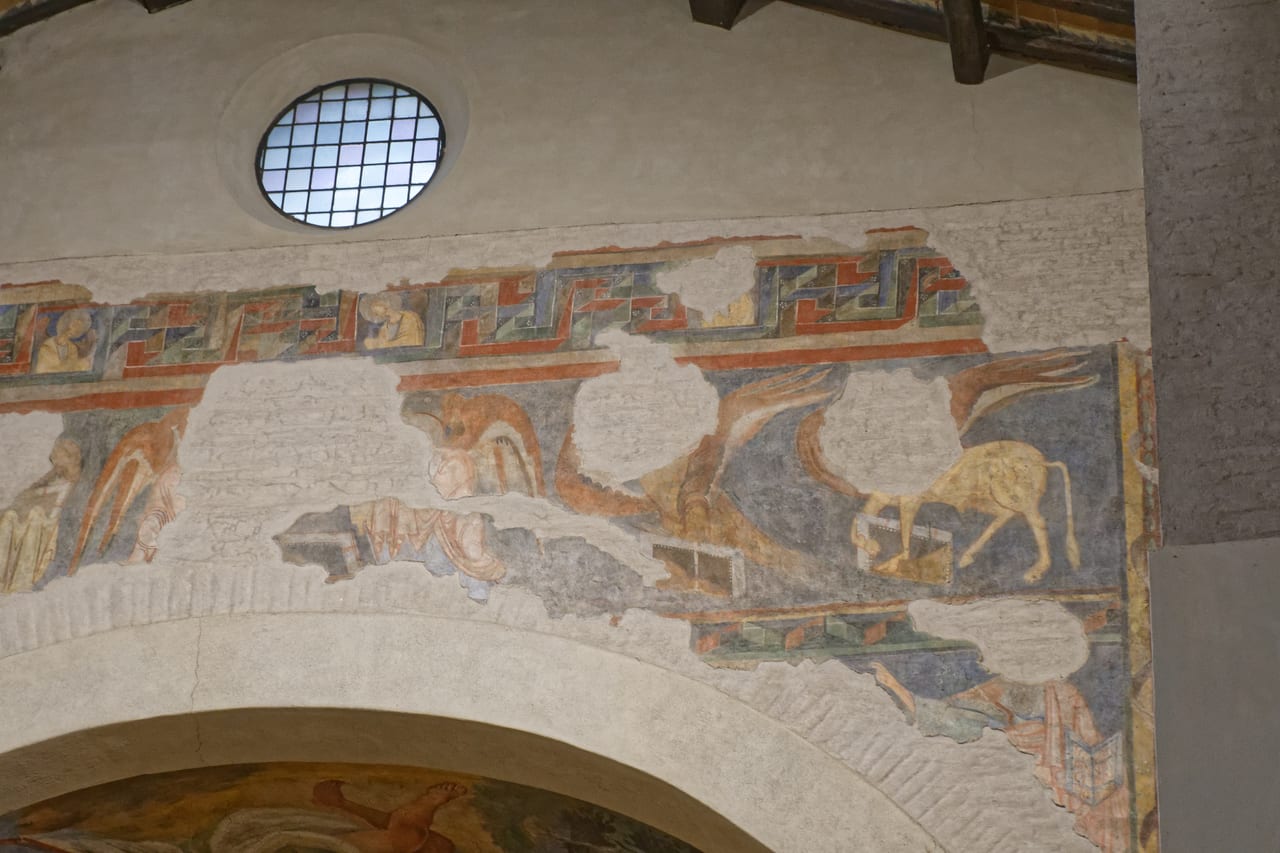
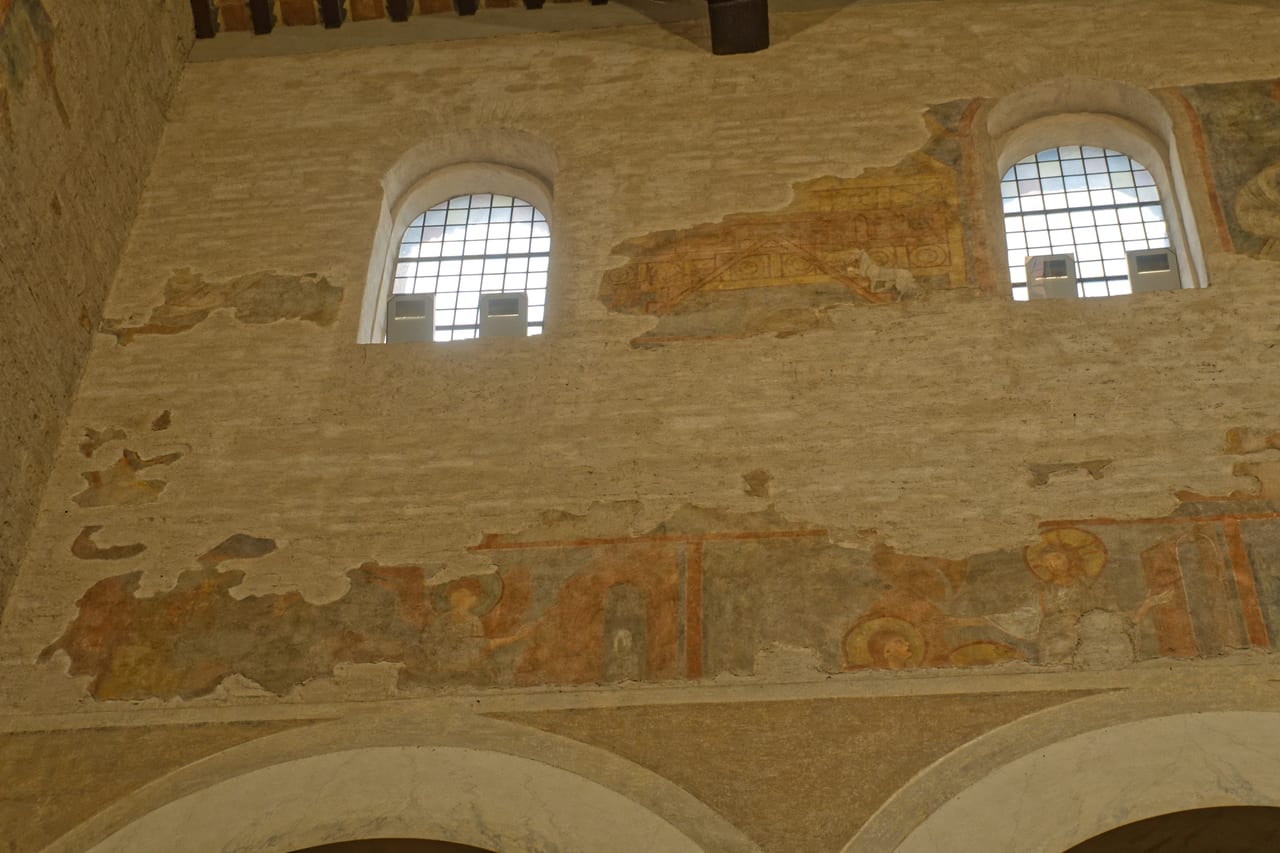
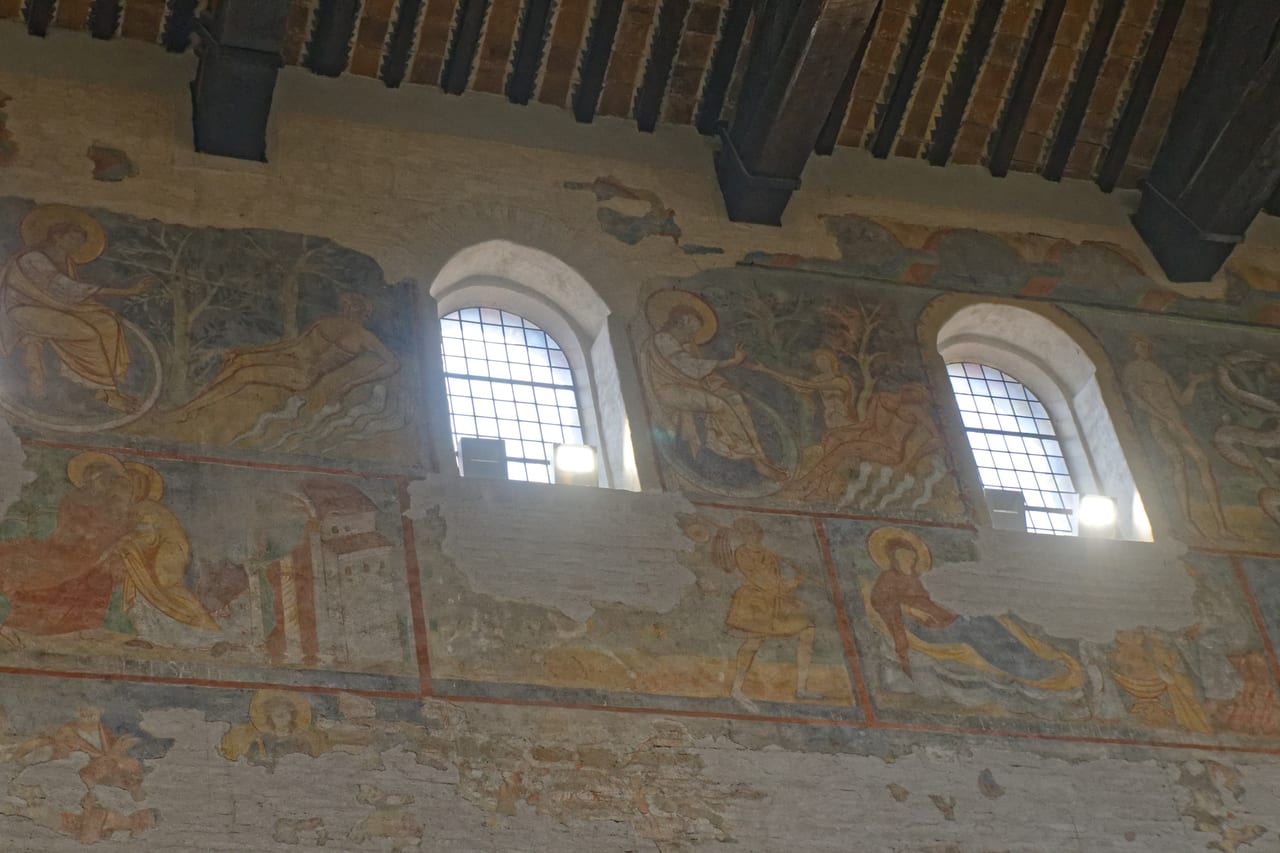
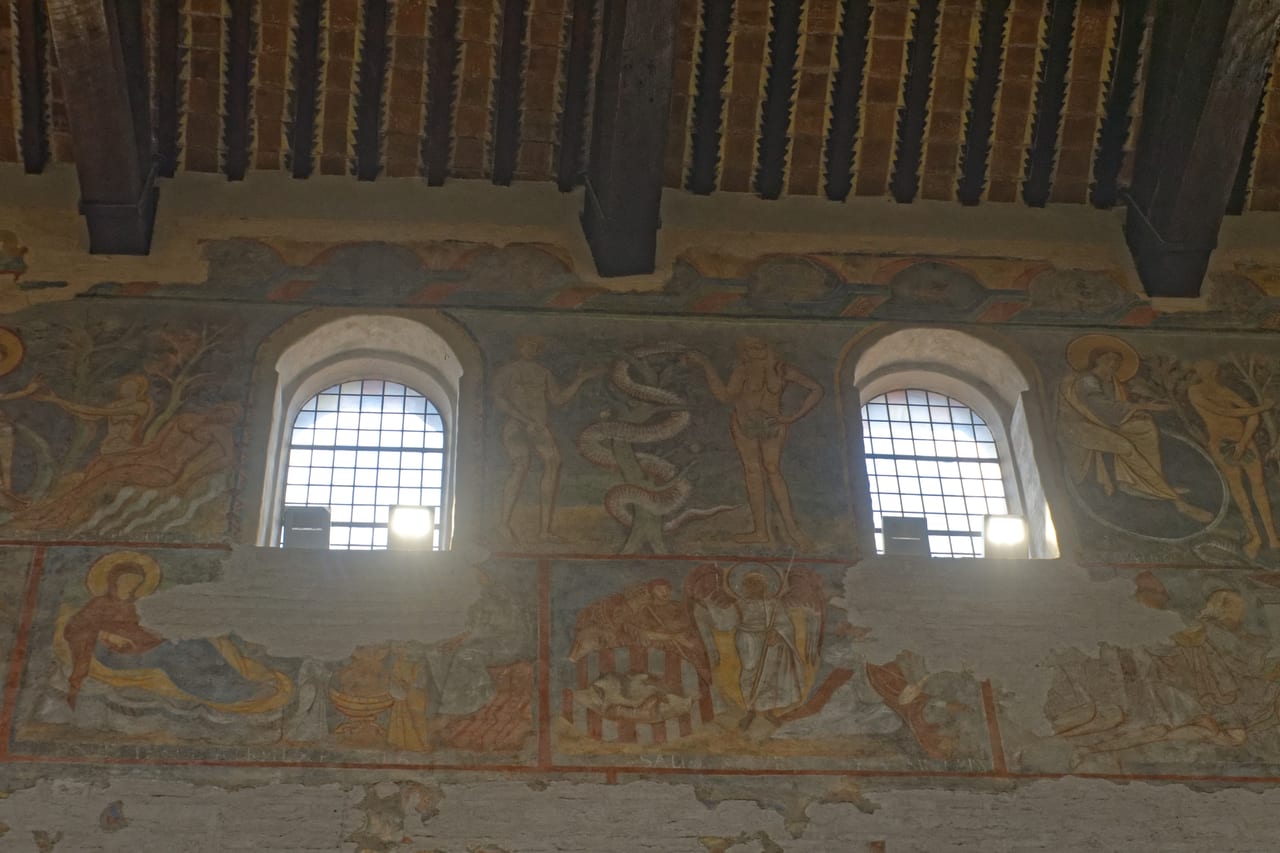
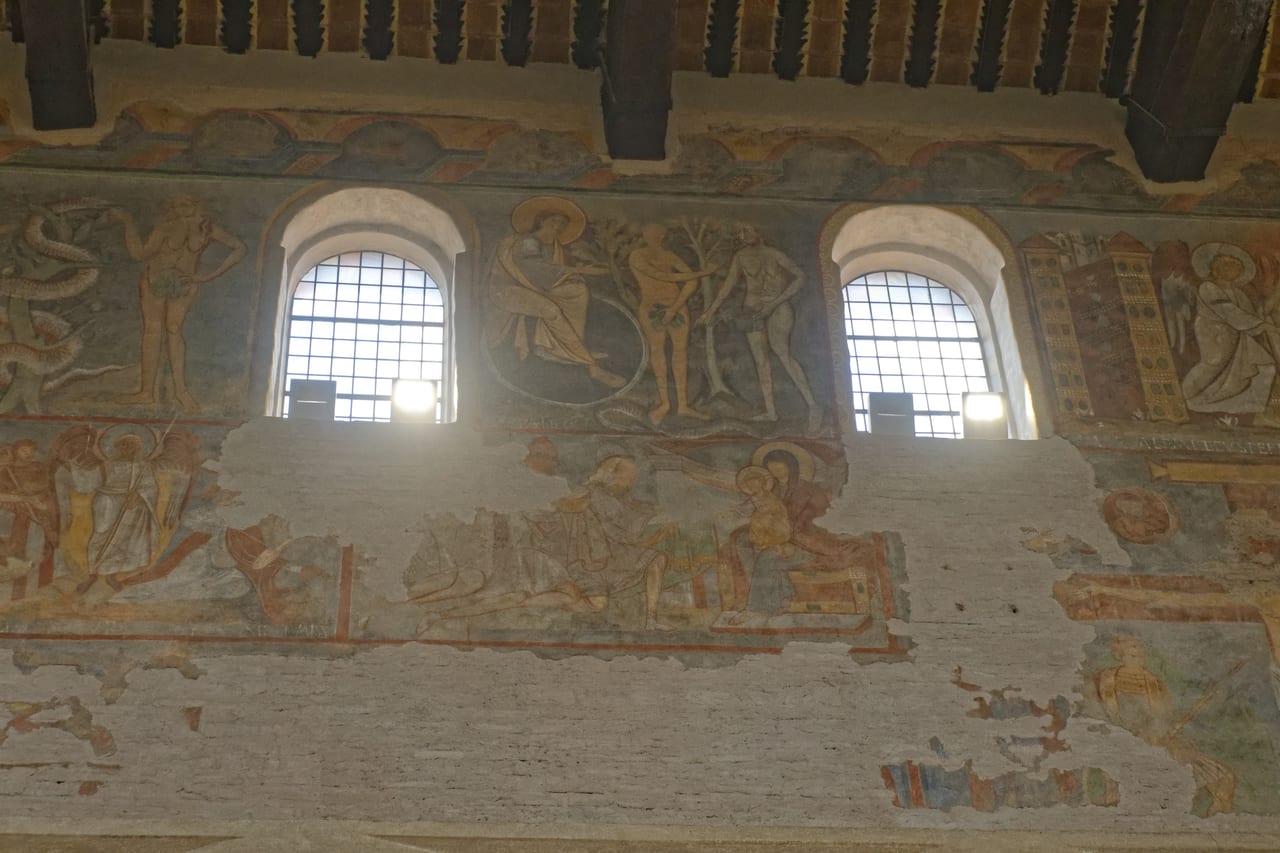
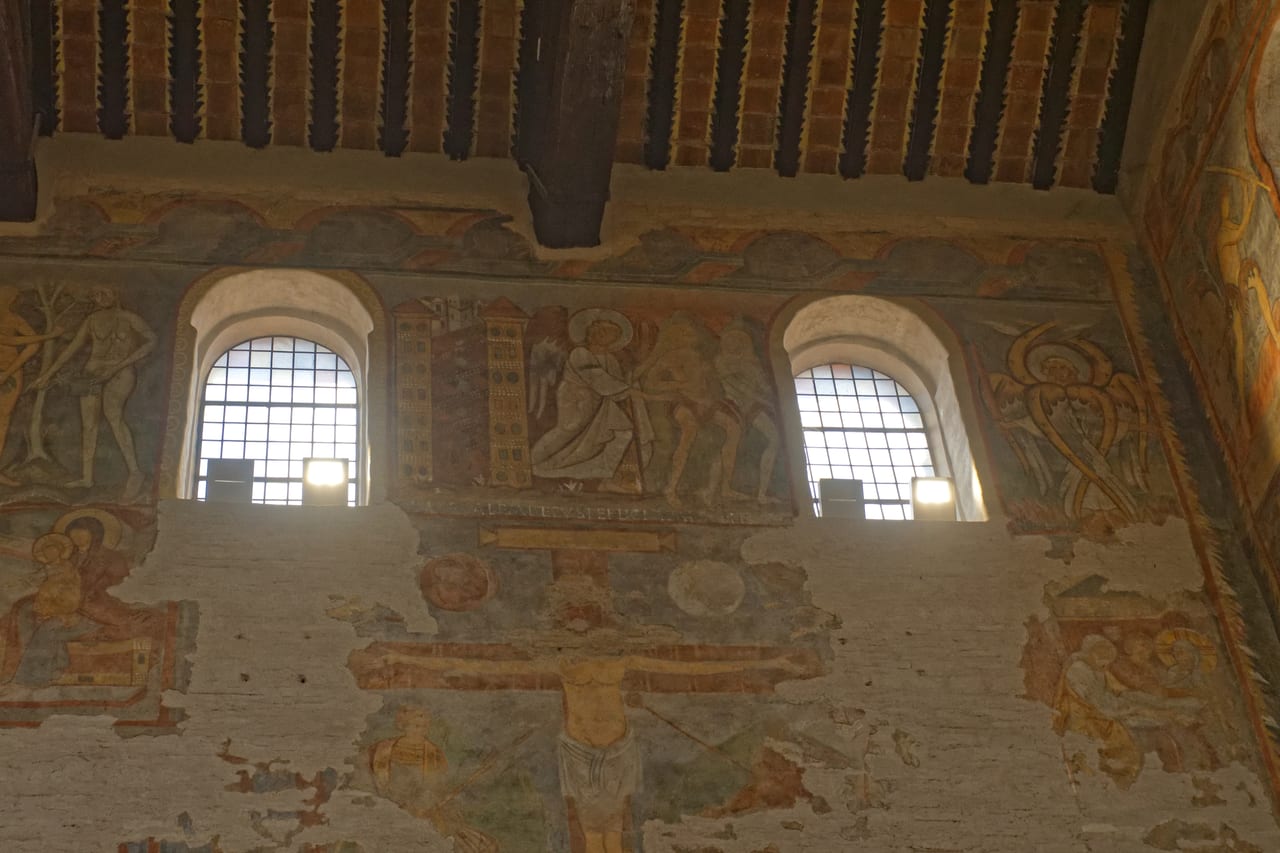
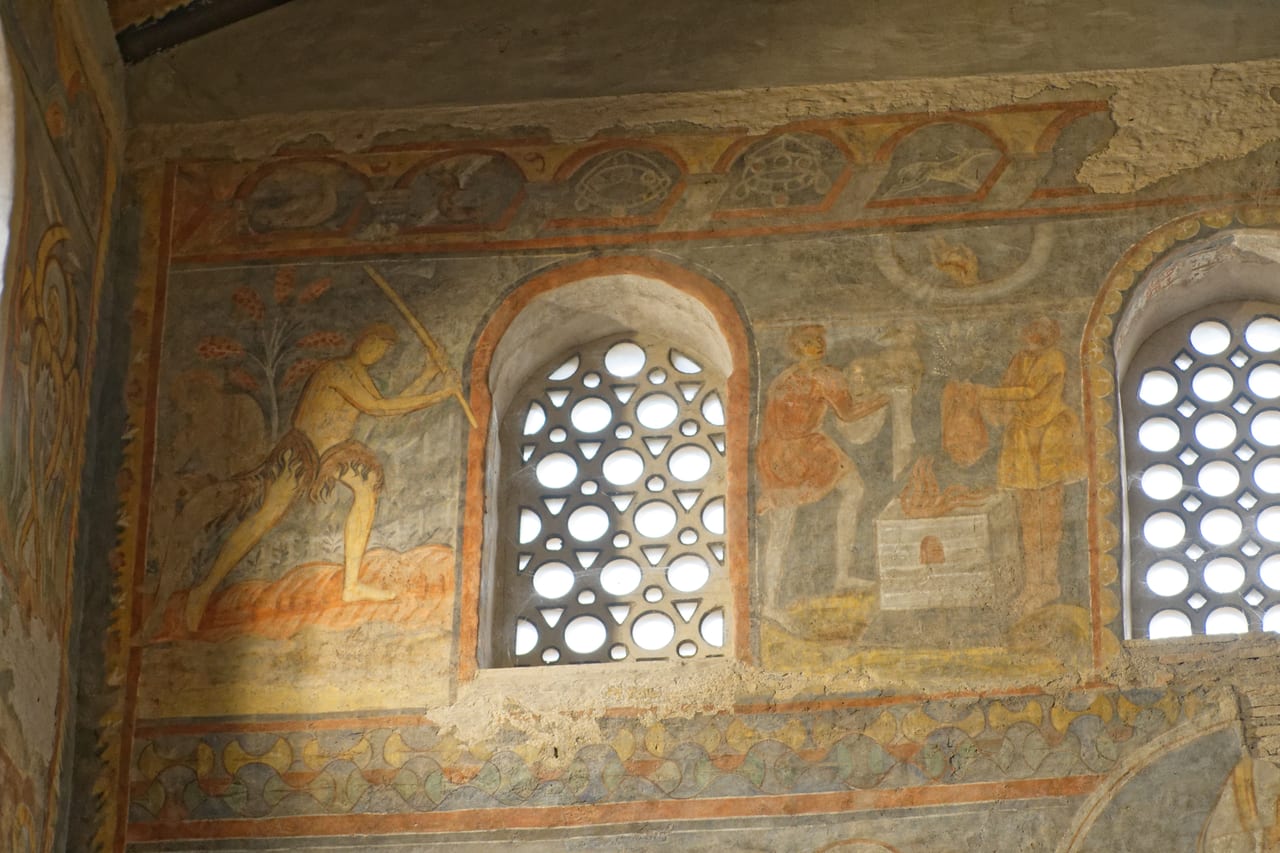
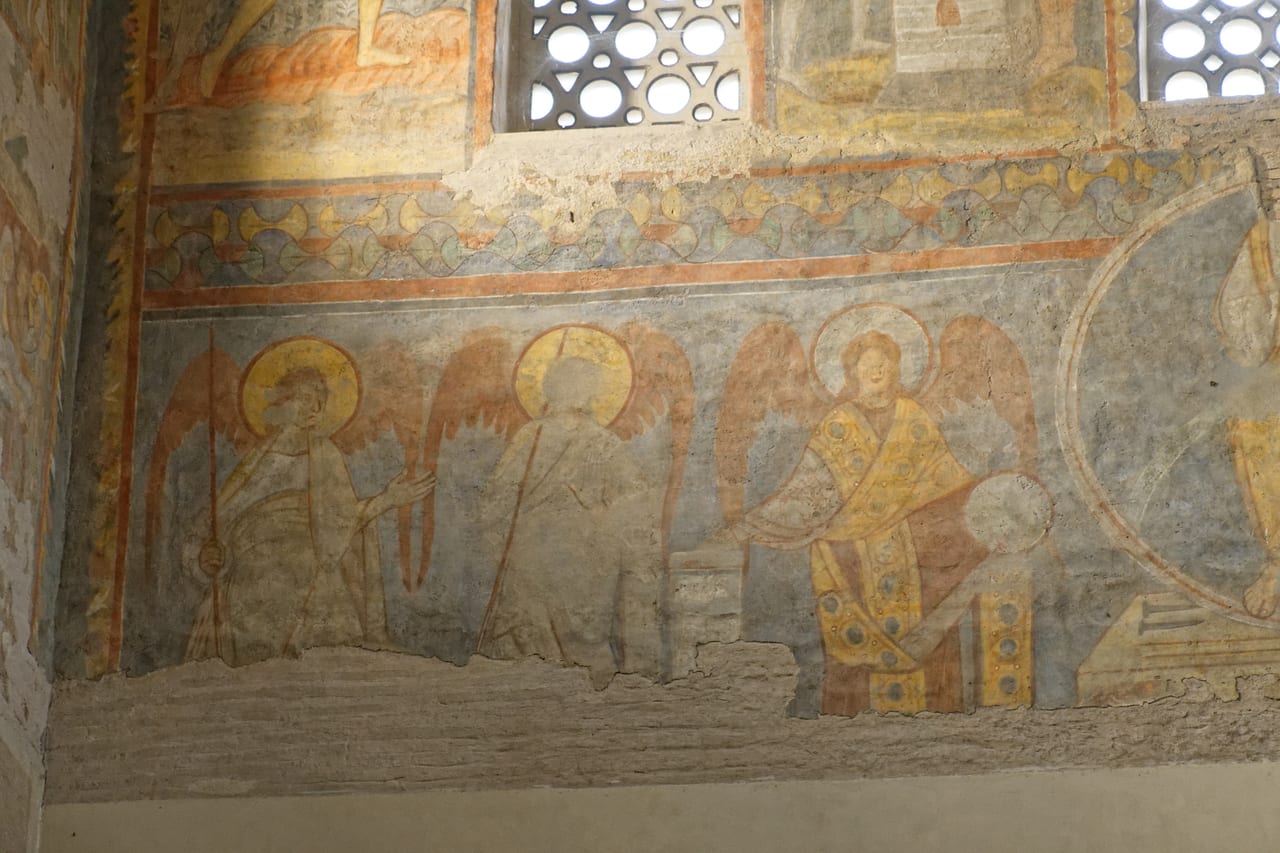
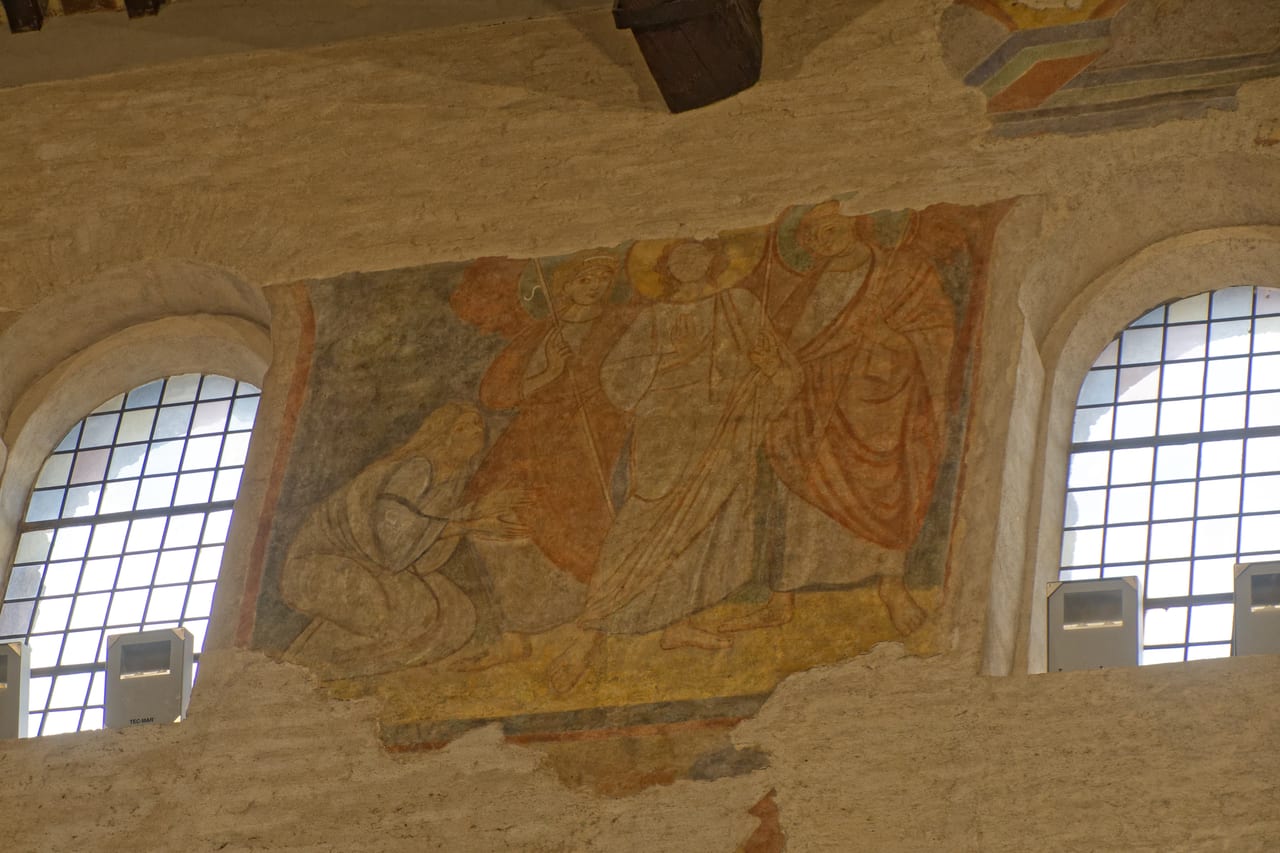
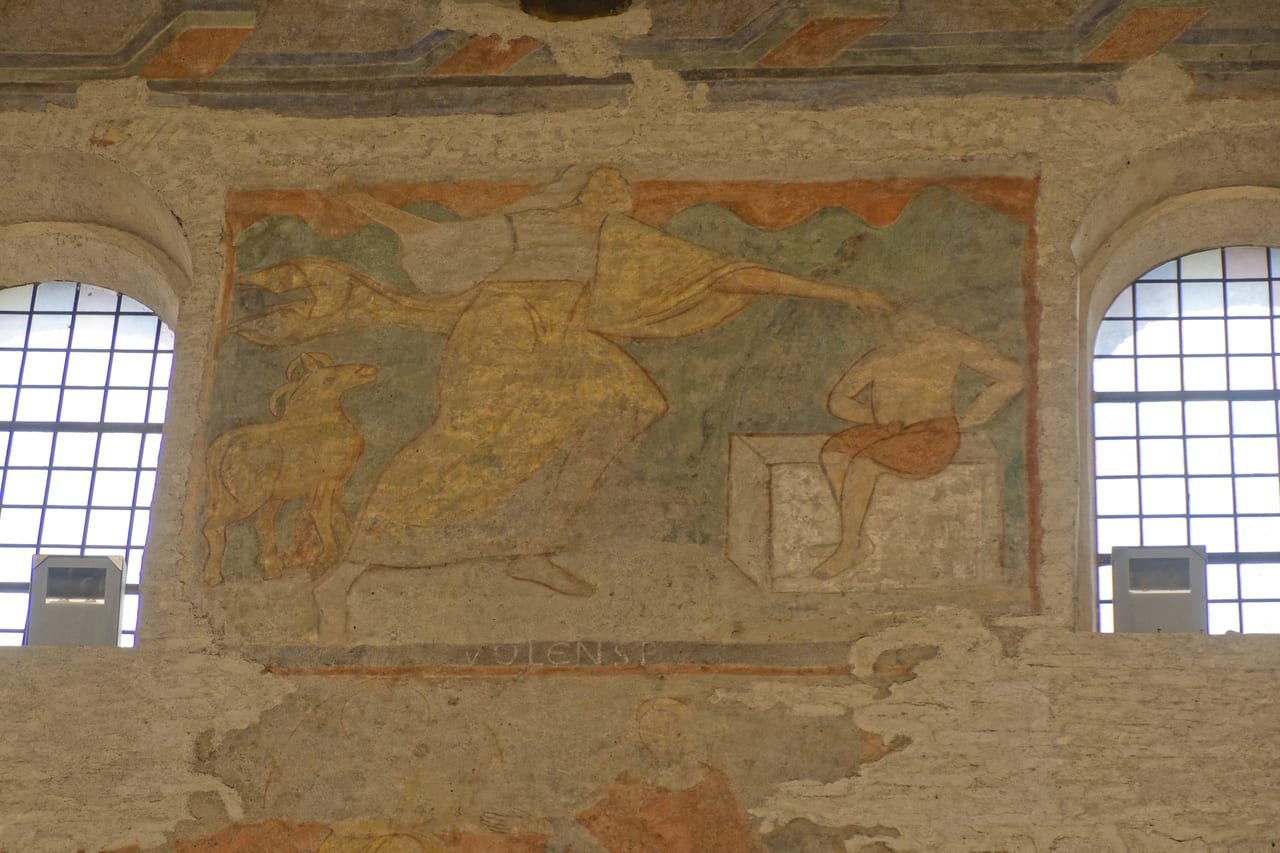
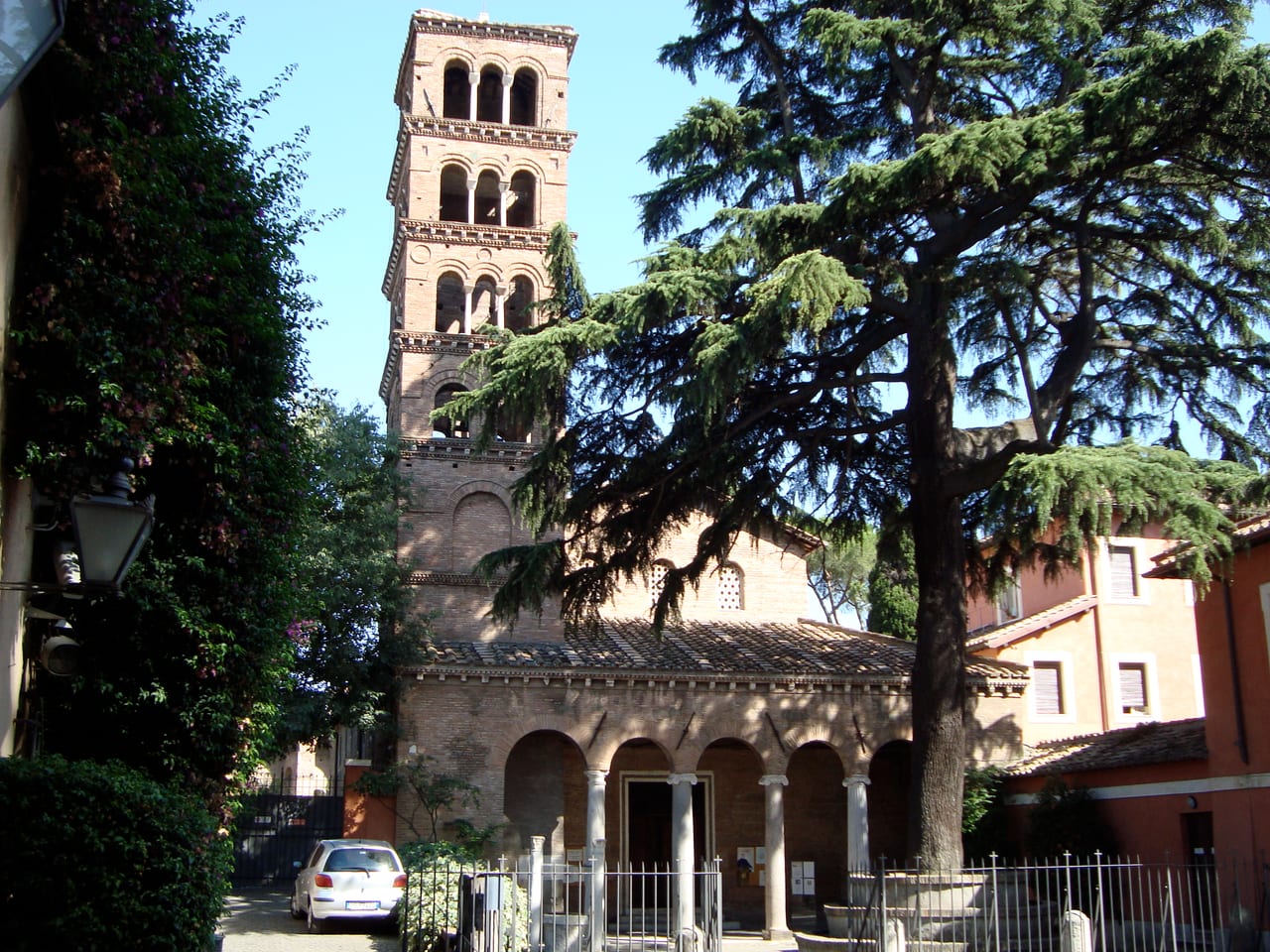
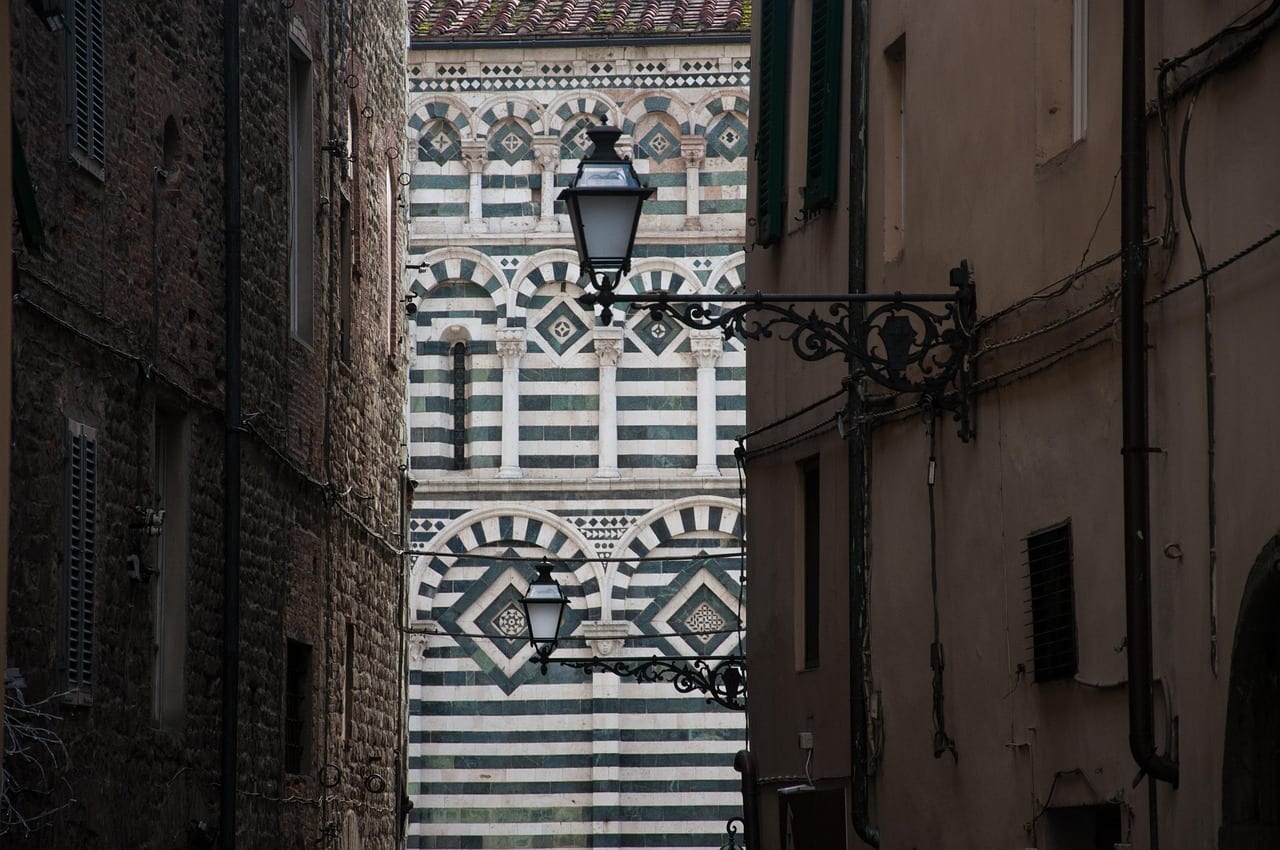
Photograph 1 of 50 of San Giovanni a Porta Latina
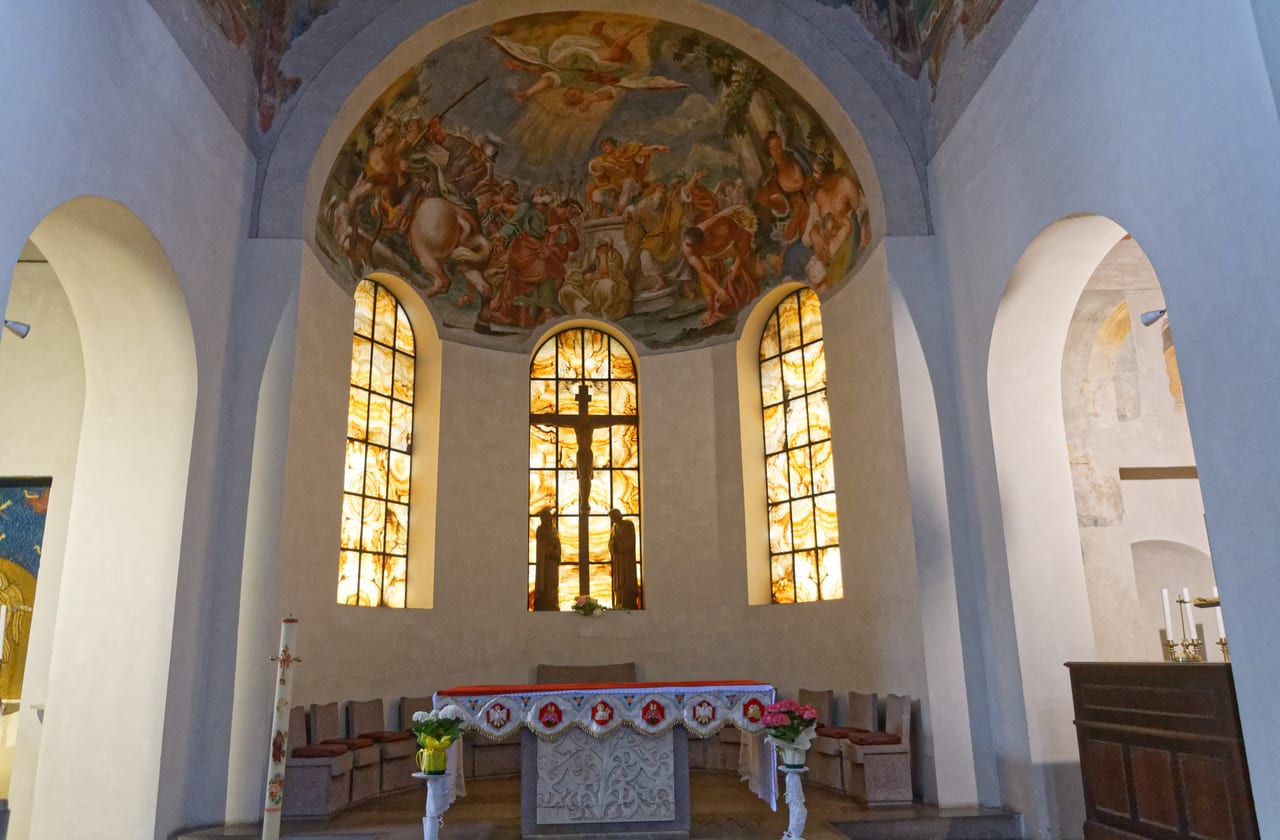
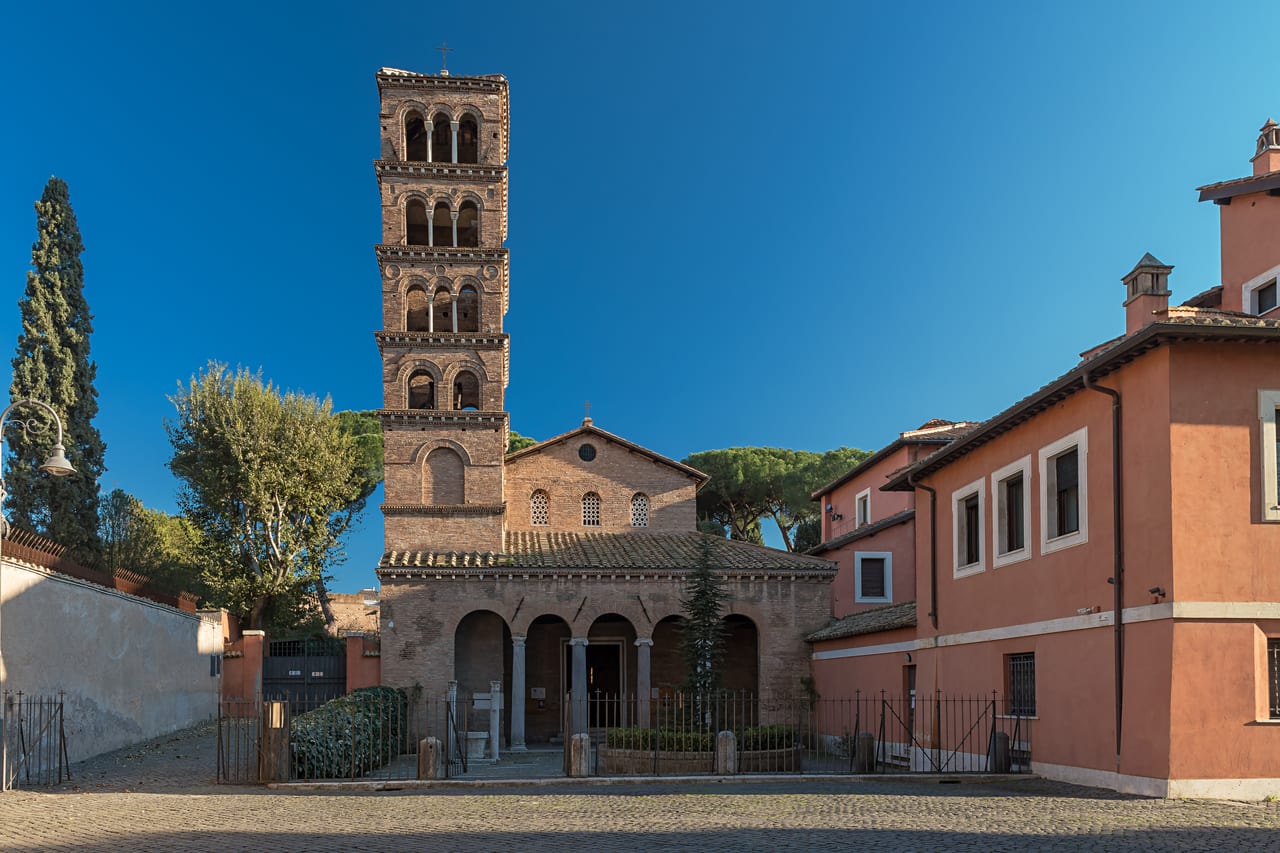
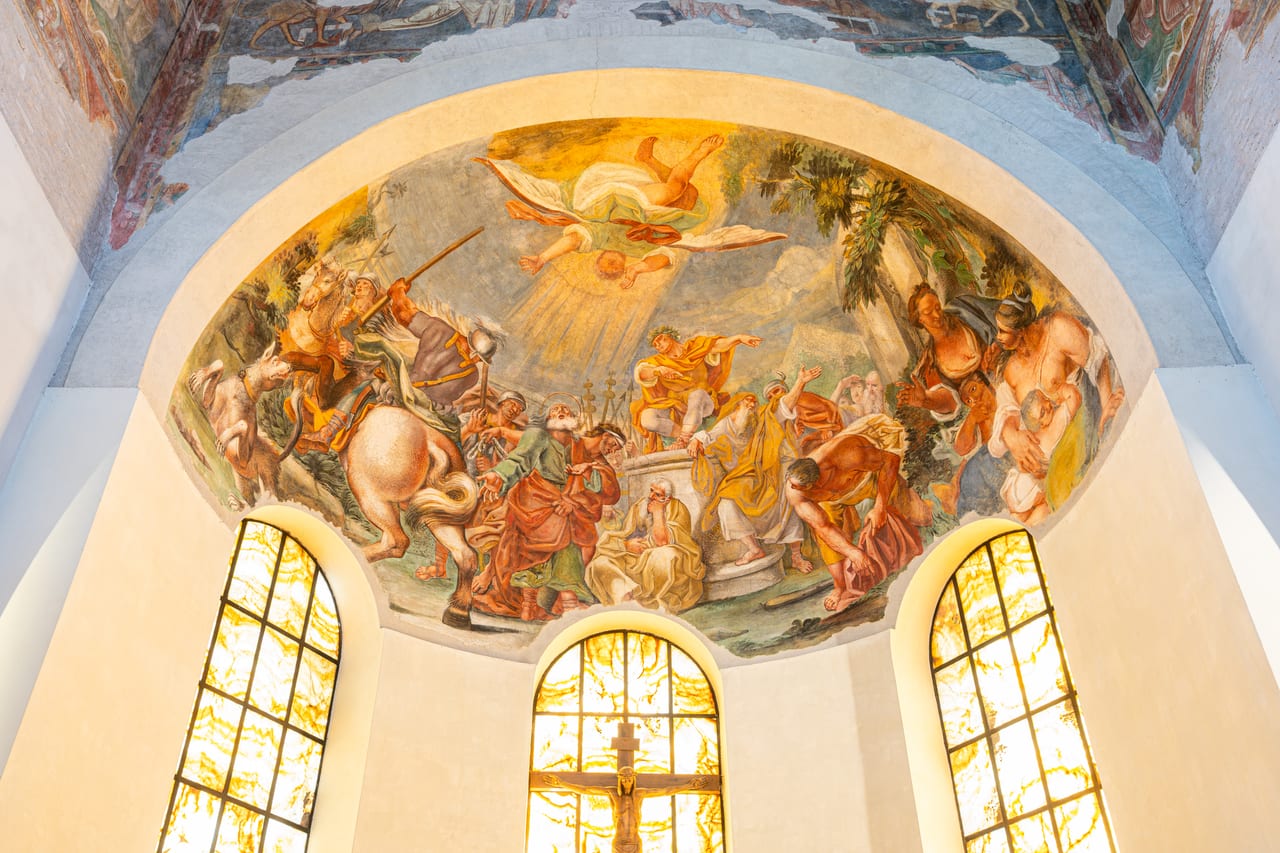
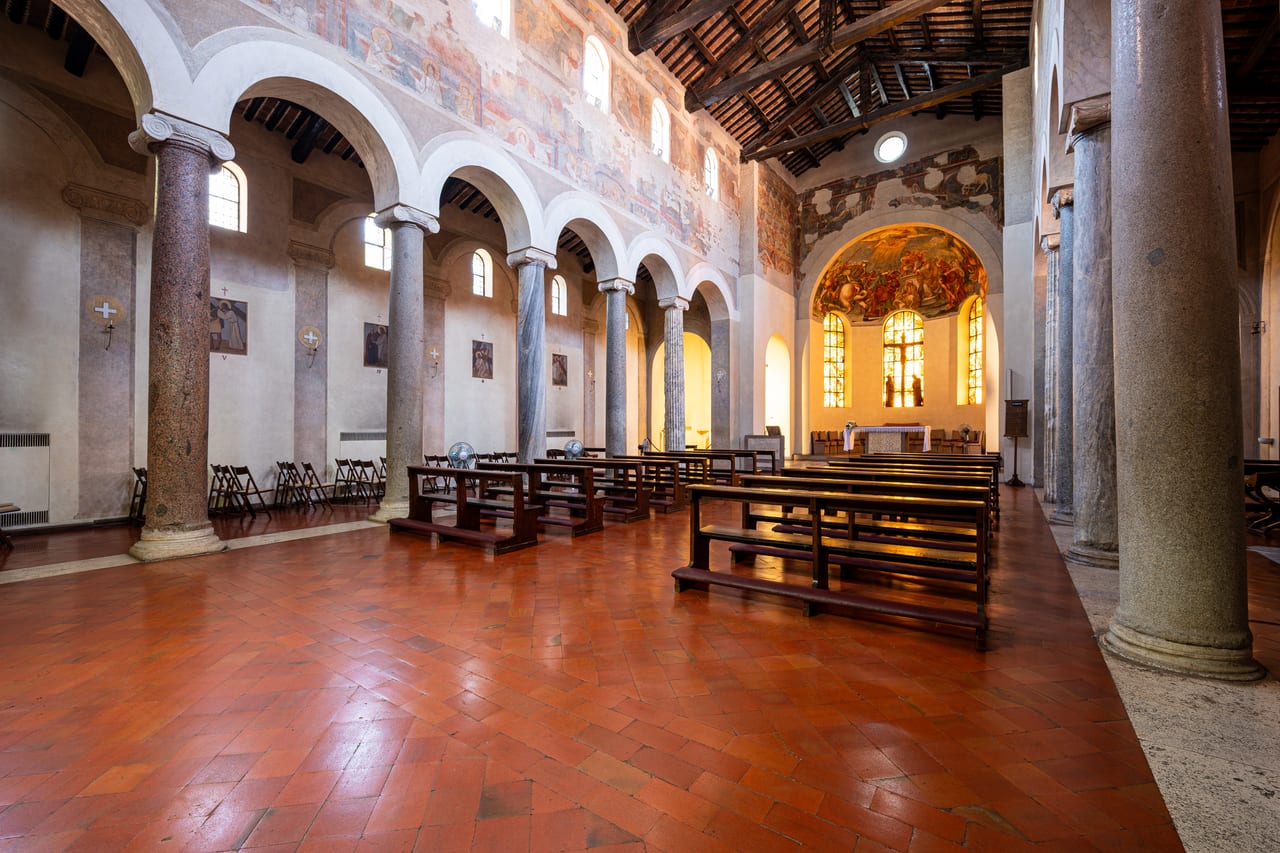
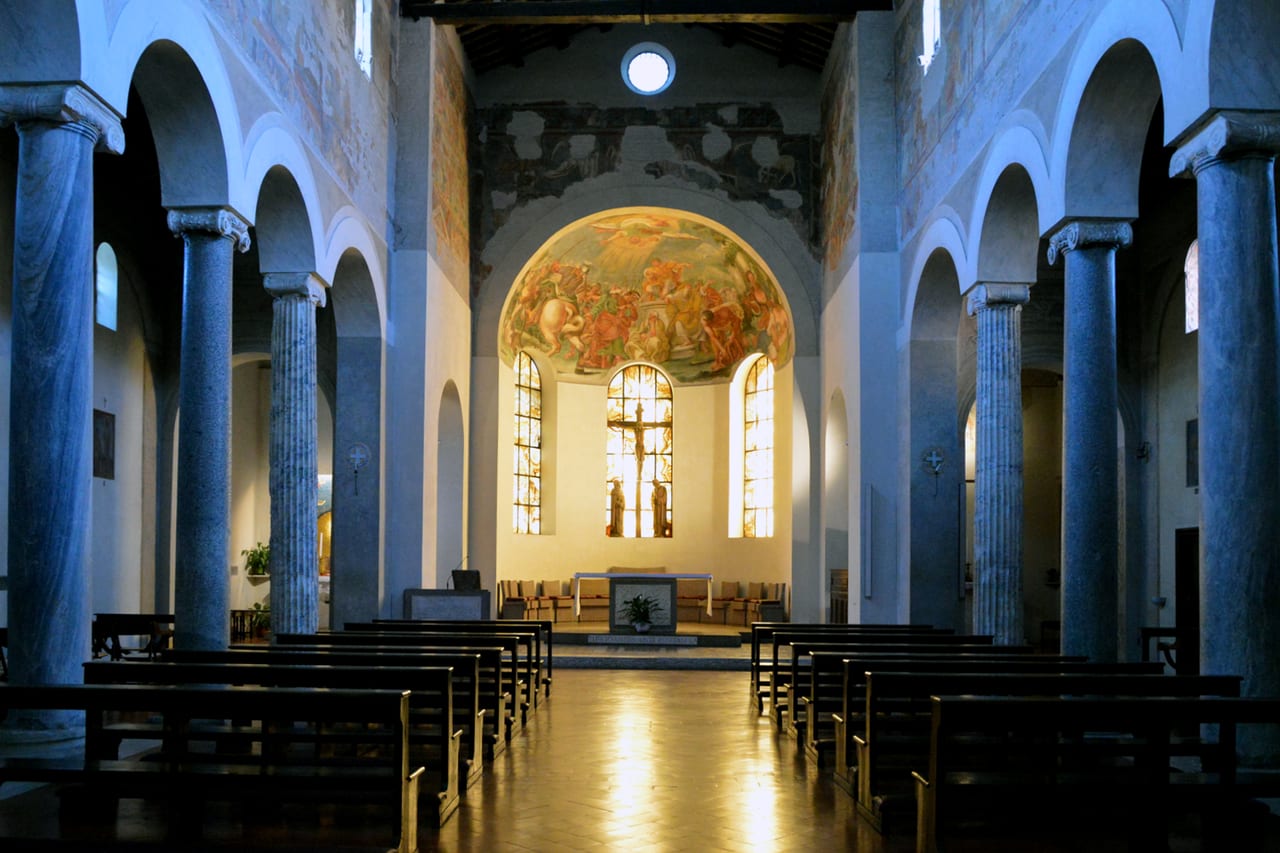
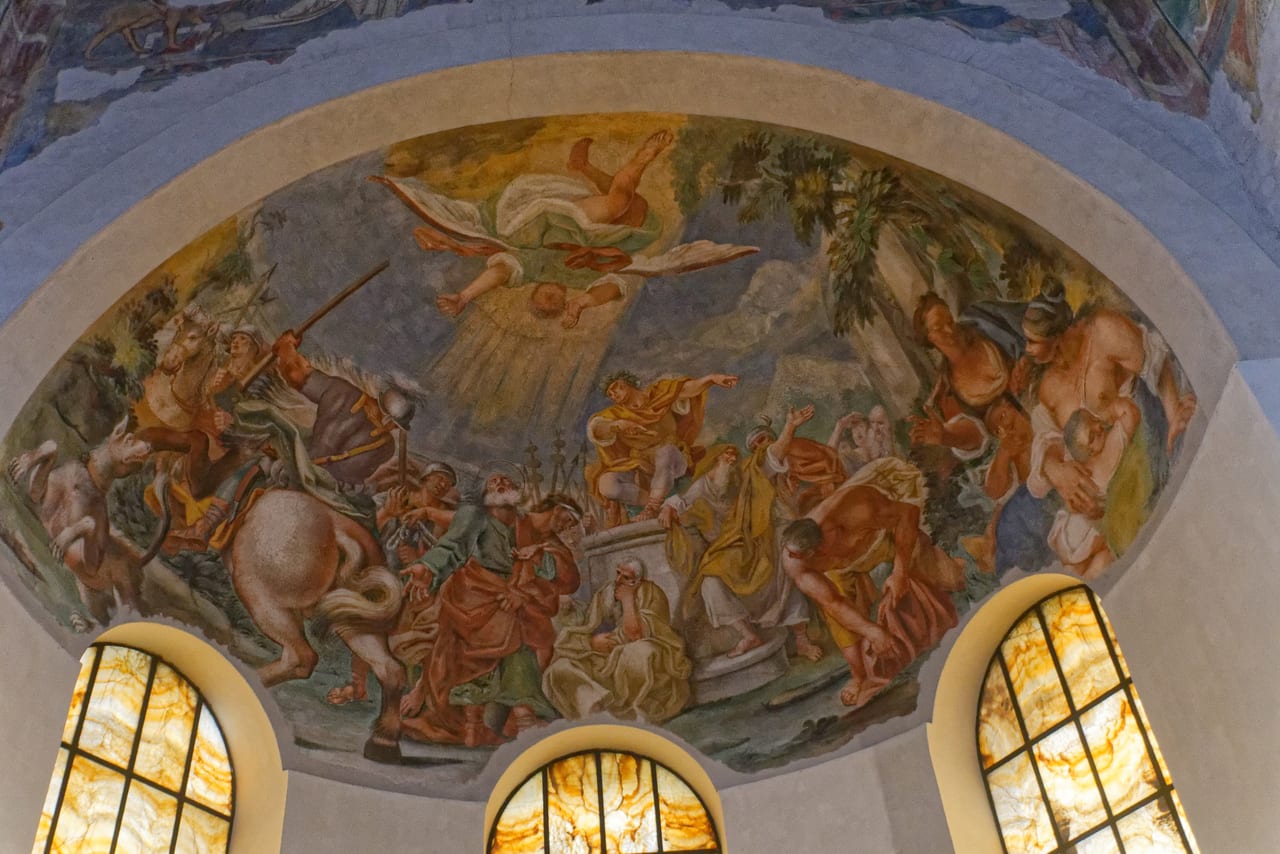
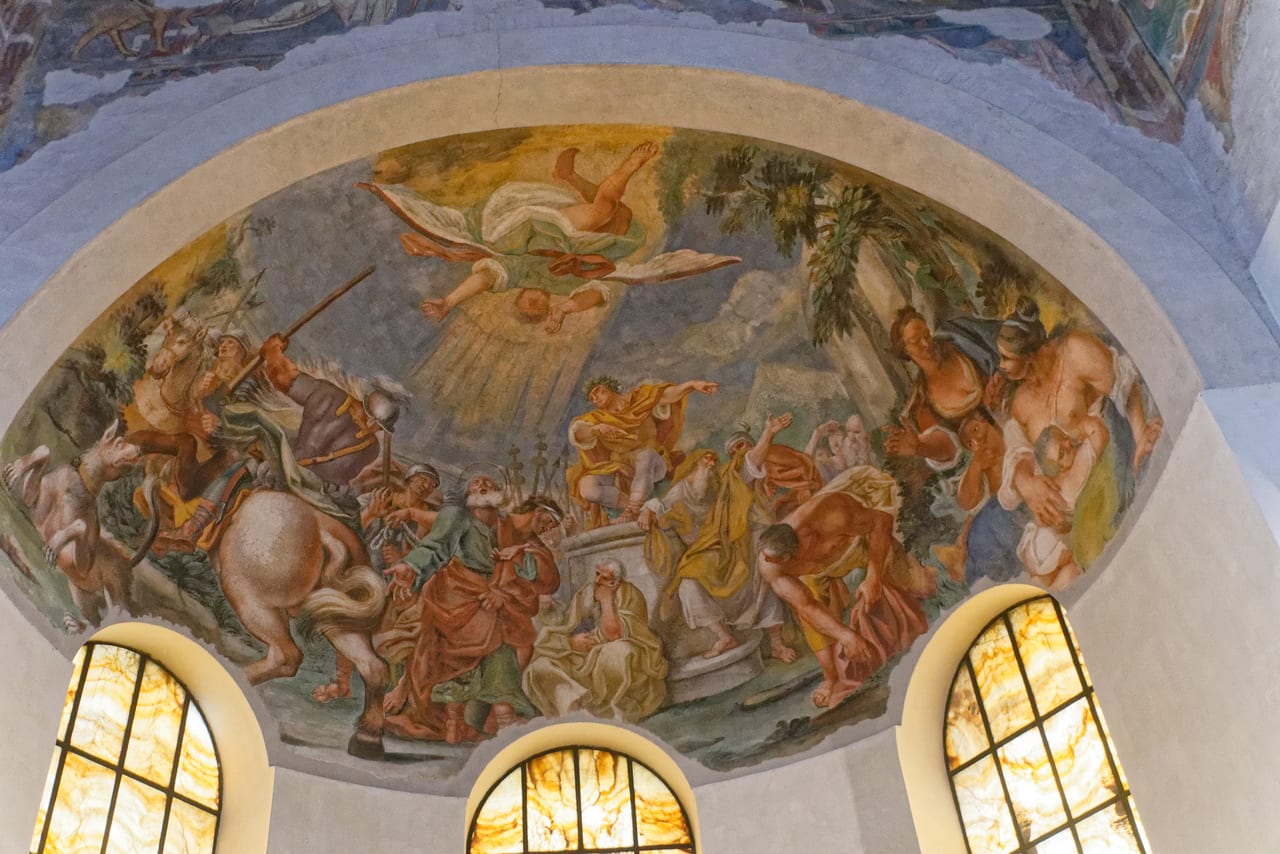
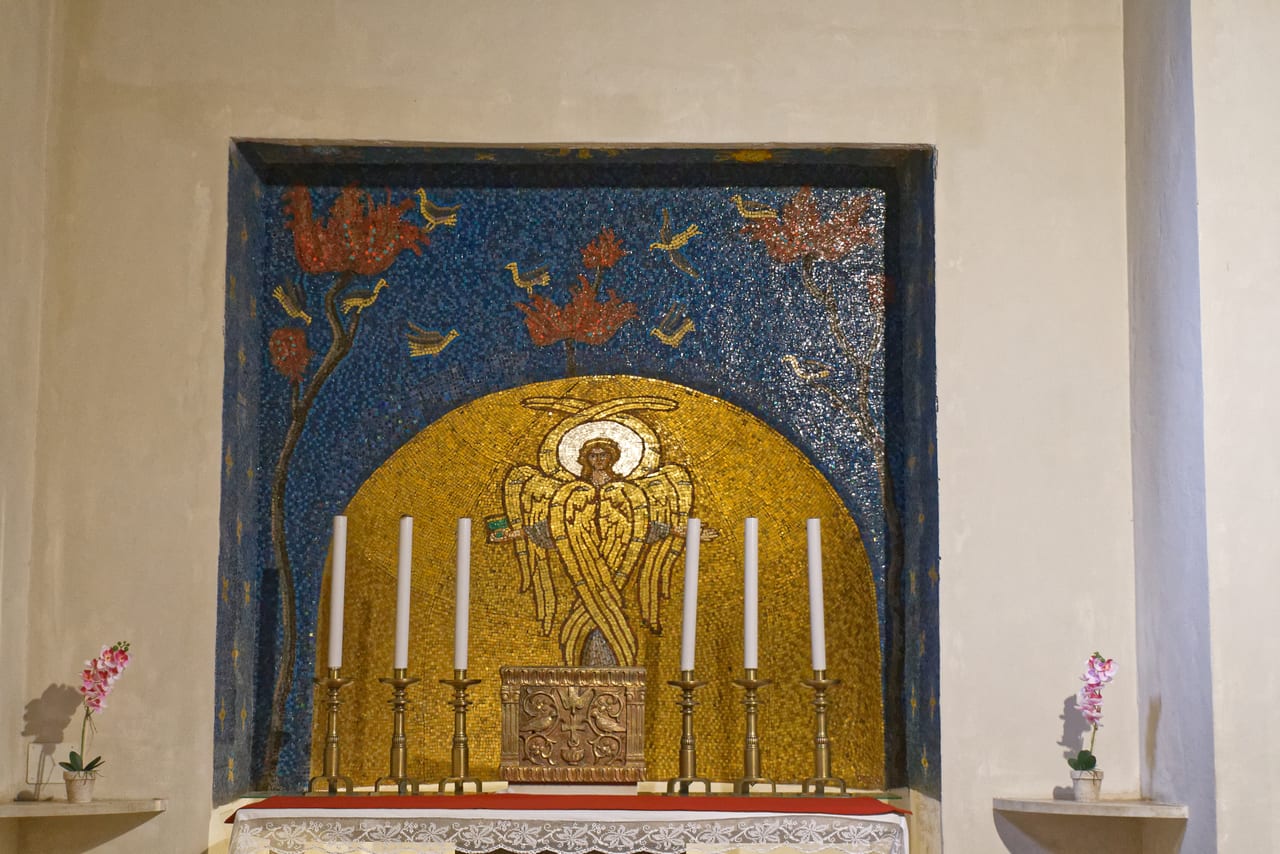
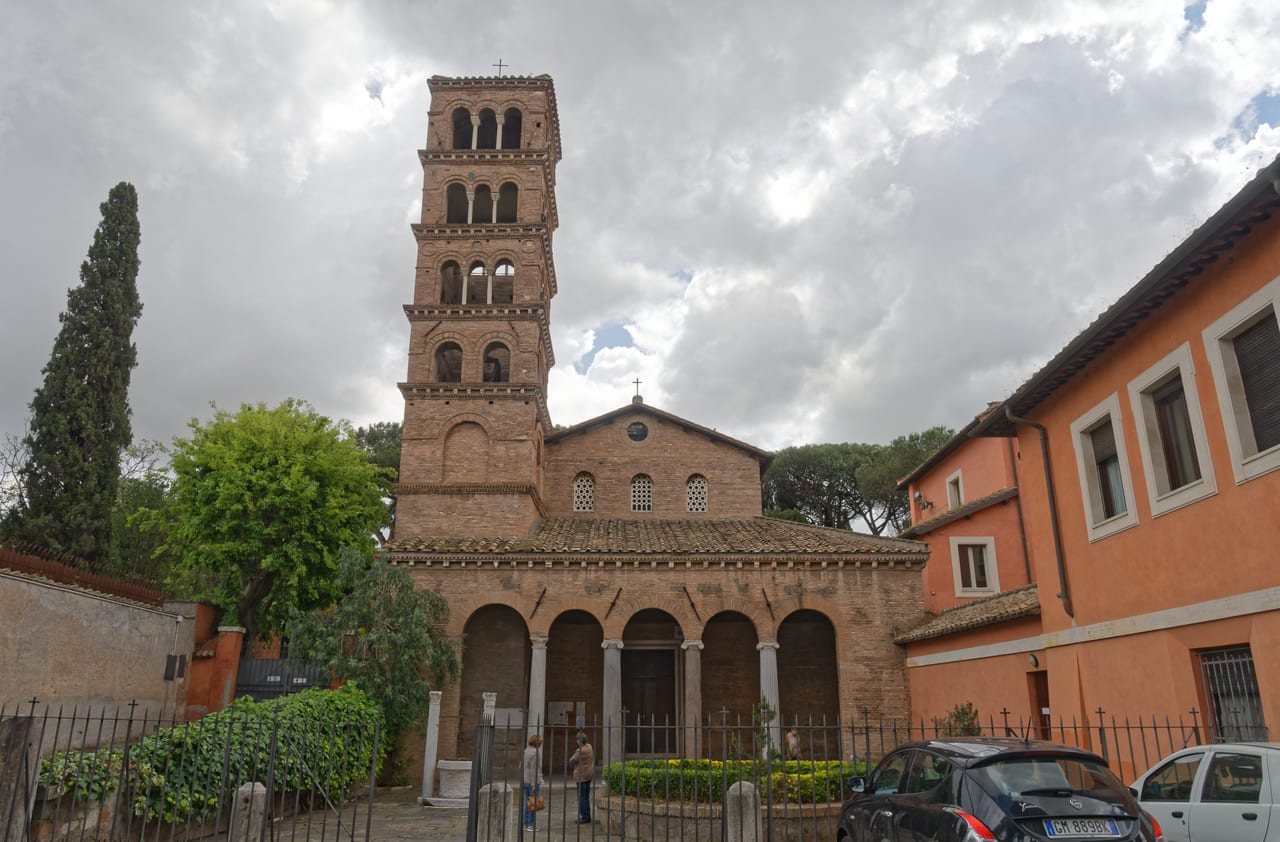
San Giovanni a Porta Latina traces its foundation to the late fourth or fifth century, with repairs and alterations in the fifth, eighth, ninth, eleventh and thirteenth centuries. It was certainly rebuilt in 720, then restored in 1191, when Pope Celestine III dedicated it on 10 May. The church’s Romanesque character belongs to this long medieval development, while a later apse fresco was made to a design by Cavalier d’Arpino between the sixteenth and seventeenth centuries. Its story also carries a darker episode. Around 1578, Portuguese worshippers formed a confraternity here and used the then-neglected church for their rites; accounts associate the group with marriages between same-sex couples, and report at least seven executions by burning at Porta Latina. In 1517, Leo X made the church a cardinalatial title. A 1940–41 restoration returned it to its medieval appearance and assigned it to the Rosminians, whose adjoining complex contains the congregation’s general curia and international student house. Nearby San Giovanni in Oleo preserves the tradition of John’s survival in boiling oil under Domitian.
At a glance
- Built
- 401
- Style
- Romanesque art
- Heritage
- Italian national heritage
Ways to explore San Giovanni a Porta Latina
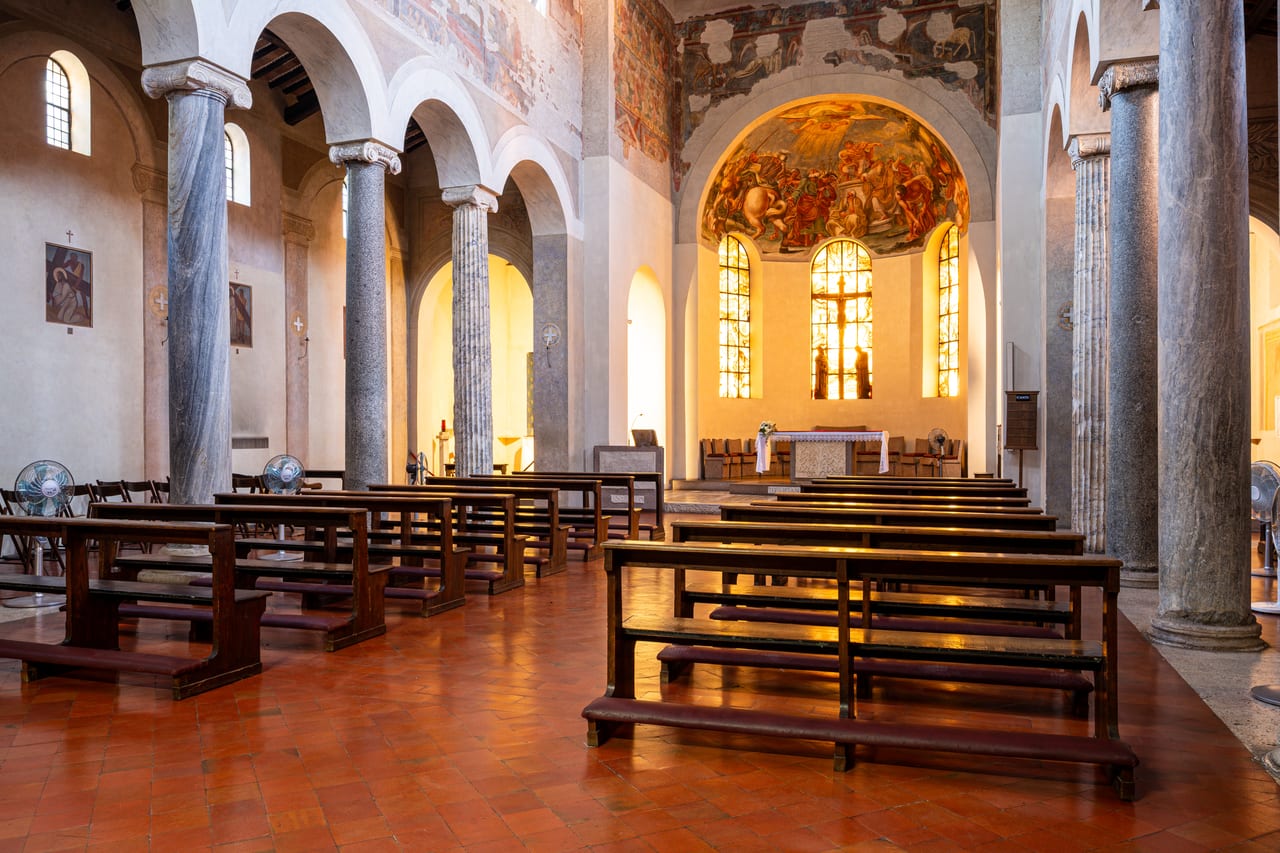
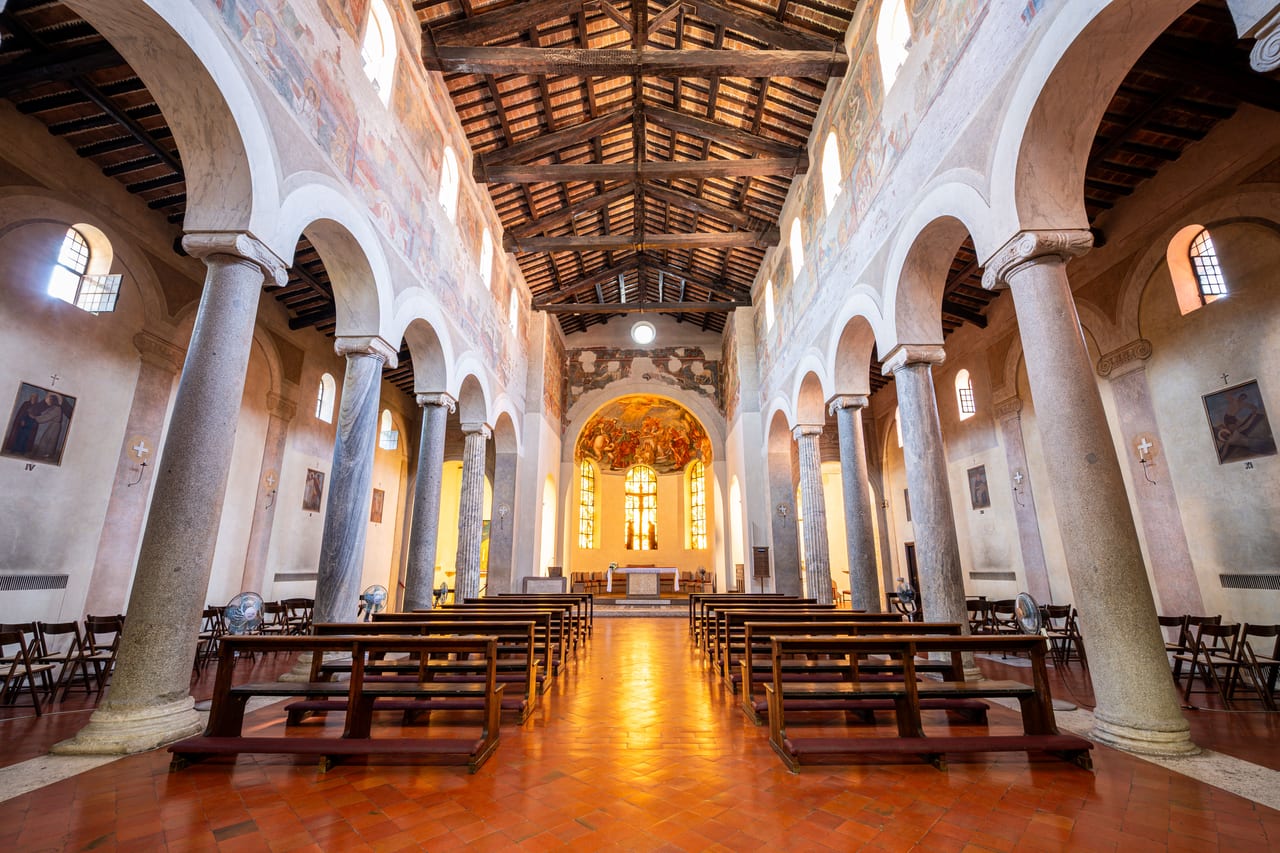
Examine the medieval portico and nave columns, reused pieces traditionally linked to a temple of Diana; some were later stripped for the Lateran. Look up at the bell tower, added in 1191 with six orders of trifora openings, and inspect the apse painting after noting its Cavalier d’Arpino design. The church also contains an electric-action organ with 11 stops, built in 1940 by Balbiani Vegezzi-Bossi.
Places to stay near San Giovanni a Porta Latina

Live availability and prices from Stay22's partners, refreshed periodically and subject to change. Booking through these links may earn us a commission at no extra cost to you. See our privacy policy.
Cafés near San Giovanni a Porta Latina
Cafés near San Giovanni a Porta Latina loads as you scroll.
Attractions nearby
Attractions near San Giovanni a Porta Latina loads as you scroll.
Cities nearby
Cities nearby loads as you scroll.
More in Rome
See more of Rome.
Find great cafés, places to stay and other interesting places to visit in Rome.