Church · Rome
San Carlo al Corso
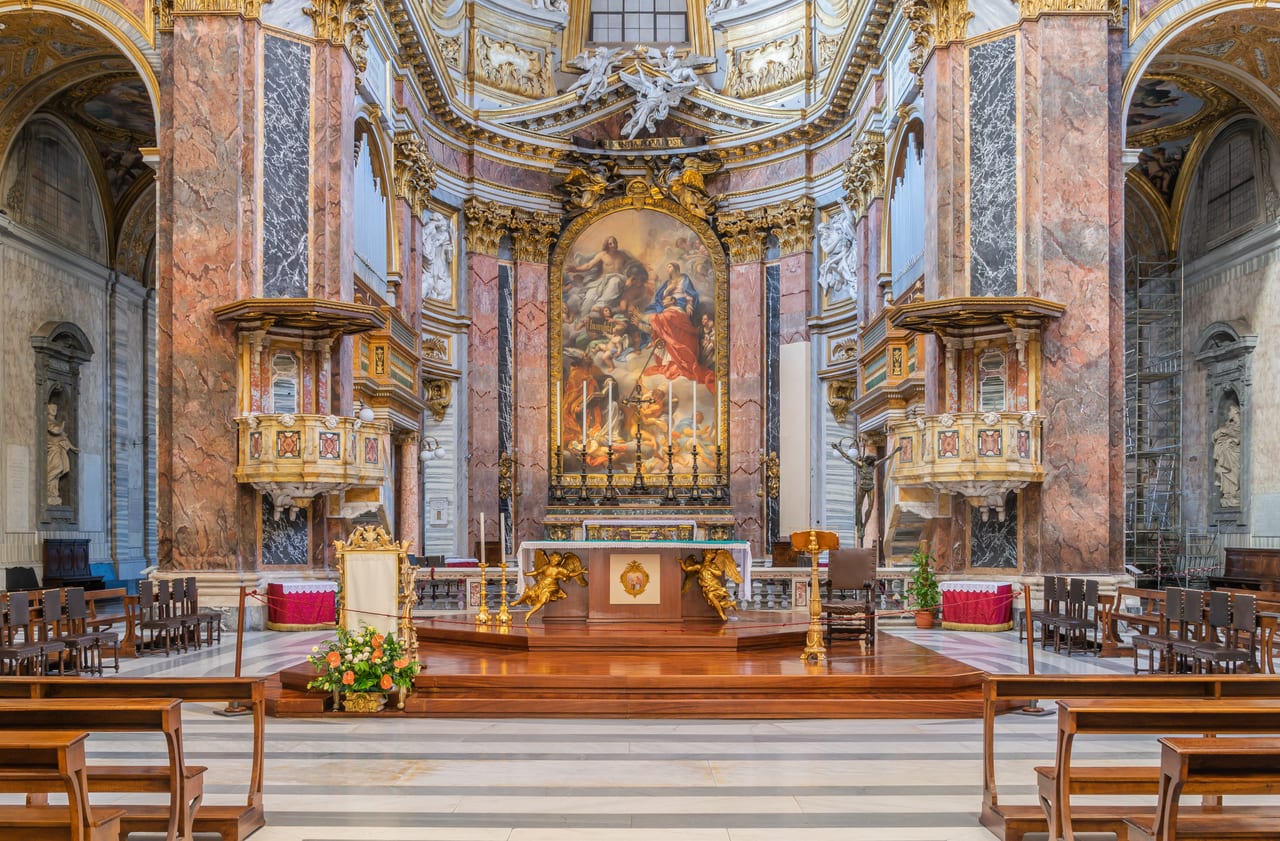
DirectionsIts presbytery is encircled by an unusually broad ambulatory, a Roman architectural singularity deliberately inspired by Milan Cathedral.
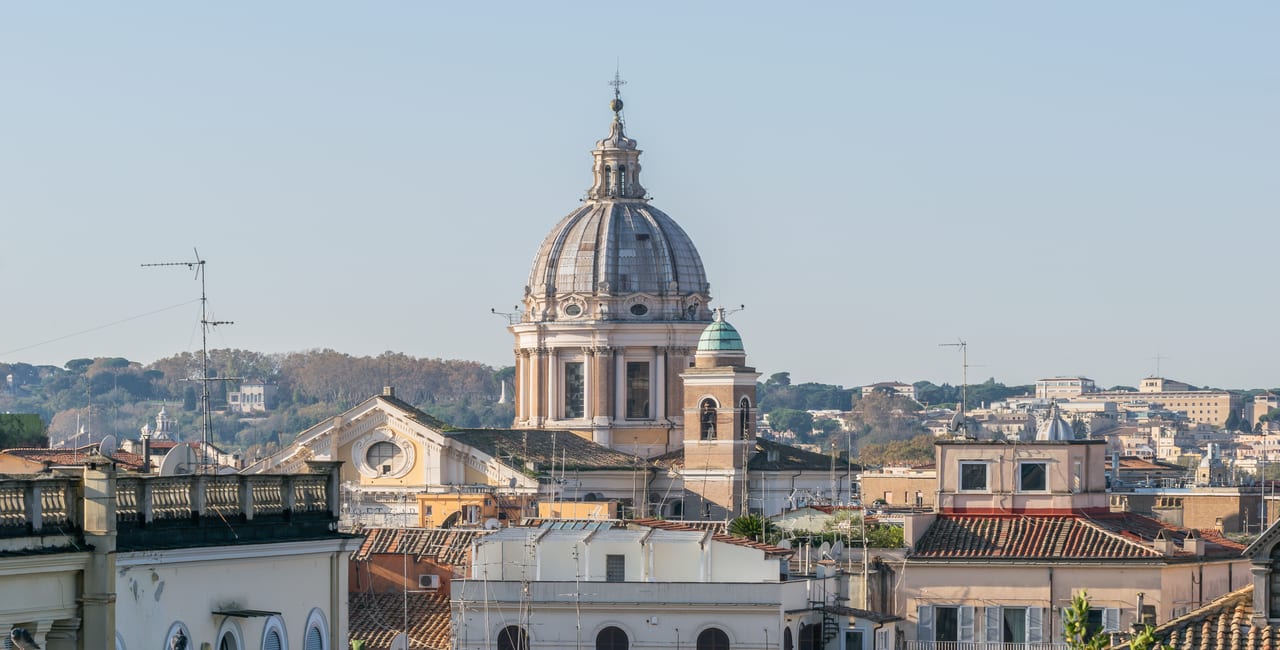
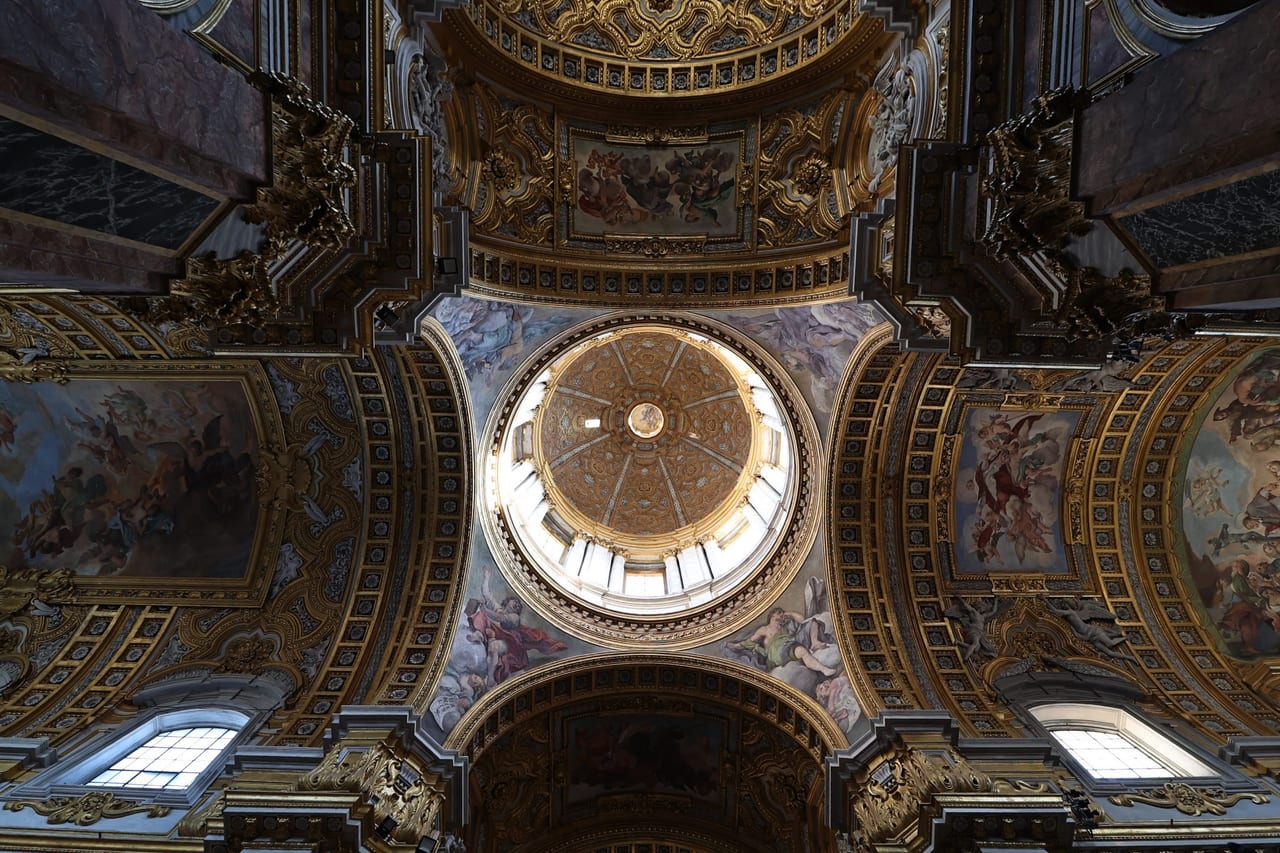
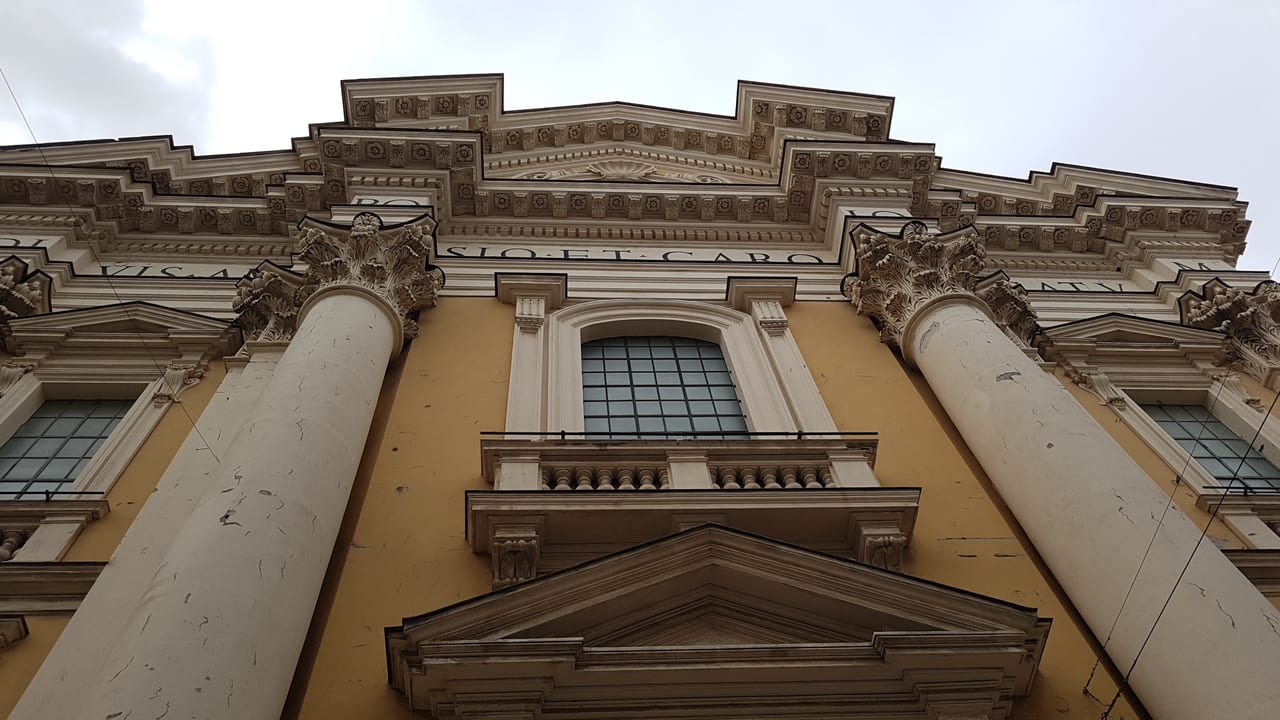
Photograph 1 of 15 of San Carlo al Corso
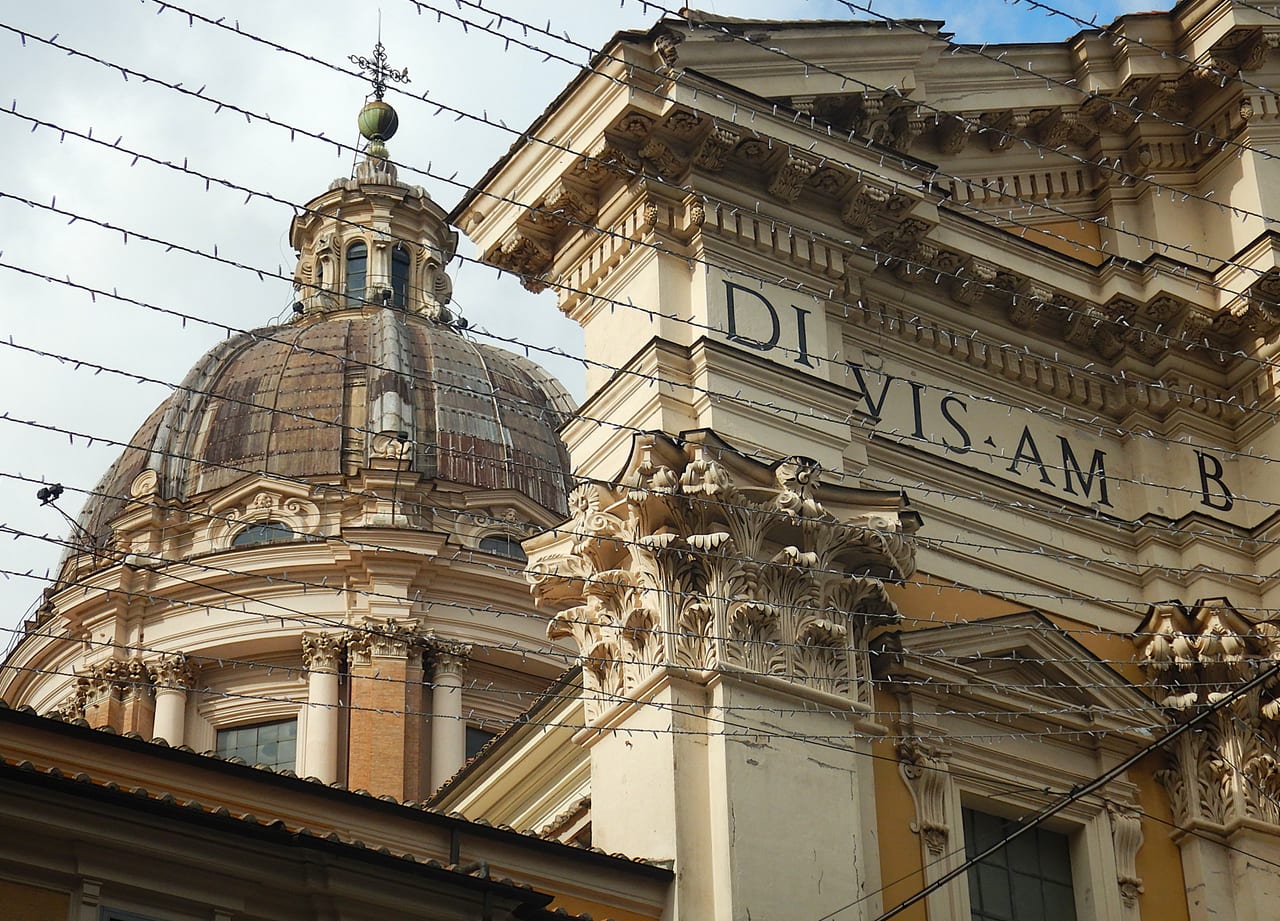
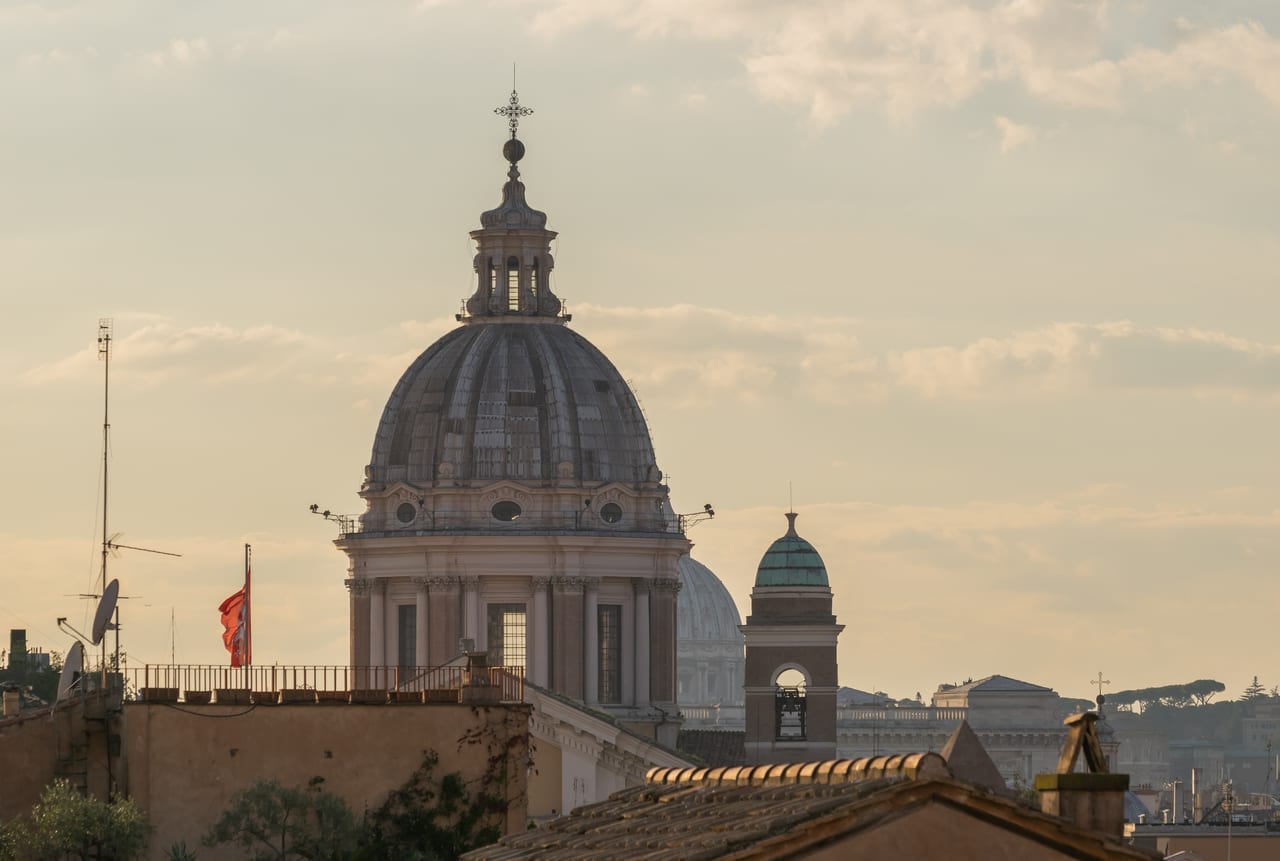
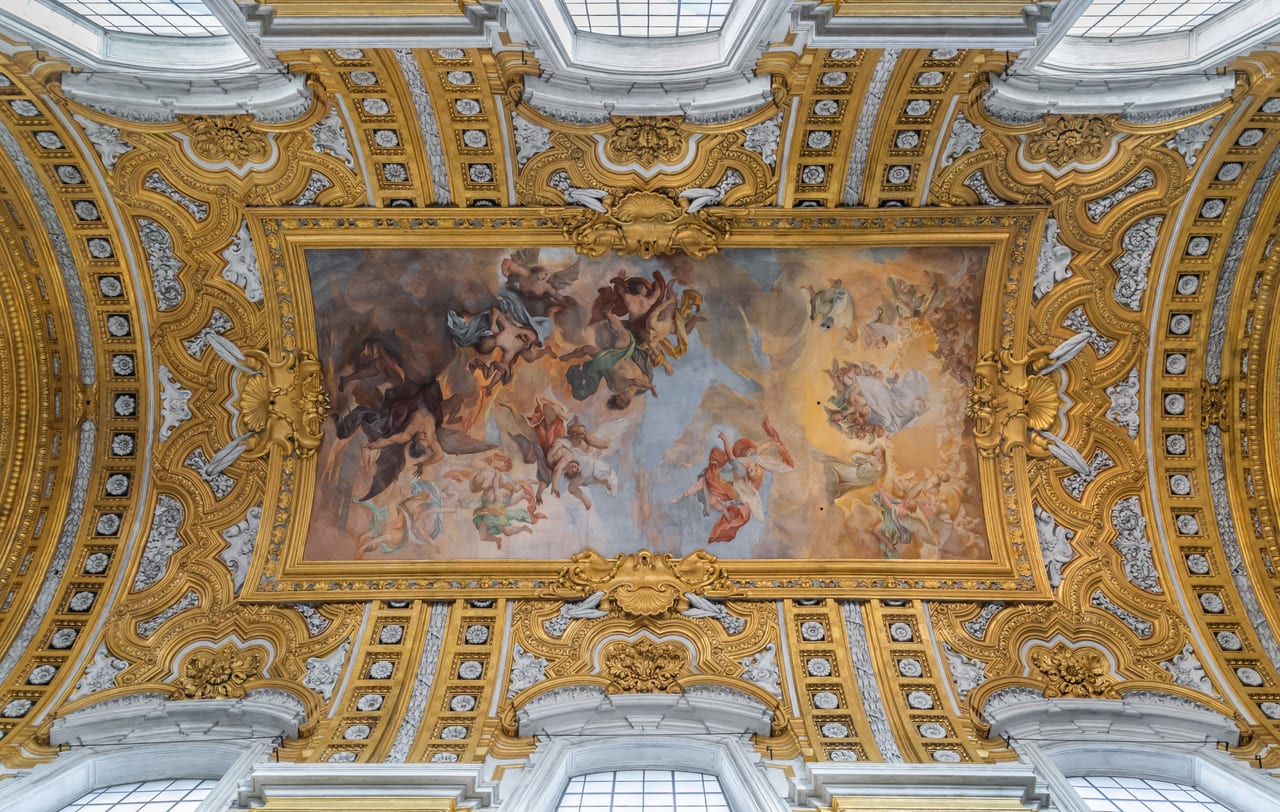
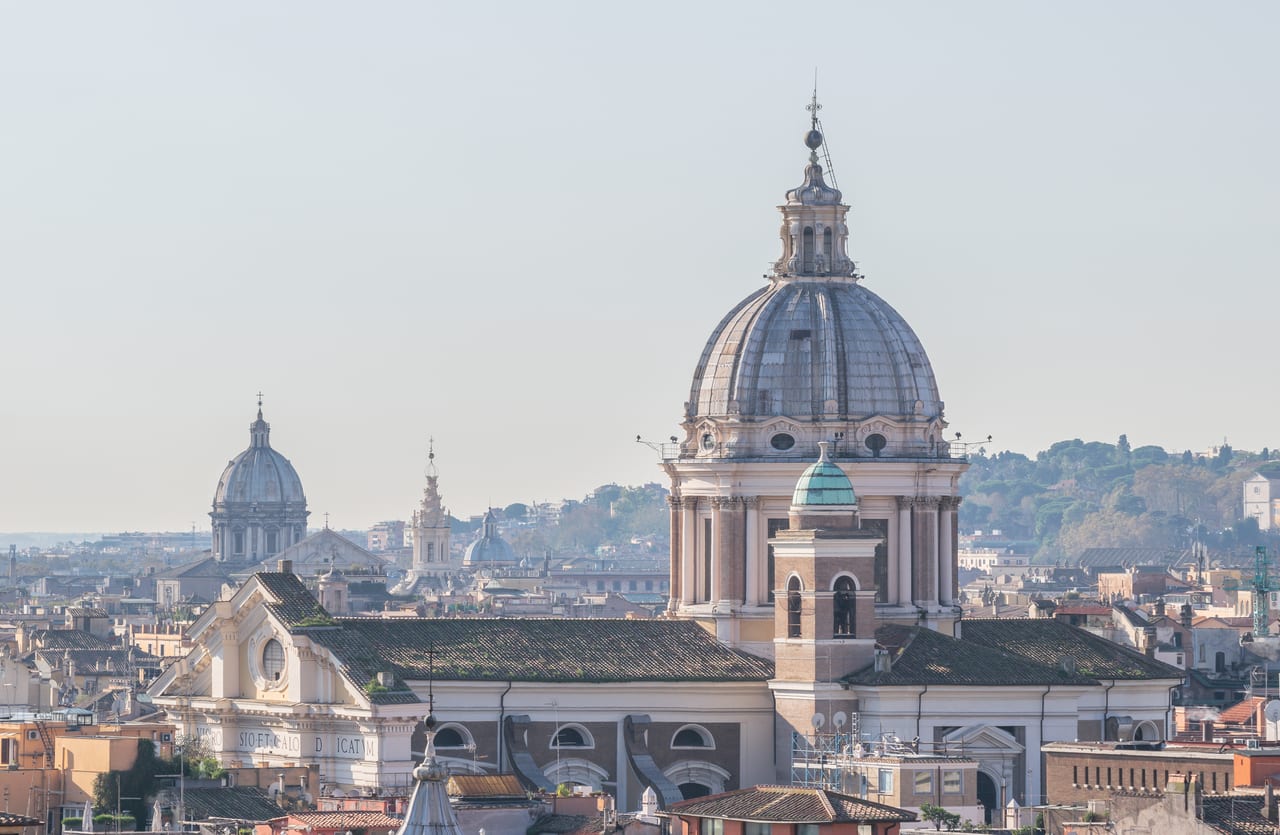
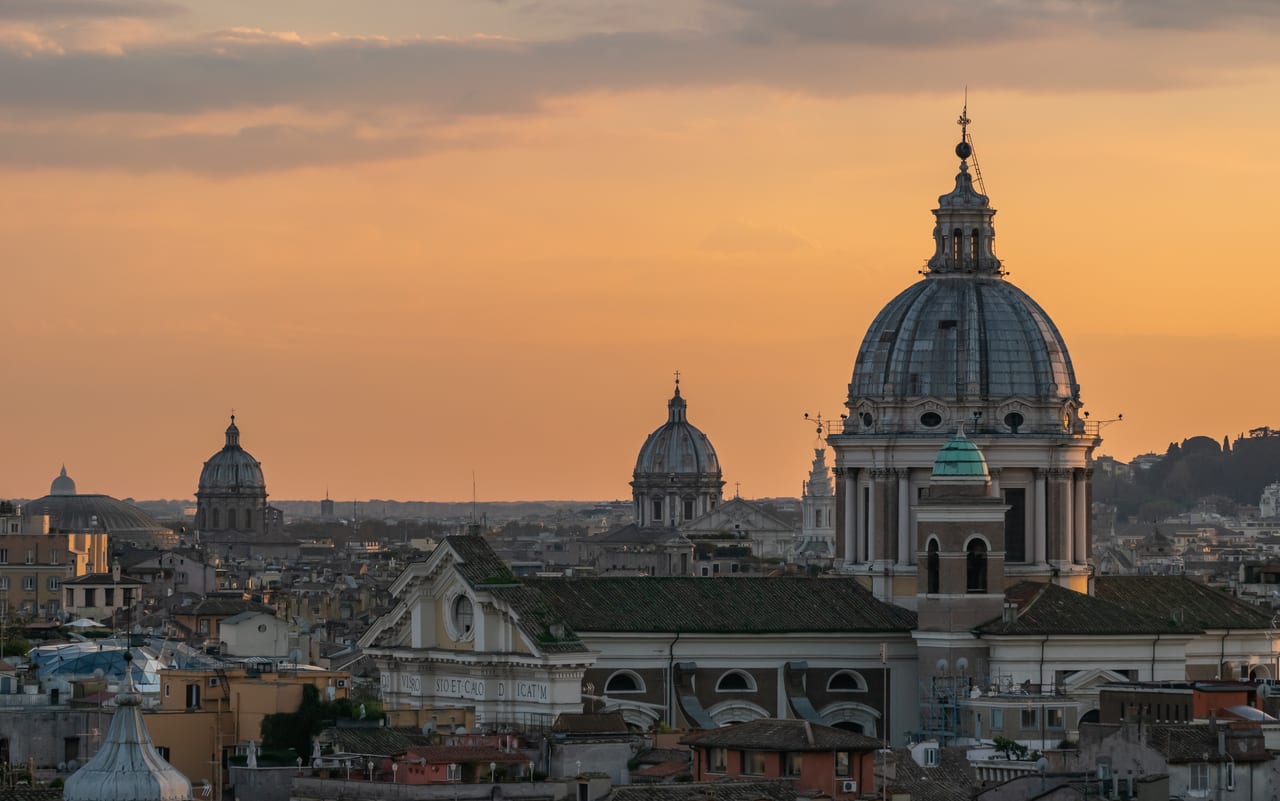
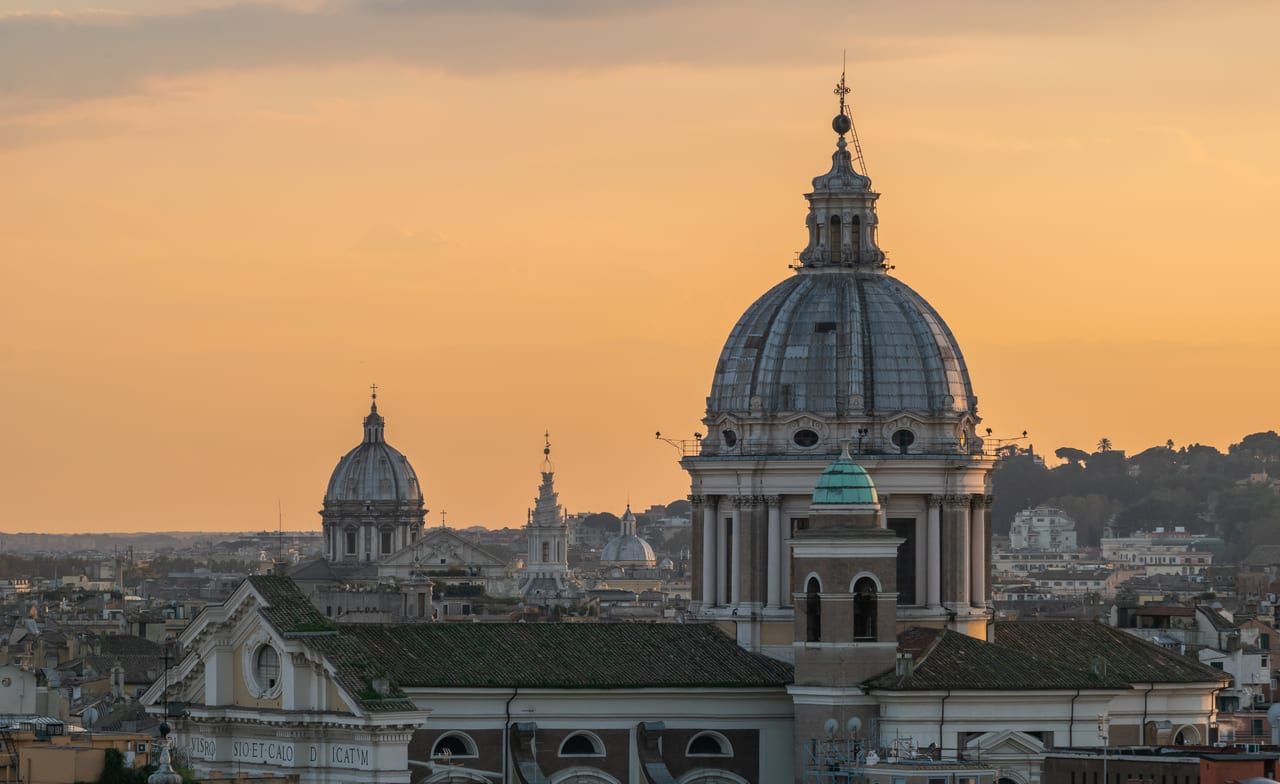
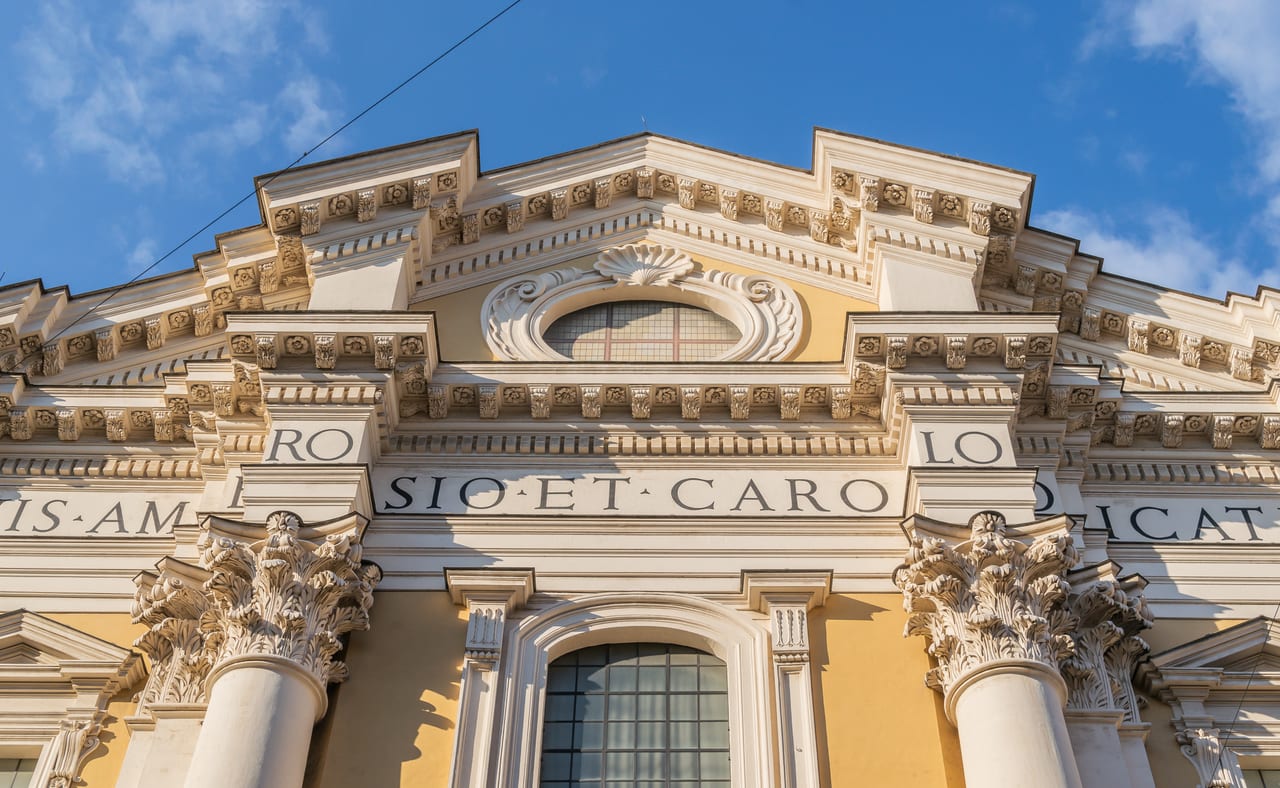
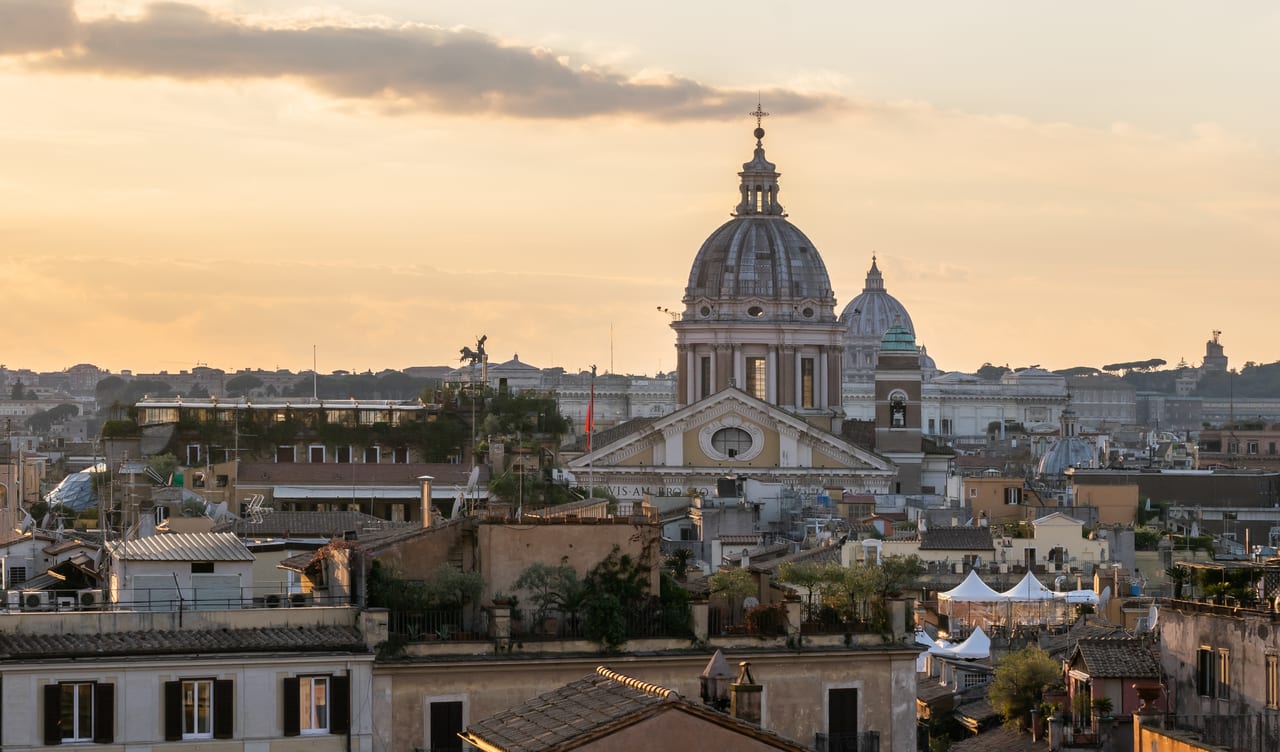
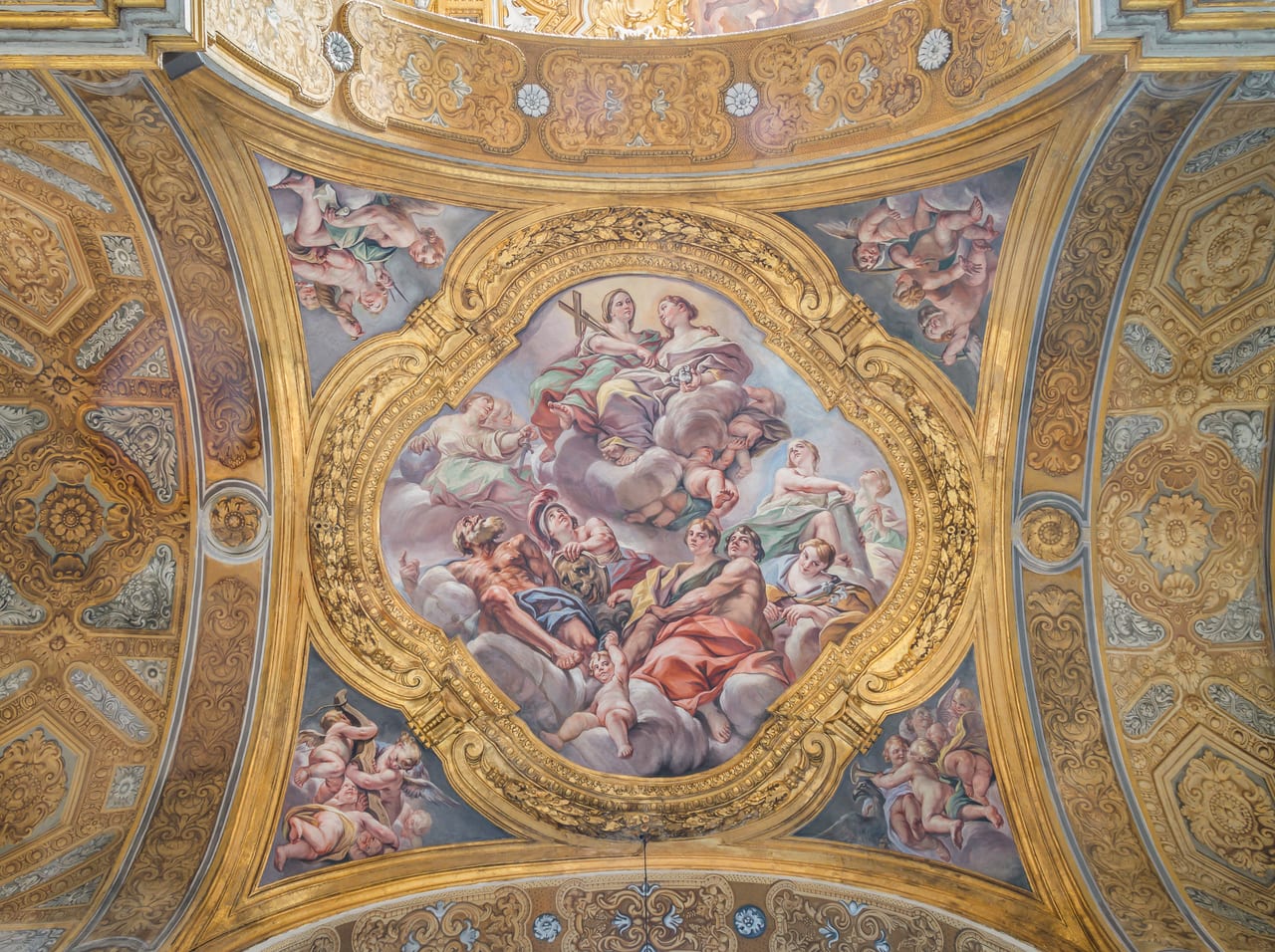
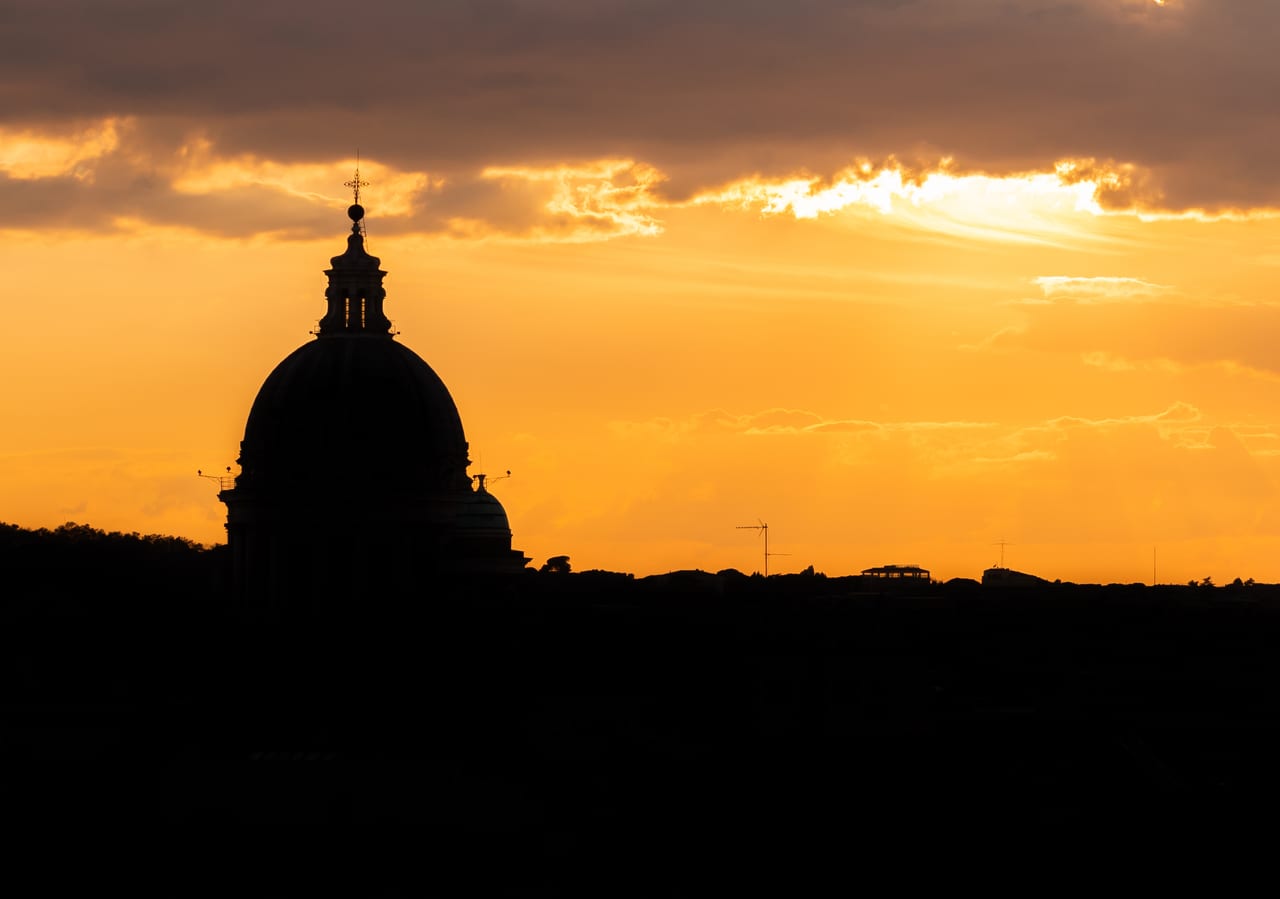
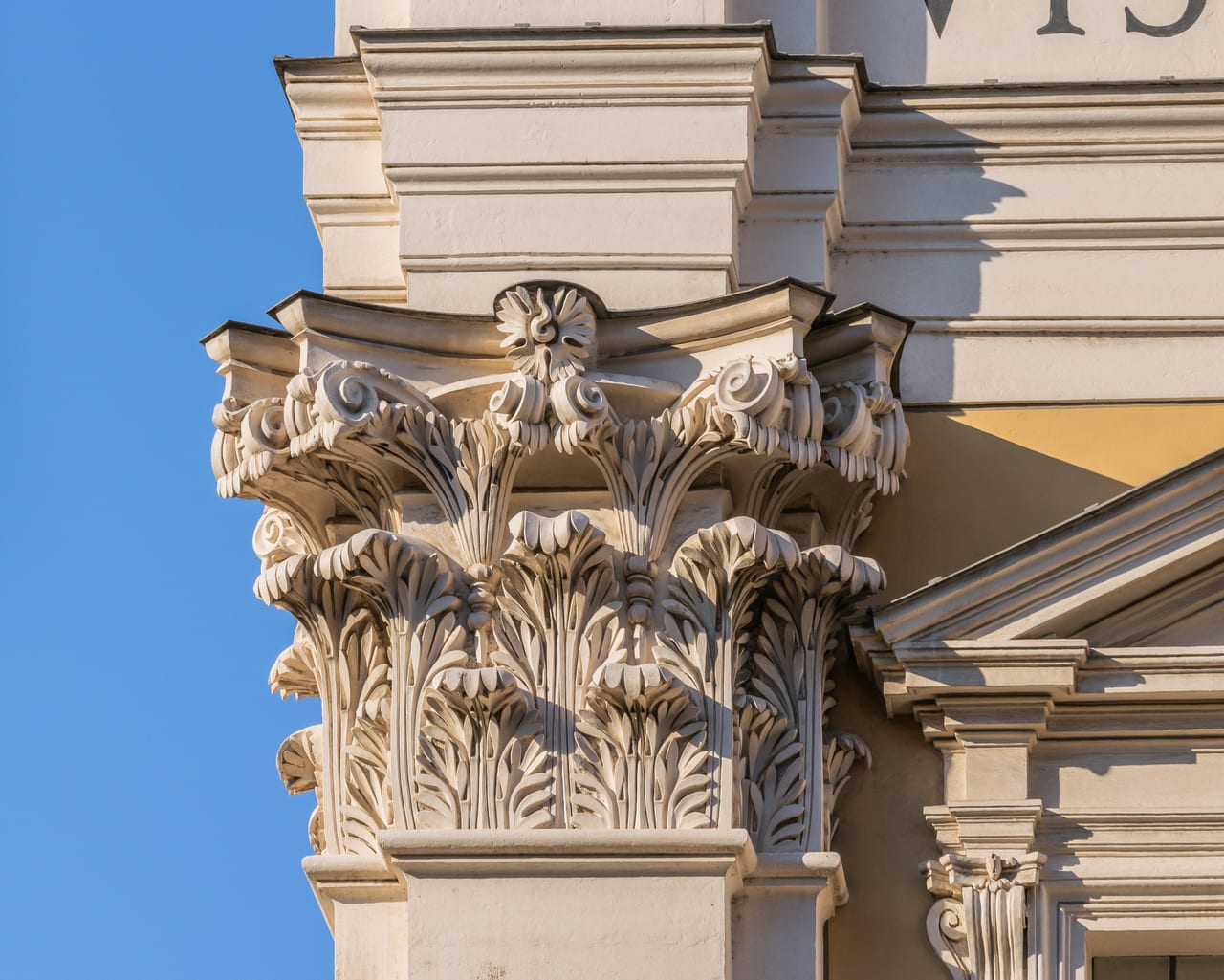
San Carlo al Corso grew from the Lombard confraternity approved by Pope Sixtus IV on 29 August 1471. Its earlier church, documented from the 10th century, was renamed for Saint Ambrose and, after Carlo Borromeo’s canonisation in 1610, for both saints. Demolished on the same site, it gave way to the present building in 1612, initially designed by Onorio Longhi. Slow funding brought brief involvement from Borromini and more sustained work by Martino Longhi the Younger. Luigi Alessandro Omodei designed the façade, completed in 1694 under Gian Battista Menicucci and Mario da Canepina; Pietro da Cortona’s dome, finished in 1688, was his last major architectural work. The three-aisled Latin-cross interior embodies late Roman Baroque theatricality, with stucco by Giacomo and Cosimo Fancelli, faux marble and frescoes by Giacinto Brandi and Giovanni Battista Beinaschi. Brandi’s The Fall of the Rebel Angels spans the central nave vault. The church became a minor basilica under Pius XI in 1929; Rosminian priests have cared for it since 1906. It remains the Lombard national church, and hosted episcopal ordinations including that of Angelo Giuseppe Roncalli in 1925.
At a glance
- Built
- 1612
- Architect
- Onorio Longhi
- Style
- baroque architecture
- Heritage
- Italian national heritage
Ways to explore San Carlo al Corso
Begin outside with the immense statues of Saints Ambrose and Carlo beside the apse, then look upward inside at the high-windowed dome and the painted vaults. Seek out the Immaculate Conception altar, with its polychrome marble, gilded bronze, David and Judith; the Norwegian Saint Olaf chapel; and the 1928 Tamburini organ in its two opposing sections. Behind the high altar, inspect the reliquary containing Saint Carlo’s heart.
Places to stay near San Carlo al Corso

Live availability and prices from Stay22's partners, refreshed periodically and subject to change. Booking through these links may earn us a commission at no extra cost to you. See our privacy policy.
Cafés near San Carlo al Corso
Cafés near San Carlo al Corso loads as you scroll.
Attractions nearby
Attractions near San Carlo al Corso loads as you scroll.
Cities nearby
Cities nearby loads as you scroll.
More in Rome
See more of Rome.
Find great cafés, places to stay and other interesting places to visit in Rome.