Square · Rome
Saint Peter's Square
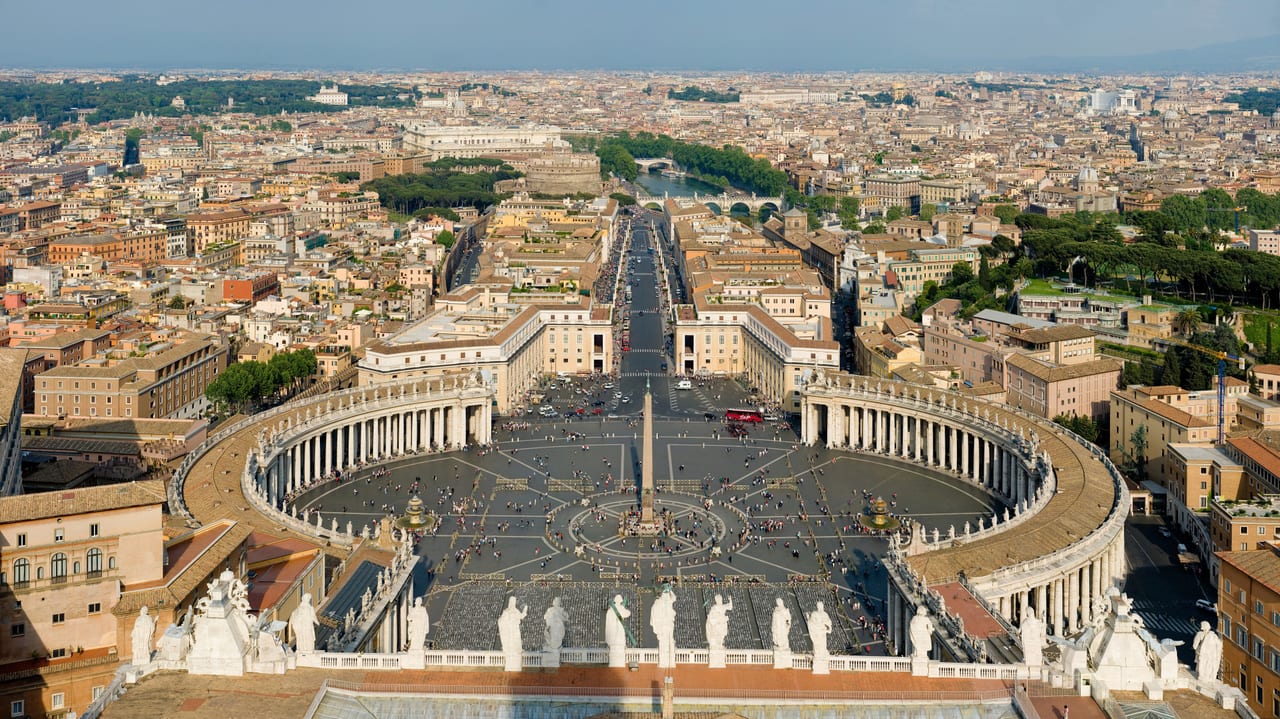
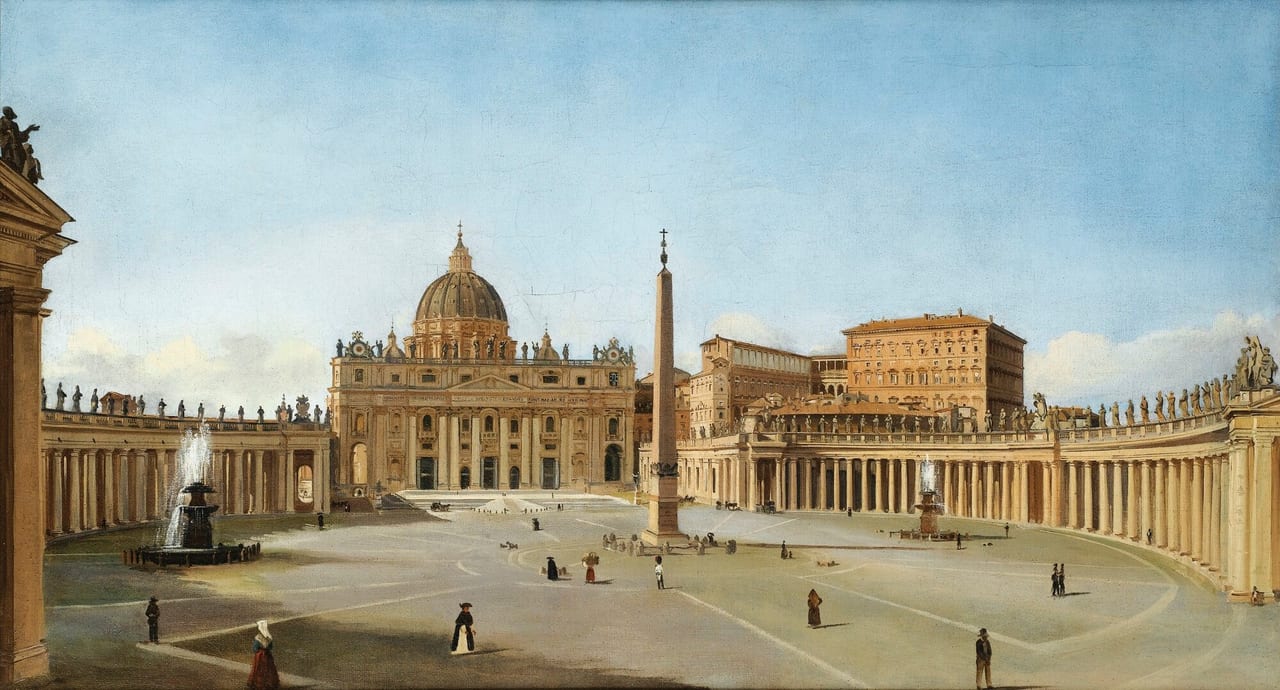
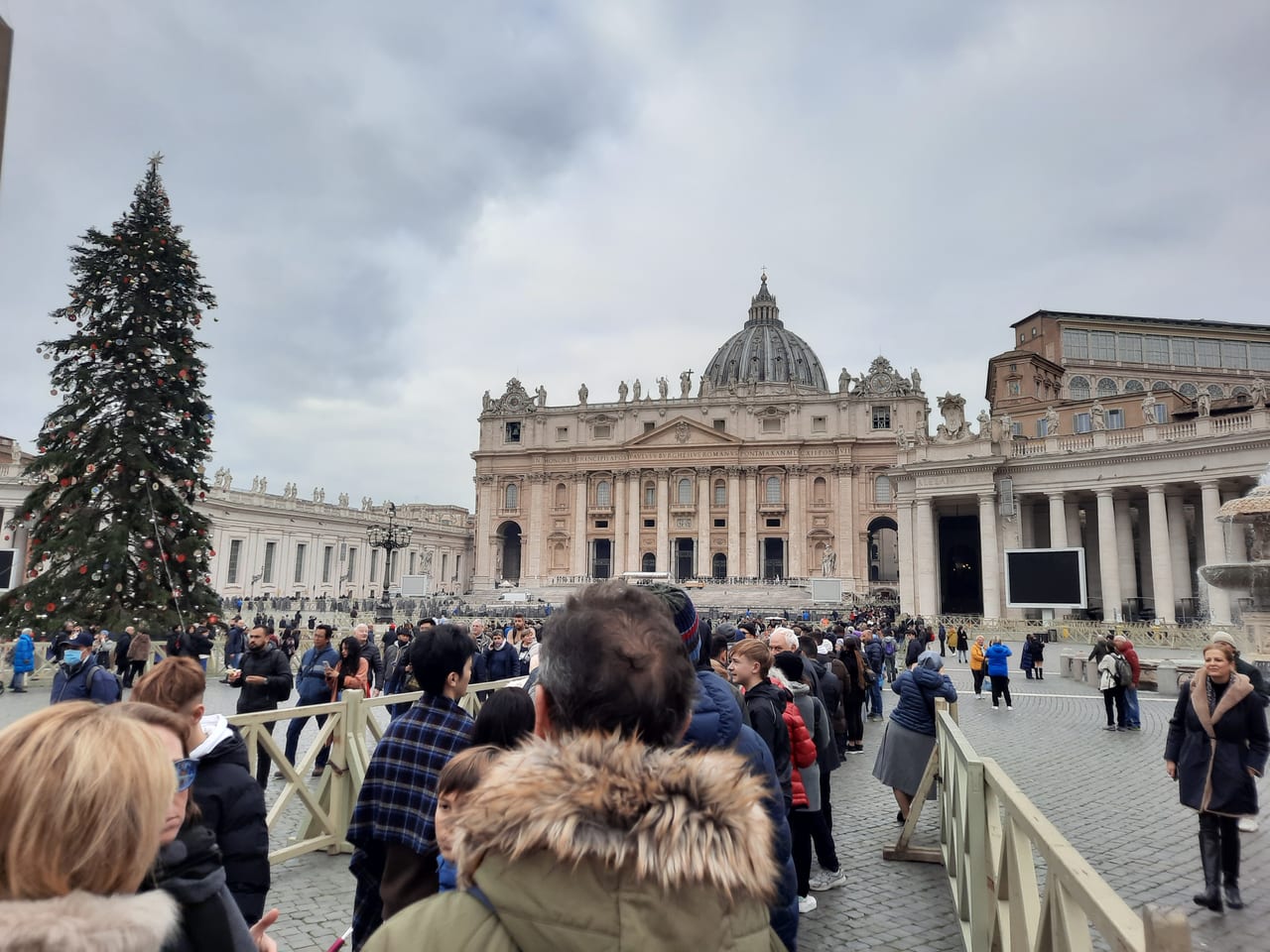
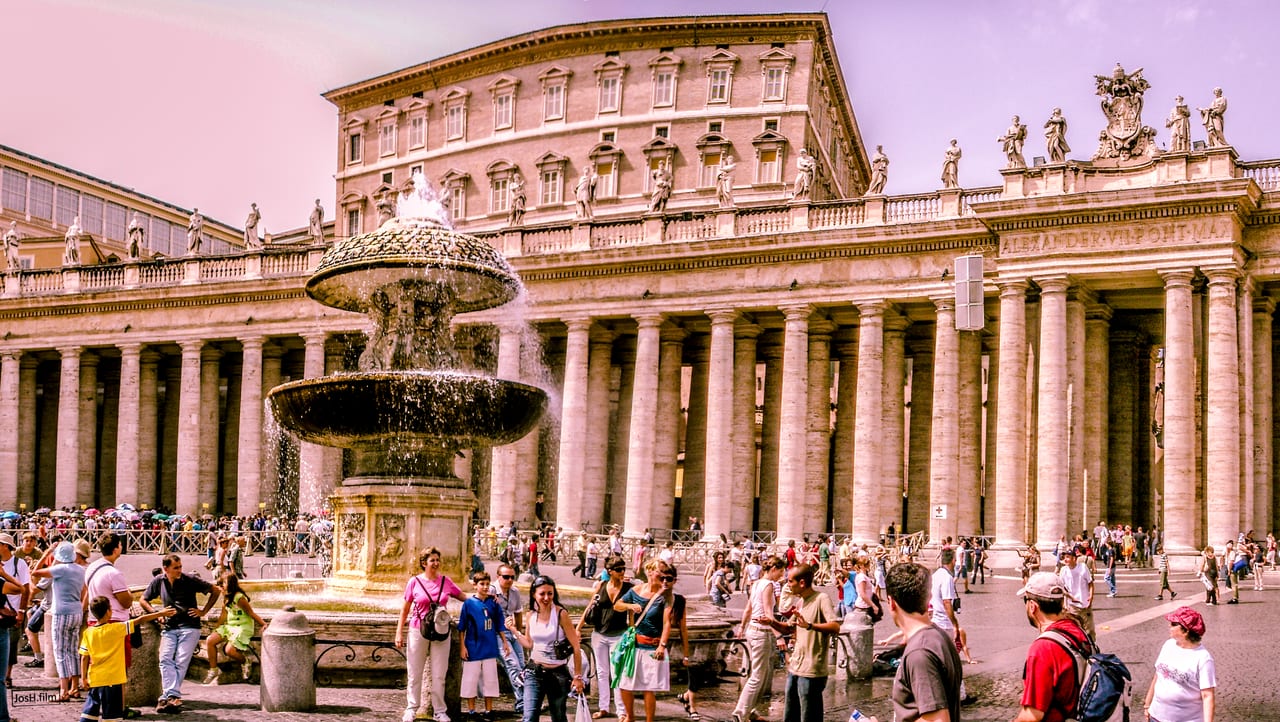
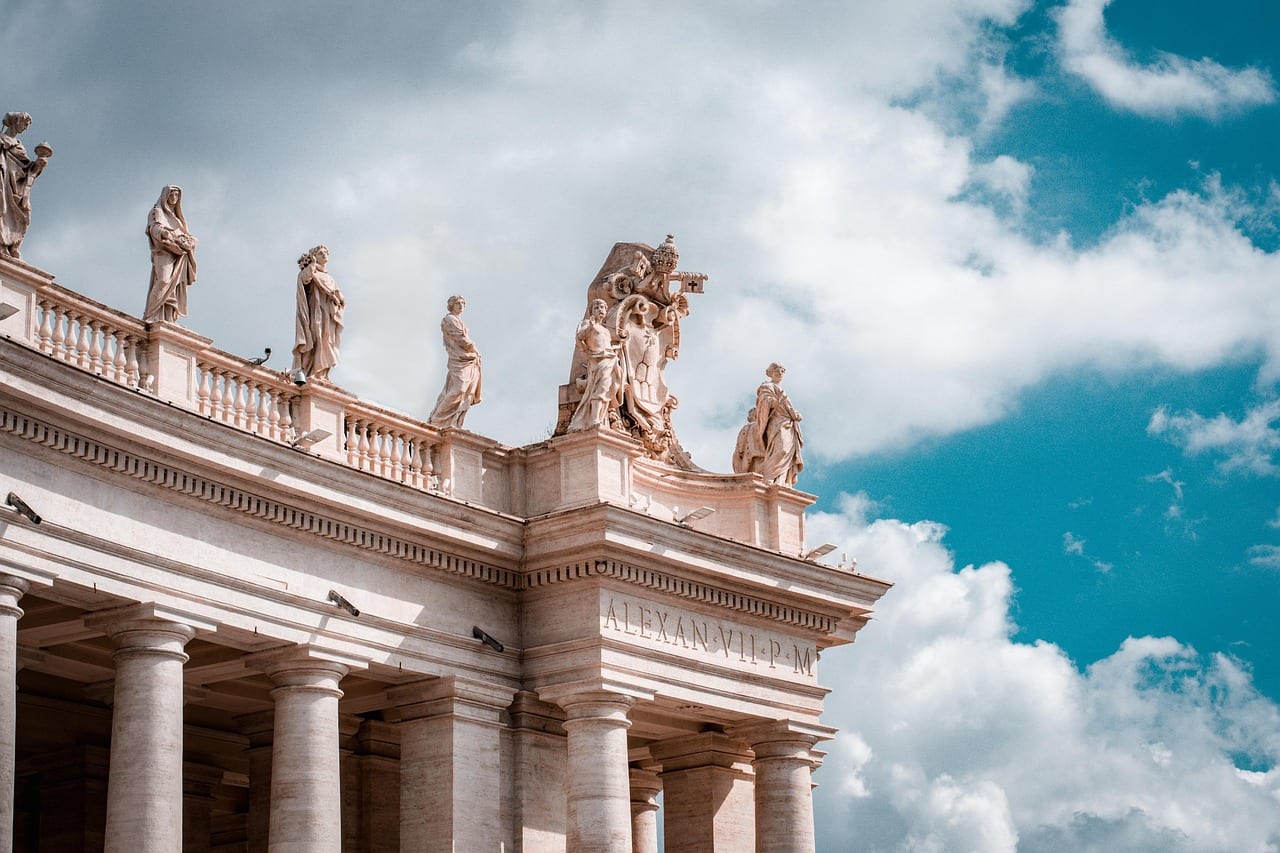
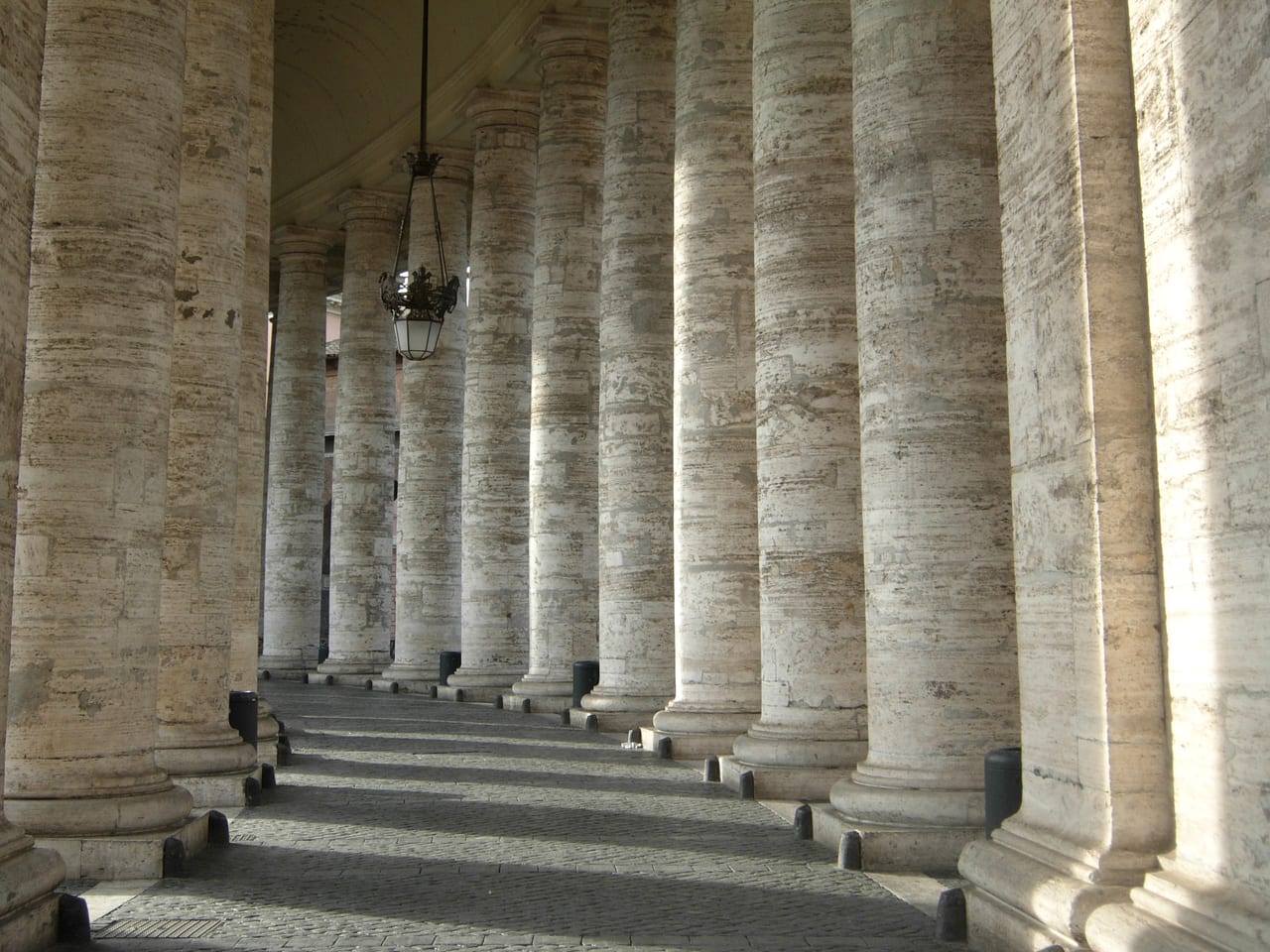
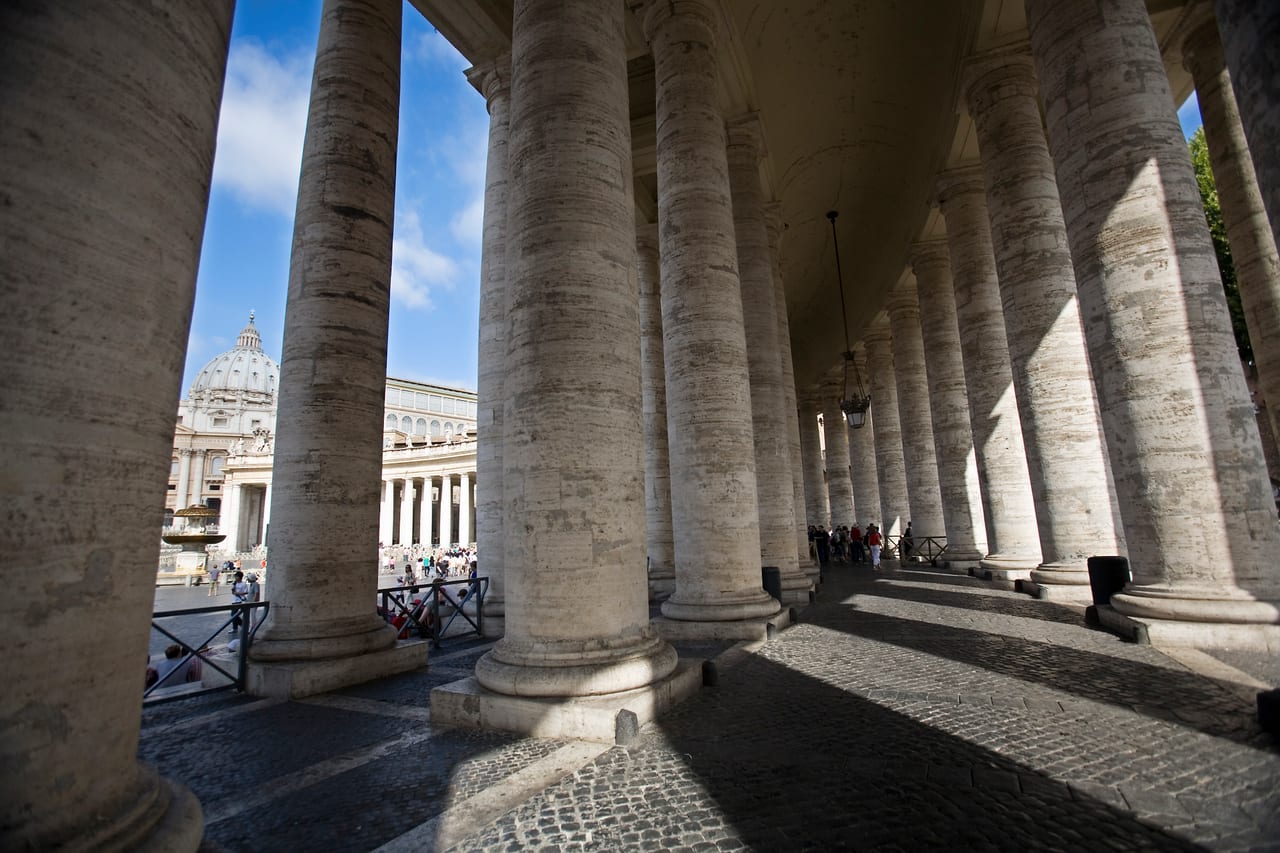
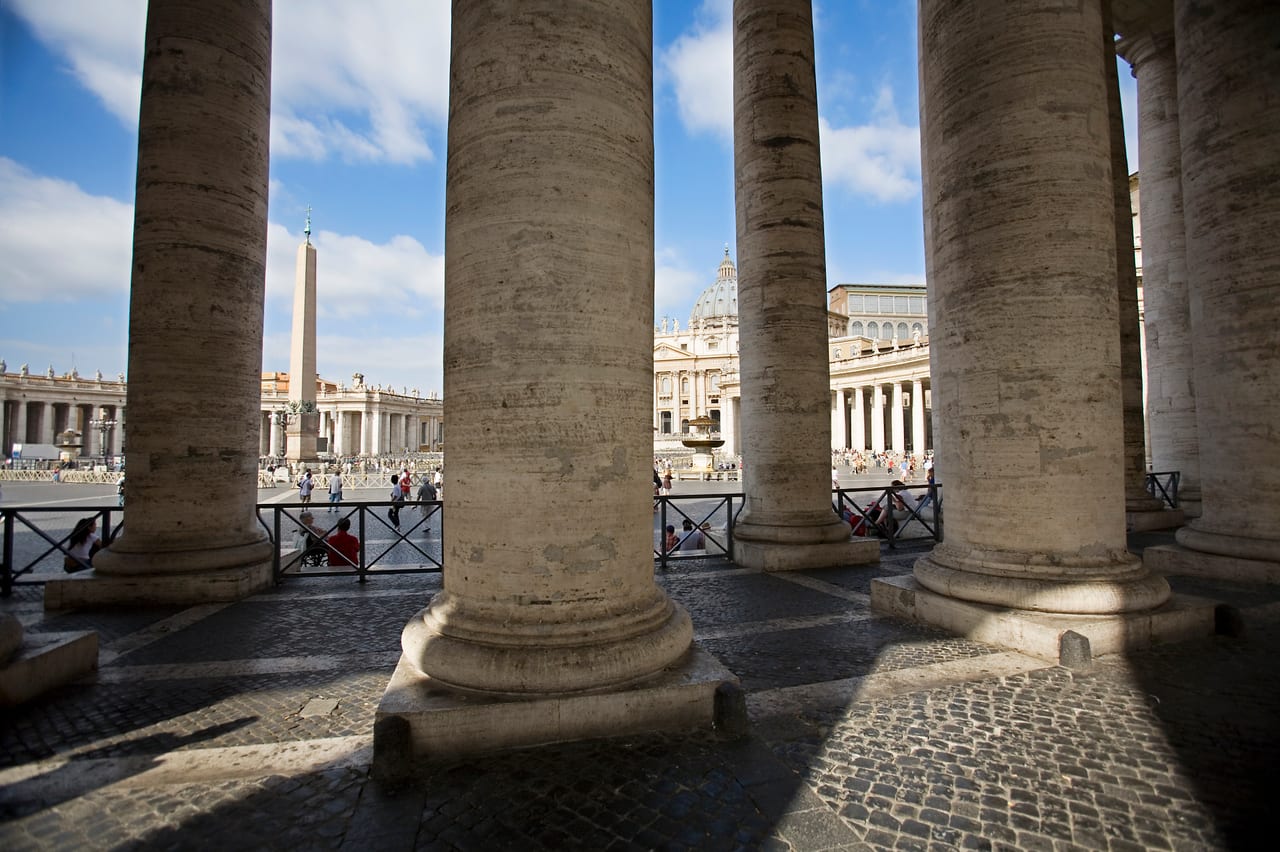
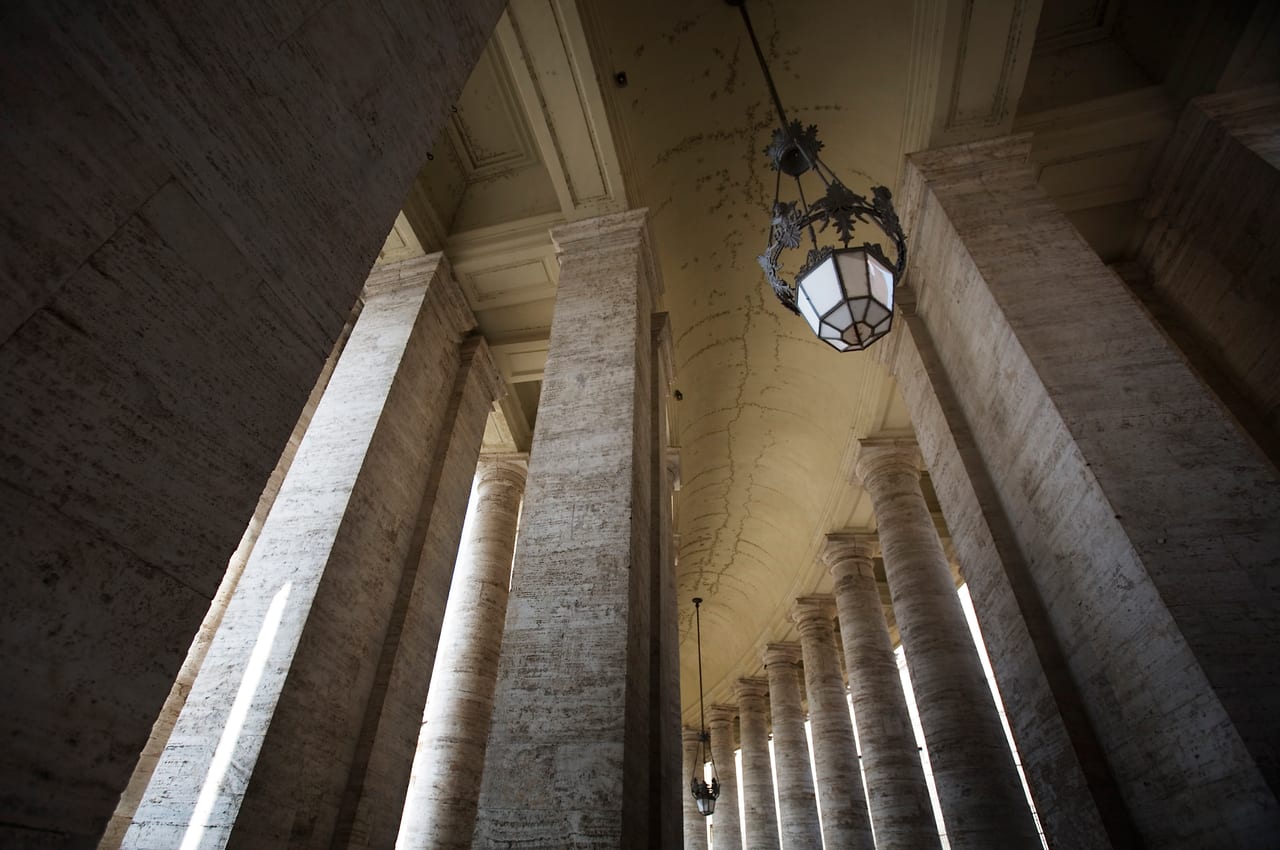
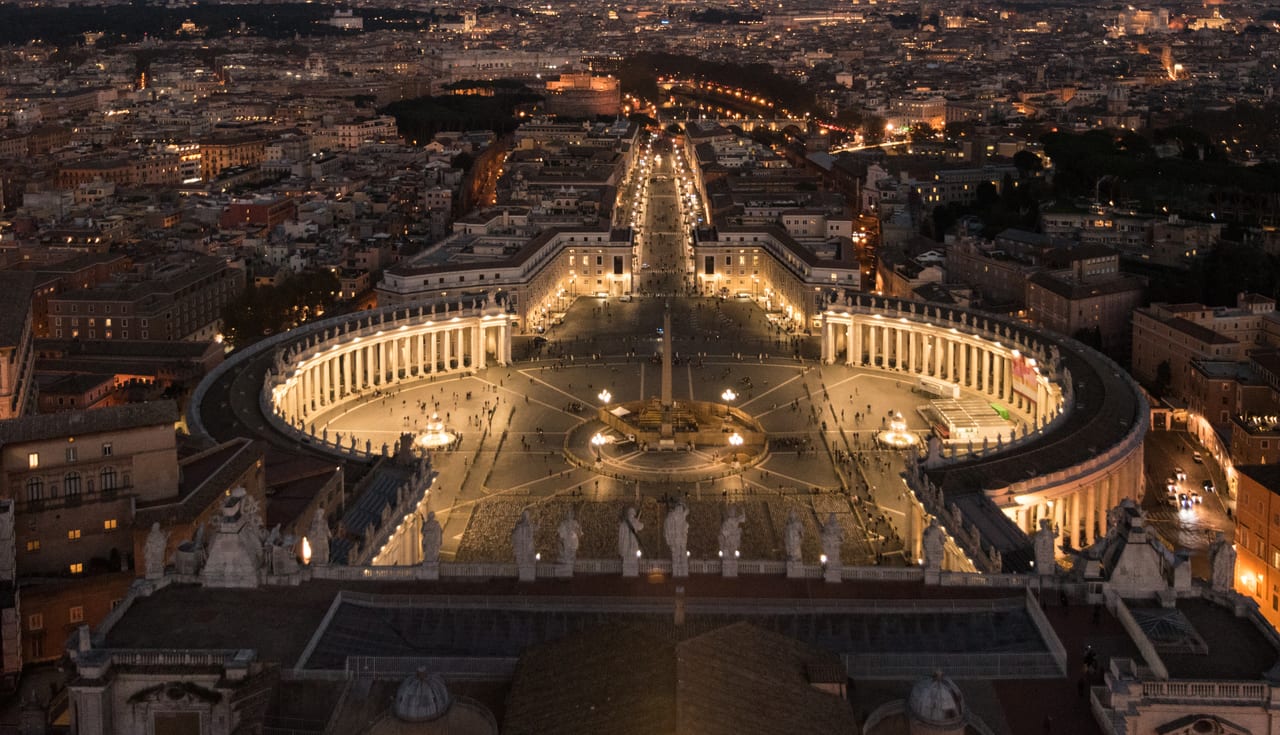
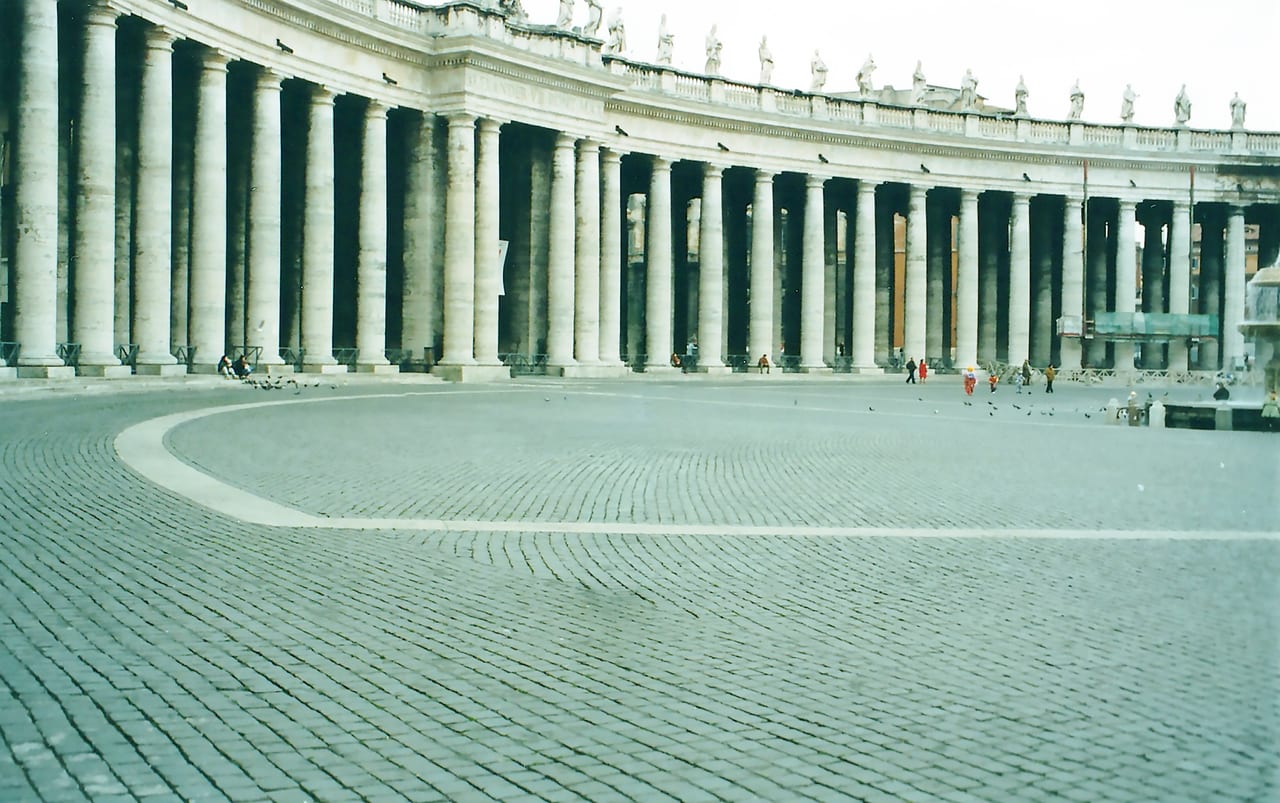
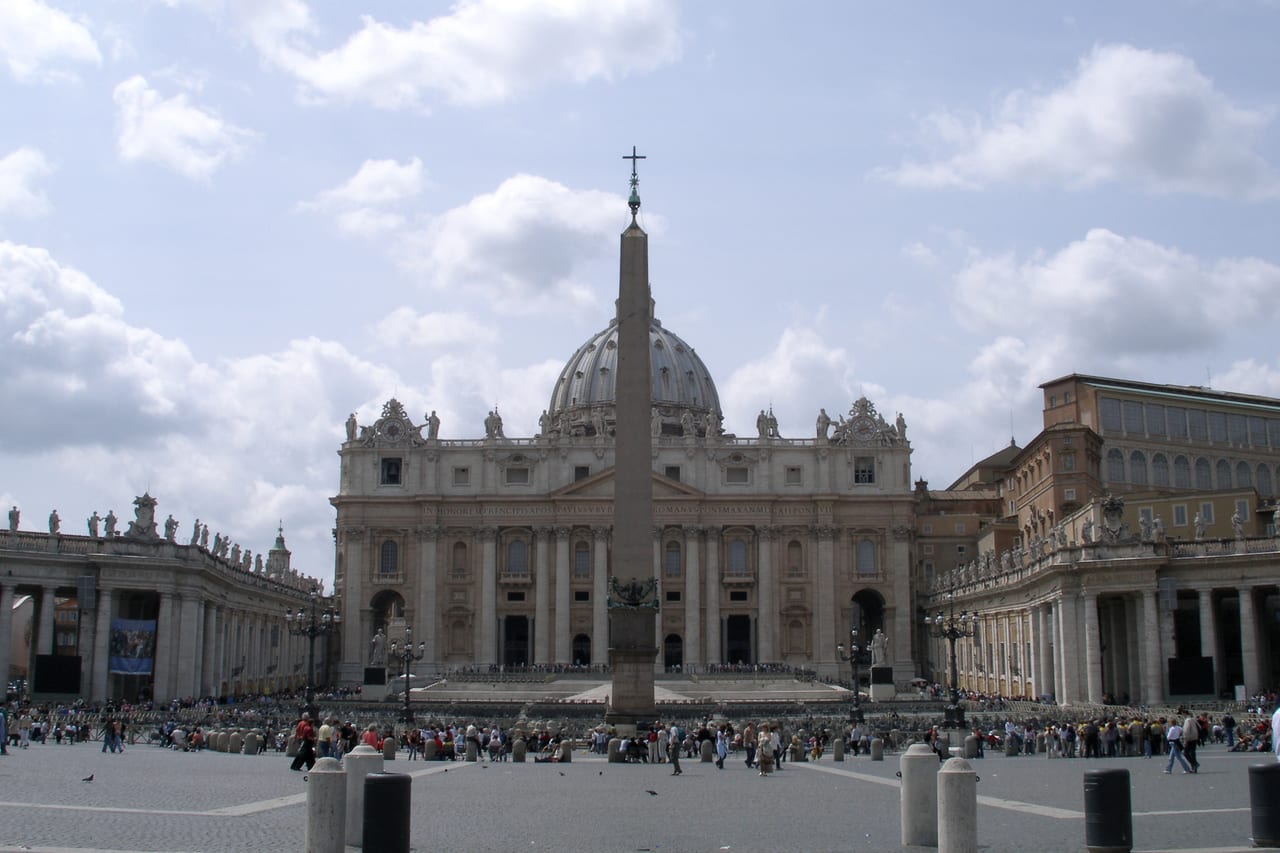
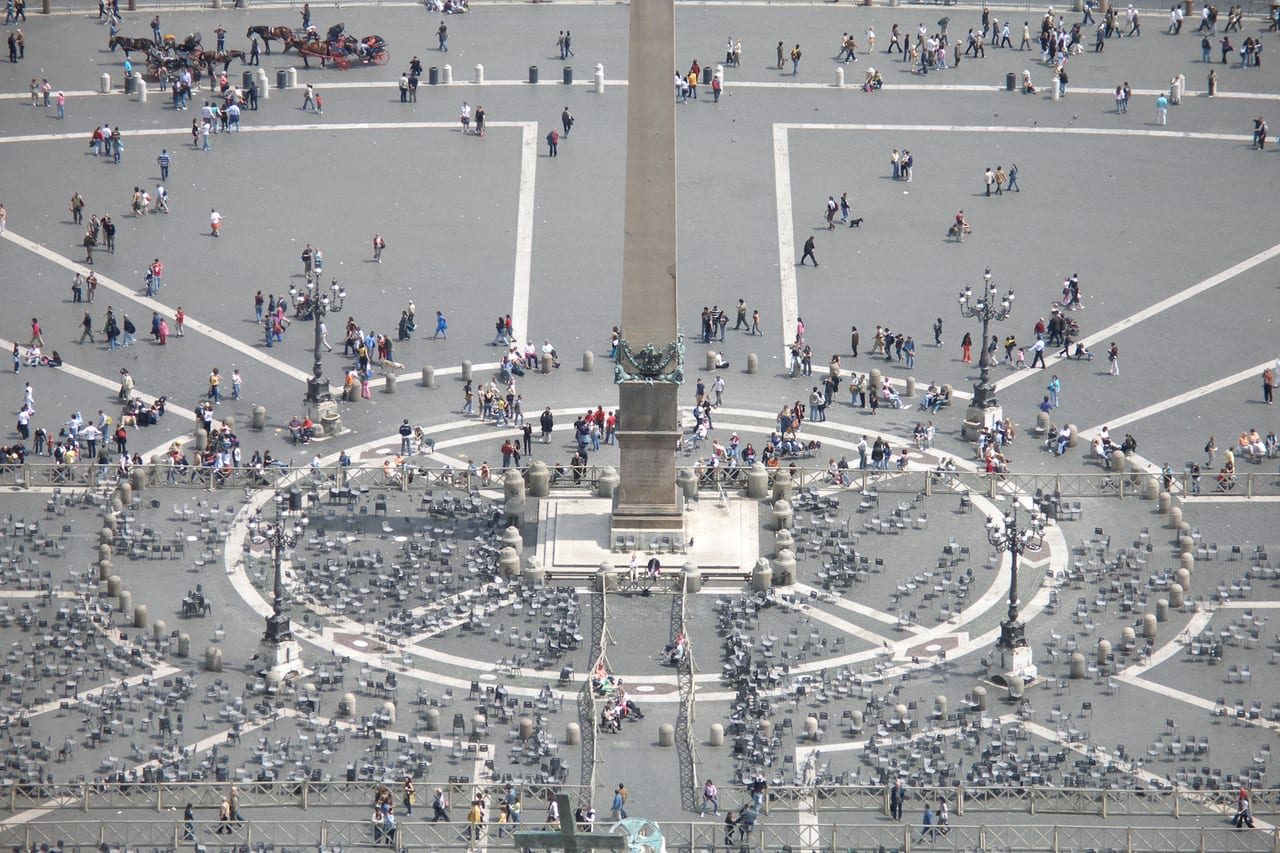
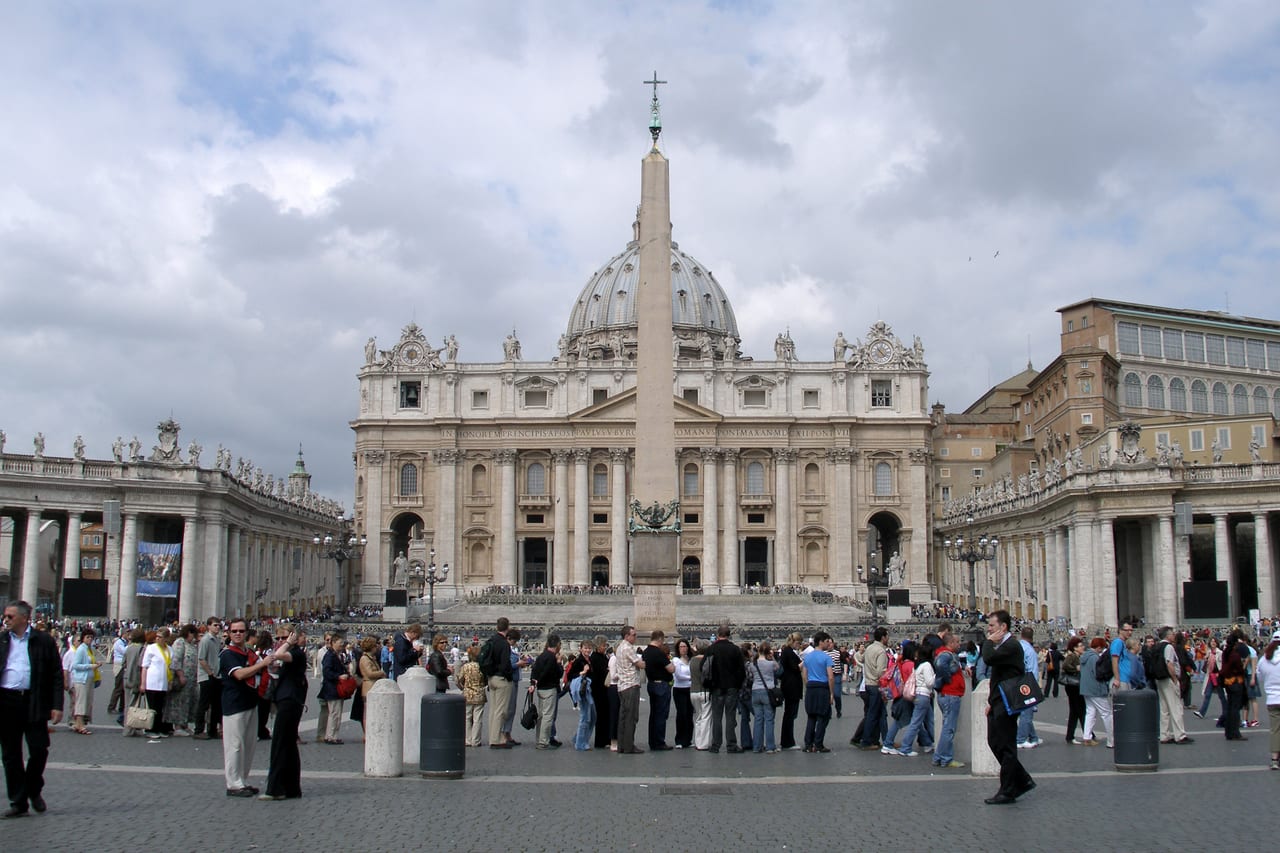
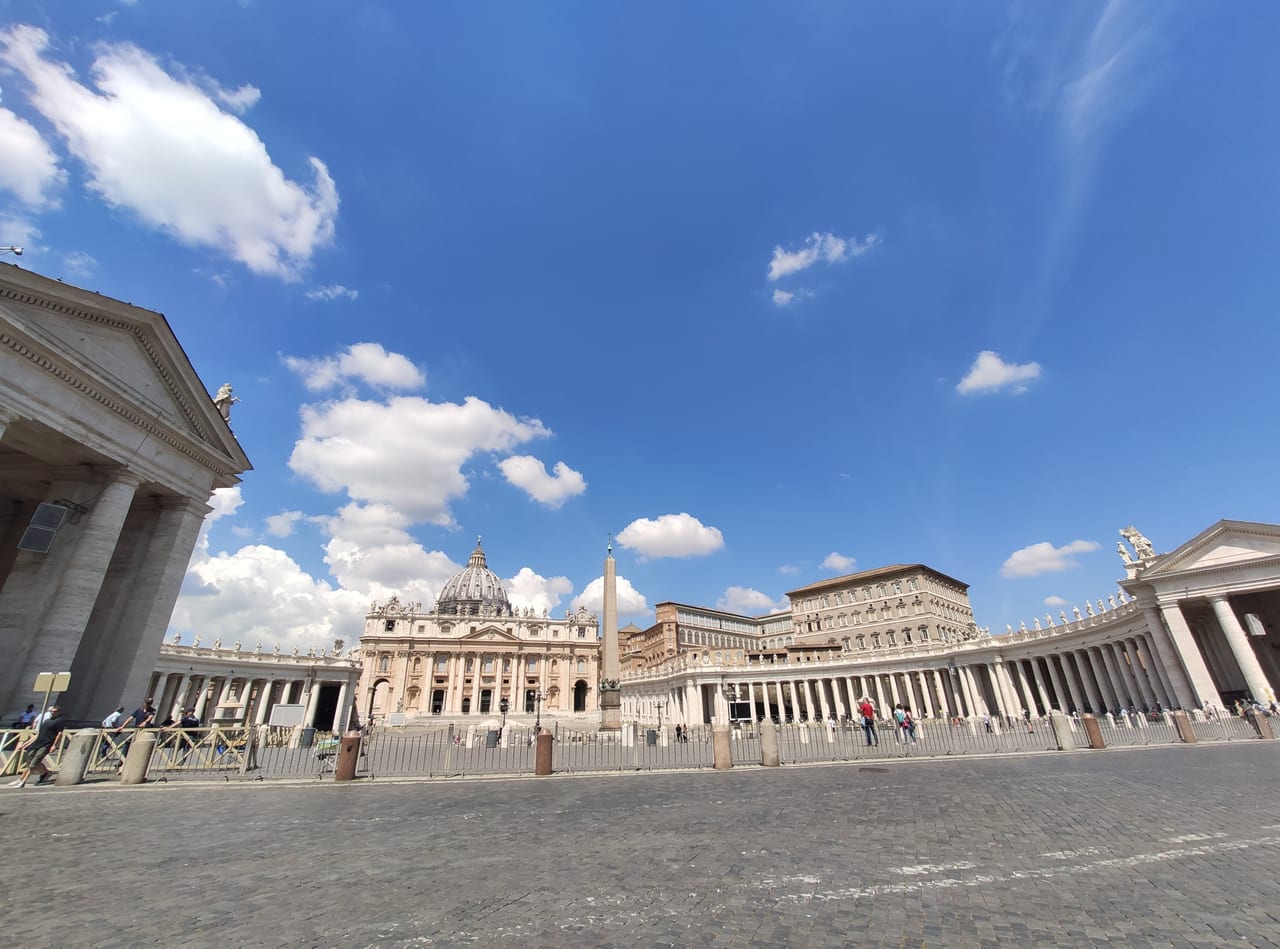
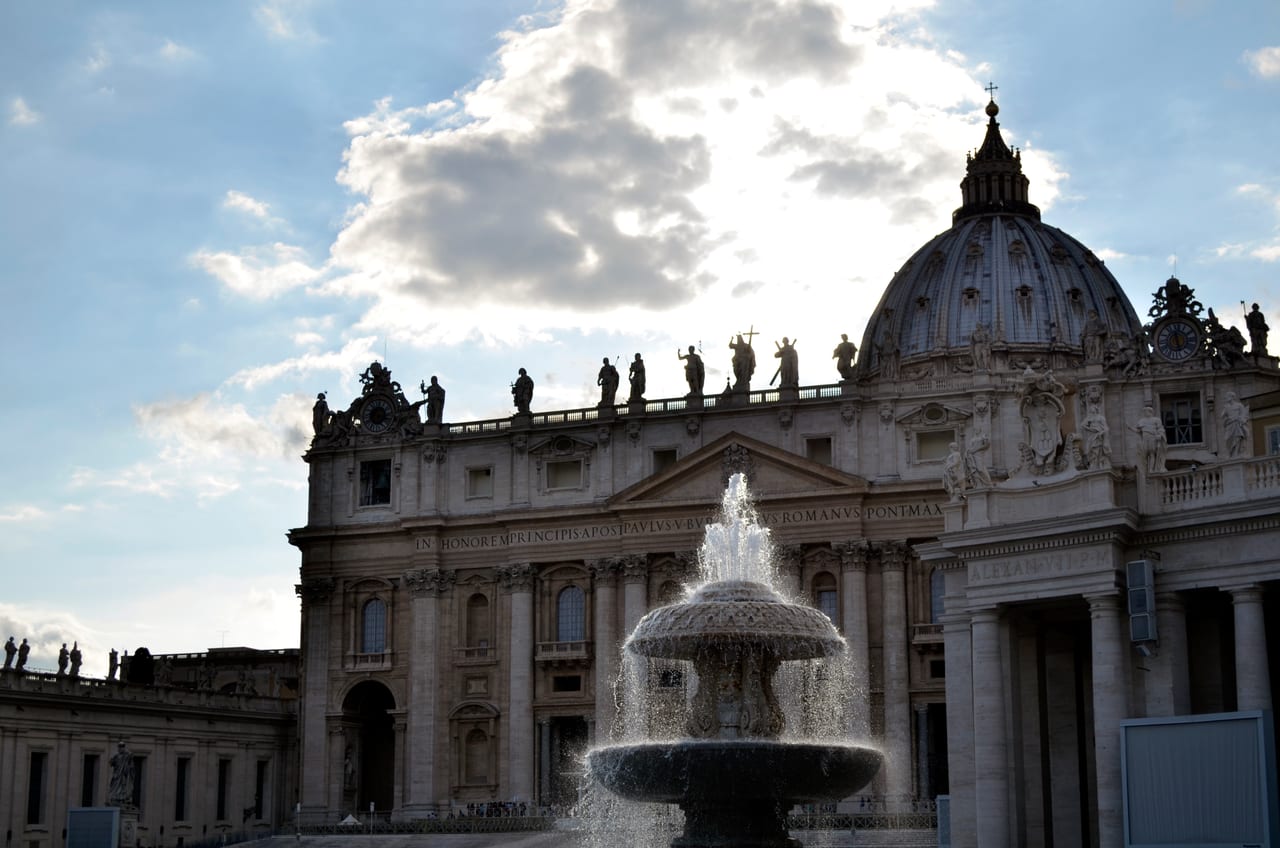
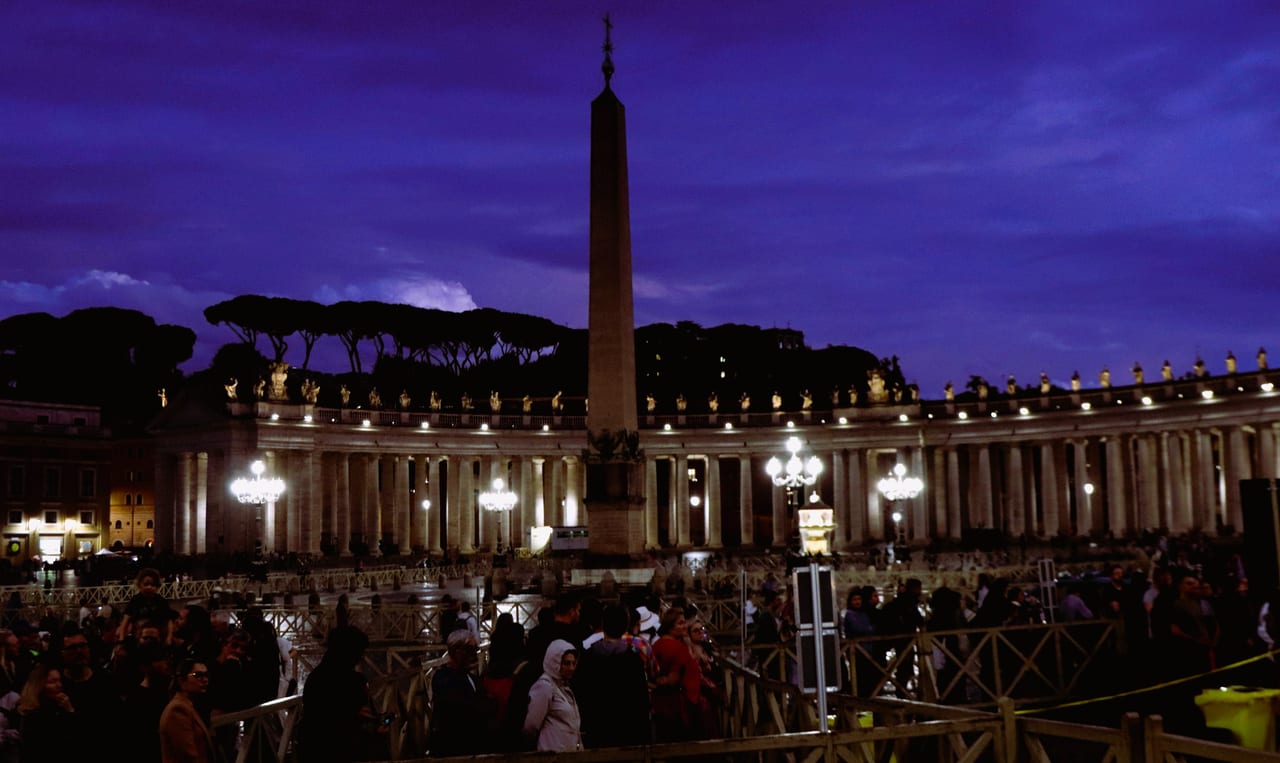
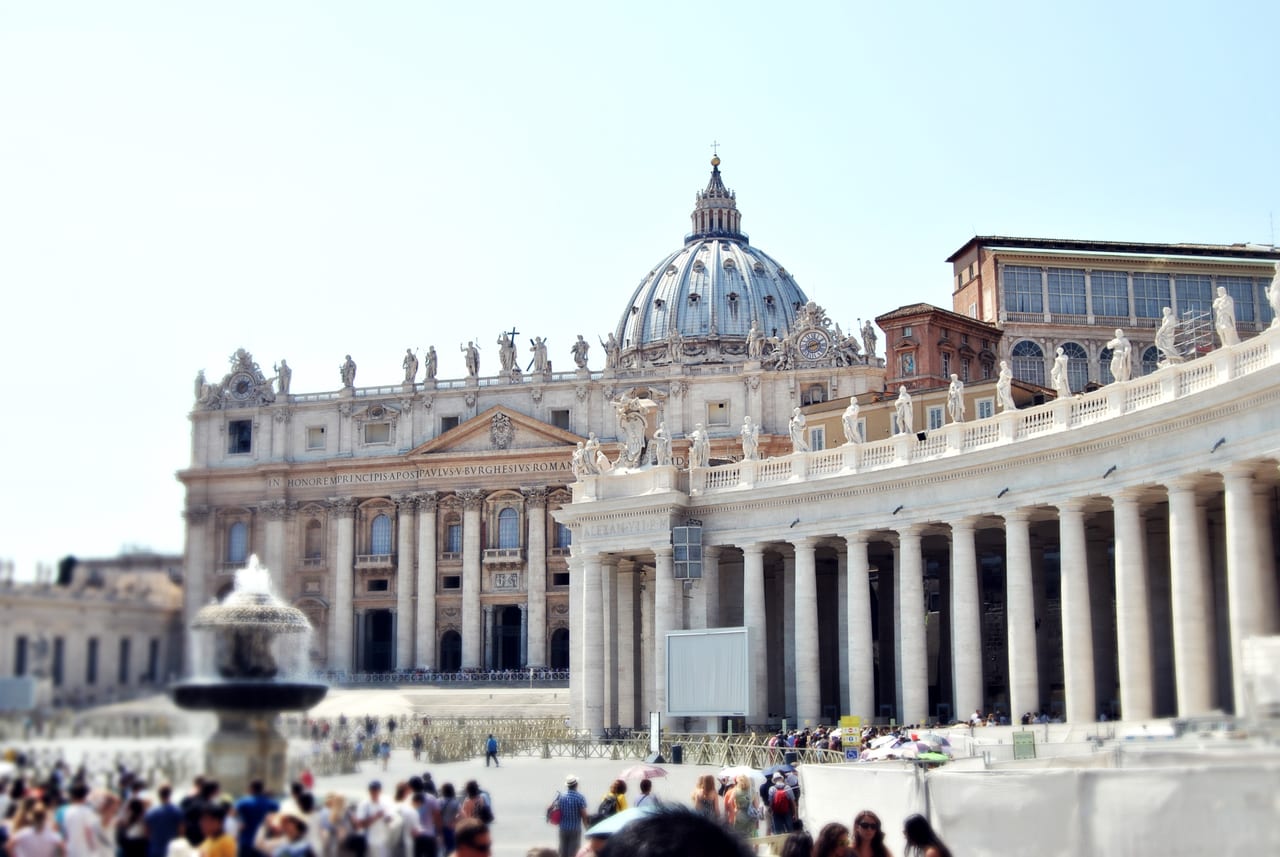
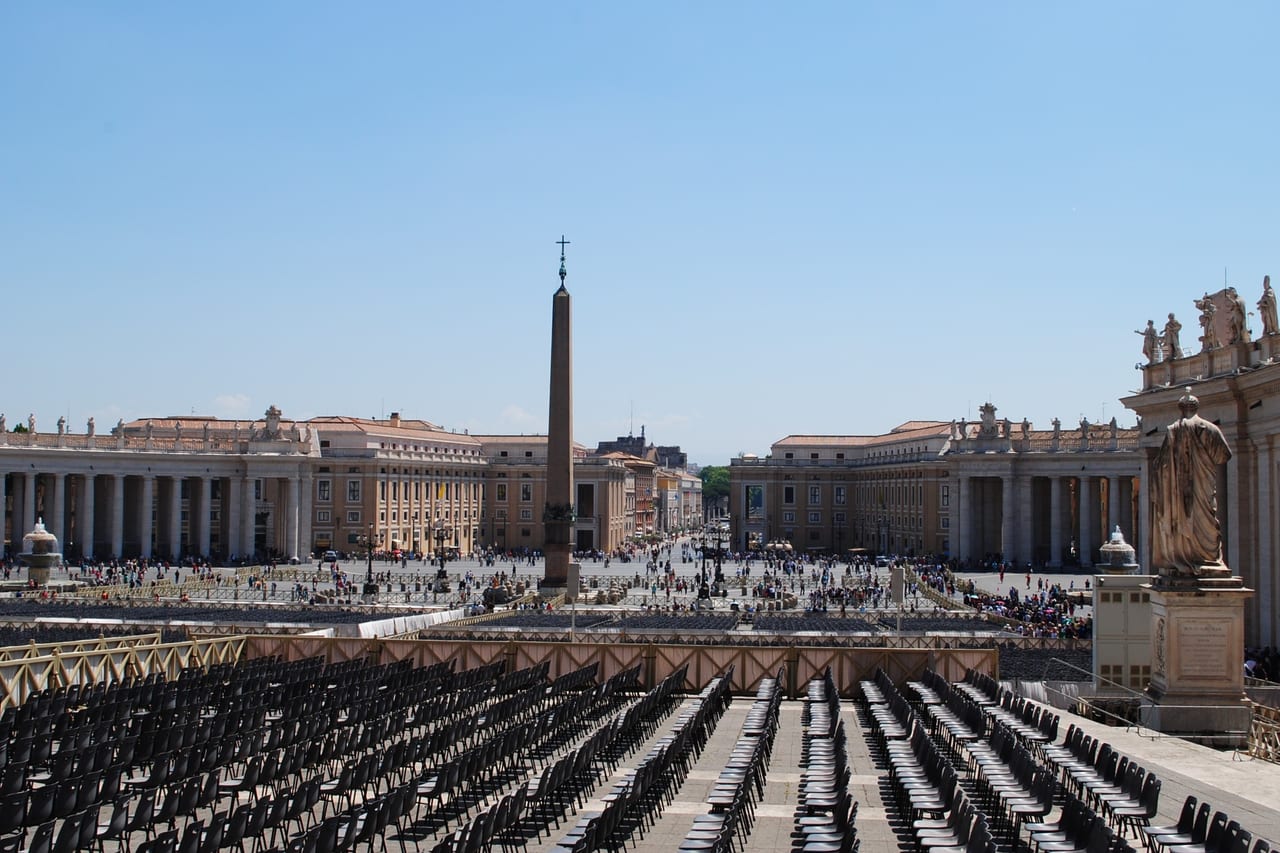
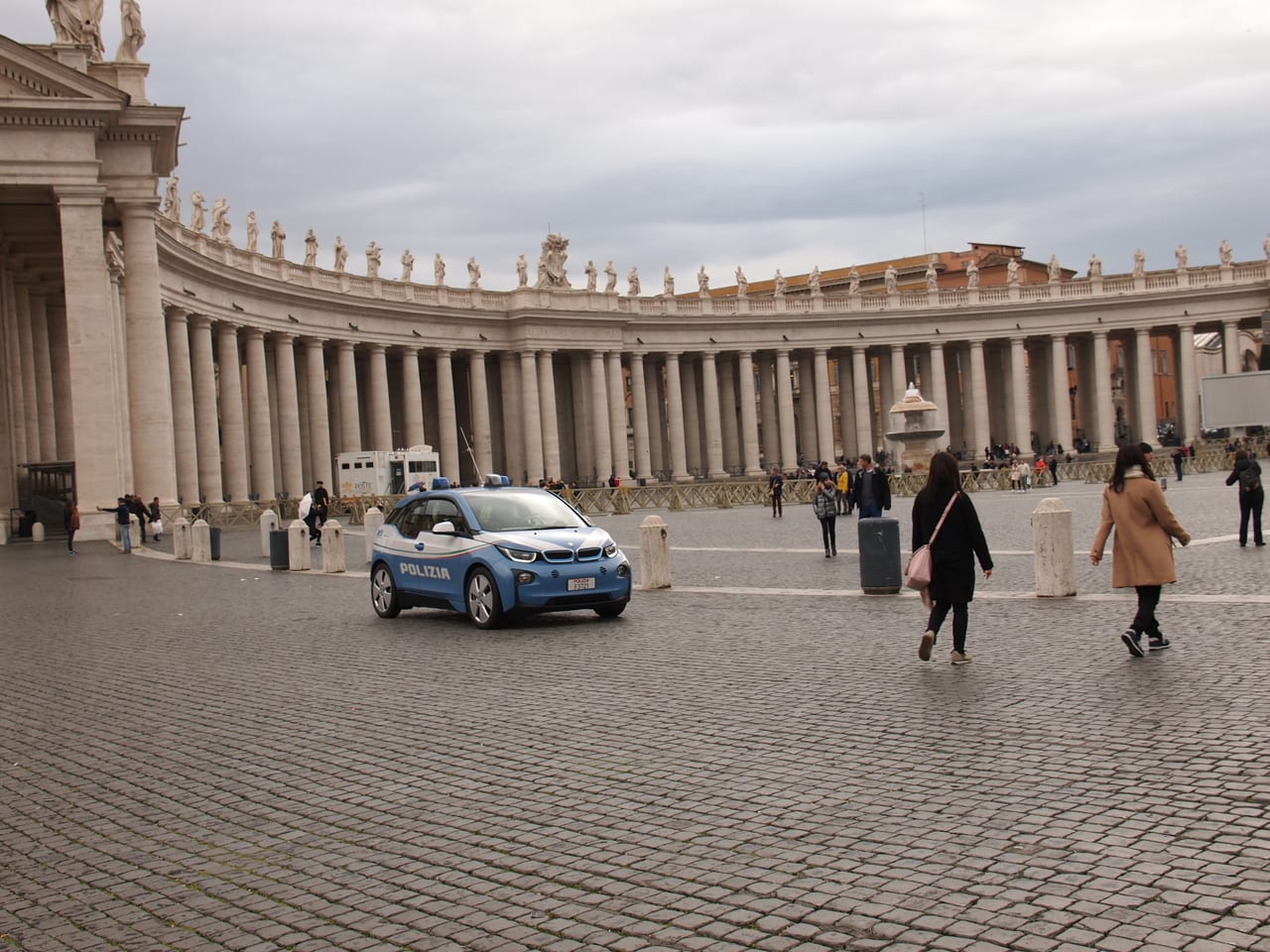
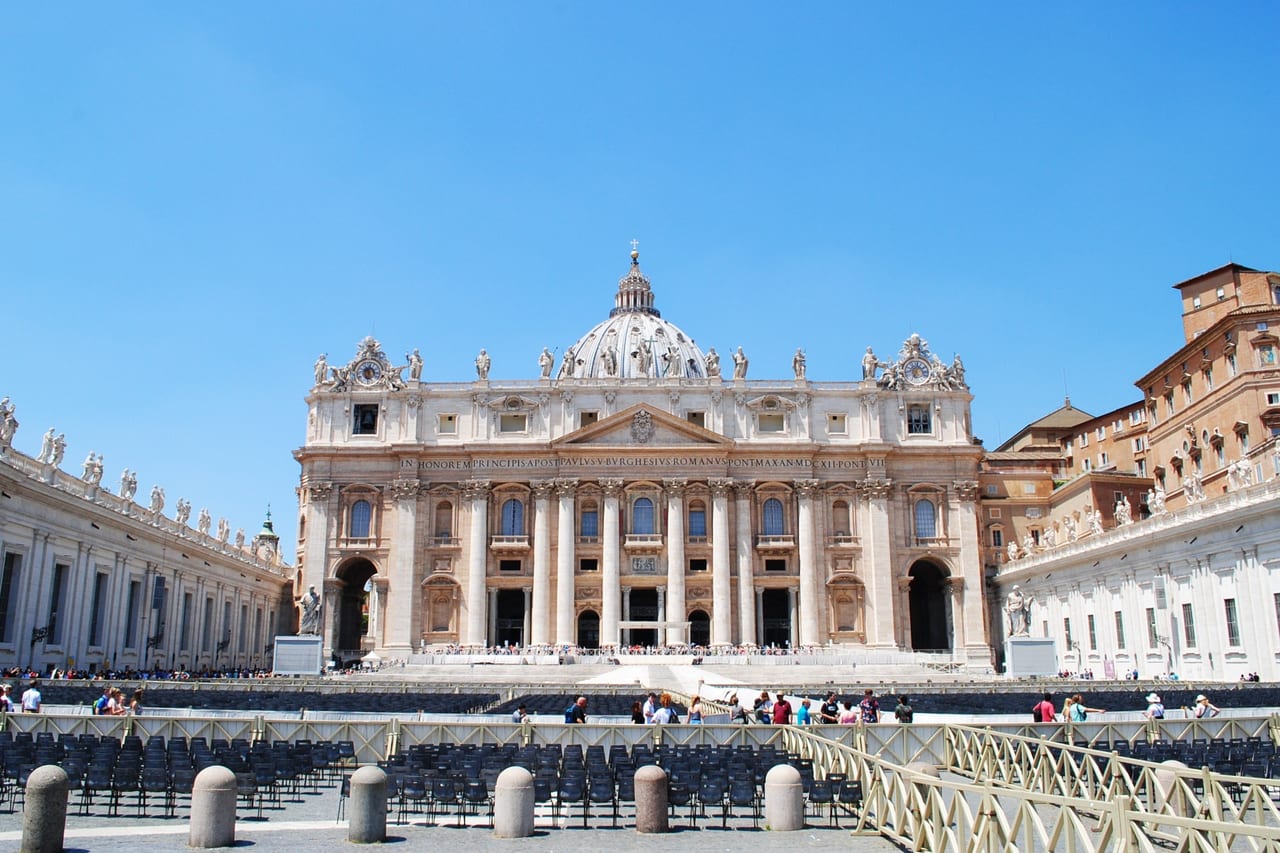
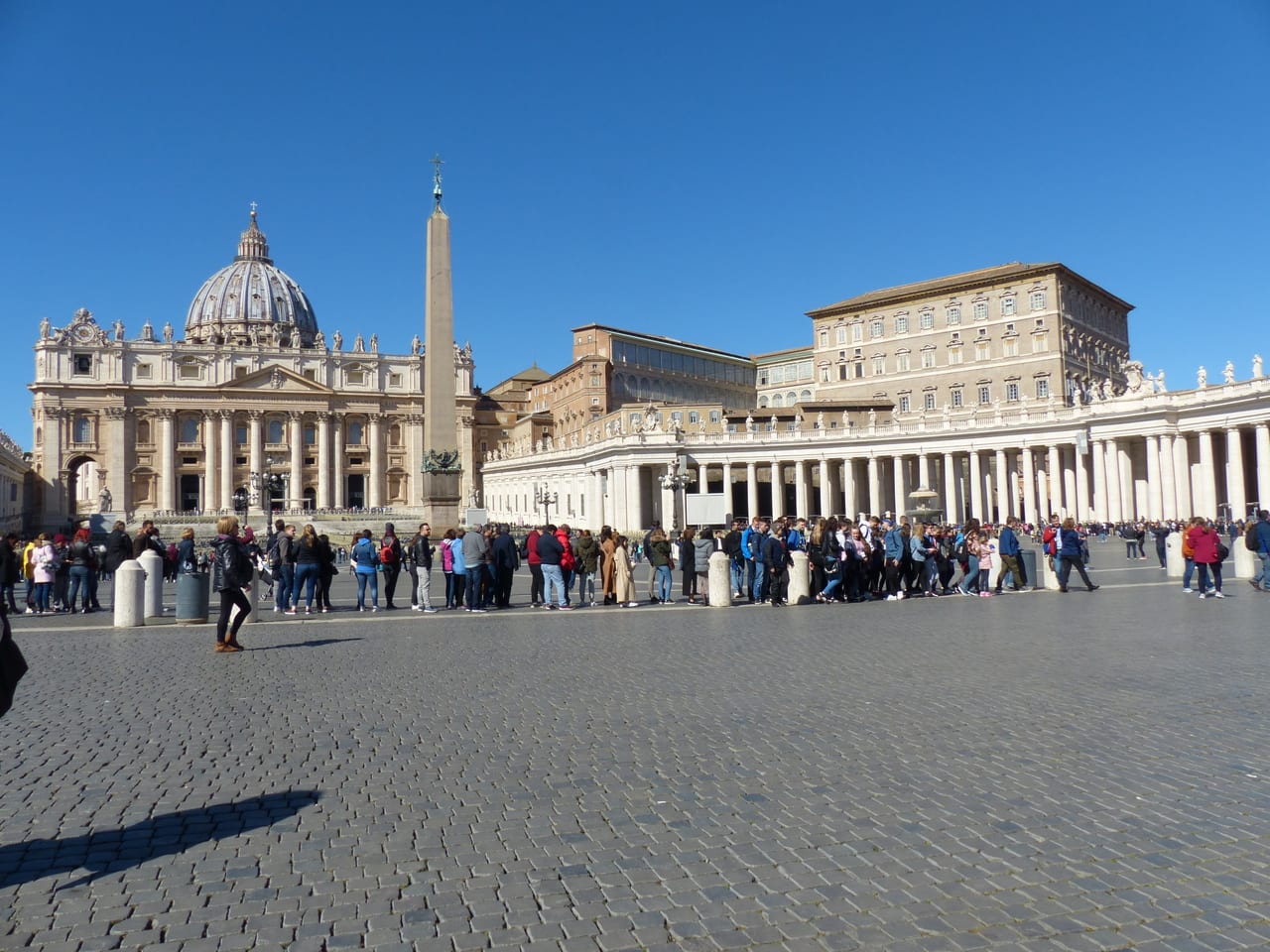
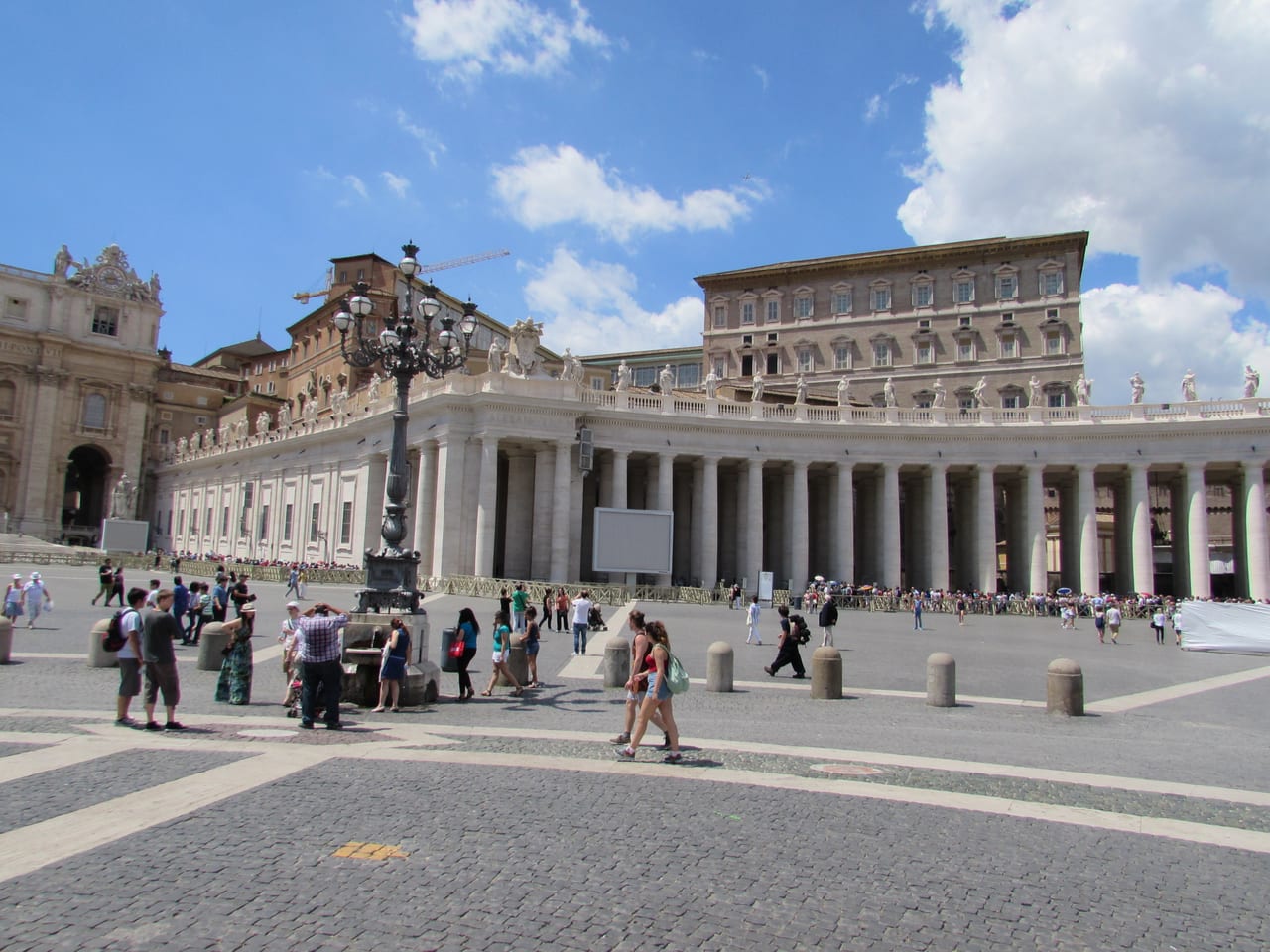
DirectionsBernini’s 1657 design joins a trapezoidal forecourt to a rounded oval, whose 284 columns, 88 pillars and 96 marble statues create one of Baroque urbanism’s grandest spatial compositions.
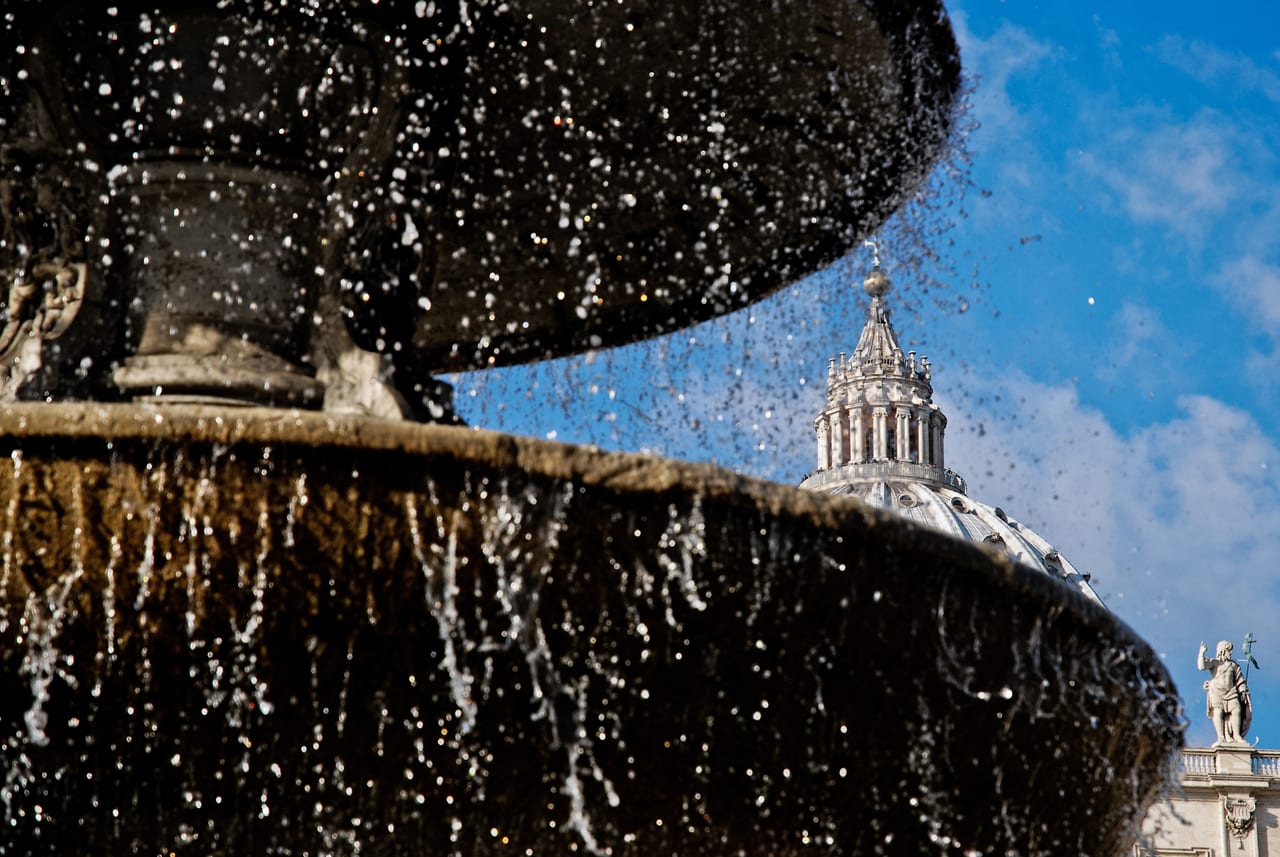
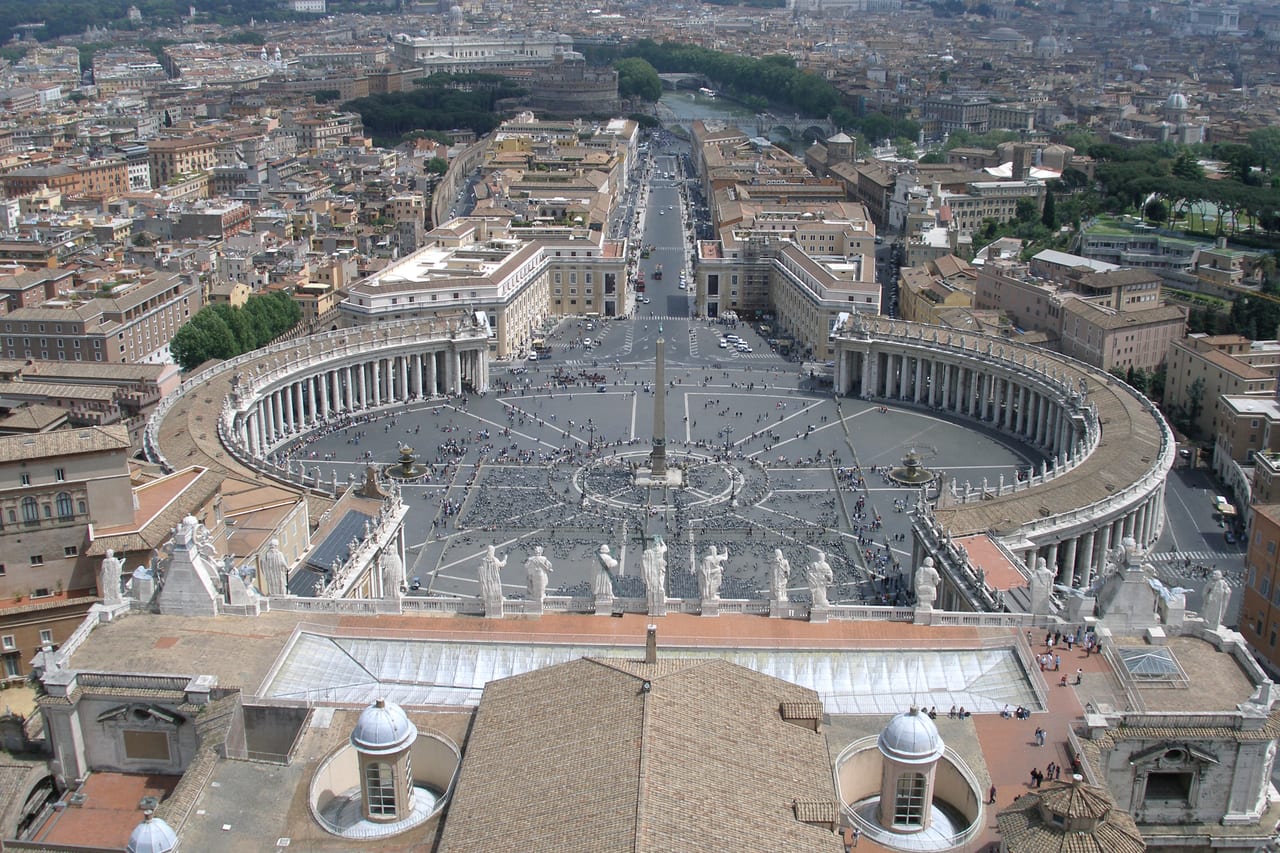
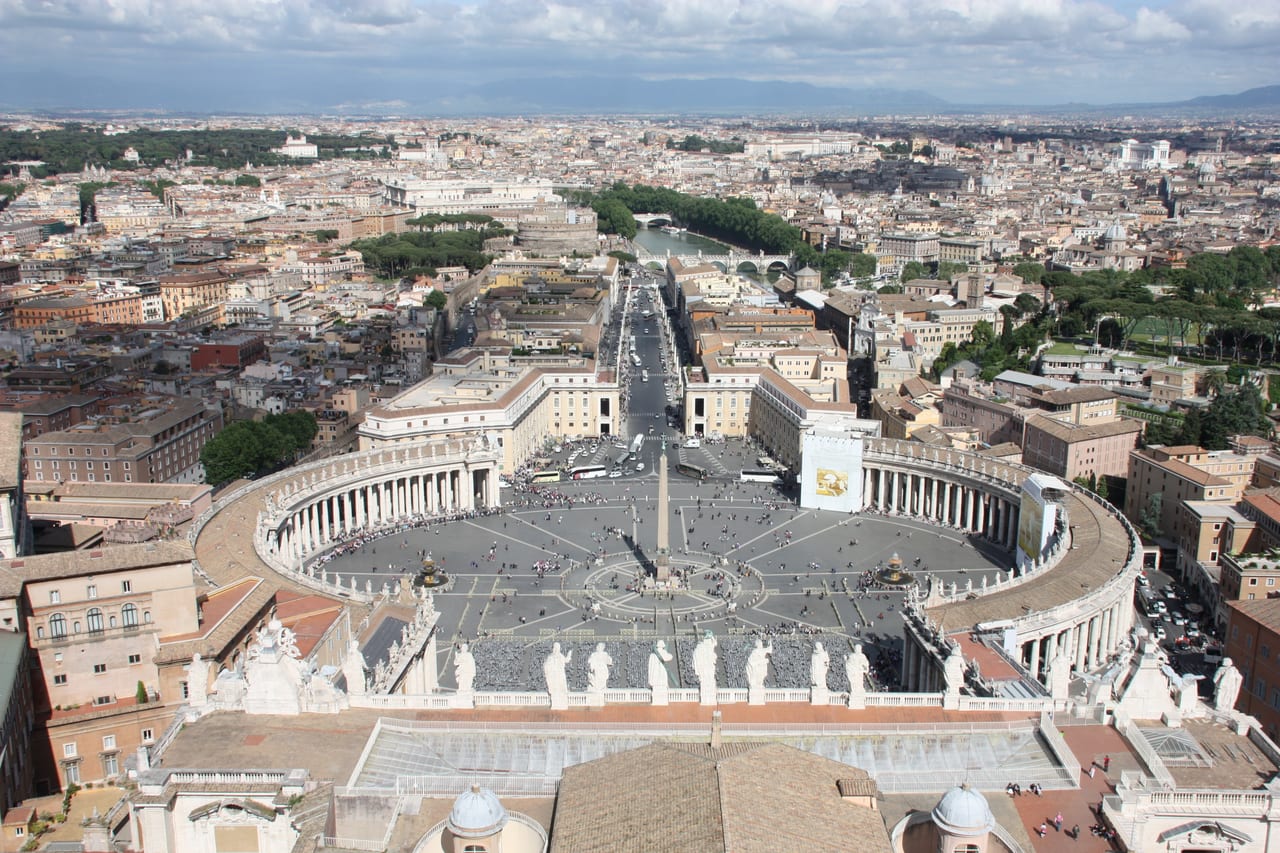
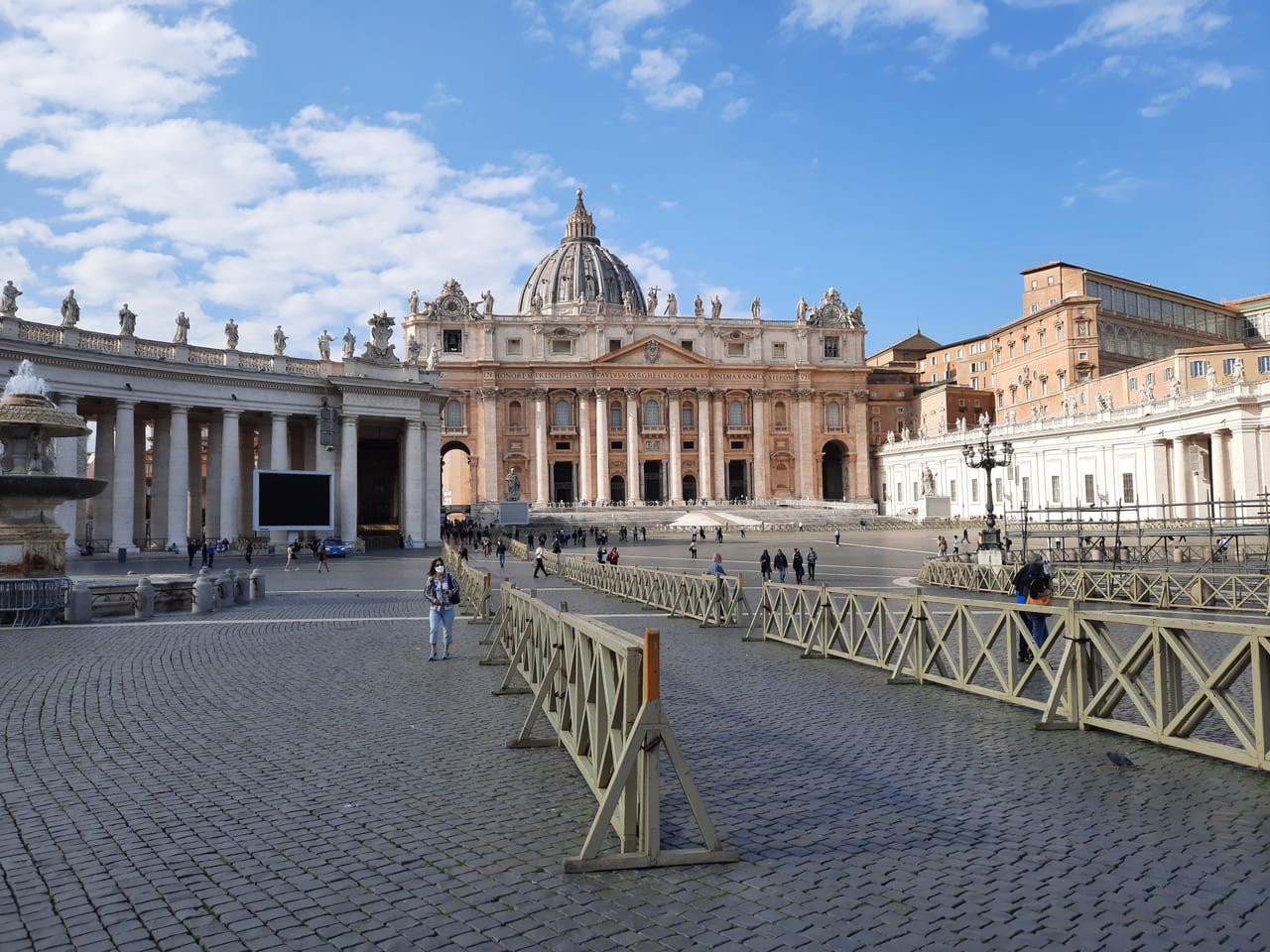
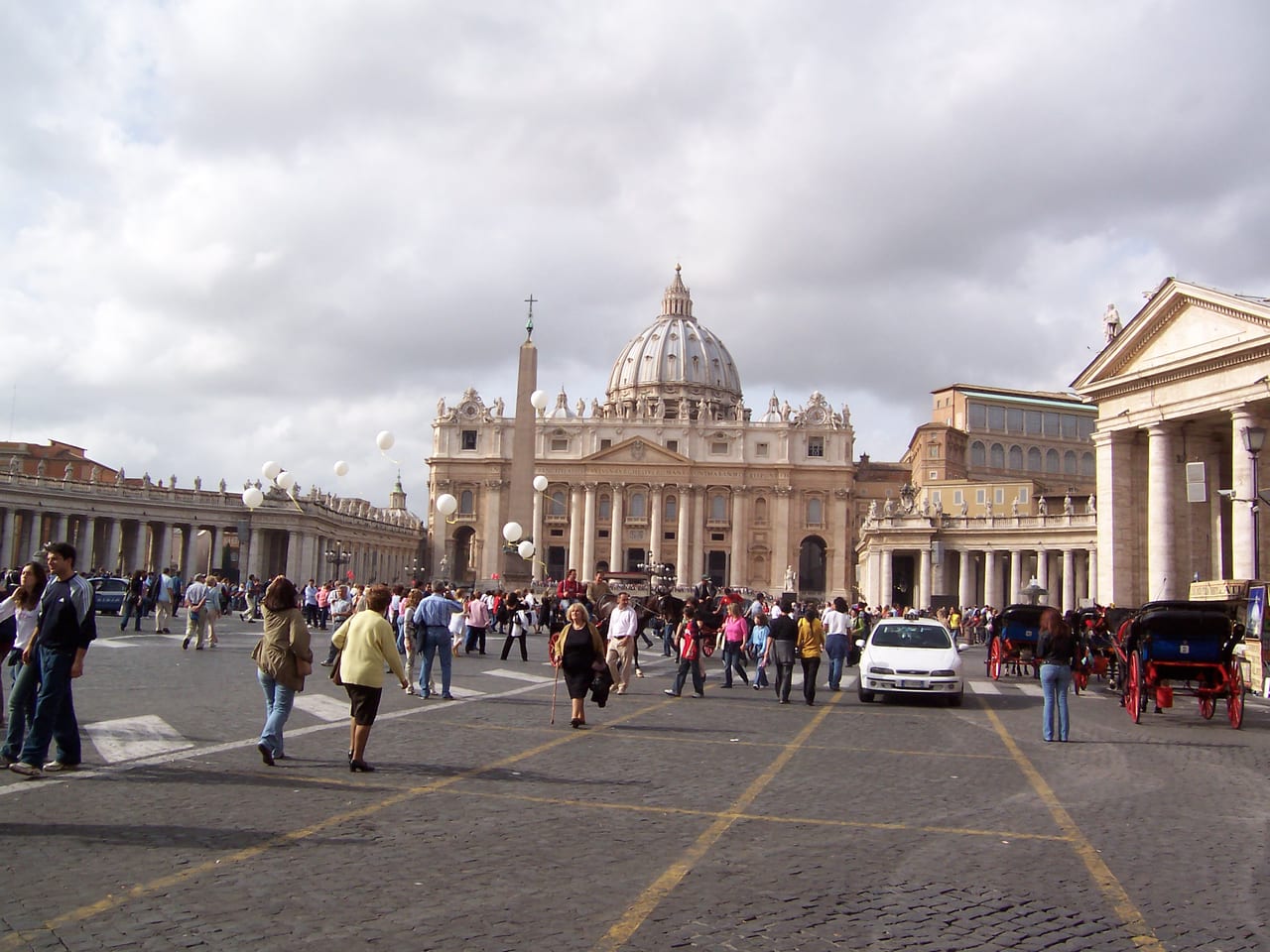
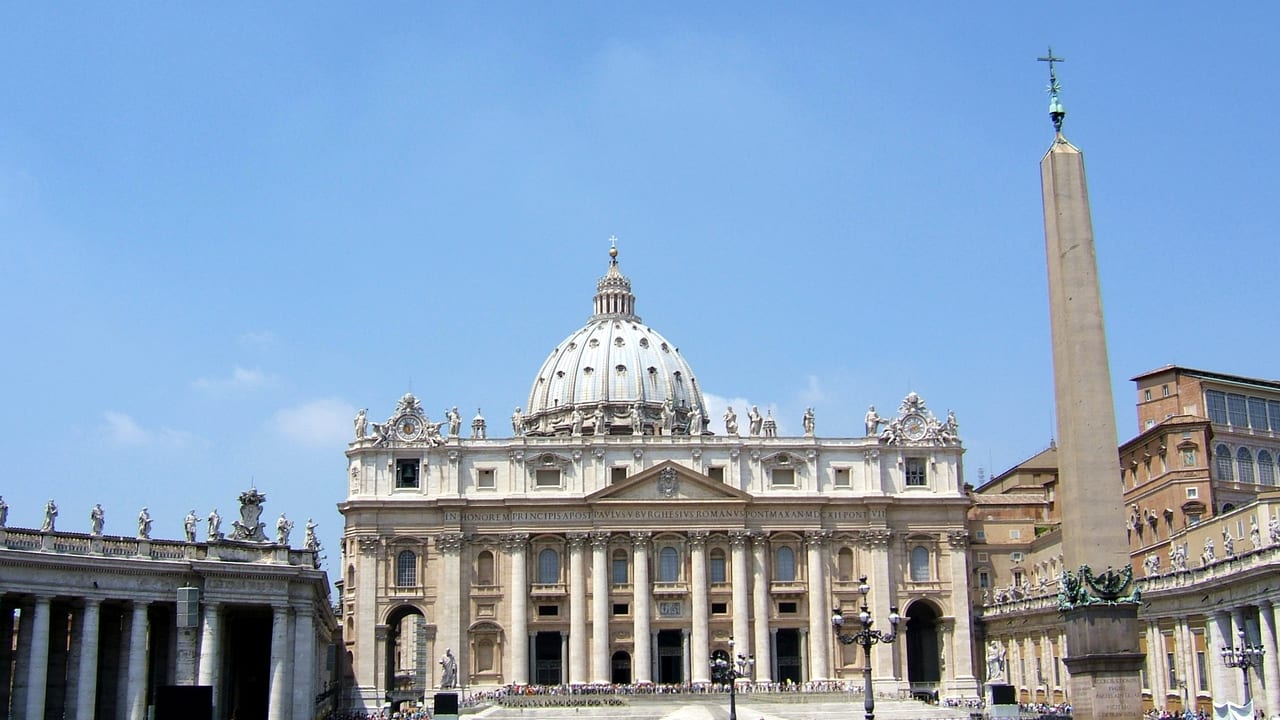
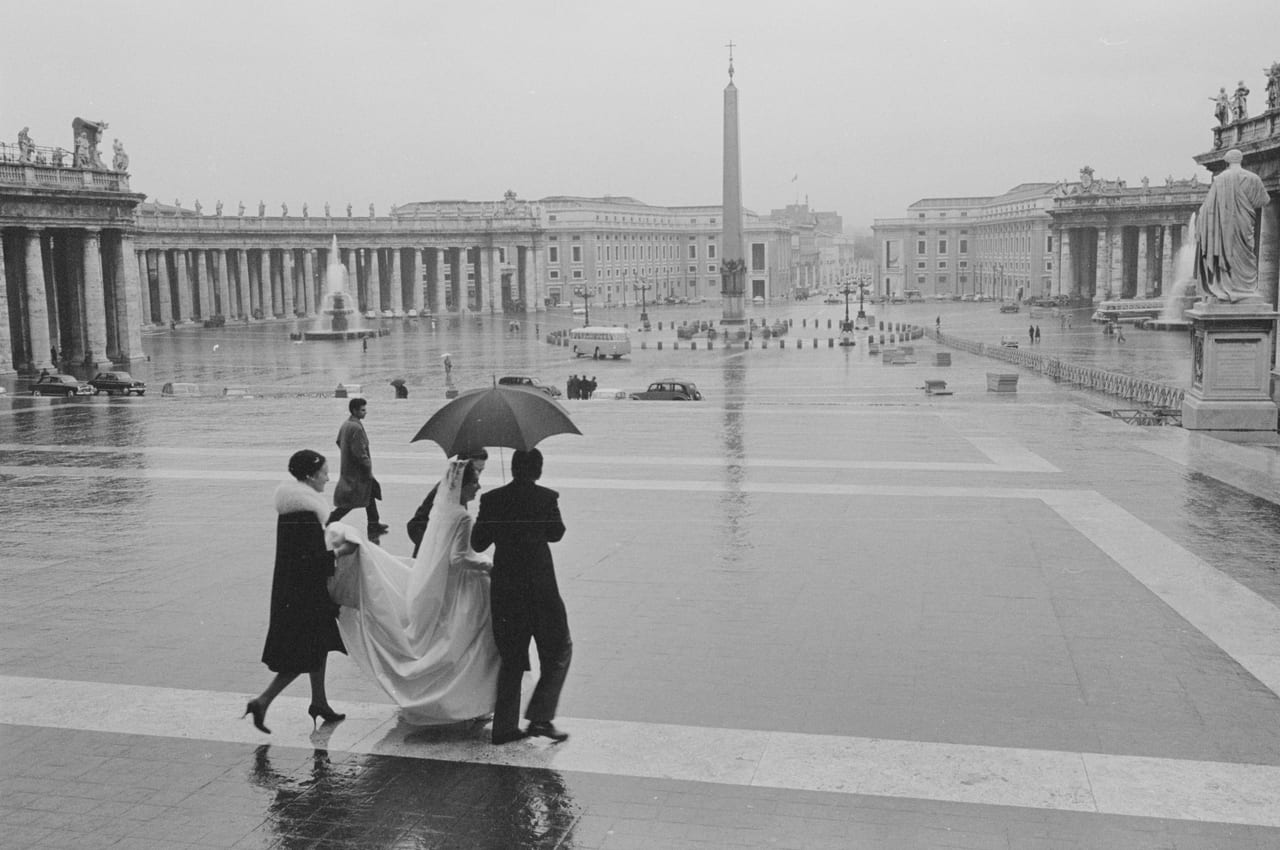
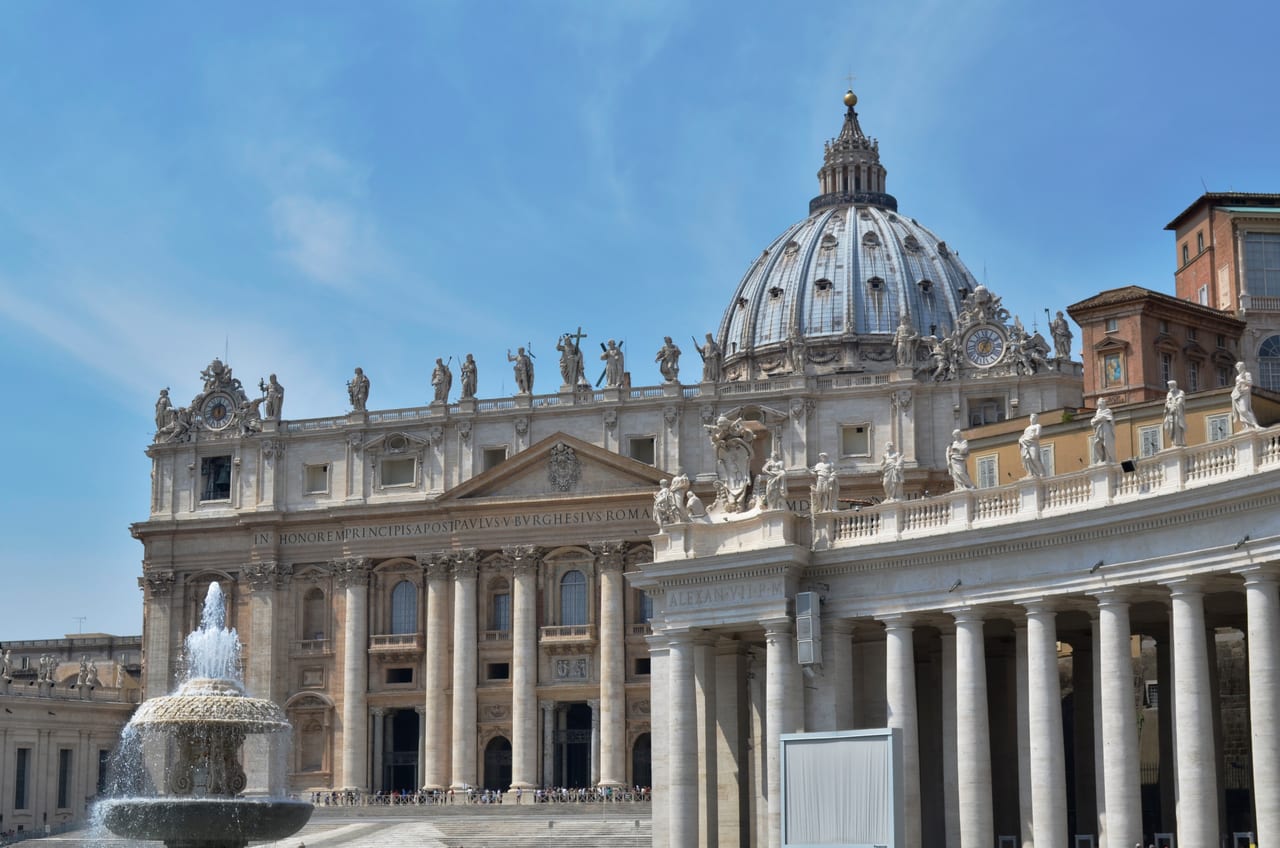
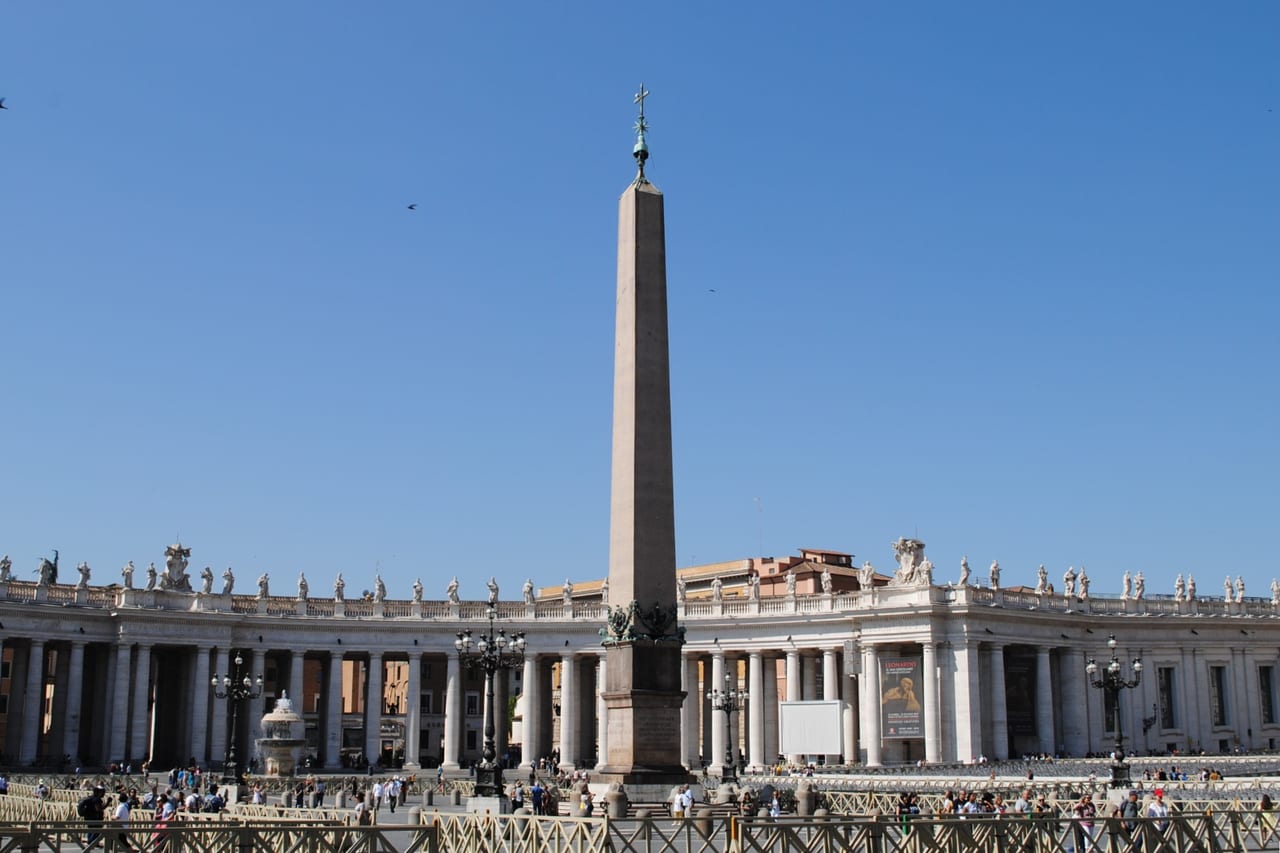
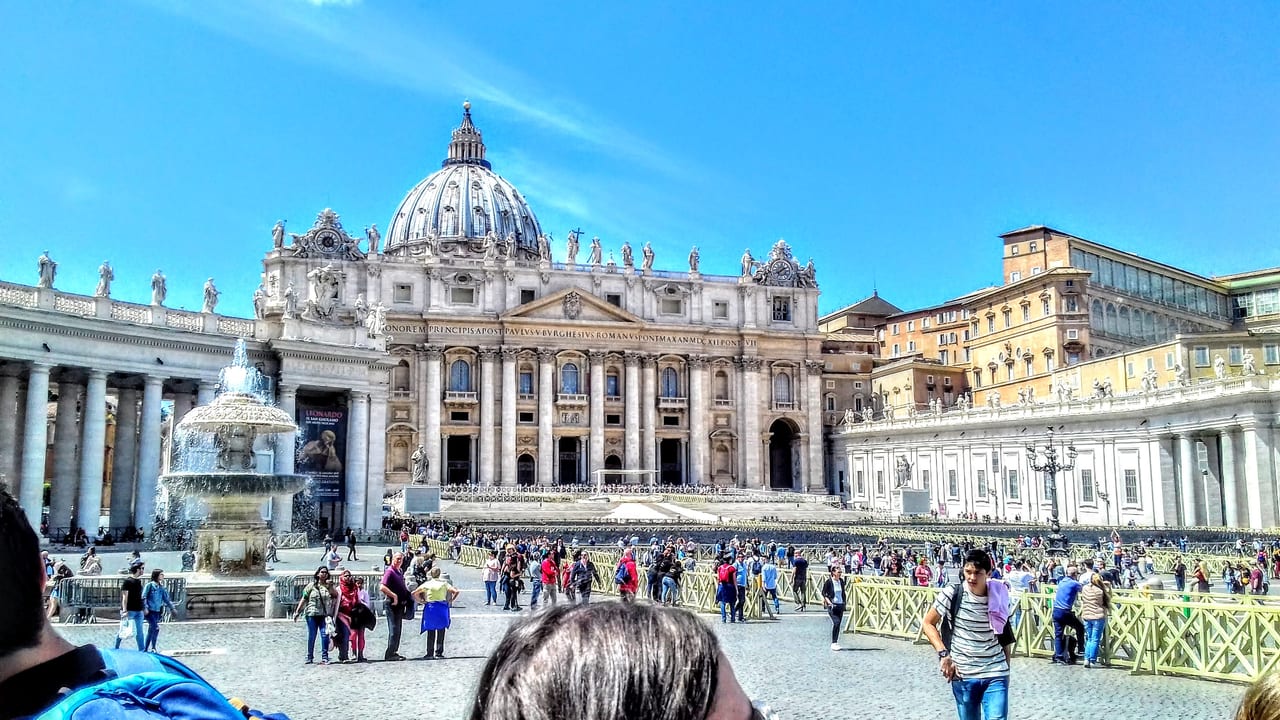
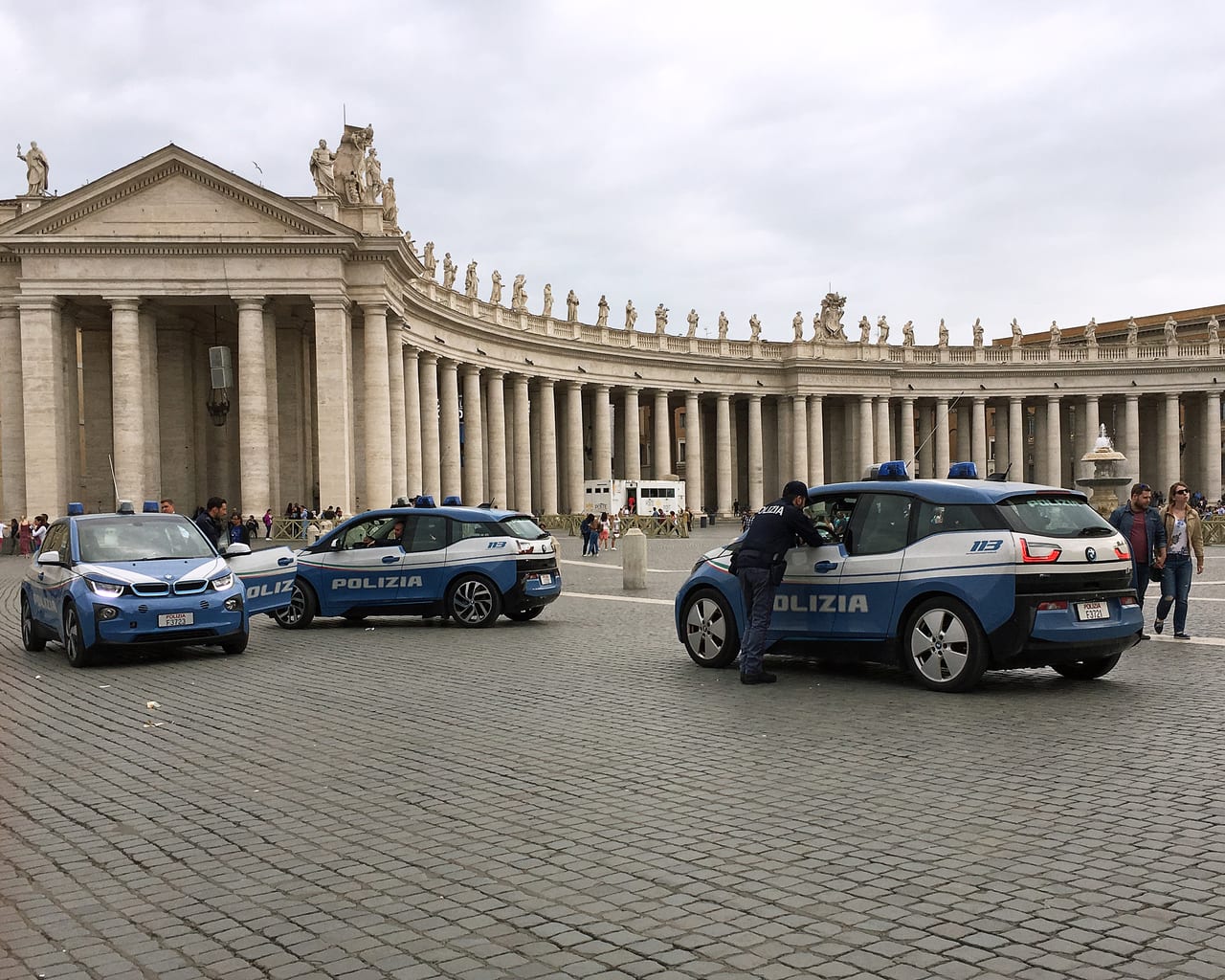
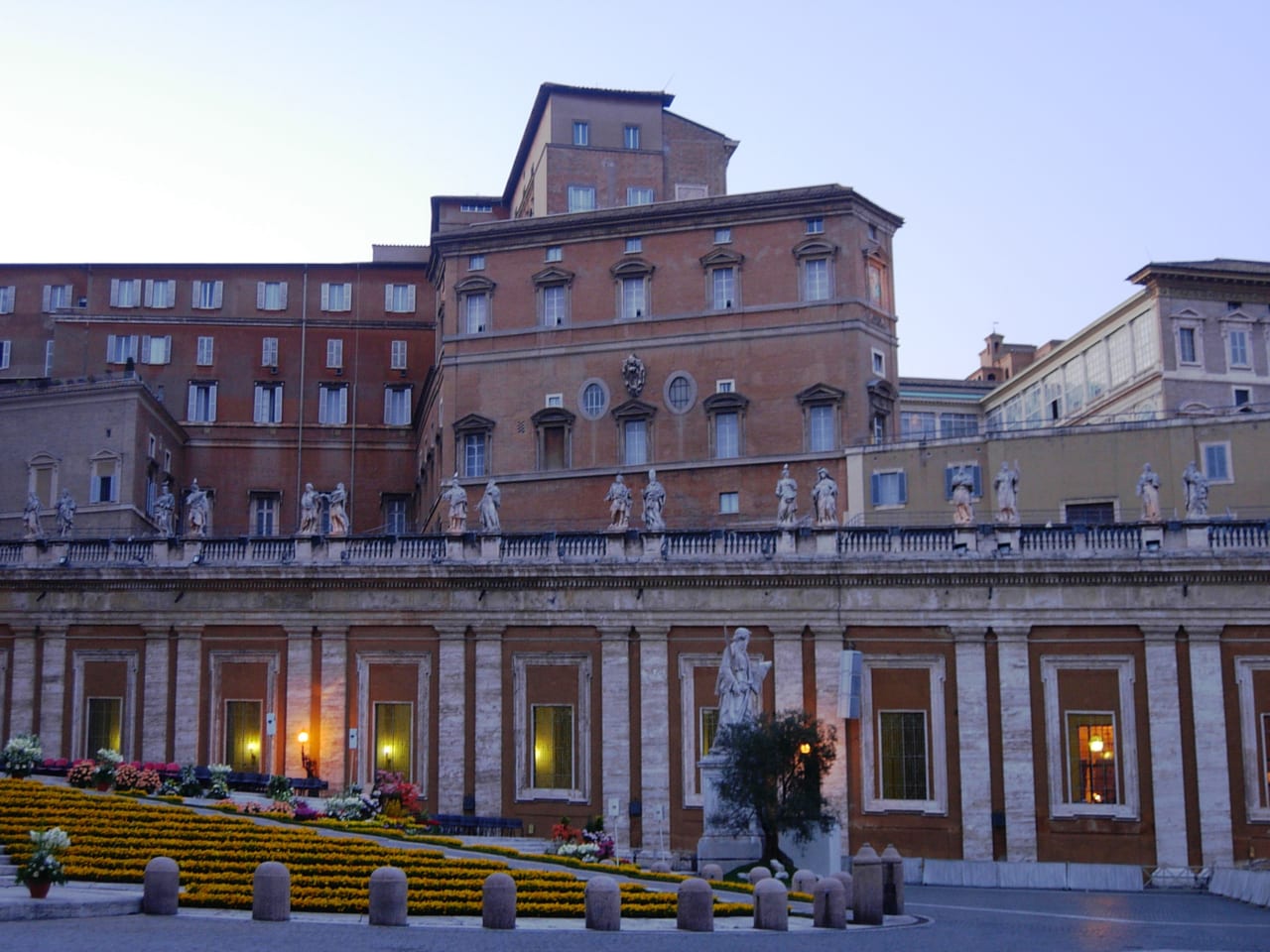
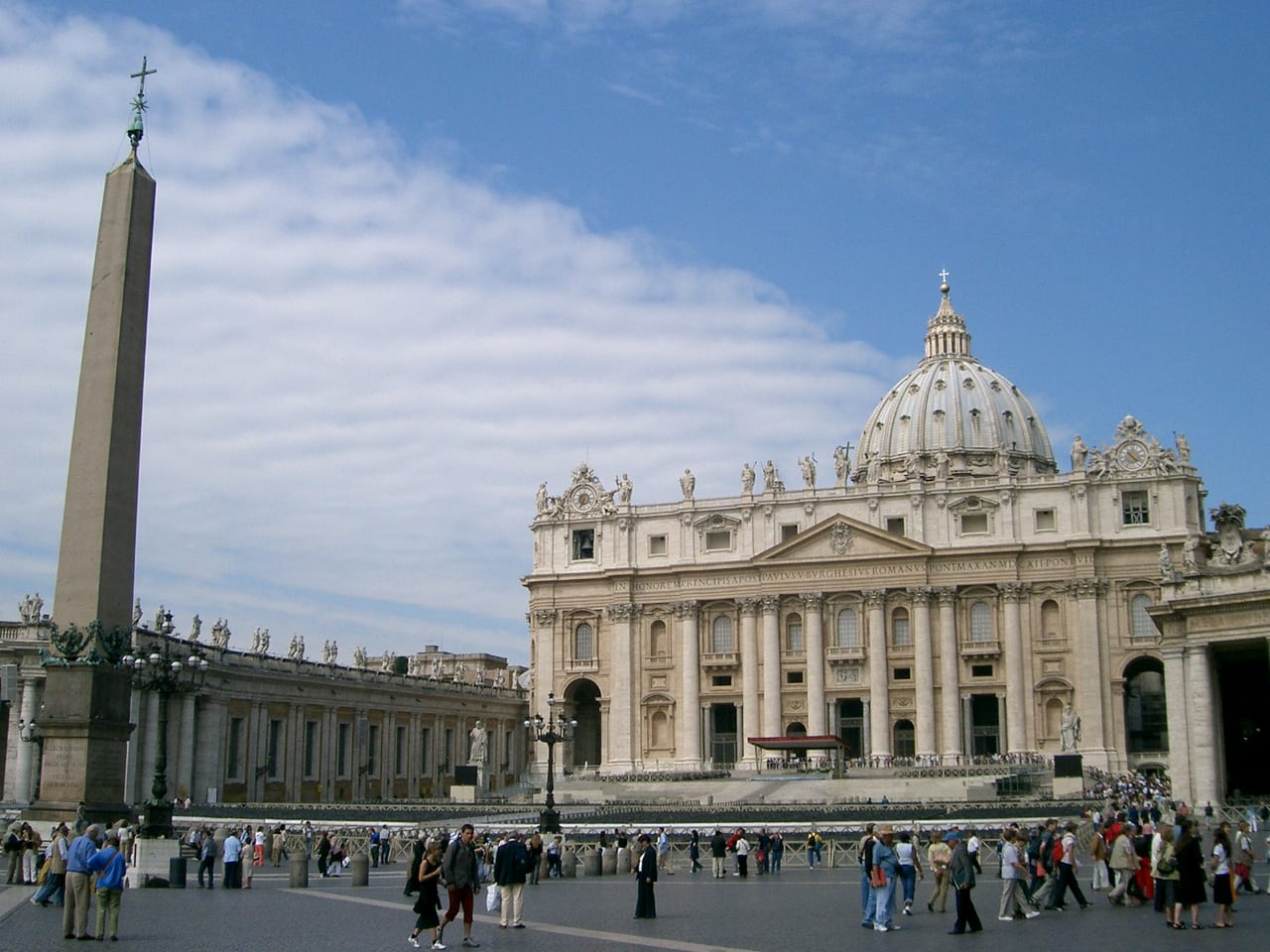
Photograph 1 of 45 of Saint Peter's Square
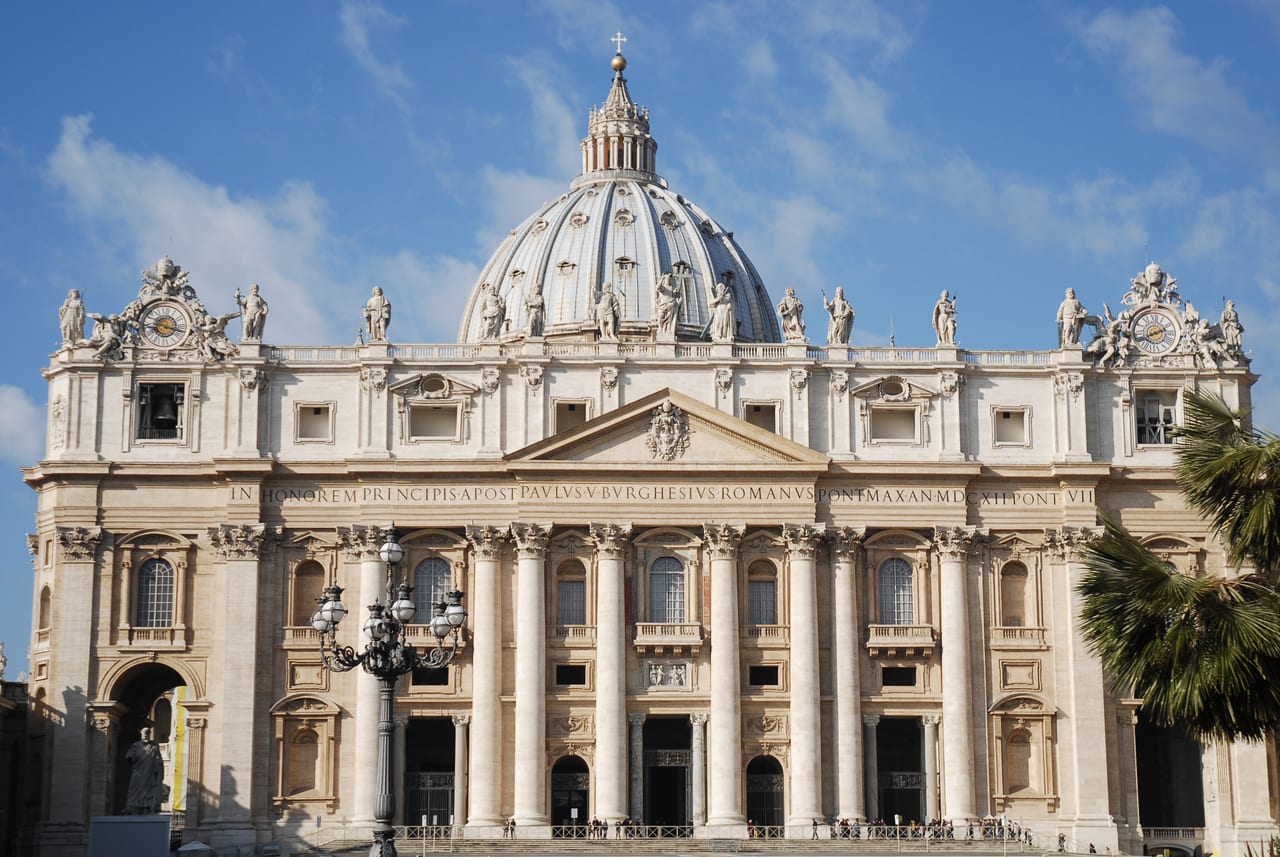
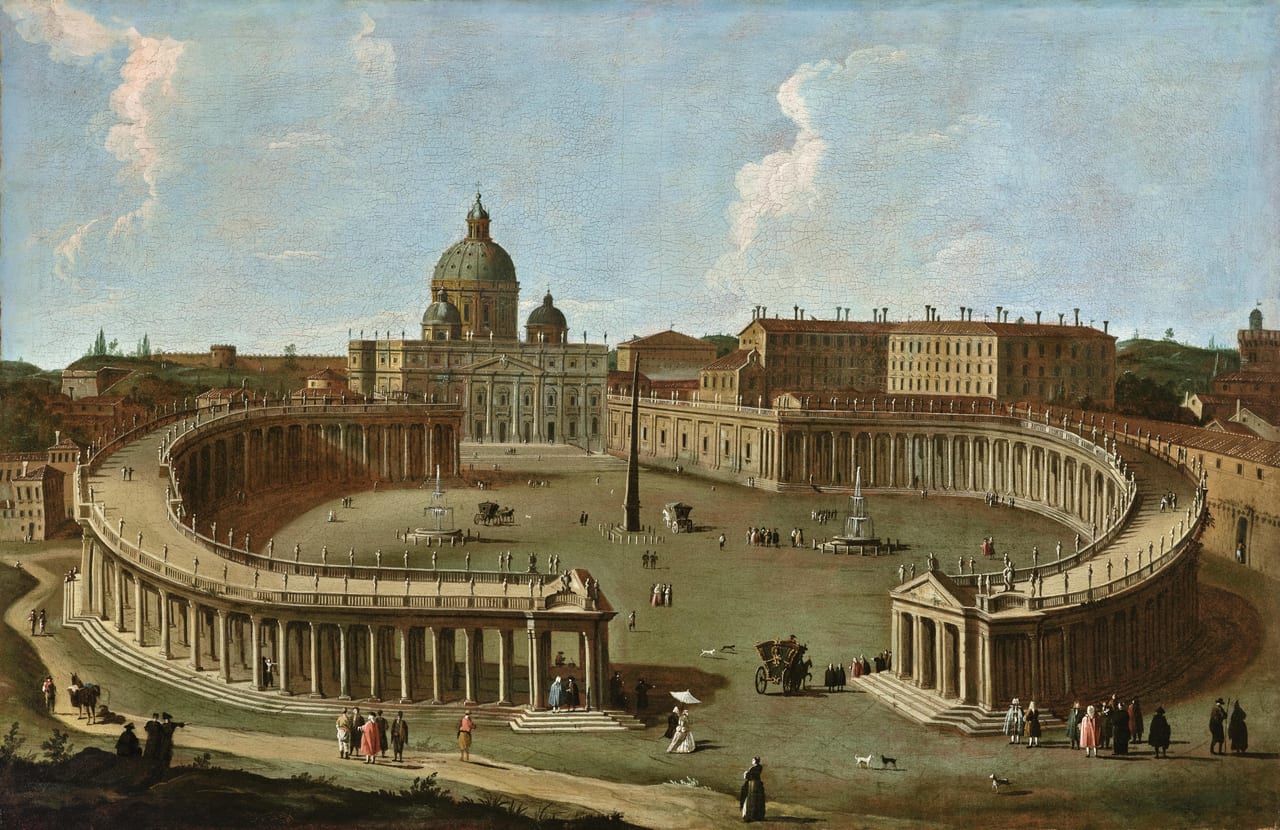
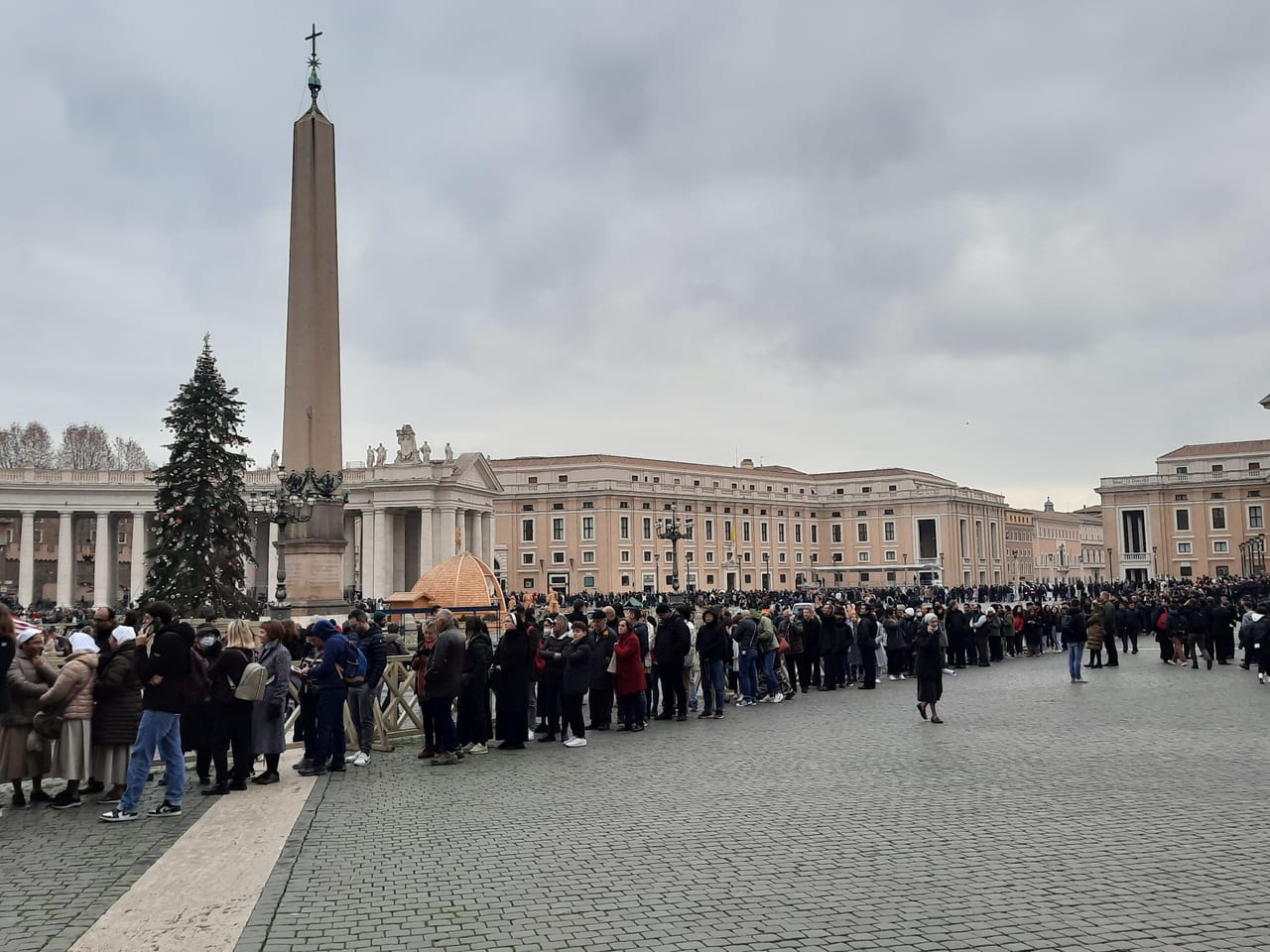
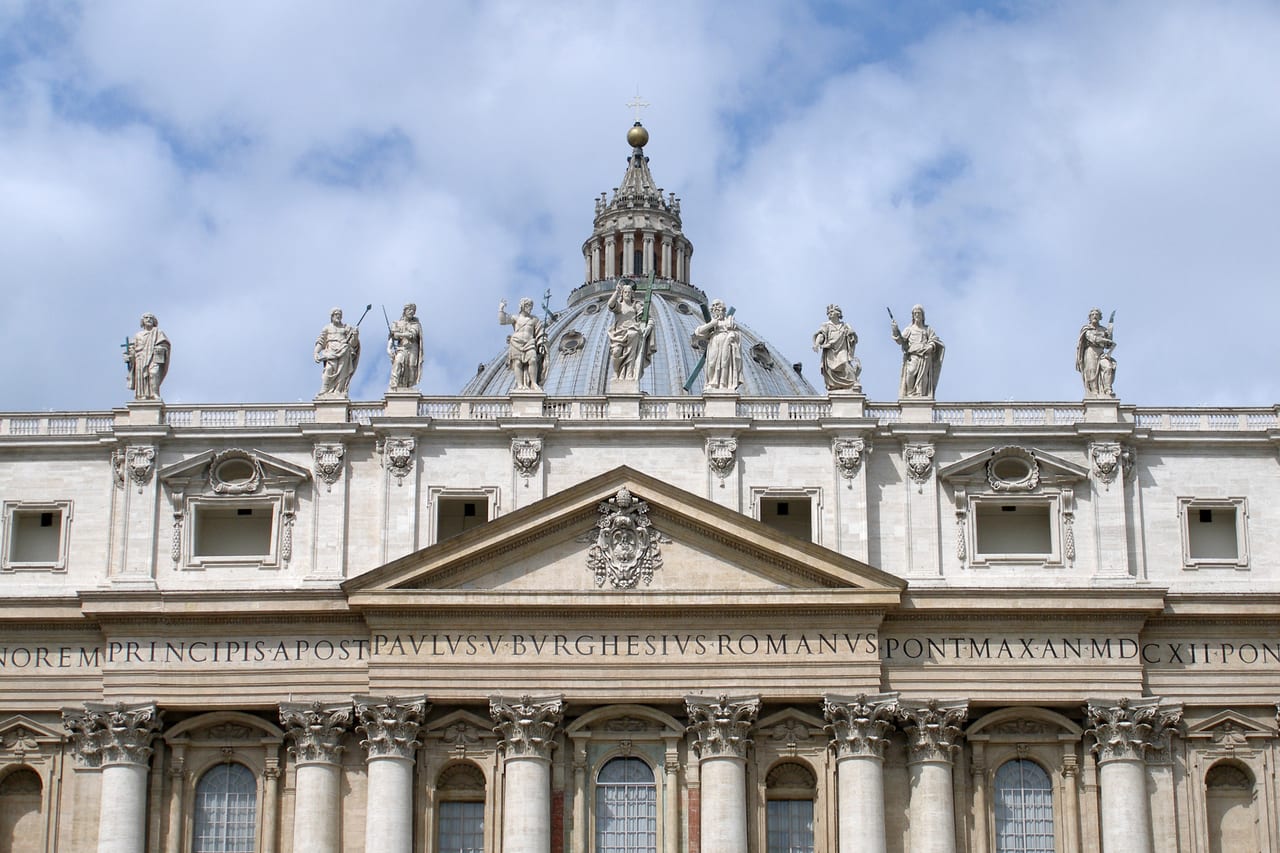
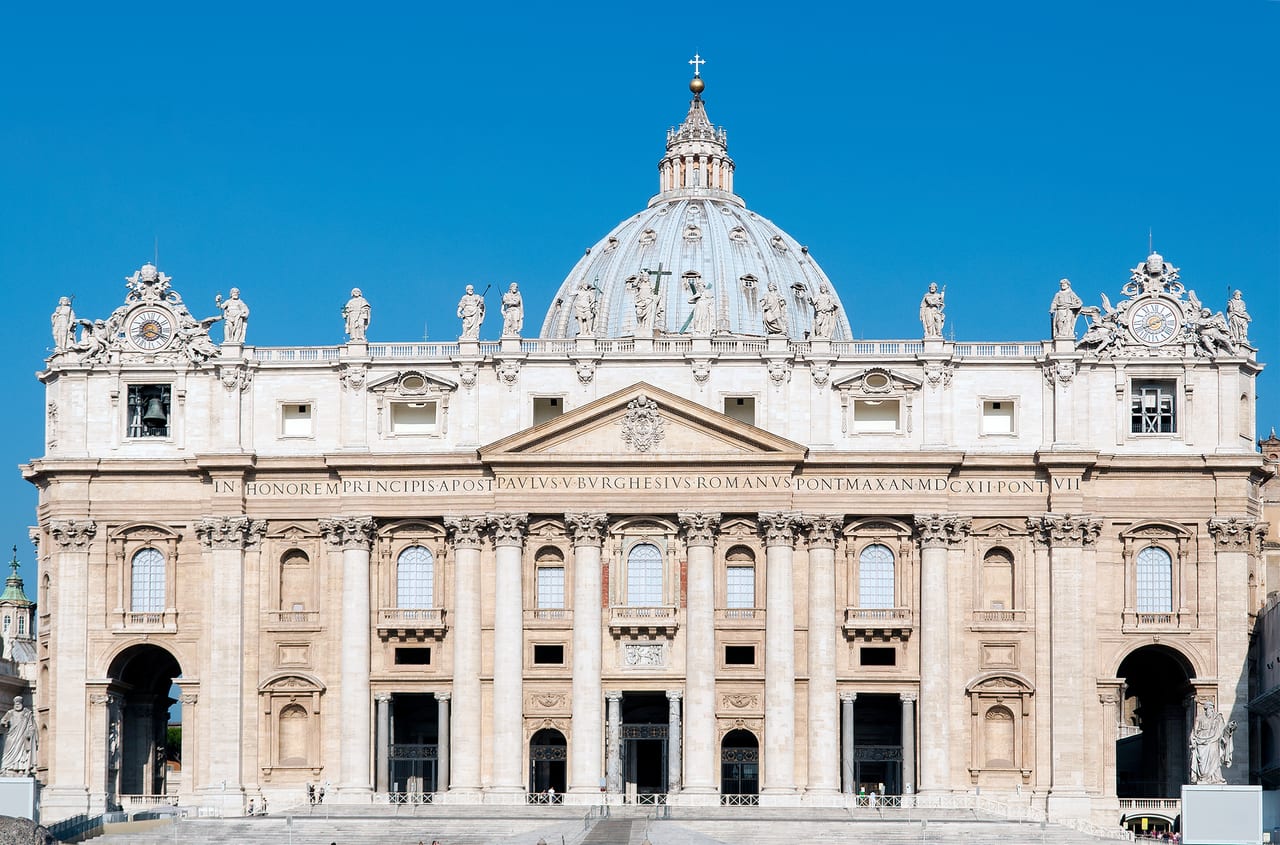
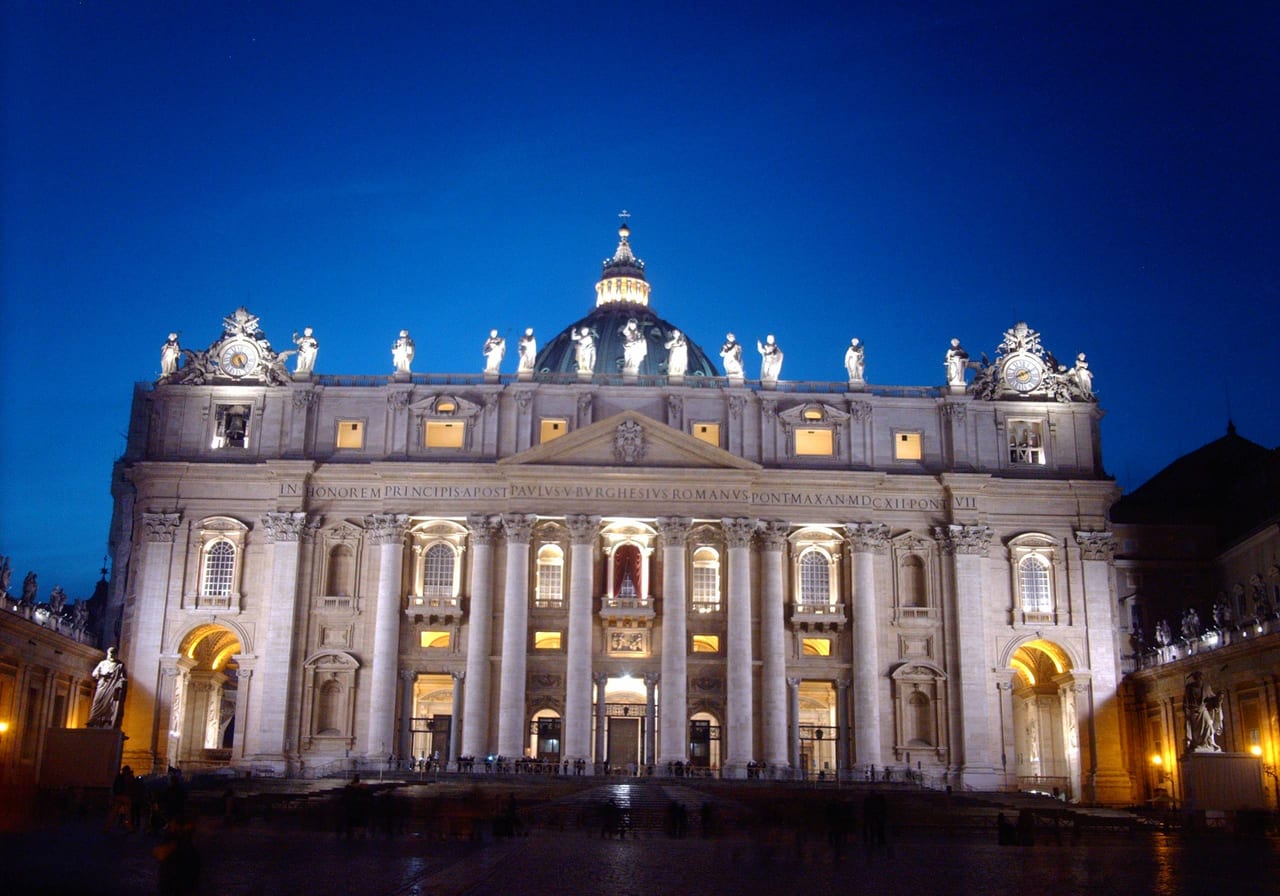
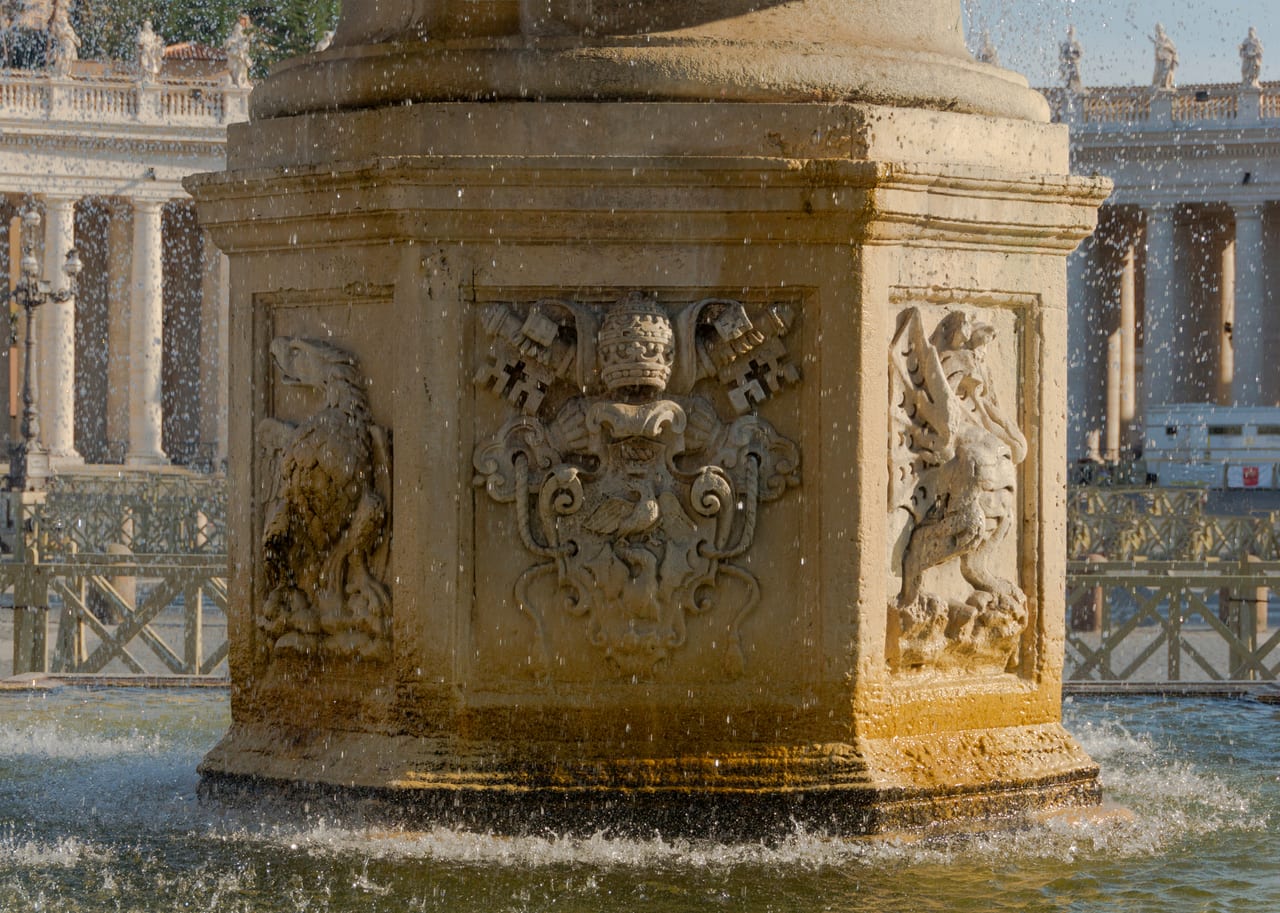
The square occupies ground once associated with the Circus of Caligula, the Via Cornelia and a cemetery identified with Saint Peter’s tomb. Constantine’s basilica, erected in the fourth century, created the broad Platea Sancti Petri; in the Middle Ages, the Borgo grew between this open ground and the Tiber. Its transformation began with the Via Alessandrina, opened by Alexander VI for the 1500 Jubilee after the destruction of the pyramid-shaped Meta Romuli. The Egyptian obelisk was moved in 1586 under Sixtus V, while the rebuilding of Saint Peter’s, begun under Julius II, eventually produced Maderno’s longitudinal nave and broad, unfinished-towered façade. Bernini’s first scheme, in 1656, was replaced the following year by the definitive arrangement, developed with Pope Alexander VII Chigi. The works required extensive demolition, dividing the old Borgo and changing it from a poor district into an aristocratic one. The present approach also includes Piazza Pio XII, the former Piazza Rusticucci, aligned with the twentieth-century Via della Conciliazione.
At a glance
- Architect
- Gian Lorenzo Bernini
- Style
- Italian Baroque architecture
Ways to explore Saint Peter's Square
Begin at Piazza Pio XII and walk toward the basilica to appreciate the changing perspective. In the main space, study the obelisk as the visual anchor, then compare the trapezoidal forecourt with the rounded enclosure. Look closely at the marble statues above the colonnades and the way the portico frames the basilica’s unusually broad façade. The principal approaches are Via di Porta Angelica and Via della Conciliazione.
Places to stay near Saint Peter's Square

Live availability and prices from Stay22's partners, refreshed periodically and subject to change. Booking through these links may earn us a commission at no extra cost to you. See our privacy policy.
Cafés near Saint Peter's Square
Cafés near Saint Peter's Square loads as you scroll.
Attractions nearby
Attractions near Saint Peter's Square loads as you scroll.
Cities nearby
Cities nearby loads as you scroll.
More in Rome
See more of Rome.
Find great cafés, places to stay and other interesting places to visit in Rome.