Church · Rome
Saint Jerome of the Croats
DirectionsIts façade marble was stripped from the Septizodium, an unusually direct trace of Rome’s monumental fabric in a Croatian national church.
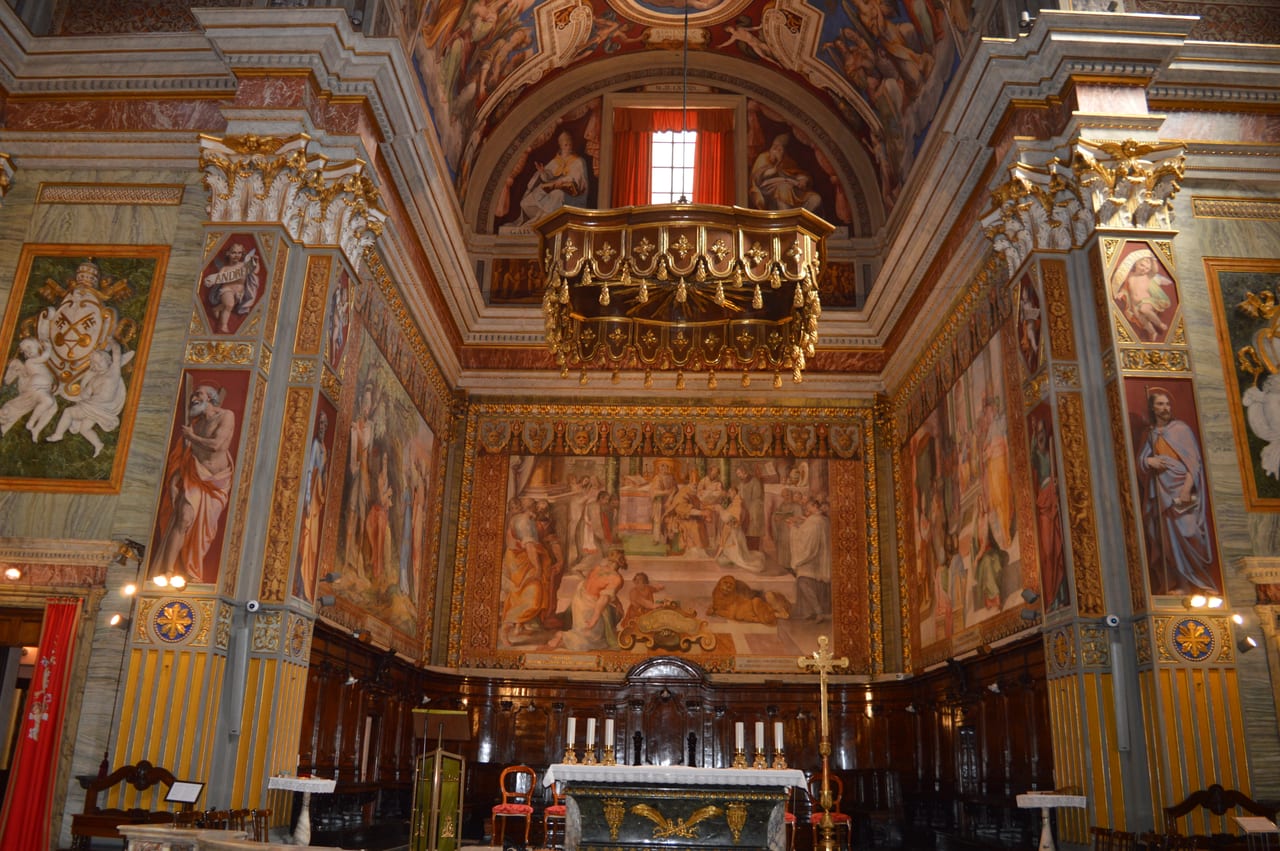
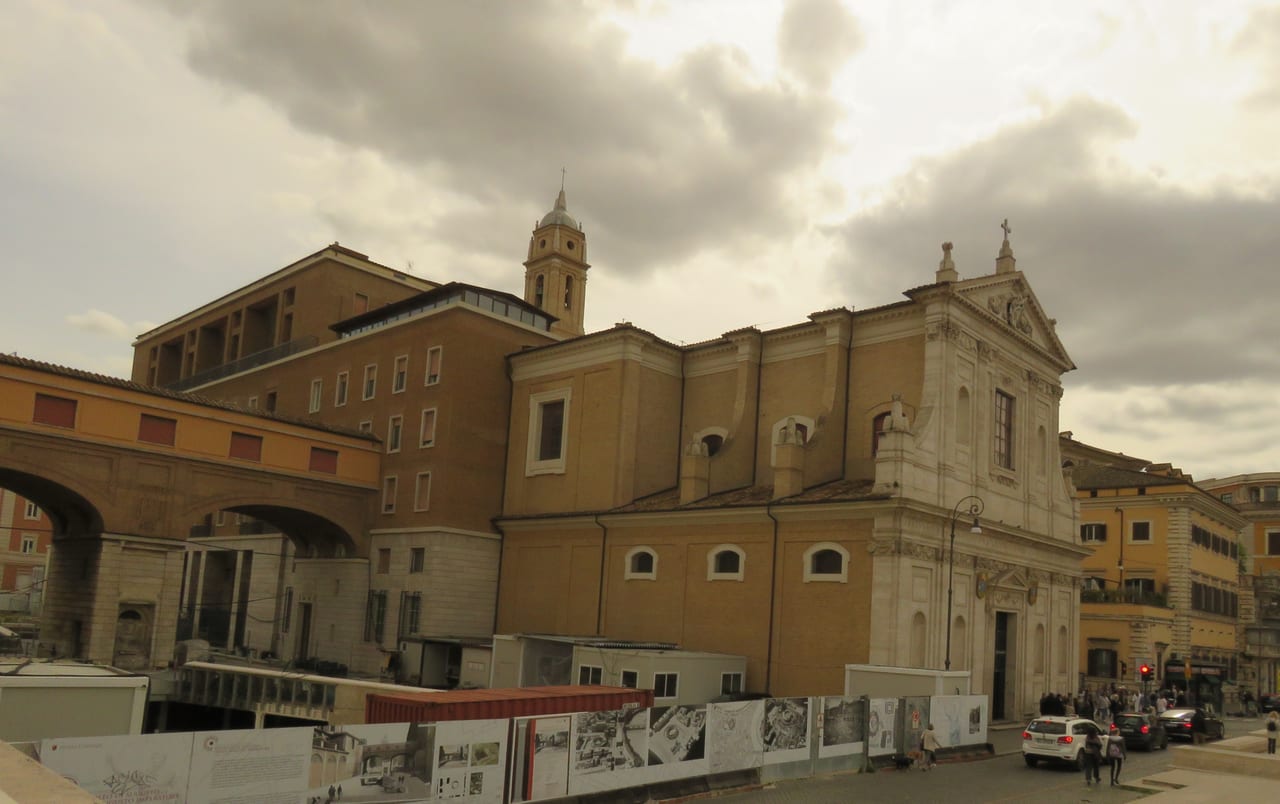
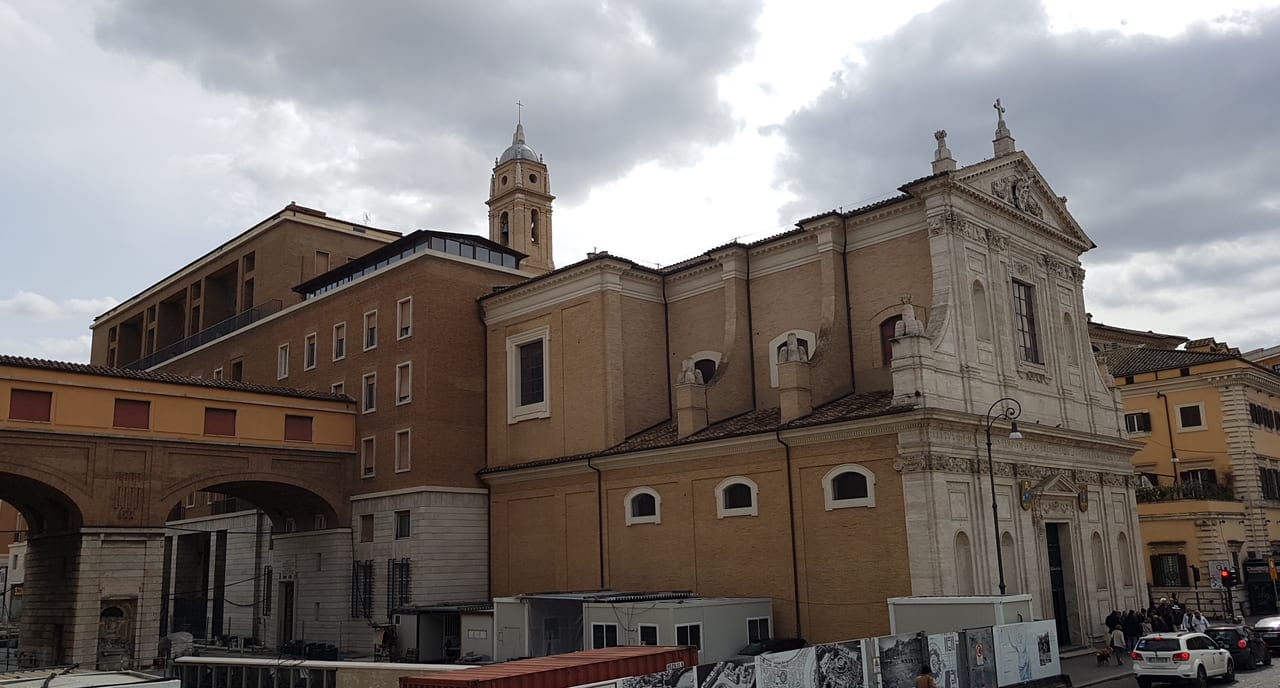
Photograph 1 of 3 of Saint Jerome of the Croats
A community of refugees from Illyria and Schiavonia settled near the port of Ripetta from the 14th century, fleeing the Turks. In 1453, Pope Nicholas V granted them a Congregation of San Girolamo degli Schiavoni, with a hospice, hospital and small 11th-century church originally called Santa Marina de Posterula. It was rededicated to Saint Jerome, whose ancestry was Dalmatian. Pope Sixtus V, formerly the church’s titular, commissioned its complete rebuilding by Martino Longhi the Elder in 1588–1589. He also established a chapter expressly composed of priests of Slavic descent and wished to transfer Saint Jerome’s body from Santa Maria Maggiore, though that plan was never realised. Pope Pius IX carried out a substantial restoration in the 19th century. The church remains the Croatian national church in Rome, a rectory of San Lorenzo in Lucina and a cardinalatial title. Its earlier setting beside Ripetta changed radically after the port was demolished during post-unification embankment works and the area around Augustus’s Mausoleum was reworked in the 1930s for the Ara Pacis complex.
At a glance
- Built
- 1587
- Heritage
- Italian national heritage
Ways to explore Saint Jerome of the Croats
Use the elevated walkway connecting San Girolamo with San Rocco to understand how the two churches now relate to one another. Look closely at the campanile and the rich furnishings added during the rebuilding. The church’s older names—San Girolamo degli Illirici and San Girolamo degli Schiavoni—also help identify its Croatian and Slavic devotional context.
Places to stay near Saint Jerome of the Croats

Live availability and prices from Stay22's partners, refreshed periodically and subject to change. Booking through these links may earn us a commission at no extra cost to you. See our privacy policy.
Cafés near Saint Jerome of the Croats
Cafés near Saint Jerome of the Croats loads as you scroll.
Attractions nearby
Attractions near Saint Jerome of the Croats loads as you scroll.
Cities nearby
Cities nearby loads as you scroll.
More in Rome
See more of Rome.
Find great cafés, places to stay and other interesting places to visit in Rome.