Ancient site · Rome
rostra
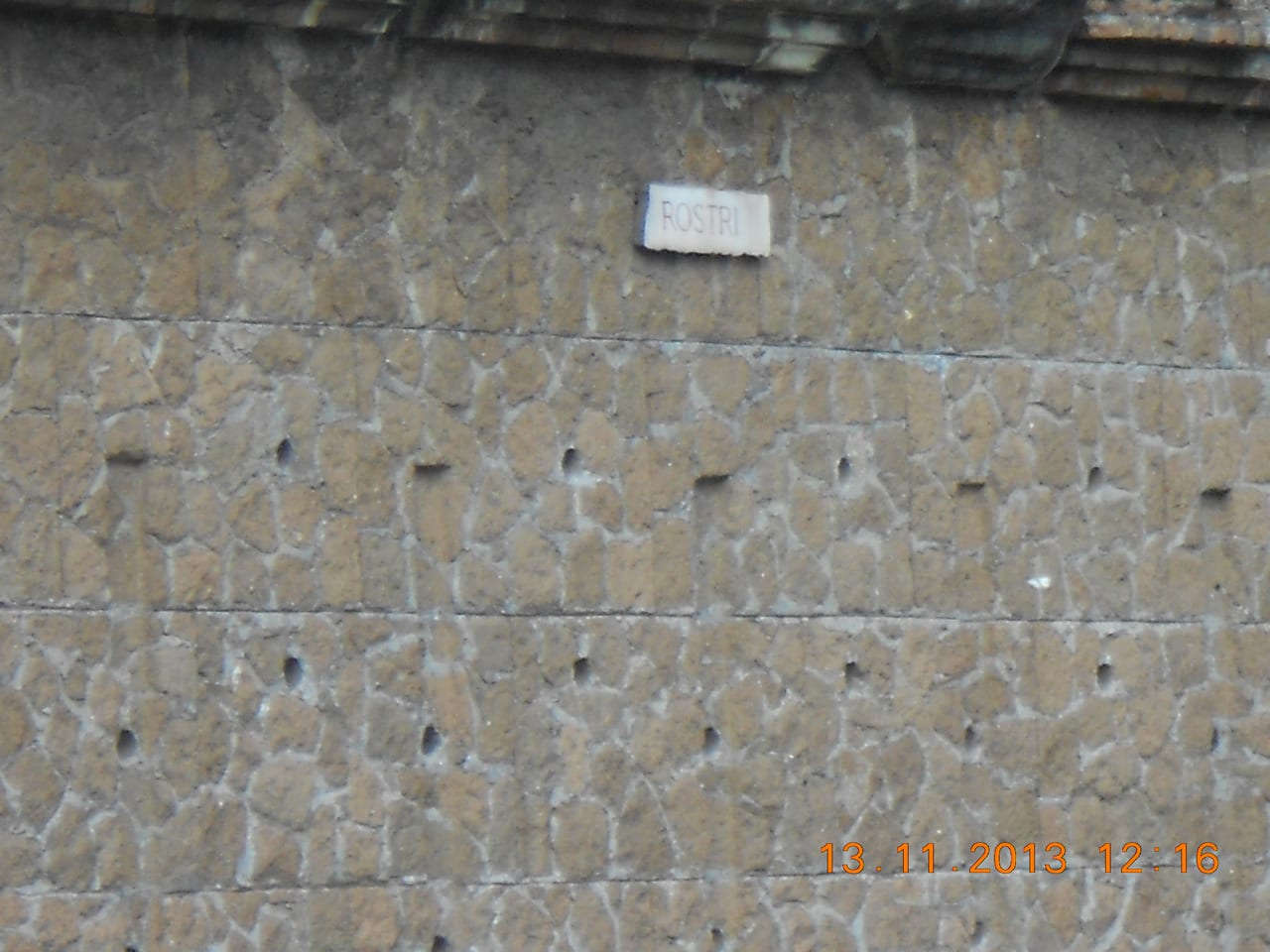
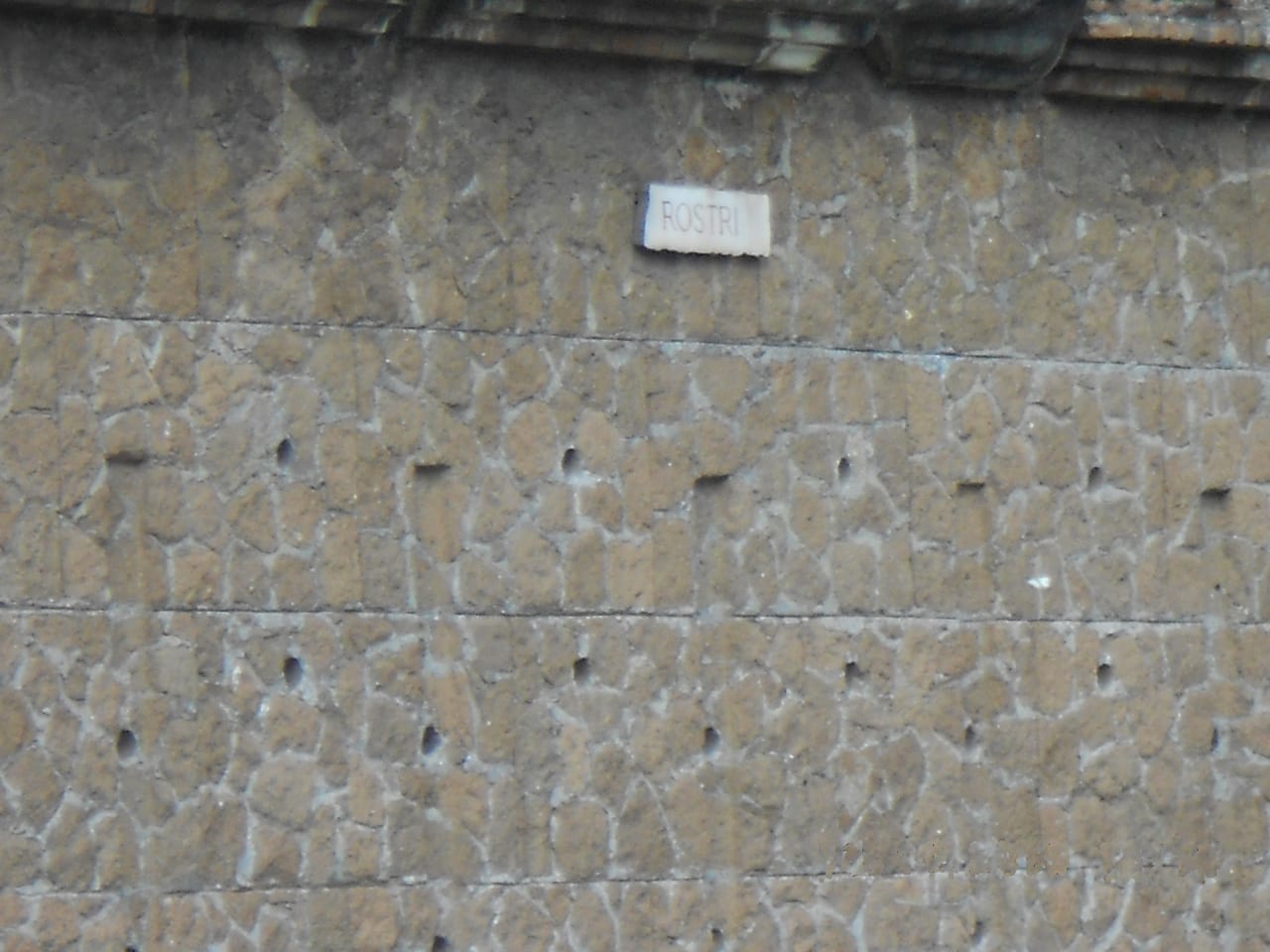
DirectionsIts name commemorates six naval rams from ships captured at Antium in 338 BC and fixed to the platform as trophies of Rome’s victory.
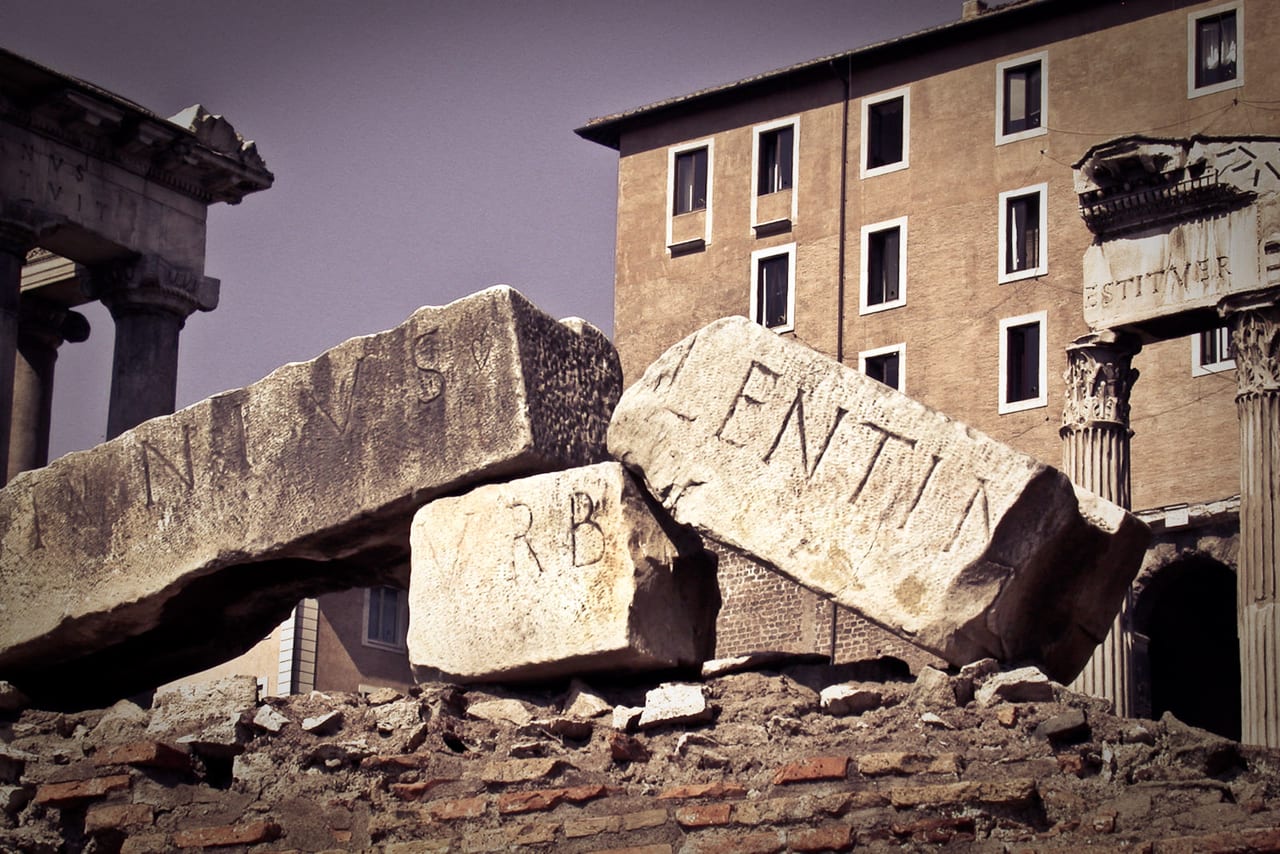
Photograph 1 of 13 of rostra
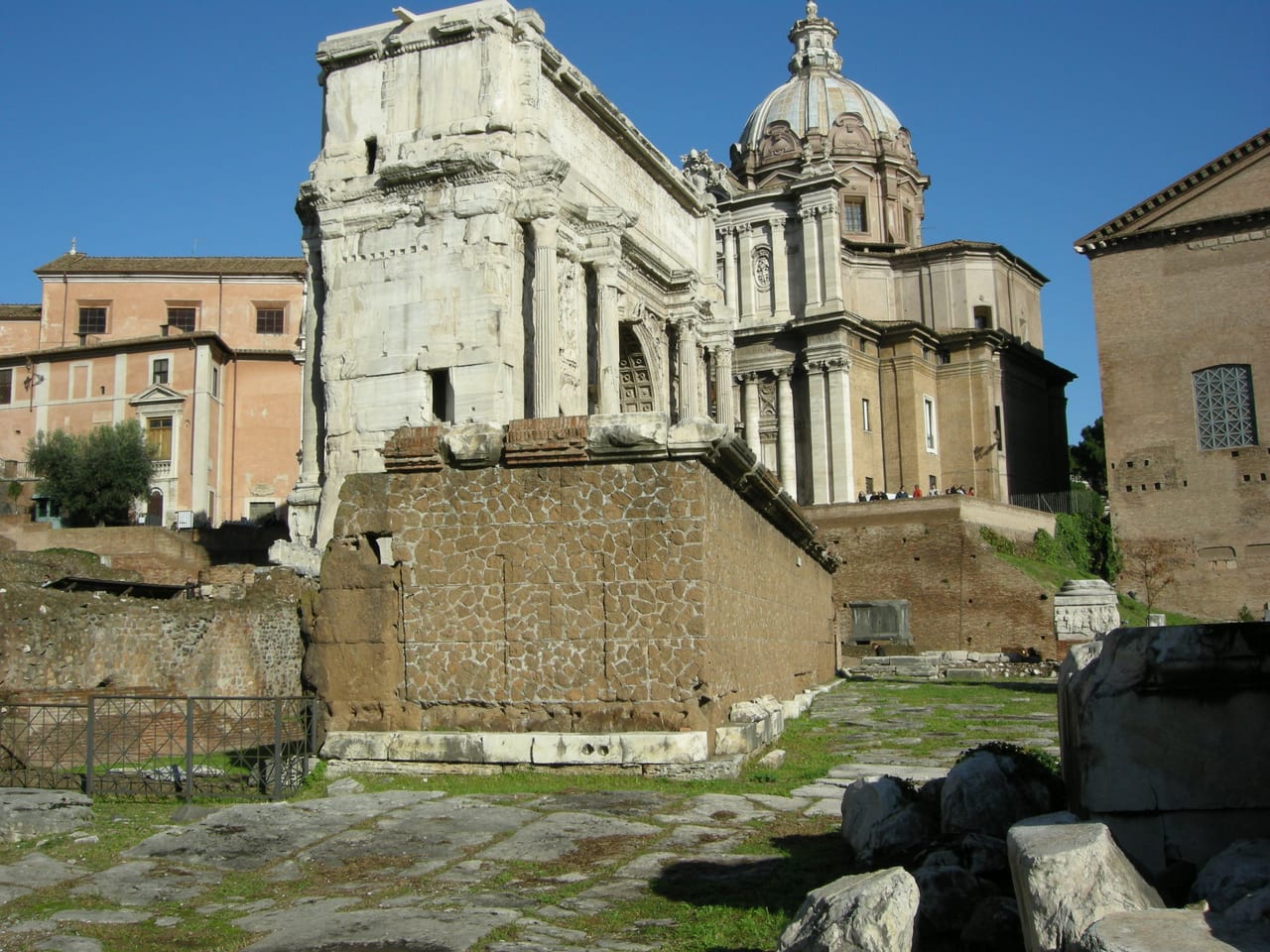
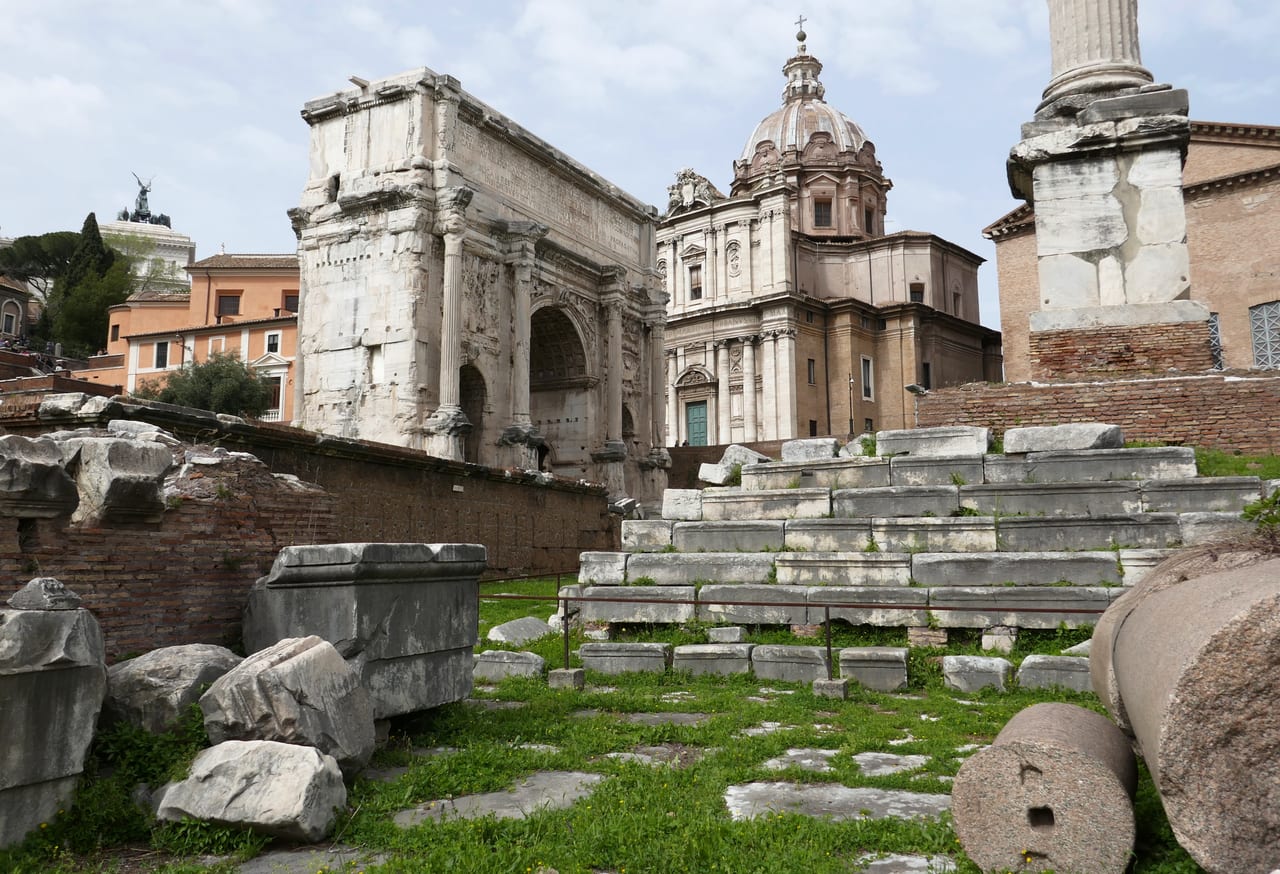
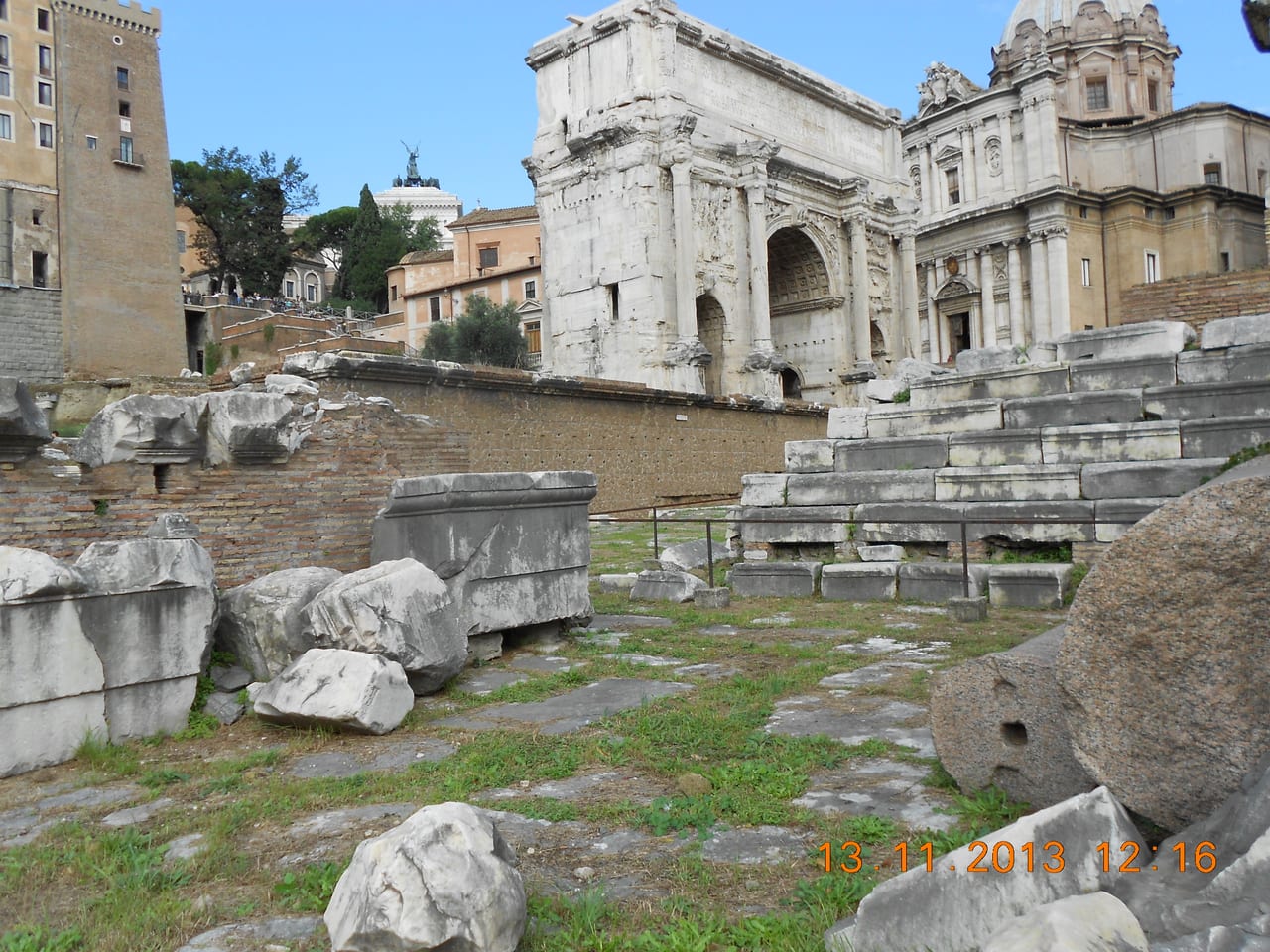
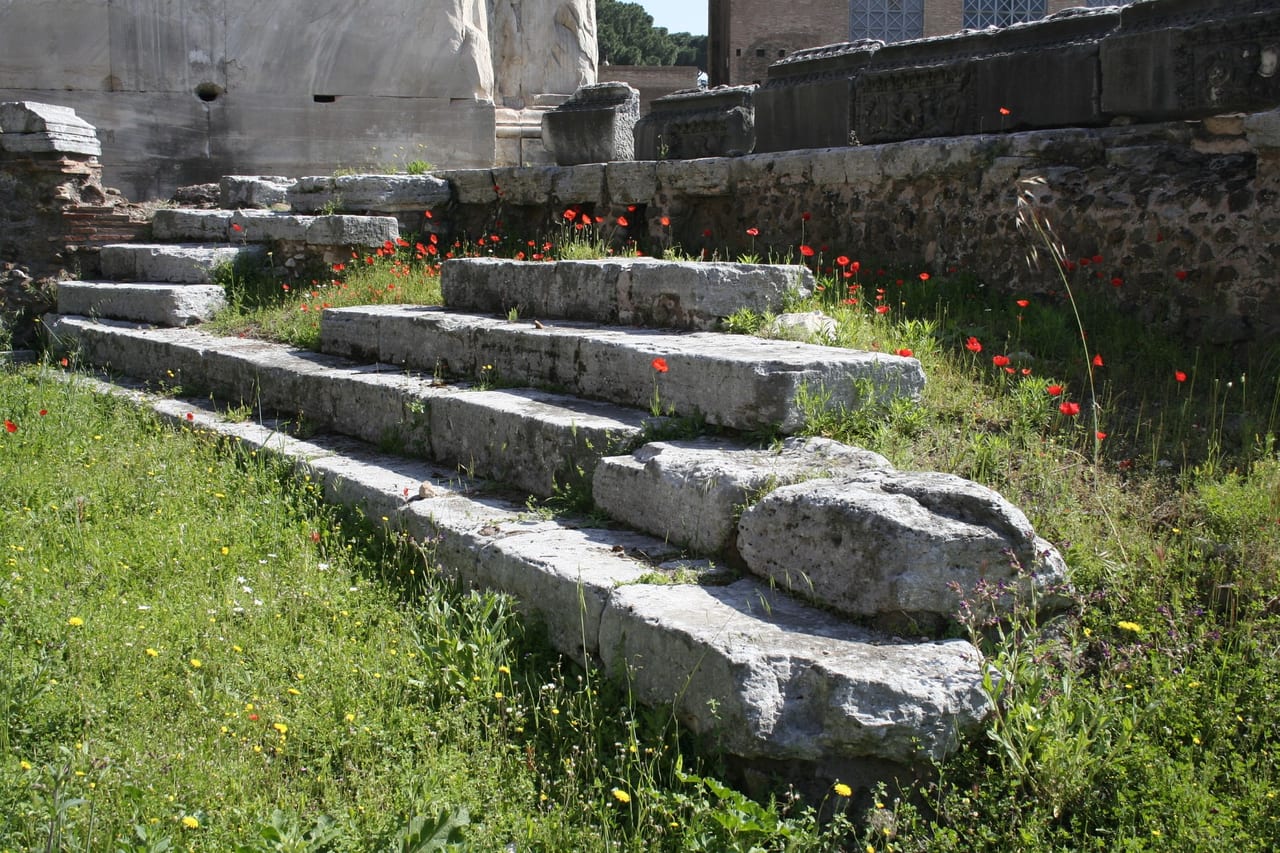
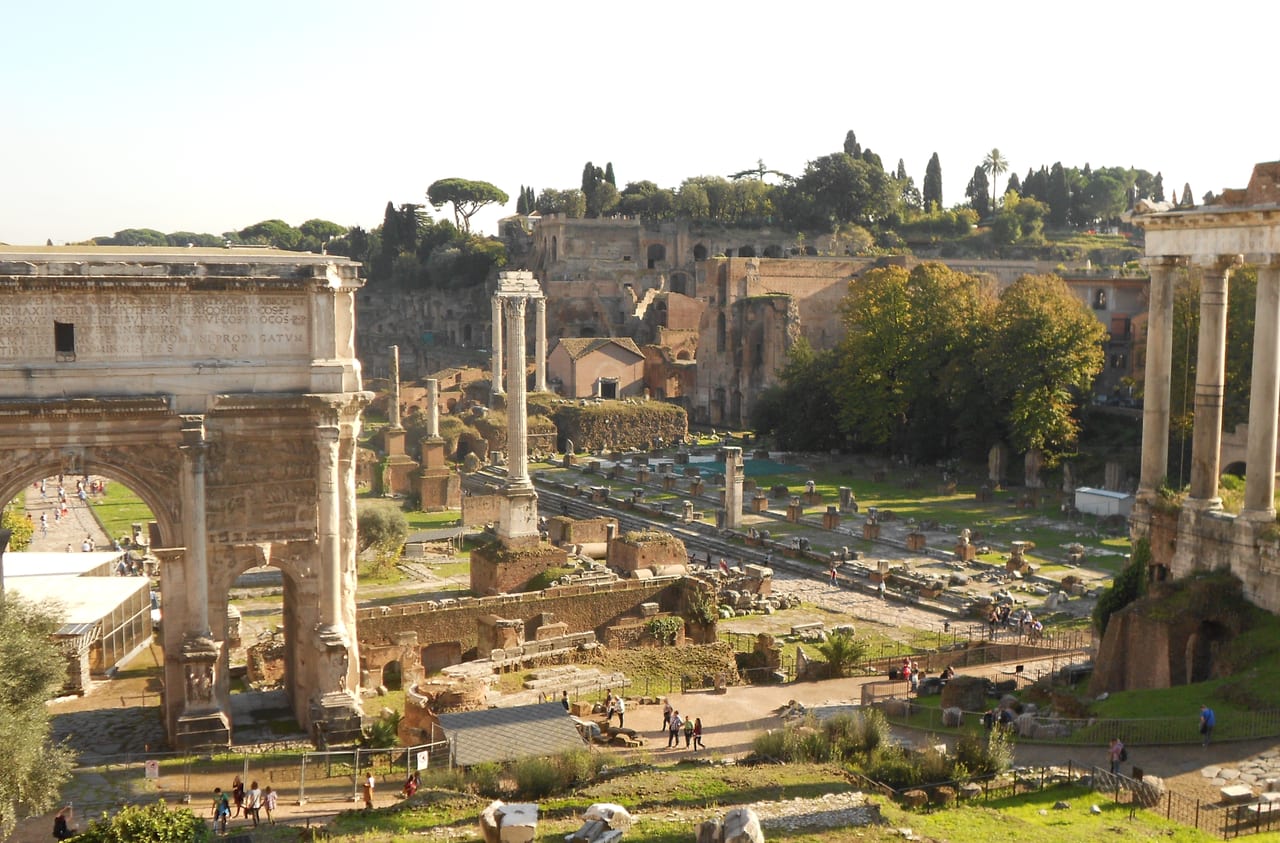
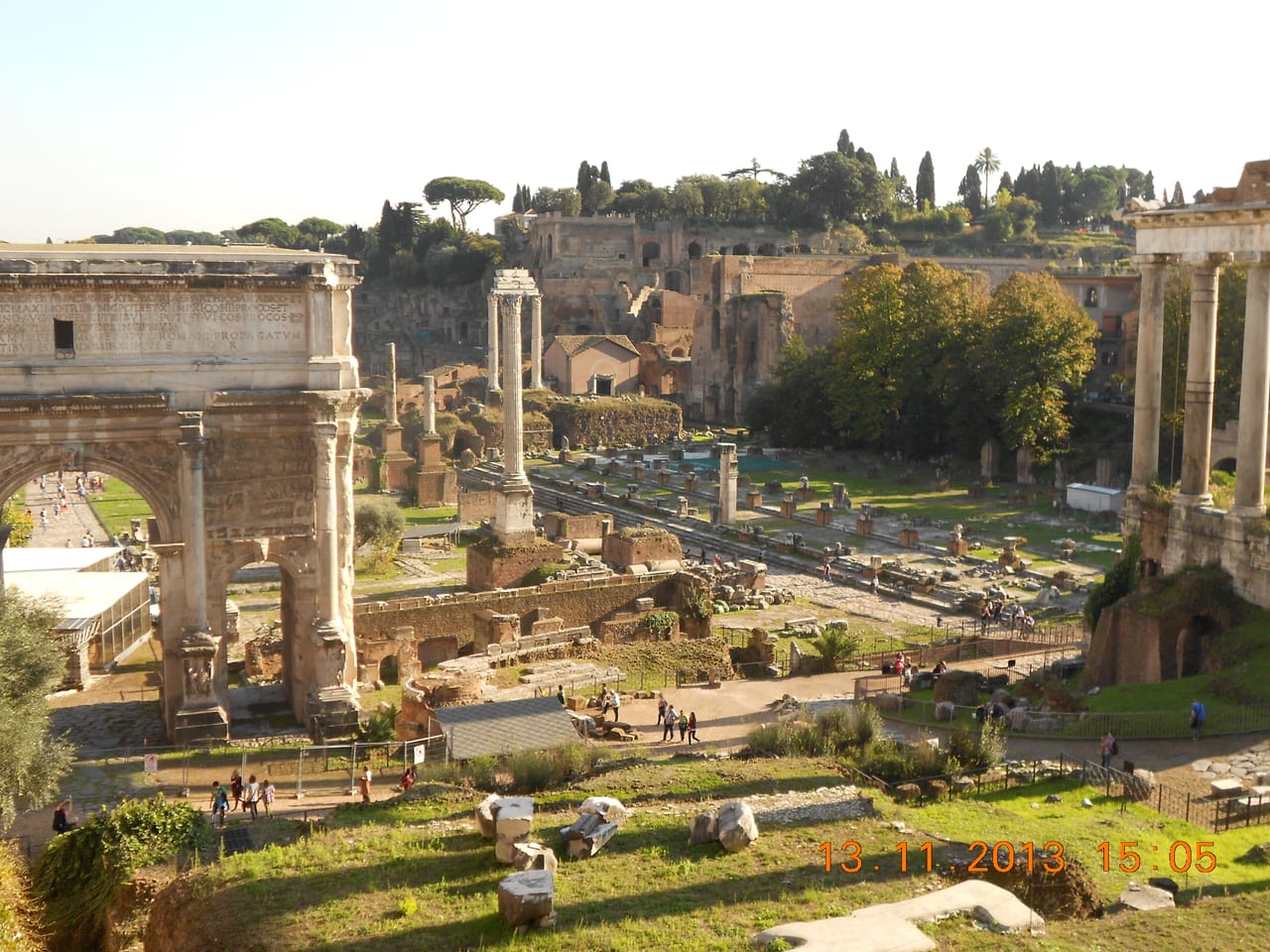
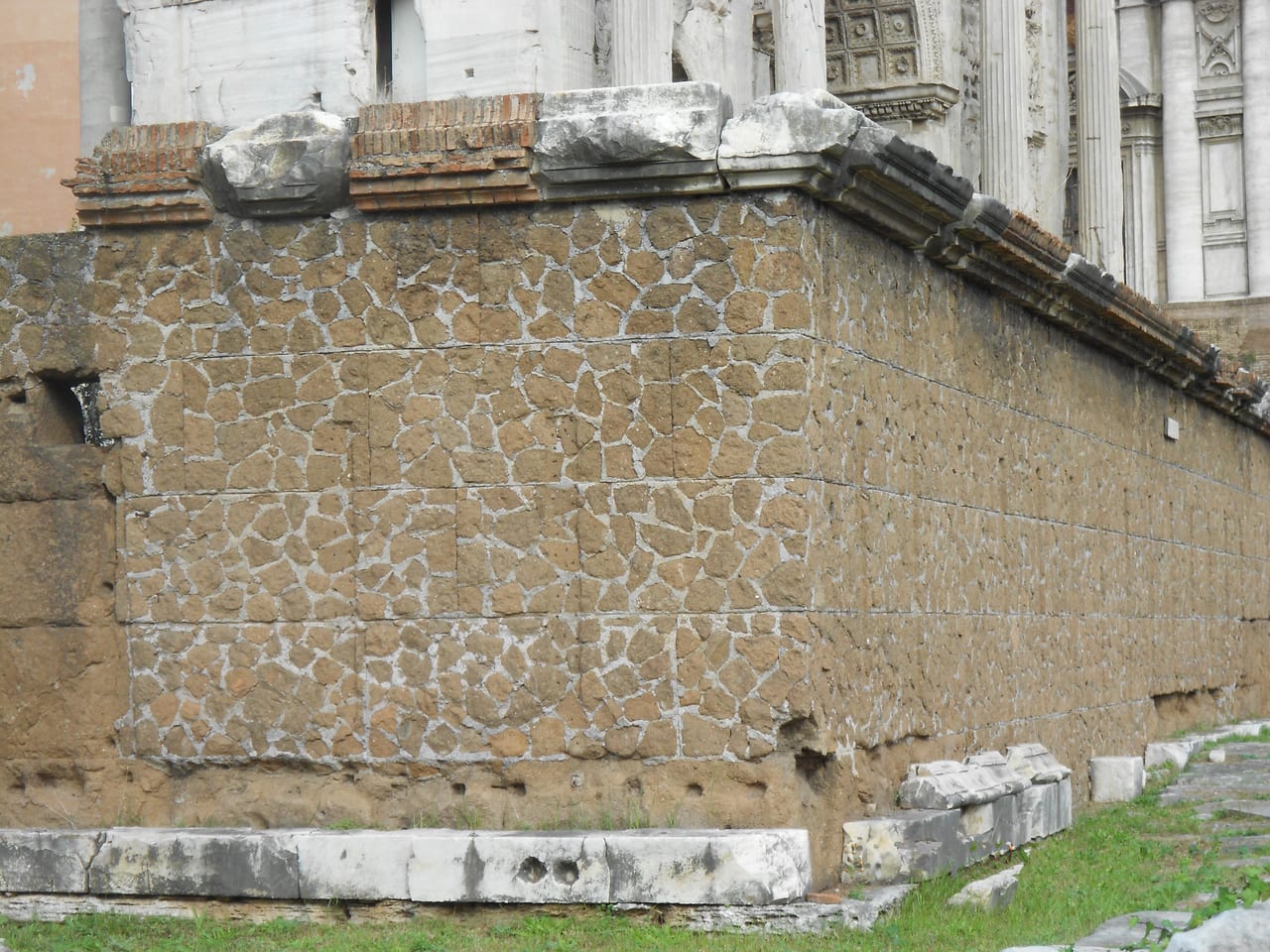
Consecrated by augurs as a templum, the earliest platform may date to the 6th century BC and developed from the Vulcanal, a shrine with two successive altars. It stood in the Comitium opposite the Curia Hostilia, where magistrates, senators, advocates and citizens debated legislation, elected officials, conducted tribal assemblies and heard trials. Until about 145 BC, voting took place here; later assemblies moved toward the Temple of Castor as Rome’s electorate grew. The Rostra’s curved form may have resembled a raised, arched structure with twin stairways, a parapet and space for a sundial, statues and honorary monuments. Caesar spoke here in 67 BC in support of the lex Gabinia. In the late Republic, the platform also became a grim political stage: Marius and Cinna displayed Gnaeus Octavius’s head in 87 BC, while Mark Antony ordered Cicero’s head and hands exhibited in 43 BC. Caesar repositioned it in 44 BC; Augustus completed and enlarged the rectangular Rostra Augusti. The surviving remains, beside the Arch of Septimius Severus, preserve later alterations. Another platform stood before the Temple of Caesar from 29 BC, facing it across the Forum.
Ways to explore rostra
View the surviving platform beside the Arch of Septimius Severus, then consider its position in relation to the open Forum and the former Comitium. Look for the substantial rectangular mass and the traces associated with its later rebuilding. Nearby, compare the arrangement with the Temple of Caesar at the opposite end of the Forum, whose elevated base carried another speaking platform. The Vulcanal and Lapis Niger area may also be visible beneath its protective covering, subject to current access.
Places to stay near rostra

Live availability and prices from Stay22's partners, refreshed periodically and subject to change. Booking through these links may earn us a commission at no extra cost to you. See our privacy policy.
Cafés near rostra
Cafés near rostra loads as you scroll.
Attractions nearby
Attractions near rostra loads as you scroll.
Cities nearby
Cities nearby loads as you scroll.
More in Rome
See more of Rome.
Find great cafés, places to stay and other interesting places to visit in Rome.