Ancient site · Rome
Roman Forum
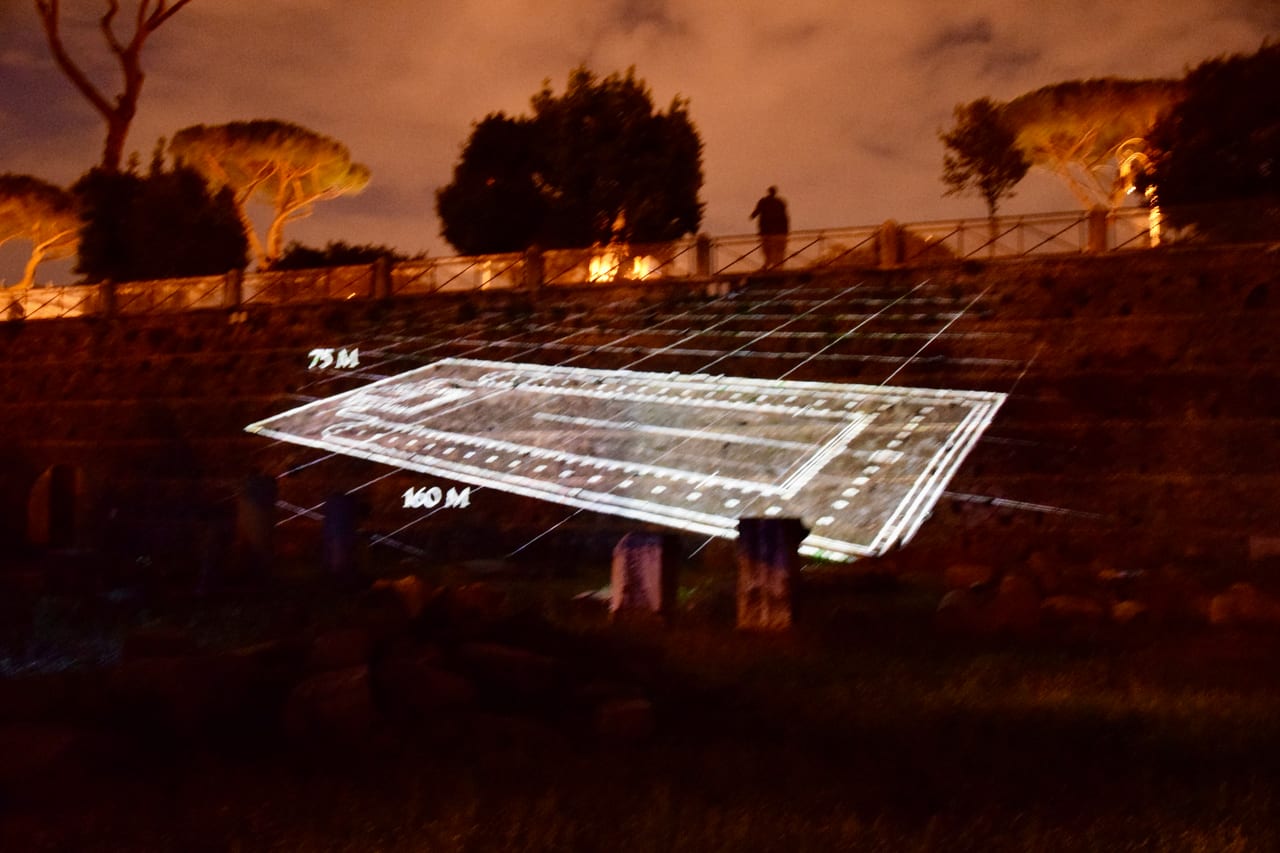
DirectionsThe Forum’s final travertine paving, laid under Augustus, survived largely intact for more than a millennium, until neglect after Rome’s sack in 1084 let debris accumulate.
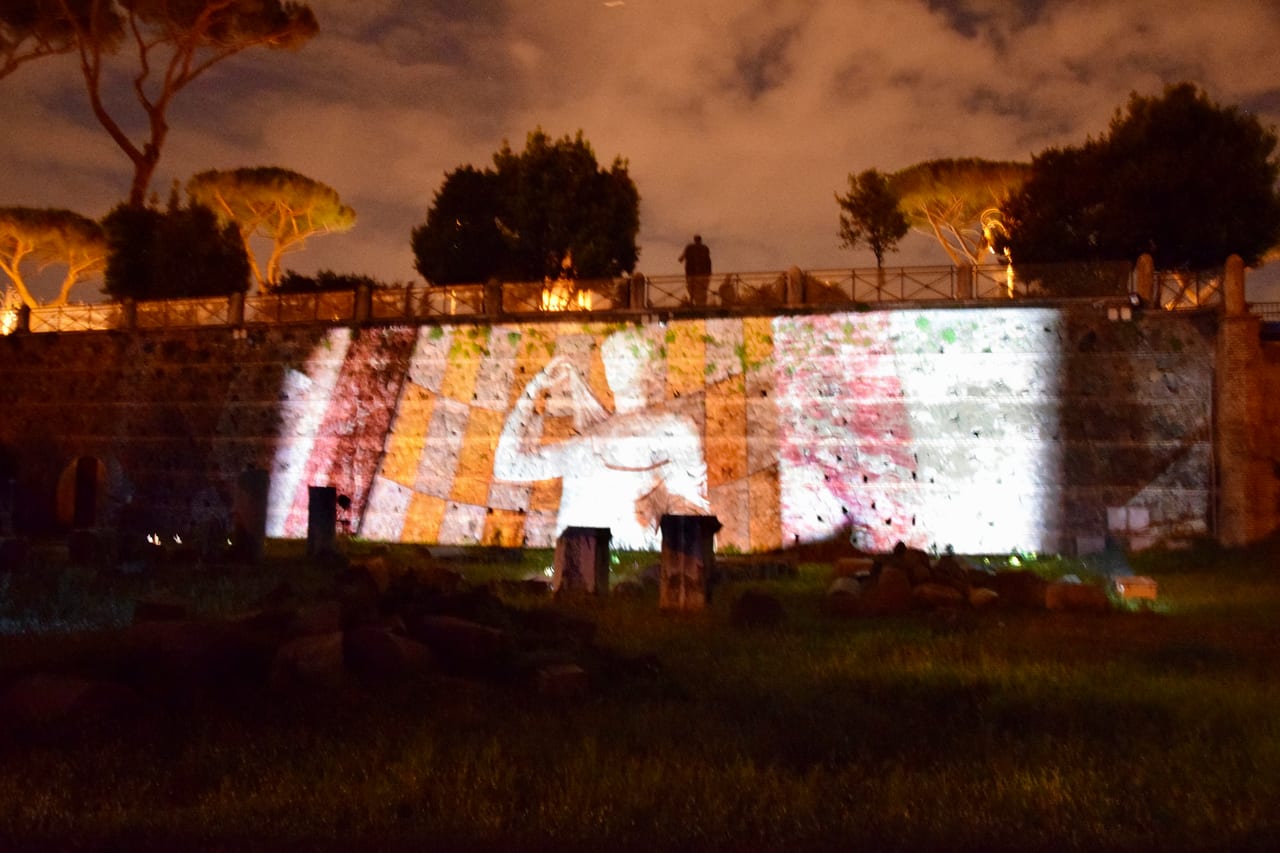
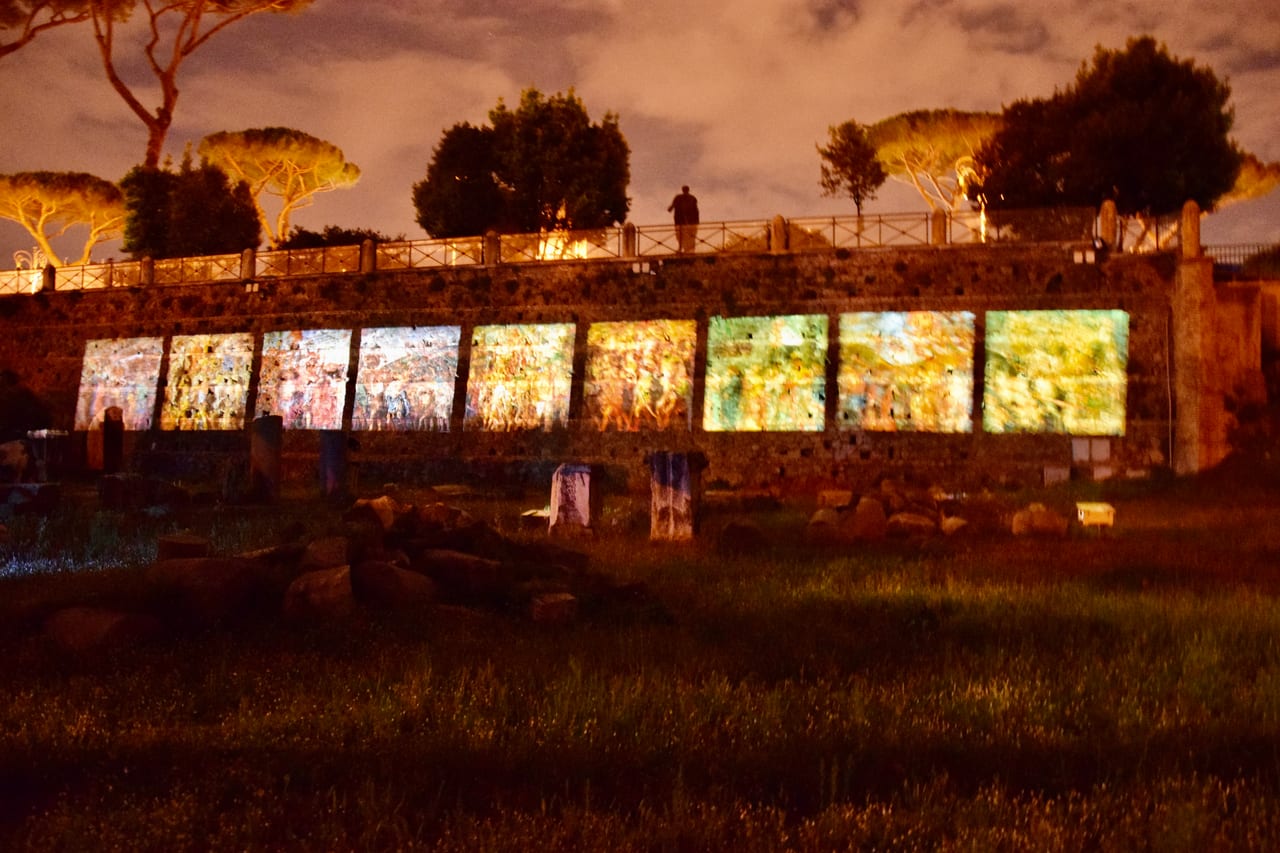
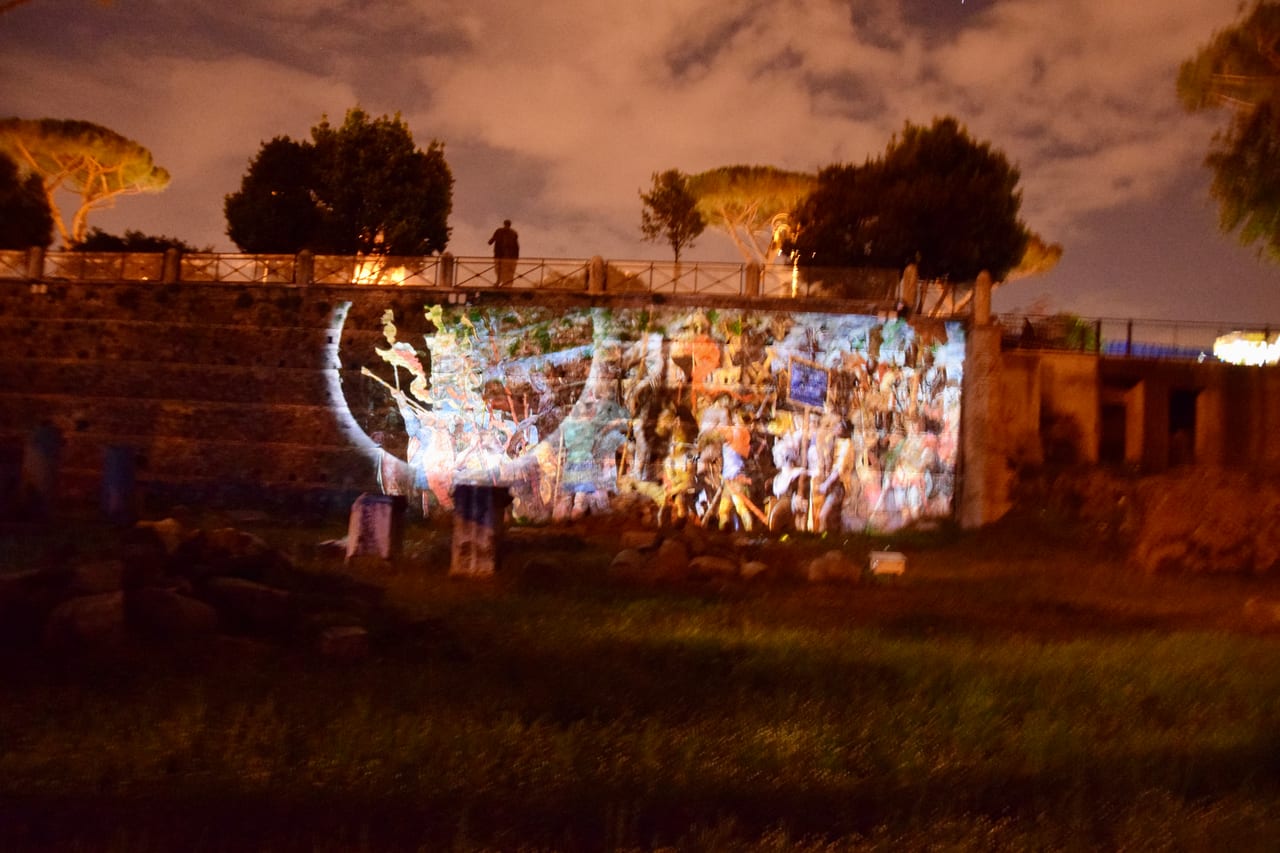
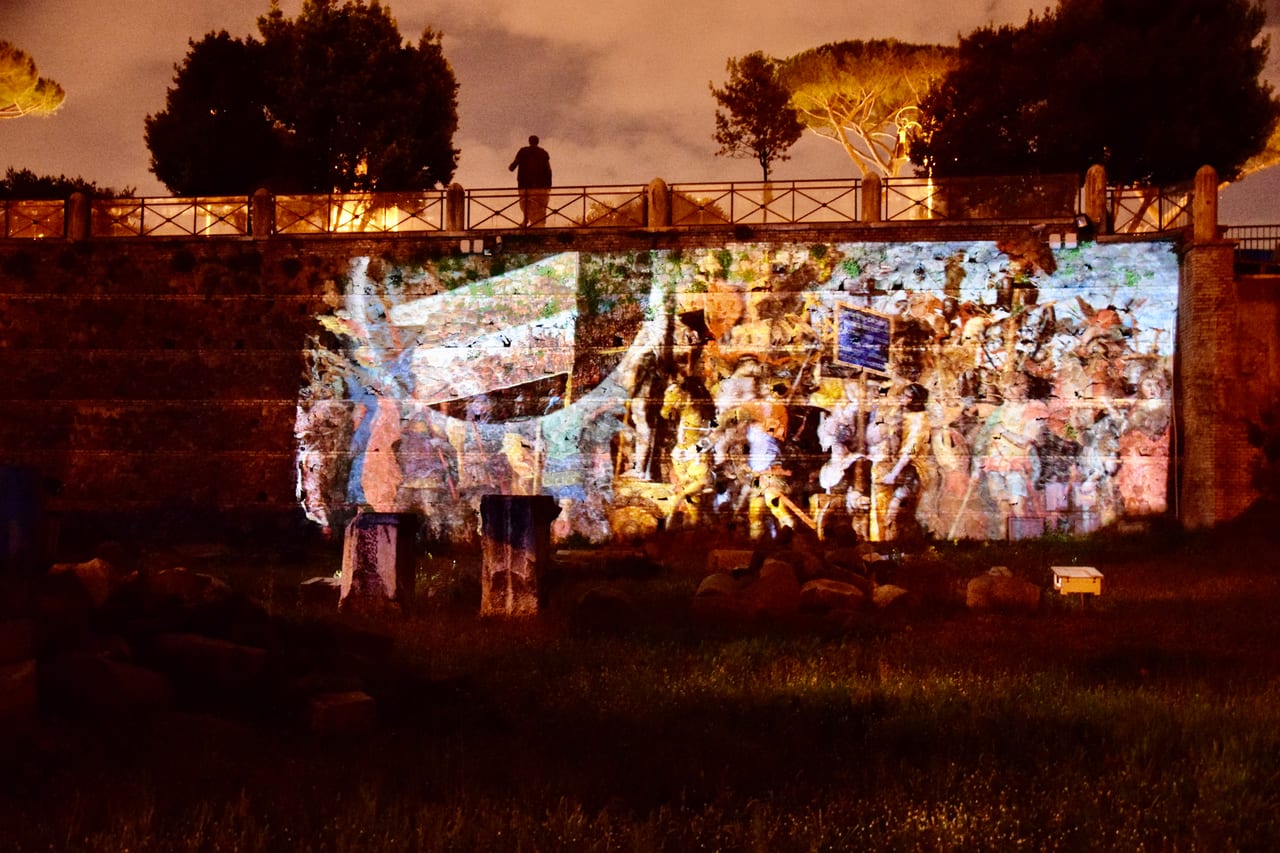
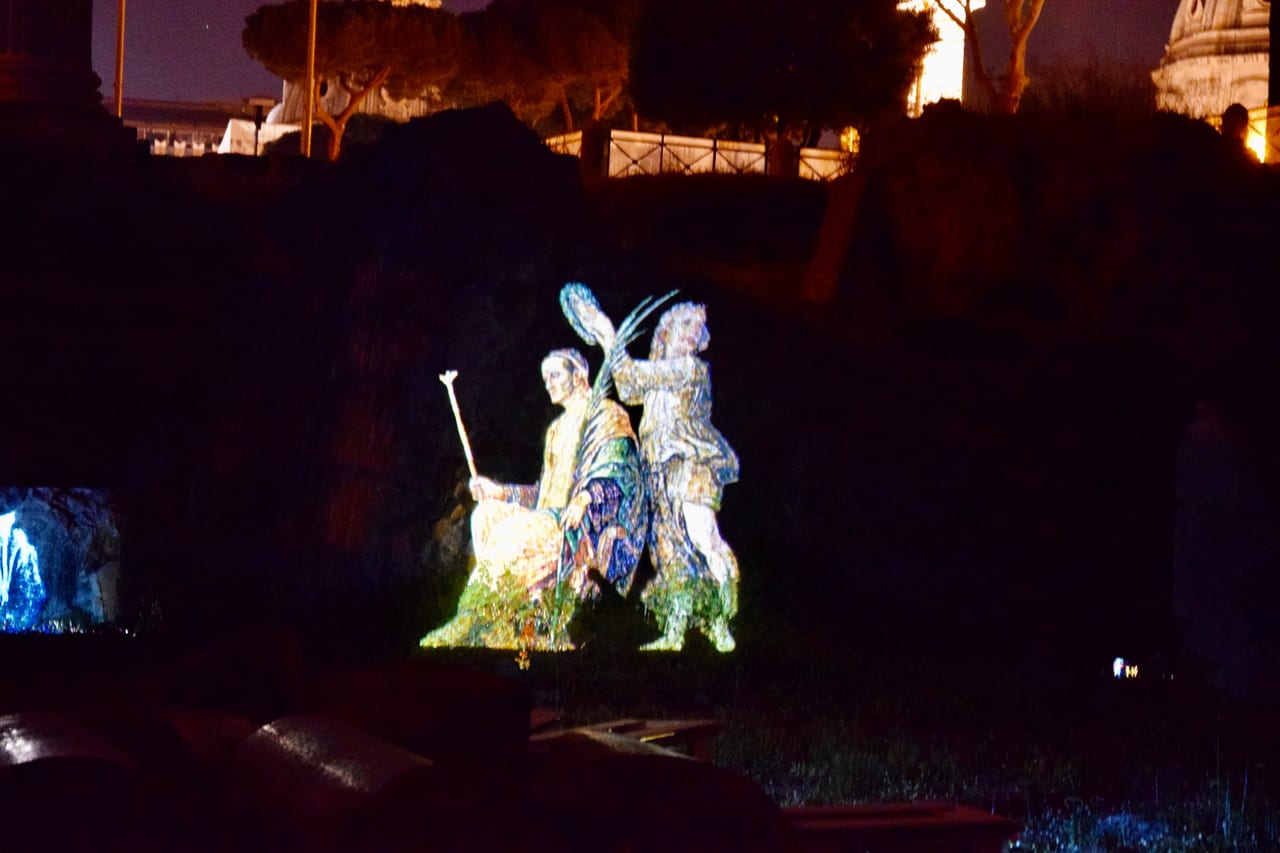
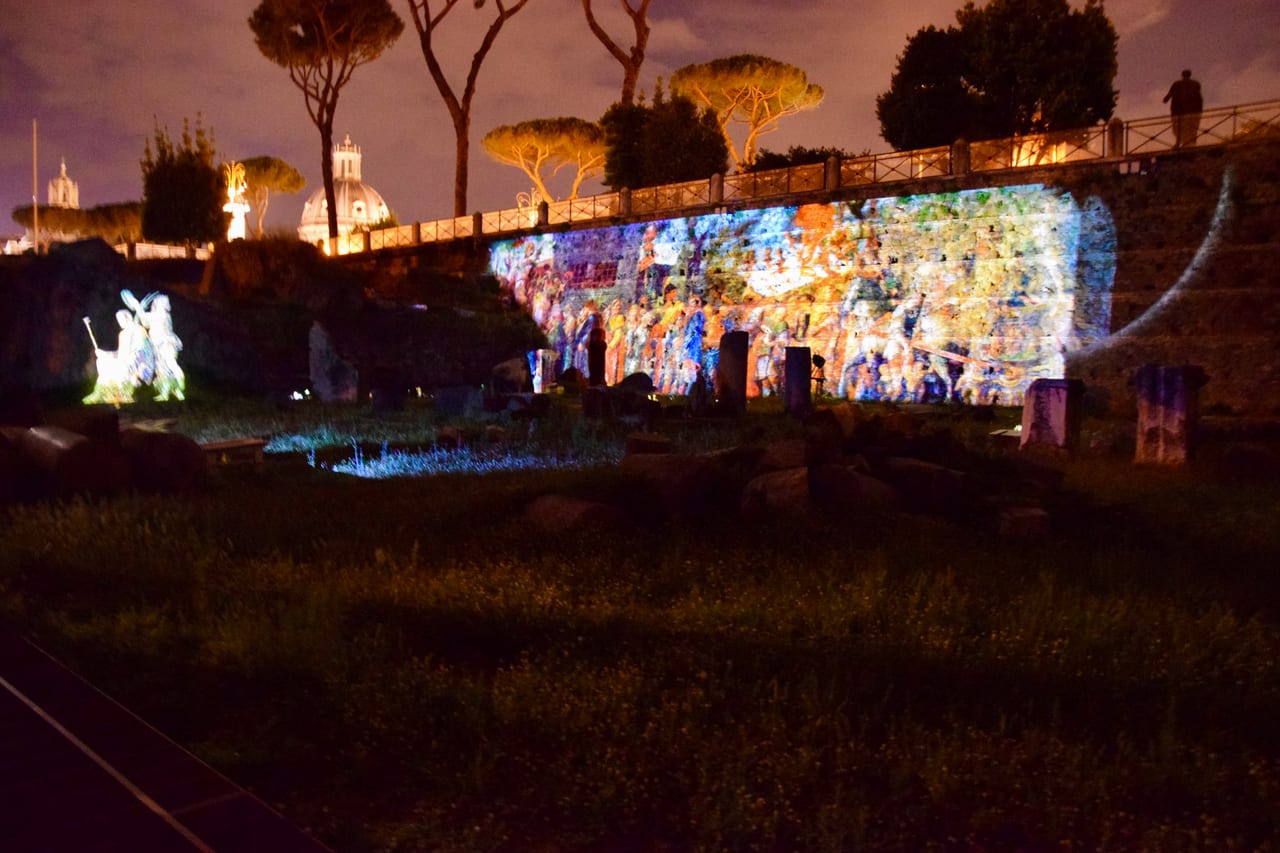
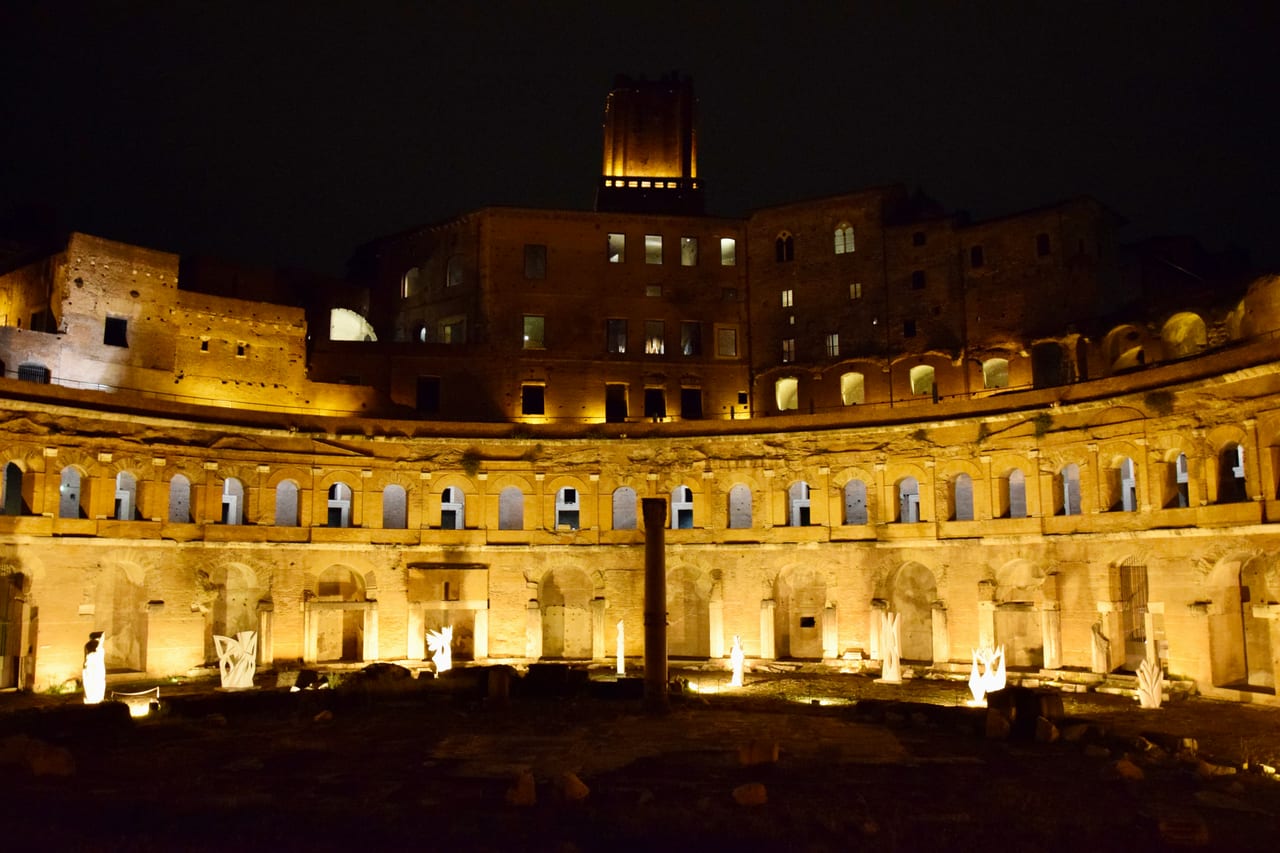
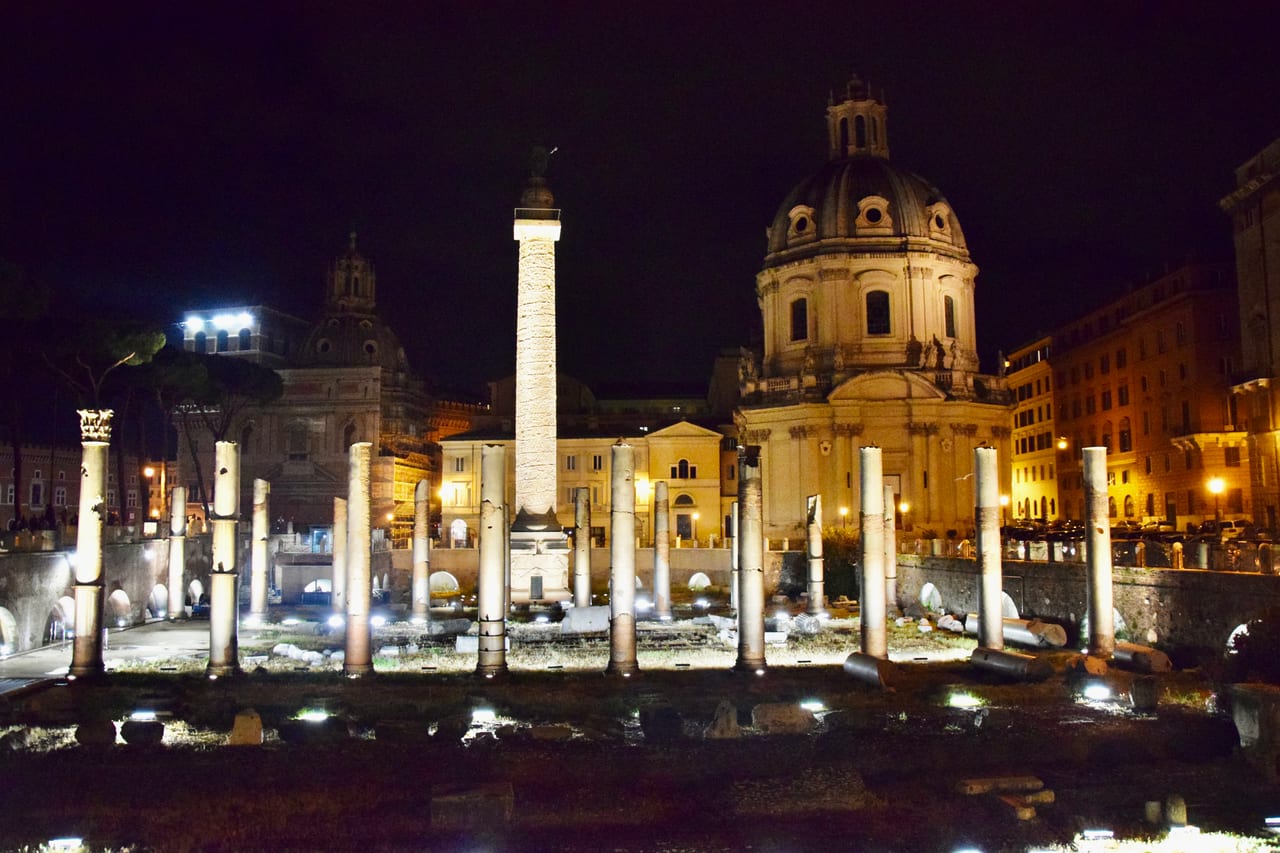
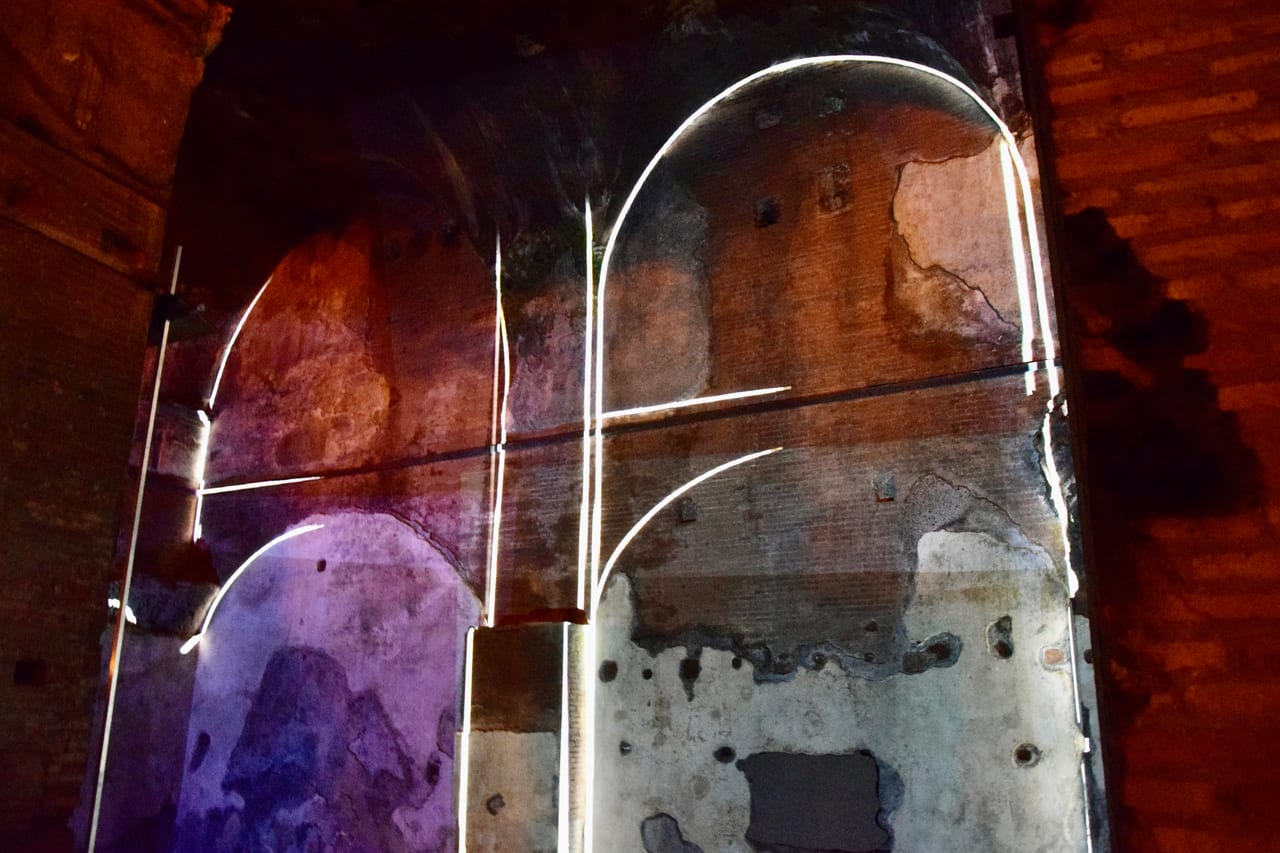
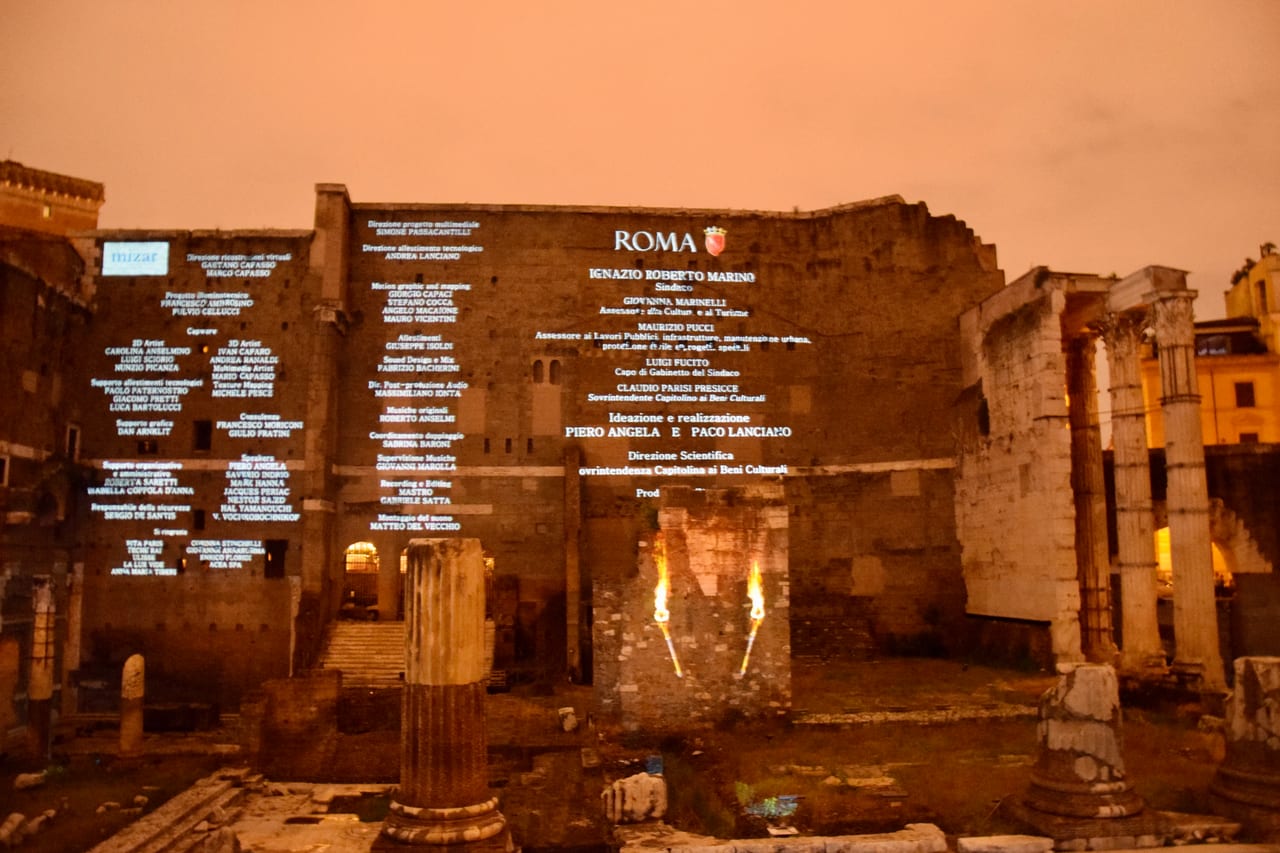
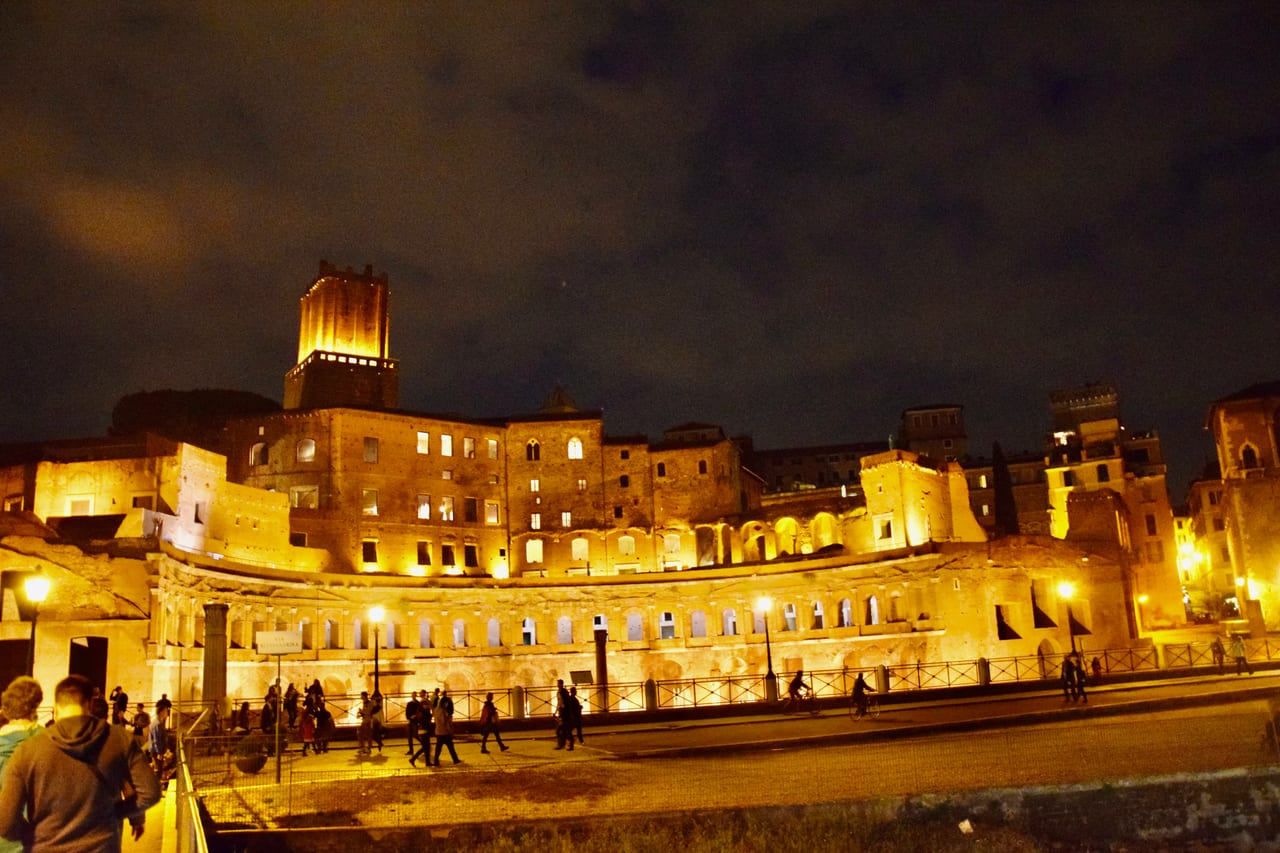
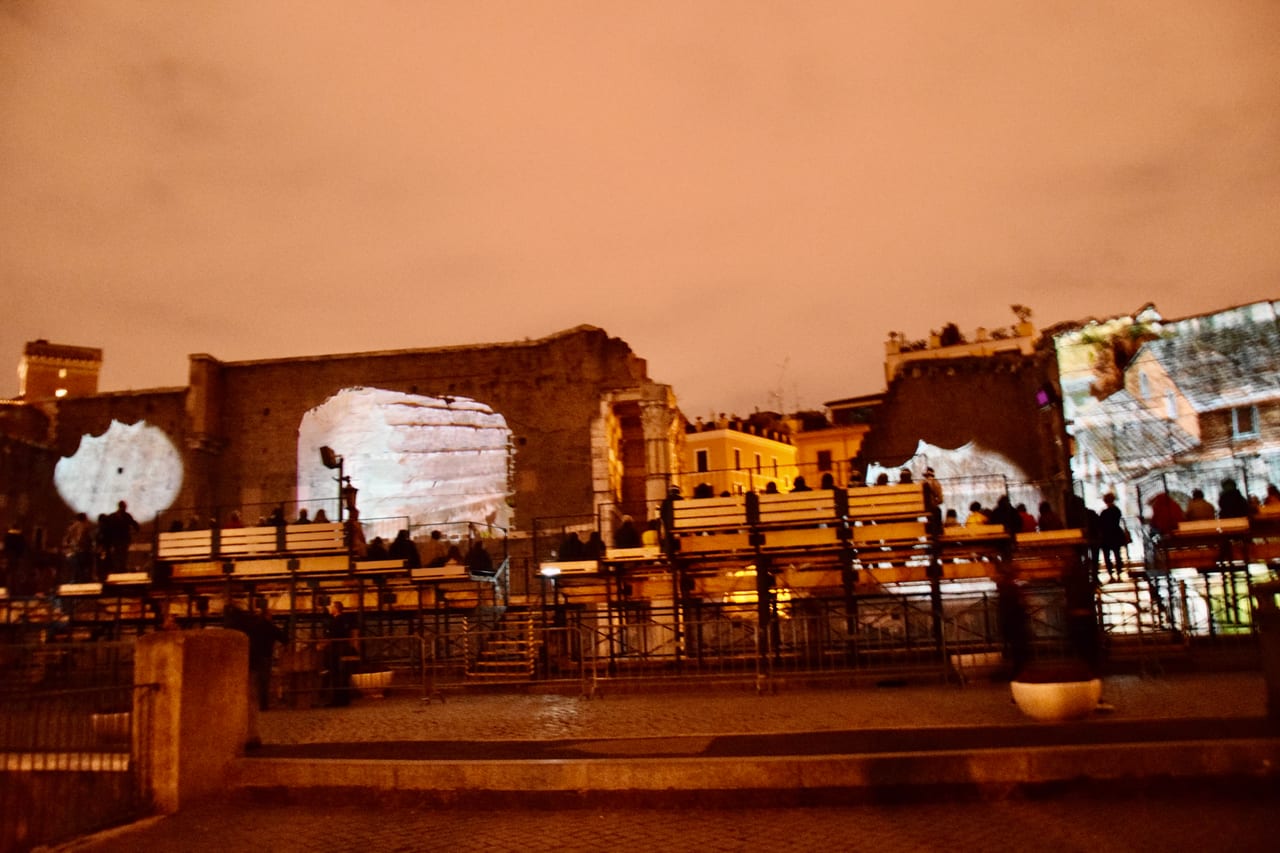
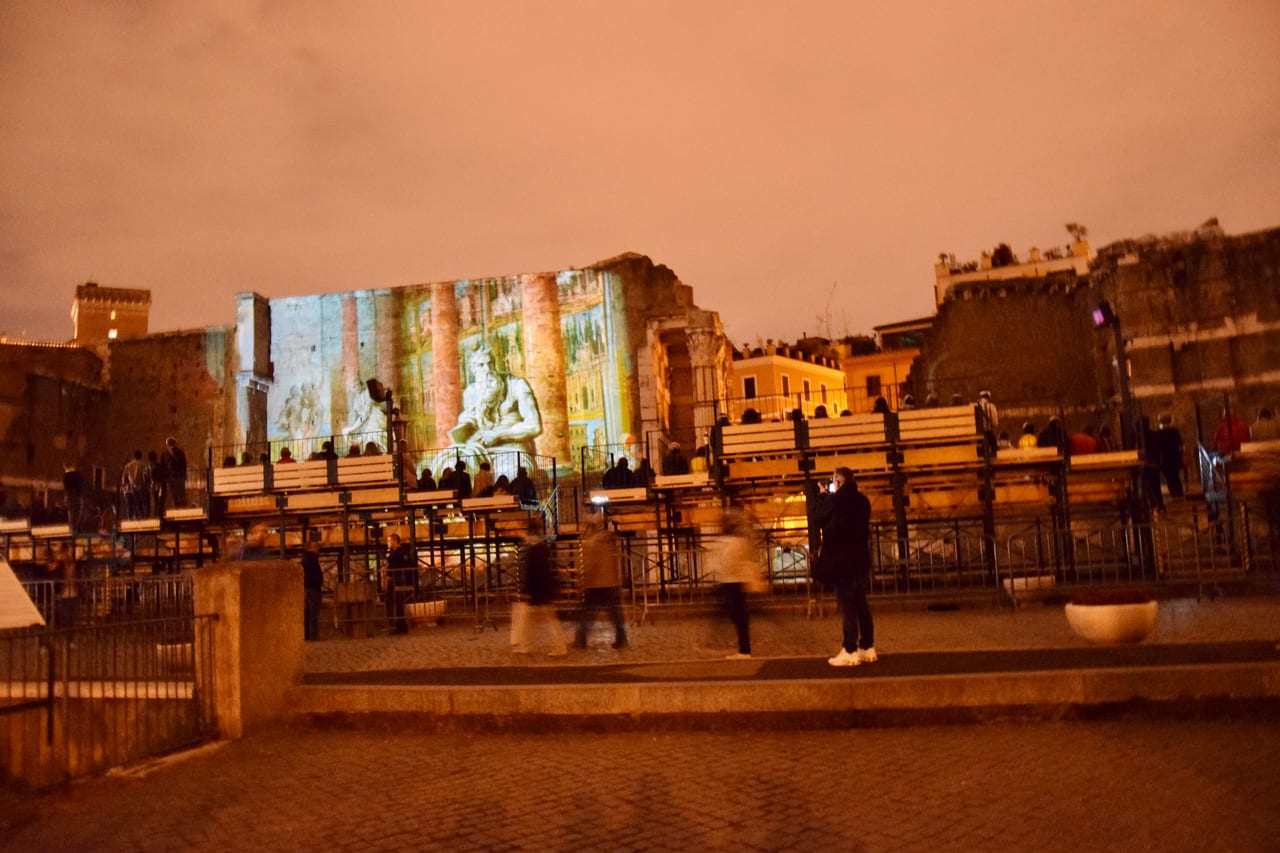
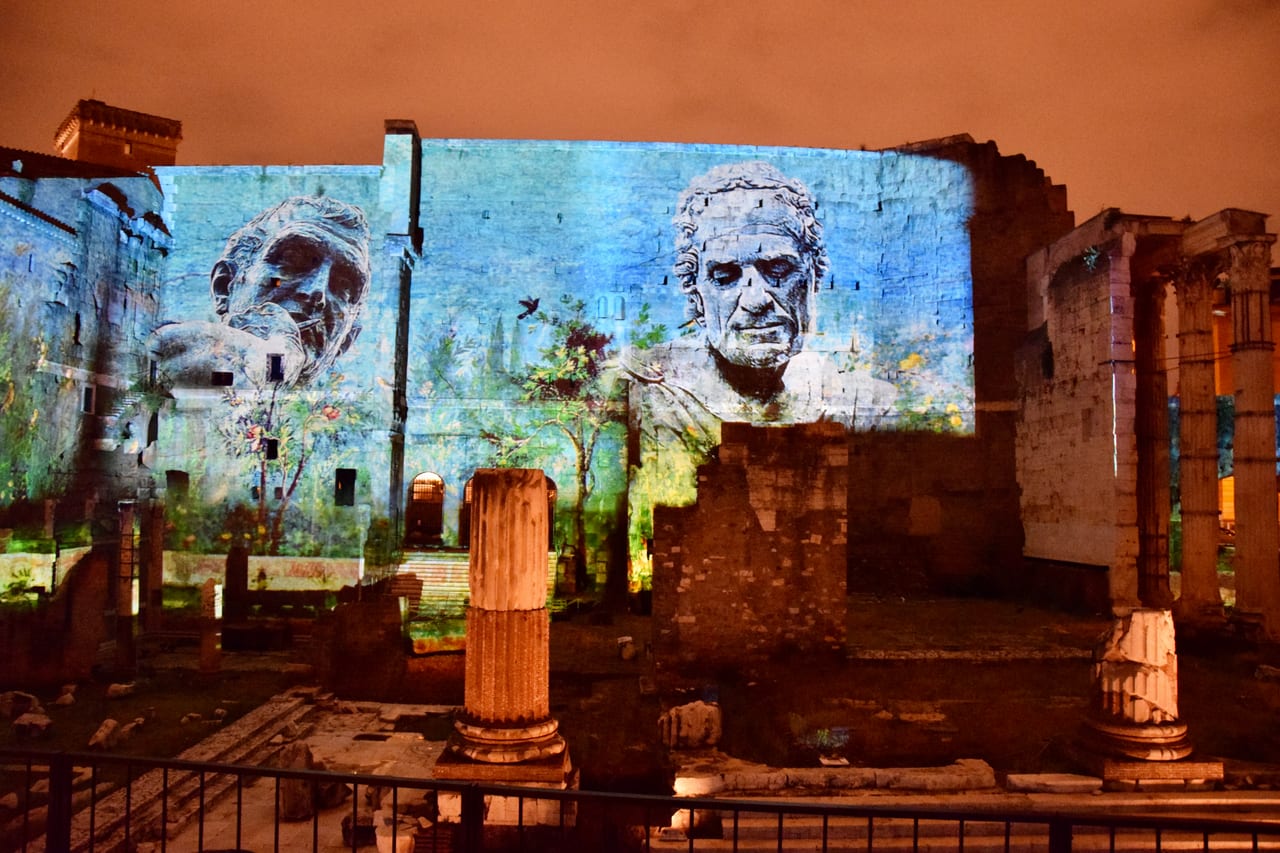
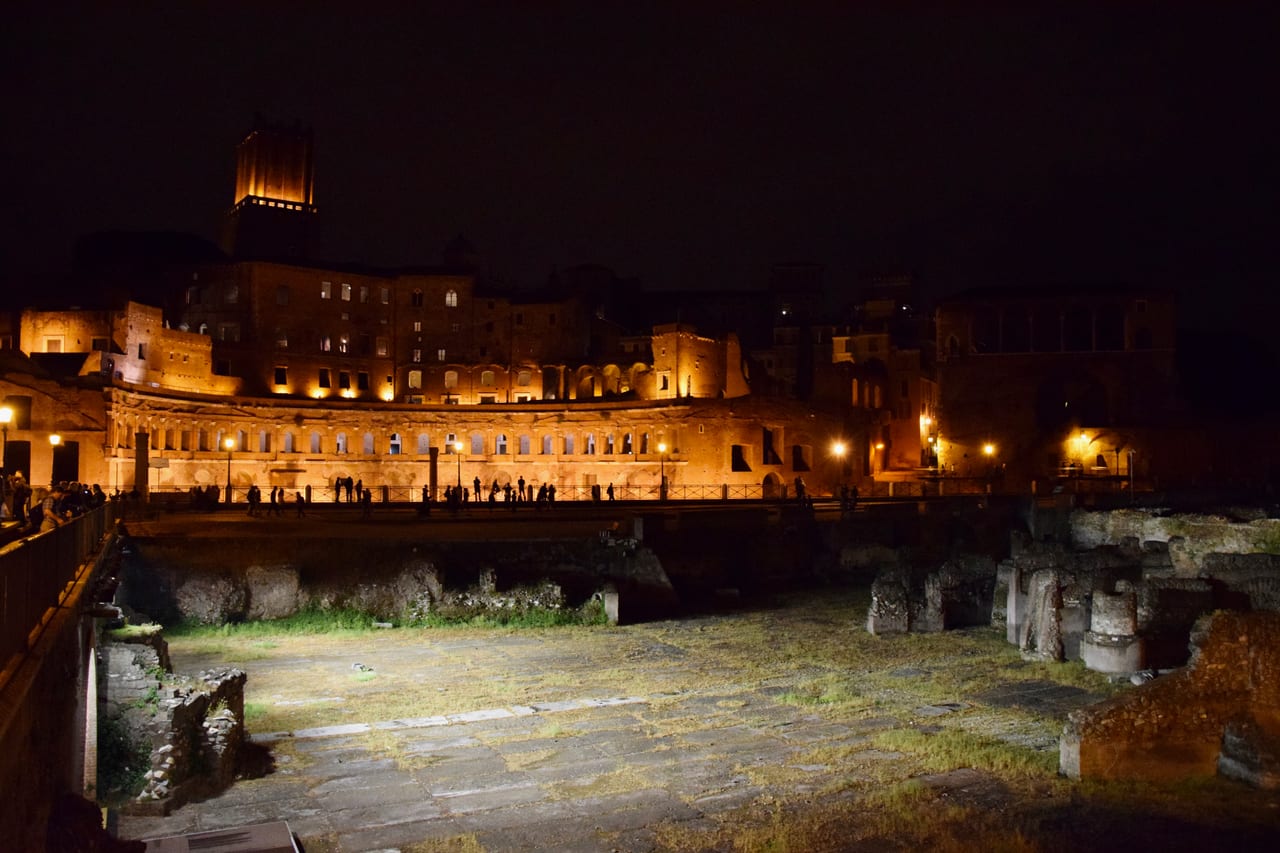
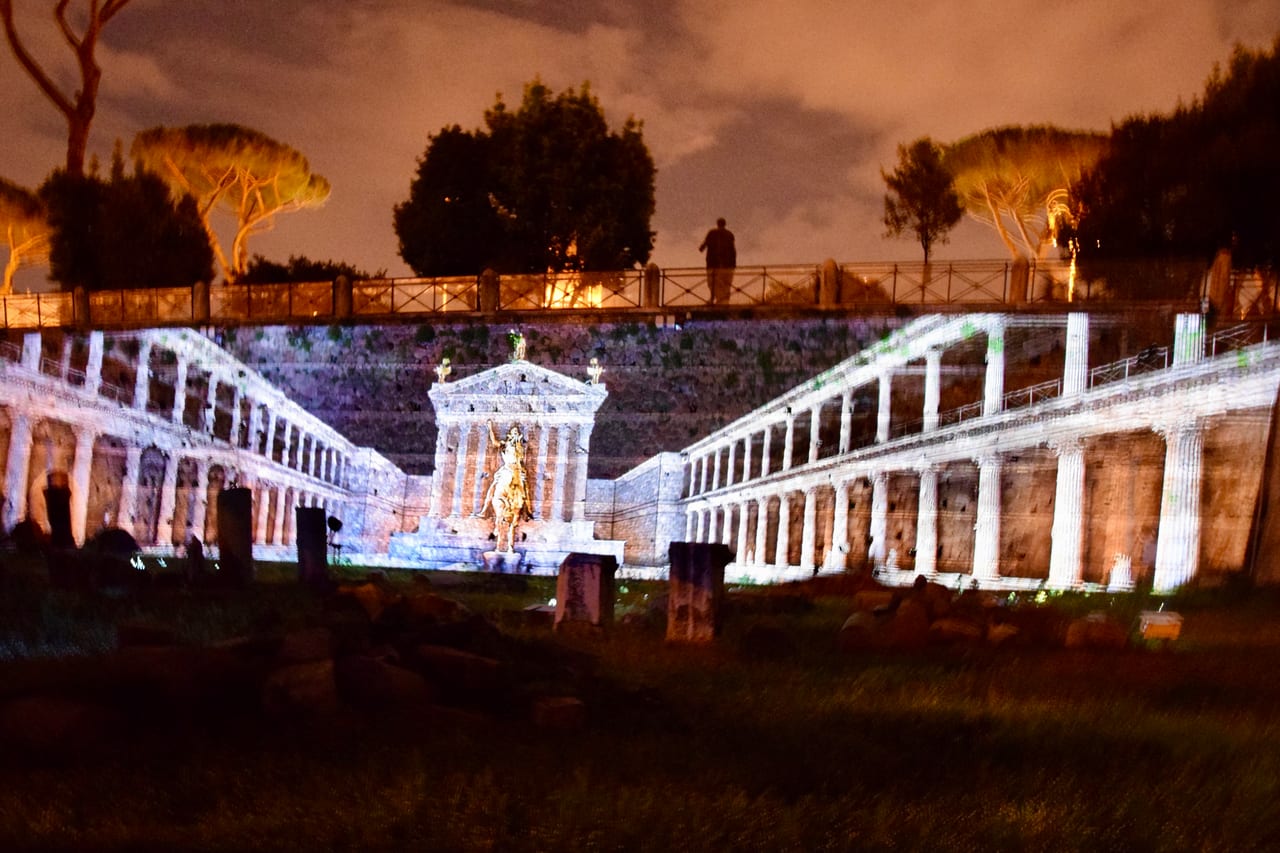
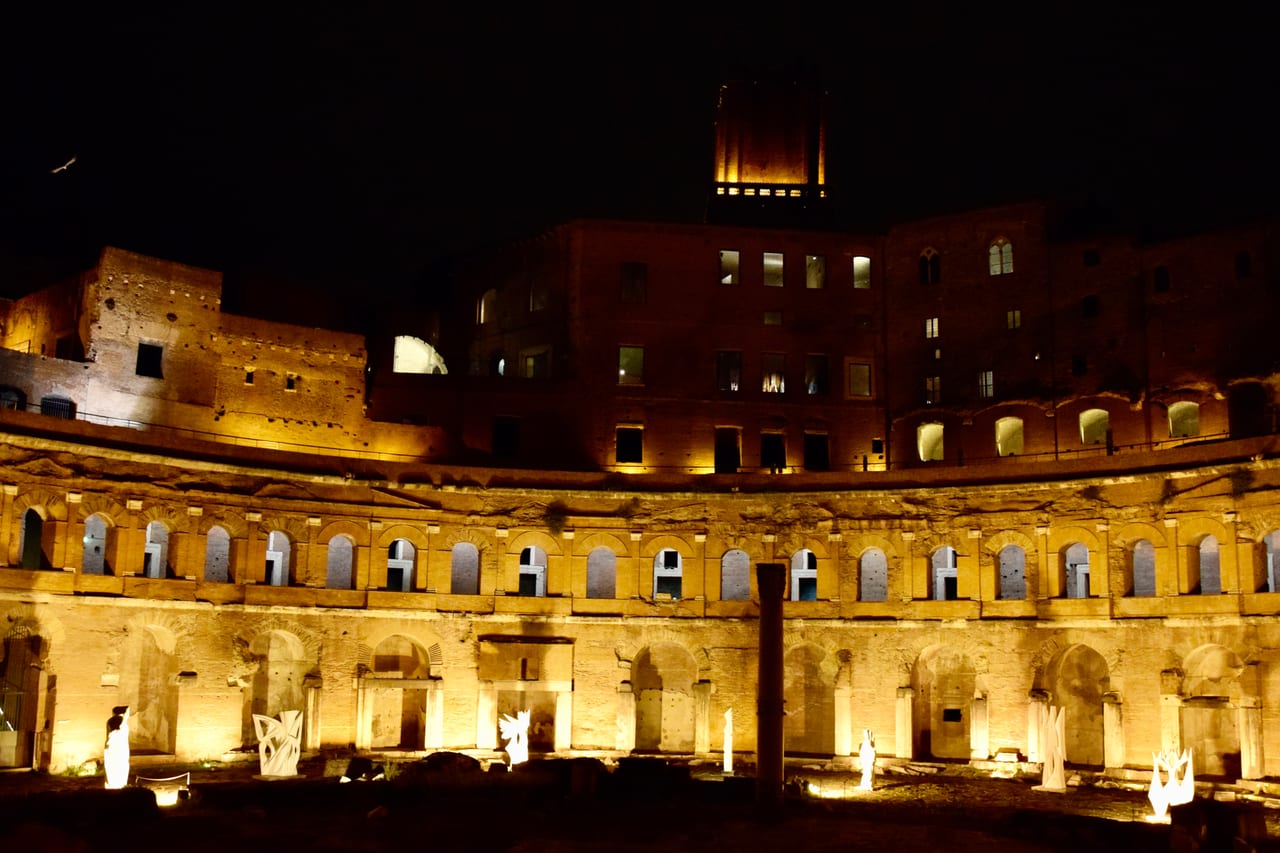
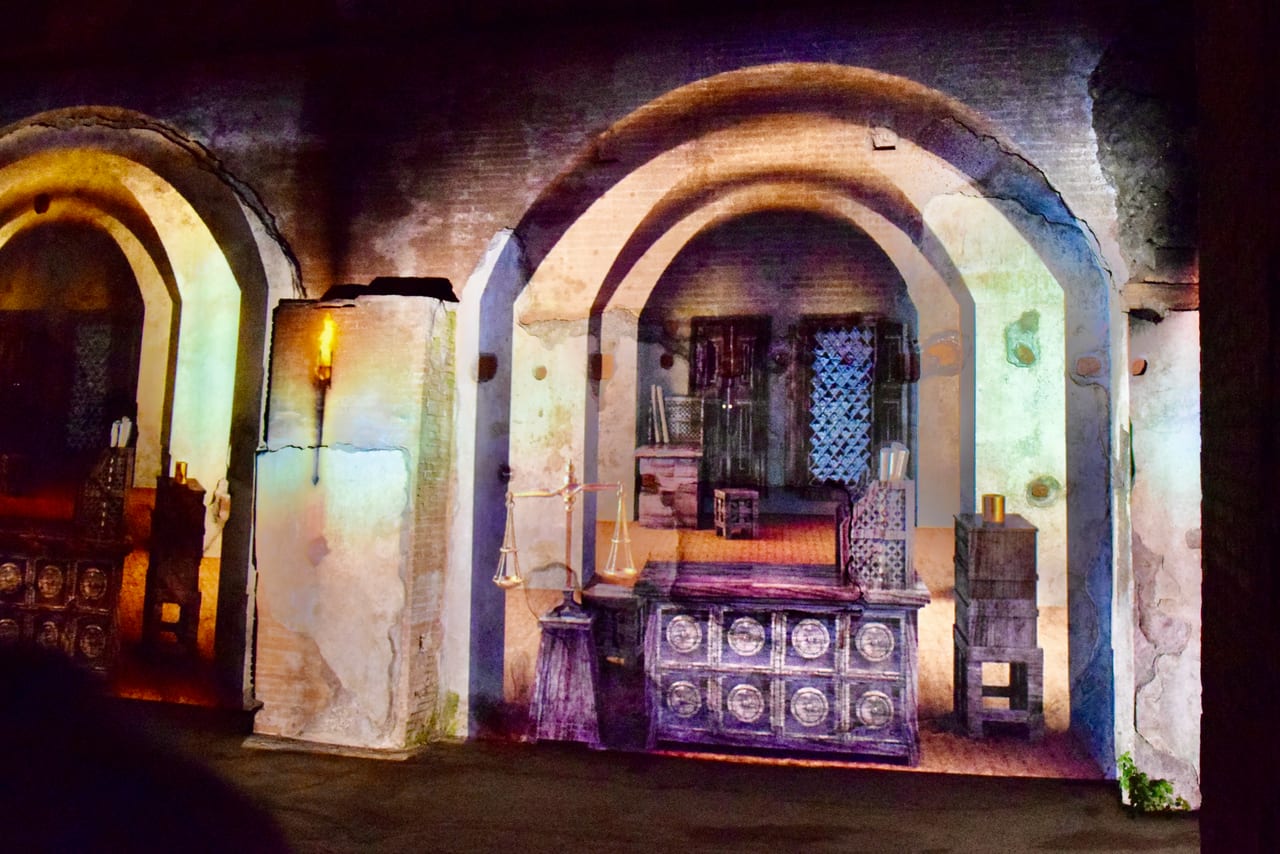
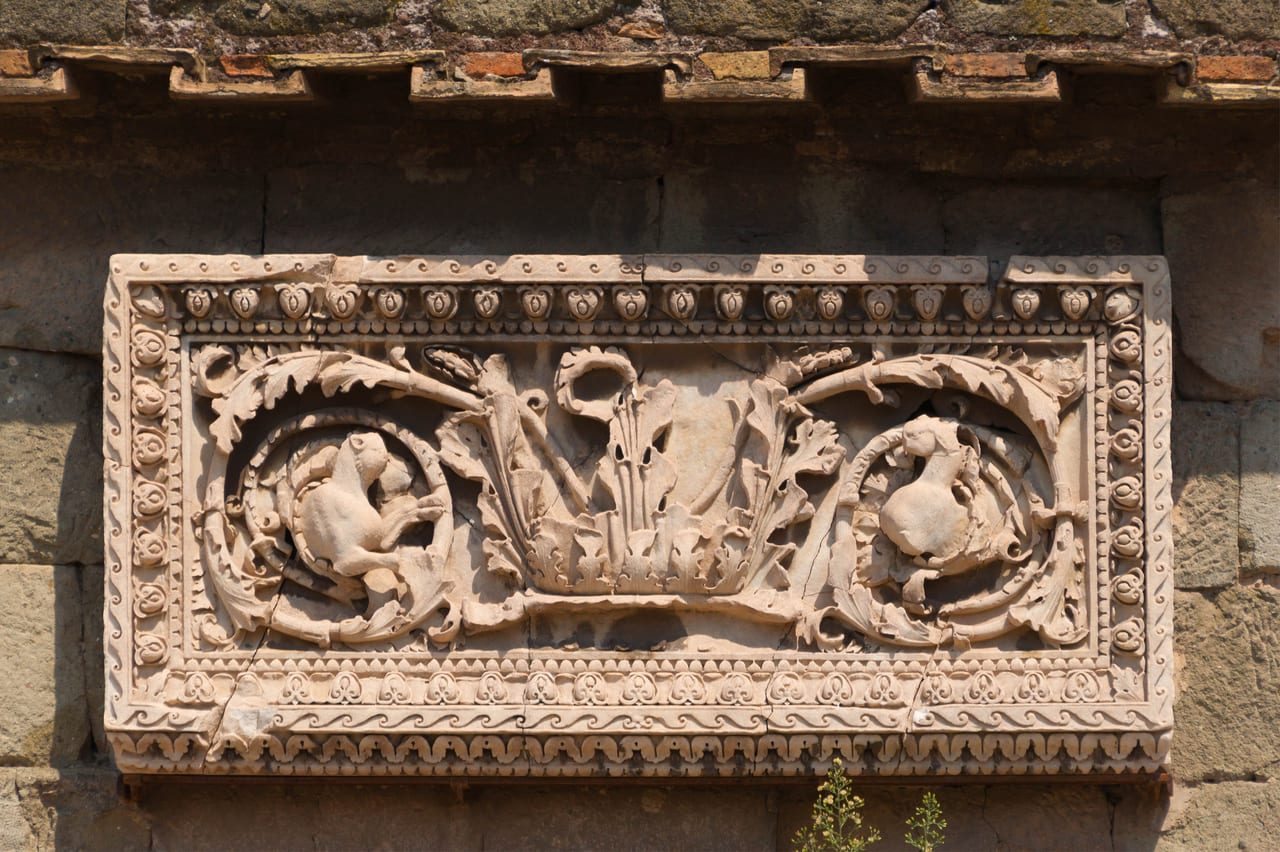
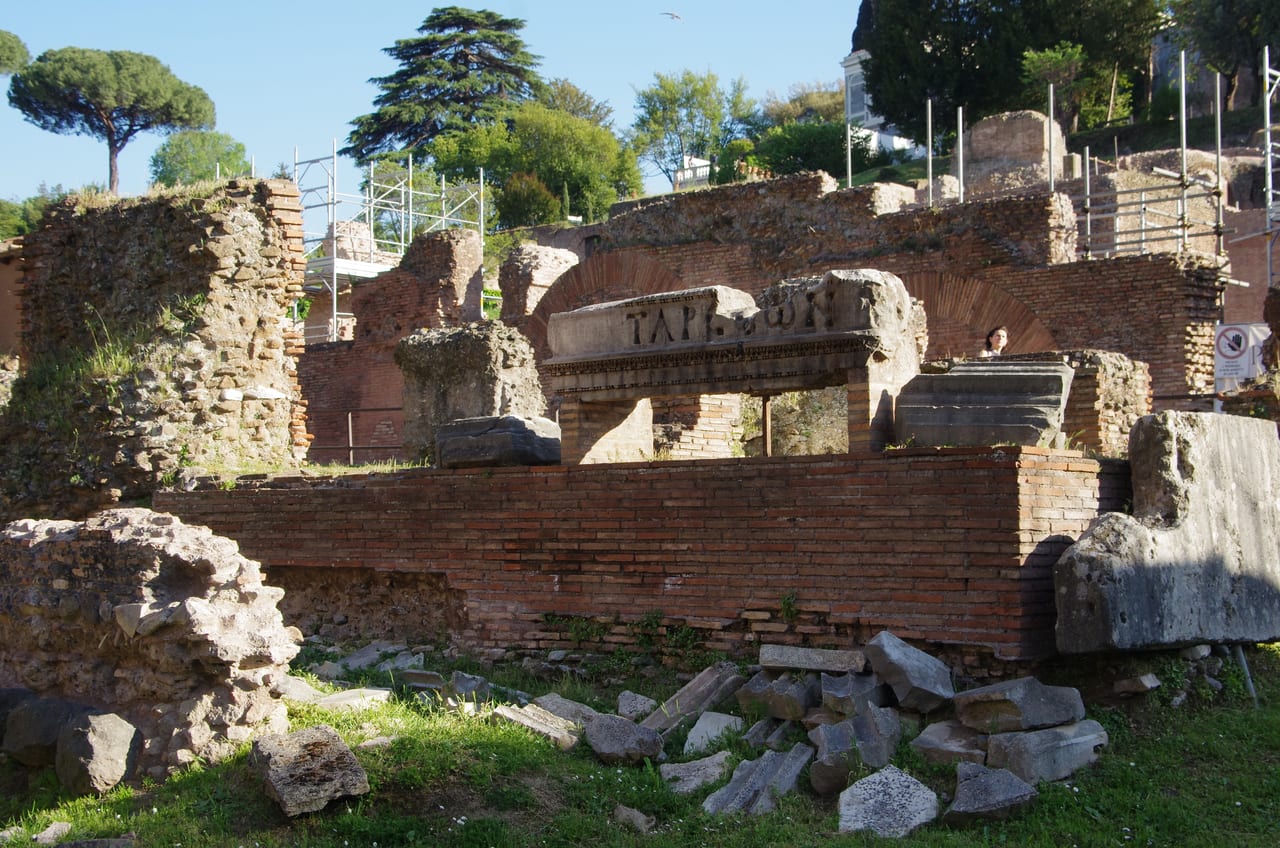
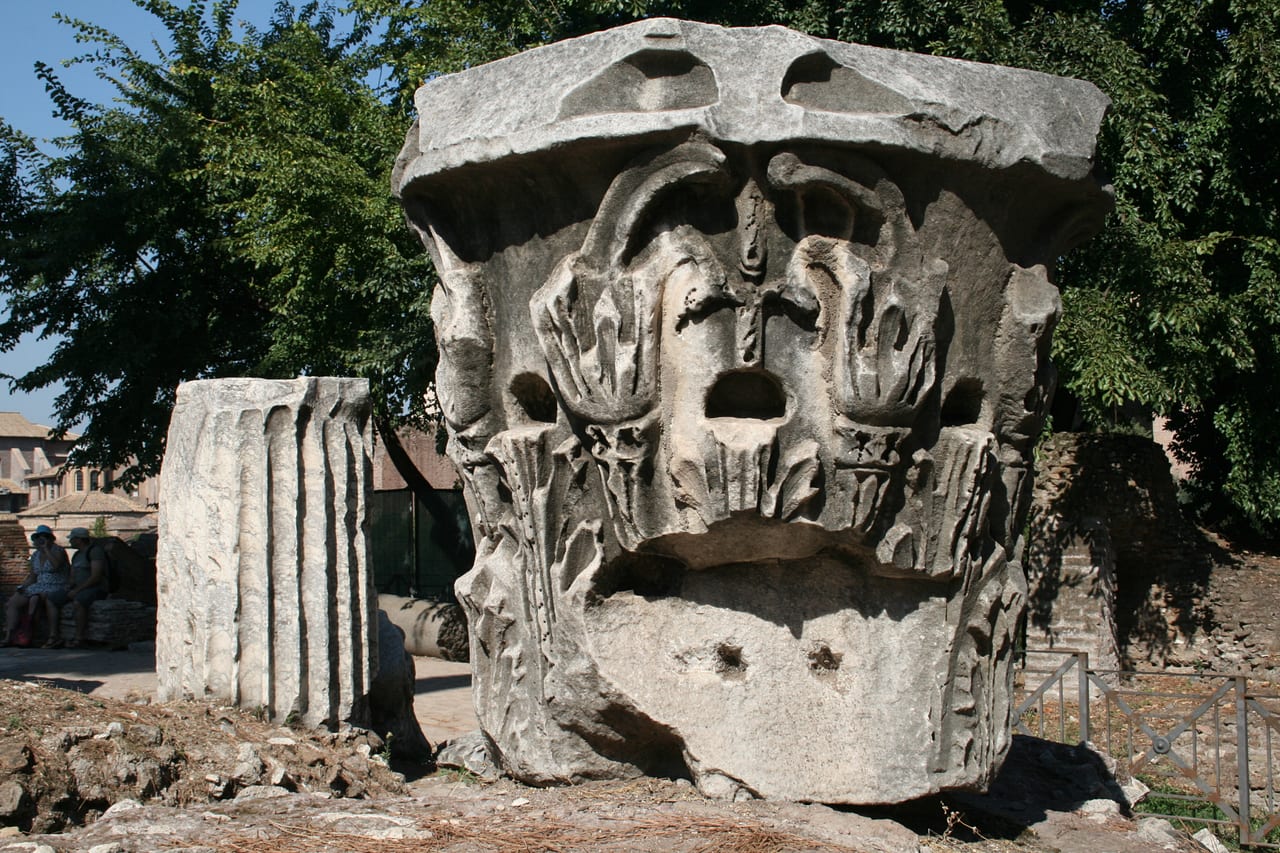
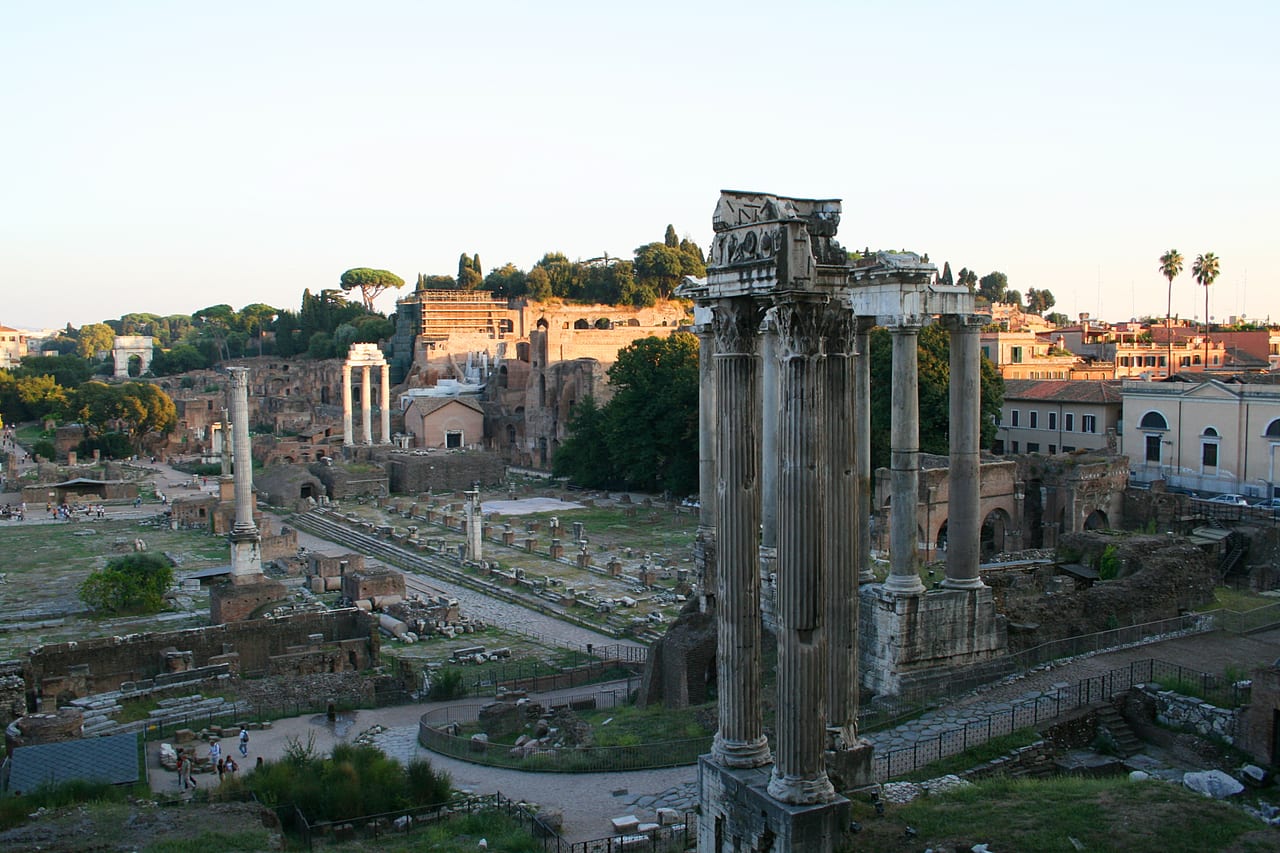
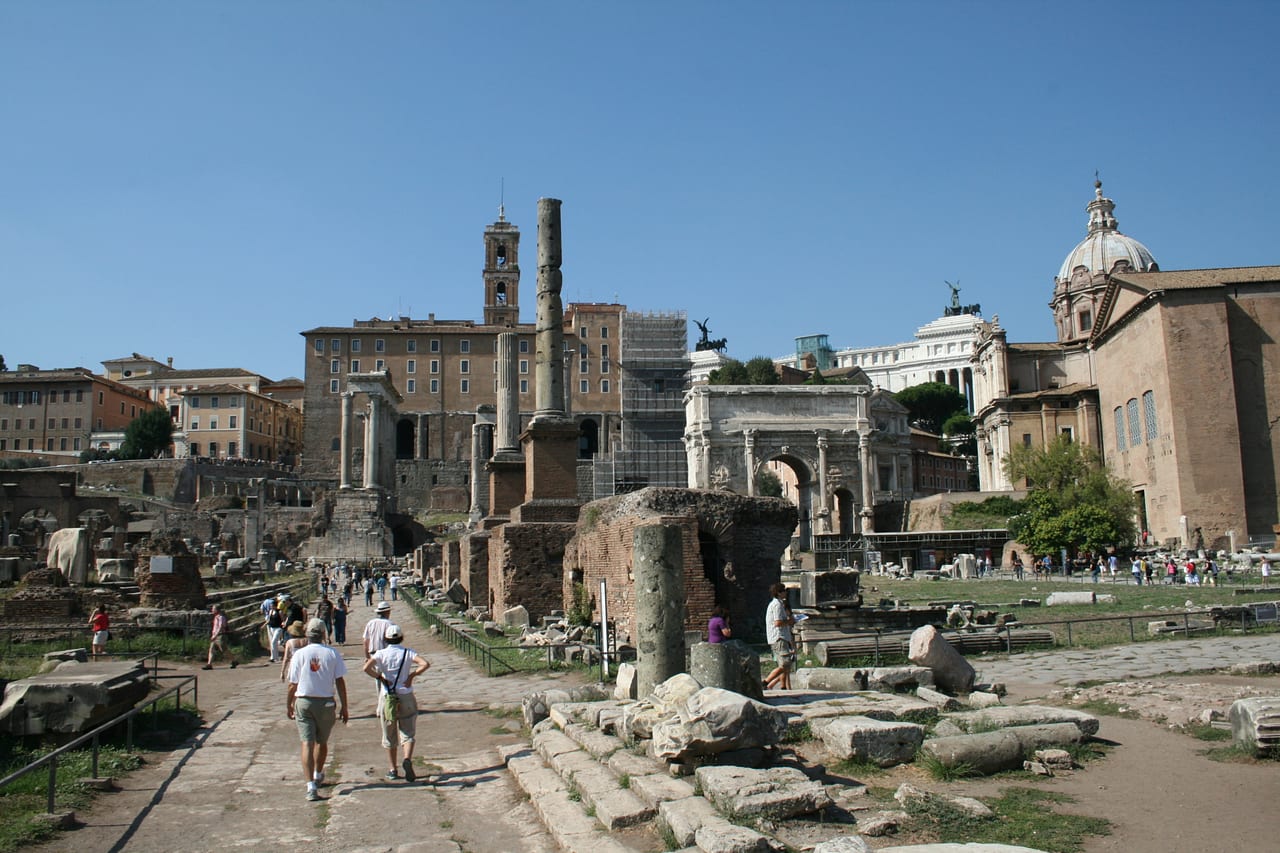
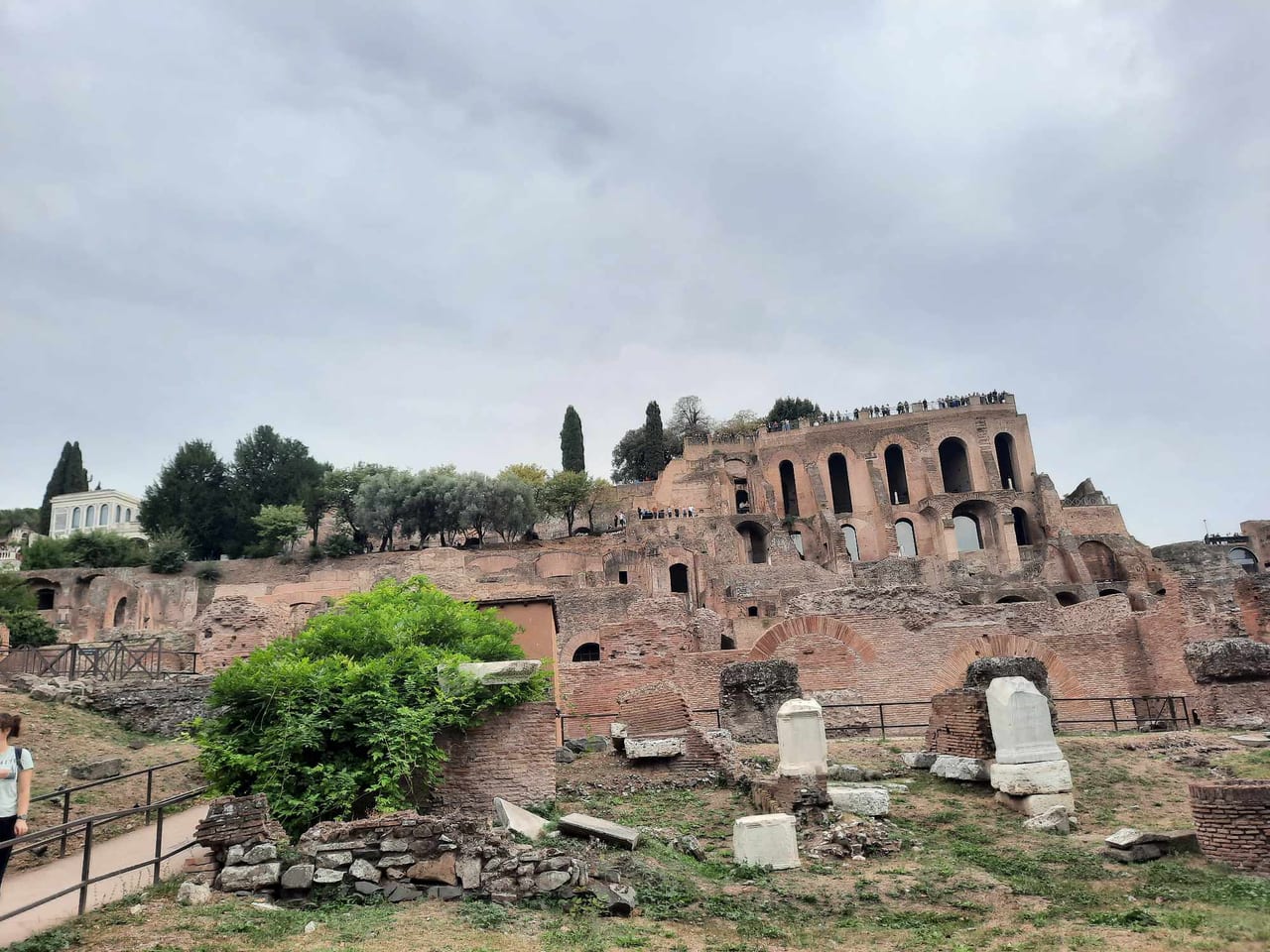
Photograph 1 of 35 of Roman Forum
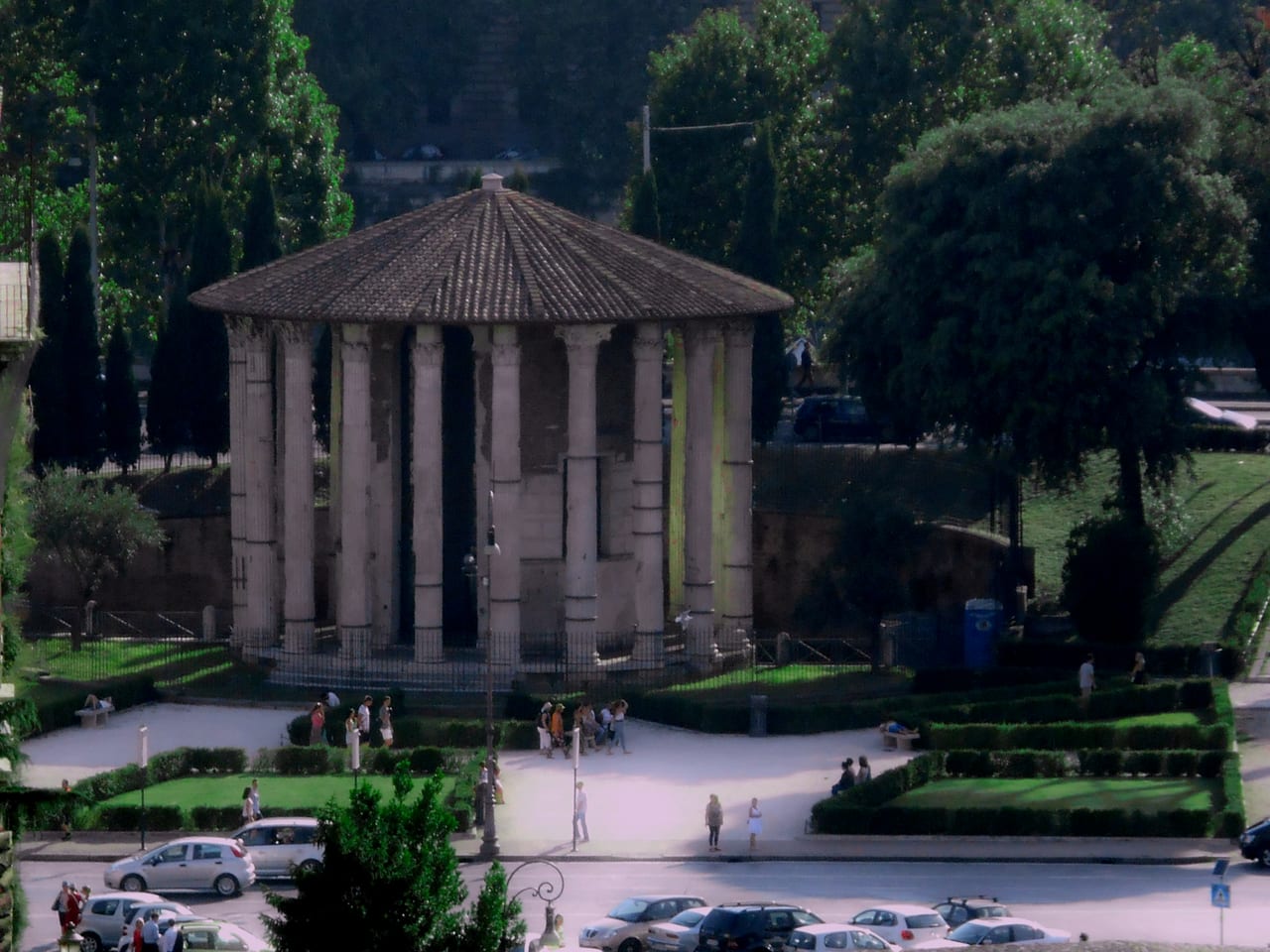
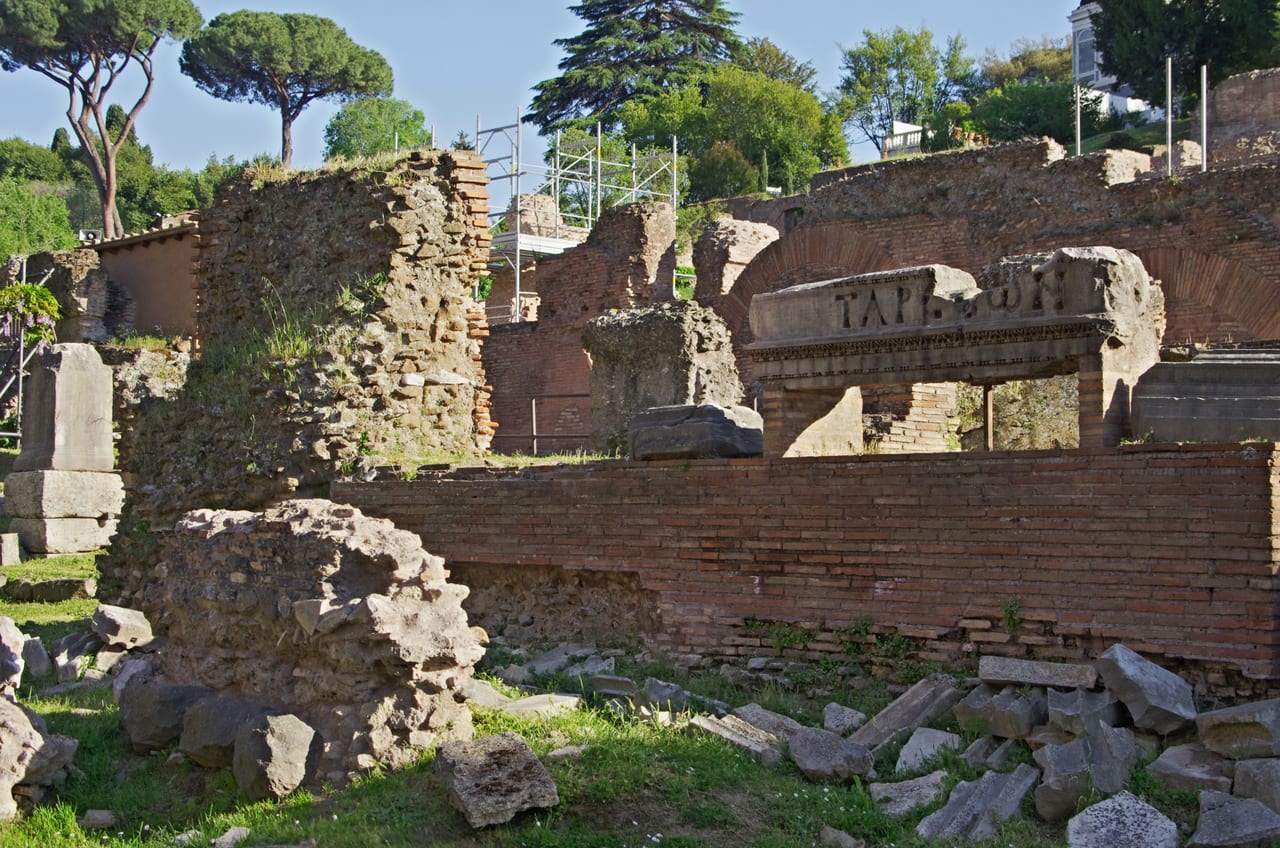
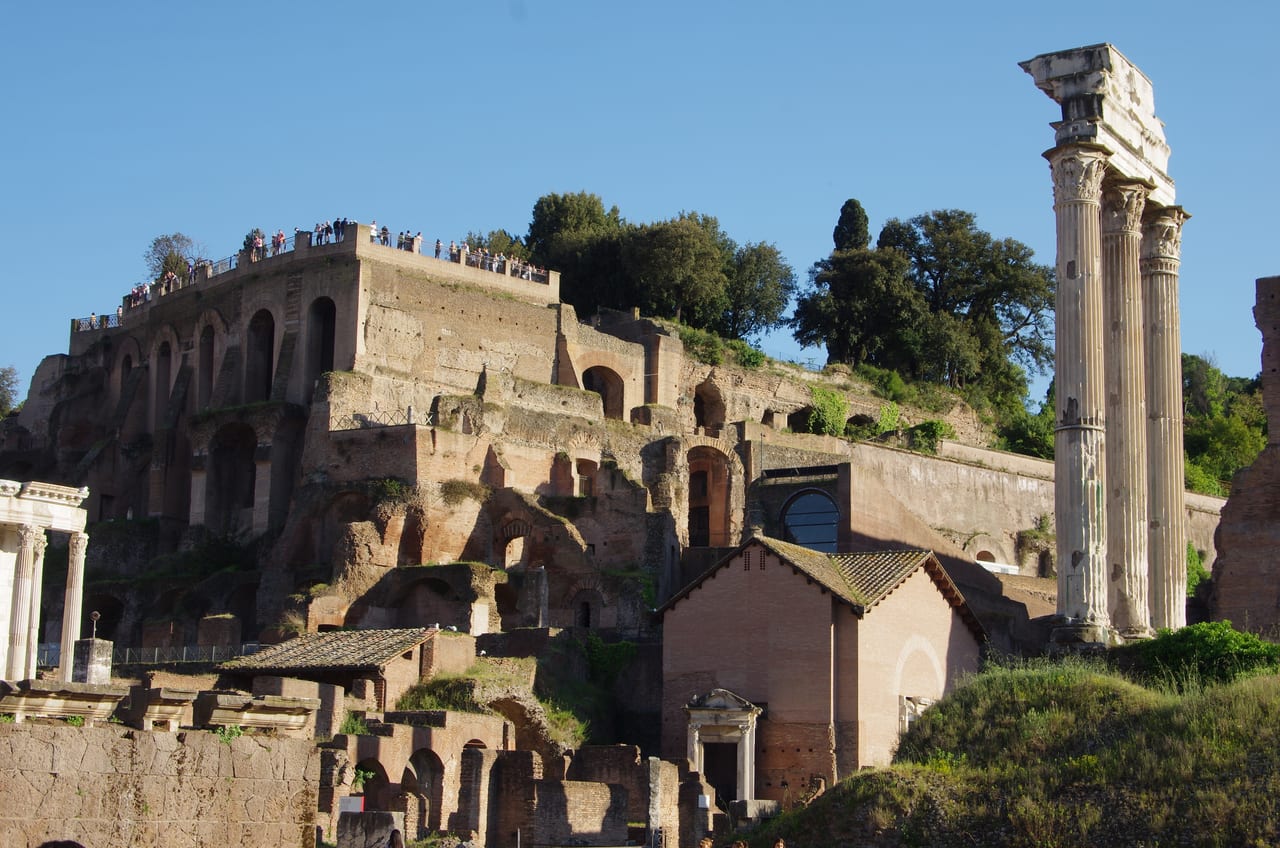
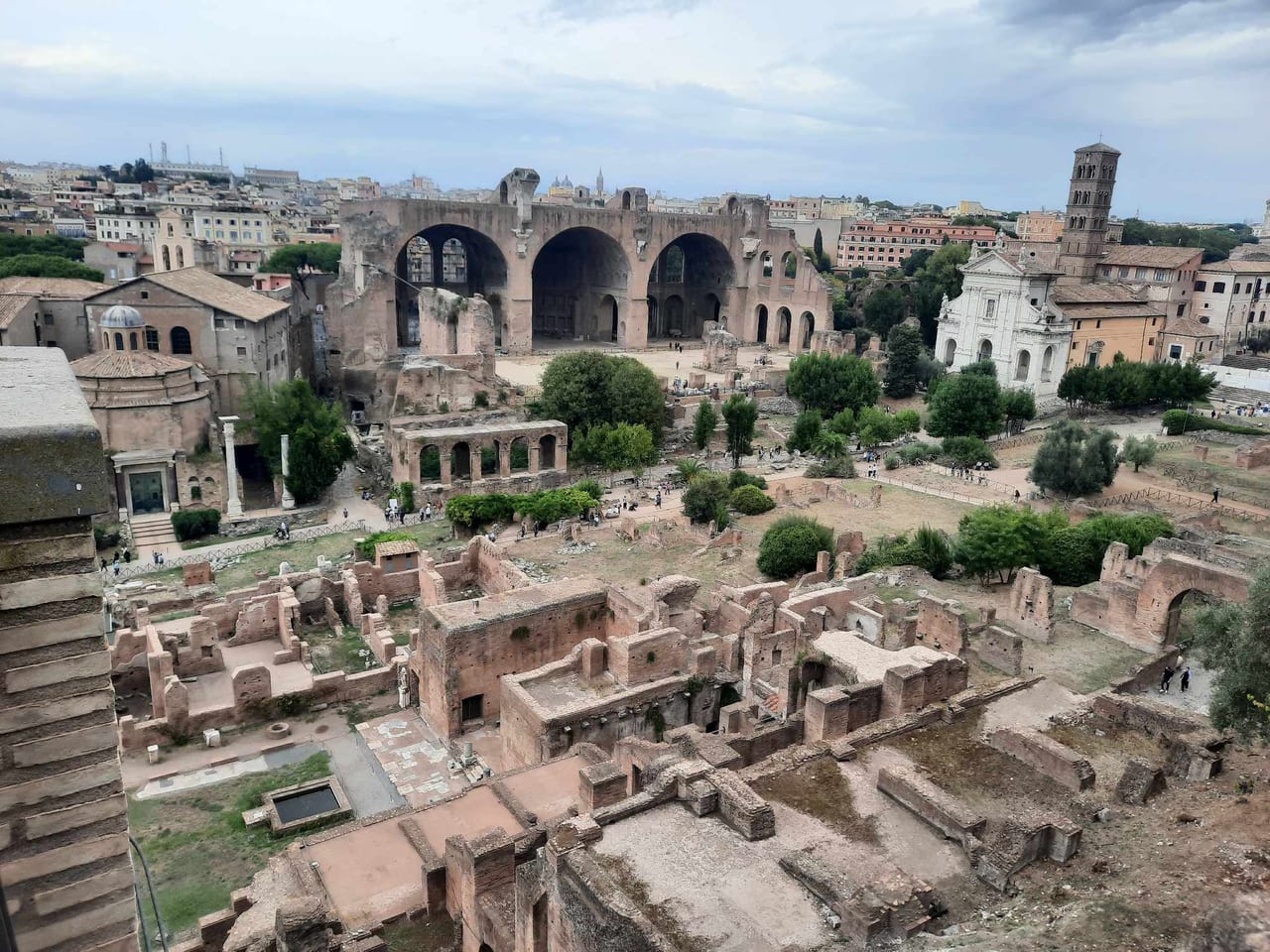
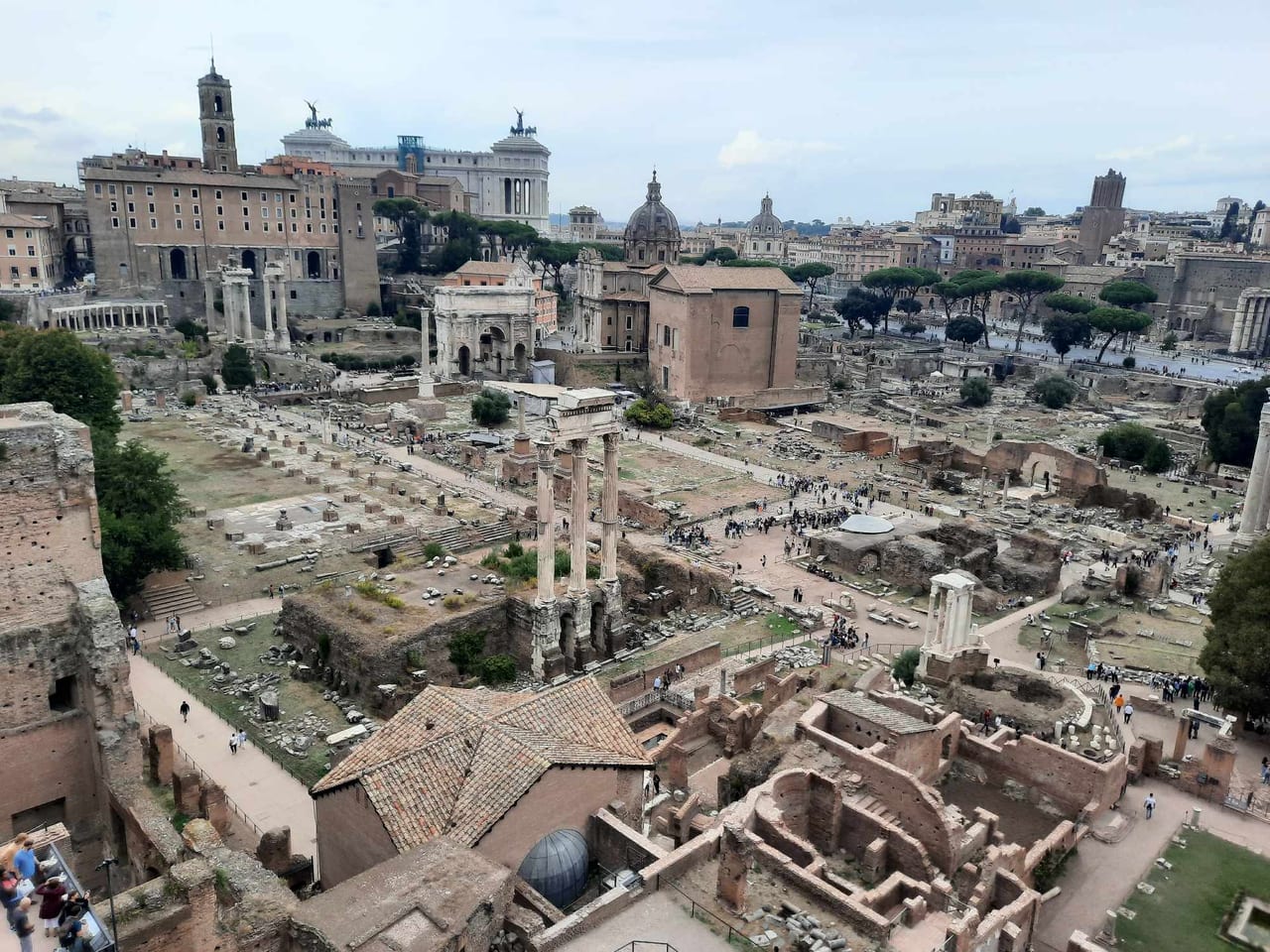
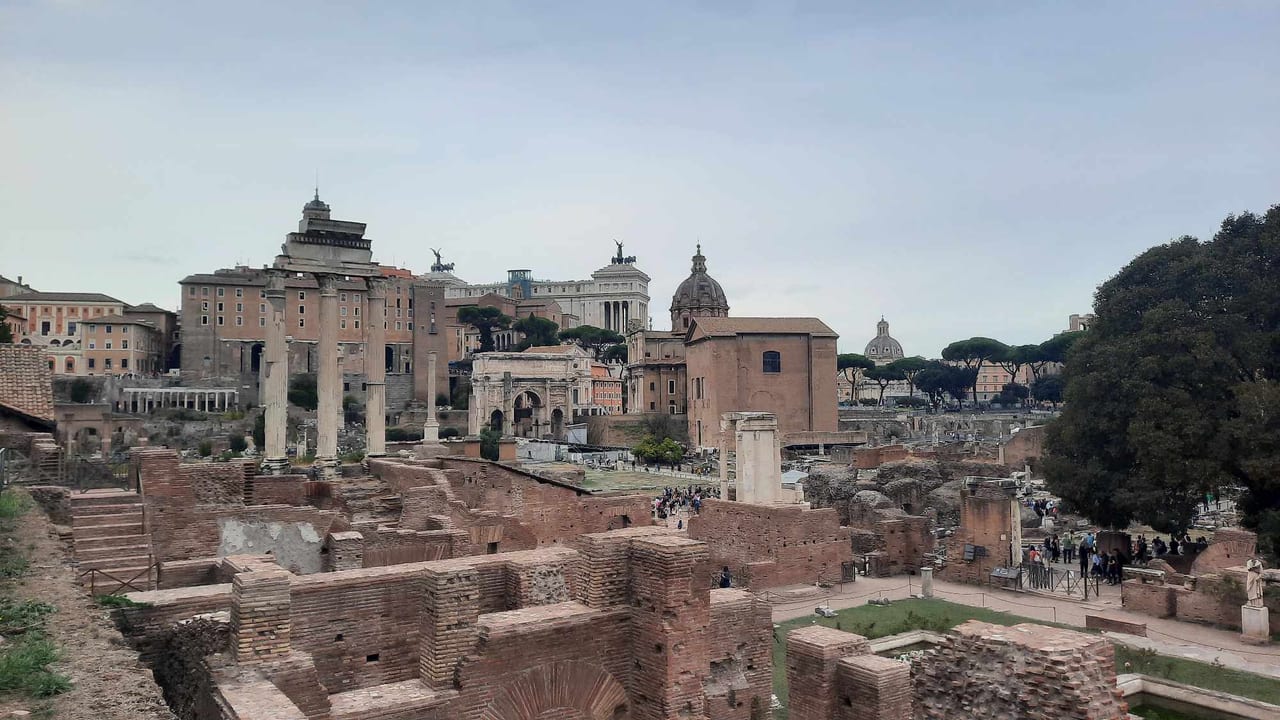
The Forum emerged in the 8th century BC, when a former cemetery and marshy valley between Rome’s hills became a public and religious precinct. The Tarquins drained it through the Cloaca Maxima; Roman tradition linked its beginnings to Romulus, Titus Tatius and the Sabine alliance. Numa Pompilius was said to have established the cult of Vesta, the temple and the Regia, while the Comitium developed nearby as the setting for assemblies and the Senate. During the Republic, temples to Saturn, Castor and Pollux, and Concord rose around the expanding plaza. Basilicas, beginning with Marcus Porcius Cato’s project in 184 BC, transformed it into a monumental civic centre. The Forum hosted elections, trials, speeches, triumphs and gladiatorial matches; Cicero denounced Catiline there, and Marc Antony delivered Caesar’s funeral oration from the Rostra. Later additions included the Arch of Septimius Severus and the Basilica of Maxentius, completed in 312 AD. As commerce and law shifted northward, the Forum’s political role diminished after the Western Empire’s fall.
At a glance
- Built
- 800
- Heritage
- Italian national heritage
Ways to explore Roman Forum
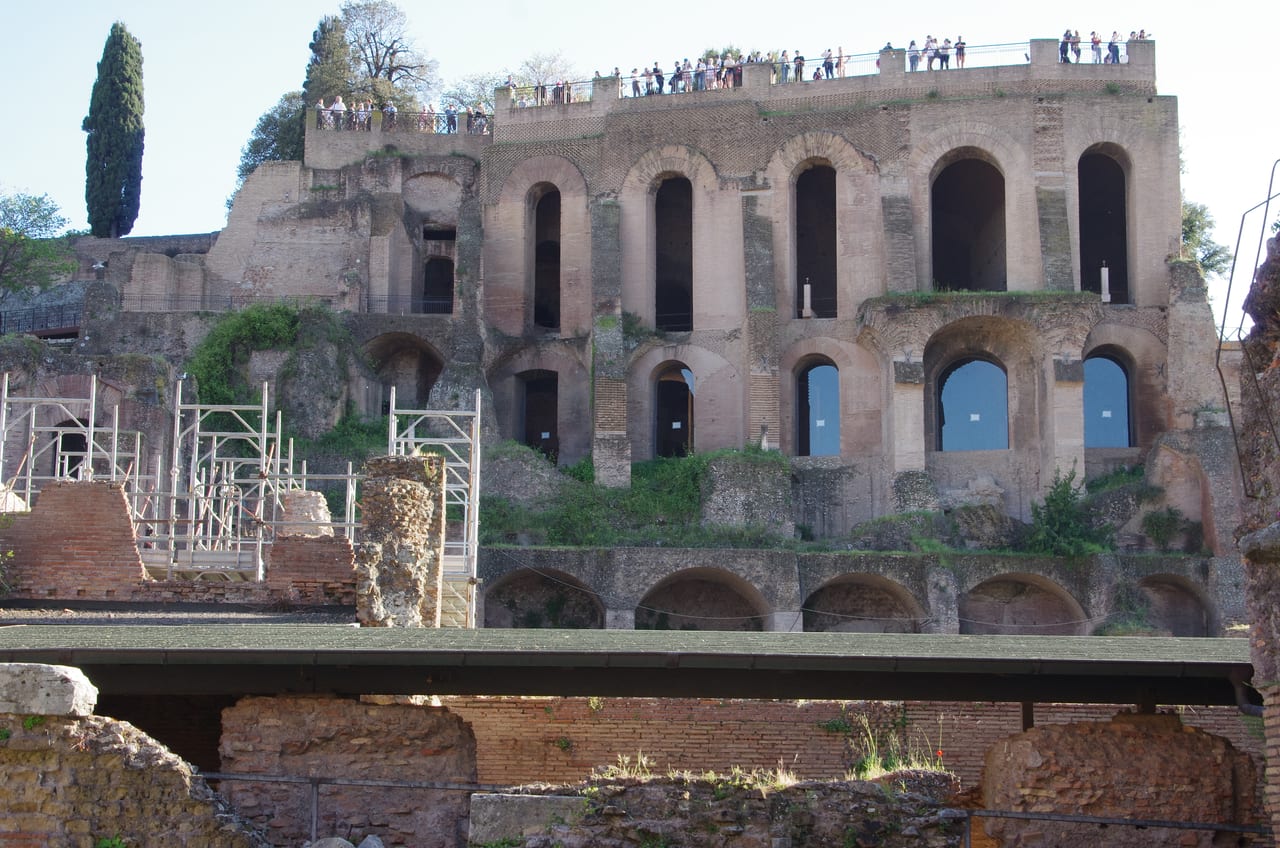
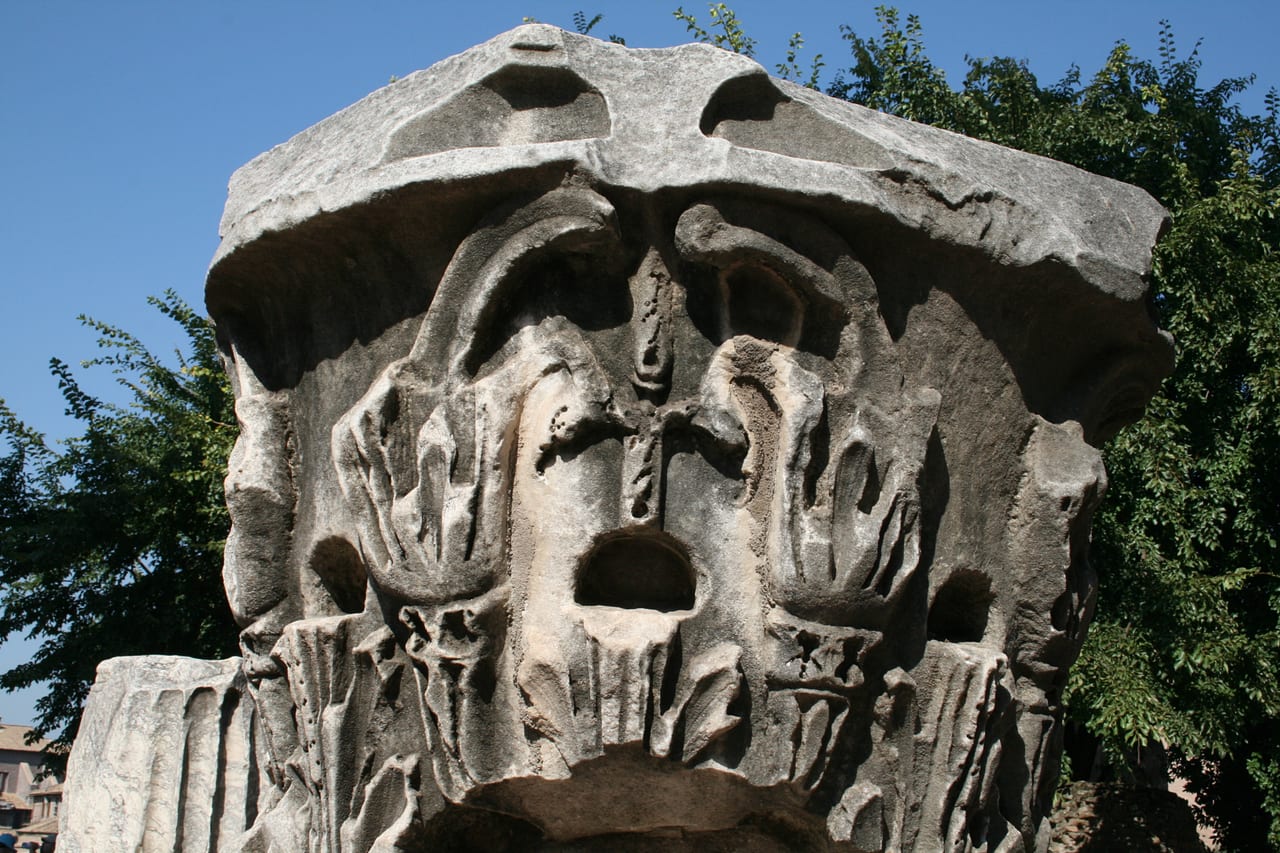
Follow the Via Sacra through the central area, then compare the surviving arches, columns, basilica walls and temple platforms. The Curia Julia, the Arch of Septimius Severus, the Temple of Vesta and Regia, the Rostra, the Tabularium’s imposing elevation, and the Basilica of Maxentius are especially useful points for reading the site. The excavated layers and fragmented pavements reveal the Forum’s changing ground level and dense civic layout.
Places to stay near Roman Forum

Live availability and prices from Stay22's partners, refreshed periodically and subject to change. Booking through these links may earn us a commission at no extra cost to you. See our privacy policy.
Cafés near Roman Forum
Cafés near Roman Forum loads as you scroll.
Attractions nearby
Attractions near Roman Forum loads as you scroll.
Cities nearby
Cities nearby loads as you scroll.
More in Rome
See more of Rome.
Find great cafés, places to stay and other interesting places to visit in Rome.