Ancient site · Rome
Porticus Octaviae
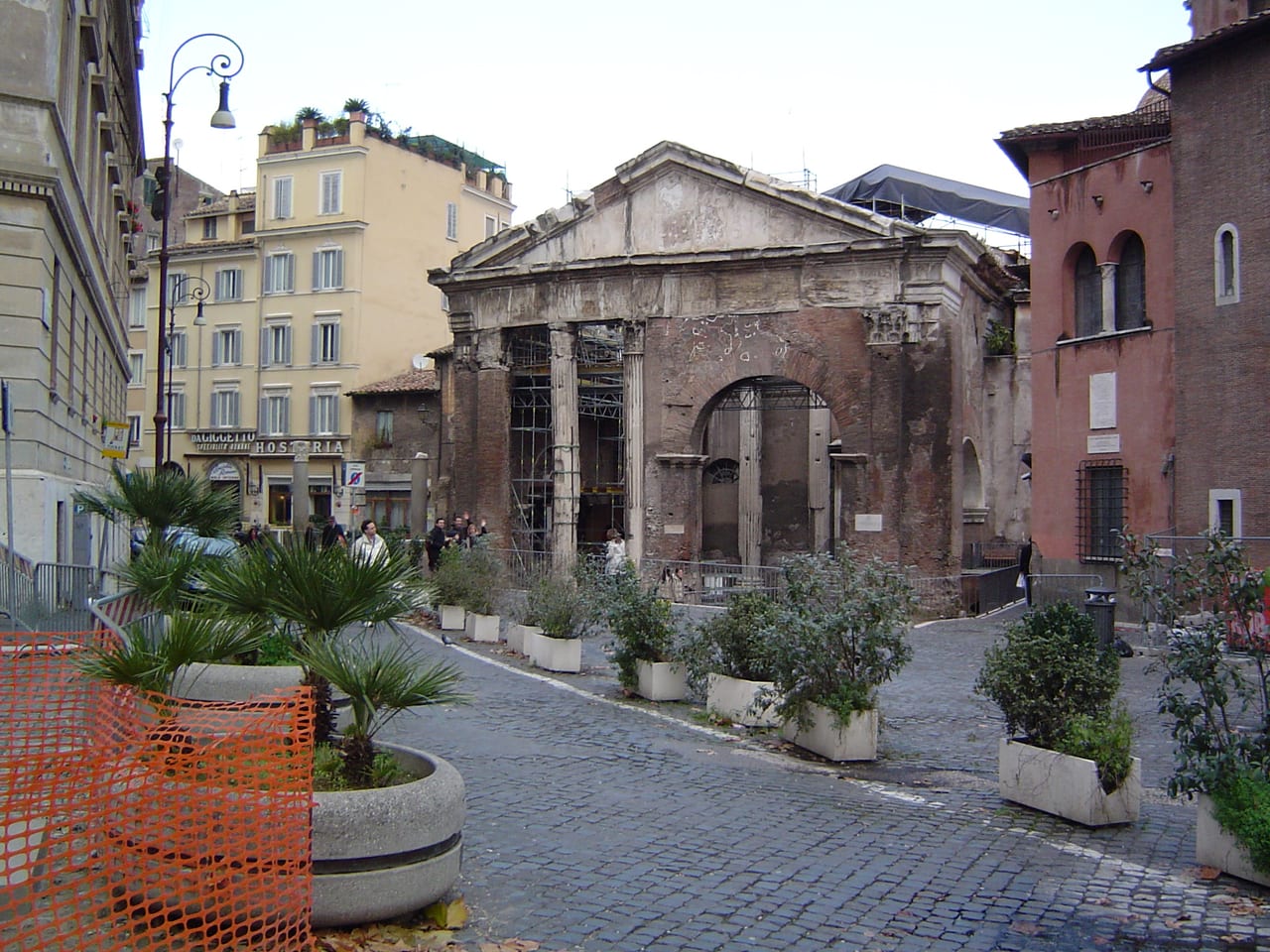
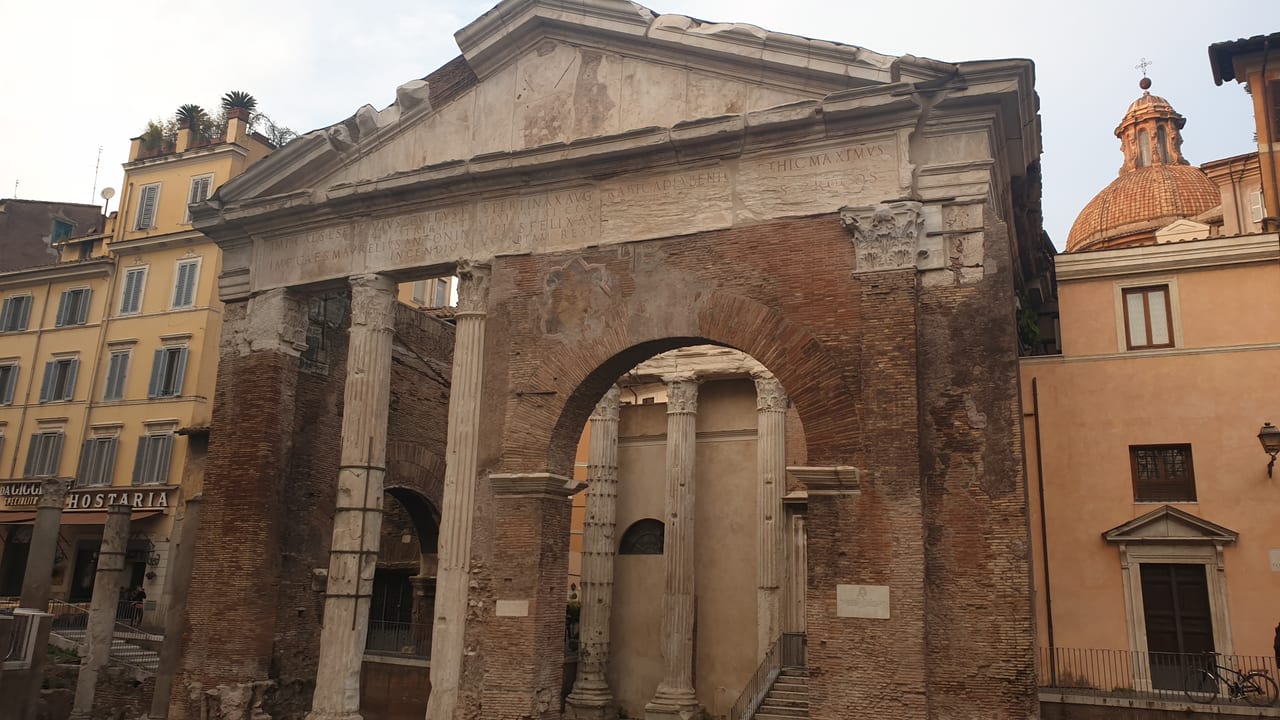
DirectionsThe complex enclosed Rome’s first entirely marble sacred building: the Temple of Jupiter Stator, designed by the Greek architect Hermodorus of Salamis.
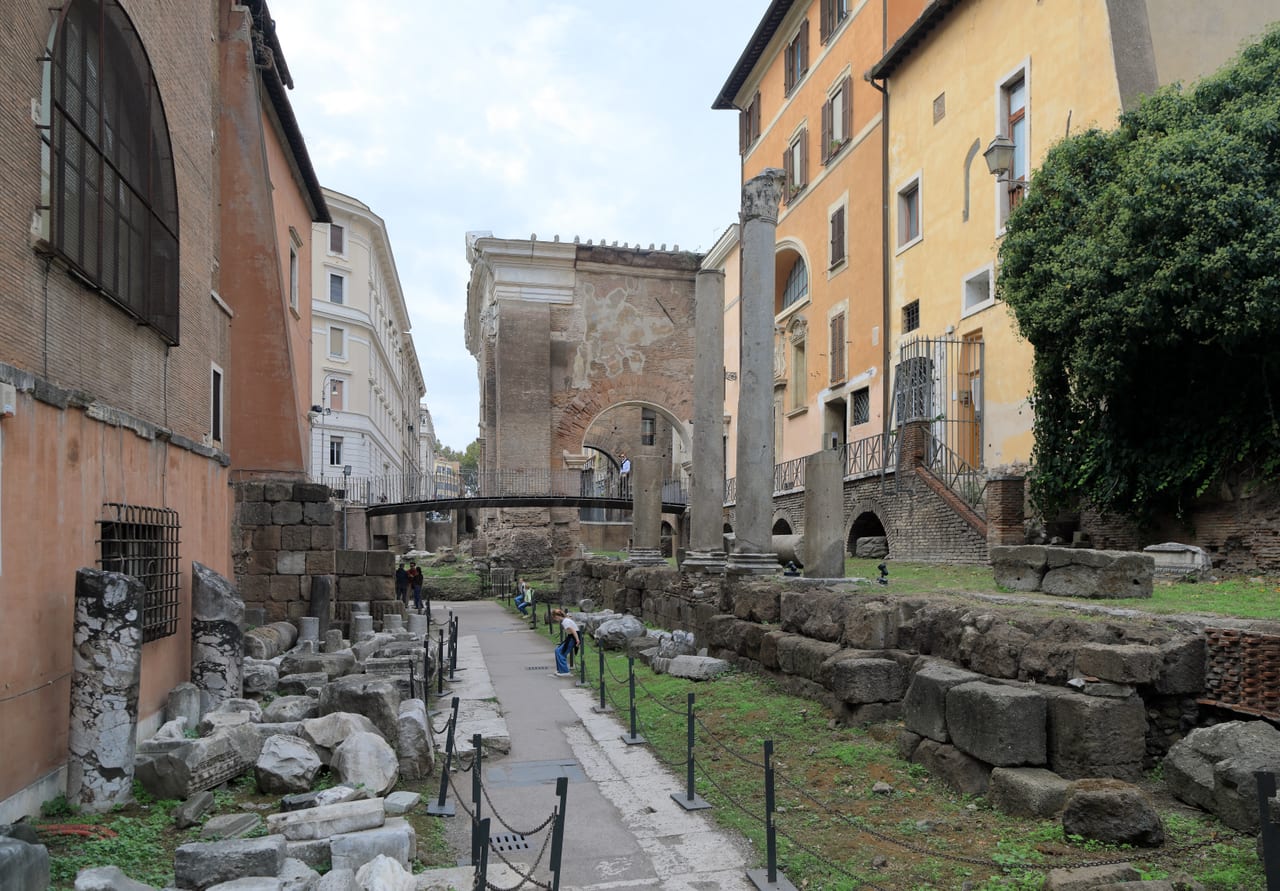
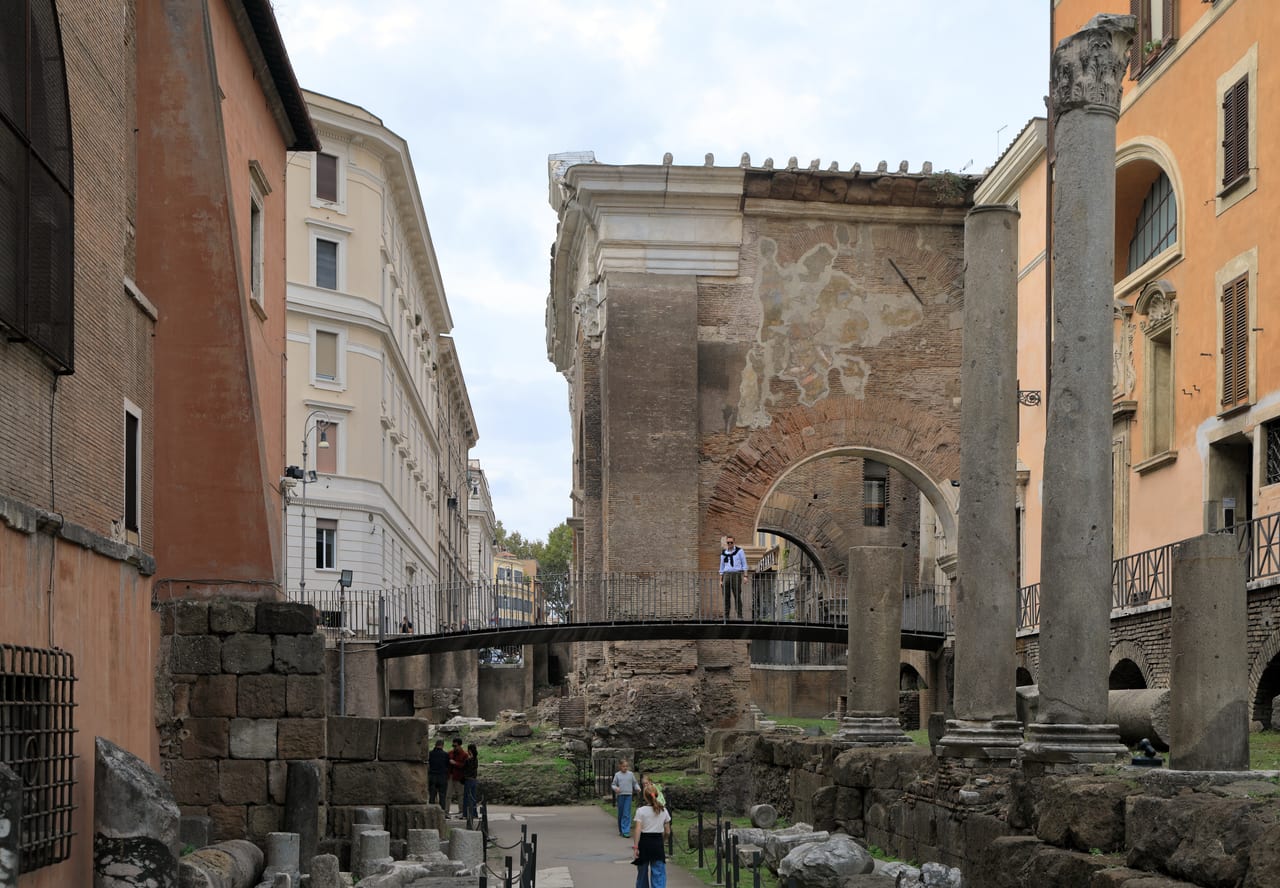
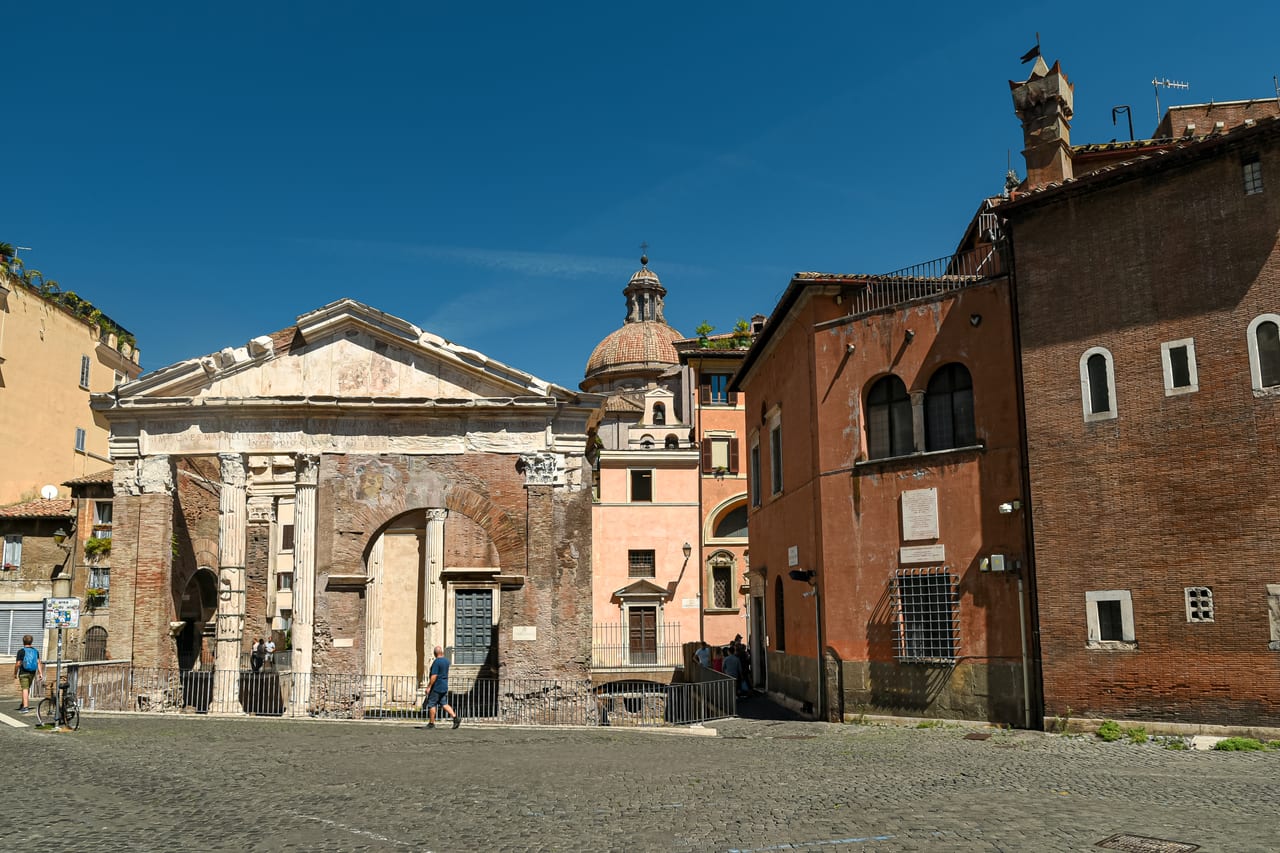
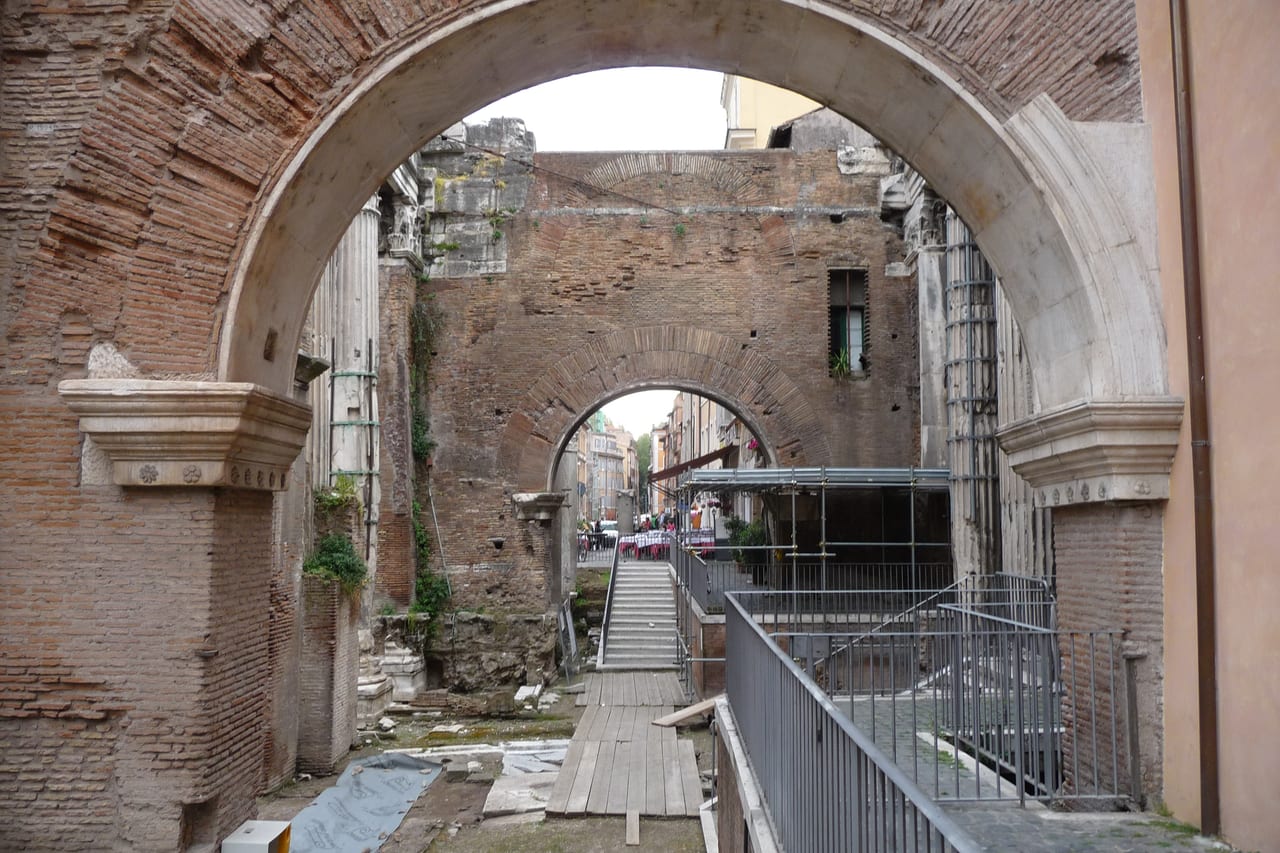
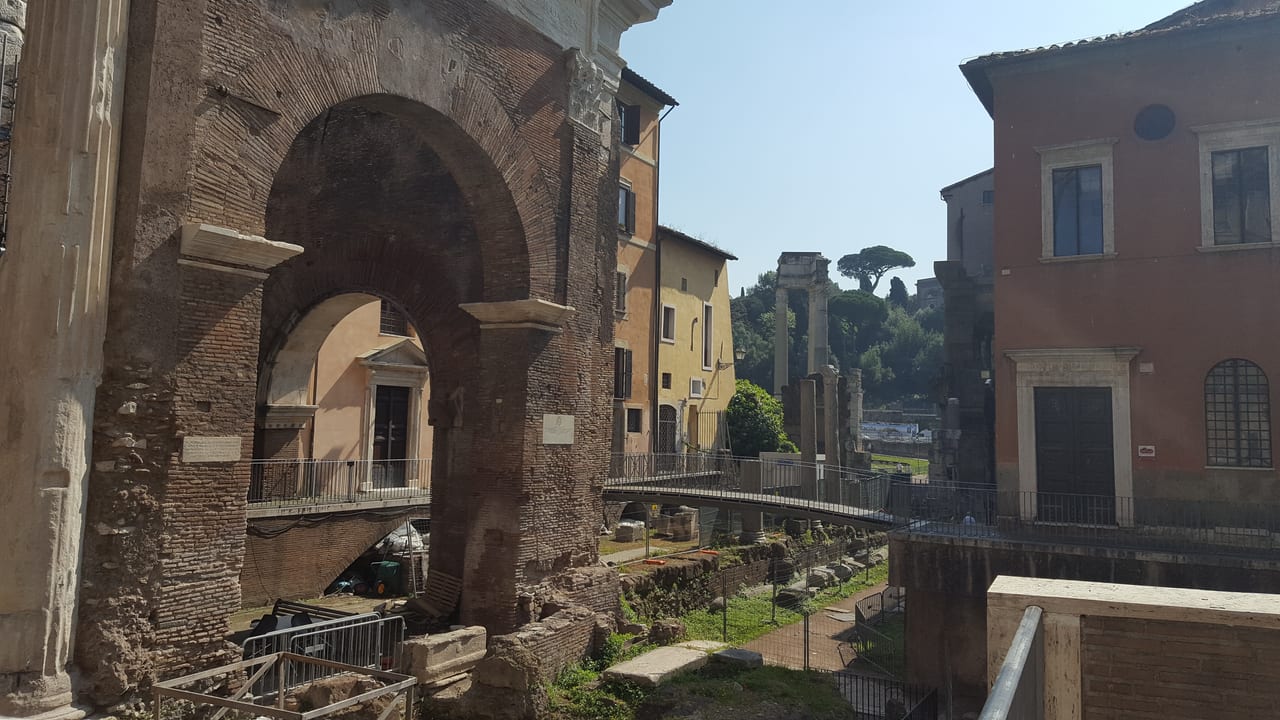
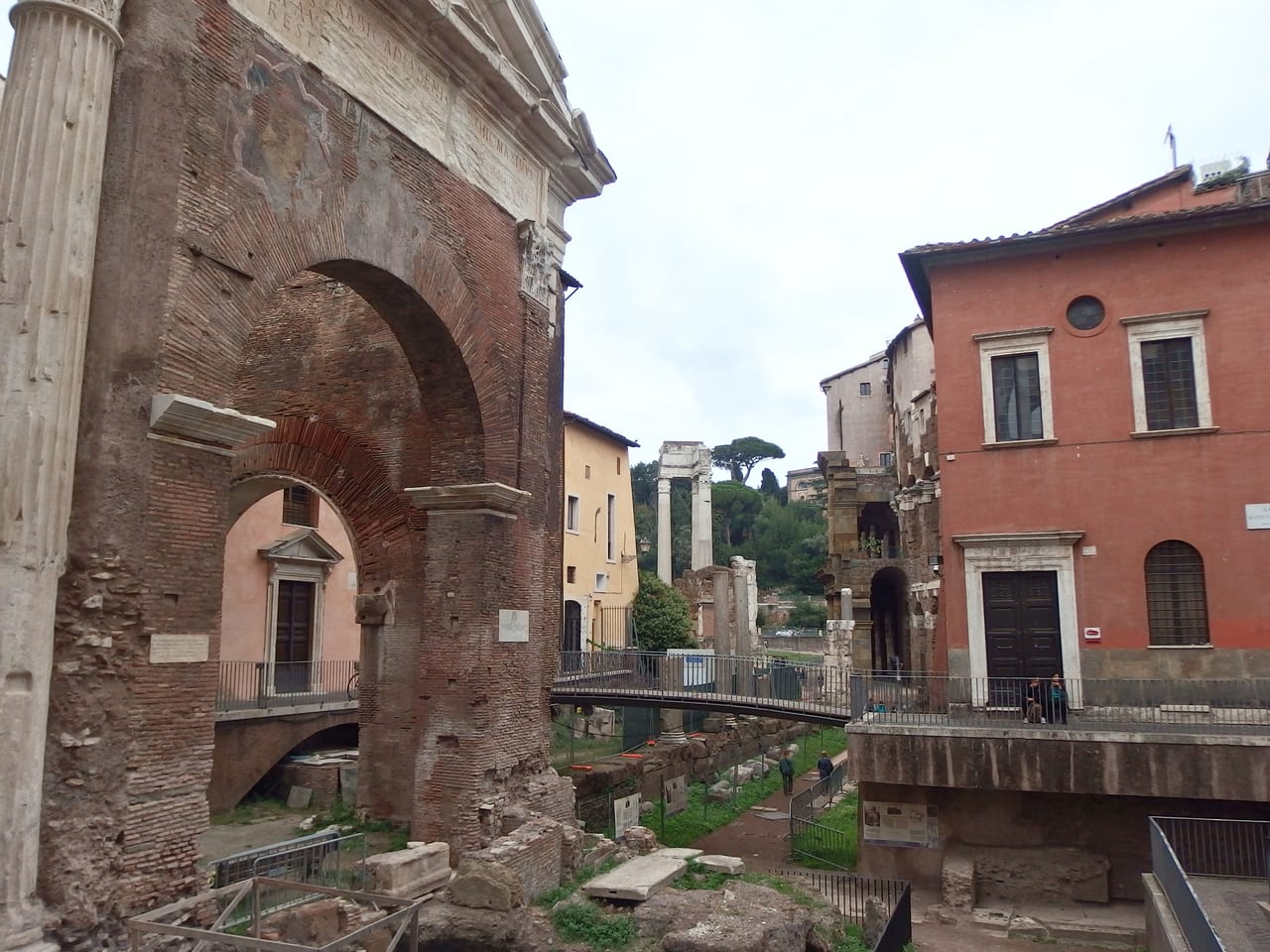
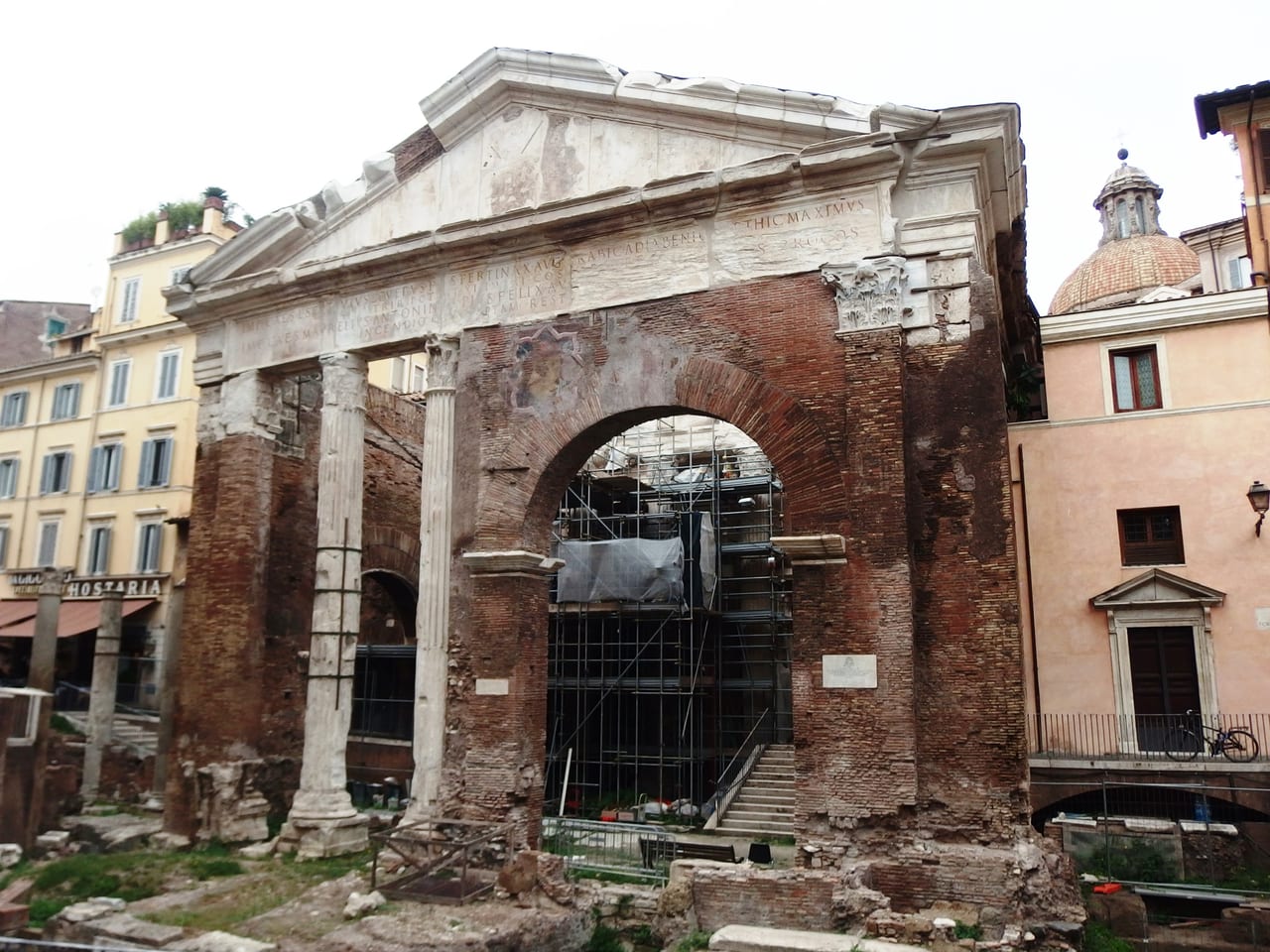
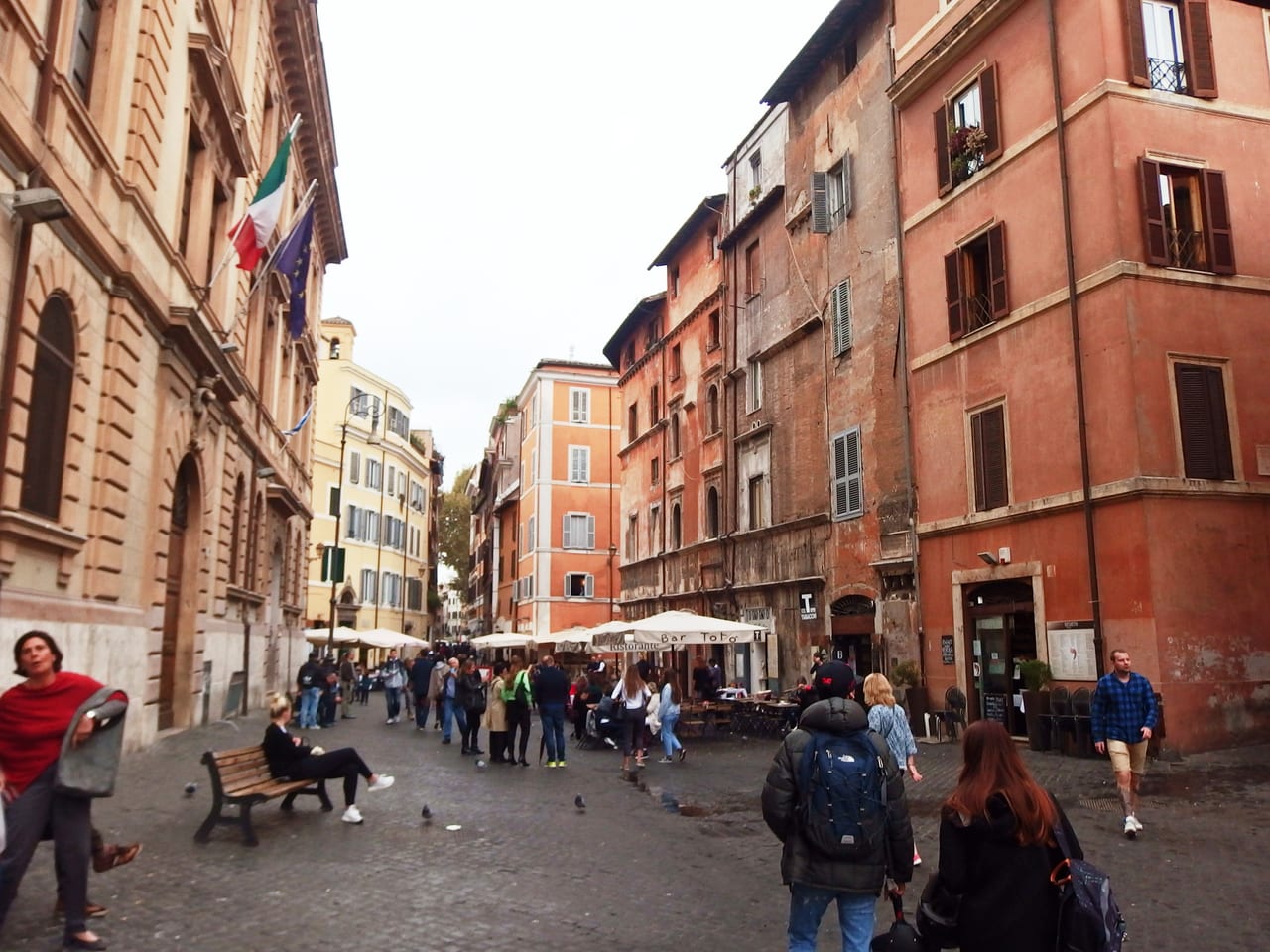
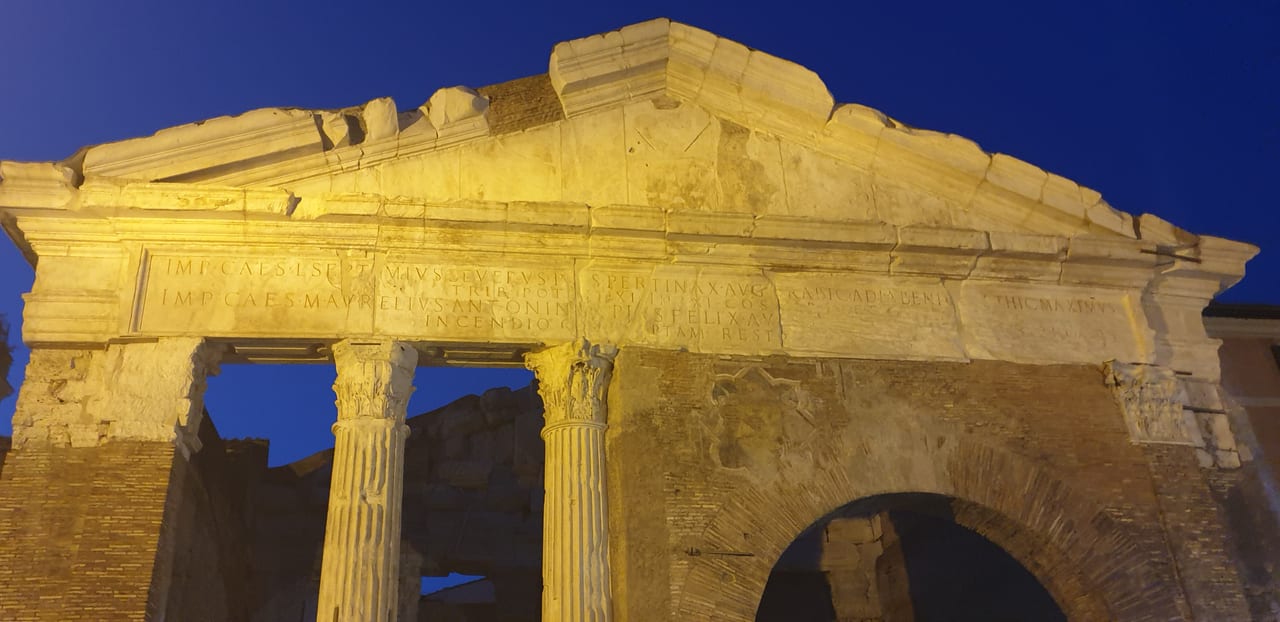
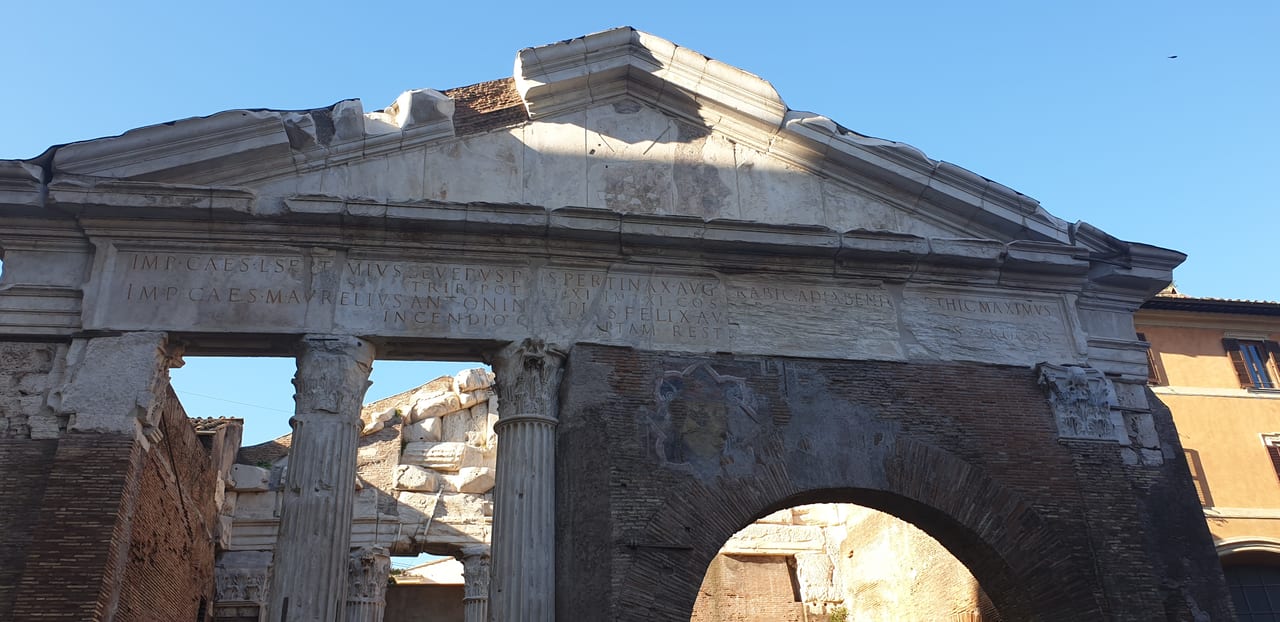
Photograph 1 of 26 of Porticus Octaviae
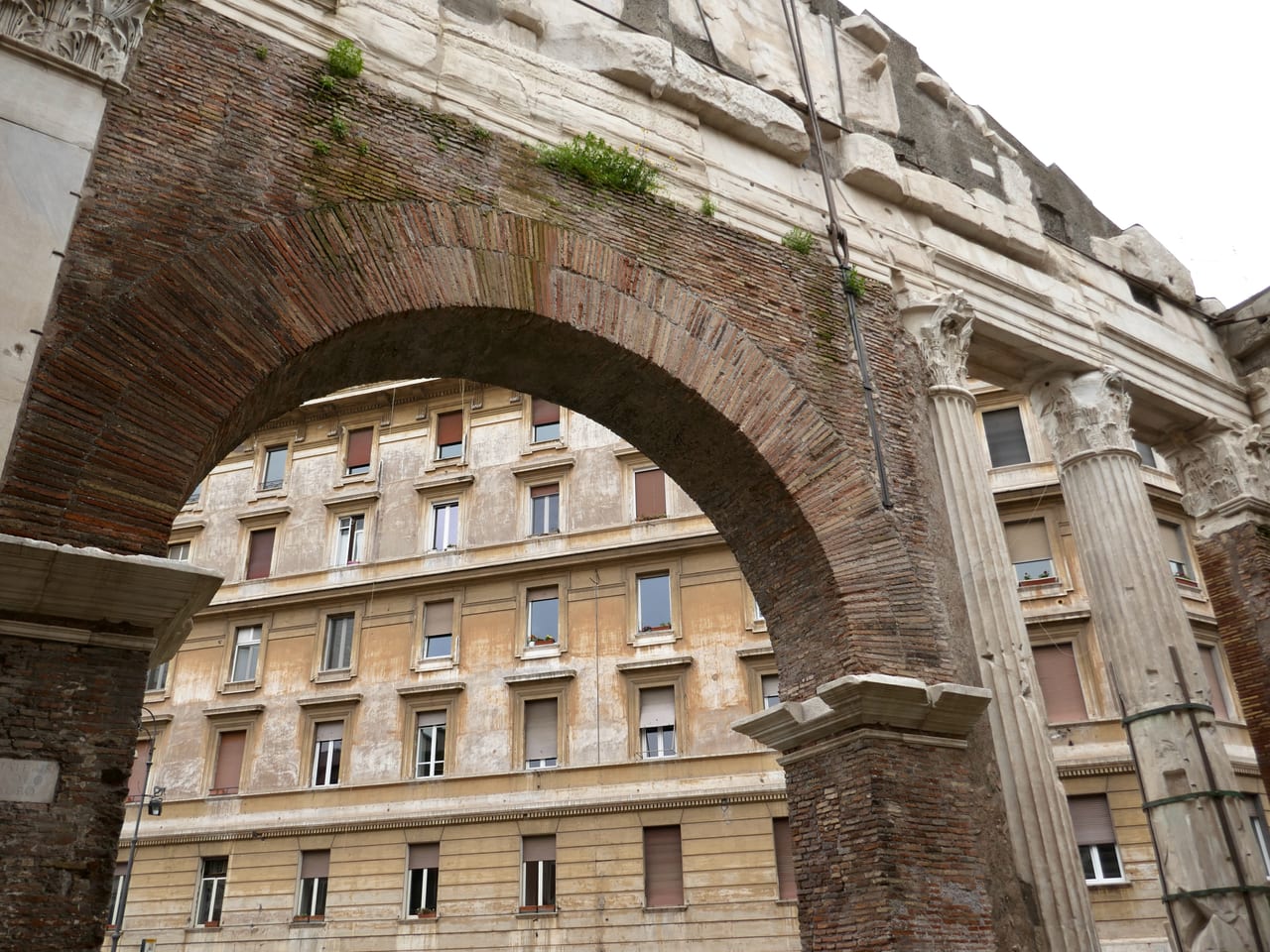
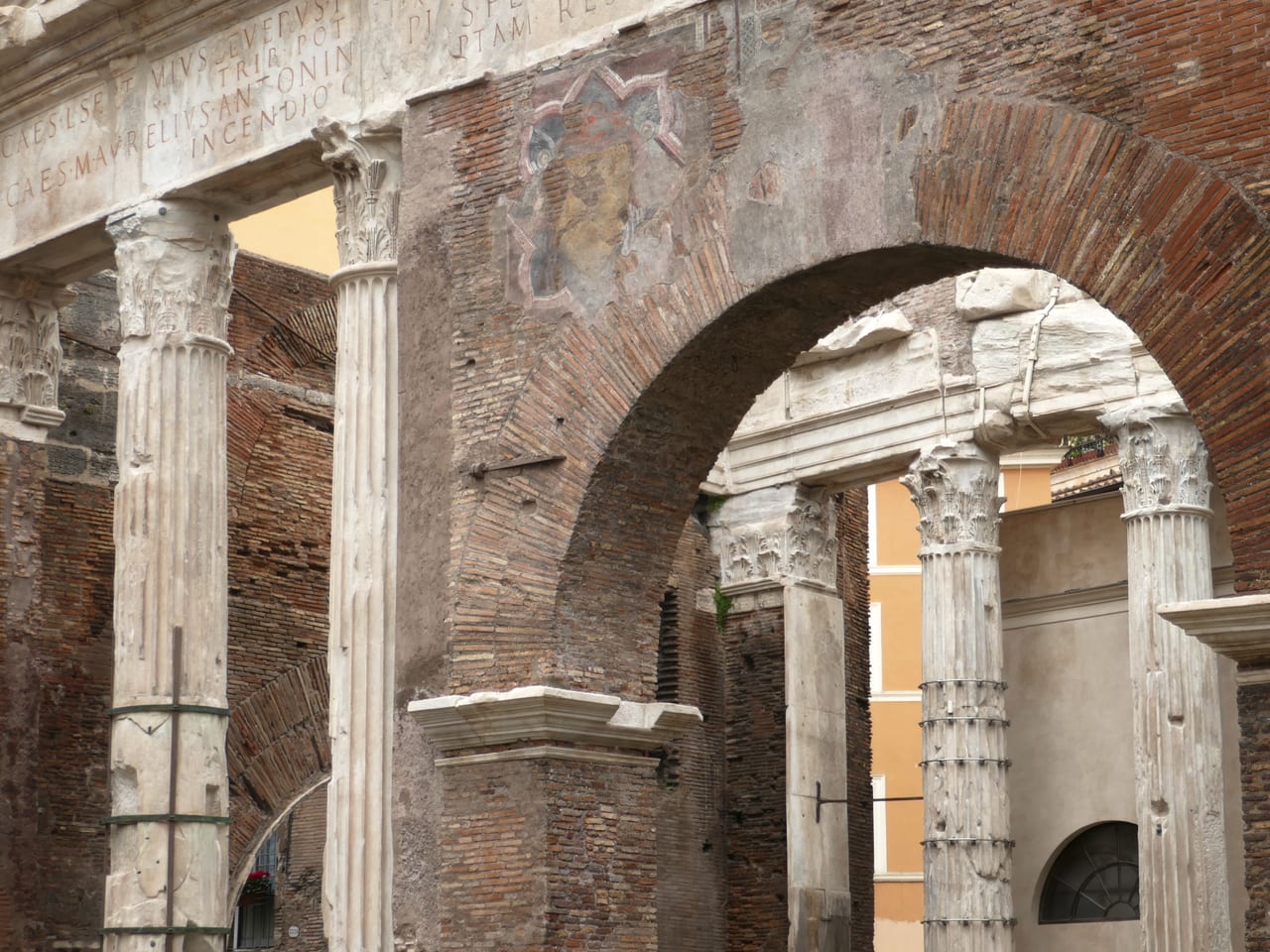
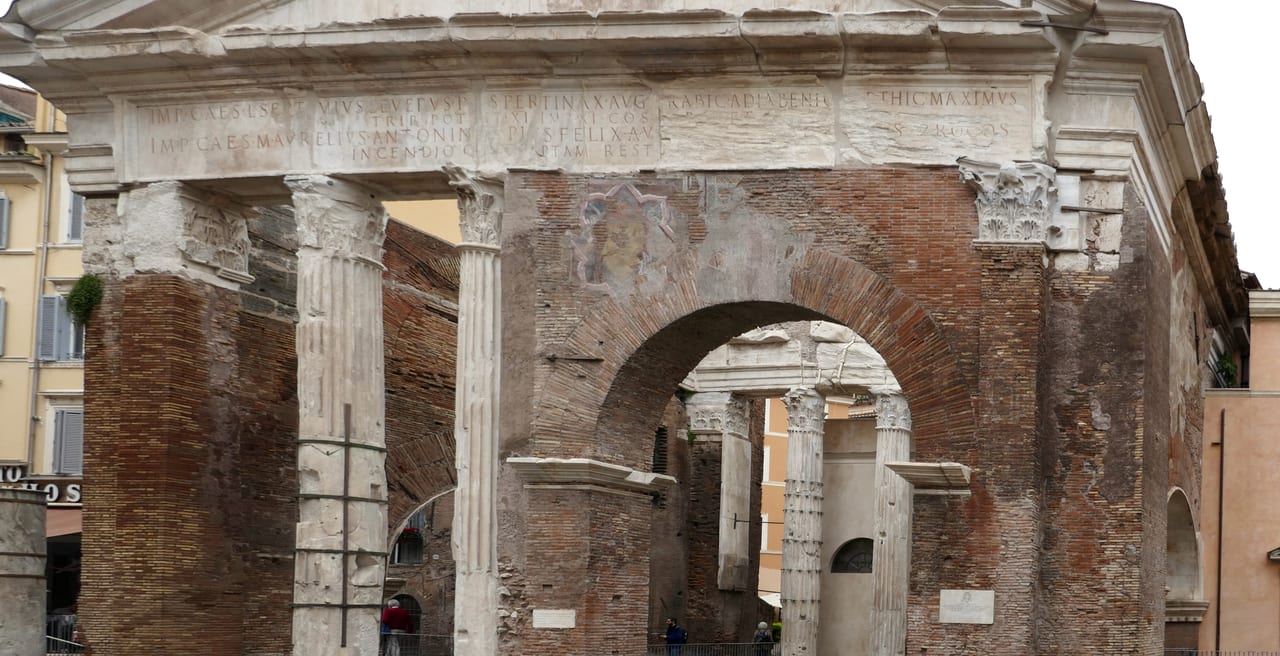
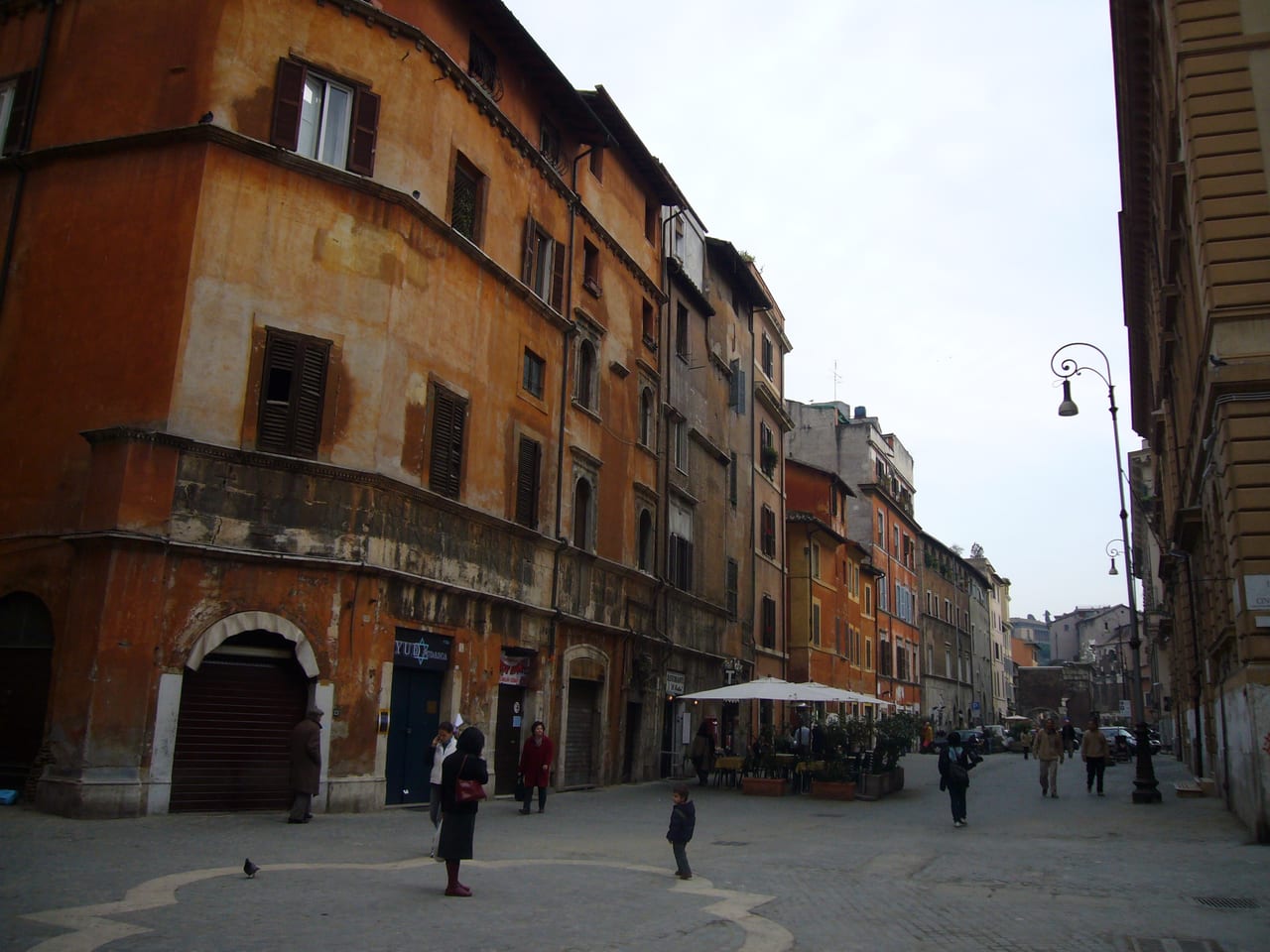
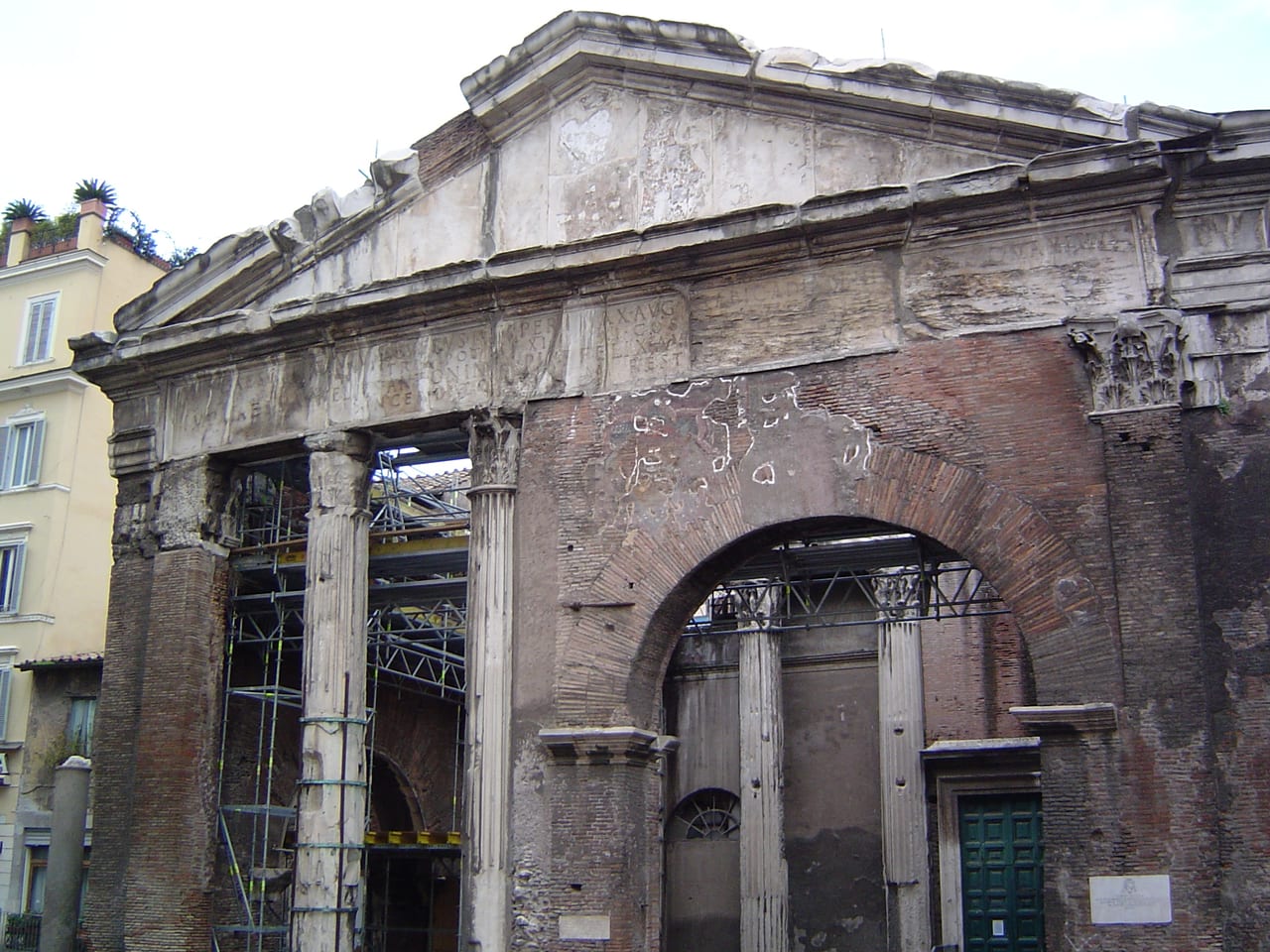
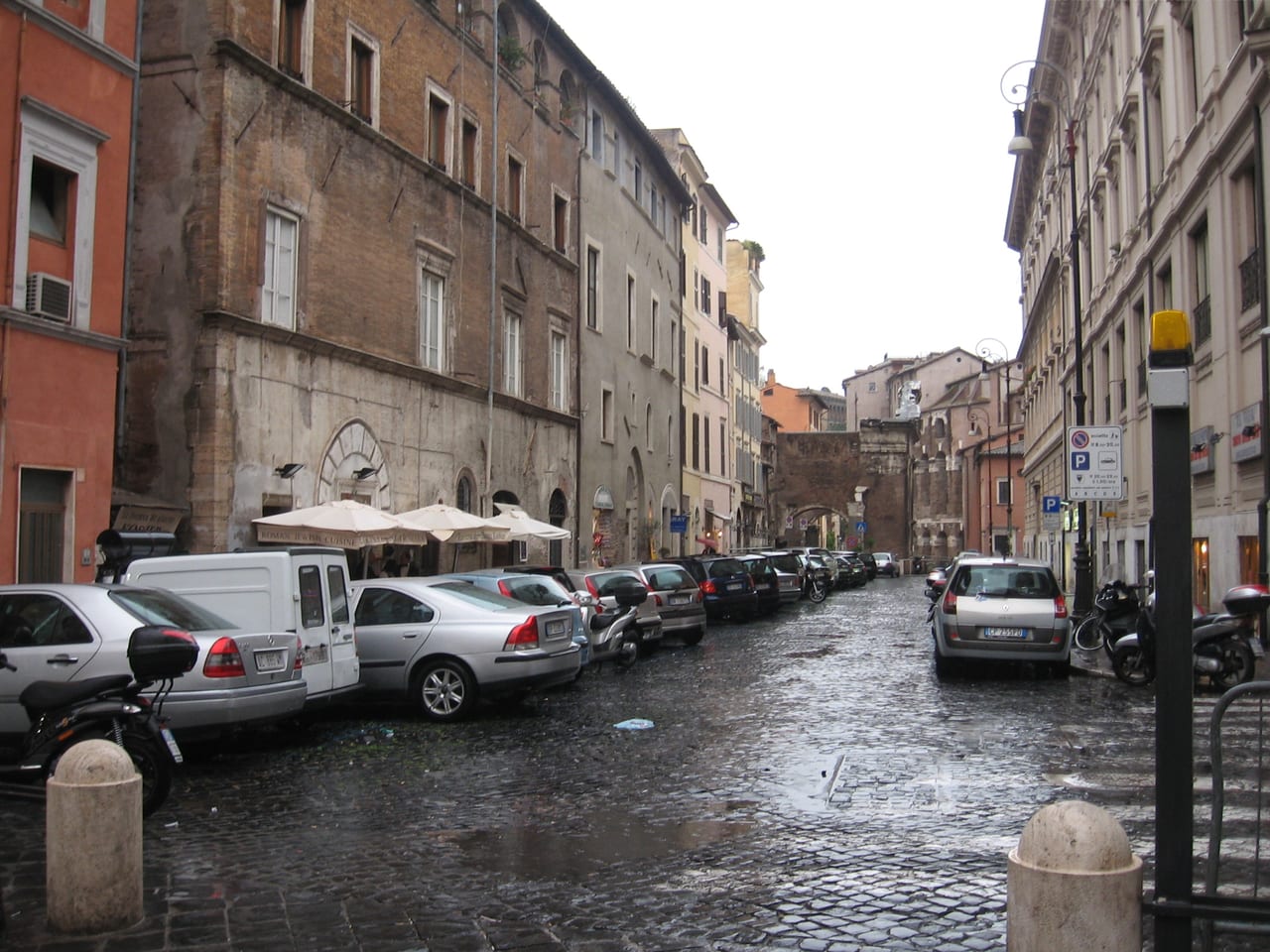
The Portico of Octavia replaced the second-century BC Portico of Metellus around the temples of Juno Regina and Jupiter Stator. Juno’s temple had been dedicated in 179 BC by the censor Marcus Aemilius Lepidus; Metellus commissioned Jupiter’s temple after his Macedonian triumph of 146 BC. The surrounding enclosure displayed Greek art, including Lysippus’s 24 equestrian statues of Alexander the Great’s fallen companions and the bronze Cornelia, the first publicly exhibited statue of a woman in Rome. Between 27 and 23 BC, Octavian rebuilt the complex with spoils from Dalmatia and named it for his sister Octavia. The enlarged scheme added a monumental entrance and a library divided between Greek and Latin works, dedicated to the memory of Marcellus. Fire damaged the complex in 80, while another reconstruction followed in 203 under Septimius Severus and Caracalla. Earthquake damage in 442 altered the entrance. Around 770, the church of San Paolo in summo circo grew from the propyleum; the medieval fish market was held there, and the church became known as Sant’Angelo in Pescheria. The market was moved to Piazza San Teodoro in 1885.
At a glance
- Built
- 27
Ways to explore Porticus Octaviae
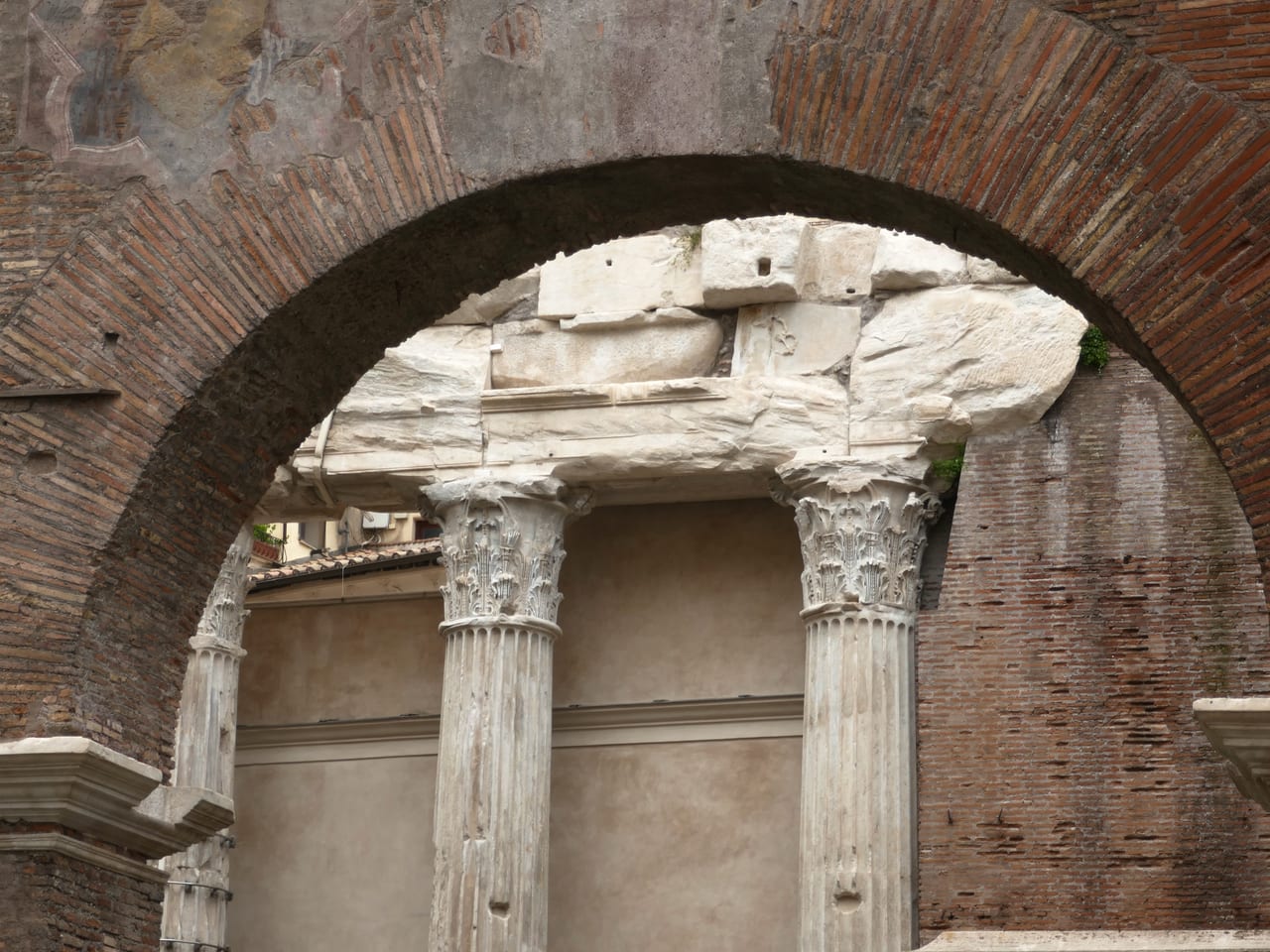
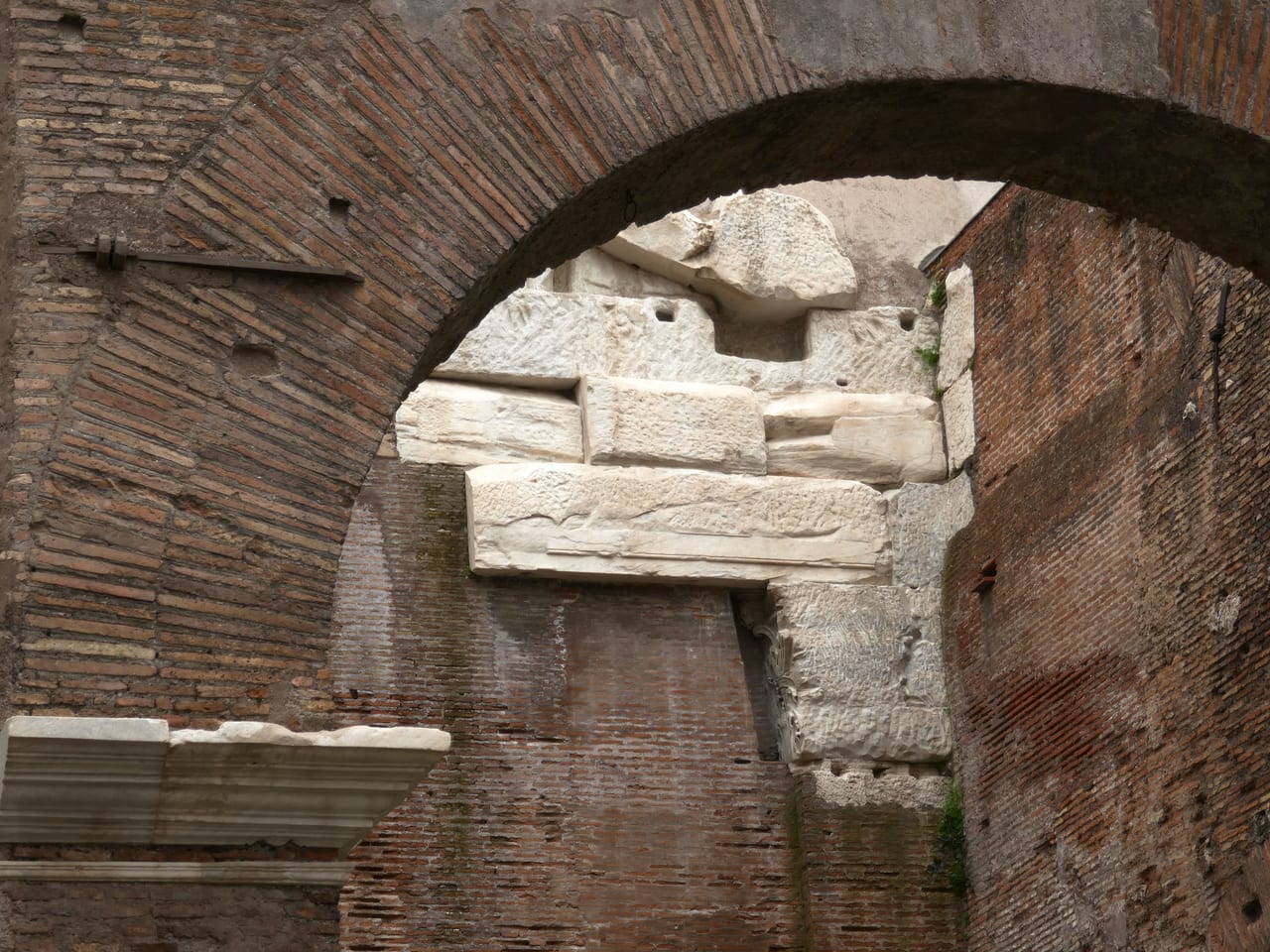
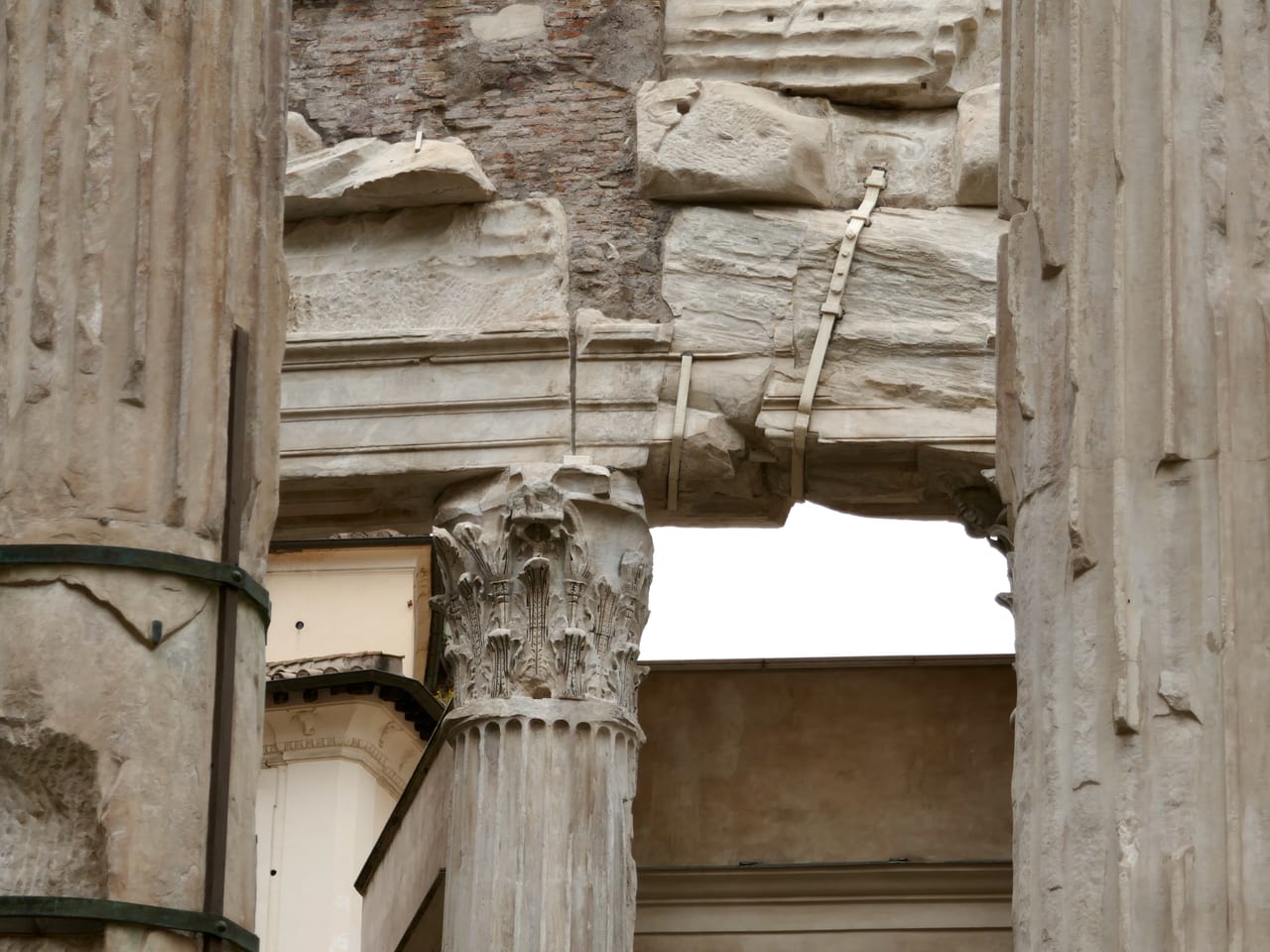
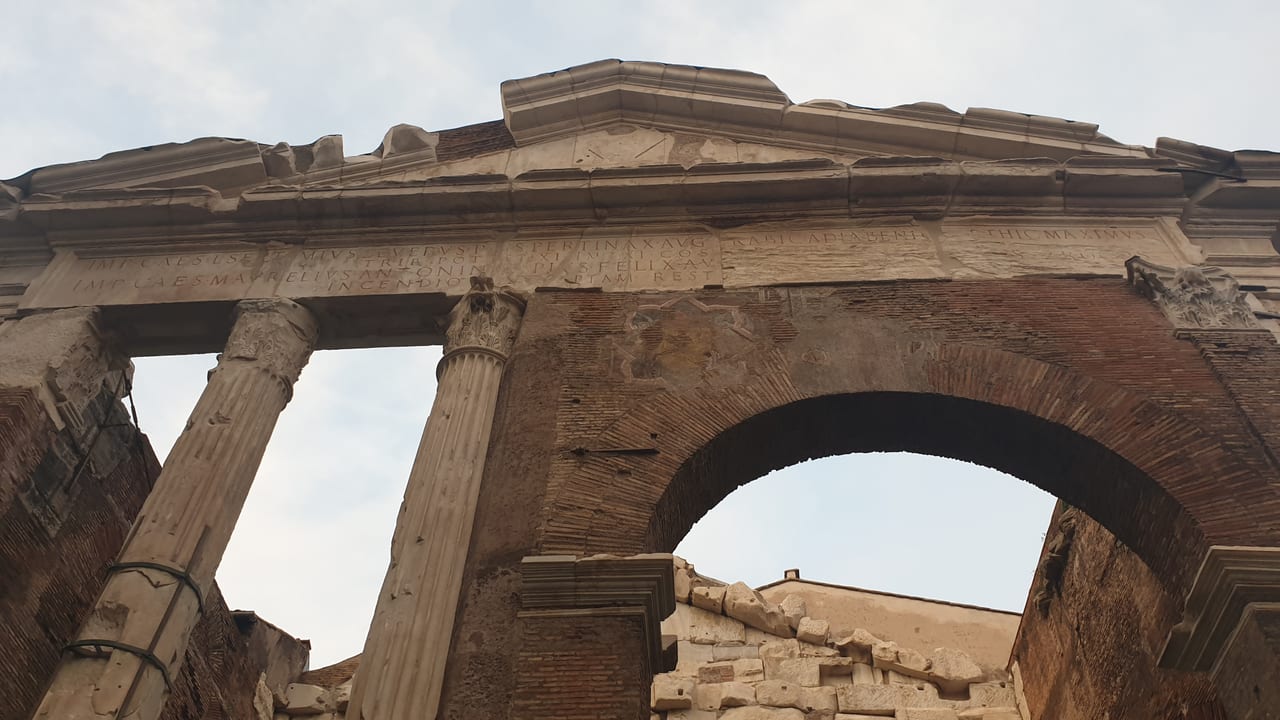
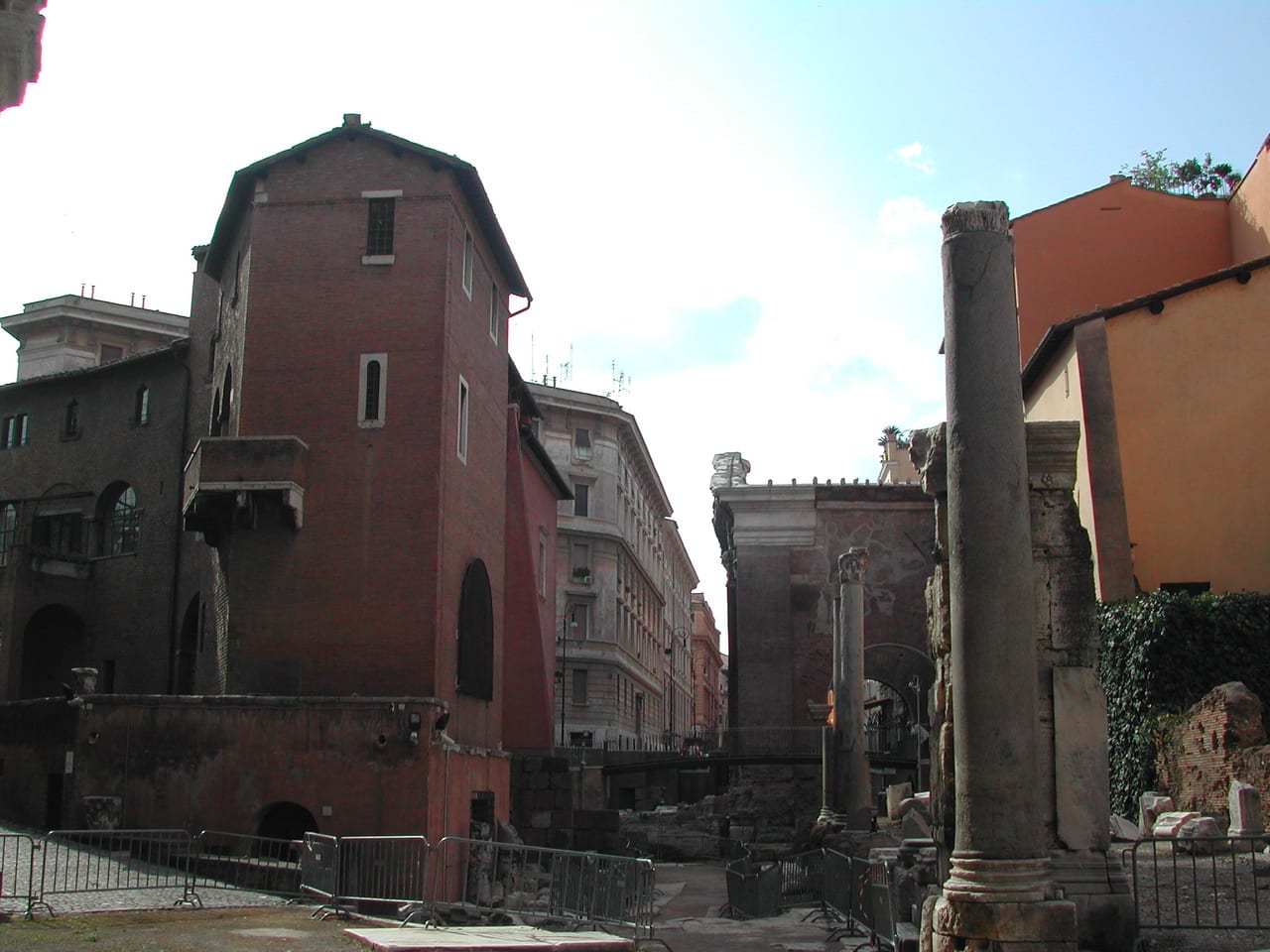
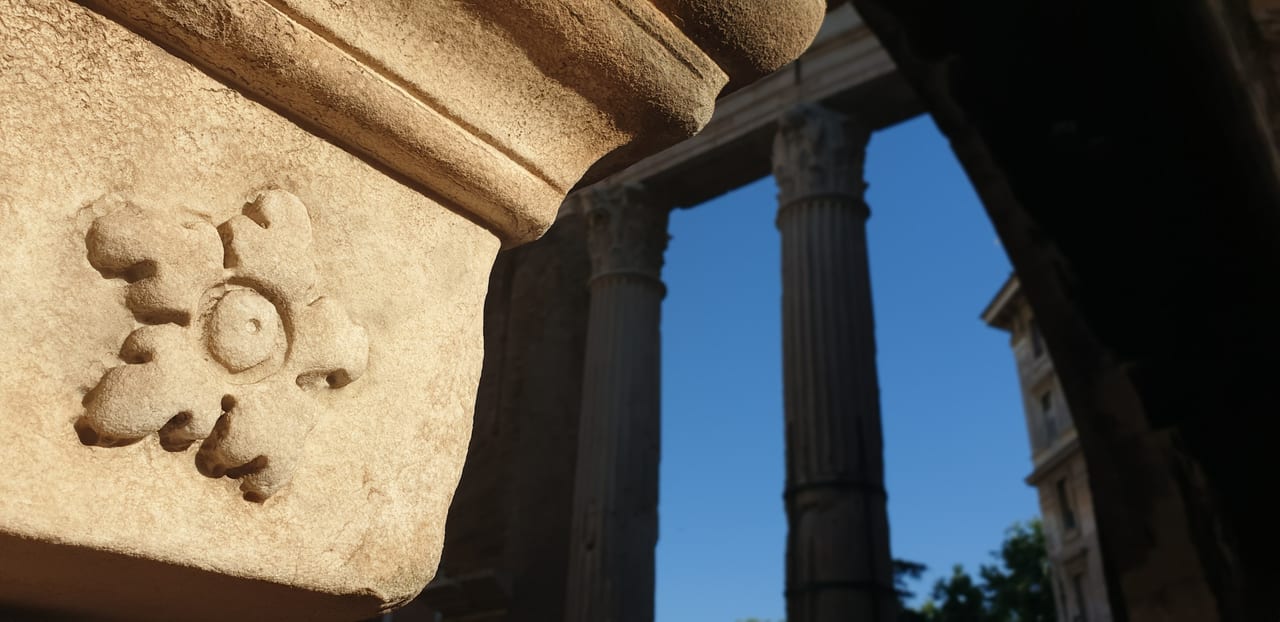
Begin at the surviving central propyleum, where the paired façades, Corinthian columns, figurative capitals and carved architrave remain legible. Look upward through the missing roof to see reused masonry and the inner face of the pediment. Along the sides, note the brick walls, former marble cladding and traces of the arches linking the entrance to the outer porticoes. Nearby remains include alternating cipollino and grey-granite columns, plus two composite-capital columns associated with the Temple of Juno Regina.
Places to stay near Porticus Octaviae

Live availability and prices from Stay22's partners, refreshed periodically and subject to change. Booking through these links may earn us a commission at no extra cost to you. See our privacy policy.
Cafés near Porticus Octaviae
Cafés near Porticus Octaviae loads as you scroll.
Attractions nearby
Attractions near Porticus Octaviae loads as you scroll.
Cities nearby
Cities nearby loads as you scroll.
More in Rome
See more of Rome.
Find great cafés, places to stay and other interesting places to visit in Rome.