Ancient site · Rome
Porta Asinaria
DirectionsIn 536, East Roman troops led by General Belisarius entered through Porta Asinaria, reclaiming Rome for the Byzantine Empire from the Ostrogoths.
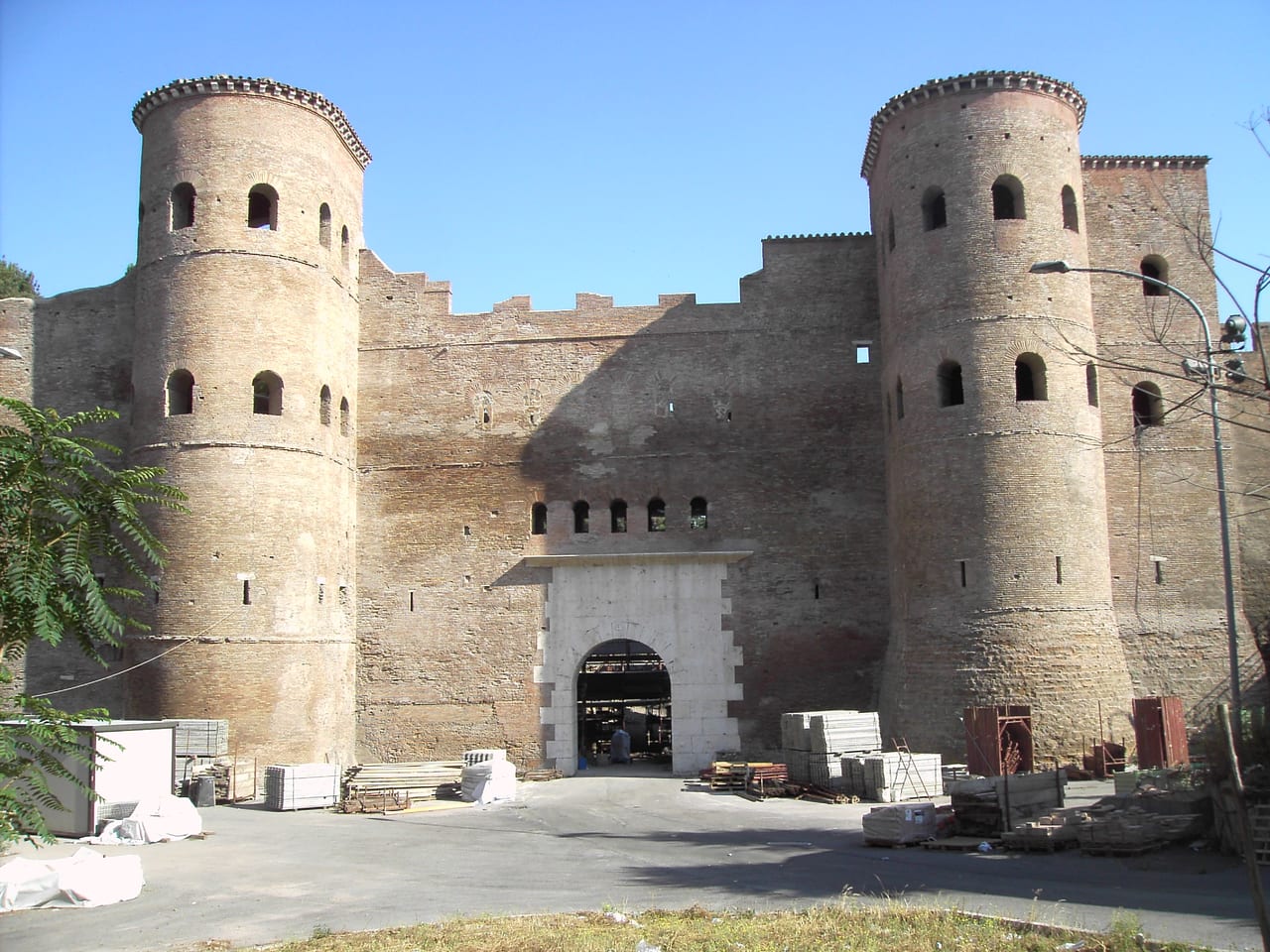
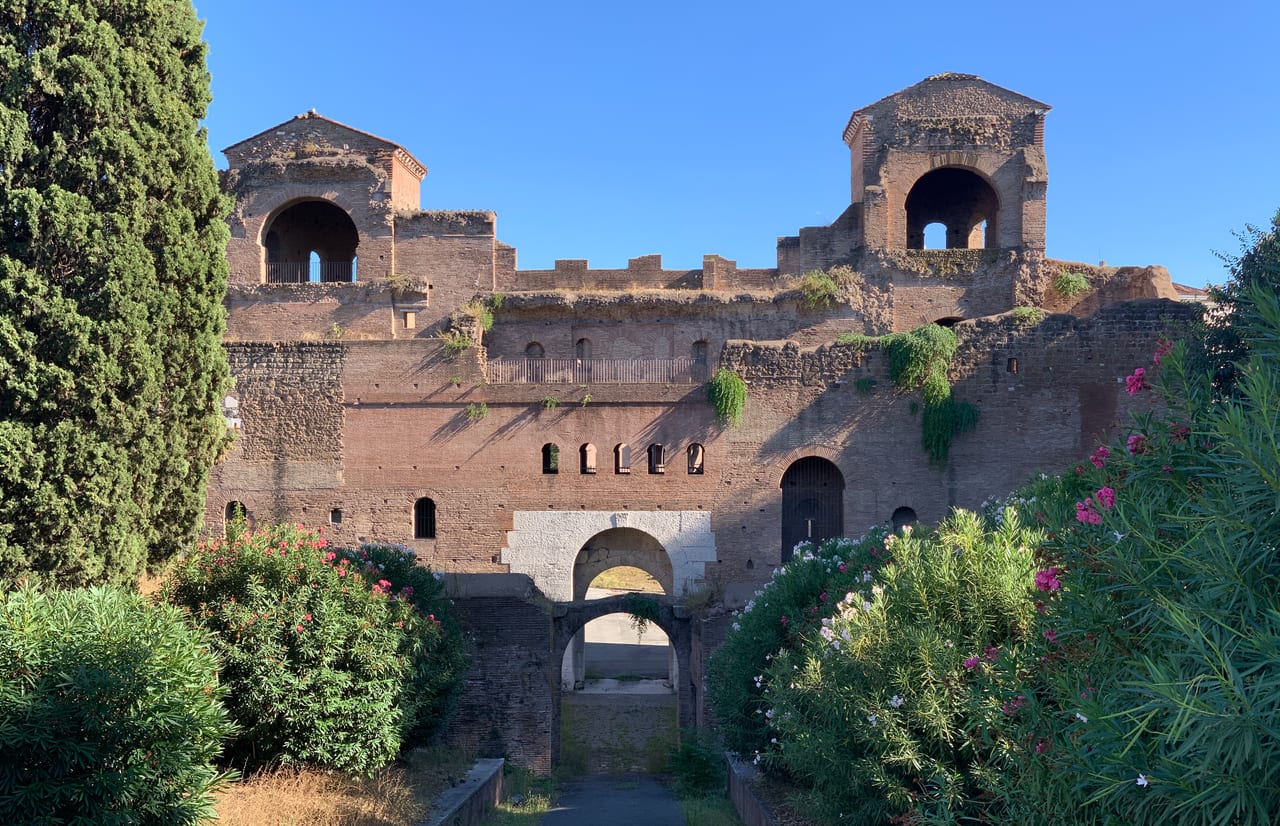
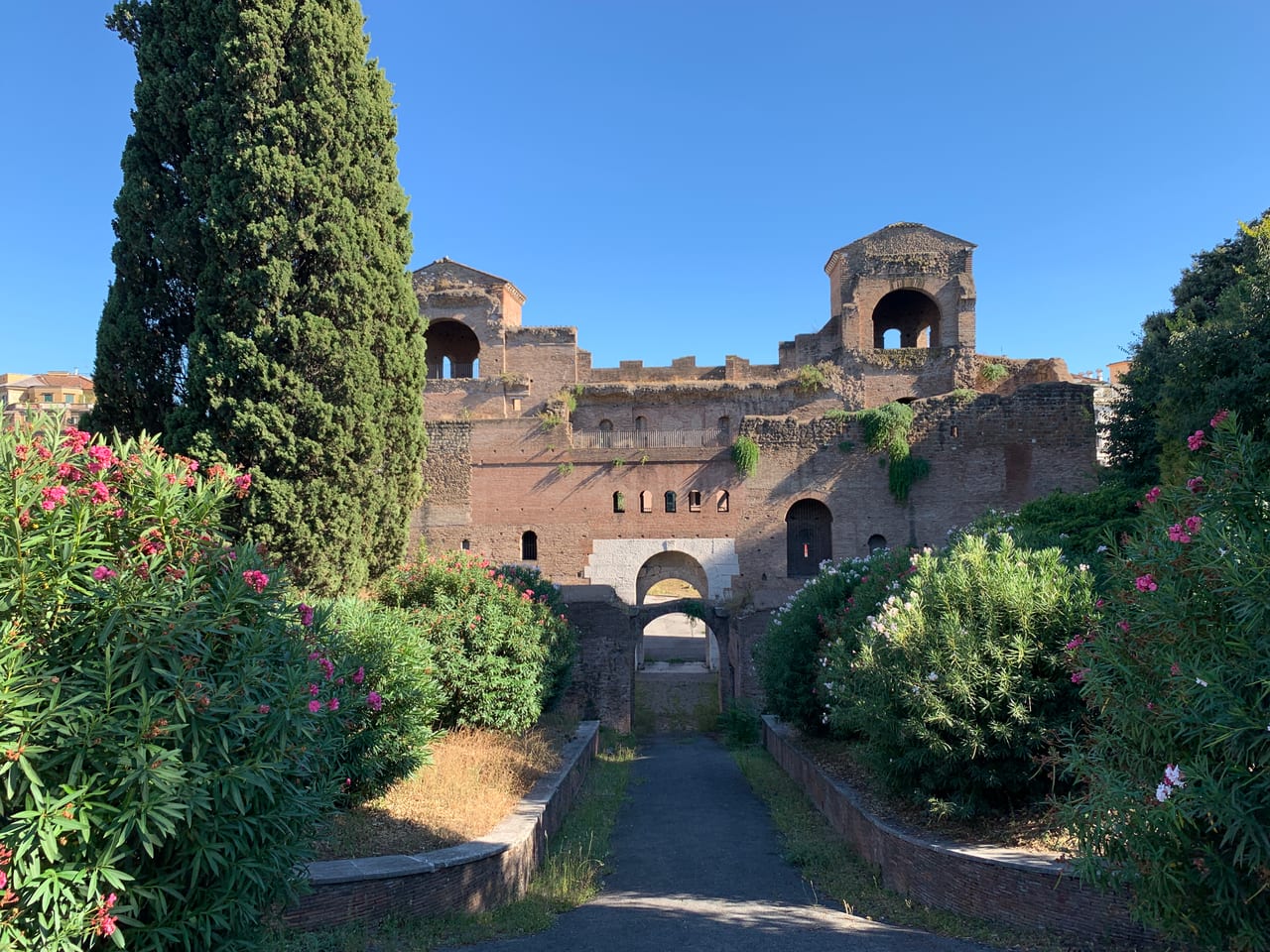
Photograph 1 of 3 of Porta Asinaria
Porta Asinaria was constructed between 271 and 275 AD as part of the Aurelian Walls, during the walls’ initial building campaign. Its military character is unusually legible: two projecting tower blocks dominate the entrance, with associated guard rooms integrated into the defensive arrangement. Unlike most other gates in the circuit, it escaped rebuilding or fortification under Honorius and was not restored by Theodoric, preserving its late-third-century conception. By the 16th century, traffic had overwhelmed the passage. A new breach was made nearby to create Porta San Giovanni, after which Porta Asinaria was closed to traffic. The change shifted the structure from an active urban threshold to an archaeological survival within the walls. Its designation as Italian national heritage recognizes a monument whose significance lies in its defensive design and its long adaptation to Rome’s changing circulation.
At a glance
- Heritage
- Italian national heritage
Ways to explore Porta Asinaria
Study the entrance as a defensive composition: note the two projecting tower blocks and the associated guard rooms. Consider the gate as part of the Aurelian Walls, and concentrate on the military arrangement of its towers and rooms. It is closed to traffic, so explore it on foot.
Places to stay near Porta Asinaria

Live availability and prices from Stay22's partners, refreshed periodically and subject to change. Booking through these links may earn us a commission at no extra cost to you. See our privacy policy.
Cafés near Porta Asinaria
Cafés near Porta Asinaria loads as you scroll.
Attractions nearby
Attractions near Porta Asinaria loads as you scroll.
Cities nearby
Cities nearby loads as you scroll.
More in Rome
See more of Rome.
Find great cafés, places to stay and other interesting places to visit in Rome.