Street & promenade · Rome
Ponte Palatino
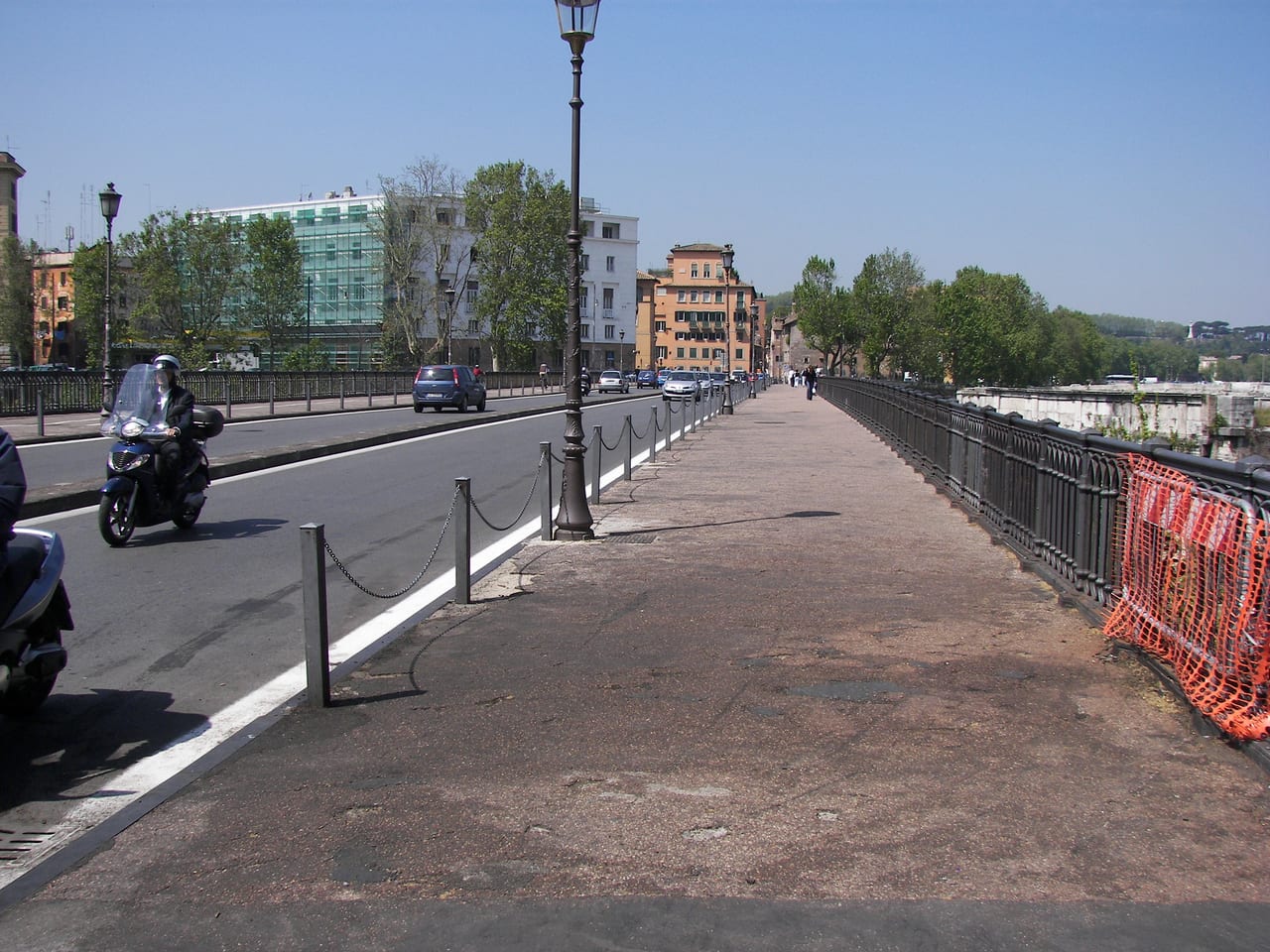
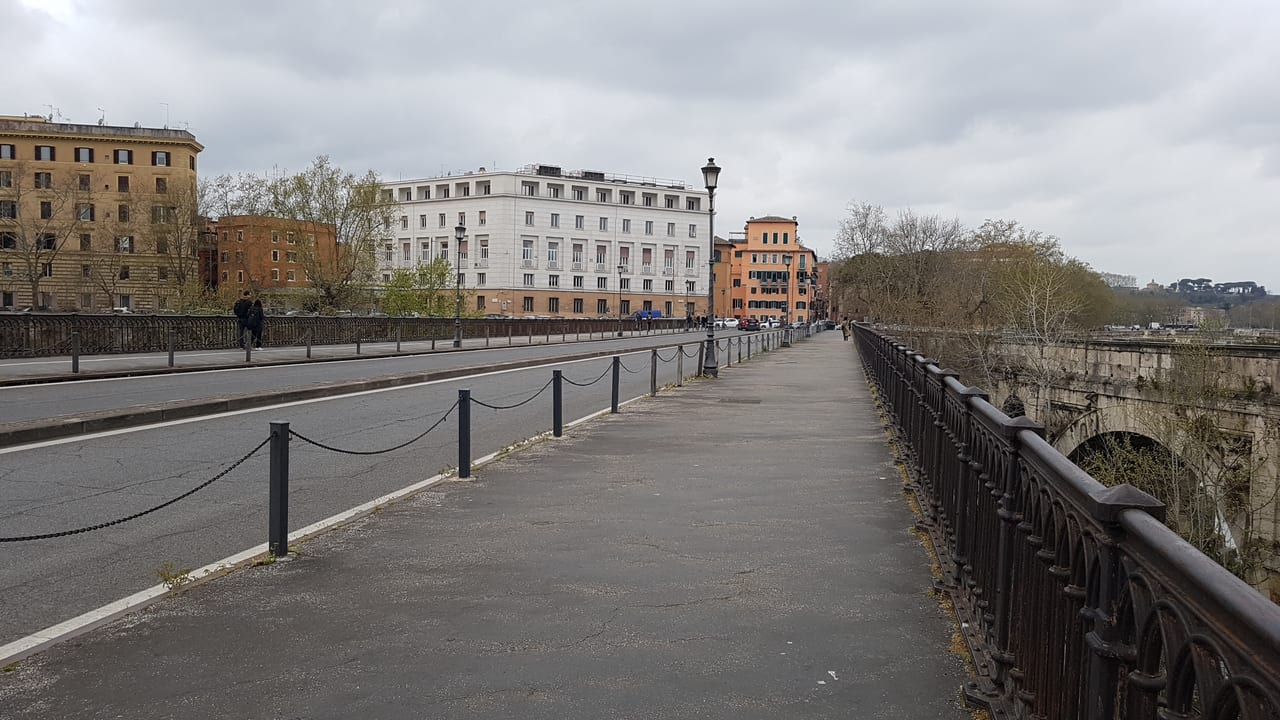
DirectionsIts nickname, Ponte Inglese, comes from the unusual British-style reversal of traffic directions at this point—an urban convenience rather than a national custom.
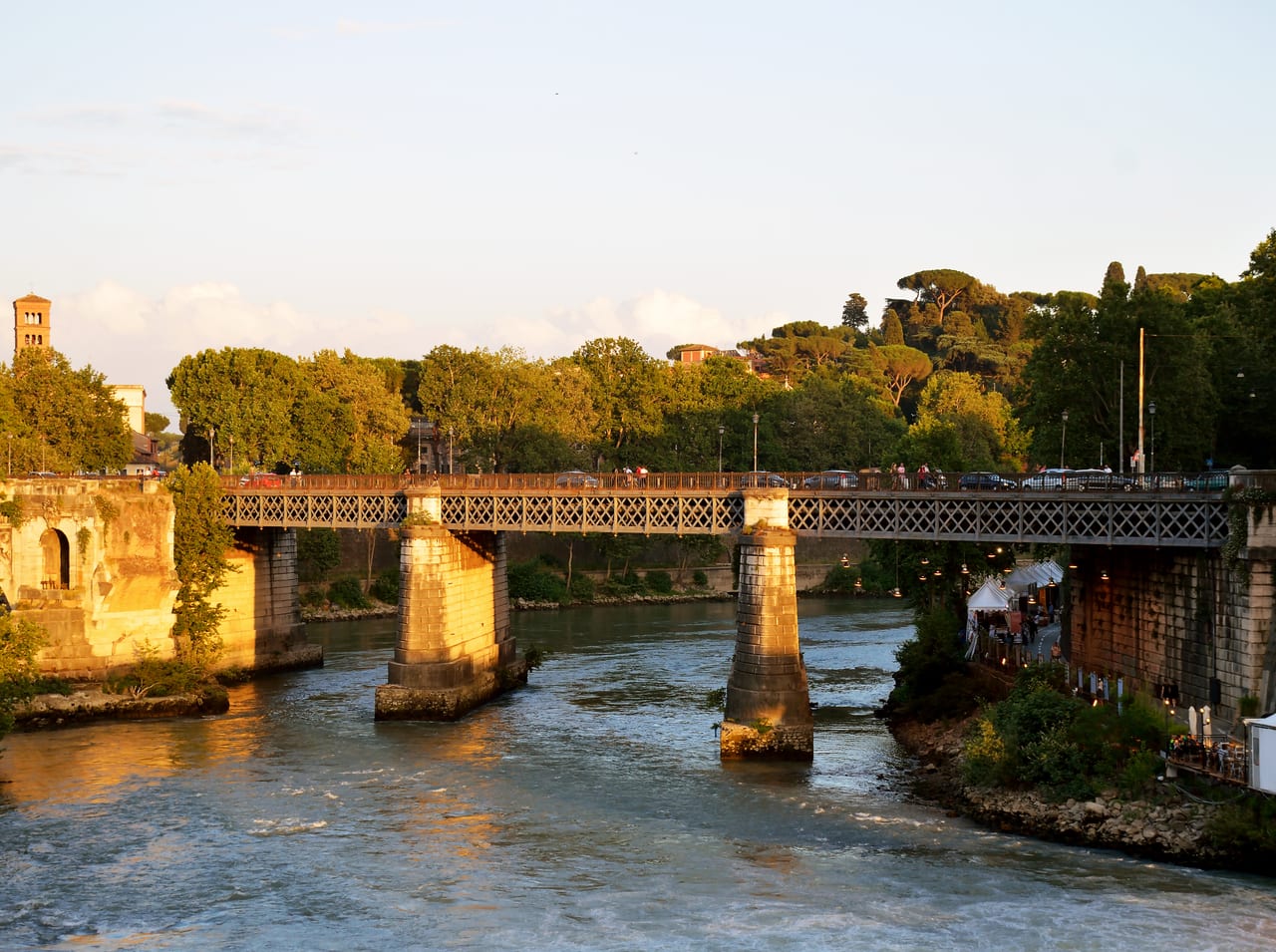
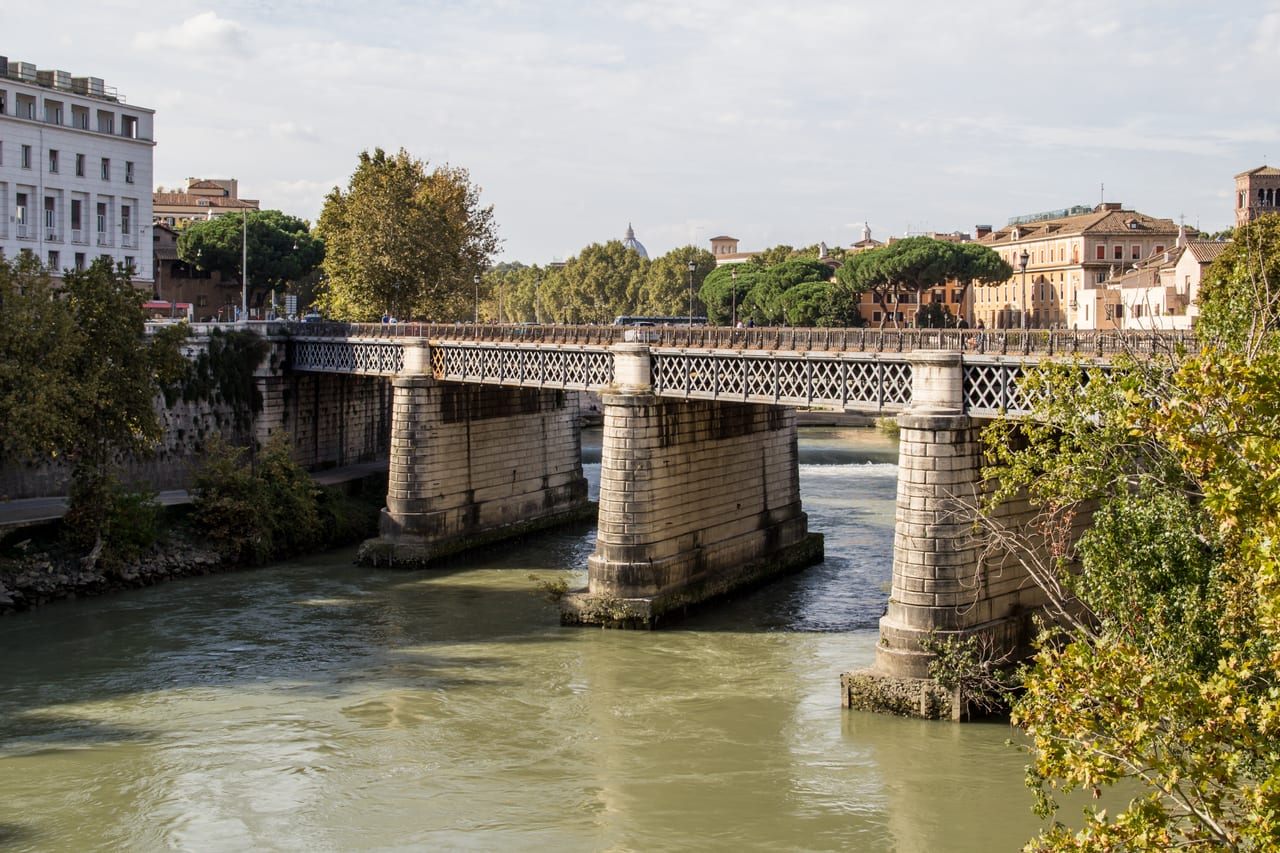
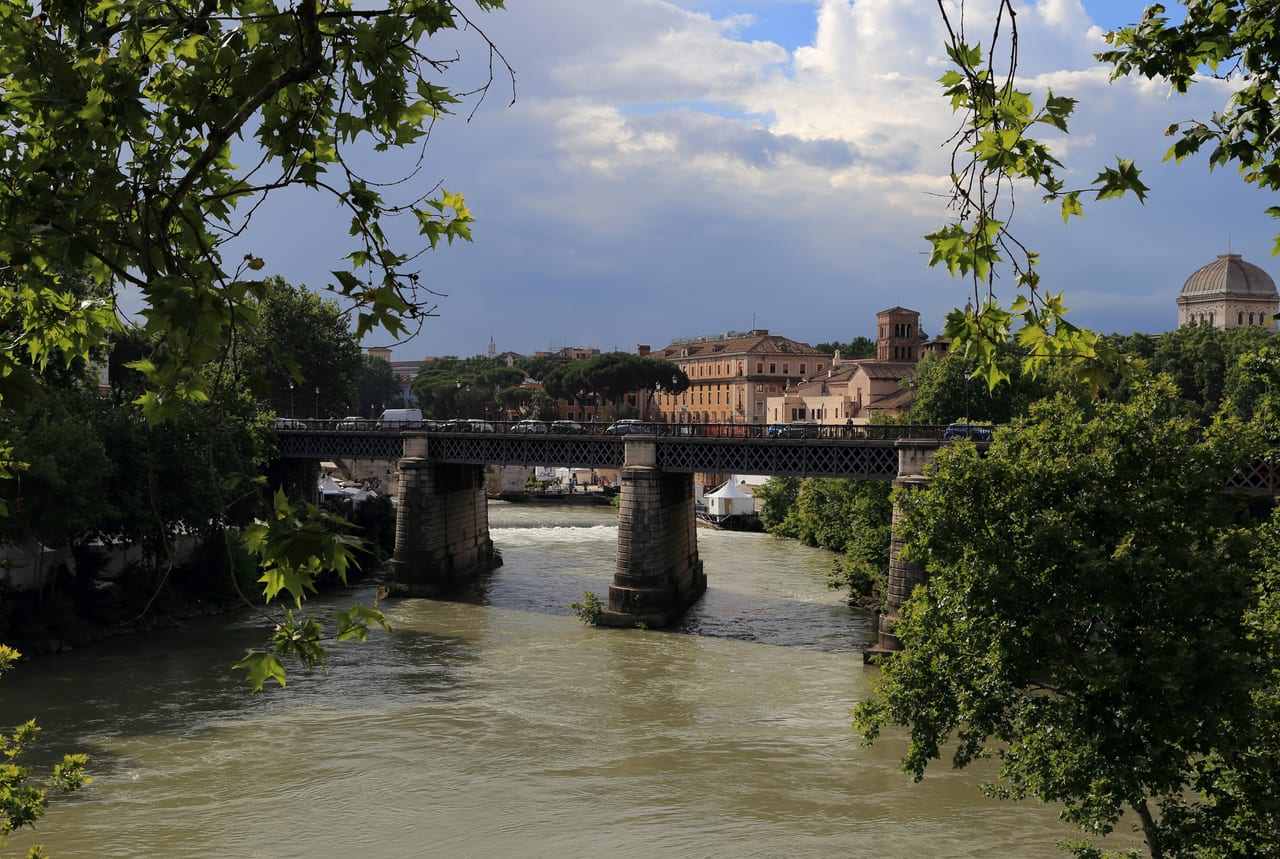
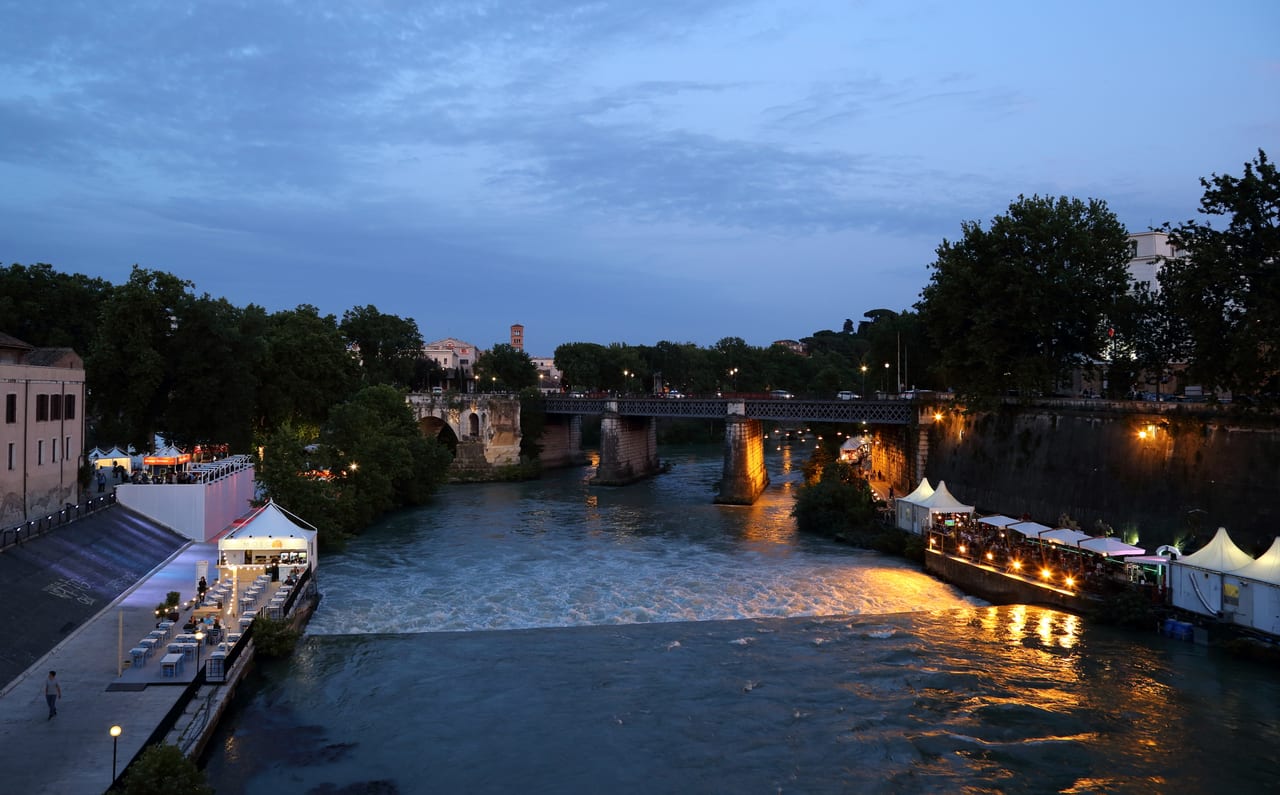
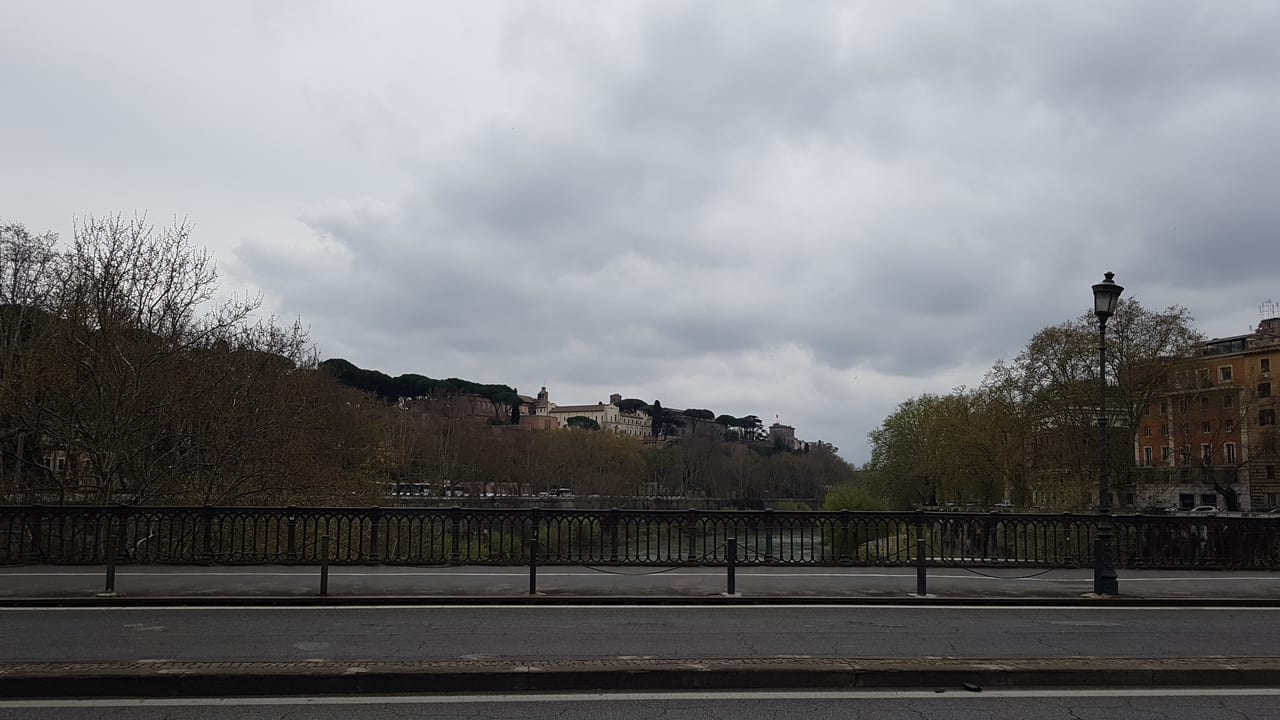
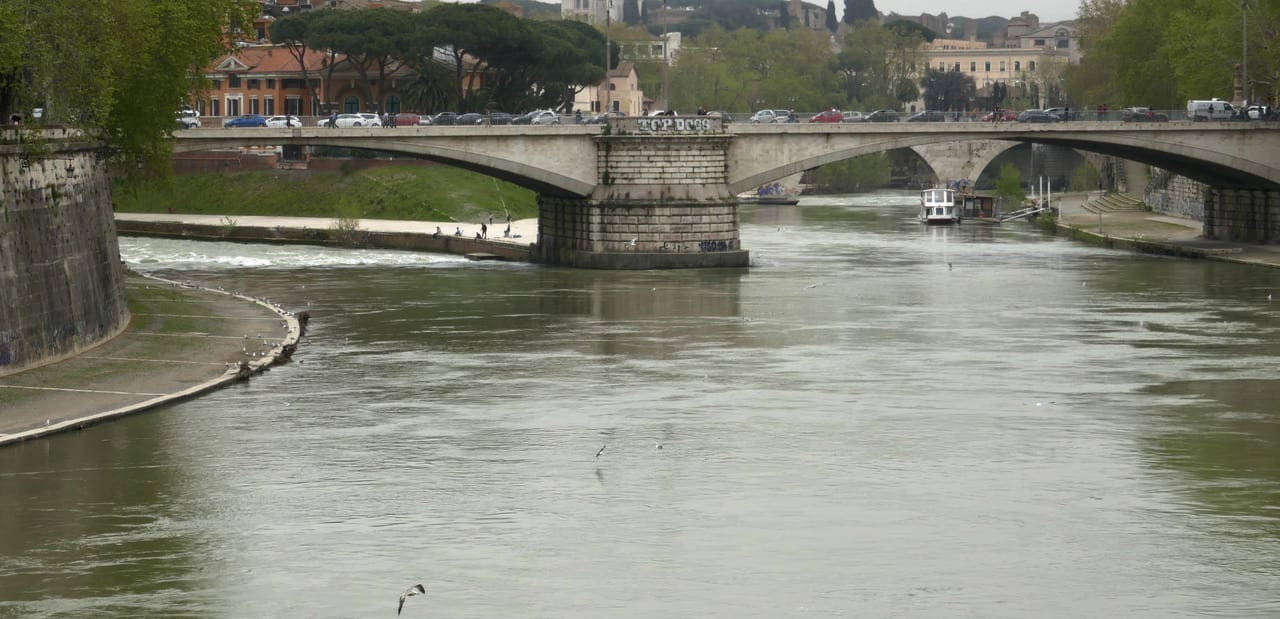
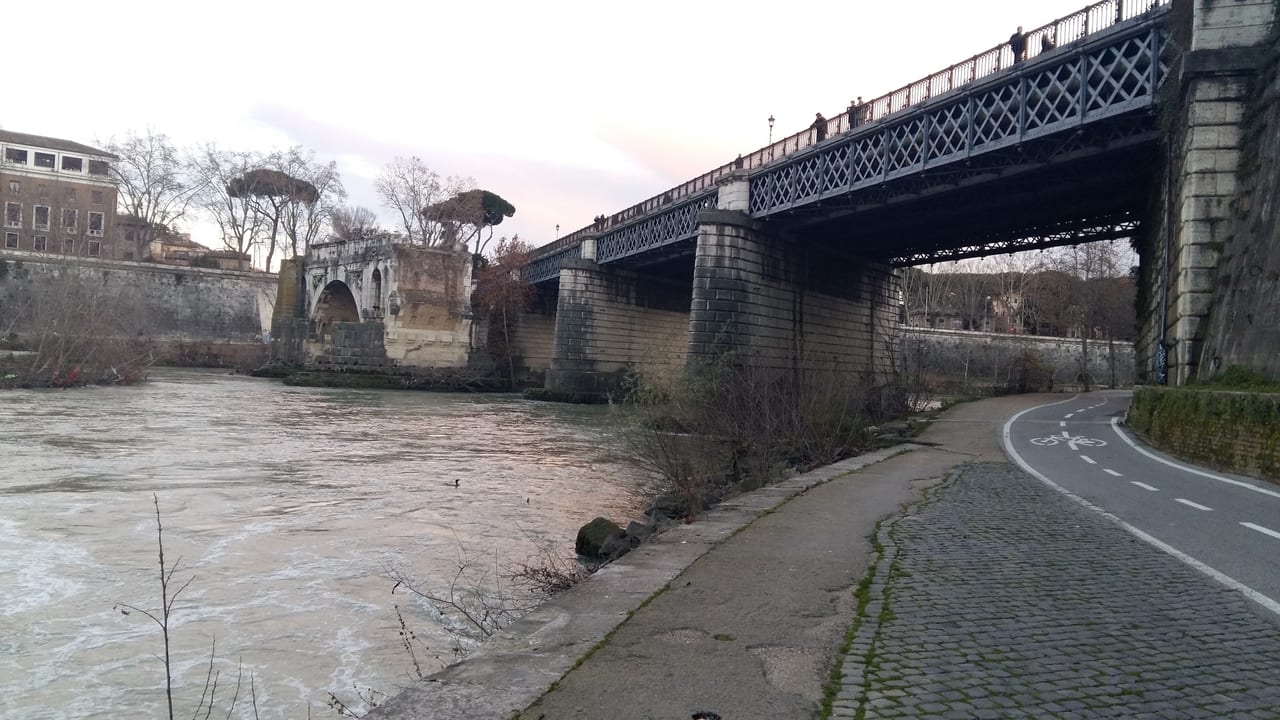
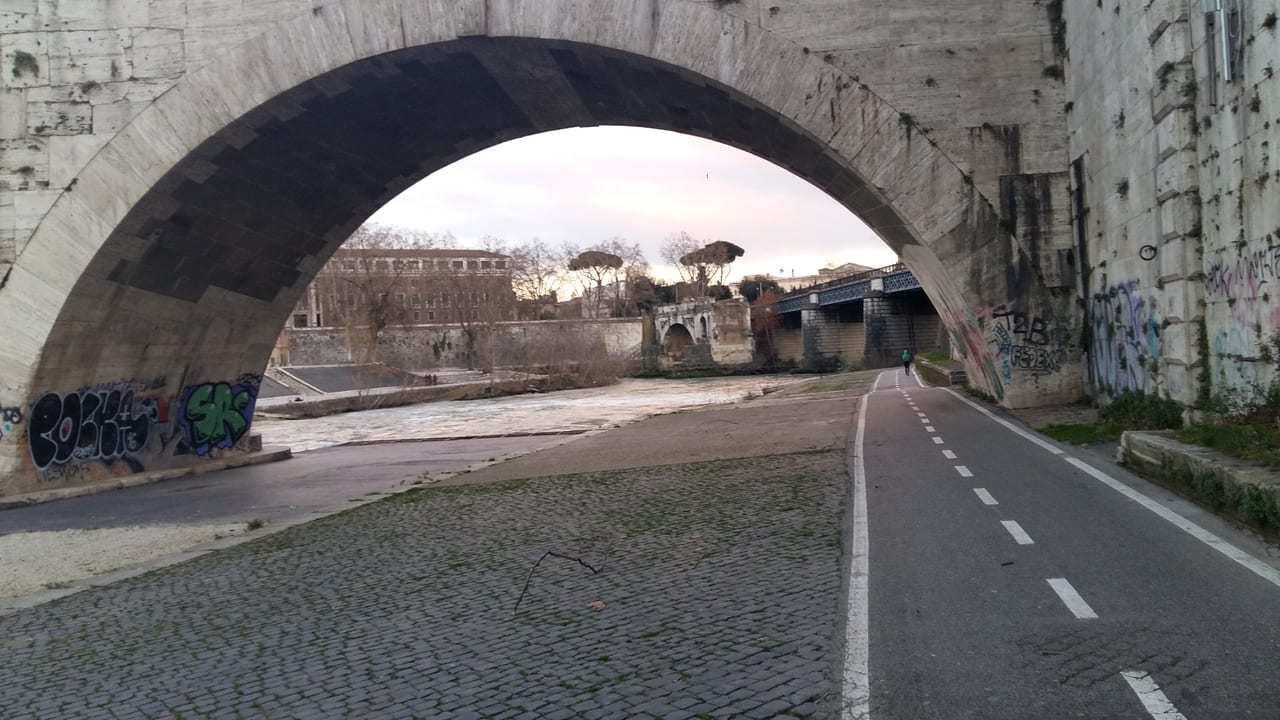
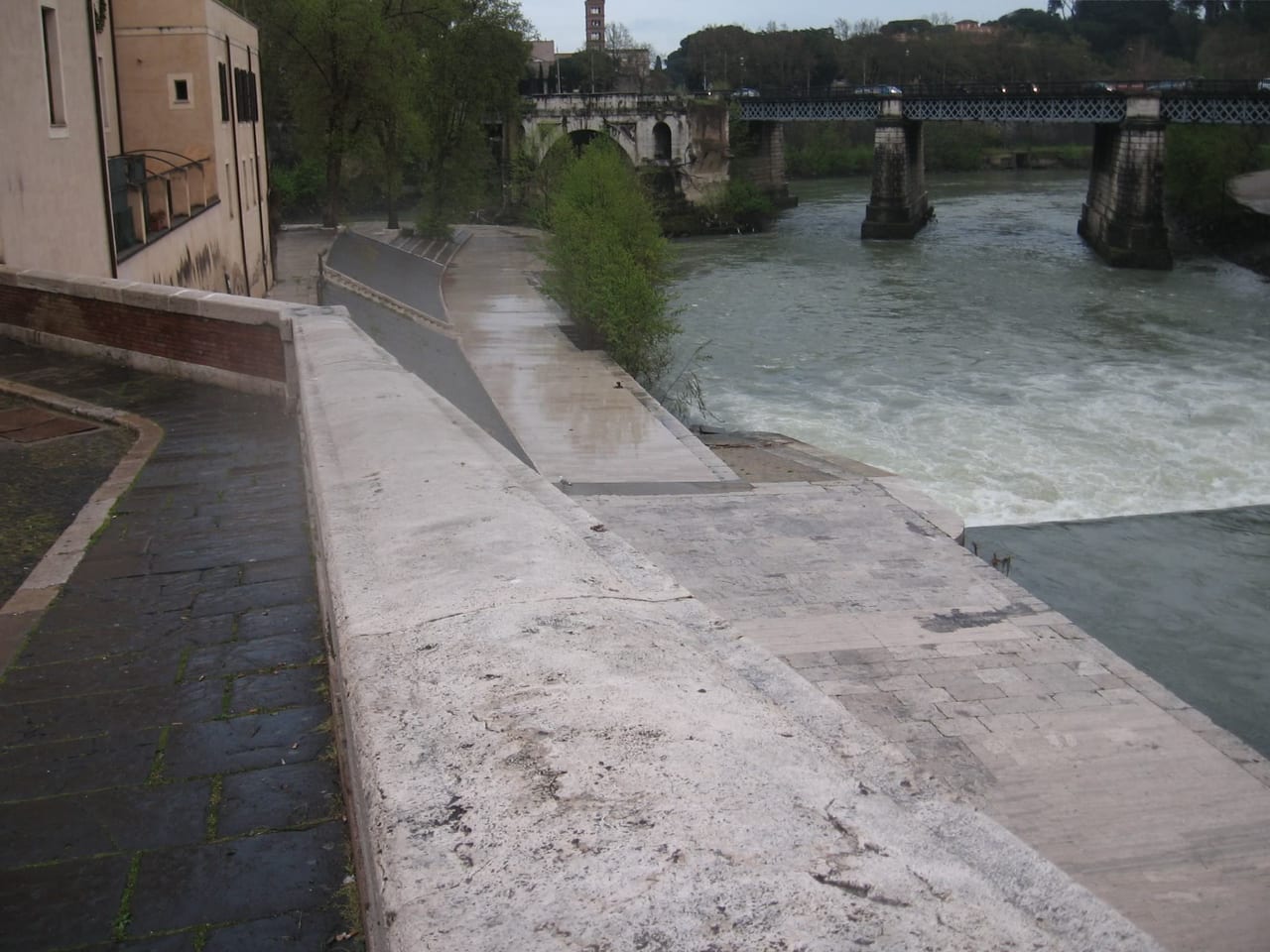
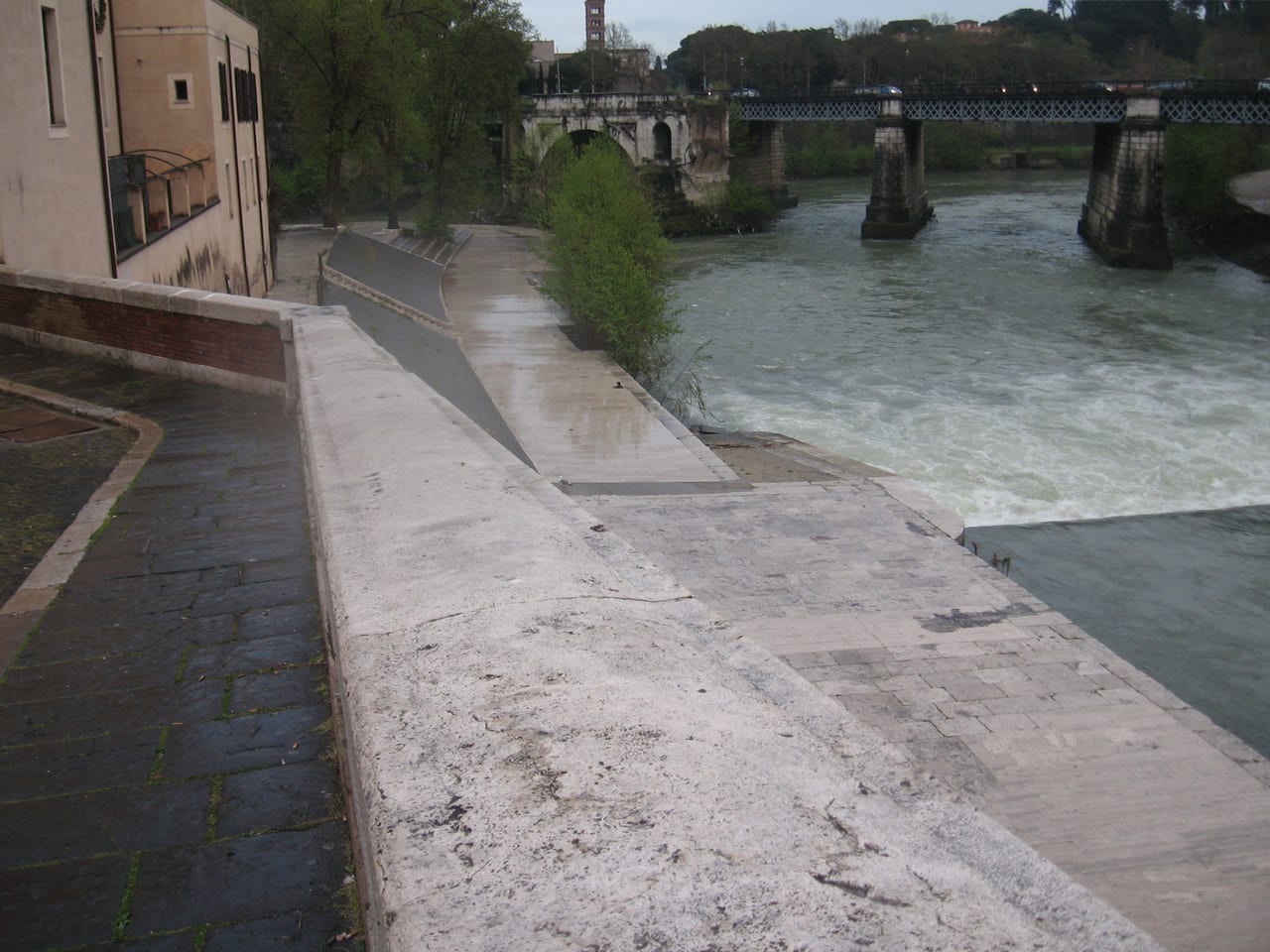
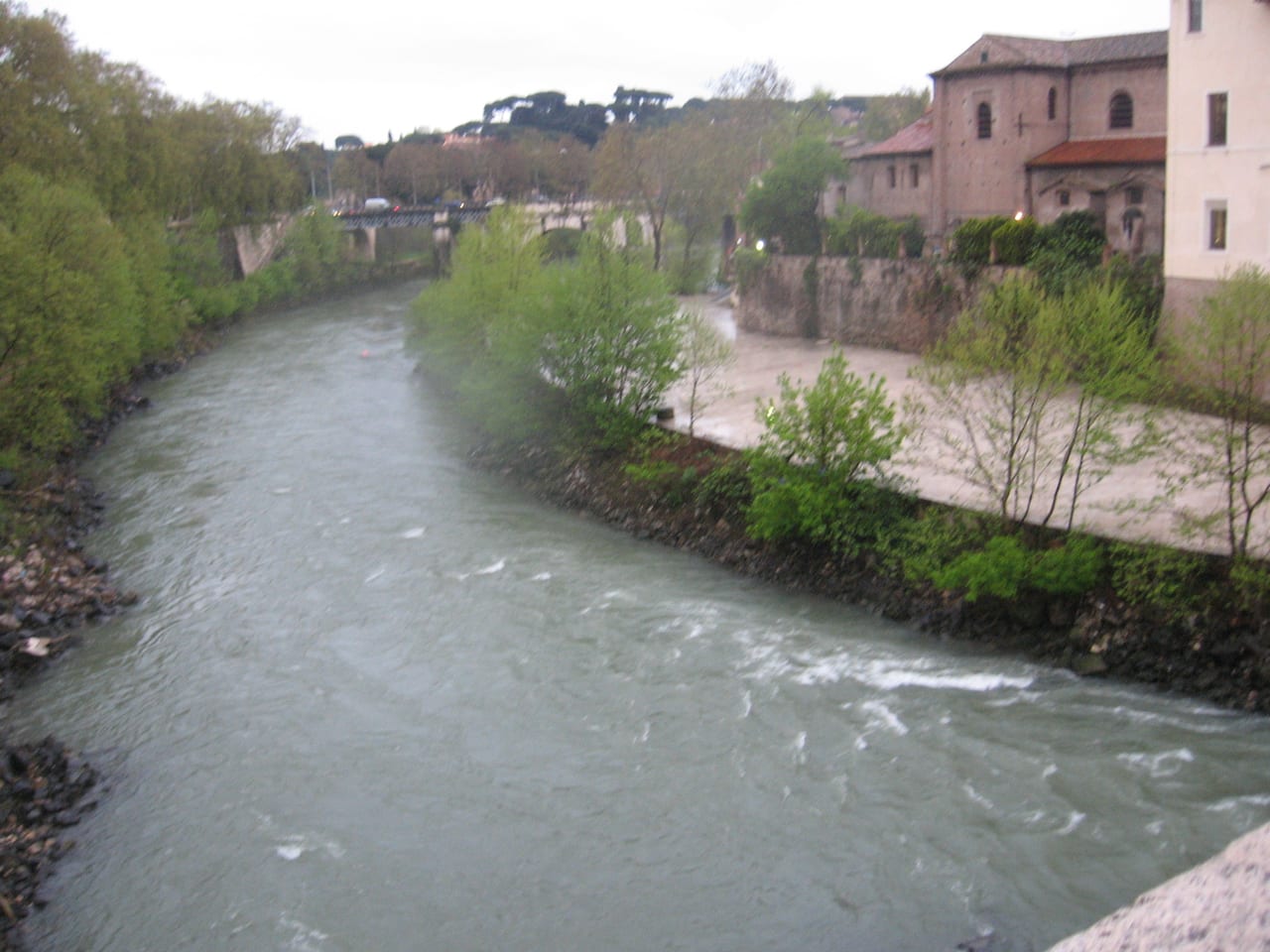
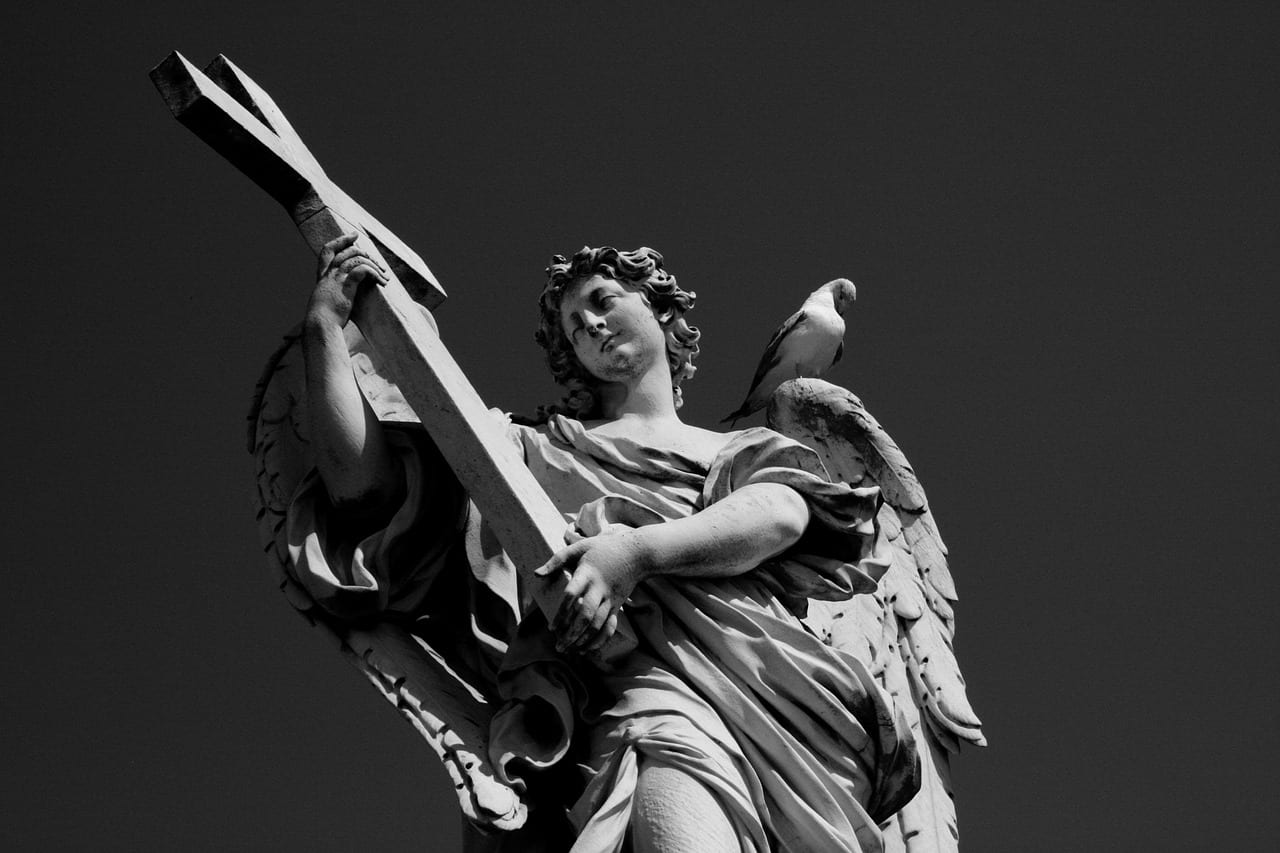
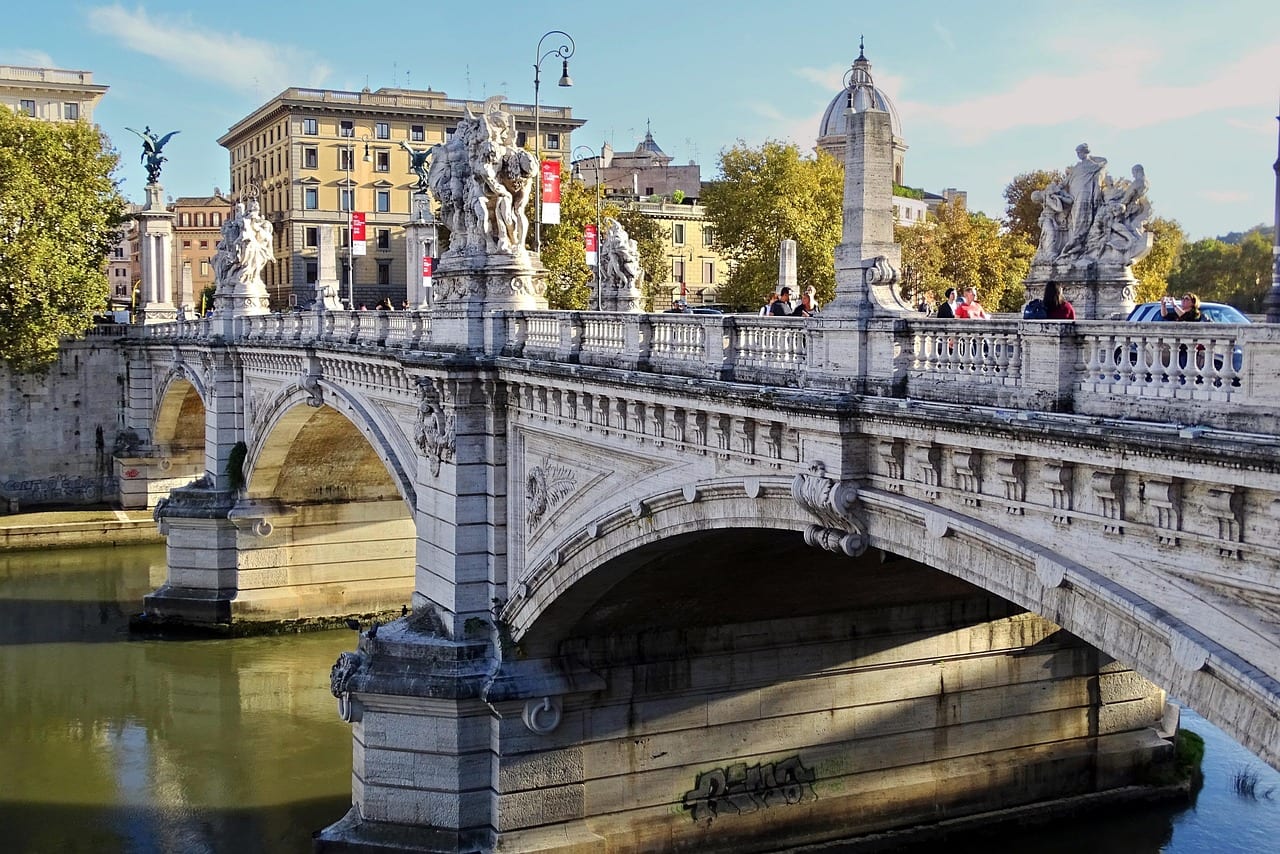
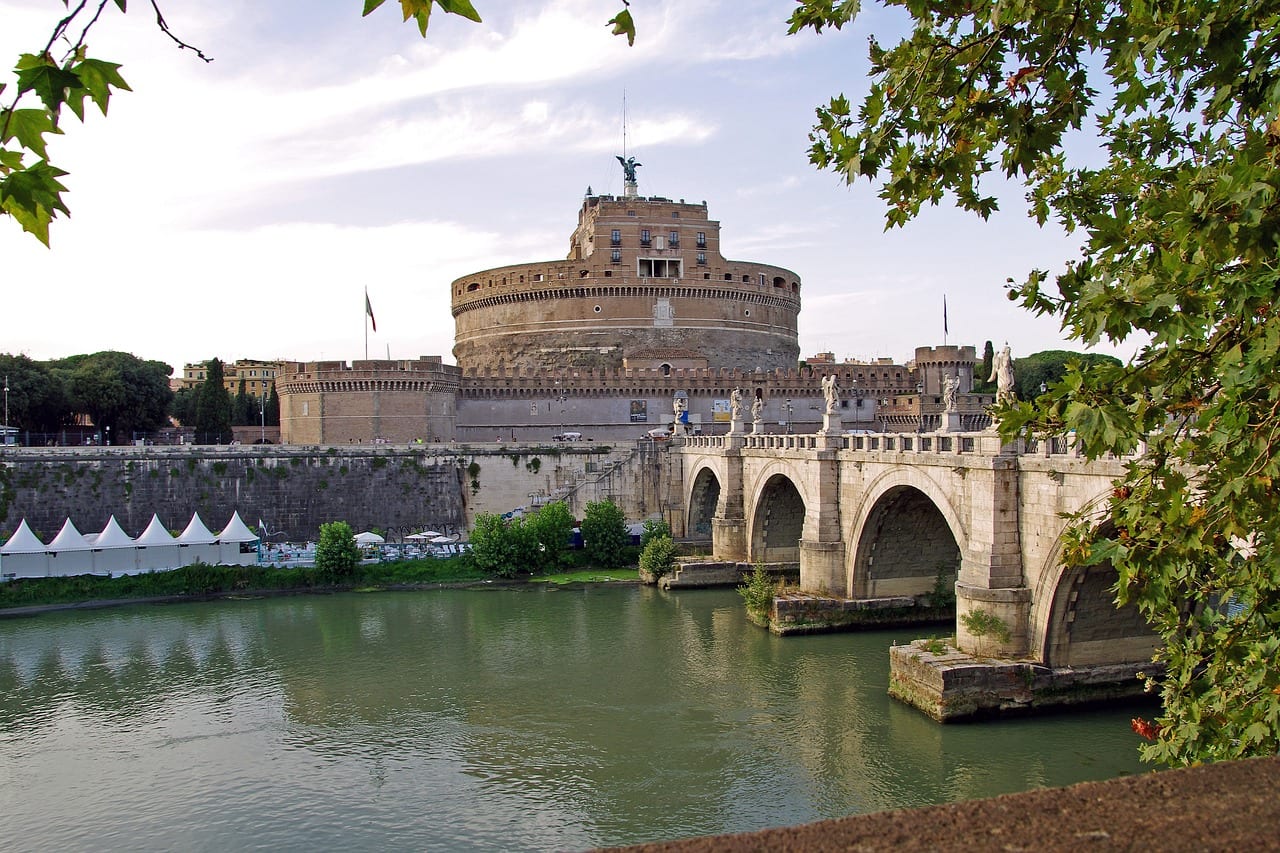
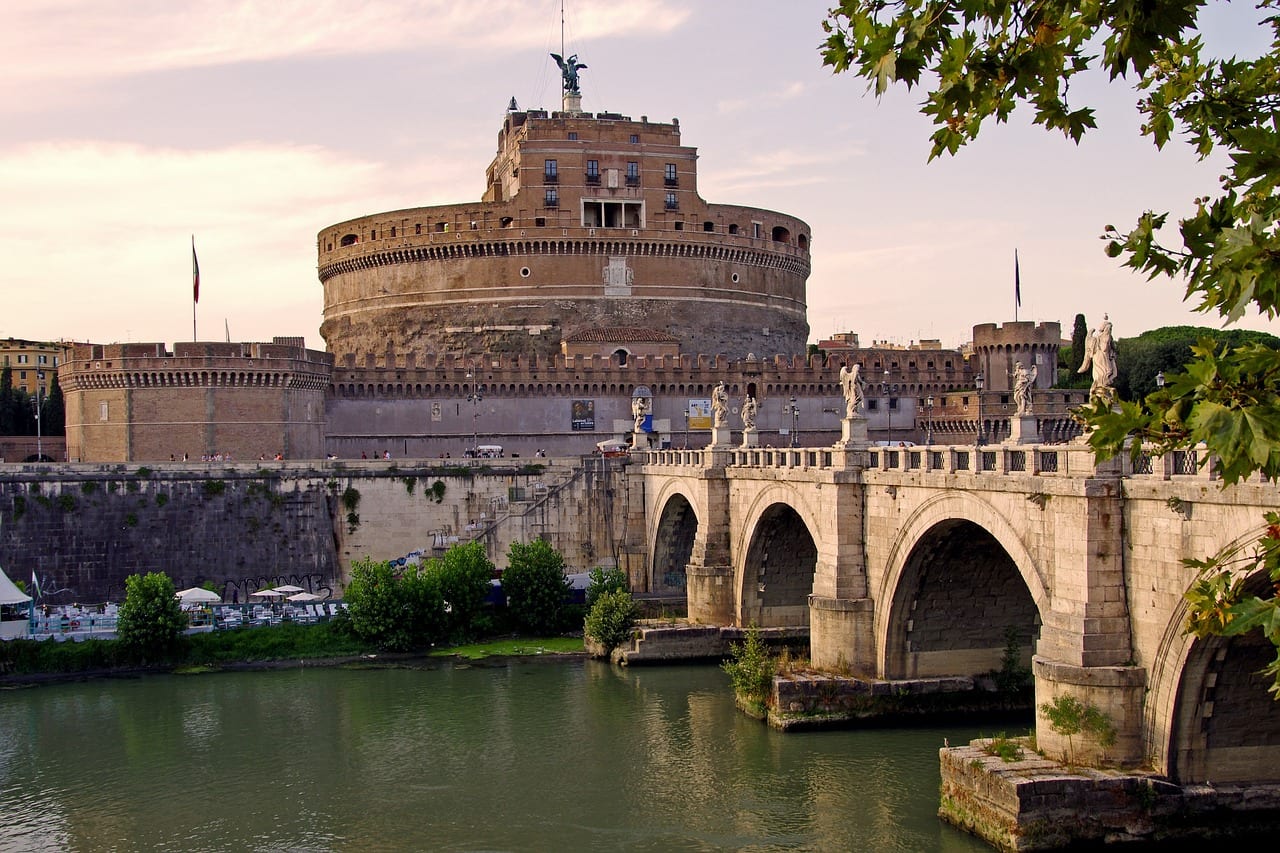
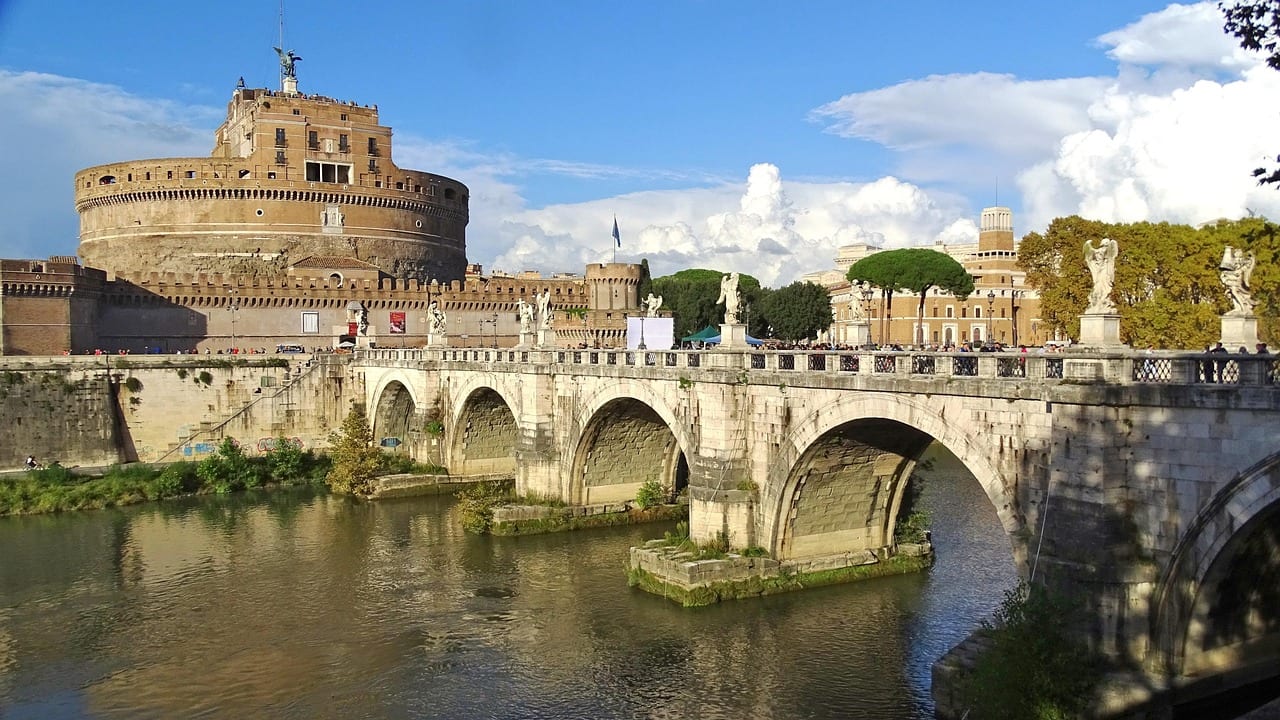
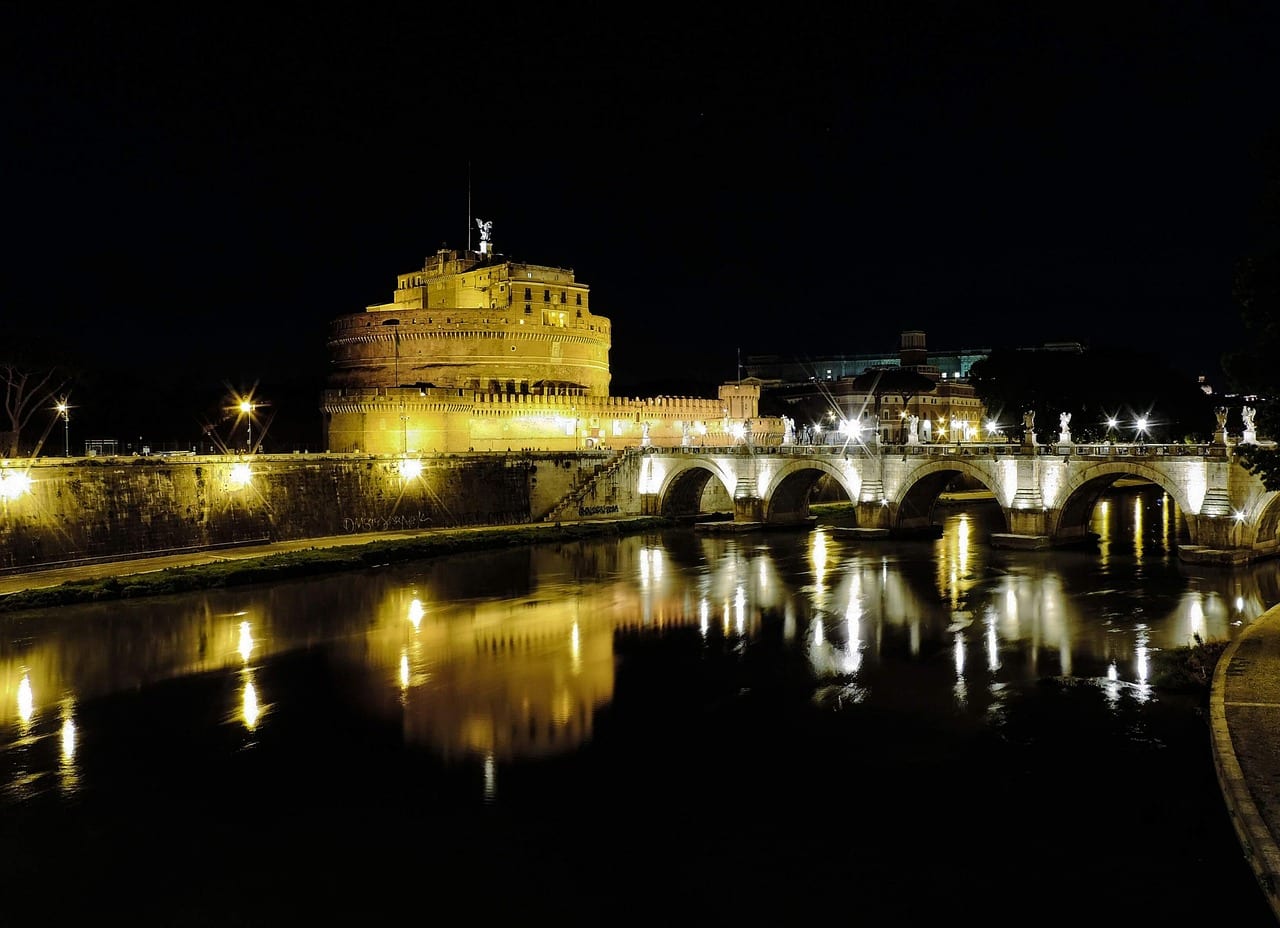
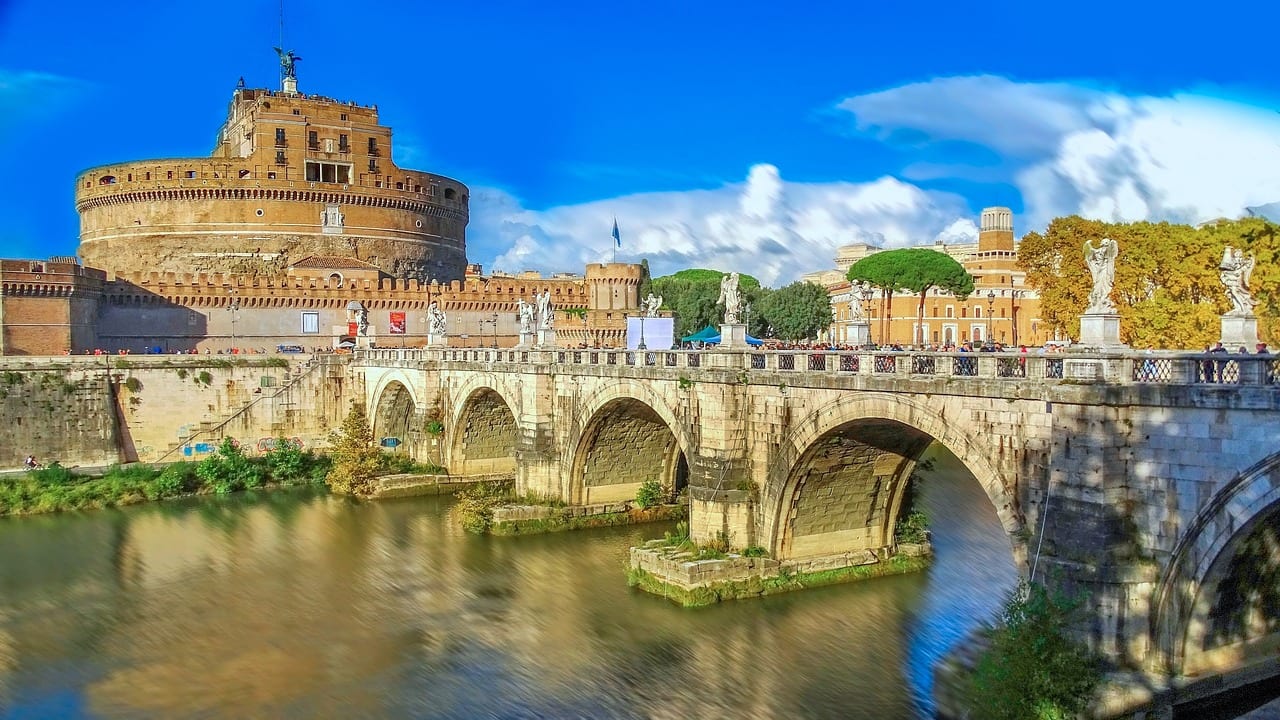
Photograph 1 of 46 of Ponte Palatino
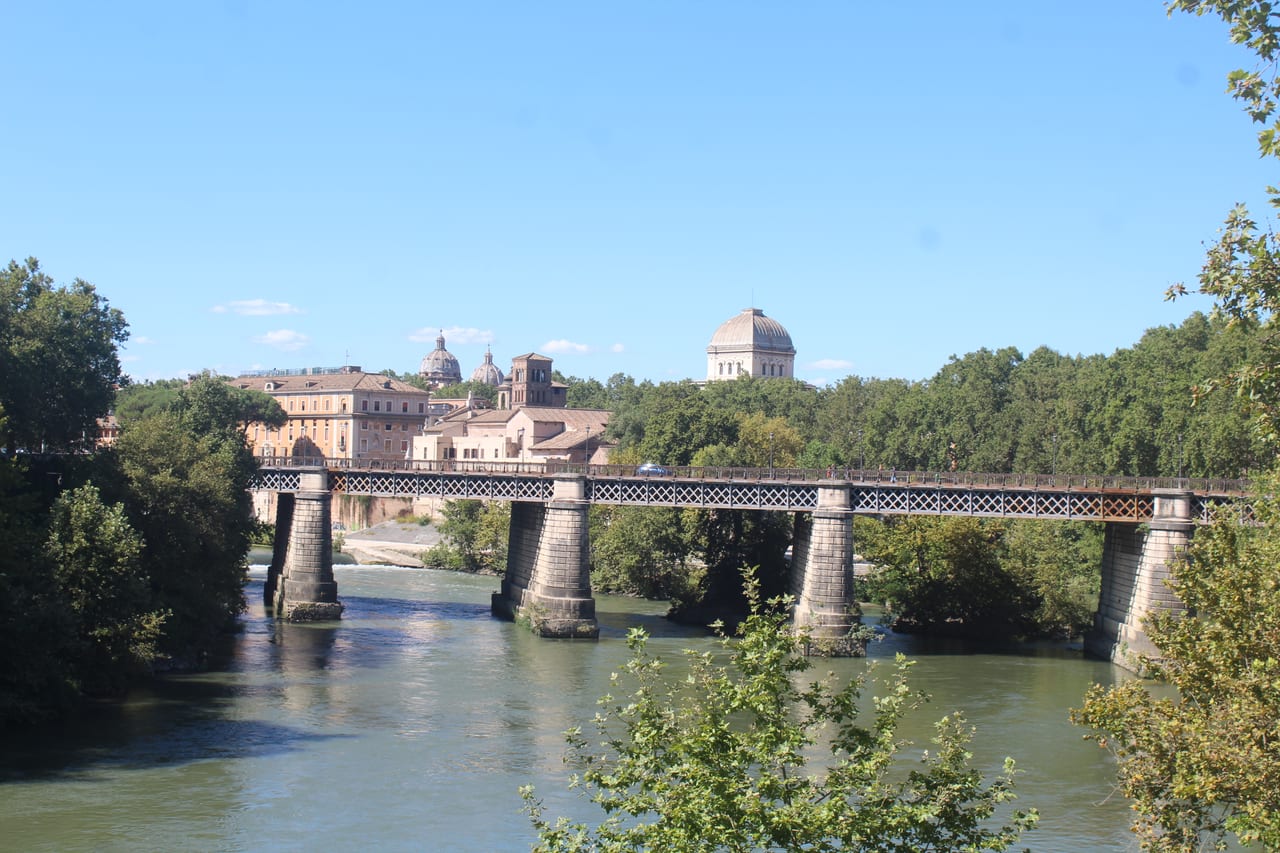
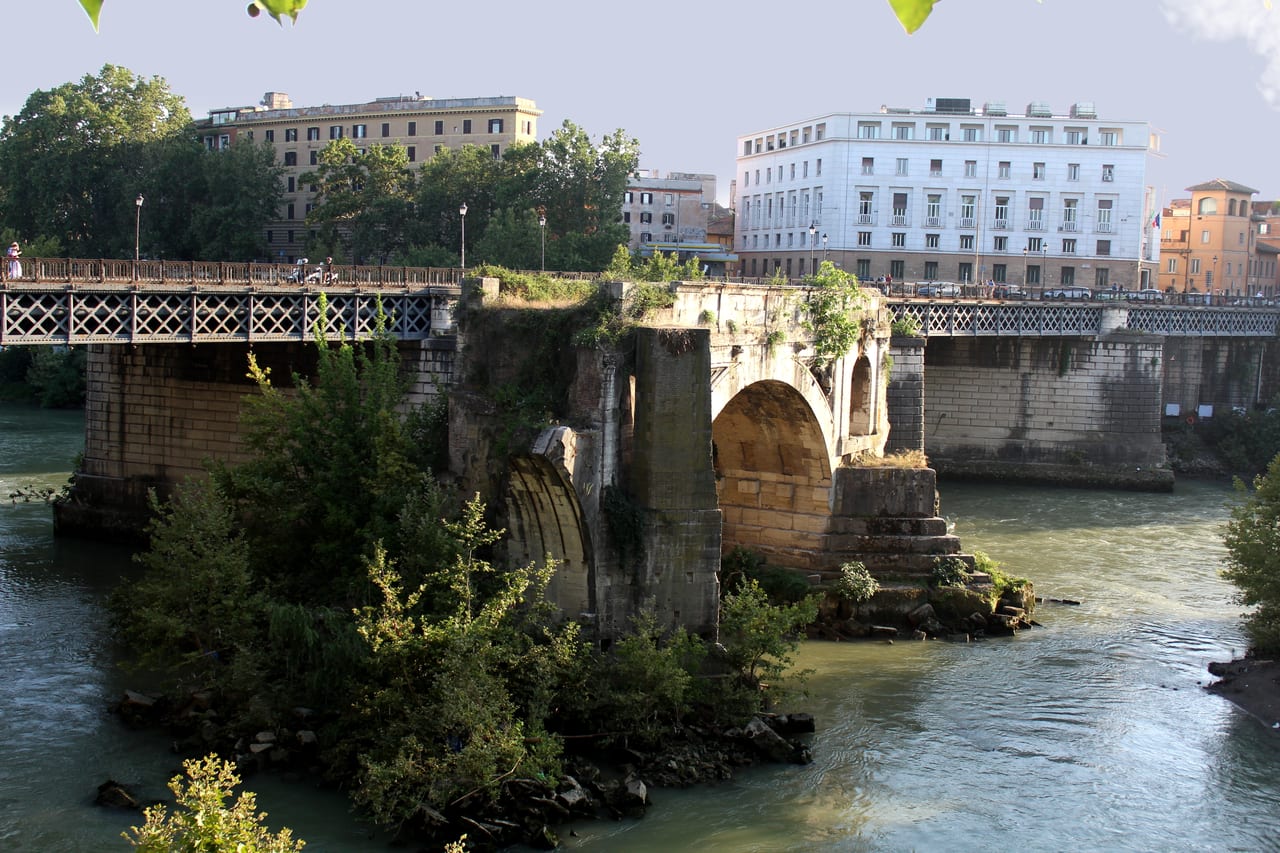
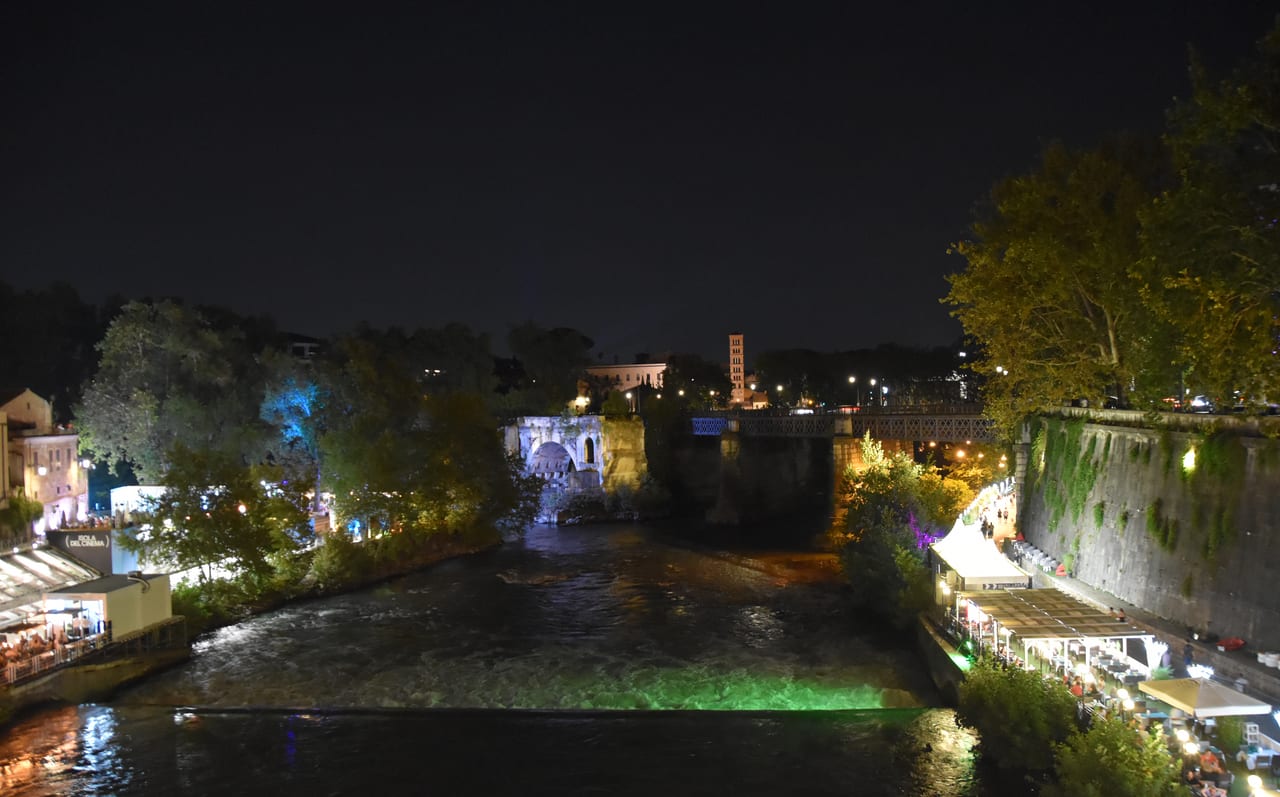
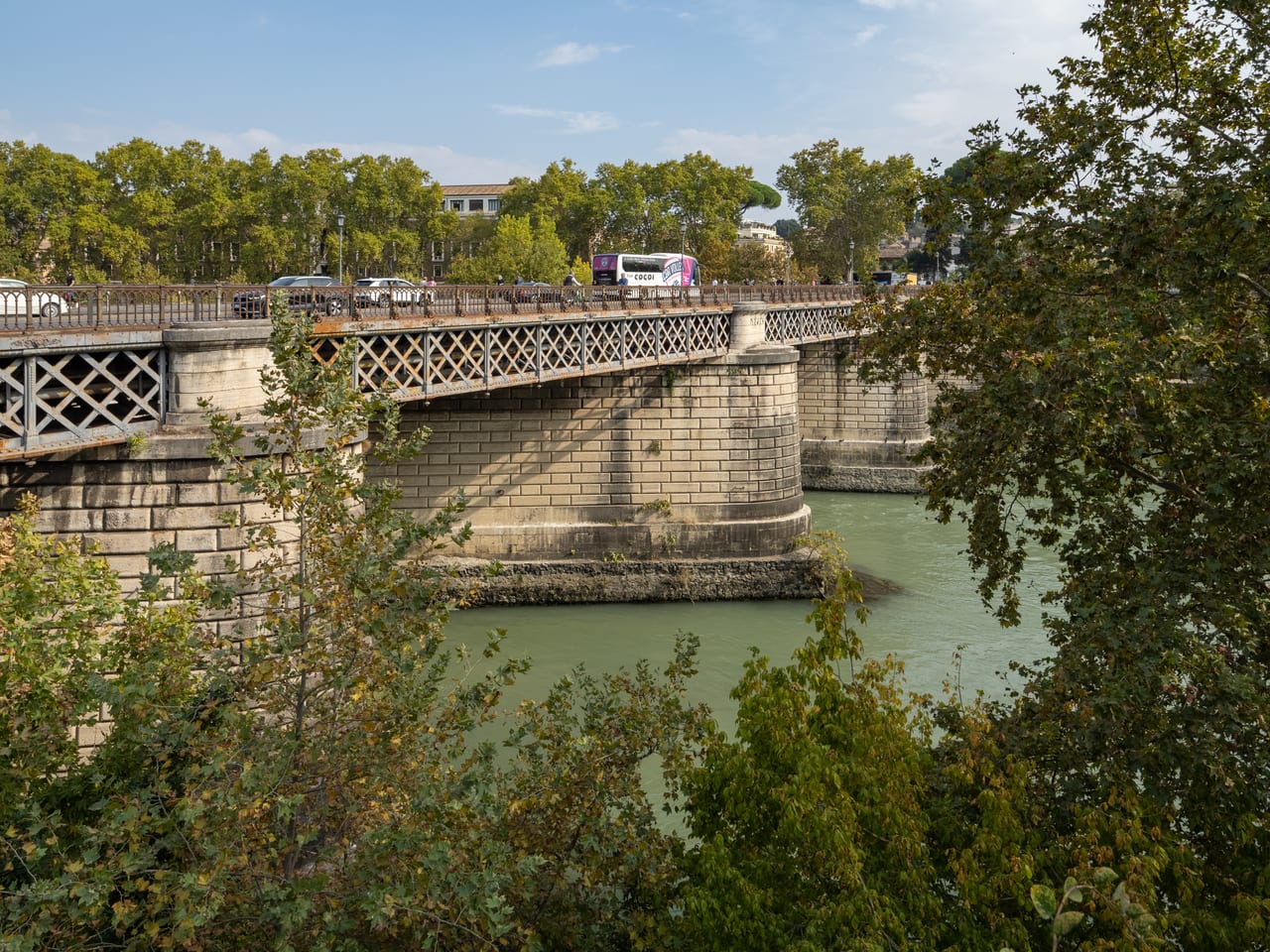
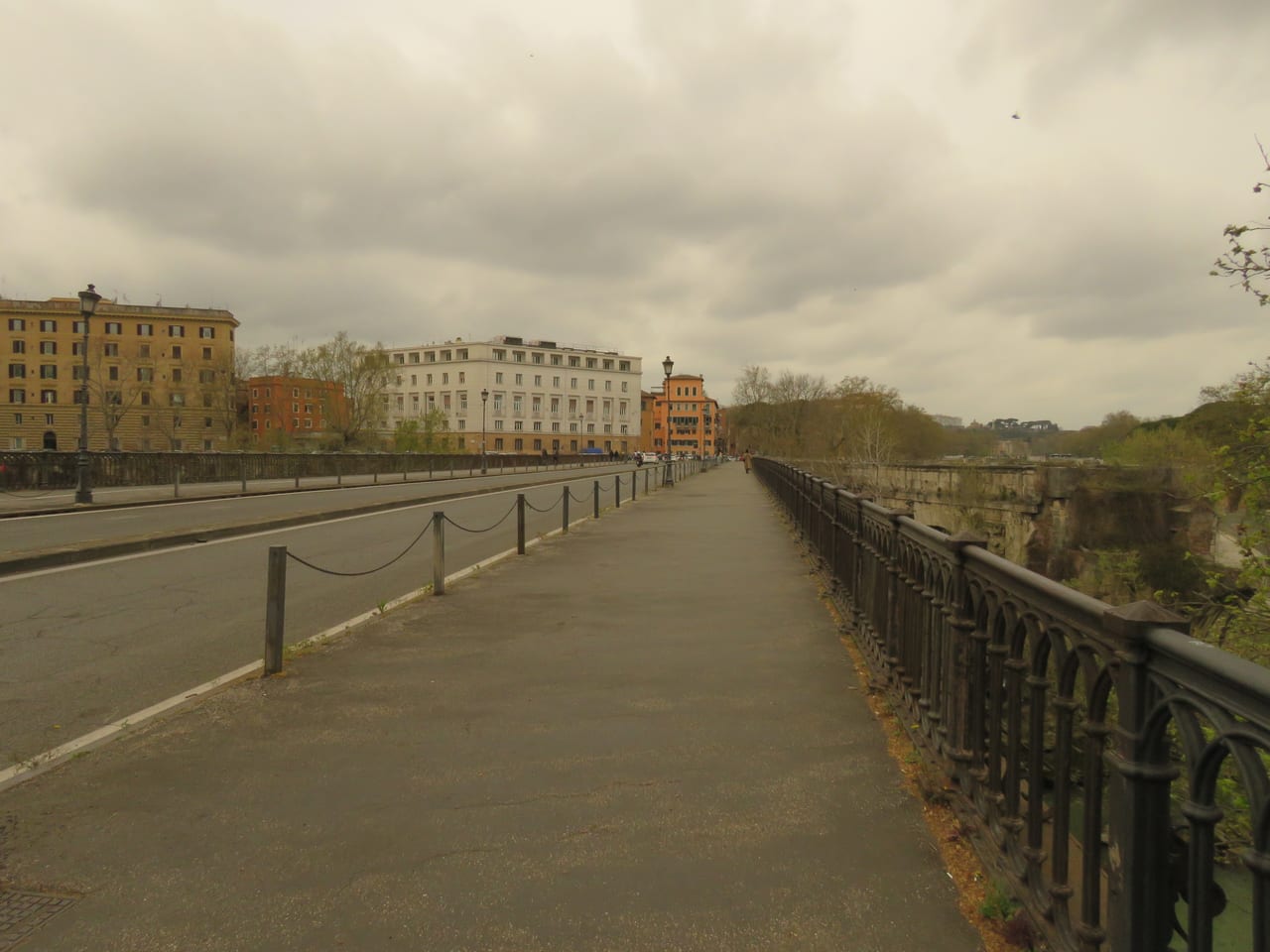
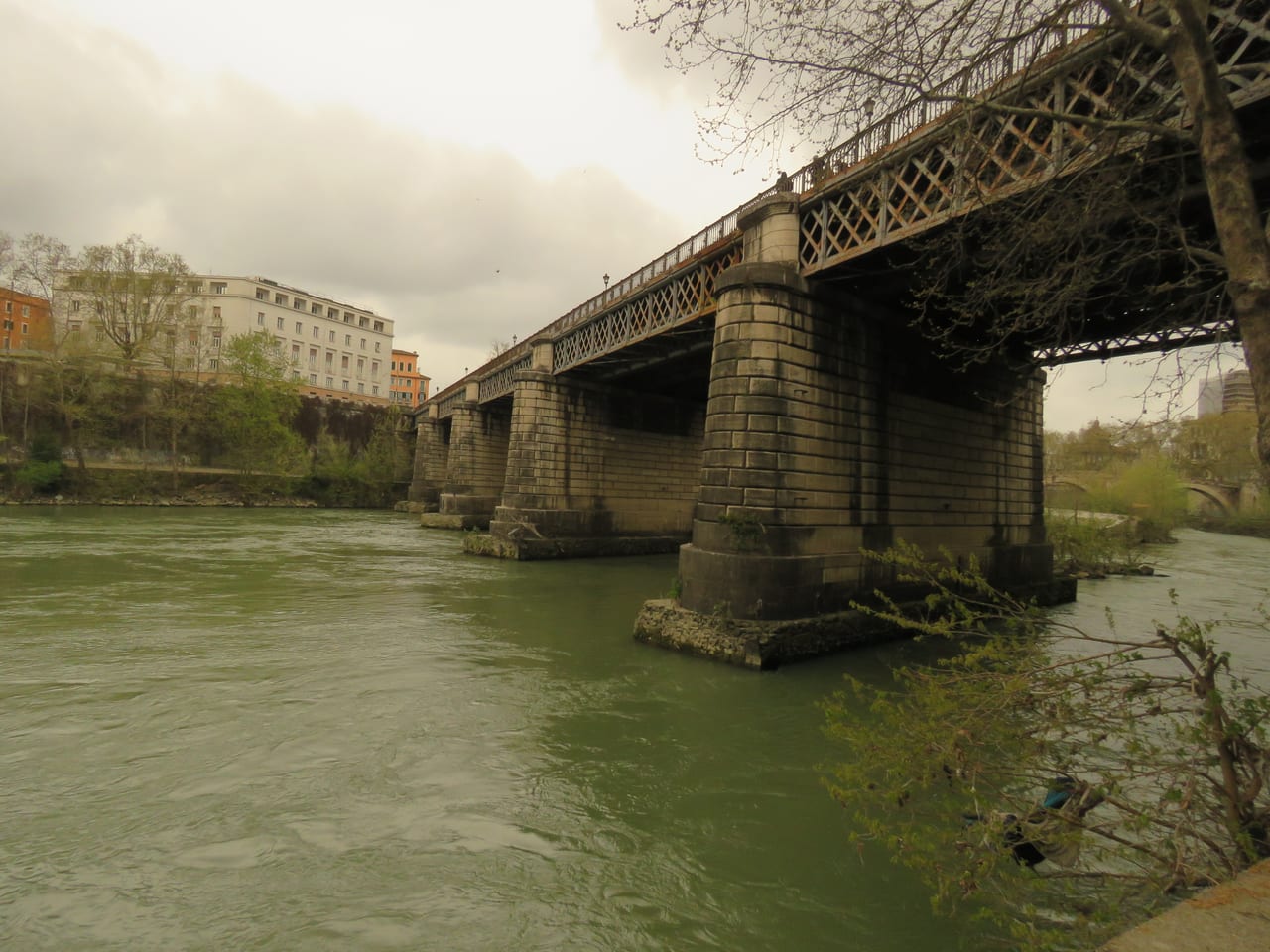
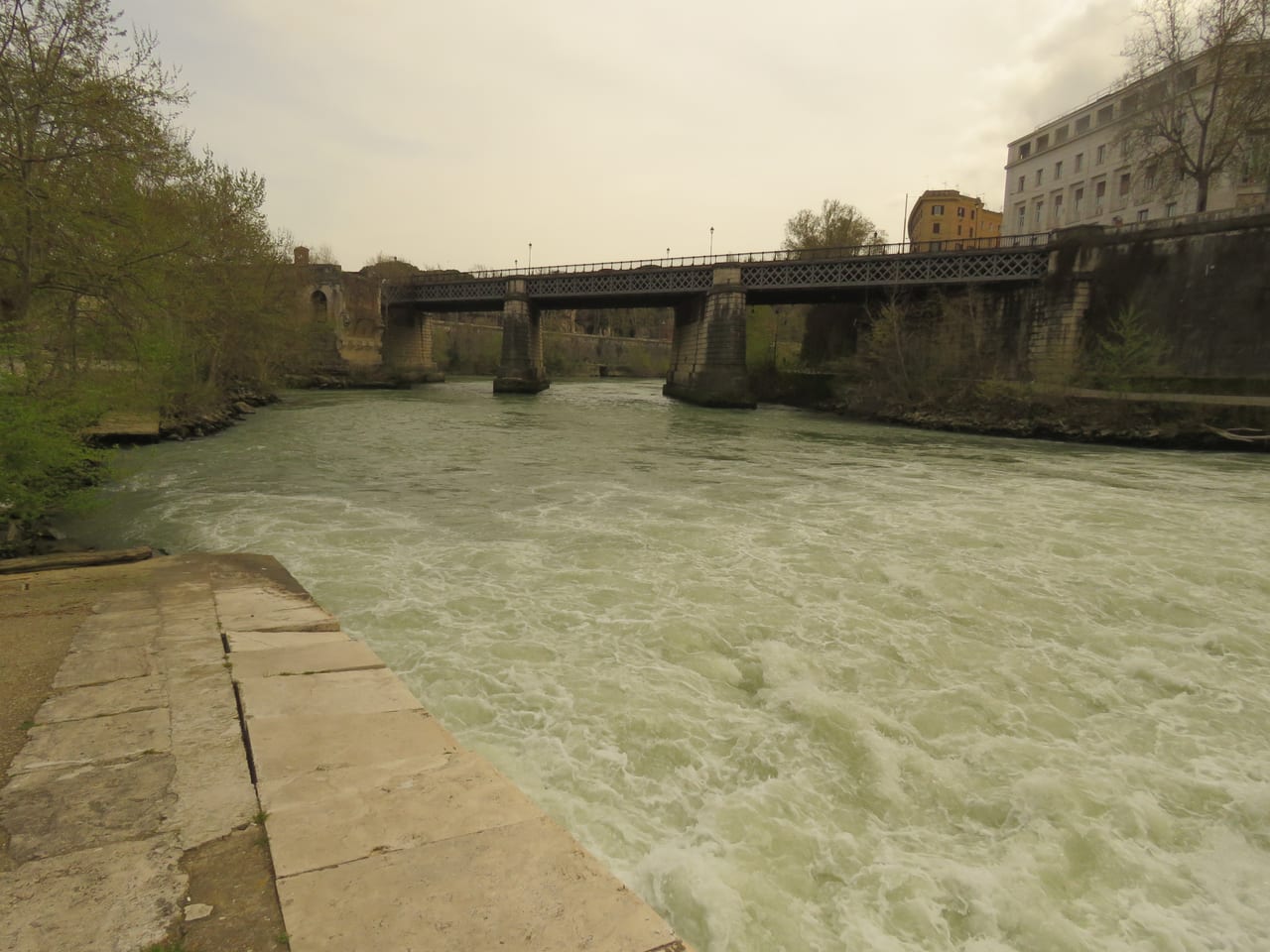
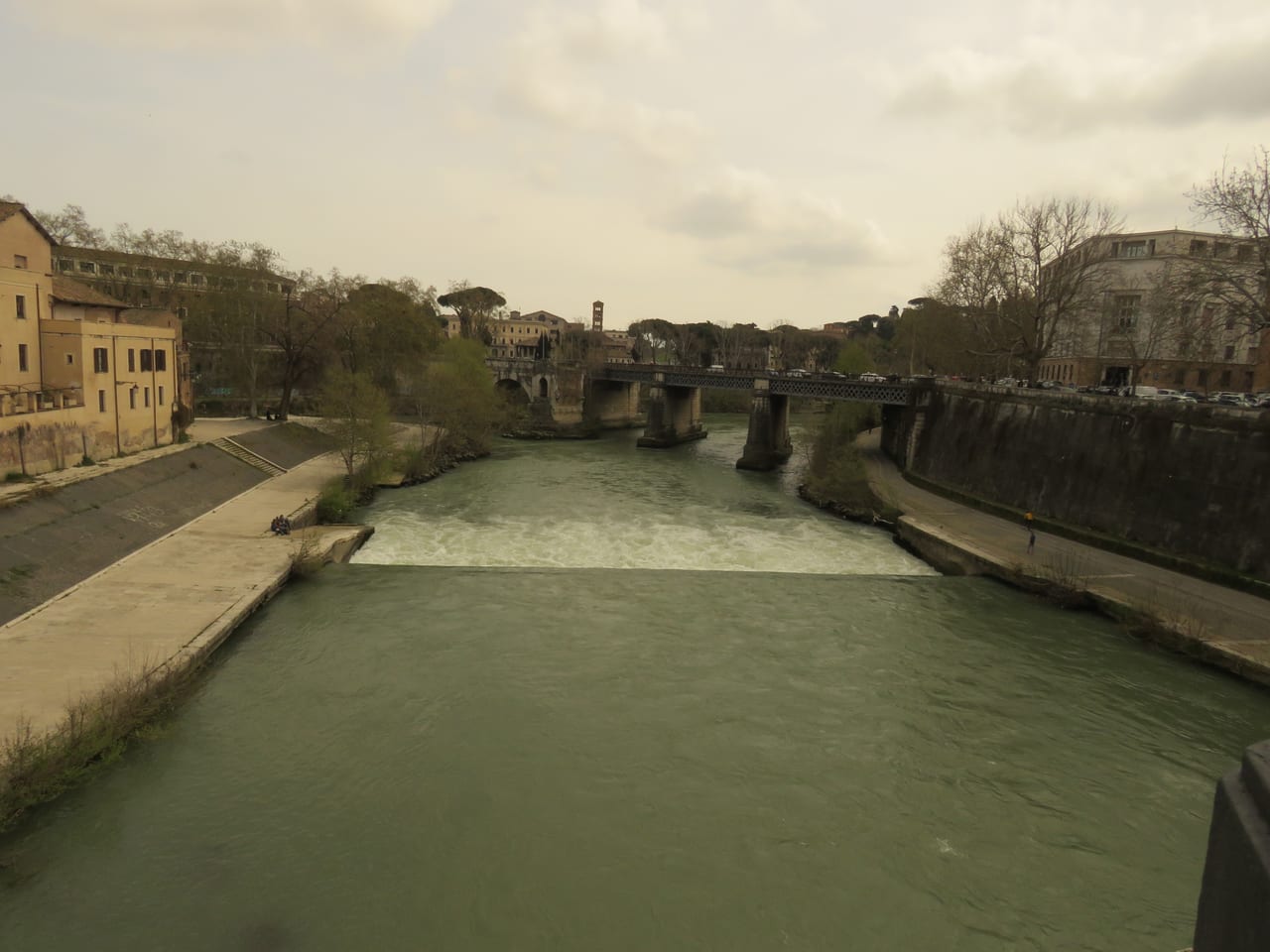
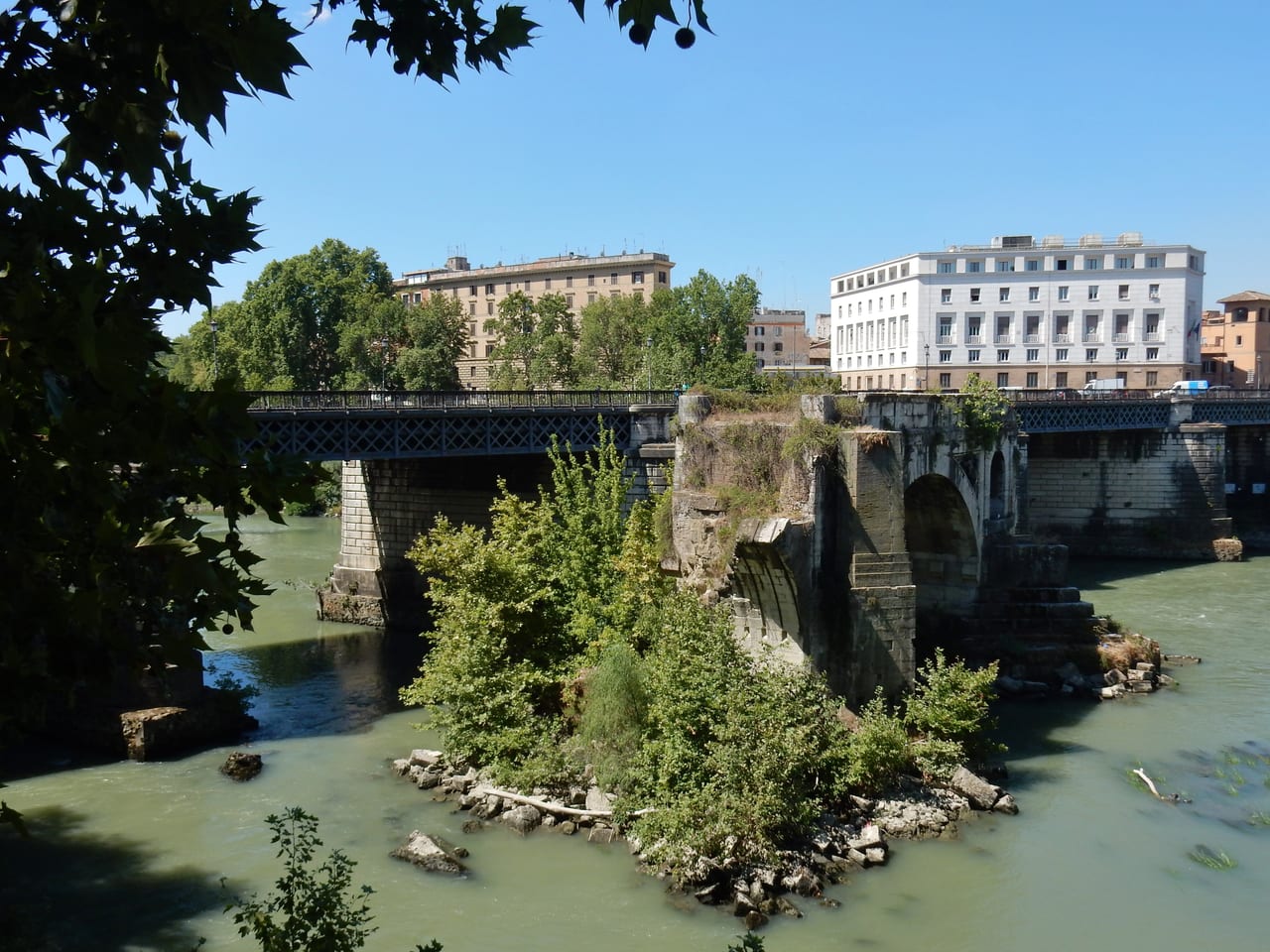
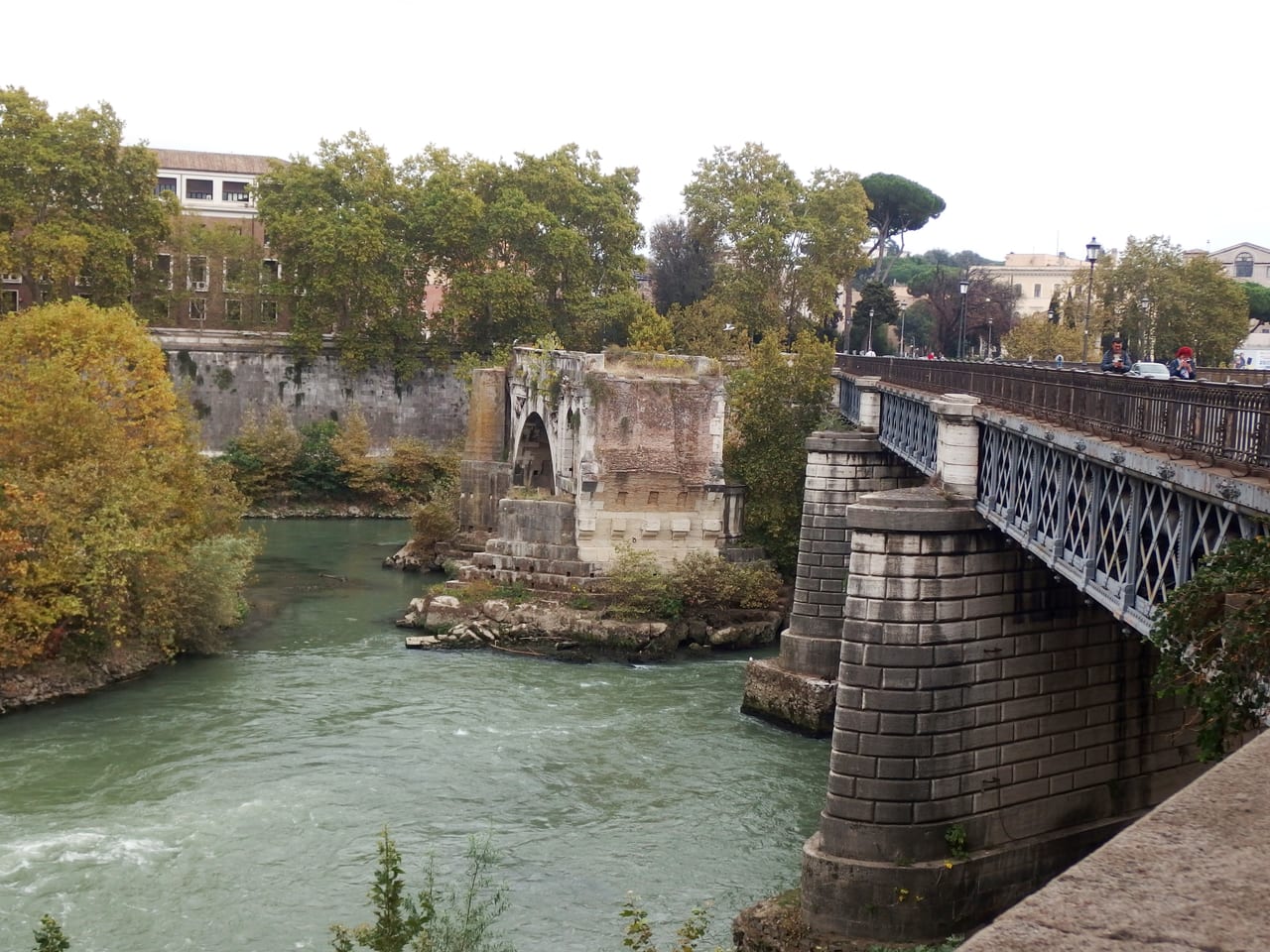
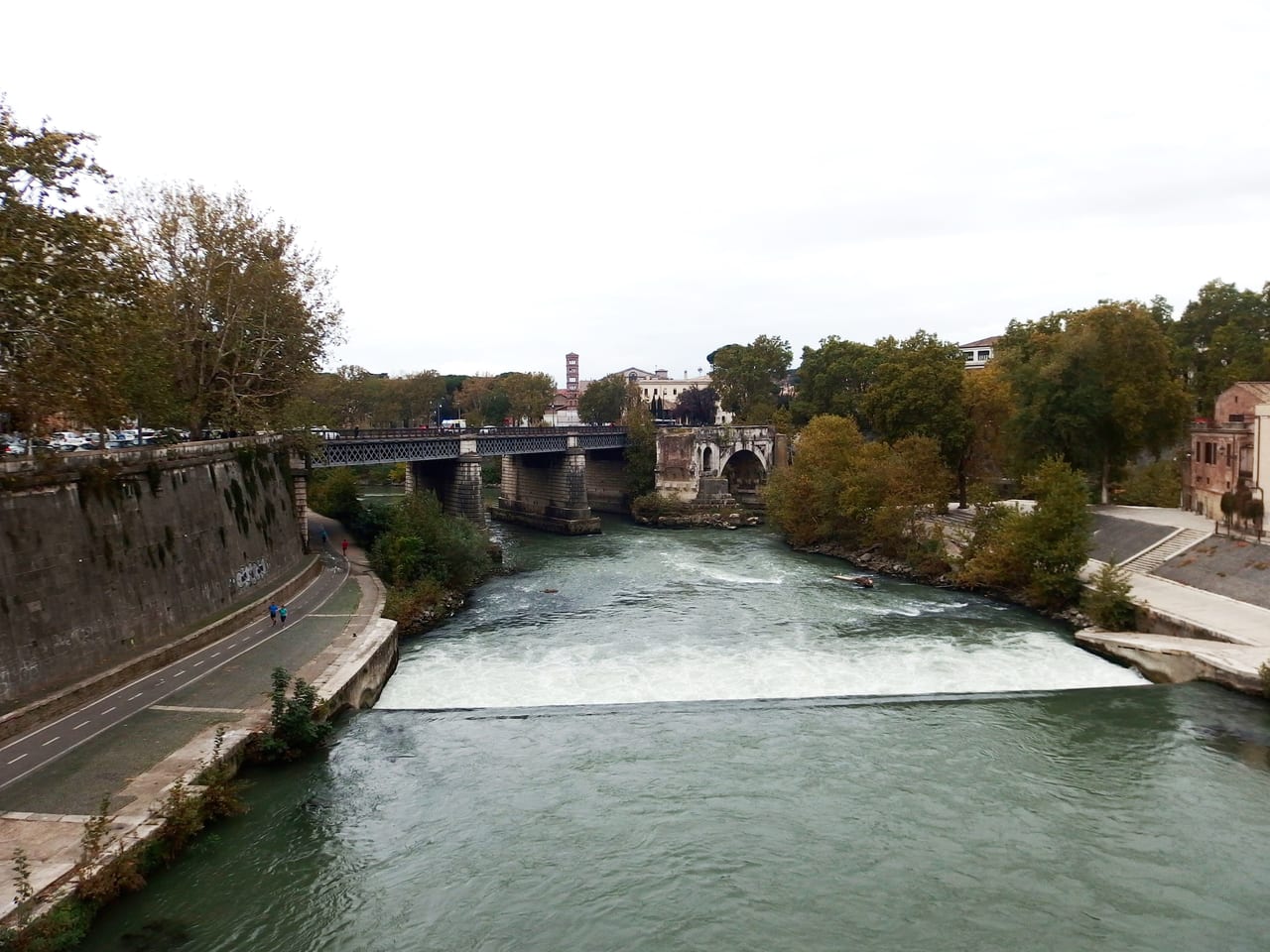
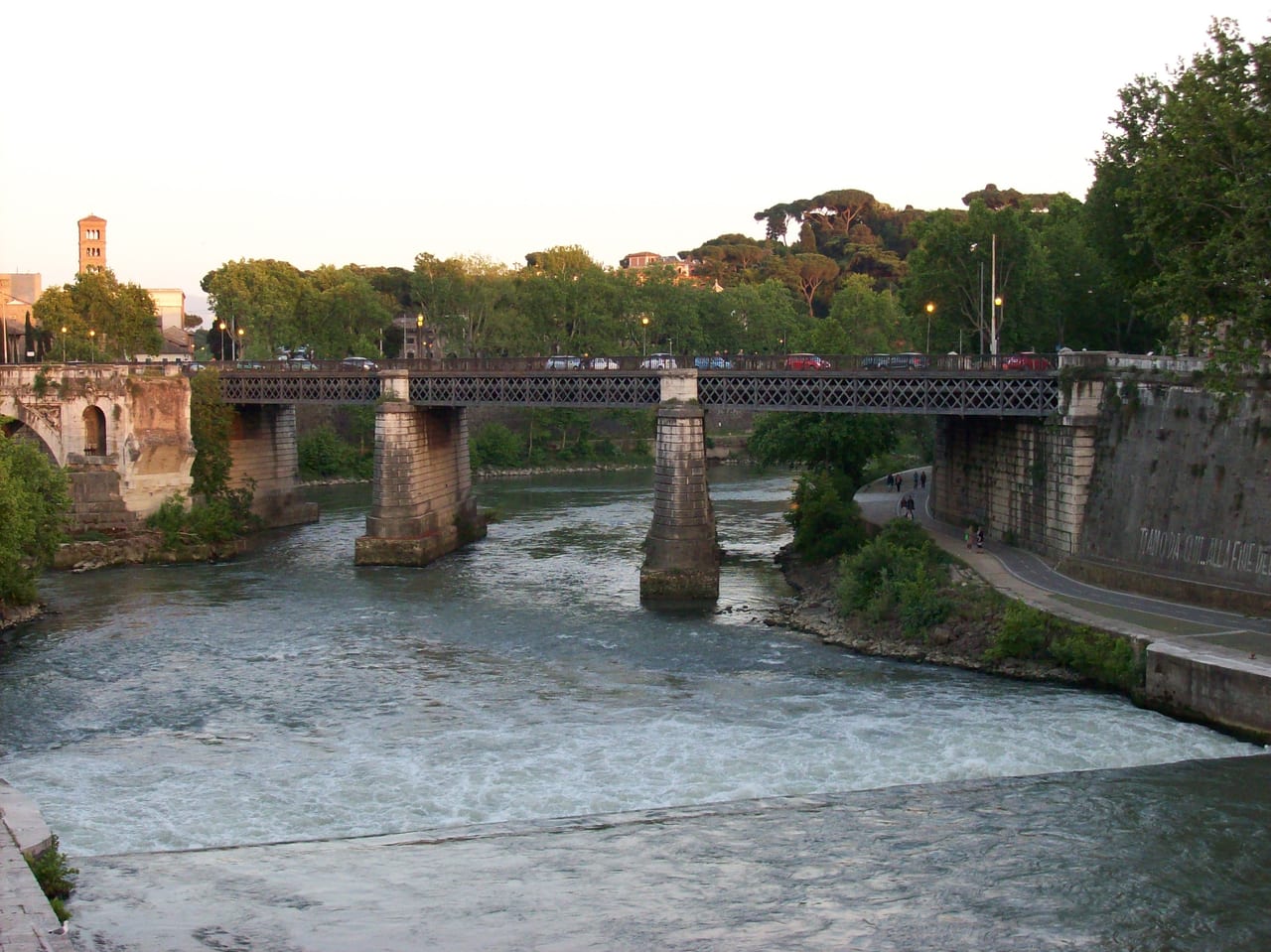
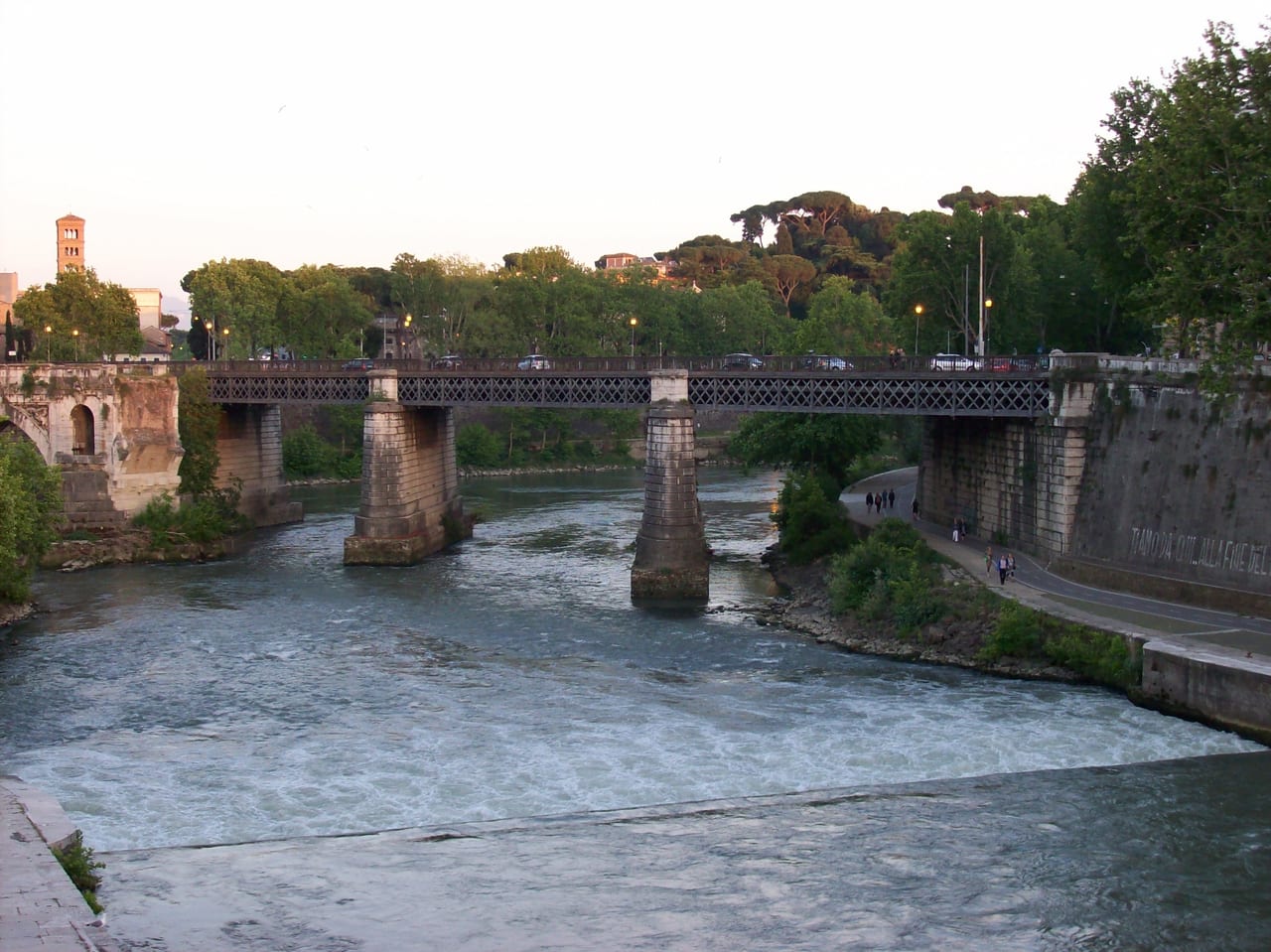
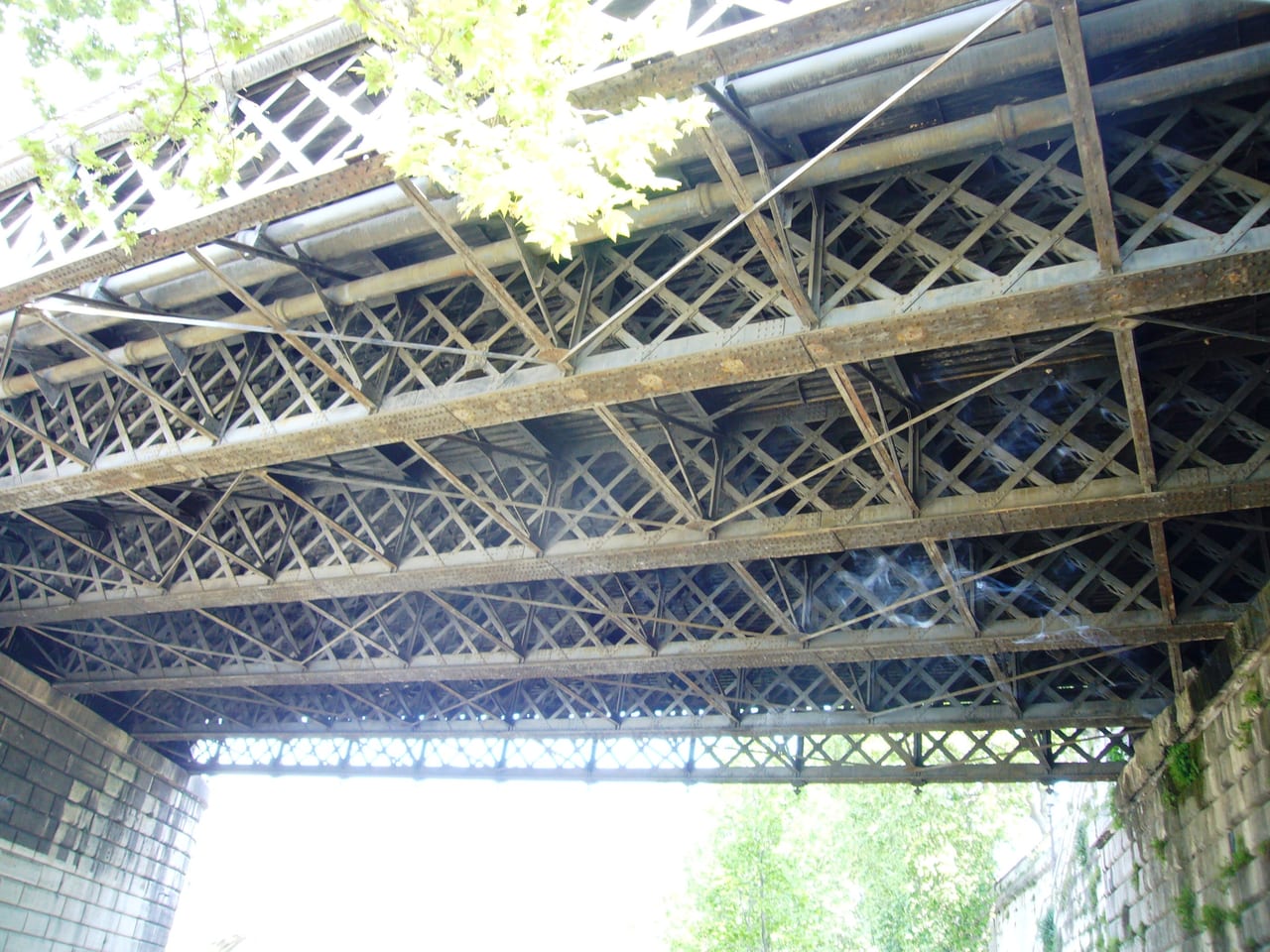
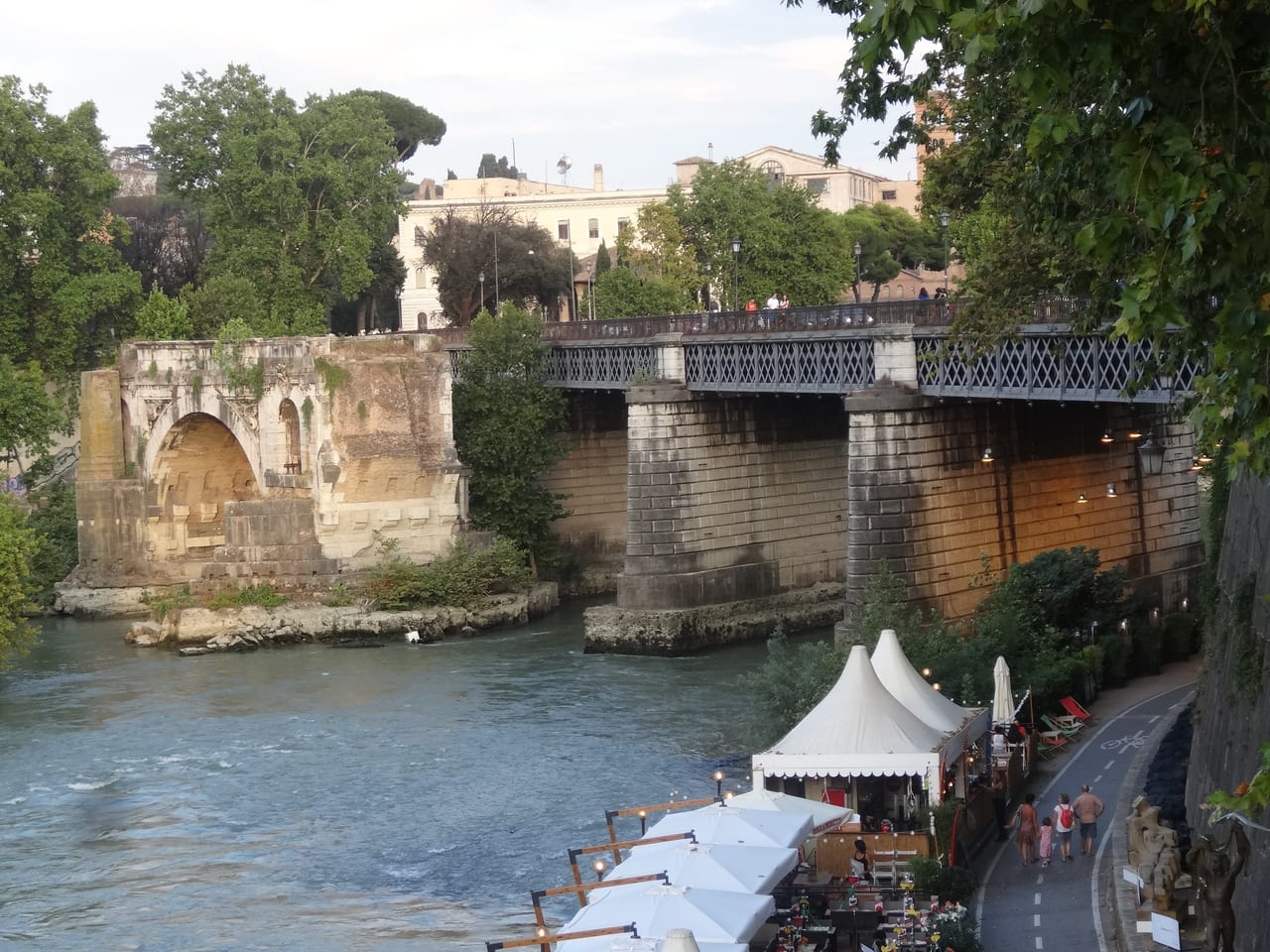
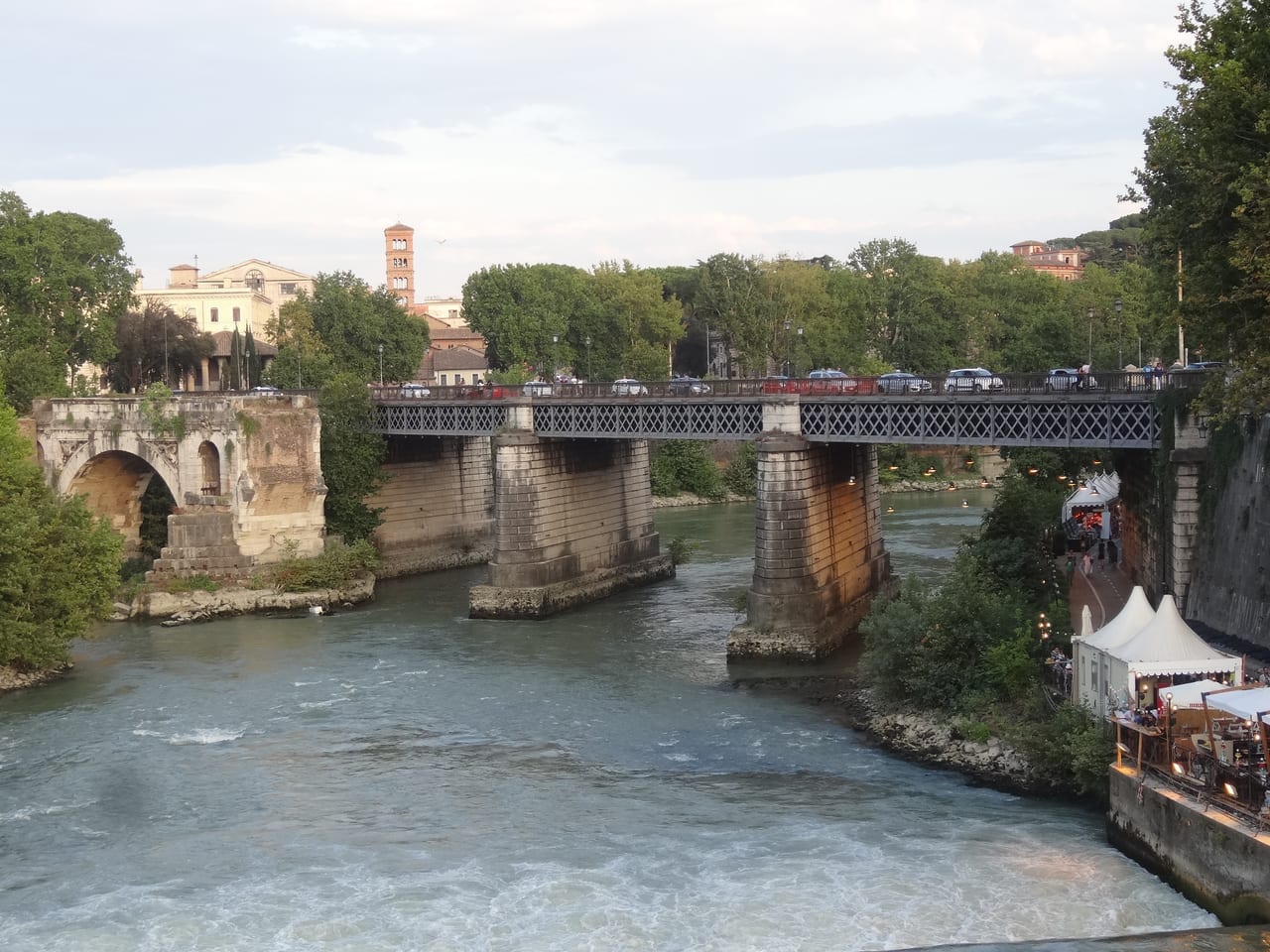
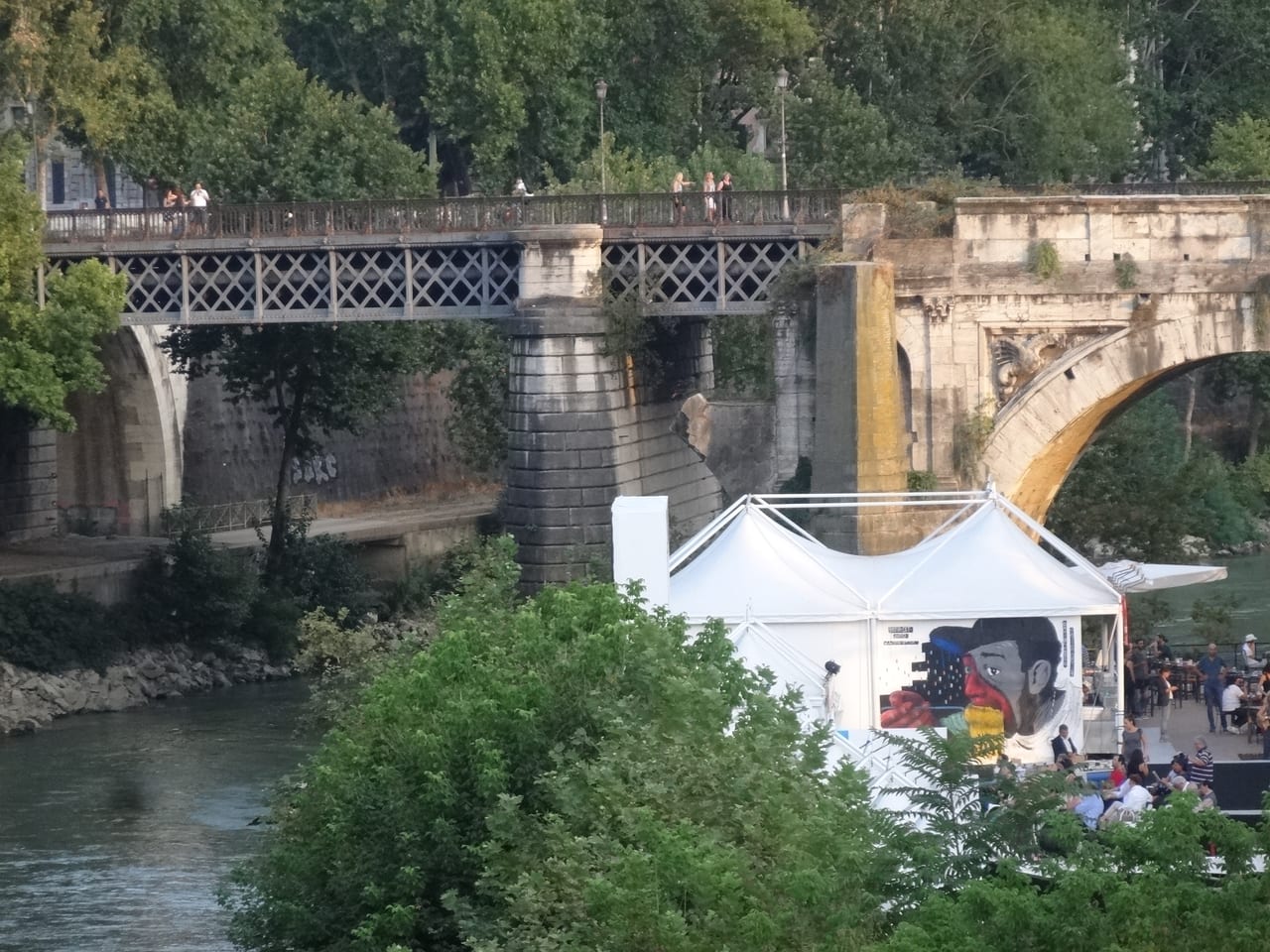
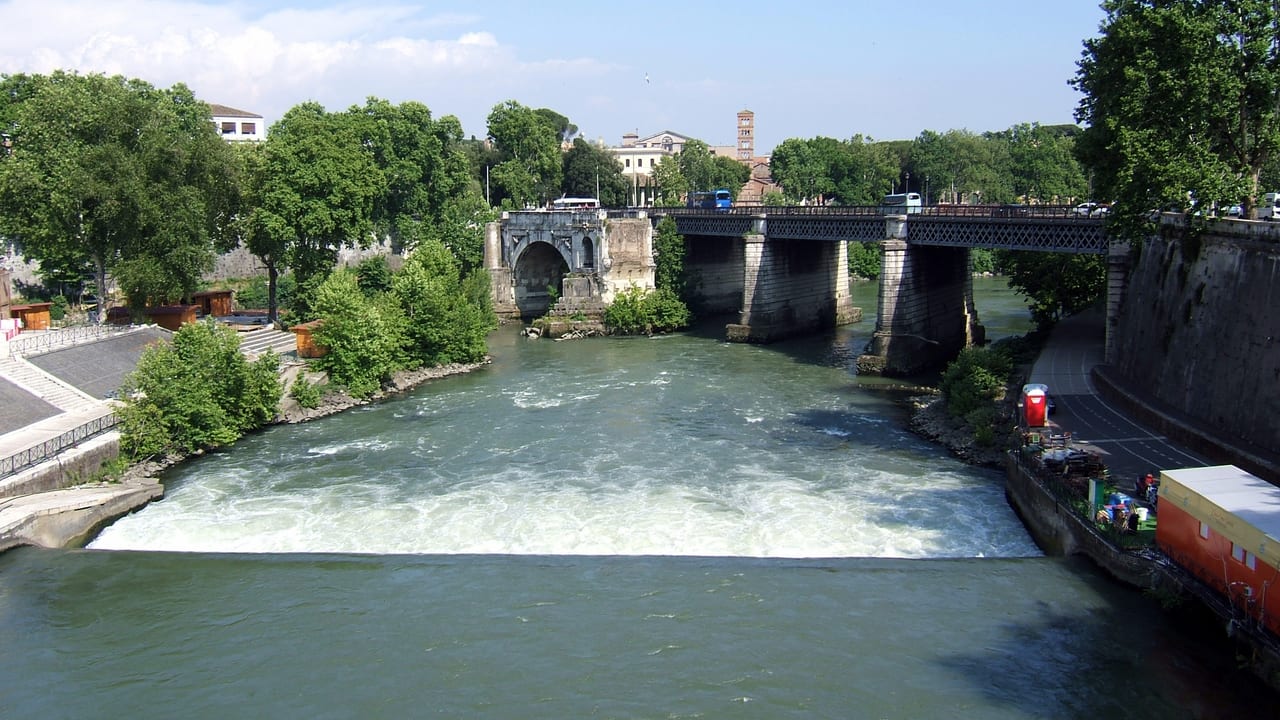
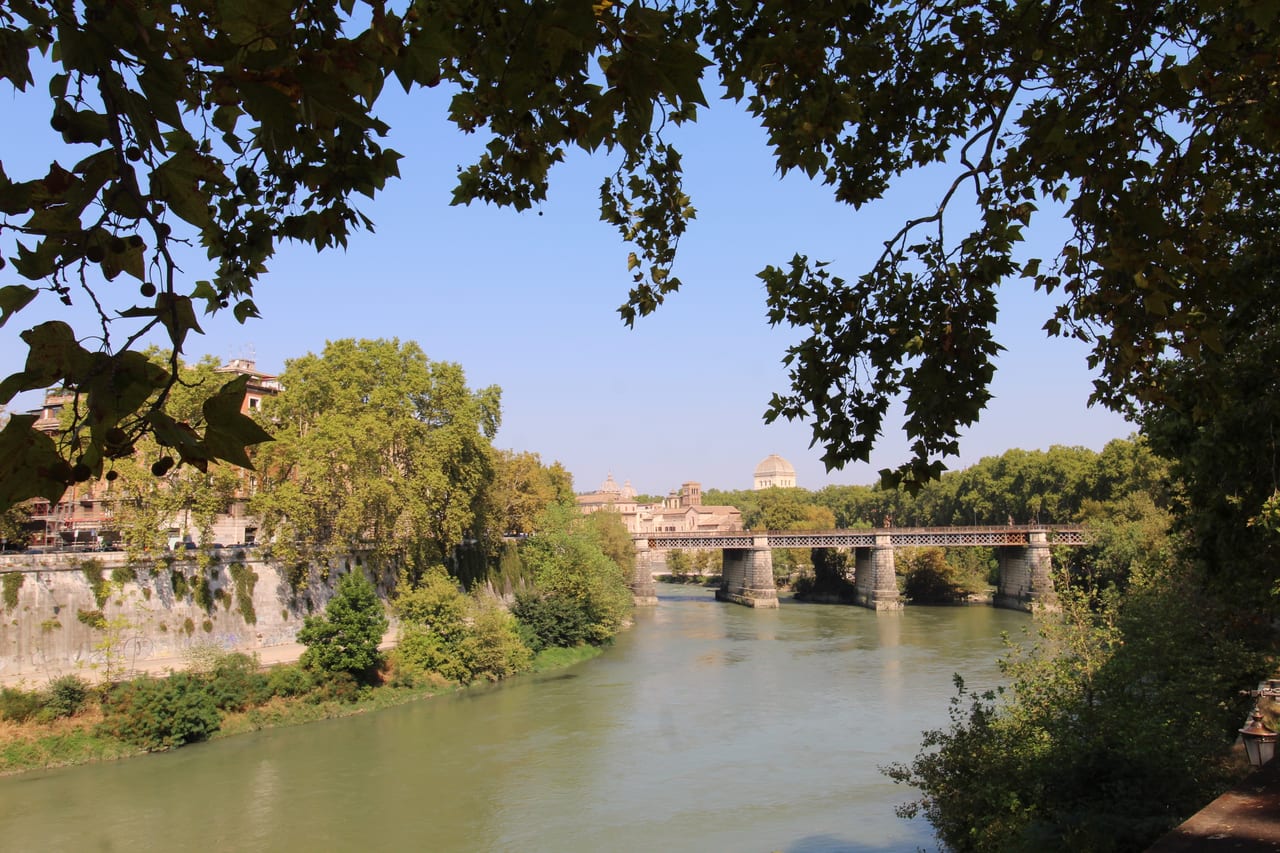
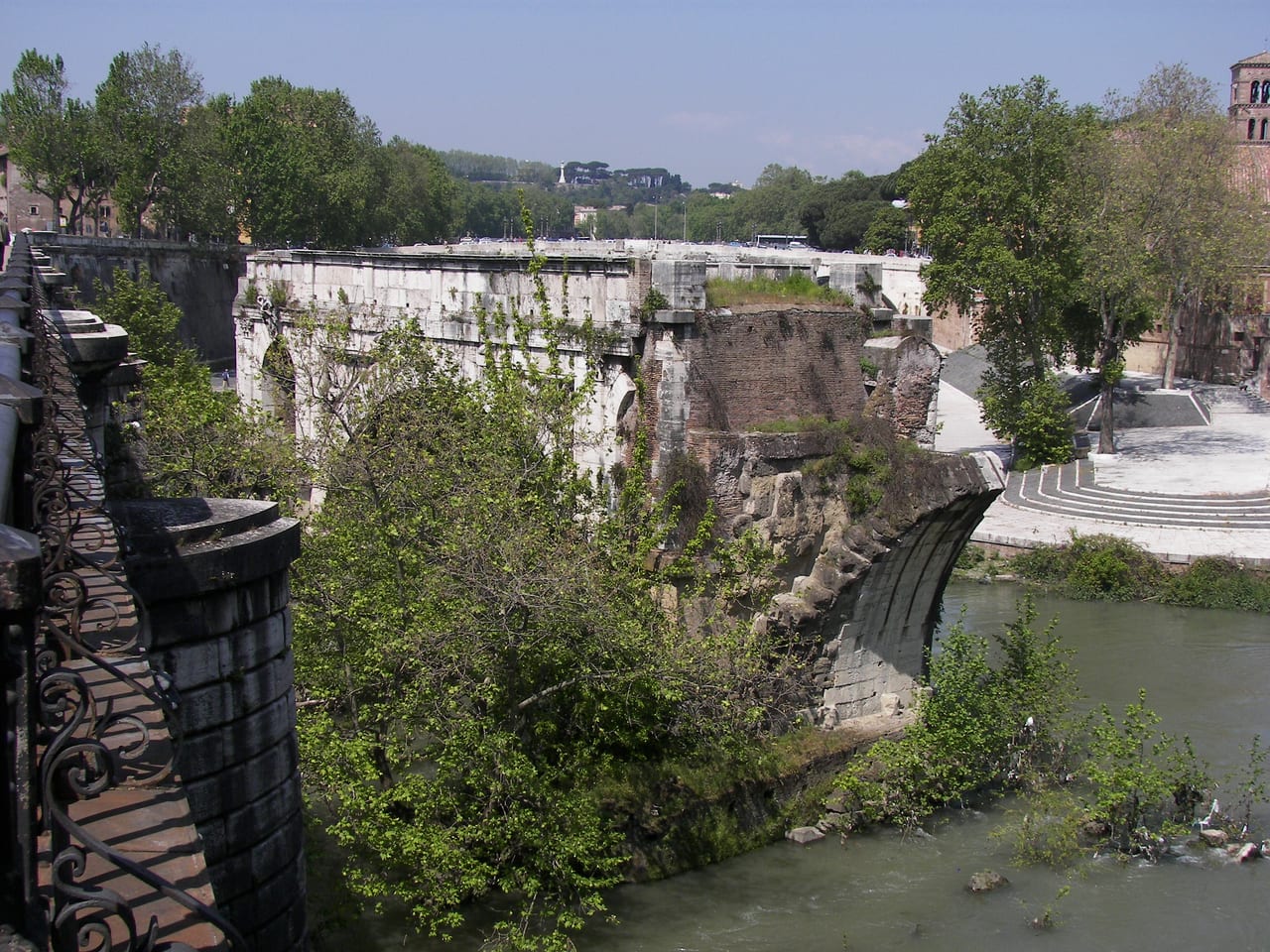
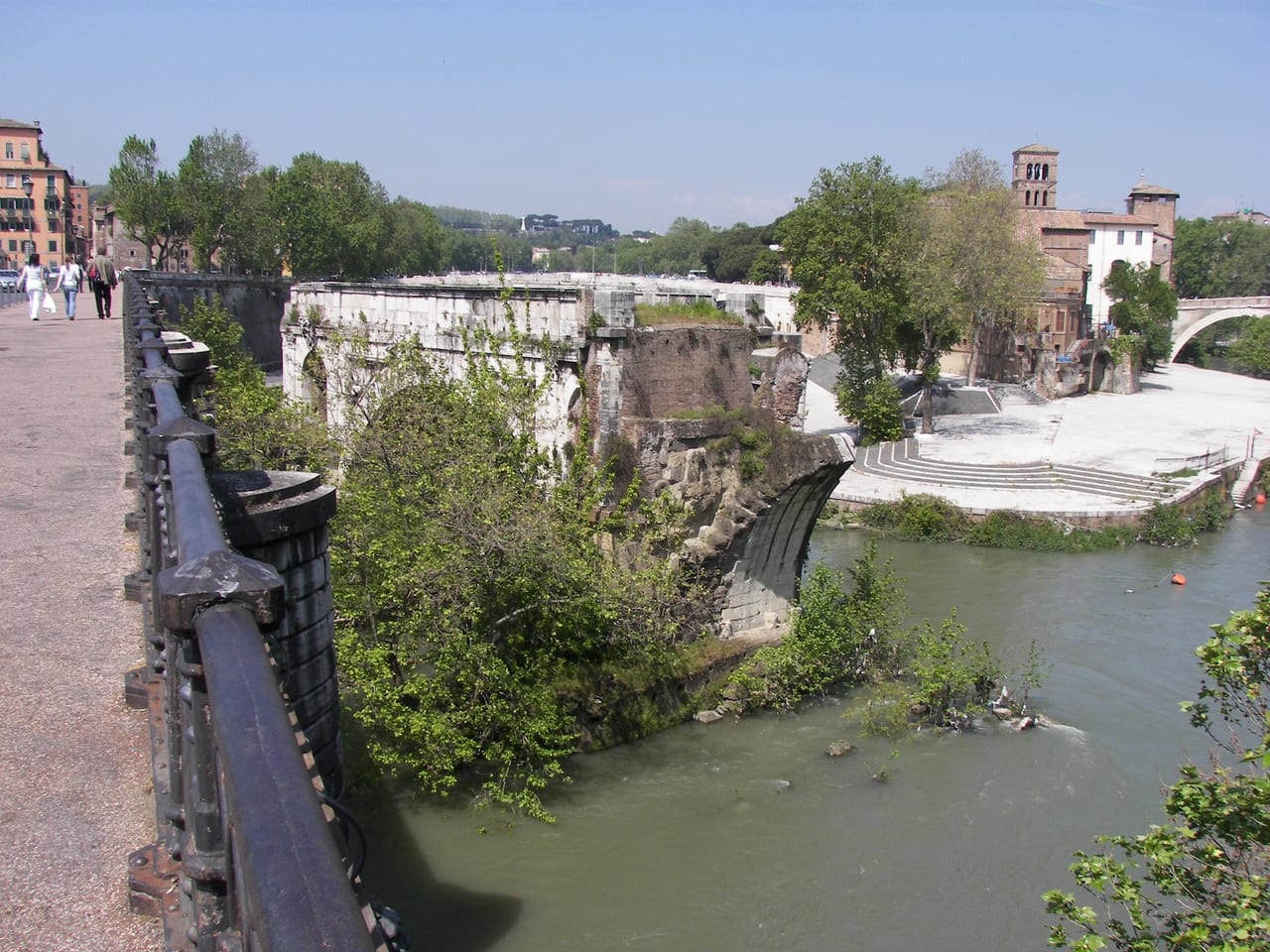
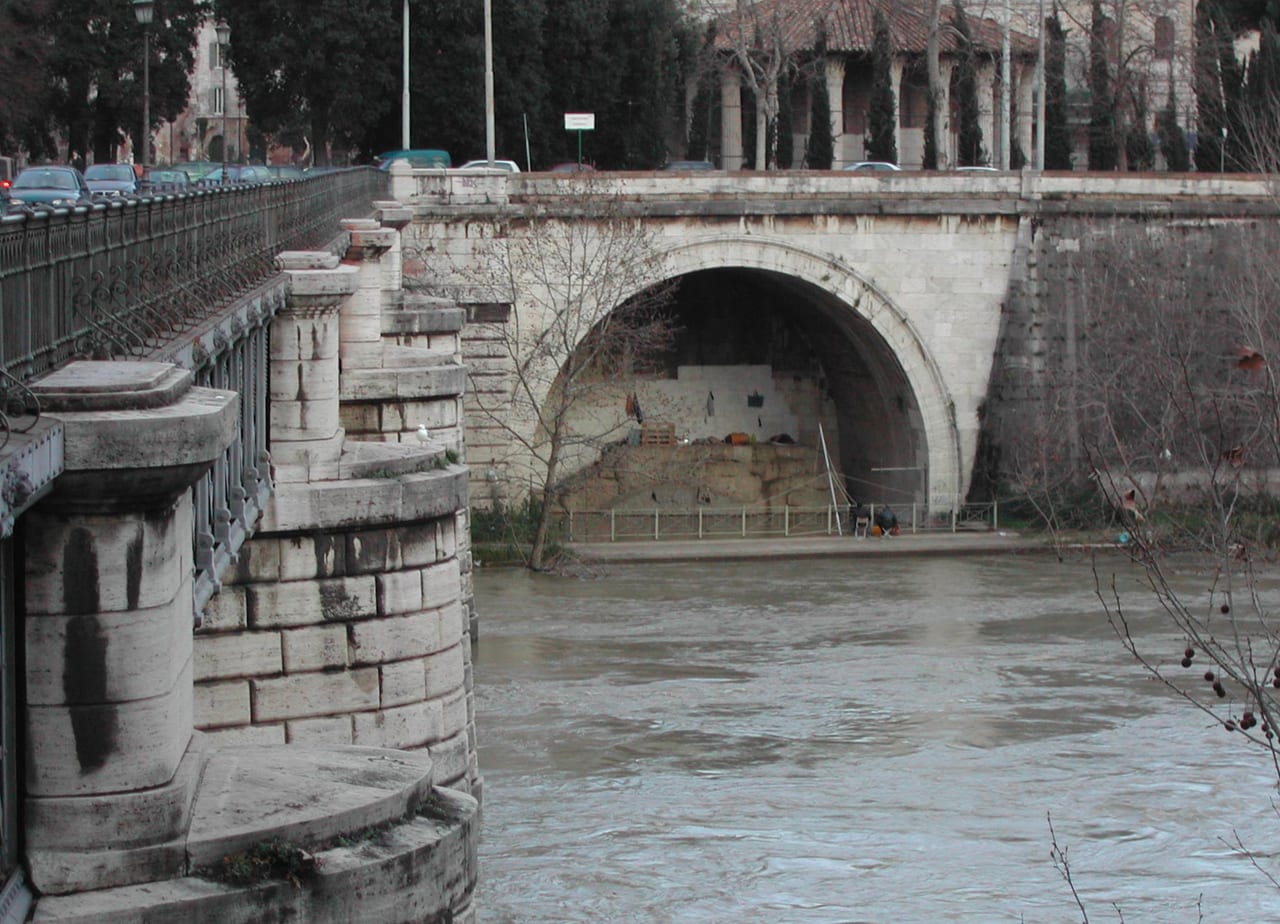
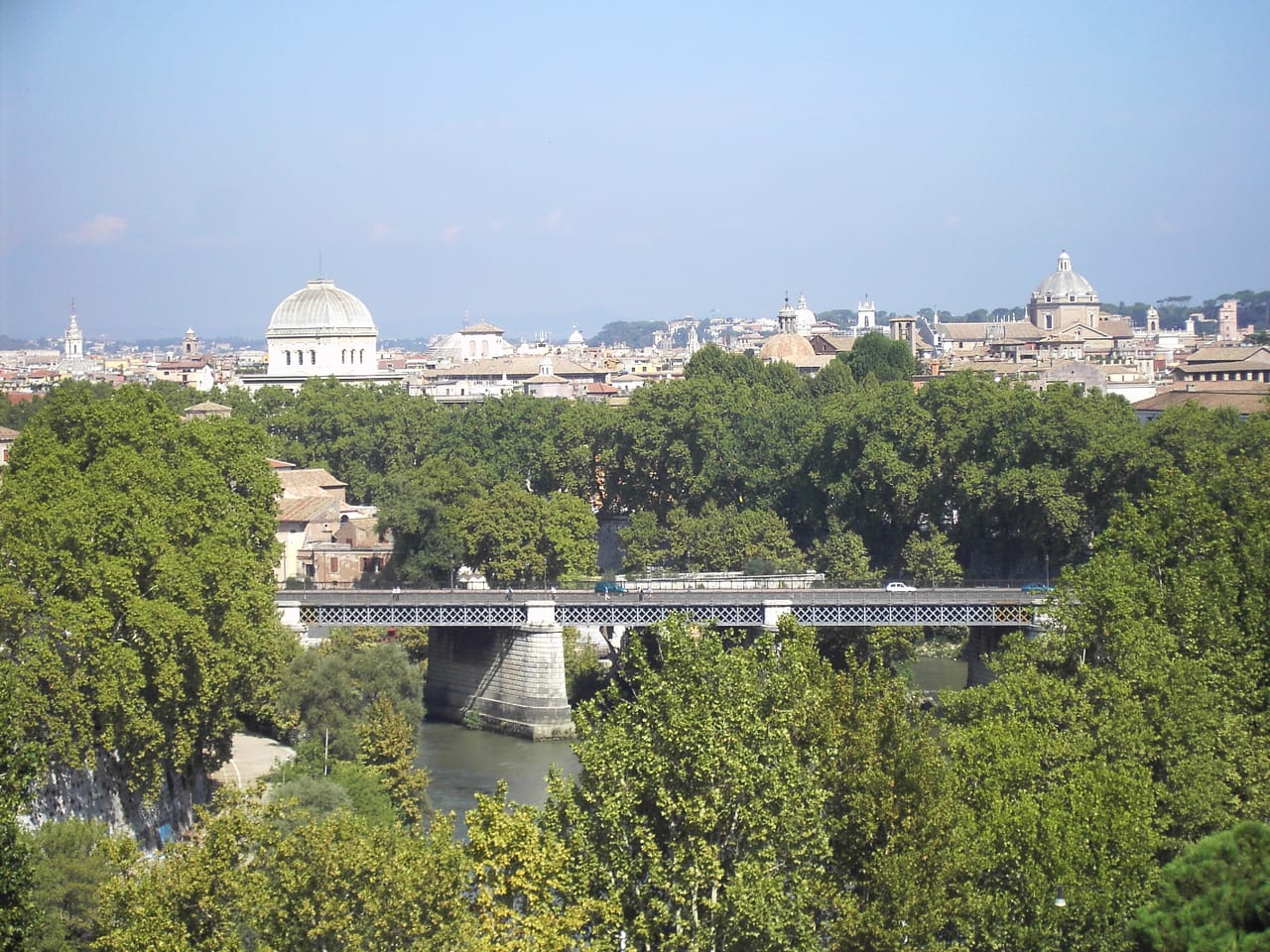
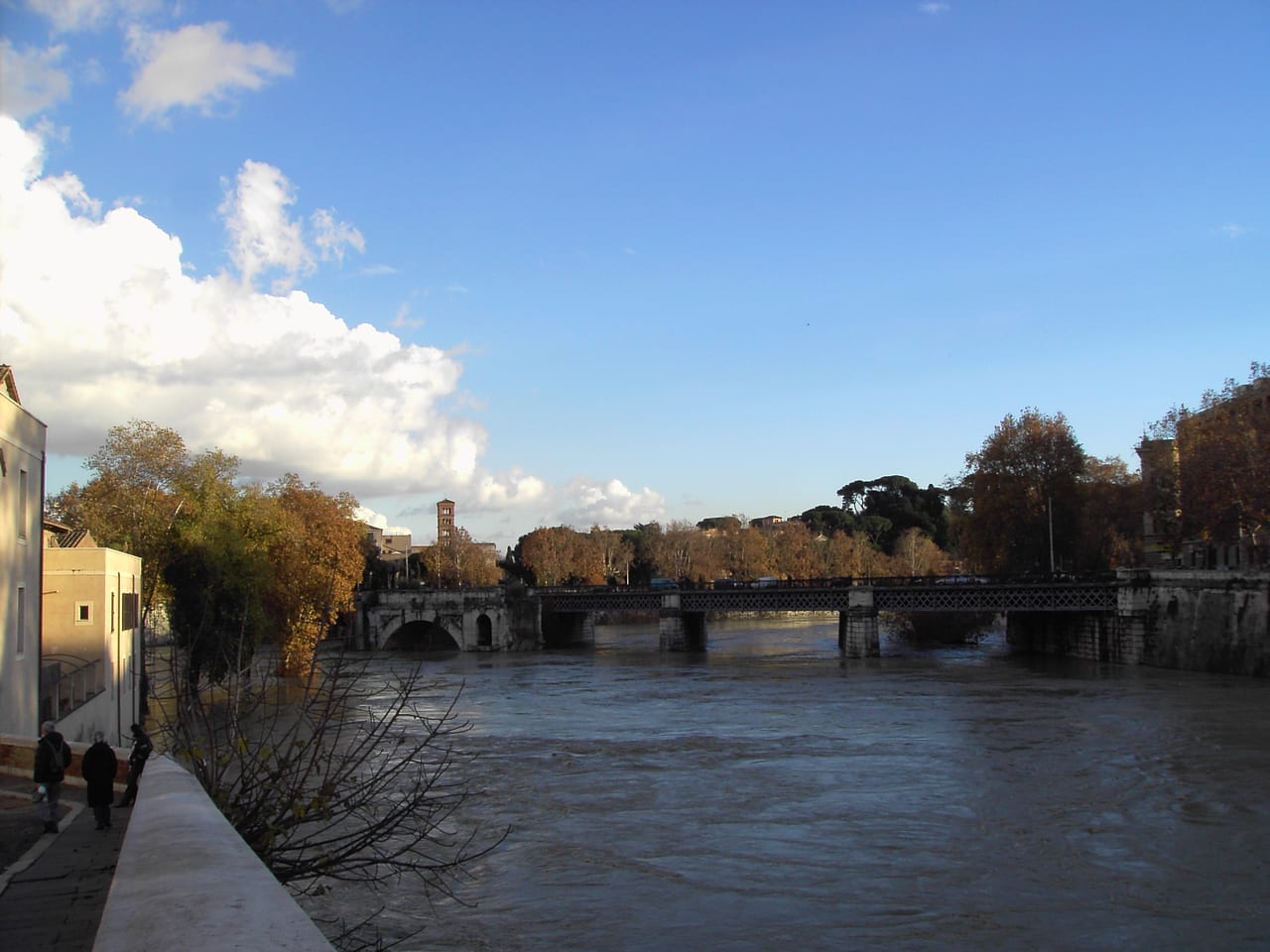
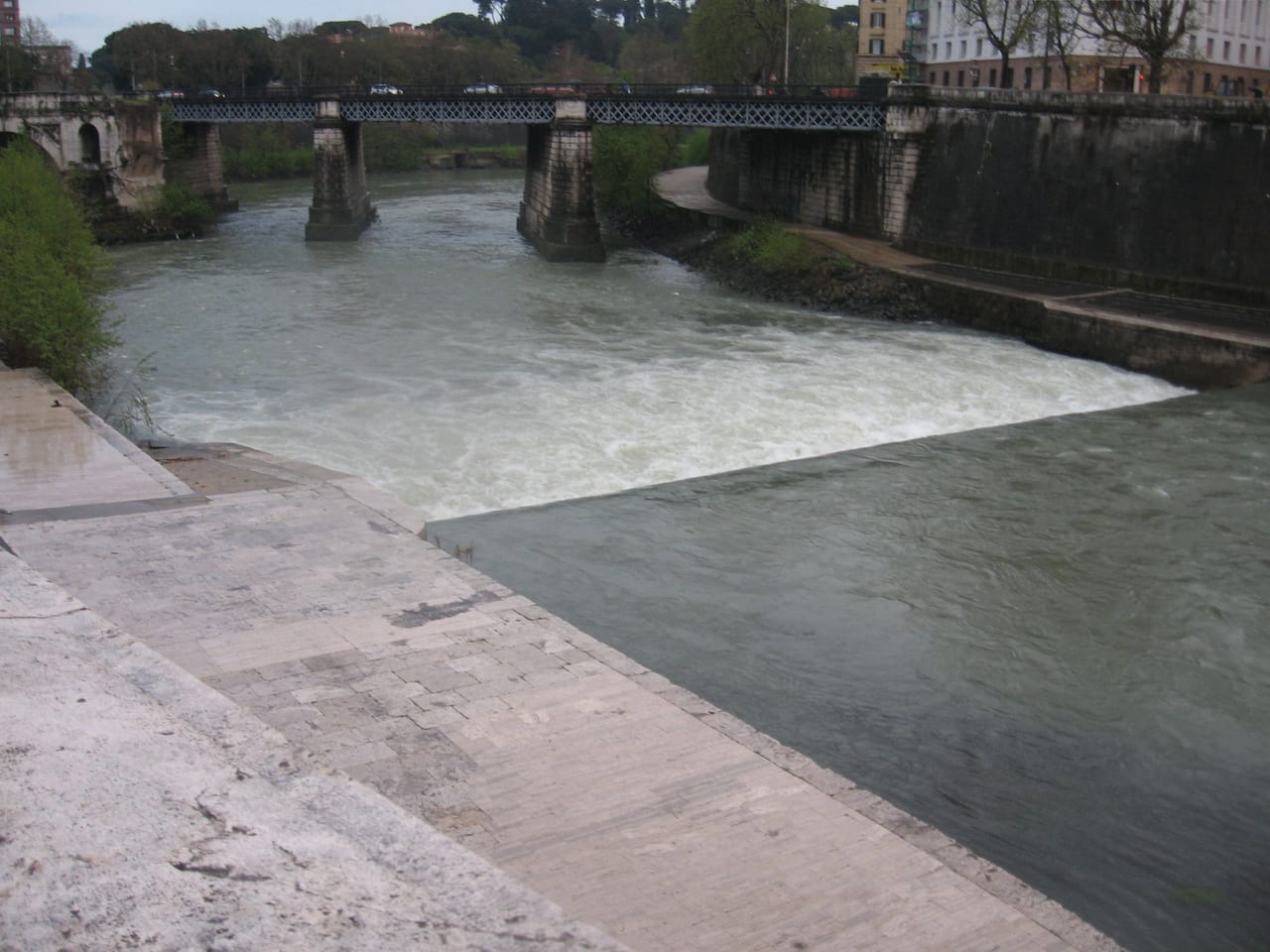
Designed by engineer Angelo Vescovali, Ponte Palatino was built between 1886 and 1890 to replace the destroyed Ponte Emilio, known as Ponte Rotto. Its name refers to the Palatine Hill, whose slopes rise beside the structure. The bridge links the Foro Boario with Piazza Castellani, facing Tiber Island, and connects the Lungotevere Aventino with the Lungotevere Ripa across the districts of Ripa and Trastevere. Its engineering is notably straightforward: five masonry arches support a metal roadway, extending for approximately 155 metres. In this setting, the bridge forms a modern continuation of Rome’s river crossing network while standing in direct relation to the ancient Ponte Emilio it replaced. It is recognised as Italian national heritage.
At a glance
- Heritage
- Italian national heritage
Ways to explore Ponte Palatino
Approach from the Foro Boario side and walk across toward Piazza Castellani, stopping before the crossing to take in the prospect of Tiber Island. Follow the full length of the bridge to appreciate its scale, then look down at the five separate openings in the masonry structure and the metal roadway above them. The two riverfront approaches provide different angles on the bridge’s relationship with the Tiber.
Places to stay near Ponte Palatino

Live availability and prices from Stay22's partners, refreshed periodically and subject to change. Booking through these links may earn us a commission at no extra cost to you. See our privacy policy.
Cafés near Ponte Palatino
Cafés near Ponte Palatino loads as you scroll.
Attractions nearby
Attractions near Ponte Palatino loads as you scroll.
Cities nearby
Cities nearby loads as you scroll.
More in Rome
See more of Rome.
Find great cafés, places to stay and other interesting places to visit in Rome.