Ancient site · Rome
Ponte Nomentano
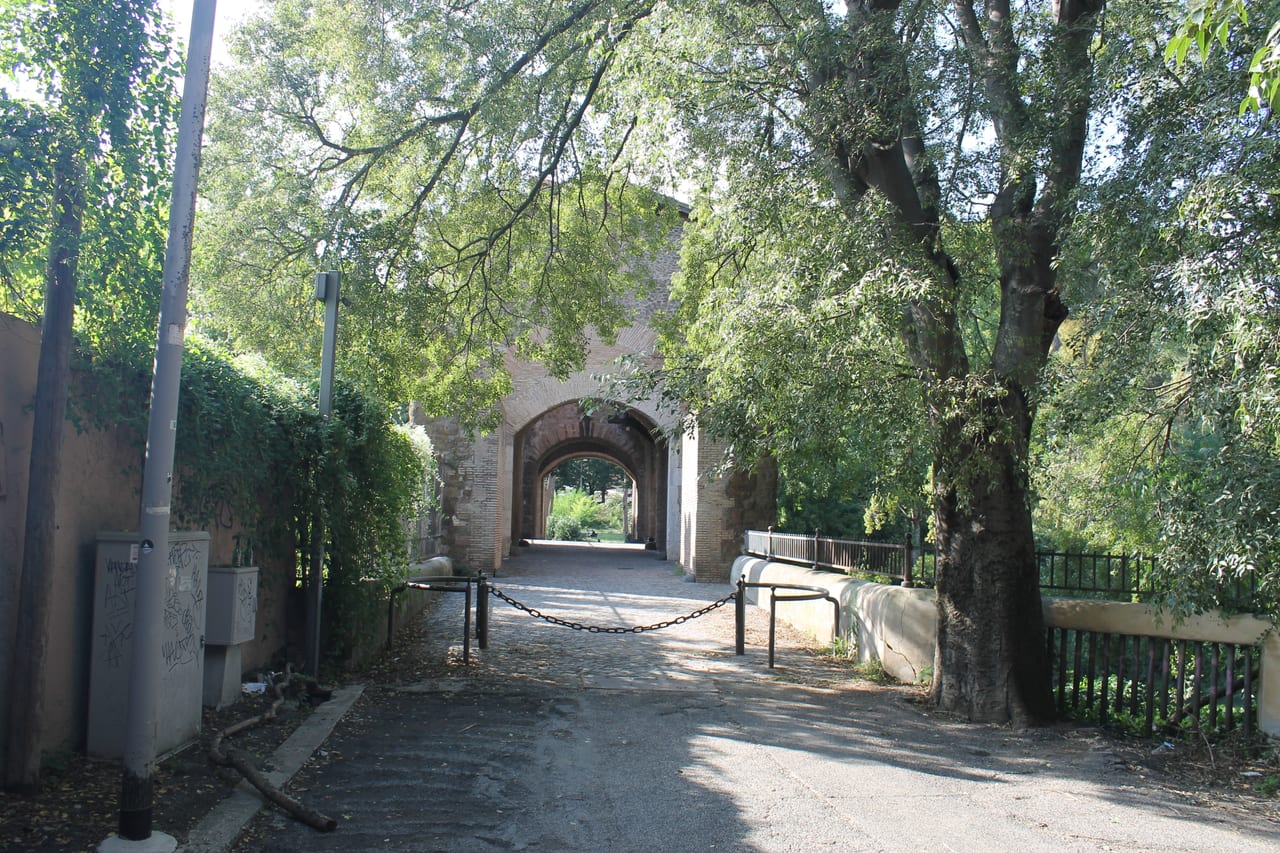
DirectionsSince 1997, Ponte Nomentano has been closed to motor traffic, making this ancient crossing one of Rome’s few pedestrian bridges.
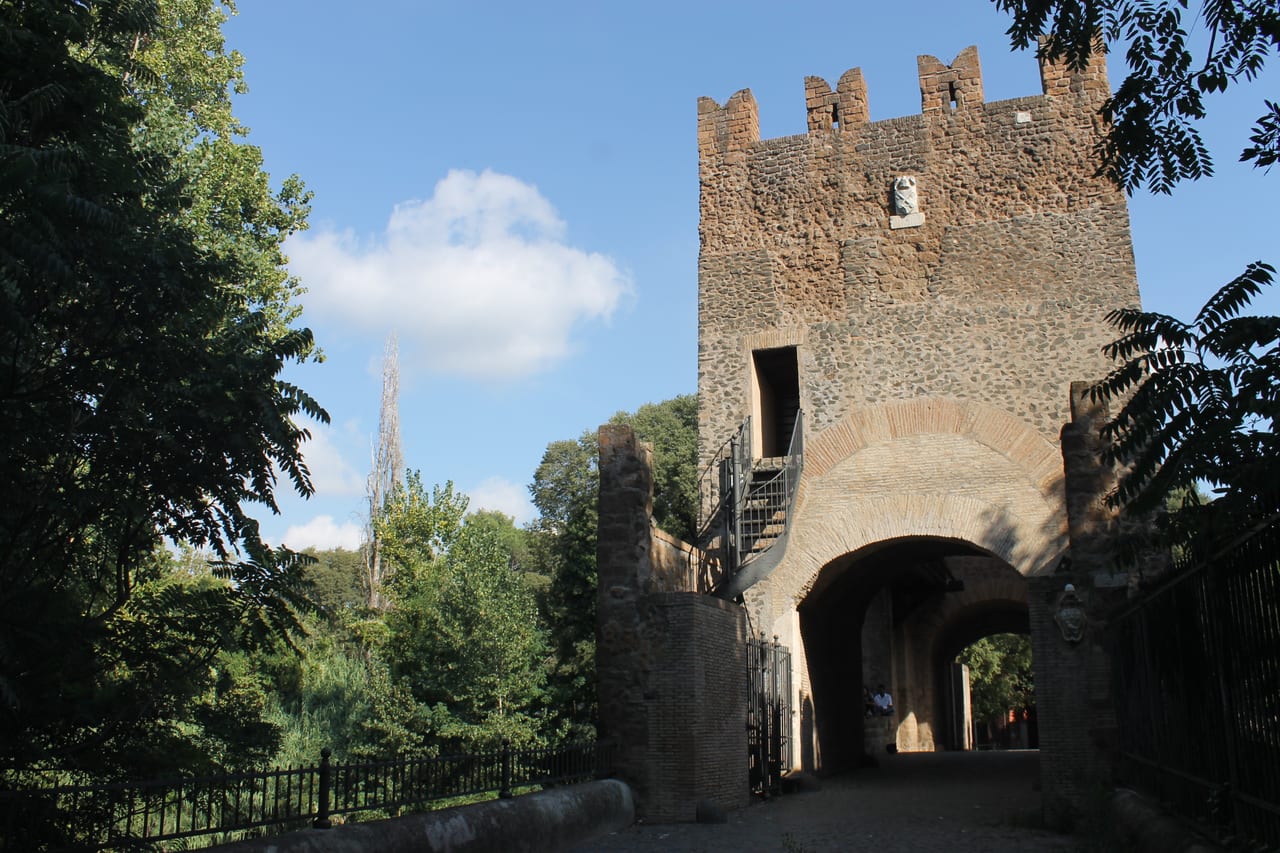
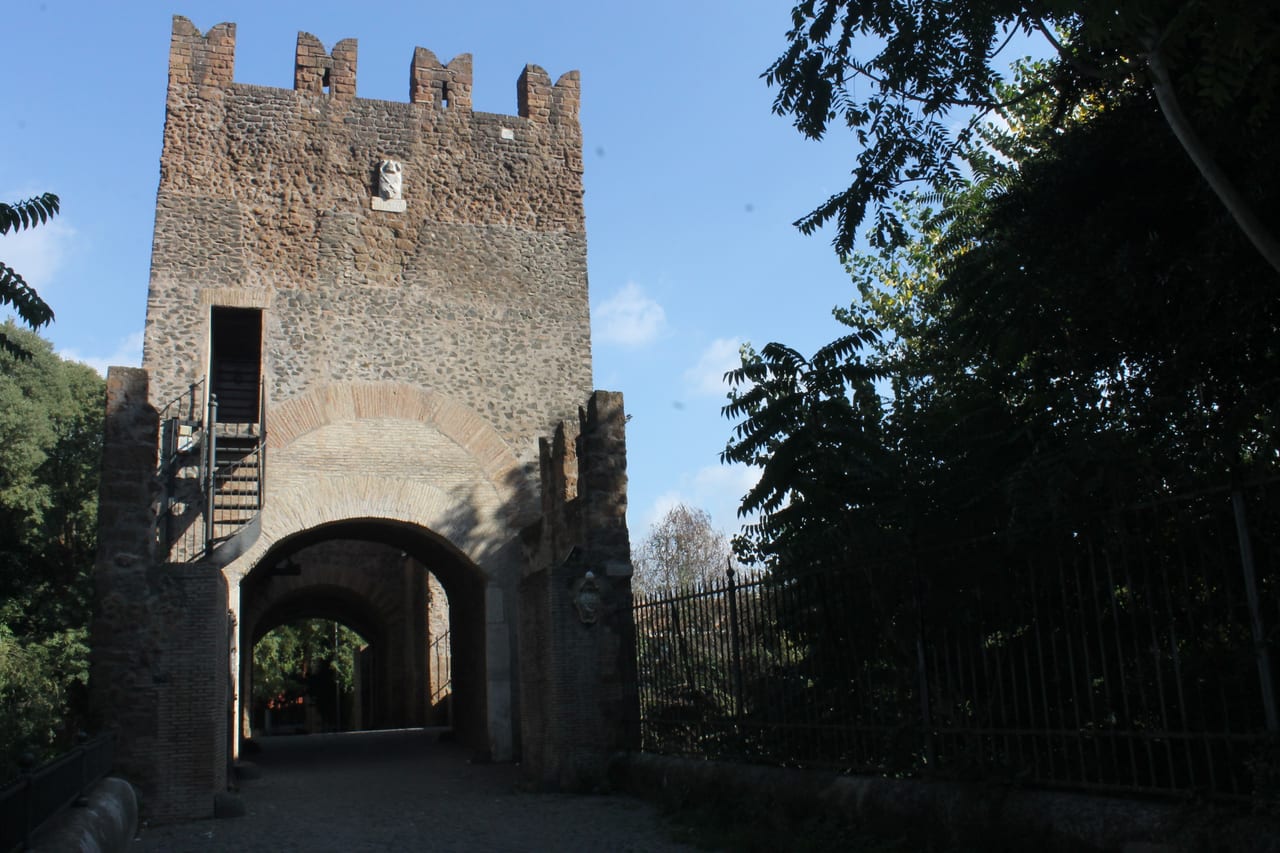
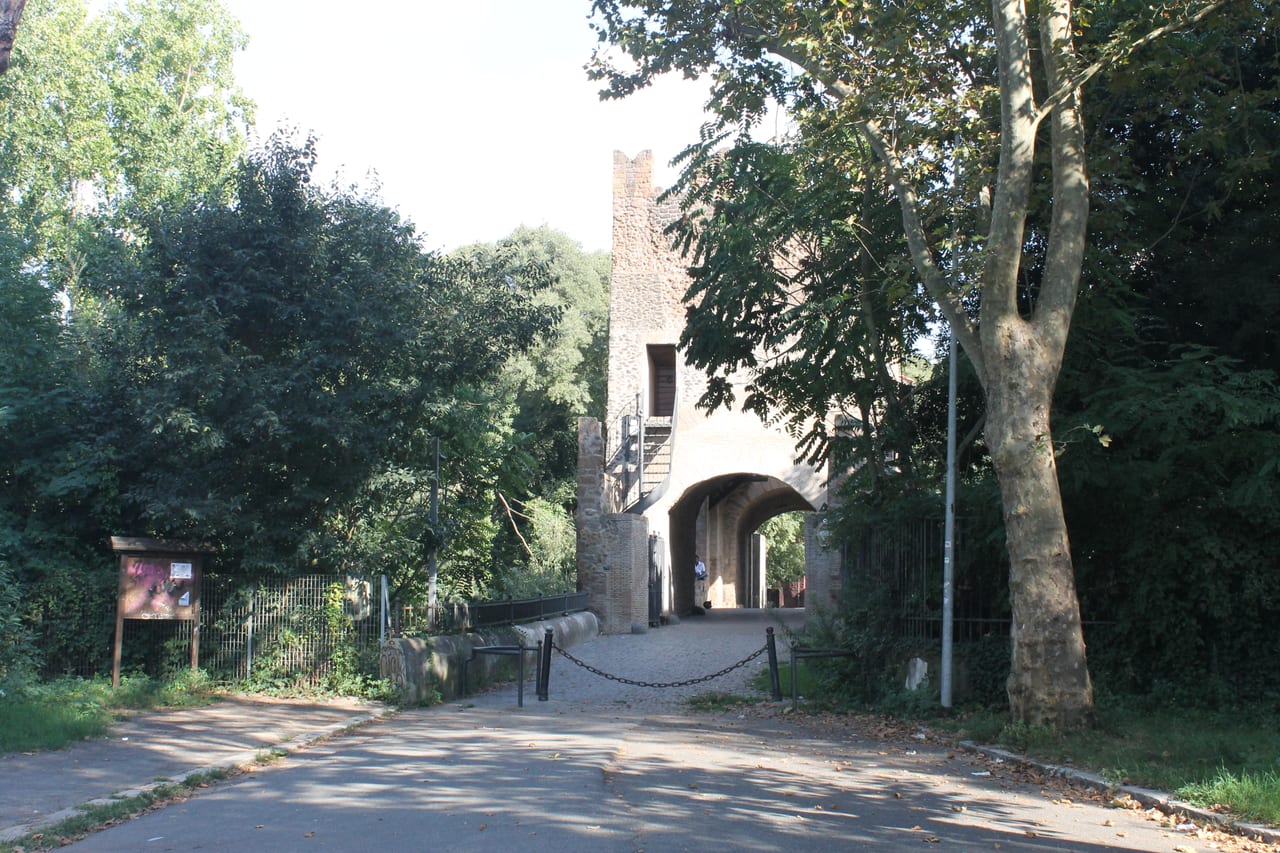
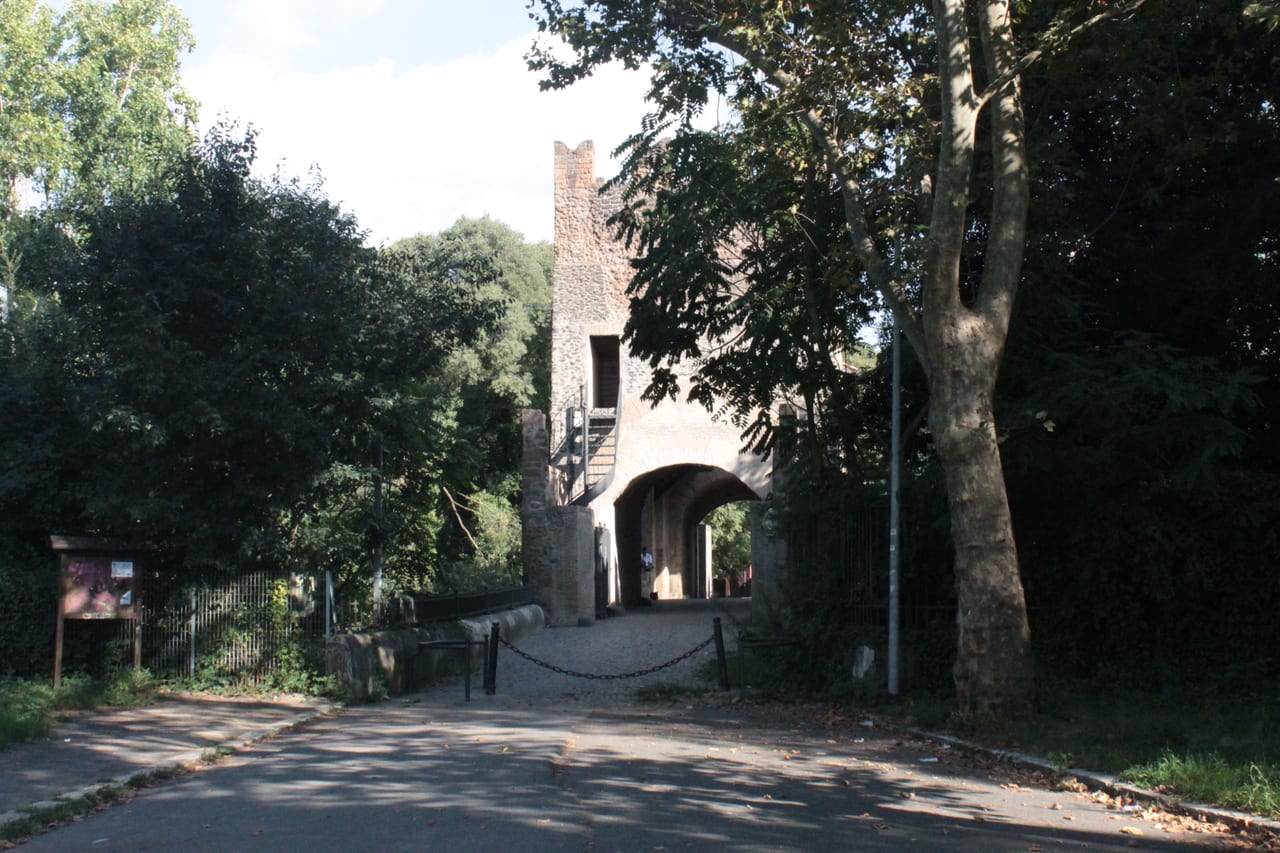
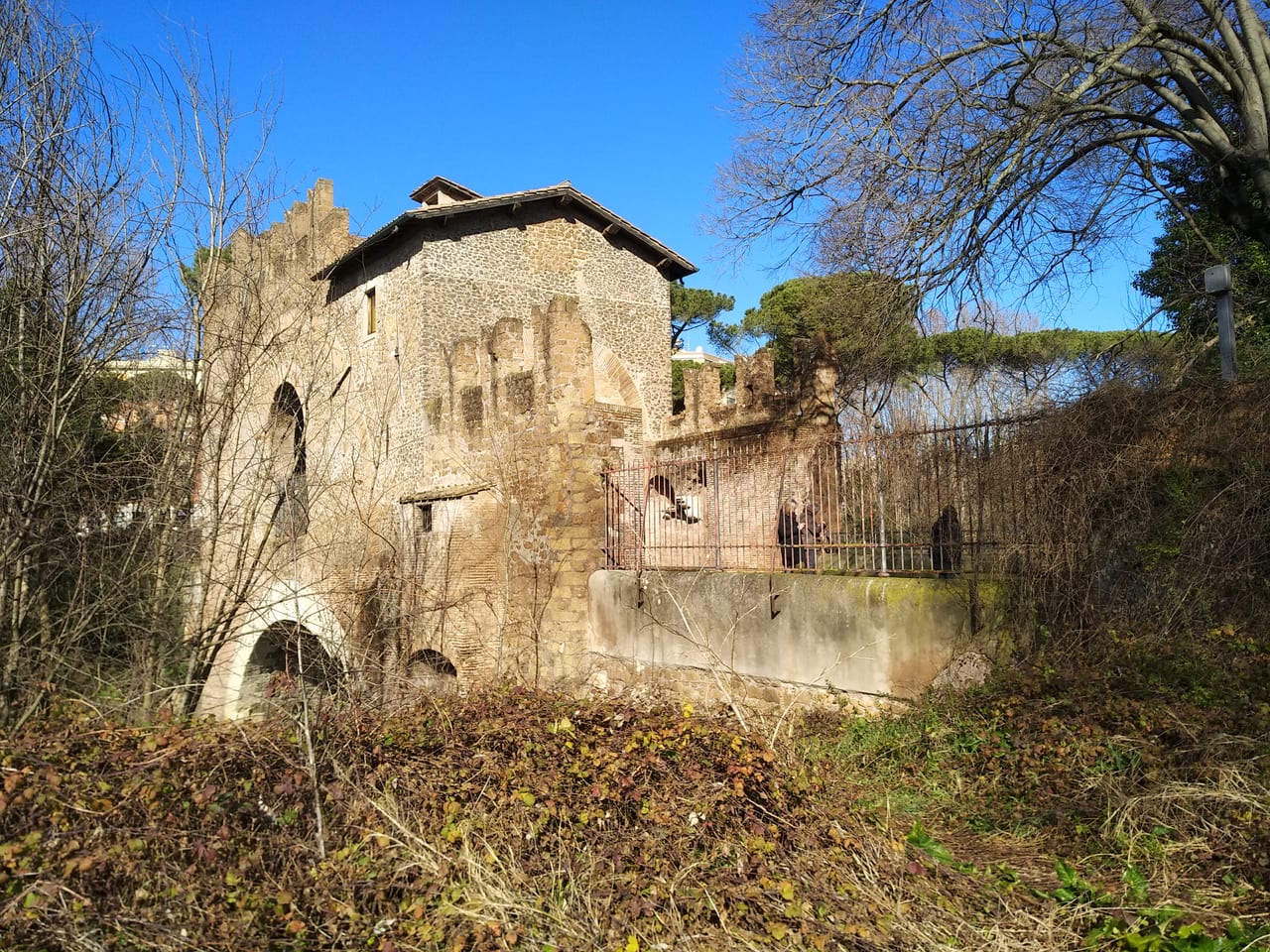
Photograph 1 of 41 of Ponte Nomentano
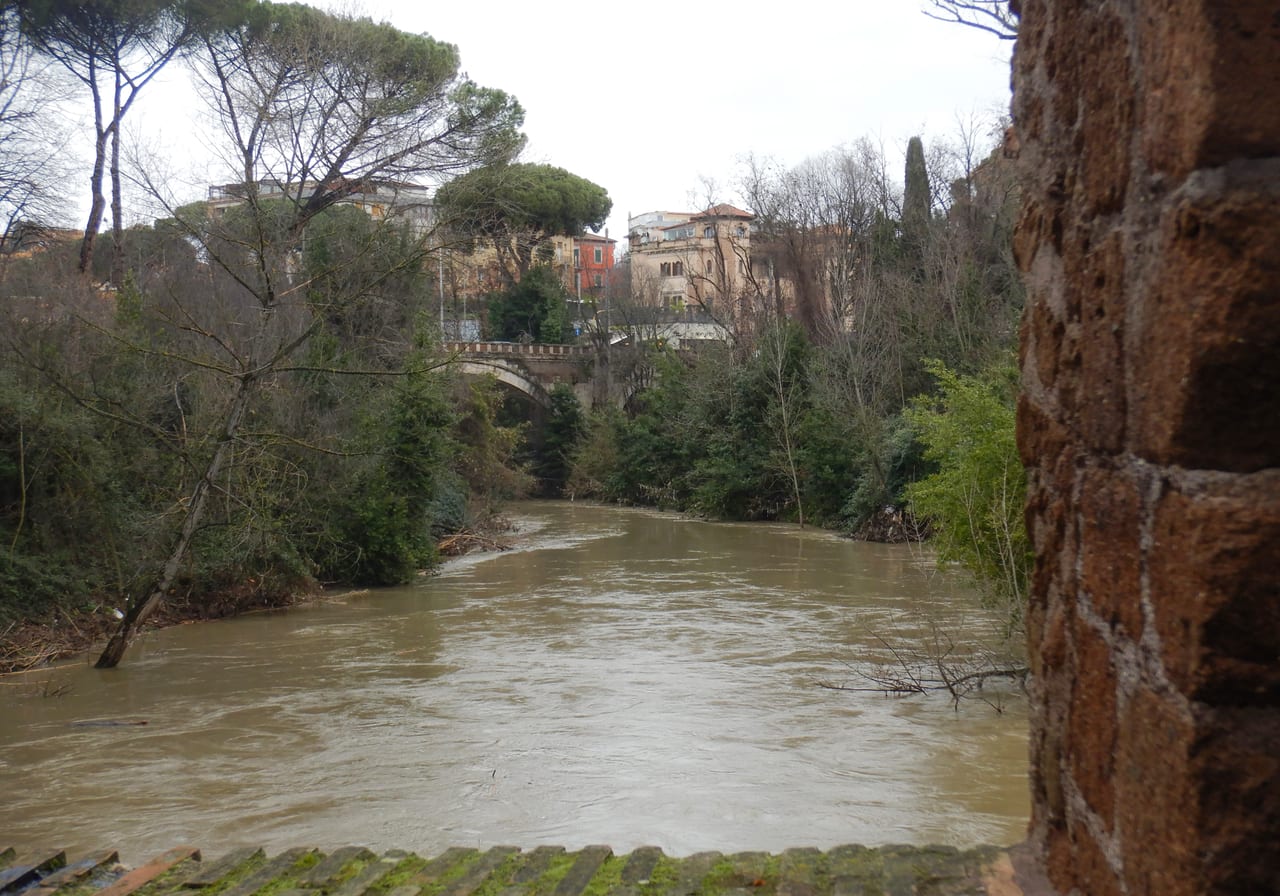
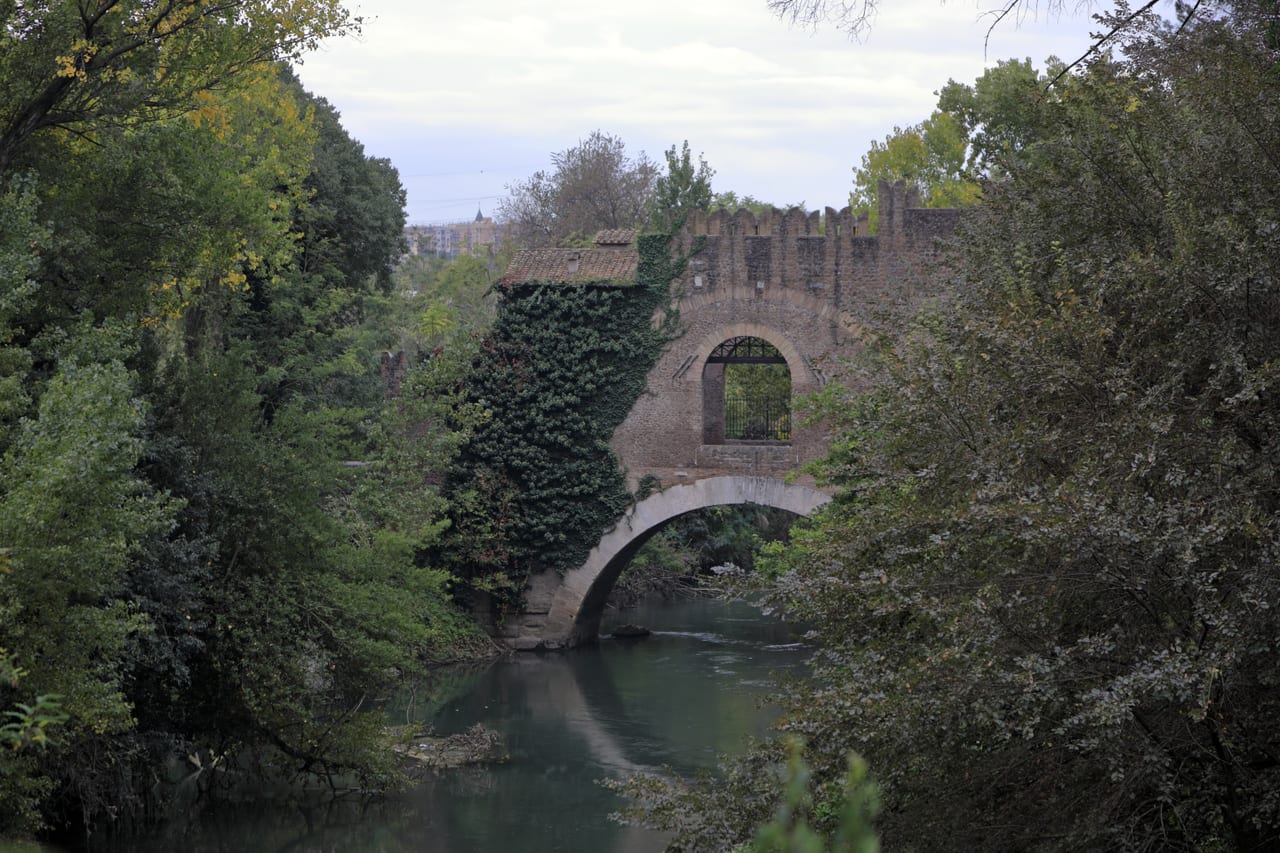
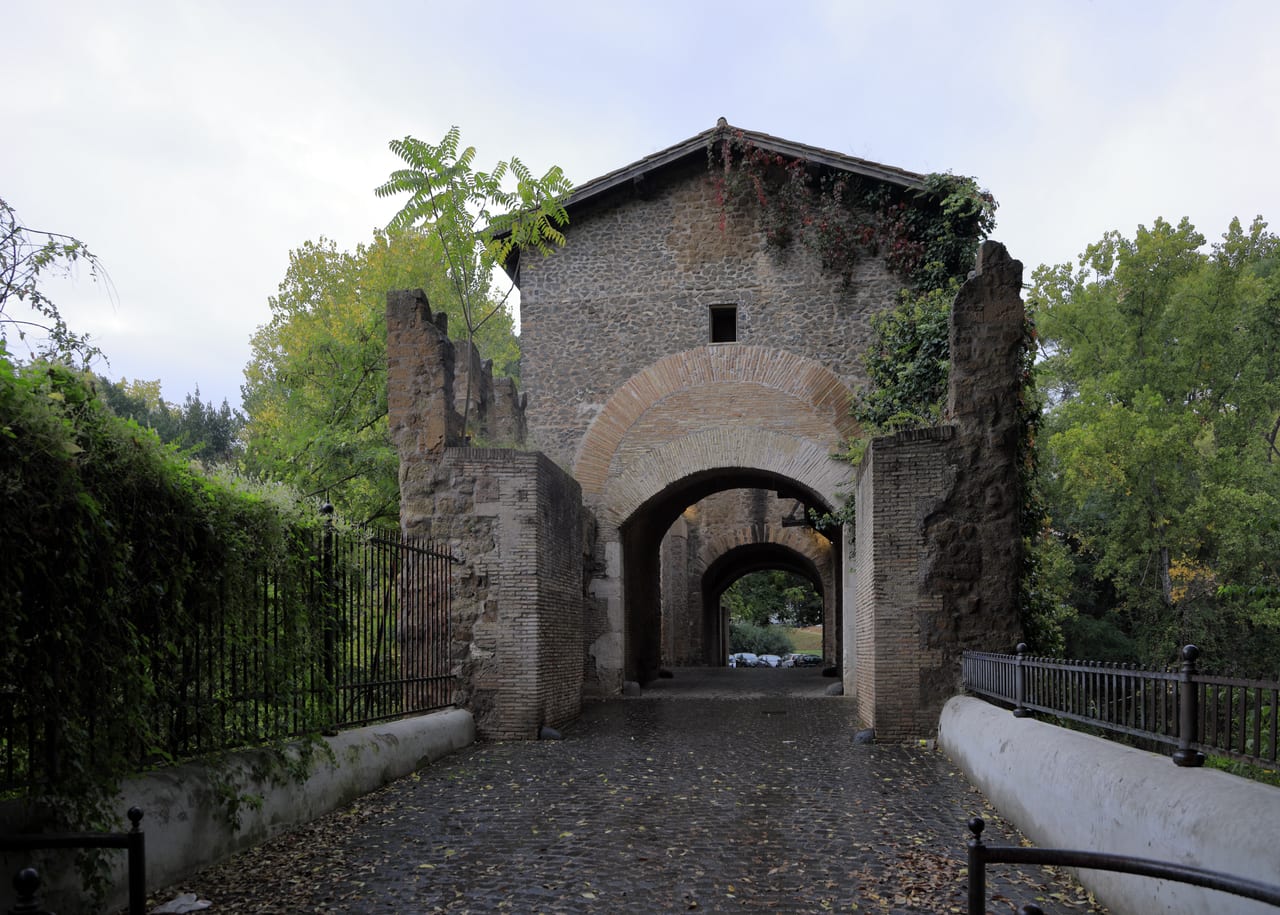
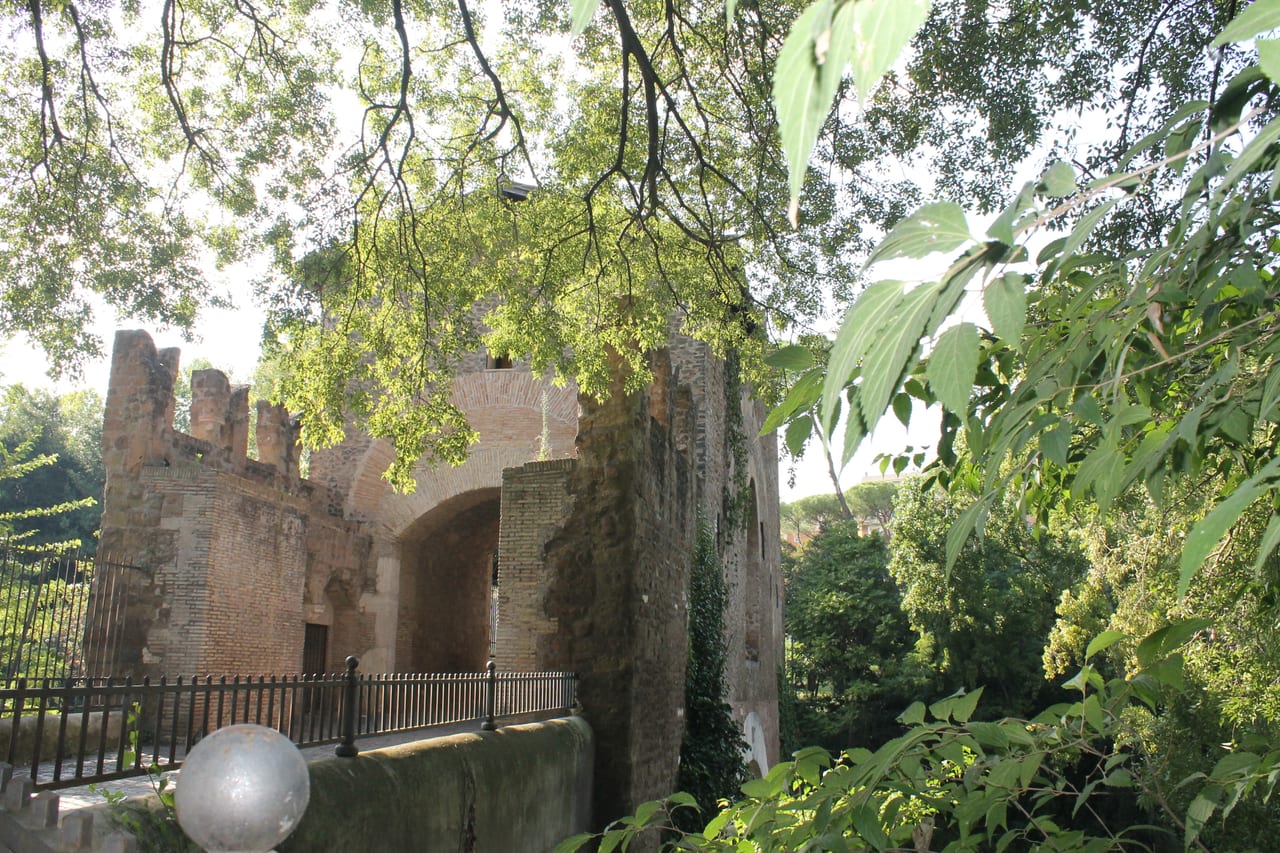
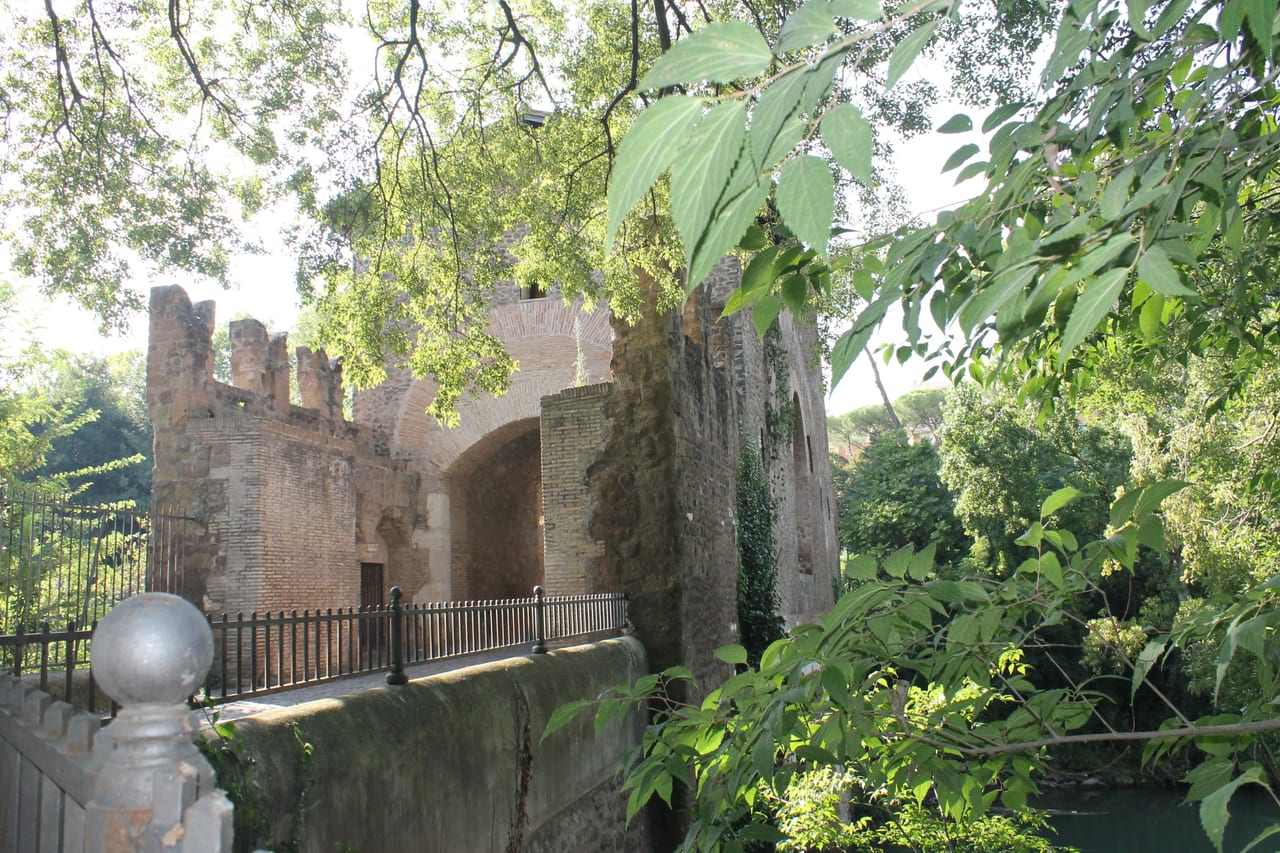
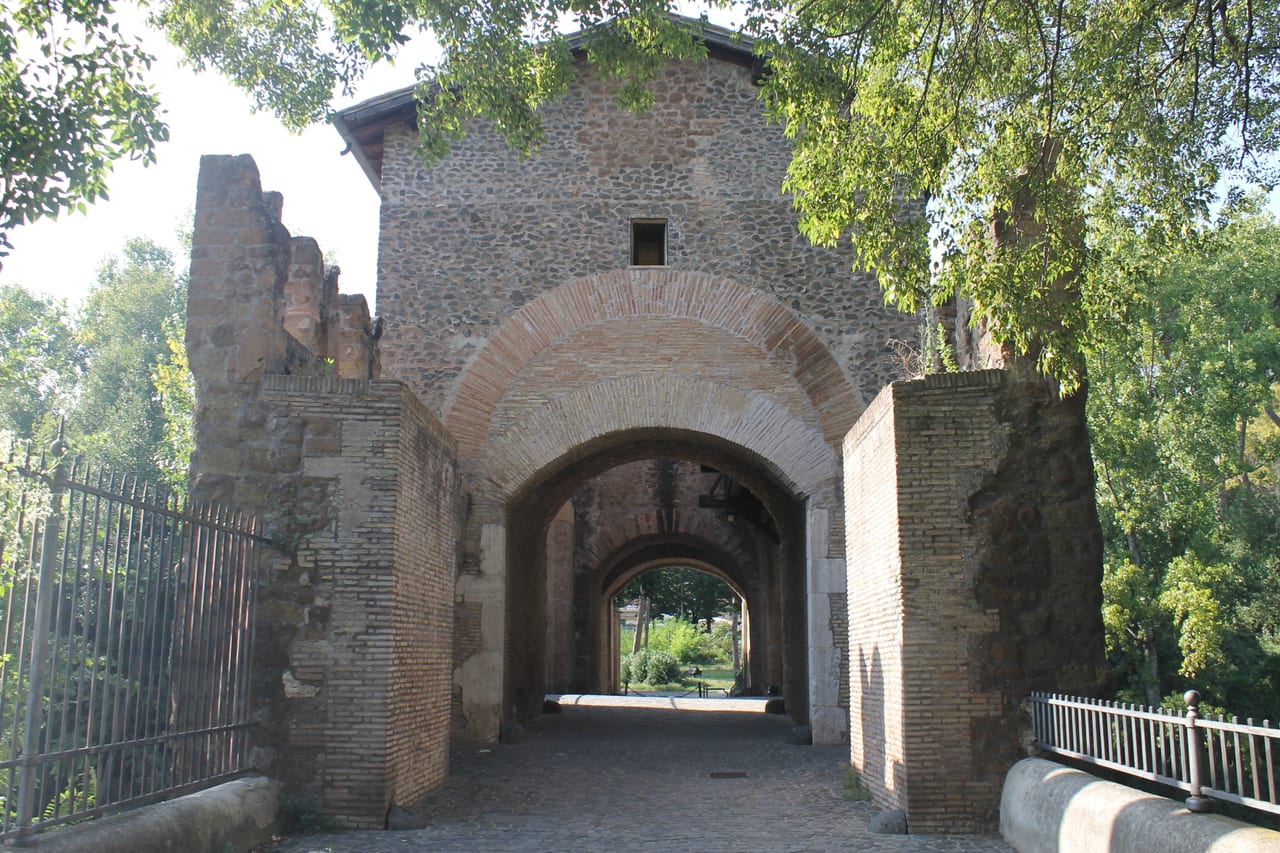
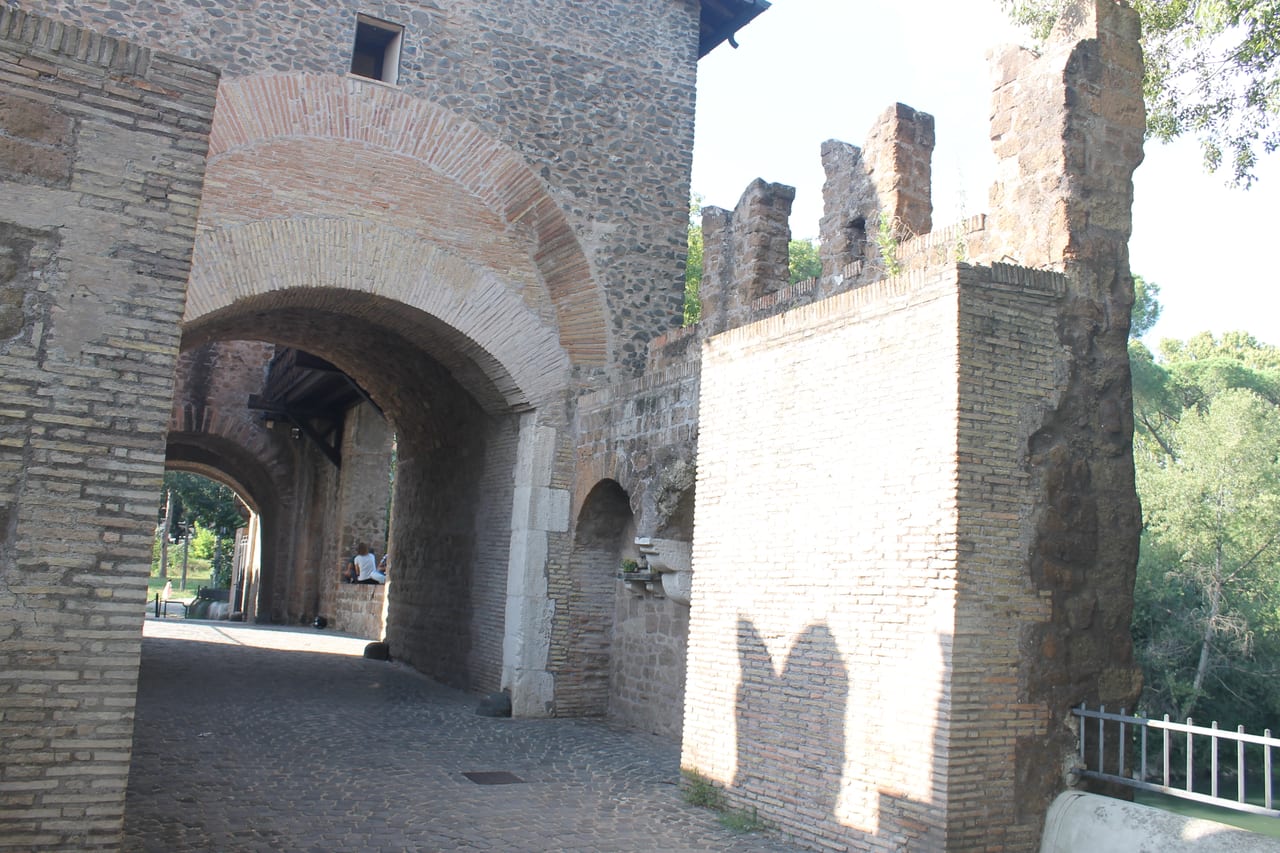
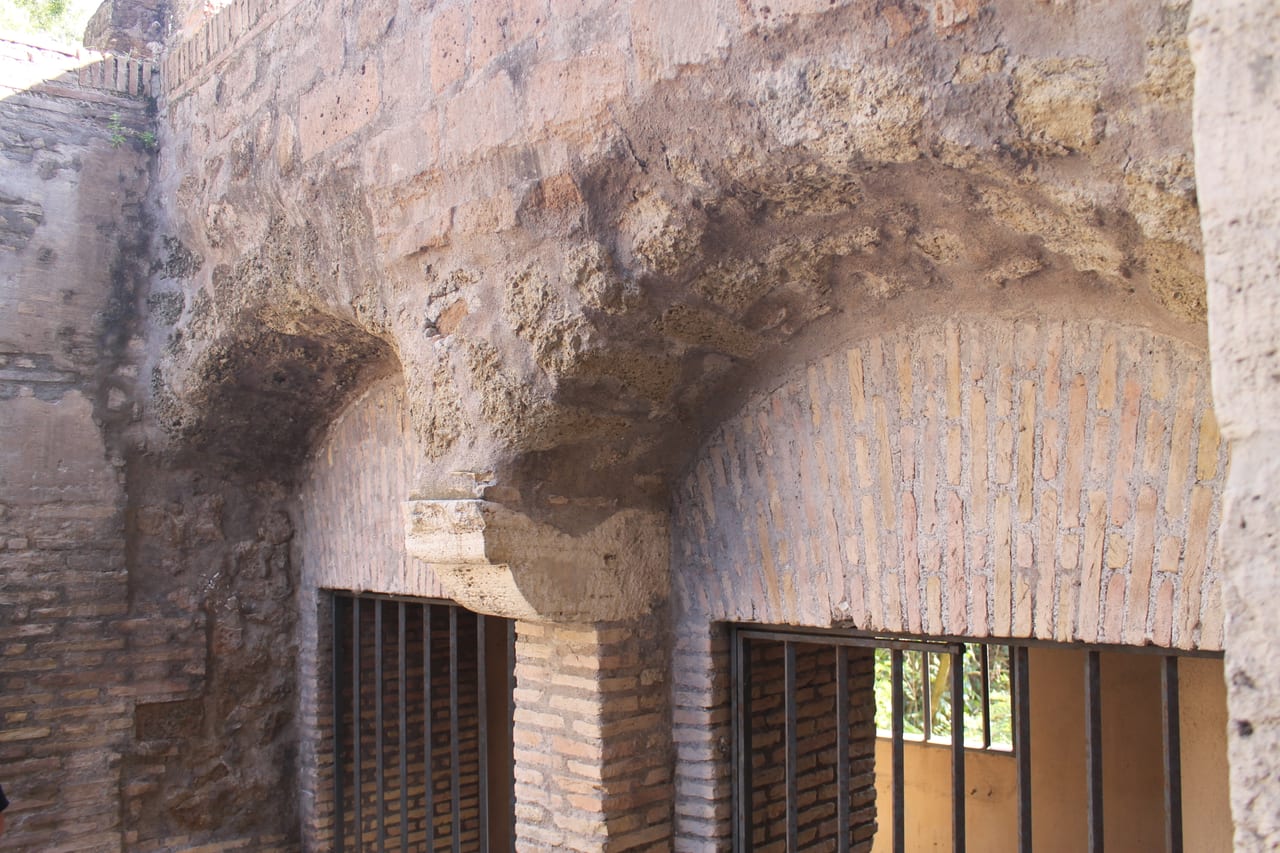
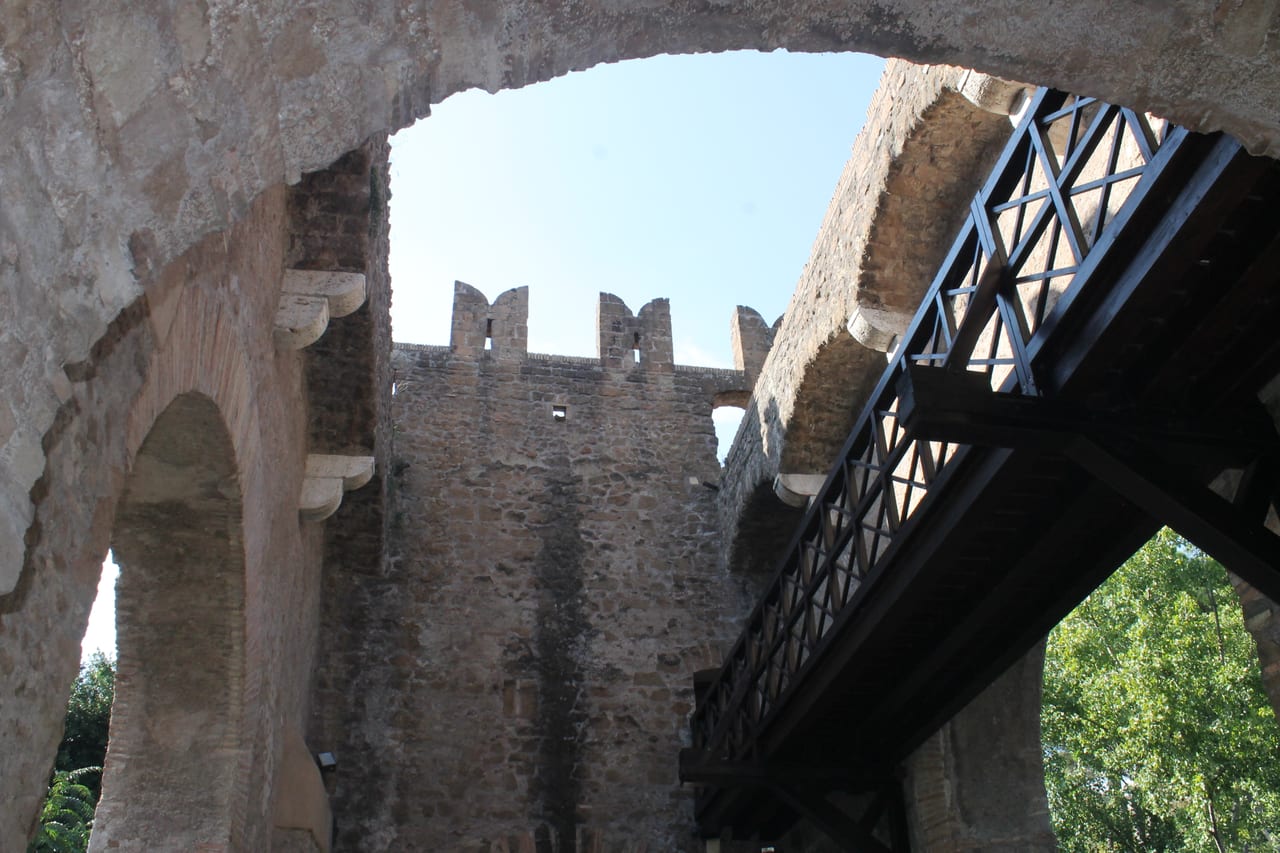
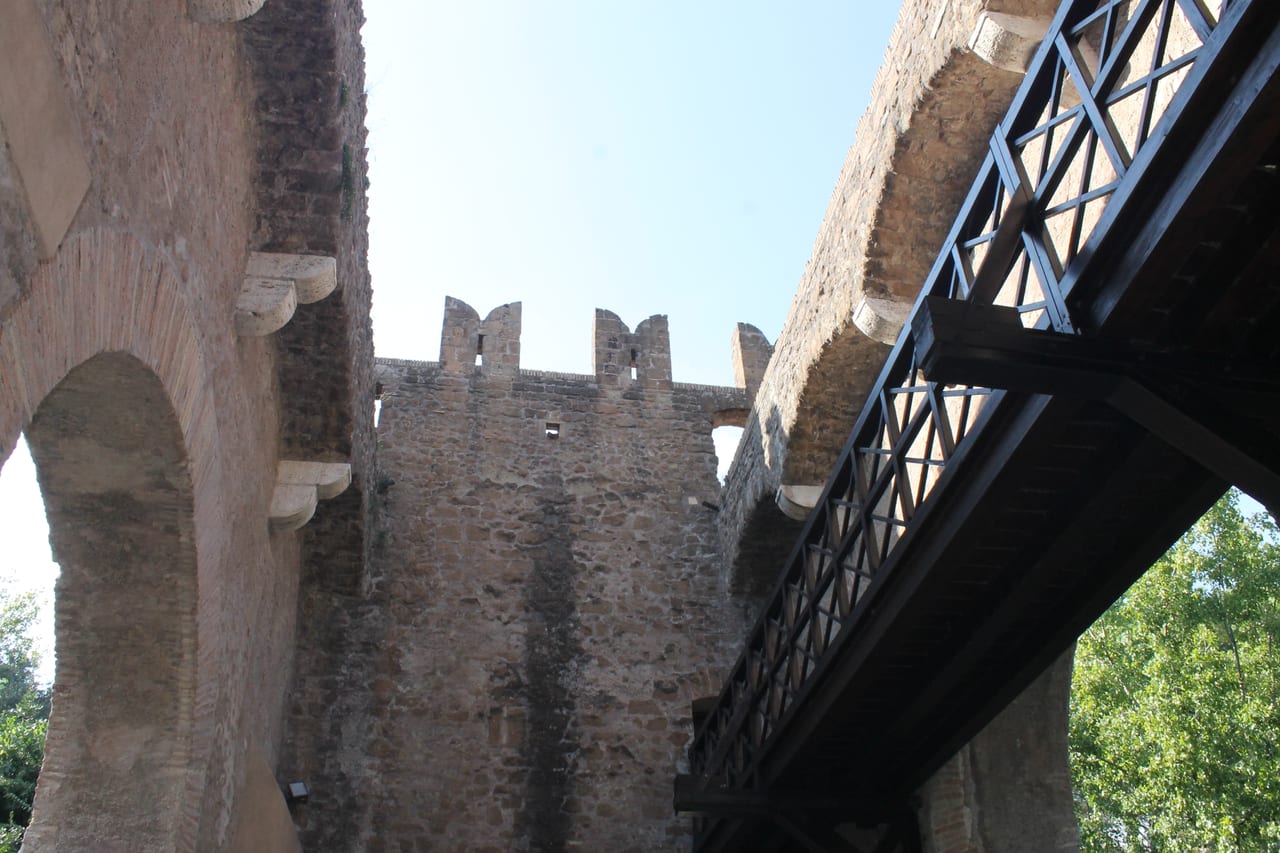
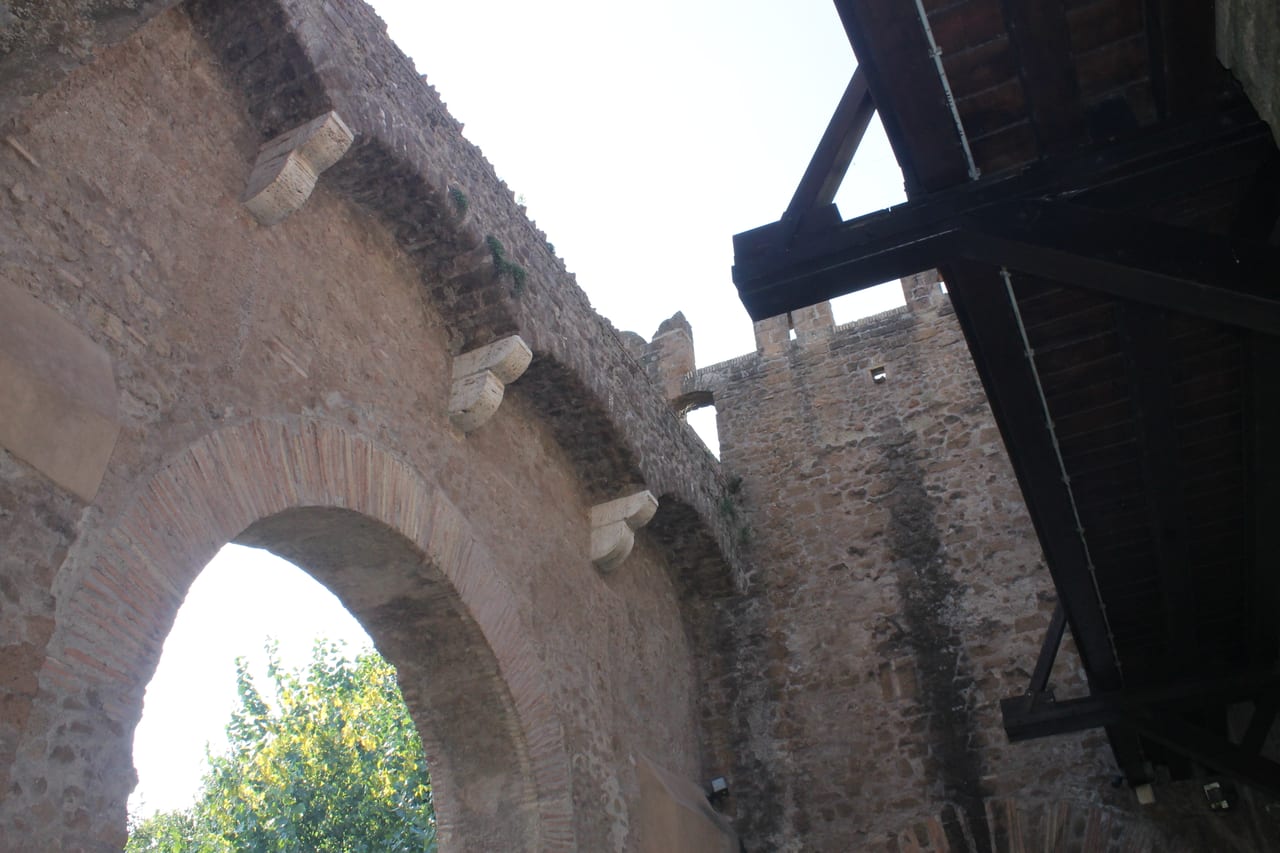
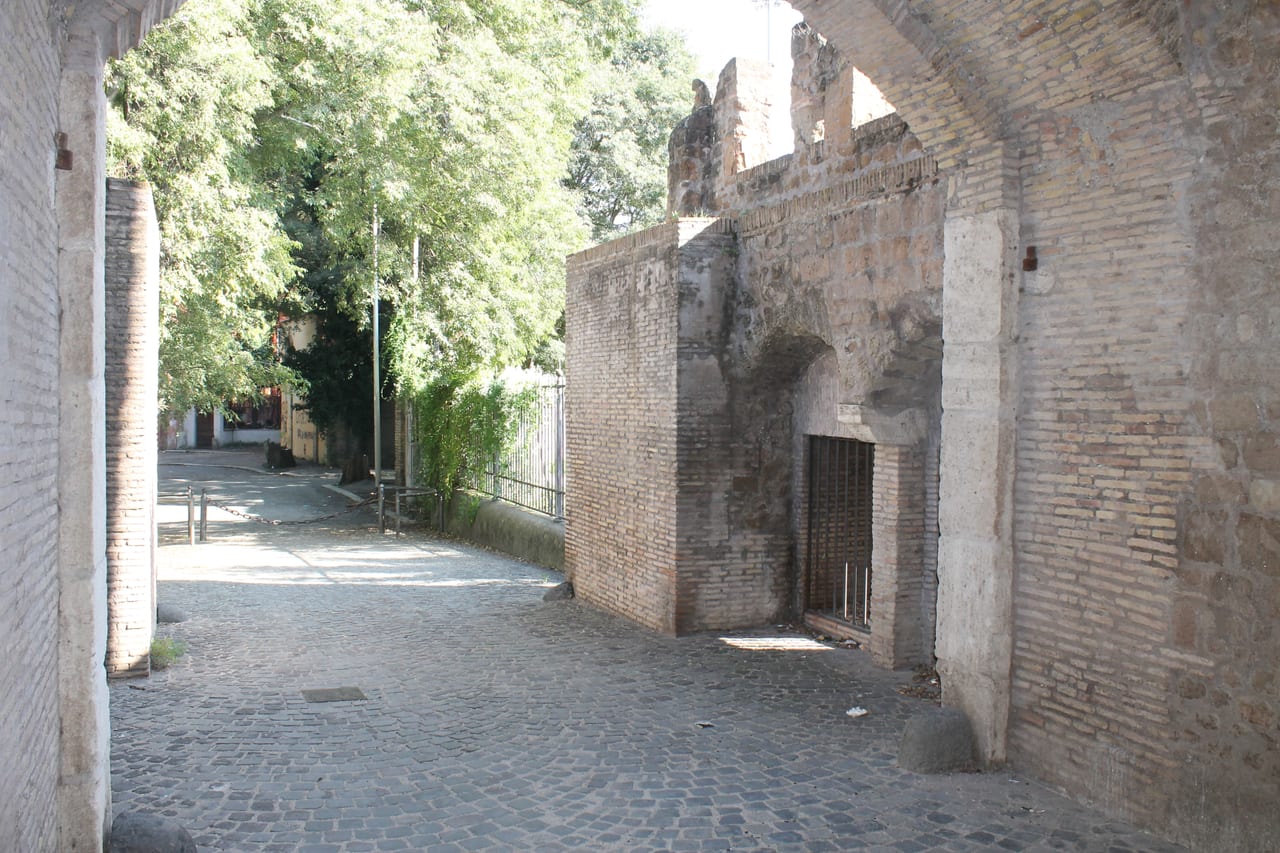
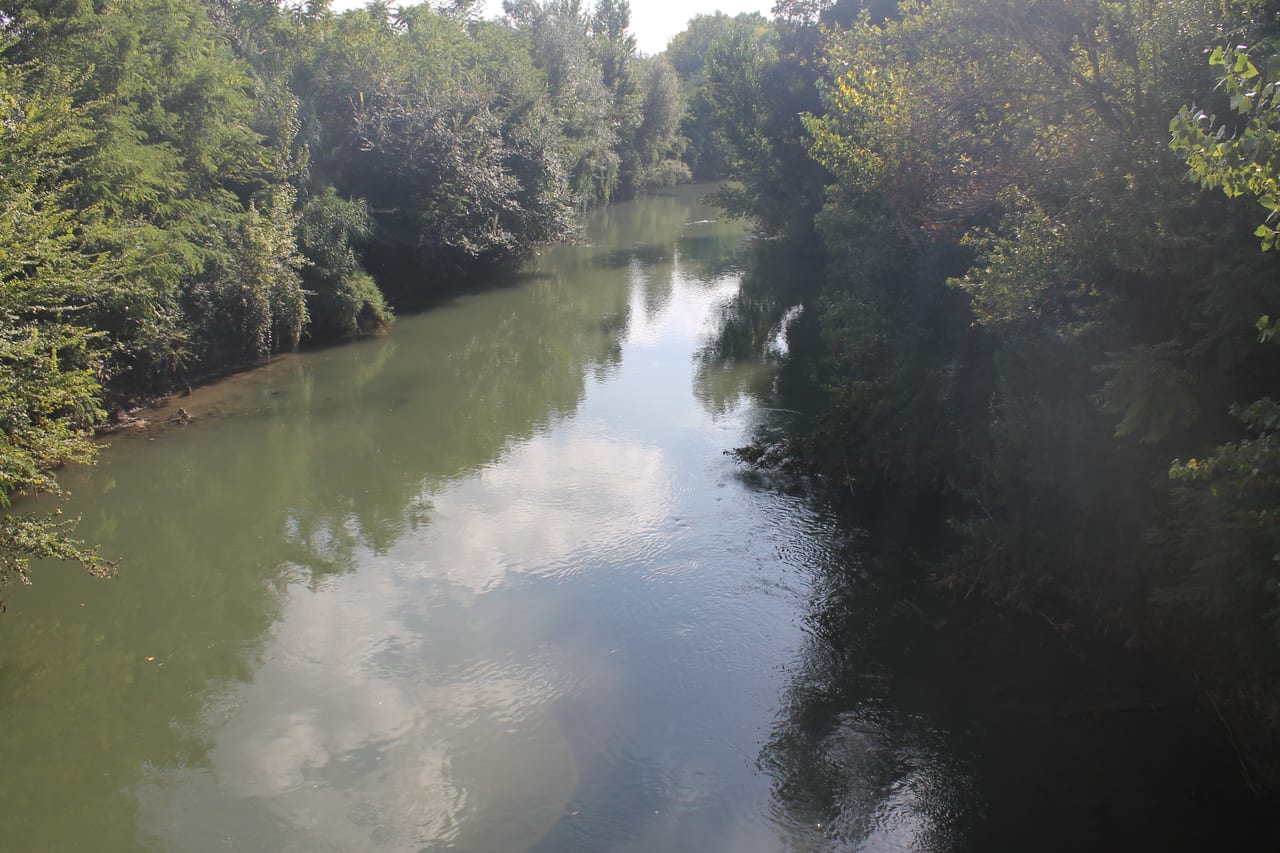
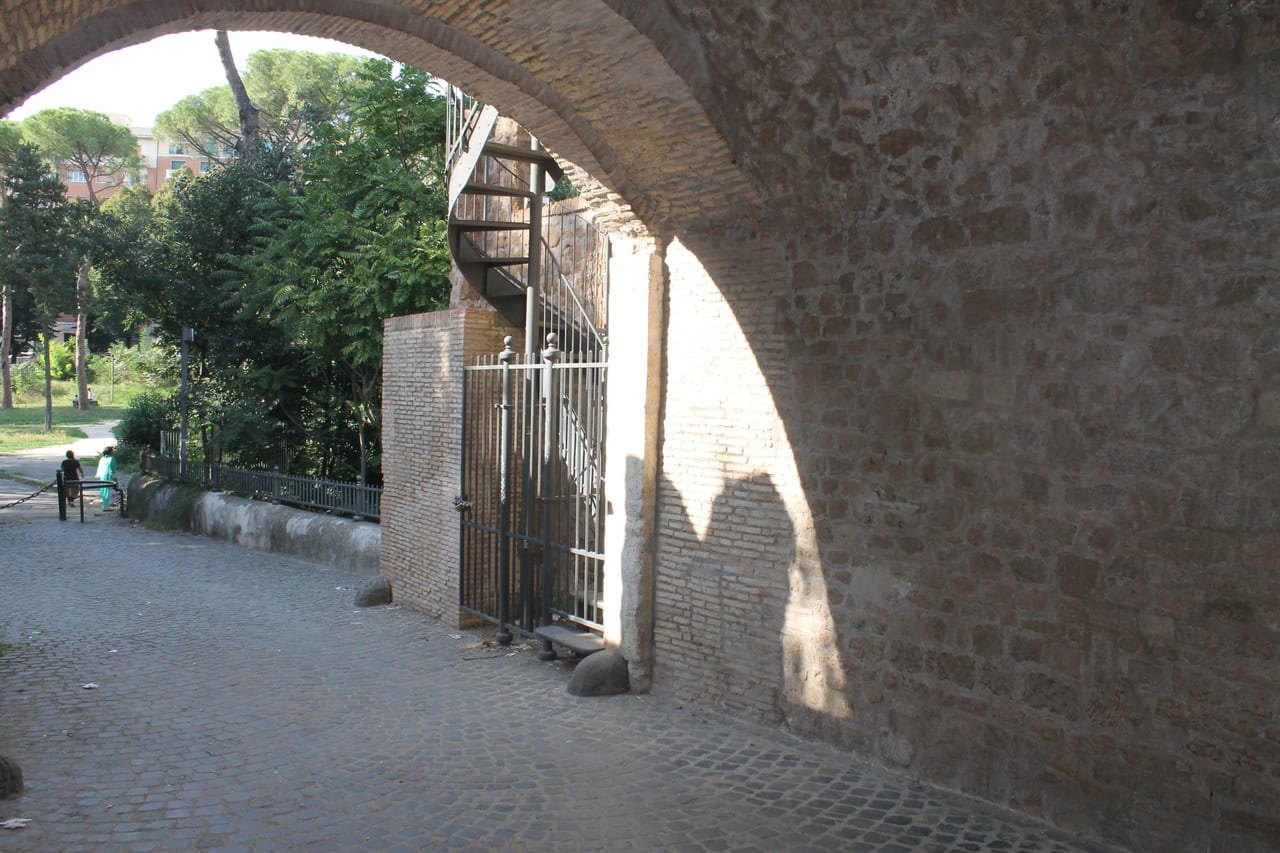
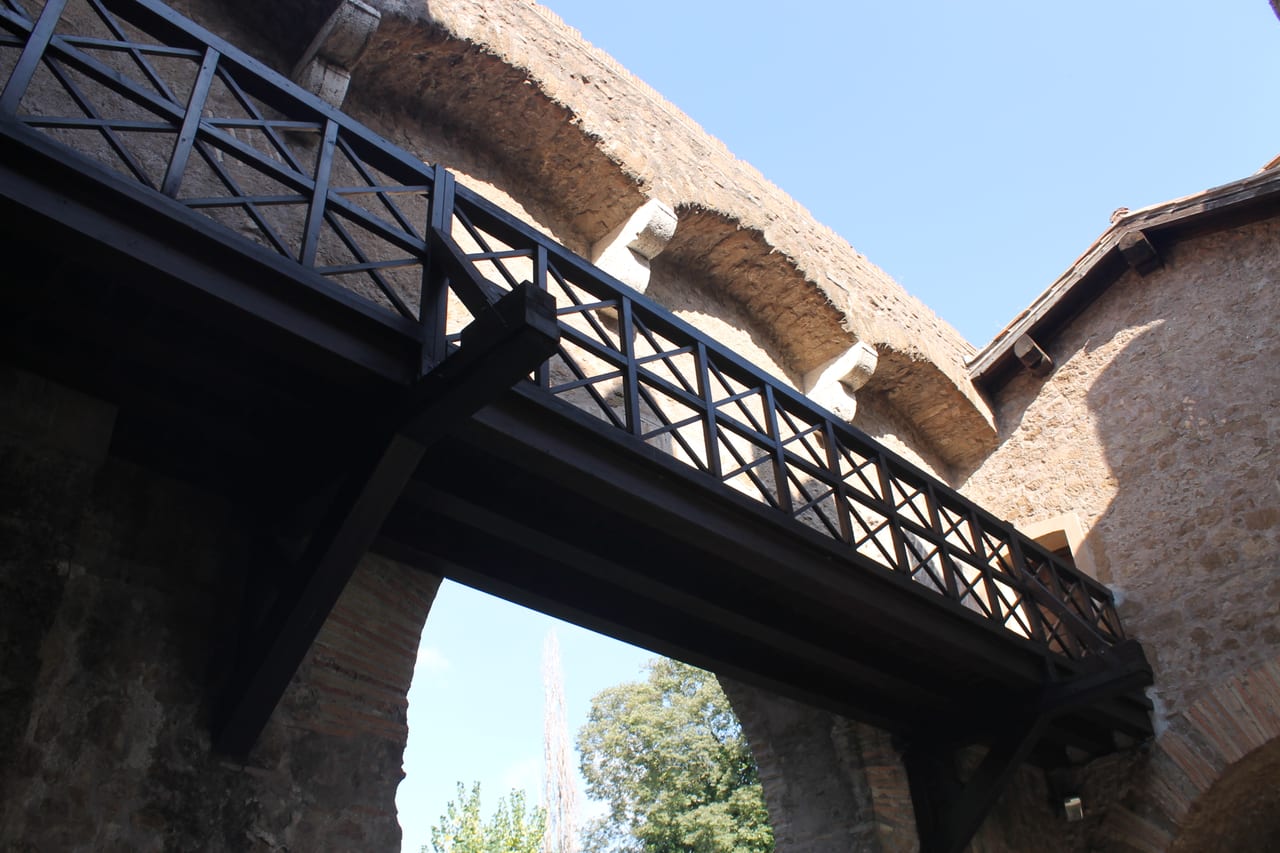
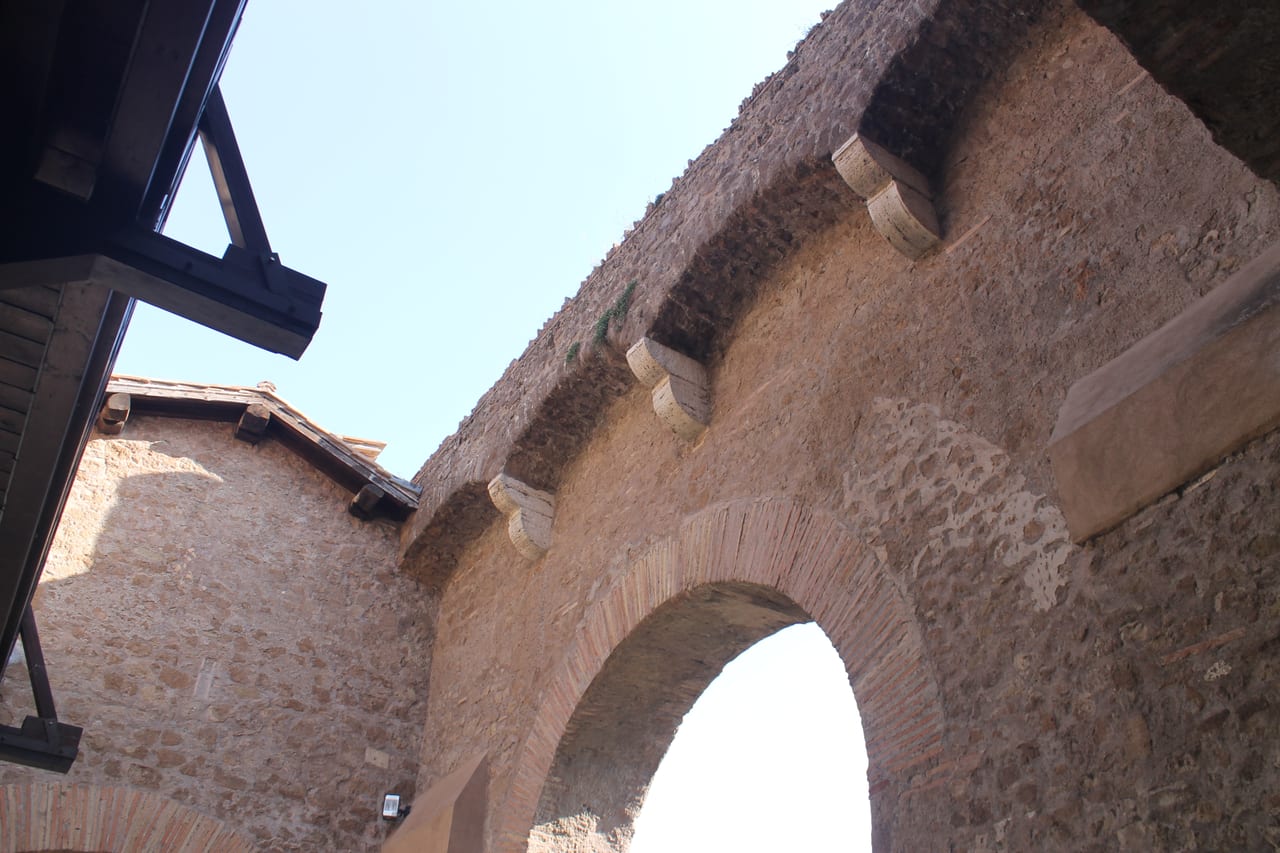
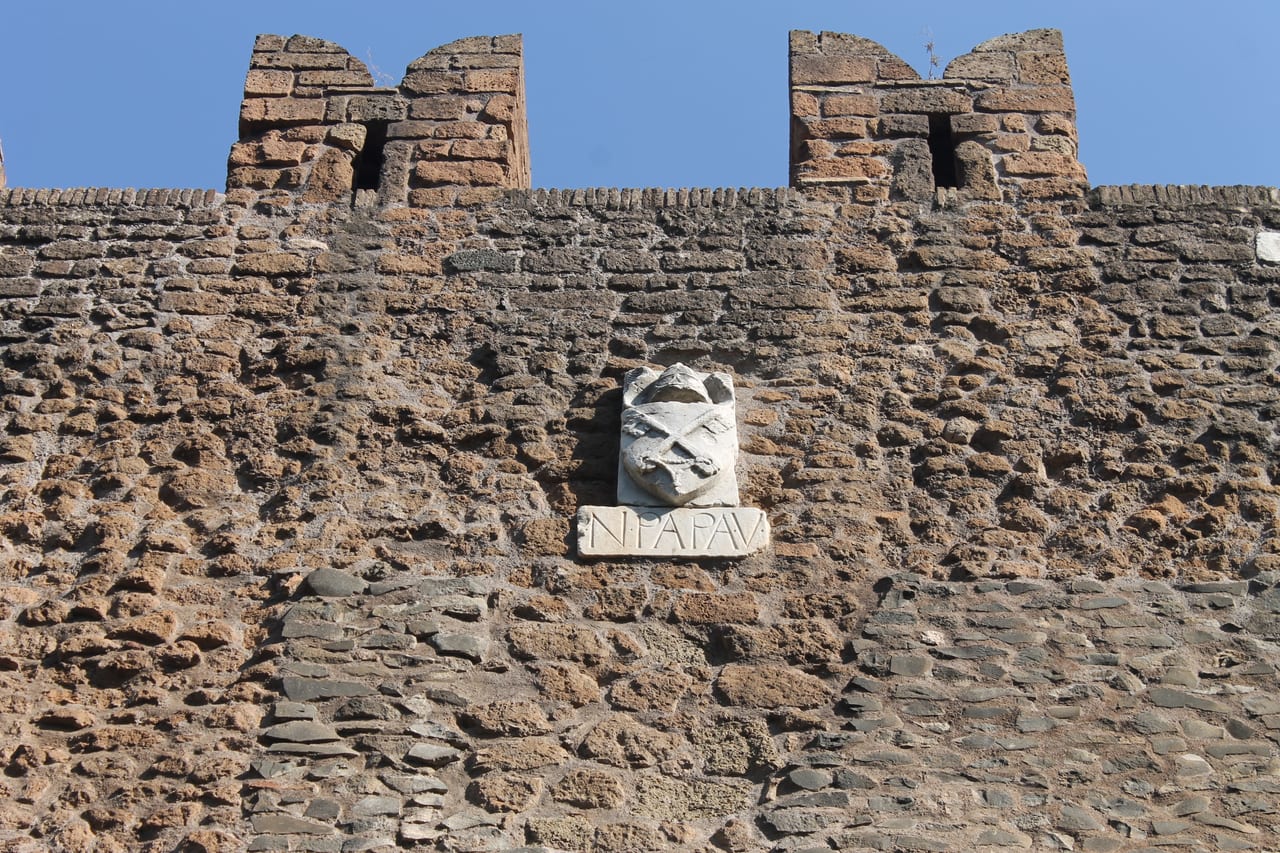
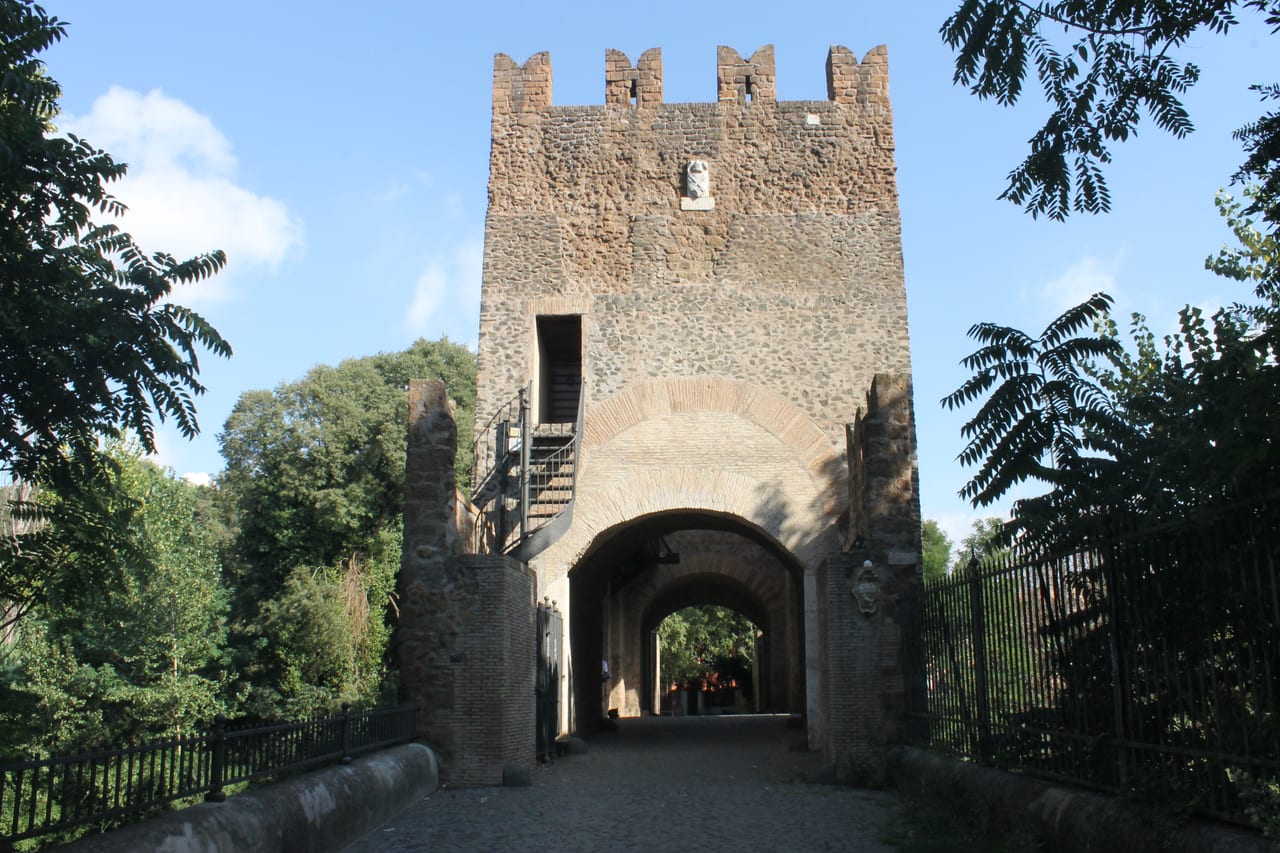
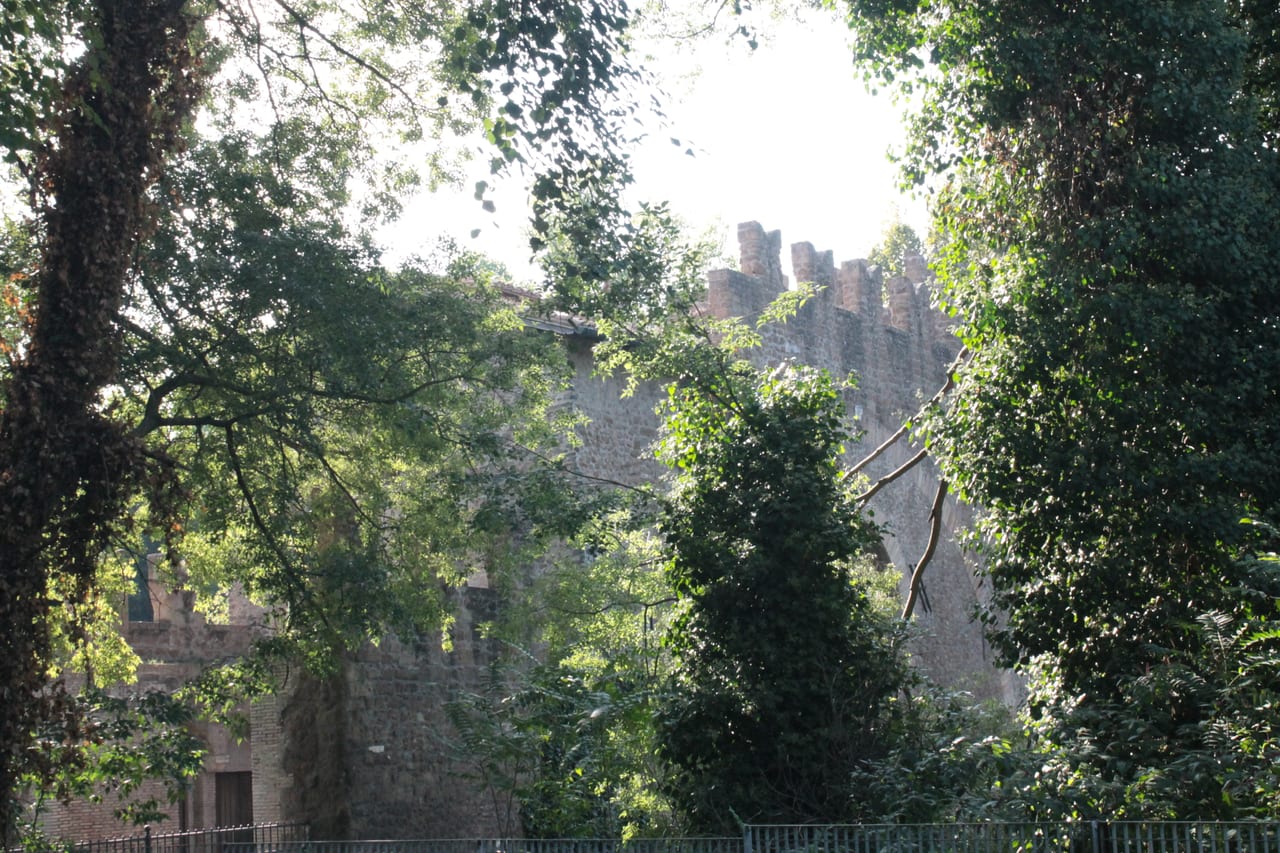
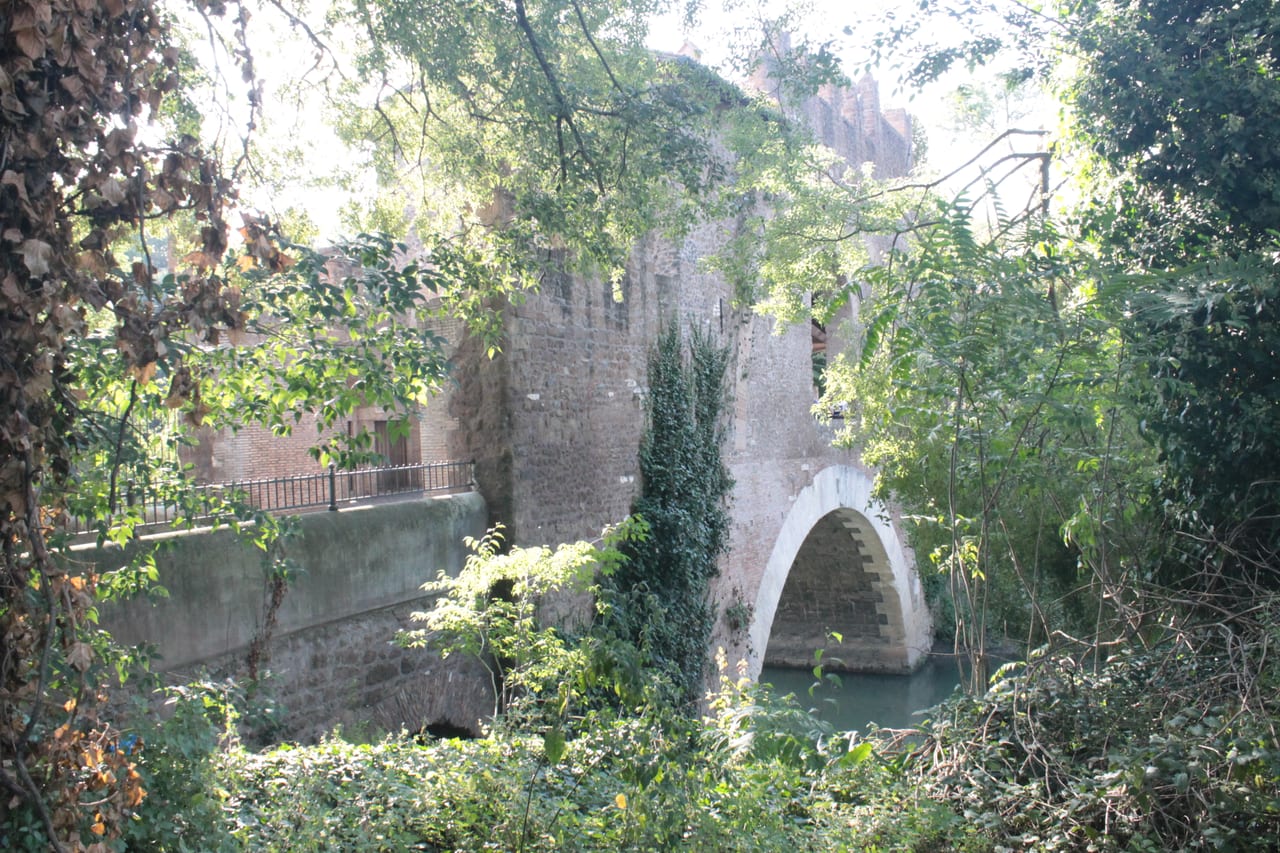
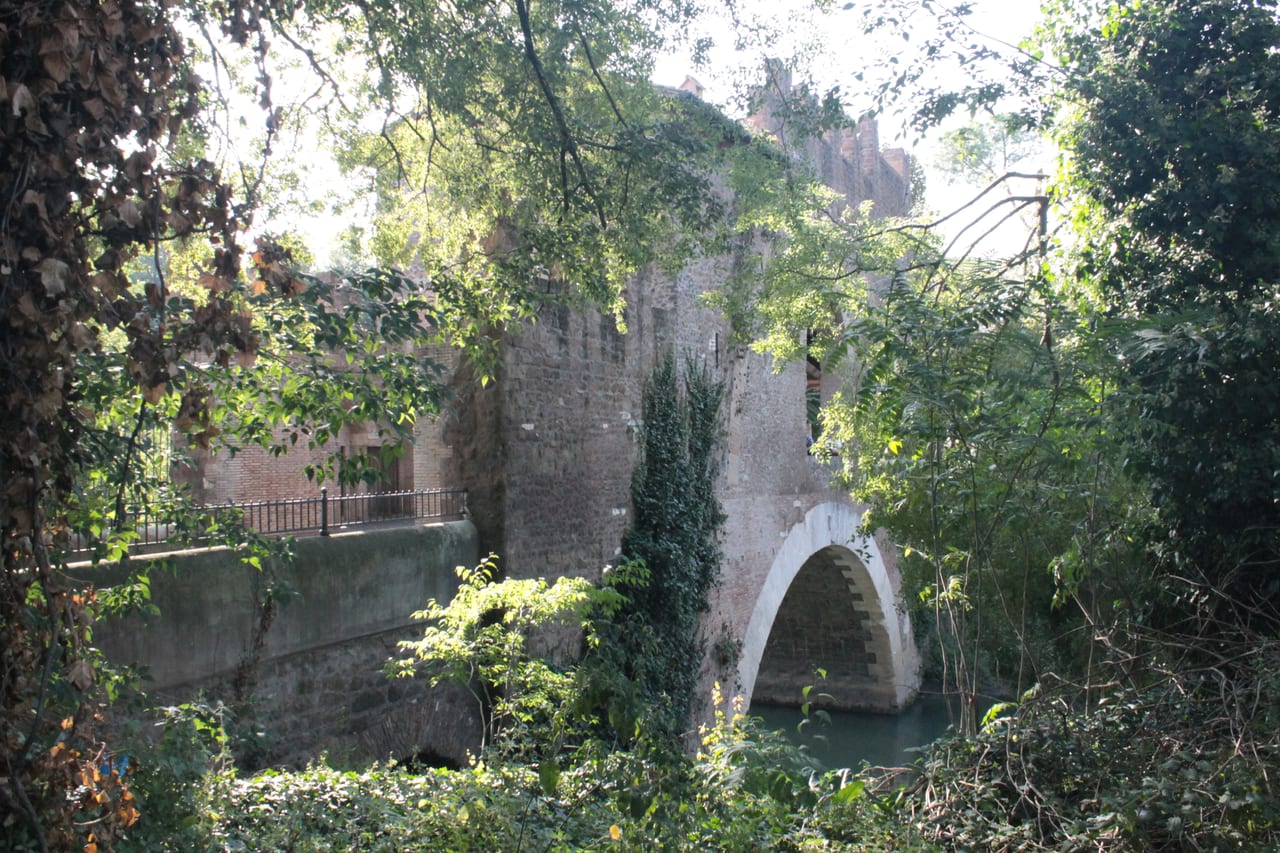
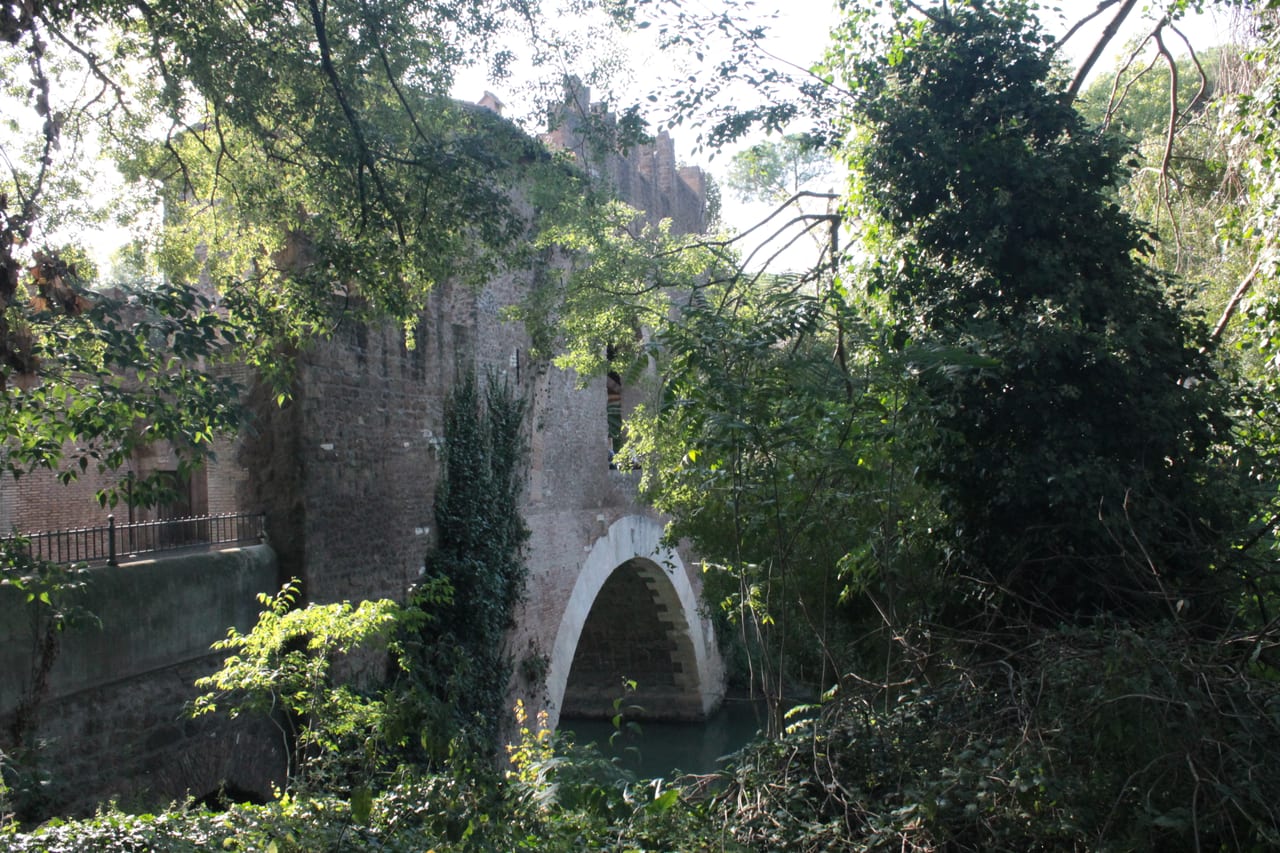
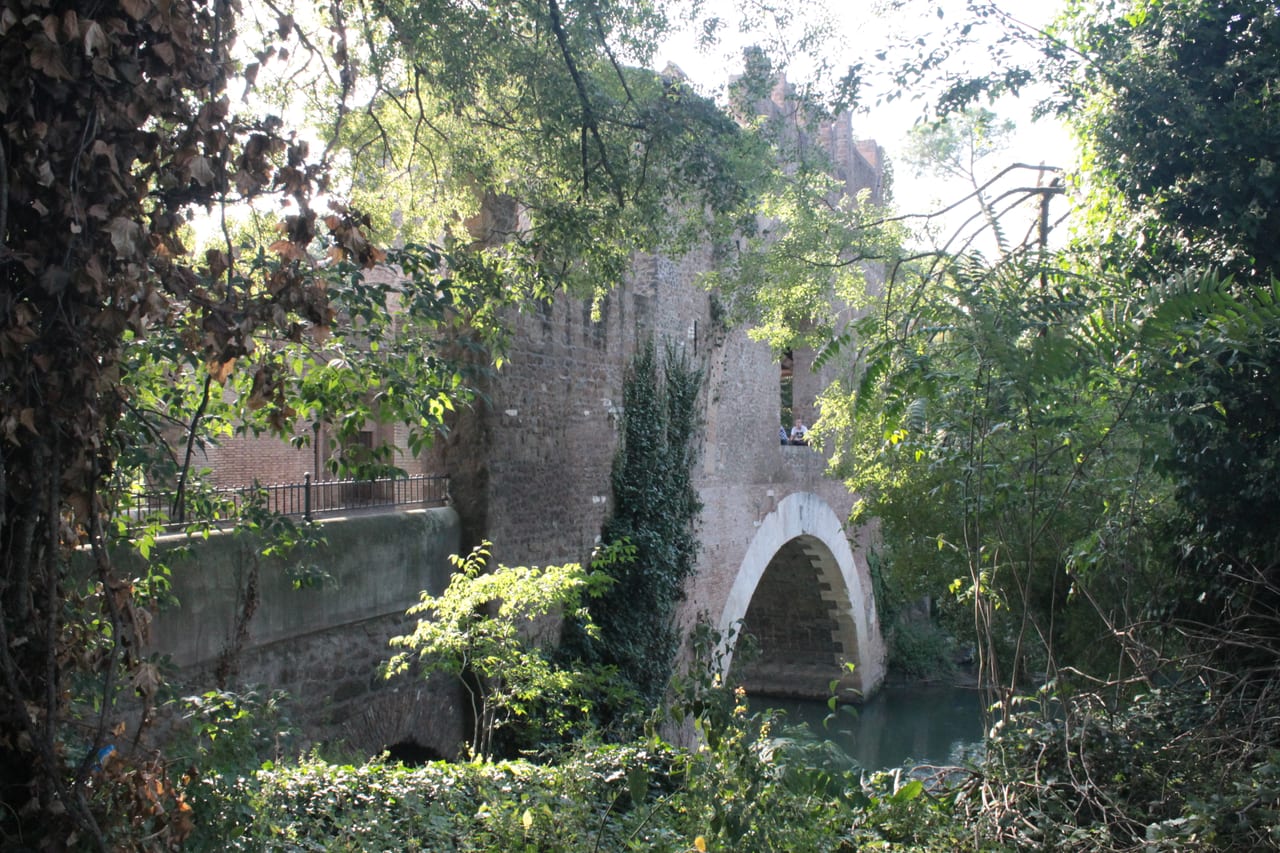
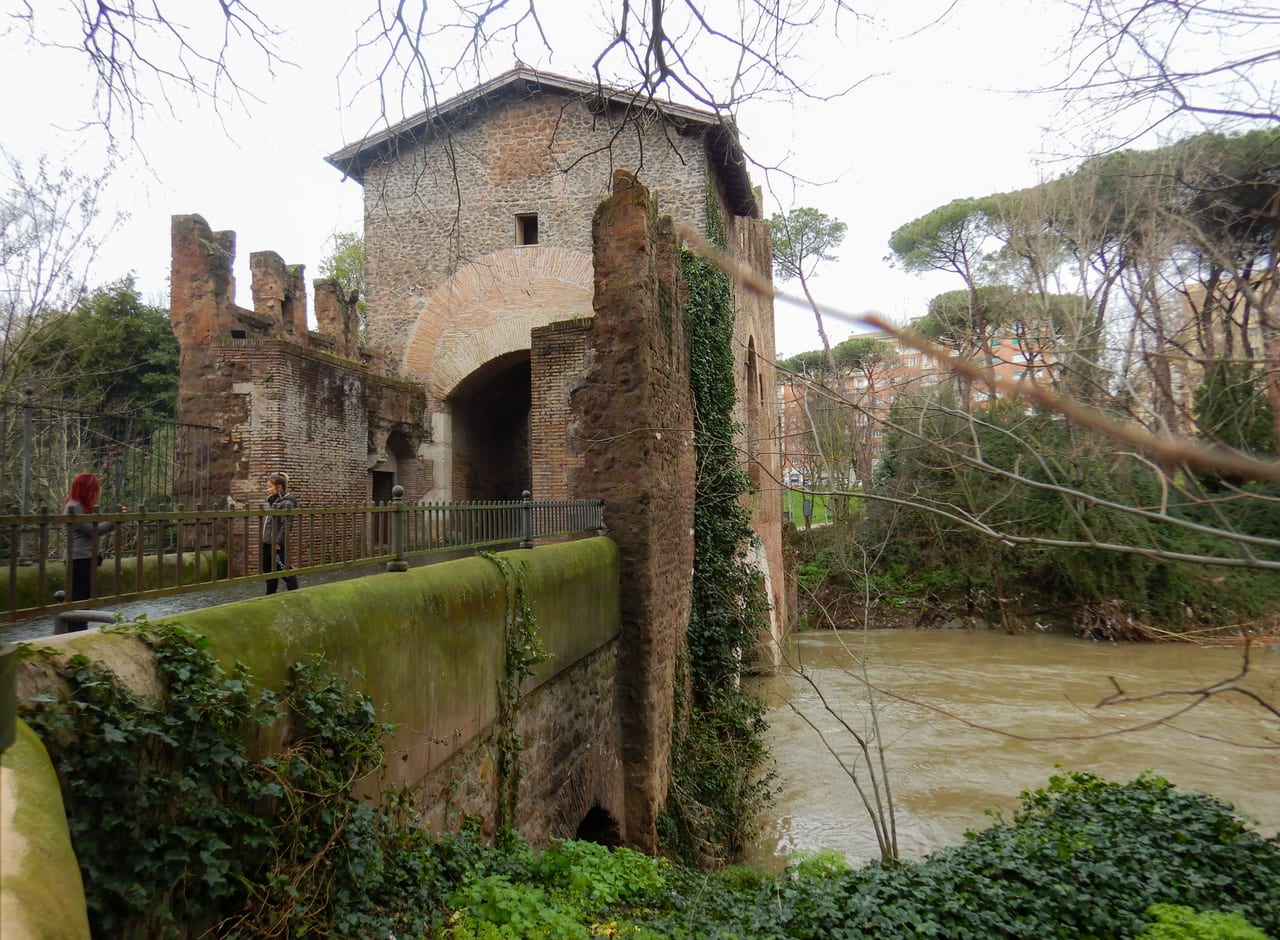
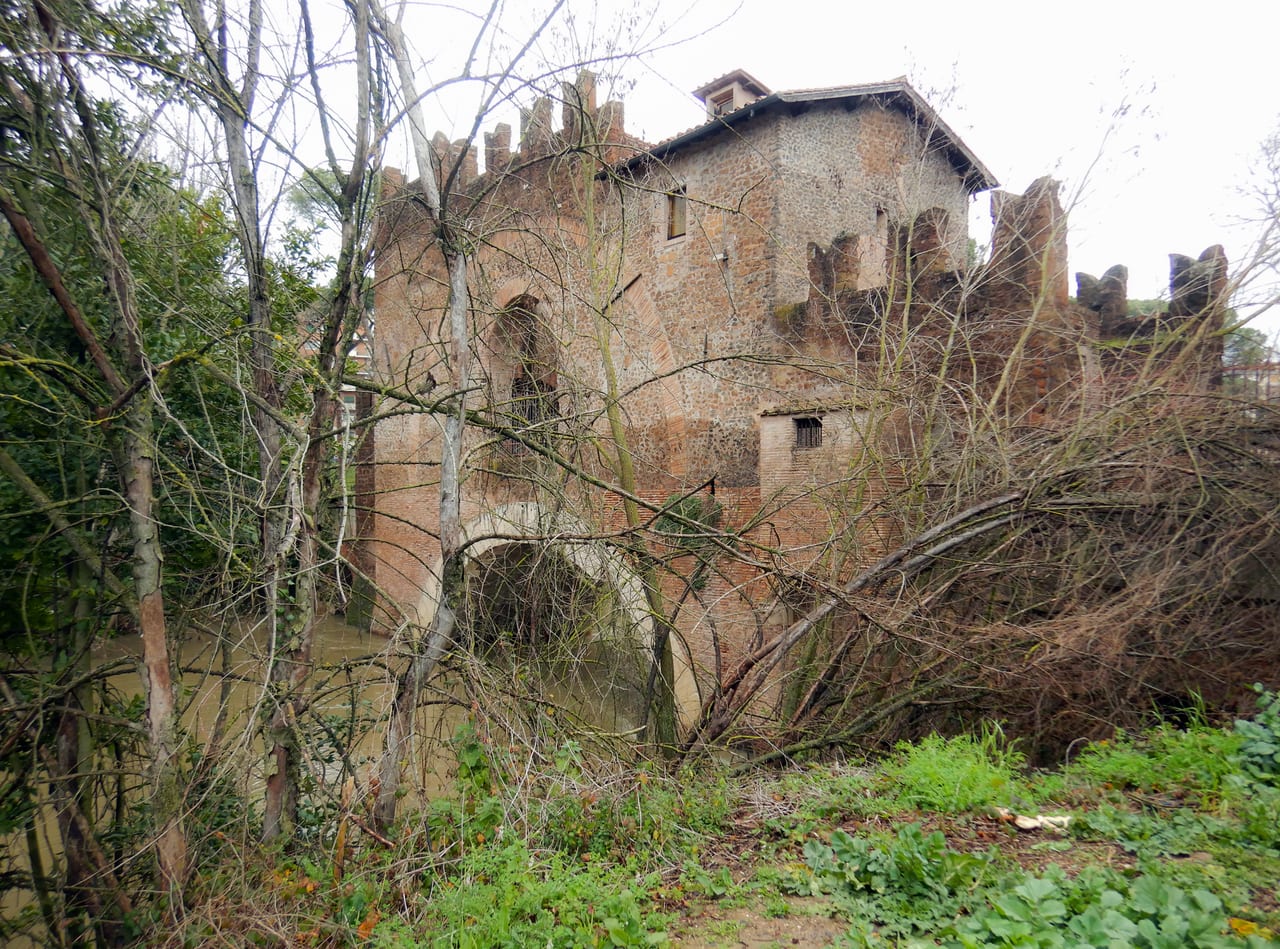
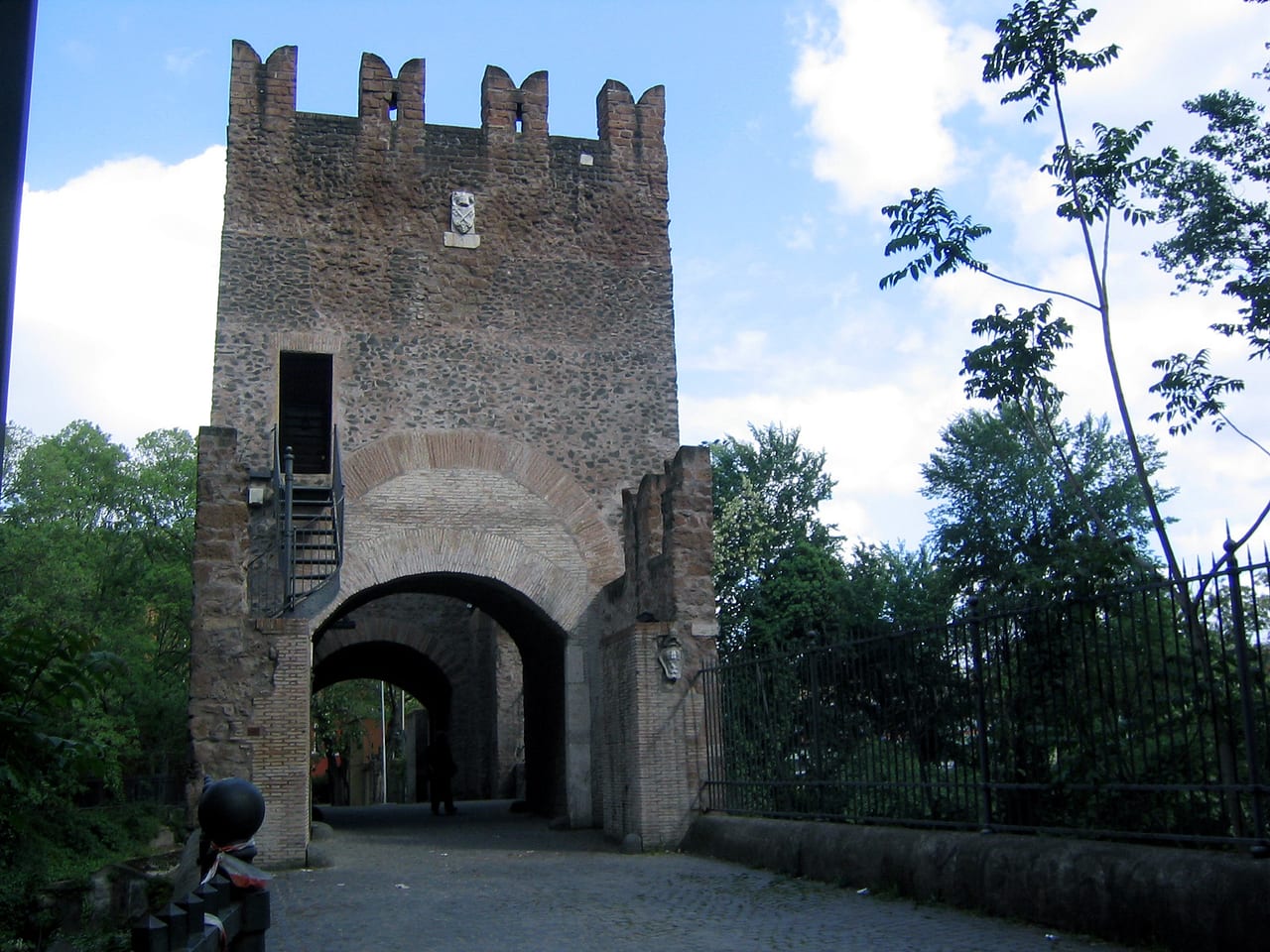
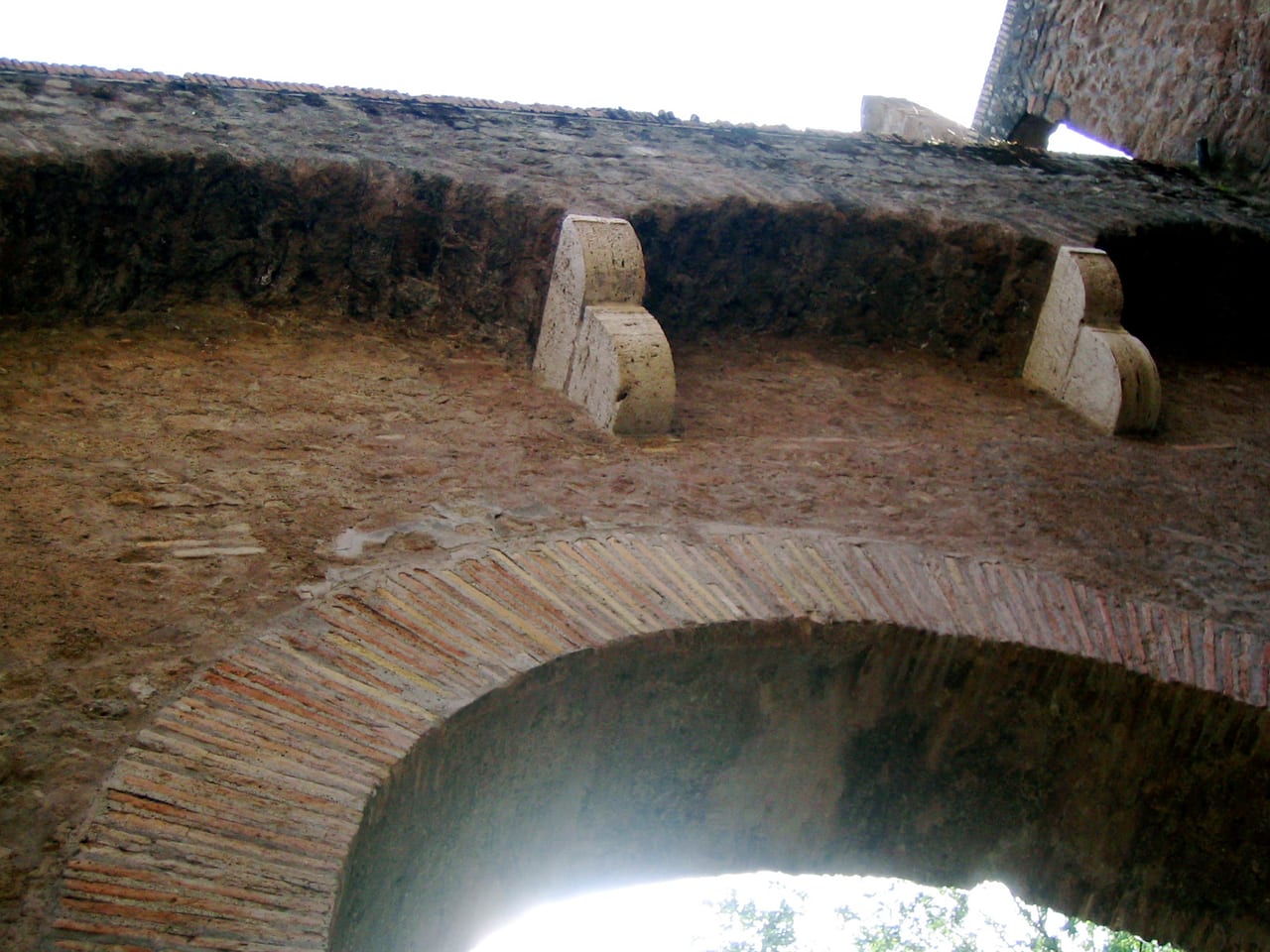
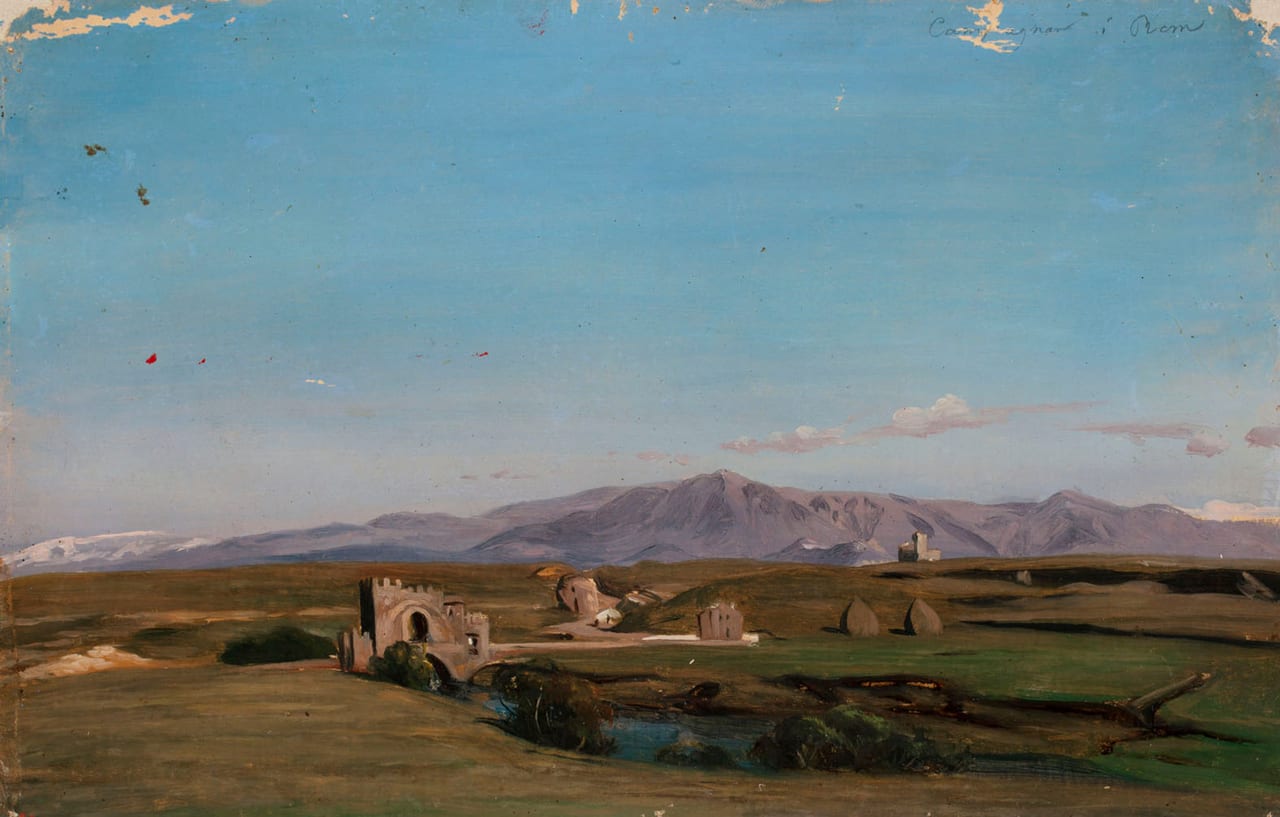
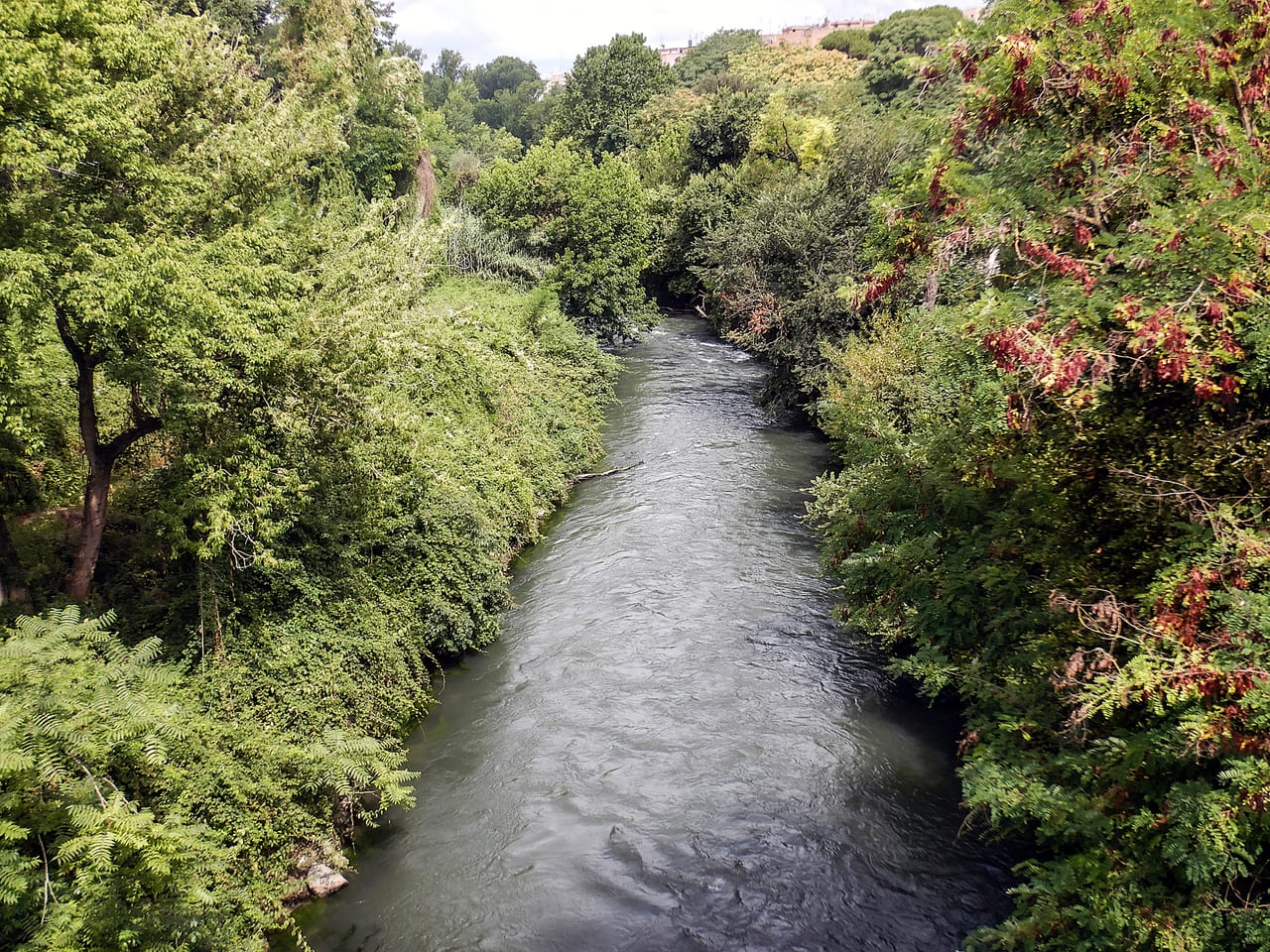
Ponte Nomentano began in the Republican age and, after Totila’s barbarian invasion, was rebuilt as one of ancient Rome’s principal extra-urban crossings, alongside Ponte Milvio and Ponte Salario. Its original structure used squared tufa blocks, with travertine archivolts, and comprised three arches; the central one was larger than the two flanking openings. Under Pope Hadrian I in the eighth century, two towers were added. Their defences were strengthened with masonry in the twelfth and thirteenth centuries and raised under Nicholas V. The medieval fortification still shapes the crossing: two towers with Ghibelline battlements frame a lowered arch, while a short roofless section between them has a battlemented balcony wall and large windows. A monumental round arch spans the Aniene. The bridge belonged to the monastery of San Silvestro in Capite in the tenth century, then to San Lorenzo in Lucina from 1205 and later to San Pietro in Vincoli with Sant’Agnese fuori le mura. It changed hands repeatedly, was occupied by Niccolò Fortebraccio in 1433 and Paolo Orsini in 1485, and became a city customs post in 1532. Restoration followed in 2002.
At a glance
- Heritage
- Italian national heritage
Ways to explore Ponte Nomentano
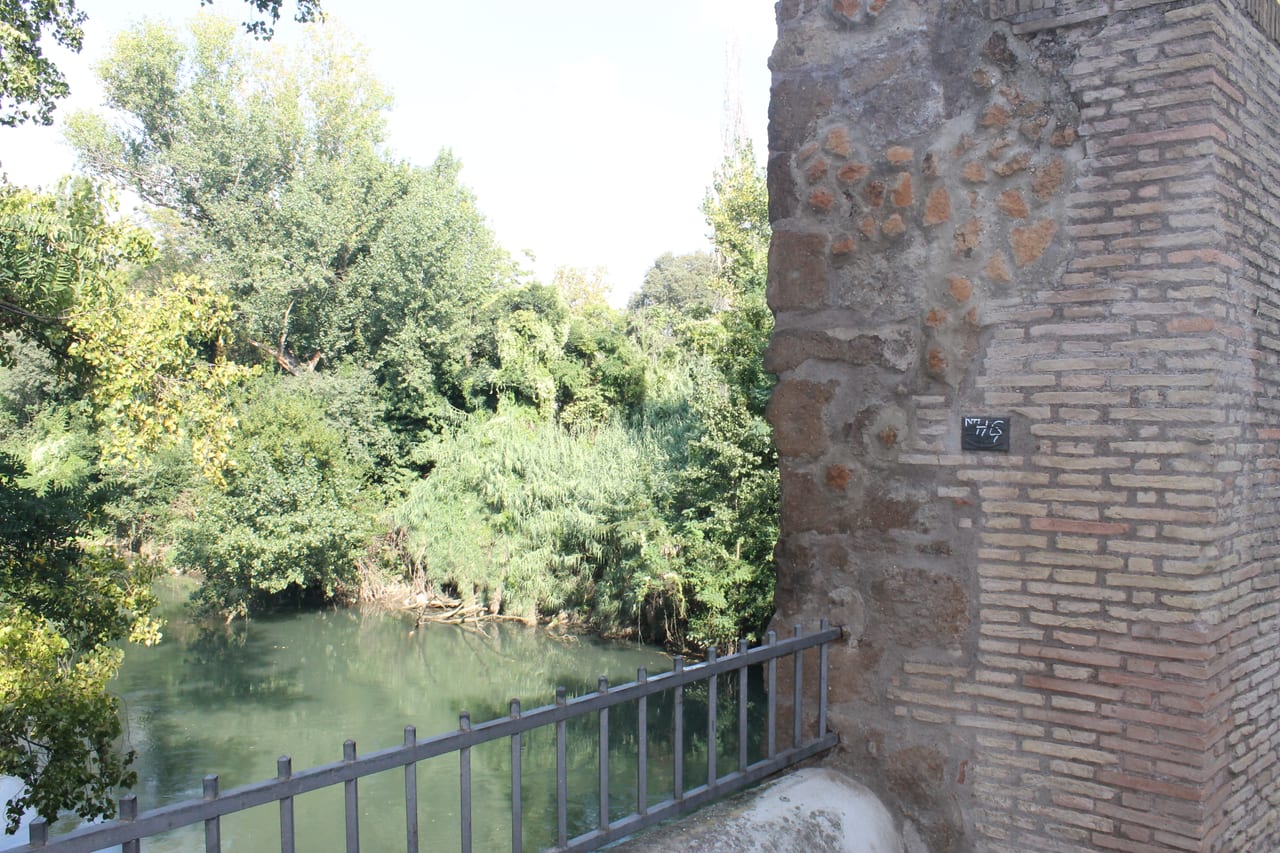
Examine the crossing from the riverbank for the contrast between the broad round arch over the Aniene and the fortified upper structure. At the entrance, look for the towers, Ghibelline crenellation, side gates and the narrow, controlled passage through the central arch. The roofless balcony section and its windows are particularly distinctive. The interior structures are only occasionally opened, so treat access inside the towers and walls as an opportunity rather than a standard part of a visit.
Places to stay near Ponte Nomentano

Live availability and prices from Stay22's partners, refreshed periodically and subject to change. Booking through these links may earn us a commission at no extra cost to you. See our privacy policy.
Cafés near Ponte Nomentano
Cafés near Ponte Nomentano loads as you scroll.
Attractions nearby
Attractions near Ponte Nomentano loads as you scroll.
Cities nearby
Cities nearby loads as you scroll.
More in Rome
See more of Rome.
Find great cafés, places to stay and other interesting places to visit in Rome.