Square · Rome
Piazza di Spagna
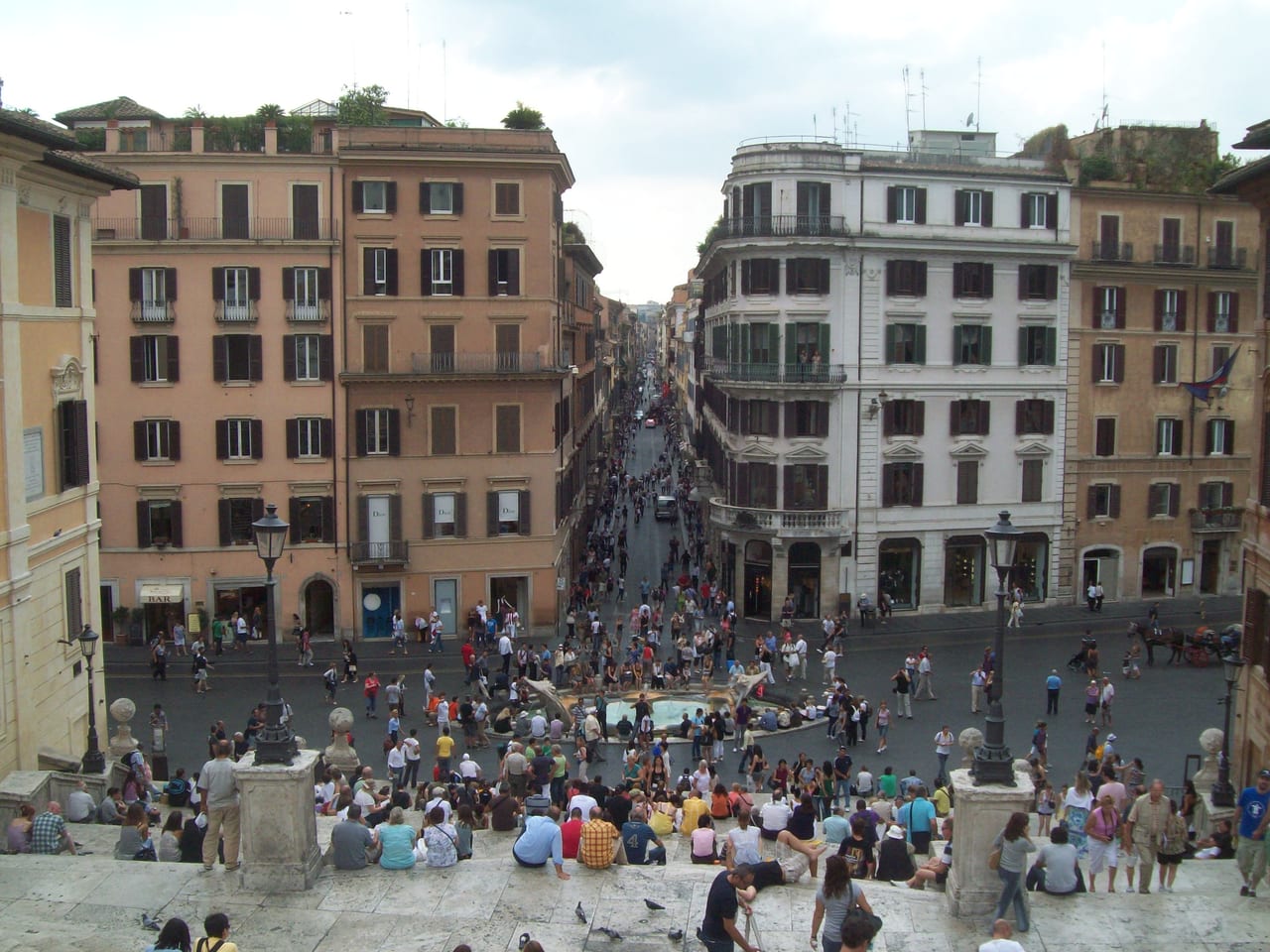
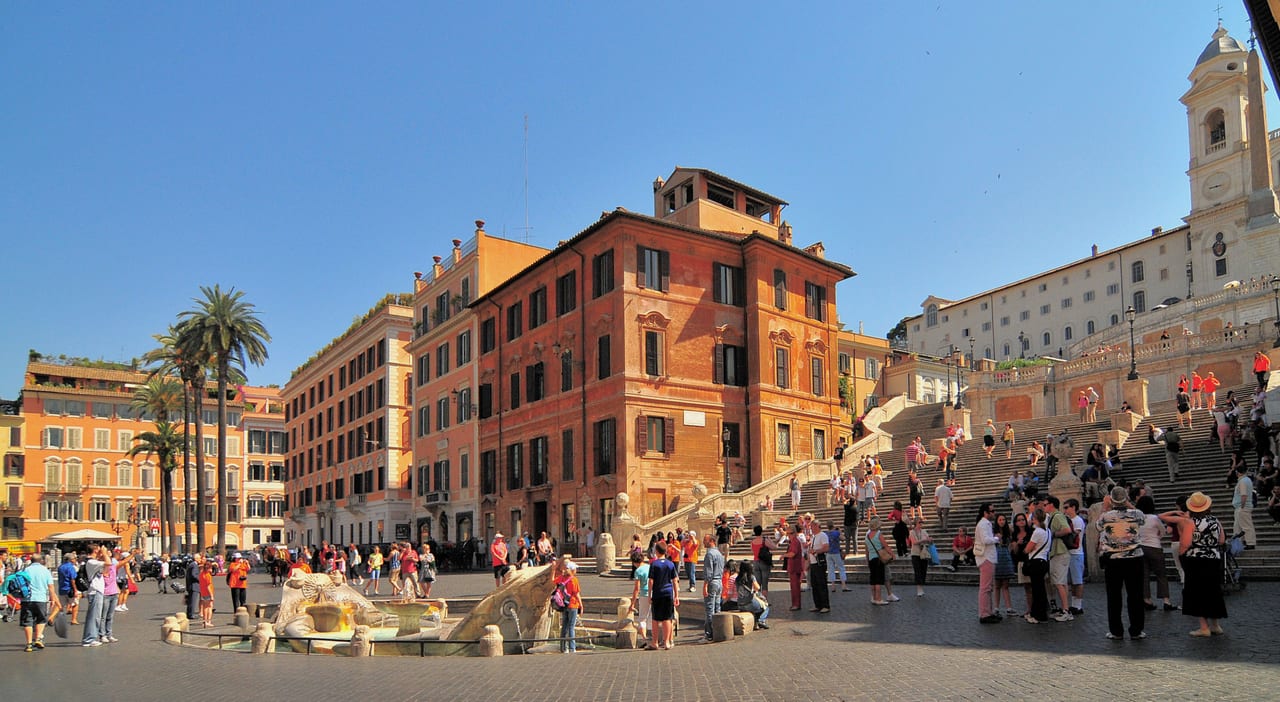
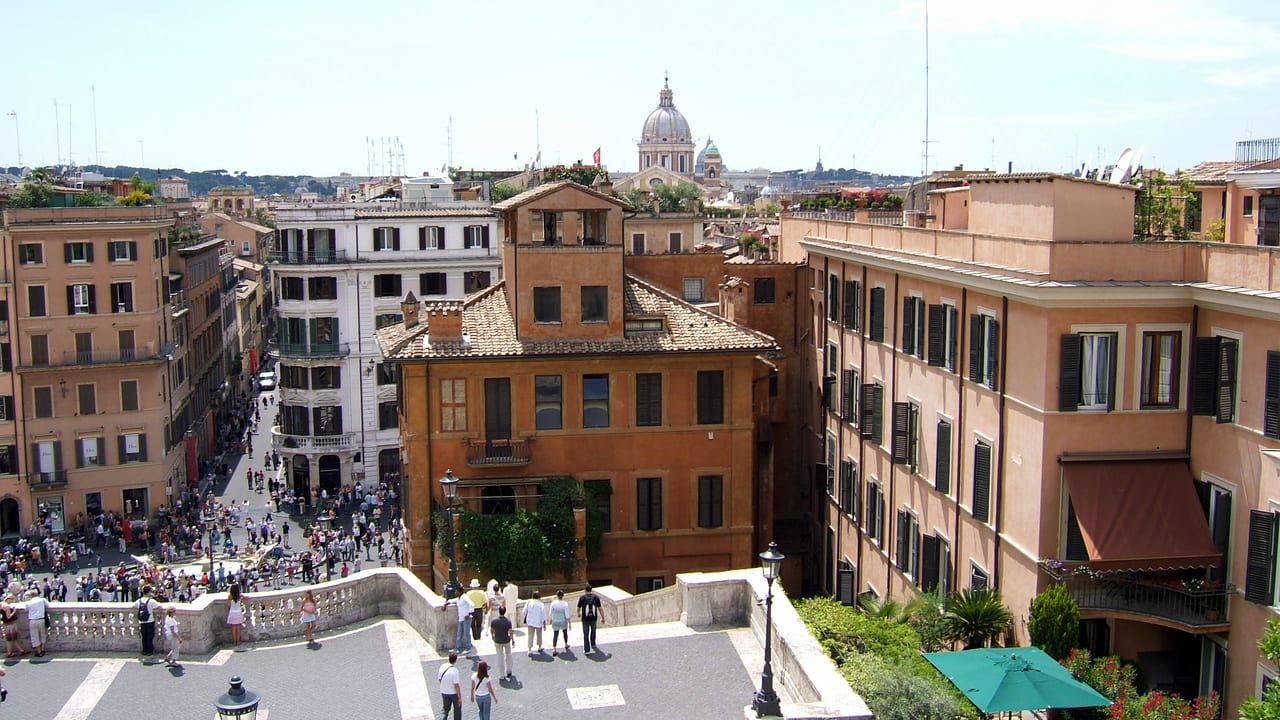
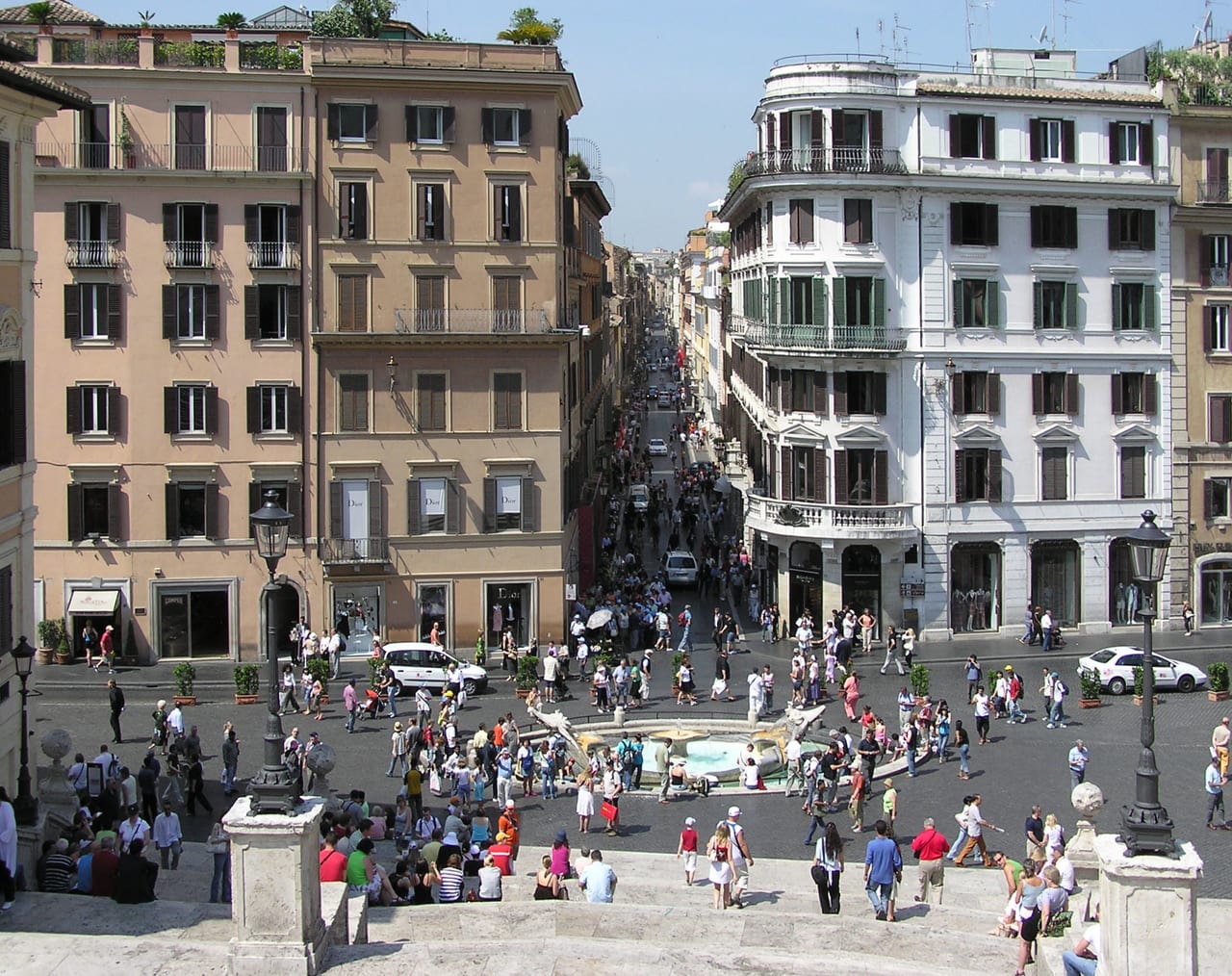
DirectionsSeen from above, Piazza di Spagna forms a butterfly: two triangles meet at a single vertex, an unusually legible Baroque geometry in the city.
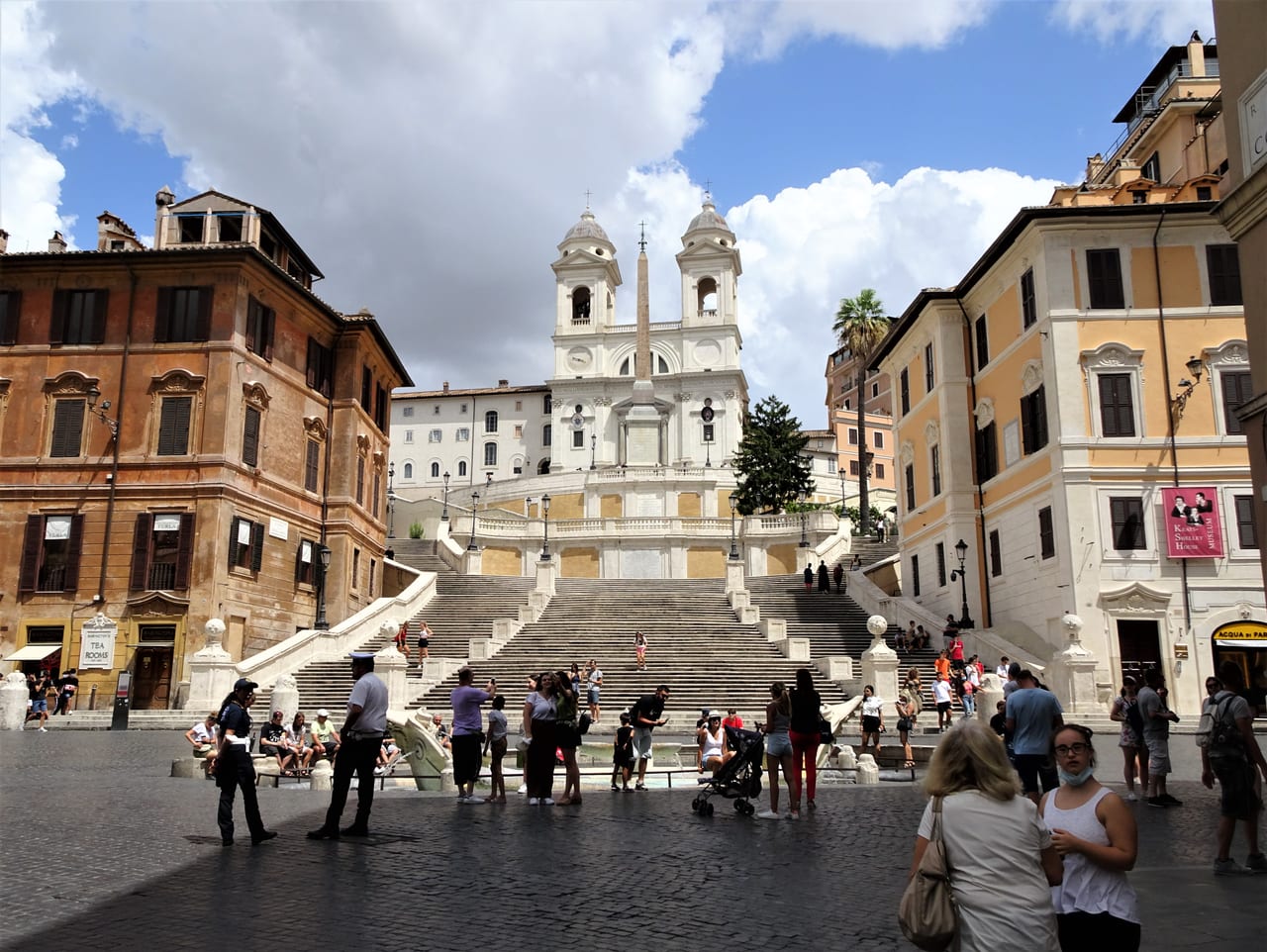
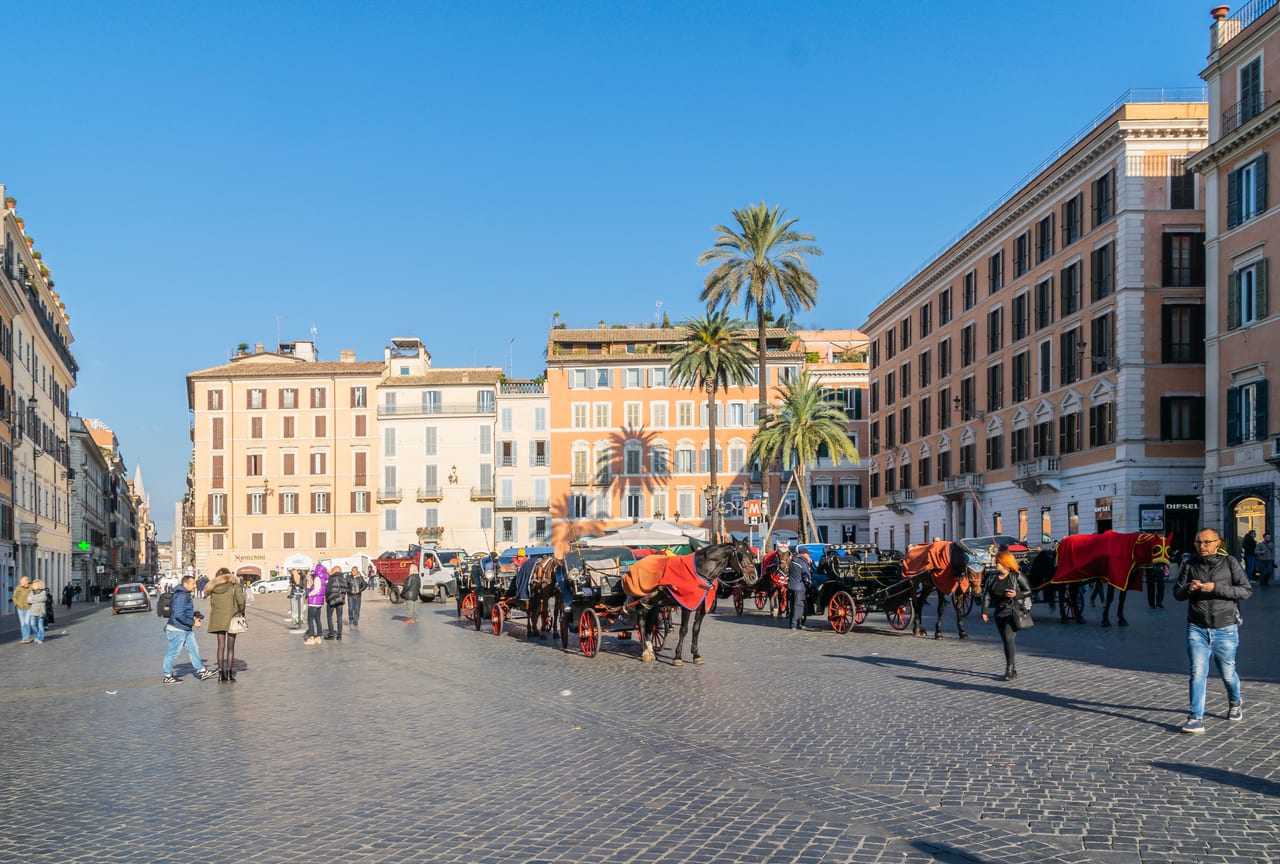
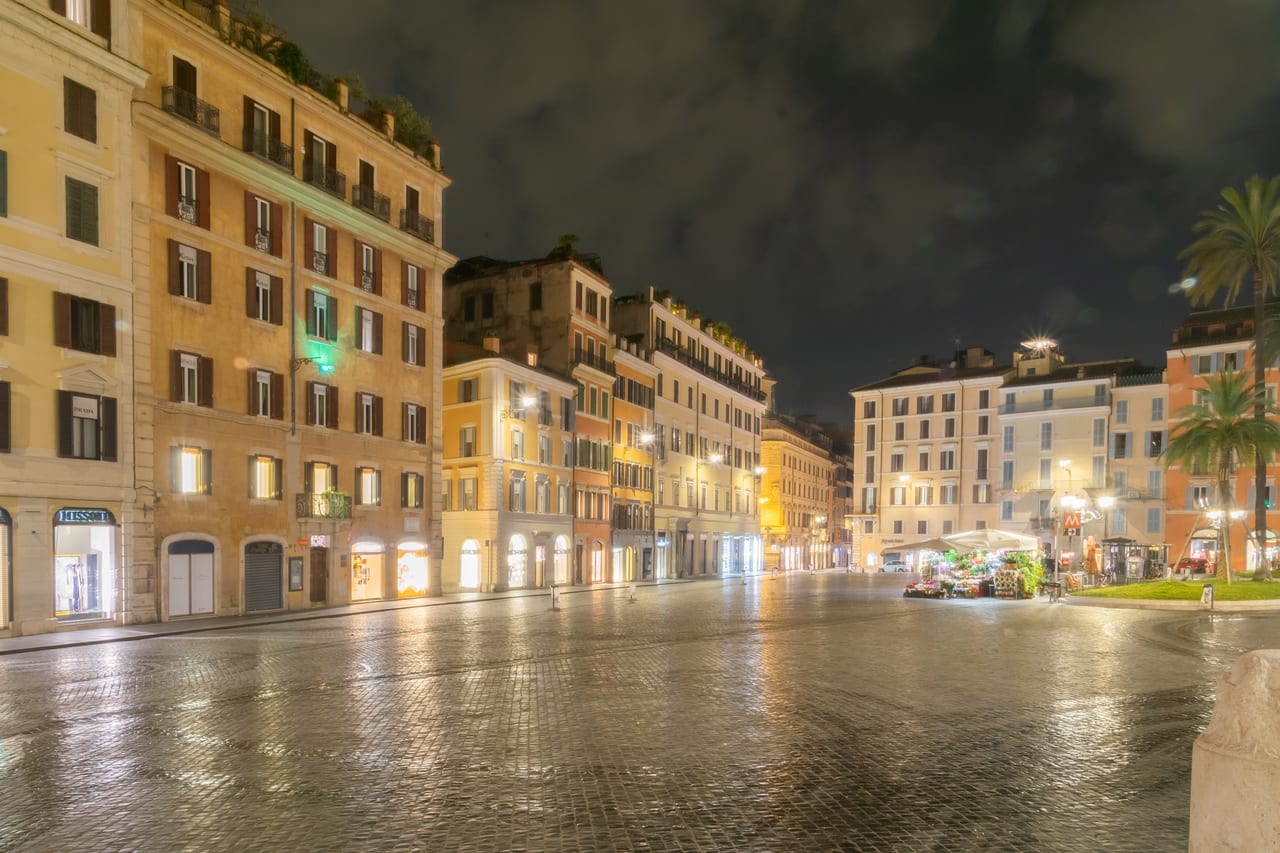
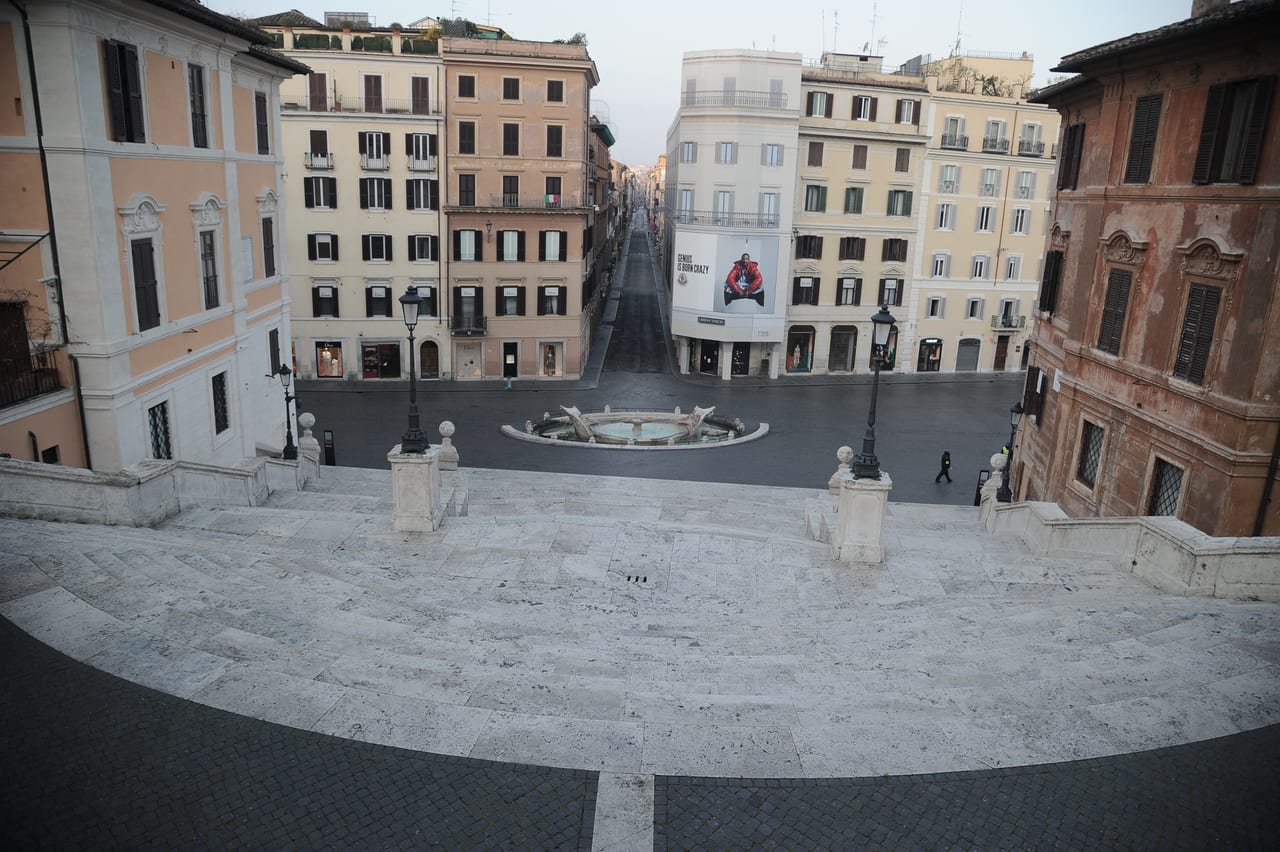
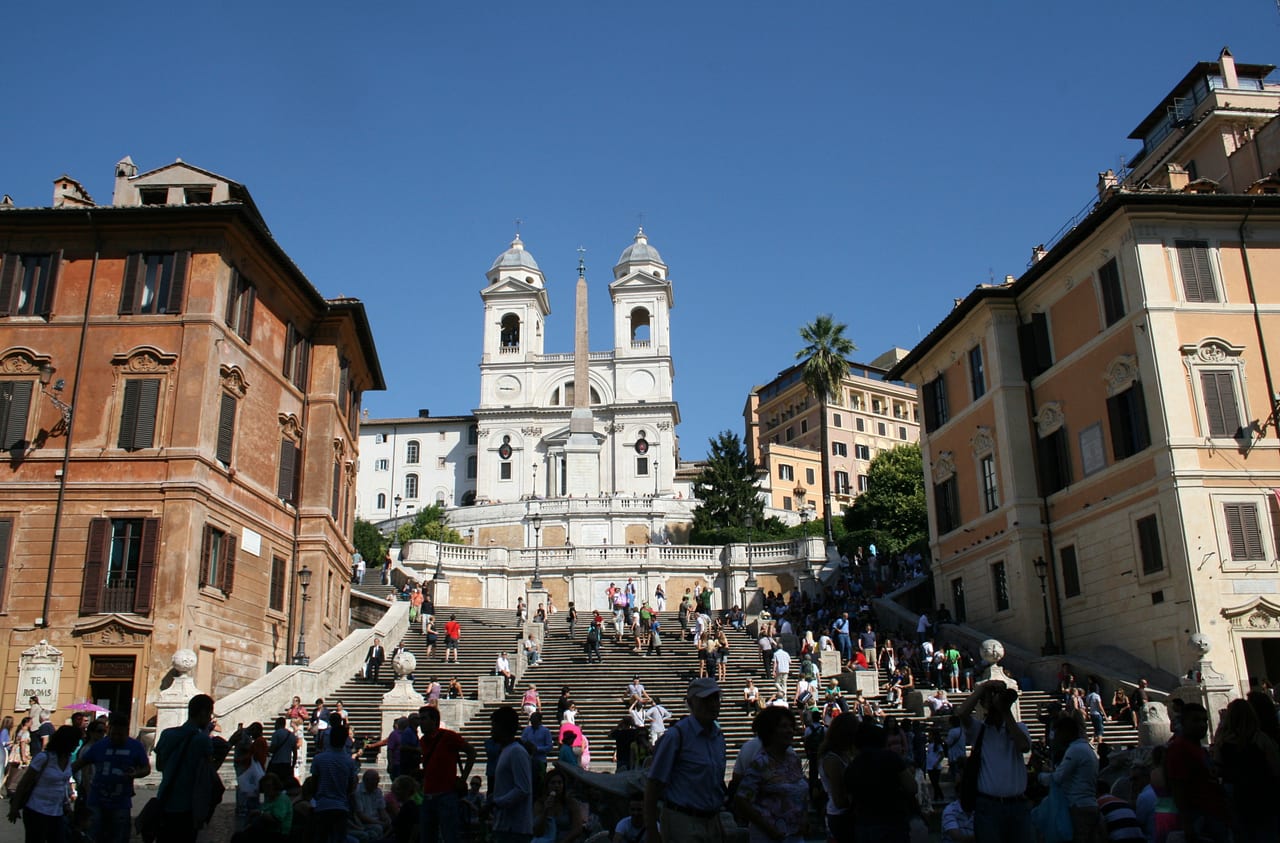
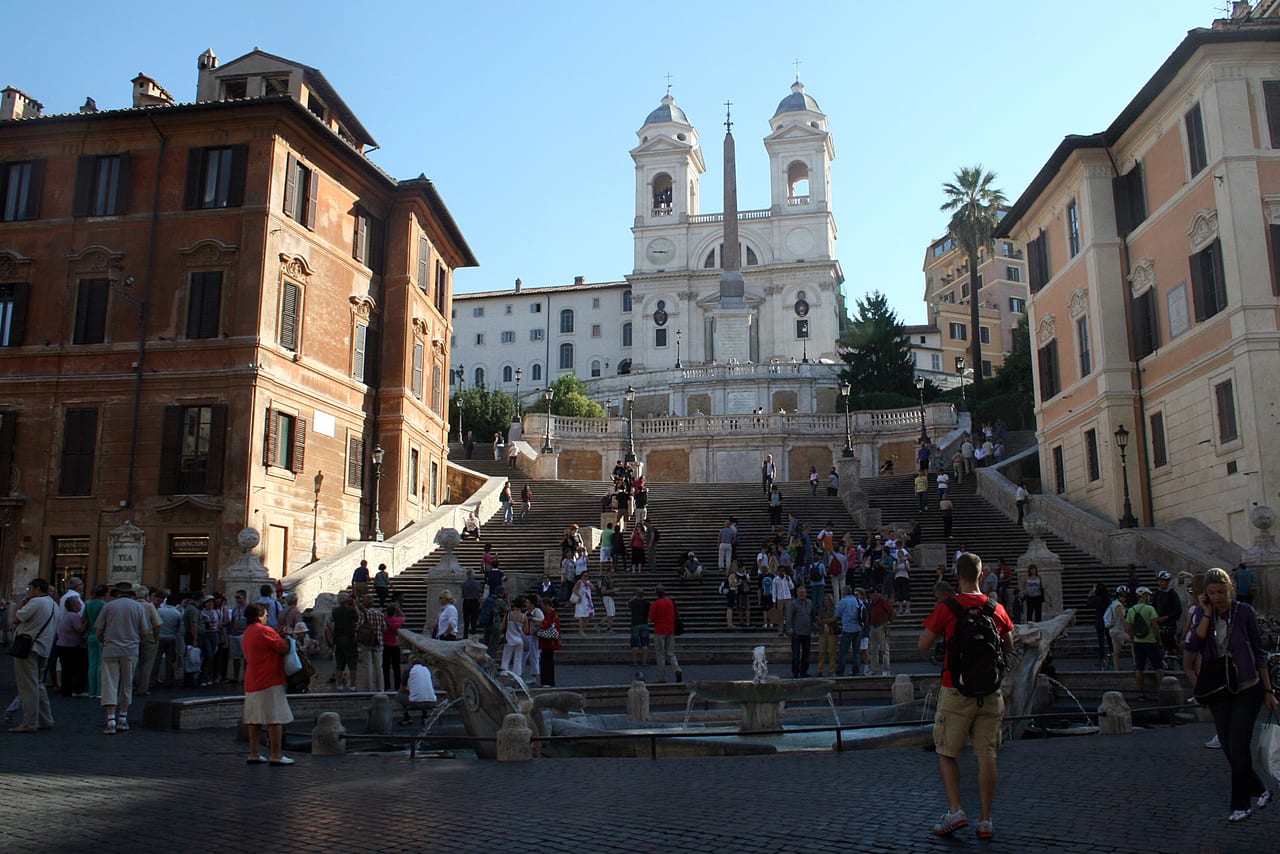
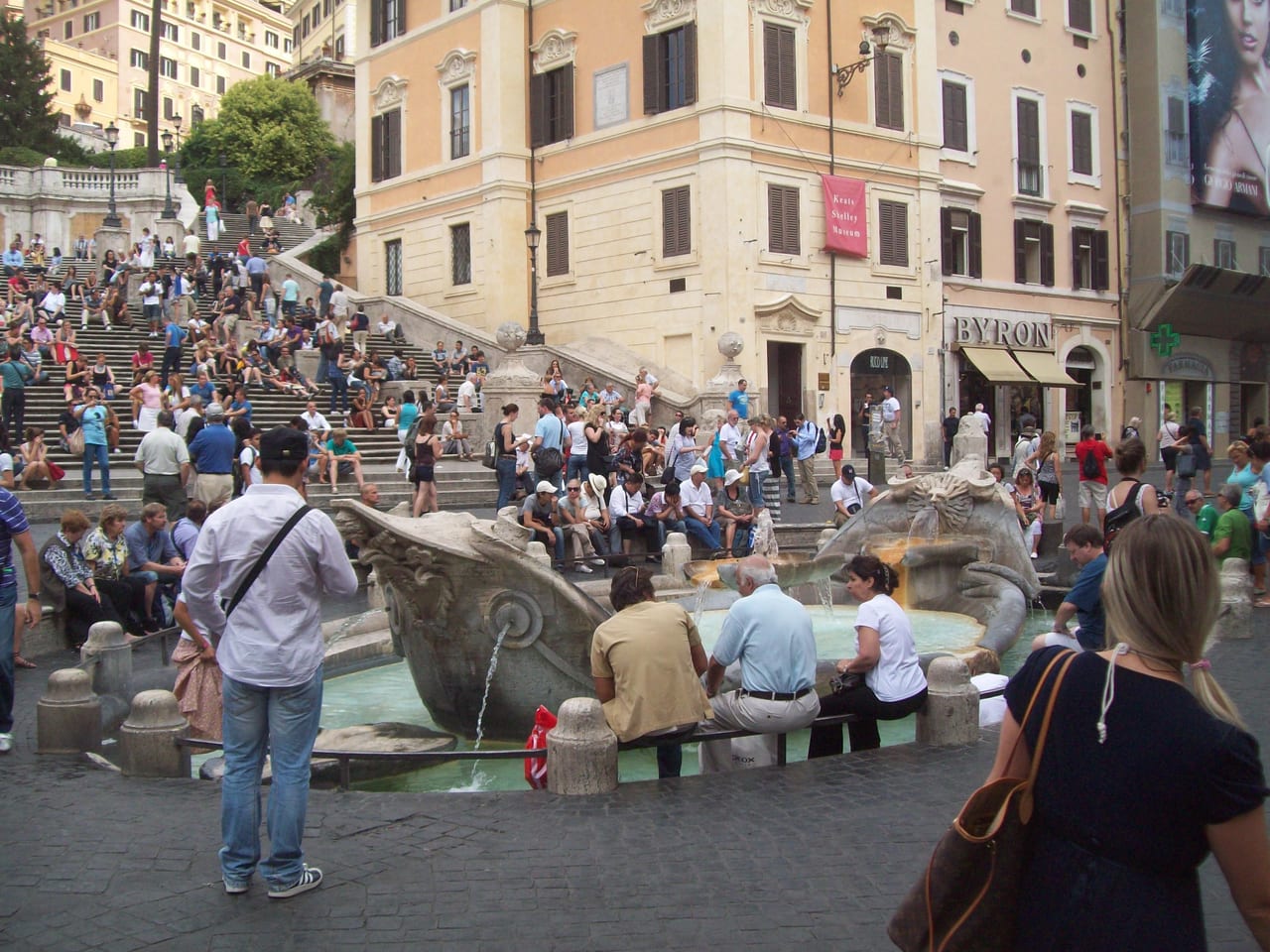
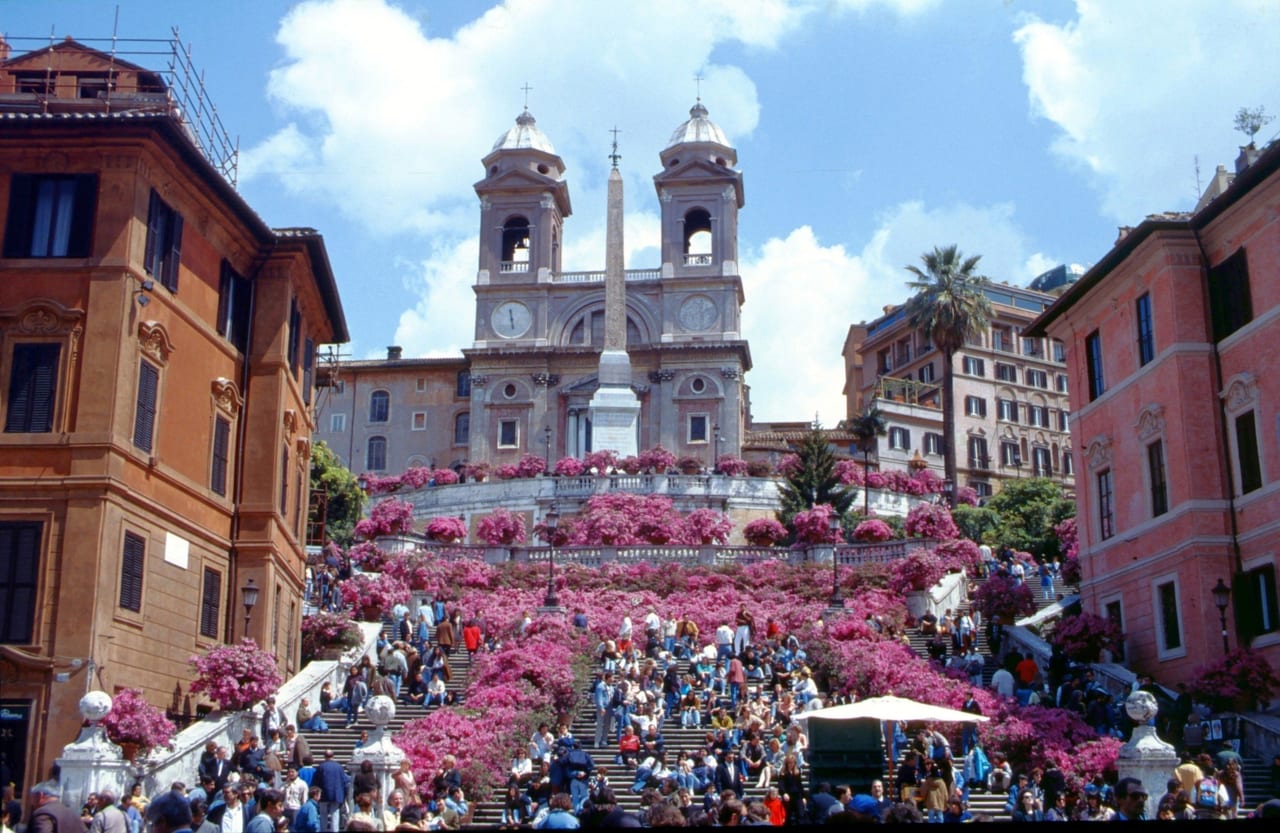
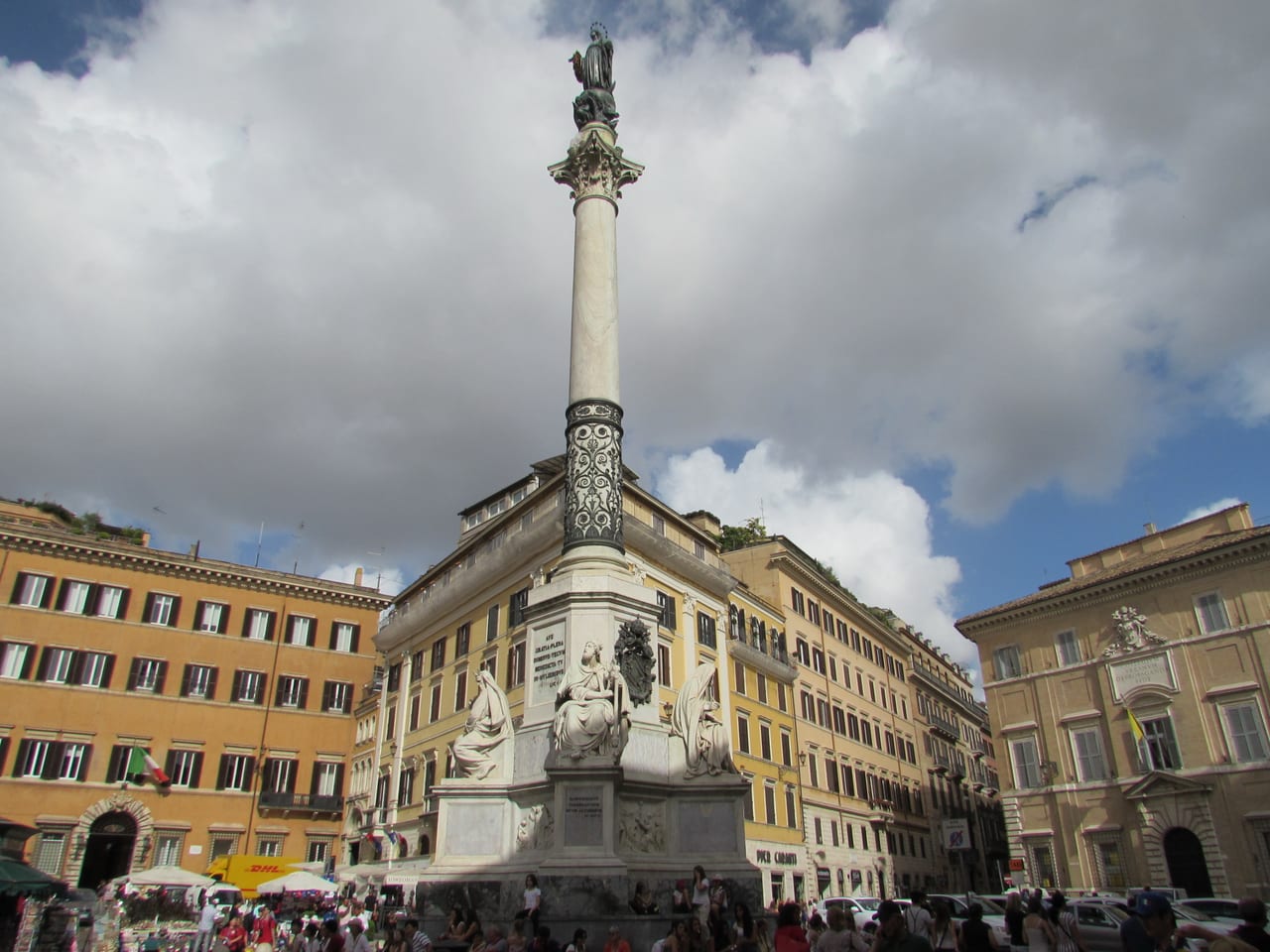
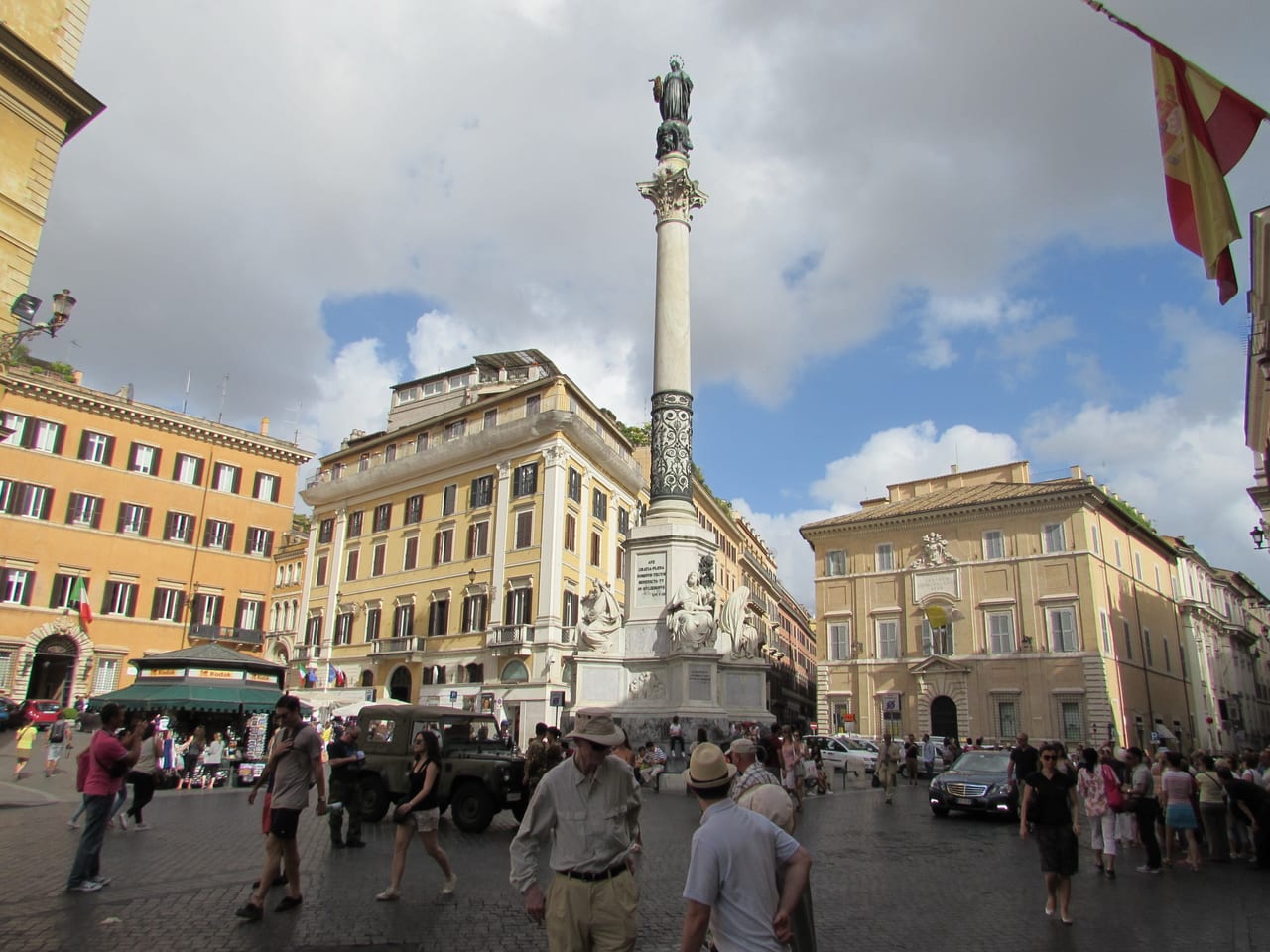
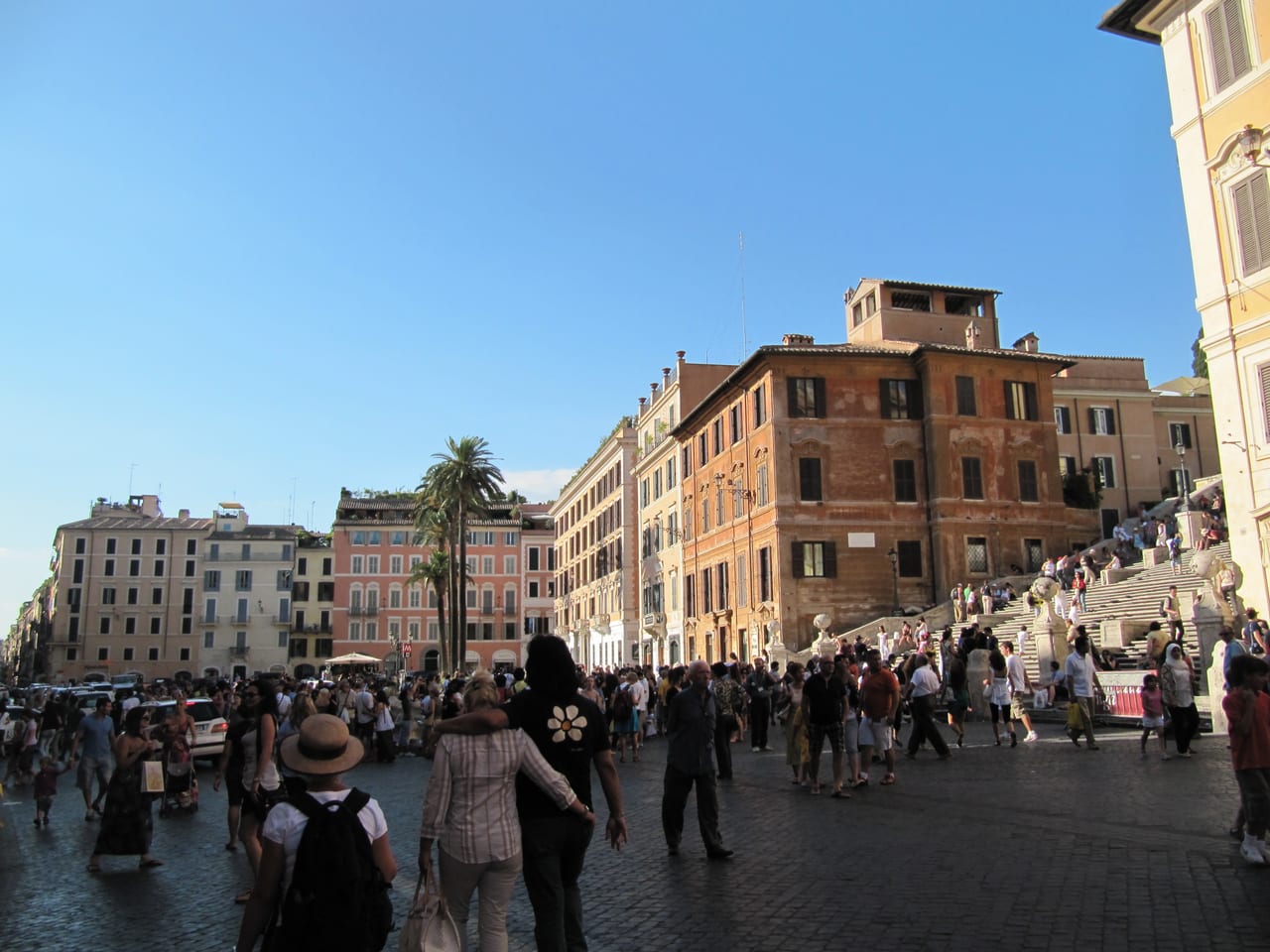
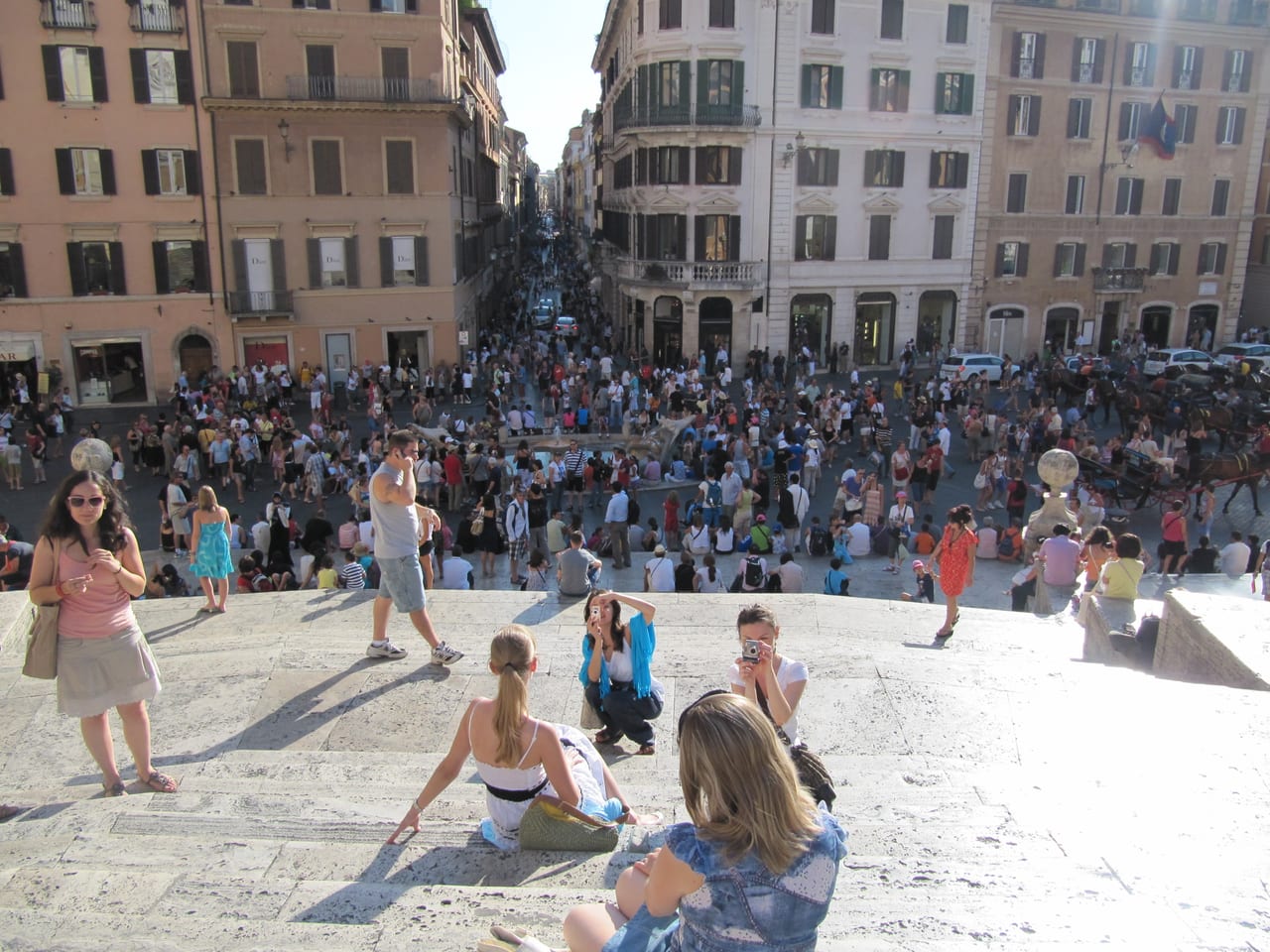
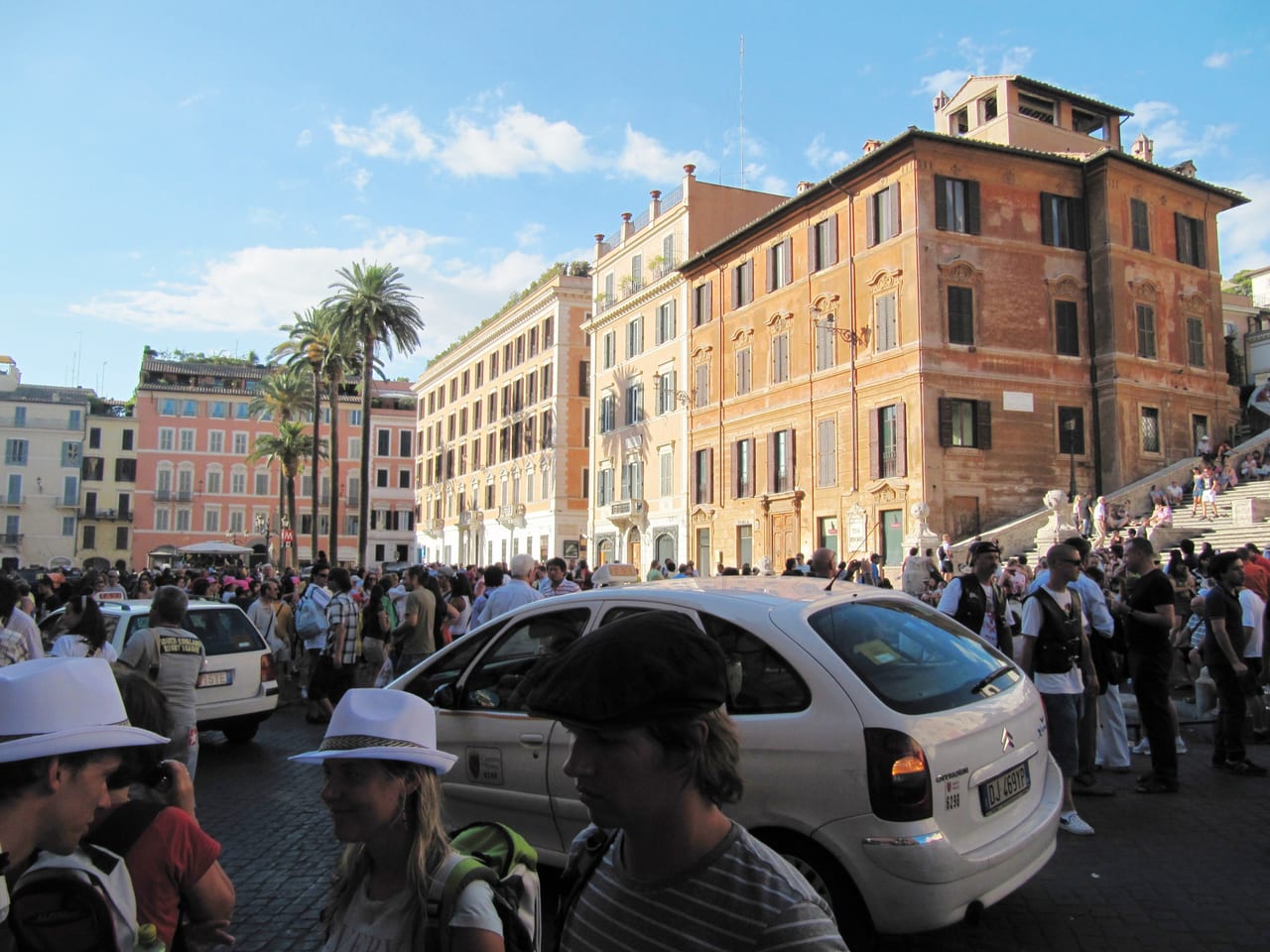
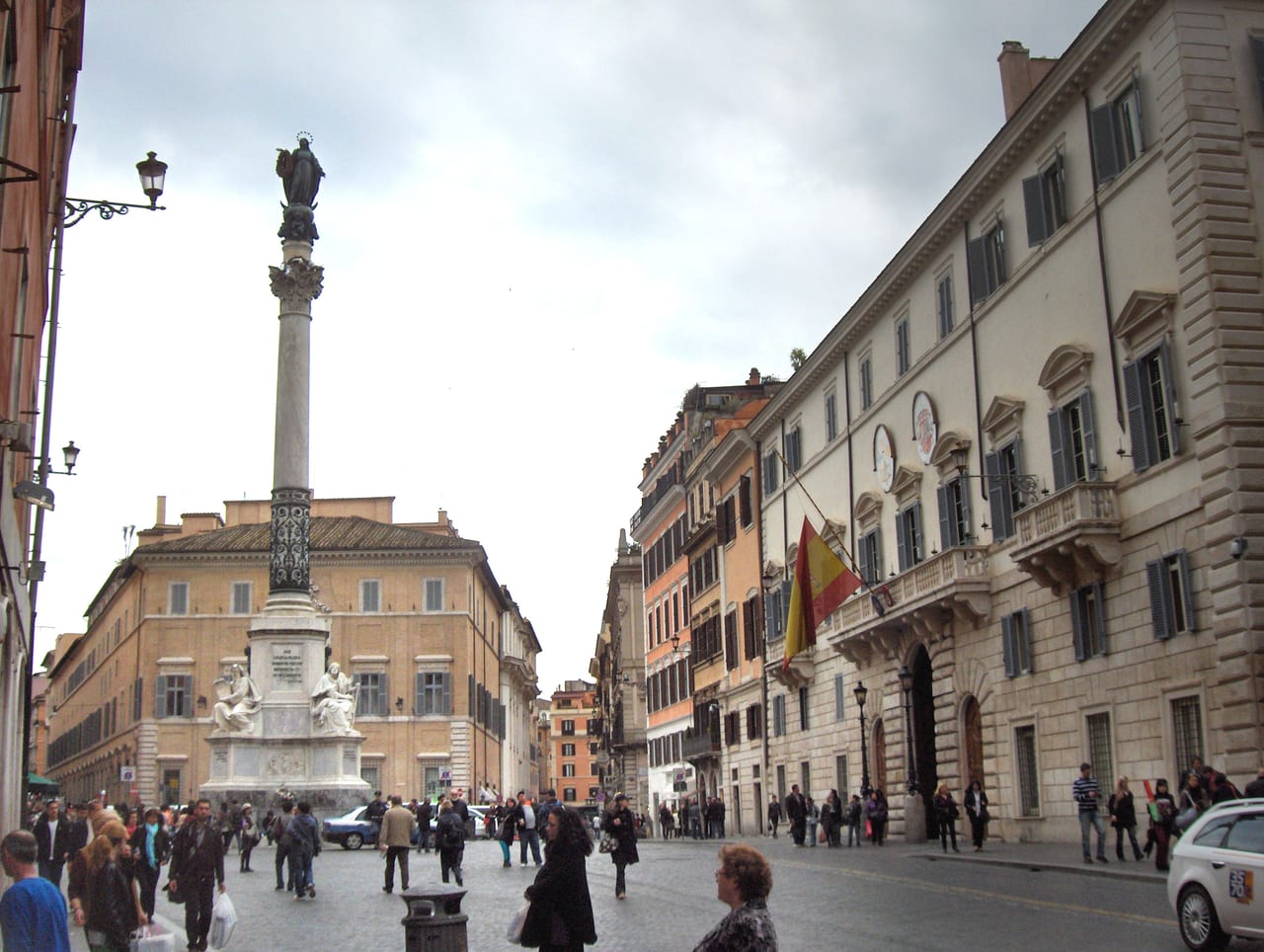
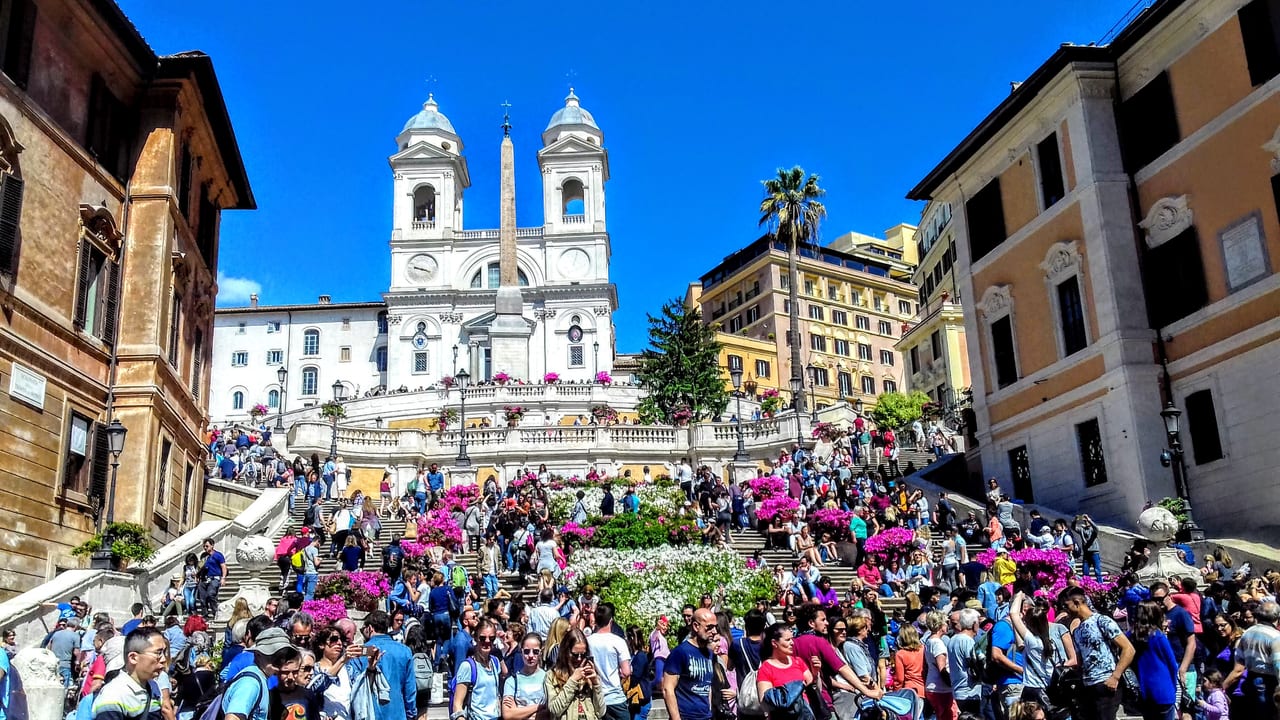
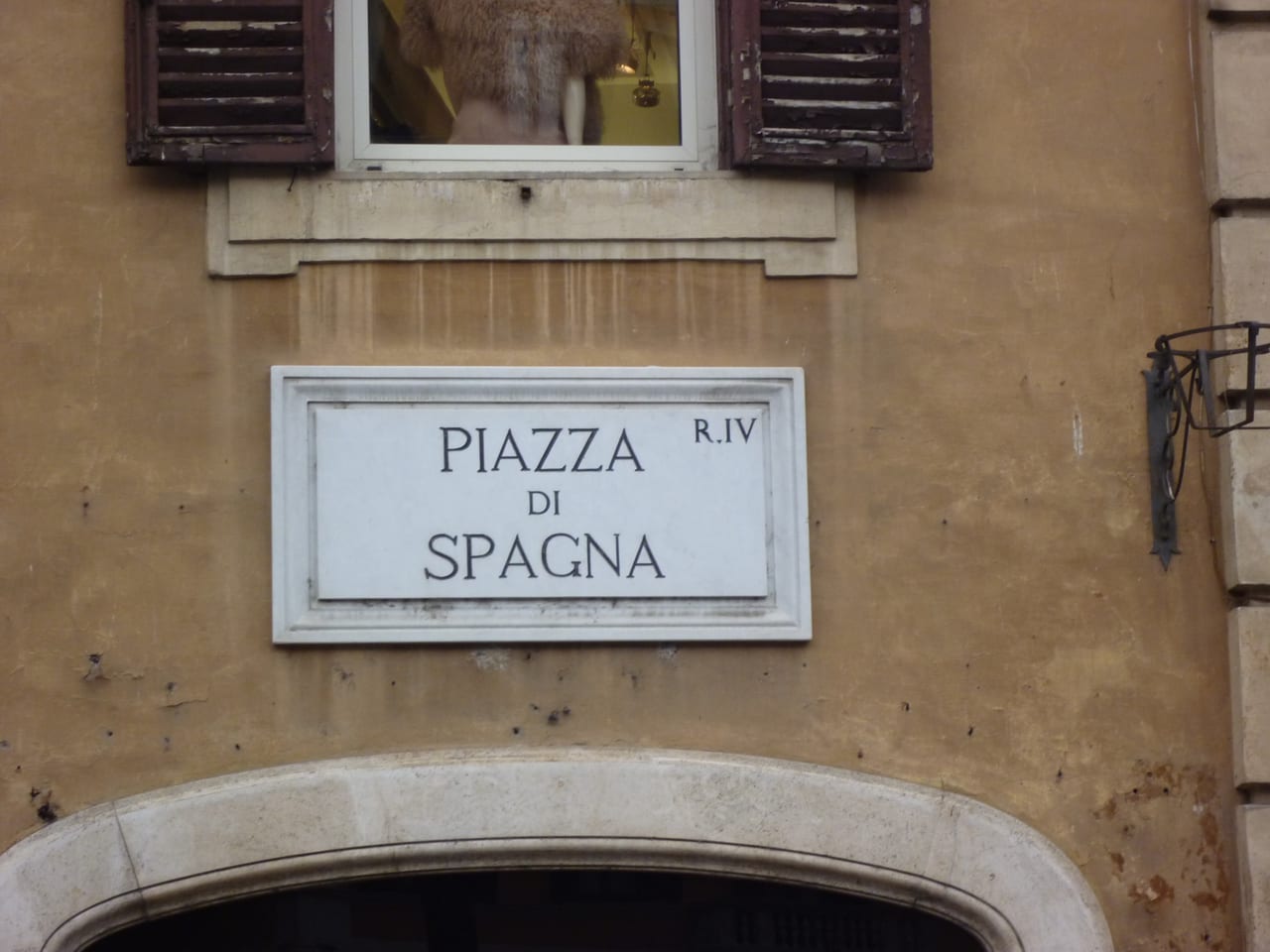
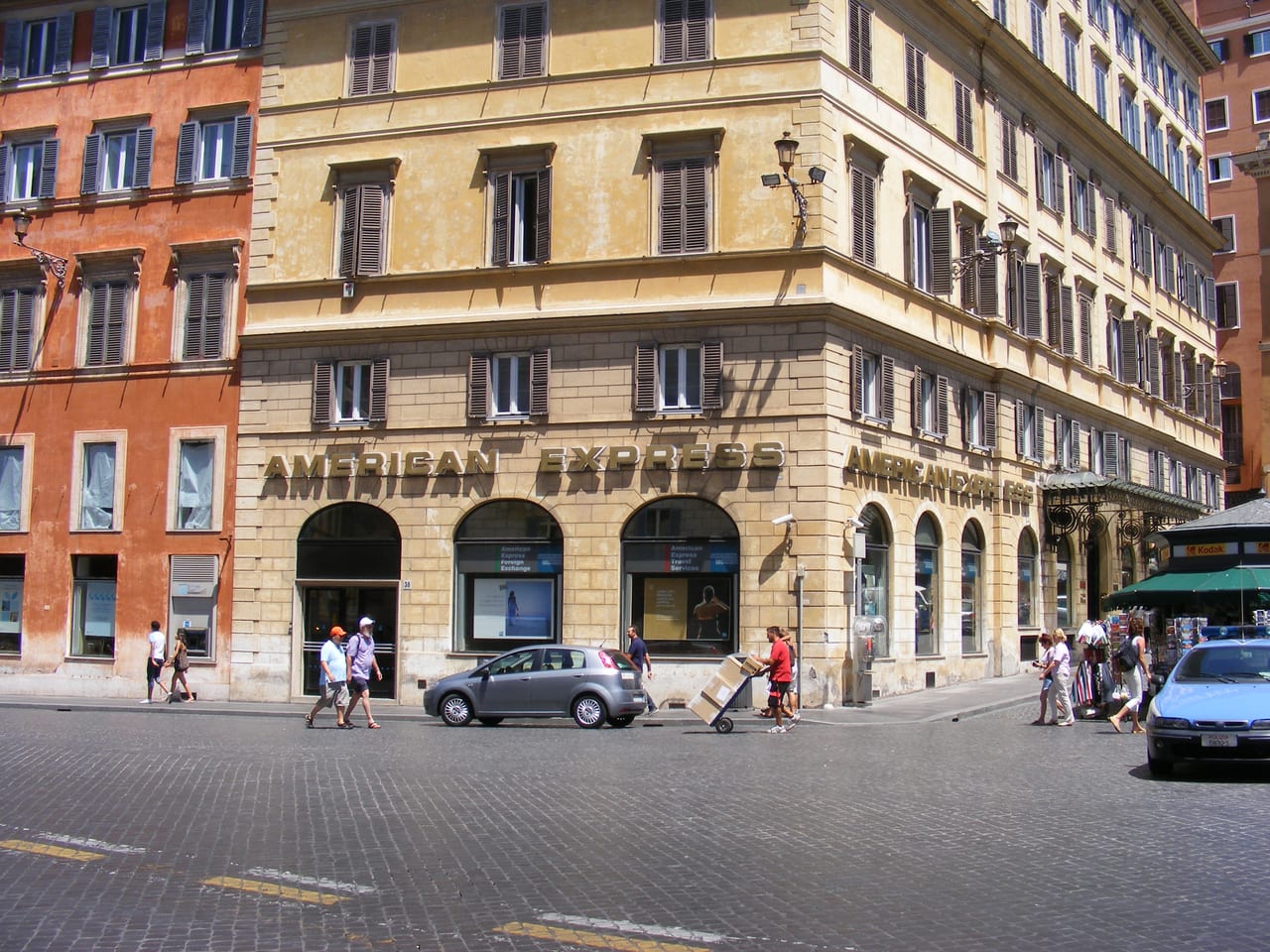
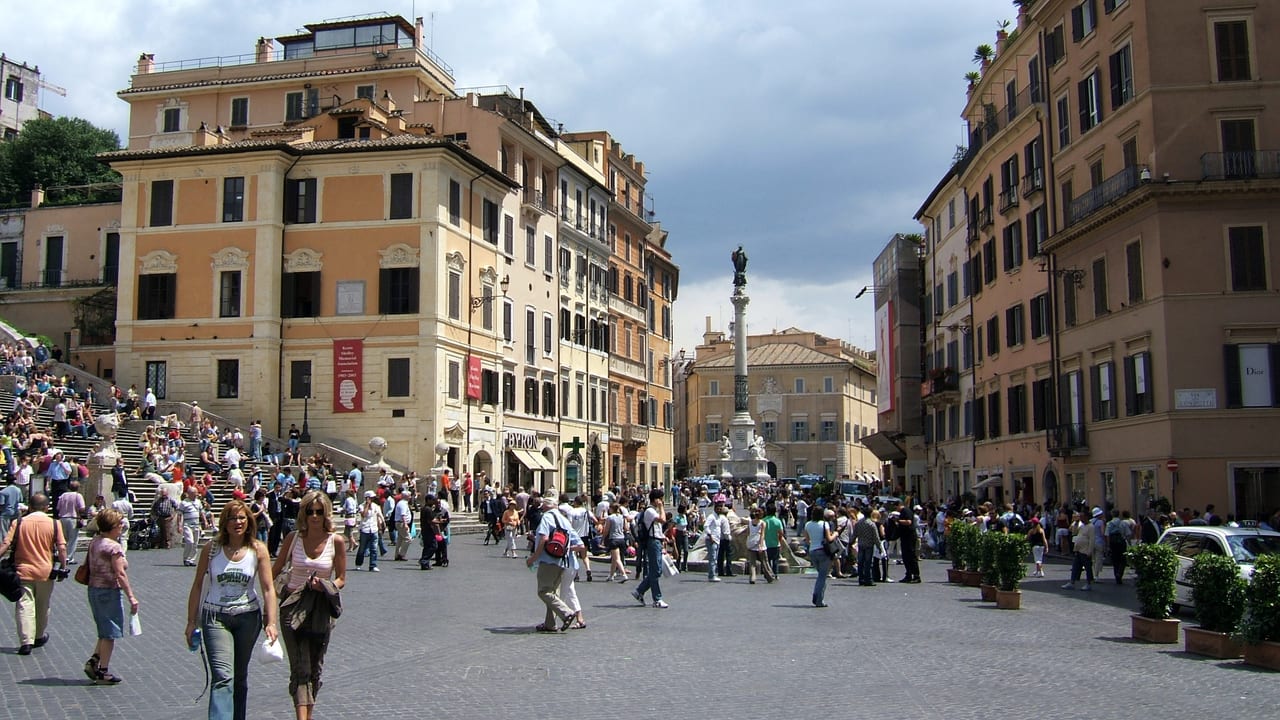
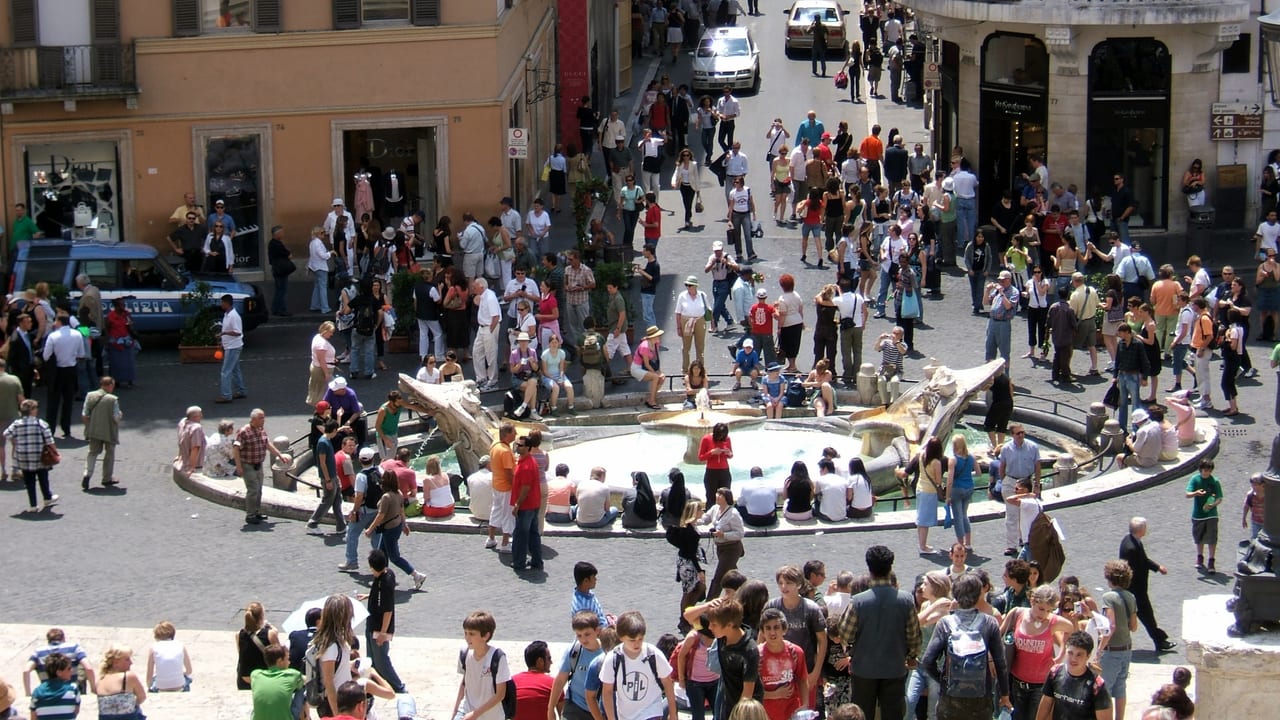
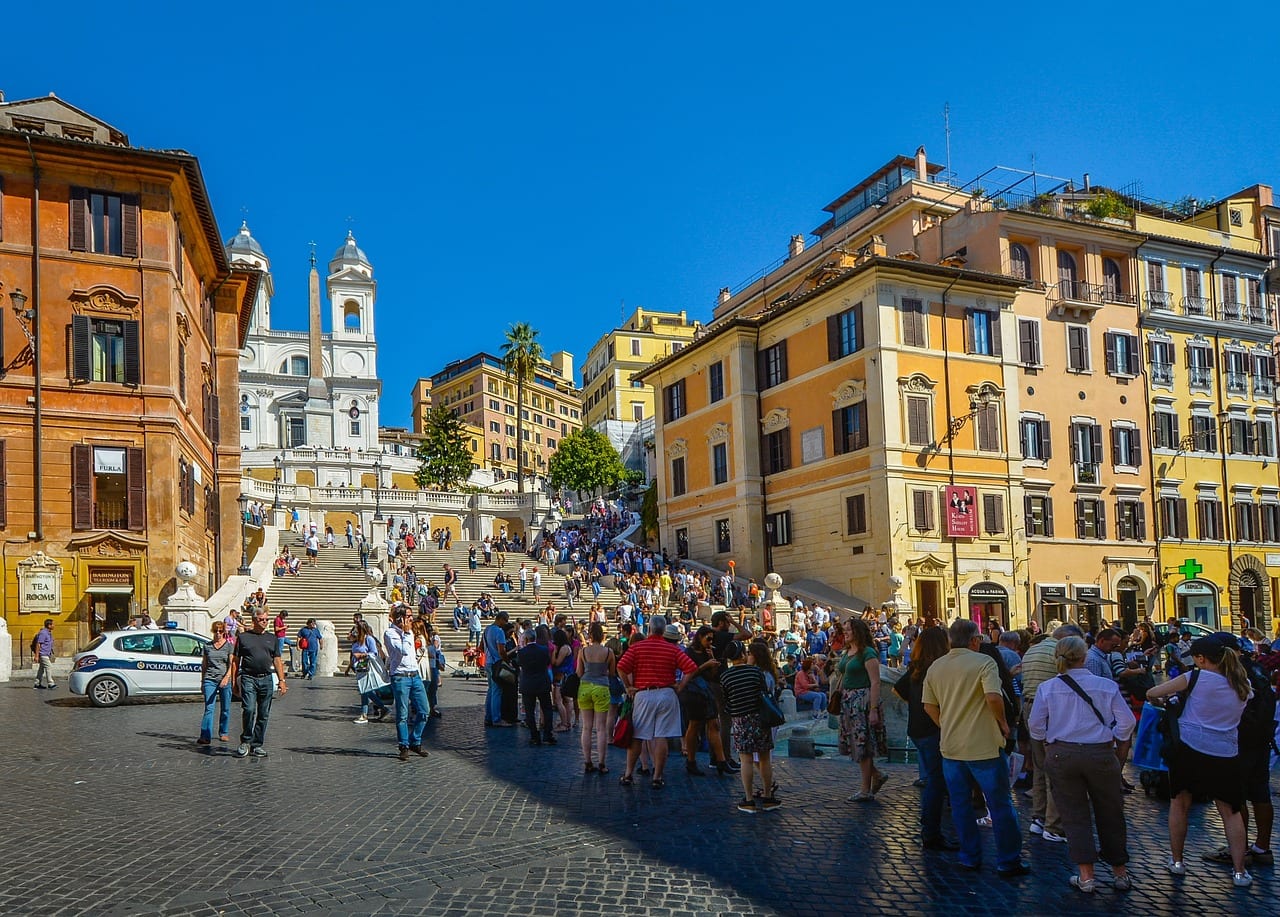
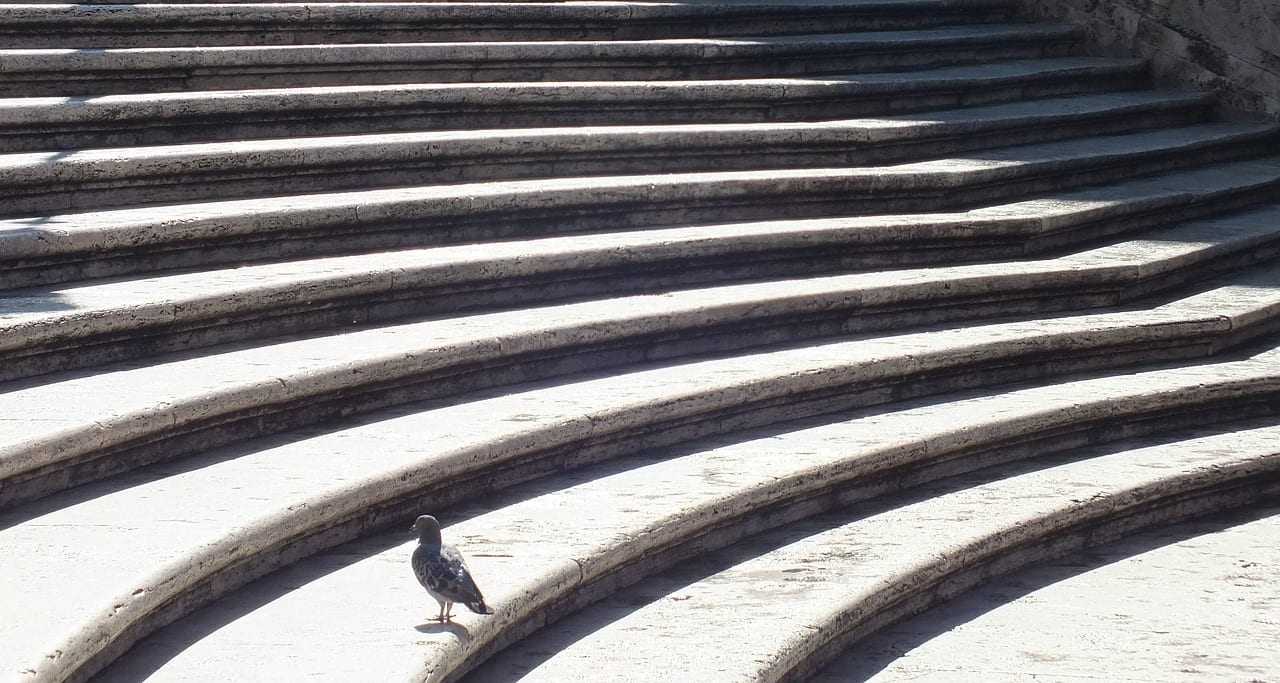
Photograph 1 of 42 of Piazza di Spagna
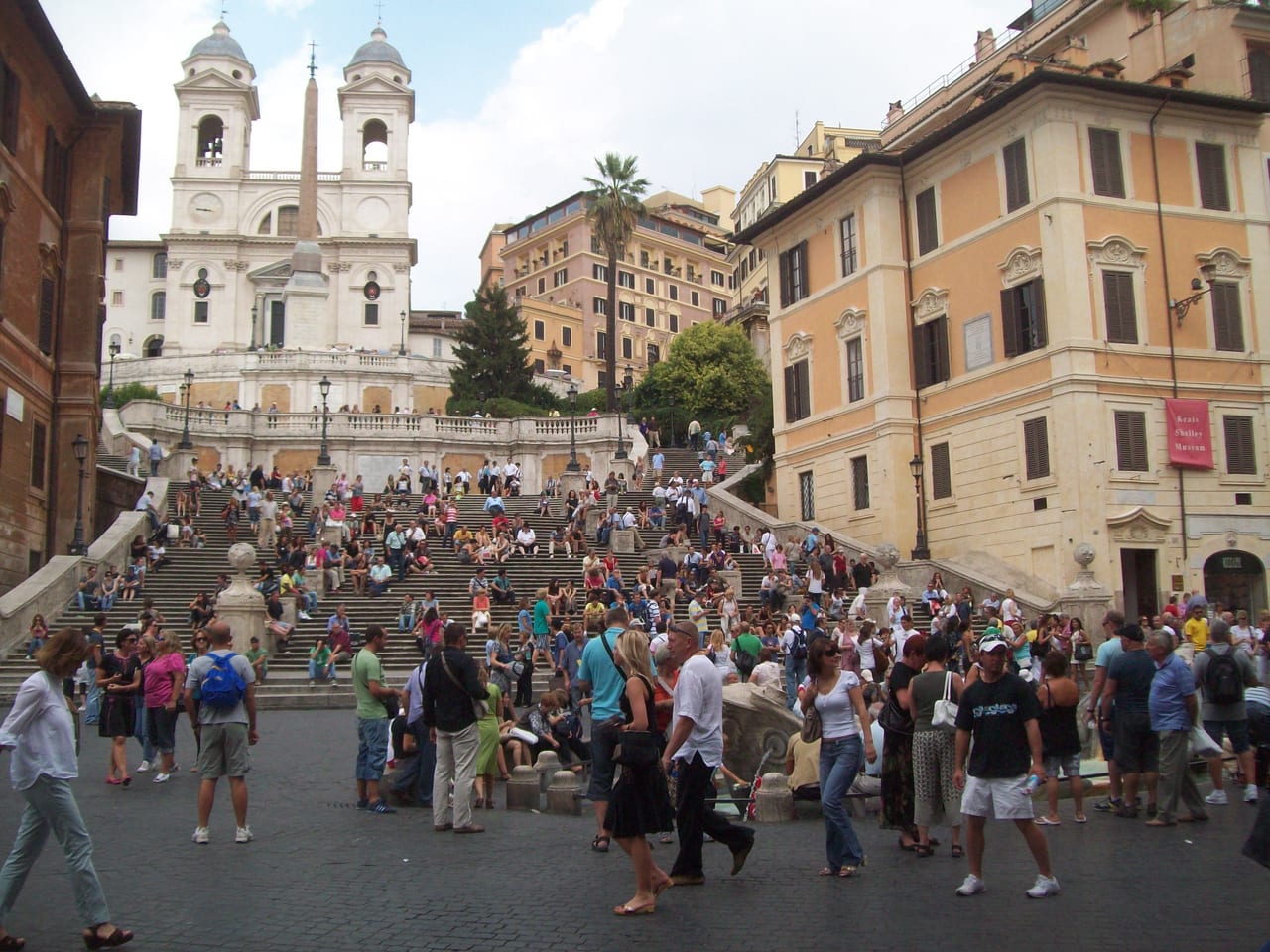
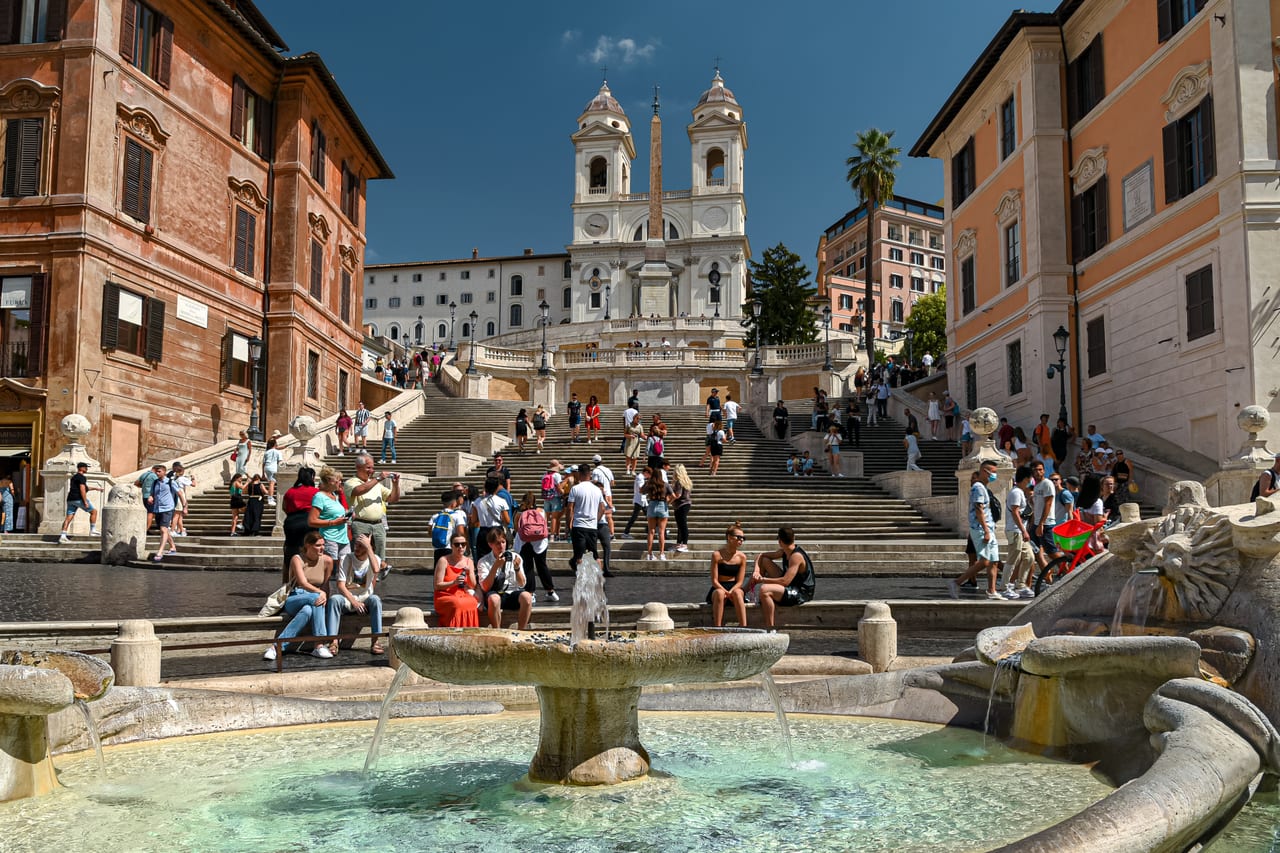
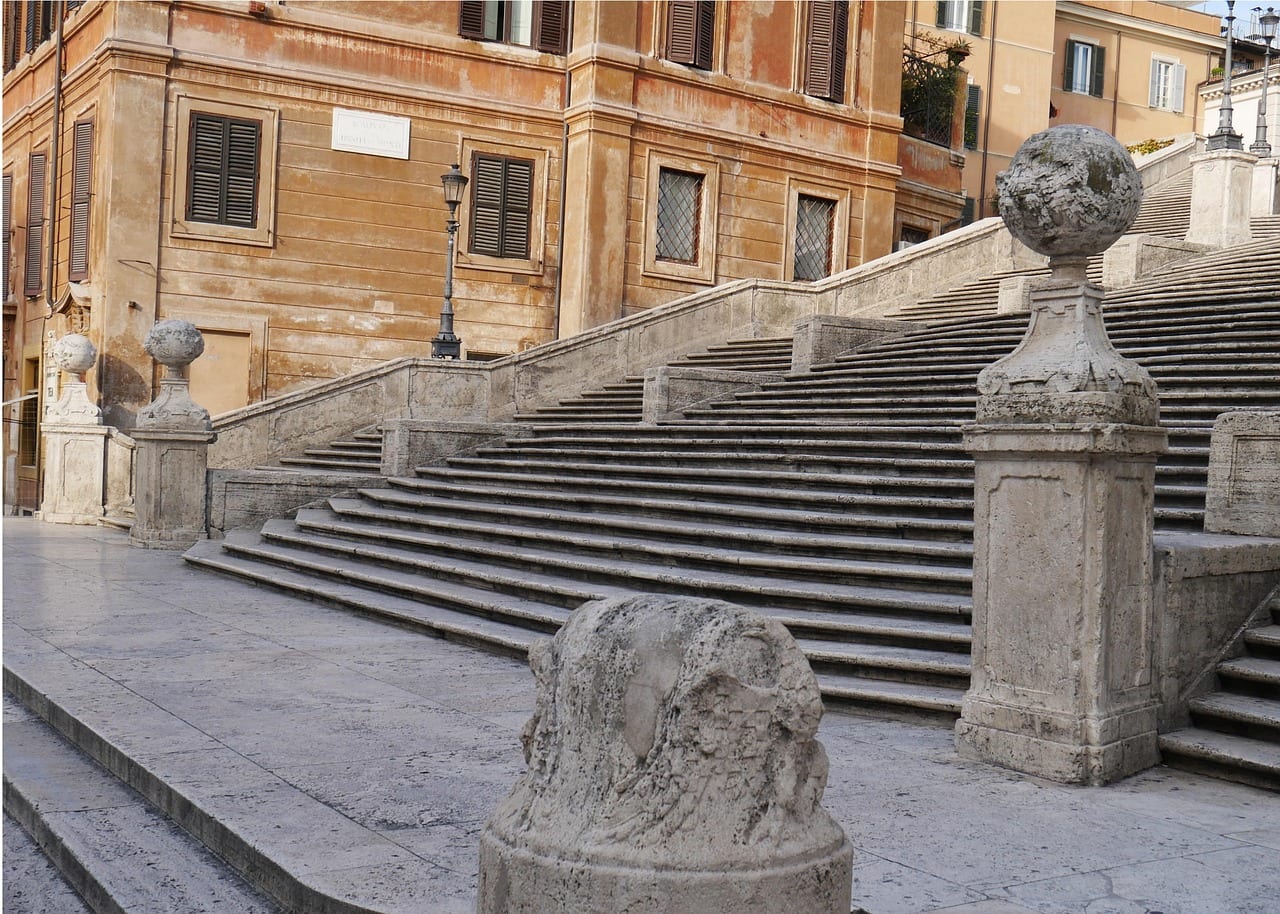
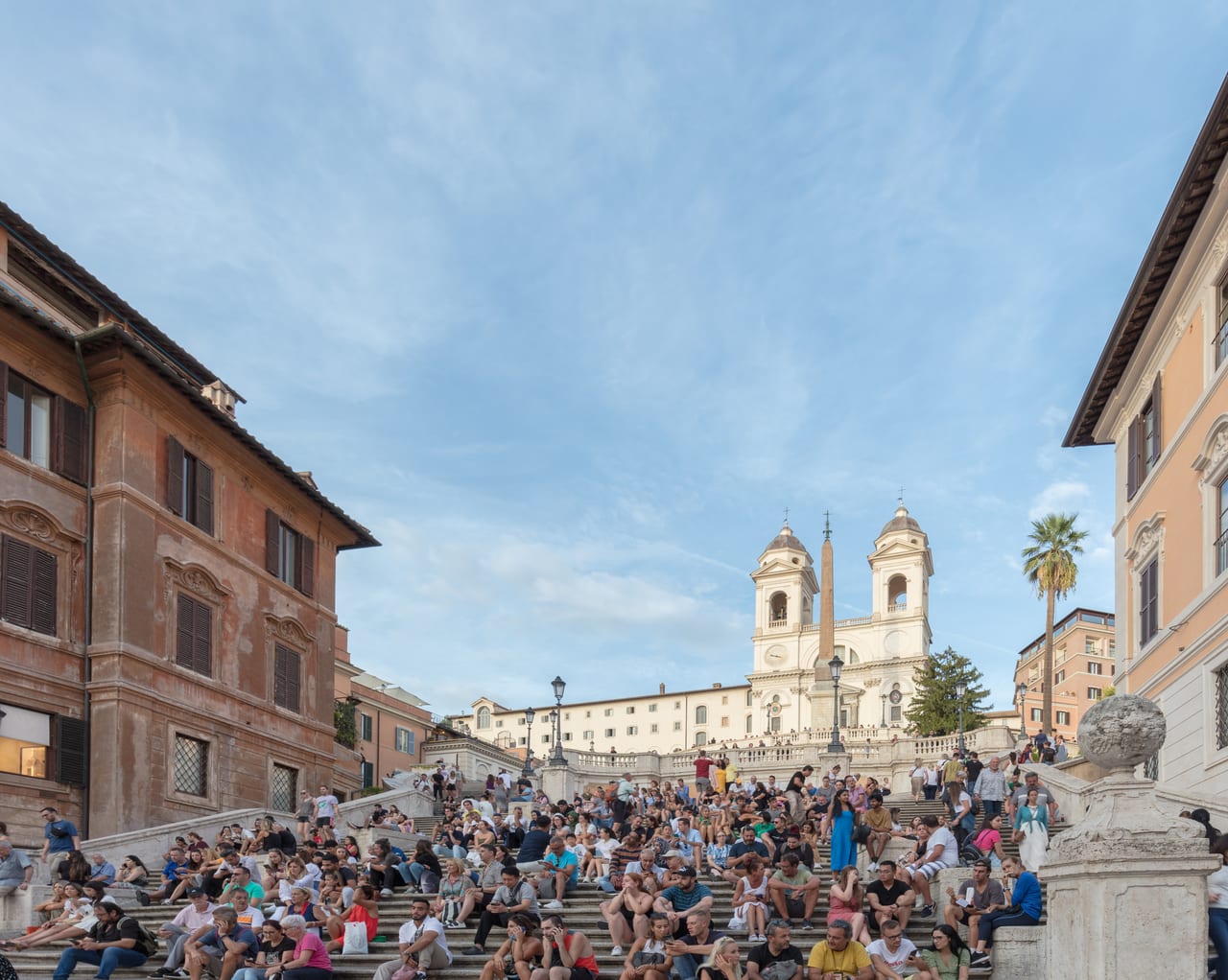
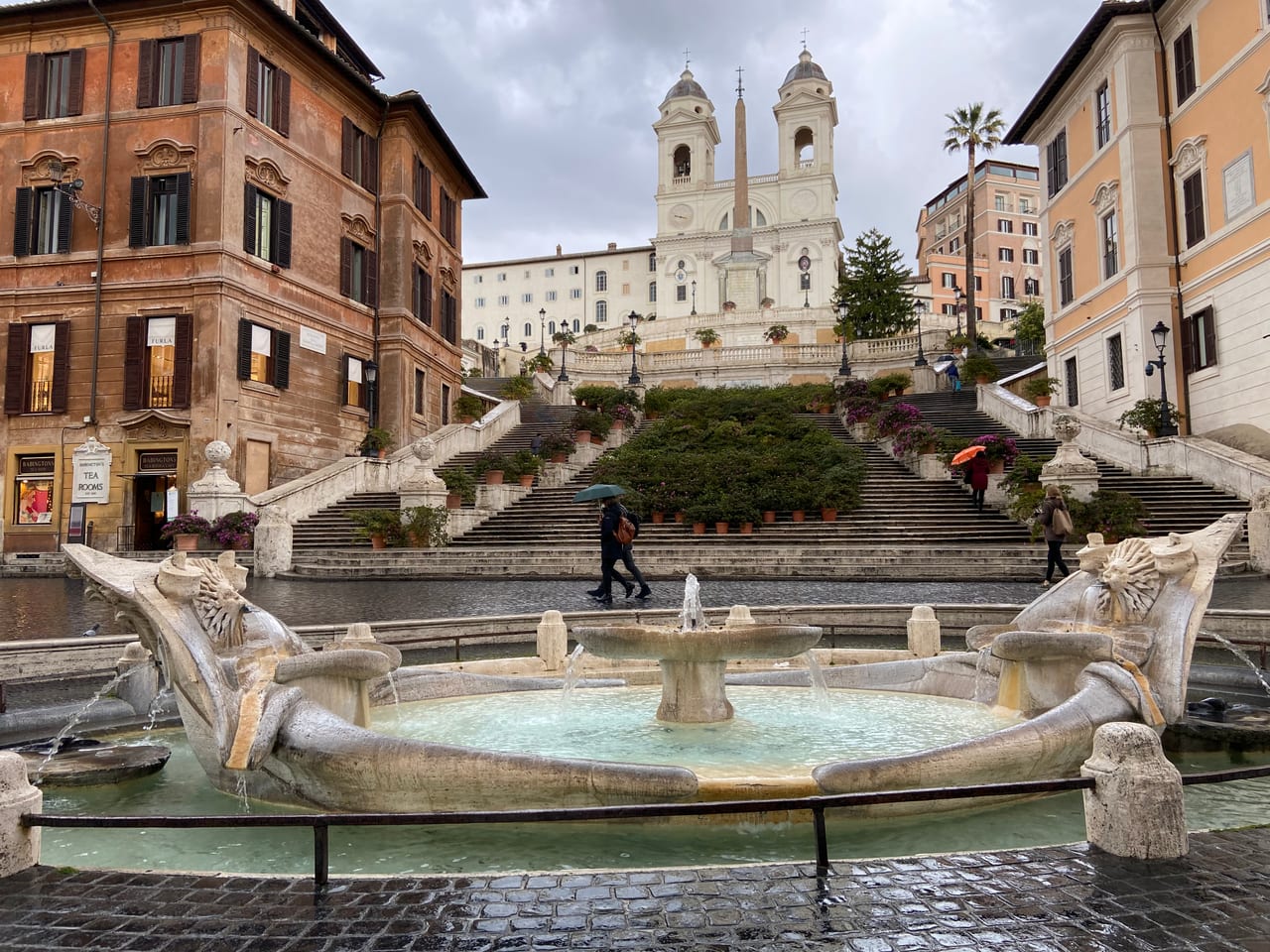
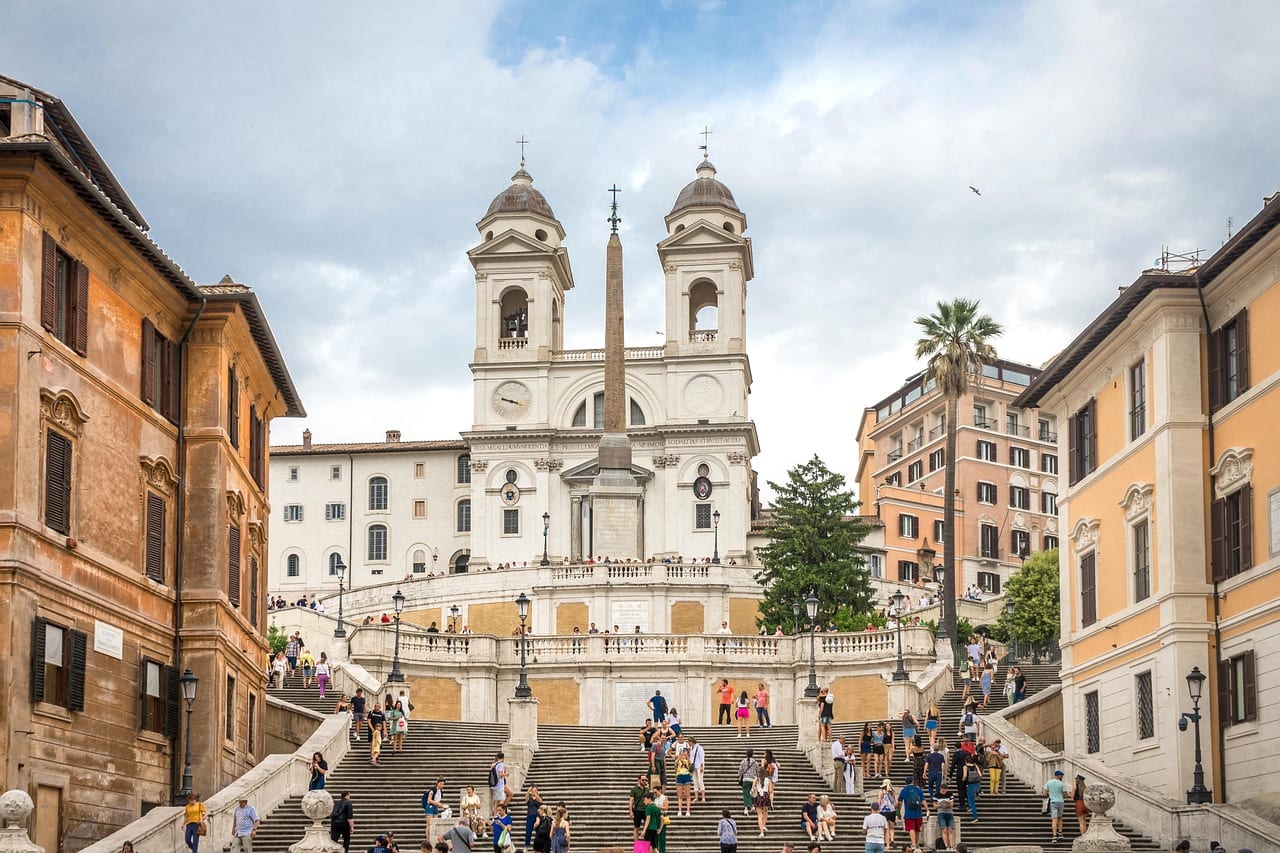
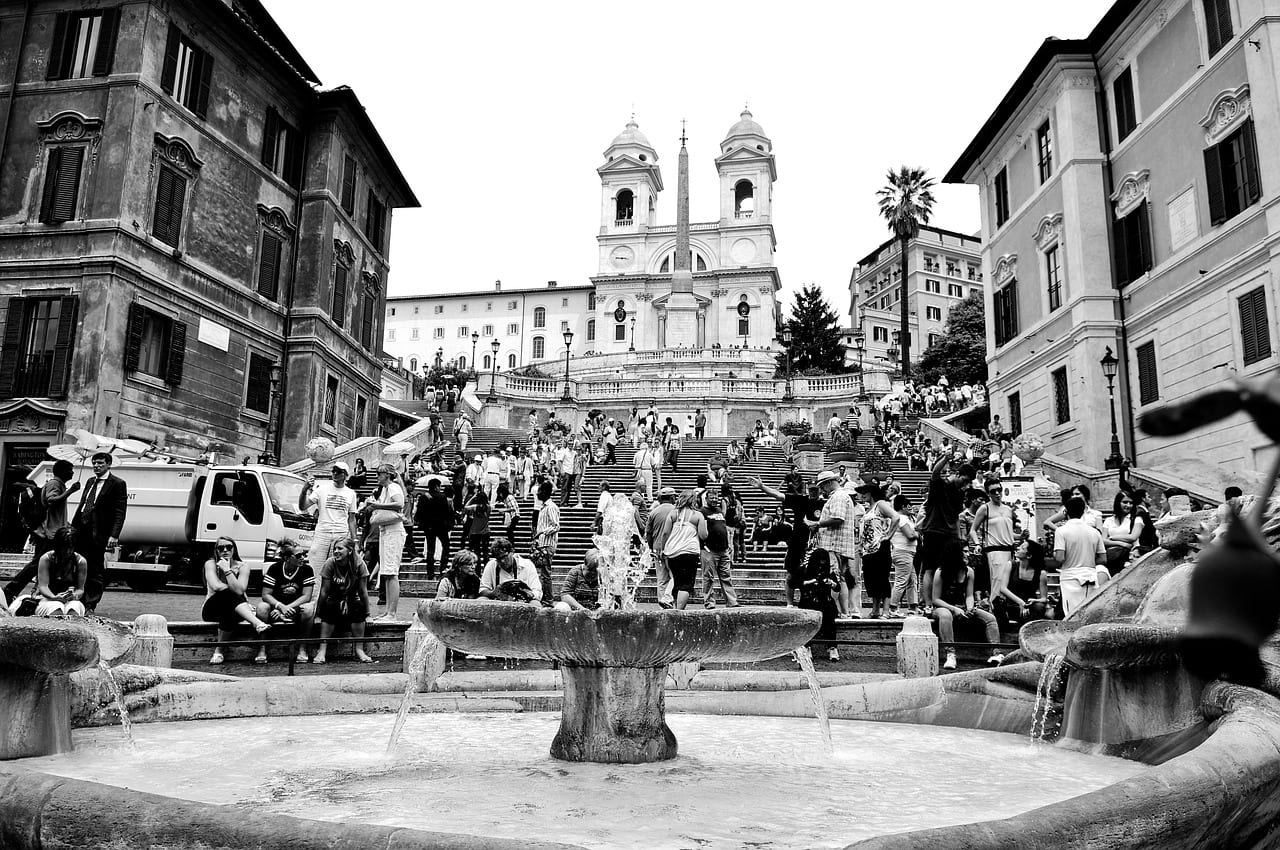
The square developed as Rome’s Trident and the routes around Via del Babuino and Via Due Macelli were urbanised, reaching its mature Baroque form in the 18th century. Until the 17th century it was known as platea Trinitatis; its present name, associated with the Spanish embassy at Palazzo di Spagna since 1622, became established chiefly from the second half of the 18th century. The upper area retained the name Piazza della Trinità dei Monti, while the northern section was also called Piazza di Francia. The monumental stairway was financed by France from 1721, commissioned by Cardinal Pierre Guérin de Tencin, and inaugurated by Pope Benedict XIII during the 1725 Jubilee. Alessandro Specchi and Francesco De Sanctis proposed designs; De Sanctis’s winning solution created 136 steps and garden terraces. At its centre, the Barcaccia fountain belongs to the early Baroque and was made by Pietro Bernini and his son Gian Lorenzo. The square’s surrounding history includes the Keats-Shelley Memorial House, where John Keats lived and died in 1821, and Babington’s tea room, opened in 1893. Cesare Pavese later evoked the square in his poem “Passerò da piazza di Spagna”.
At a glance
- Built
- 1726
- Style
- baroque architecture
Ways to explore Piazza di Spagna
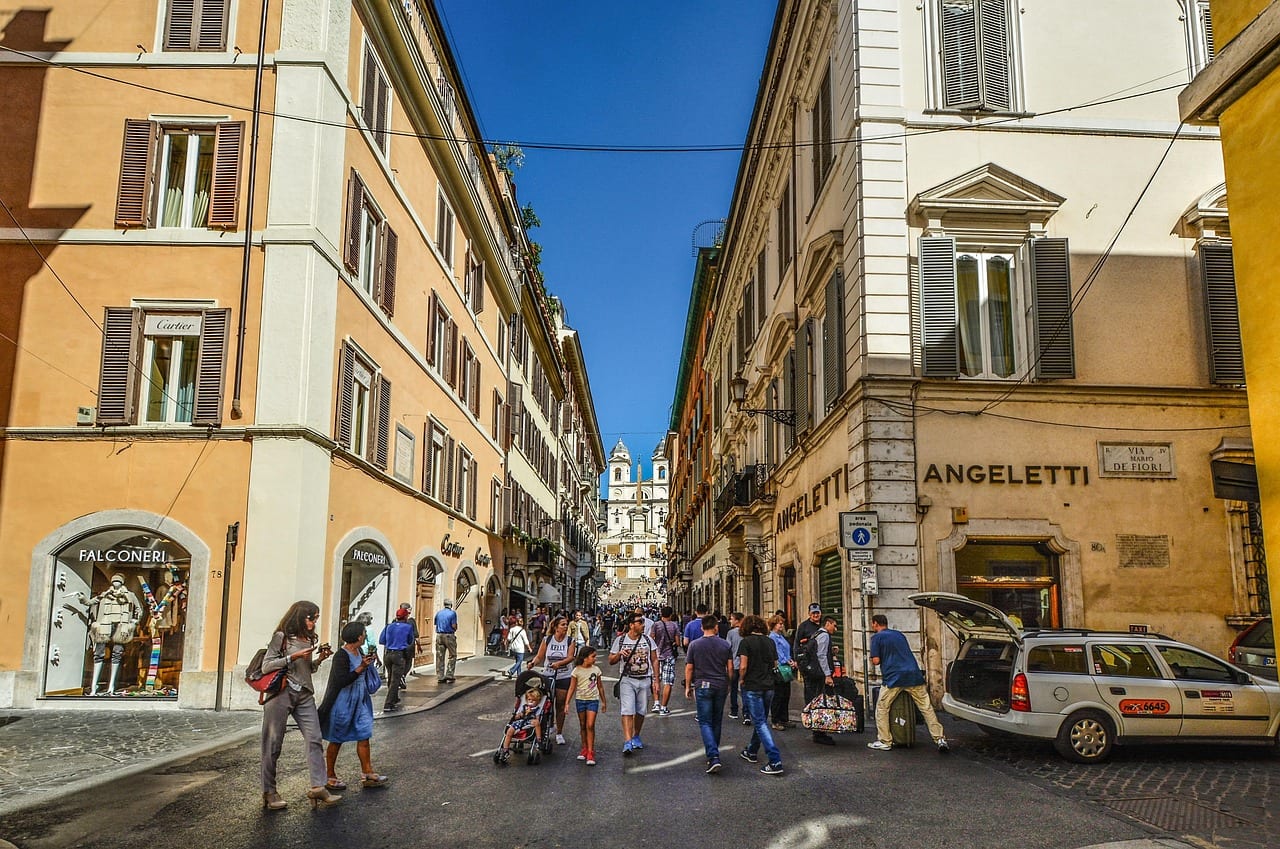
Read the complete text of Pavese’s poem on the plaque near Babington’s, then examine the Barcaccia from the square before climbing the stairway slowly through its flower-filled terraces. At the top, look across to Trinità dei Monti and the Sallustian obelisk. Allow time for the Keats-Shelley Memorial House, Giorgio de Chirico’s house museum, Palazzo di Propaganda Fide, and the nearby streets of Via Condotti, Via Margutta, Via del Babuino, and Via Frattina.
Places to stay near Piazza di Spagna

Live availability and prices from Stay22's partners, refreshed periodically and subject to change. Booking through these links may earn us a commission at no extra cost to you. See our privacy policy.
Cafés near Piazza di Spagna
Cafés near Piazza di Spagna loads as you scroll.
Attractions nearby
Attractions near Piazza di Spagna loads as you scroll.
Cities nearby
Cities nearby loads as you scroll.
More in Rome
See more of Rome.
Find great cafés, places to stay and other interesting places to visit in Rome.