Square · Rome
piazza del Popolo
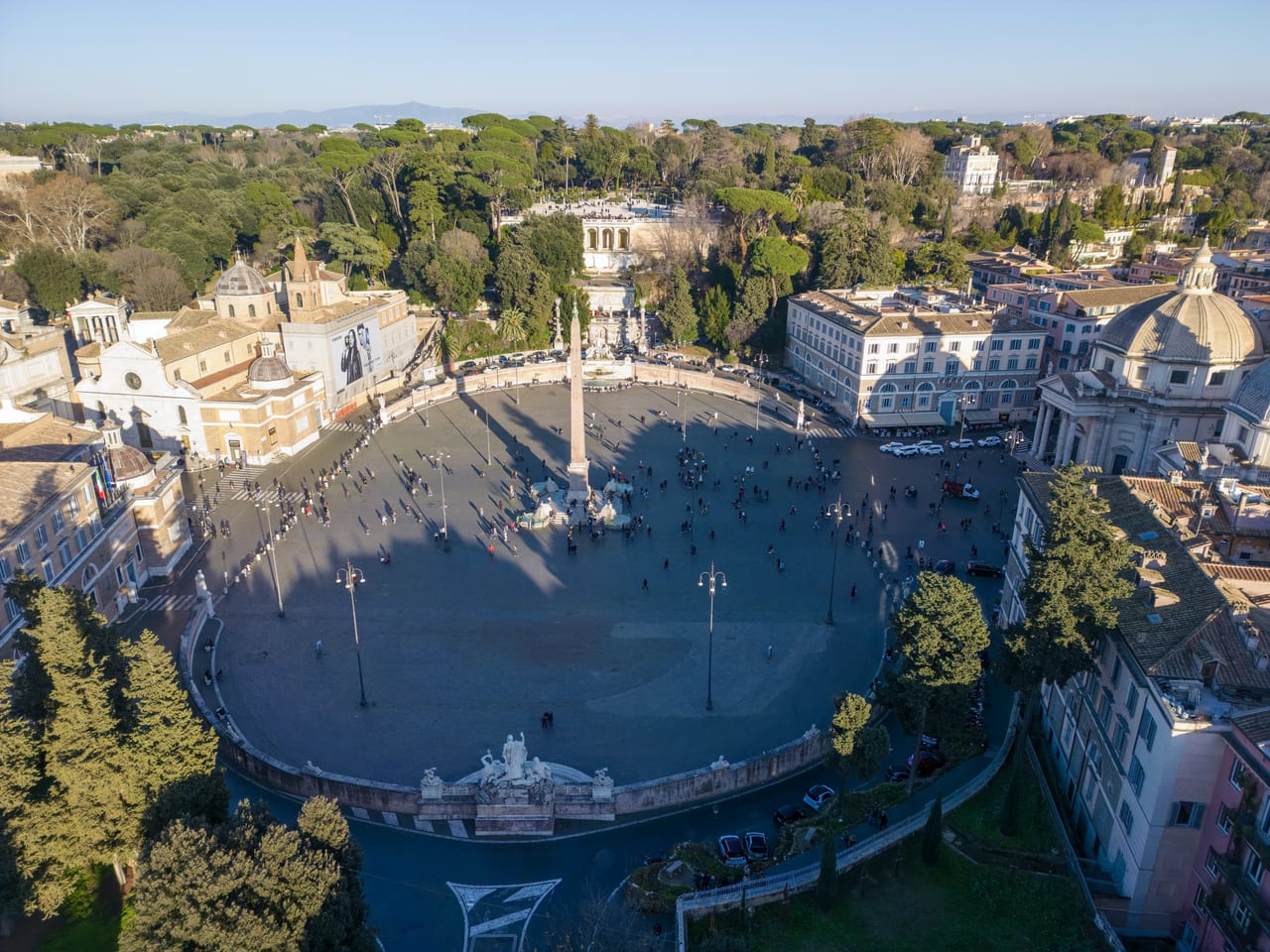
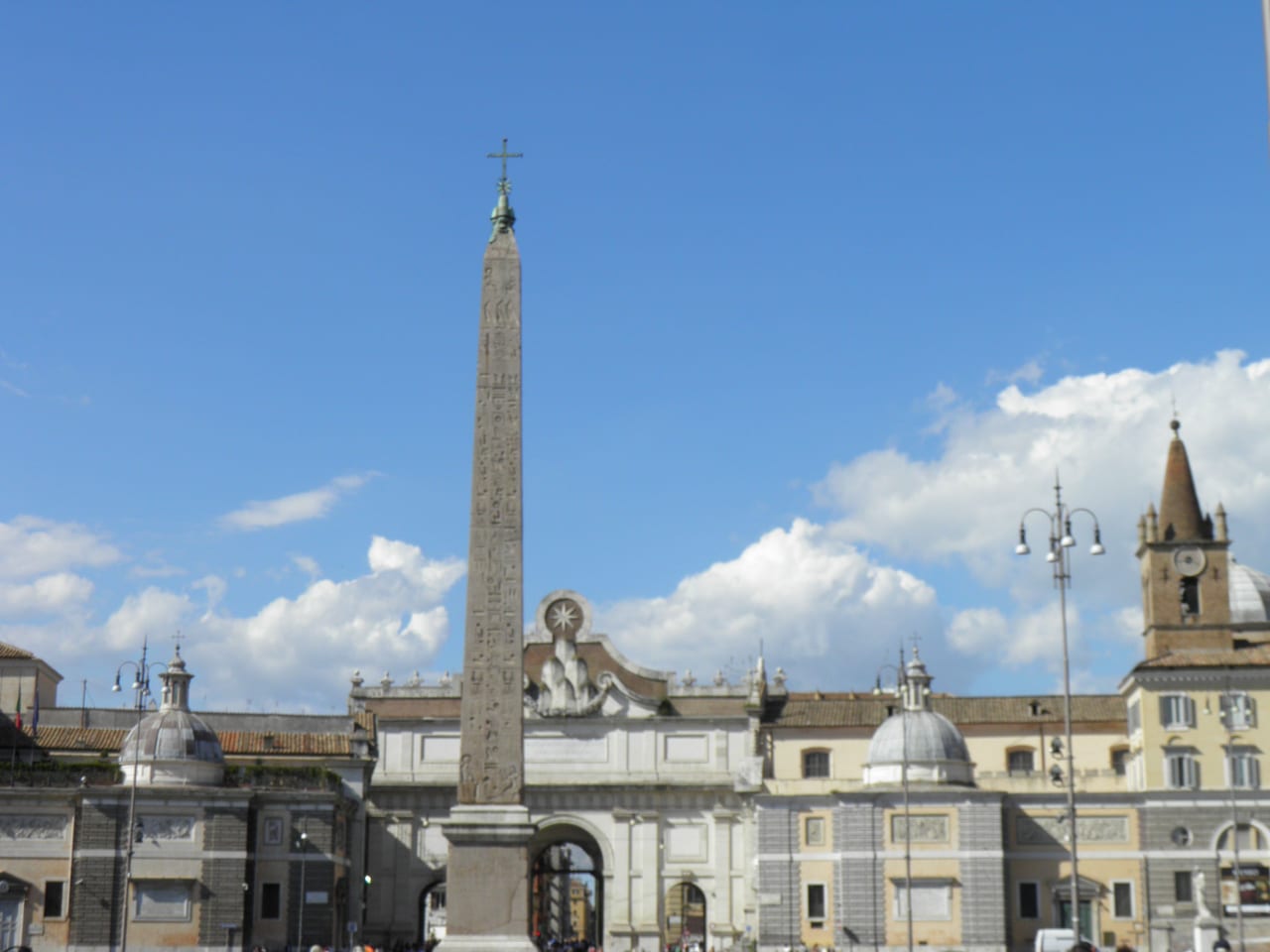
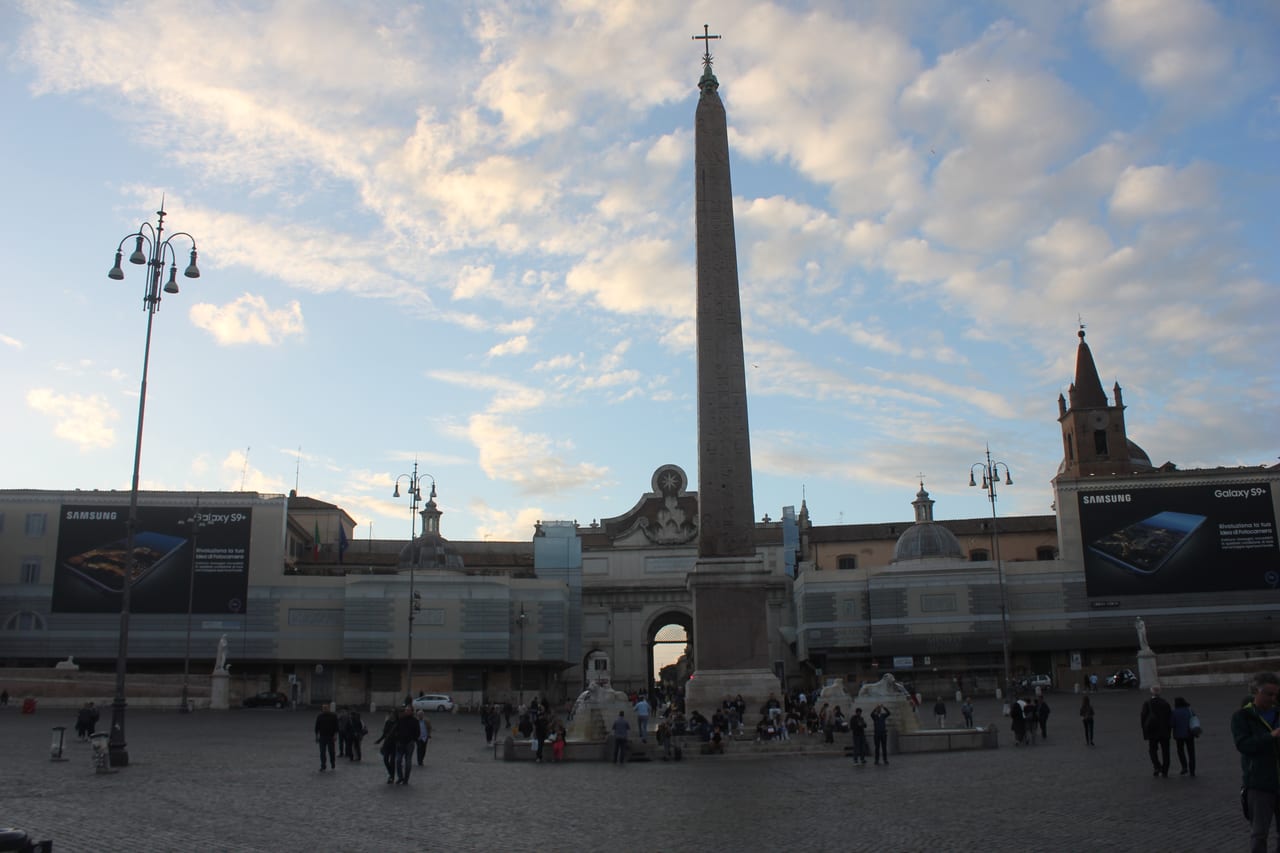
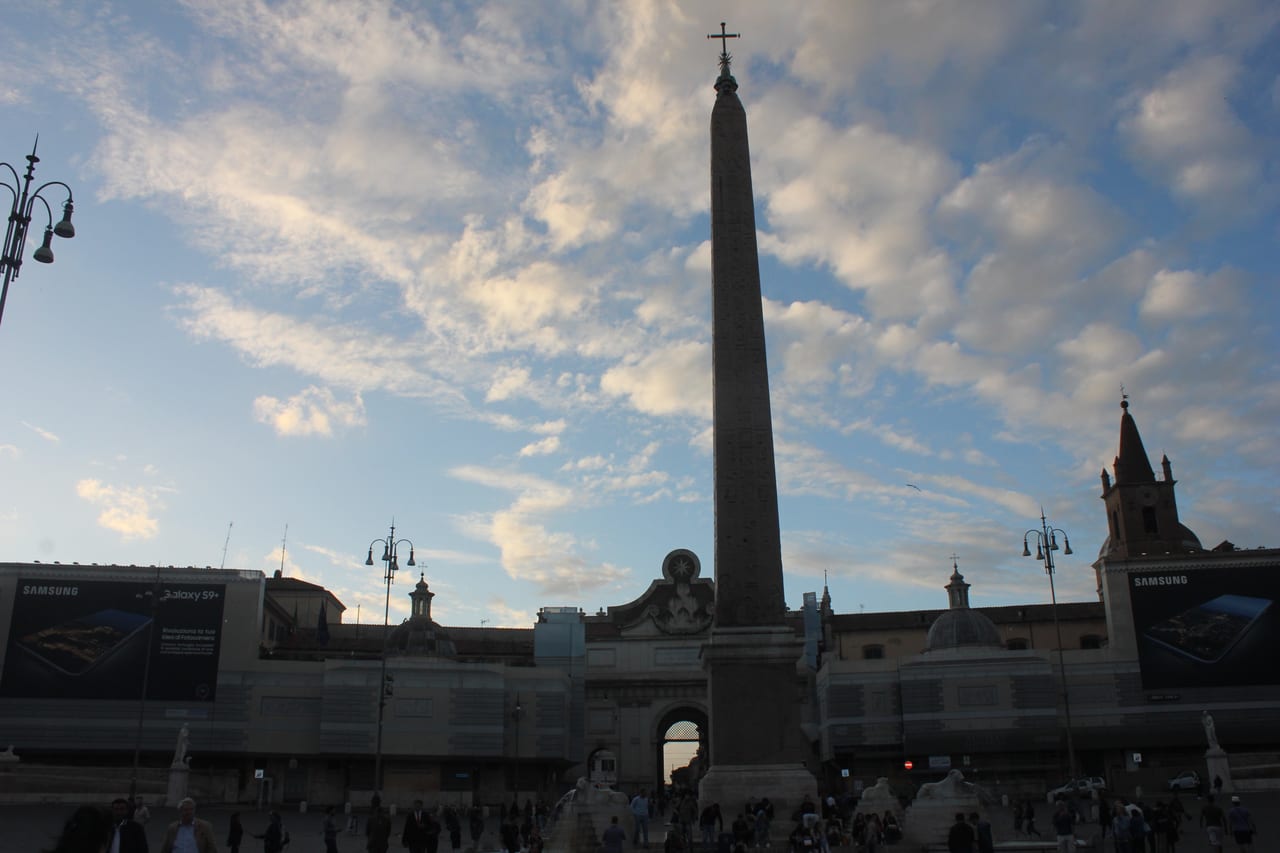
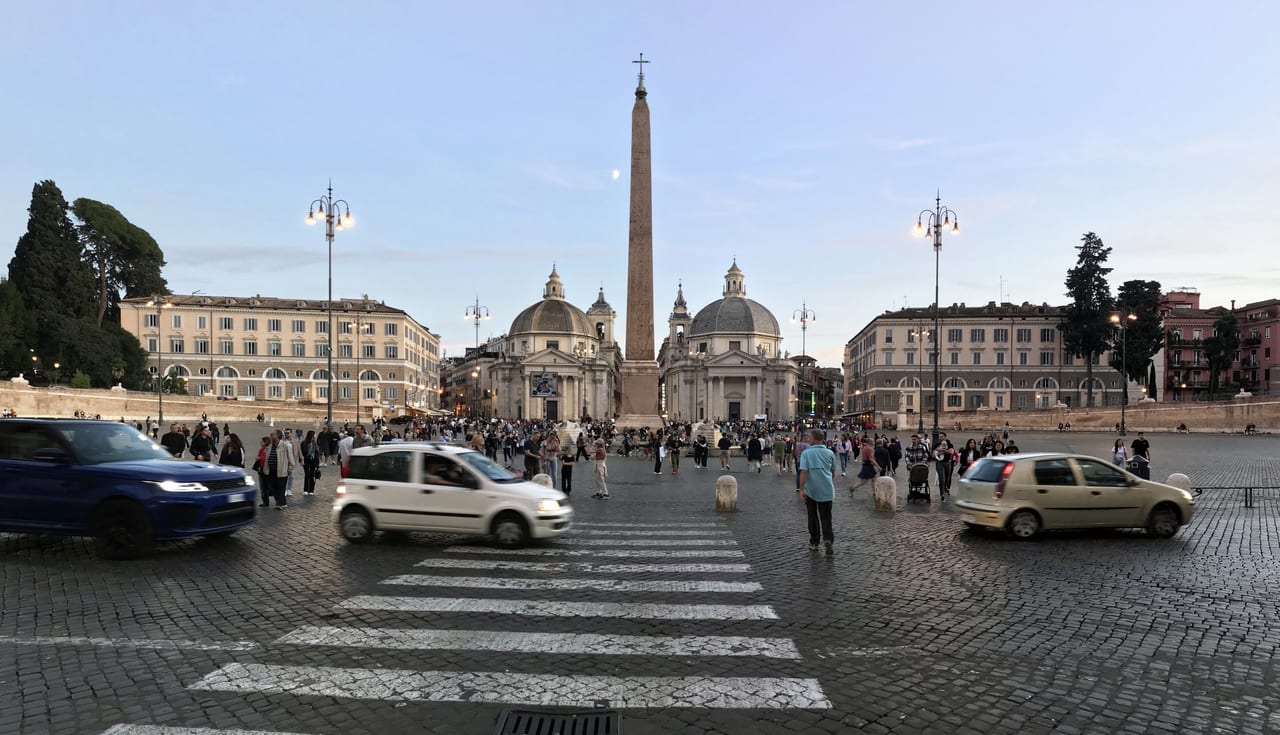
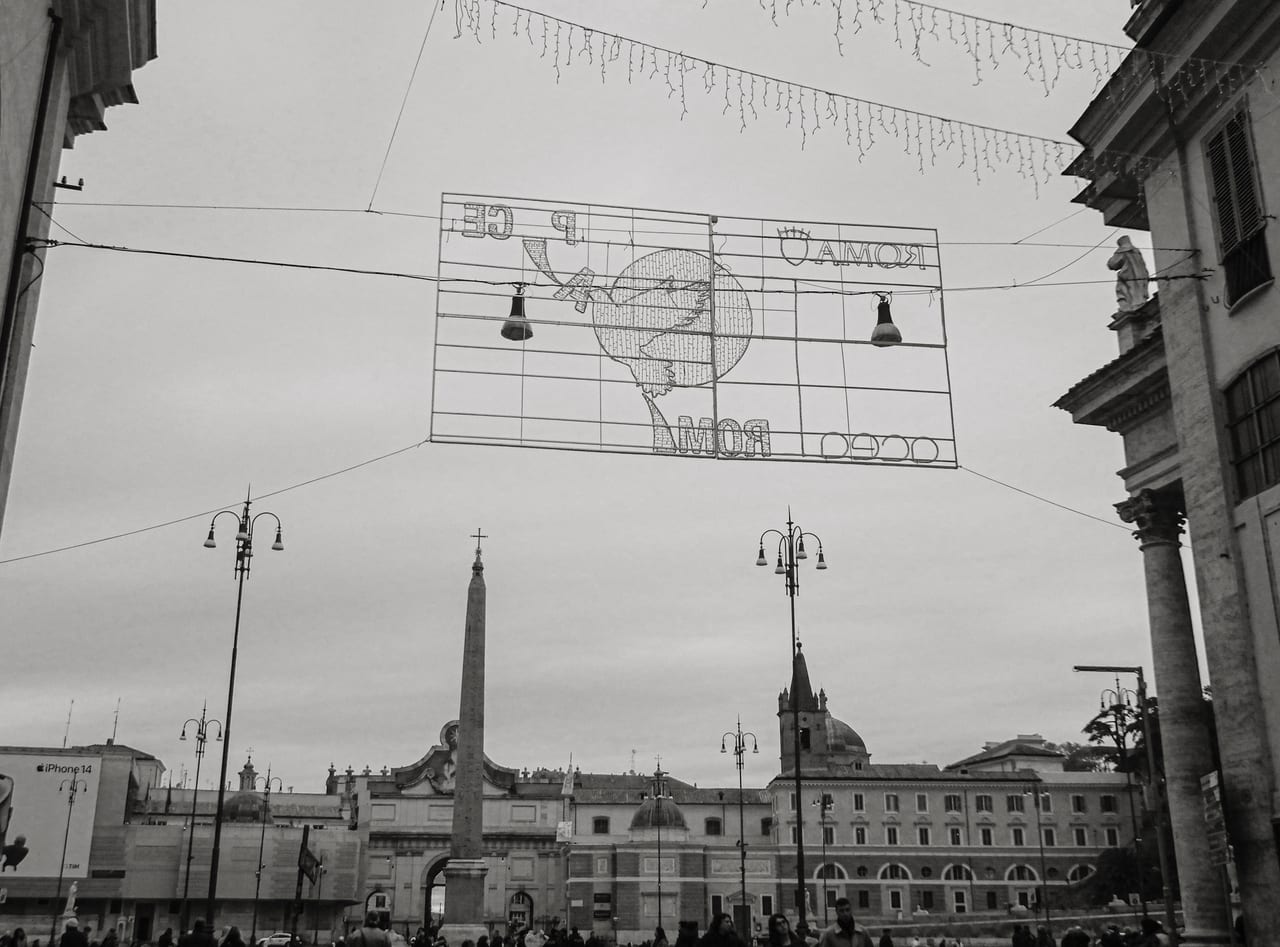
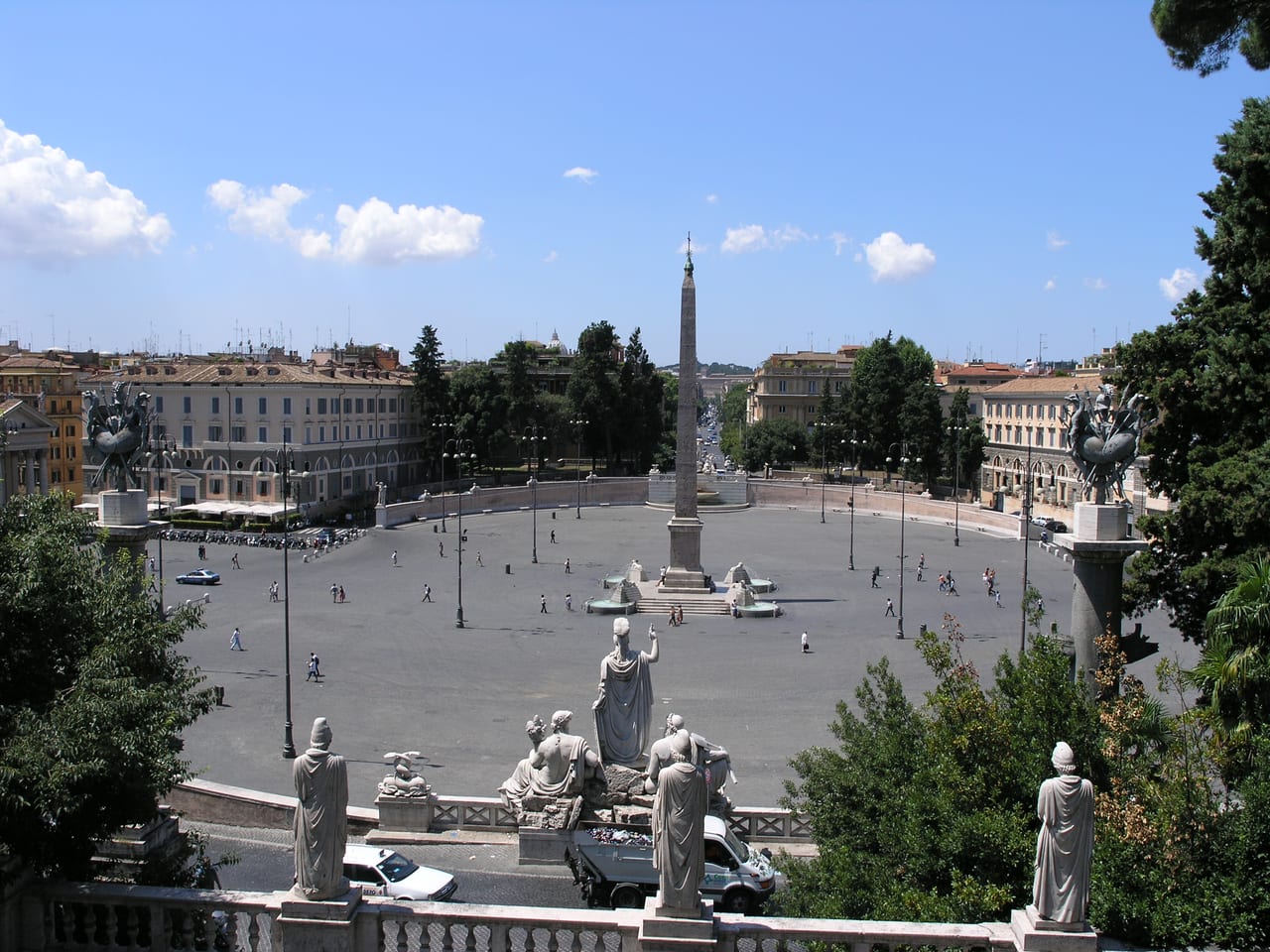
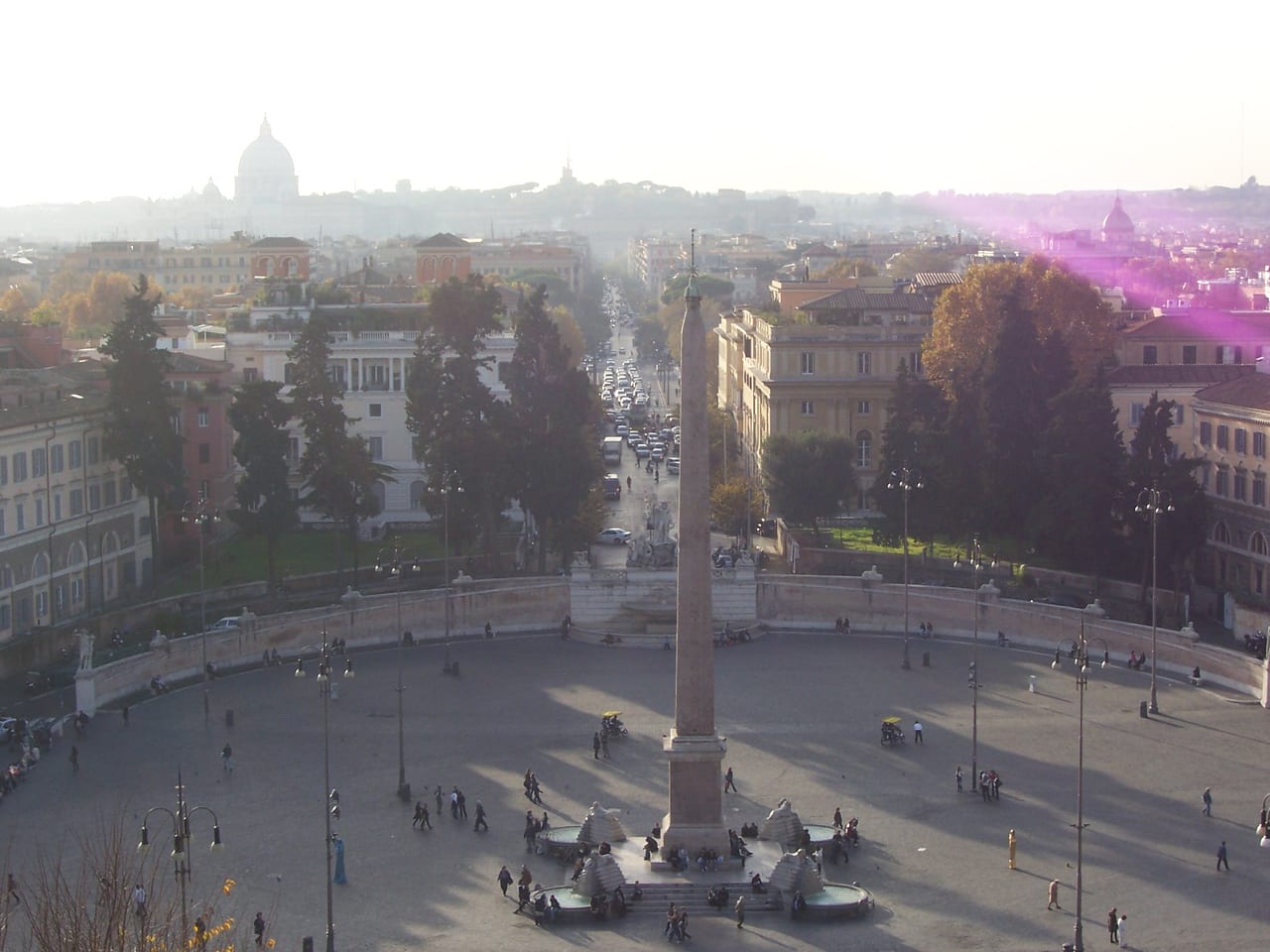
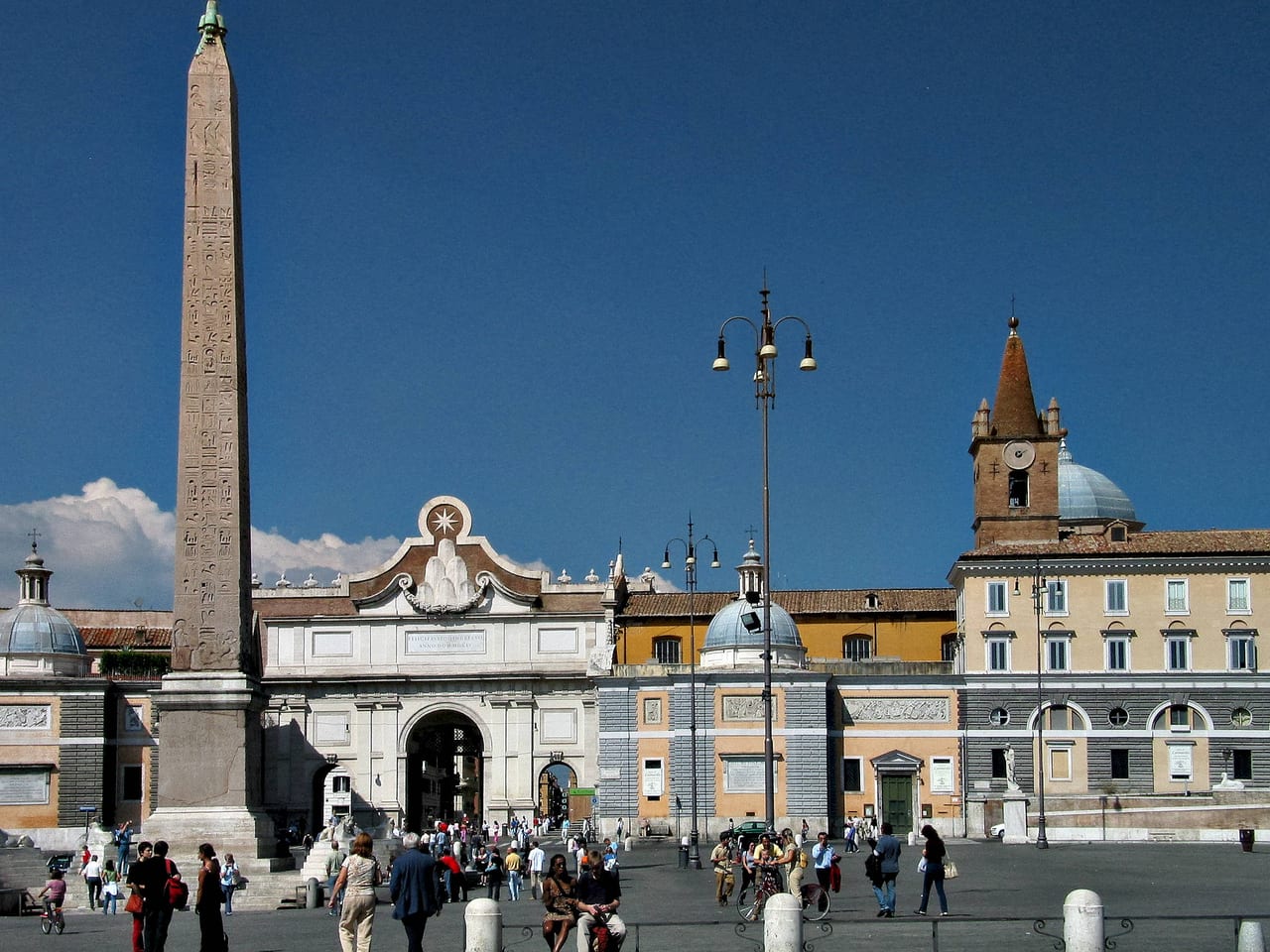
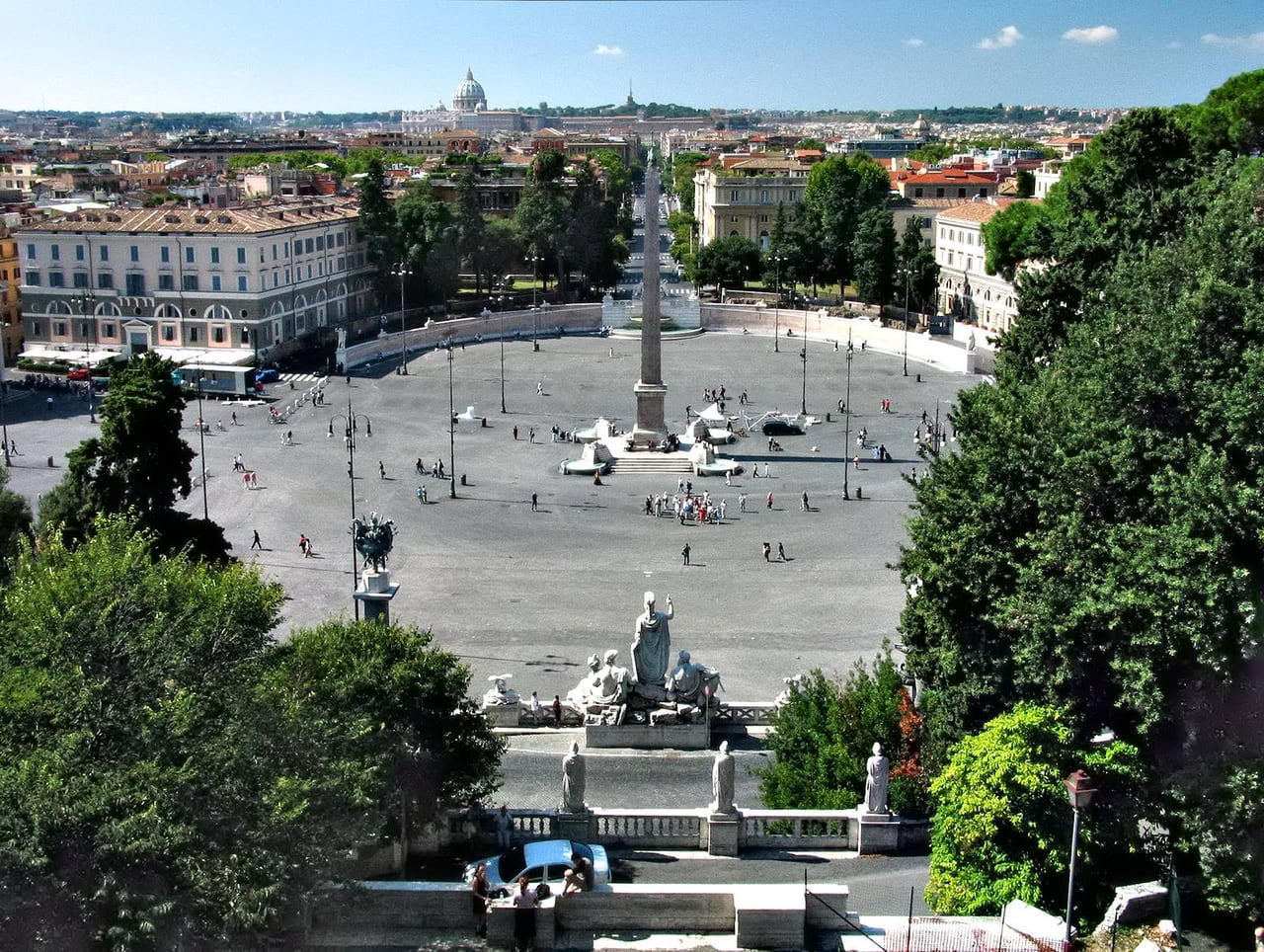
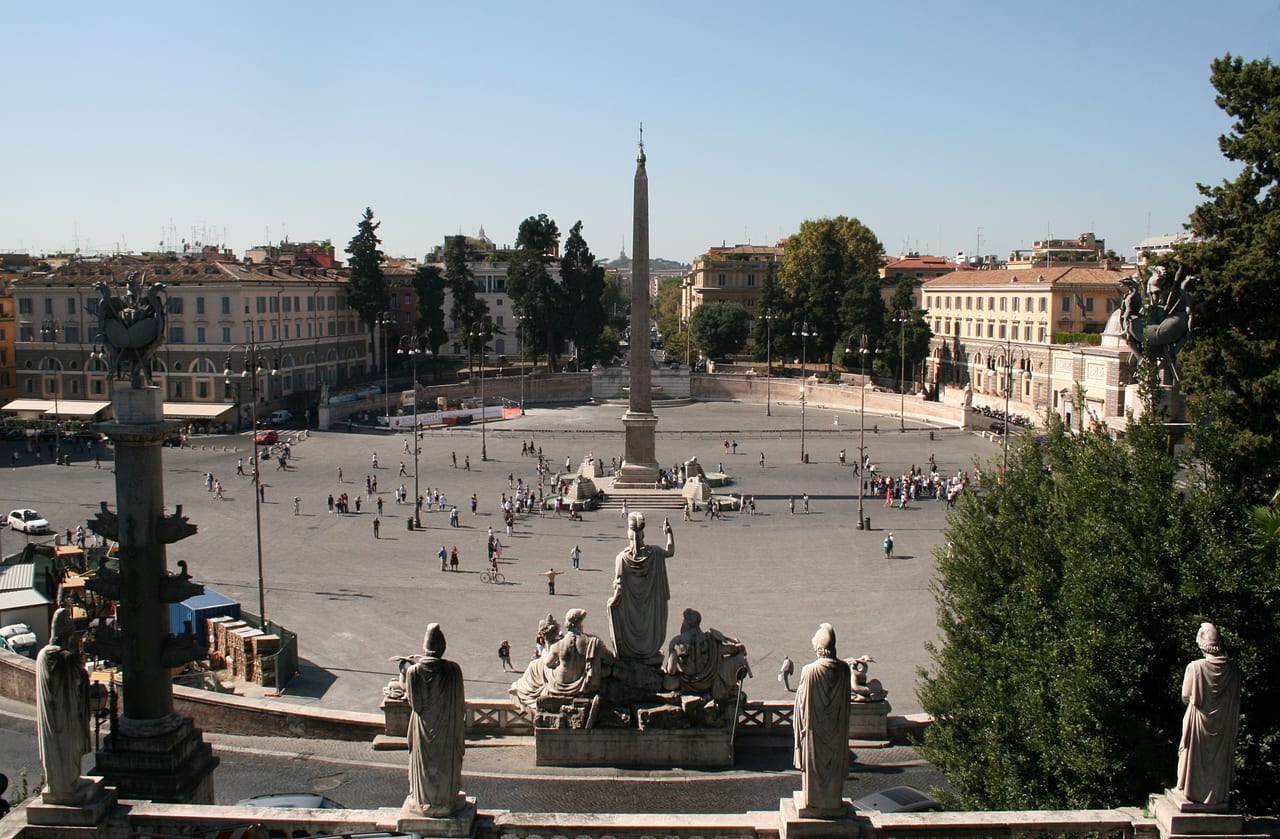
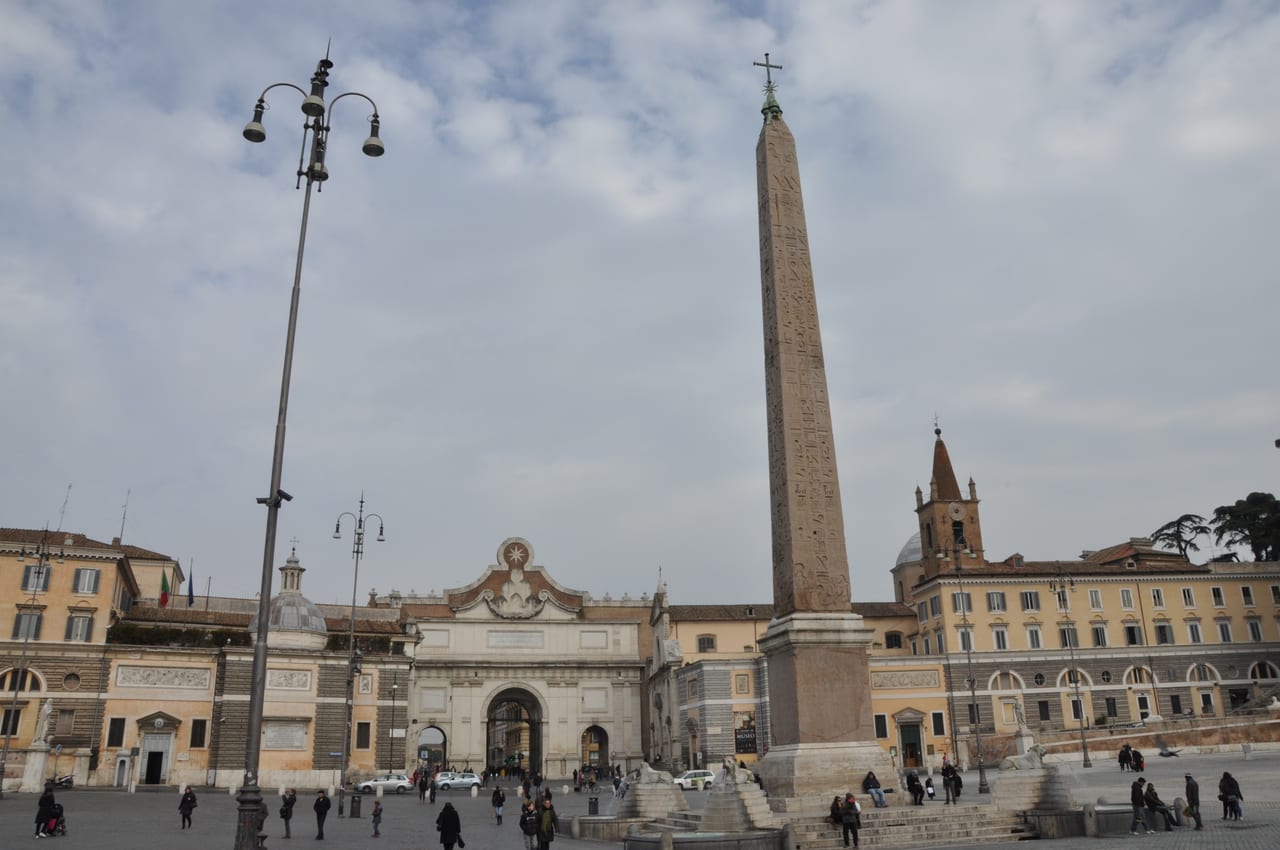
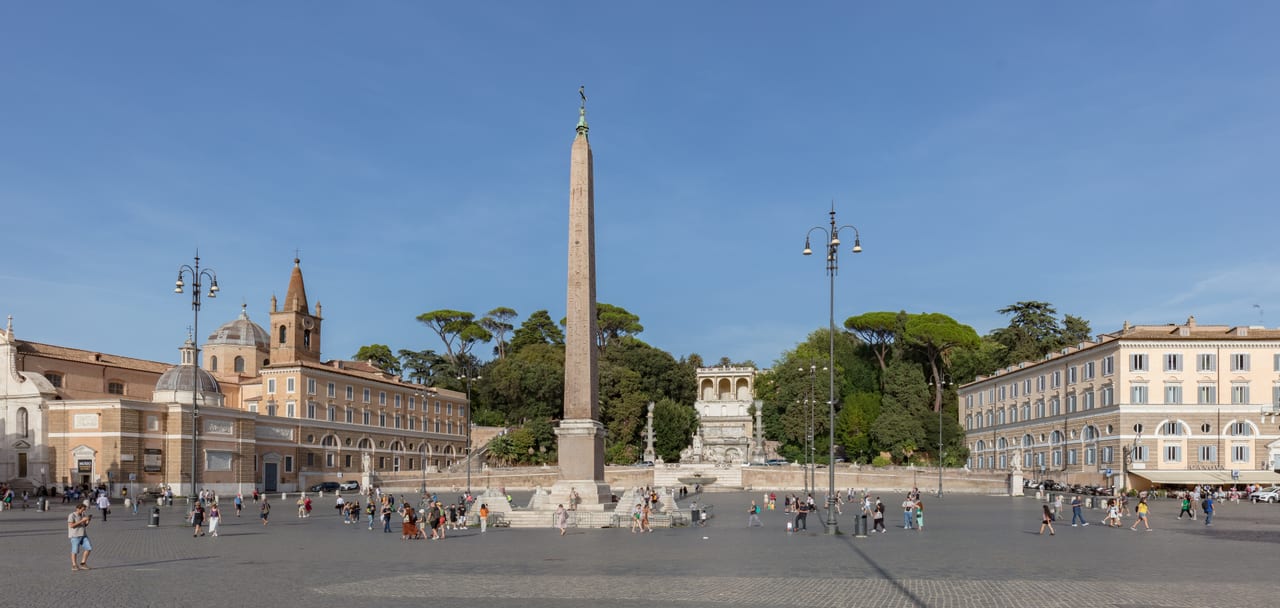
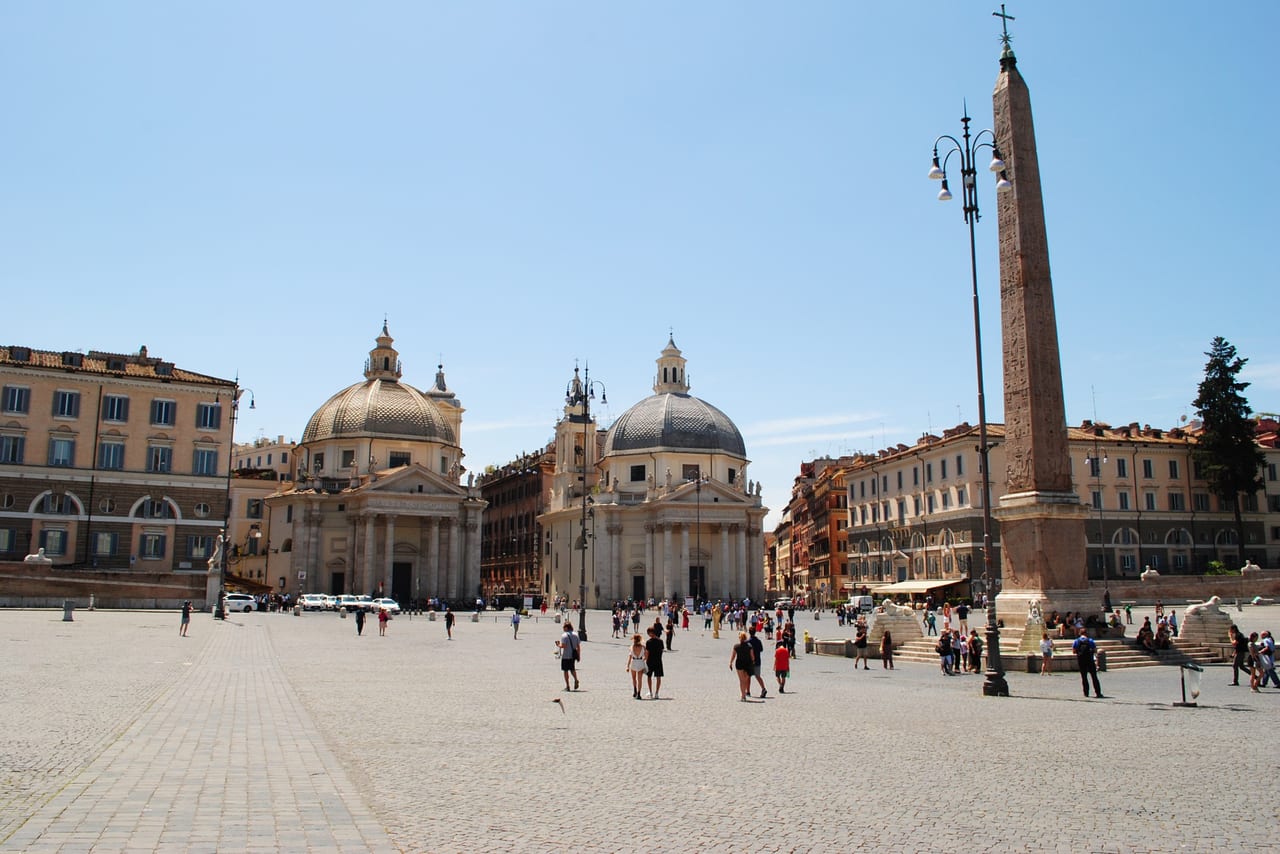
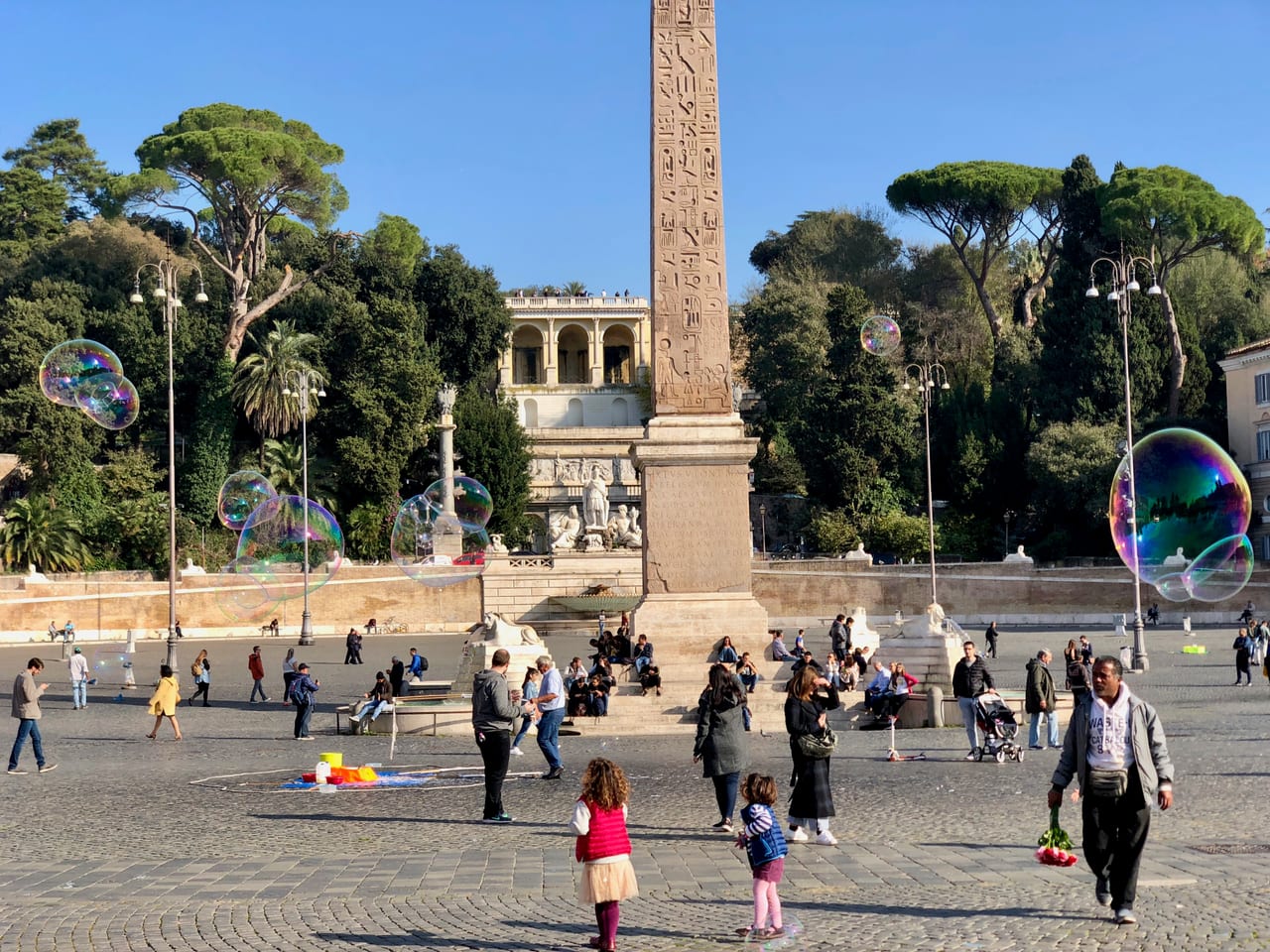
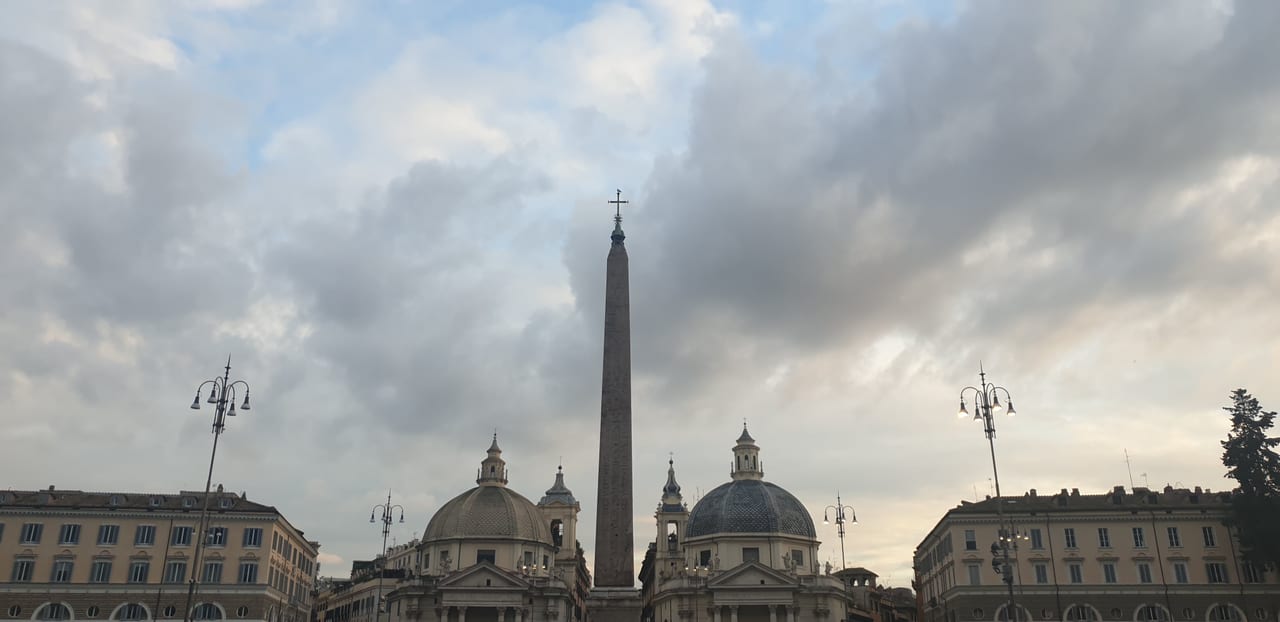
DirectionsAt the piazza’s centre rises an Egyptian obelisk brought to Rome in 1 BC: 24 metres high, or 36 metres including its plinth, it is among Rome’s tallest.
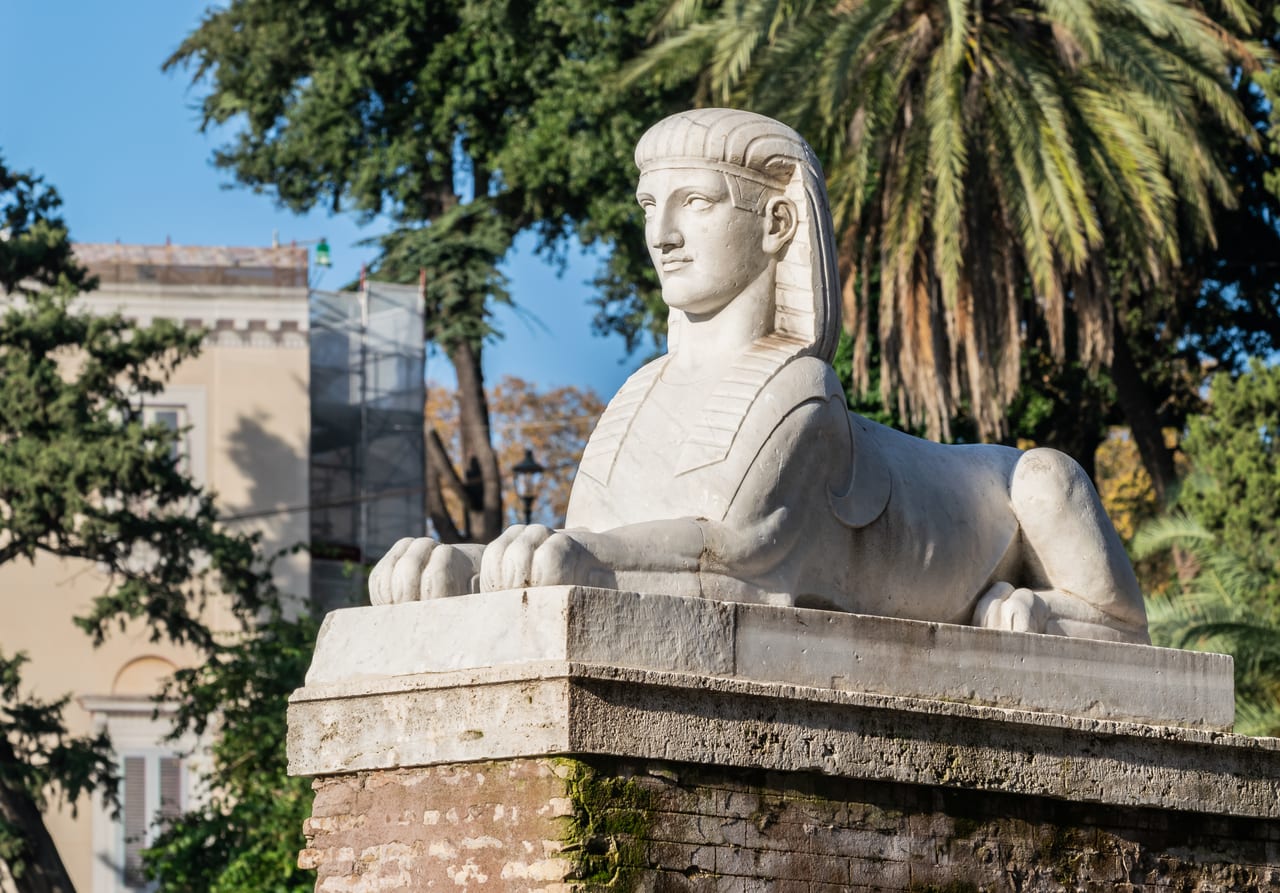
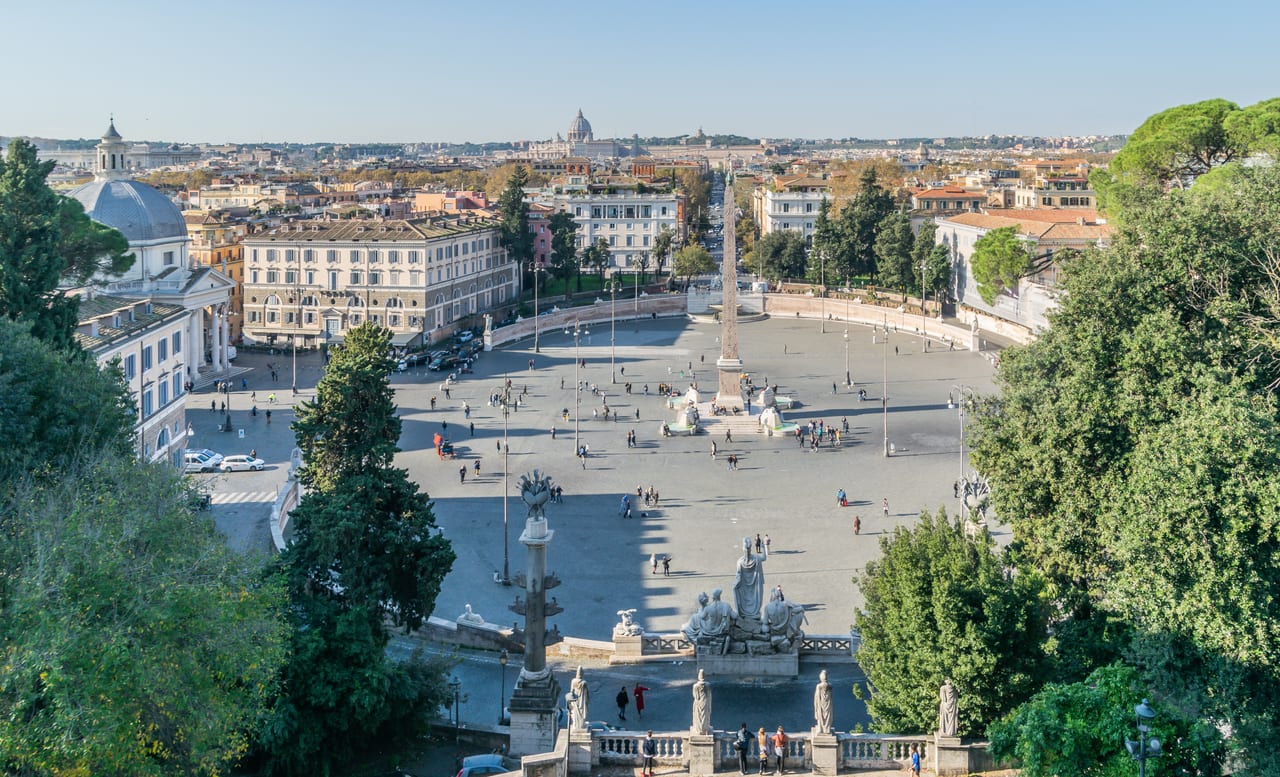
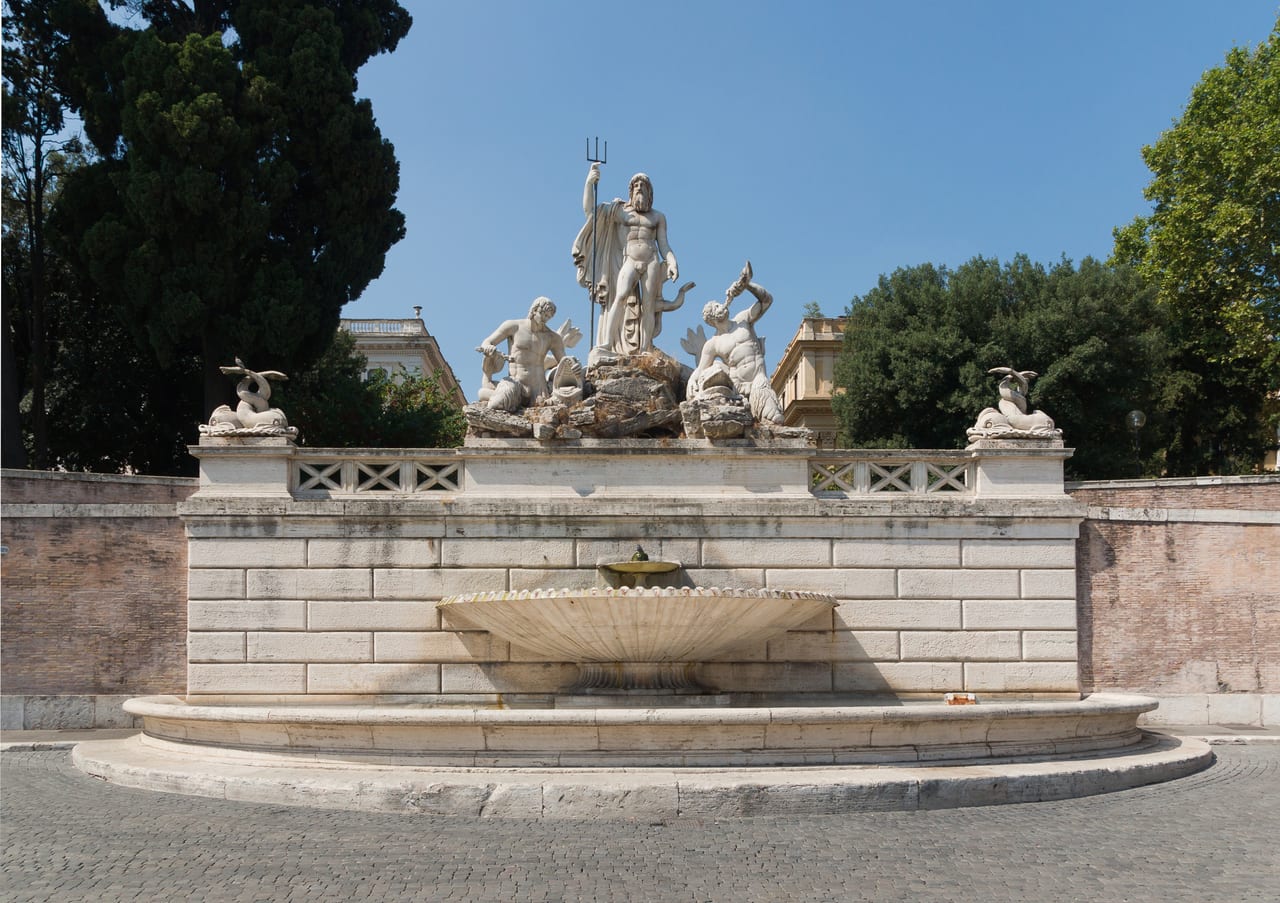
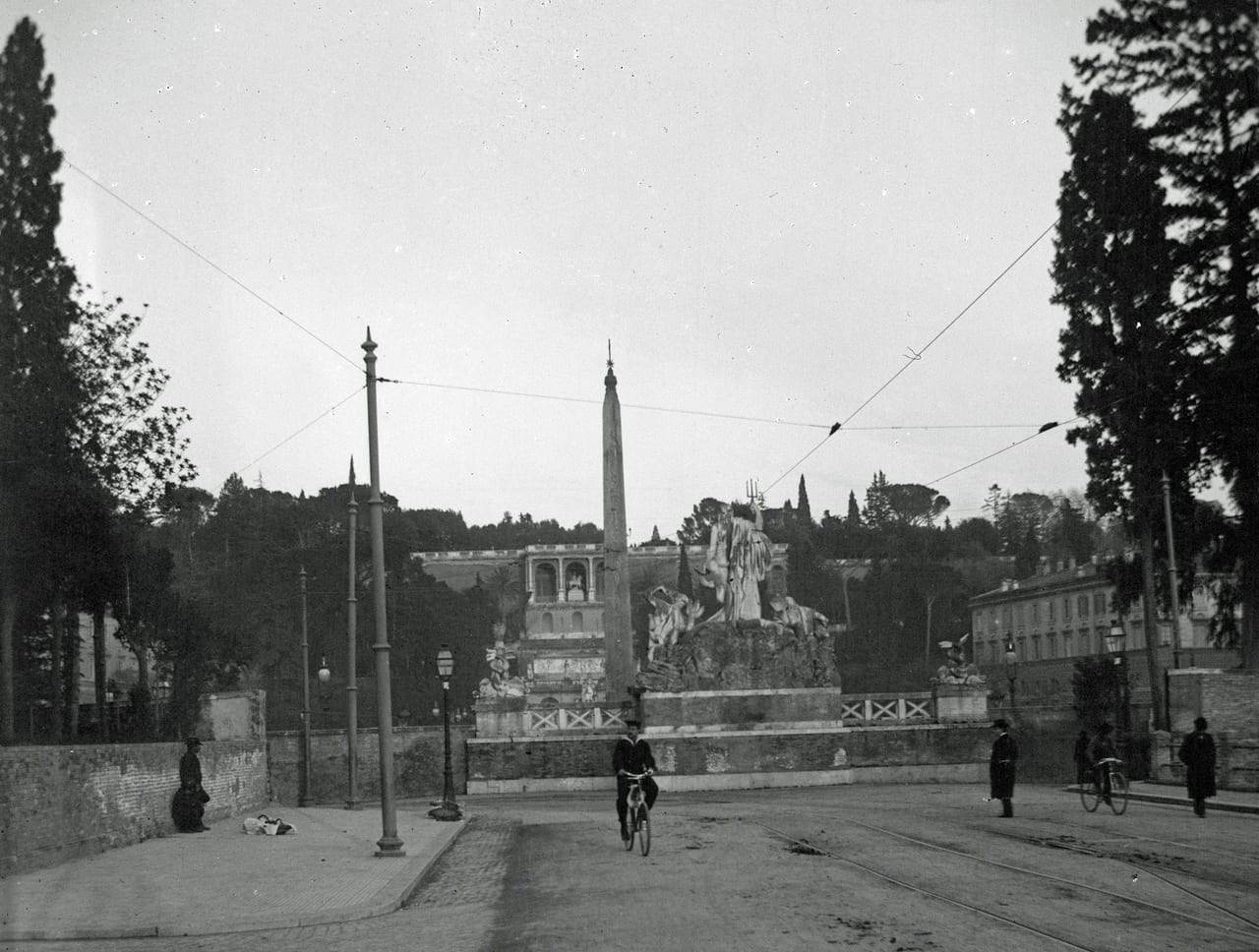
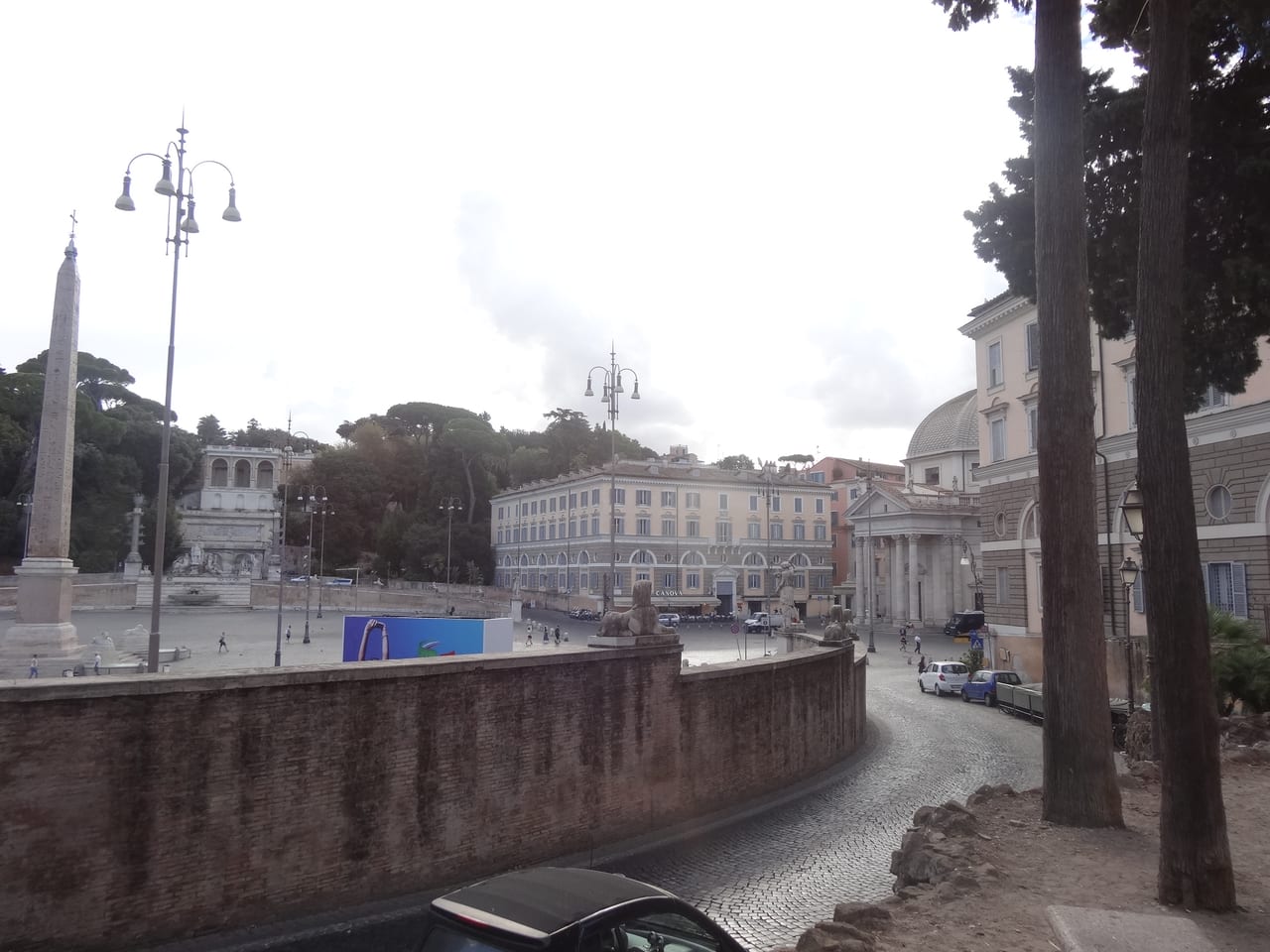
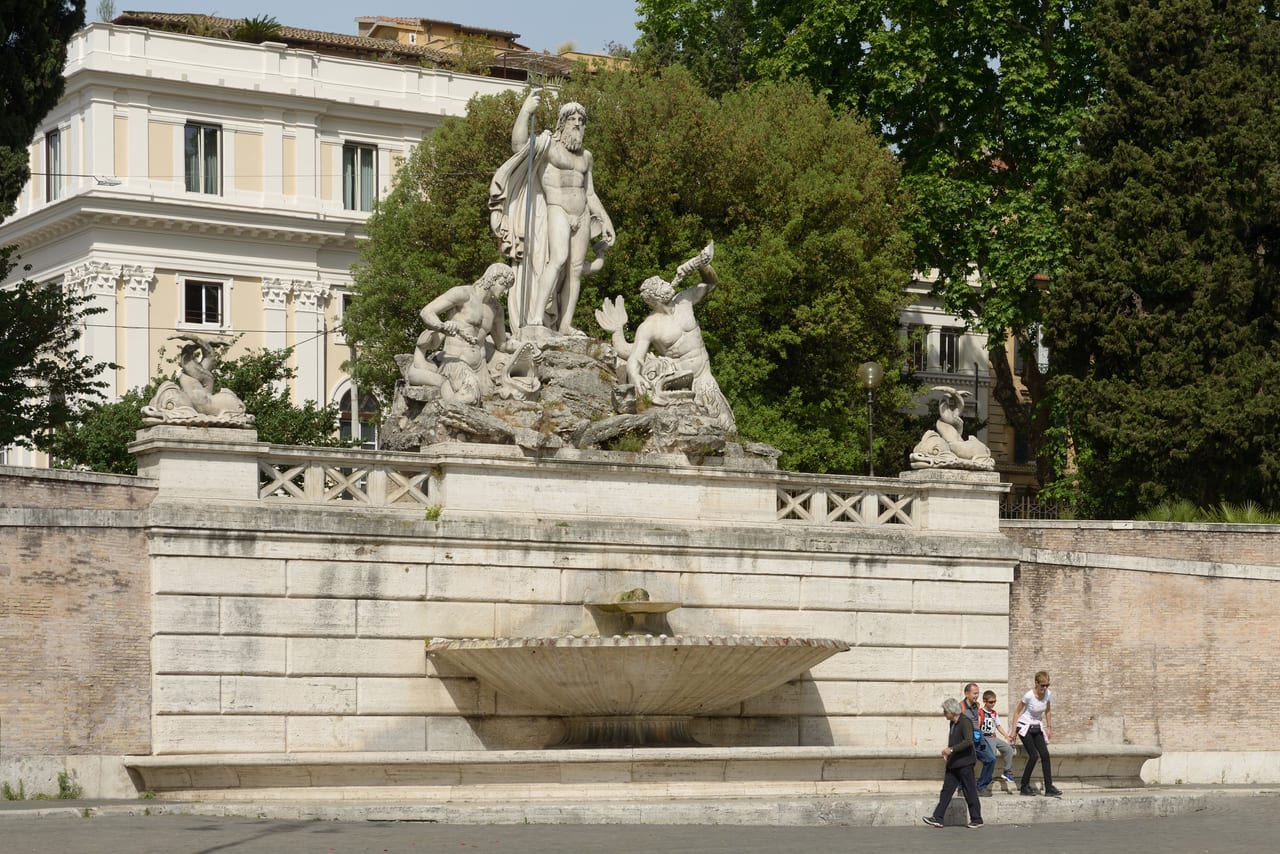
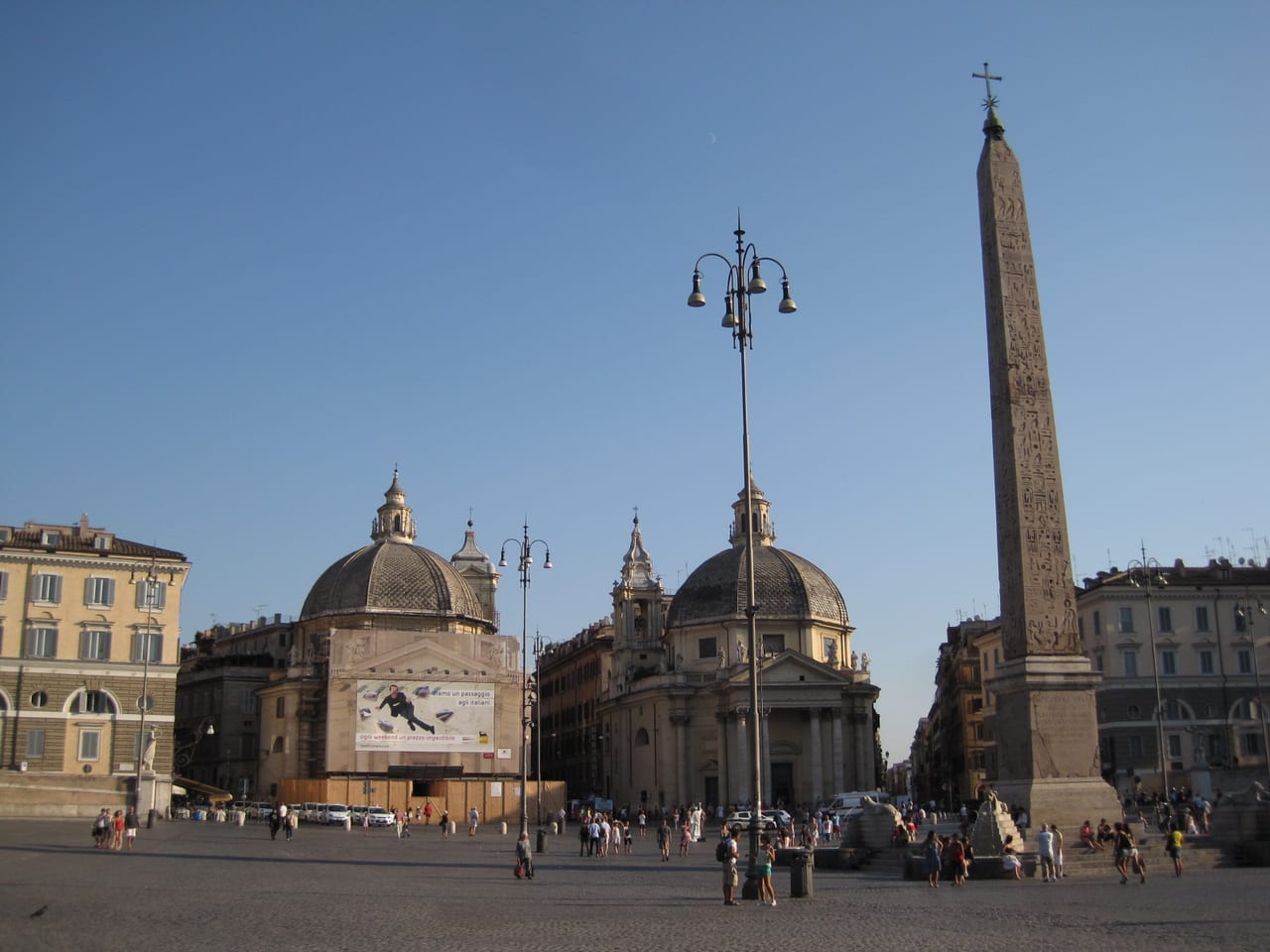
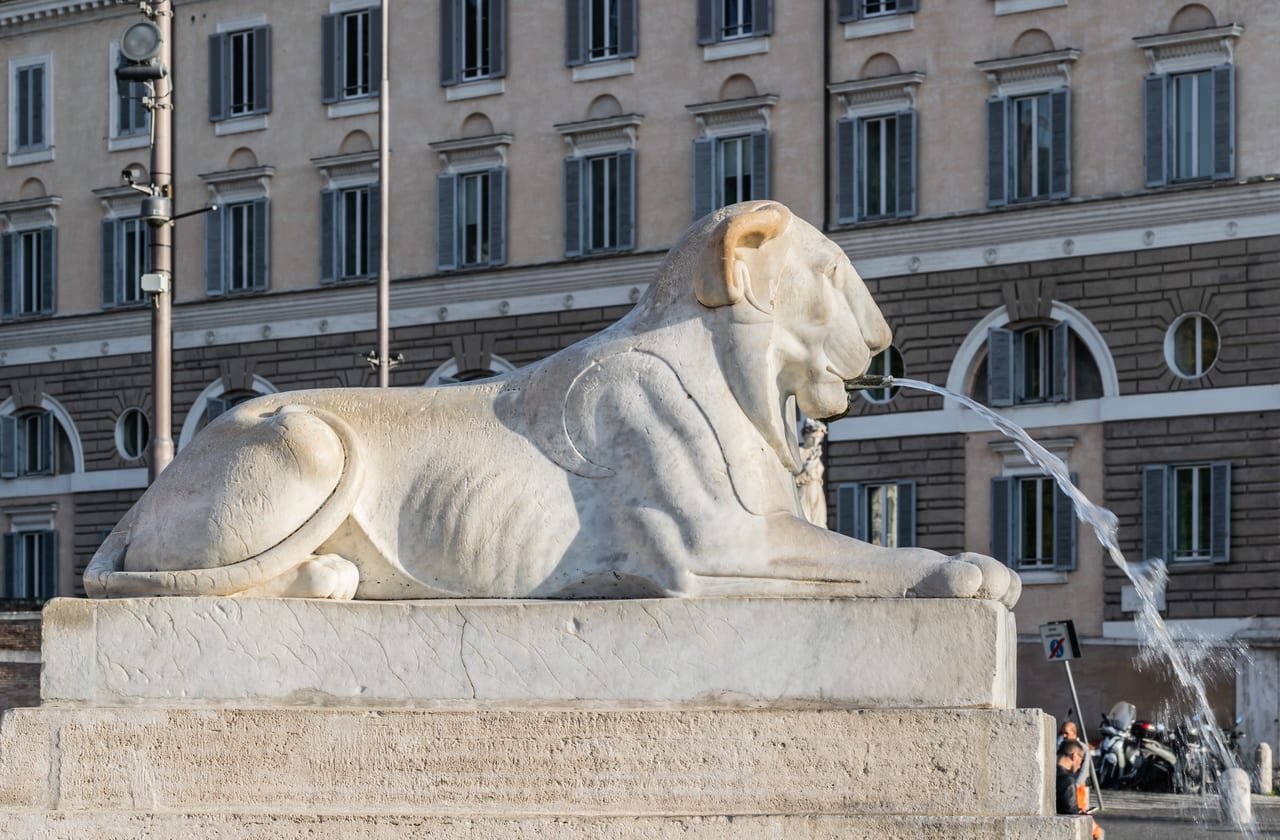
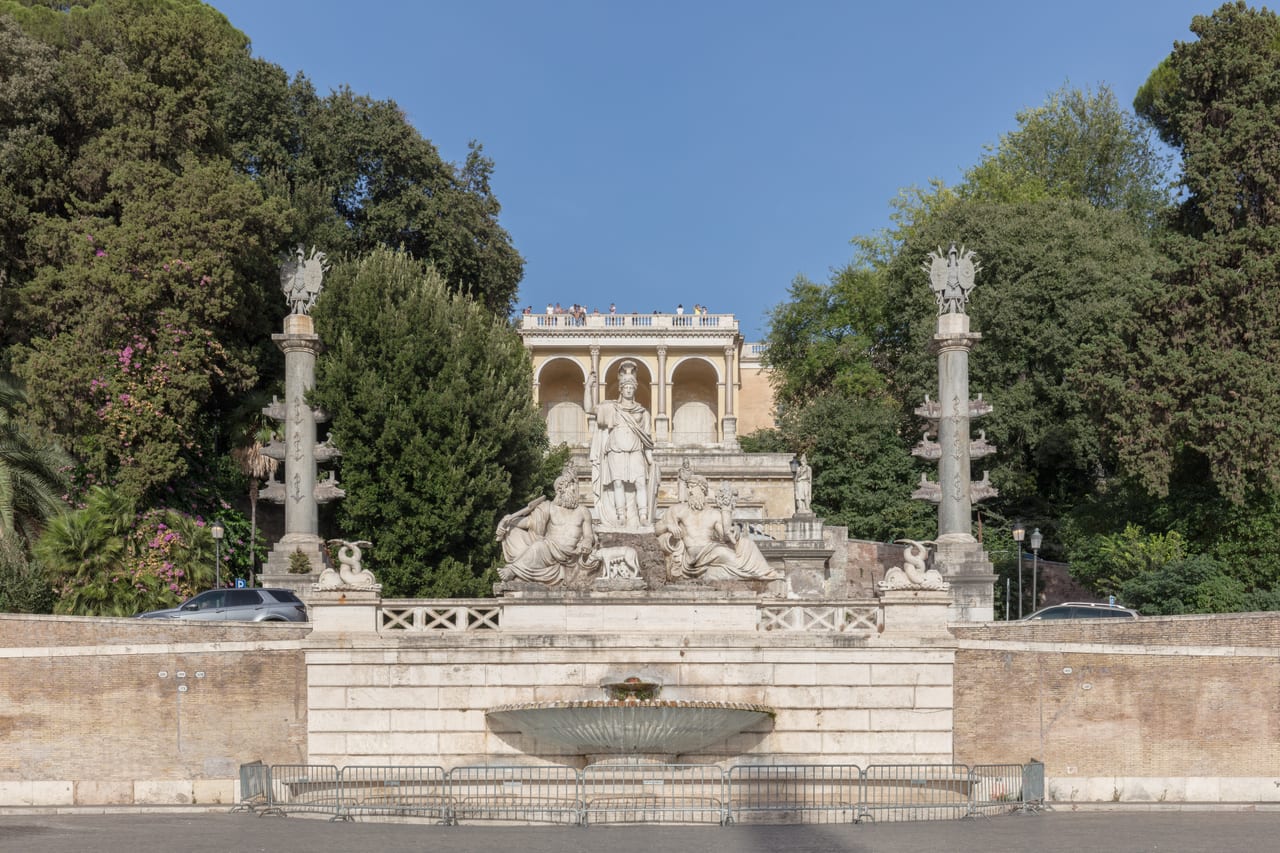
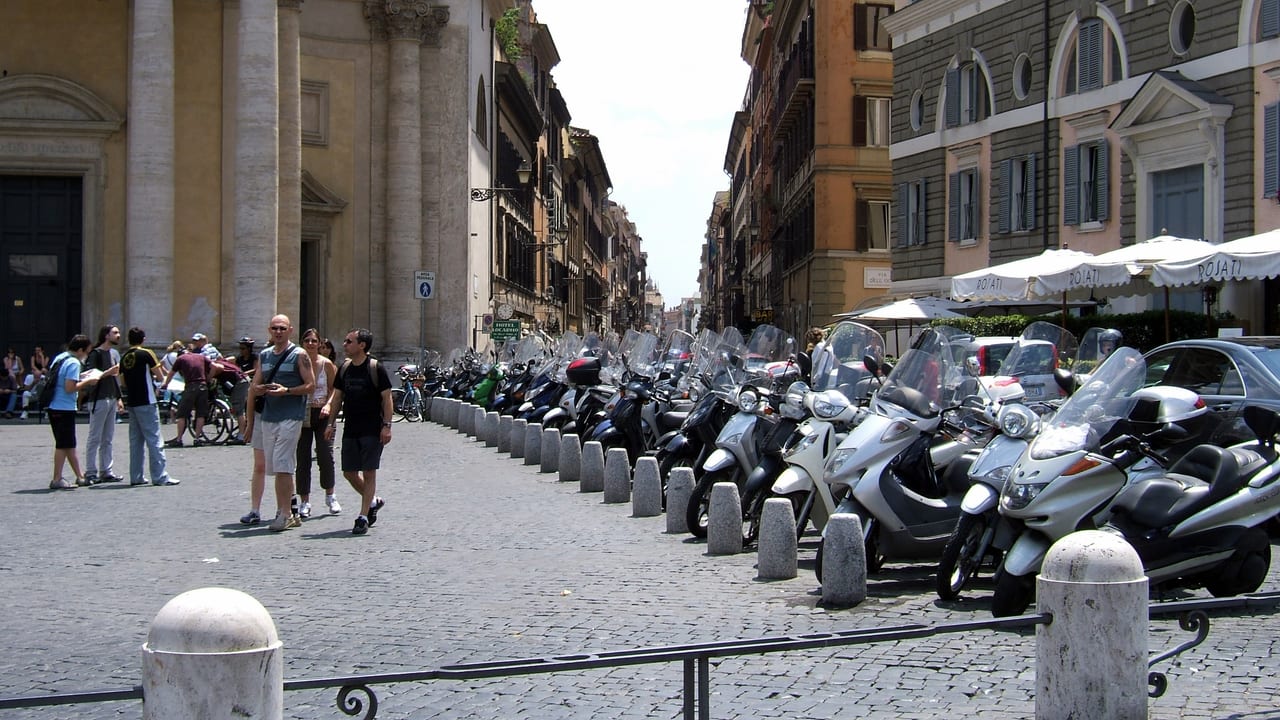
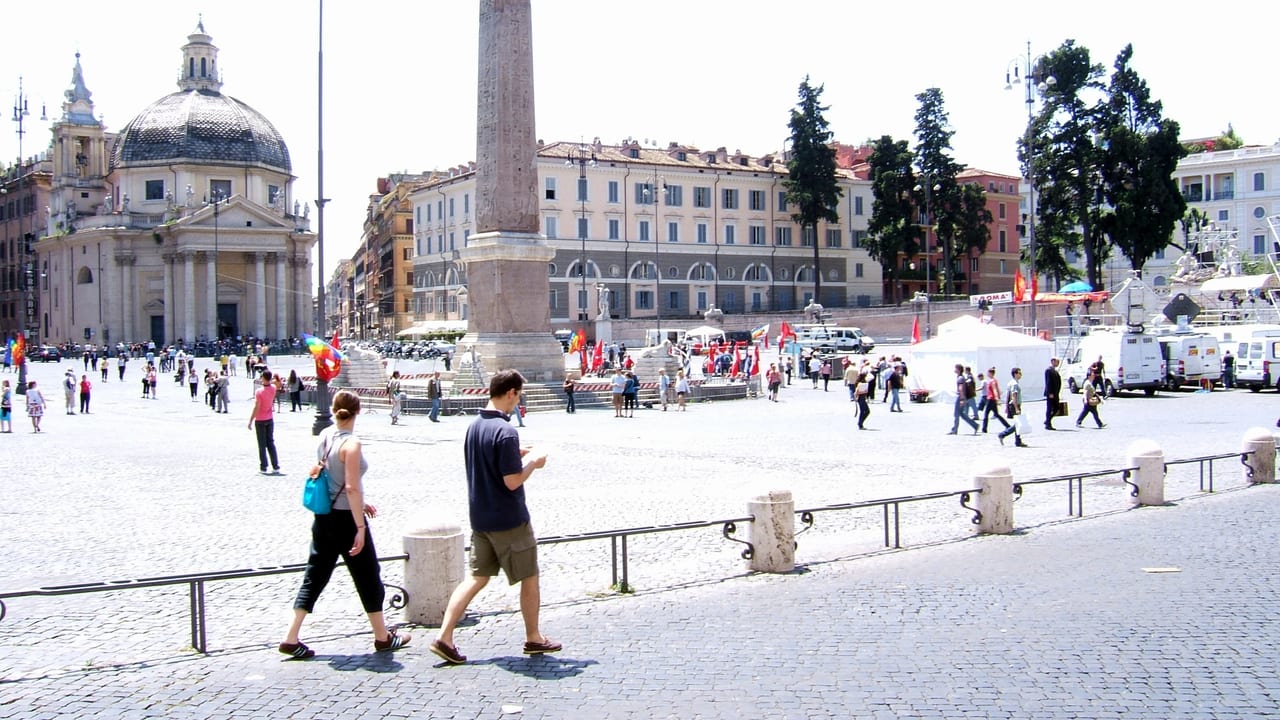
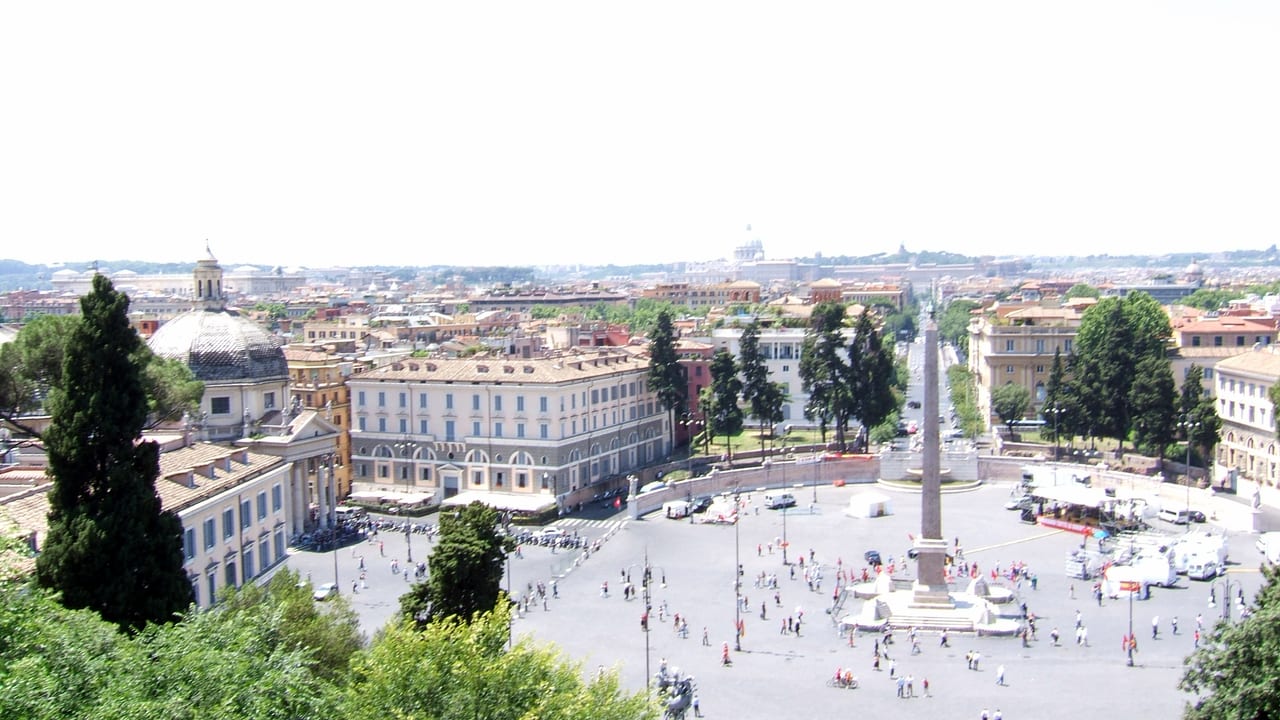

Photograph 1 of 48 of piazza del Popolo
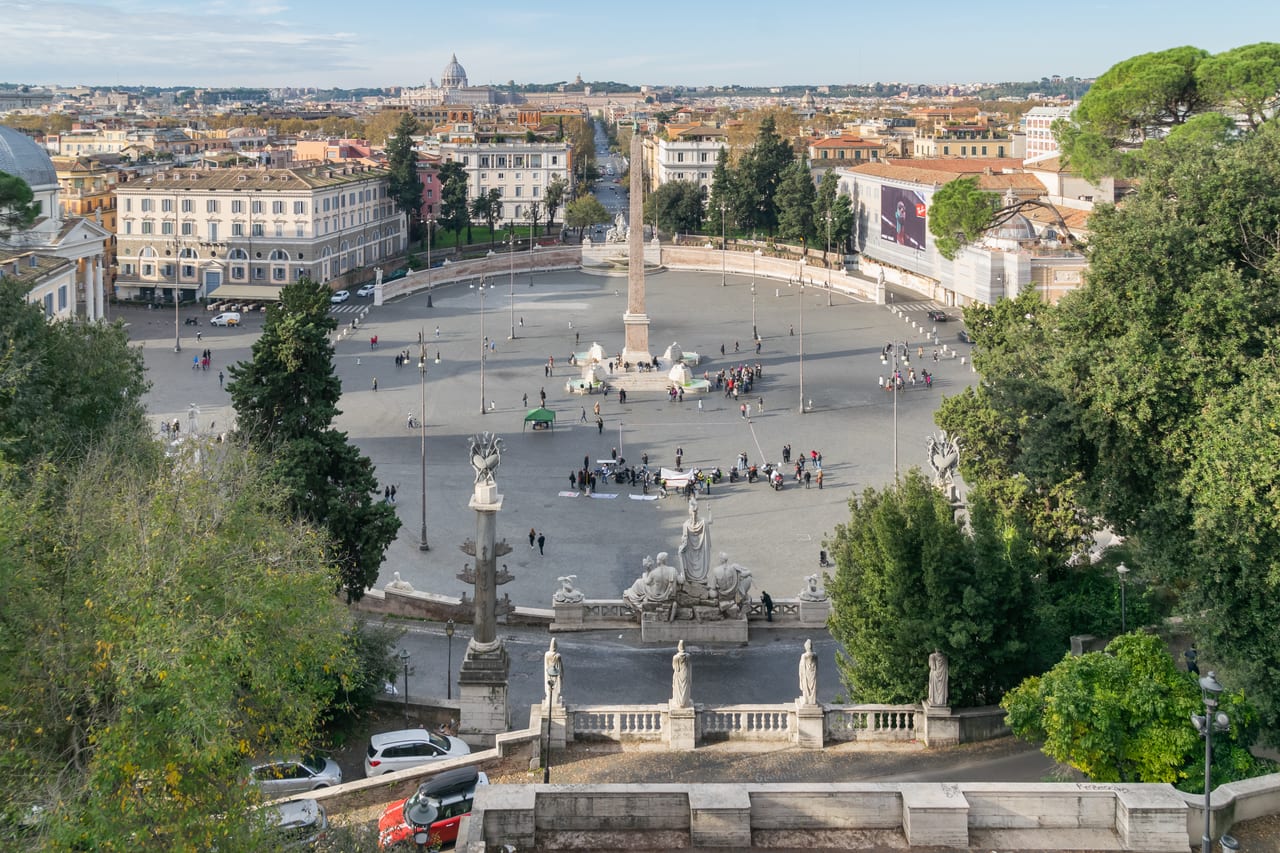
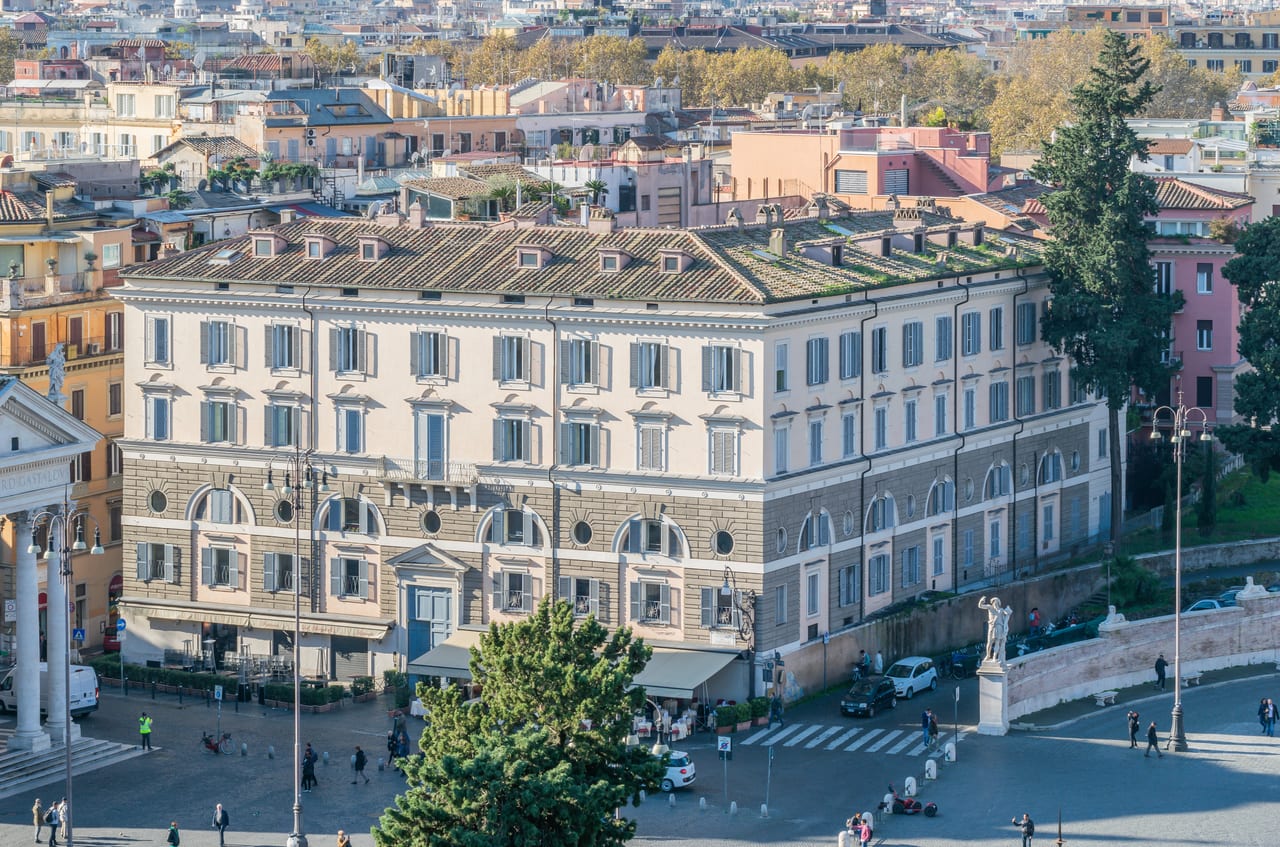
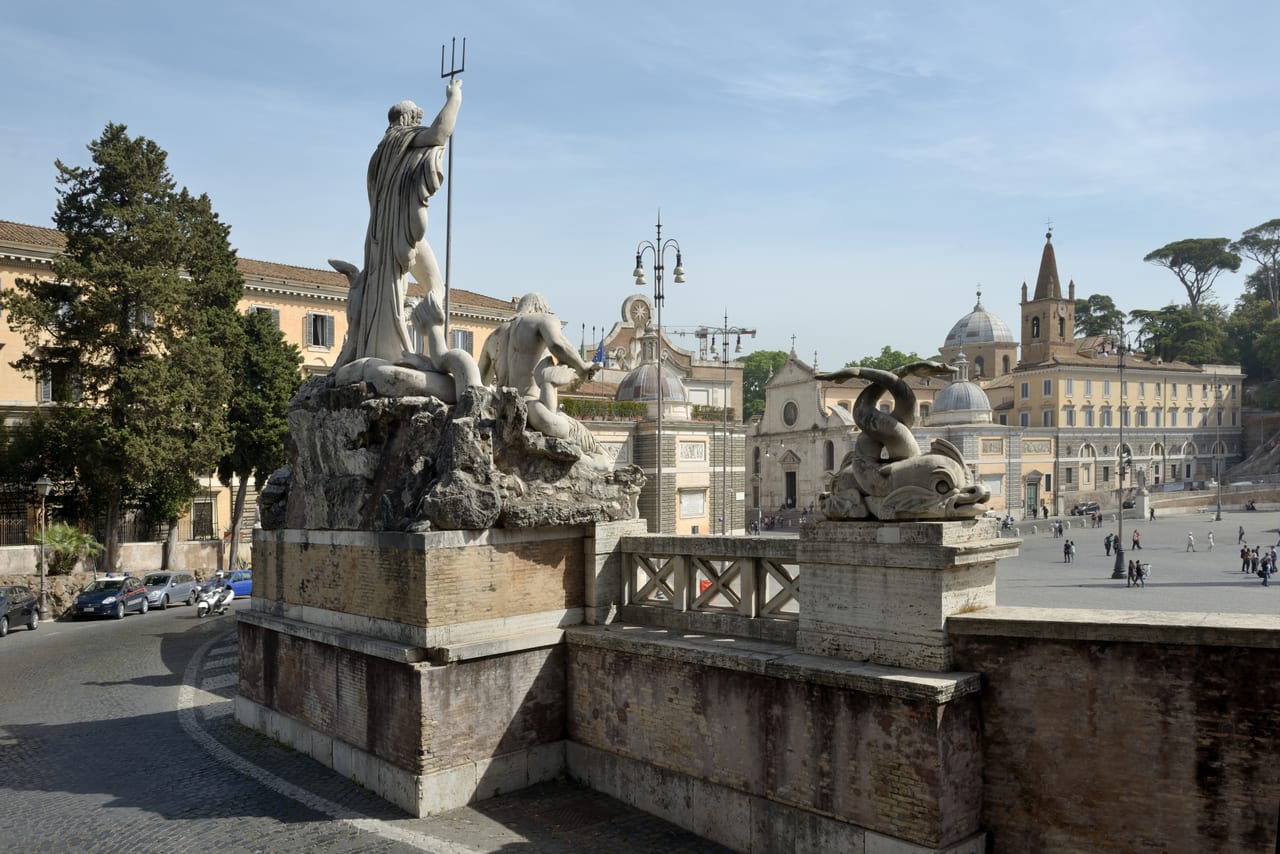
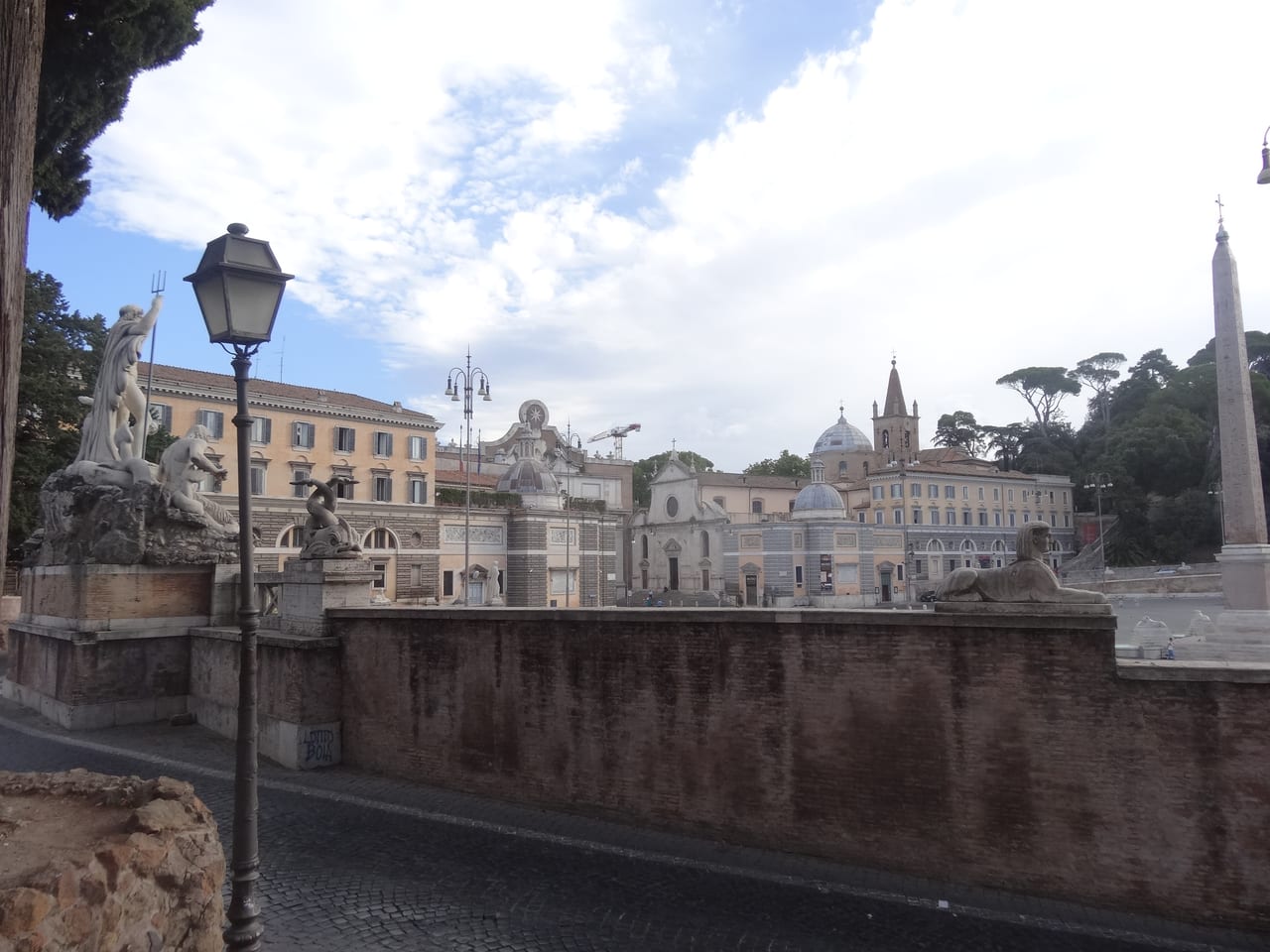
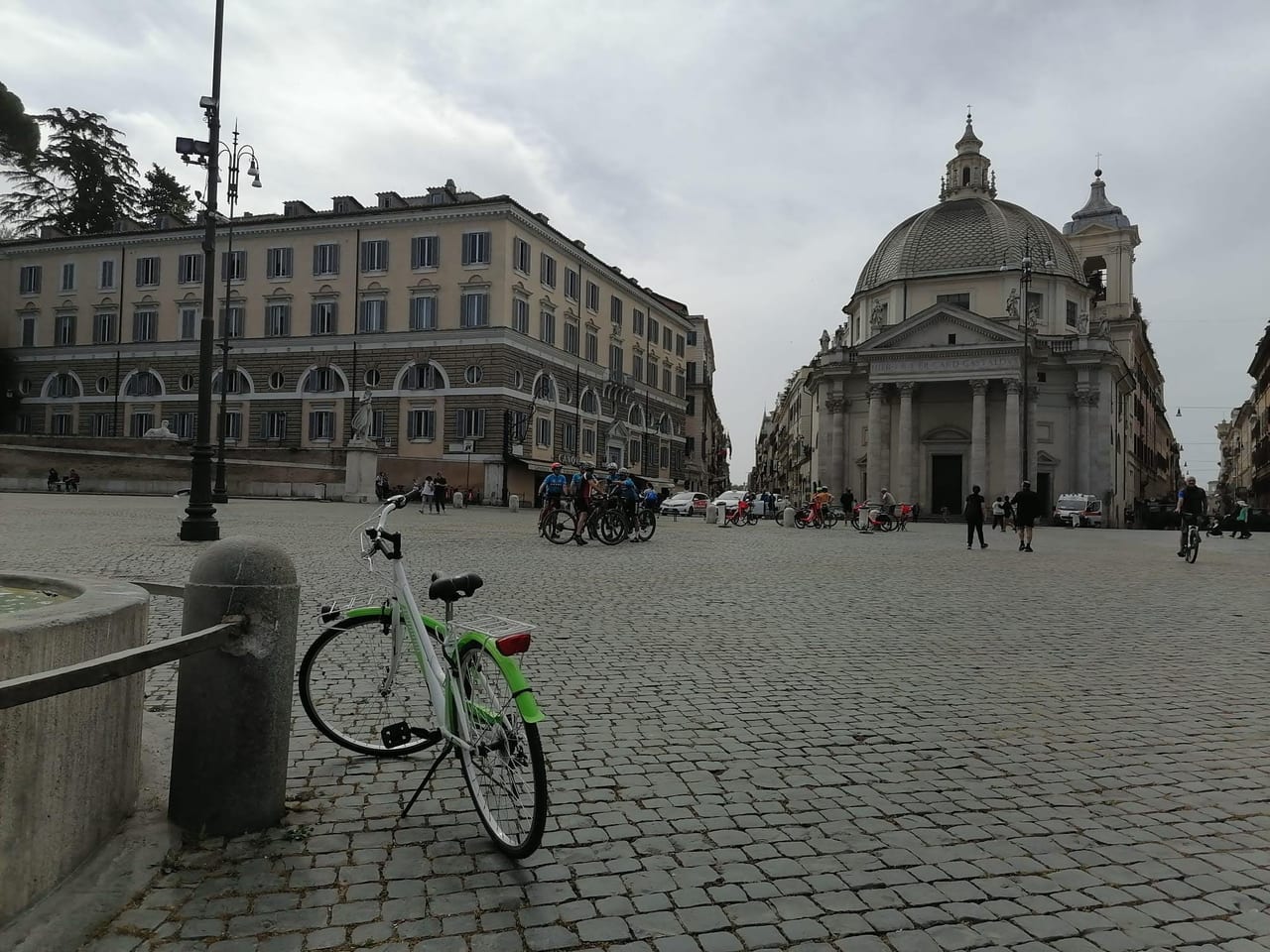
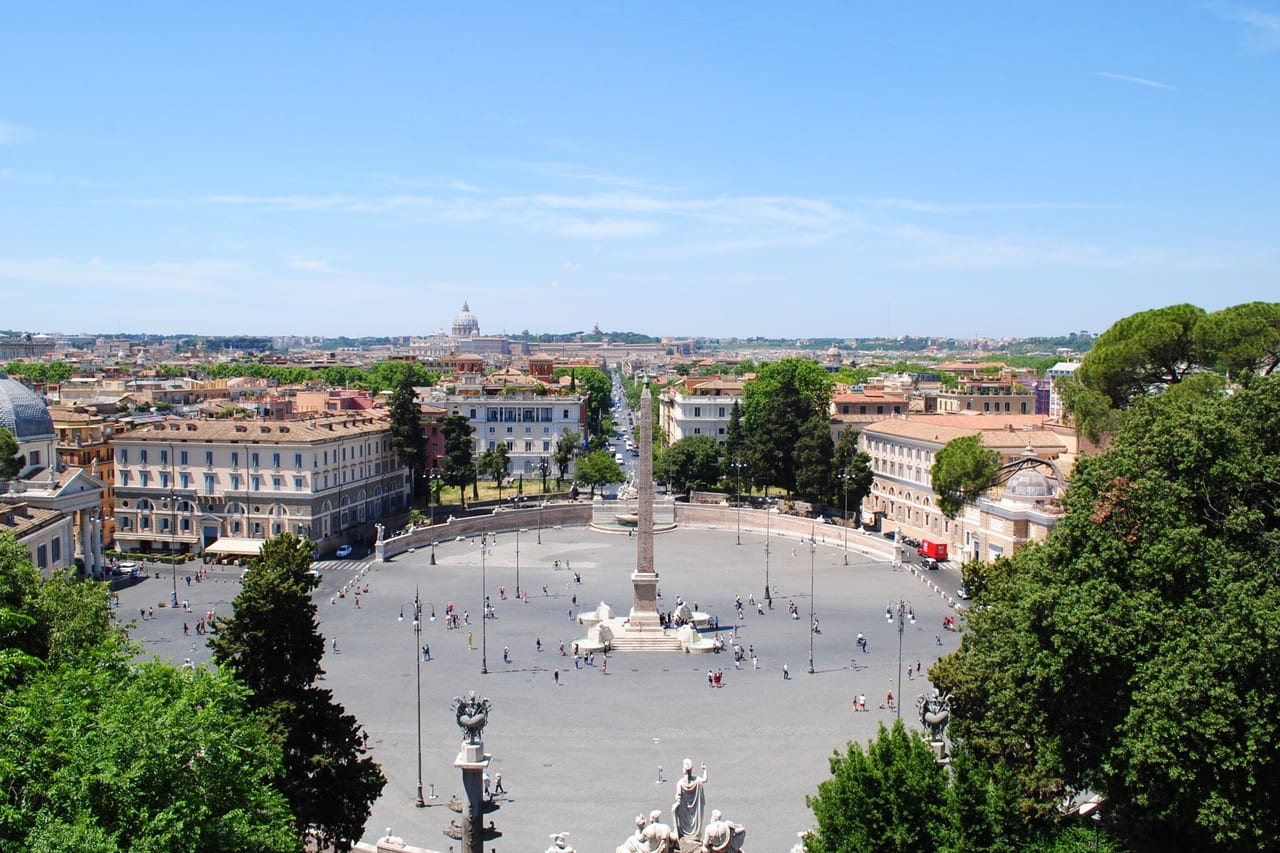
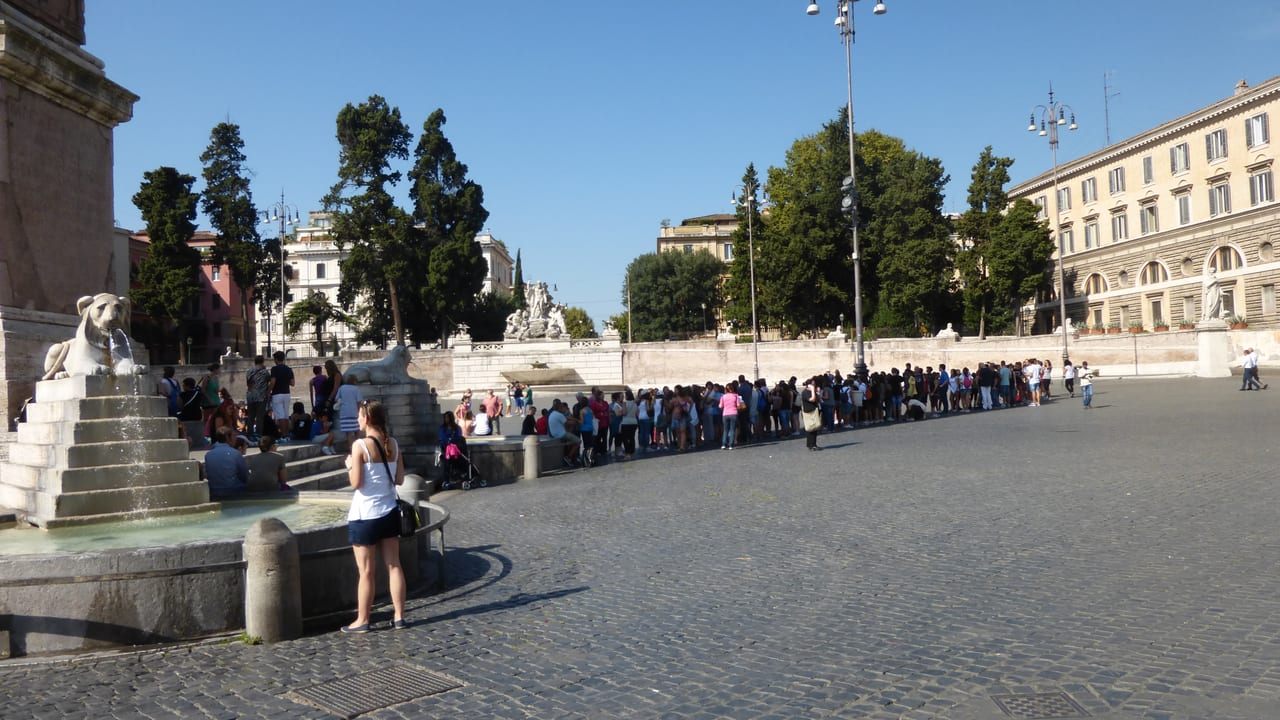
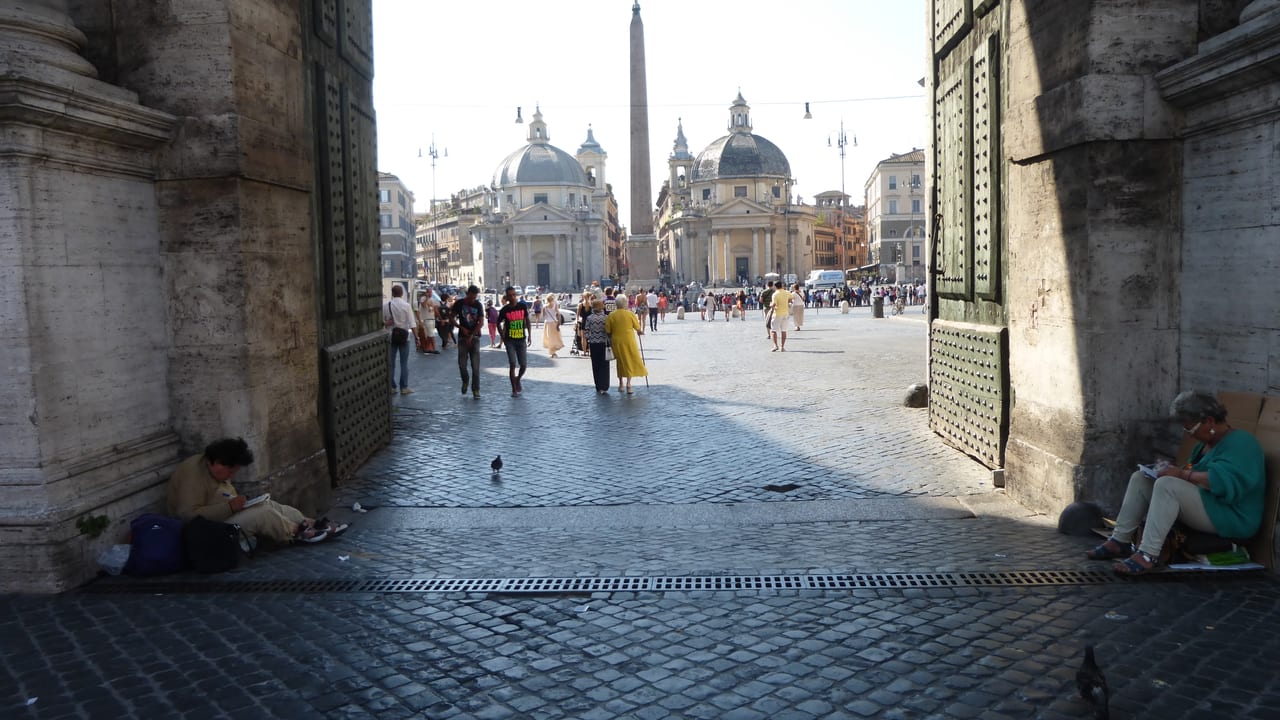
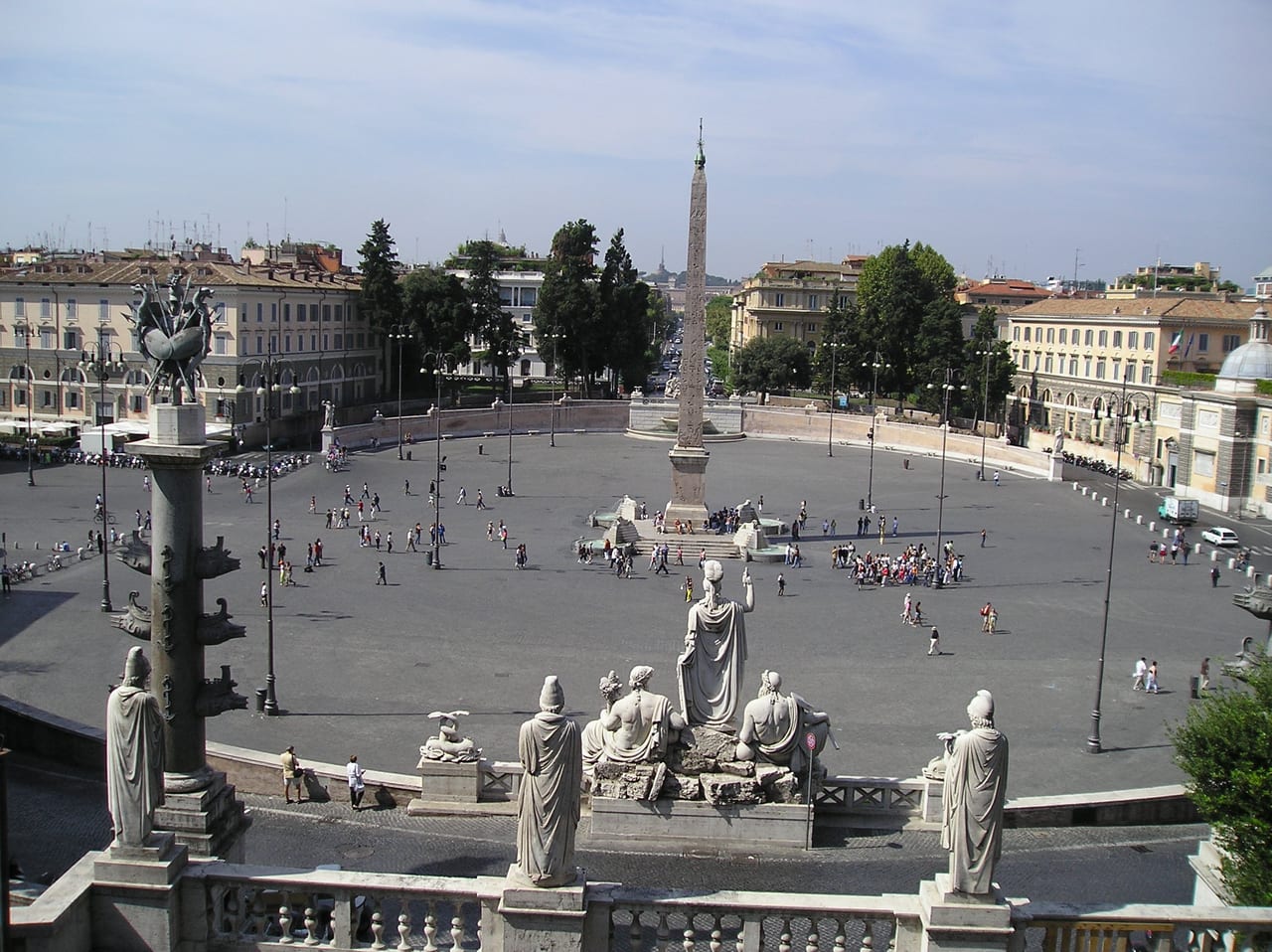
Piazza del Popolo lies inside Rome’s northern gate, the ancient Porta Flaminia, where the Via Flaminia began its route towards Ariminum. Before railways, arriving travellers encountered the piazza as their first view of the city; for centuries it also witnessed public executions, the last in 1826. Its present form emerged from Giuseppe Valadier’s neoclassical redesign of 1811–1822. He replaced the cramped trapezoidal space with two semicircles, matching palazzi, curving exedrae and a carefully planted setting. The composition opens into the three-way junction known as the Tridente: Via del Corso, Via del Babuino and Via di Ripetta. The Porta del Popolo was given its present appearance by Bernini in 1655 for Pope Alexander VII’s welcome to Queen Christina of Sweden. Valadier’s greatest spatial gesture links the piazza to the Pincio and, beyond it, the Villa Borghese gardens.
At a glance
- Built
- 1818
Ways to explore piazza del Popolo
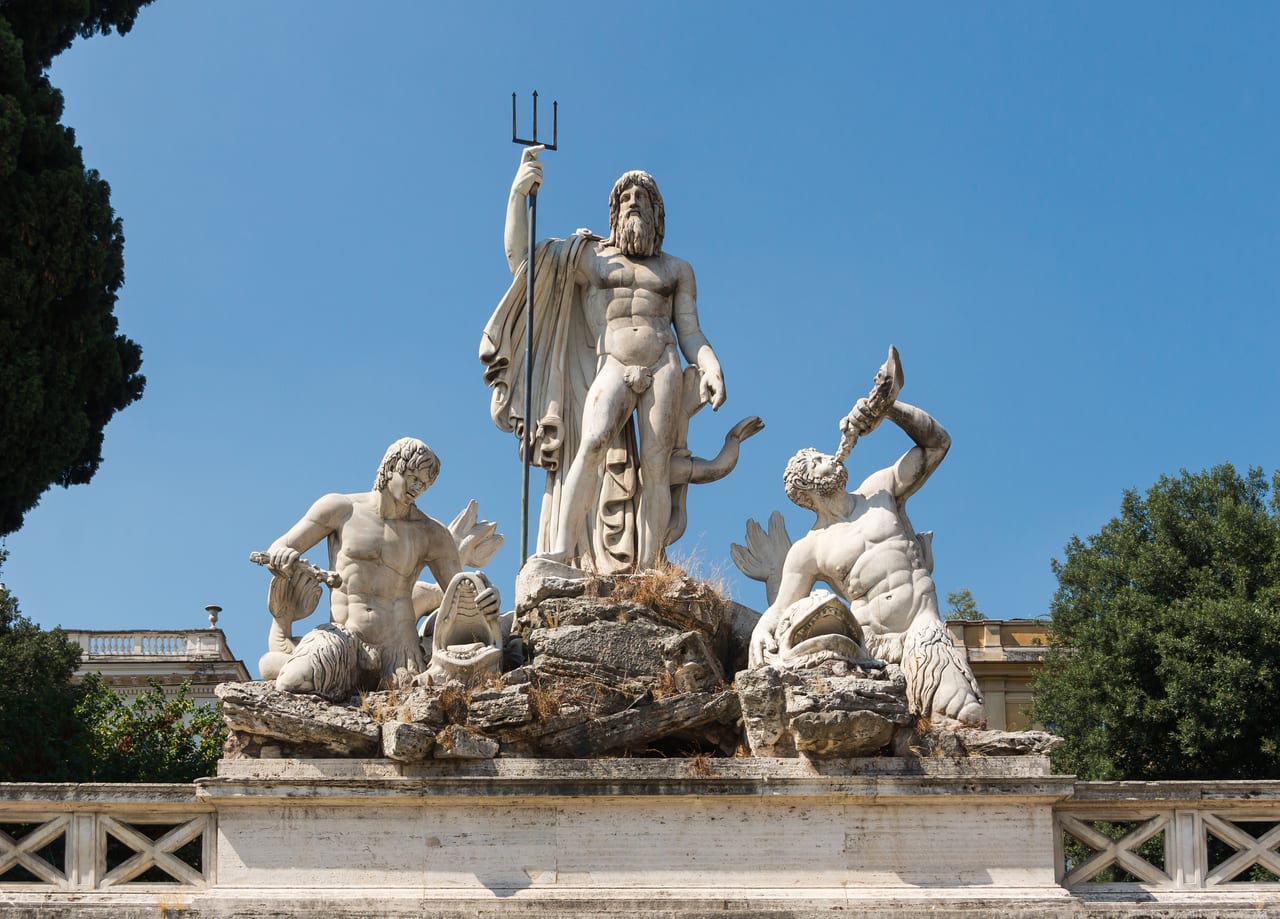
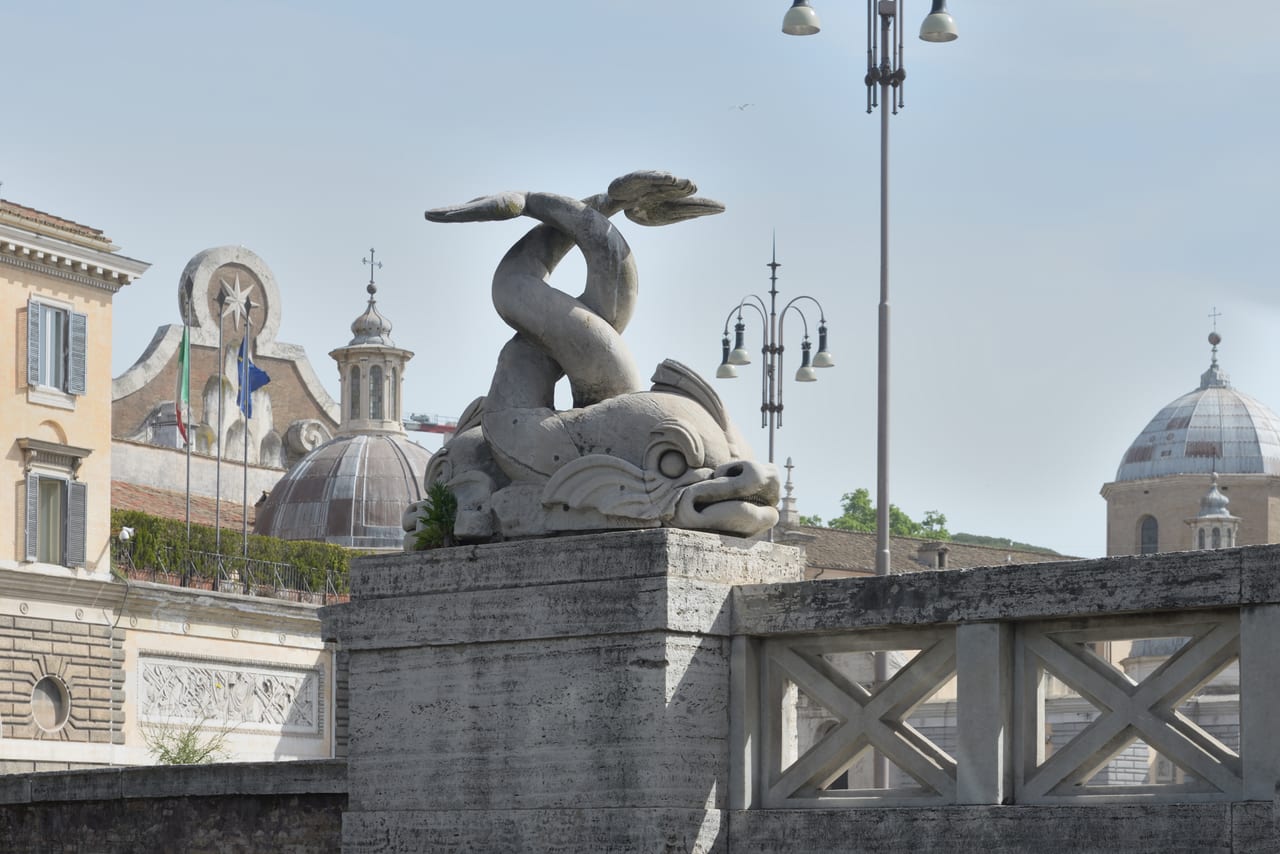
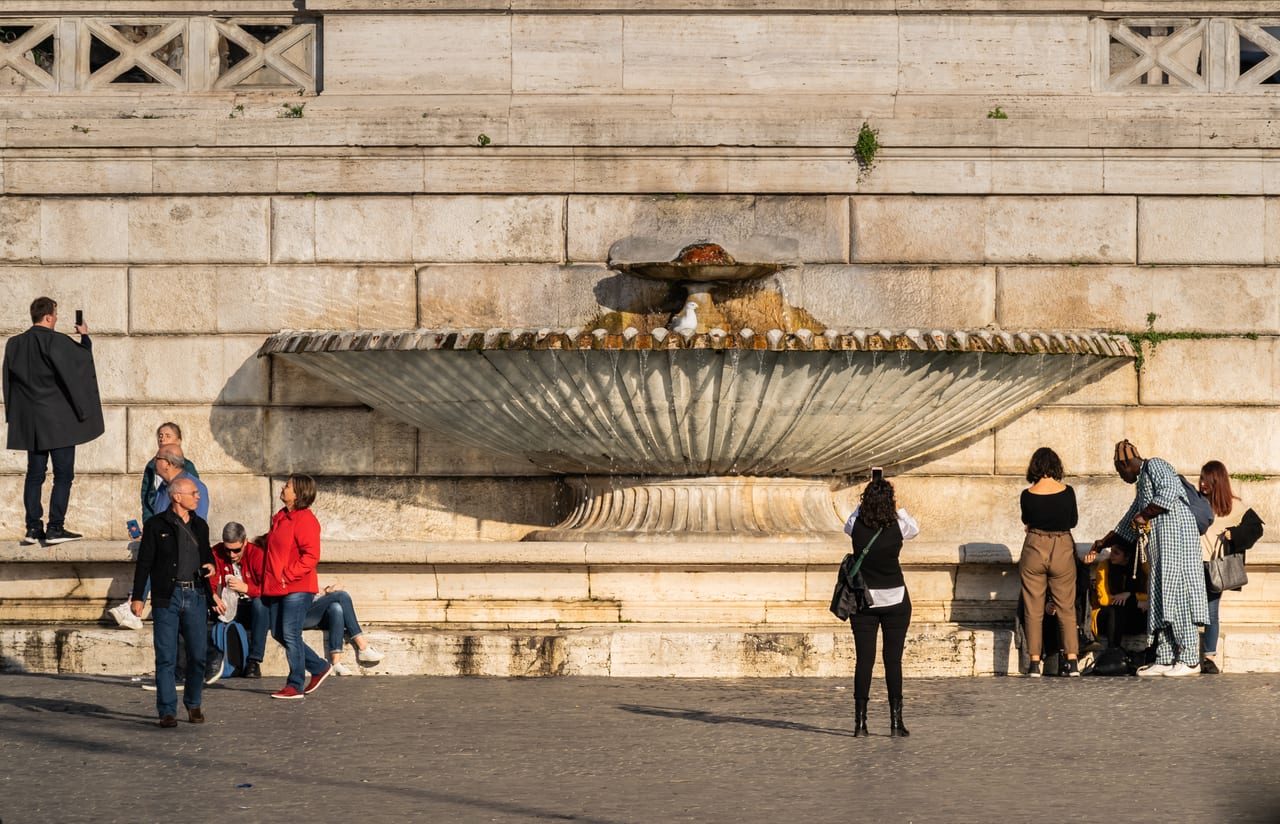
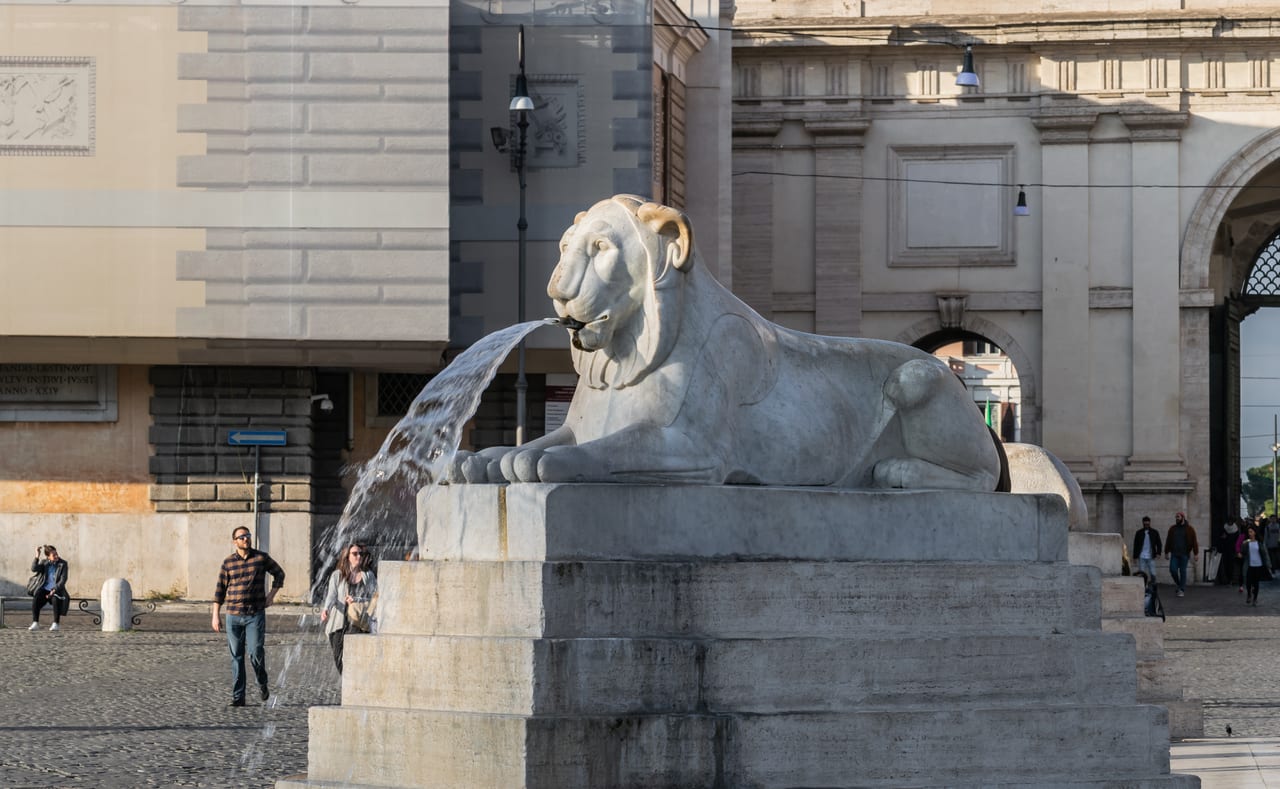
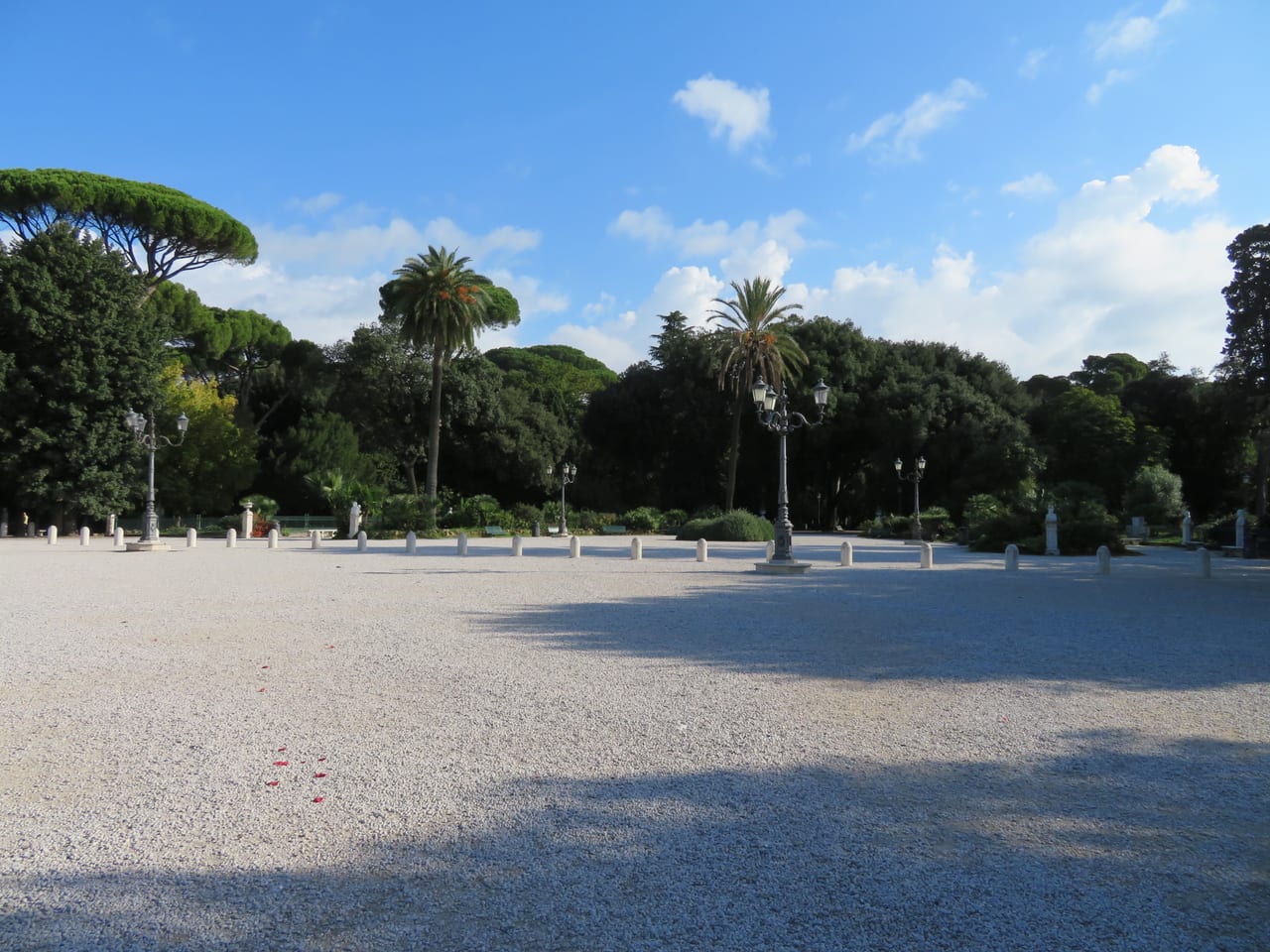
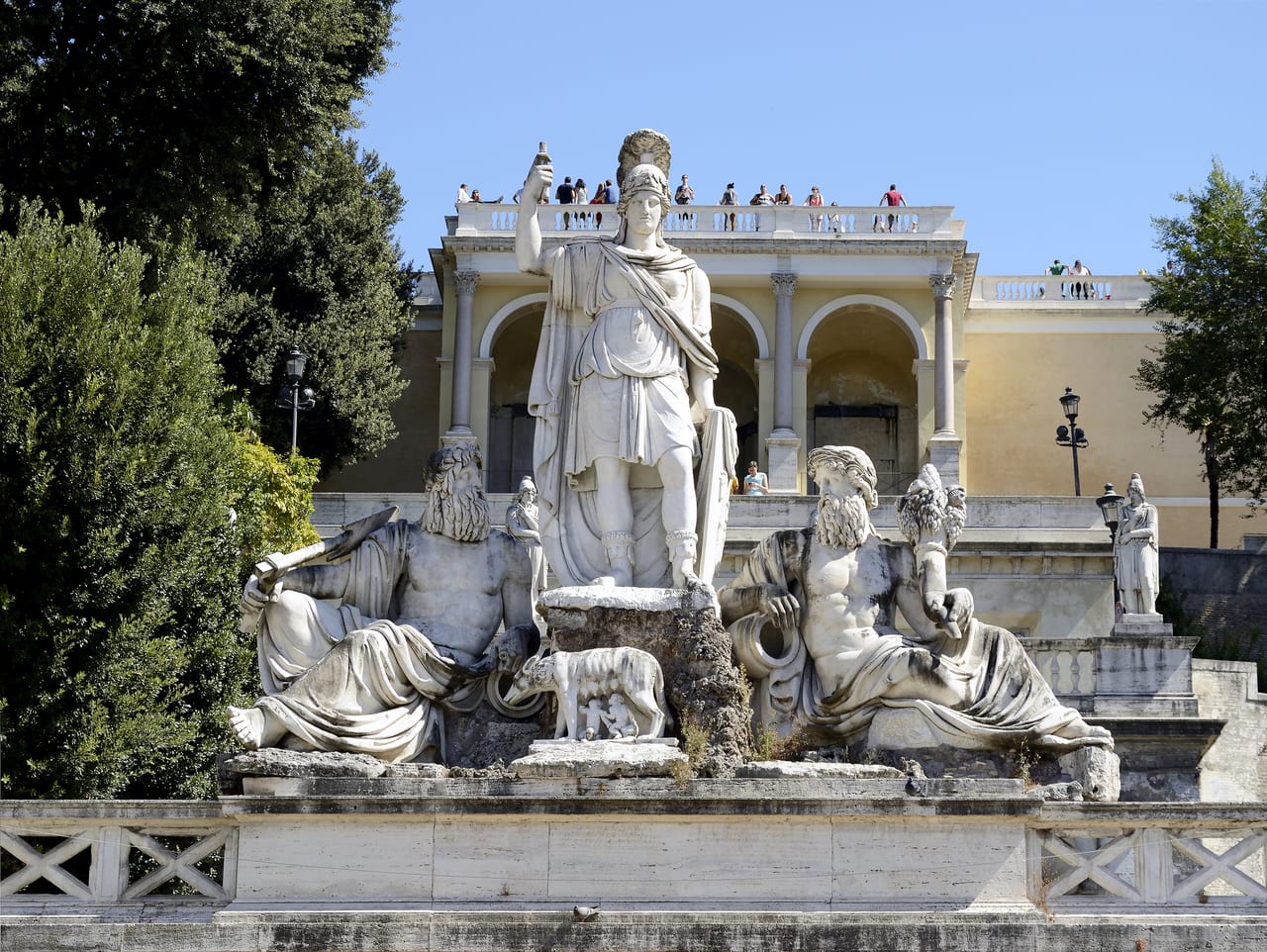
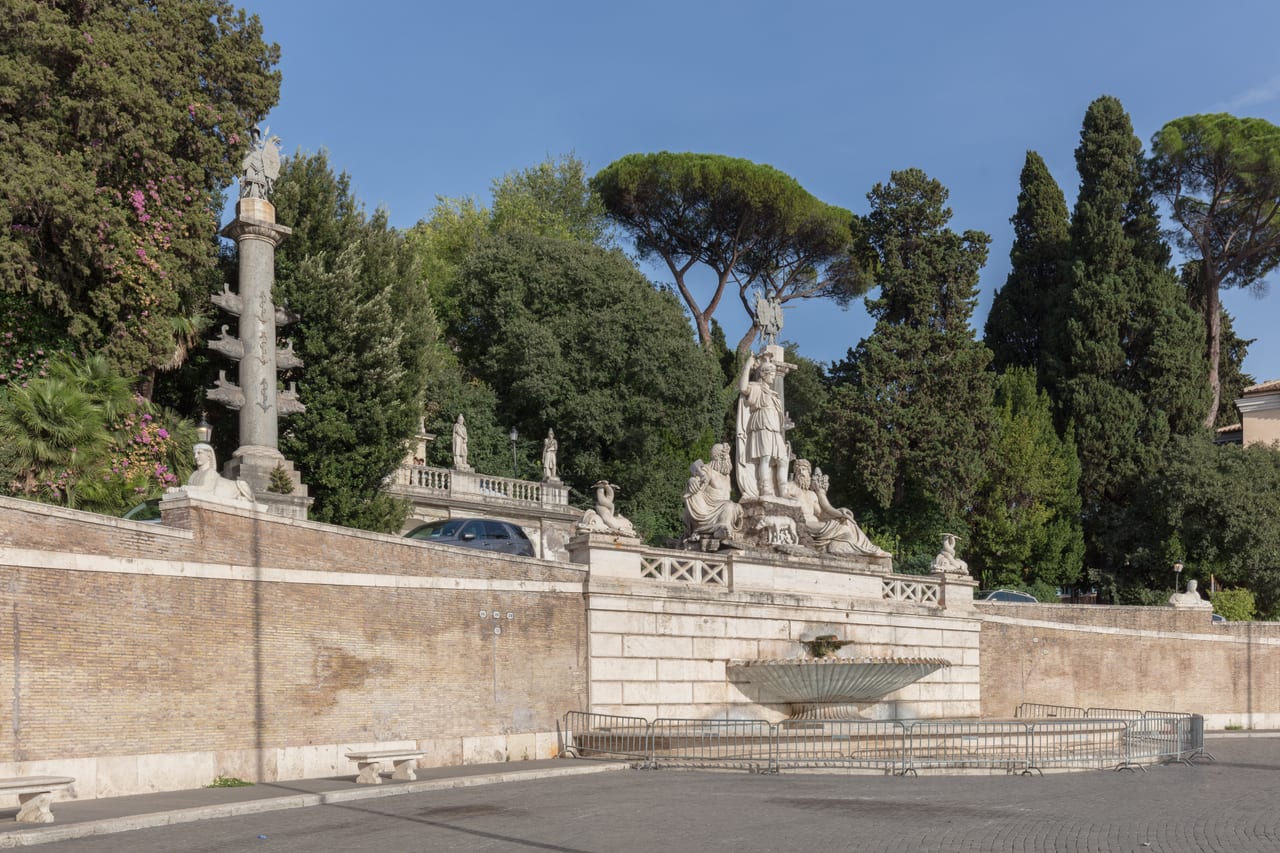
Read the piazza as a sequence of framed views rather than a single open space. Look closely at the two churches, then examine Giovanni Ceccarini’s Fontana del Nettuno and the fountain depicting Rome between the Tiber and Aniene, with Dea Roma and the she-wolf. Note the neoclassical statues of the Seasons. Use the pedestrian steps towards the Pincio, beside the waterfall, for the balustraded lookout, triple-arched nymphaeum and formally planted bosquets.
Places to stay near piazza del Popolo

Live availability and prices from Stay22's partners, refreshed periodically and subject to change. Booking through these links may earn us a commission at no extra cost to you. See our privacy policy.
Cafés near piazza del Popolo
Cafés near piazza del Popolo loads as you scroll.
Attractions nearby
Attractions near piazza del Popolo loads as you scroll.
Cities nearby
Cities nearby loads as you scroll.
More in Rome
See more of Rome.
Find great cafés, places to stay and other interesting places to visit in Rome.