Church · Rome
Pantheon
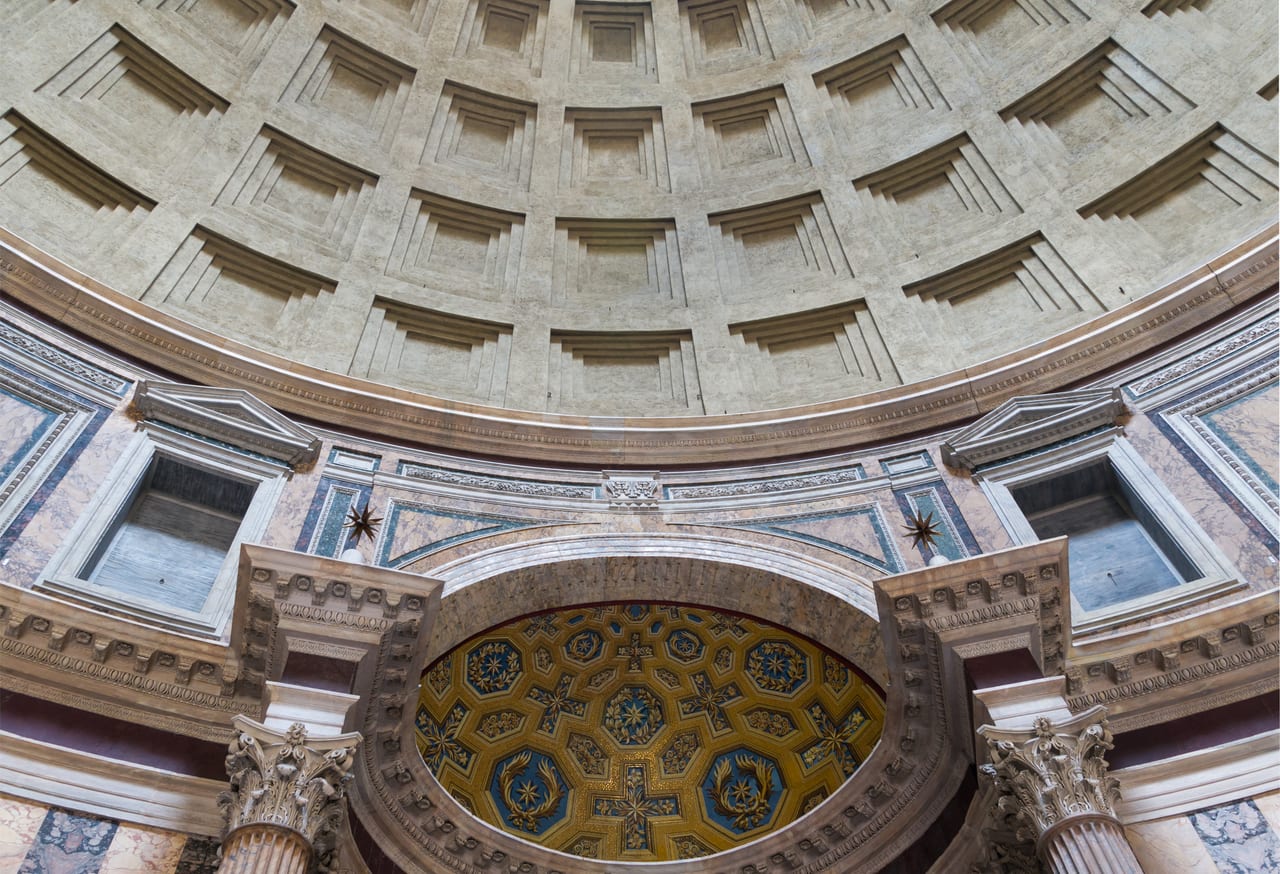
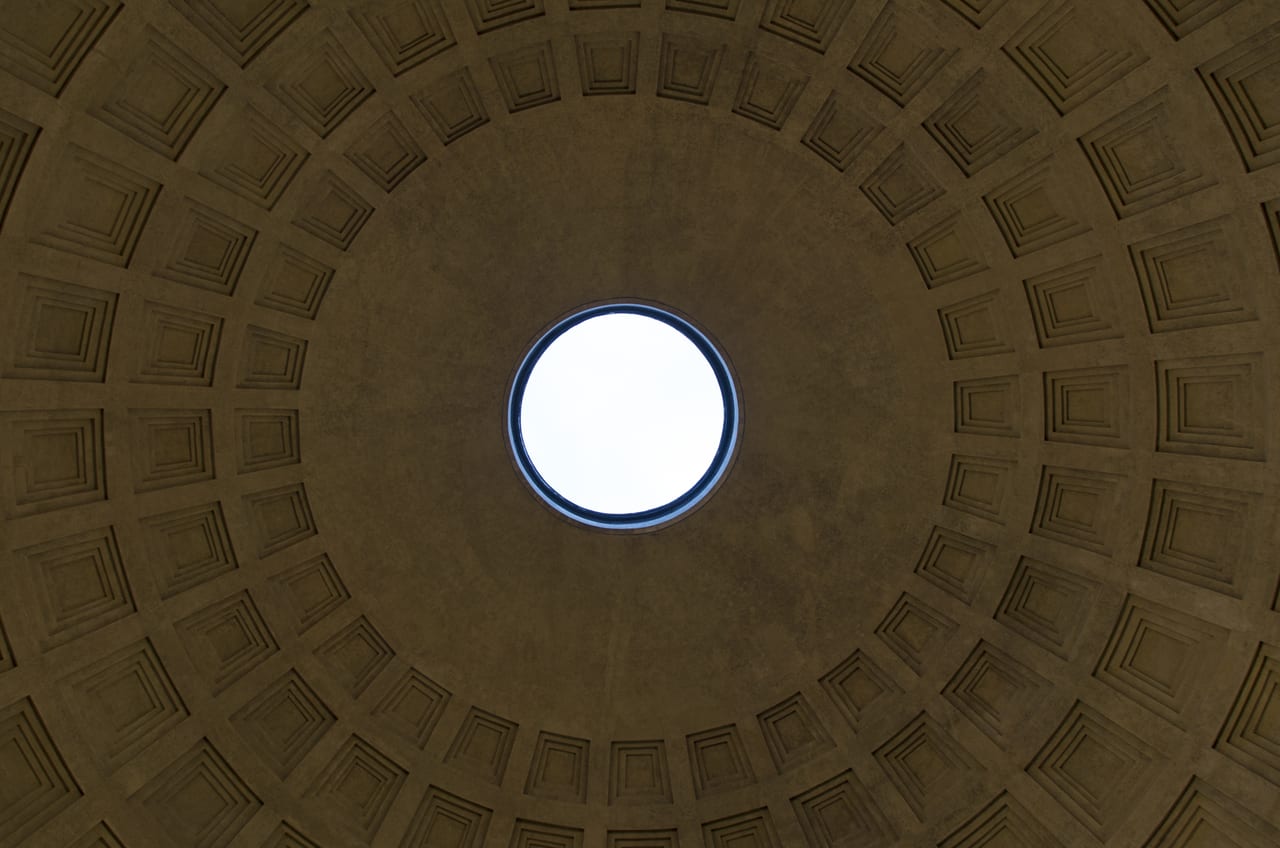
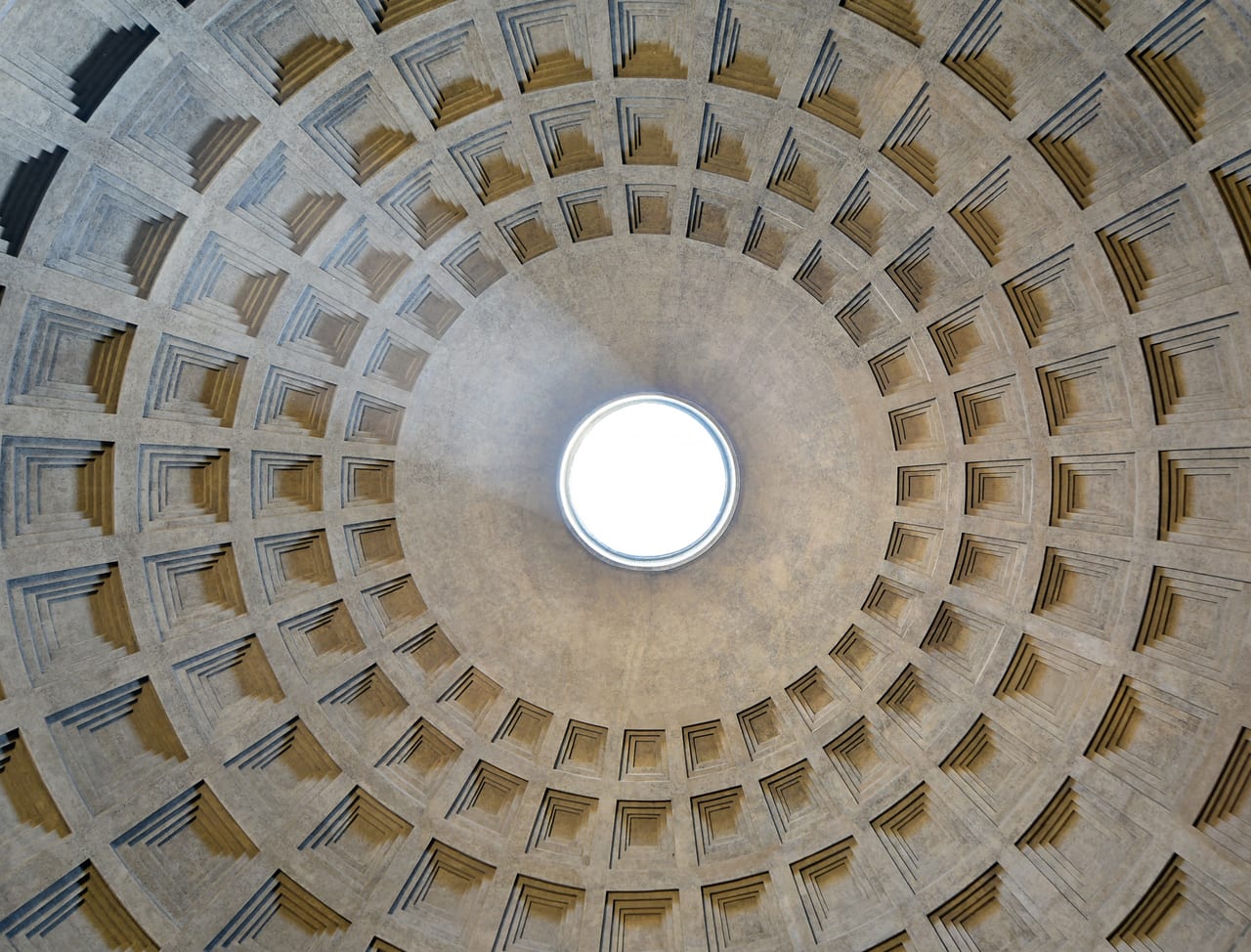
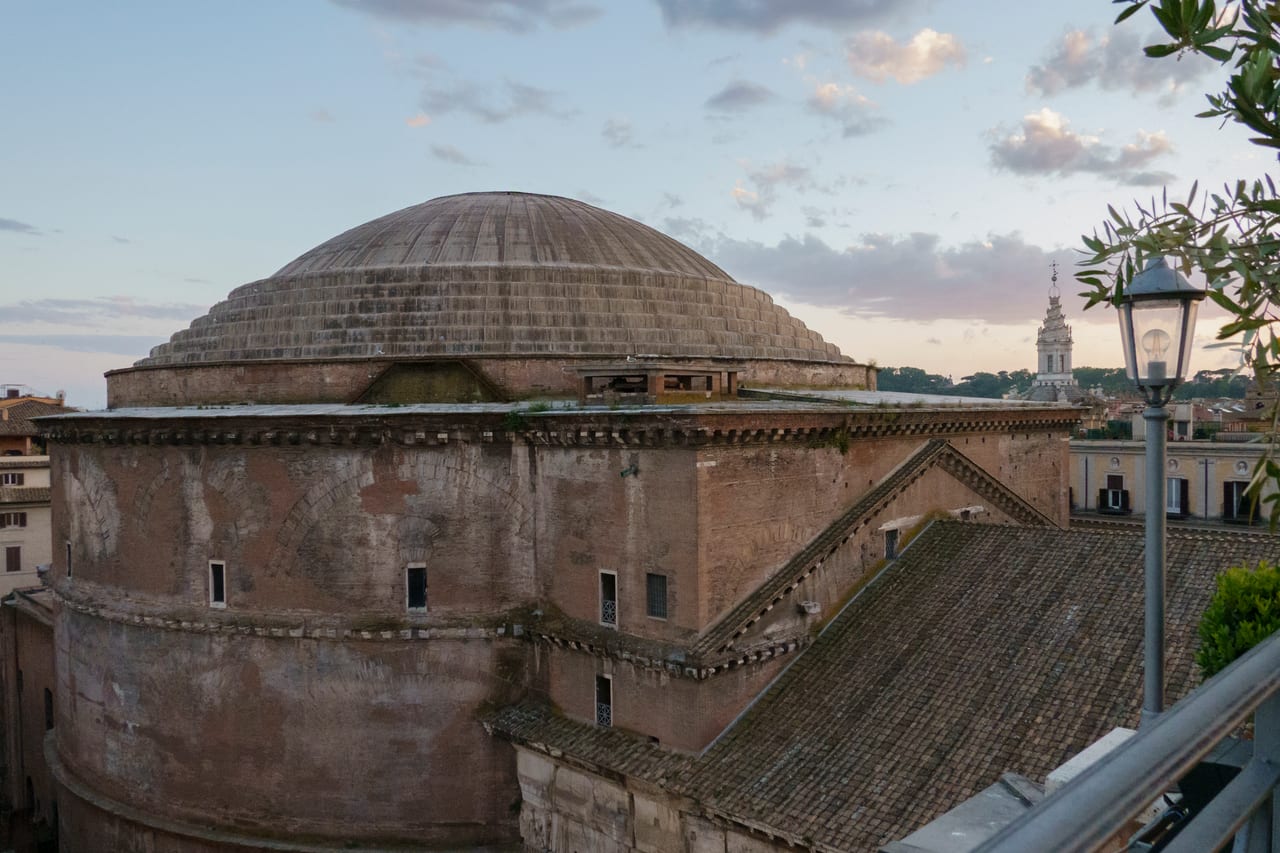
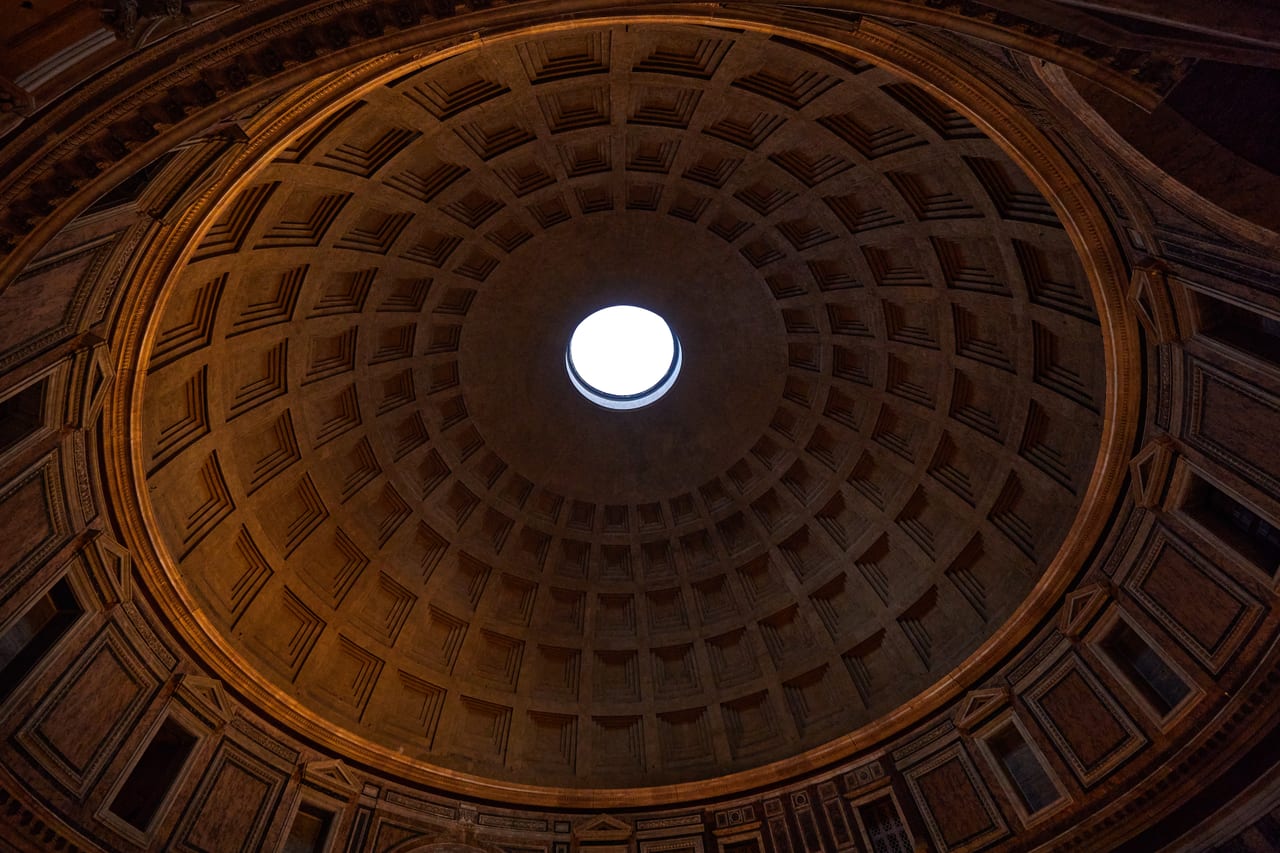
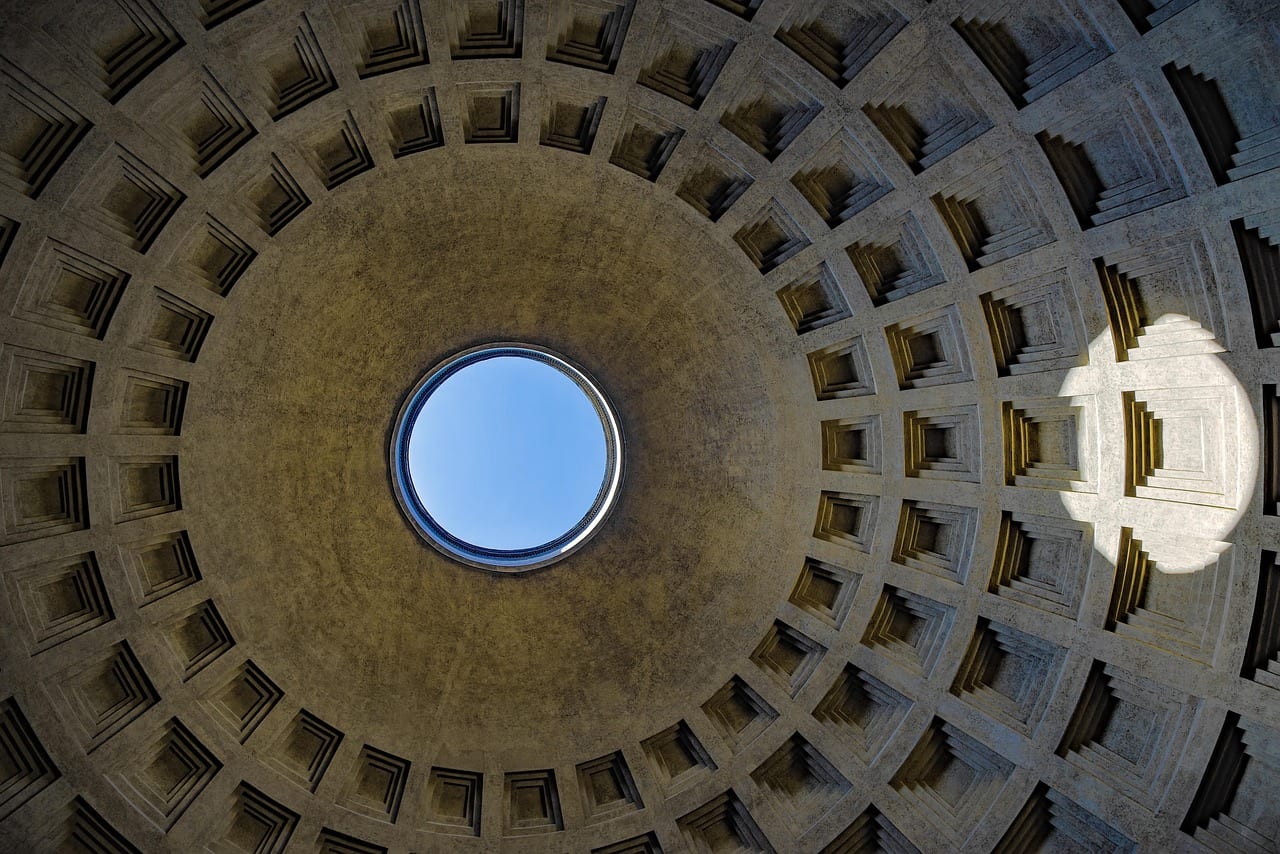
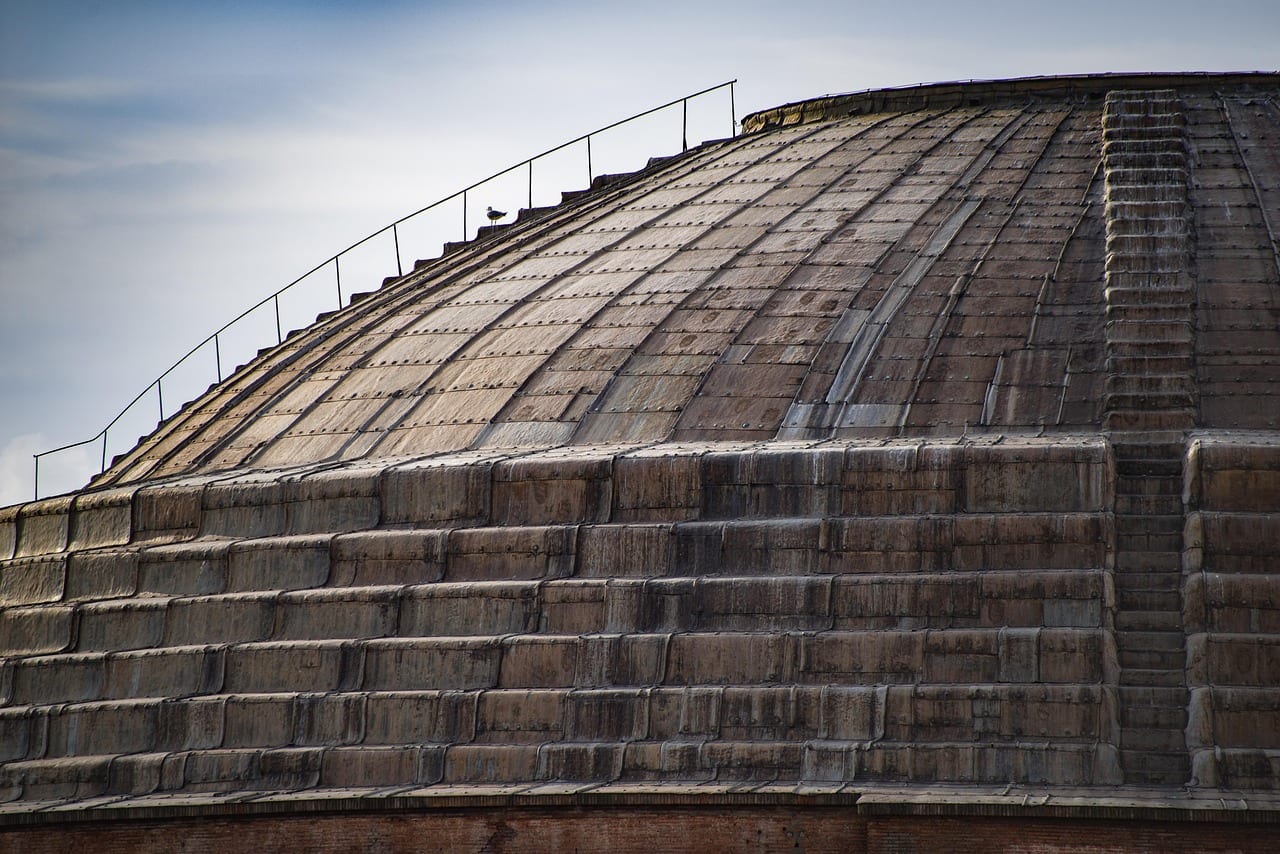
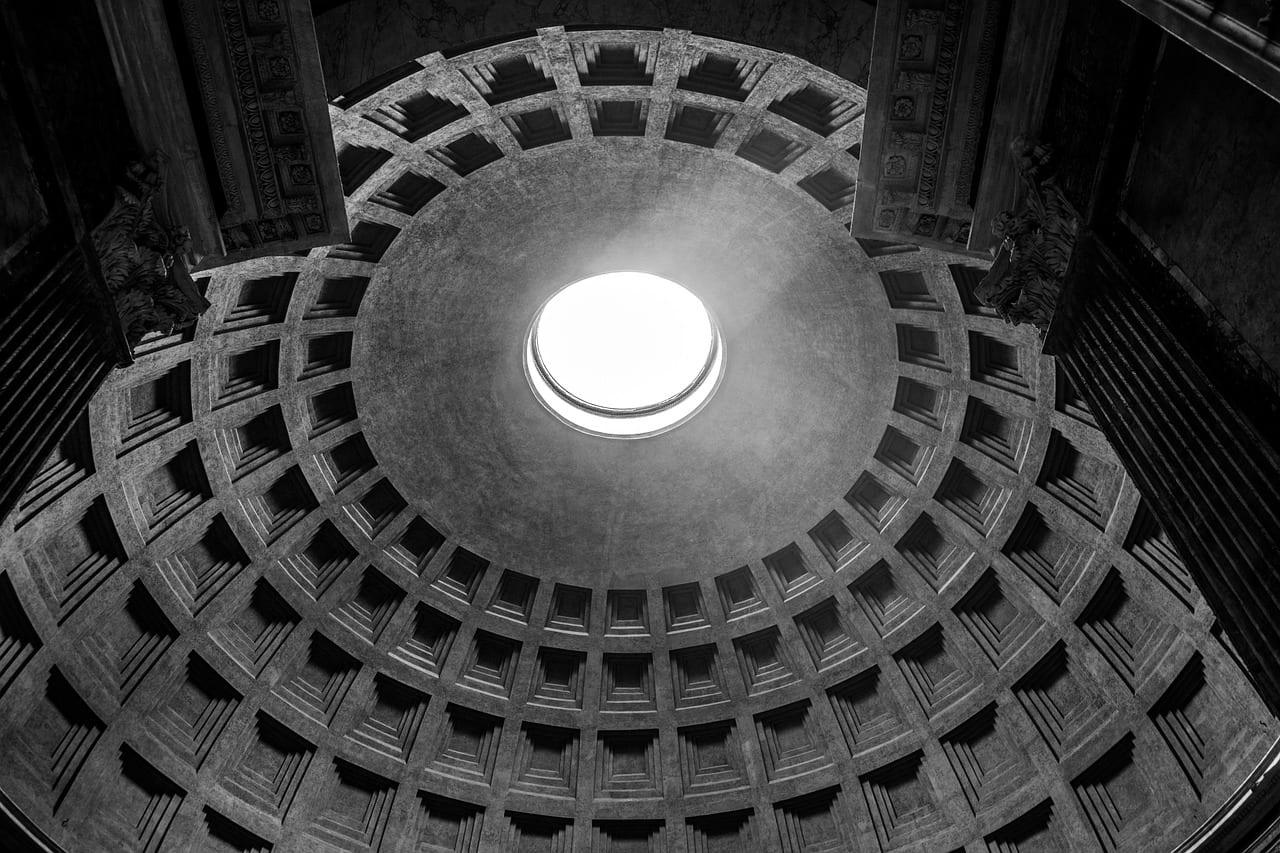
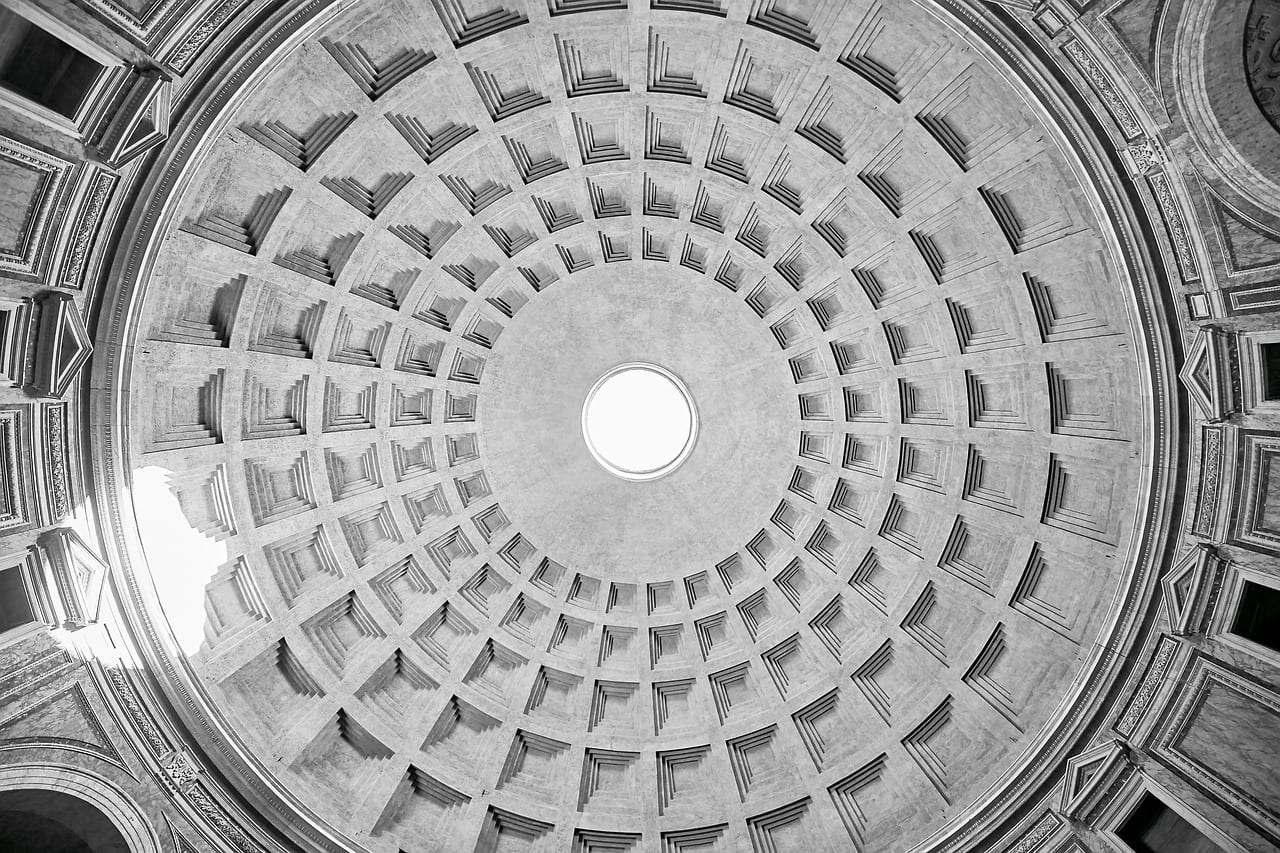
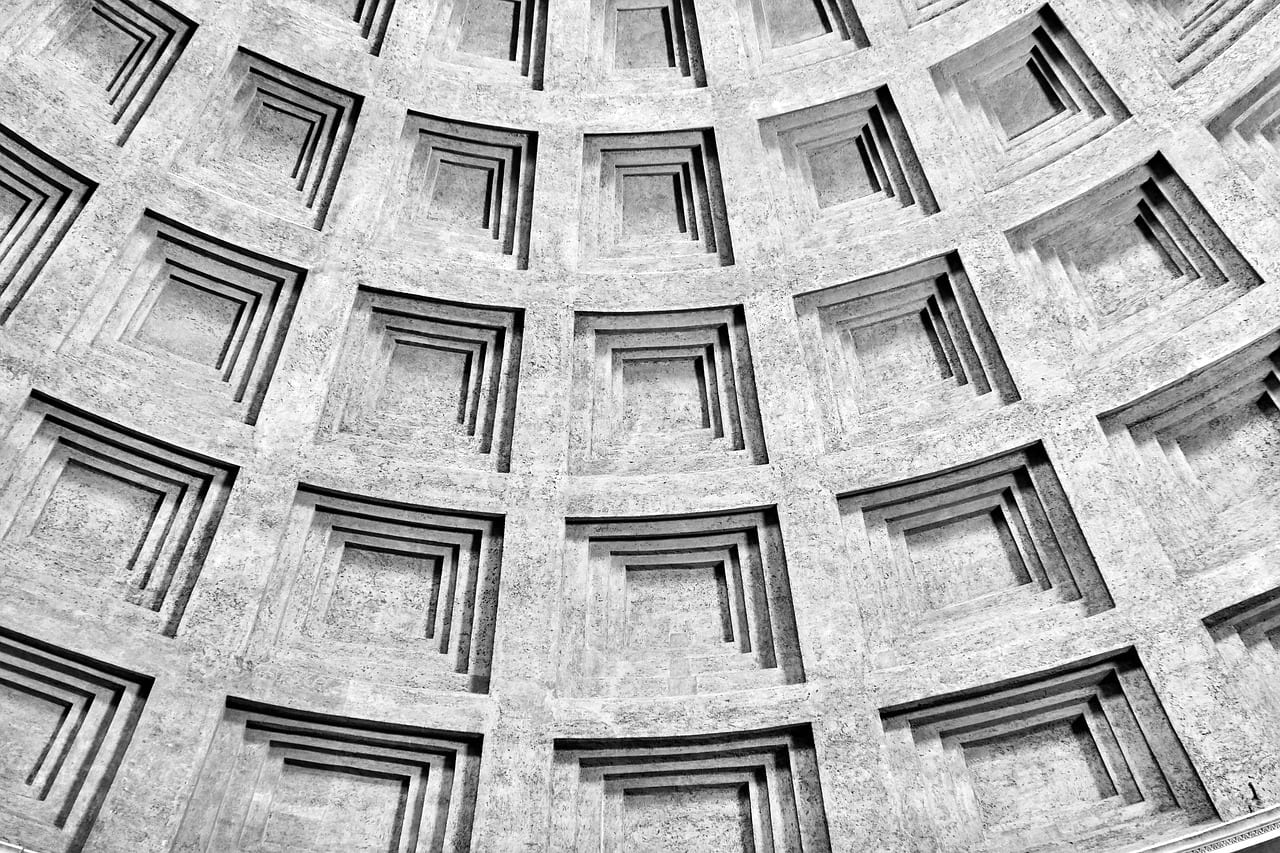
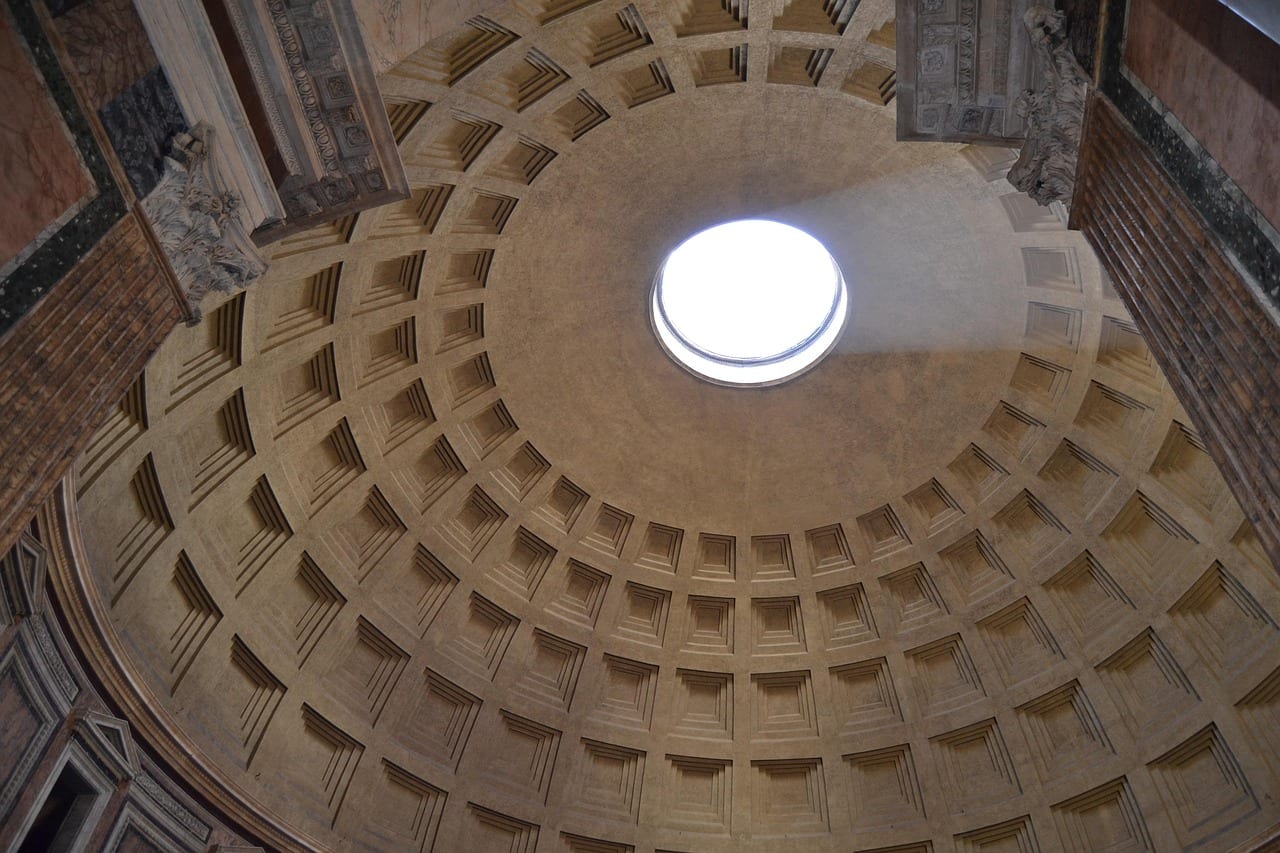
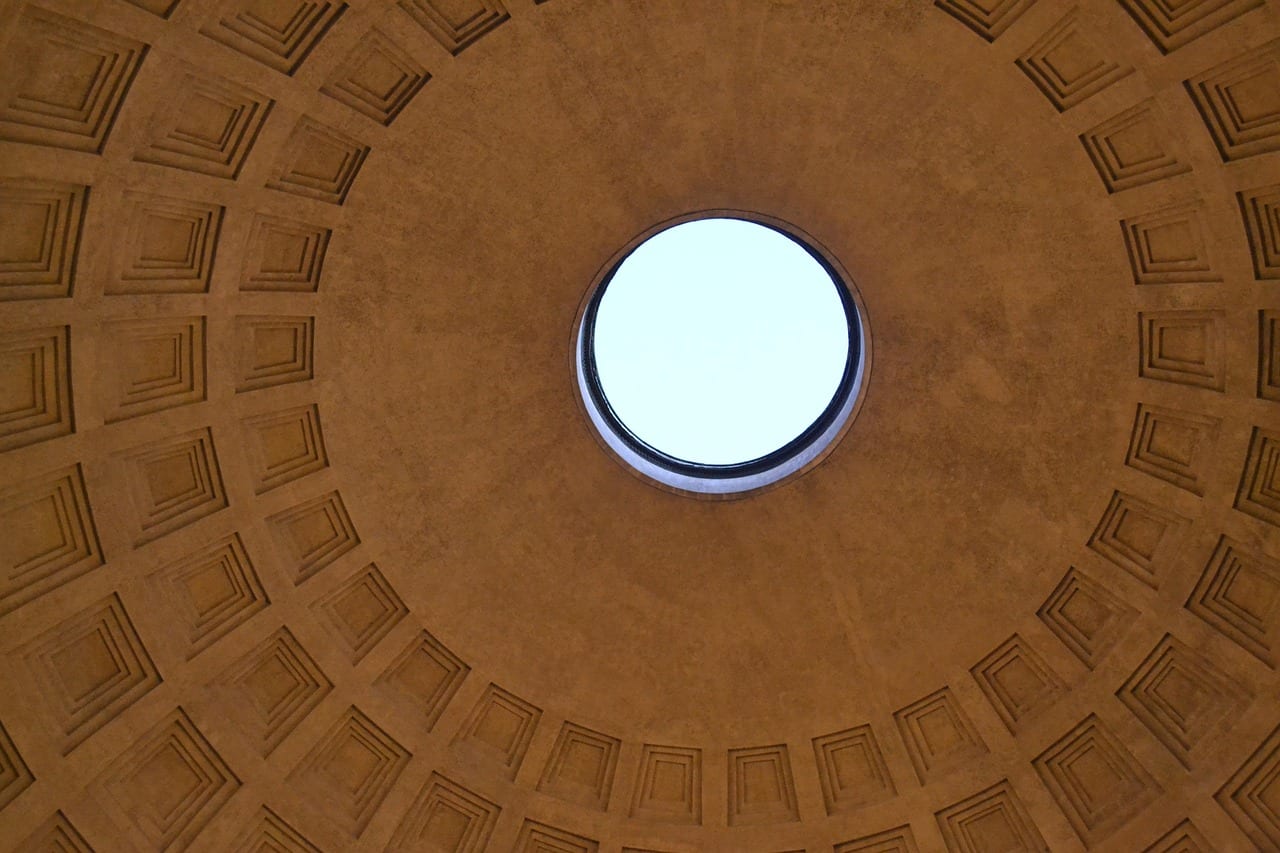
DirectionsNearly two millennia after its construction, the Pantheon still has the world’s largest dome made entirely of unreinforced concrete.
Photograph 1 of 51 of Pantheon
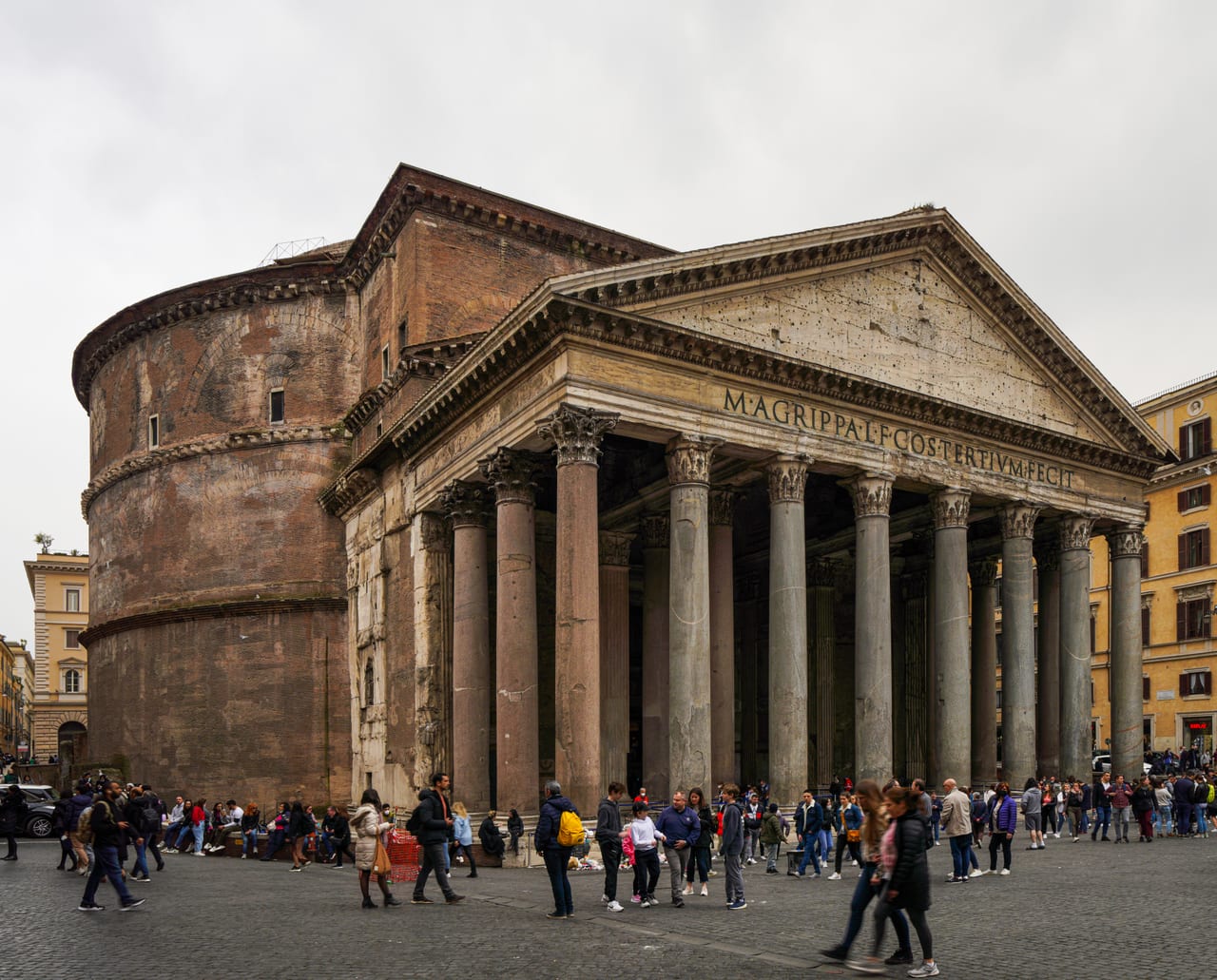
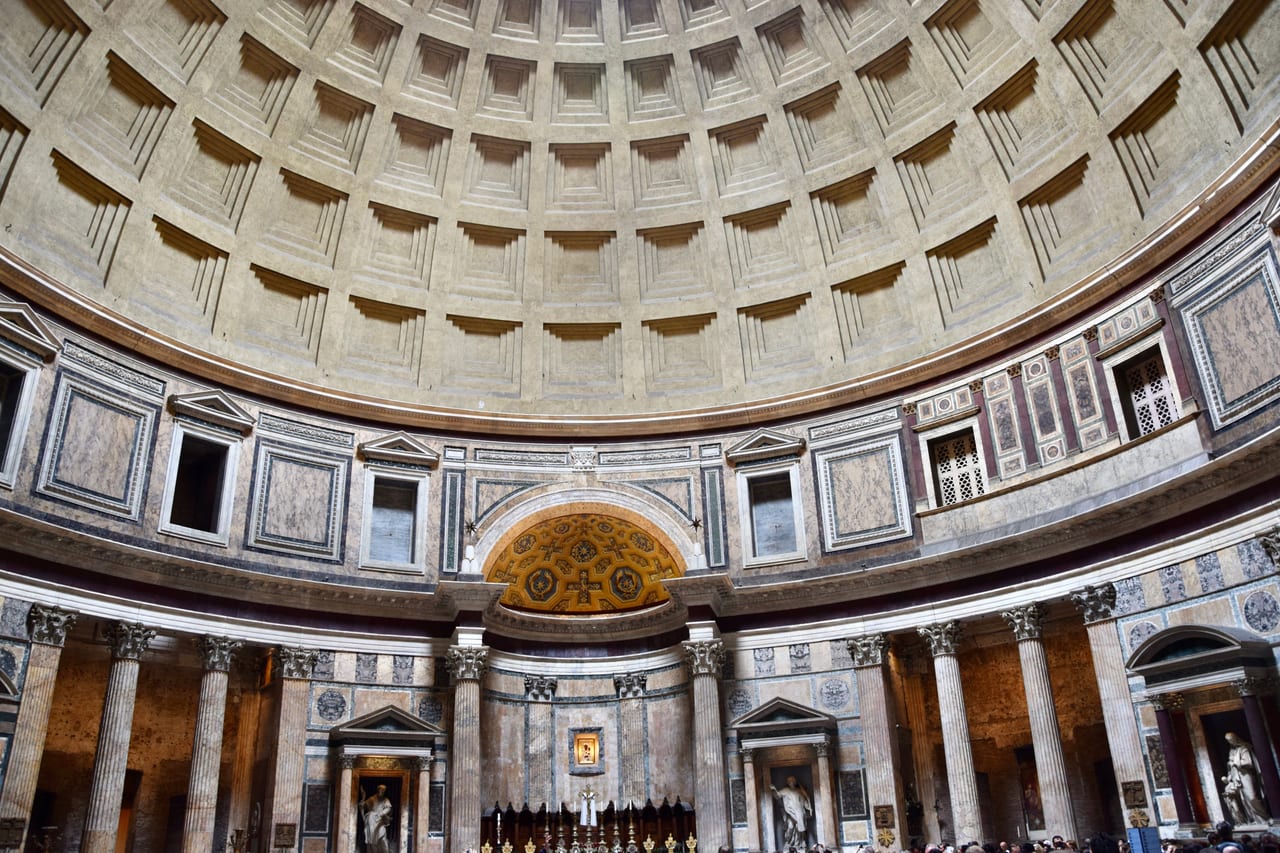
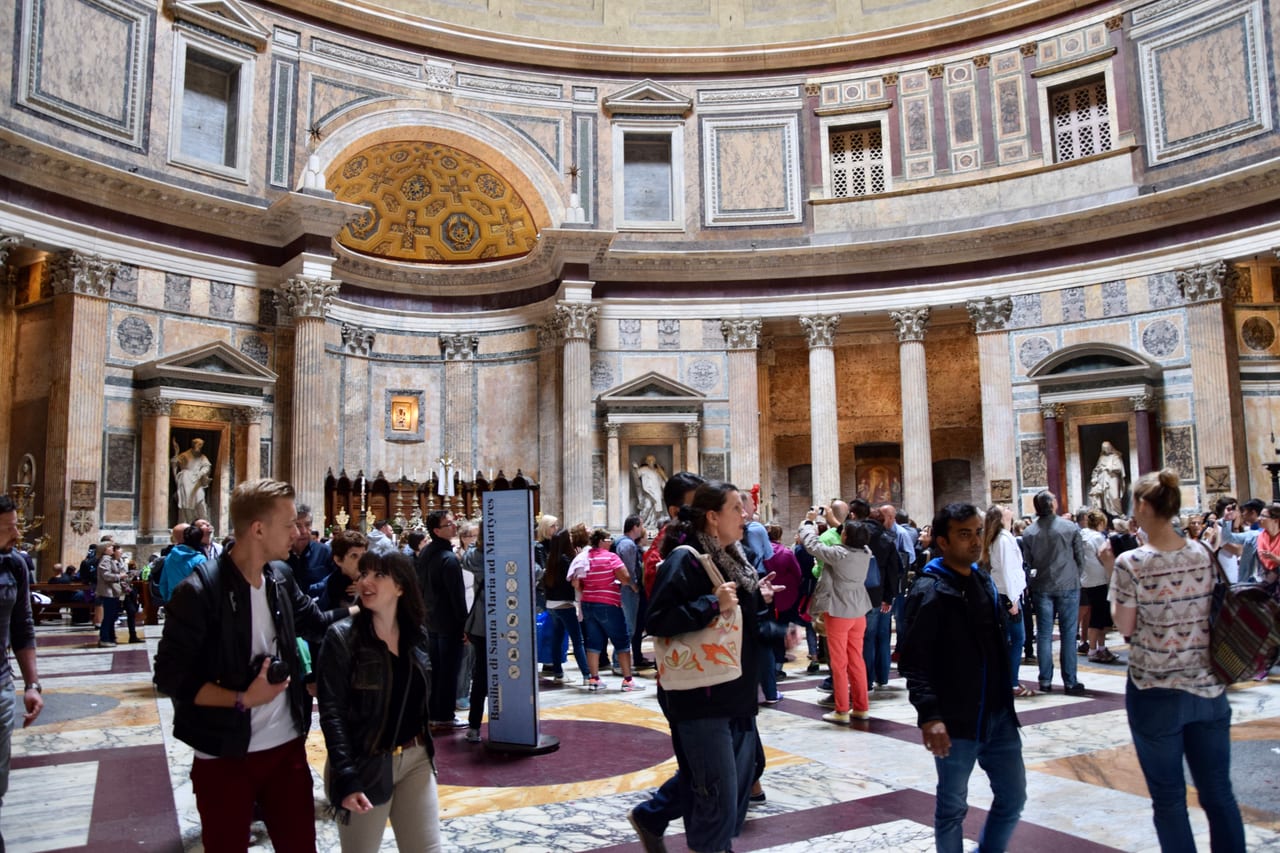
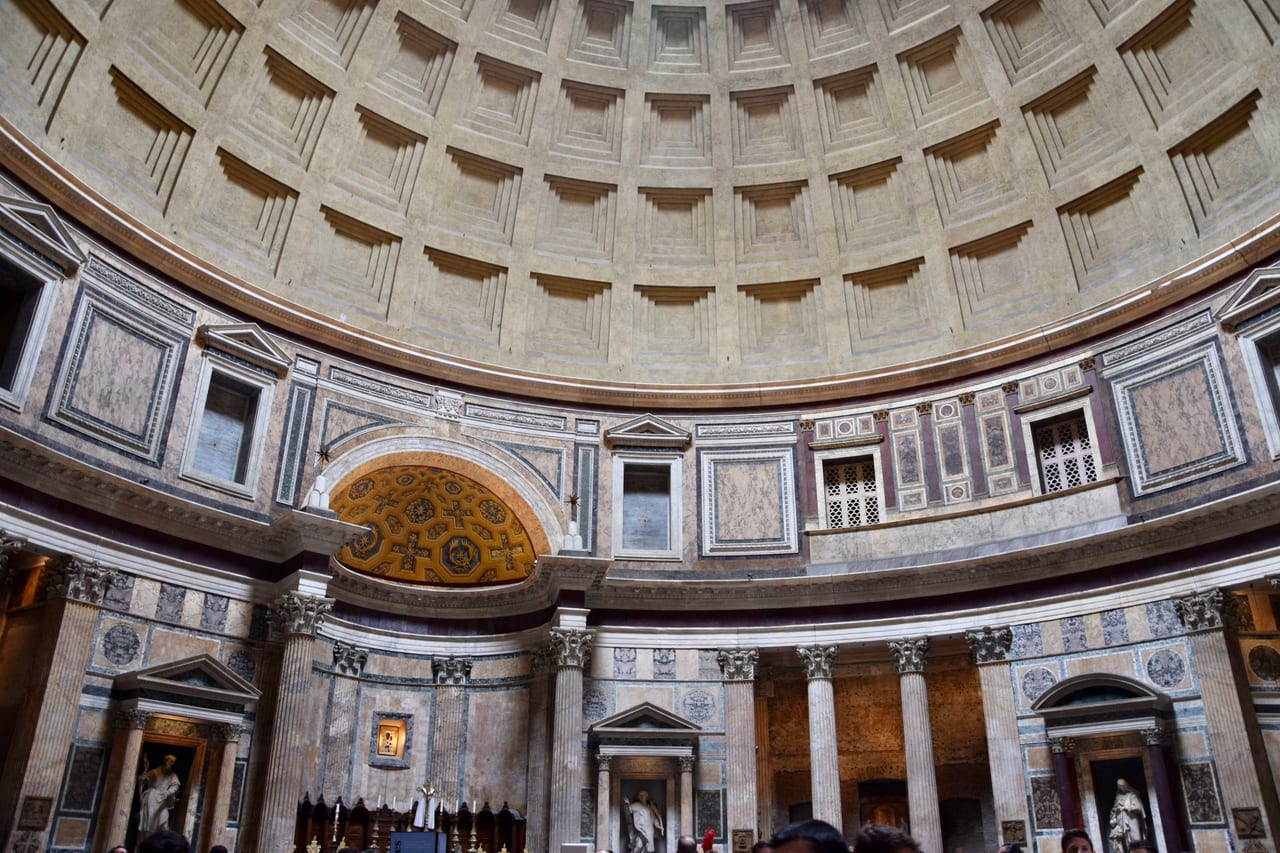
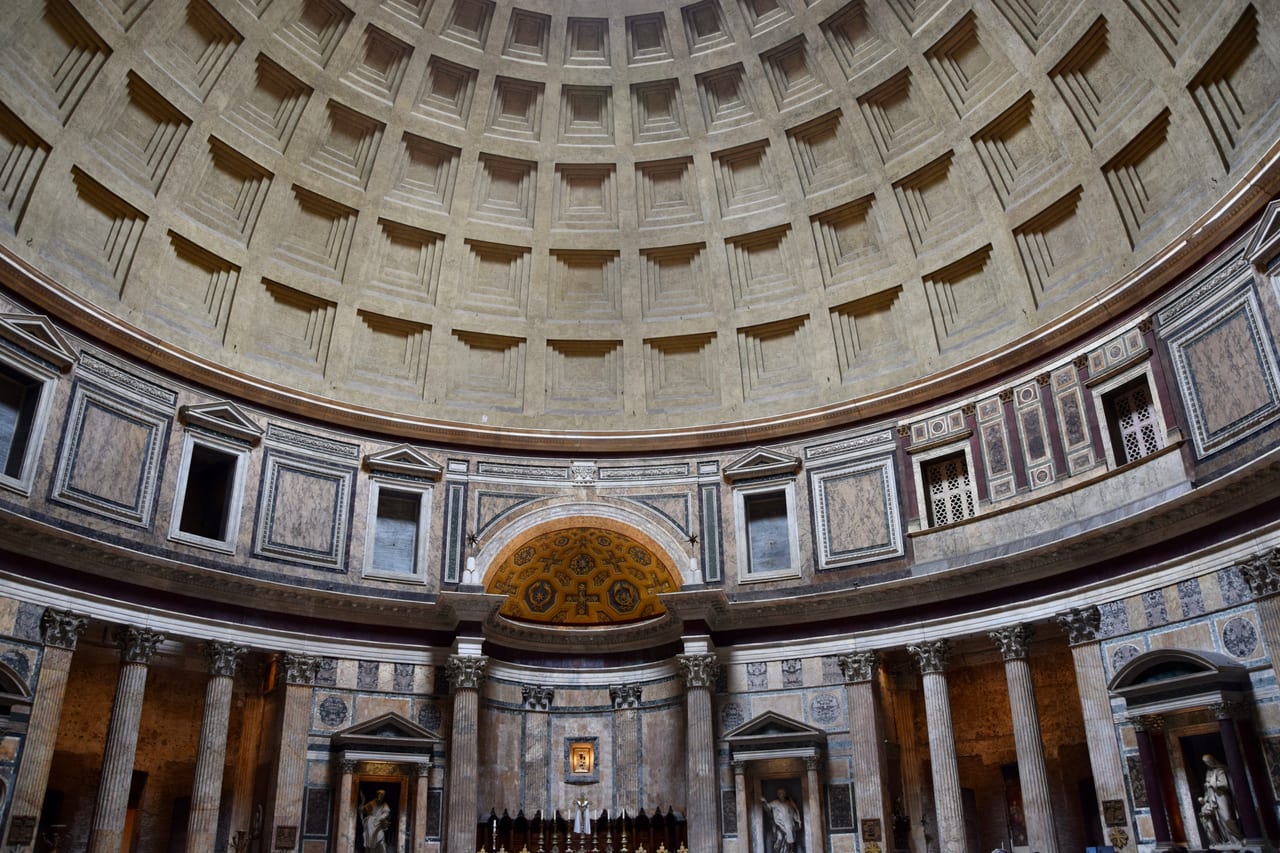
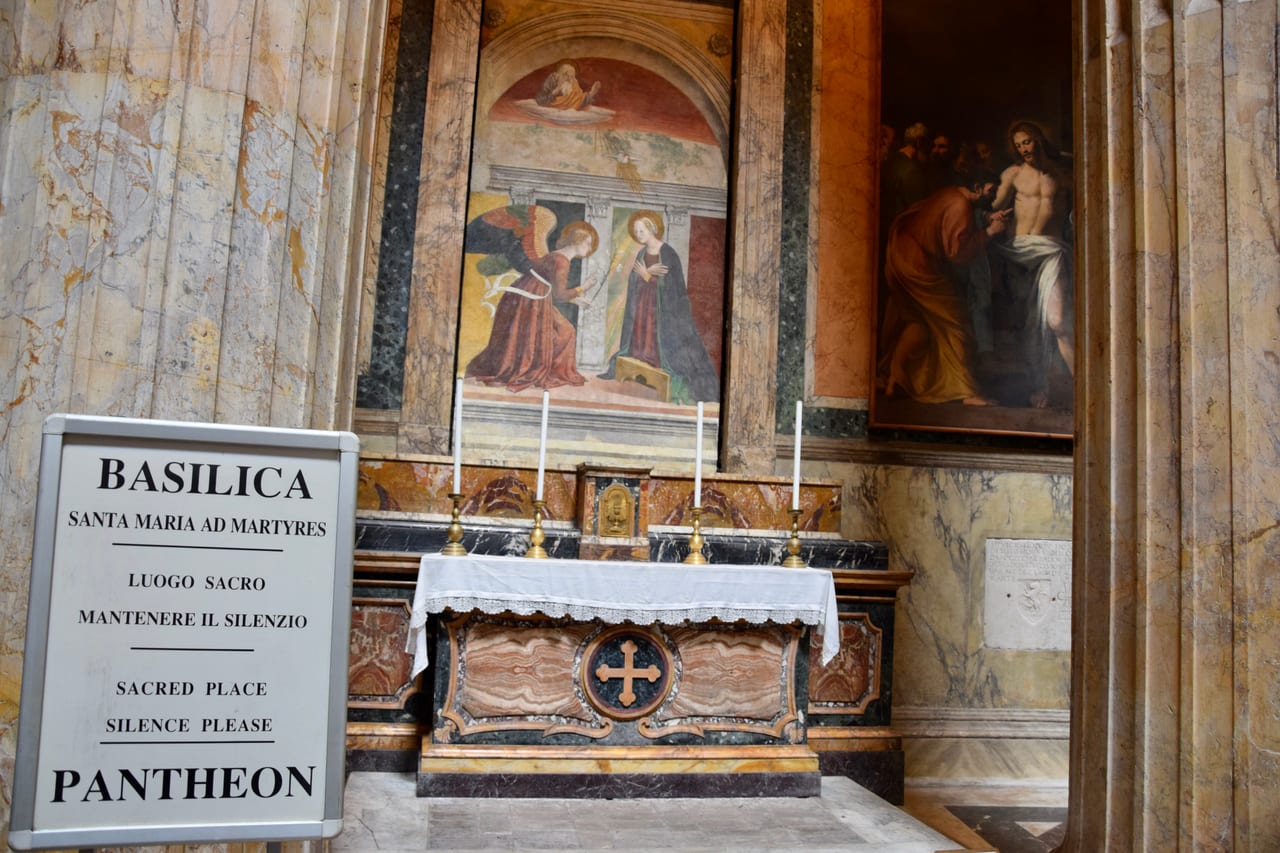
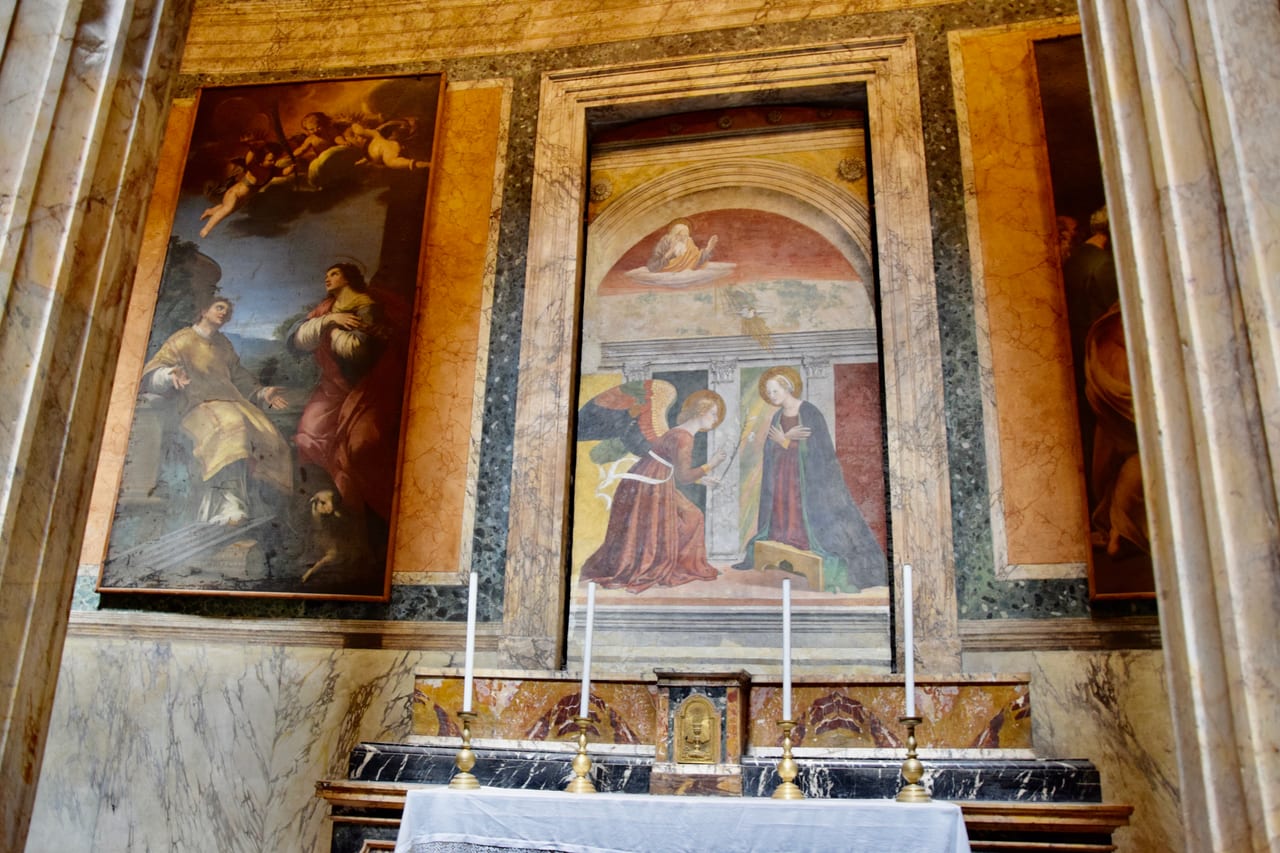
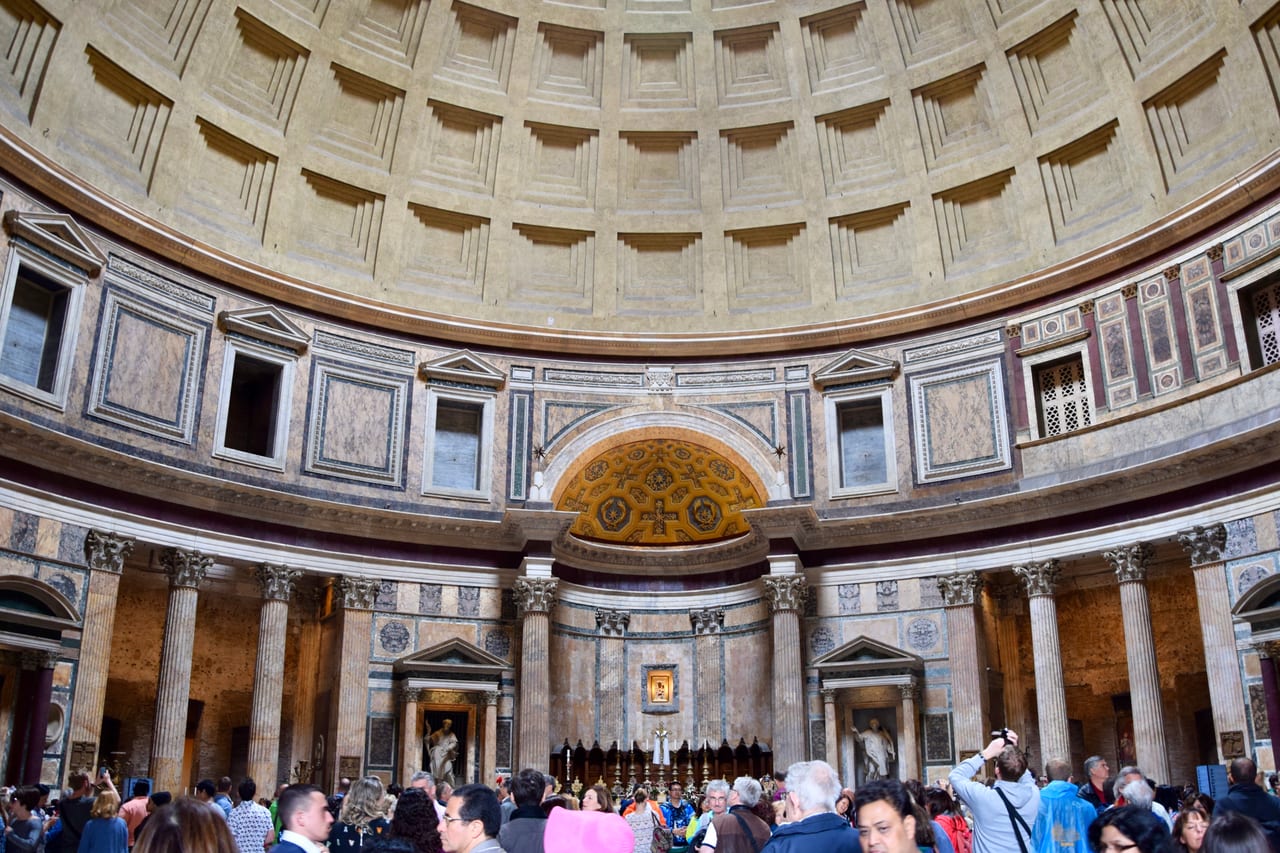
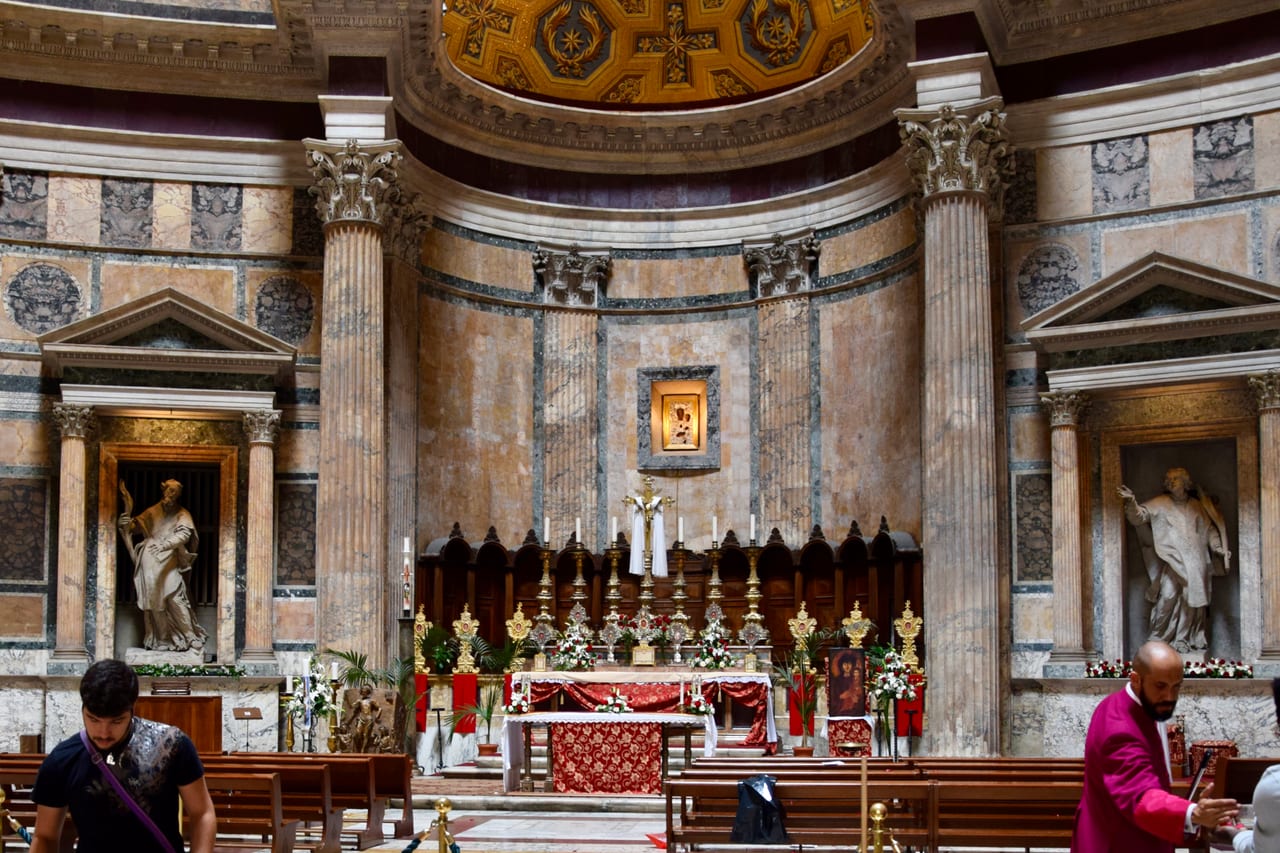
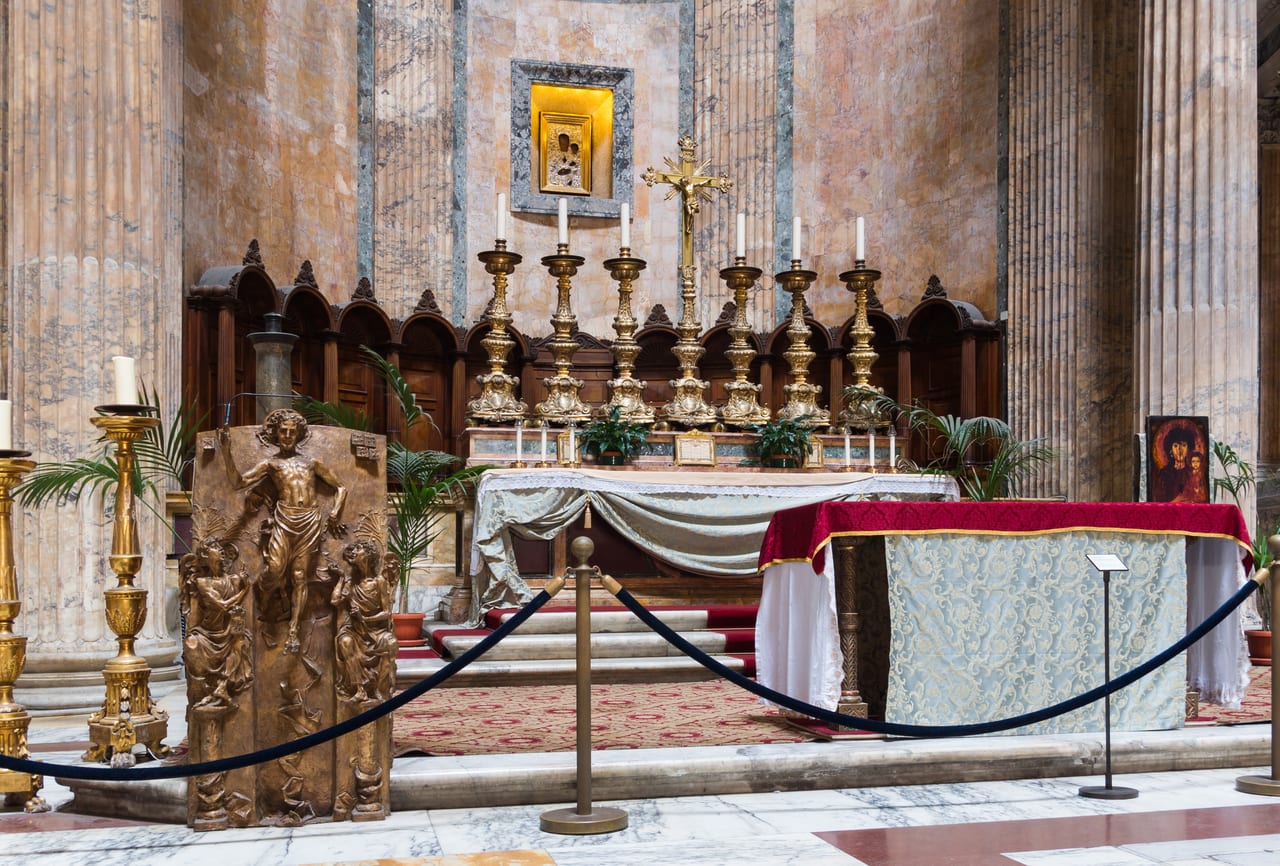
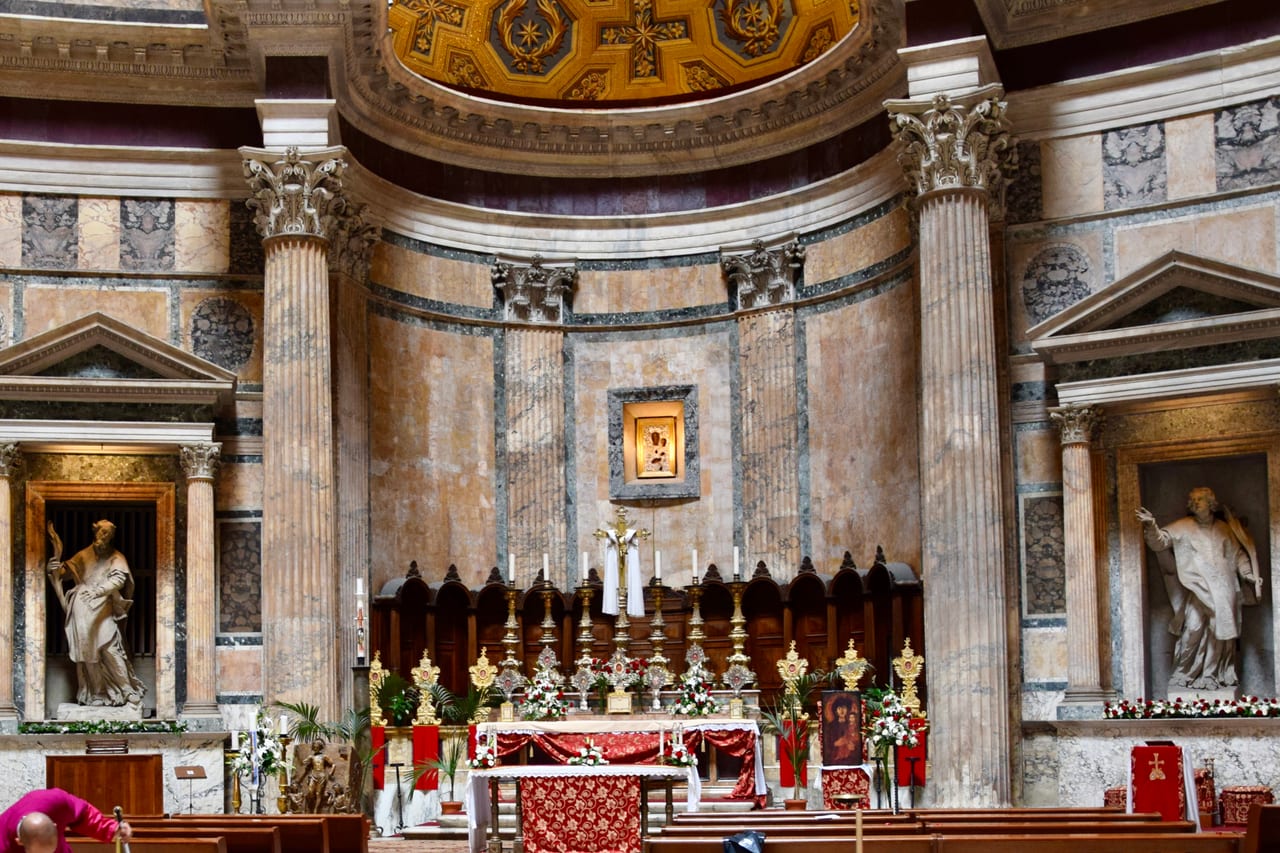
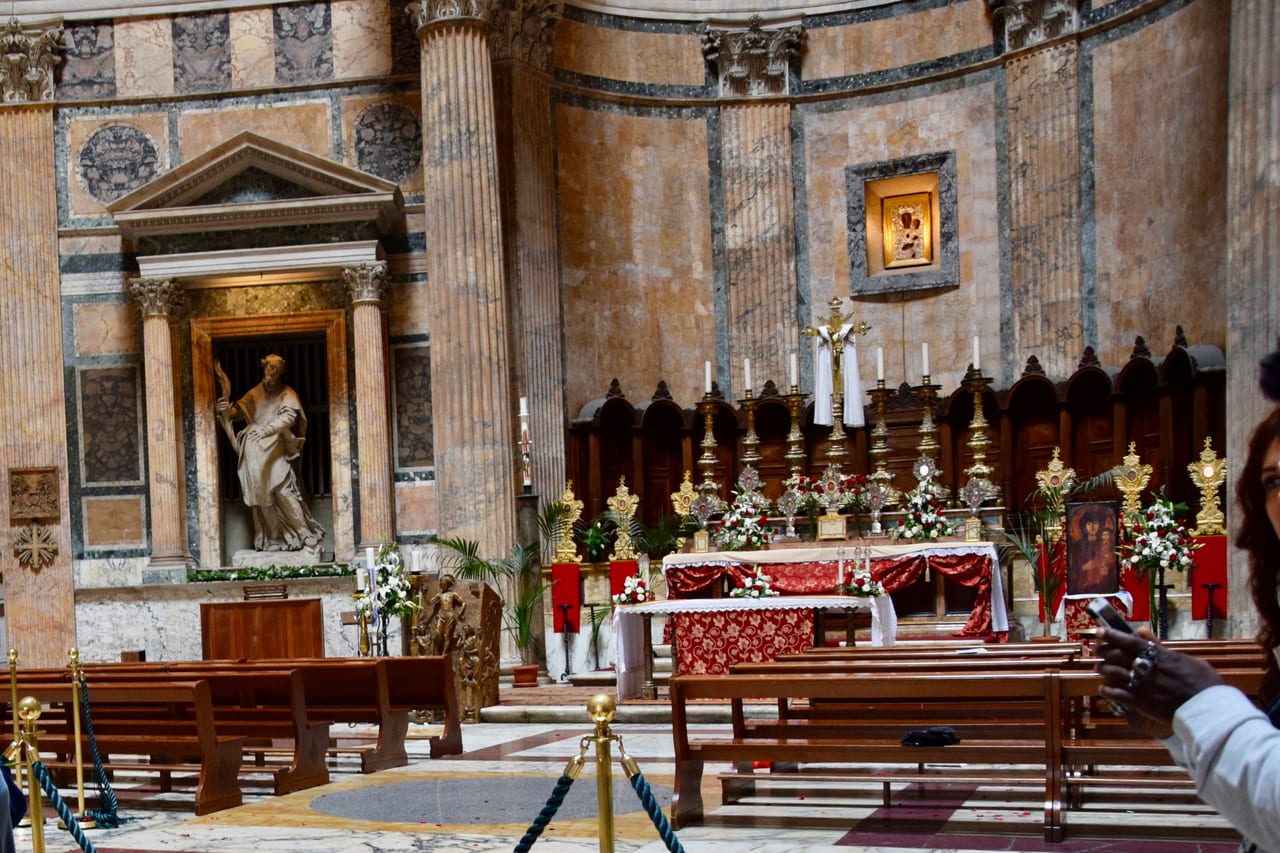
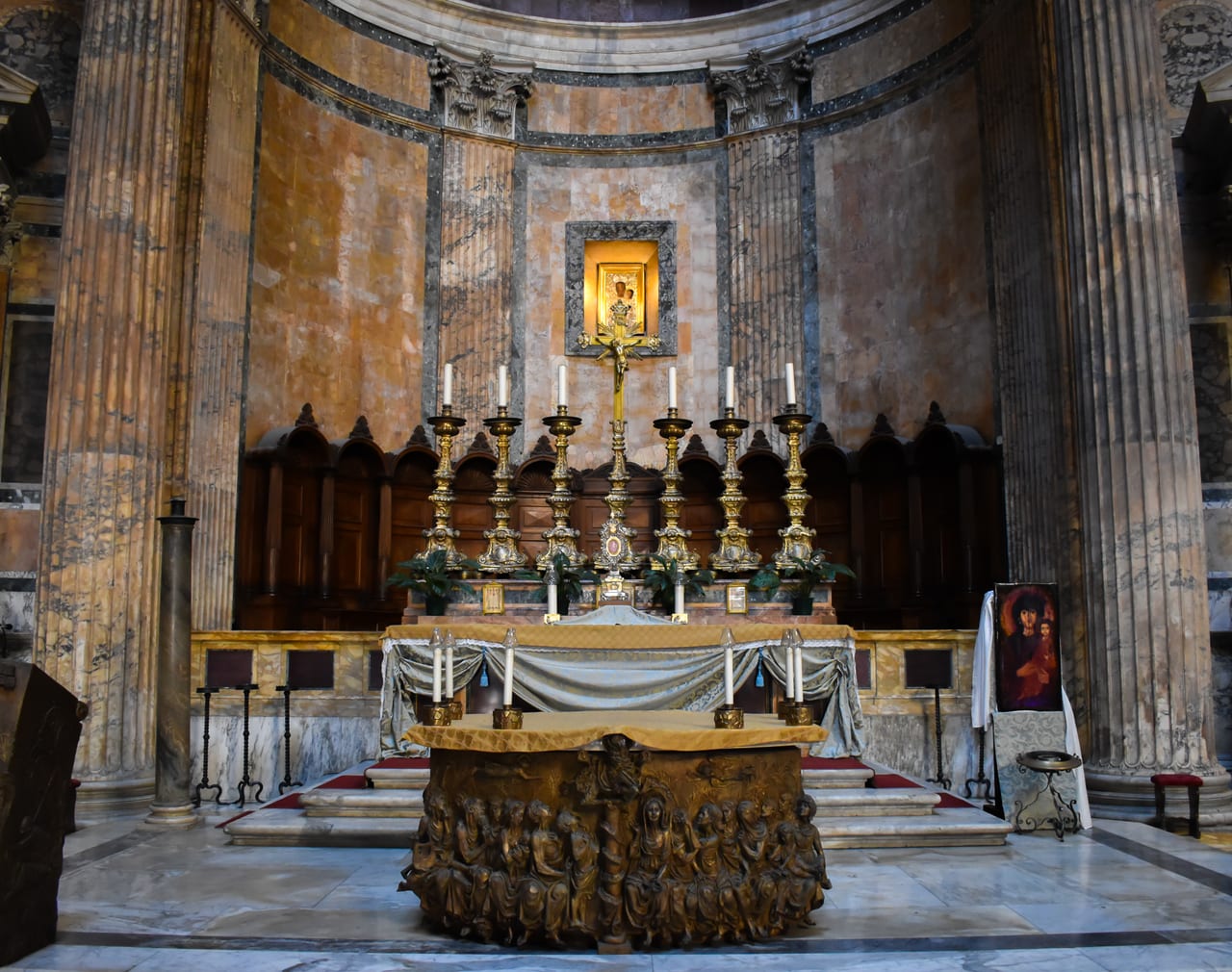
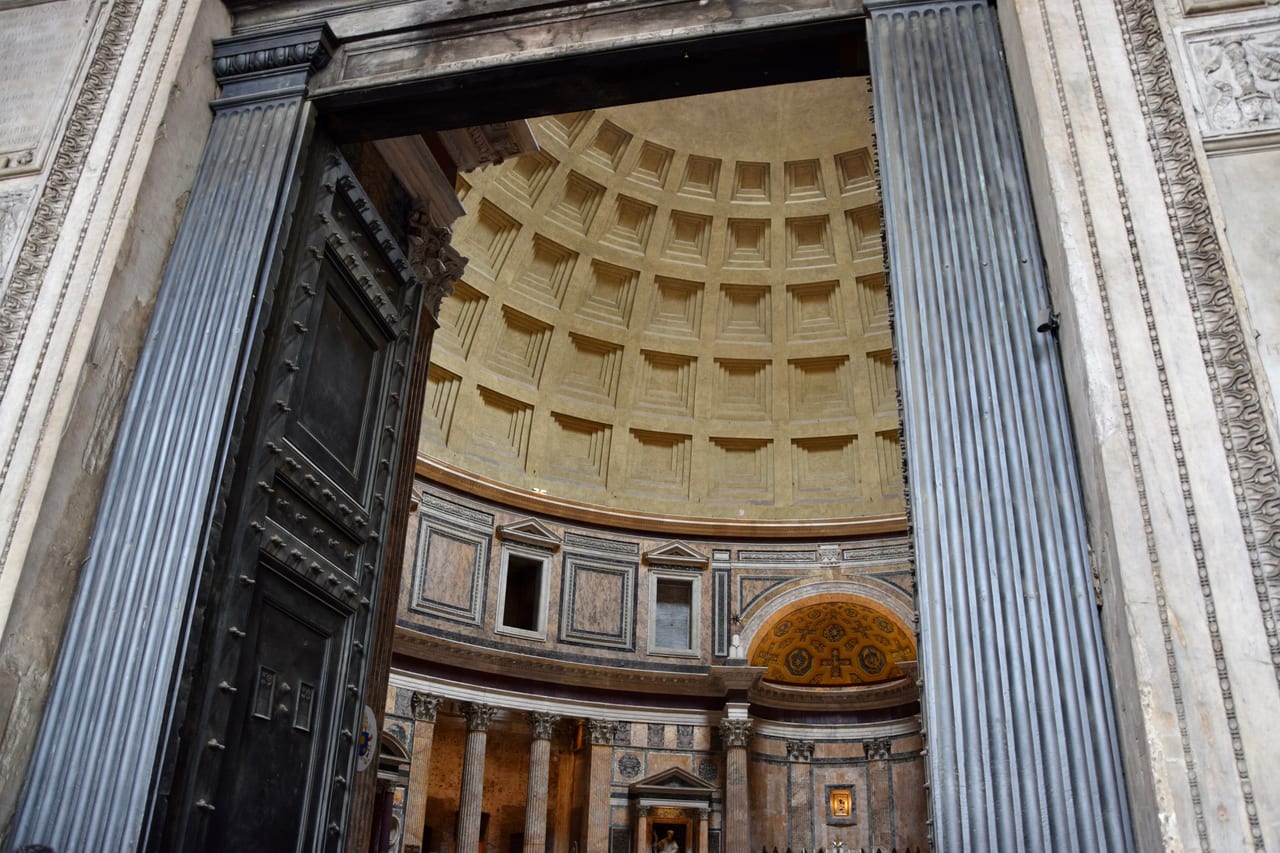
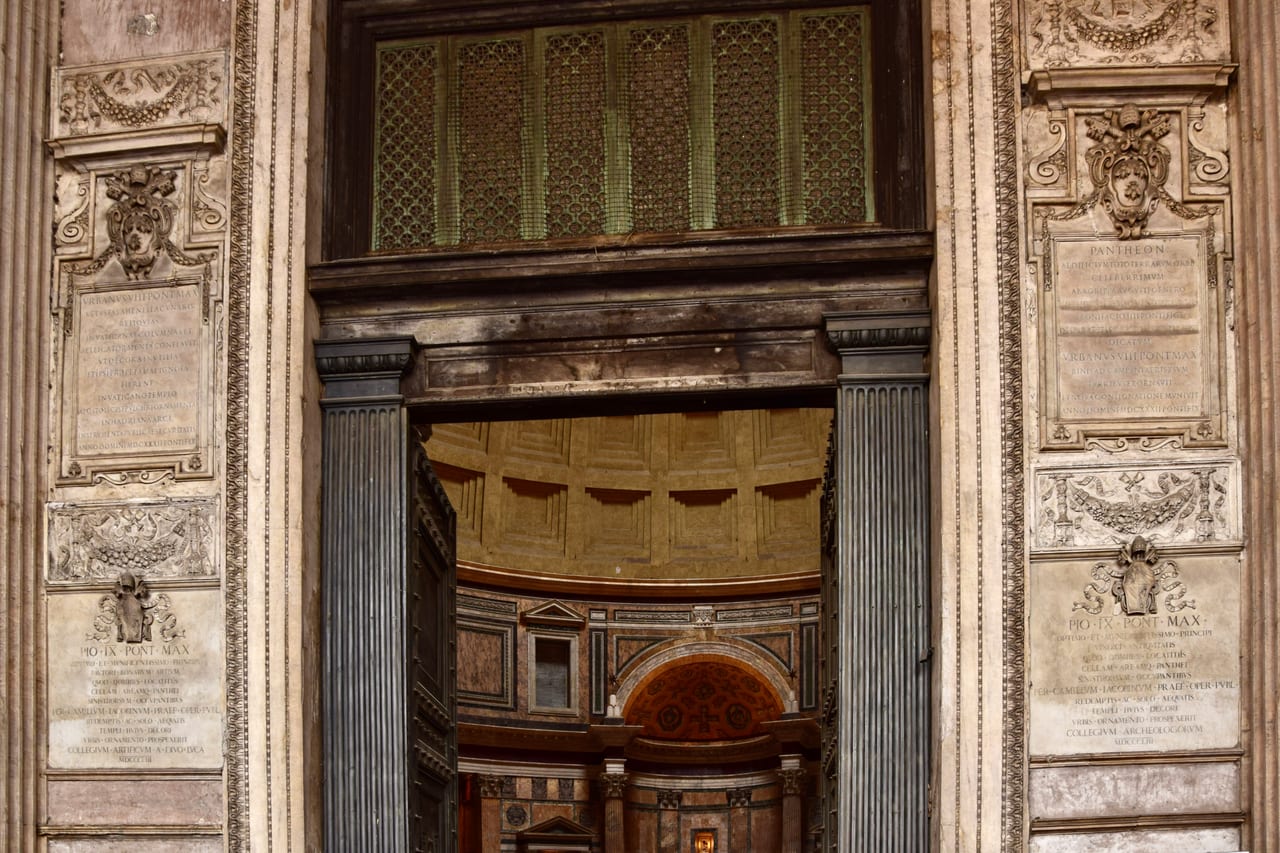
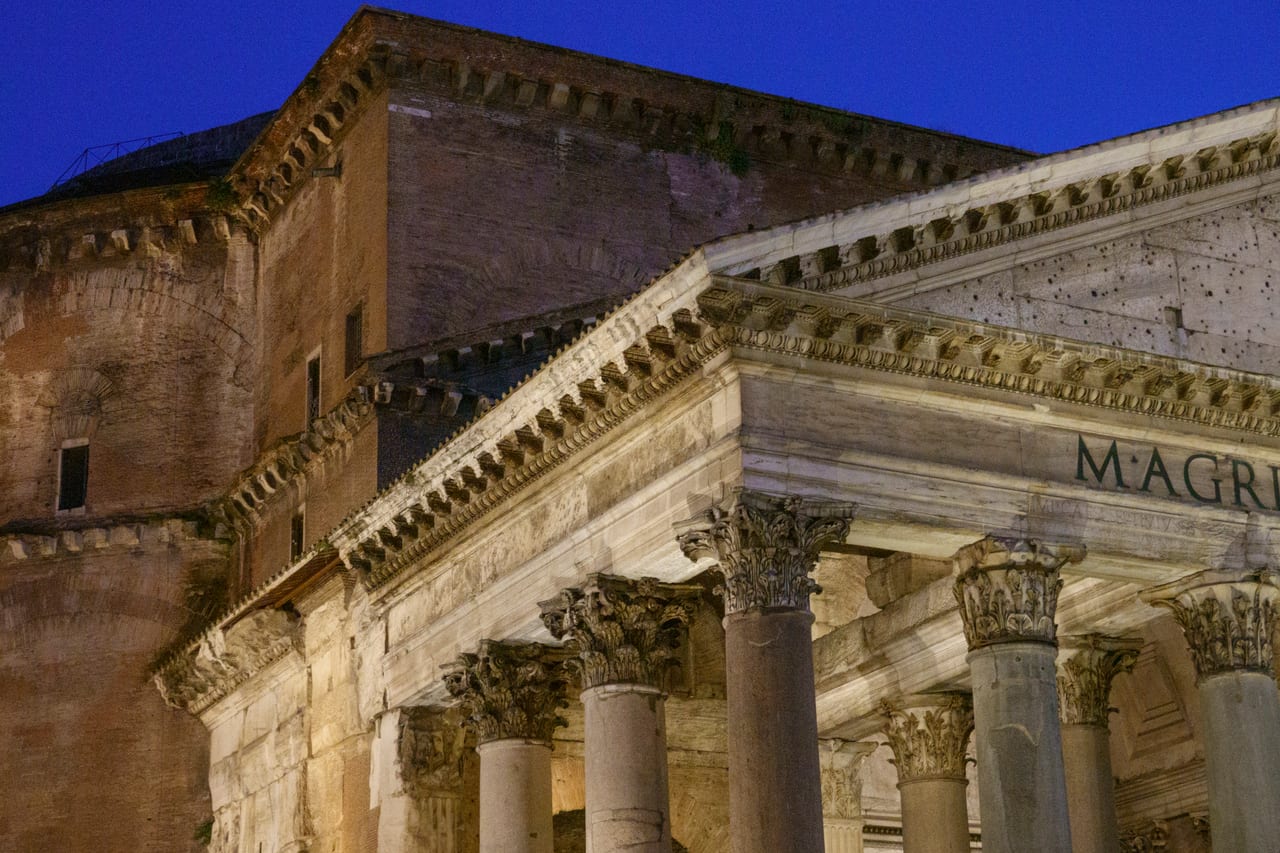
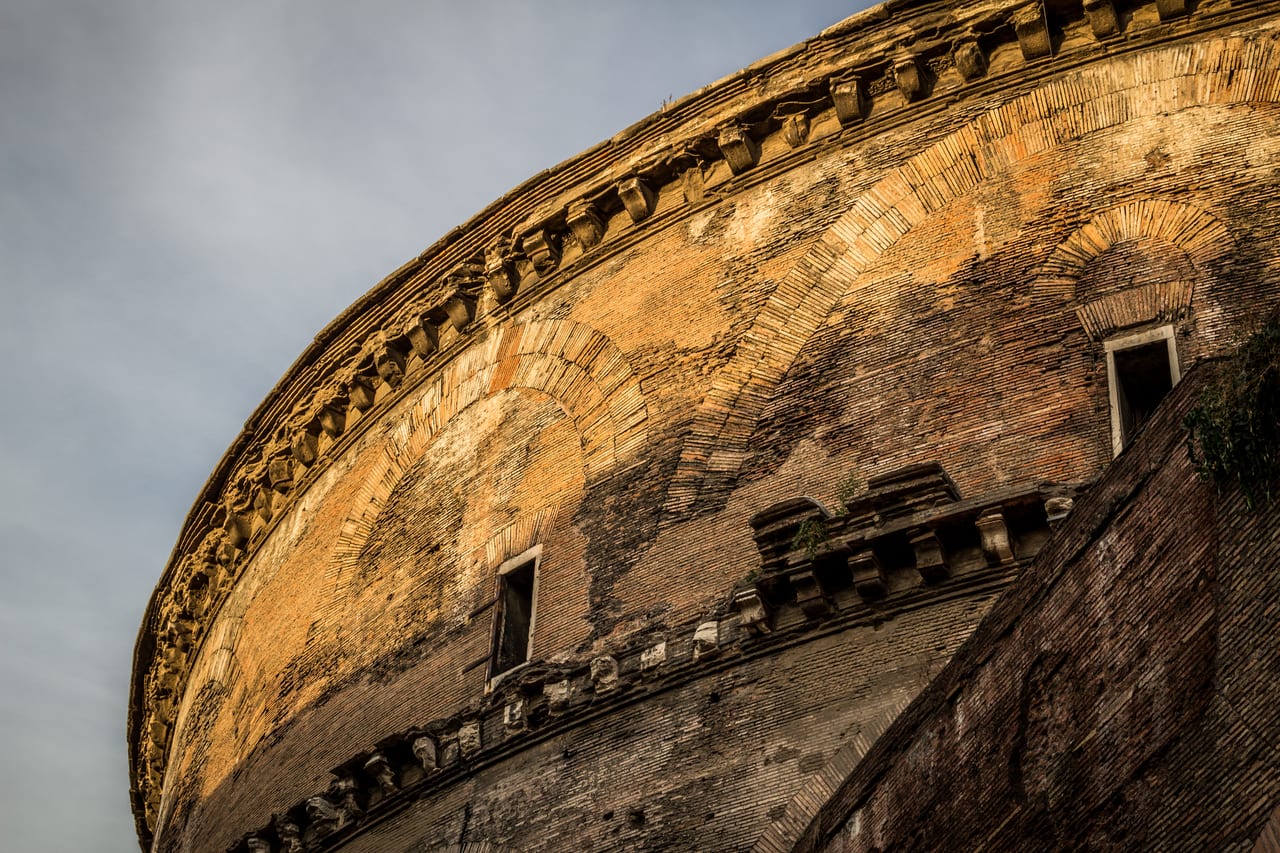
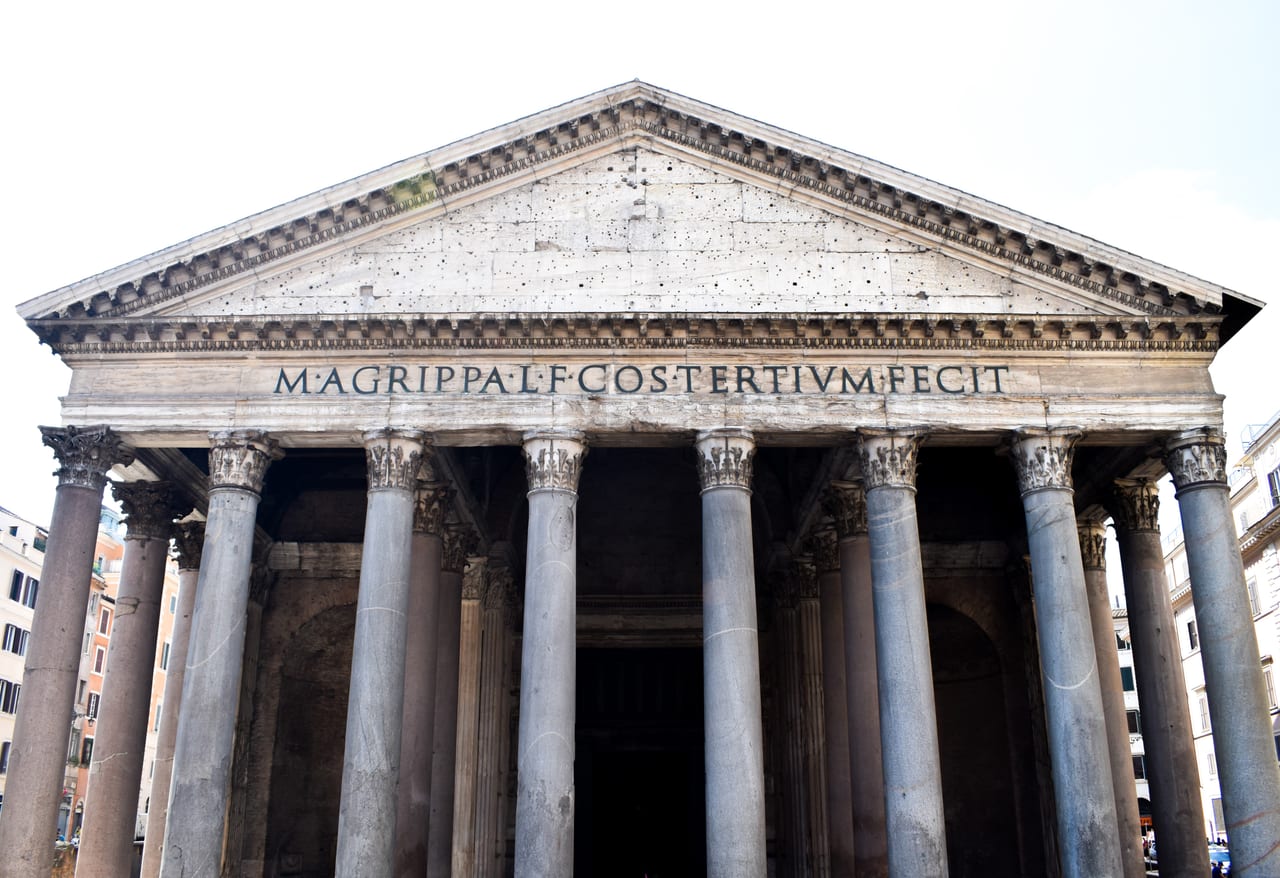
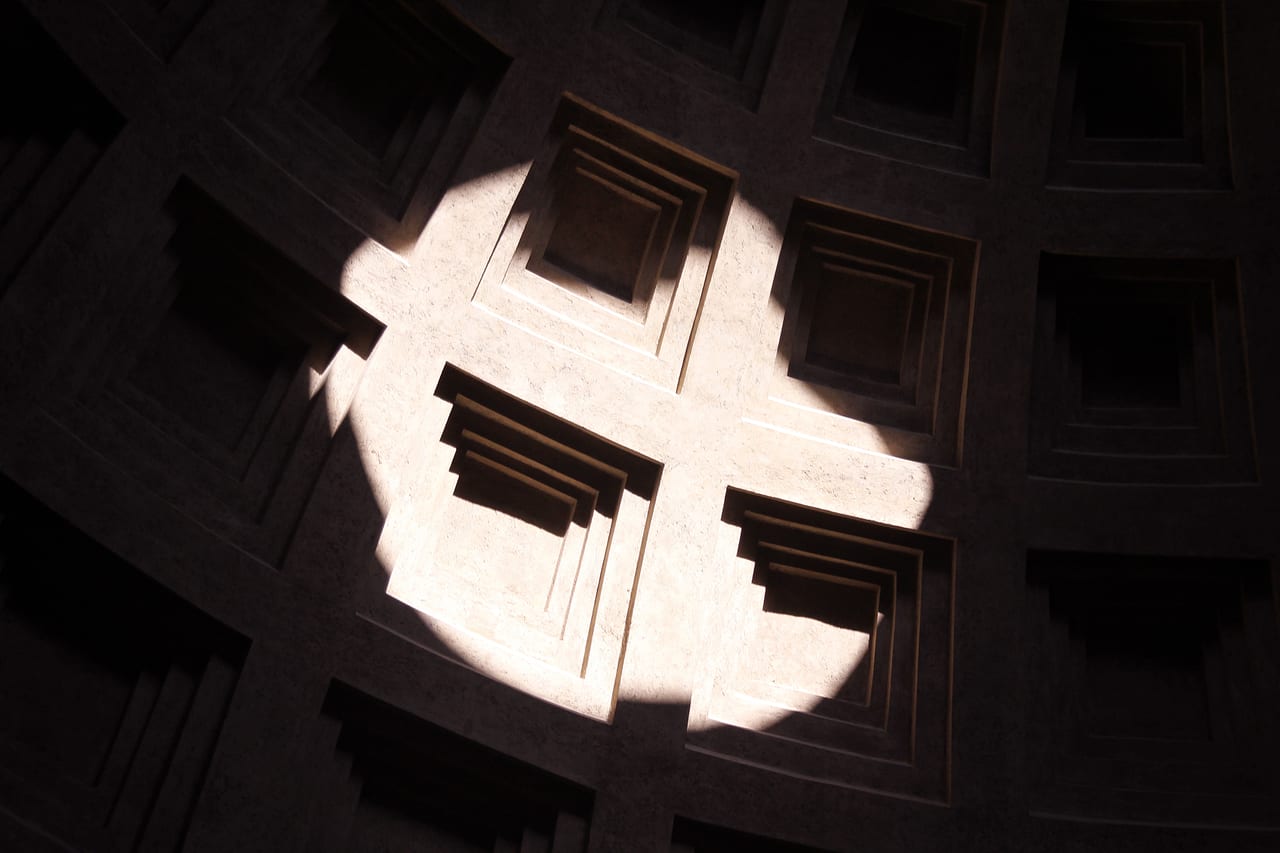
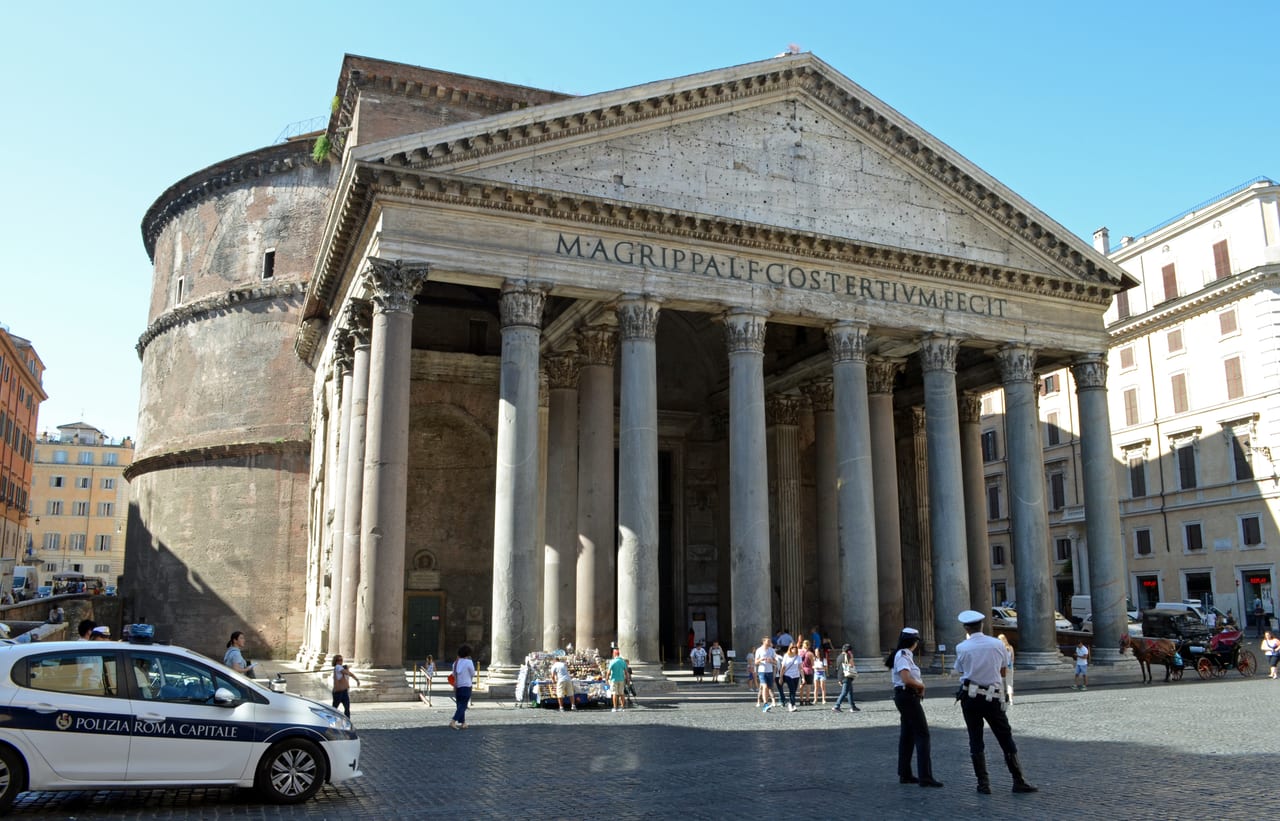
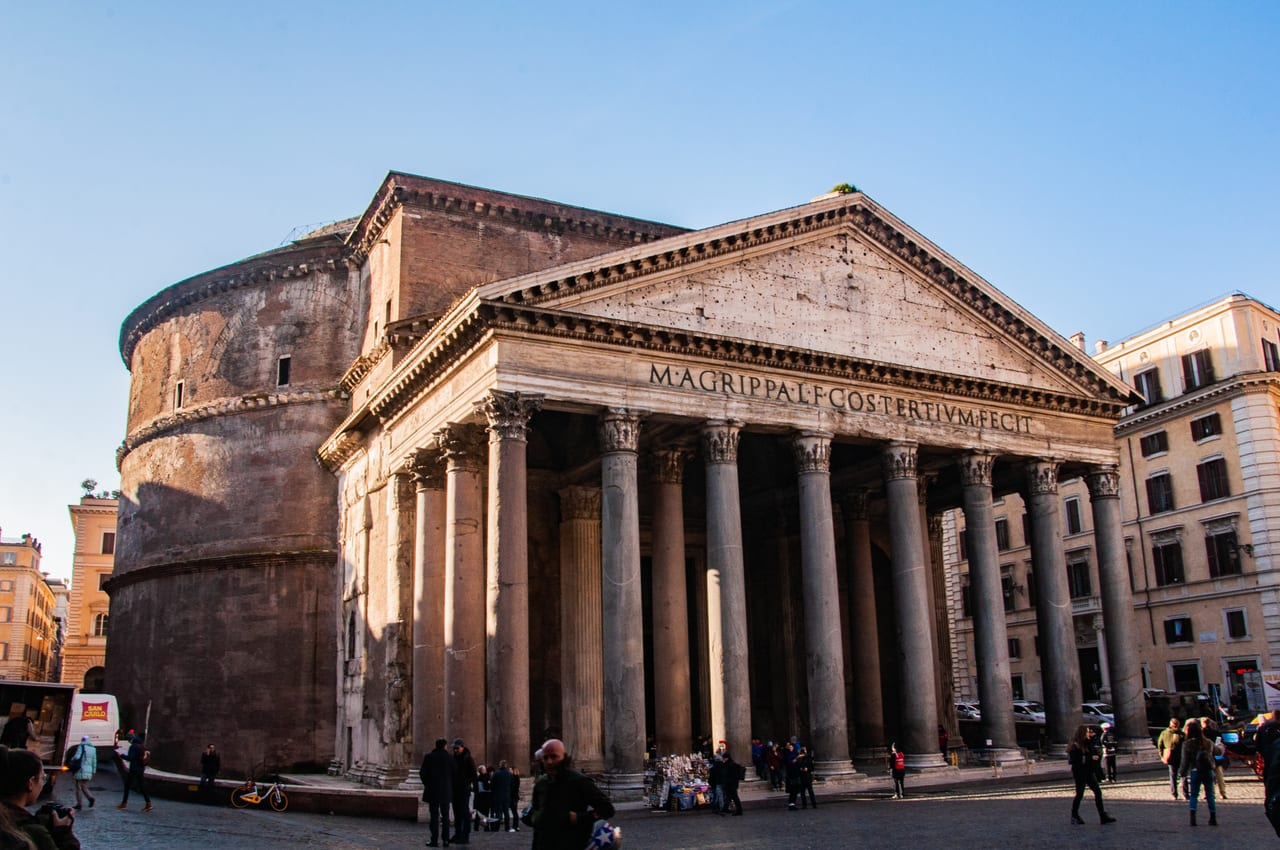
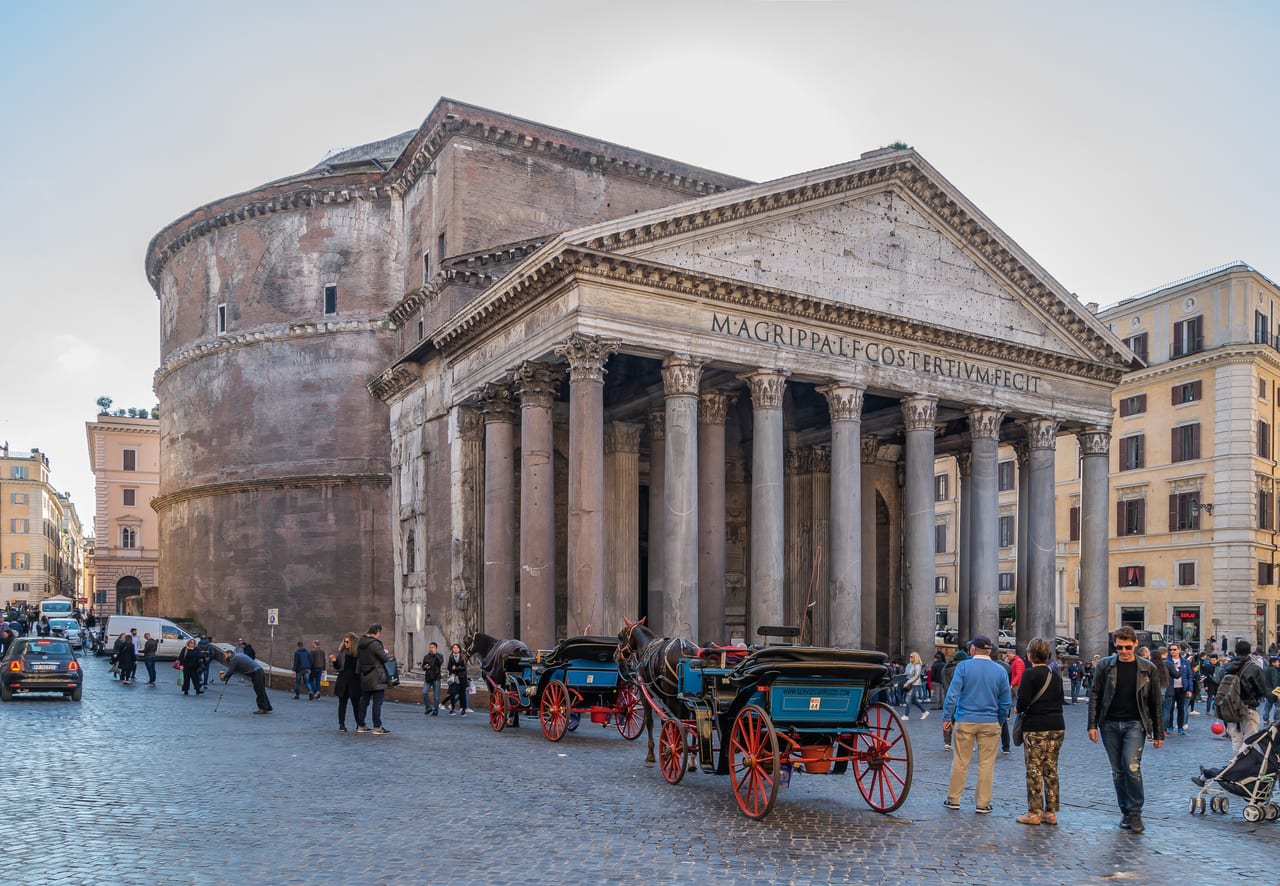
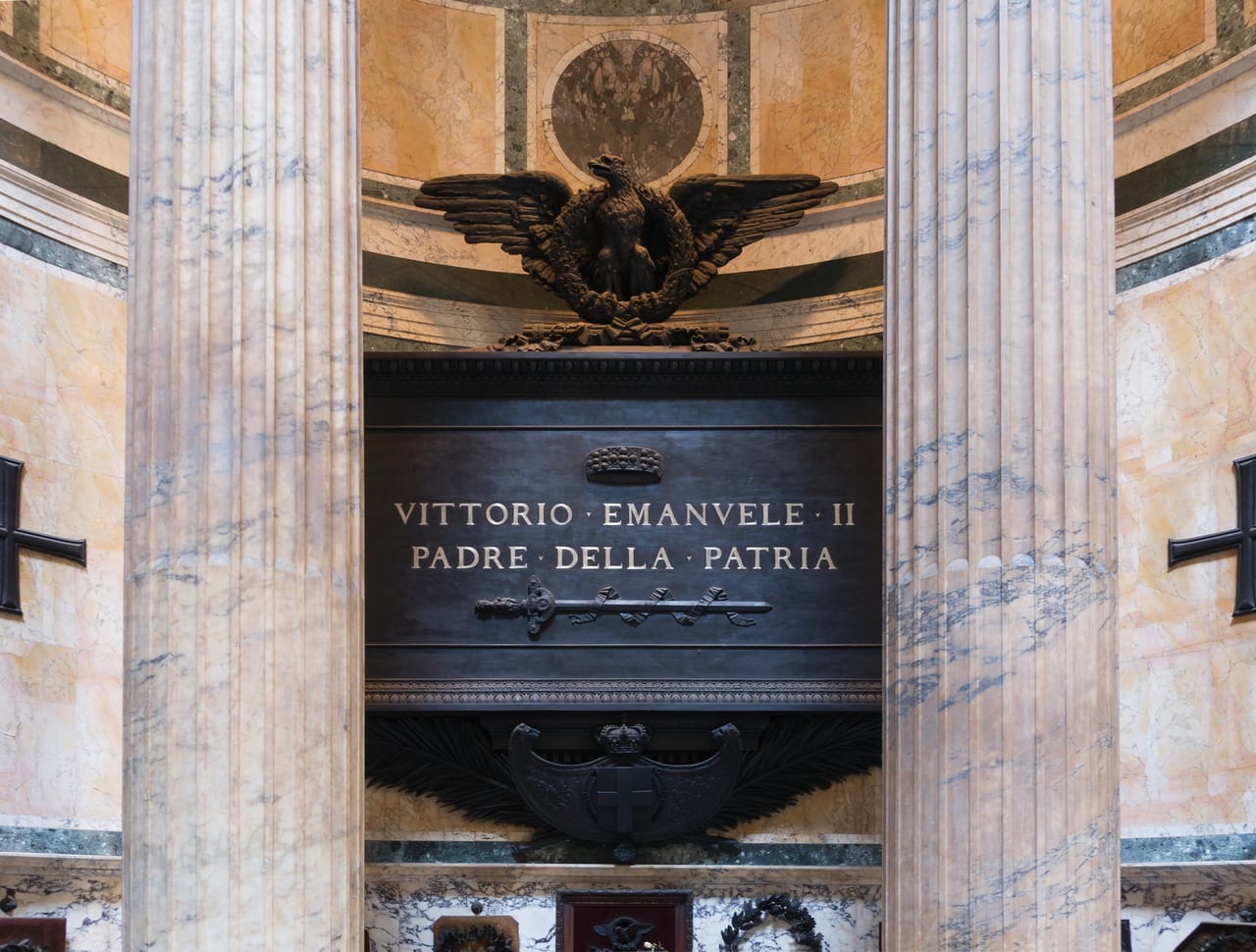
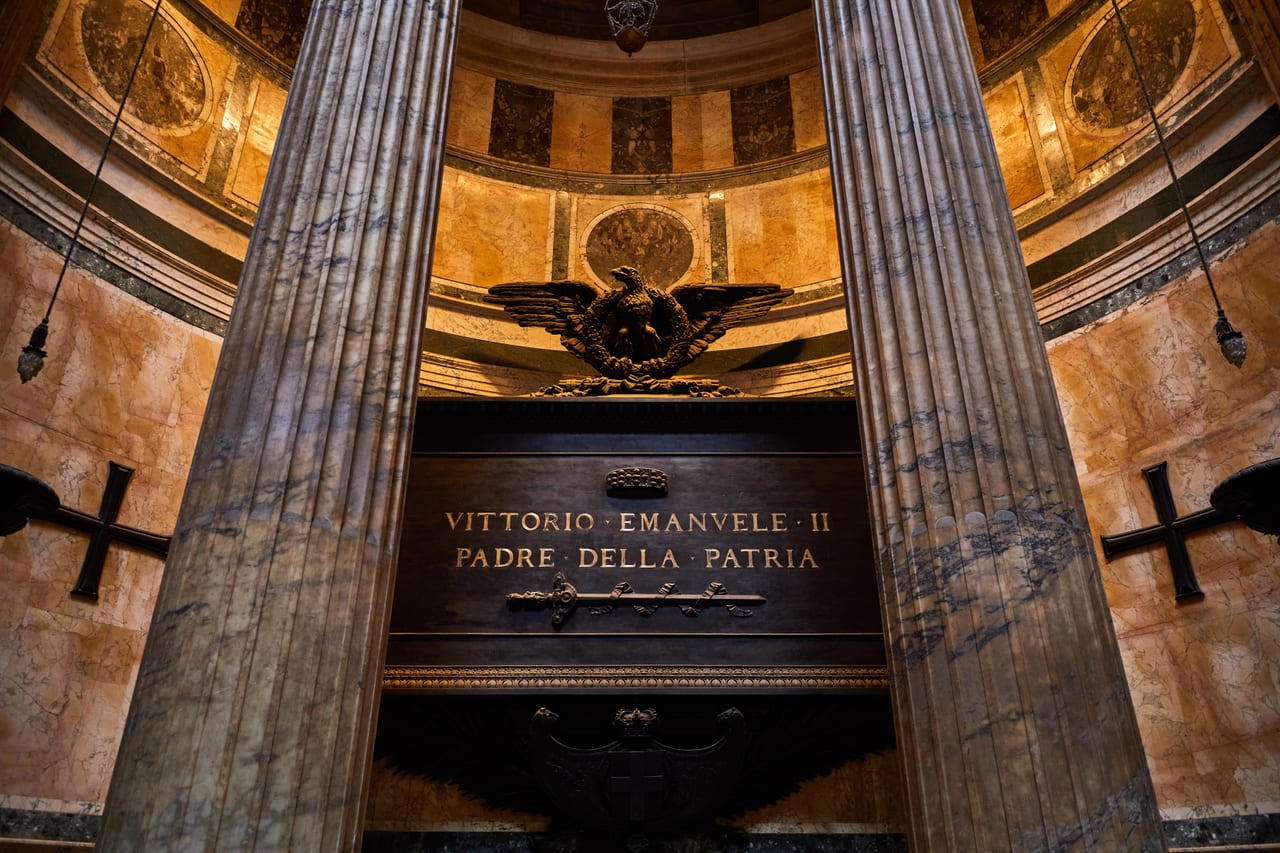
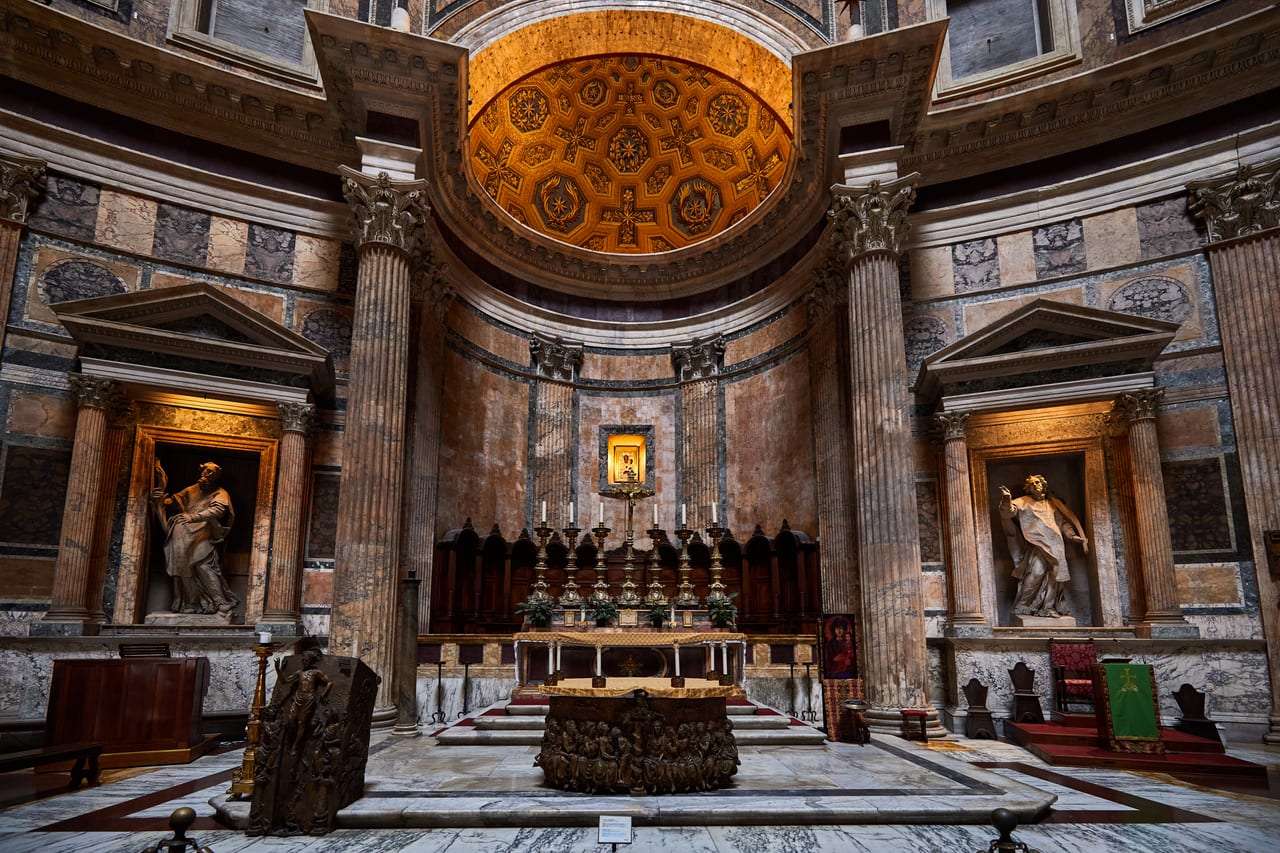
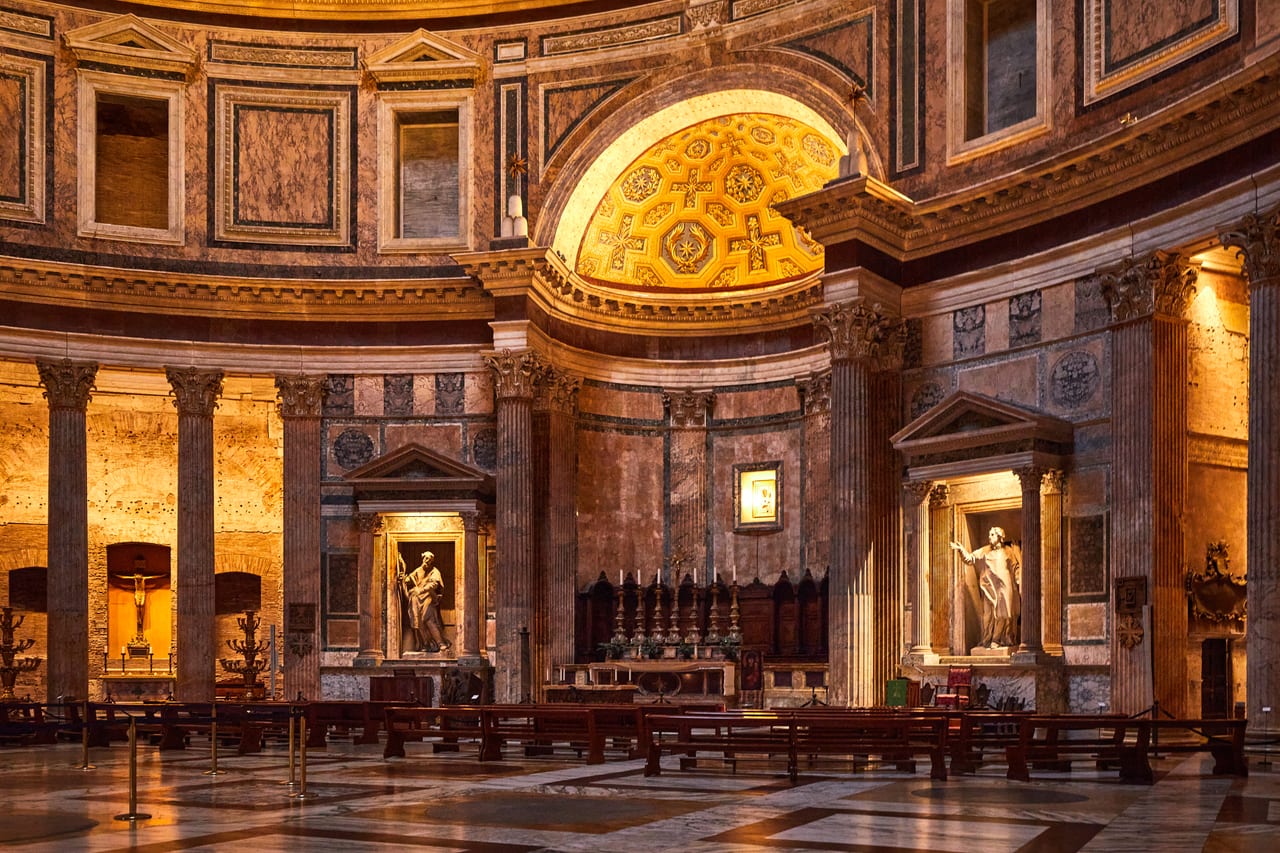
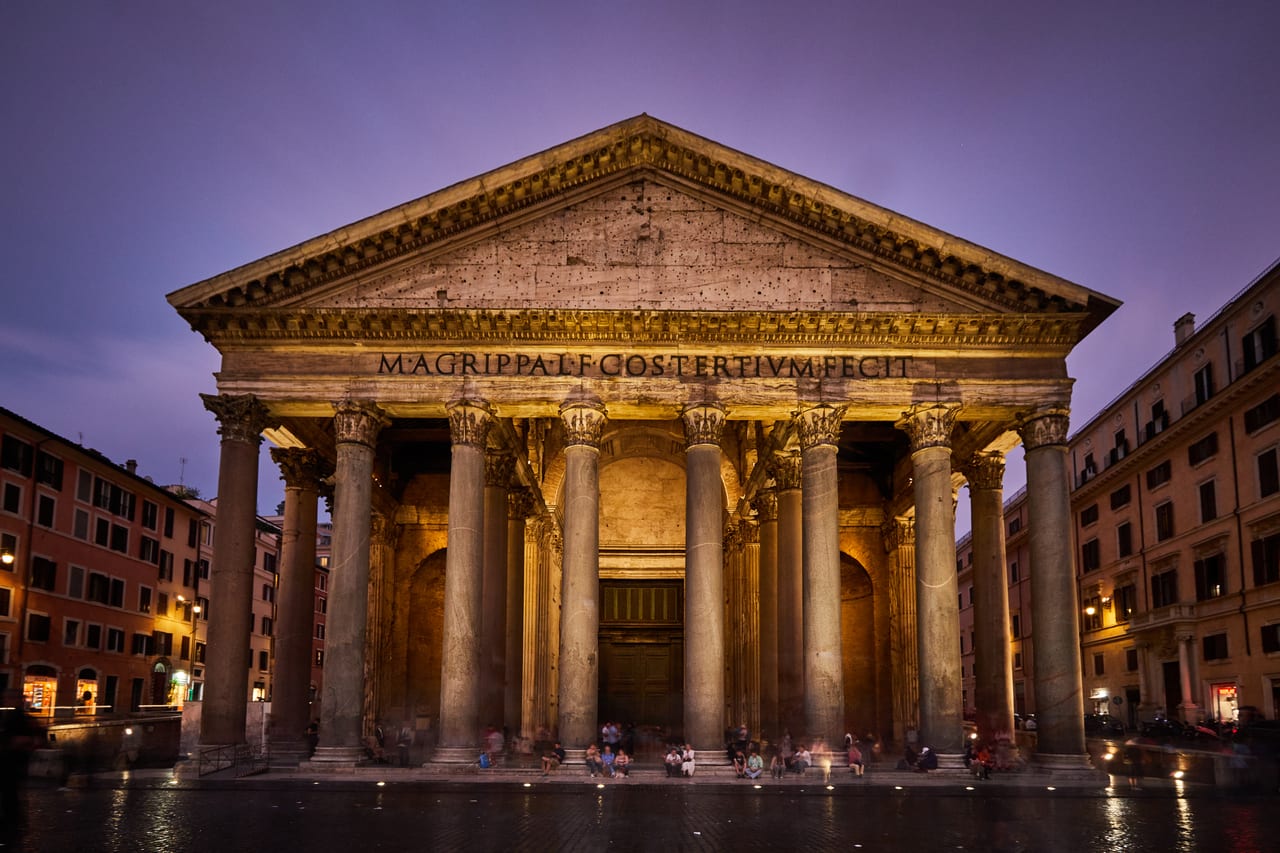
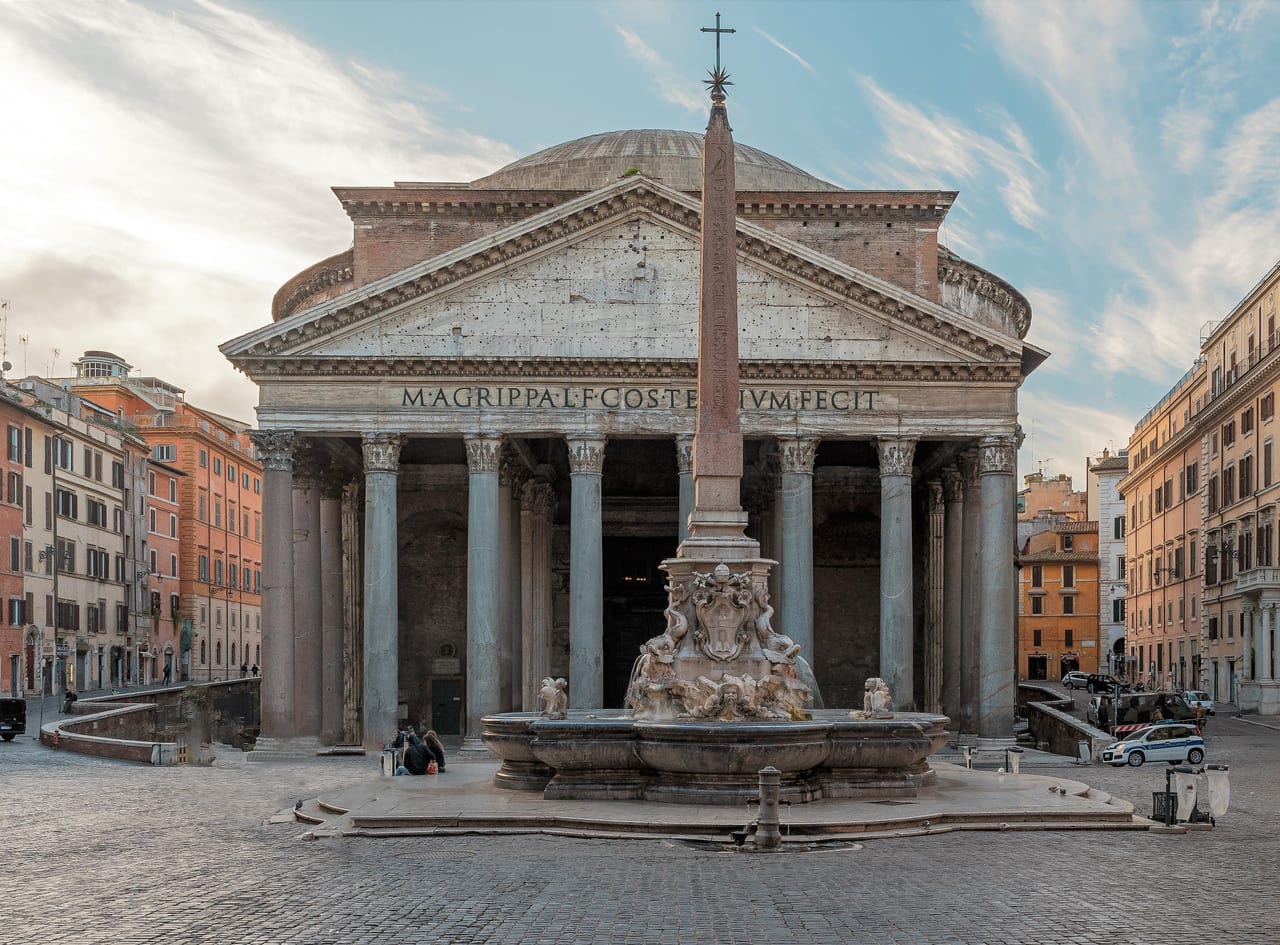
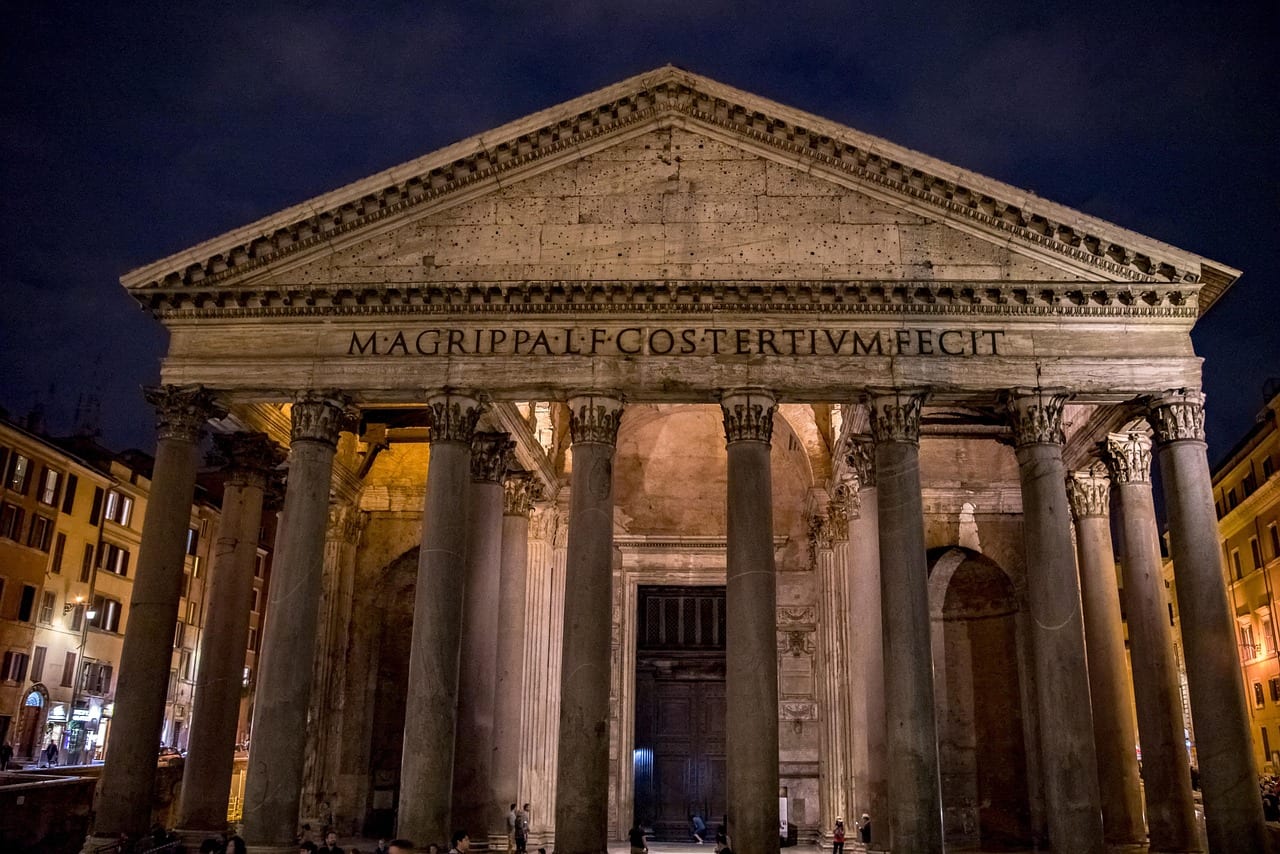
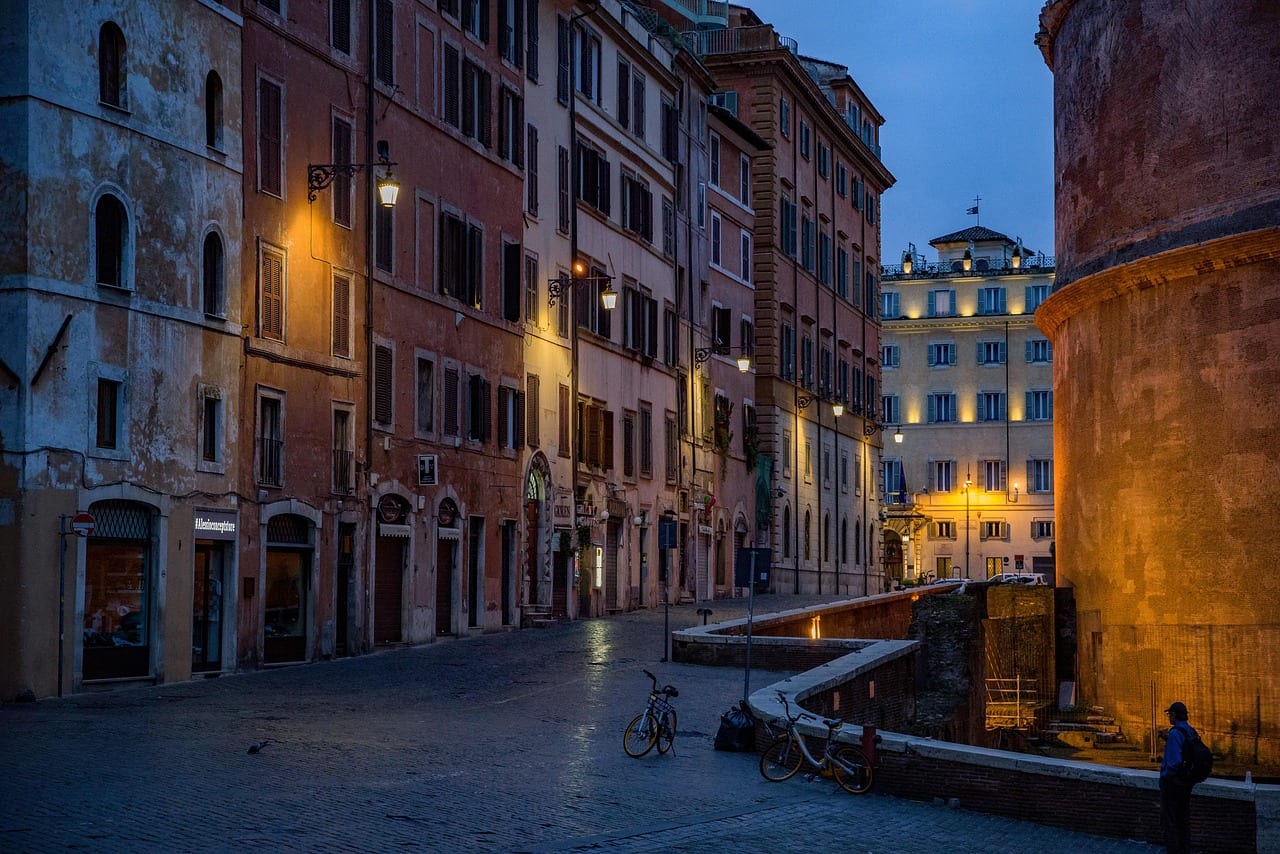
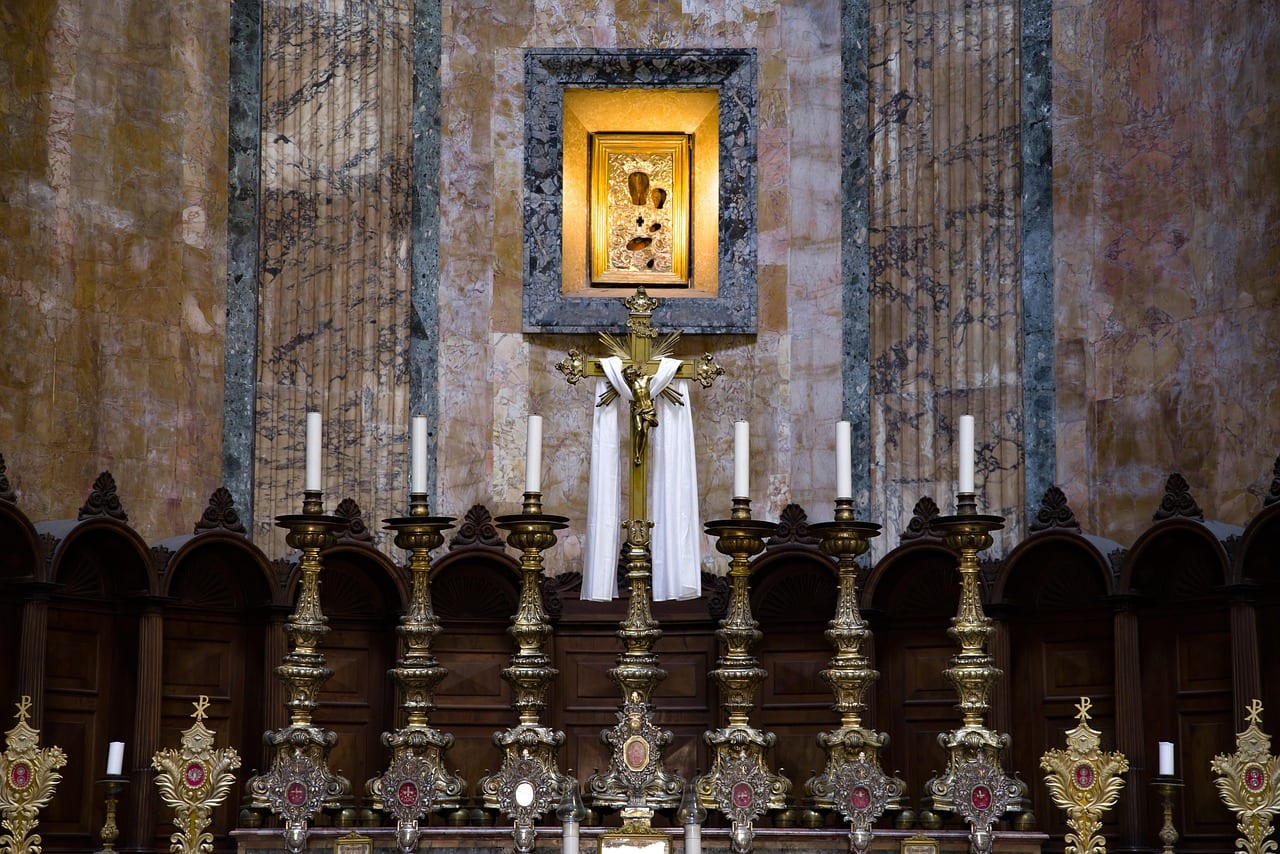
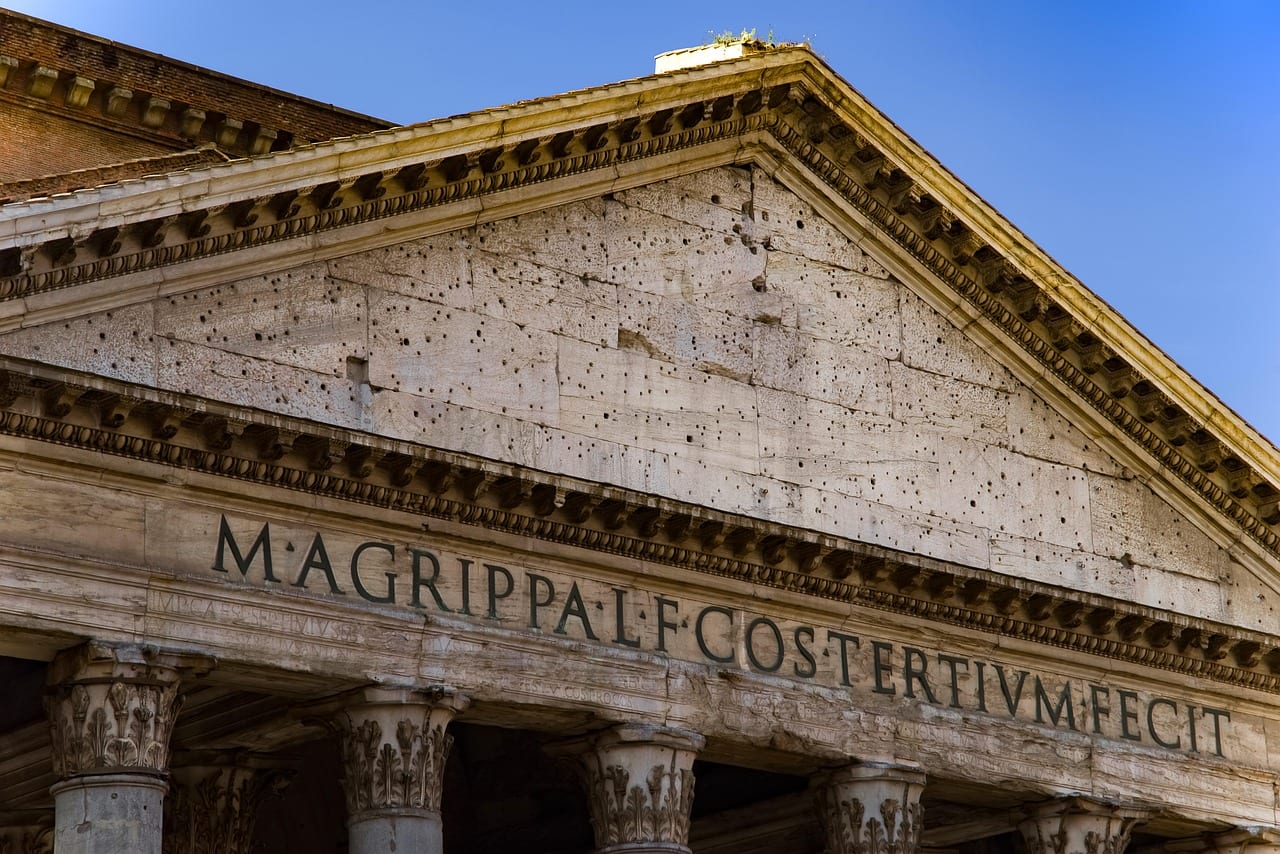
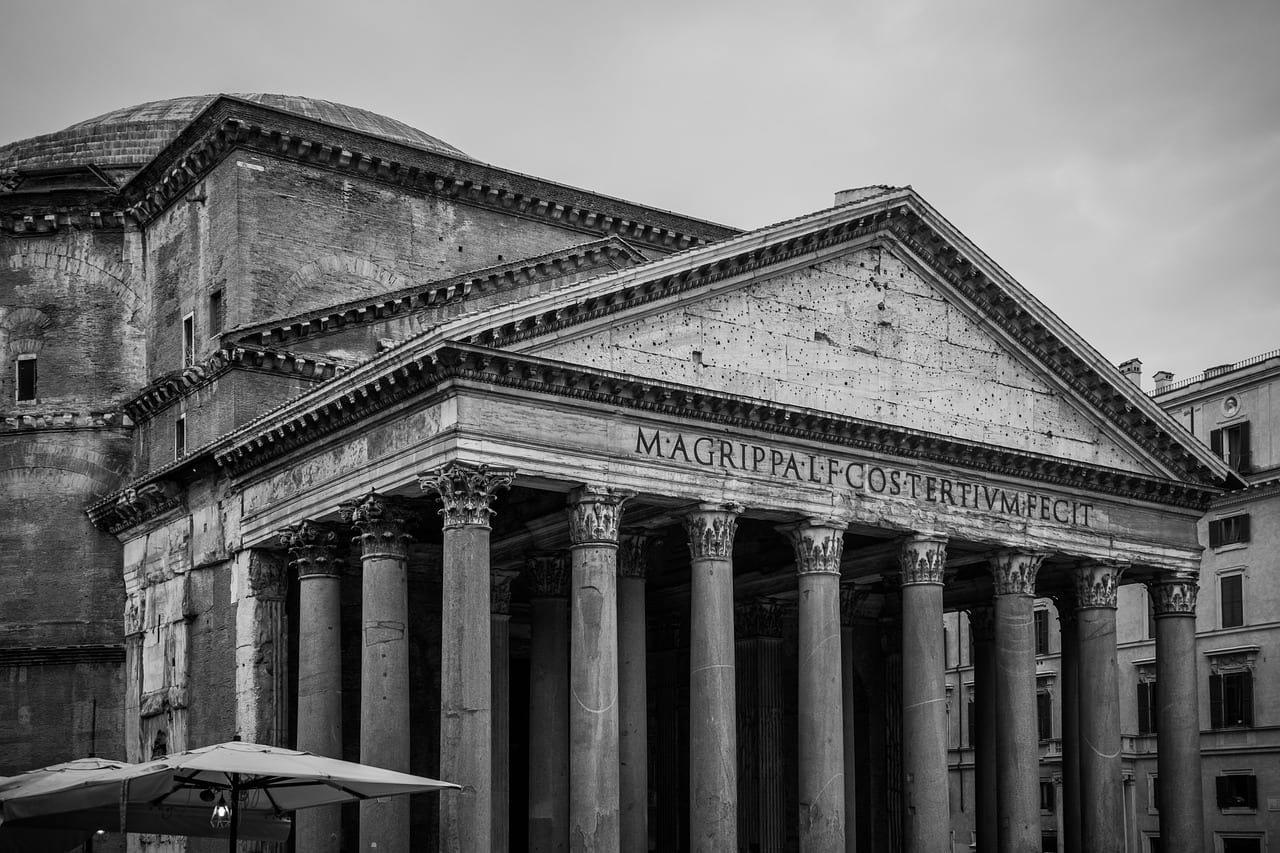
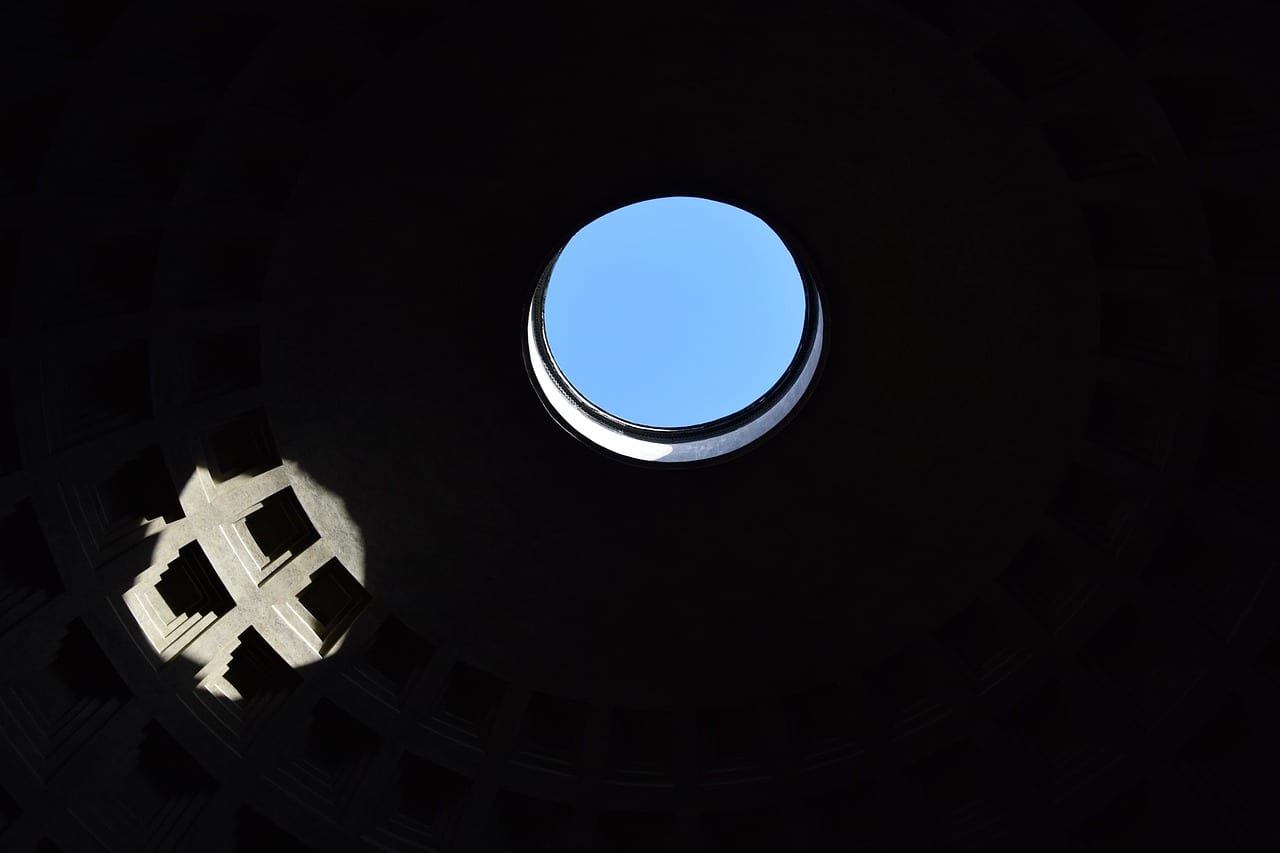
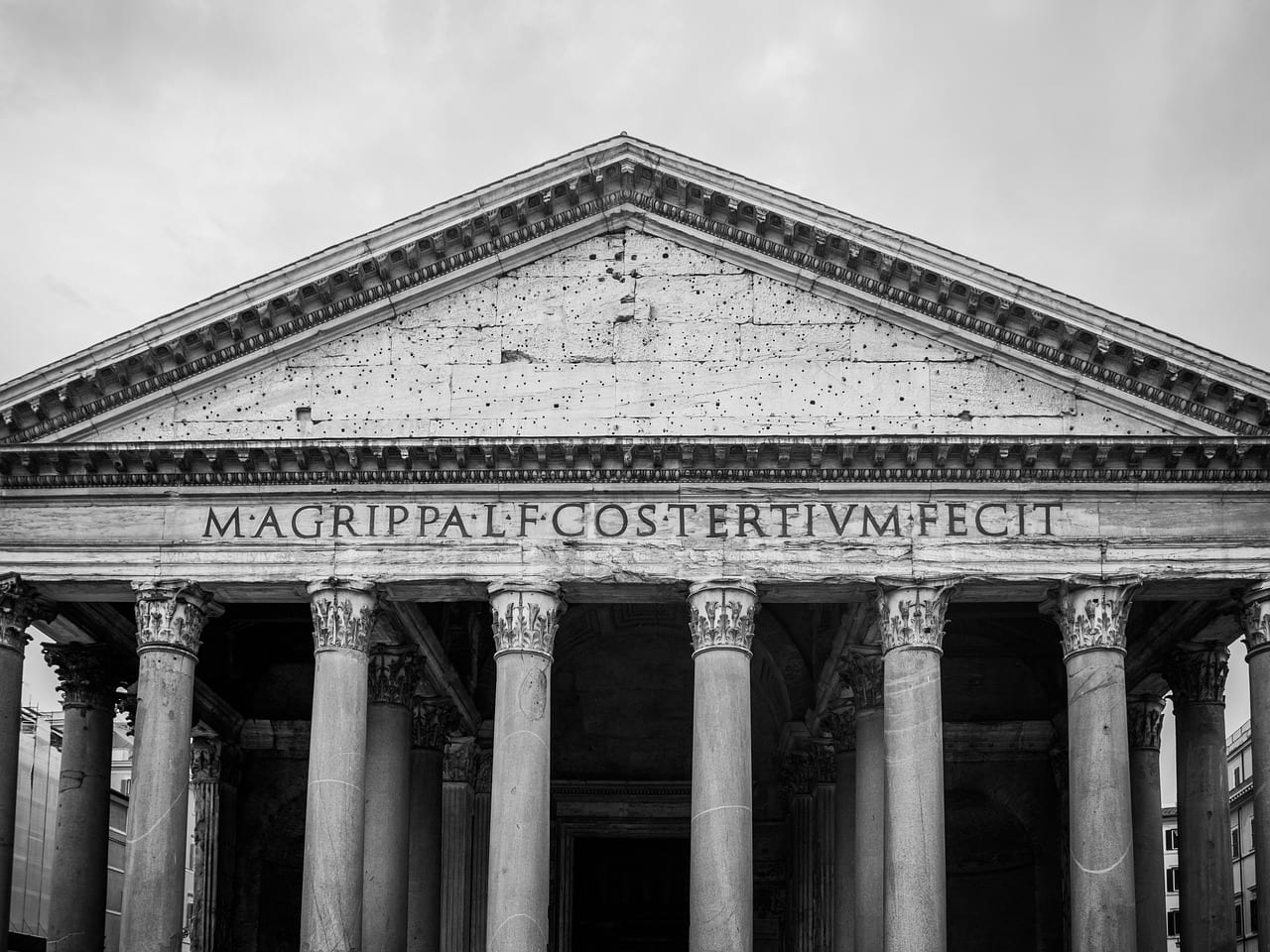
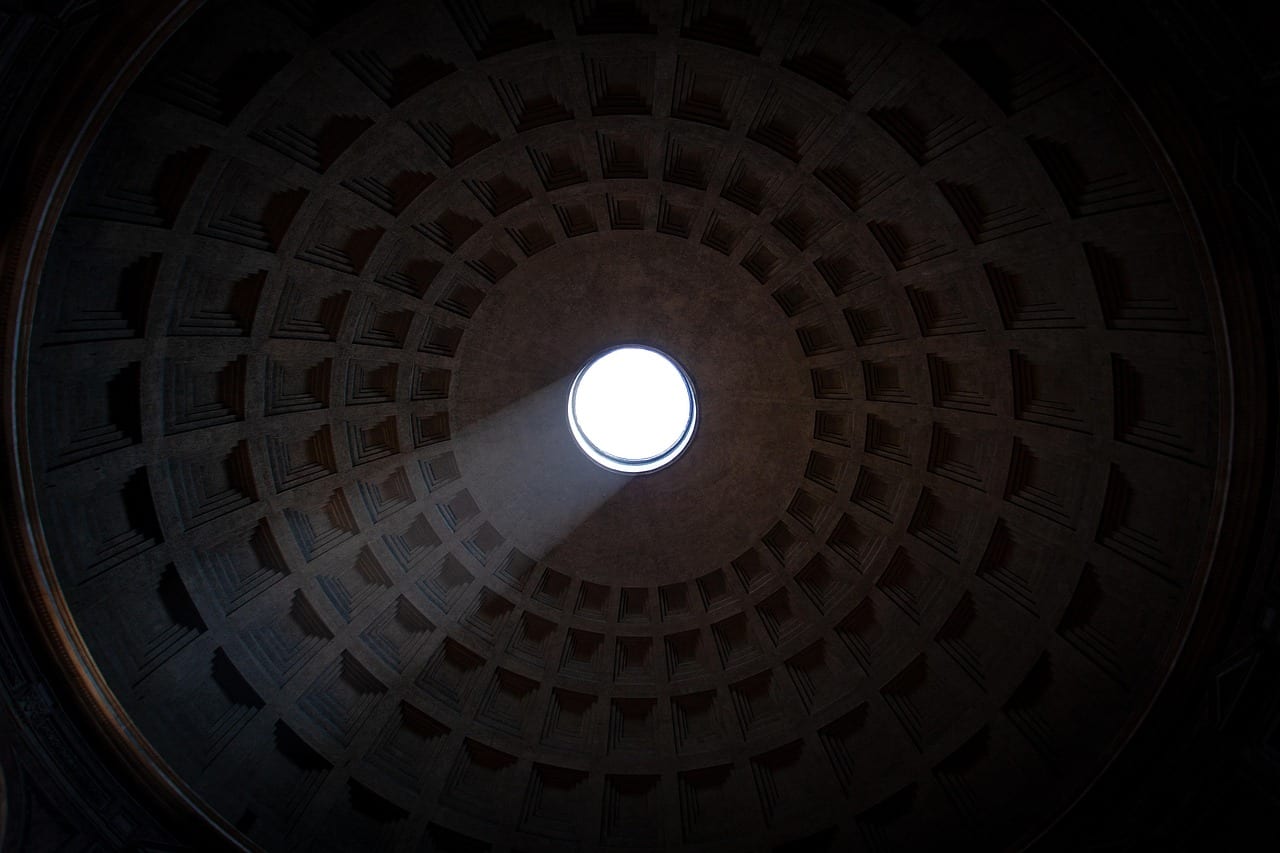
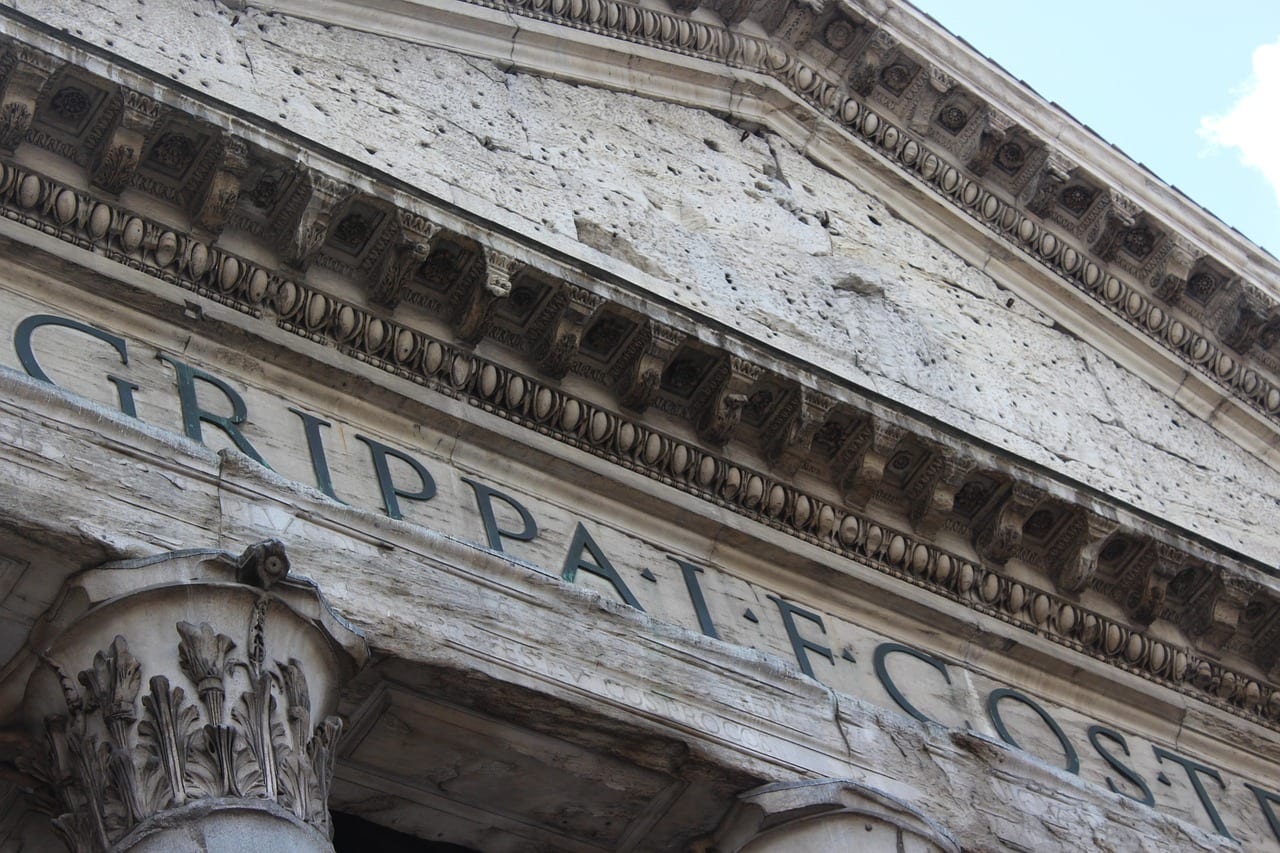
The Pantheon began as a temple commissioned in 27–25 BC by Marcus Vipsanius Agrippa, Augustus’s friend and son-in-law, during the monumental development of the Campus Martius. That building was rectangular, faced south and was destroyed by fire in AD 80; after a restoration under Domitian, lightning destroyed it again in AD 110 under Trajan. The surviving structure belongs chiefly to the rebuilding associated with Hadrian, undertaken between the early second century and about AD 128, with its orientation reversed towards the north. A monumental Corinthian portico leads through a rectangular transitional structure to the circular rotunda. Inside, alternating rectangular and semicircular niches, coloured marble revetment, porphyry details and a geometric floor create a carefully ordered interior; the oculus illuminates the space and allows rainwater to drain through 22 floor openings. The bronze entrance door is the oldest and largest still in use in Rome. In the early seventh century, Emperor Phocas gave the building to Pope Boniface IV, who converted it into the Christian basilica Santa Maria ad Martyres. This change helped preserve it from the stripping that damaged many ancient buildings. Later alterations include the 1747 redesign of the upper interior order and the 1625 removal of the portico’s bronze roof covering for cannon production.
At a glance
- Built
- 128
- Architect
- Apollodorus of Damascus
- Style
- ancient Roman architecture
- Height
- 43.3 m
- Heritage
- Italian national heritage
Ways to explore Pantheon
Begin beneath the portico, where grey and pink Egyptian granite columns, Pentelic marble capitals and the geometric marble paving reward close inspection. Look up at the unadorned pediment: holes still mark where its lost bronze decoration was attached. Inside, stand beneath the oculus to watch the changing shaft of daylight and inspect how the floor’s slight shaping directs rain towards its drains. Notice the alternating niche forms, the coloured stonework and the surviving ancient bronze doors. The remaining fragments of the Basilica of Neptune lie across the square.
Places to stay near Pantheon

Live availability and prices from Stay22's partners, refreshed periodically and subject to change. Booking through these links may earn us a commission at no extra cost to you. See our privacy policy.
Cafés near Pantheon
Cafés near Pantheon loads as you scroll.
Attractions nearby
Attractions near Pantheon loads as you scroll.
Cities nearby
Cities nearby loads as you scroll.
More in Rome
See more of Rome.
Find great cafés, places to stay and other interesting places to visit in Rome.