Castle & palace · Rome
Palazzo Chigi
DirectionsIts courtyard fountain, designed by Giacomo della Porta, became a model copied at numerous sites in Rome and other Italian cities.
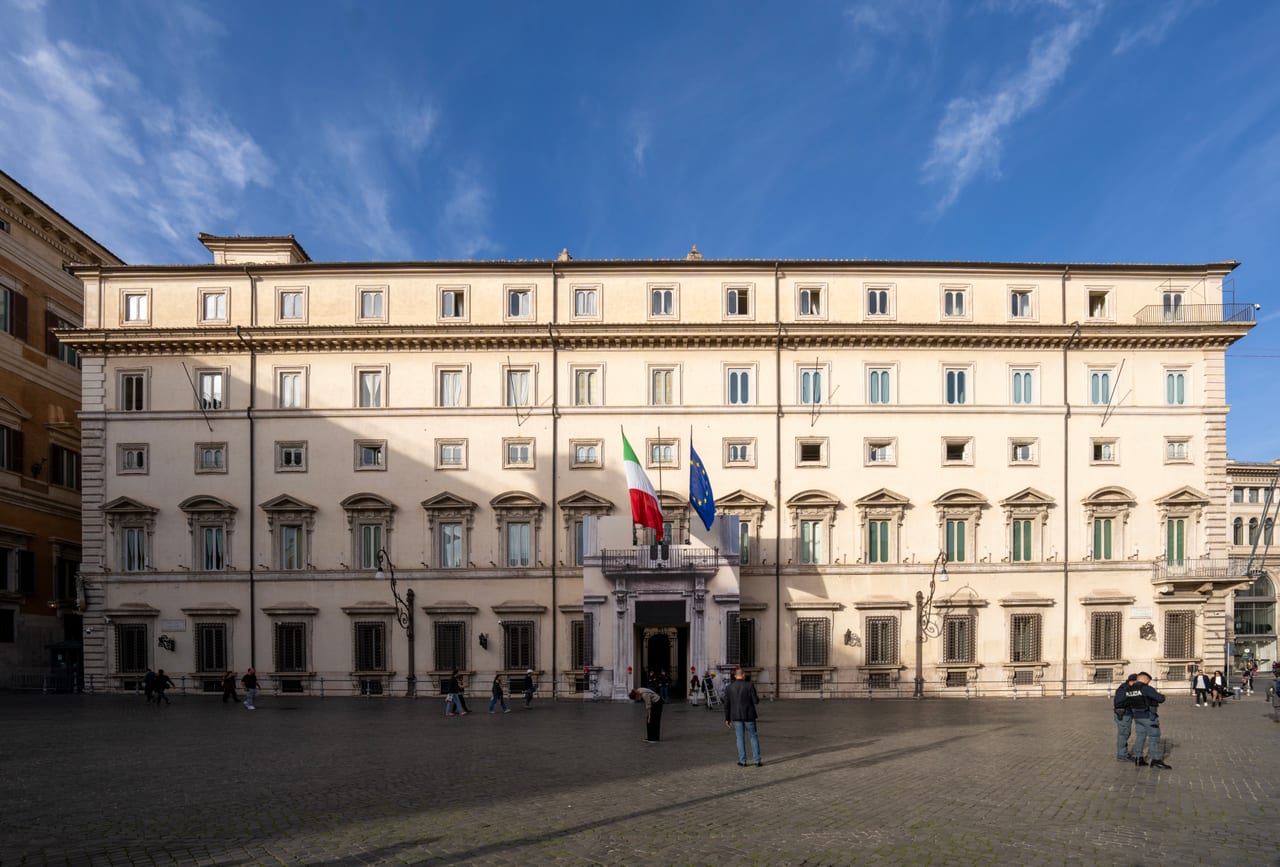
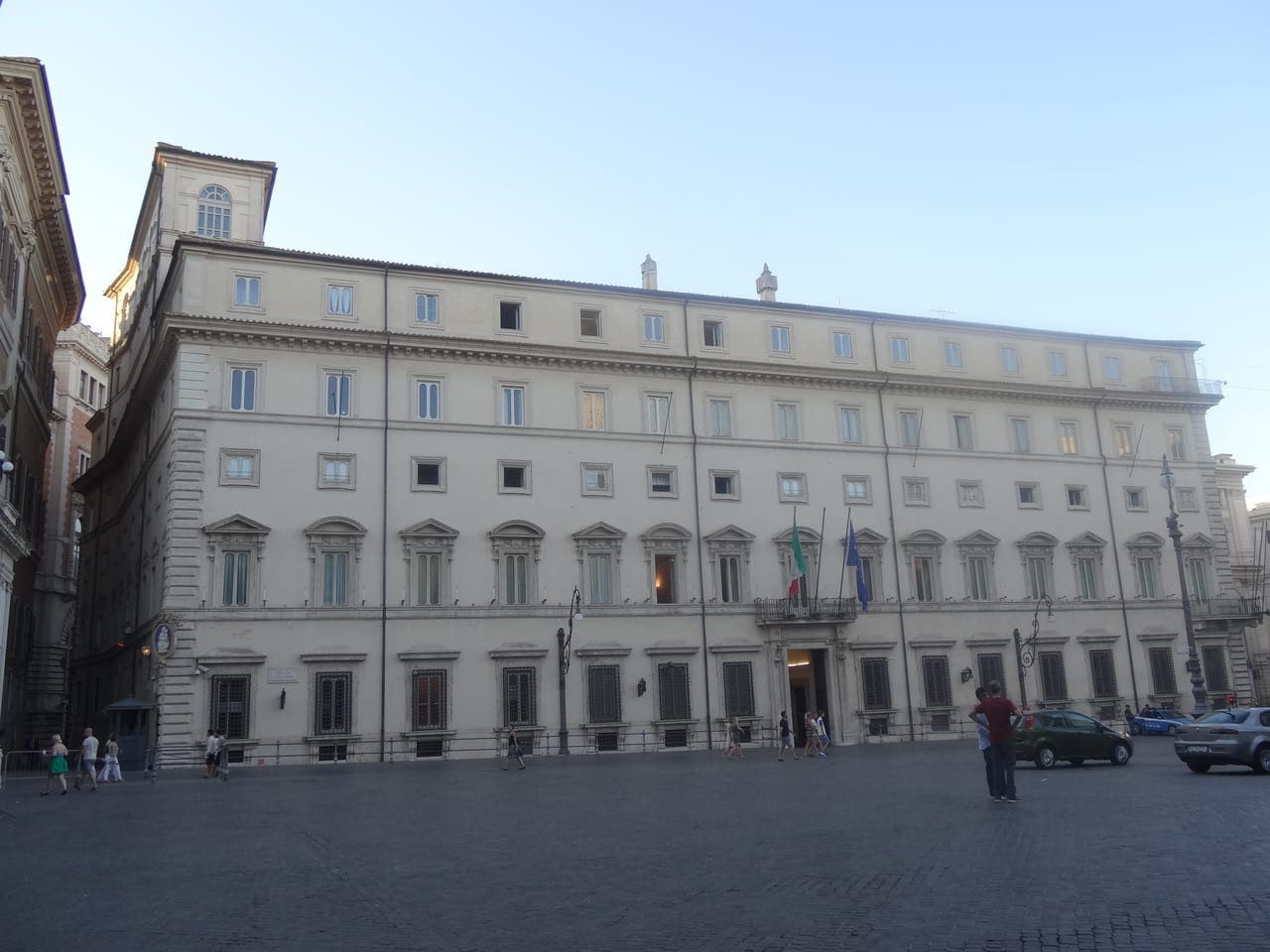
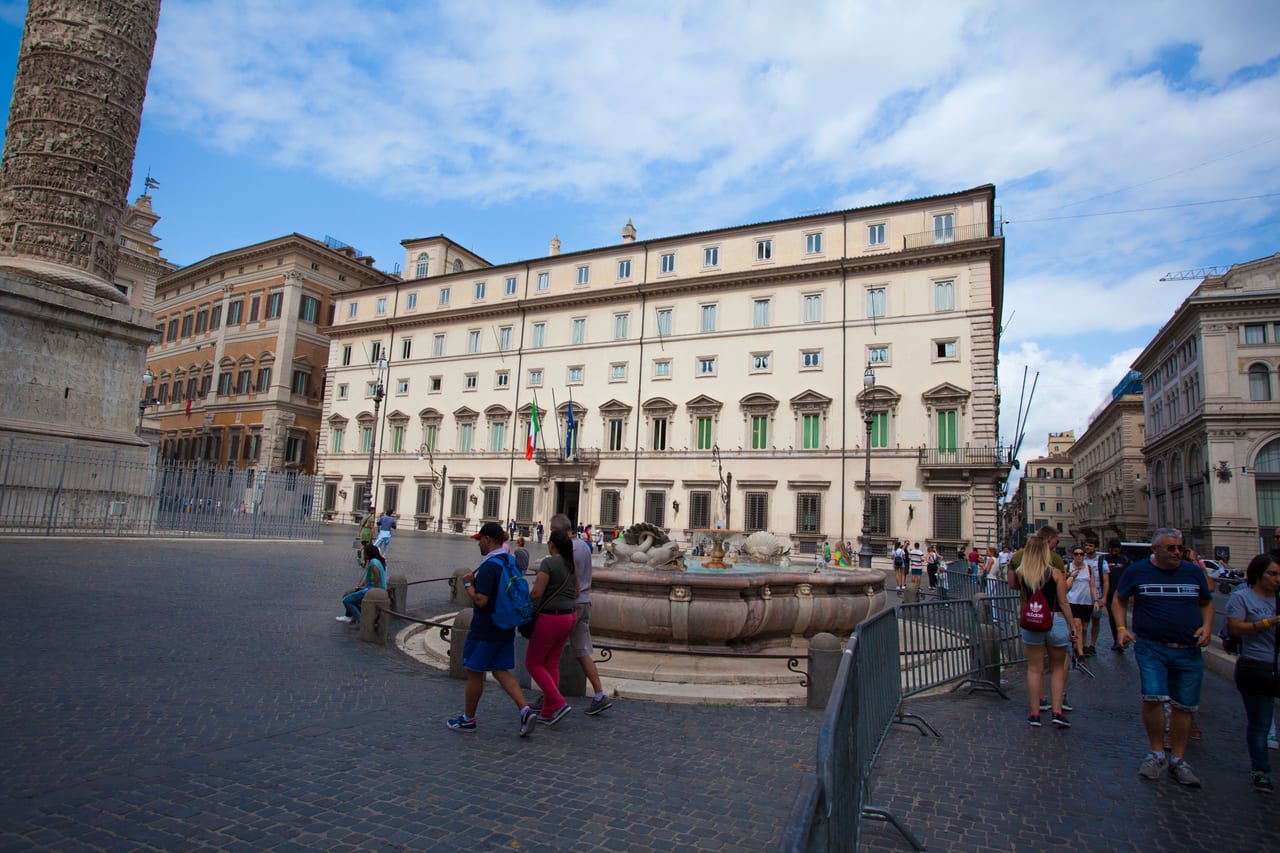
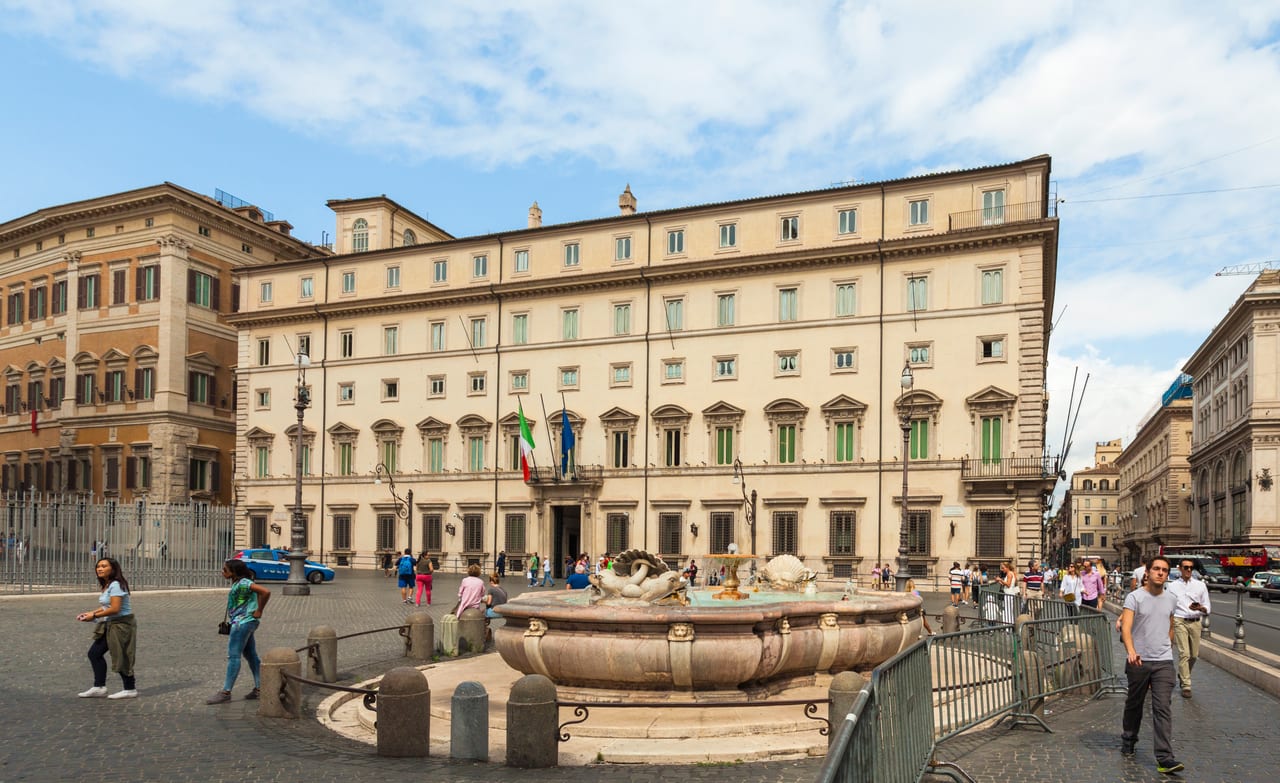
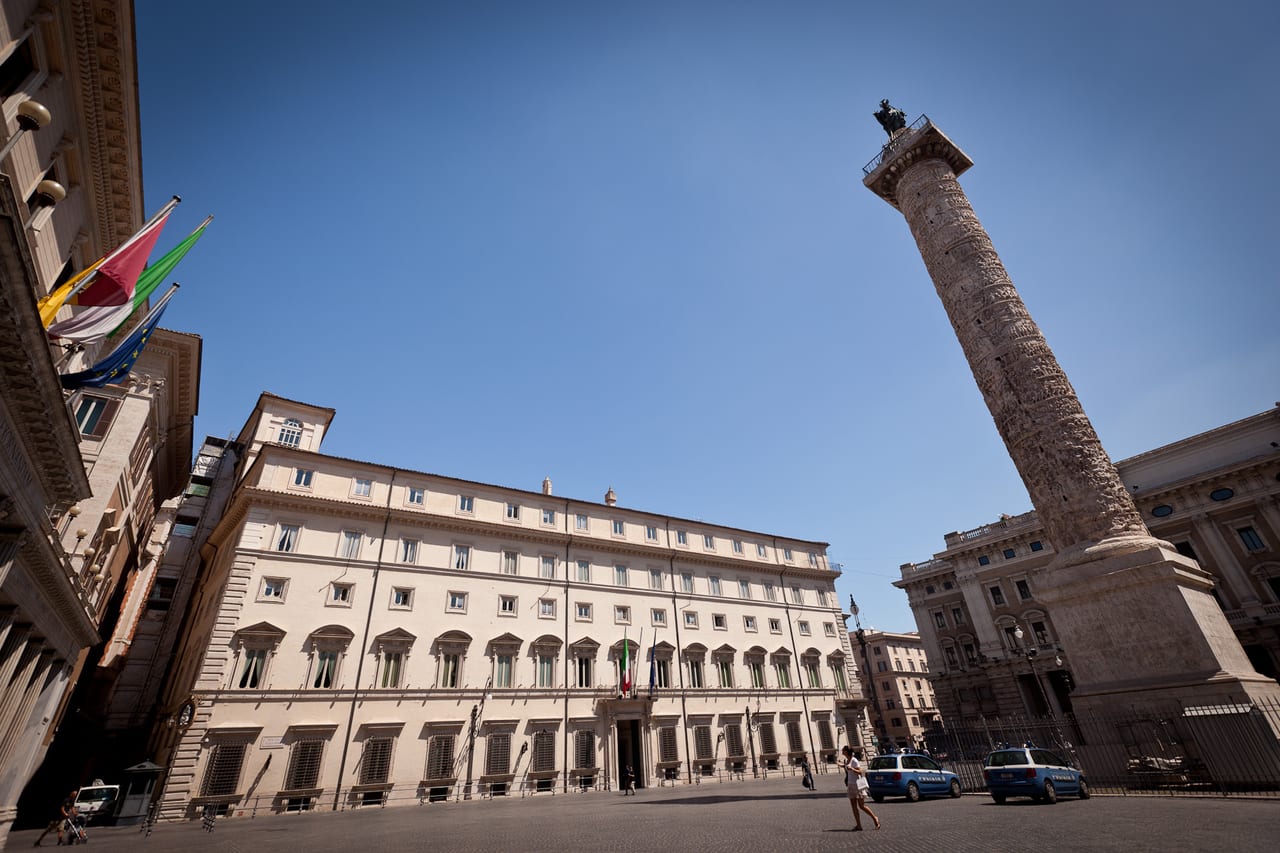
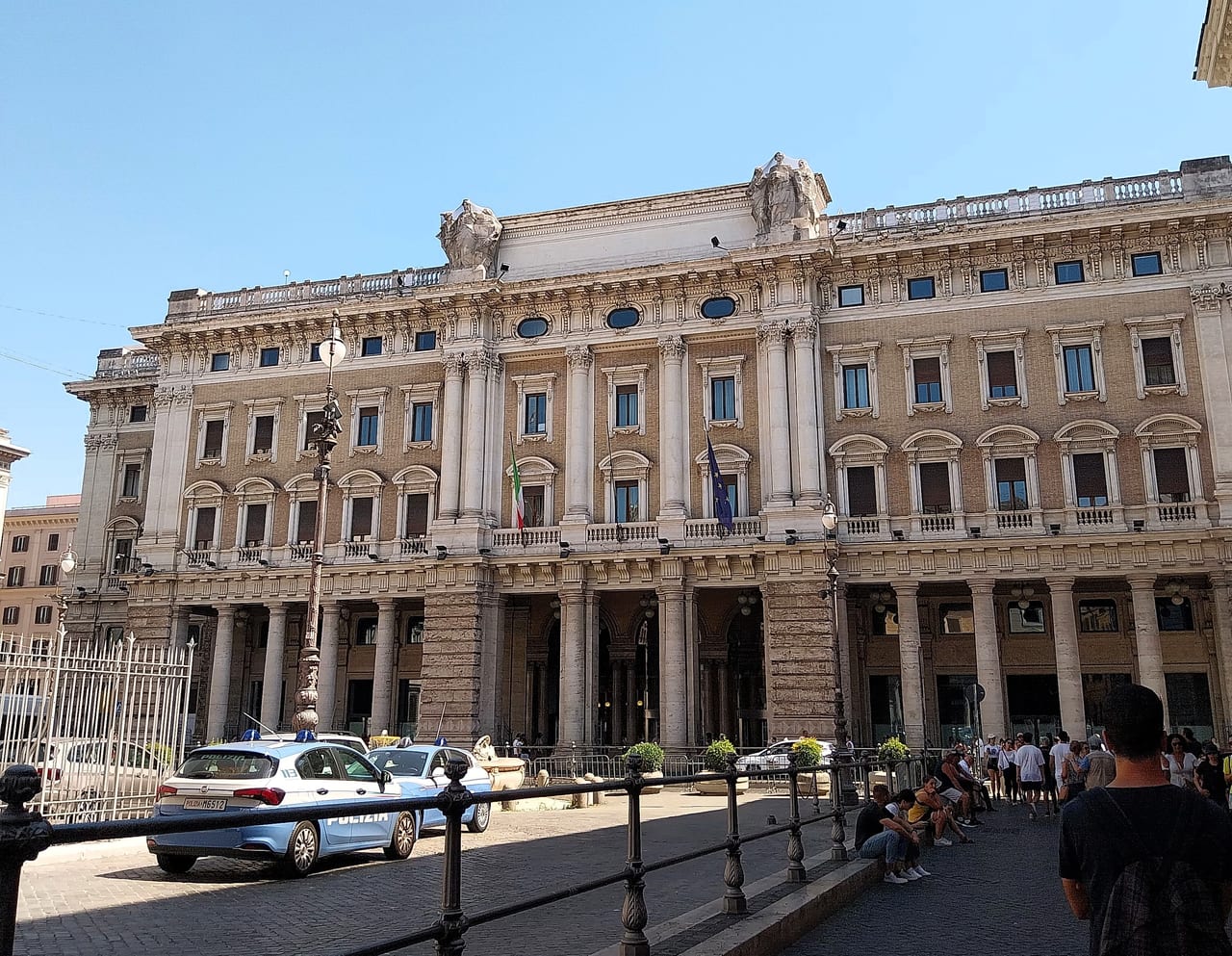
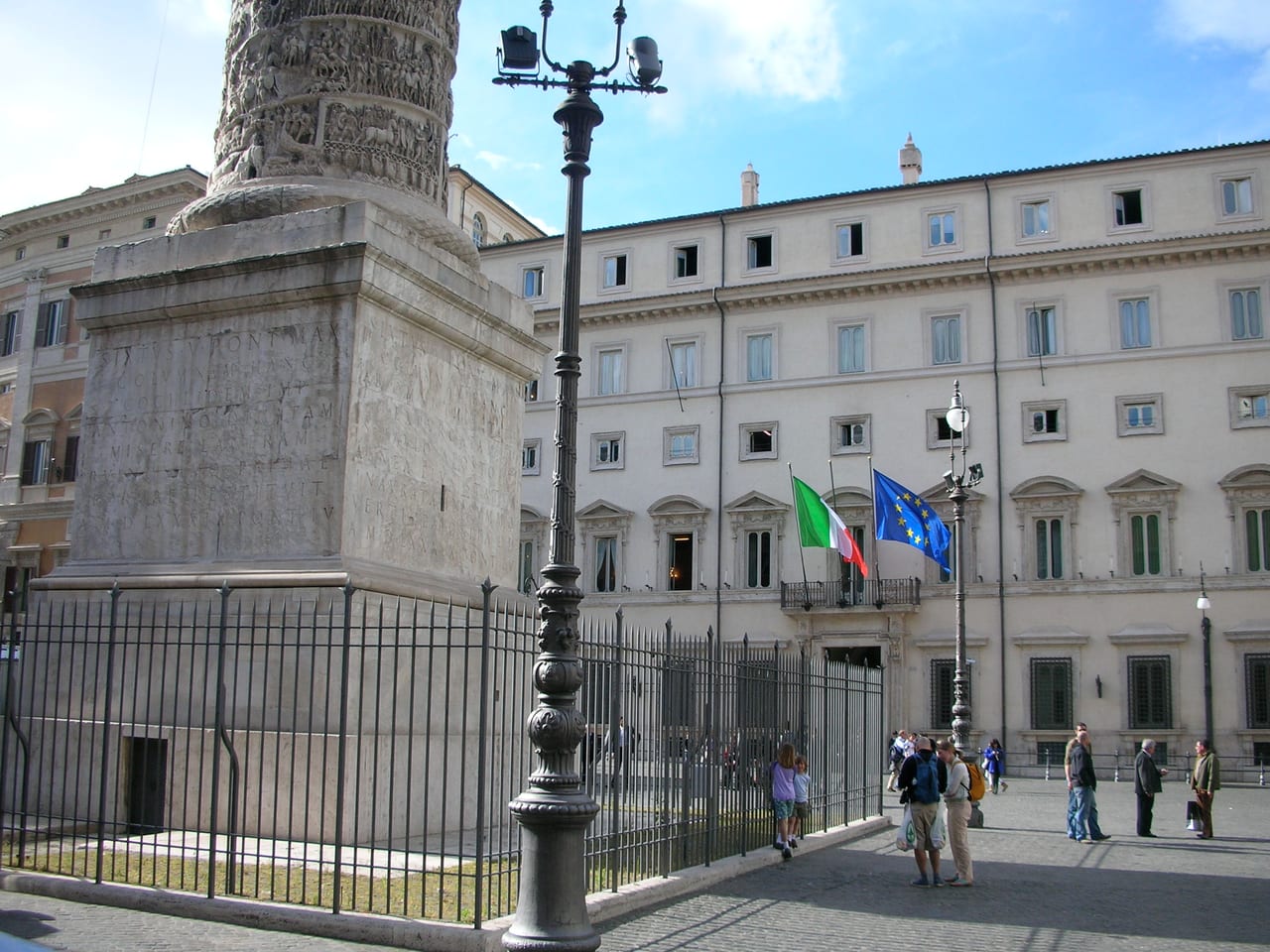
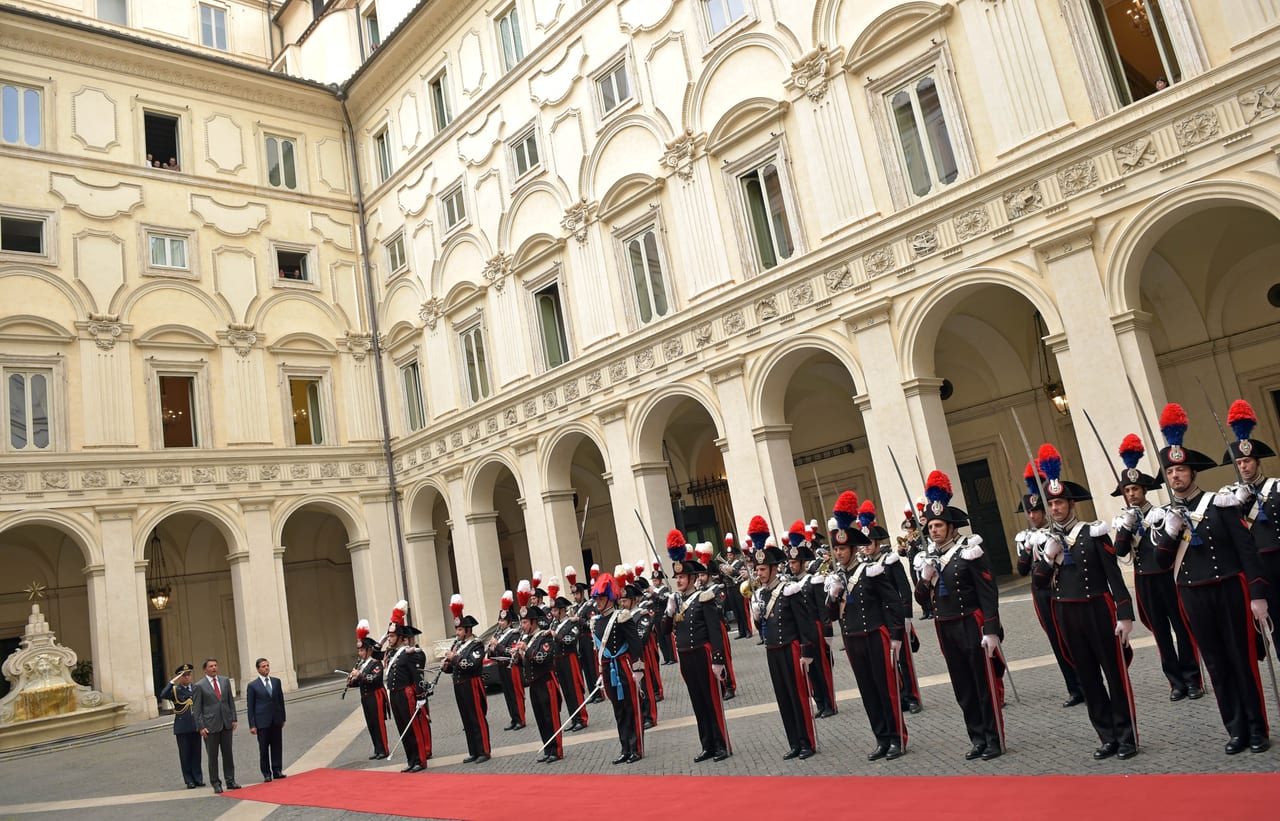
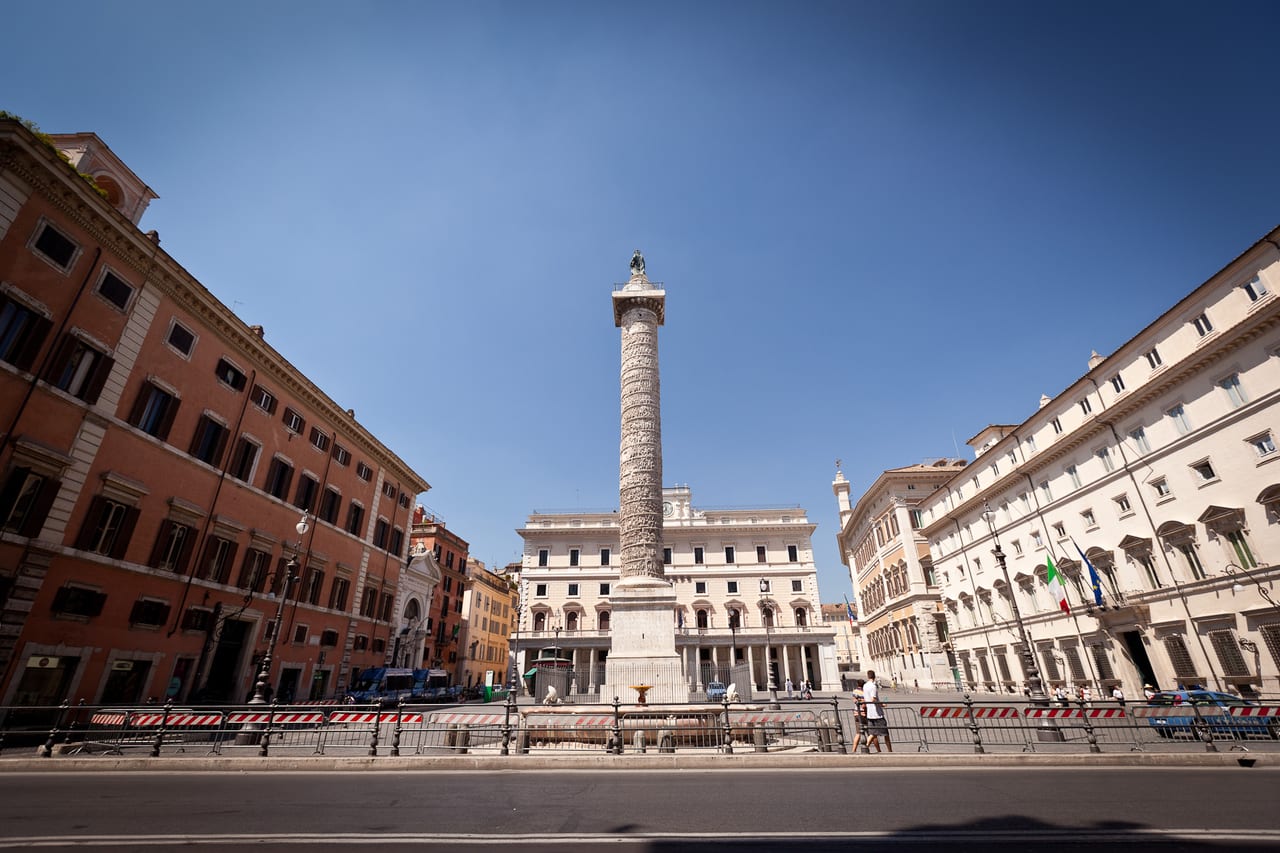
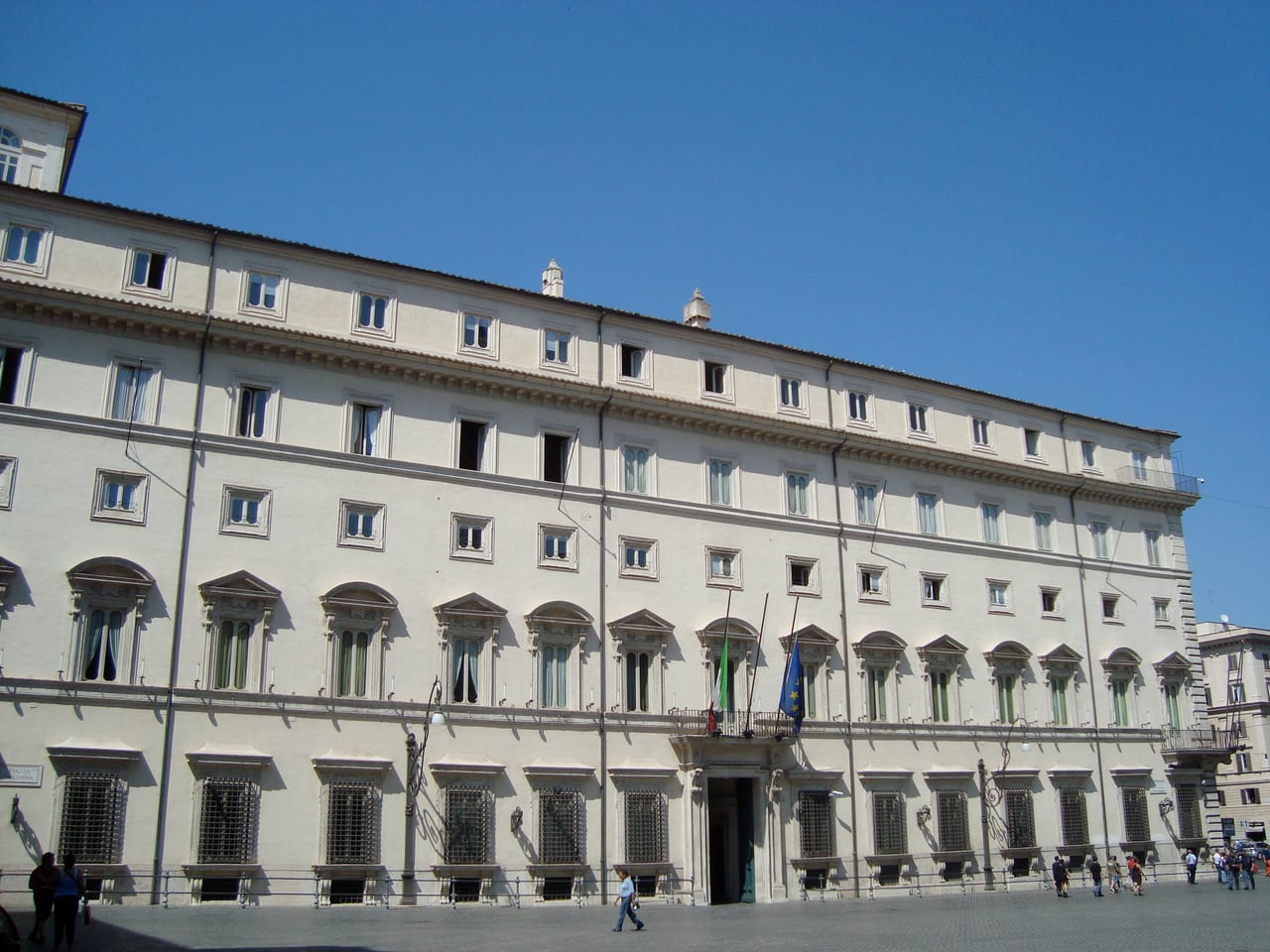
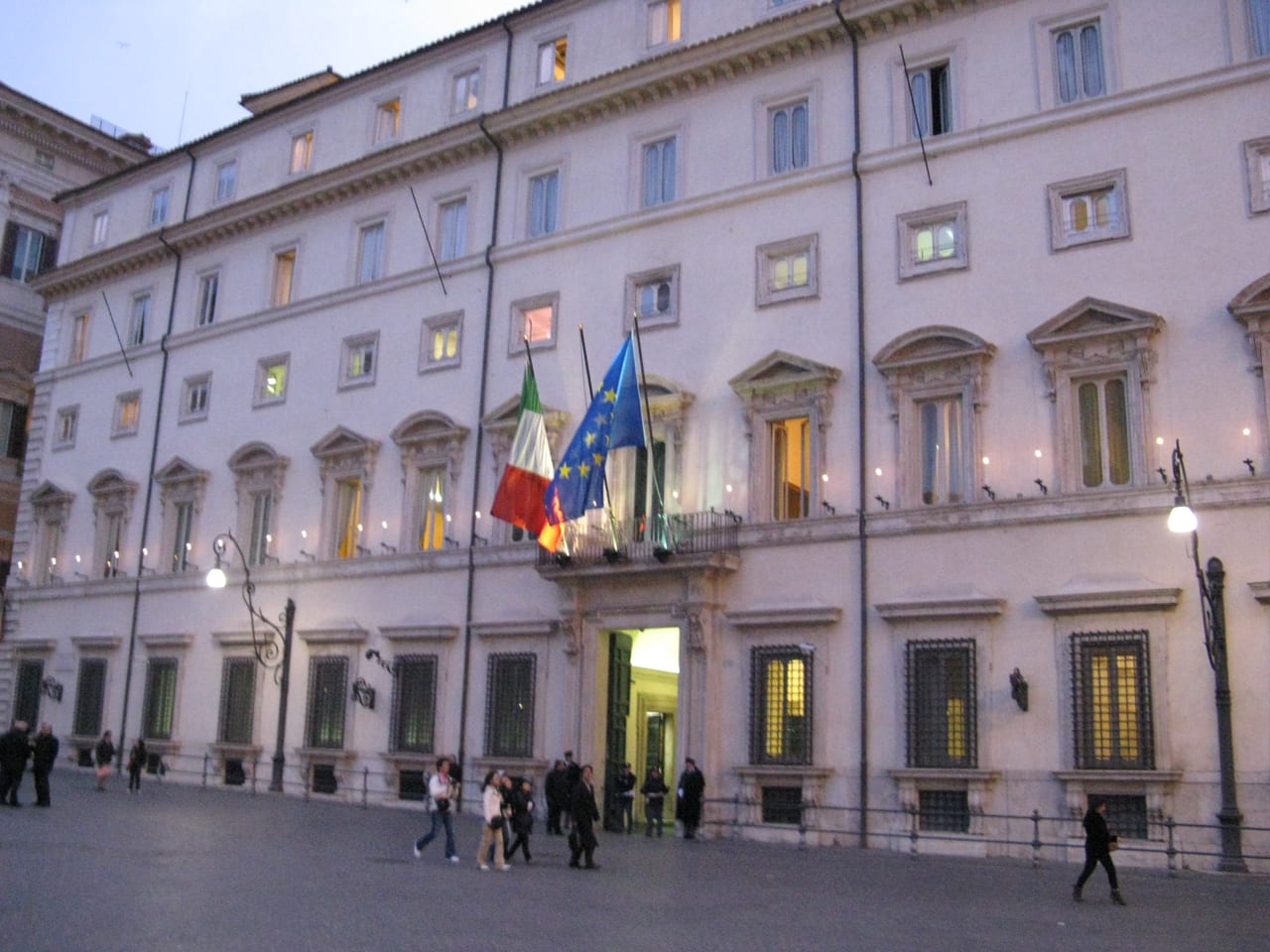
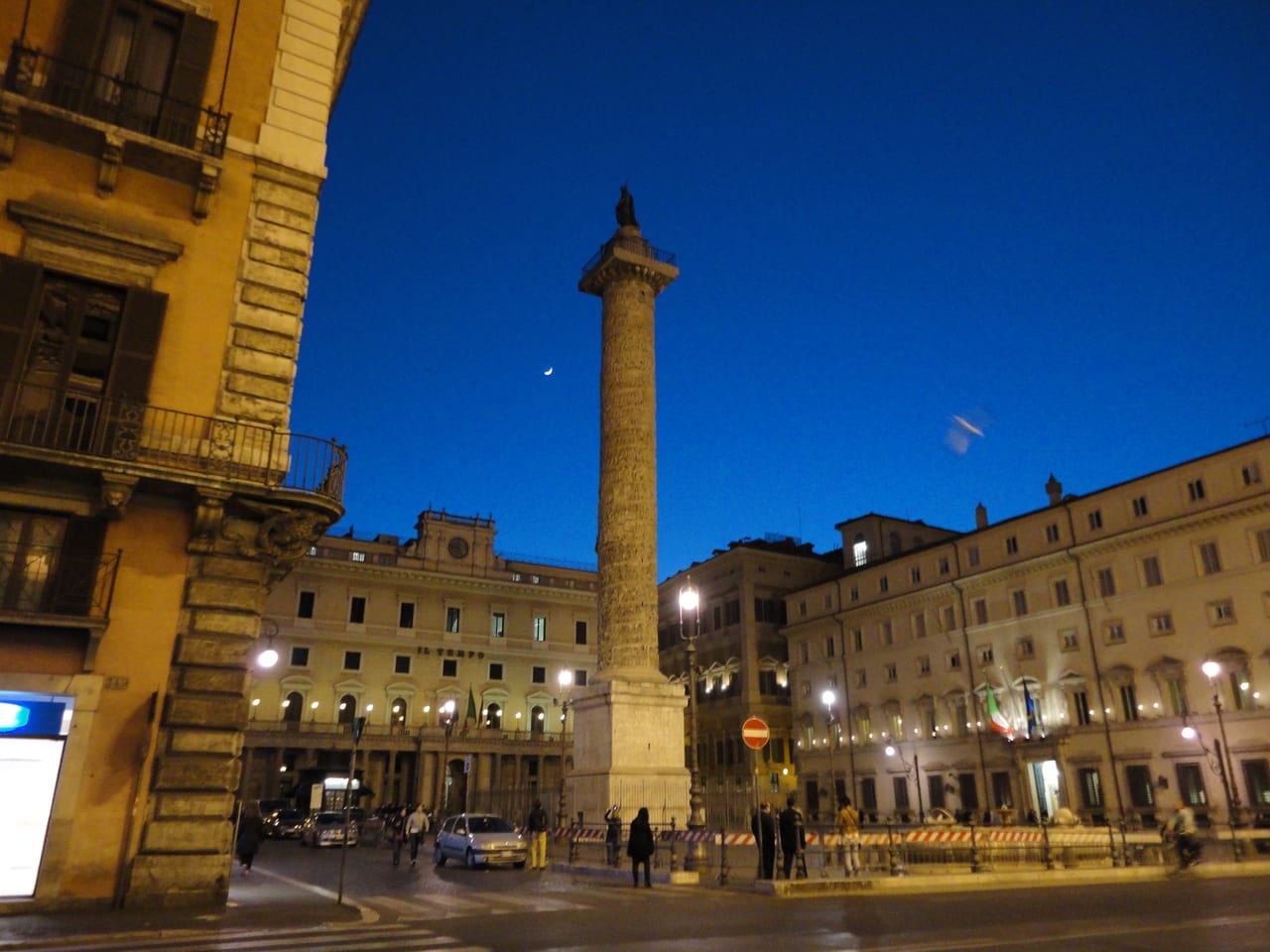
Photograph 1 of 17 of Palazzo Chigi
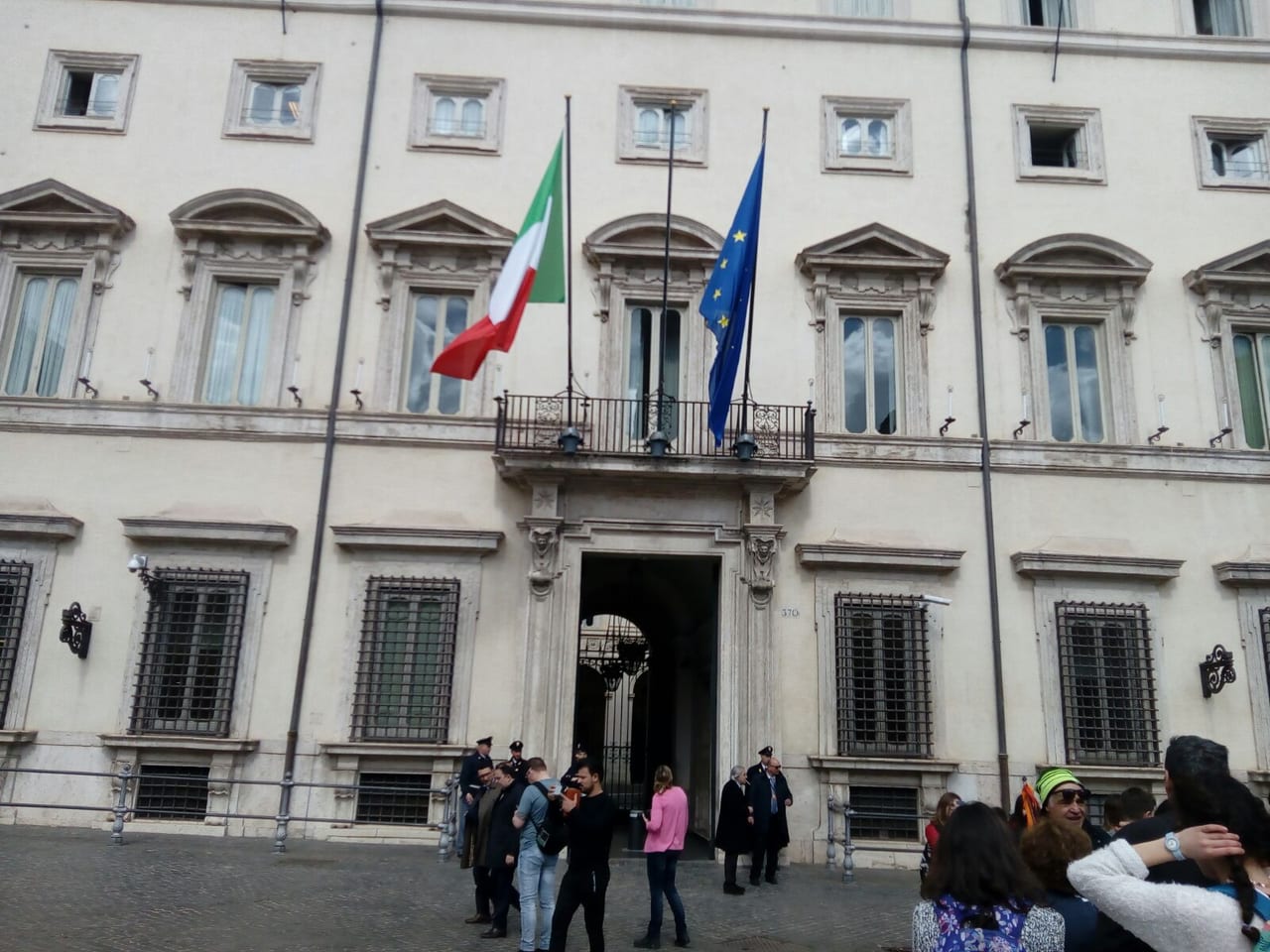
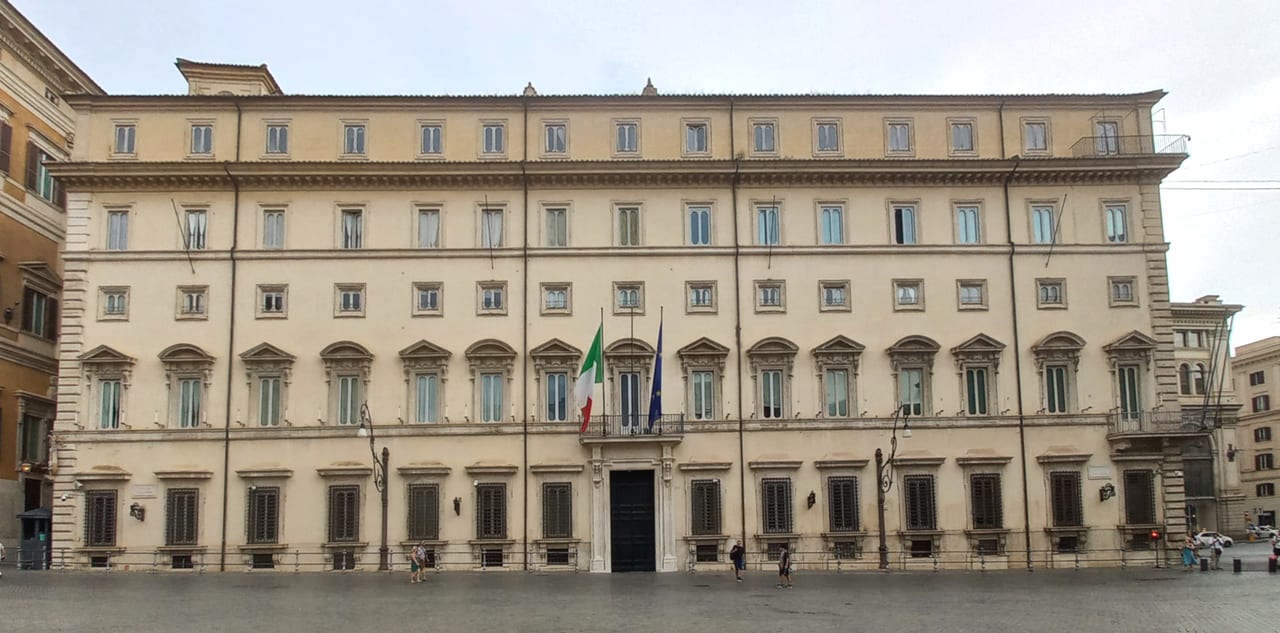
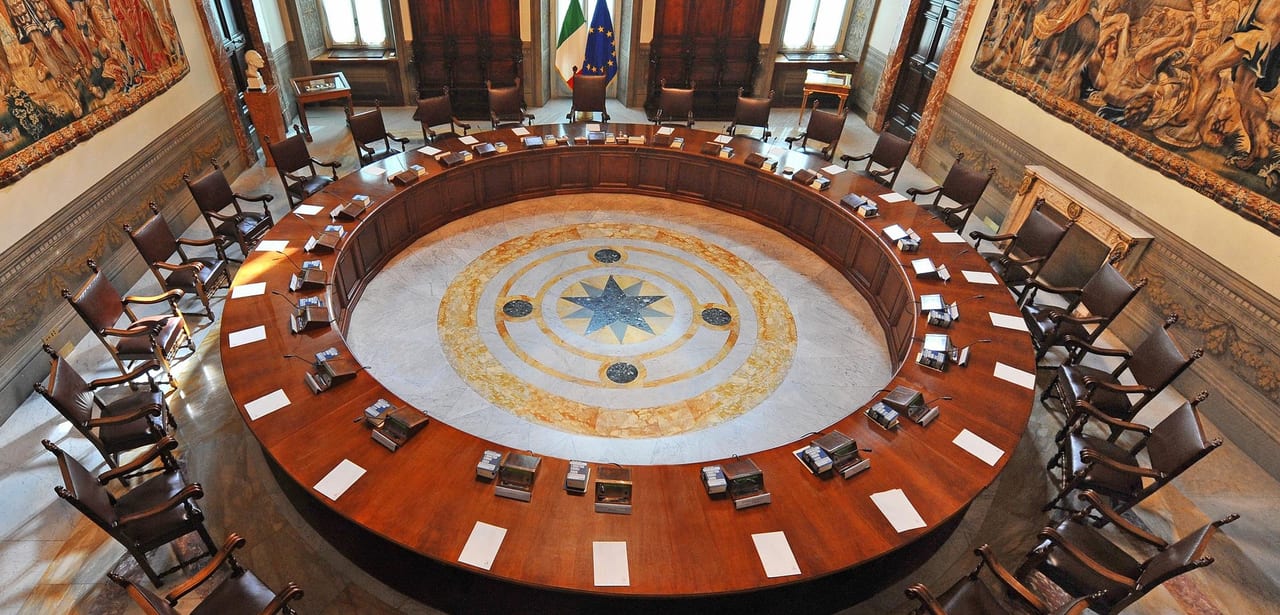
Palazzo Chigi’s building history began in 1562, when Giacomo della Porta initiated work on the properties later assembled along Via del Corso and beside Piazza Colonna. Pietro Aldobrandini purchased a house there in 1578; Matteo Bartolini from Città di Castello then pursued the project, while successive Aldobrandini owners joined adjoining houses and extended the complex. The resulting Mannerist palace has five floors and a broad stairway to the living rooms. Wolfgang Amadeus Mozart performed here on 20 April 1770 before Charles Edward Stuart. From 1878 it housed the Austro-Hungarian ambassador and was nicknamed the “Austrian-Vatican mole”; irredentist demonstrations later pressed for Trento and Trieste. Purchased by the Kingdom of Italy in 1916, it became a government building, assuming its present governmental role in 1961. A restoration finished on 7 November 1999. The Library Hall, commissioned by Agostino Chigi, once housed the Chigiana; Benito Mussolini later donated it to the Vatican after negotiations led by Pietro Tacchi Venturi for Pope Pius XI.
At a glance
- Built
- 1580
- Architect
- Giacomo della Porta
- Style
- Mannerist architecture
- Heritage
- Italian national heritage
Ways to explore Palazzo Chigi
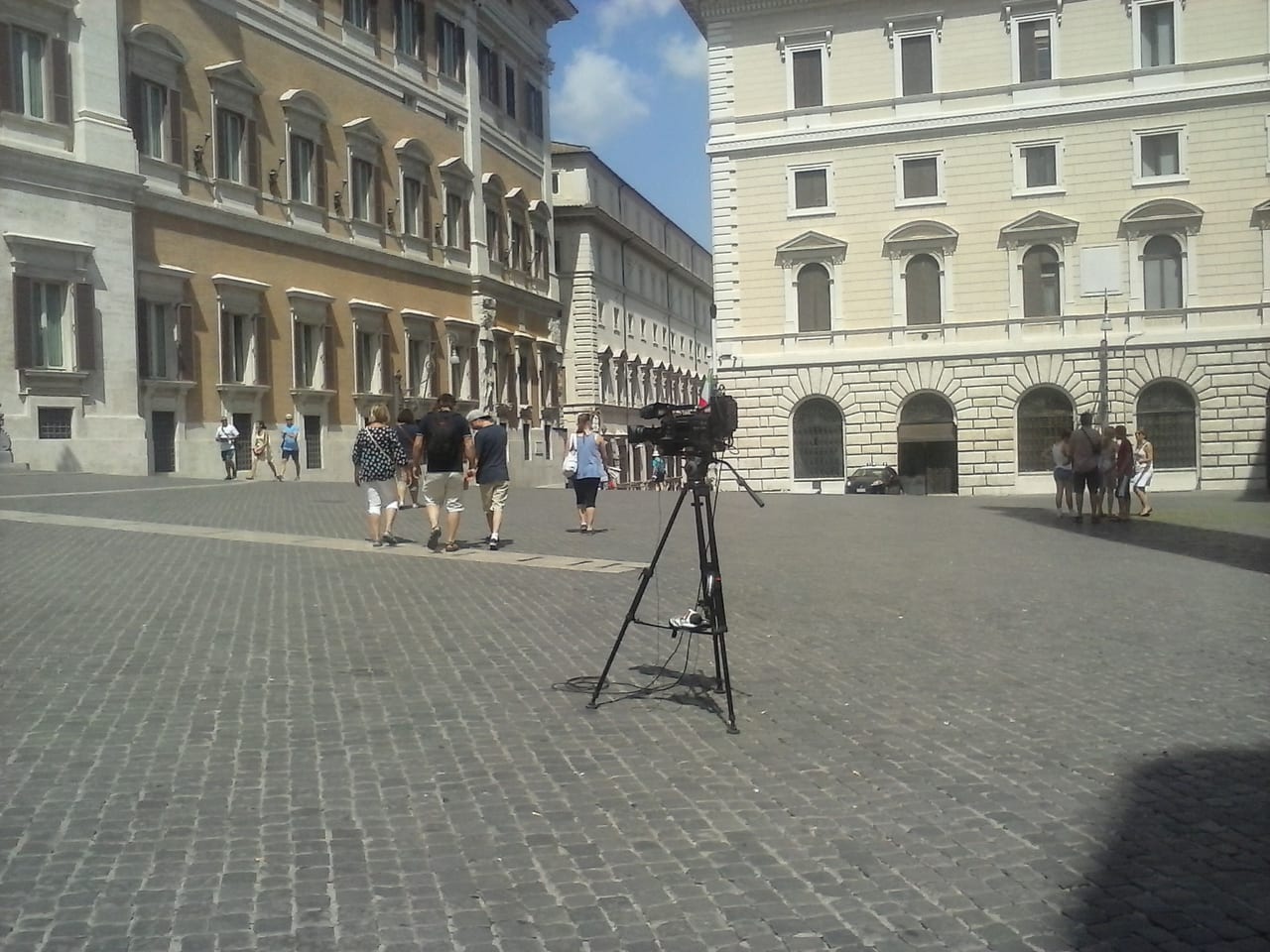
Begin at Piazza Colonna, then walk along Via del Corso to compare the palace’s two principal public elevations and its relationship with neighbouring Palazzo Montecitorio. Look for the broad stairway leading to the living rooms and consider the courtyard fountain, designed by Giacomo della Porta. The building’s present governmental function makes an exterior-focused visit the most dependable approach.
Places to stay near Palazzo Chigi

Live availability and prices from Stay22's partners, refreshed periodically and subject to change. Booking through these links may earn us a commission at no extra cost to you. See our privacy policy.
Cafés near Palazzo Chigi
Cafés near Palazzo Chigi loads as you scroll.
Attractions nearby
Attractions near Palazzo Chigi loads as you scroll.
Cities nearby
Cities nearby loads as you scroll.
More in Rome
See more of Rome.
Find great cafés, places to stay and other interesting places to visit in Rome.