Castle & palace · Rome
Palazzo Braschi
DirectionsIts monumental staircase incorporates eighteen red-granite columns taken from Emperor Caligula’s riverside gallery, giving the Neoclassical interior an unusually ancient foundation.
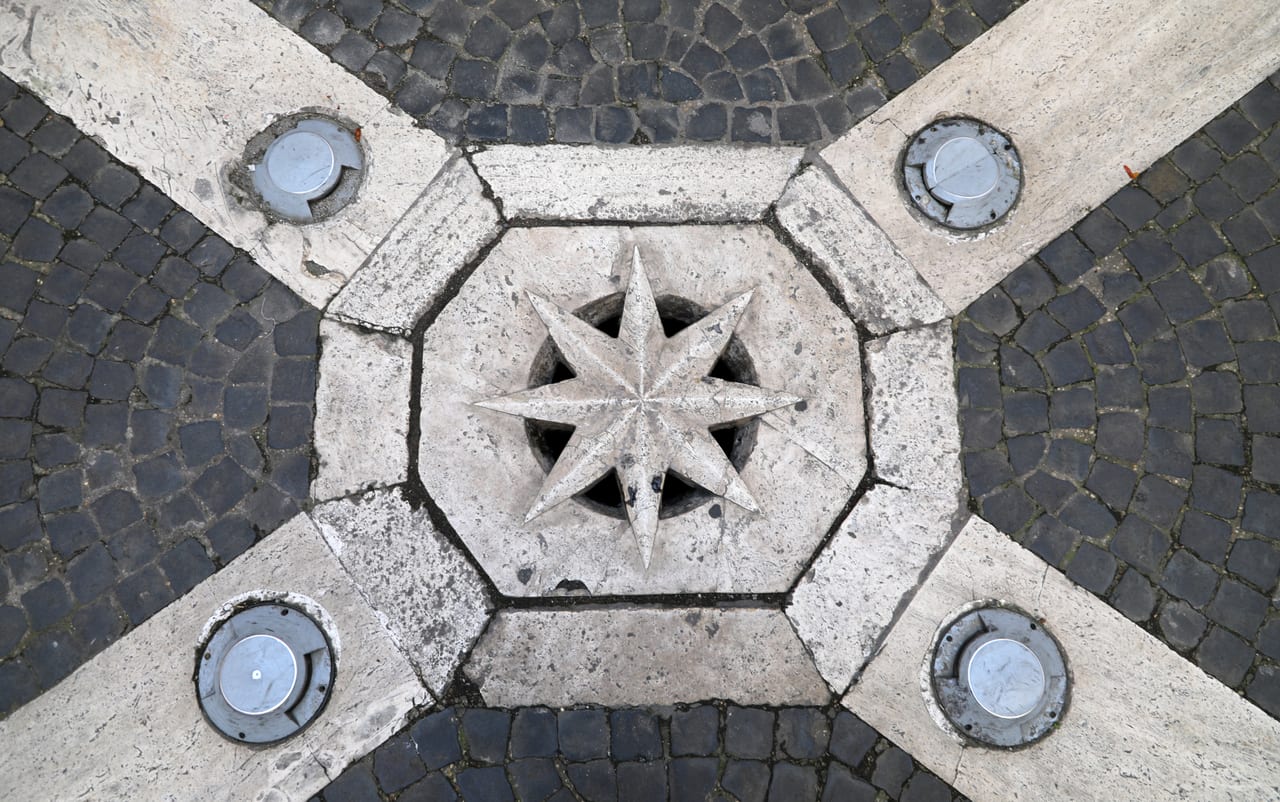
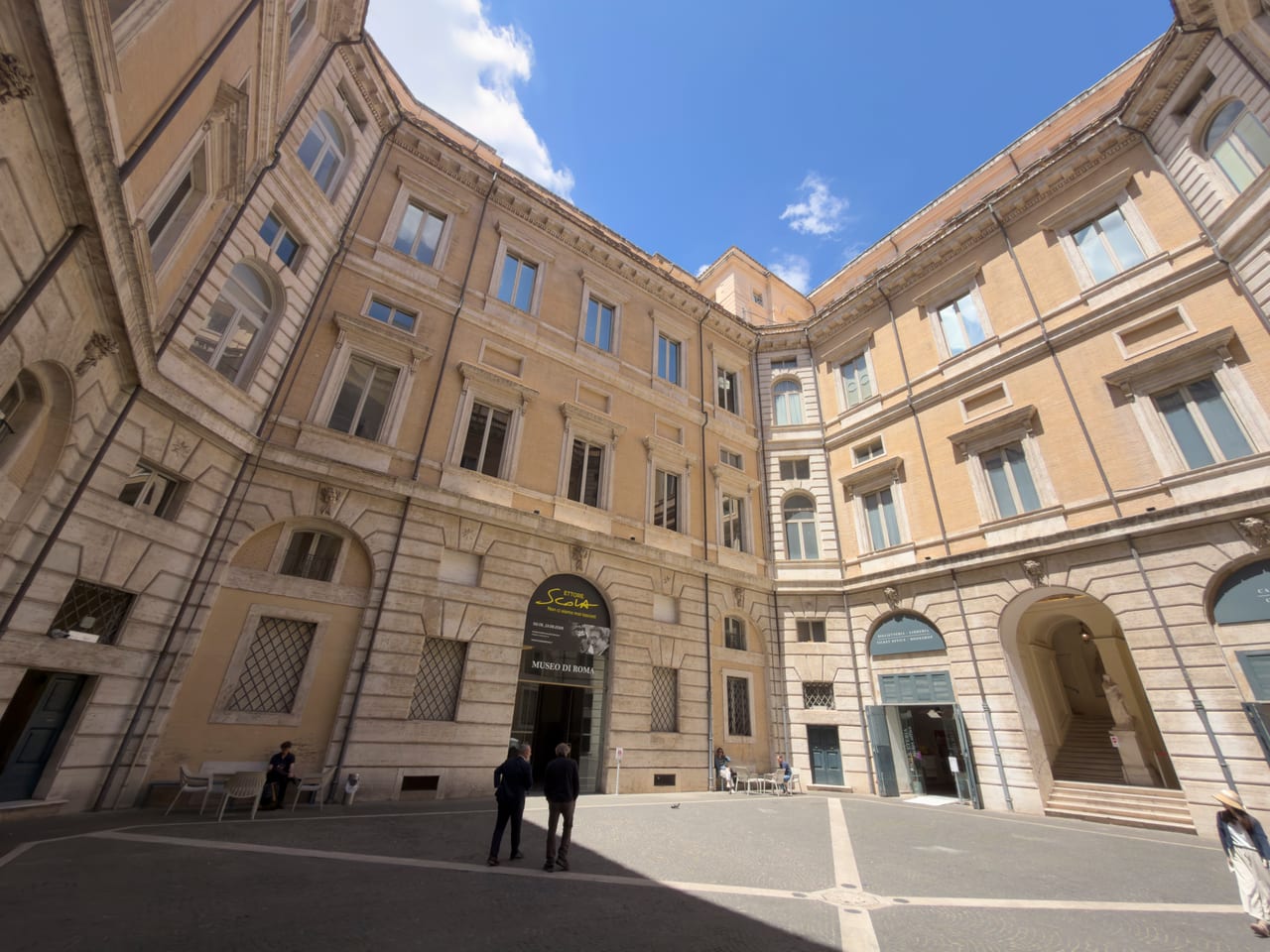
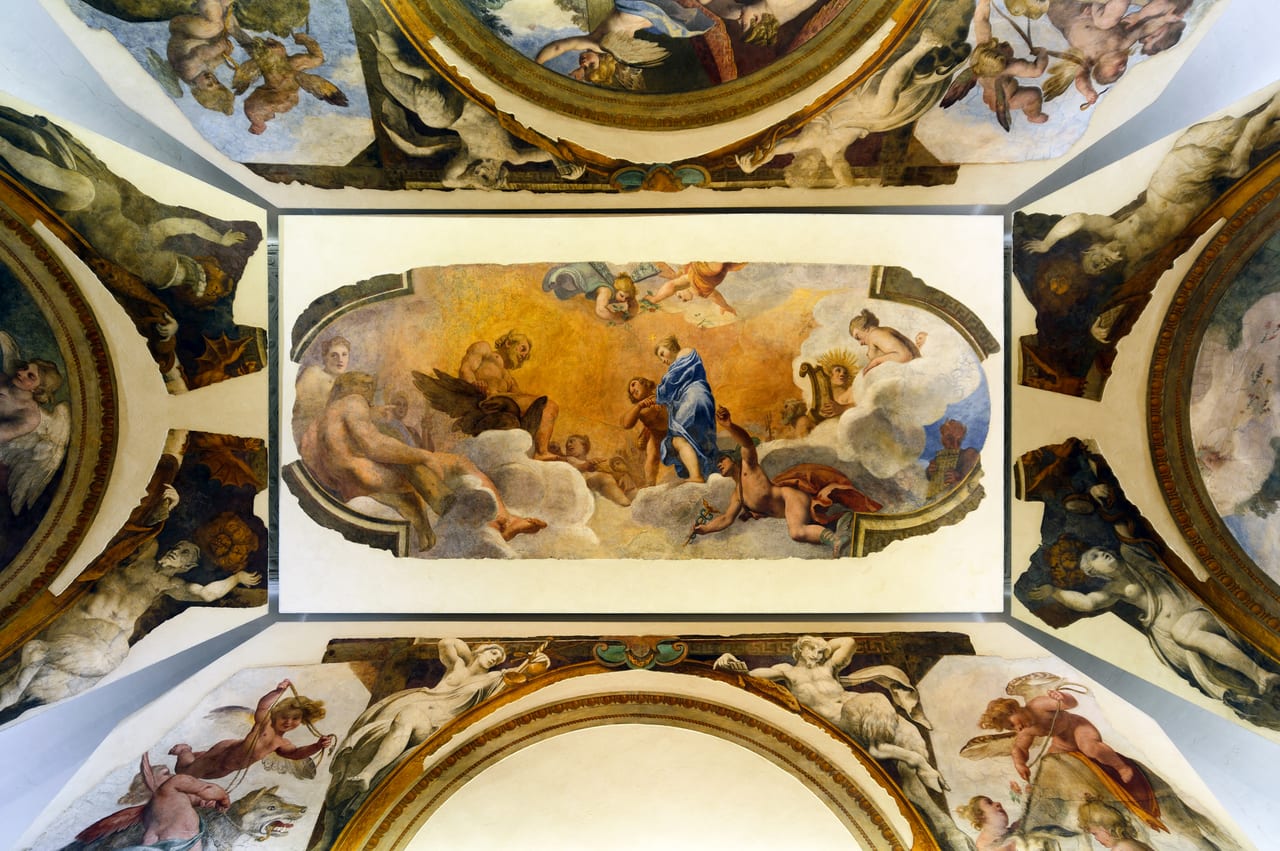
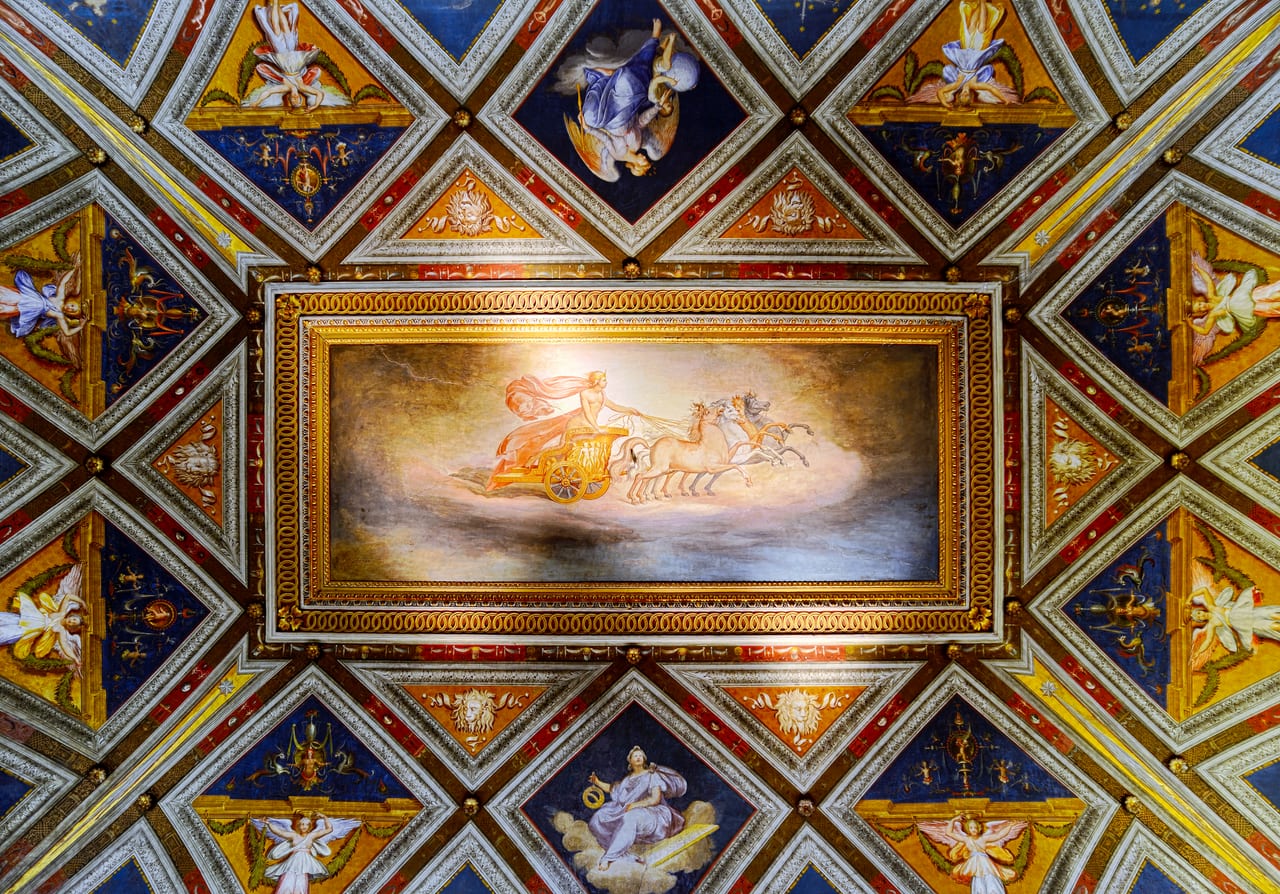
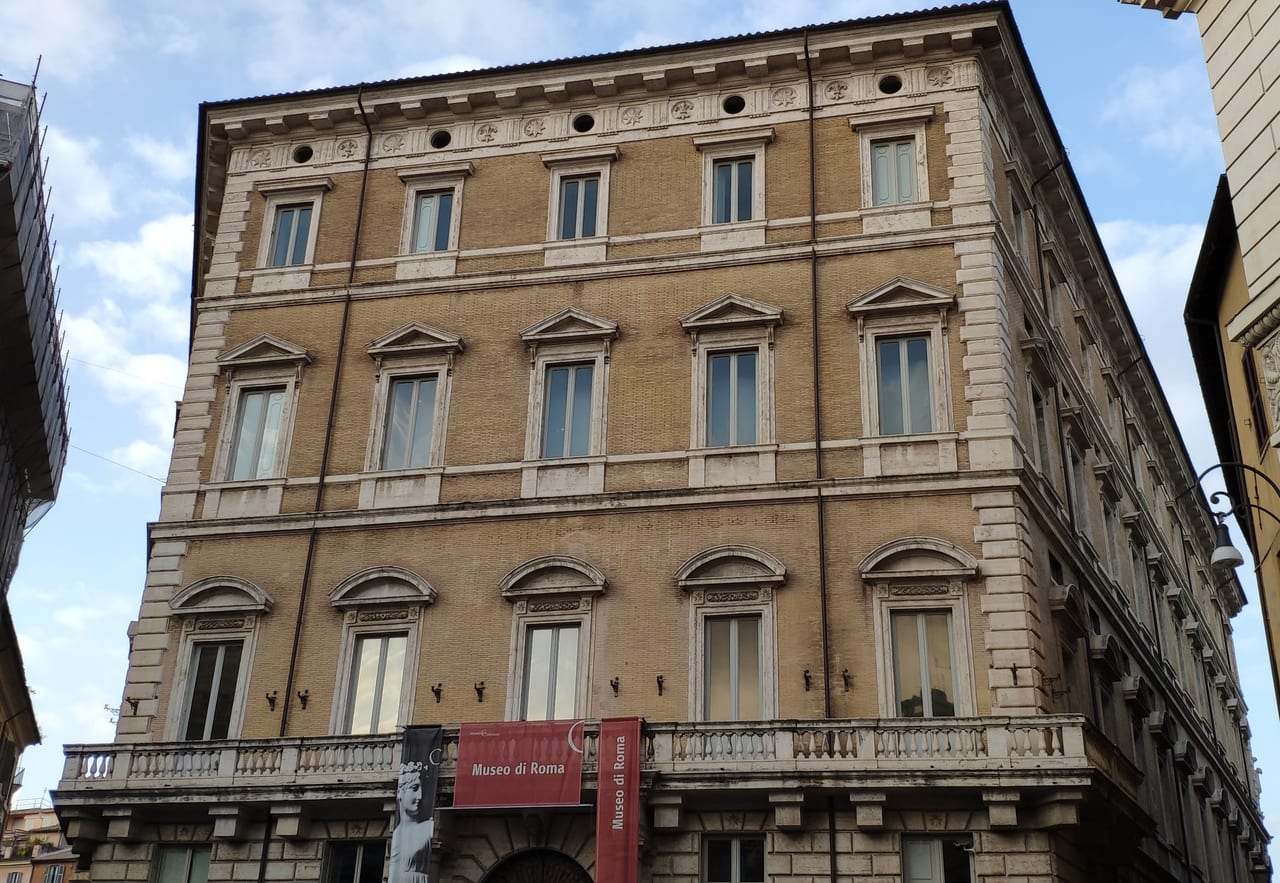
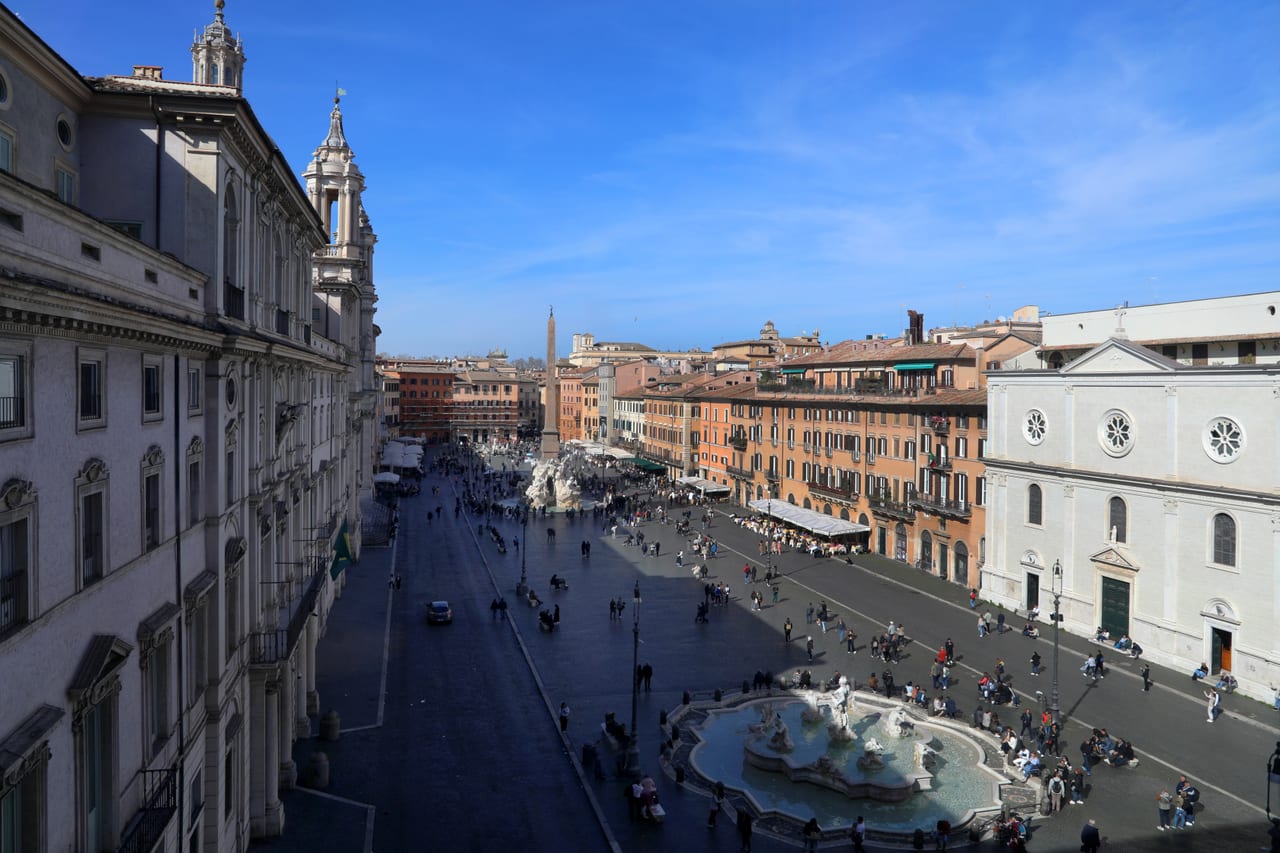
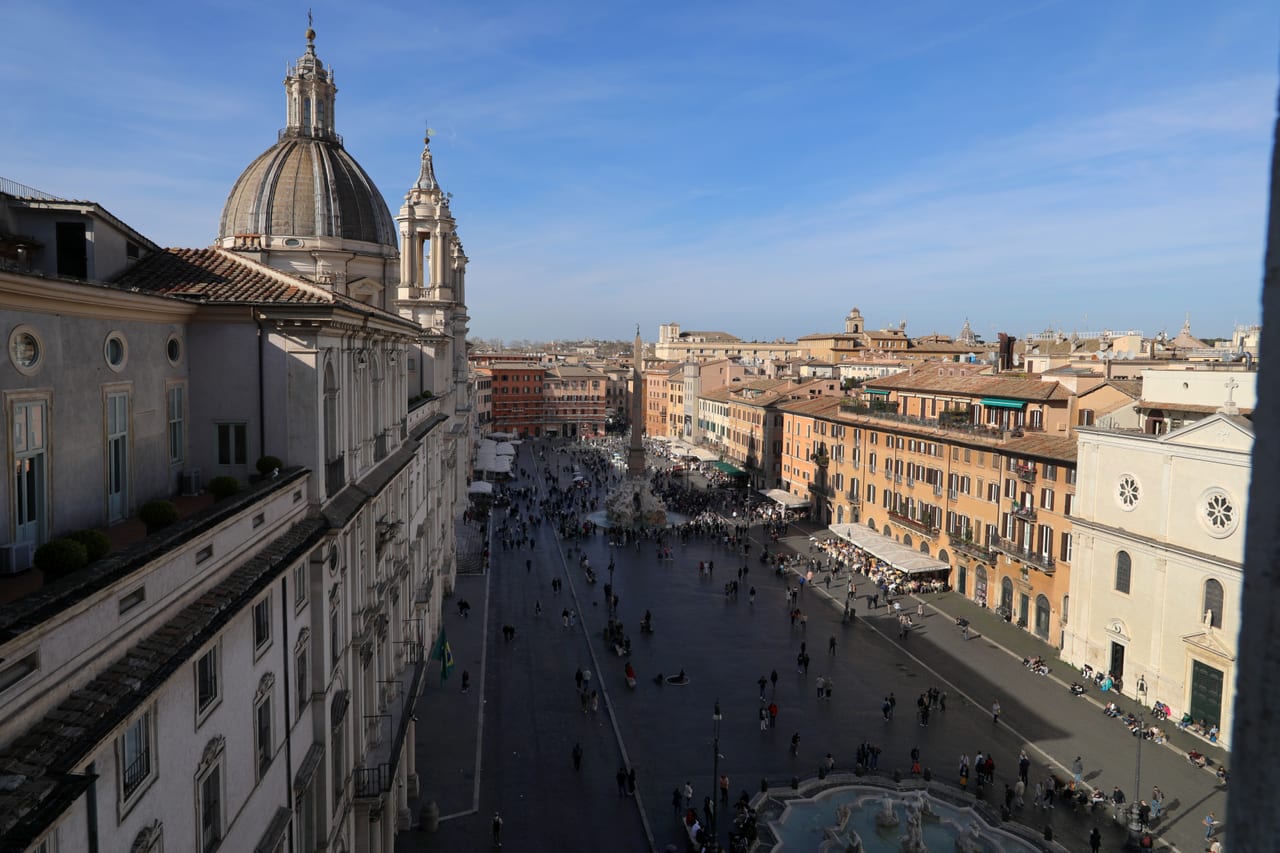
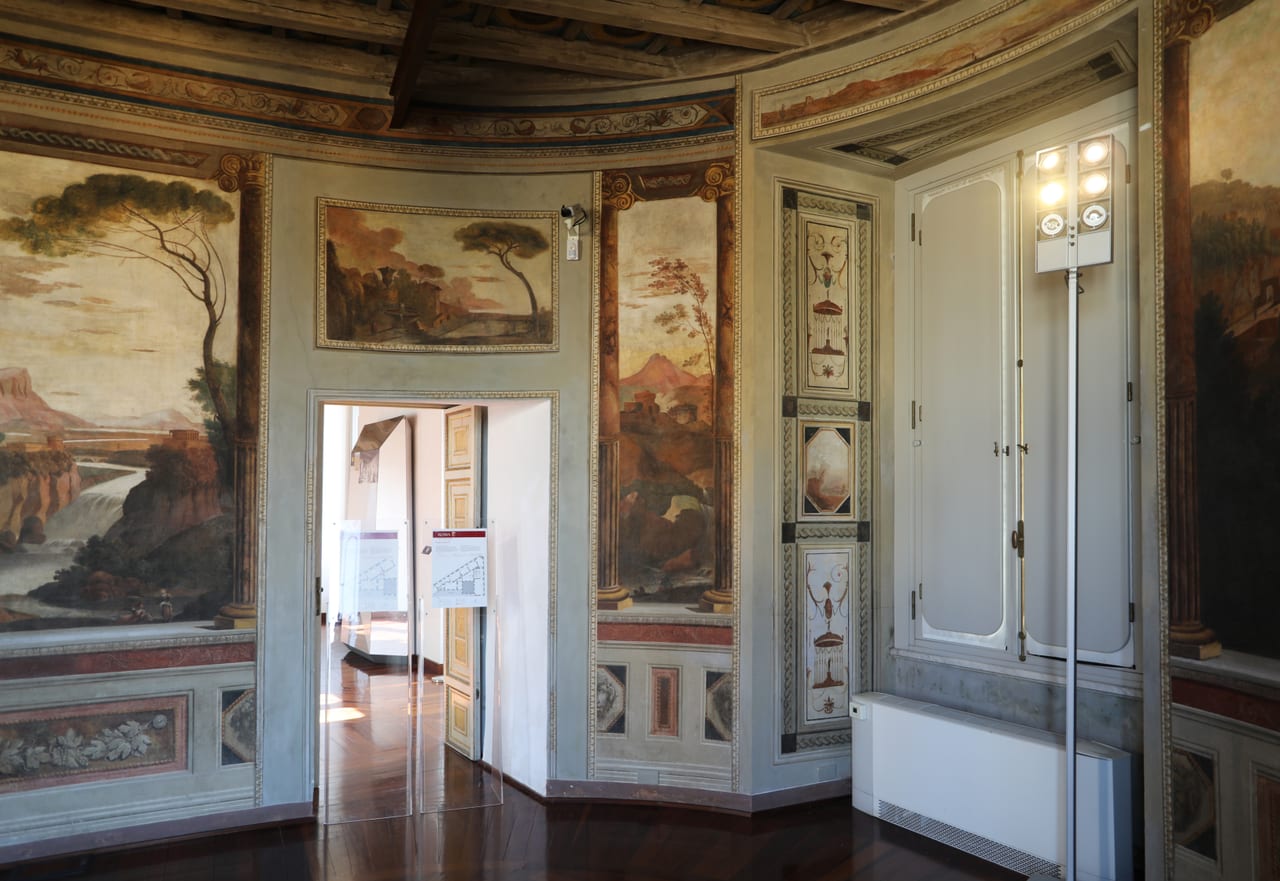
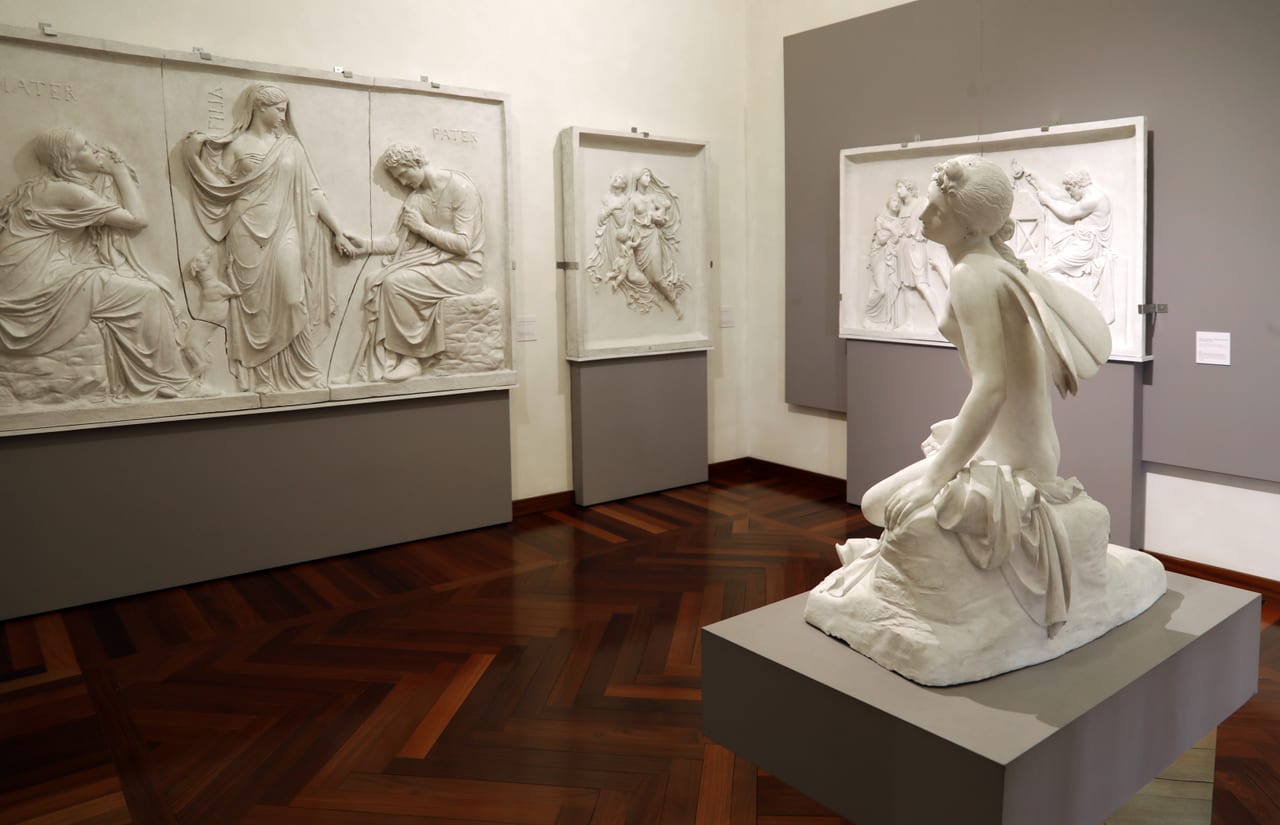
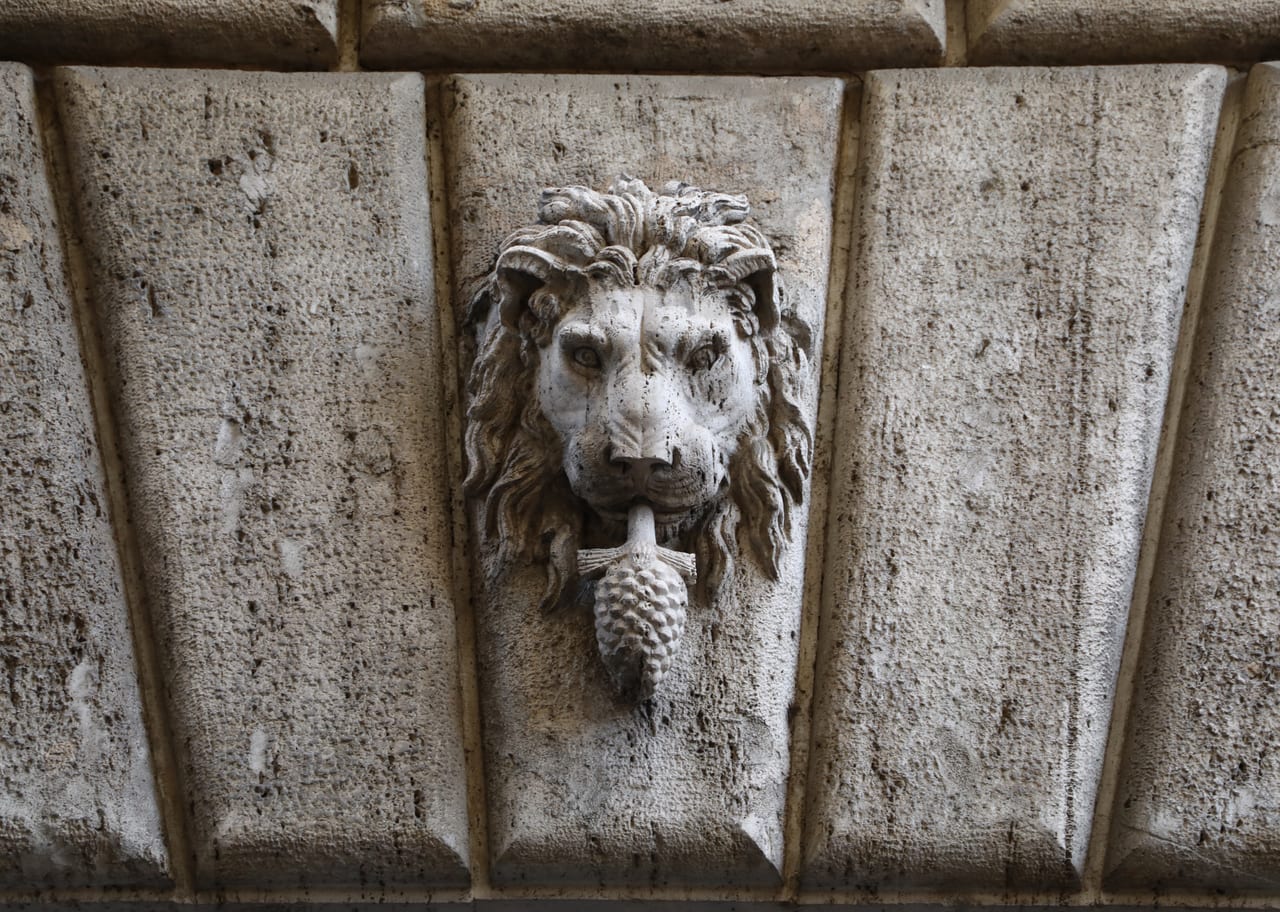
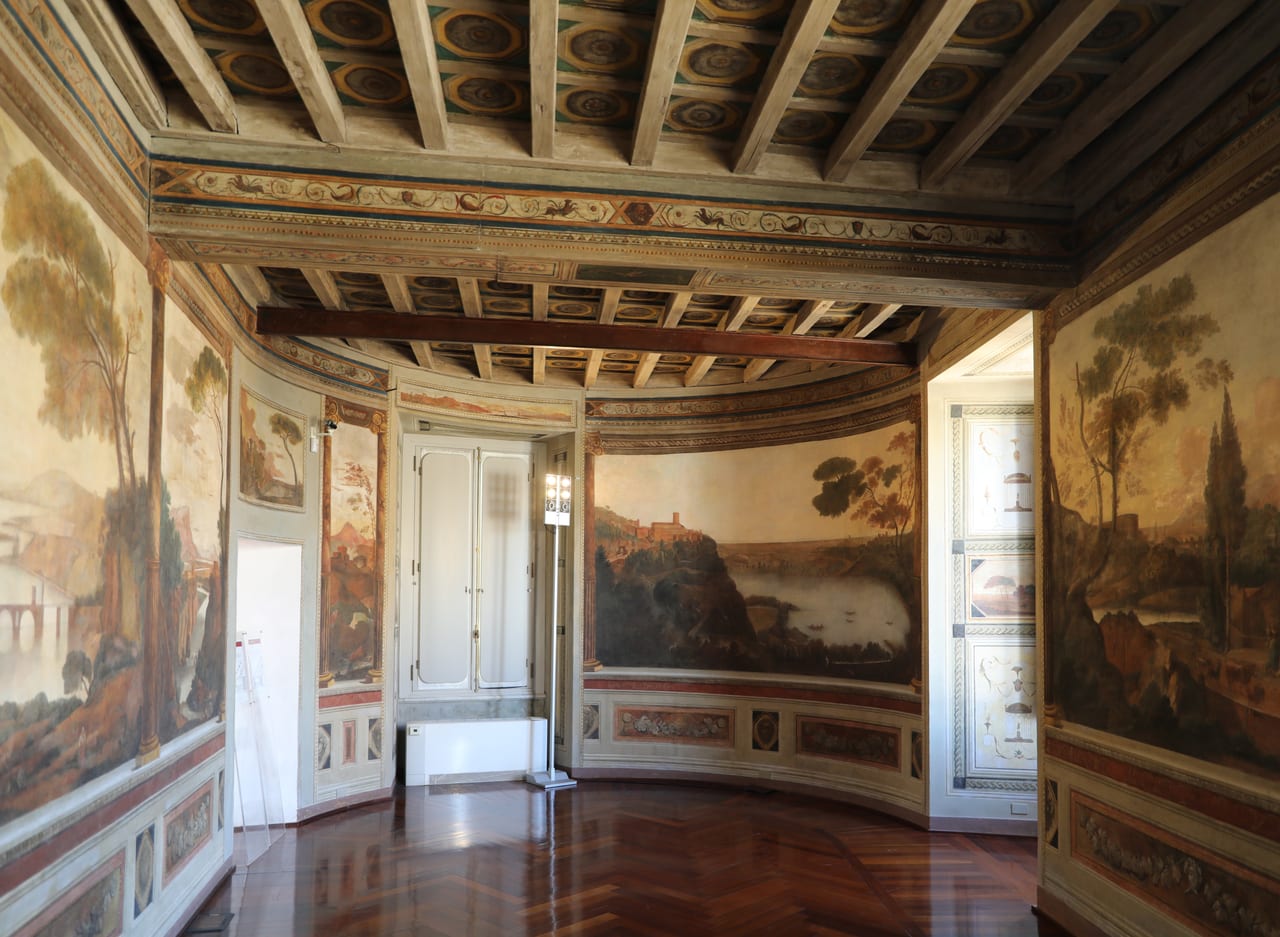
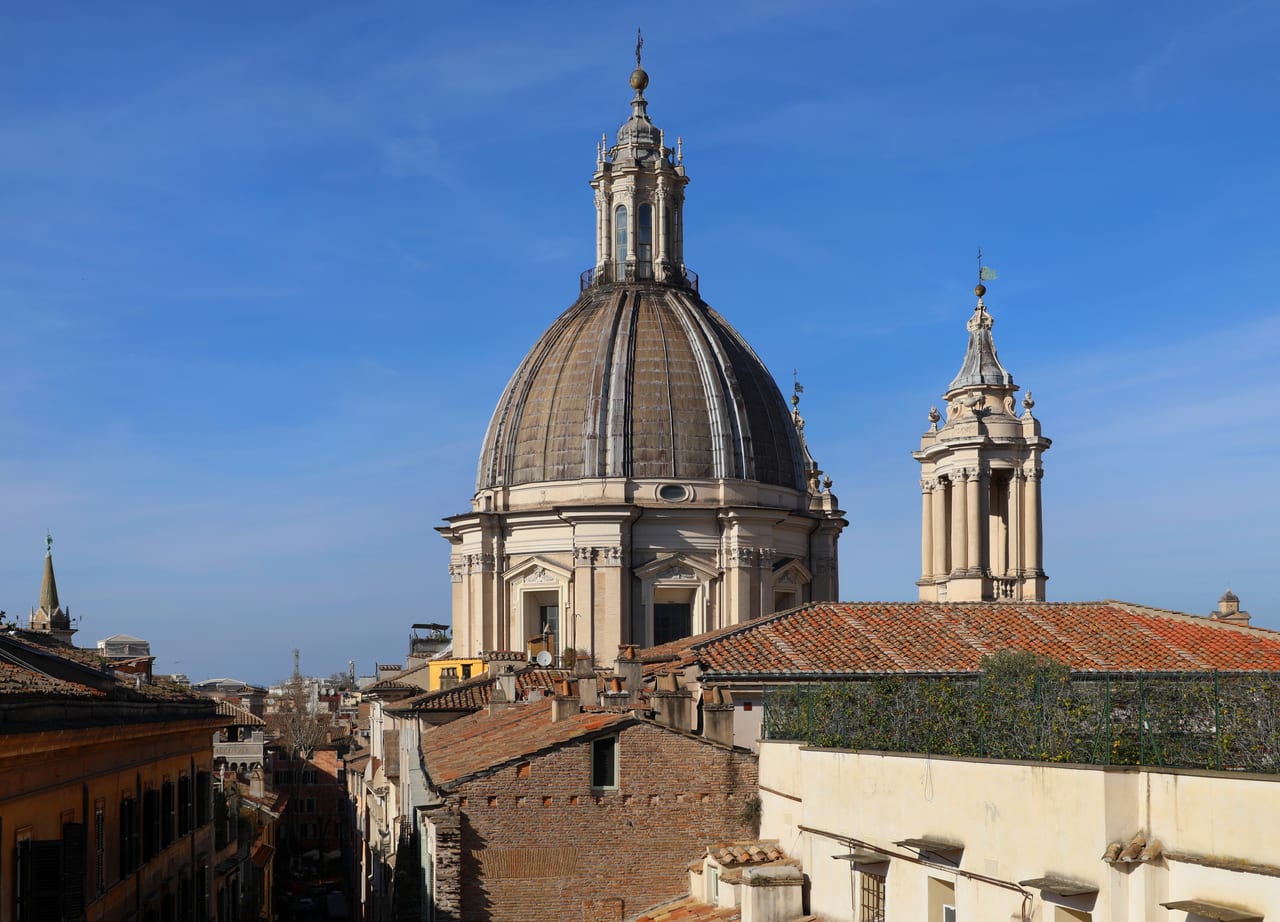
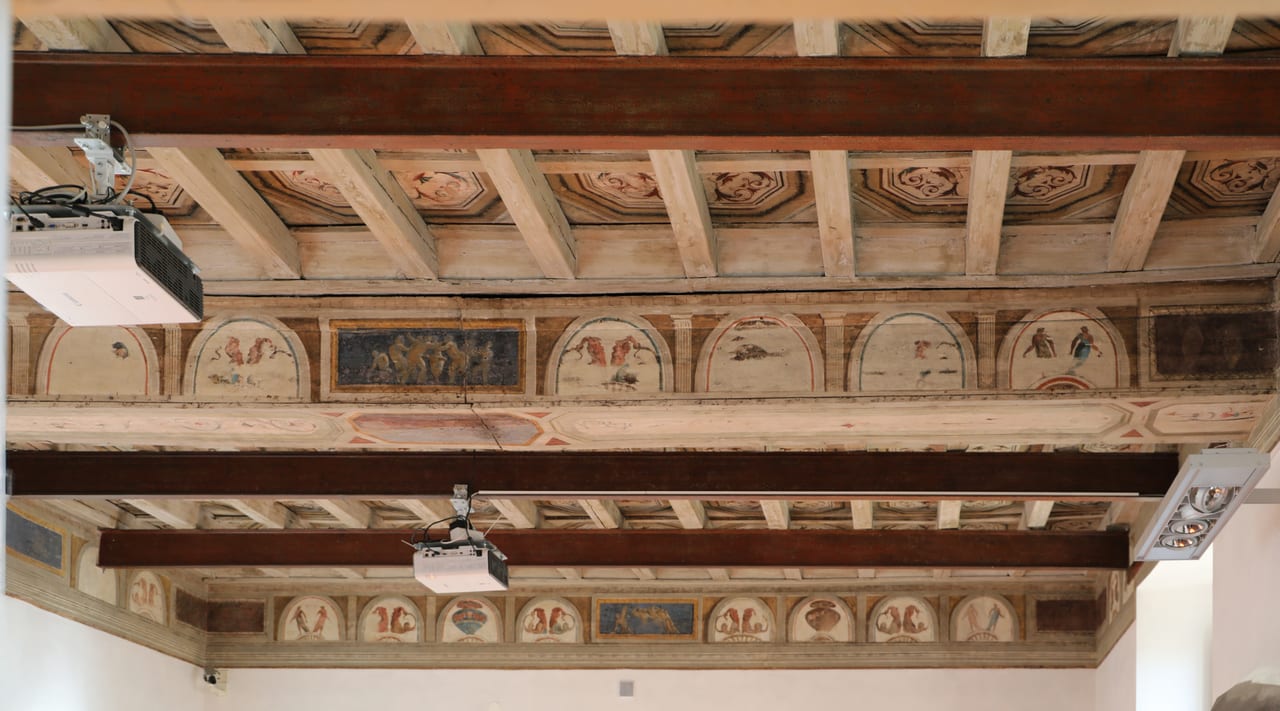
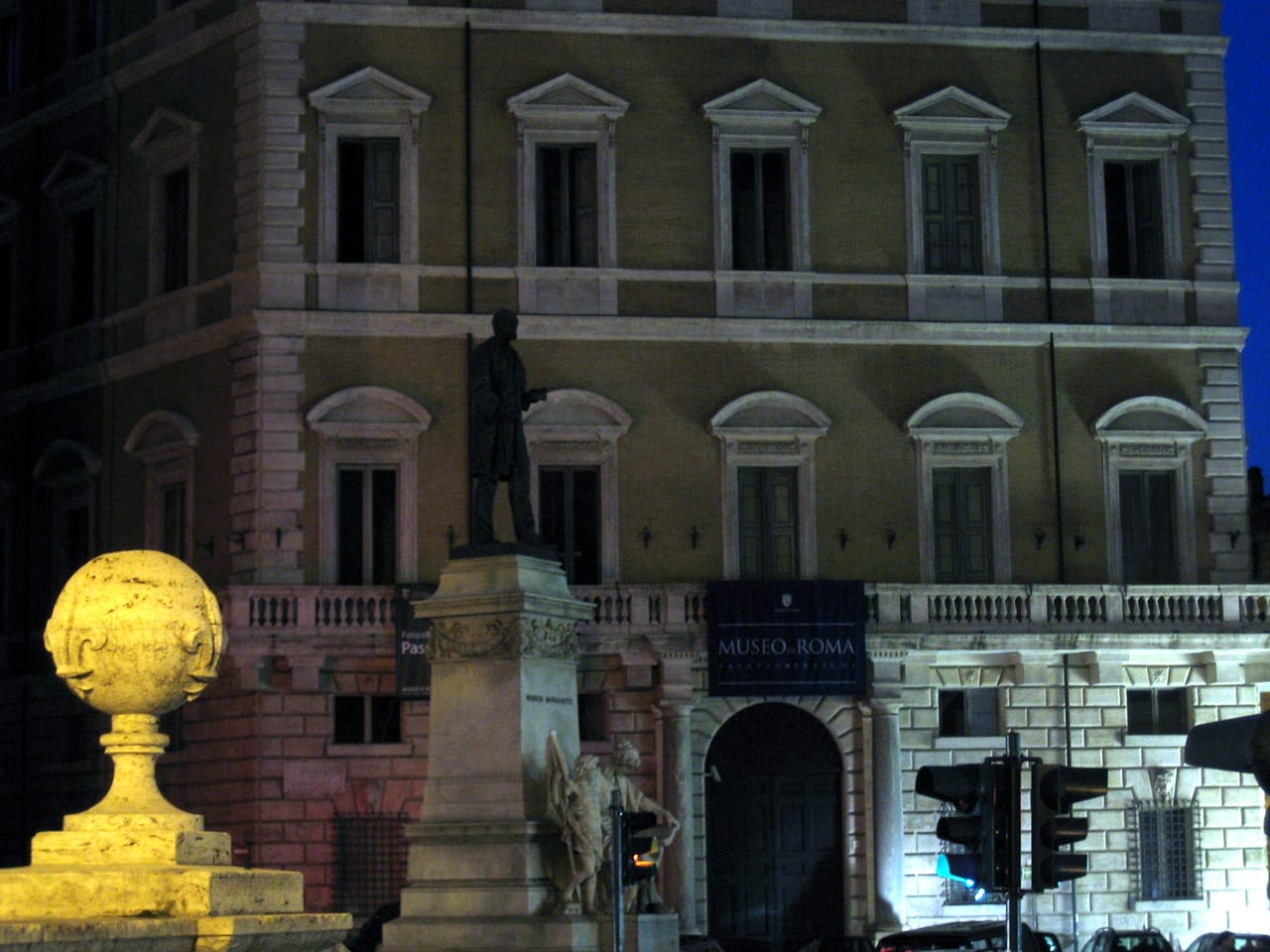
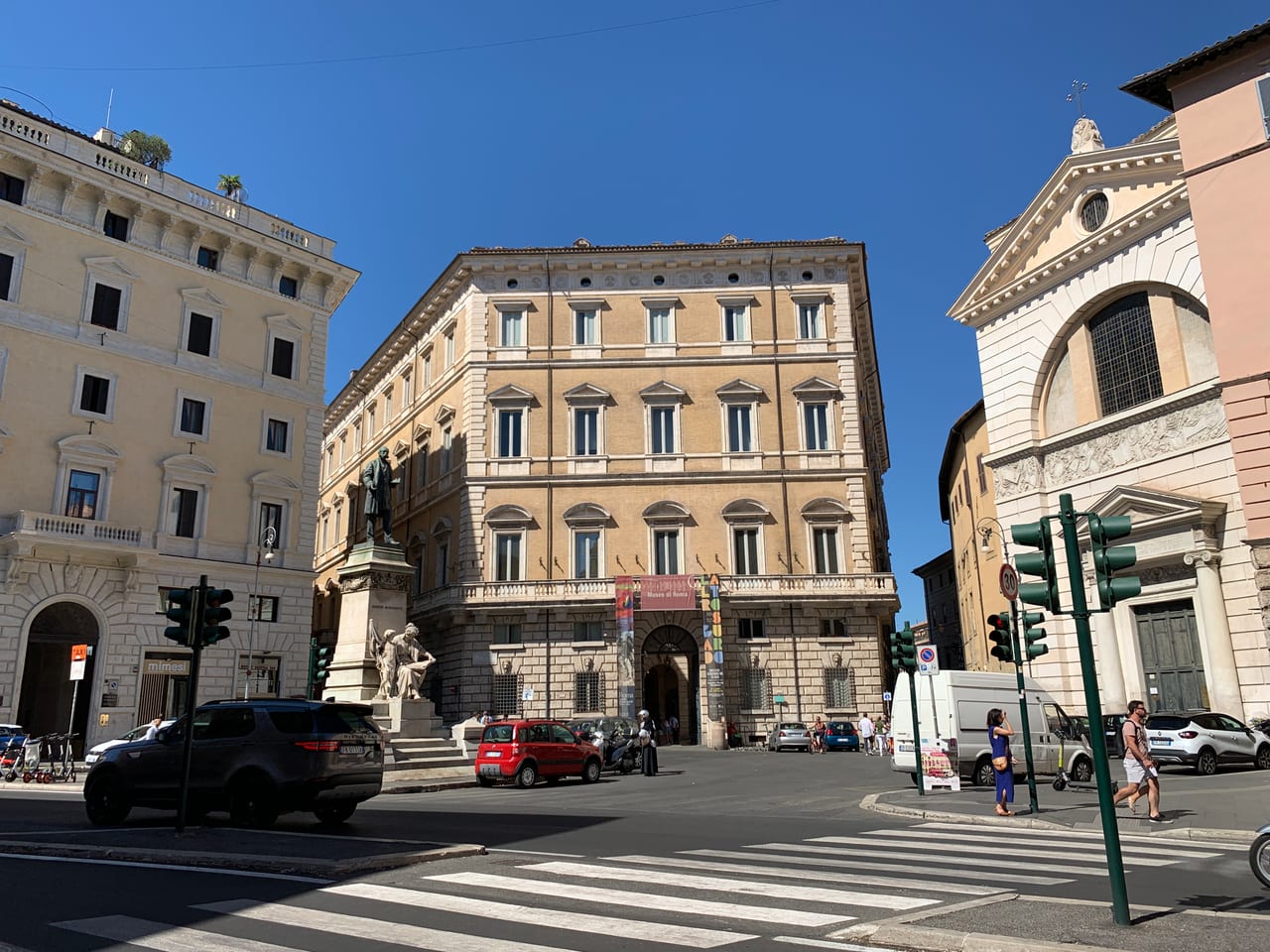
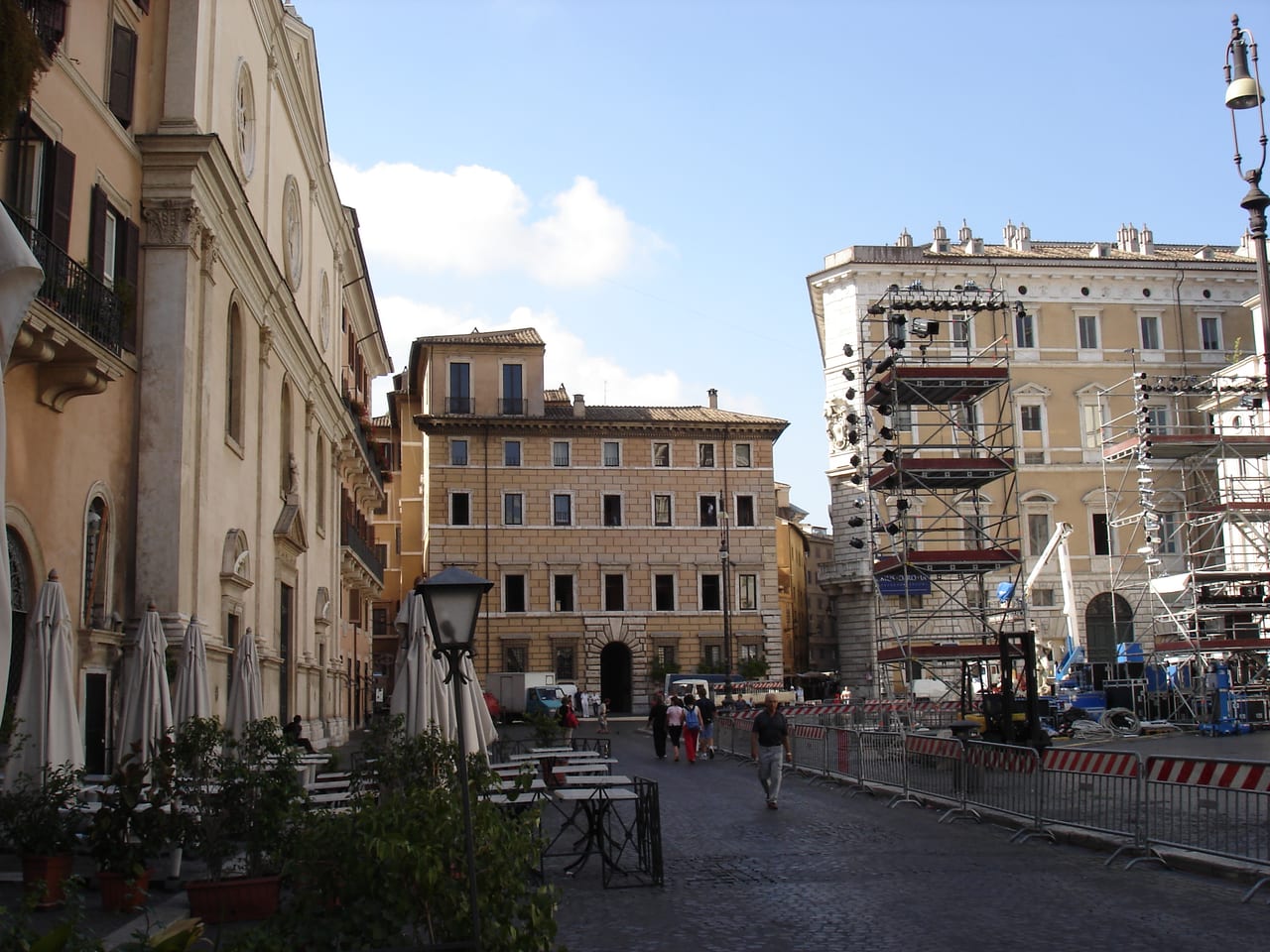
Photograph 1 of 17 of Palazzo Braschi
Palazzo Braschi was commissioned by Duke Luigi Braschi Onesti, nephew of Pope Pius VI, who had created him Duke of Nemi. Braschi bought the site in 1790 with the pope’s financial support and demolished a 16th-century palace by Giuliano da Sangallo the Younger, built for Francesco Orsini. Cosimo Morelli designed the replacement in the Neoclassical style; construction began in 1804 but was suspended in February 1798 during the French occupation, when the building and its recently acquired antiquities were confiscated until 1802. In 1809, after Rome became an Imperial city, Braschi moved in and became mayor. His death in 1816 left the palace unfinished, and his heirs sold it to the Italian State in 1871. It became the Ministry of the Interior, then Benito Mussolini’s political headquarters during the Fascist period. After housing 300 refugee families, it suffered serious fresco damage from heating fires. The civic authorities took possession in 1949; conservation followed in 1952. Giuseppe Valadier designed its chapel and the white-marble façade of nearby San Pantaleo.
At a glance
- Built
- 1804
- Architect
- Cosimo Morelli
- Style
- Neoclassical architecture
- Heritage
- Italian national heritage
Ways to explore Palazzo Braschi
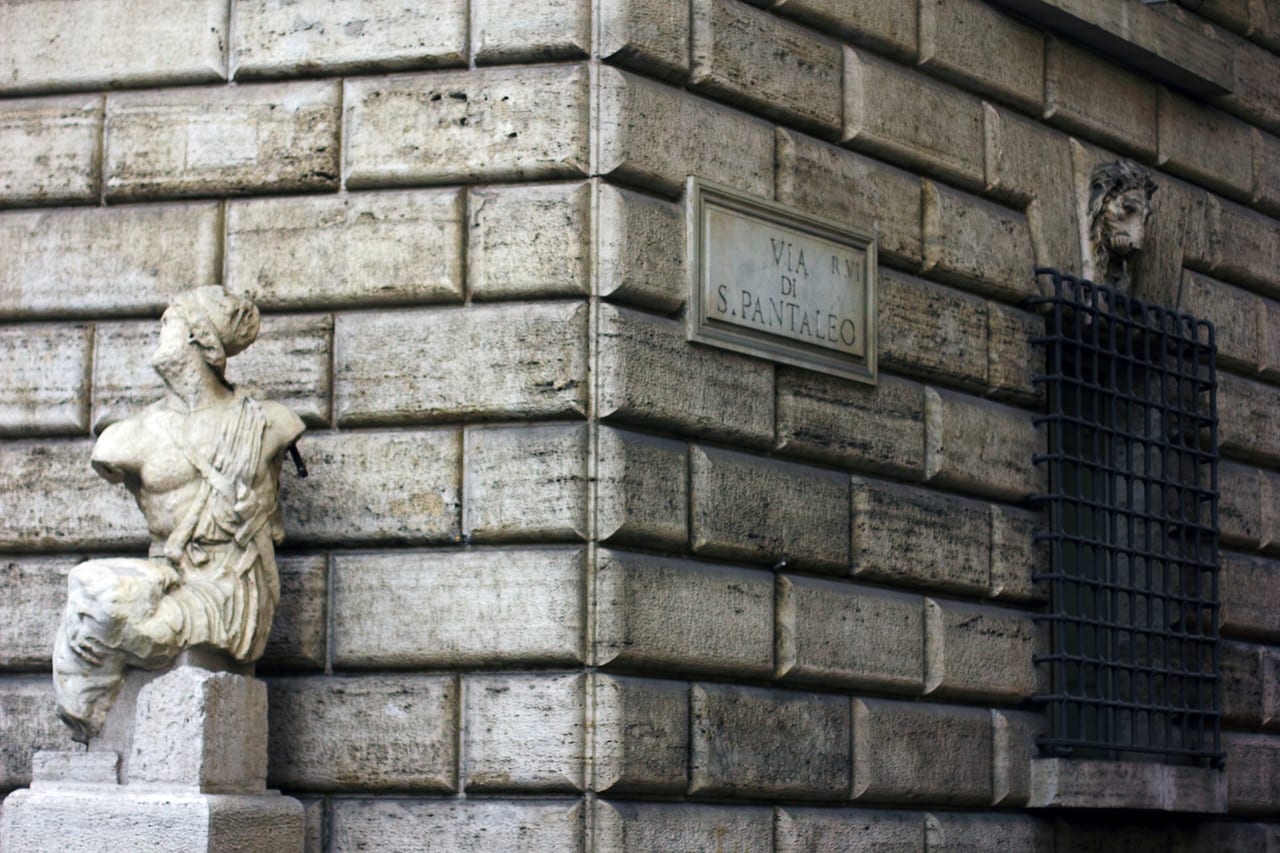
Use the entrance on Via San Pantaleo and pause in the oval hall before ascending. Note the monumental staircase’s eighteen red-granite columns, ancient sculptures, and Luigi Acquisti’s stuccoes inspired by Achilles. On the piano nobile, seek out Giuseppe Valadier’s chapel. In the piazza, compare the Monument to Marco Minghetti with the statue of Pasquino at the southwest corner, then take in the palace’s white-marble relationship with San Pantaleo.
Places to stay near Palazzo Braschi

Live availability and prices from Stay22's partners, refreshed periodically and subject to change. Booking through these links may earn us a commission at no extra cost to you. See our privacy policy.
Cafés near Palazzo Braschi
Cafés near Palazzo Braschi loads as you scroll.
Attractions nearby
Attractions near Palazzo Braschi loads as you scroll.
Cities nearby
Cities nearby loads as you scroll.
More in Rome
See more of Rome.
Find great cafés, places to stay and other interesting places to visit in Rome.