Museum · Rome
Museo Nazionale Etrusco di Villa Giulia
DirectionsIts celebrated Sarcophagus of the Spouses presents an almost life-sized couple reclining together in a luminous, convivial pose—one of Etruscan art’s most memorable images.
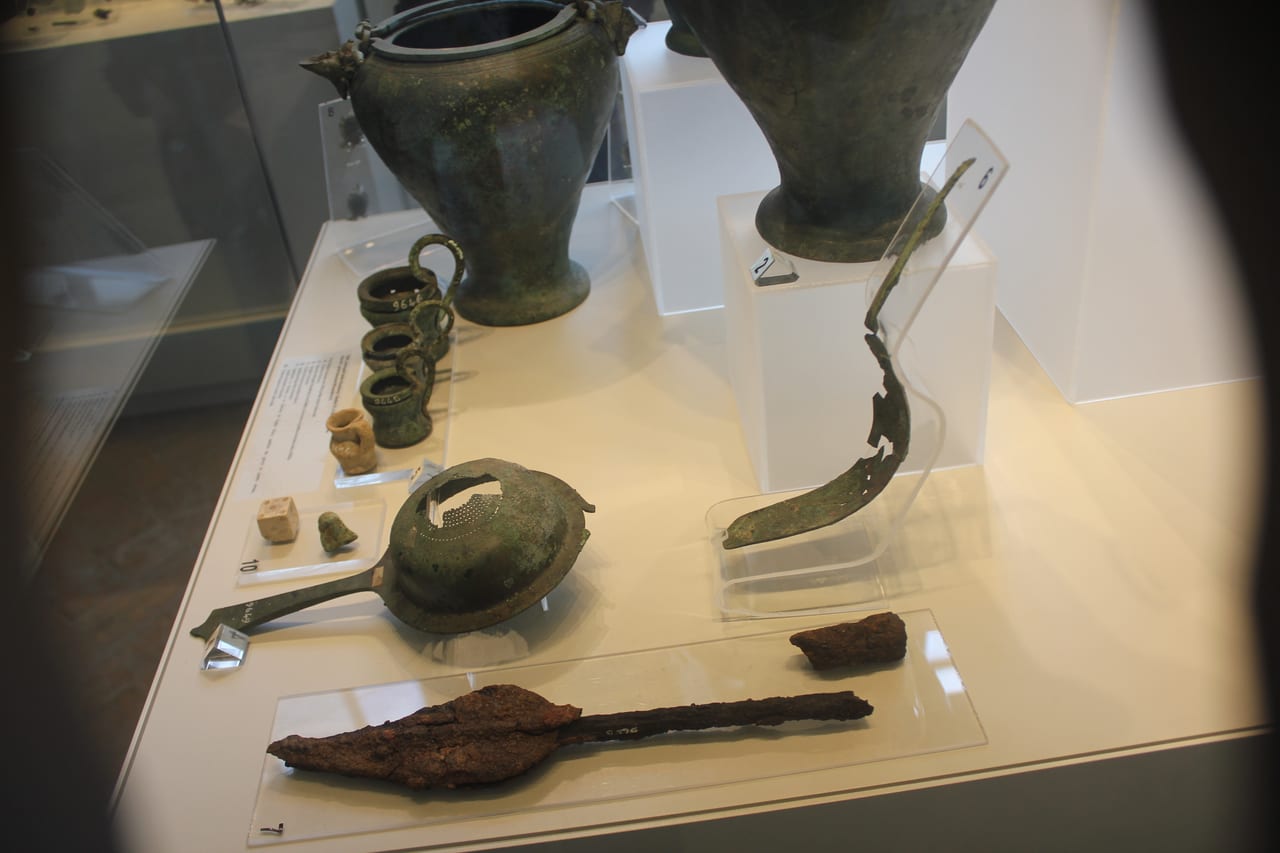
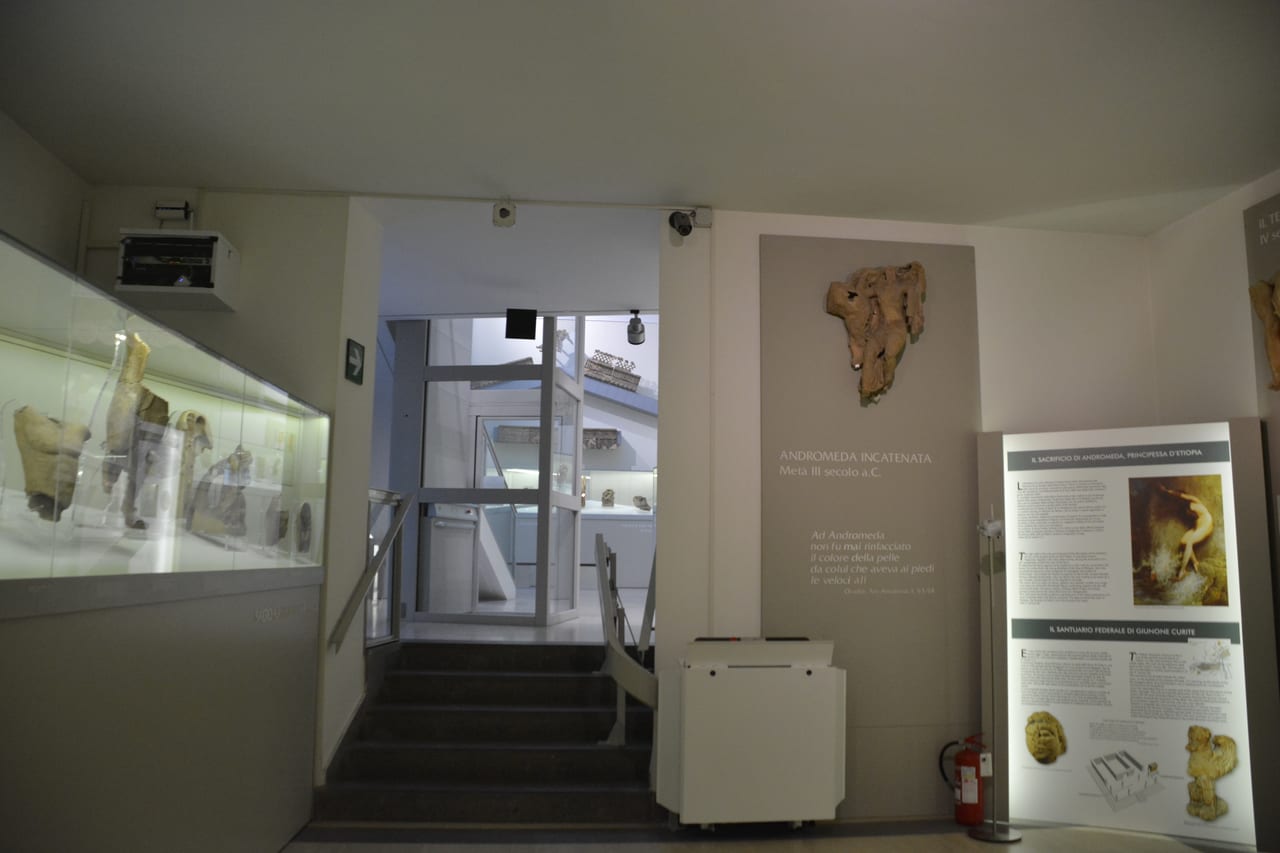
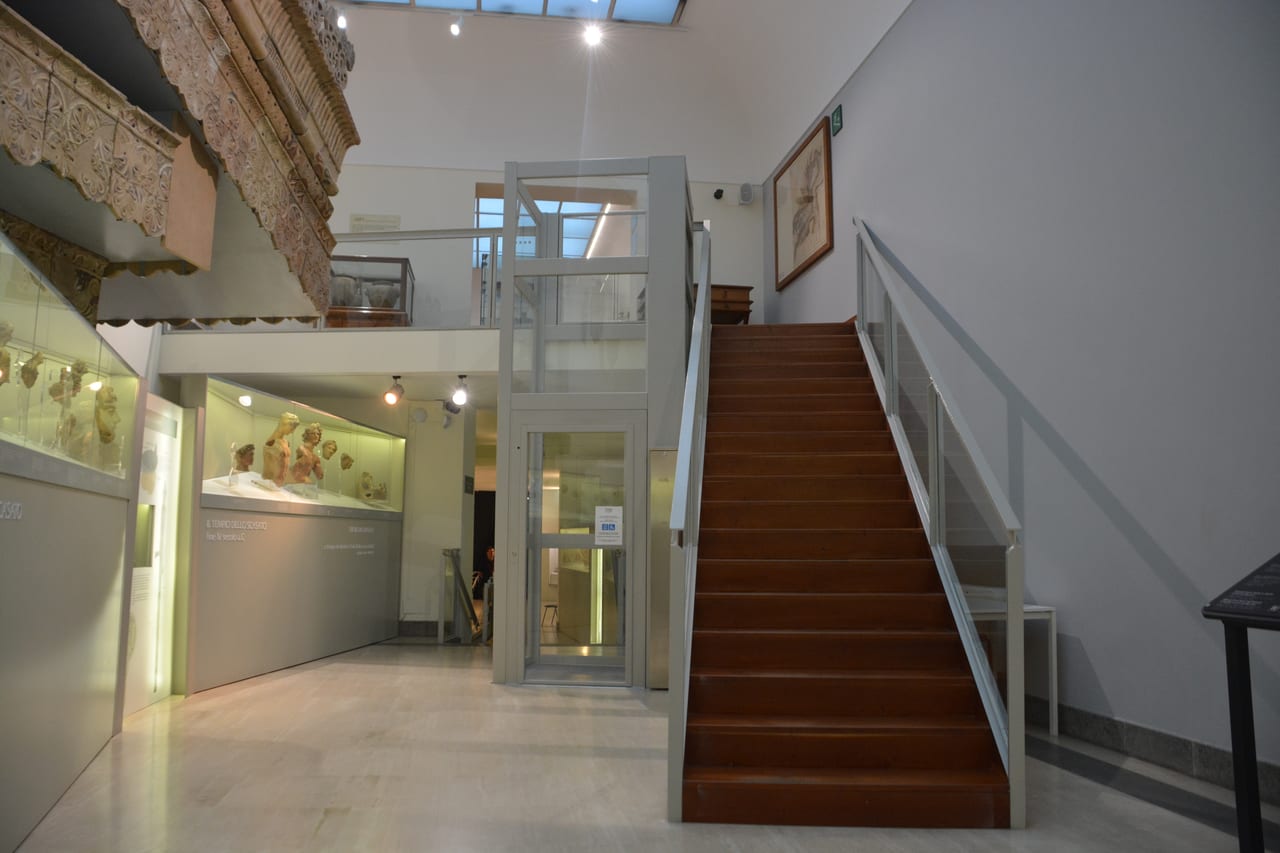
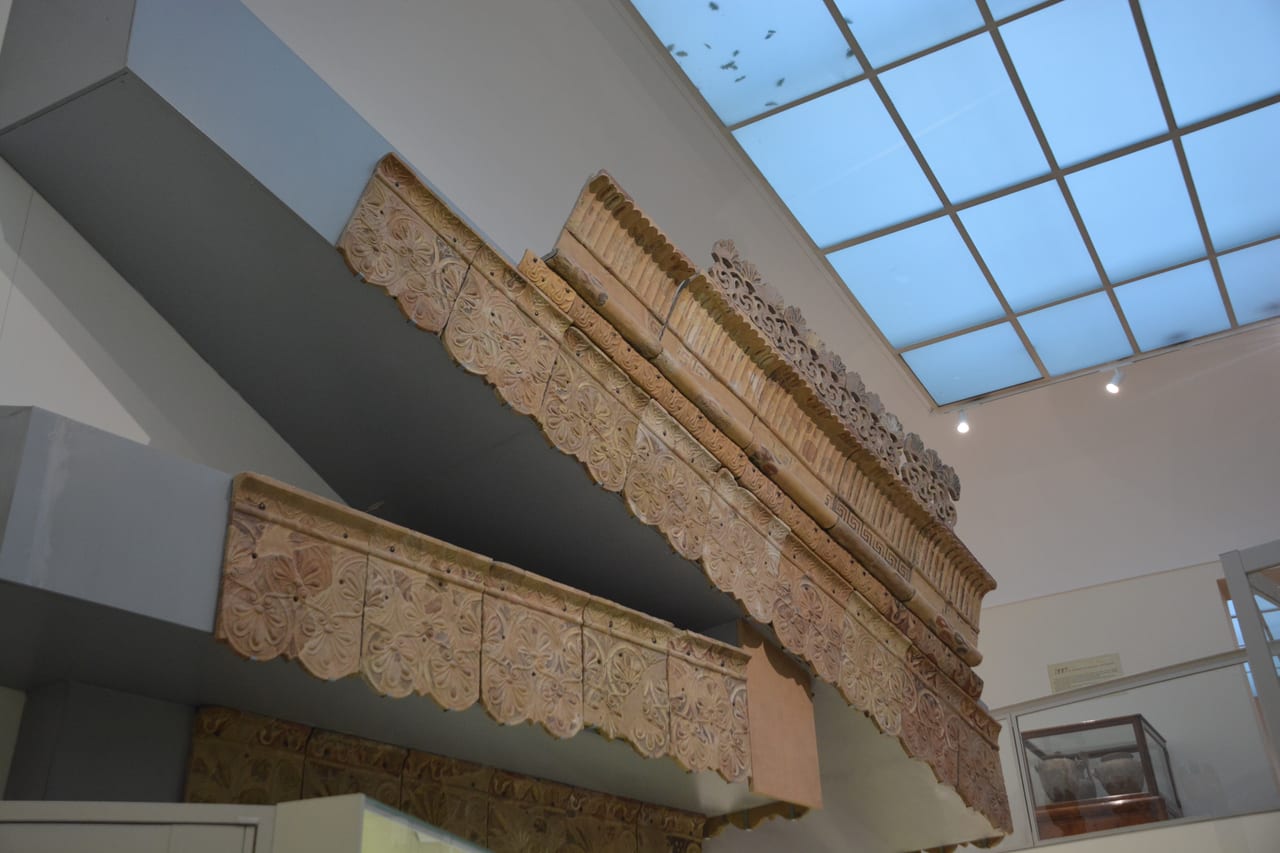
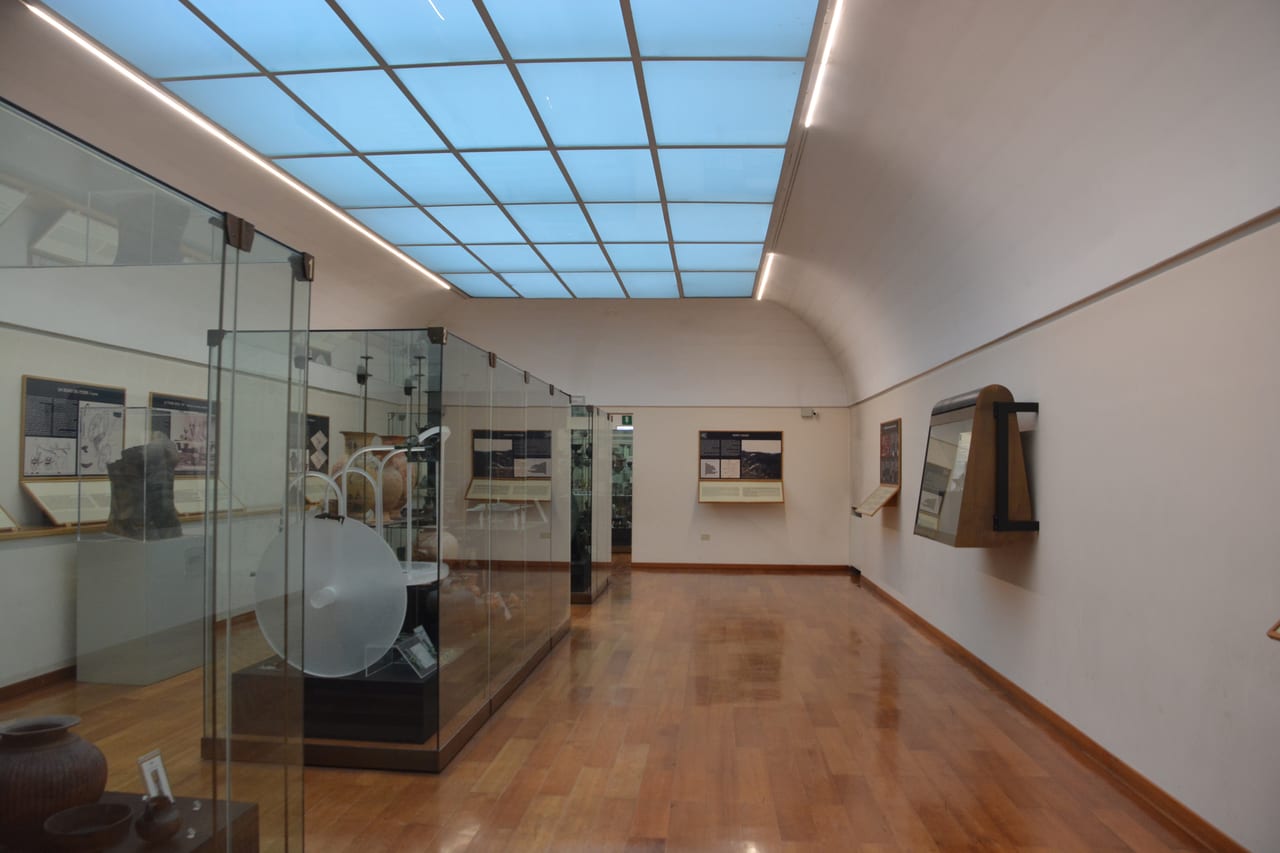
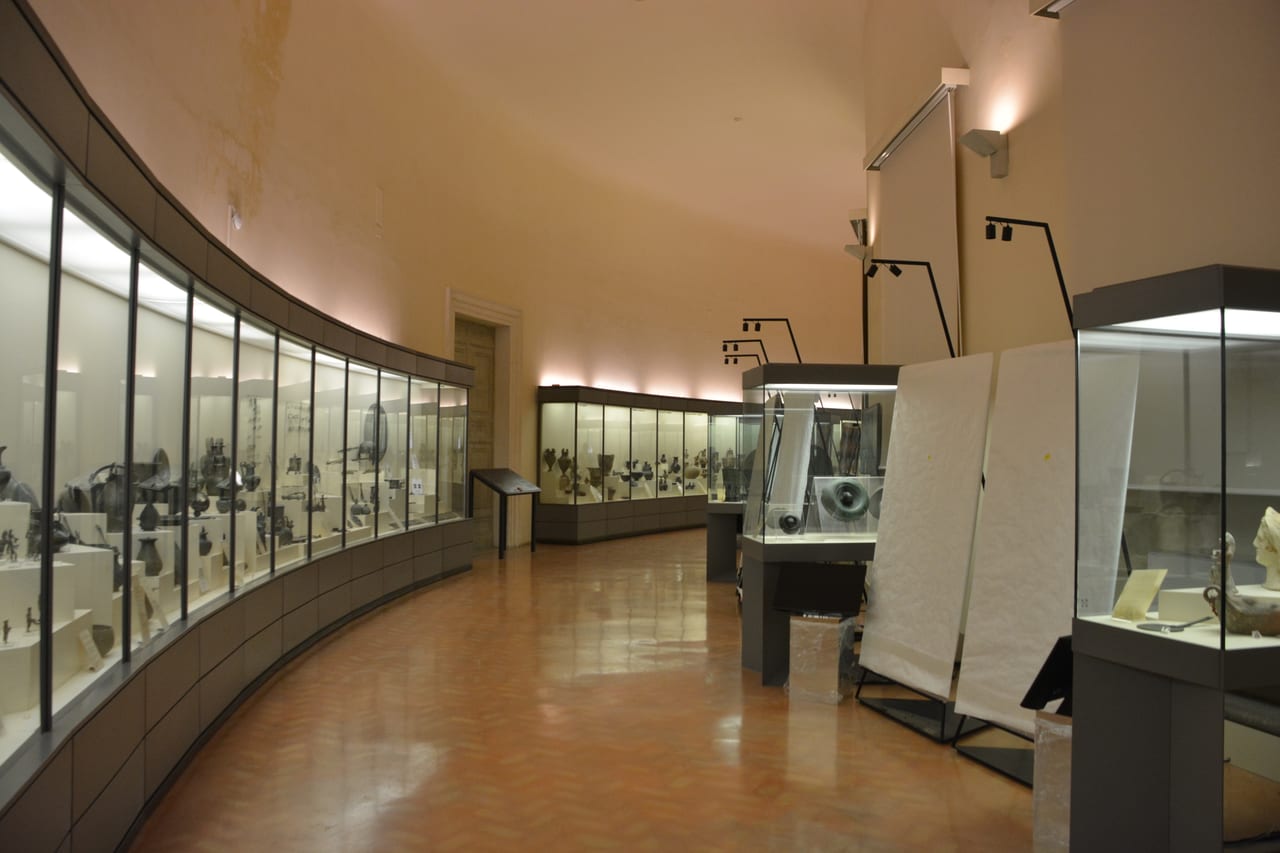
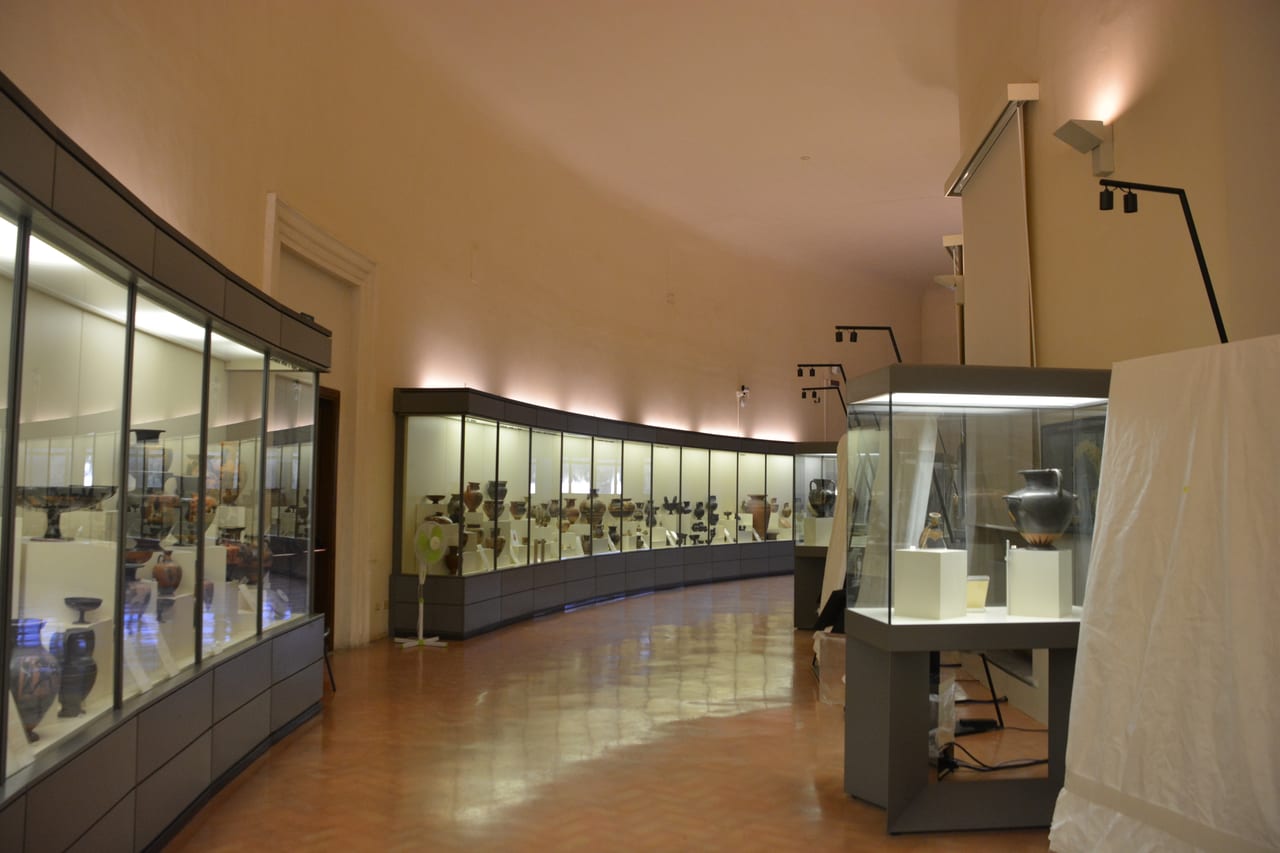
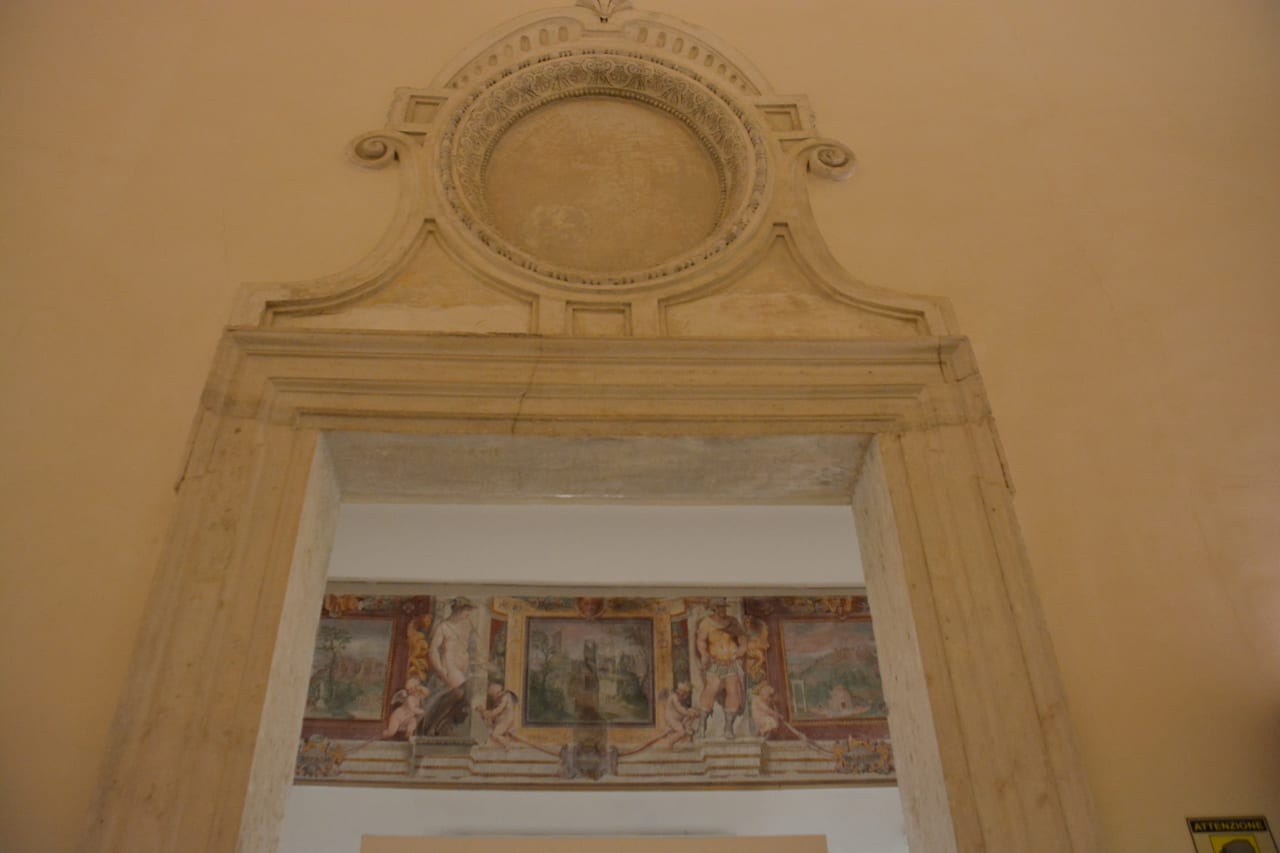
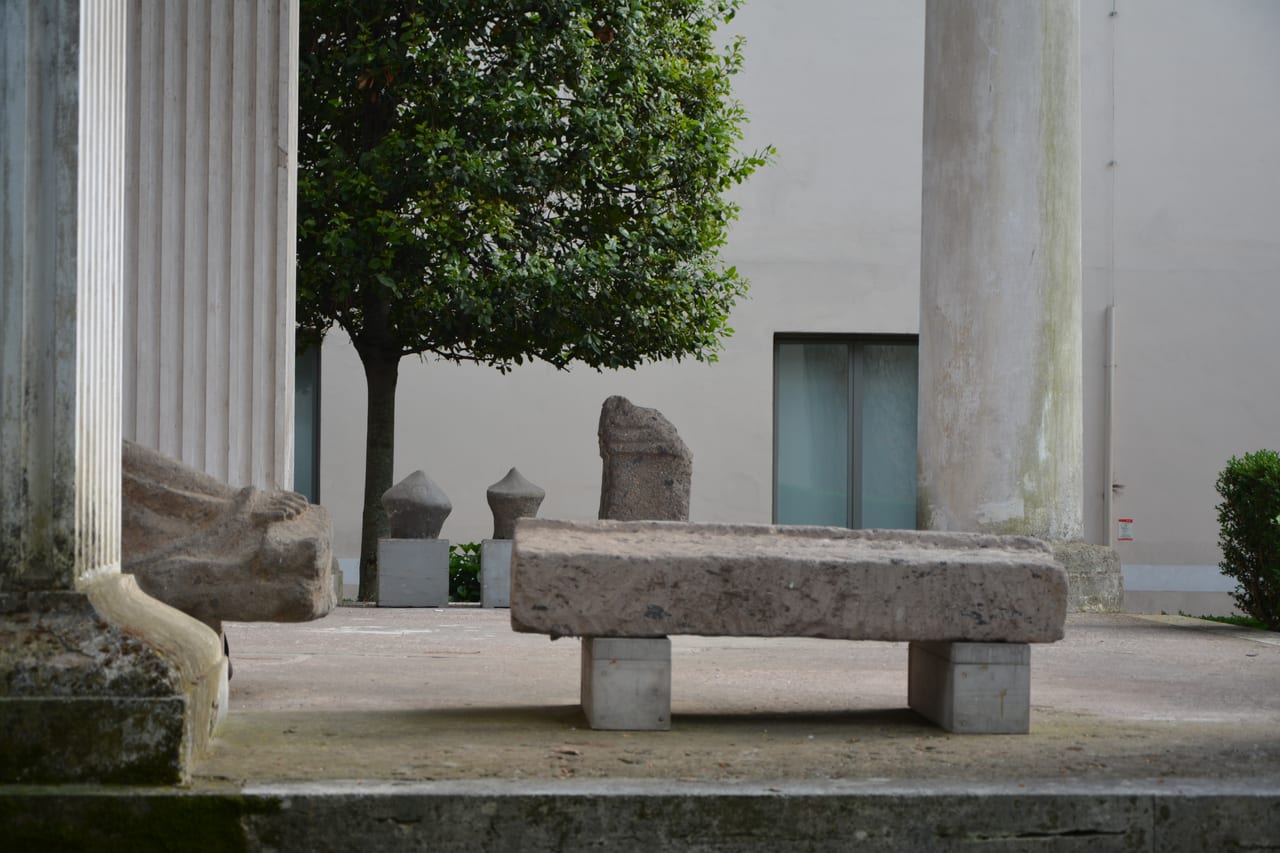
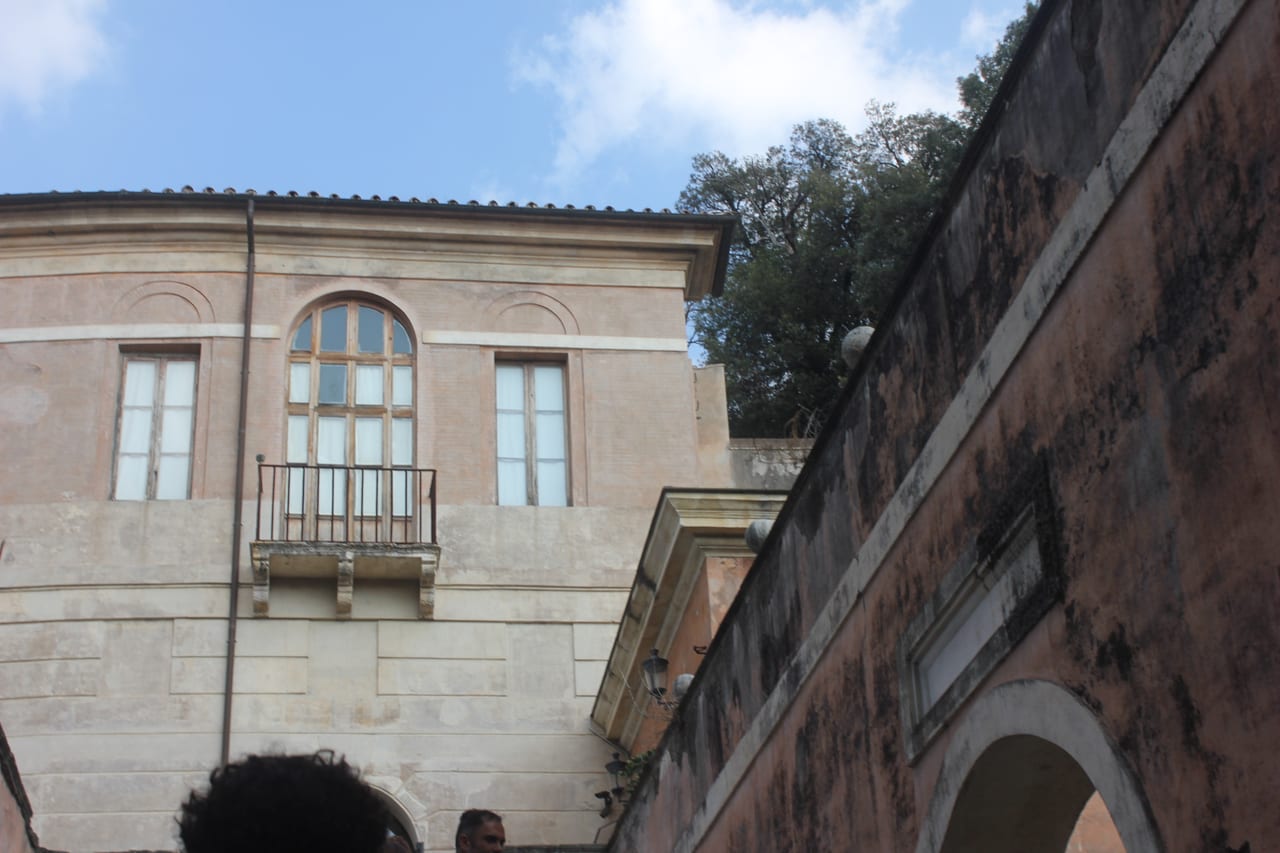
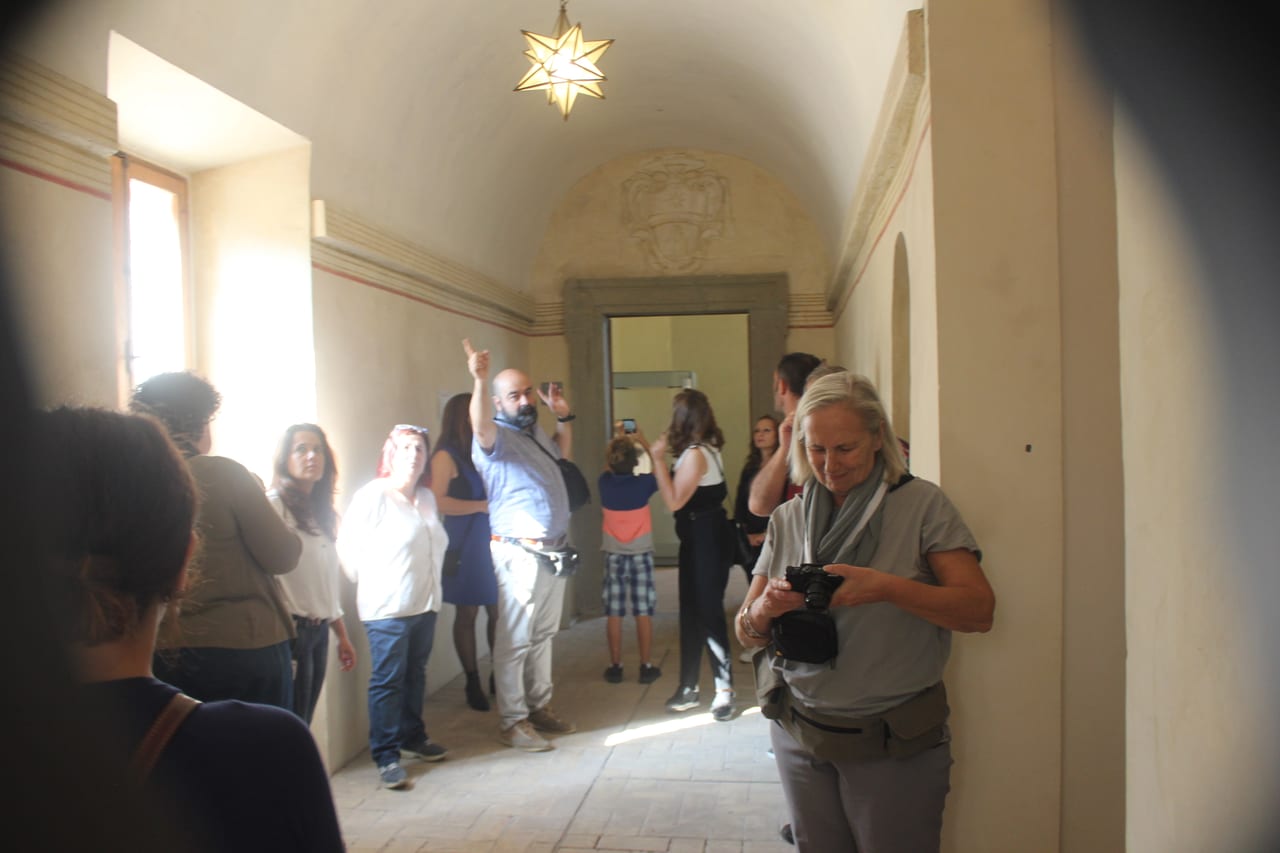
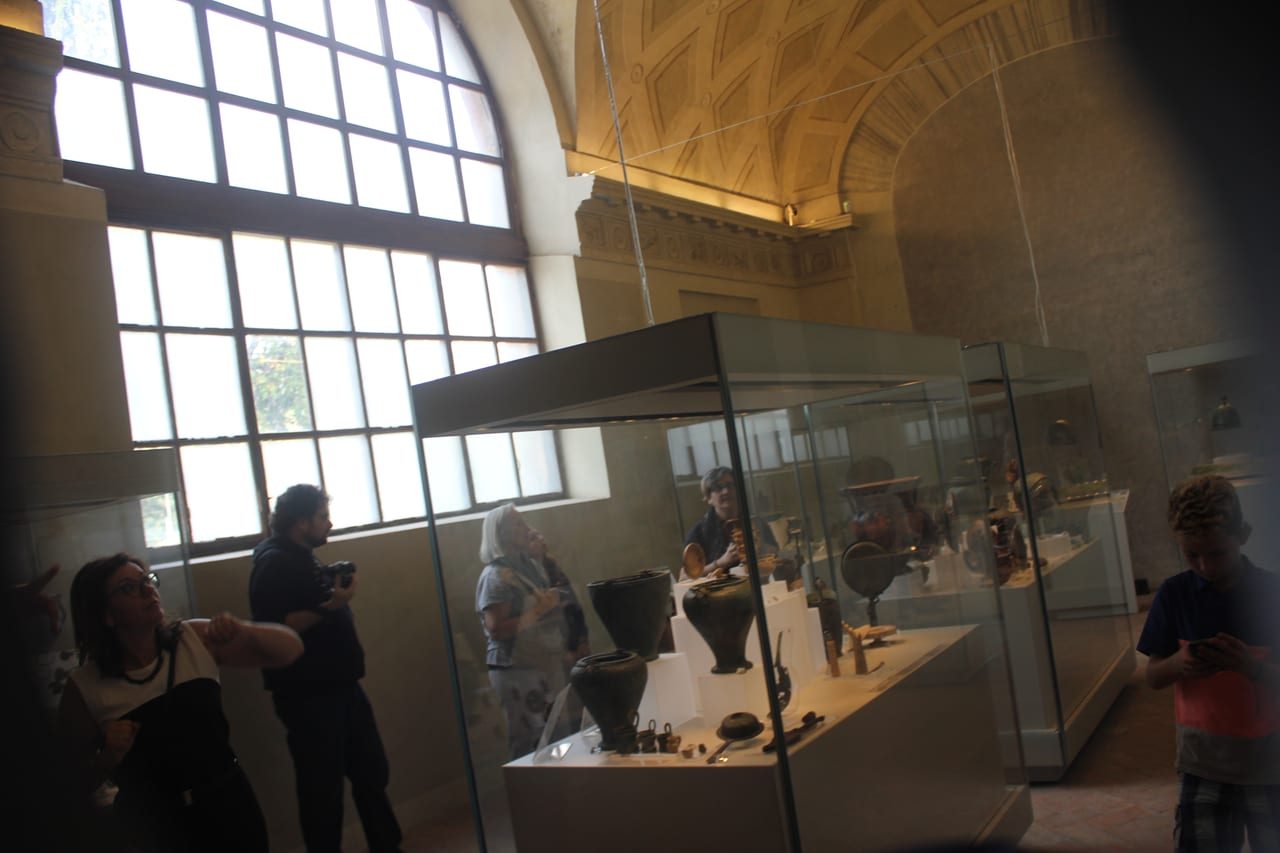
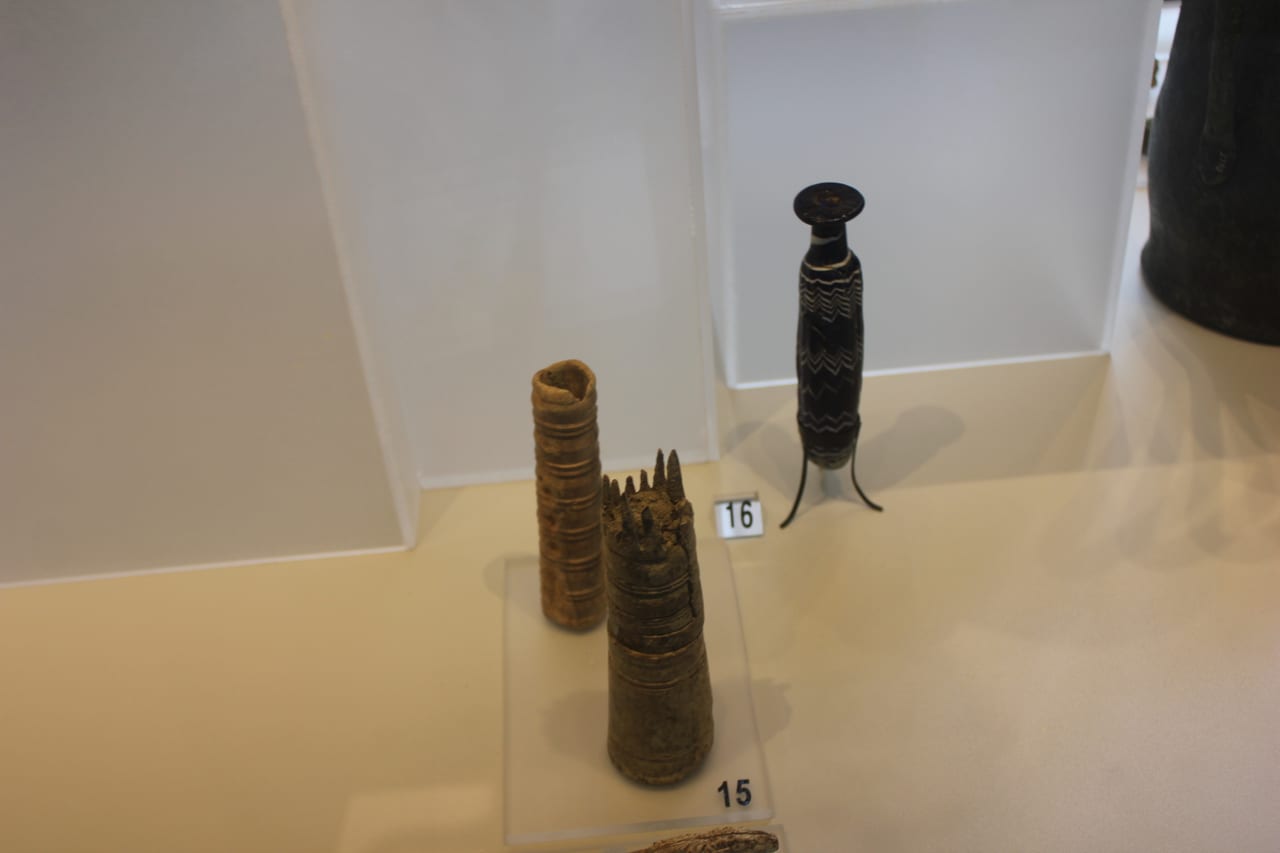
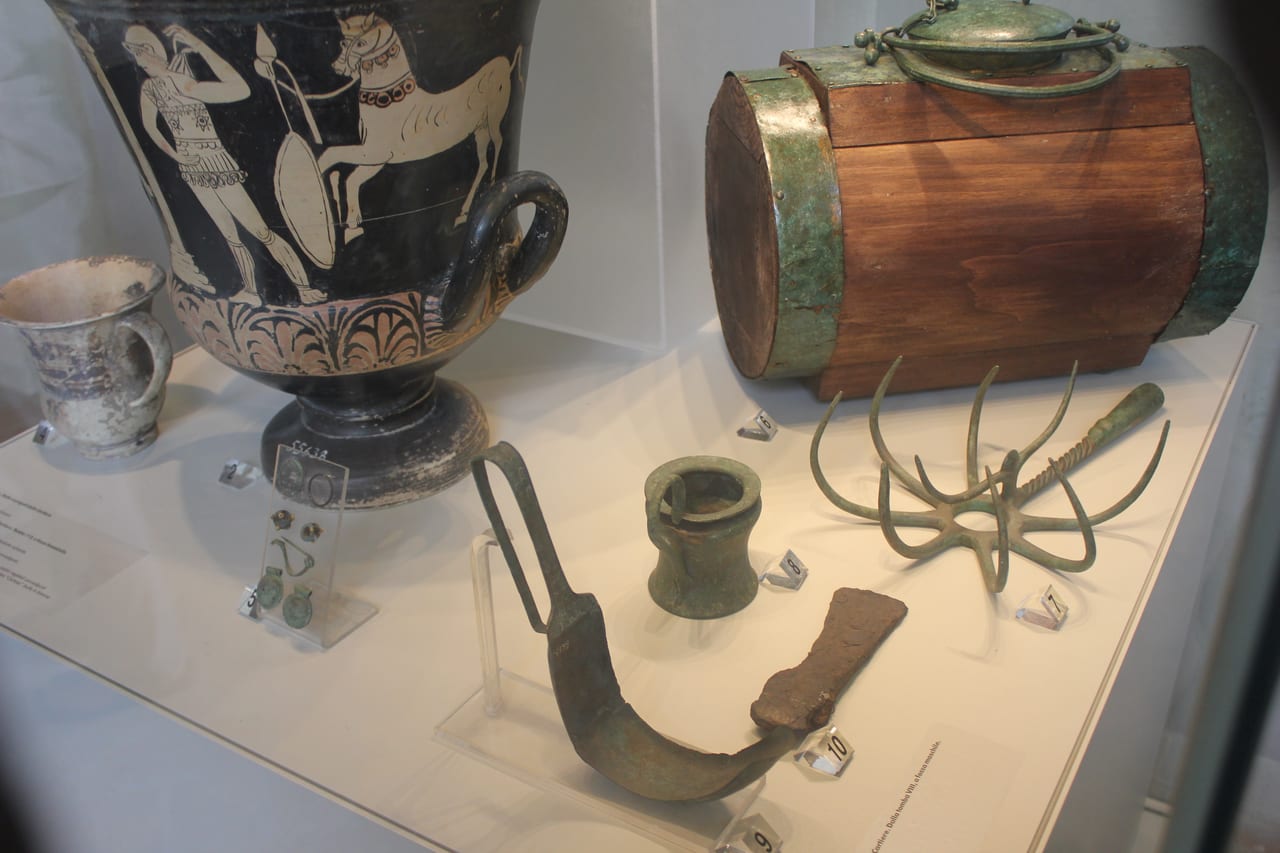
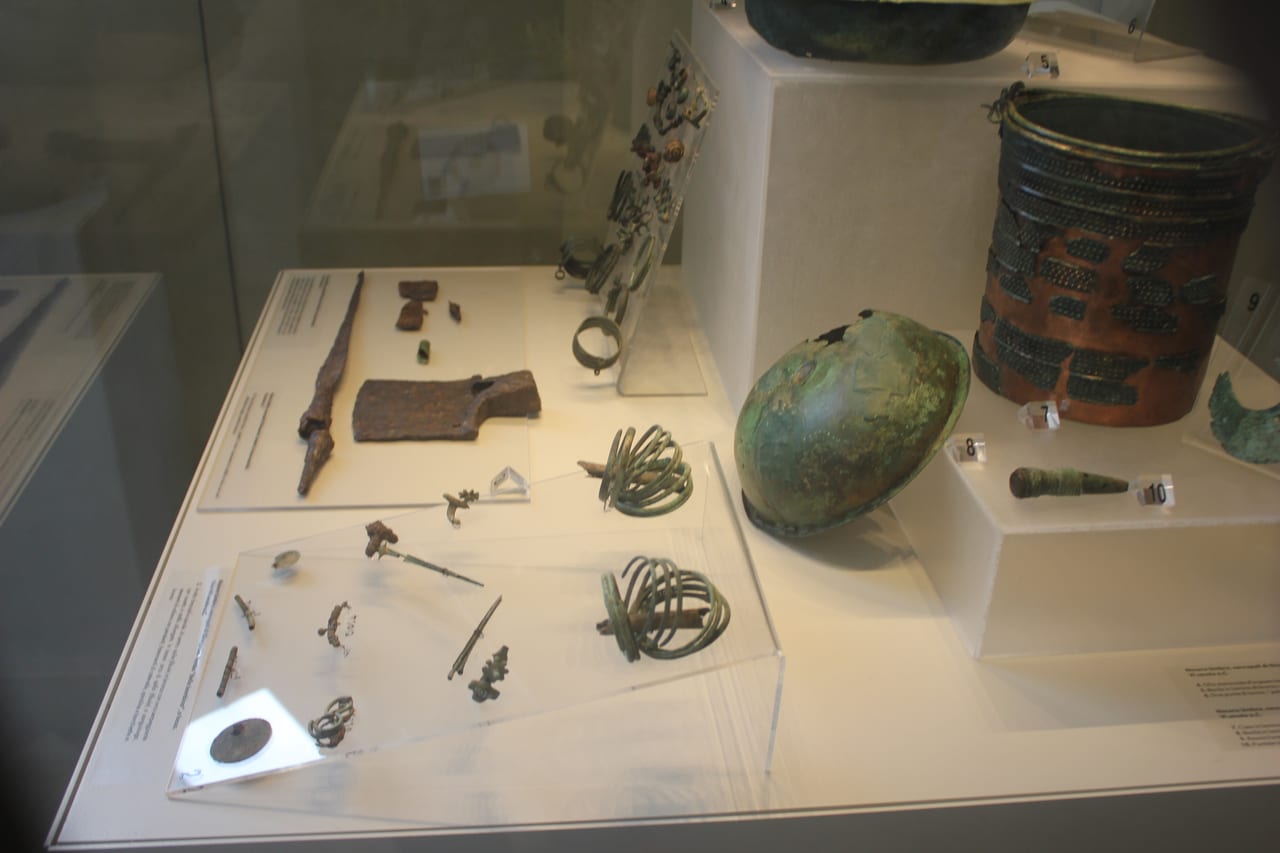
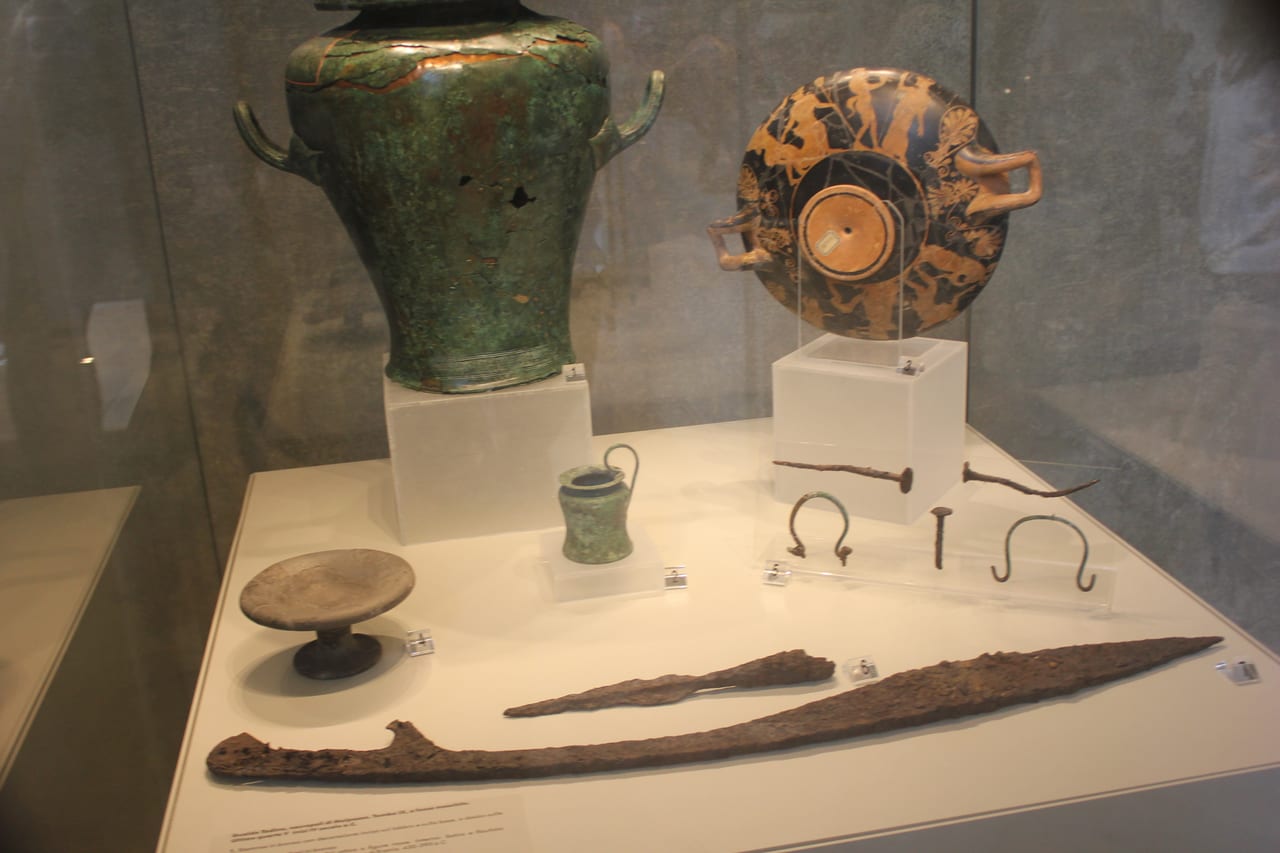
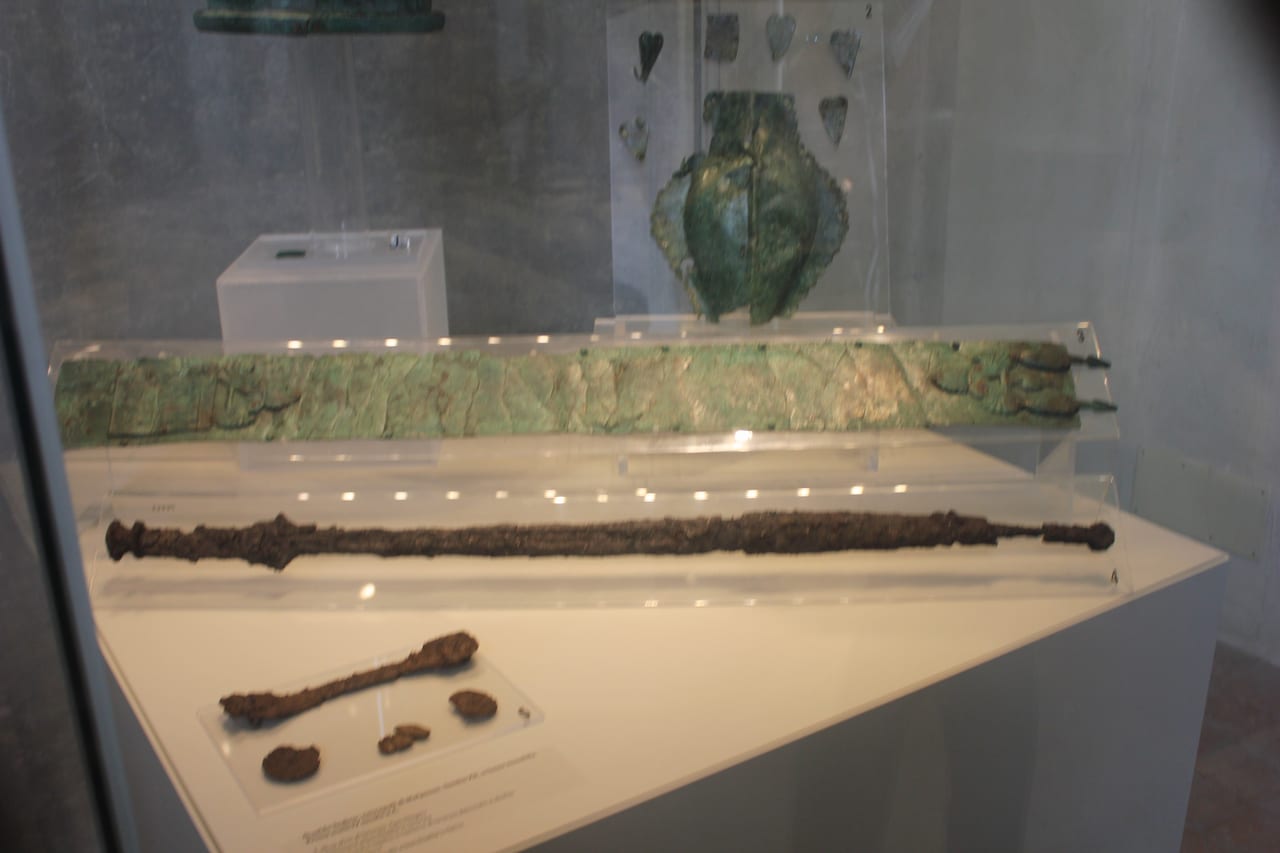
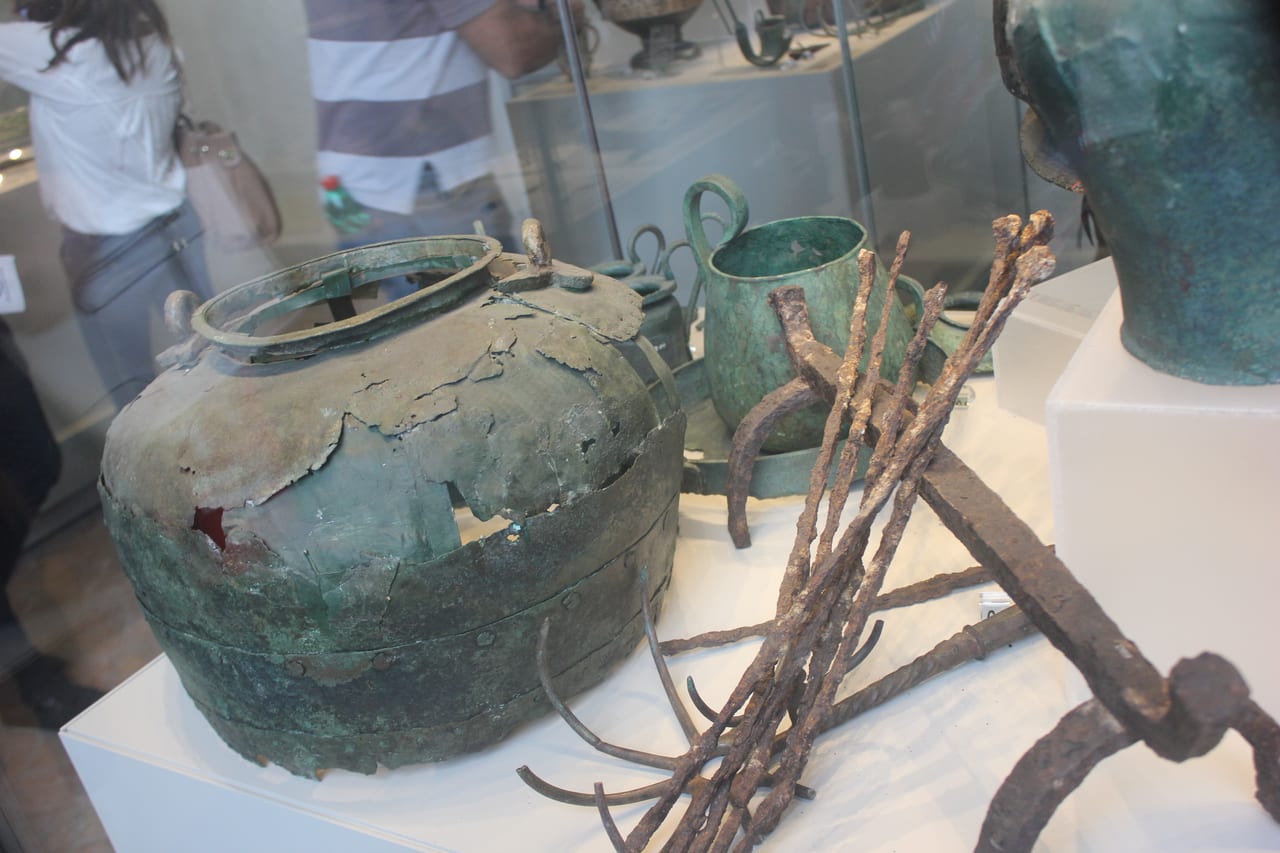
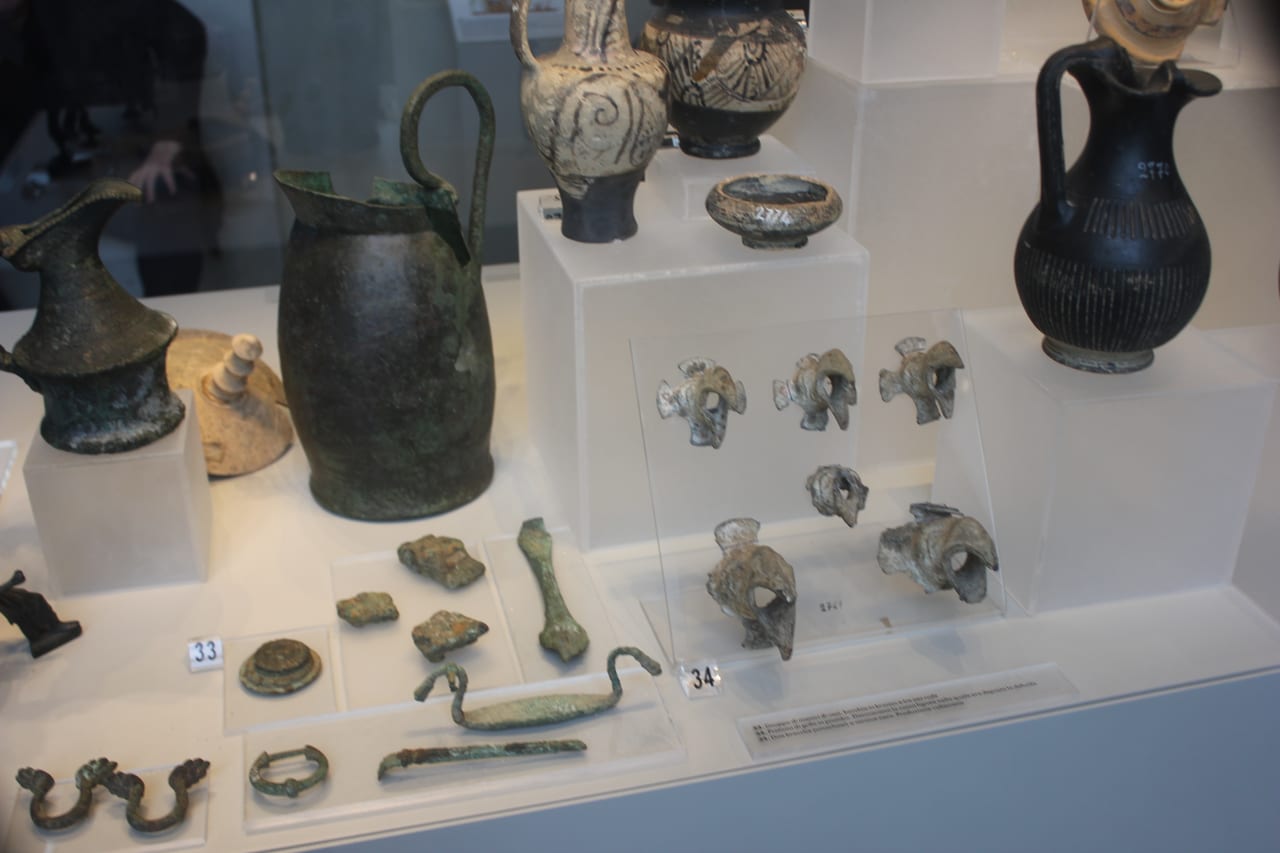
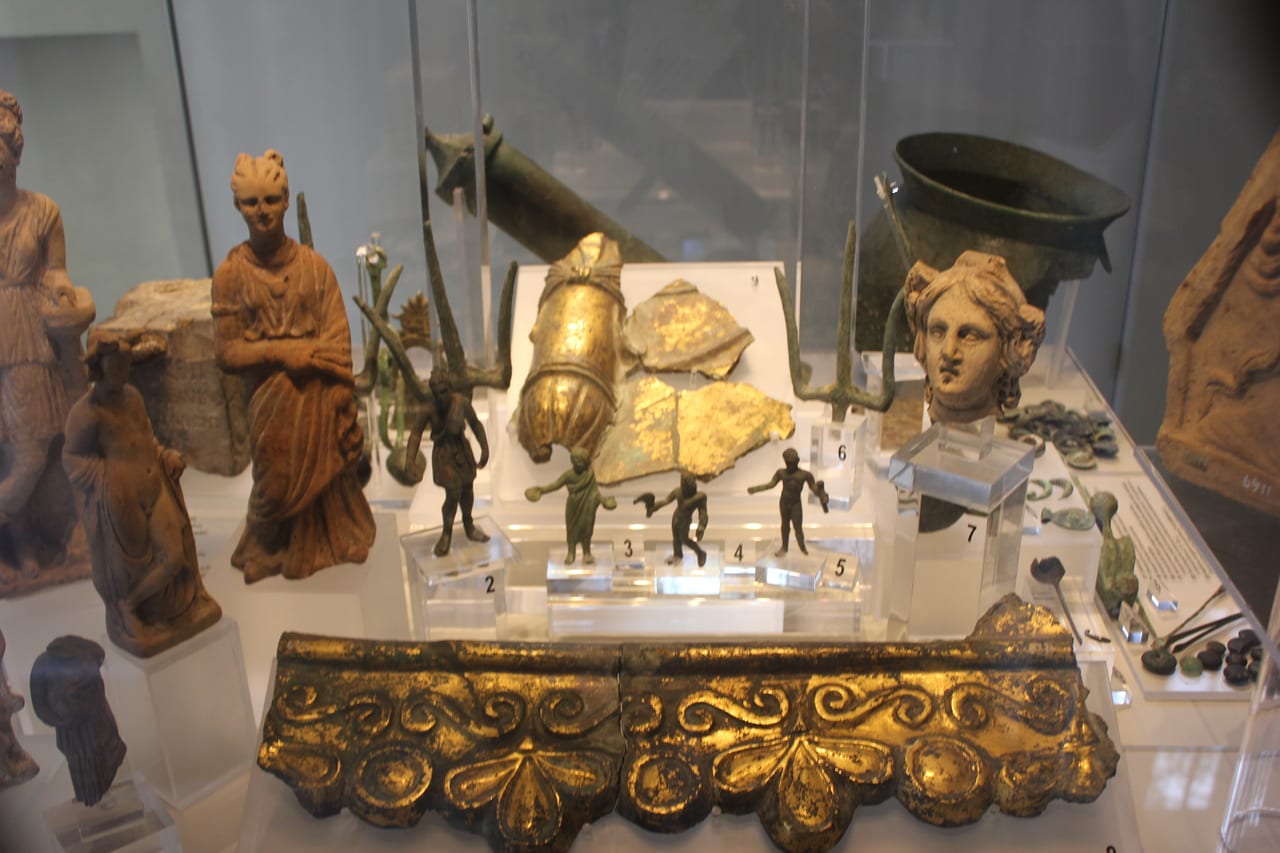
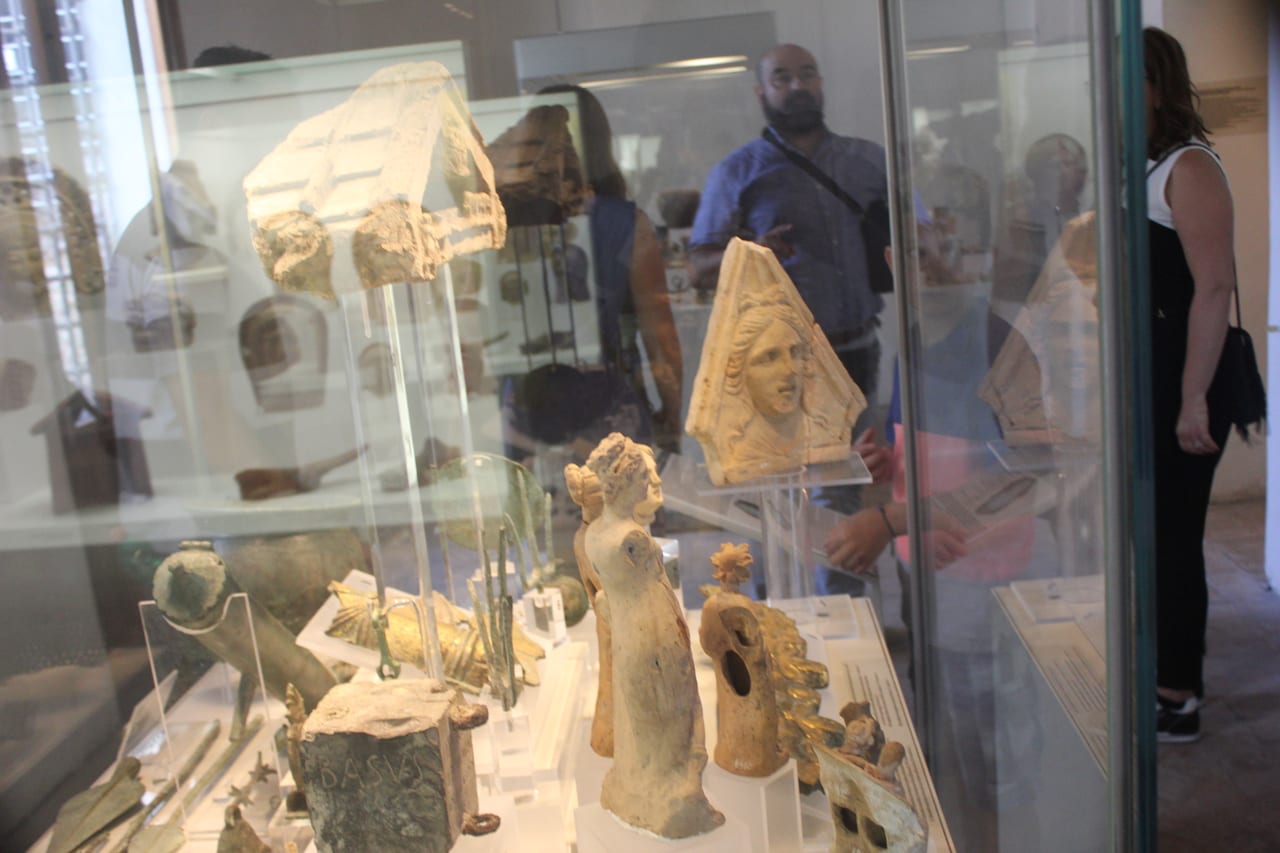
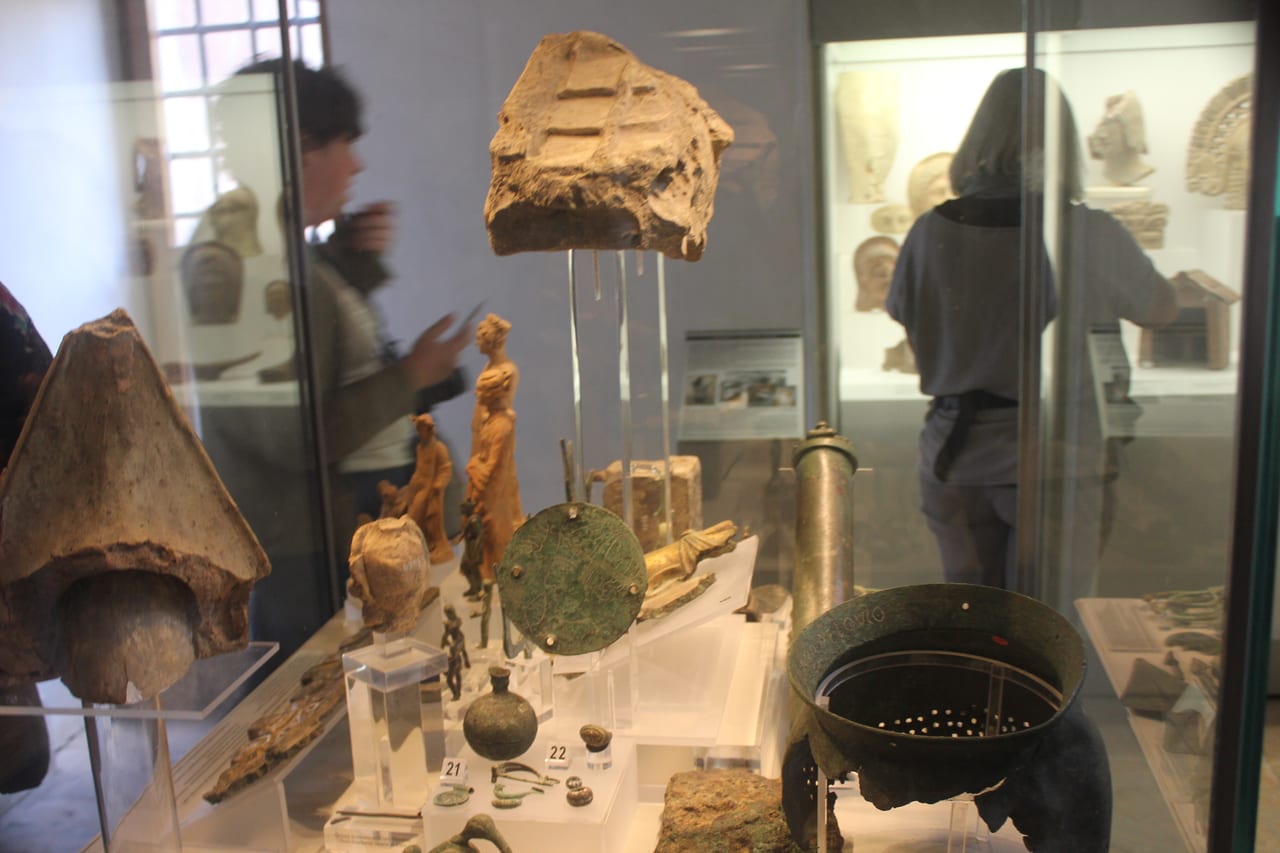
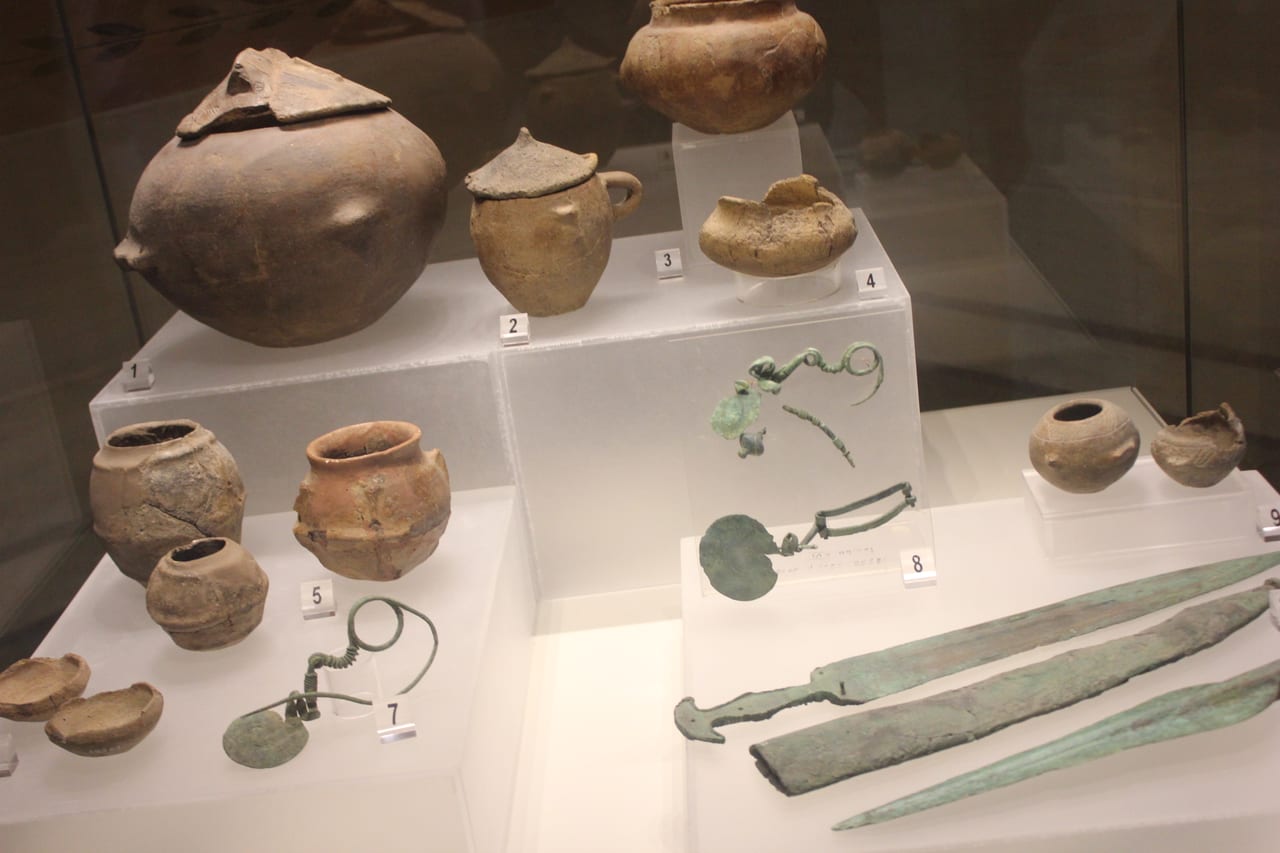
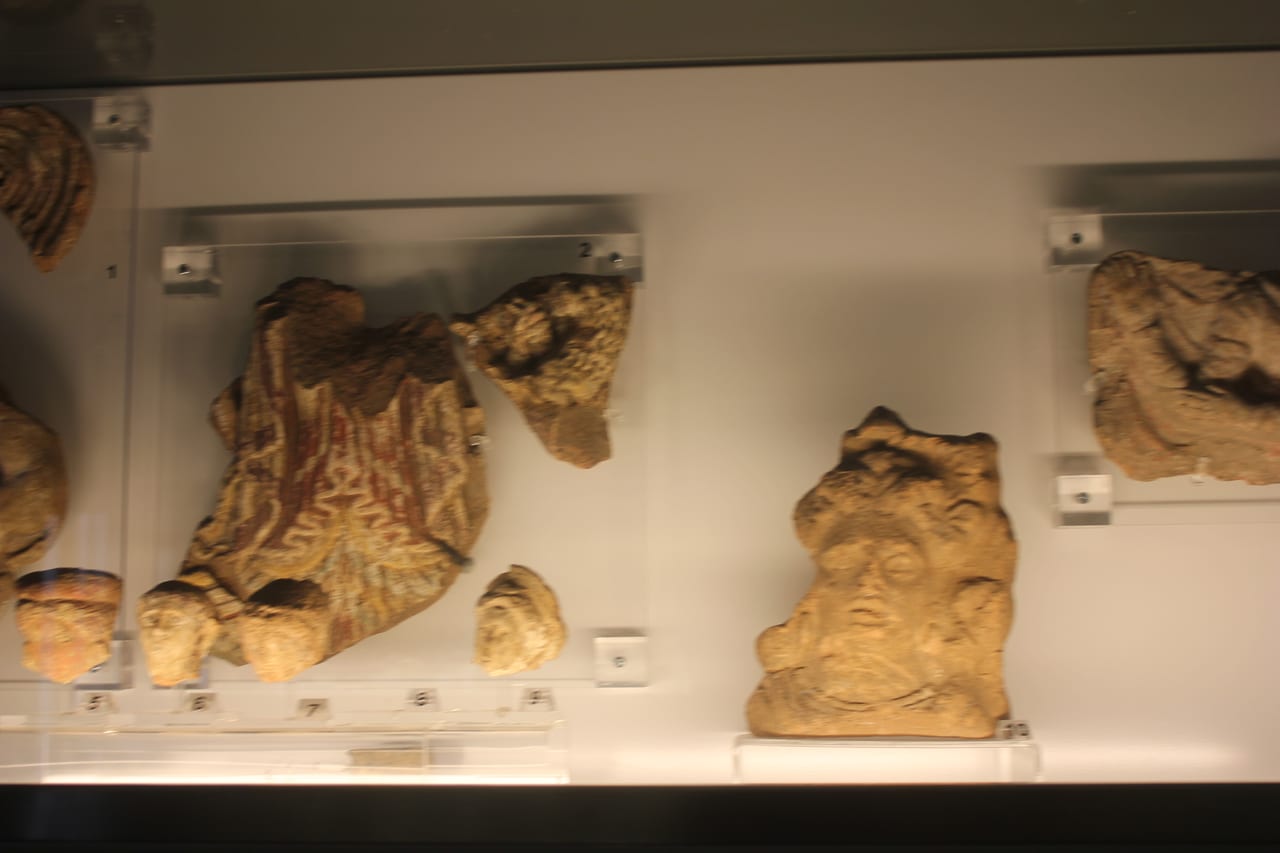
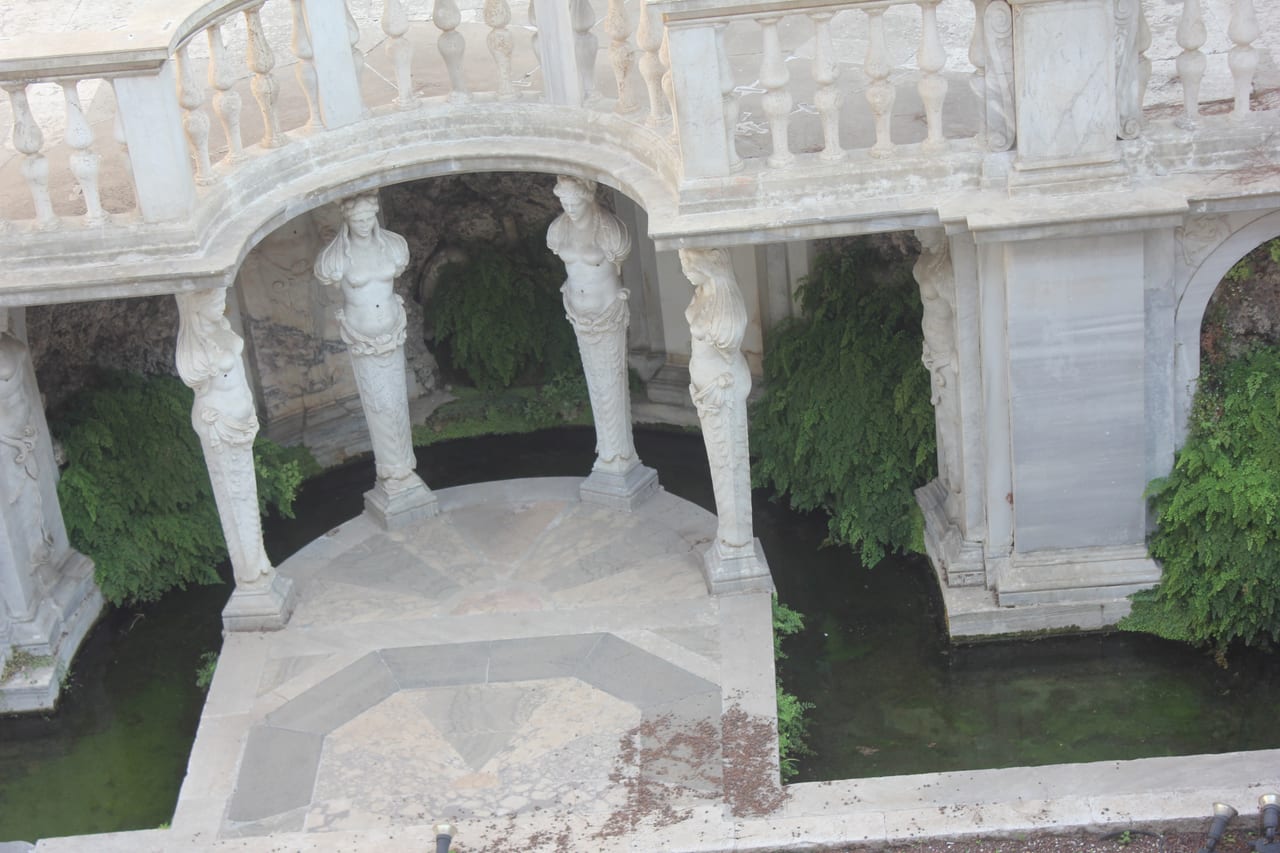
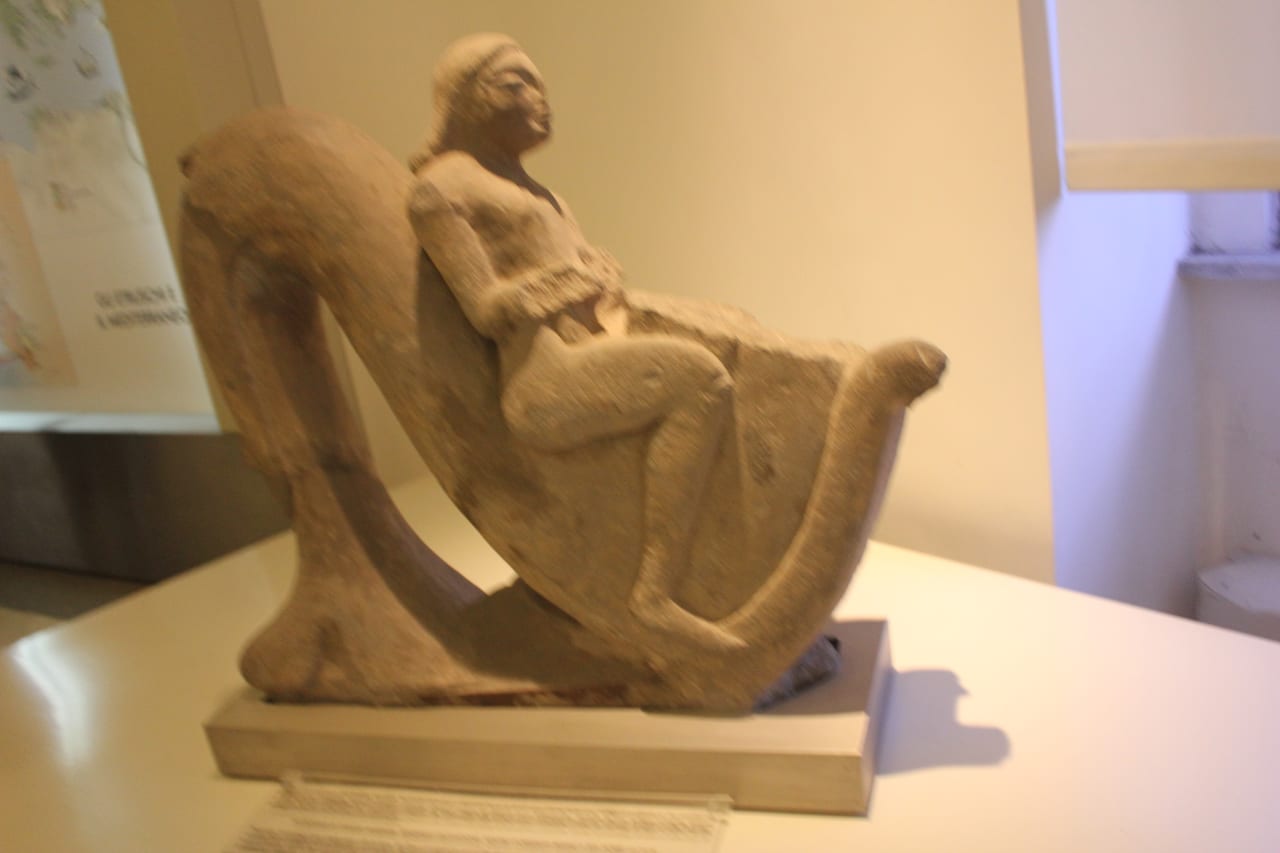
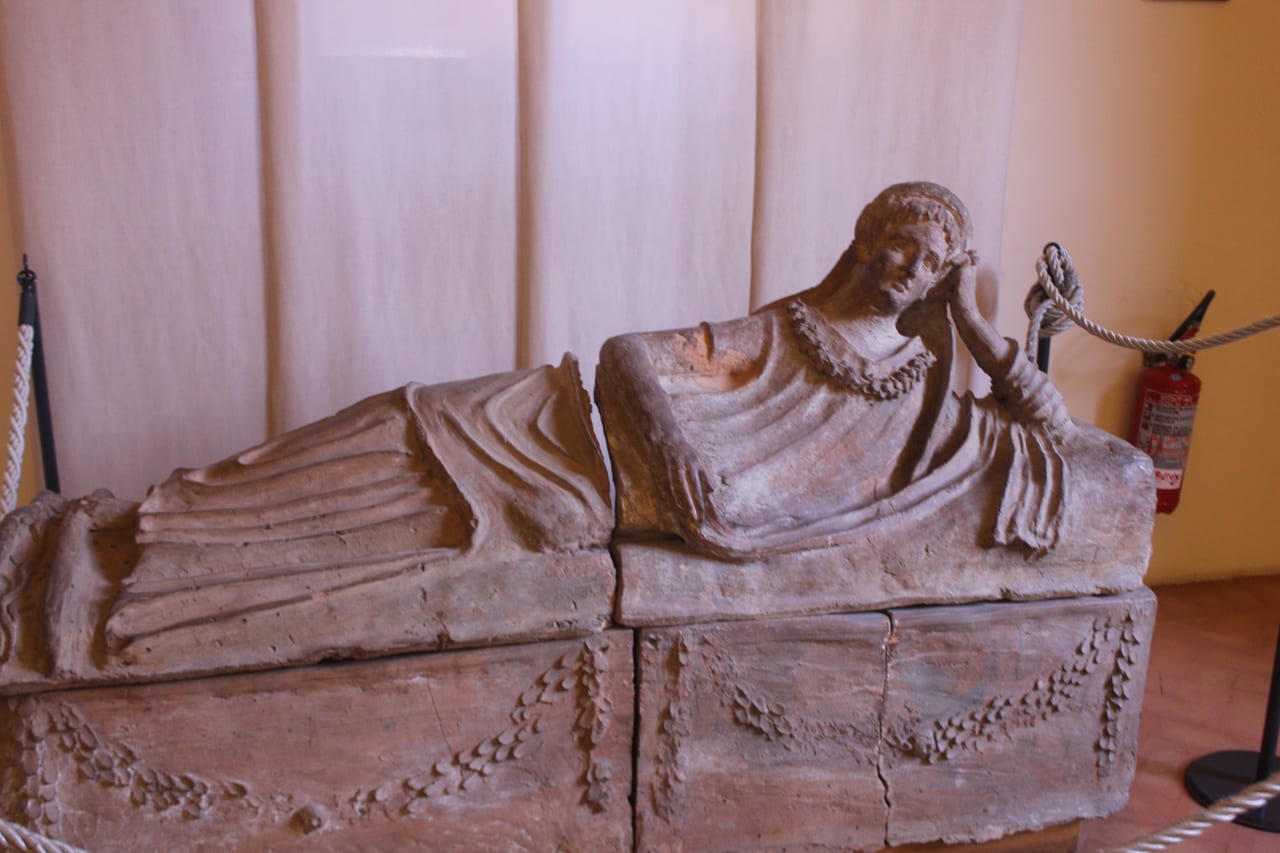
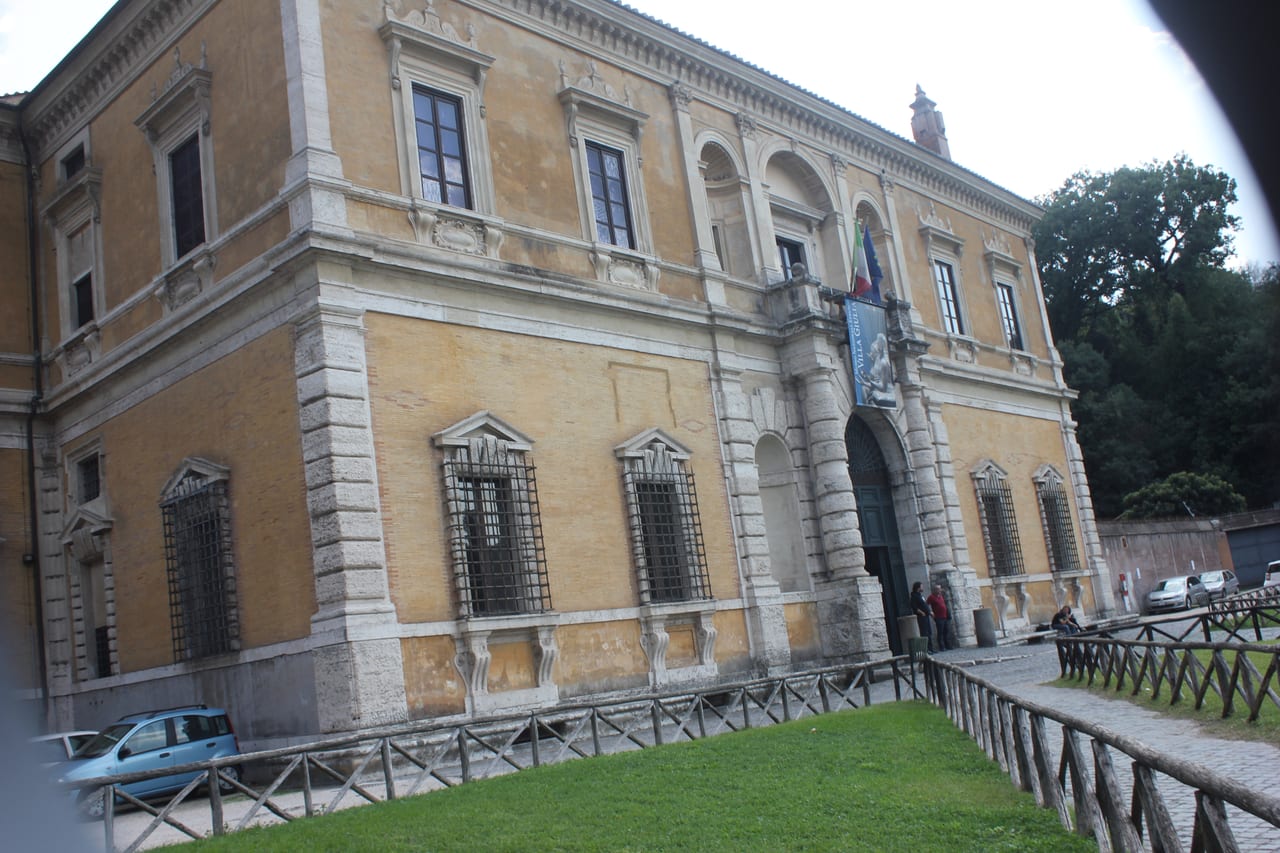
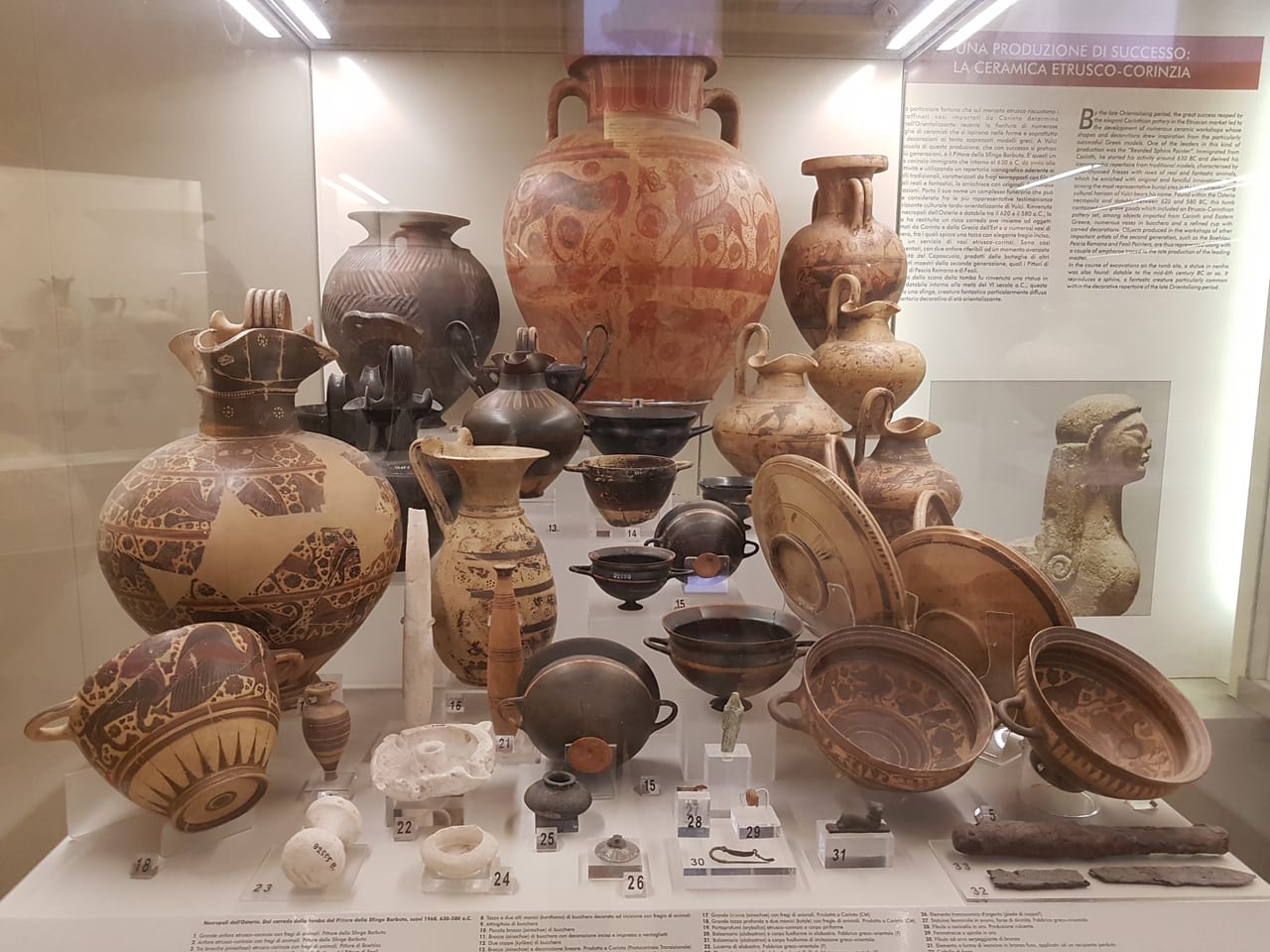
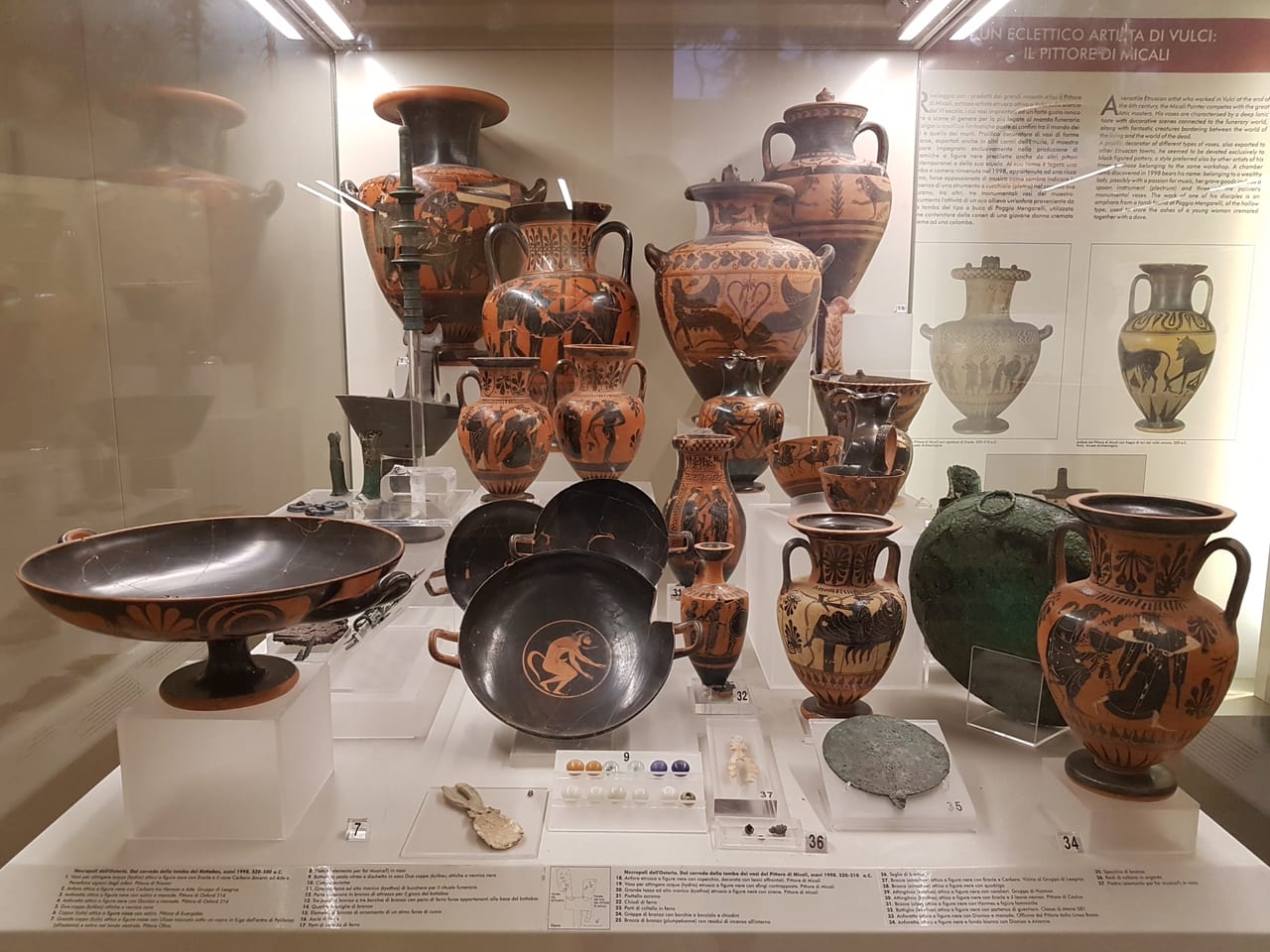
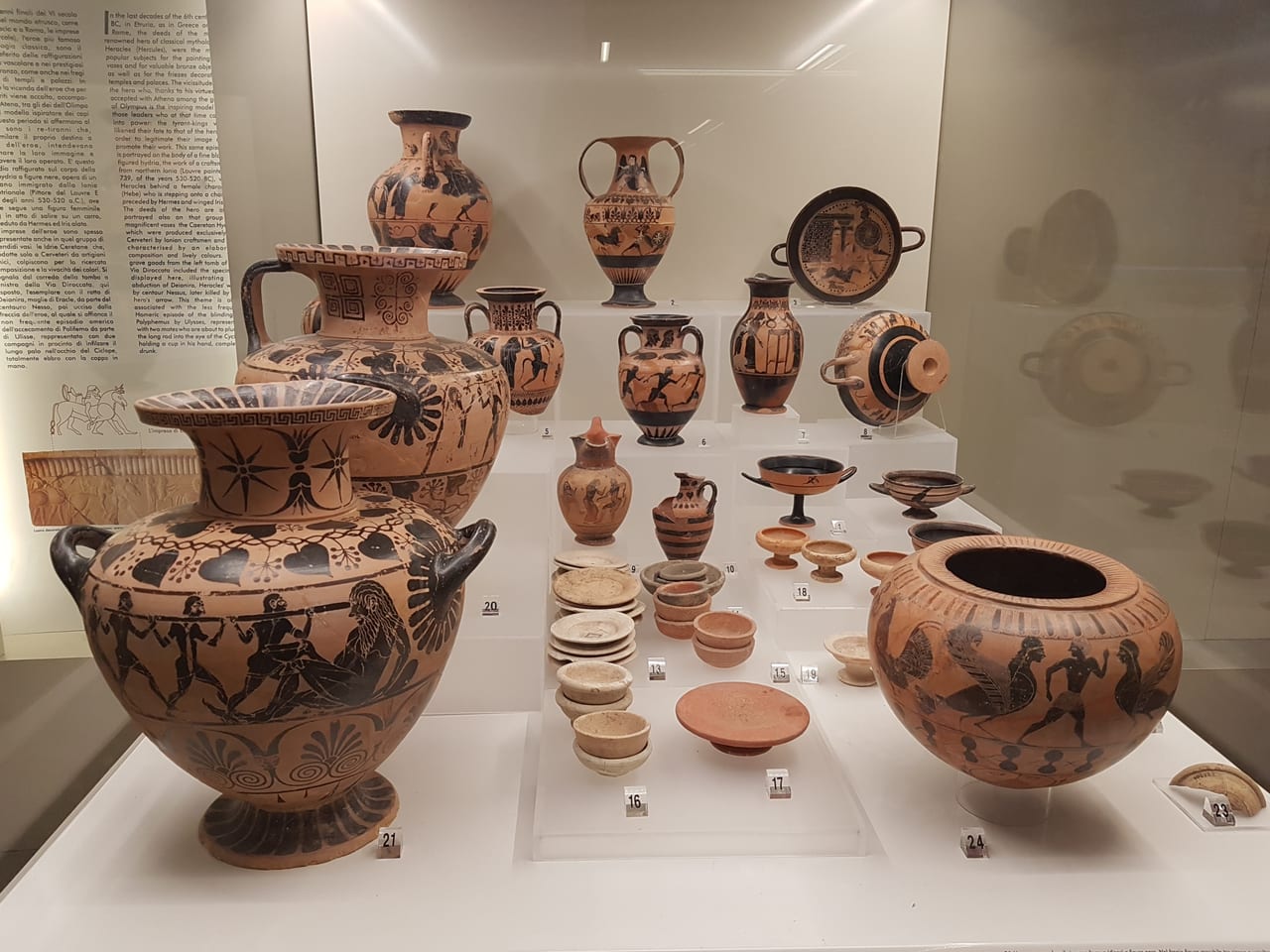
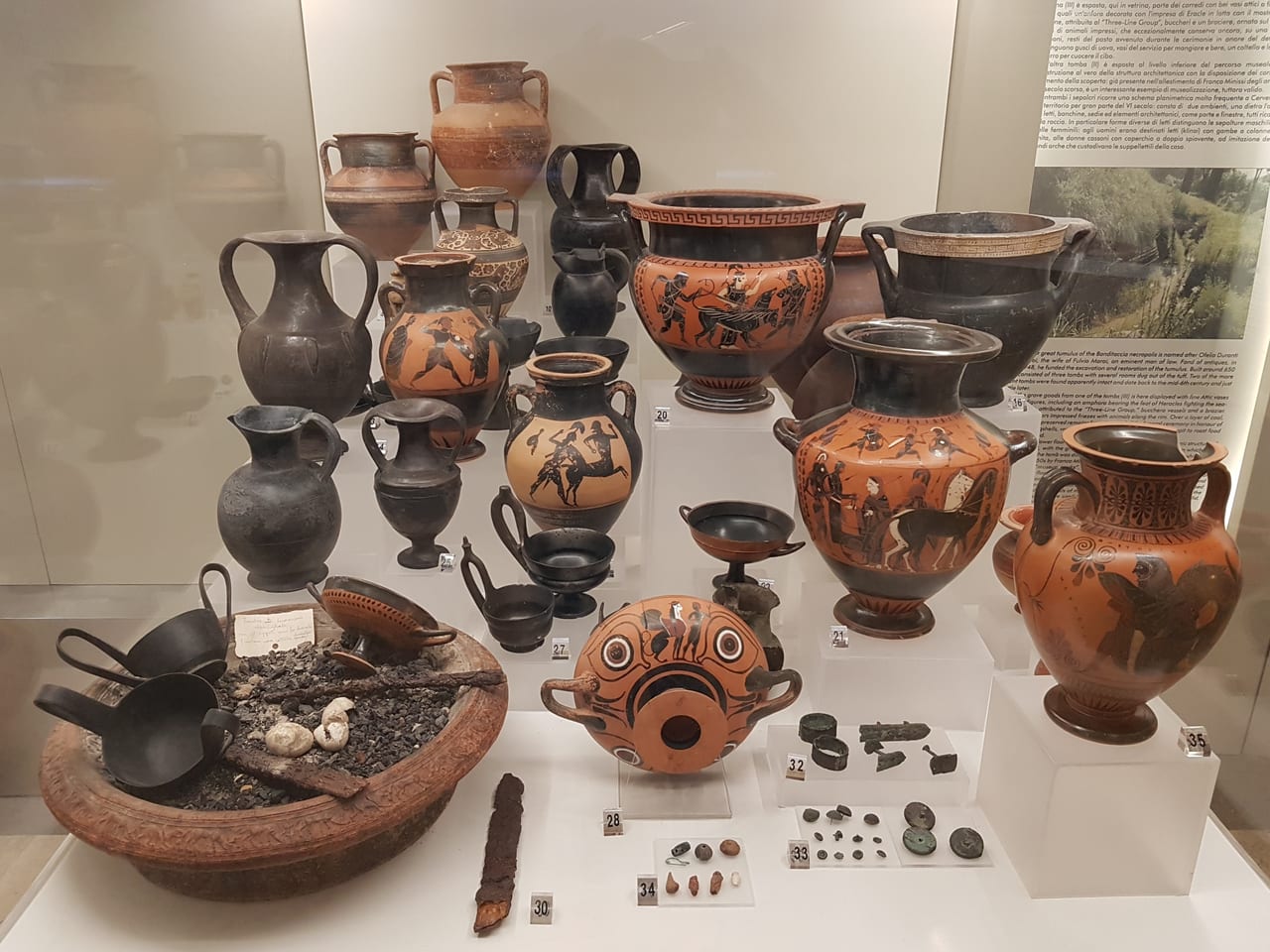
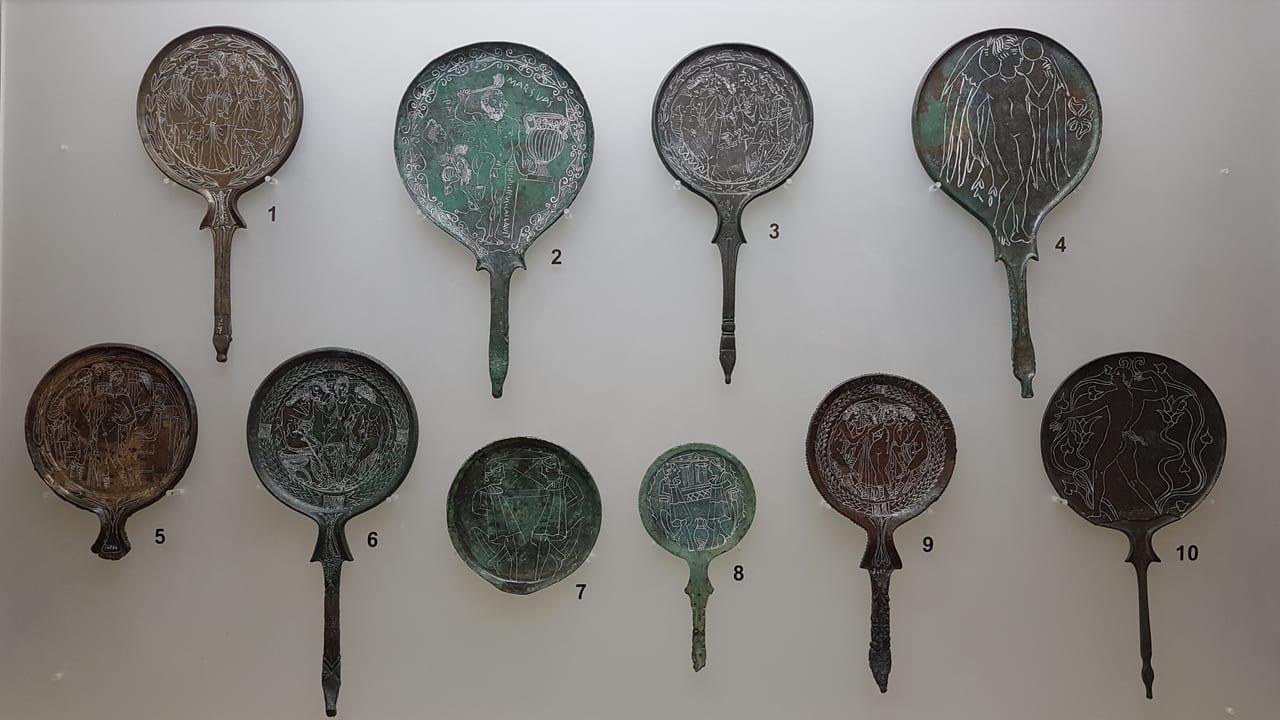
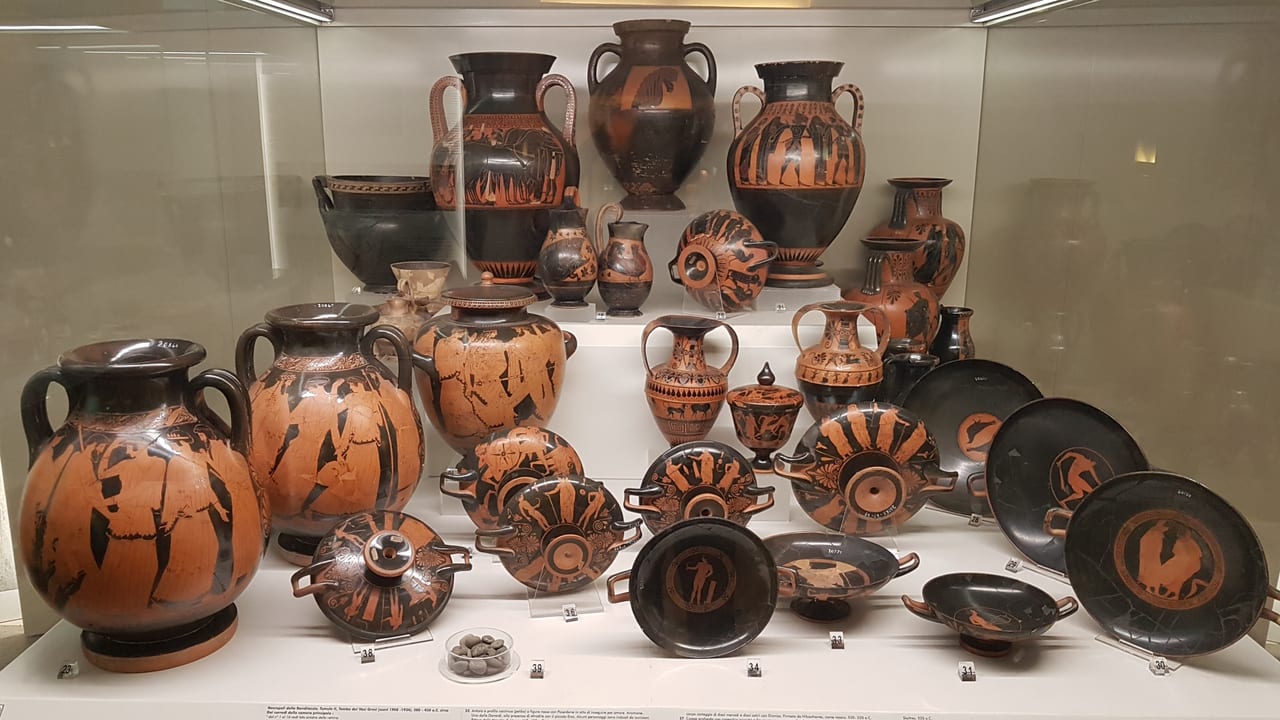
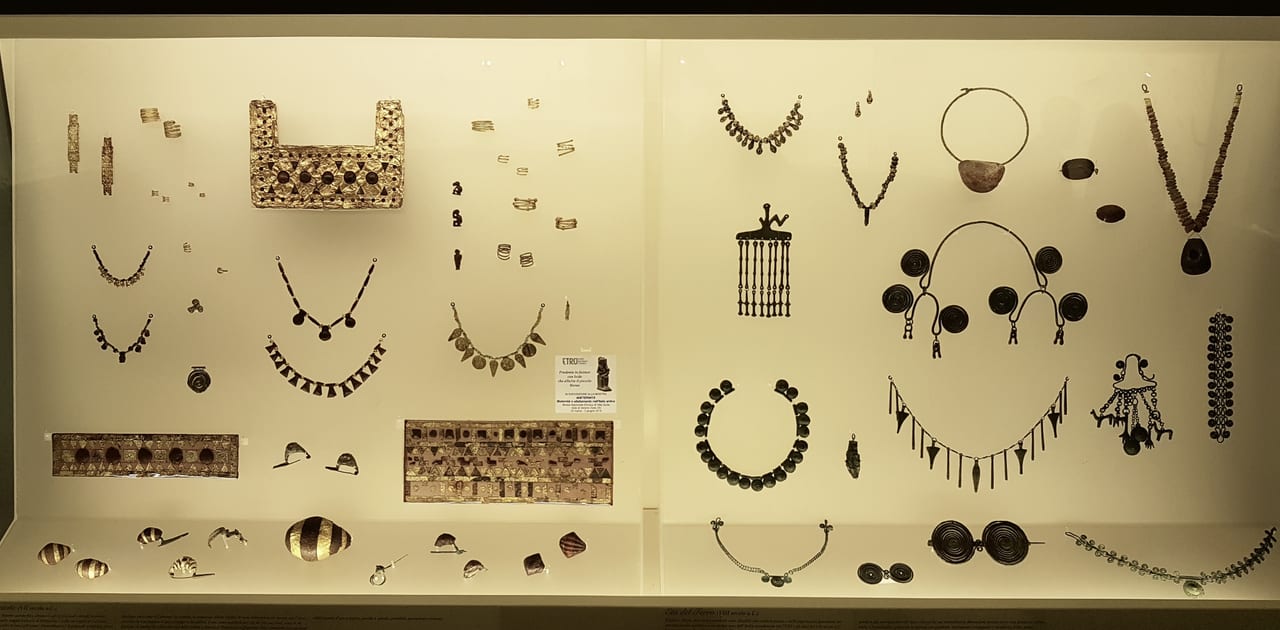

Photograph 1 of 44 of Museo Nazionale Etrusco di Villa Giulia
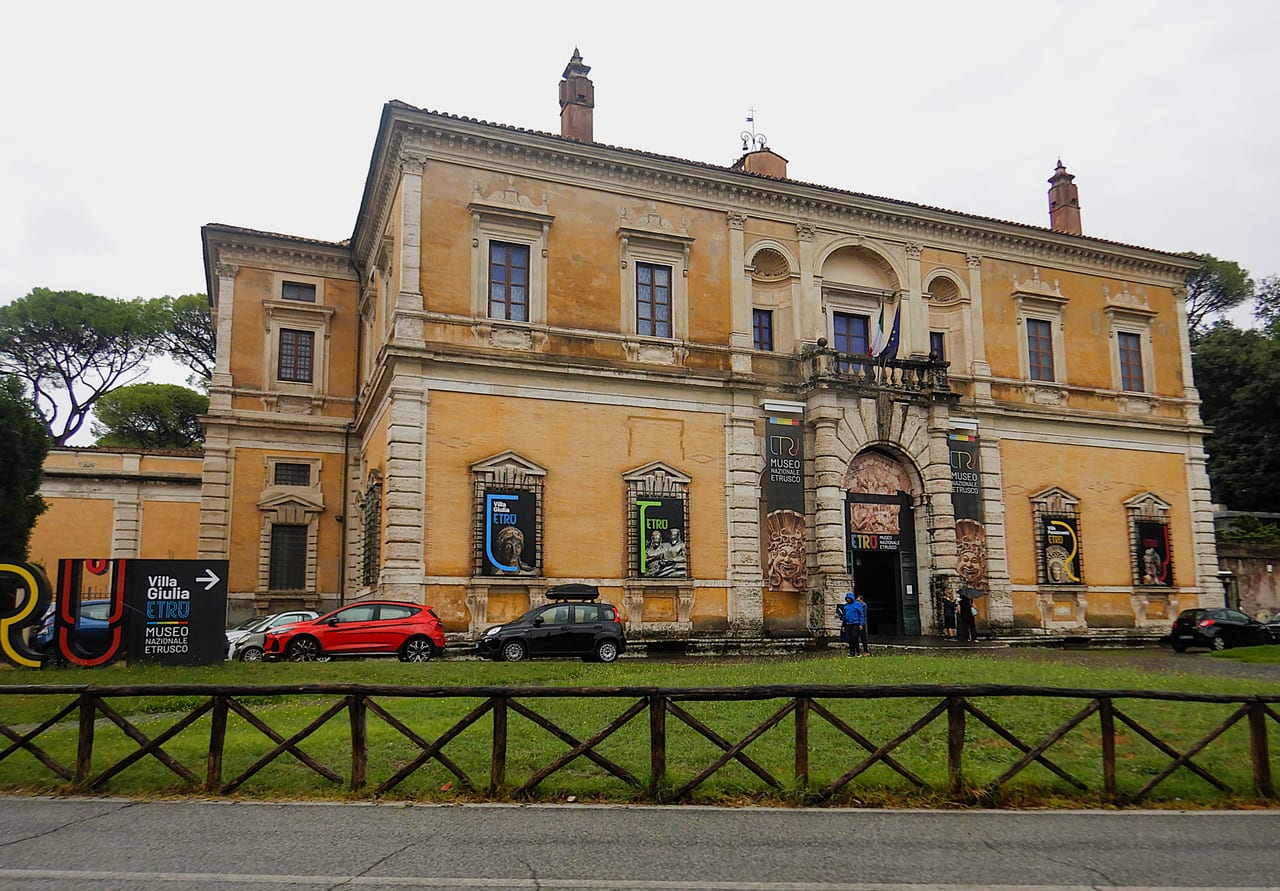
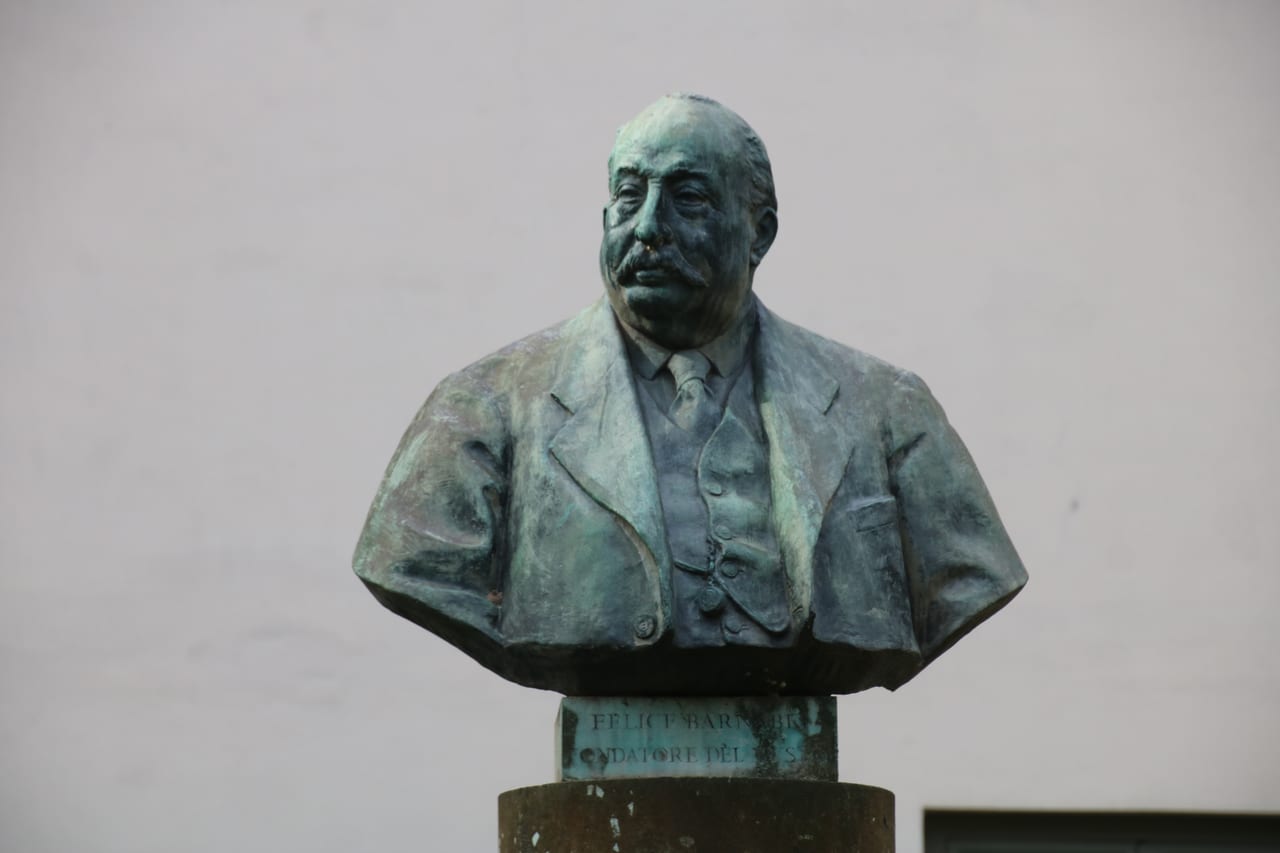
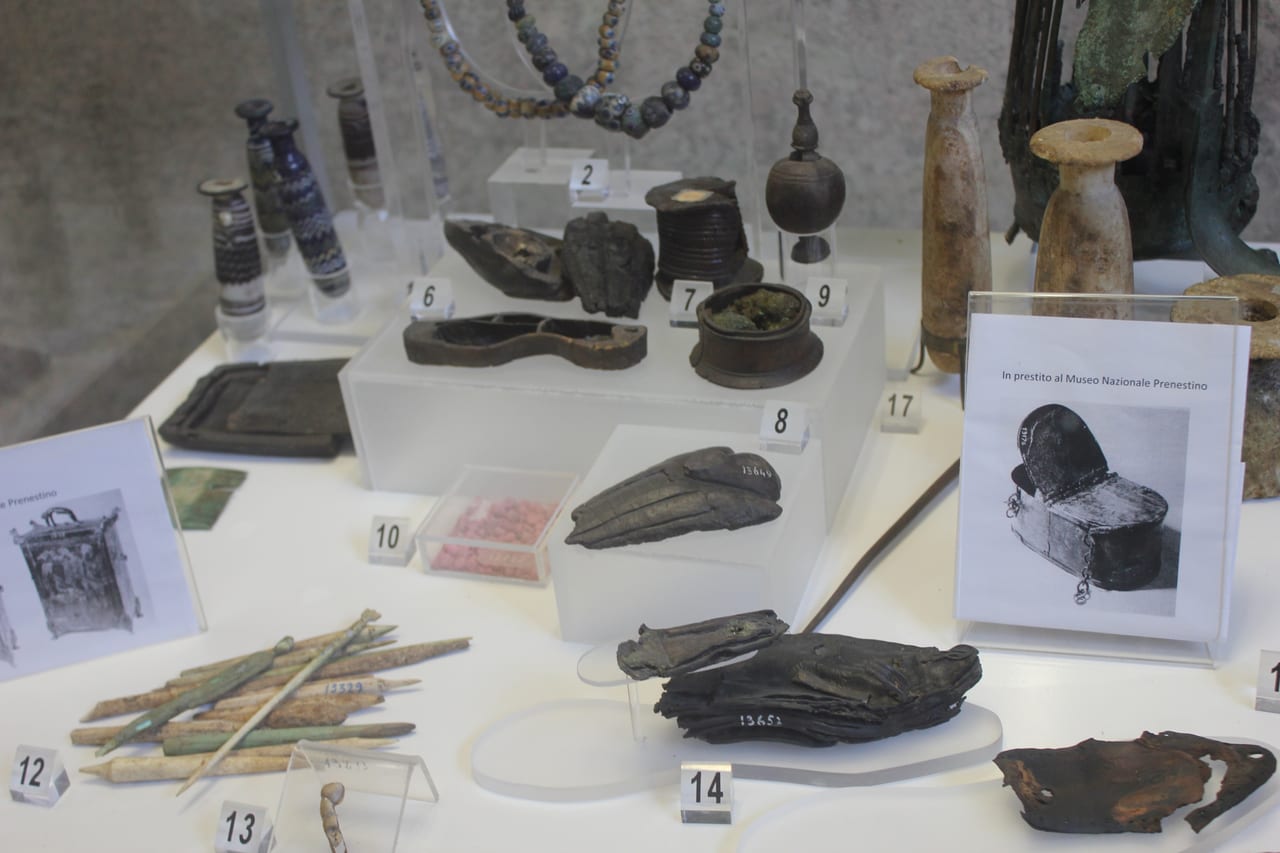
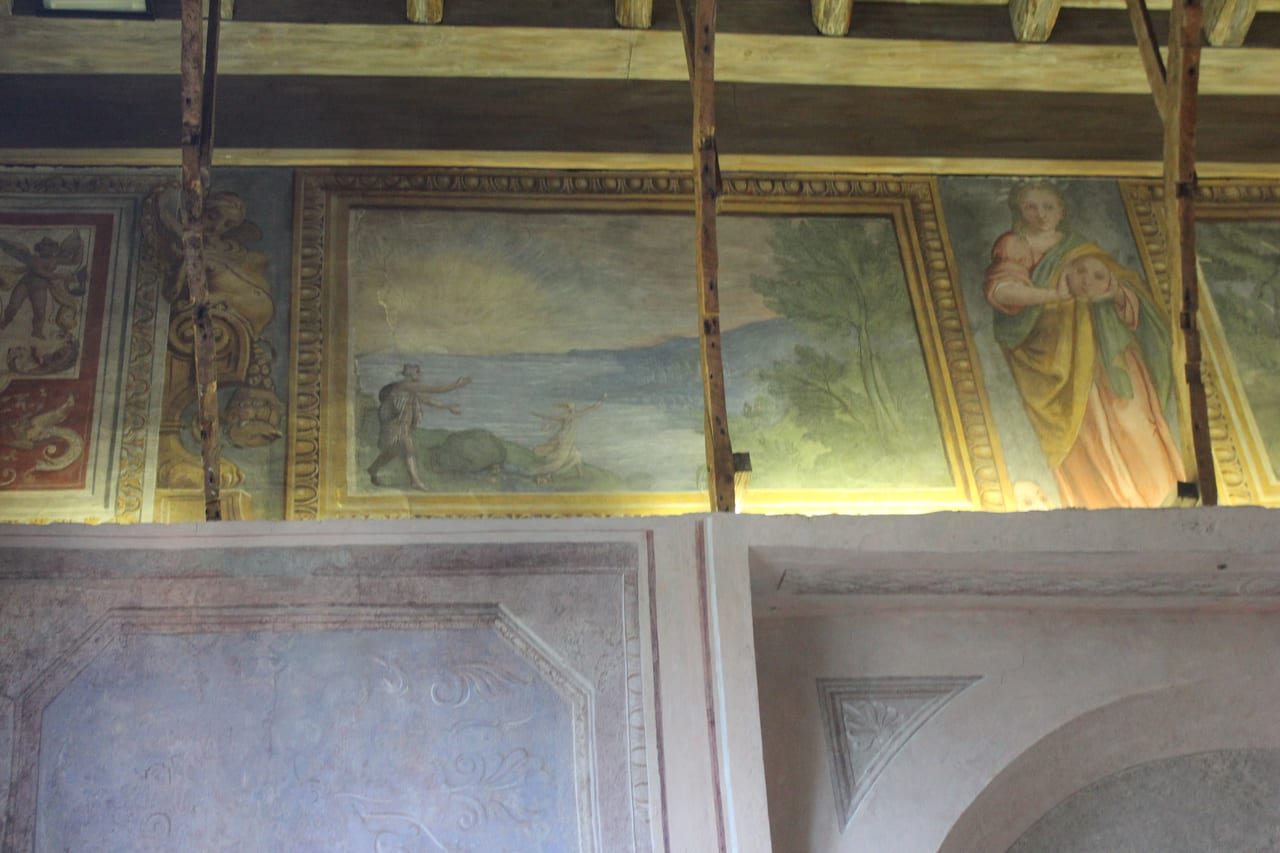
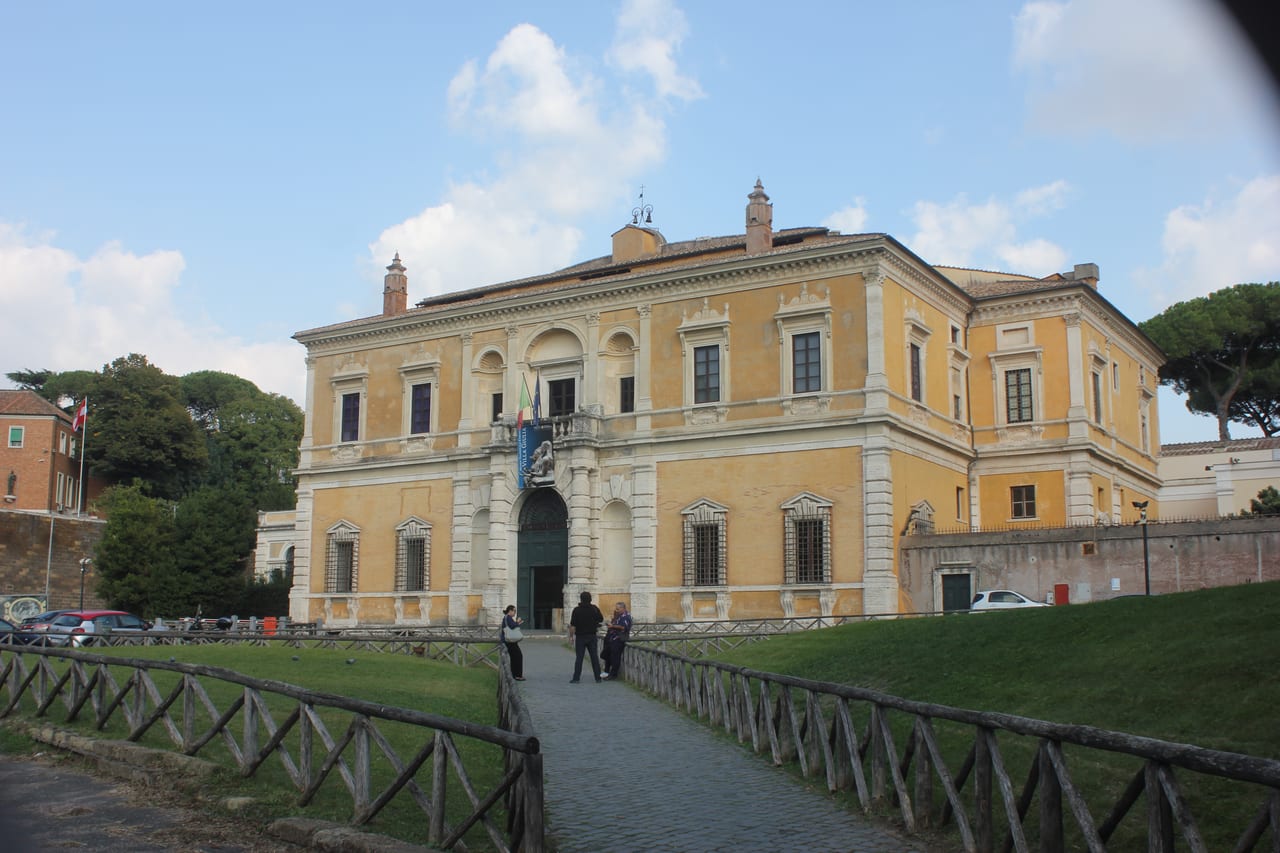
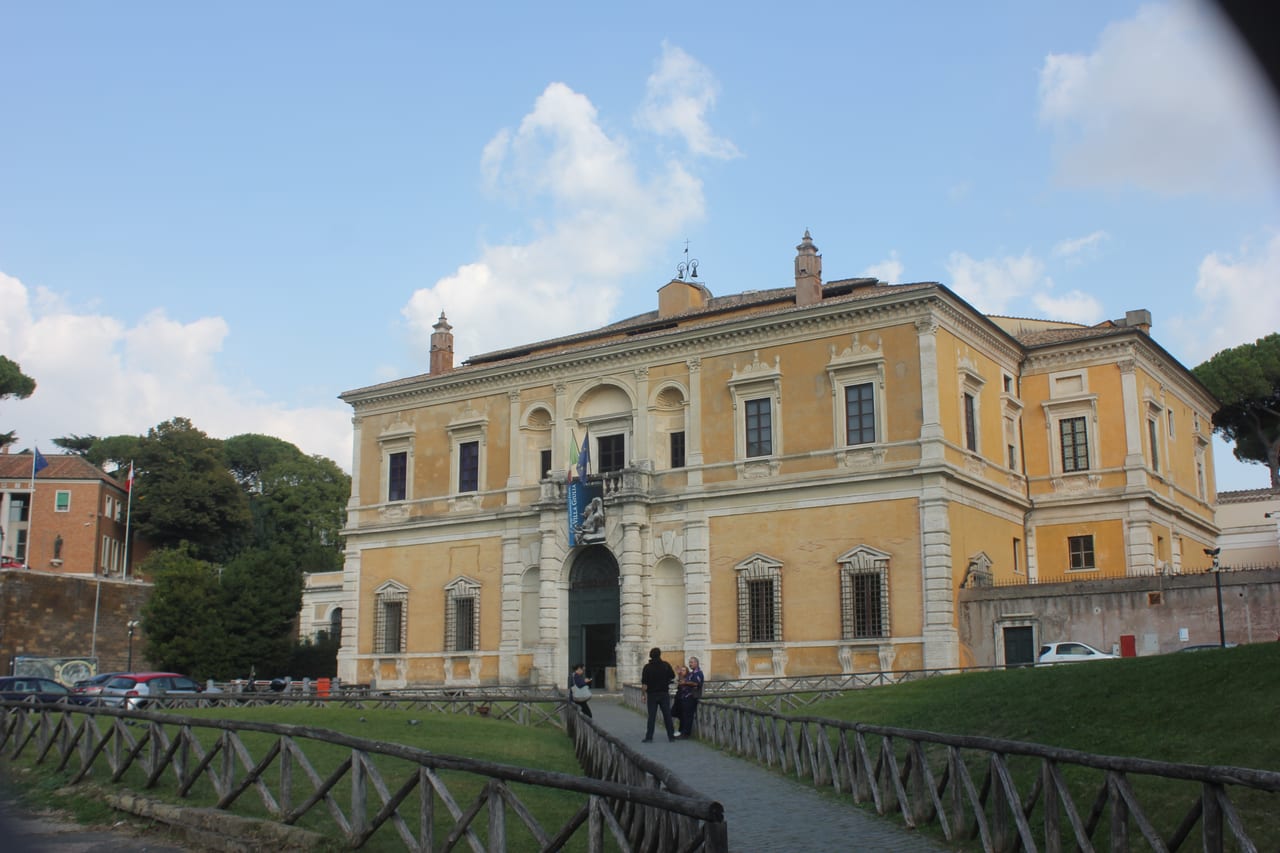
Founded in 1889, the museum brought together pre-Roman antiquities from Lazio, southern Etruria and Umbria associated with the Etruscan and Faliscan civilisations. Its principal setting is Villa Giulia, the Renaissance residence commissioned by Pope Julius III and built between 1551 and 1553 from designs by Jacopo Barozzi, known as Vignola, Giorgio Vasari and Bartolomeo Ammannati. In 2012, exhibition rooms expanded into Villa Poniatowski, the historic papal dépendance nearby. Enlargement and adaptation works were supported through the Gioco del Lotto under Law 662/96. Since 2016, the institution has held the status of a state museum with special autonomy. Archaeologist Valentino Nizzo became director in May 2017 and was reconfirmed in 2021; Vincenzo Bellelli served as interim director from 22 December 2023, followed by archaeologist Luana Toniolo’s appointment on 16 May 2024. The museum is also the historic venue for the final of the Premio Strega.
At a glance
- Built
- 1889
- Heritage
- Italian national heritage
Ways to explore Museo Nazionale Etrusco di Villa Giulia
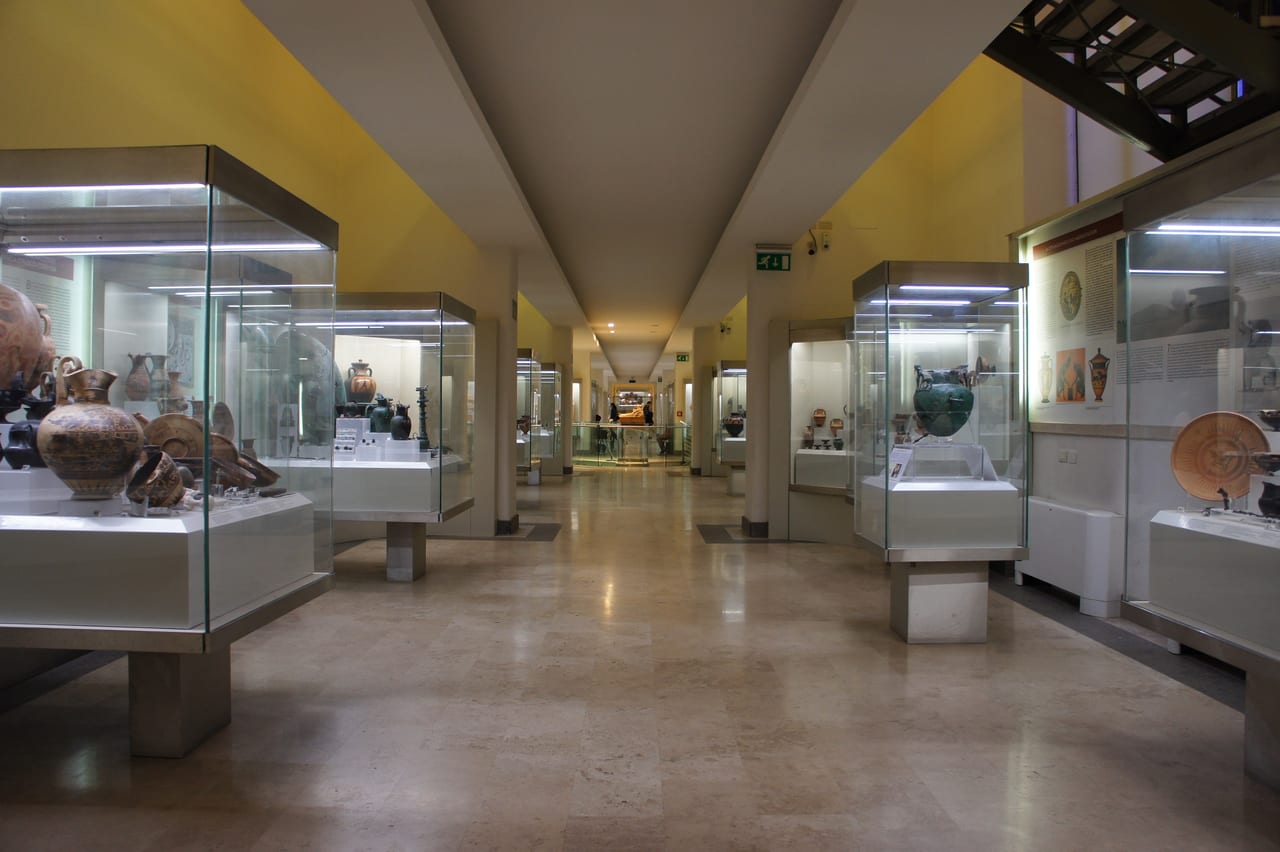
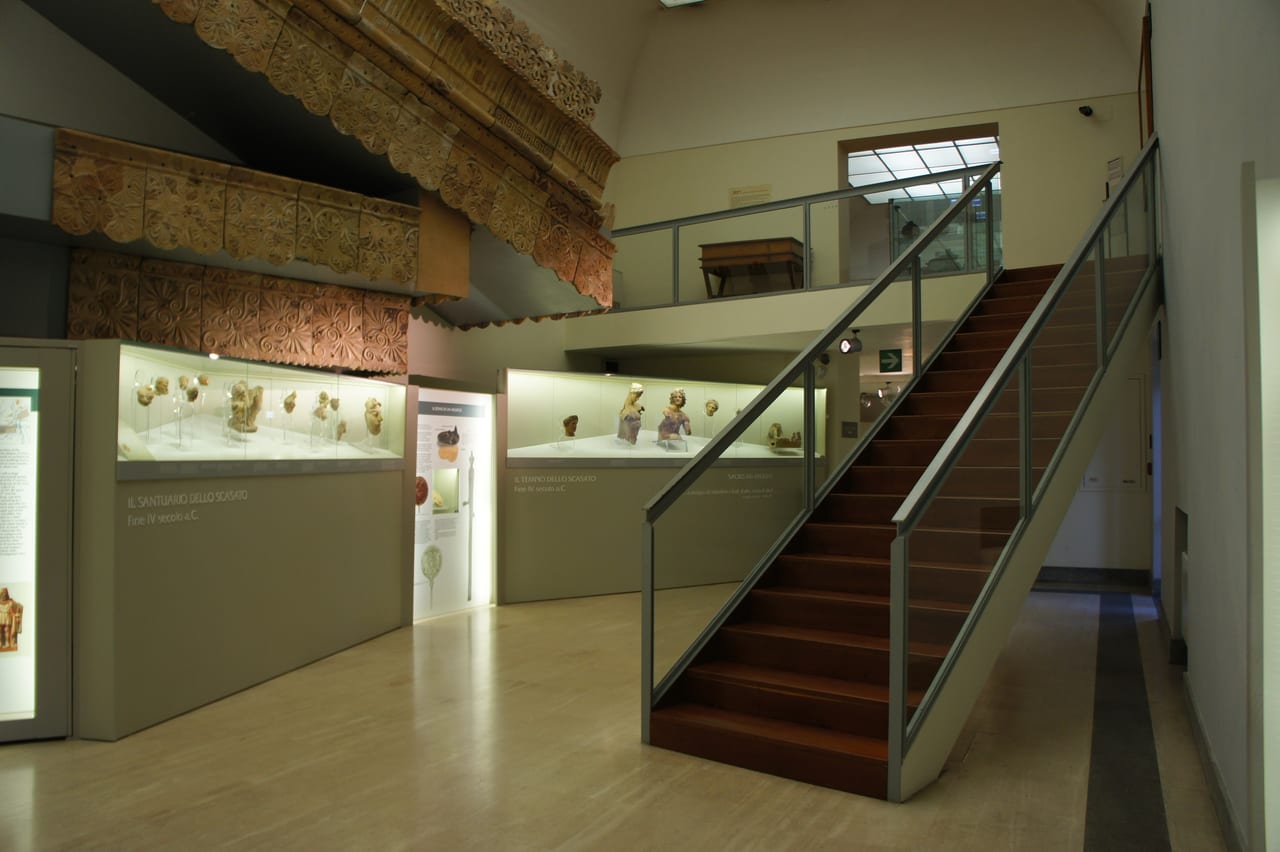
Use tram line 3 to Flaminia/Belle Arti or line 19 to Museo Etrusco Villa Giulia. Inside, seek out the Pyrgi Gold Tablets, written in Etruscan and Phoenician; the Apollo of Veii; the reconstructed Etruscan temple from Alatri; and the relief from Pyrgi’s Temple A depicting the Seven against Thebes. Allow time for the Barberini, Castellani and Pesciotti collections, the Ficoroni Cista and the Chigi Olpe.
Places to stay near Museo Nazionale Etrusco di Villa Giulia

Live availability and prices from Stay22's partners, refreshed periodically and subject to change. Booking through these links may earn us a commission at no extra cost to you. See our privacy policy.
Cafés near Museo Nazionale Etrusco di Villa Giulia
Cafés near Museo Nazionale Etrusco di Villa Giulia loads as you scroll.
Attractions nearby
Attractions near Museo Nazionale Etrusco di Villa Giulia loads as you scroll.
Cities nearby
Cities nearby loads as you scroll.
More in Rome
See more of Rome.
Find great cafés, places to stay and other interesting places to visit in Rome.