Ancient site · Rome
Mausoleum of Augustus
DirectionsIts 90-metre diameter once supported cypresses, a possible conical roof and a colossal bronze statue of Augustus, making it an unusually monumental imperial tomb.
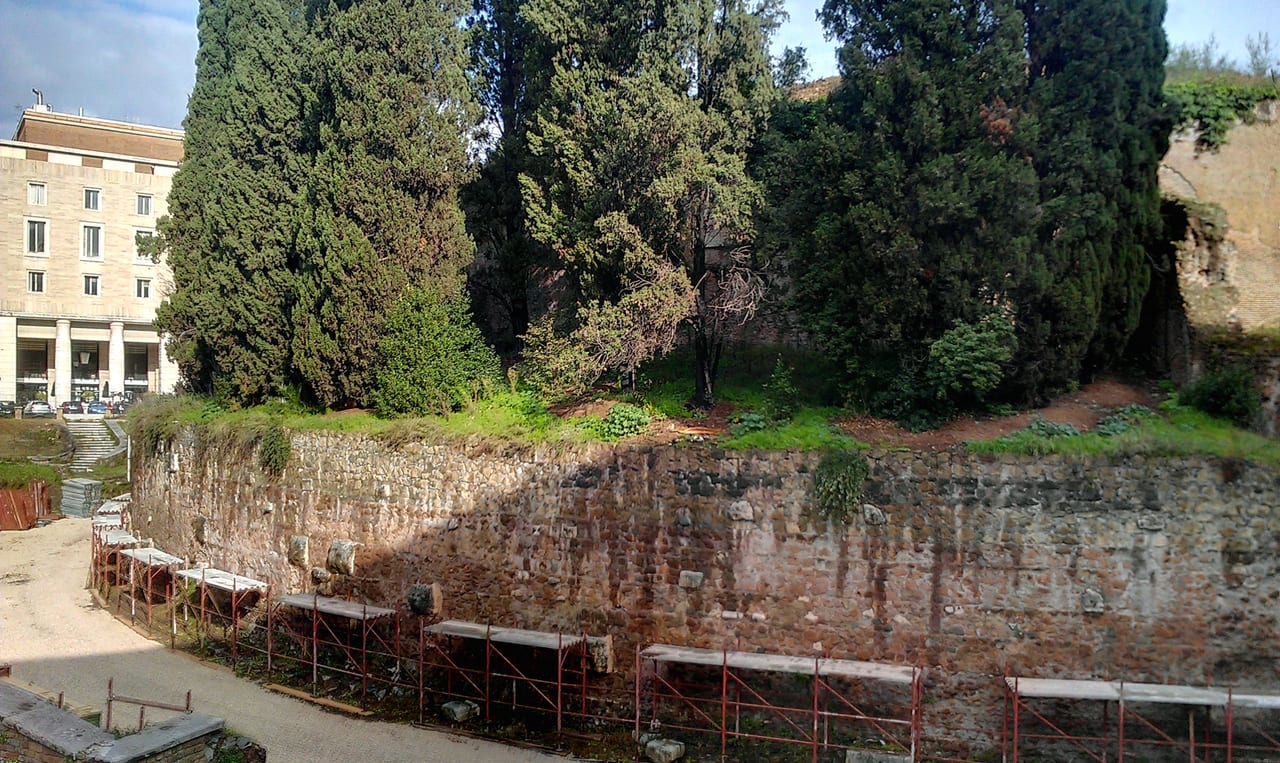
Photograph 1 of 7 of Mausoleum of Augustus
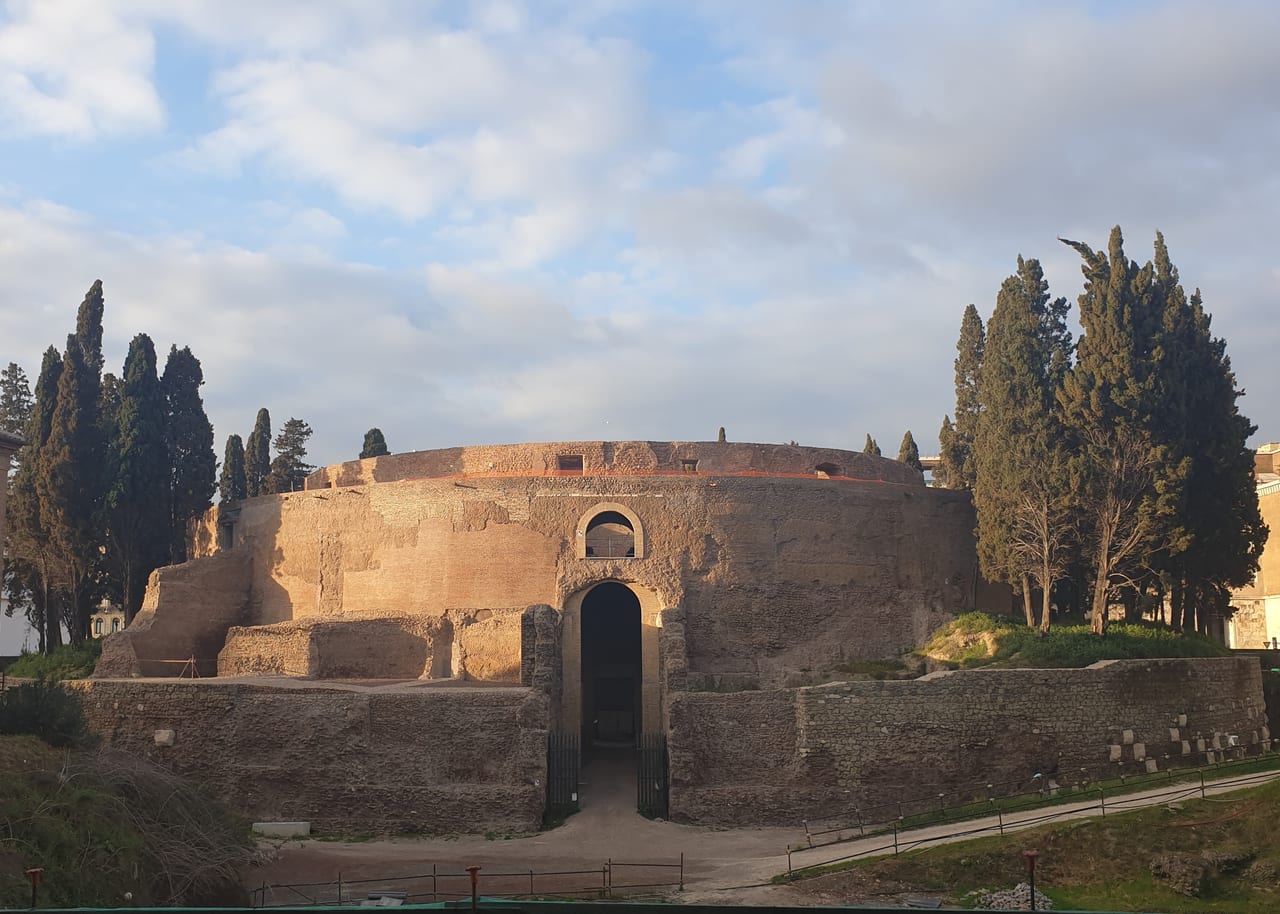
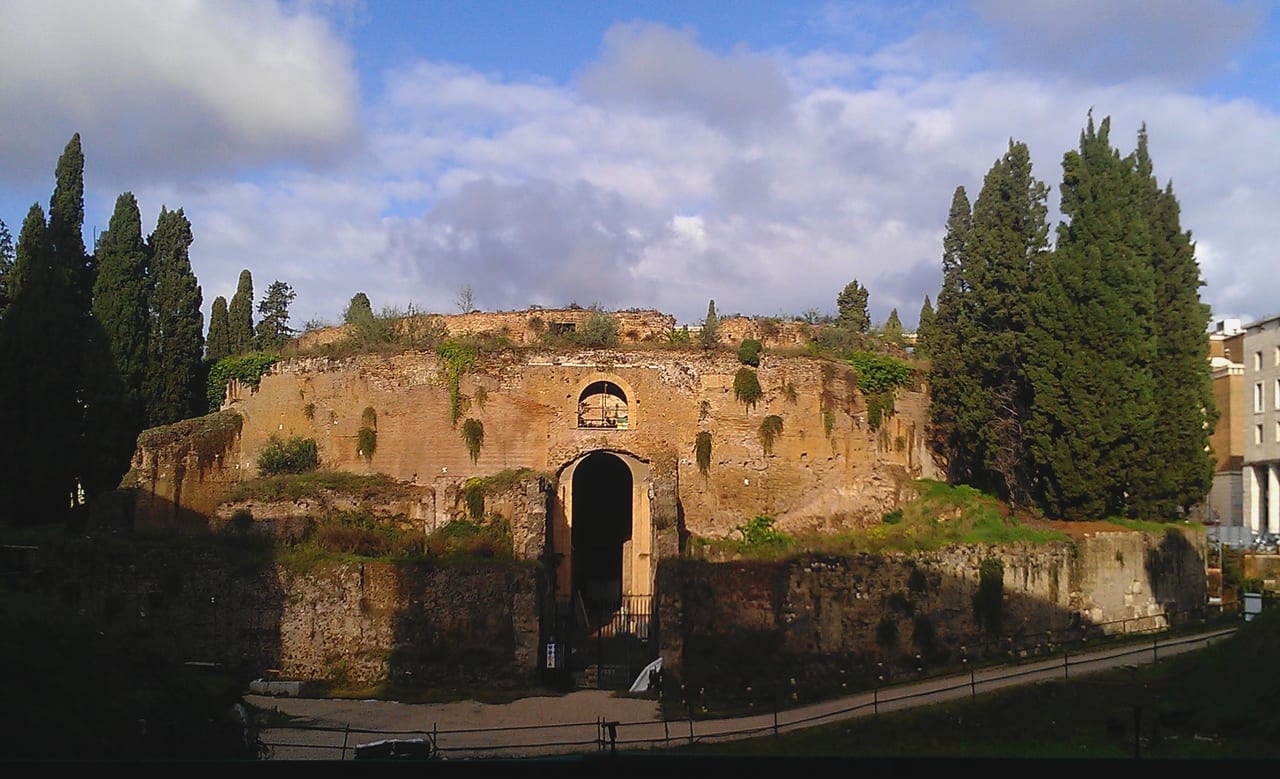
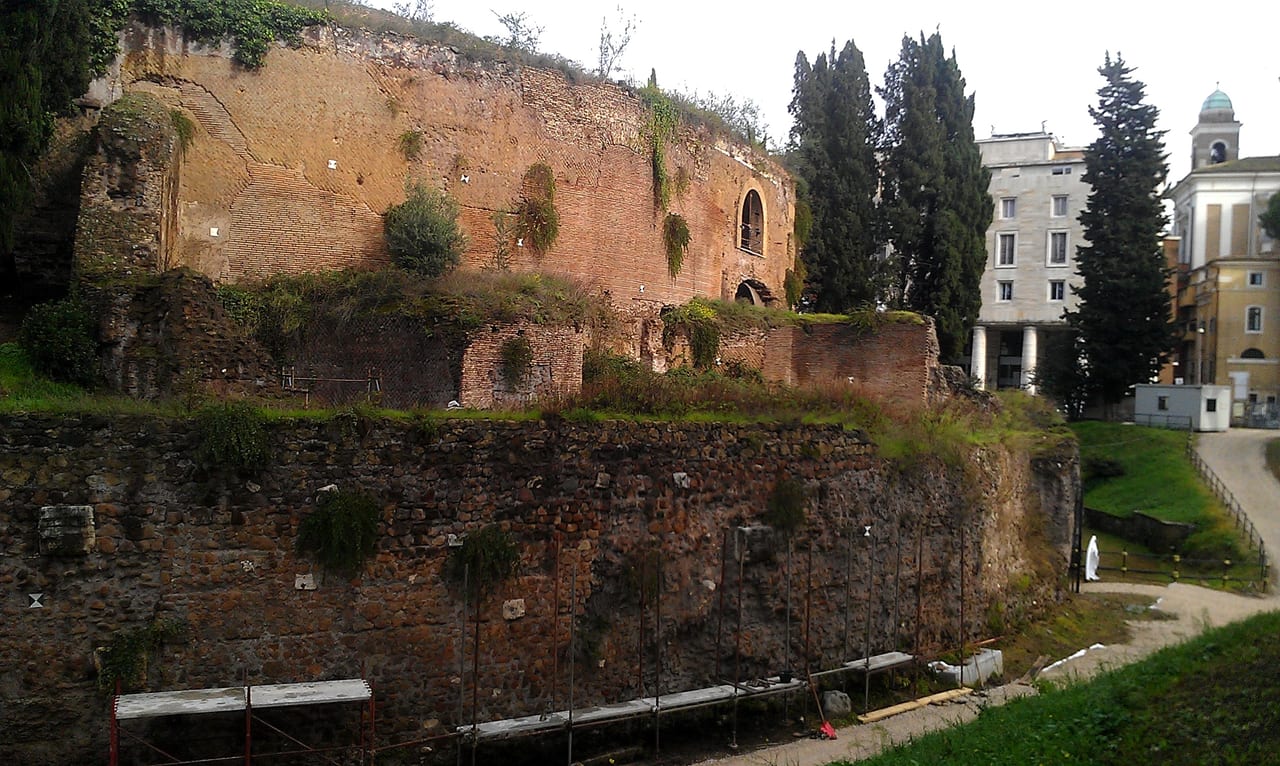
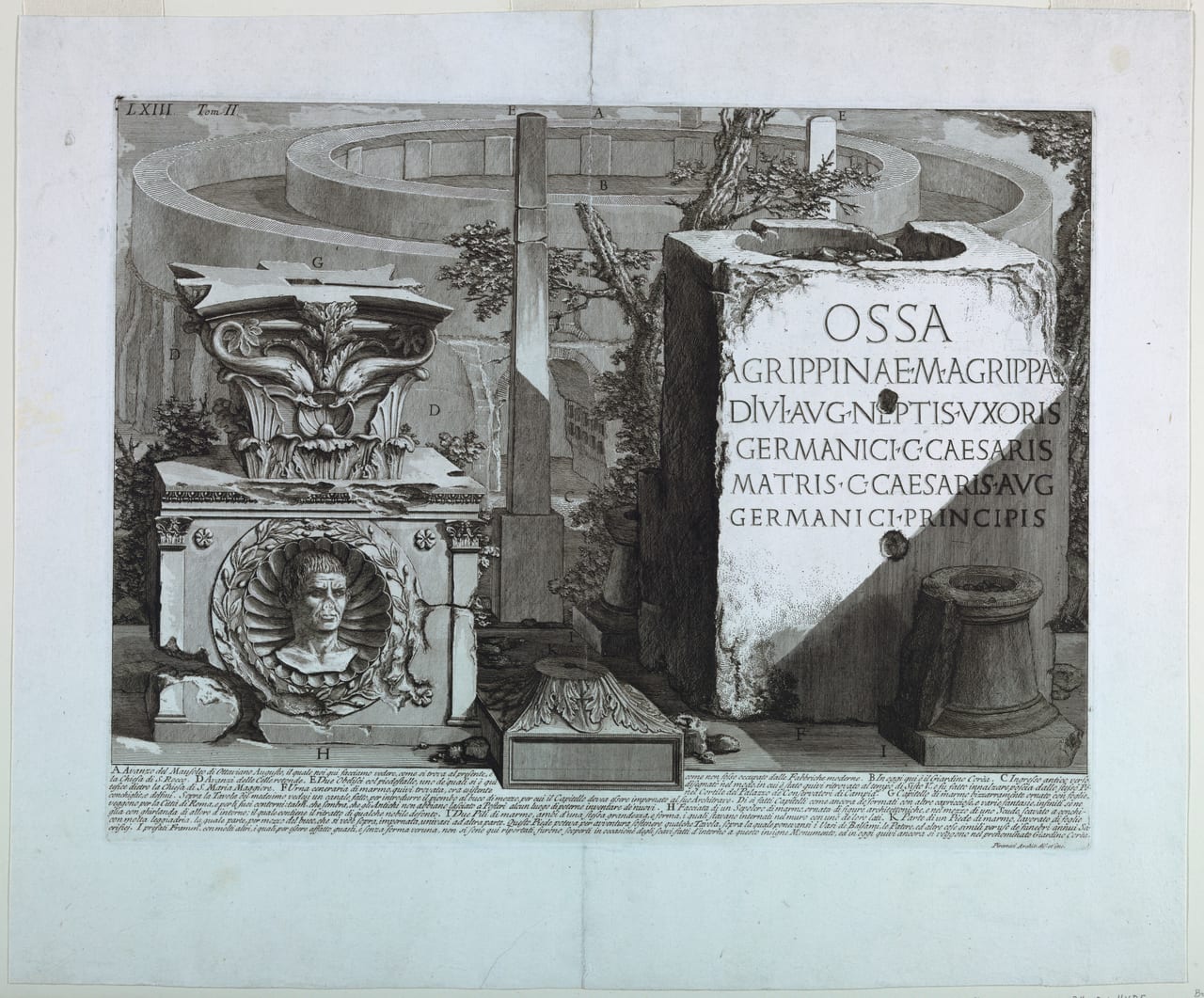
Augustus began the mausoleum in 28 BC, among his first projects after victory at Actium in 31 BC. Built on the Campus Martius, it used concentric rings of earth and brick faced with travertine, with vaults supporting the upper structure and burial spaces below. Twin pink-granite obelisks once flanked the arched entrance; one now stands in Piazza dell'Esquilino and the other by the Quirinal fountain. A corridor led to a central chamber with three niches for golden urns, while bronze plaques at the entrance carried the Res Gestae Divi Augusti. Landscaped parkland surrounded the tomb. Marcus Claudius Marcellus was buried here in 23 BC, followed by figures including Agrippa, Octavia, Livia, Tiberius and Claudius; Nerva was the last emperor interred there. The traditional account of Alaric's Visigoths looting it in 410 is disputed. By the 10th century it was buried and overgrown; the Colonna later fortified it, and Renaissance families used it as a garden. In the 20th century it became the Augusteo concert hall before Mussolini's 1930s restoration. Restoration campaigns culminated in reopening in 2021, though further work continues.
At a glance
- Built
- 28
Ways to explore Mausoleum of Augustus
Check access before visiting: the mausoleum has been temporarily closed since 6 June 2022 during redevelopment of Piazza Augusto Imperatore, with completion expected by the end of 2026. Examine the entrance, surviving burial architecture and the scale of the concentric structure. Seek out the two relocated obelisks in Piazza dell'Esquilino and at the Quirinal fountain.
Places to stay near Mausoleum of Augustus

Live availability and prices from Stay22's partners, refreshed periodically and subject to change. Booking through these links may earn us a commission at no extra cost to you. See our privacy policy.
Cafés near Mausoleum of Augustus
Cafés near Mausoleum of Augustus loads as you scroll.
Attractions nearby
Attractions near Mausoleum of Augustus loads as you scroll.
Cities nearby
Cities nearby loads as you scroll.
More in Rome
See more of Rome.
Find great cafés, places to stay and other interesting places to visit in Rome.