Ancient site · Rome
Insula Romana
DirectionsIts preserved remains reveal an unusually intimate side of imperial Rome: ordinary residents lived beside the city’s most monumental and sacred hill.
Photograph 1 of 12 of Insula Romana
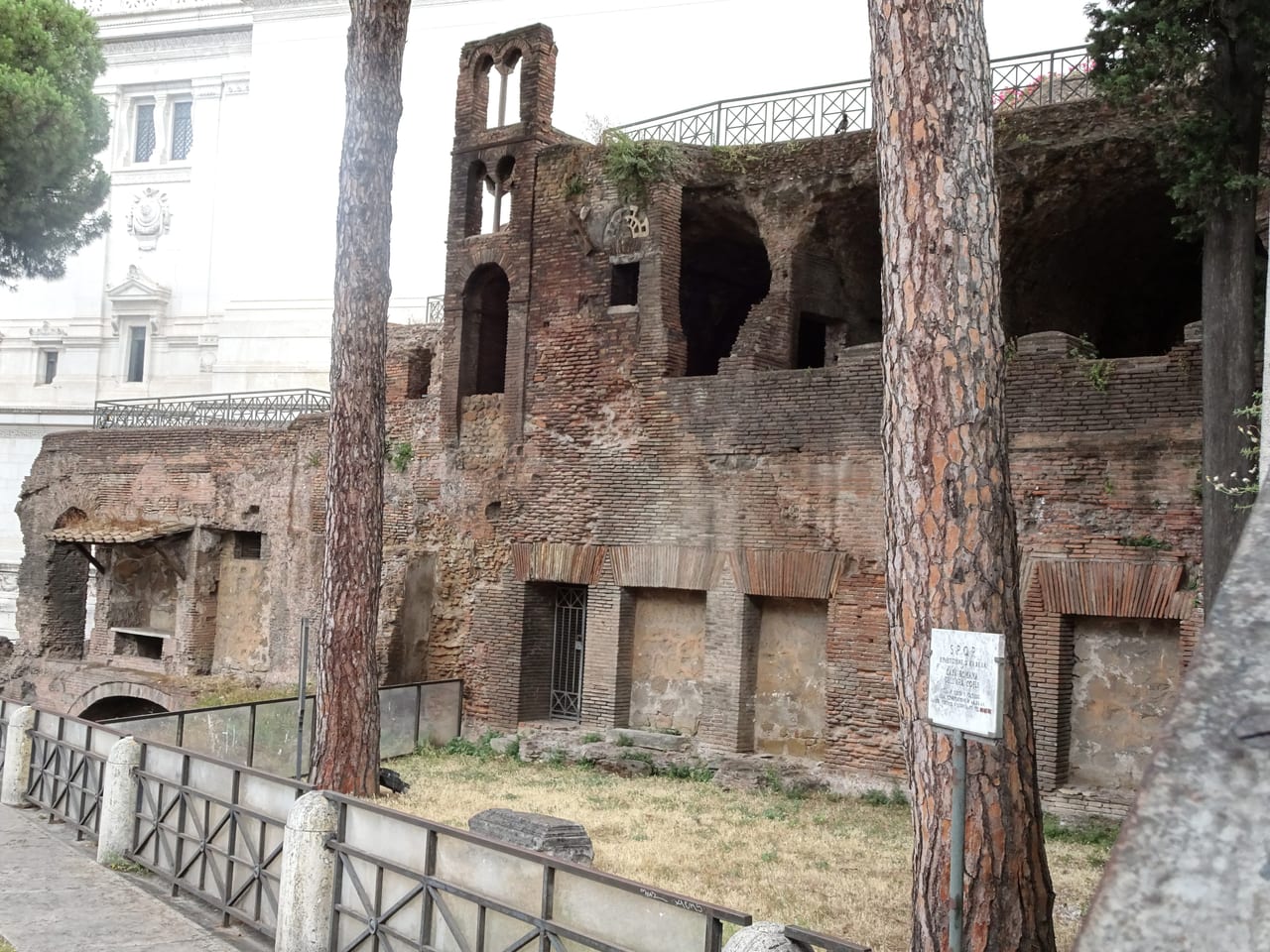
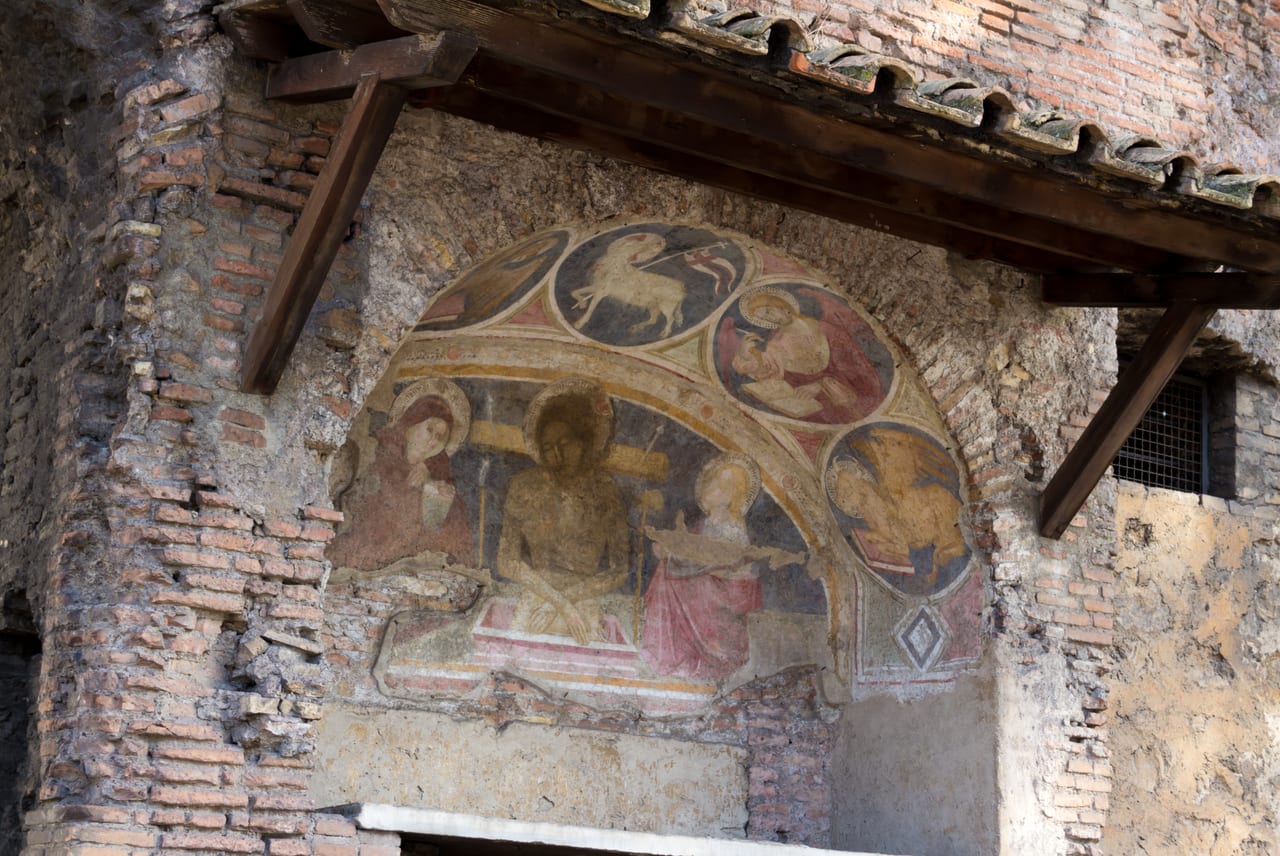
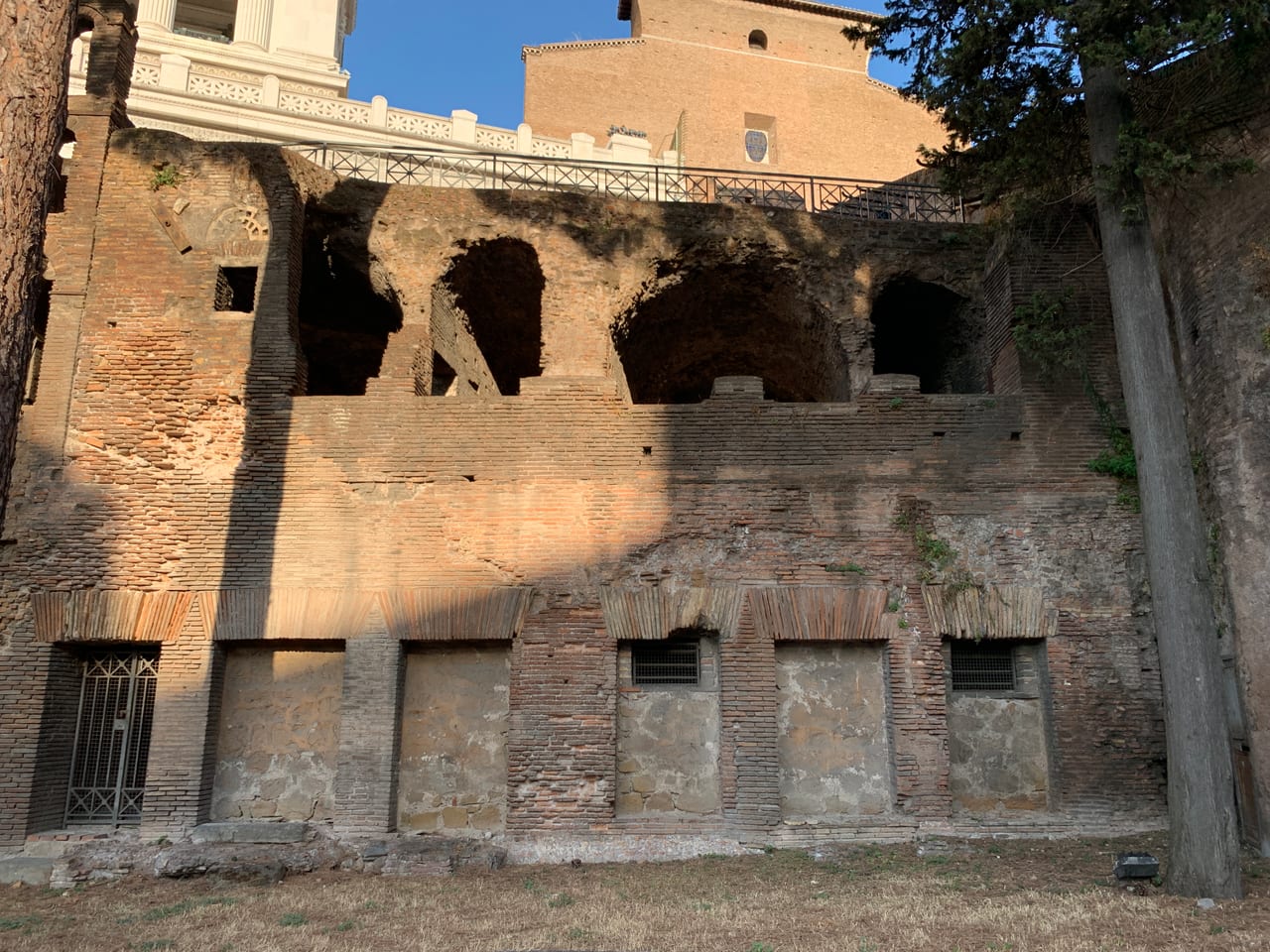
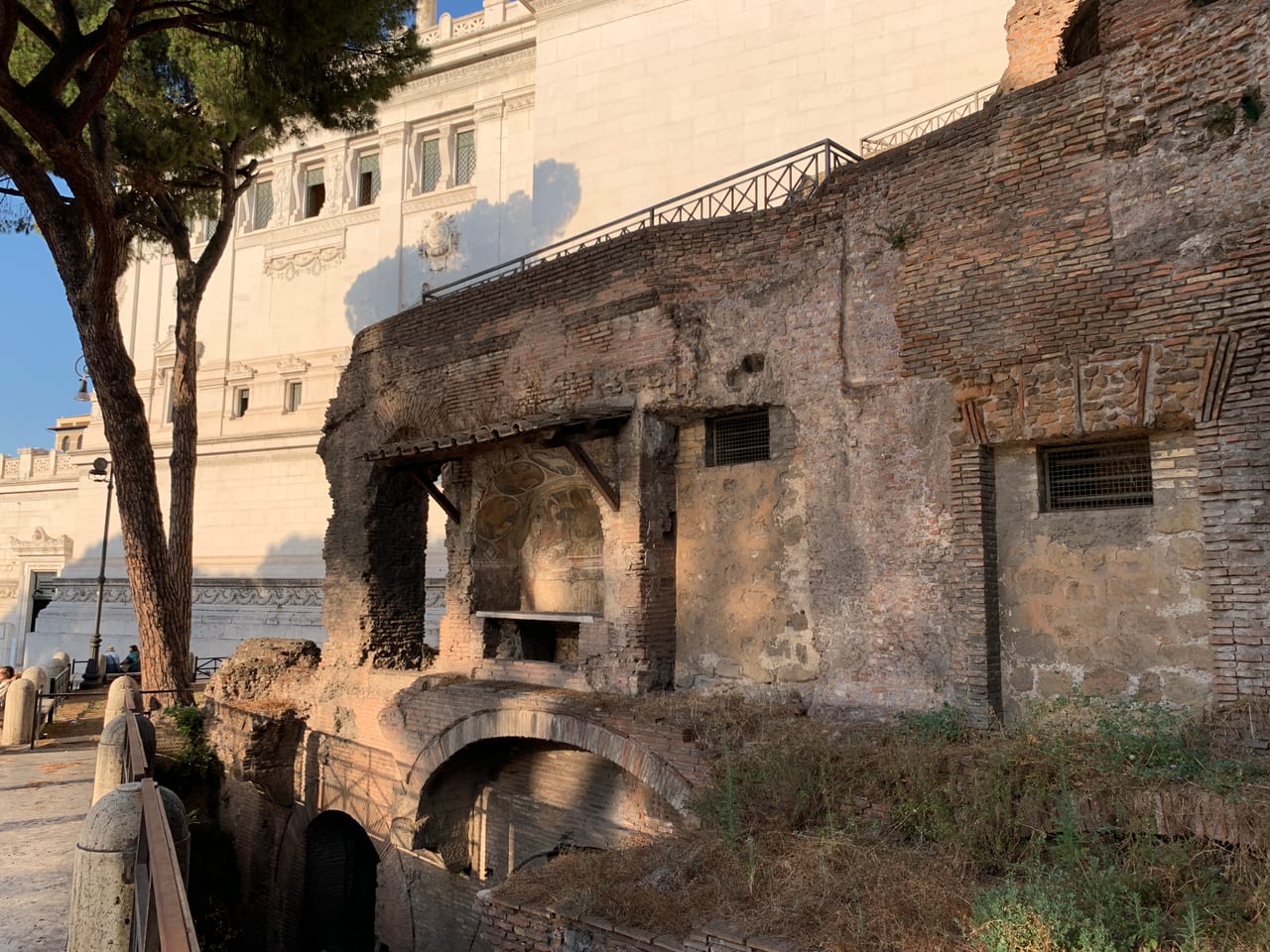
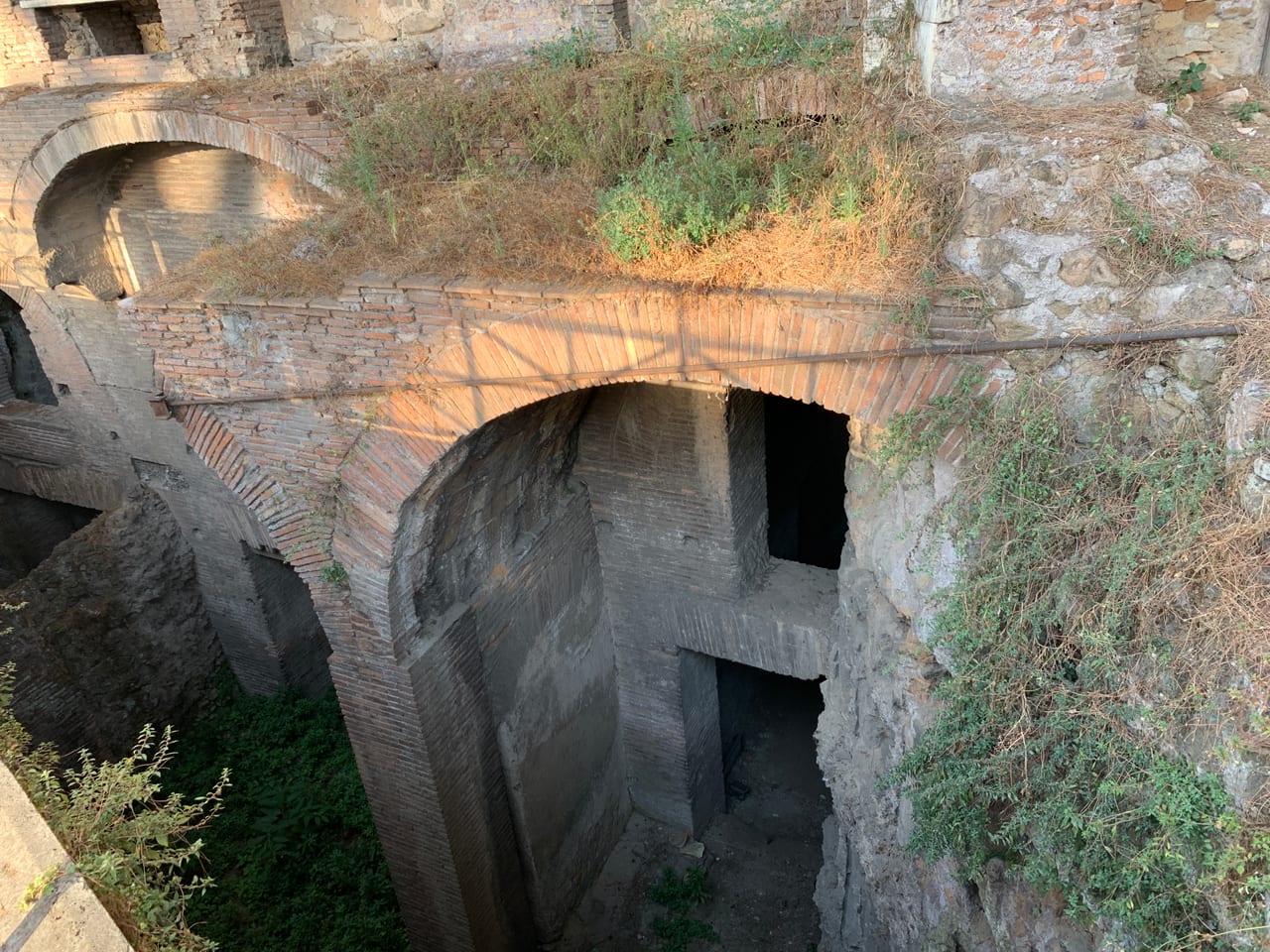
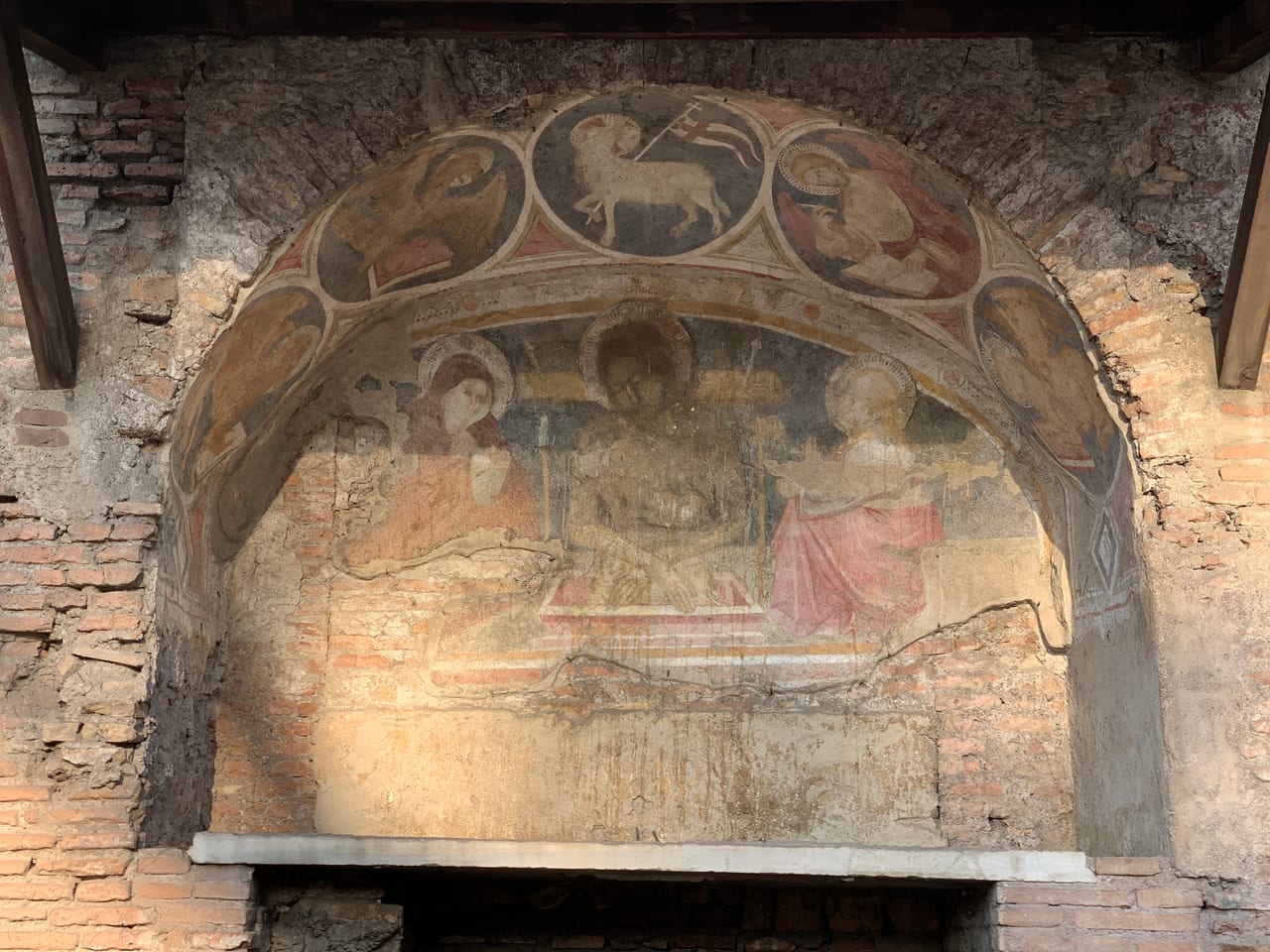
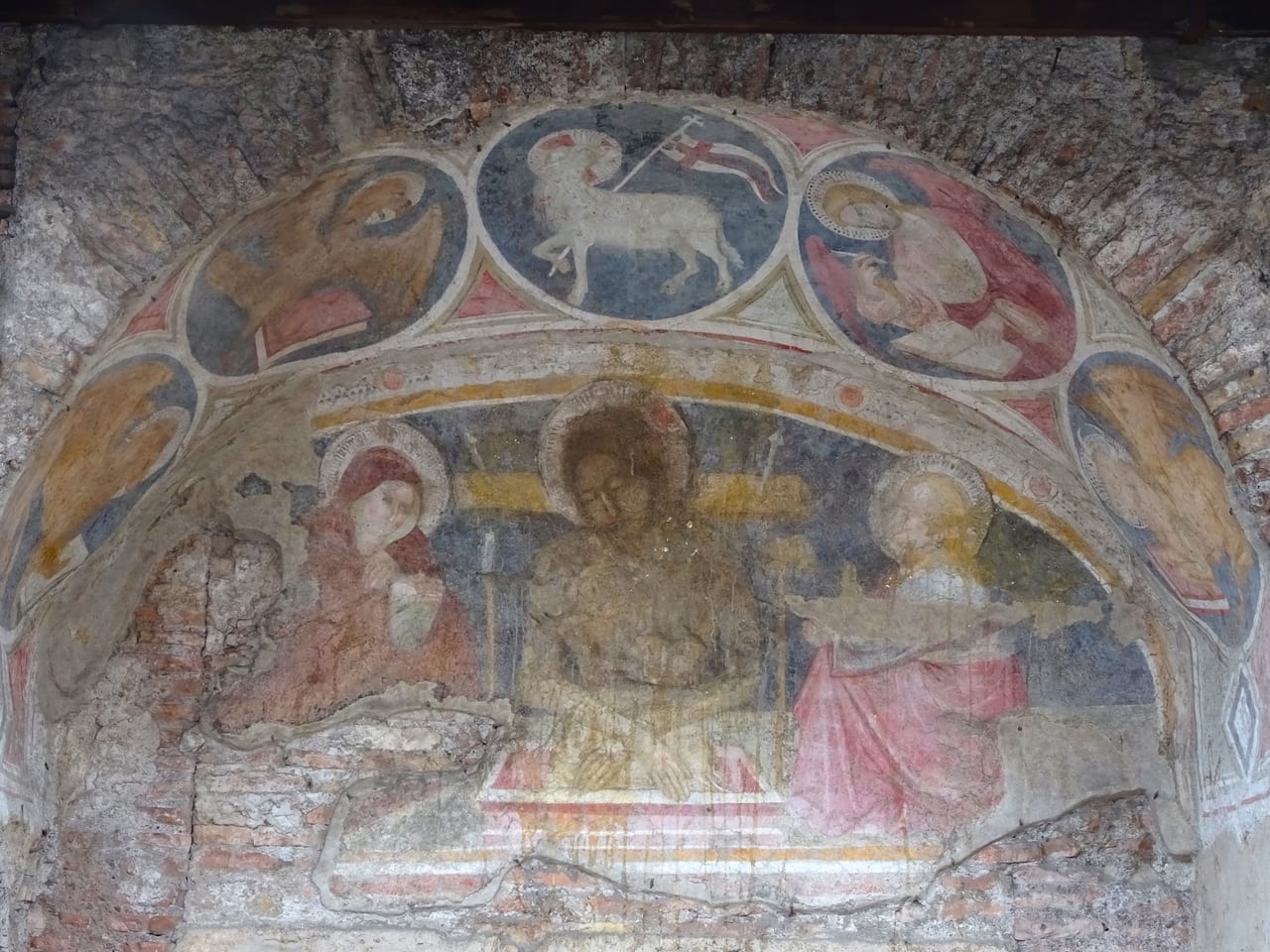
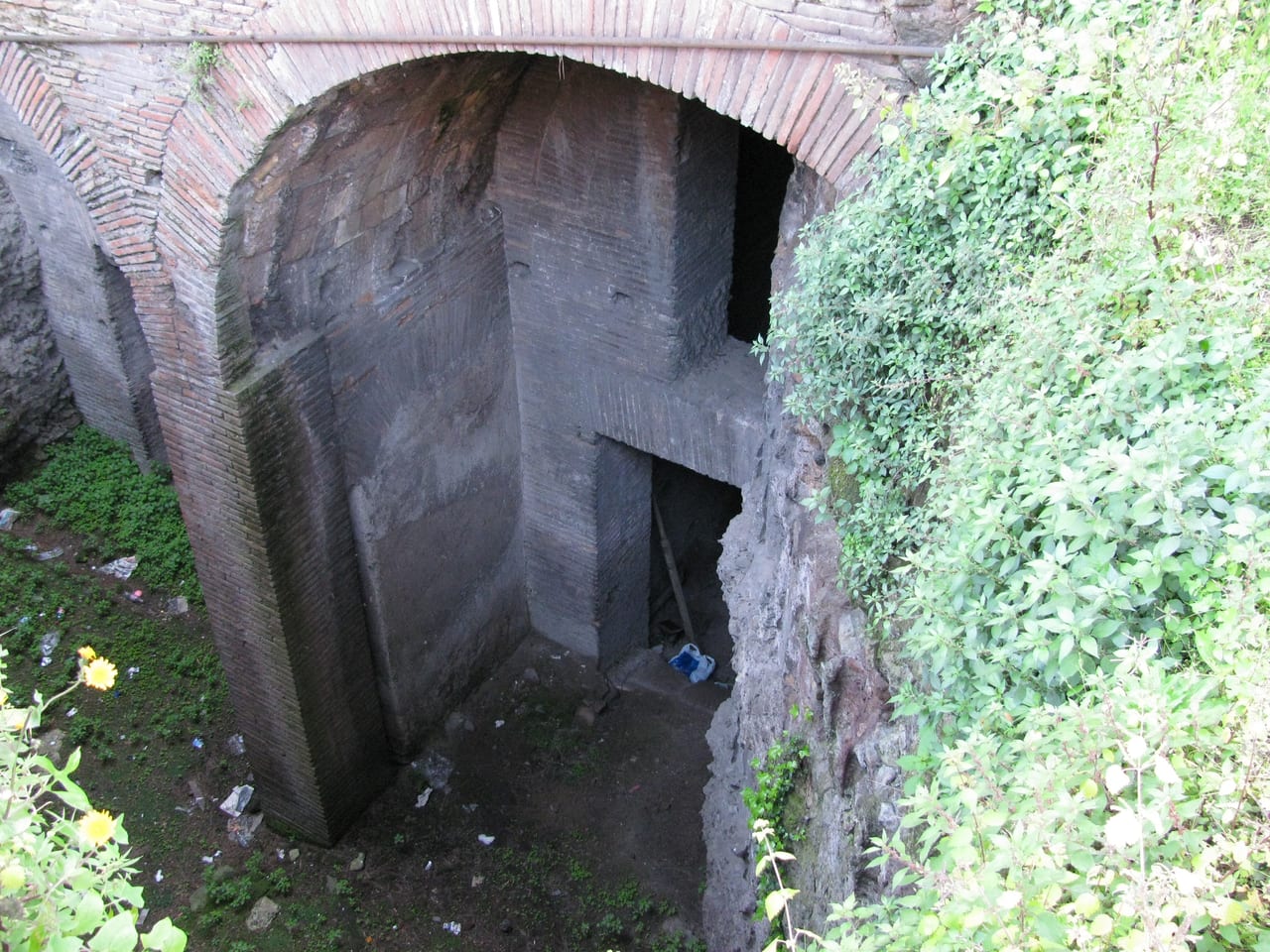
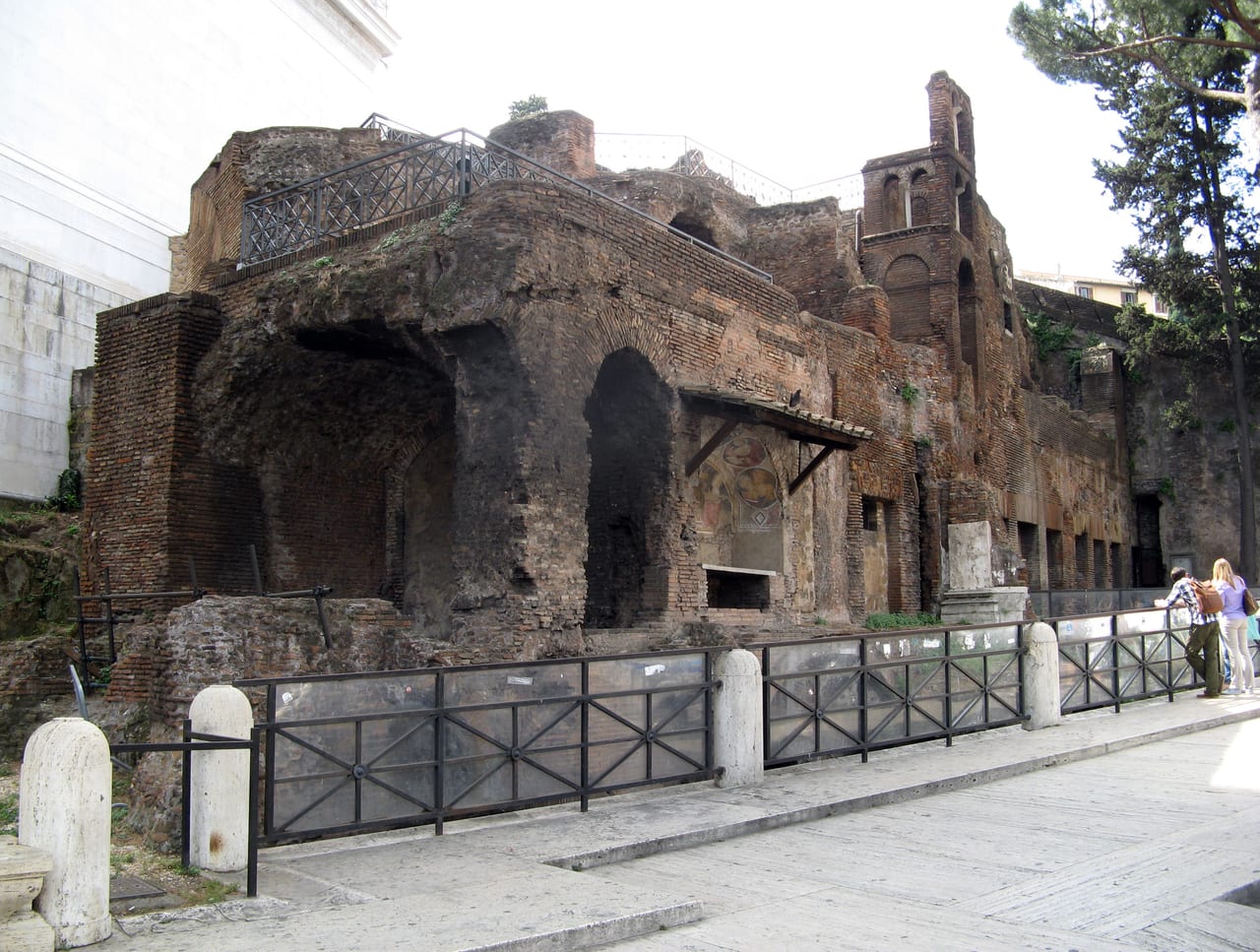
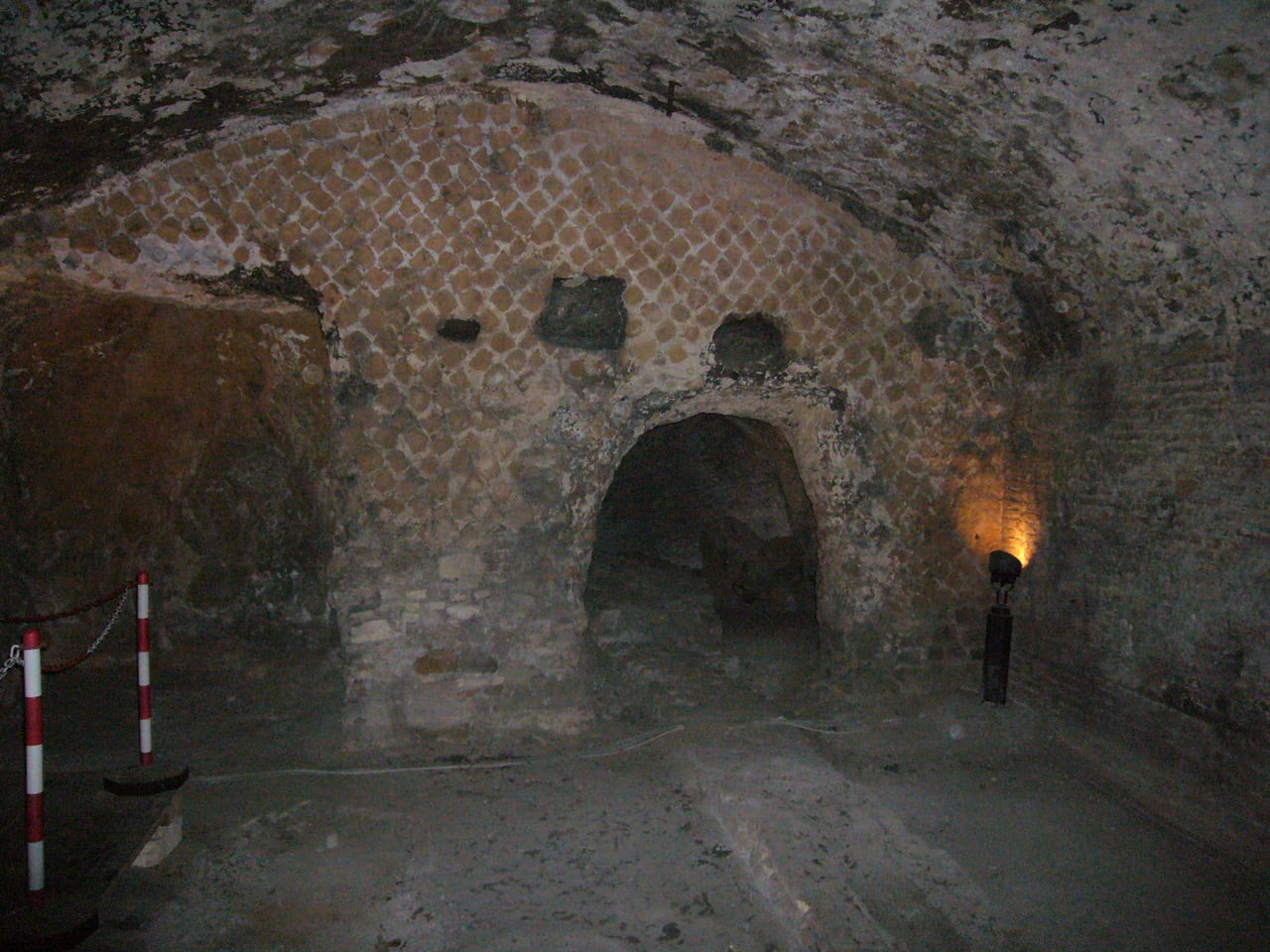
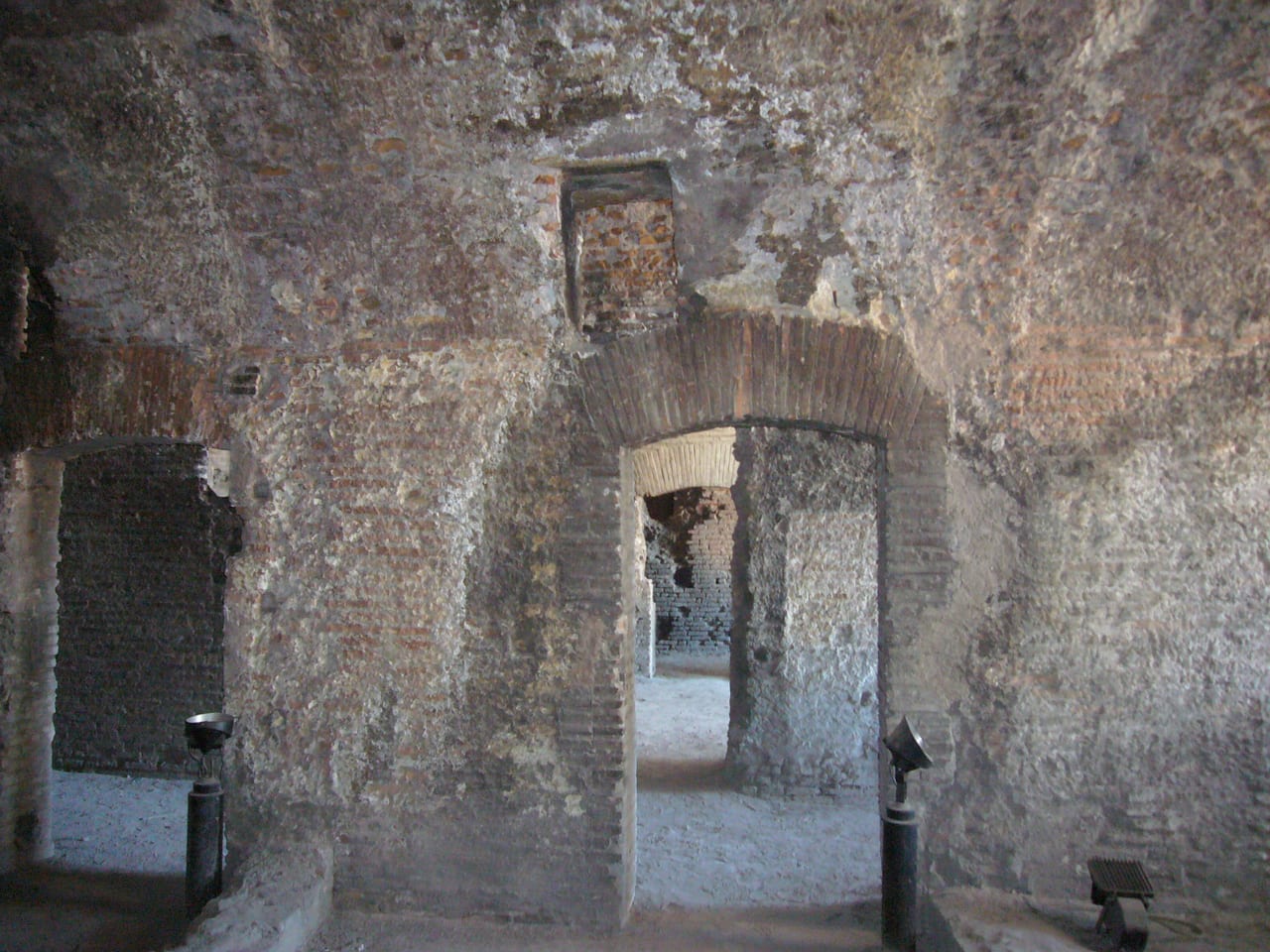
Built in the second century in brick, the Insula dell’Ara Coeli rested against a reticulated-work wall probably constructed in the first century to reinforce the Capitoline hill. Its masonry and layout resemble residential buildings excavated at Ostia, providing a rare view of Roman urban construction. The upper part later accommodated the medieval church of San Biagio de Mercato. In 1653, Santa Rita da Cascia replaced it; during the 1930s, the church was dismantled to make way for the Vittoriano and rebuilt near the Theatre of Marcellus. The removal exposed the ancient building, which was preserved. San Biagio survives only in fragments of its Romanesque bell tower and a fourteenth-century frescoed arcosolium. Archaeologist Sascha Priester proposed a wider reconstruction of the surrounding complex: a western block with shops, a reburied northern building, and a vaulted alley later narrowed by a portico and eventually abandoned in late antiquity. The remains are part of the UNESCO World Heritage Site.
At a glance
- Heritage
- part of UNESCO World Heritage Site
Ways to explore Insula Romana
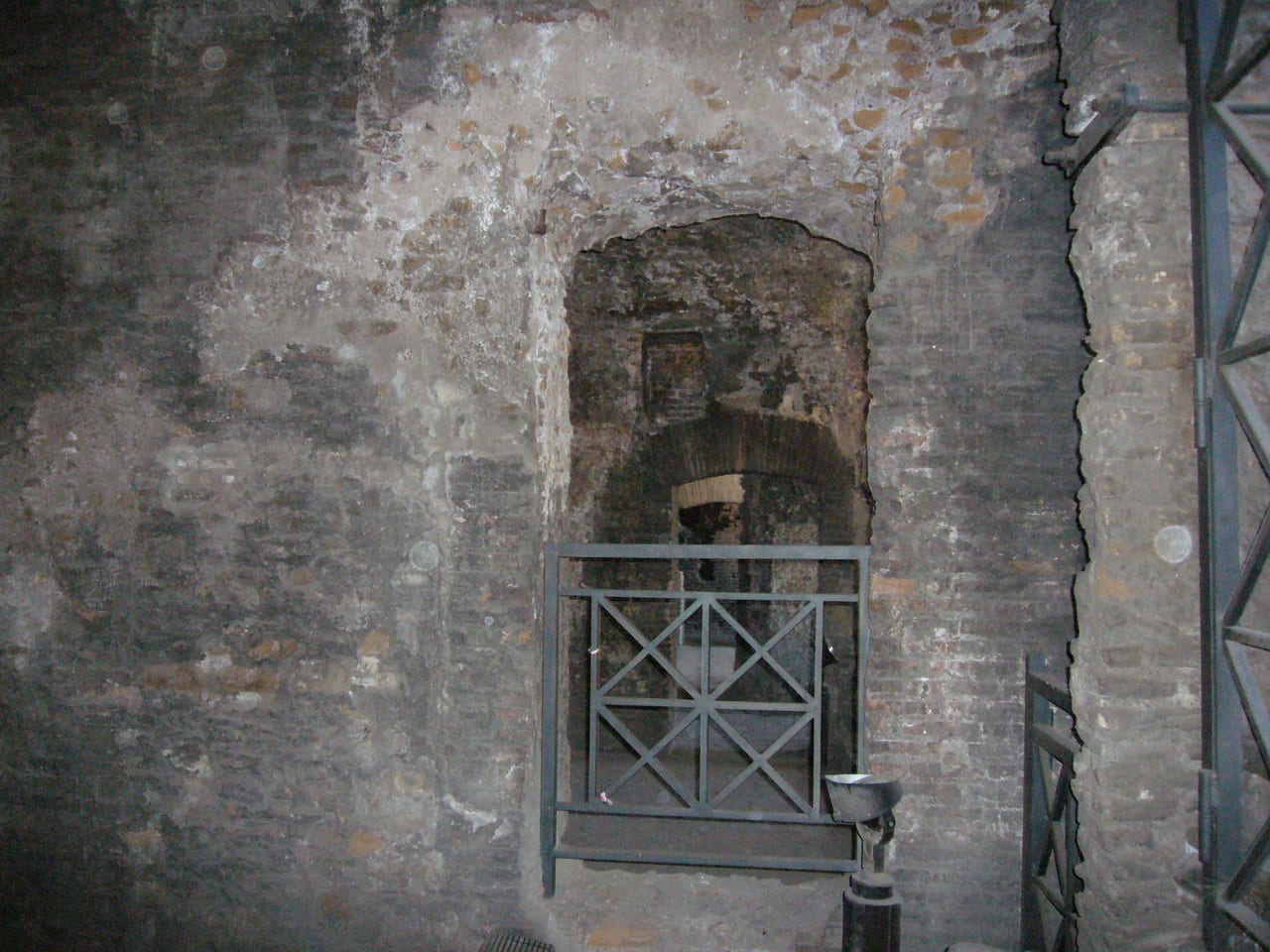
Examine the heavy brick façade and the surviving structural traces, especially the remains of wooden floorboards and rectangular window openings with wooden fittings. Look closely at the ground-level shop units and the residential modules above them, then compare their arrangement with the cramped alley suggested by the arches and brick pillars. The surviving bell-tower fragments and frescoed arcosolium provide a later medieval counterpoint to the Roman fabric.
Places to stay near Insula Romana

Live availability and prices from Stay22's partners, refreshed periodically and subject to change. Booking through these links may earn us a commission at no extra cost to you. See our privacy policy.
Cafés near Insula Romana
Cafés near Insula Romana loads as you scroll.
Attractions nearby
Attractions near Insula Romana loads as you scroll.
Cities nearby
Cities nearby loads as you scroll.
More in Rome
See more of Rome.
Find great cafés, places to stay and other interesting places to visit in Rome.