Museum · Rome
House of Augustus
DirectionsLightning transformed Augustus’s Palatine residence into public ground: he dedicated the Temple of Apollo there after crediting the god with victory over Sextus Pompey in 36 BC.
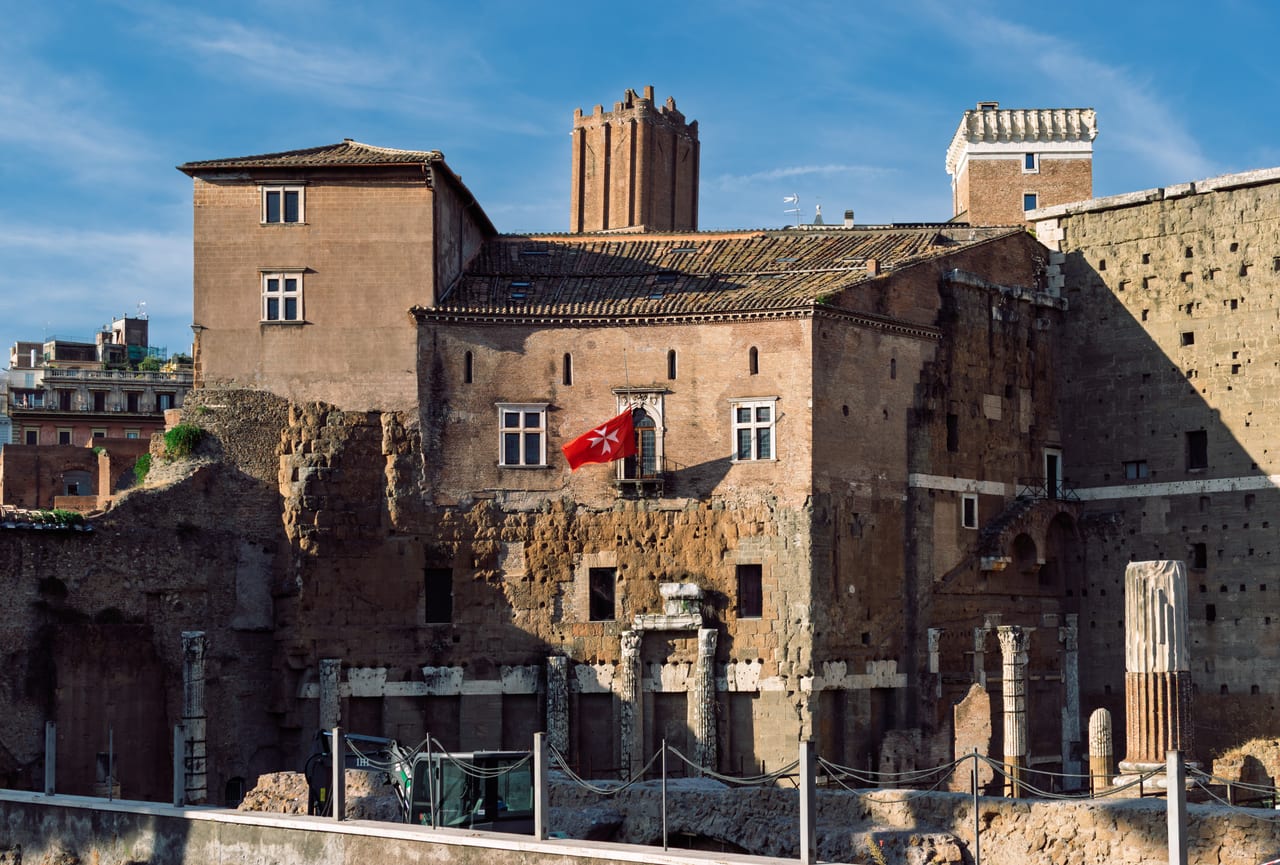
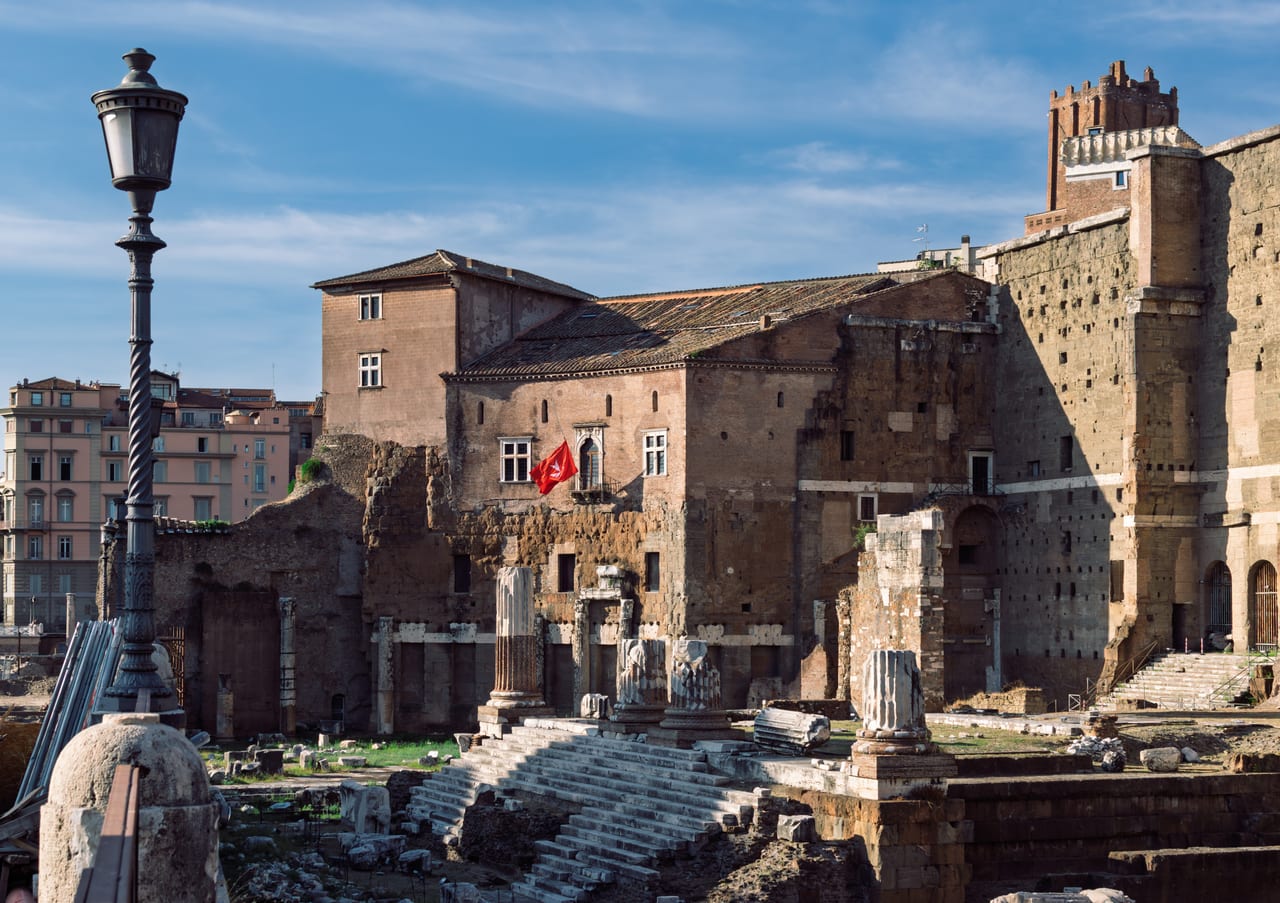
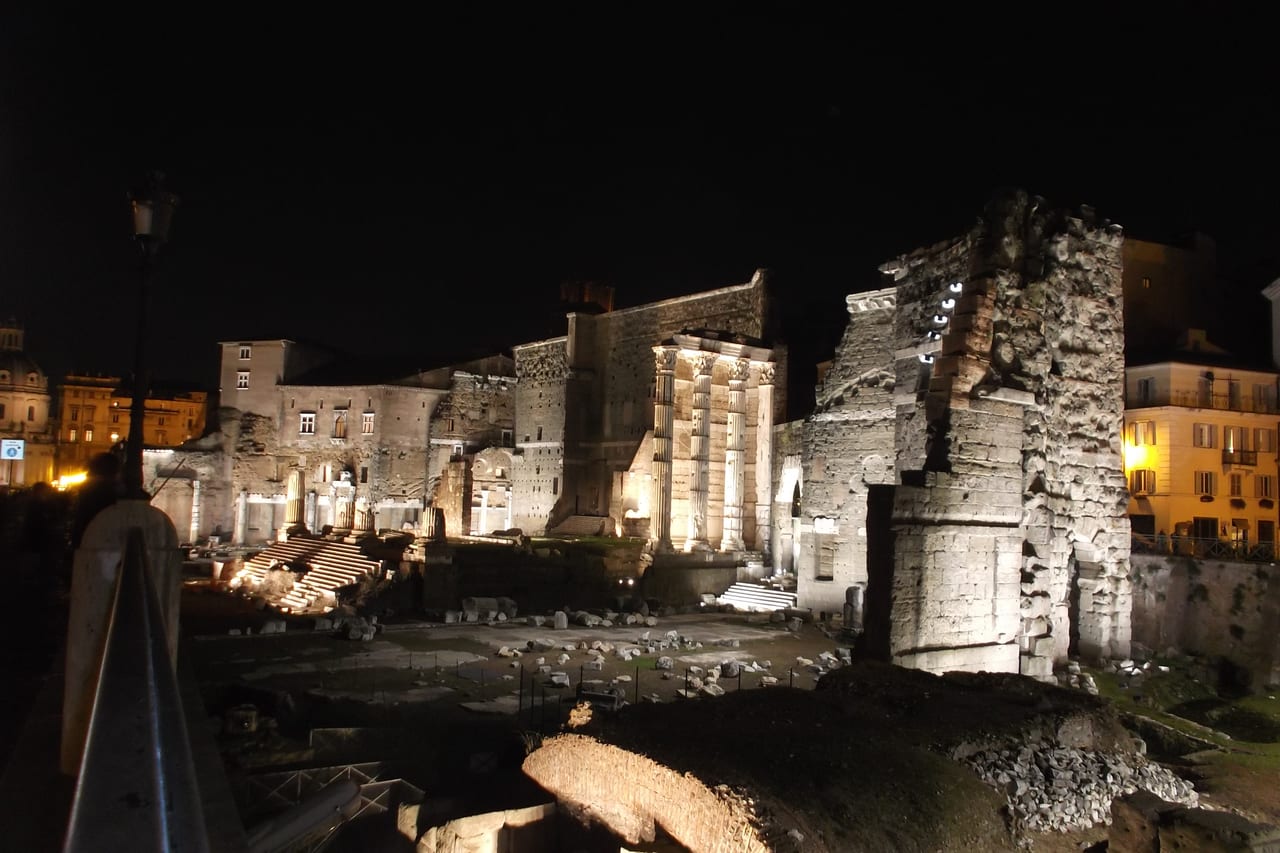
Photograph 1 of 3 of House of Augustus
The House of Augustus, or Domus Augusti, is traditionally identified with a residence on the Palatine’s southwestern corner, though the attribution remains contested. Augustus moved there from a house near the Forum, purchasing the property of the orator Quintus Hortensius around 41–40 BC and later incorporating the adjoining house of Quintus Lutatius Catulus. Literary accounts describe a modest home with peperino porticoes, unadorned reception rooms, a study called a technyphion and a small altar to Vesta; it burnt around AD 3 and was rebuilt at public expense before the AD 64 fire destroyed it. The excavated complex known as the Carettoni house was first explored by Pietro Rosa in 1865, surveyed by Alfonso Bartoli in 1937 and extensively excavated by Gianfilippo Carettoni from 1956. Its two terraces and two peristyles, arranged around the Temple of Apollo, cover about 8,600 square metres. Peristyle A dates to approximately 39 BC; Peristyle B to 39–36 BC. The Room of the Masks and a room with pine-branch paintings date to 30 BC. Later debate has increasingly questioned whether this grand villa was Augustus’s actual home, pointing instead toward the area beneath the Domus Augustana.
At a glance
- Built
- 36
- Heritage
- Italian national heritage
Ways to explore House of Augustus
Concentrate on the western rooms around Peristyle A, especially the Room of the Masks, where perspective architecture frames theatrical faces, and another room with pine-branch paintings recalling the House of Livia. See the eastern rooms’ geometric floor mosaics and the surviving stretch of tufa peristyle. From the terraces, note how the excavated rooms relate to the higher platform of the Apollo complex. The restored site has been open to visitors since 2008.
Places to stay near House of Augustus

Live availability and prices from Stay22's partners, refreshed periodically and subject to change. Booking through these links may earn us a commission at no extra cost to you. See our privacy policy.
Cafés near House of Augustus
Cafés near House of Augustus loads as you scroll.
Attractions nearby
Attractions near House of Augustus loads as you scroll.
Cities nearby
Cities nearby loads as you scroll.
More in Rome
See more of Rome.
Find great cafés, places to stay and other interesting places to visit in Rome.