Ancient site · Rome
Gardens of Sallust
DirectionsAt its heart survives a rare circular hall with a 13.28-metre-high dome formed by alternating concave and flat sections, an architectural form otherwise known only from Hadrian’s Villa at Tivoli.
Photograph 1 of 2 of Gardens of Sallust
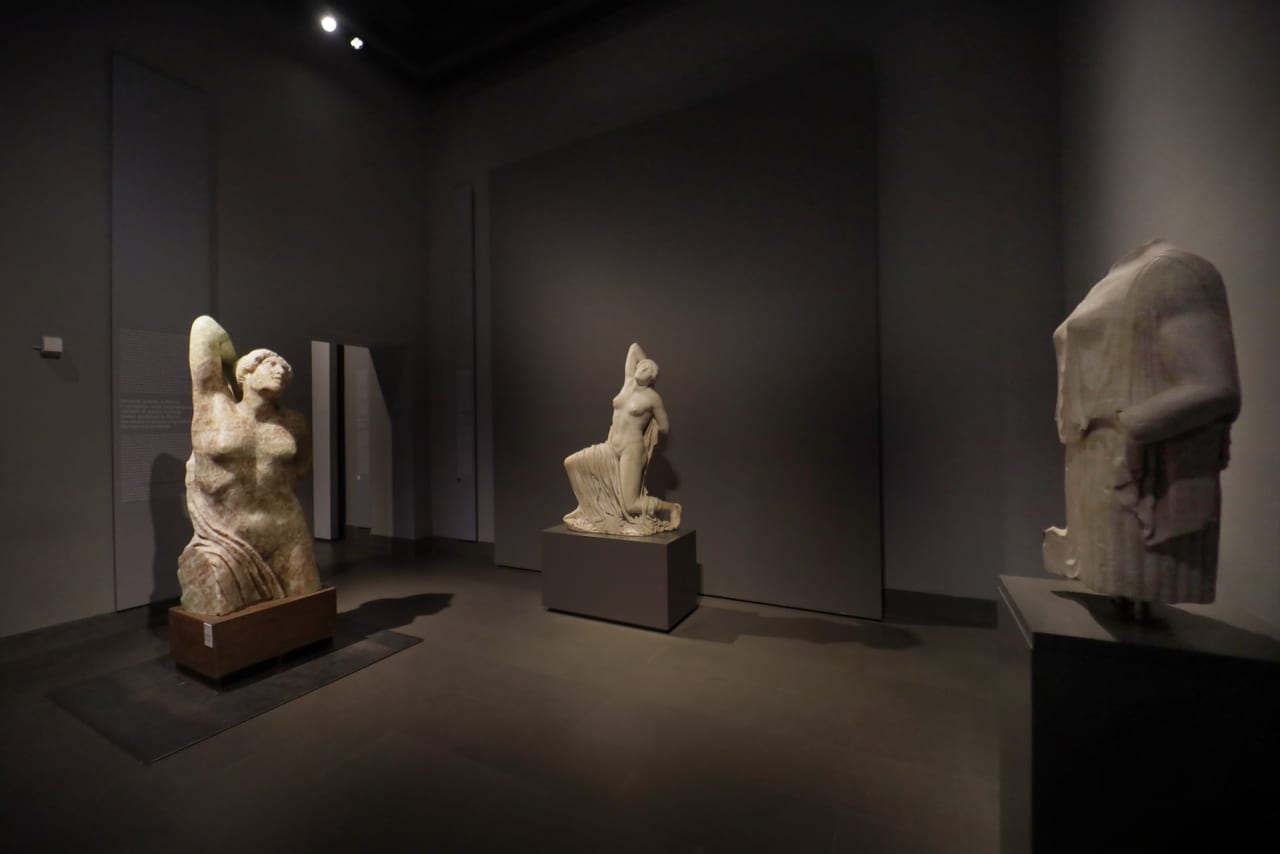
Founded around 50 BCE by the historian and senator Gaius Sallustius Crispus, the Horti Sallustiani occupied the slopes between the Pincio and Quirinal. Sallust acquired the estate after Caesar’s death, reportedly investing wealth amassed during his governorship in Africa Nova, for which he had faced prosecution. After his death in 36 BCE, the property passed through his adopted family to Agrippina the Younger, then entered the imperial estate under Tiberius in 21 CE. The emperors repeatedly enlarged the grounds. Vespasian made them a public park; Nerva died there; Hadrian undertook major works, while Aurelian added a porticus miliarensis, probably combining a portico, garden and riding ground. Terraced gardens used abundant water from the fons Cati and amnis Petronia, with pavilions, sculpture, fountains and religious buildings including a temple of Venus Erycina. The Visigothic sack of 410, entering through Porta Salaria, devastated the complex, which was not rebuilt. Later excavations revealed a painted cryptoporticus, an immense Hadrianic cistern and fragments of a richly decorated nymphaeum. Nineteenth-century development of the Ludovisi quarter destroyed much of the archaeological landscape, while sculptures and the Sallustian Obelisk were dispersed among European museums and Roman sites.
At a glance
- Built
- 50
Ways to explore Gardens of Sallust
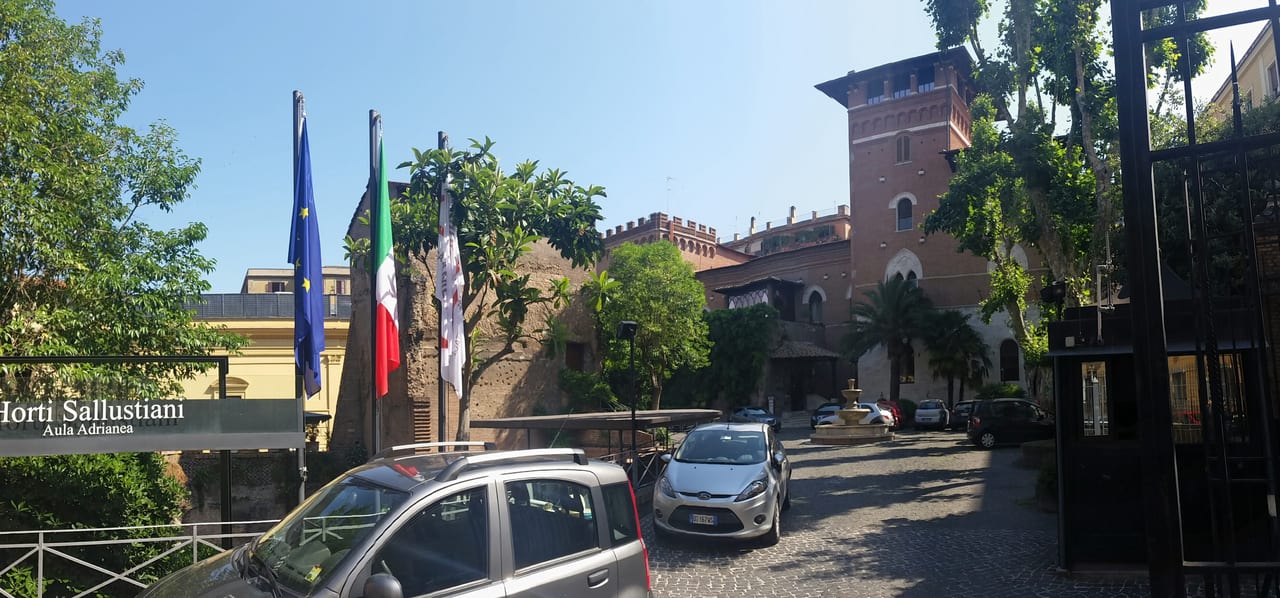
Begin at Piazza Sallustio, where the principal excavated complex lies 14 metres below the modern level. Note the surviving arrangement of halls, terraces and retaining structures, then seek out the painted cryptoporticus on the American Embassy side of Via Friuli and the two-level cistern near Via San Nicola da Tolentino; access to these remains may be restricted. For the wider artistic legacy, see the Sallustian Obelisk at Trinità dei Monti, its granite base at the gardens of Ara Coeli, and related sculpture in the Museo Nazionale Romano.
Places to stay near Gardens of Sallust

Live availability and prices from Stay22's partners, refreshed periodically and subject to change. Booking through these links may earn us a commission at no extra cost to you. See our privacy policy.
Cafés near Gardens of Sallust
Cafés near Gardens of Sallust loads as you scroll.
Attractions nearby
Attractions near Gardens of Sallust loads as you scroll.
Cities nearby
Cities nearby loads as you scroll.
More in Rome
See more of Rome.
Find great cafés, places to stay and other interesting places to visit in Rome.