Museum · Rome
Galleria Doria Pamphilj
DirectionsIts most celebrated work is Diego Velázquez’s 1650 portrait of Pope Innocent X, famed for psychological force and the pope’s vividly unidealized, unforgettable expression.
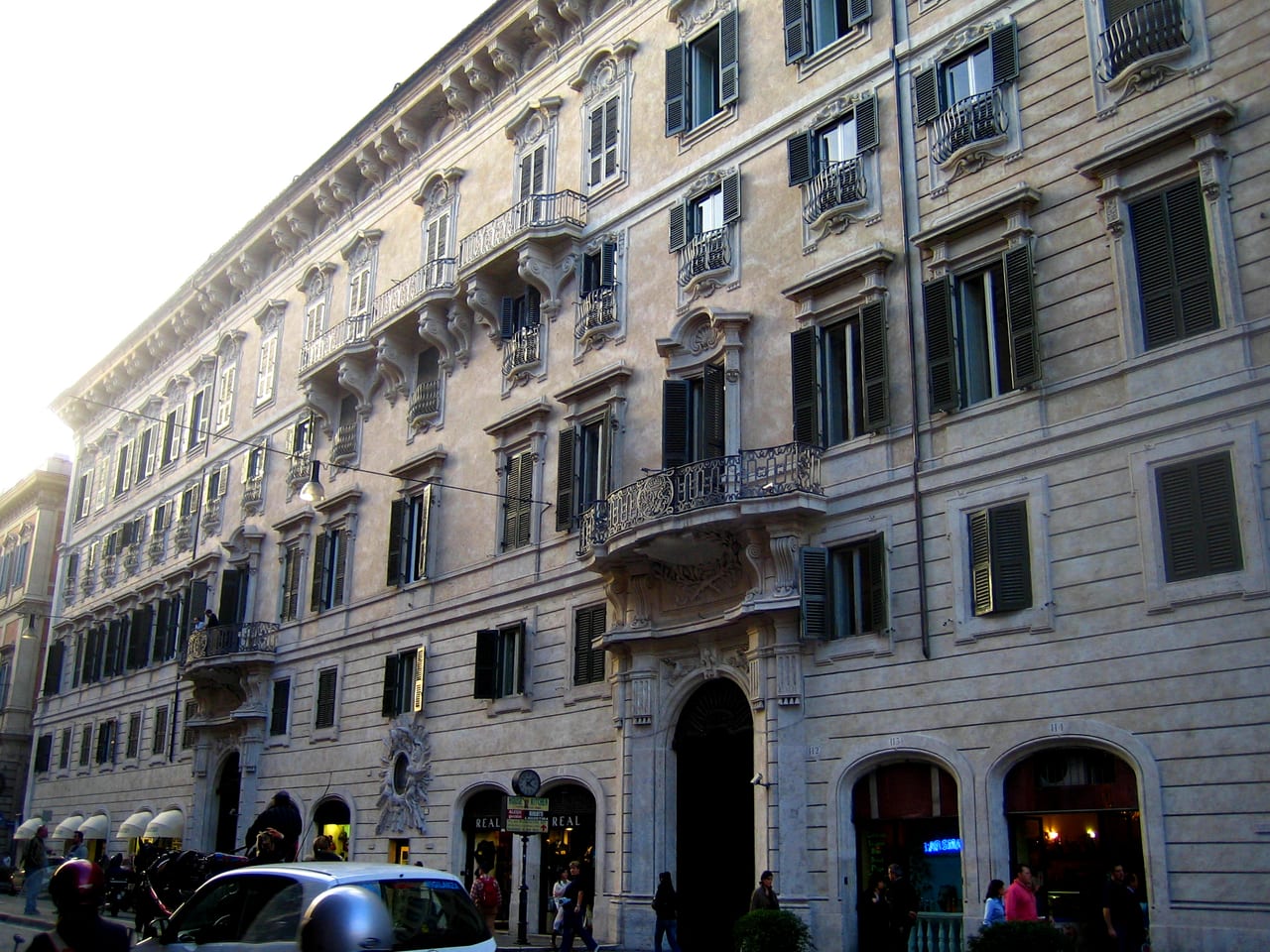
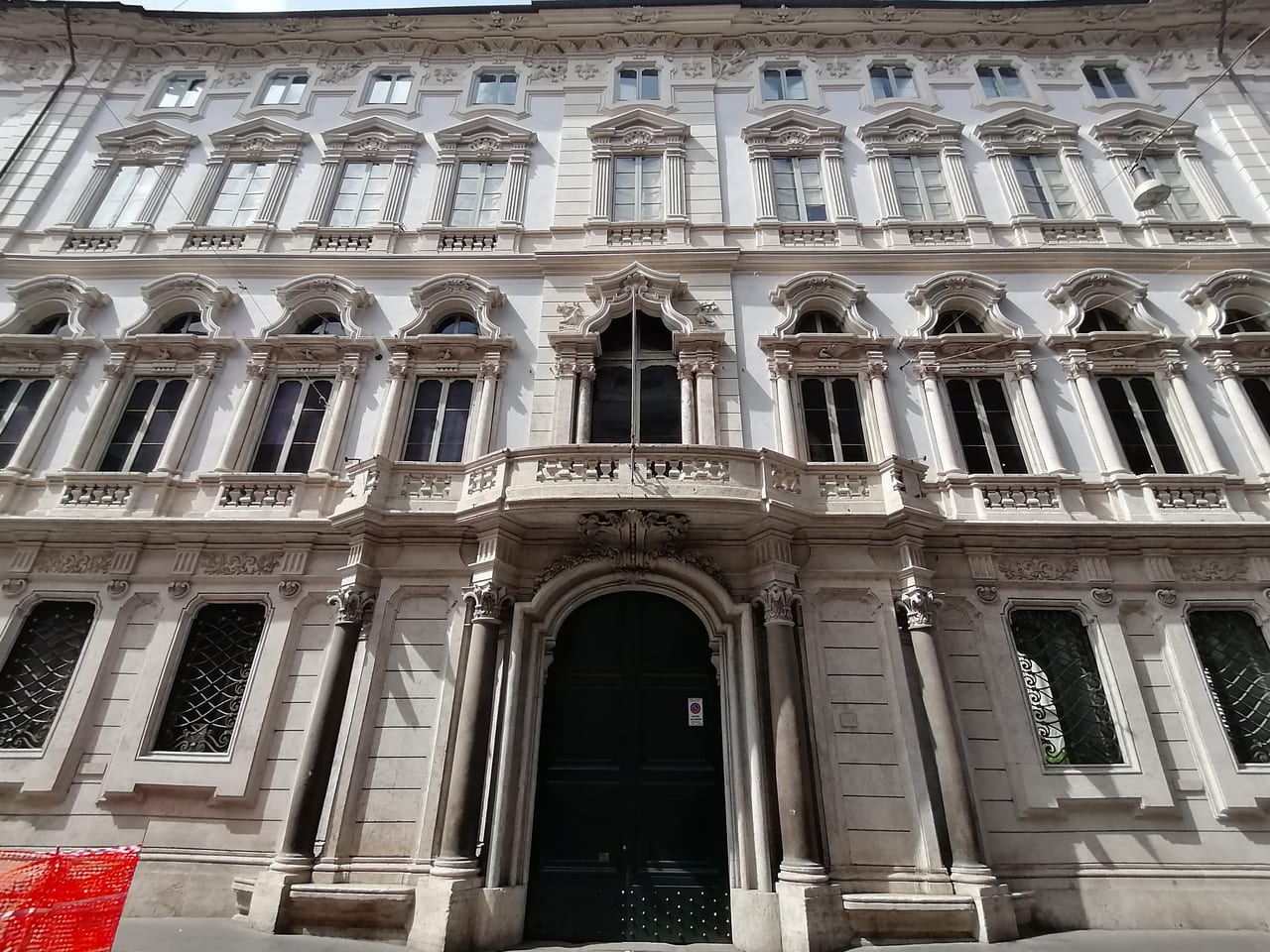
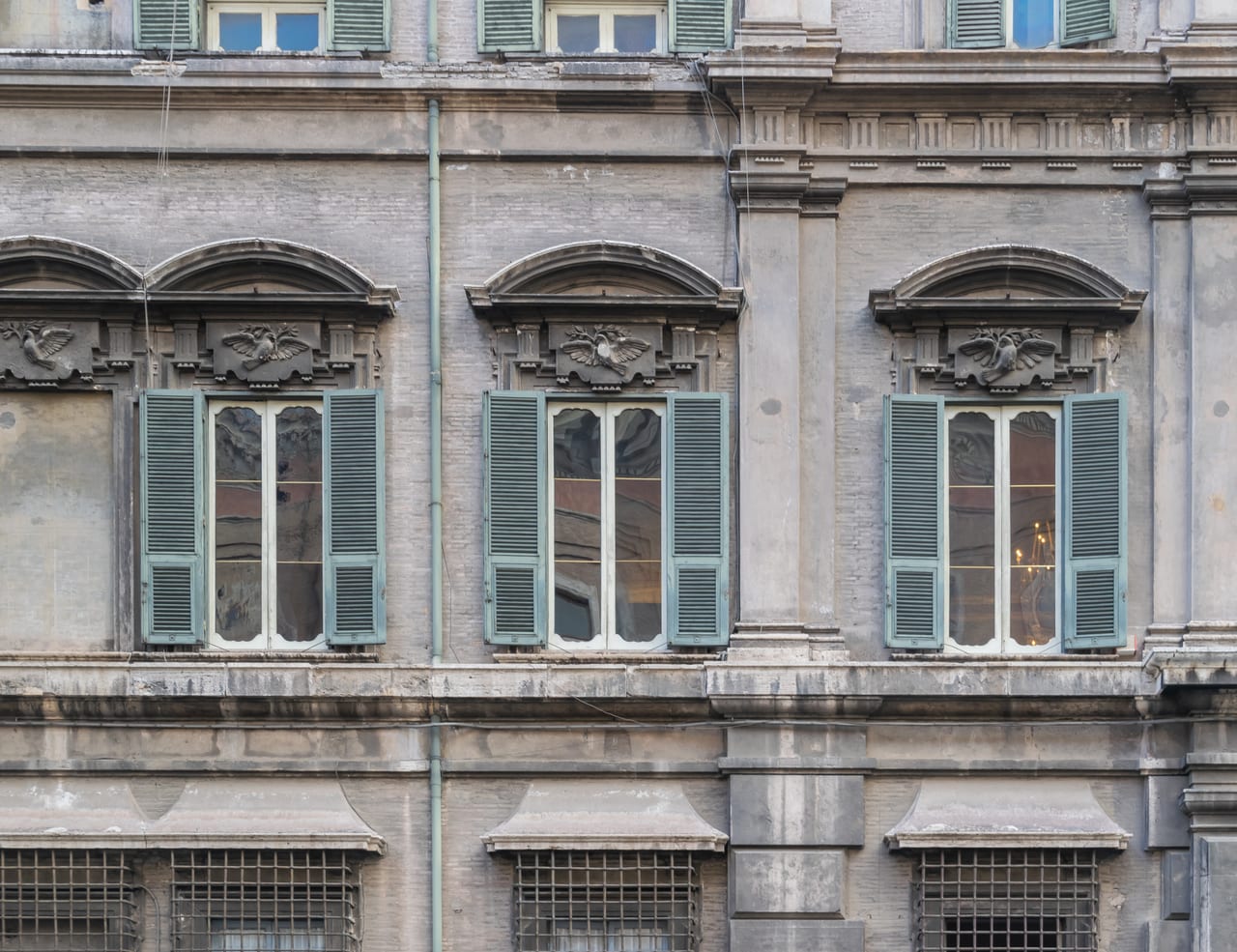
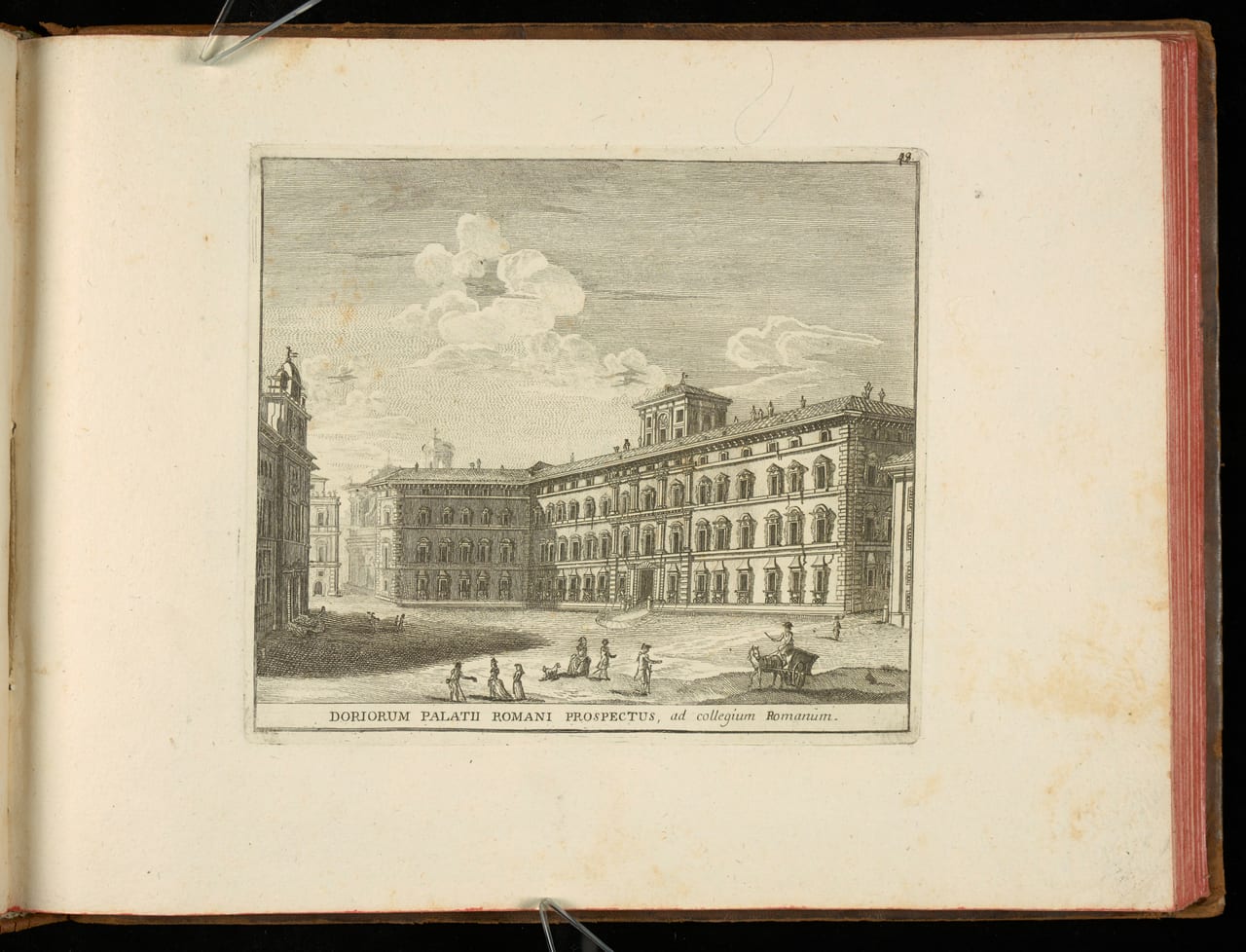
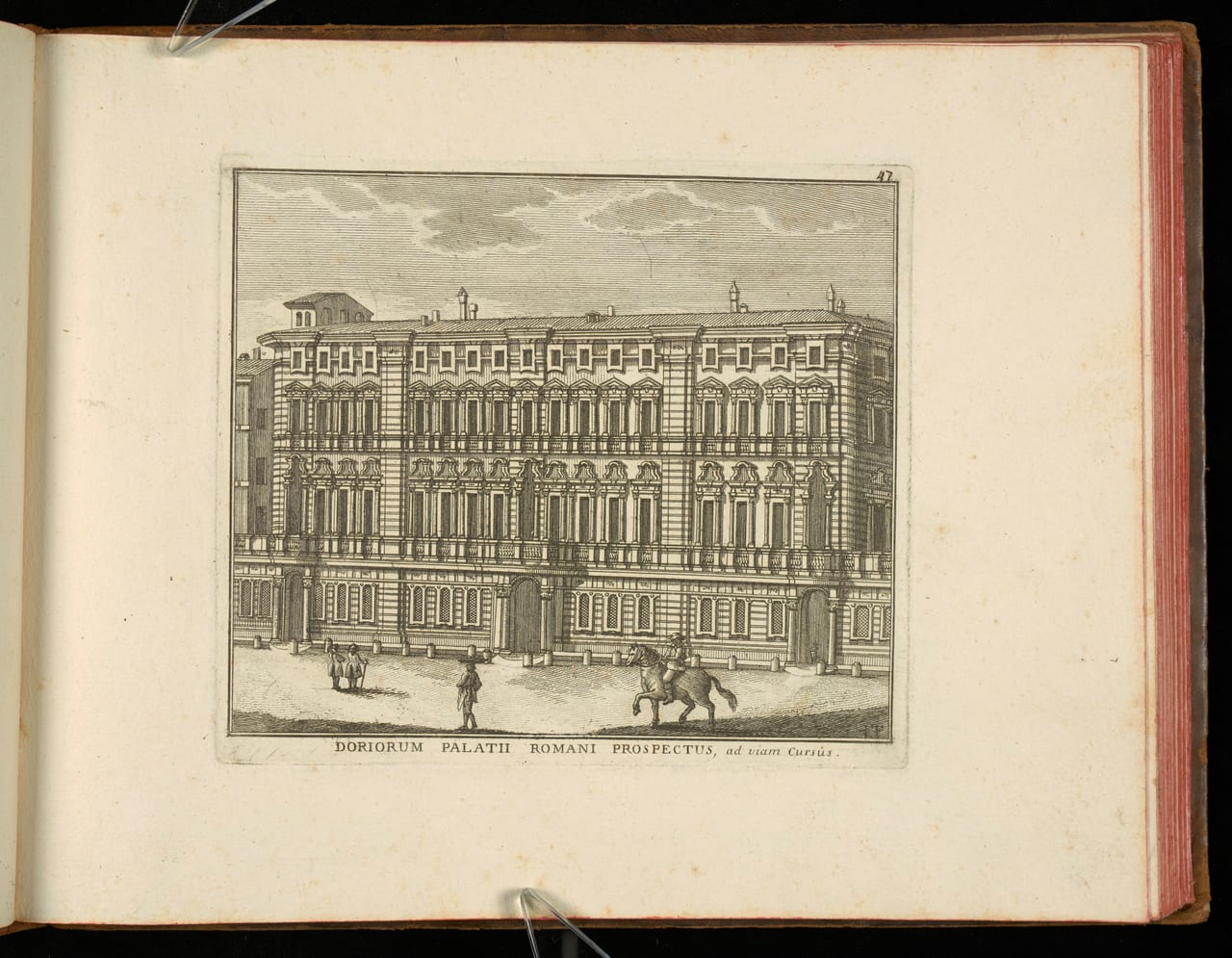
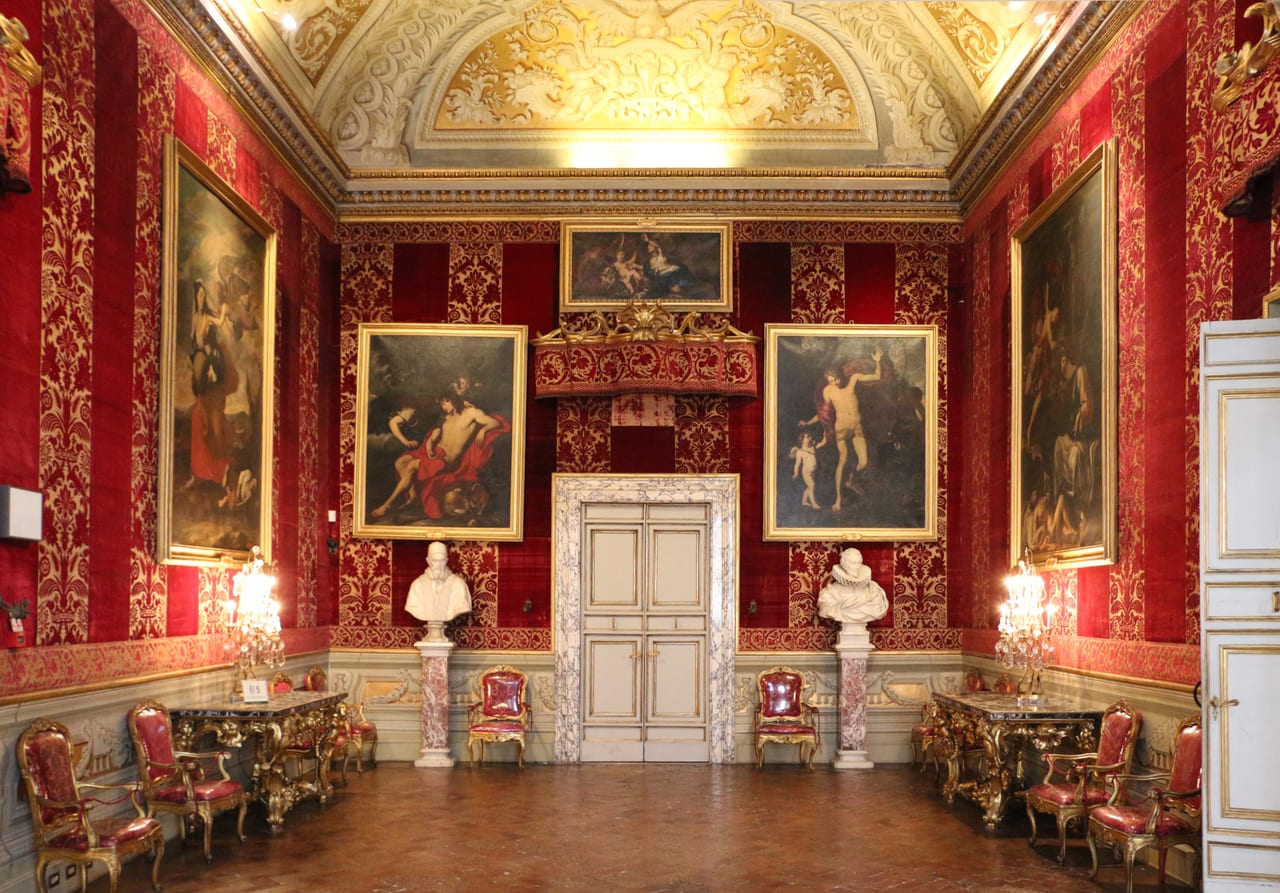
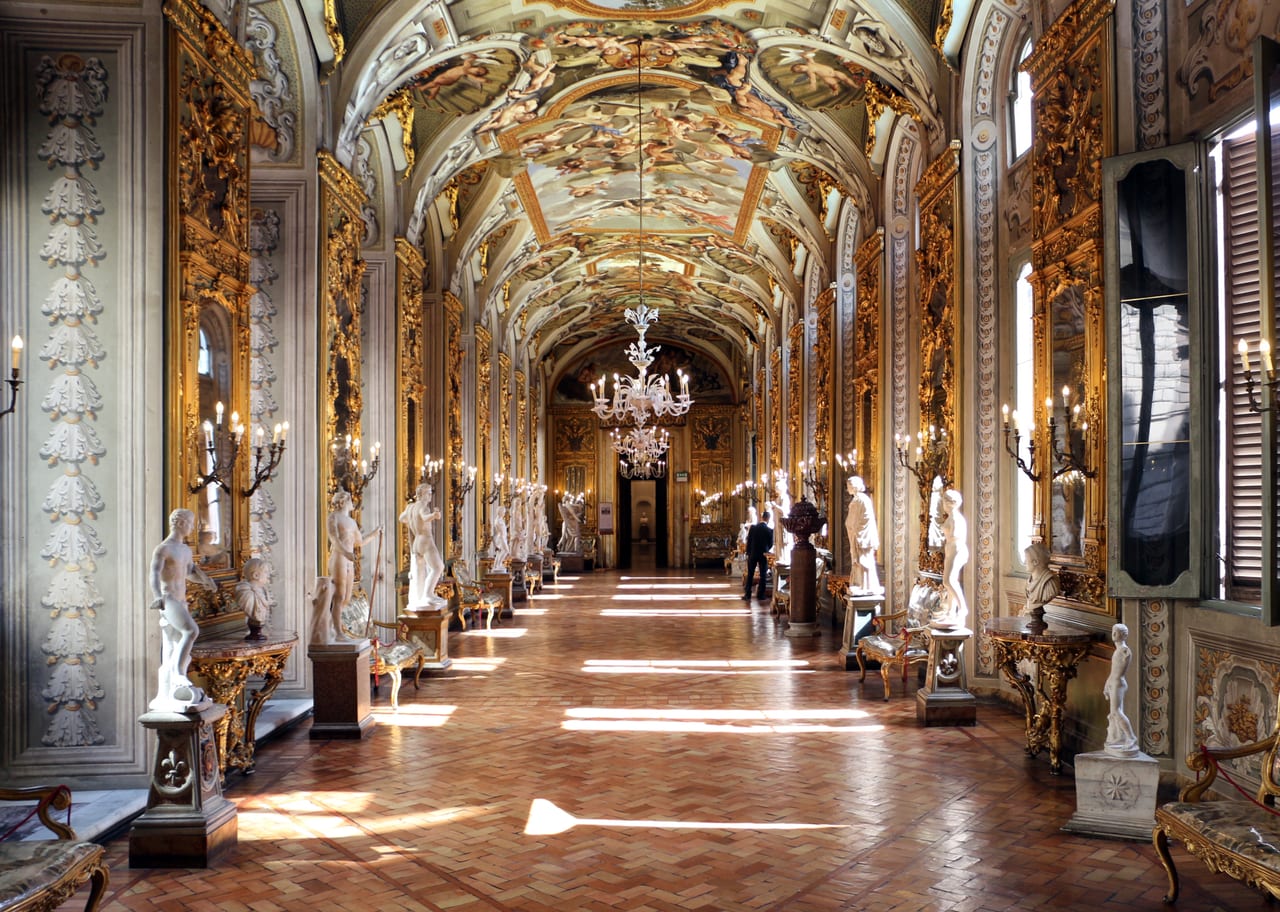
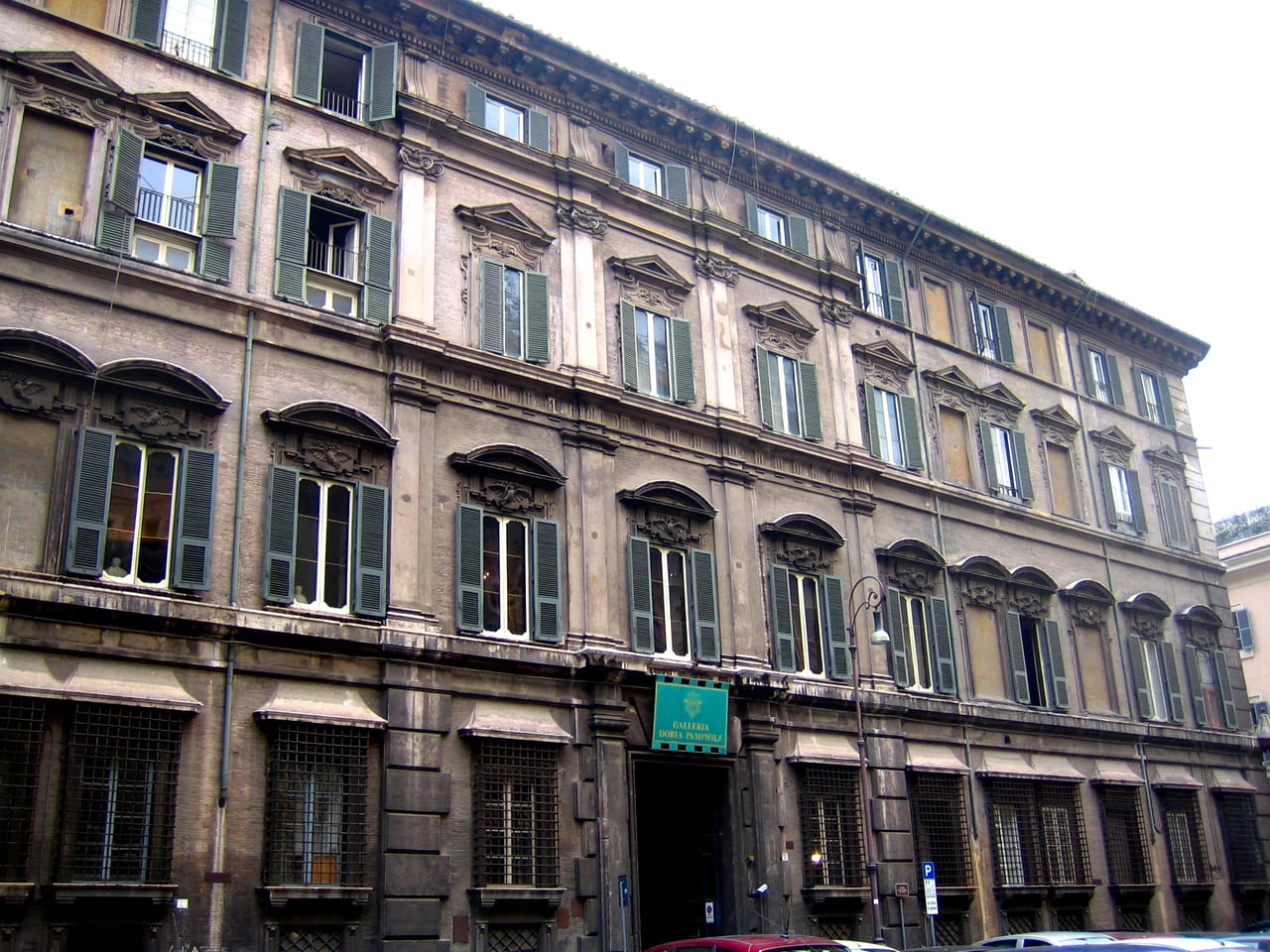
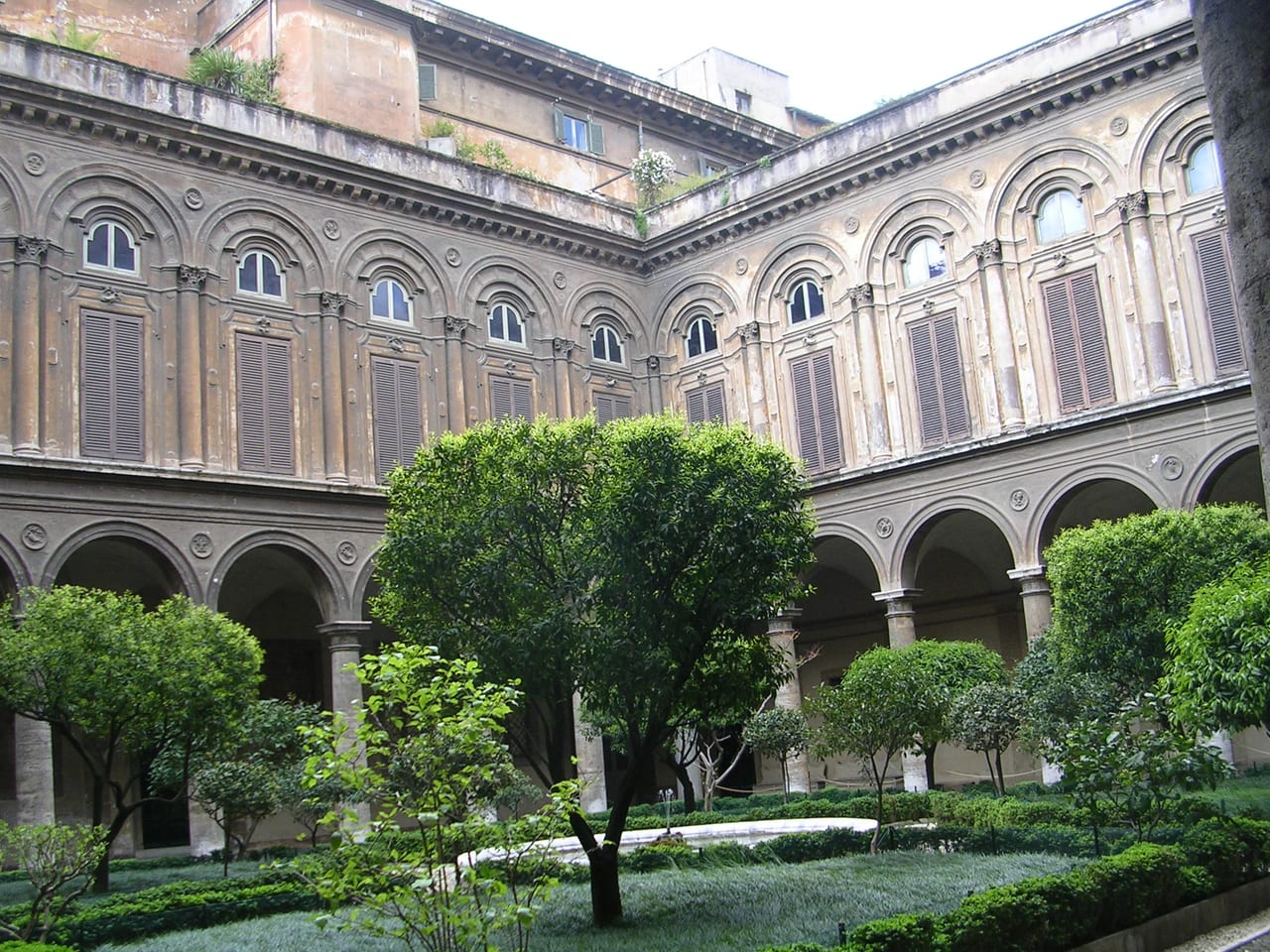
Photograph 1 of 9 of Galleria Doria Pamphilj
The collection began in 1651, when Pope Innocent X, born Giambattista Pamphilj, bound the Pamphilj holdings to the family’s firstborn line and entrusted them to his nephew Camillo. Camillo’s 1647 marriage to Olimpia Aldobrandini brought works by Raphael, Titian, Parmigianino and Beccafumi; further acquisitions included paintings by Caravaggio, Claude Lorrain and Flemish artists. The palace chosen to house them had belonged to the Della Rovere before passing to the Aldobrandini in 1601. Between 1678 and 1681, a picture room, an animal room and a landscape room were arranged there. As the family’s fortunes grew, the building expanded into Rome’s largest inhabited private palazzo. Gabriele Valvassori created the four exhibition wings between 1731 and 1734 around a Renaissance courtyard attributed to Bramante; Francesco Nicoletti devised the arrangement of the paintings, documented in a 1767 manuscript. Carlo Fontana designed the chapel, which contains relics and an ivory crucifix by Ercole Ferrata. The Aldobrandini Room opened in 1838. The collection first admitted the public in 1950, and the Doria Pamphilj Trust has overseen restoration since 2013.
At a glance
- Built
- 1651
- Heritage
- Italian national heritage
Ways to explore Galleria Doria Pamphilj
Read the rooms as a sequence rather than isolating individual pictures. Compare Caravaggio’s intense treatment of sacred and penitential subjects, then look for the quieter precision of Titian, Raphael and Parmigianino. Pause at Bernini’s busts and Algardi’s bronze, and inspect the chapel’s ivory crucifix and reliquary display. The Yellow Room contains Gobelins tapestries, while the Gallery of Mirrors provides a deliberately different visual rhythm from the painted rooms.
Places to stay near Galleria Doria Pamphilj

Live availability and prices from Stay22's partners, refreshed periodically and subject to change. Booking through these links may earn us a commission at no extra cost to you. See our privacy policy.
Cafés near Galleria Doria Pamphilj
Cafés near Galleria Doria Pamphilj loads as you scroll.
Attractions nearby
Attractions near Galleria Doria Pamphilj loads as you scroll.
Cities nearby
Cities nearby loads as you scroll.
More in Rome
See more of Rome.
Find great cafés, places to stay and other interesting places to visit in Rome.