Gallery · Rome
French Academy in Rome
DirectionsIts modern residency programme ranges from art history and archaeology to cookery, extending a royal academy’s remit far beyond painting, sculpture, architecture and music.
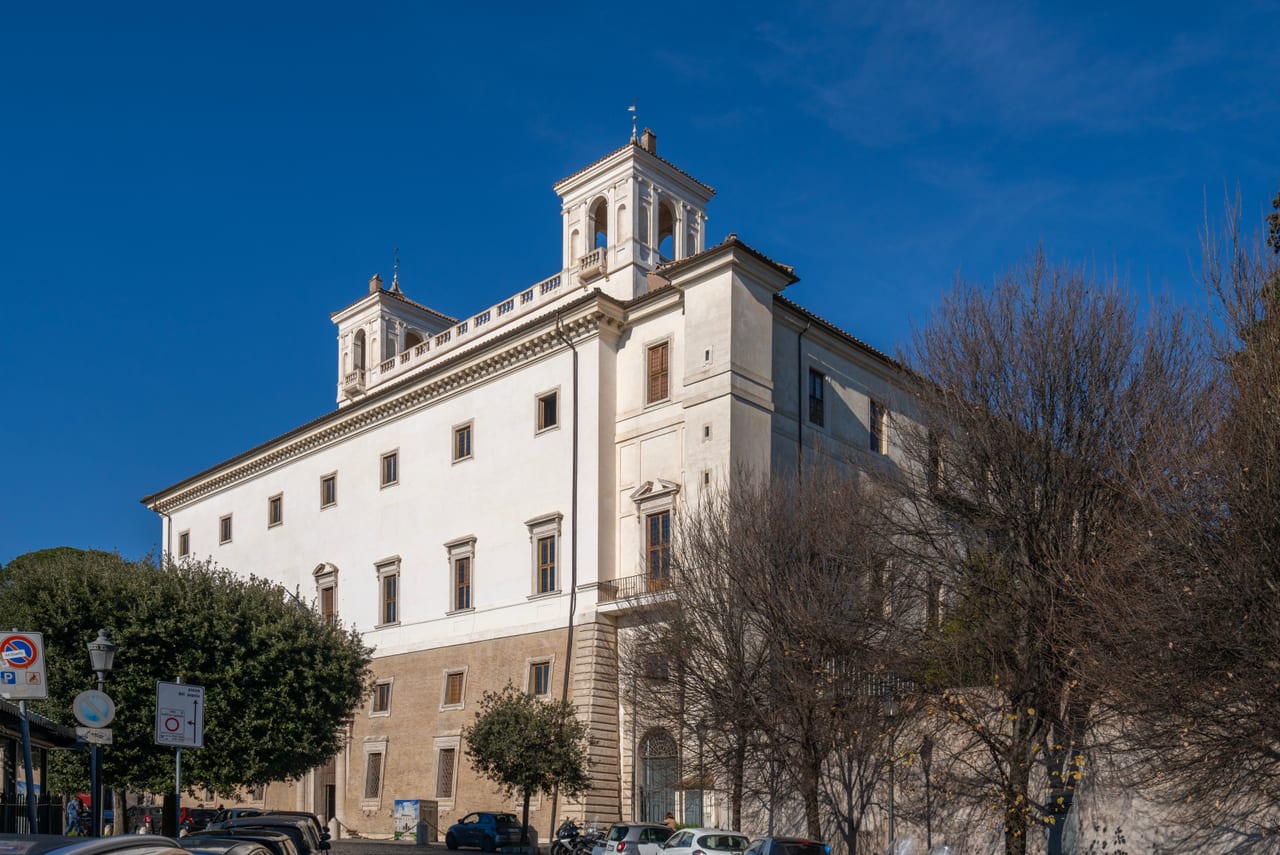
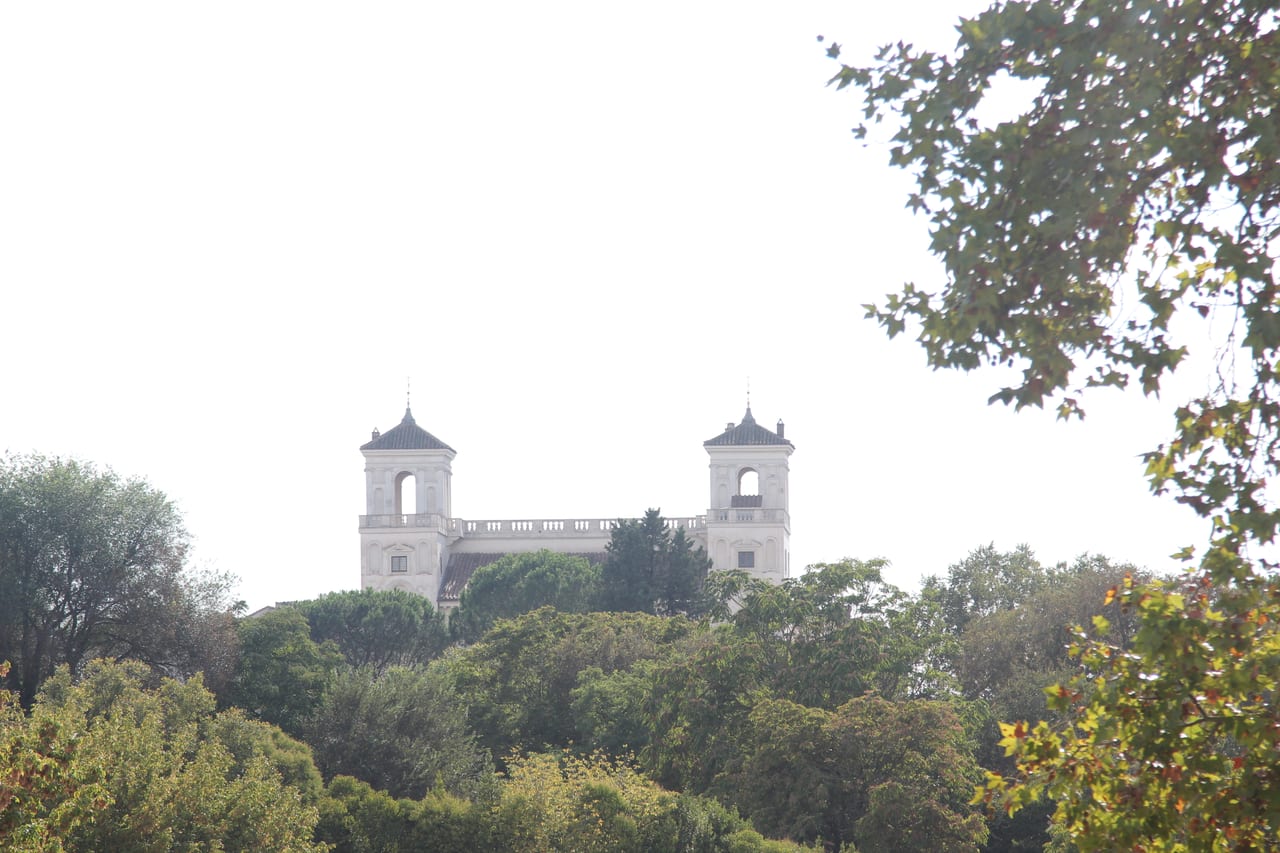
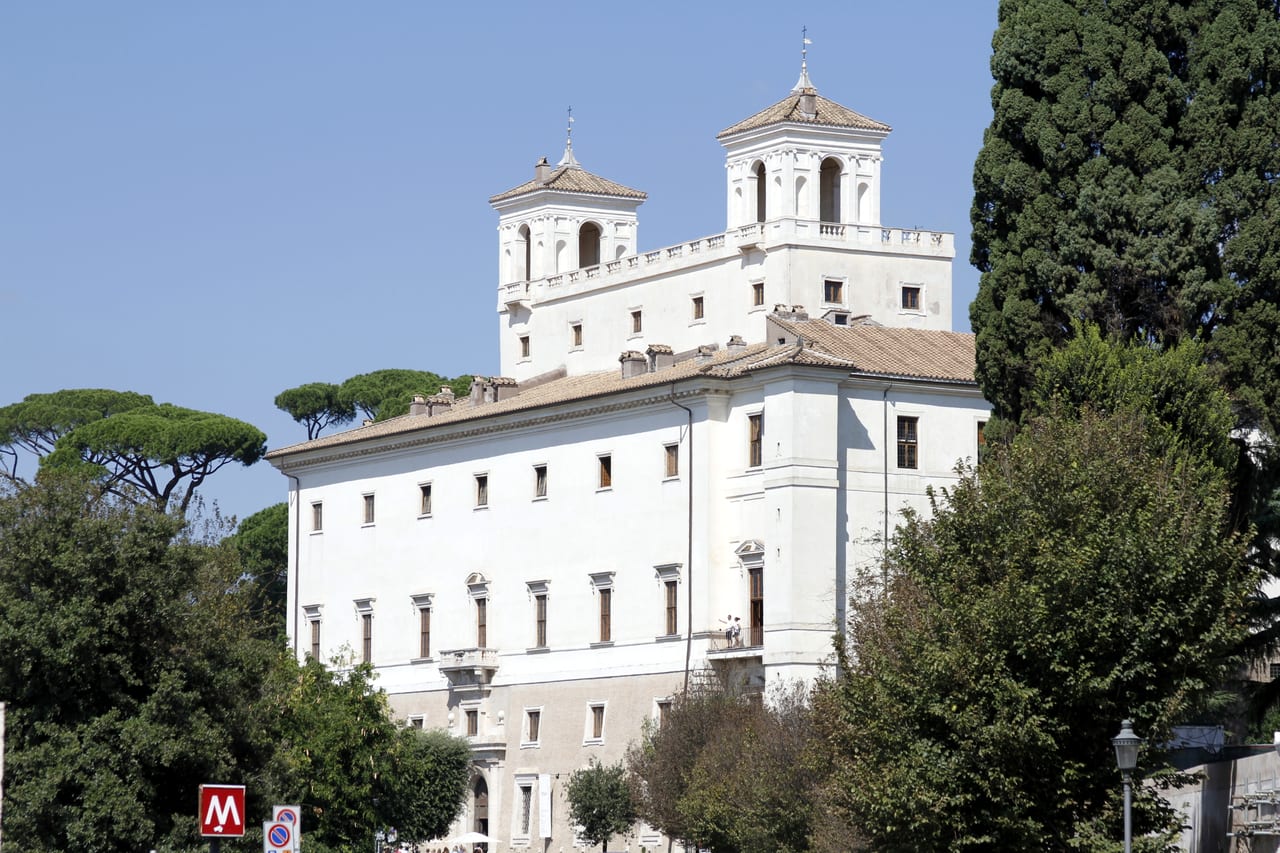
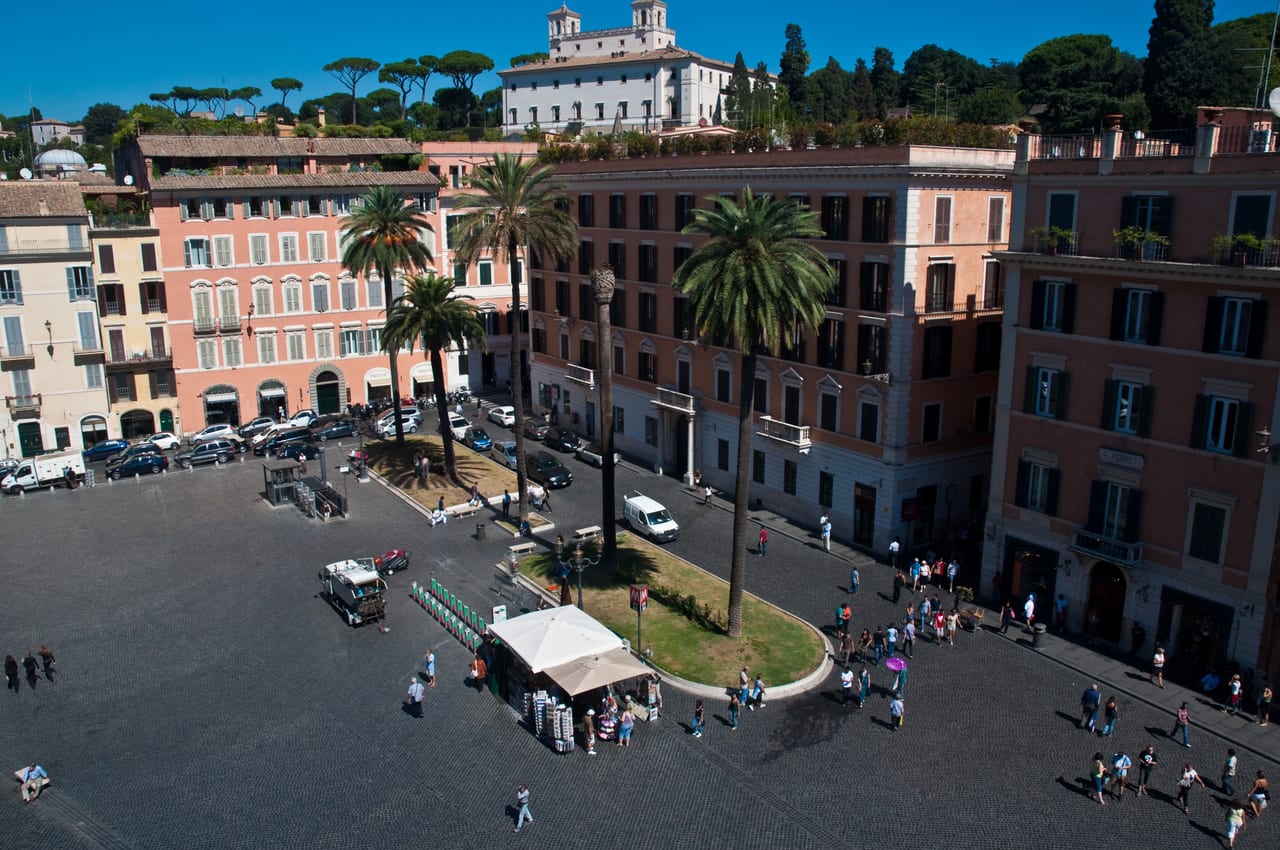
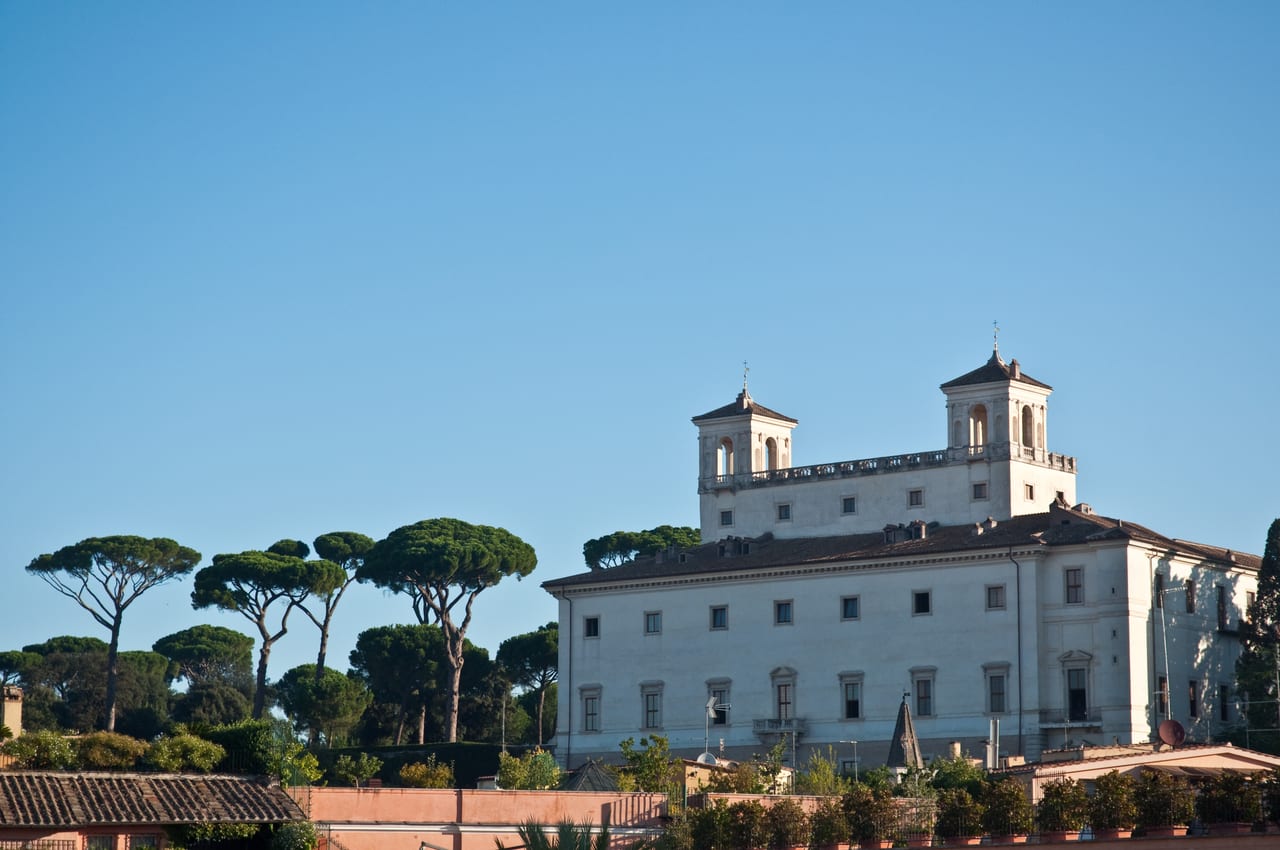
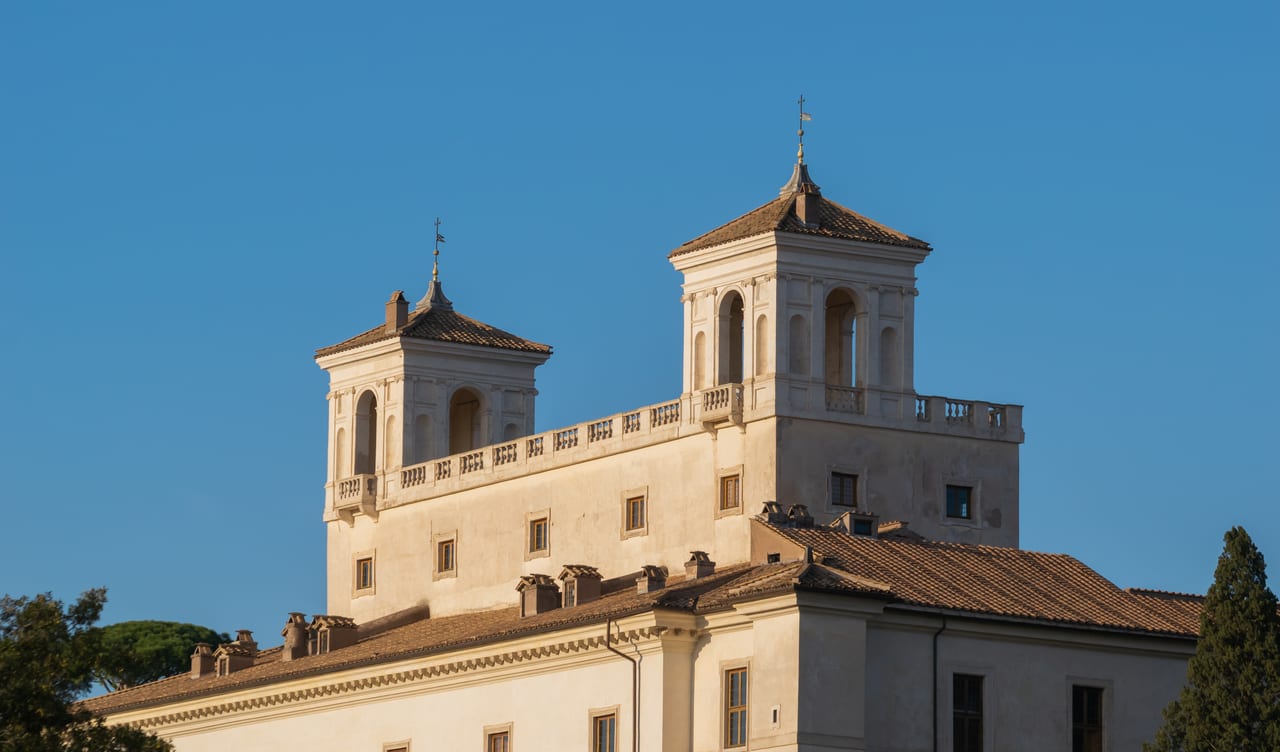
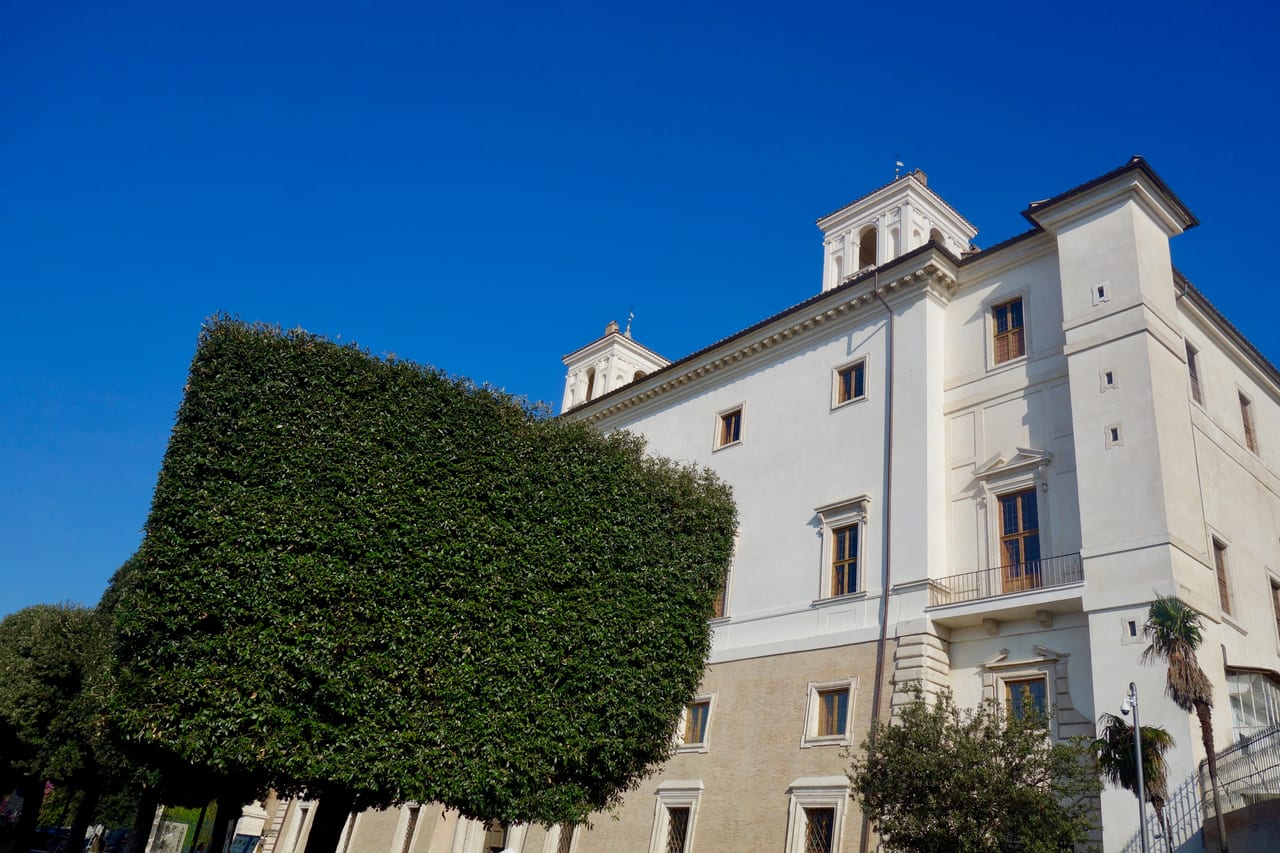
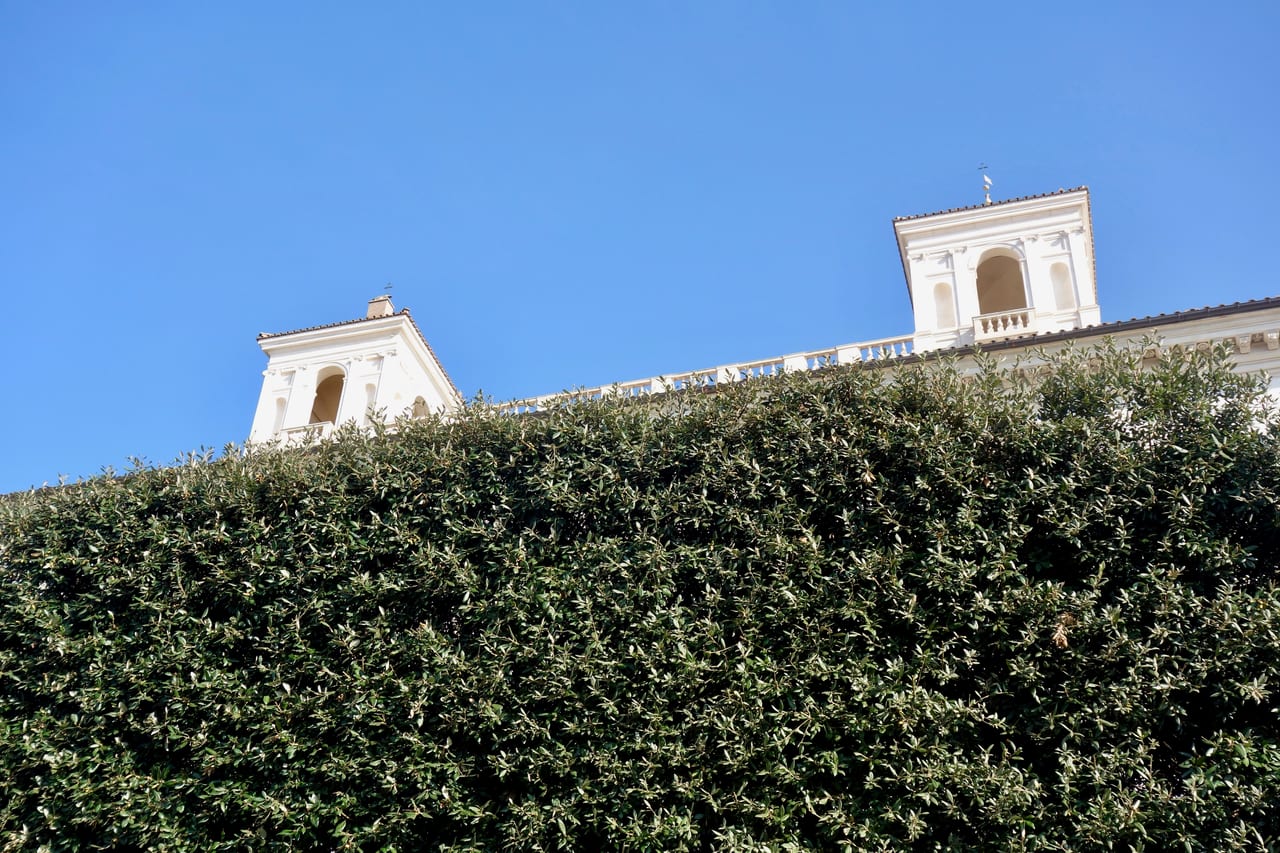
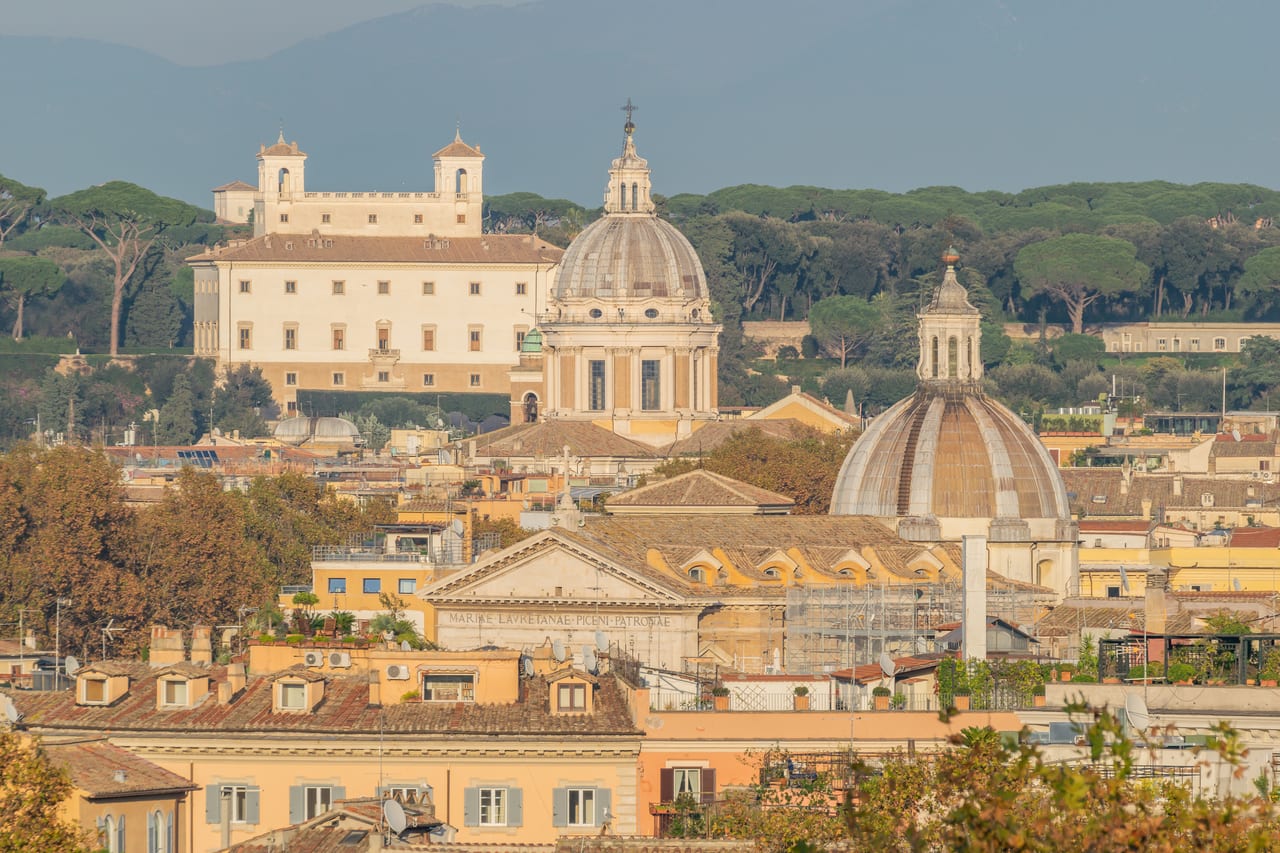
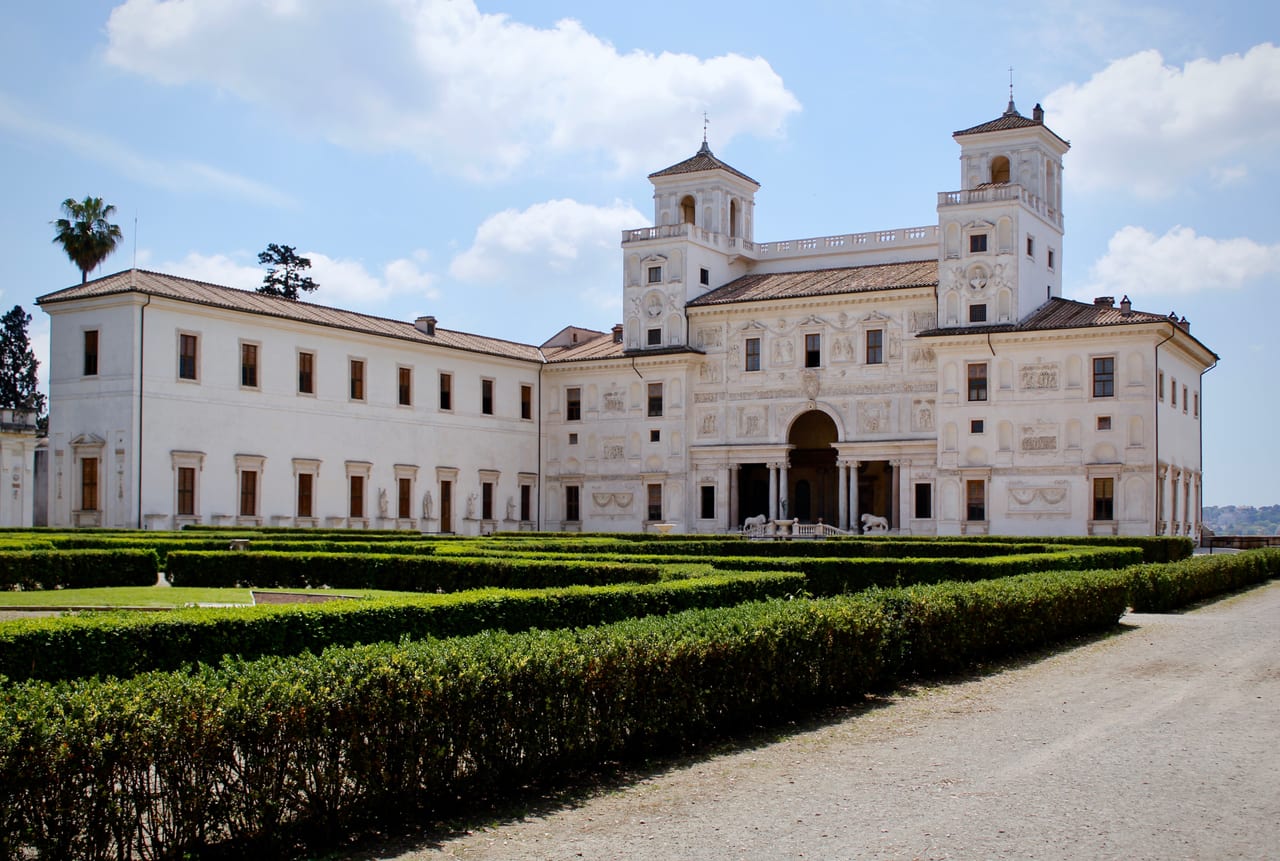
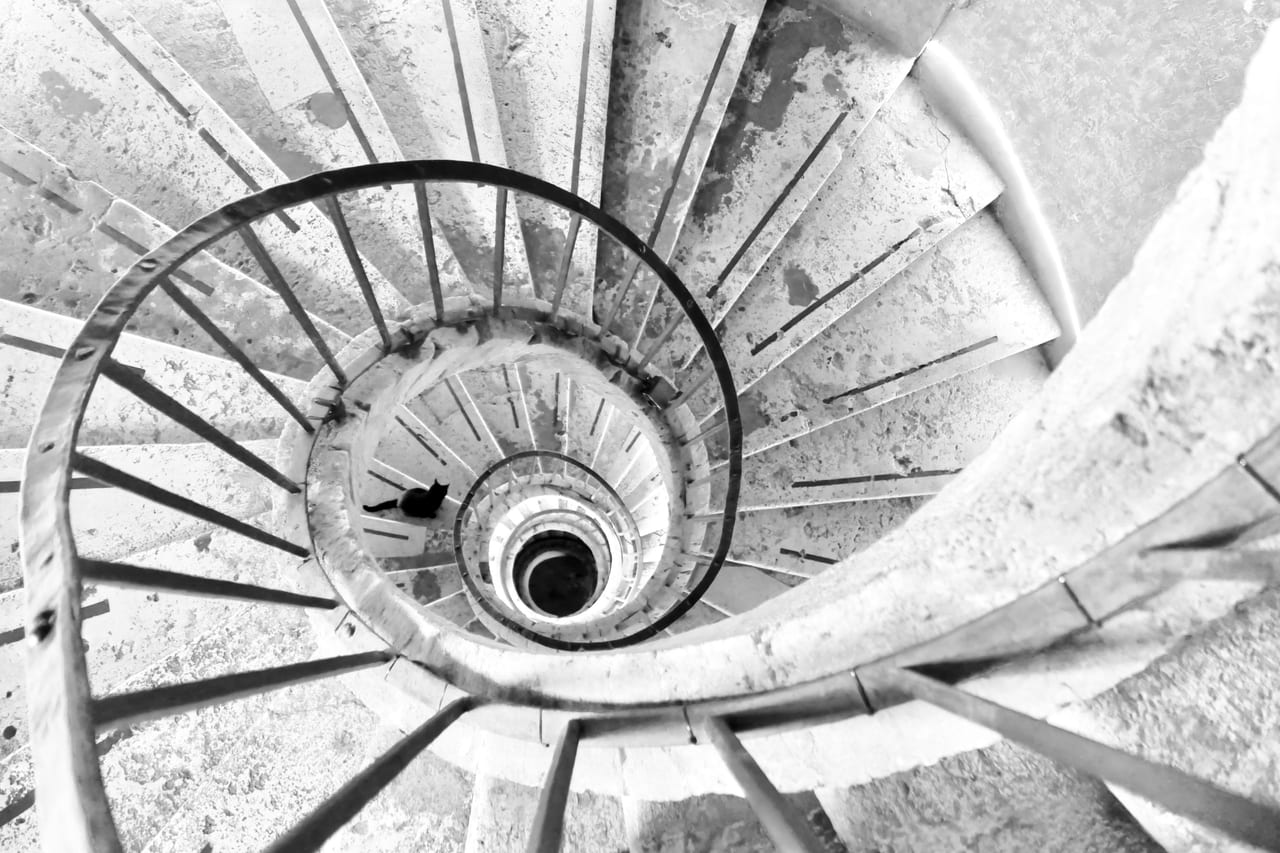
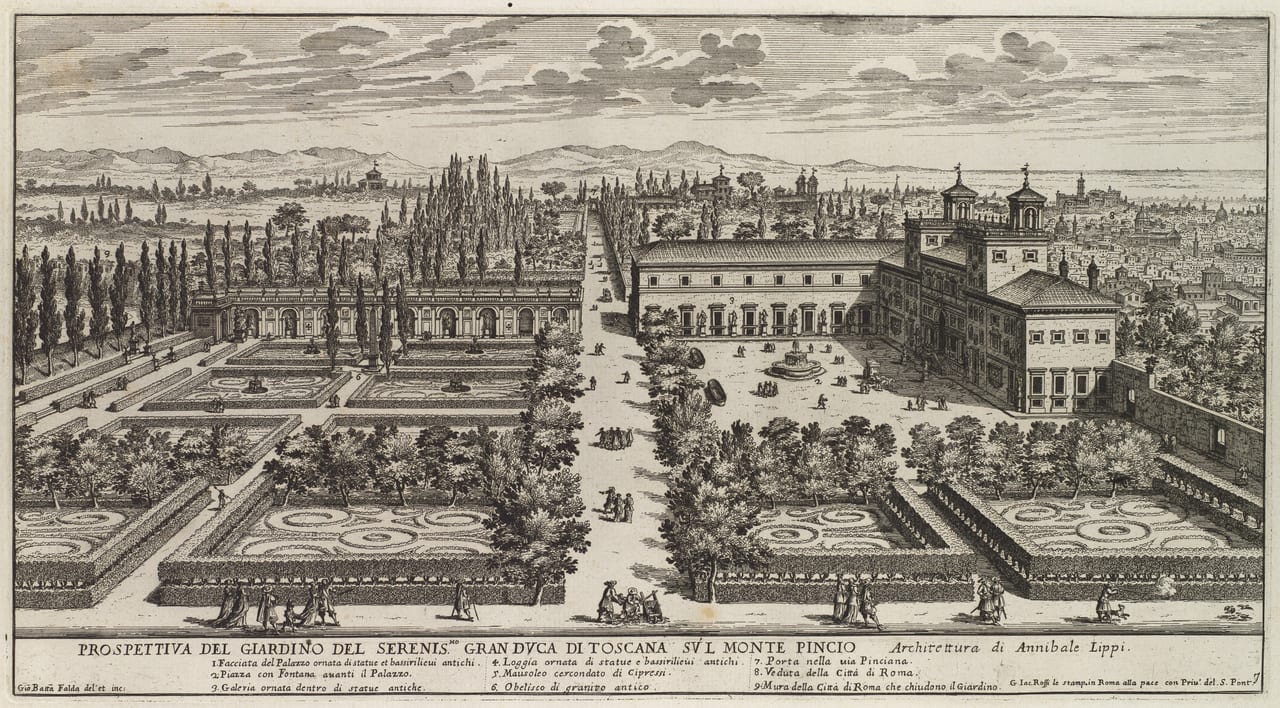
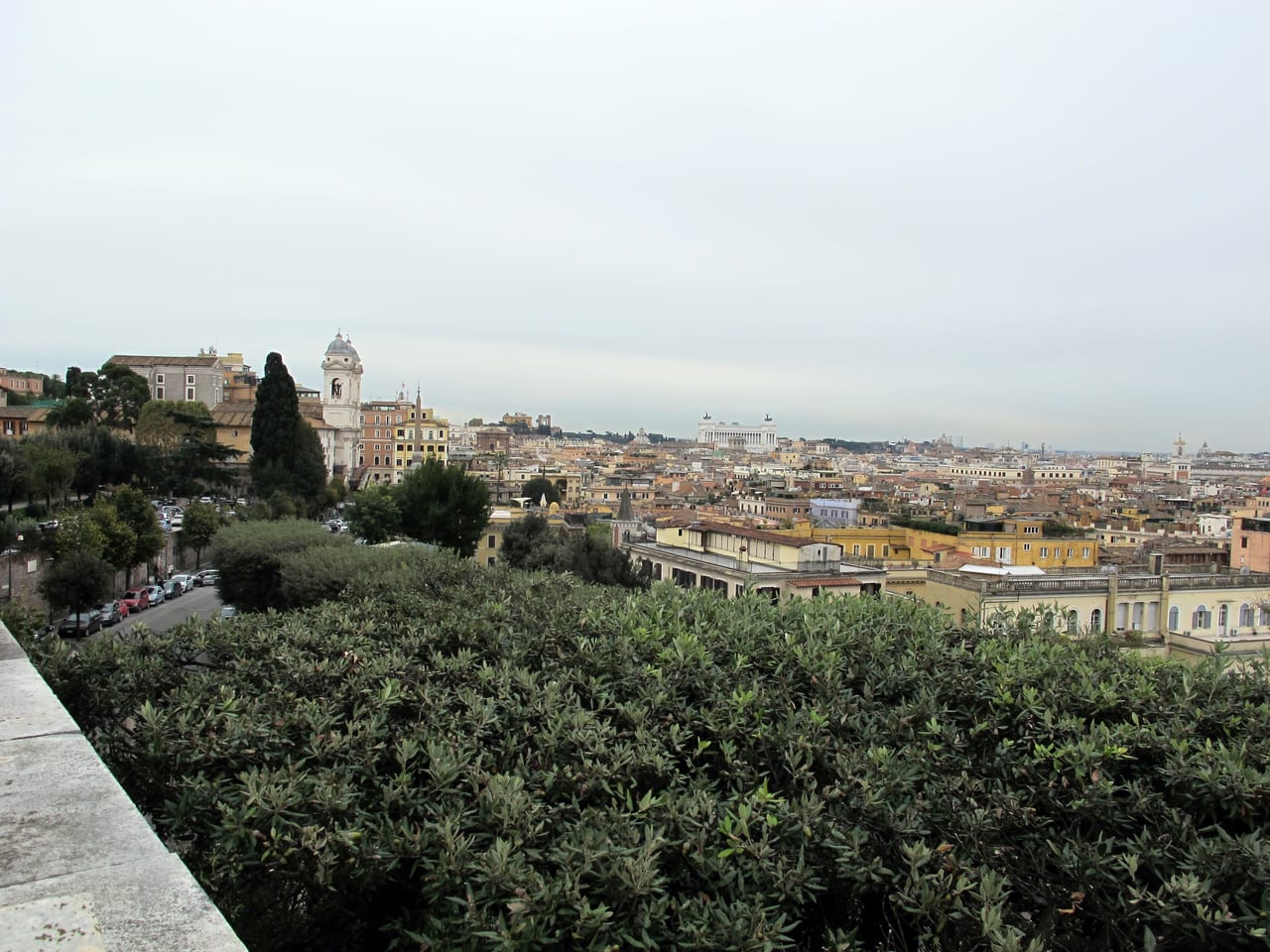
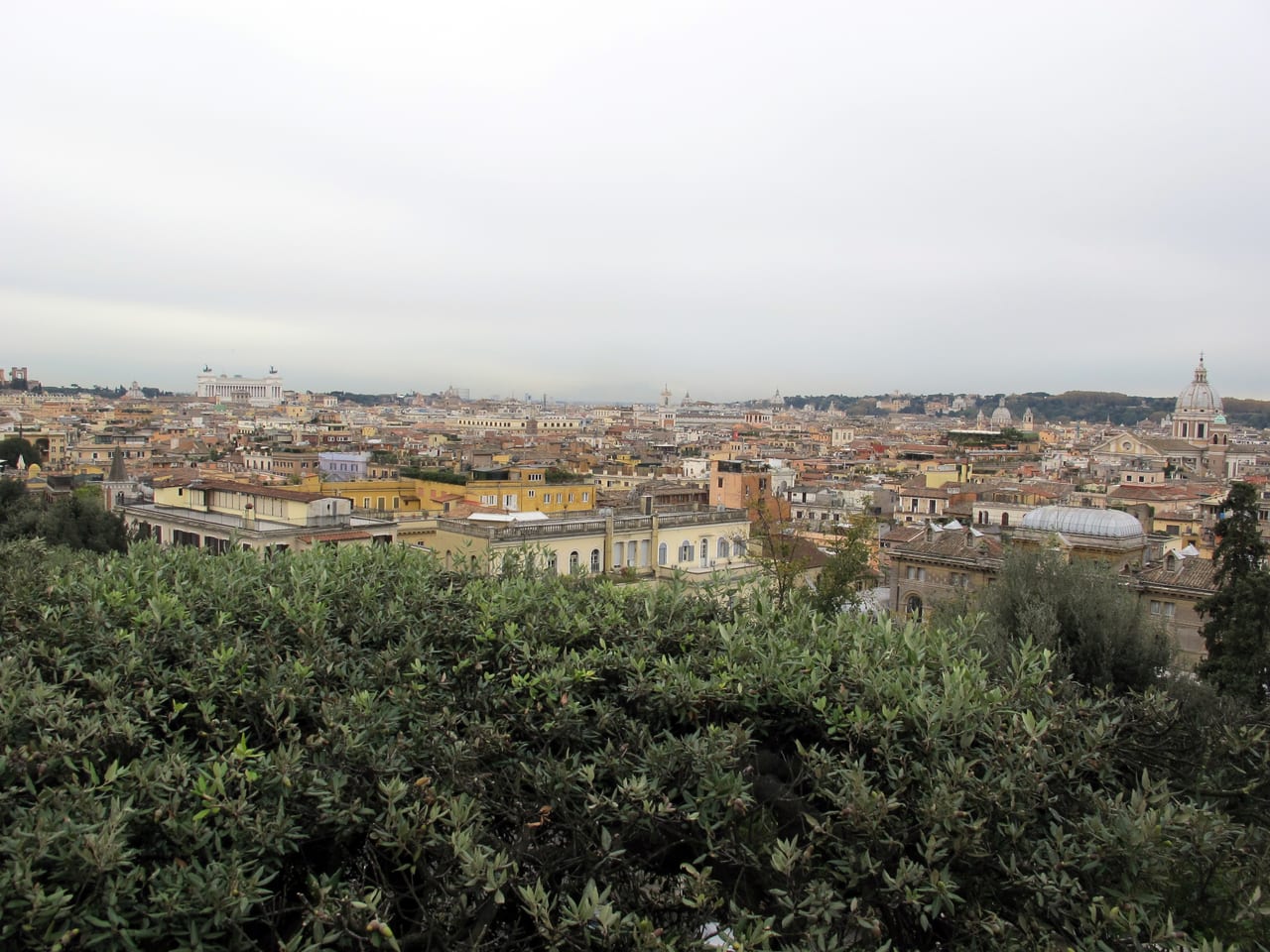
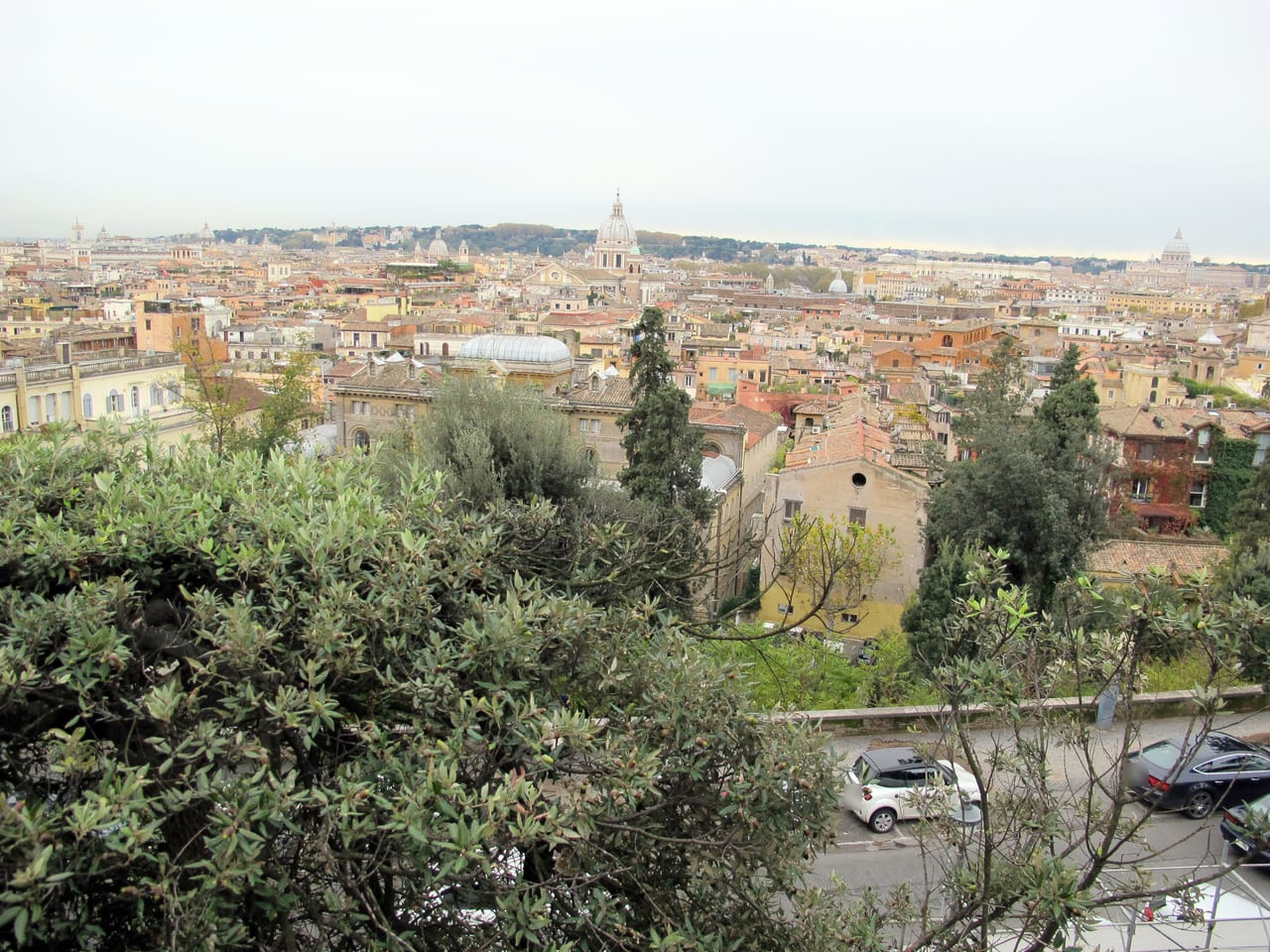
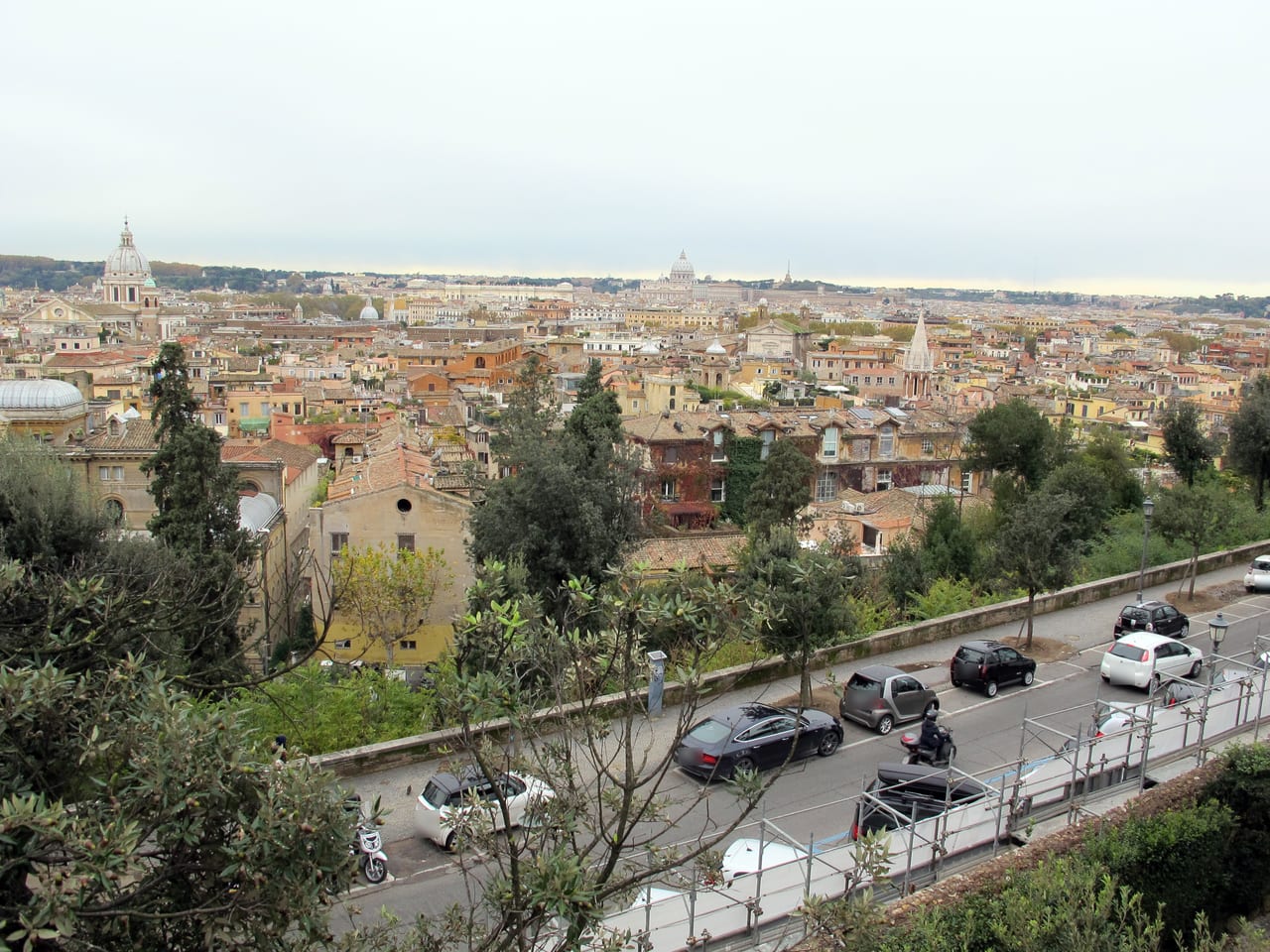
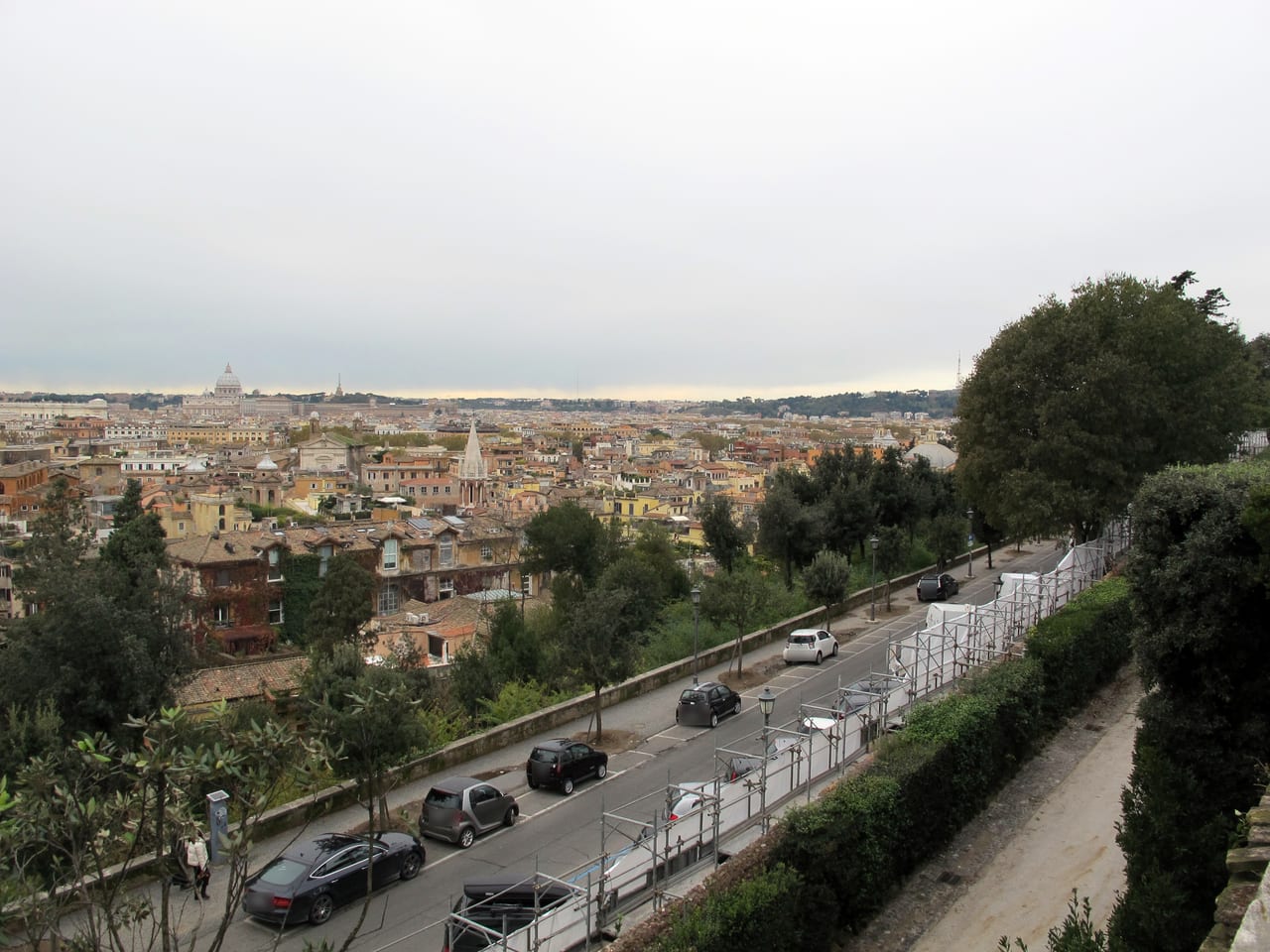
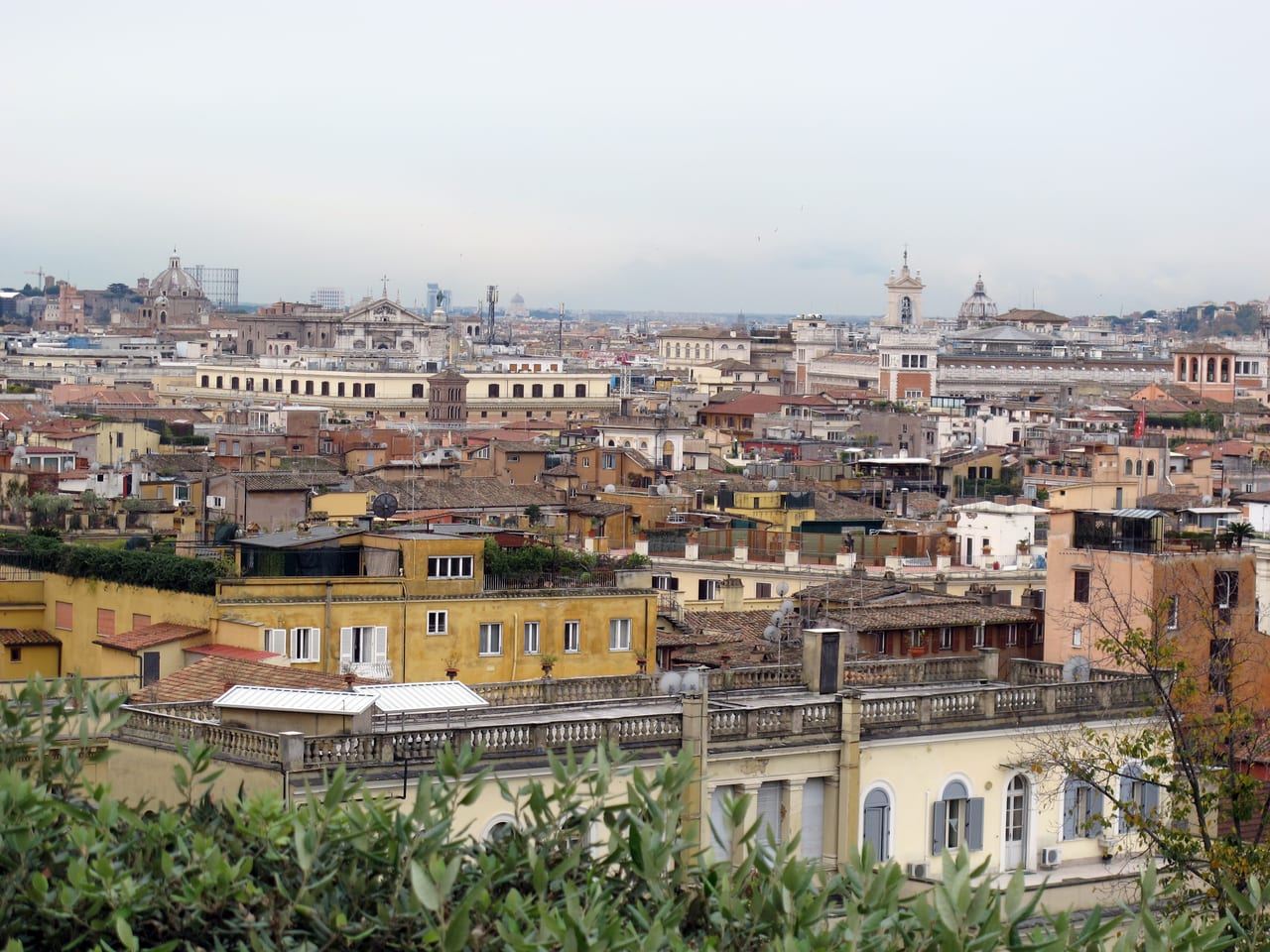
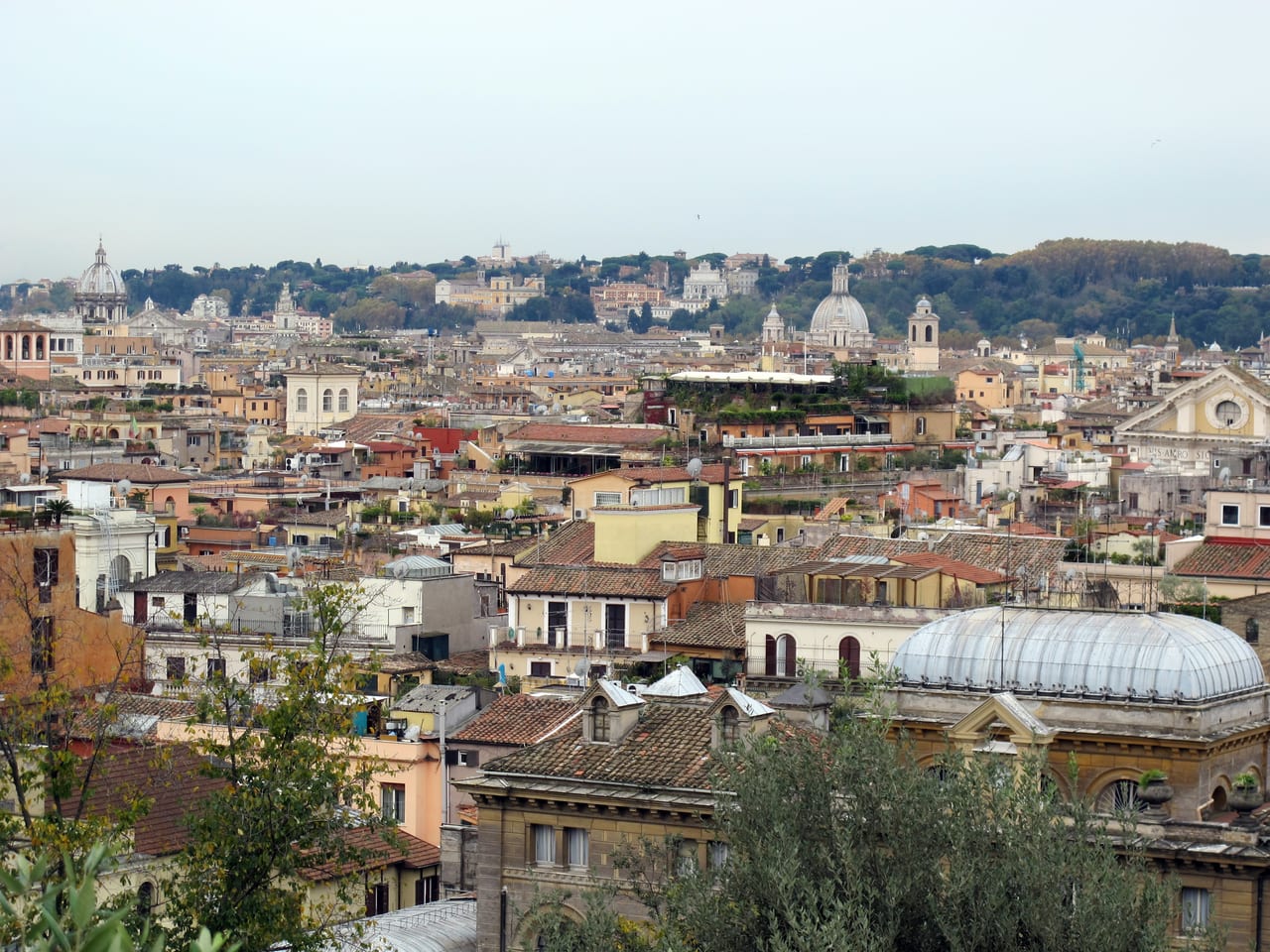
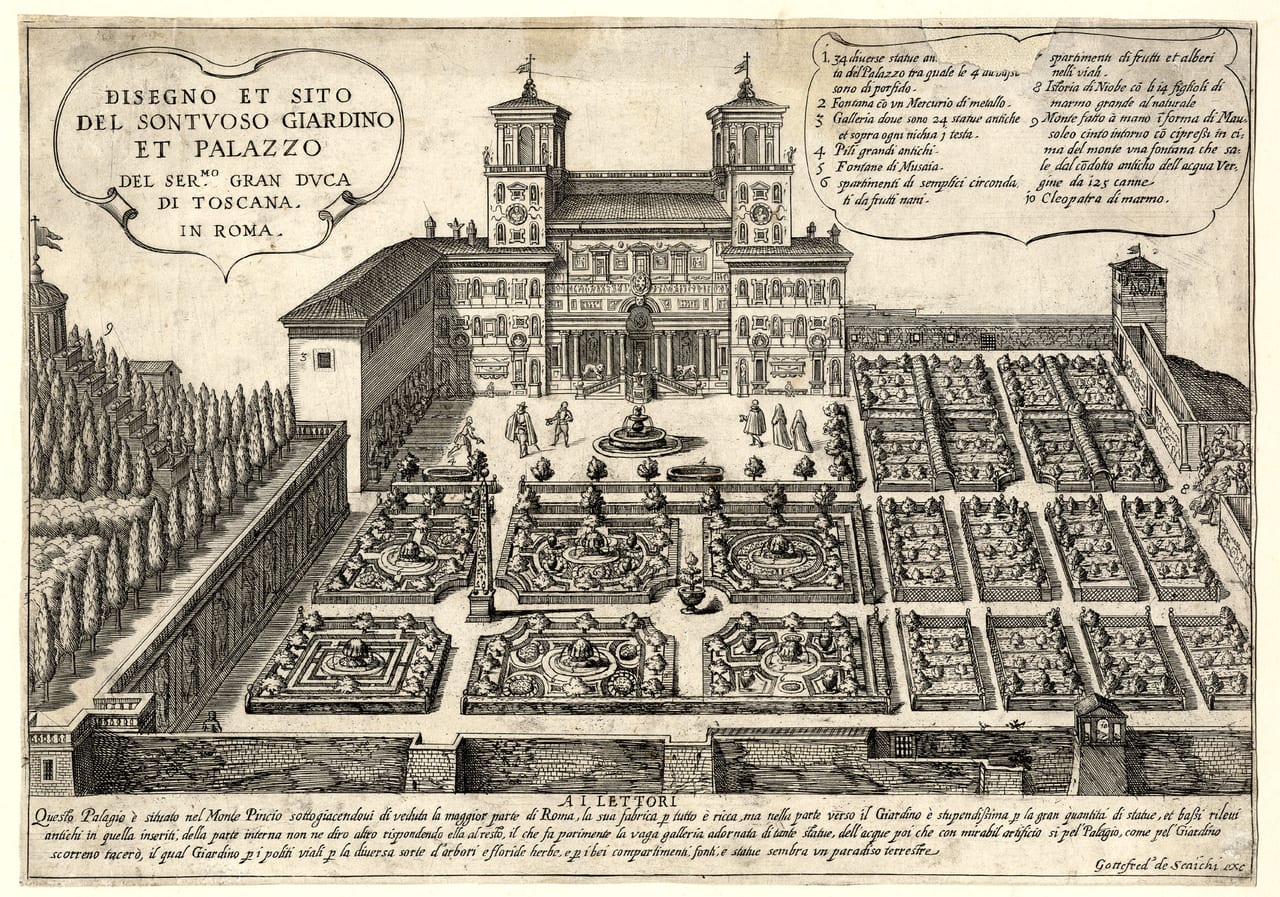
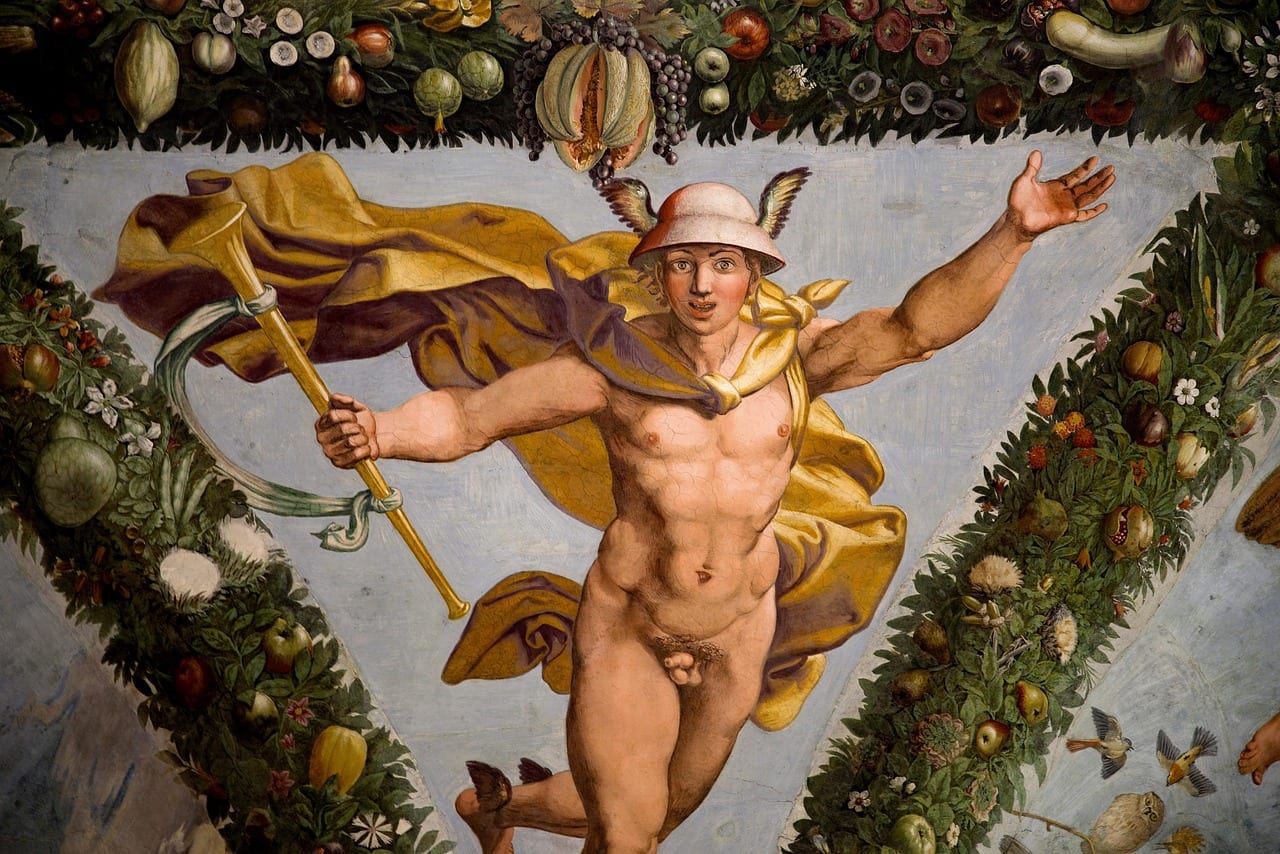
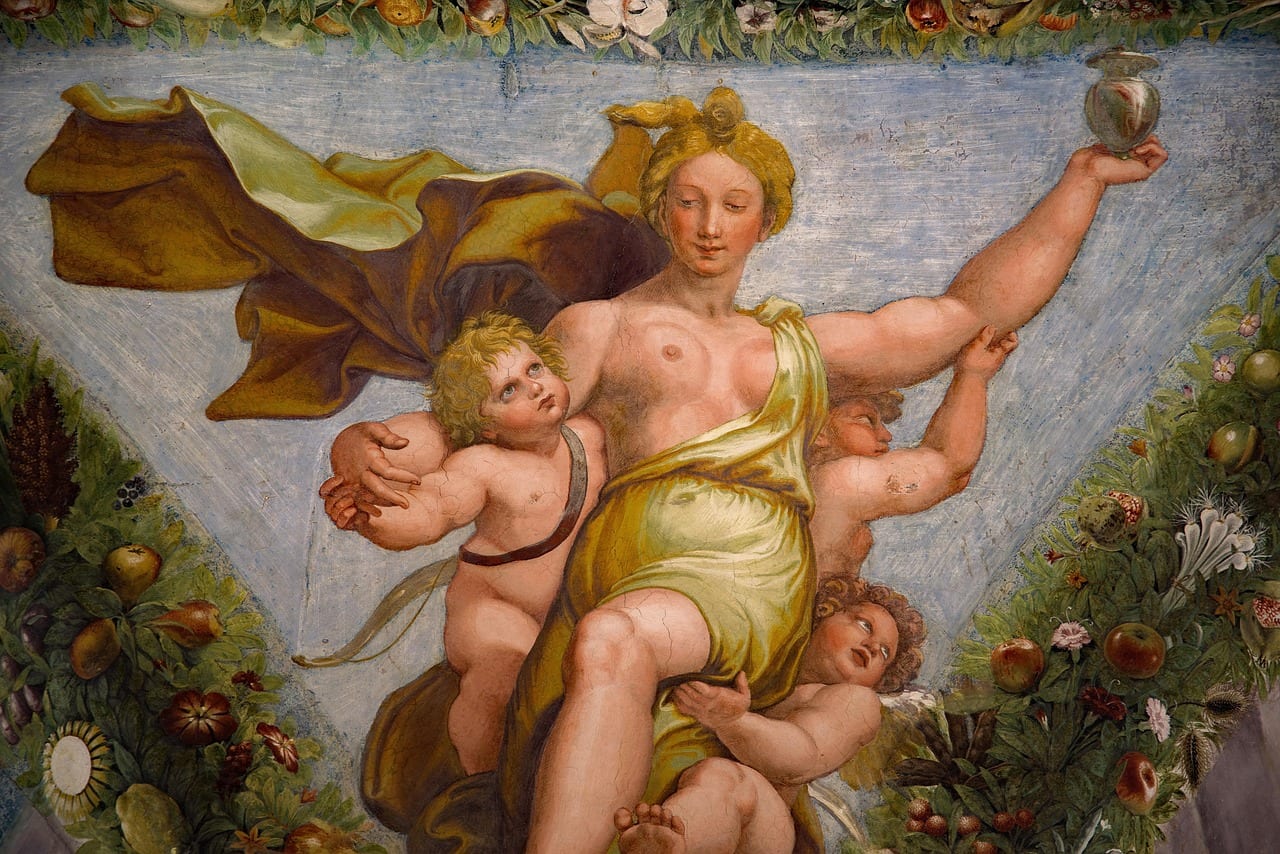
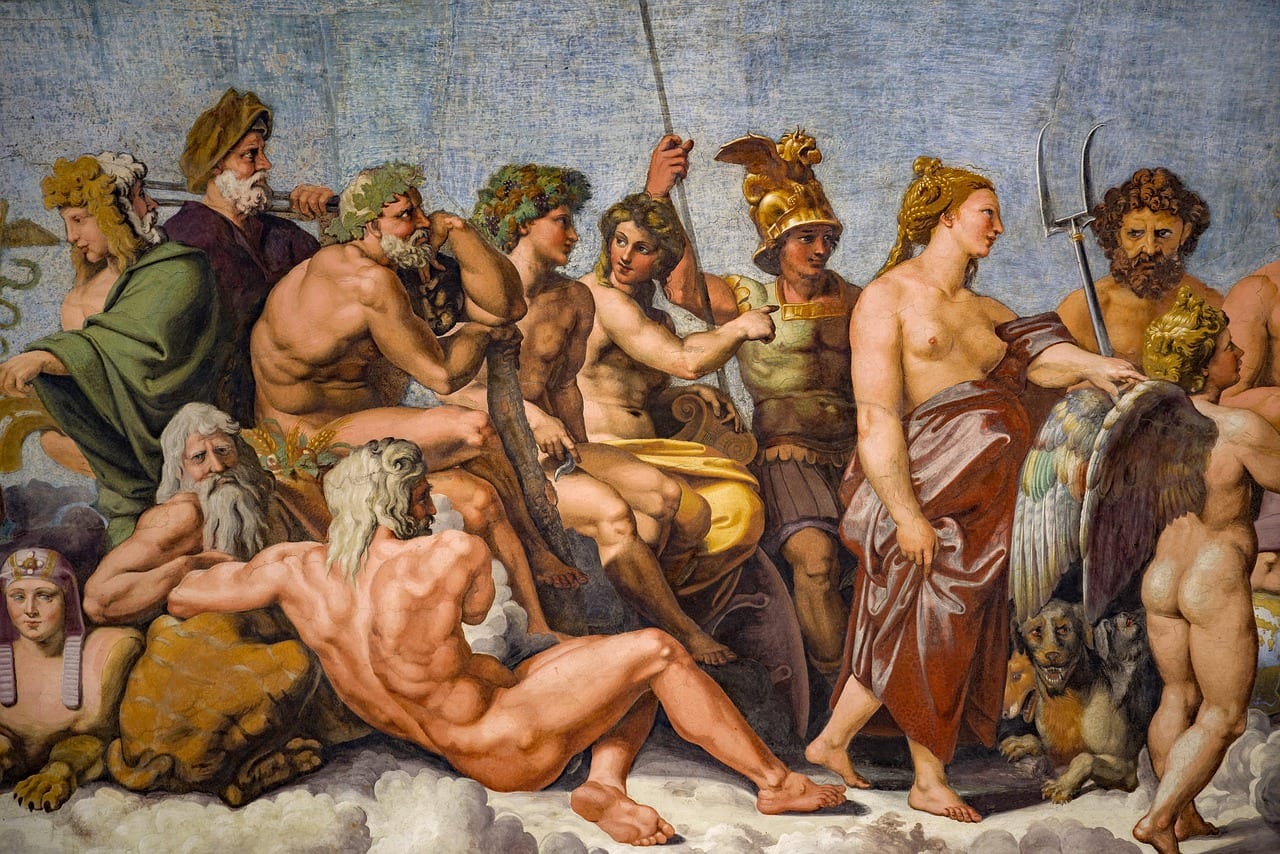
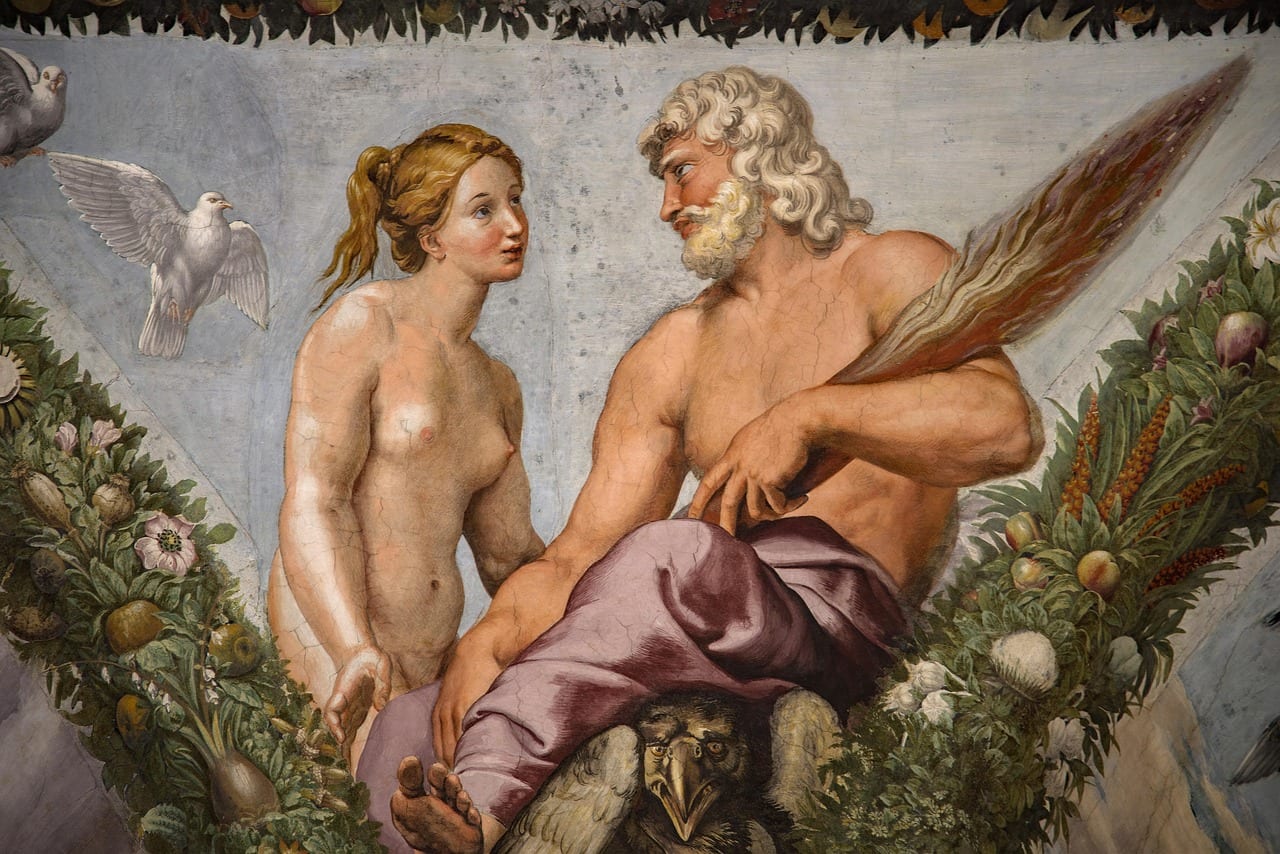
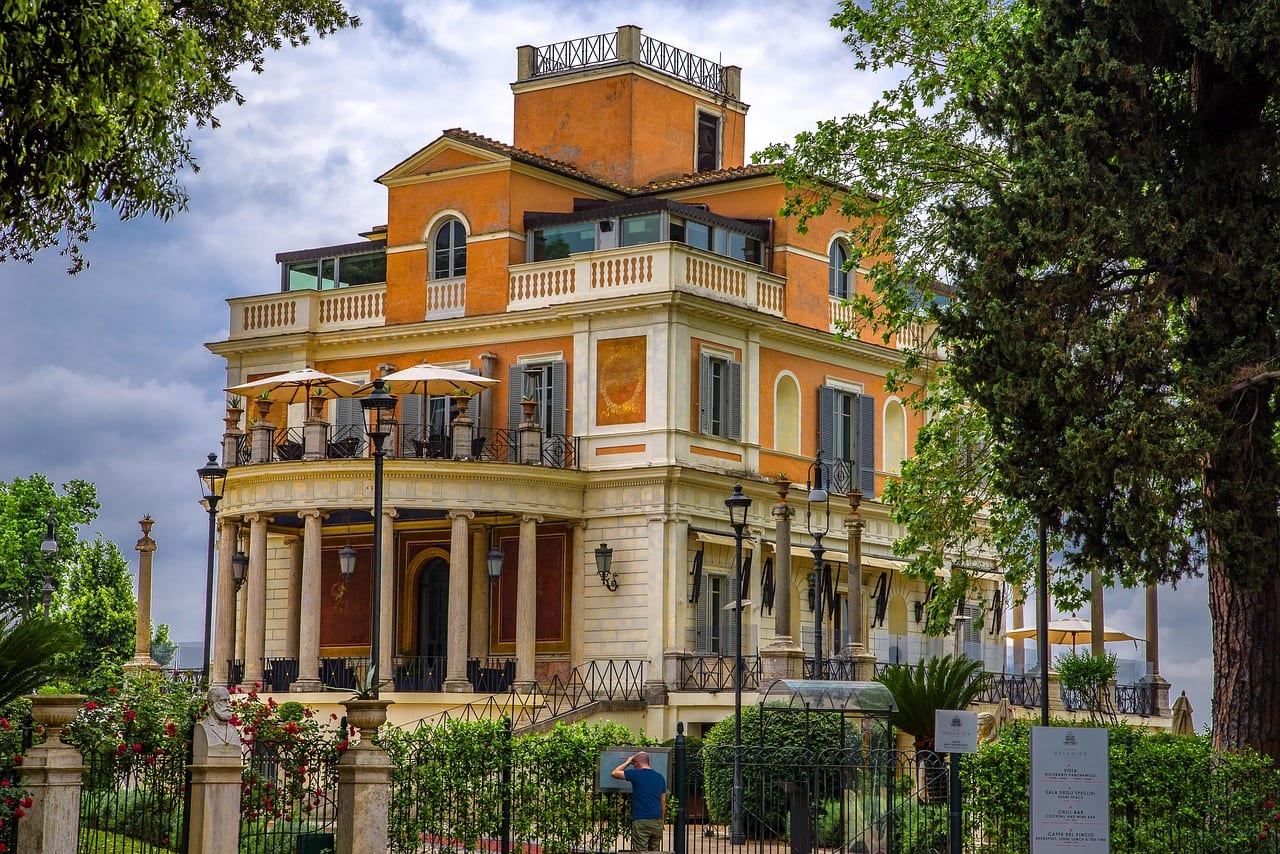
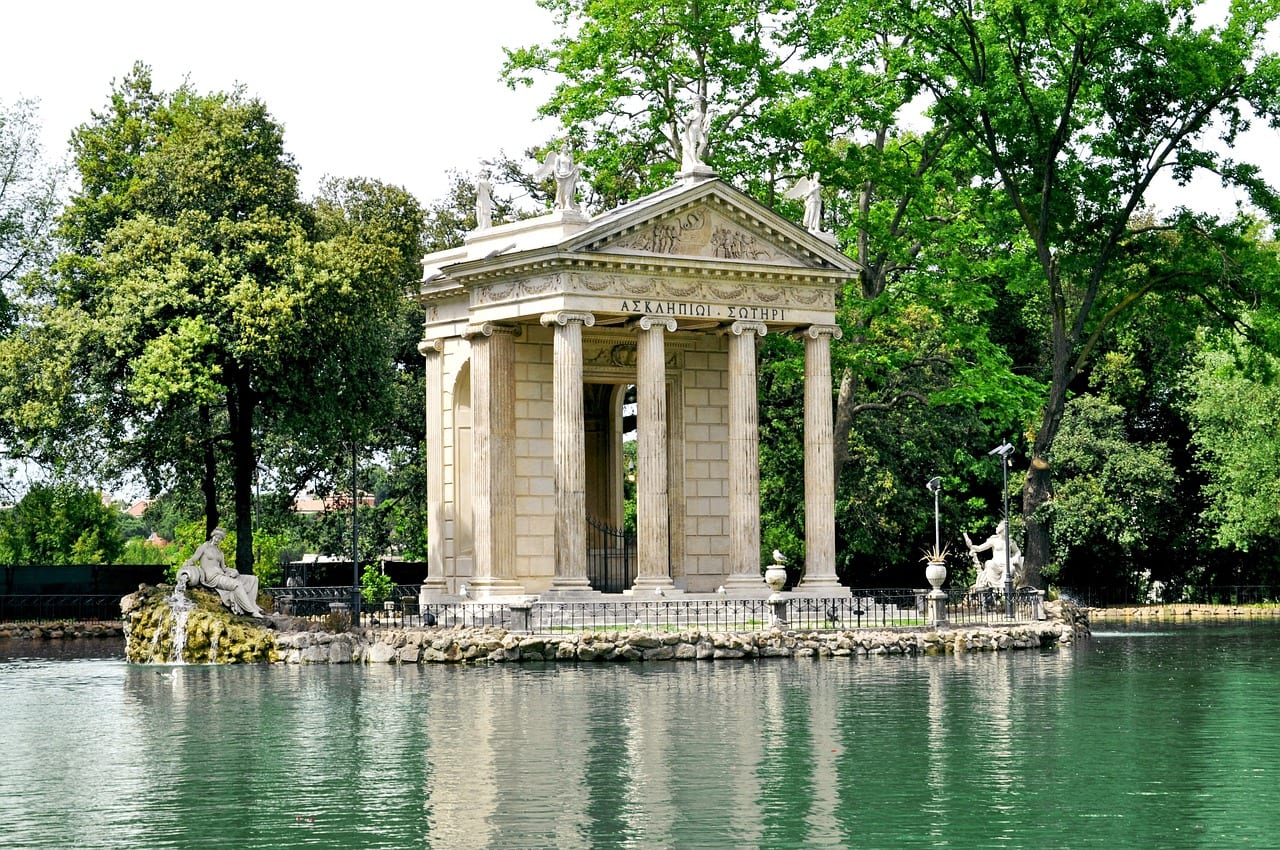
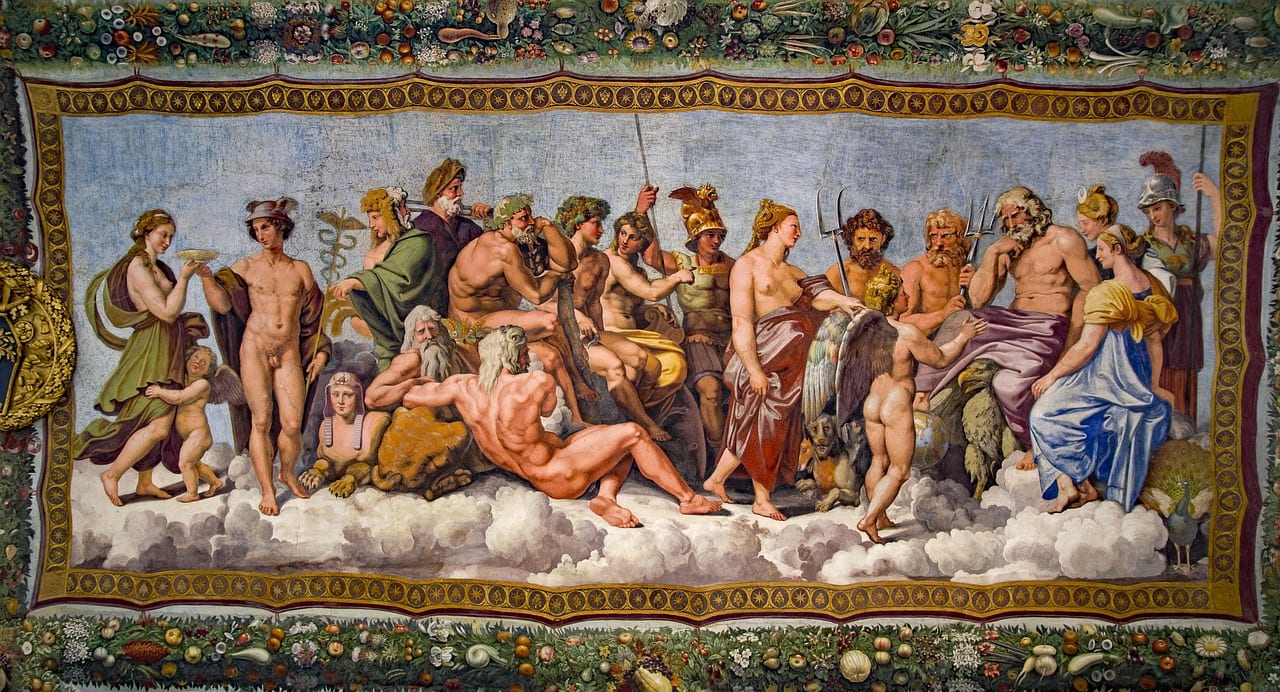
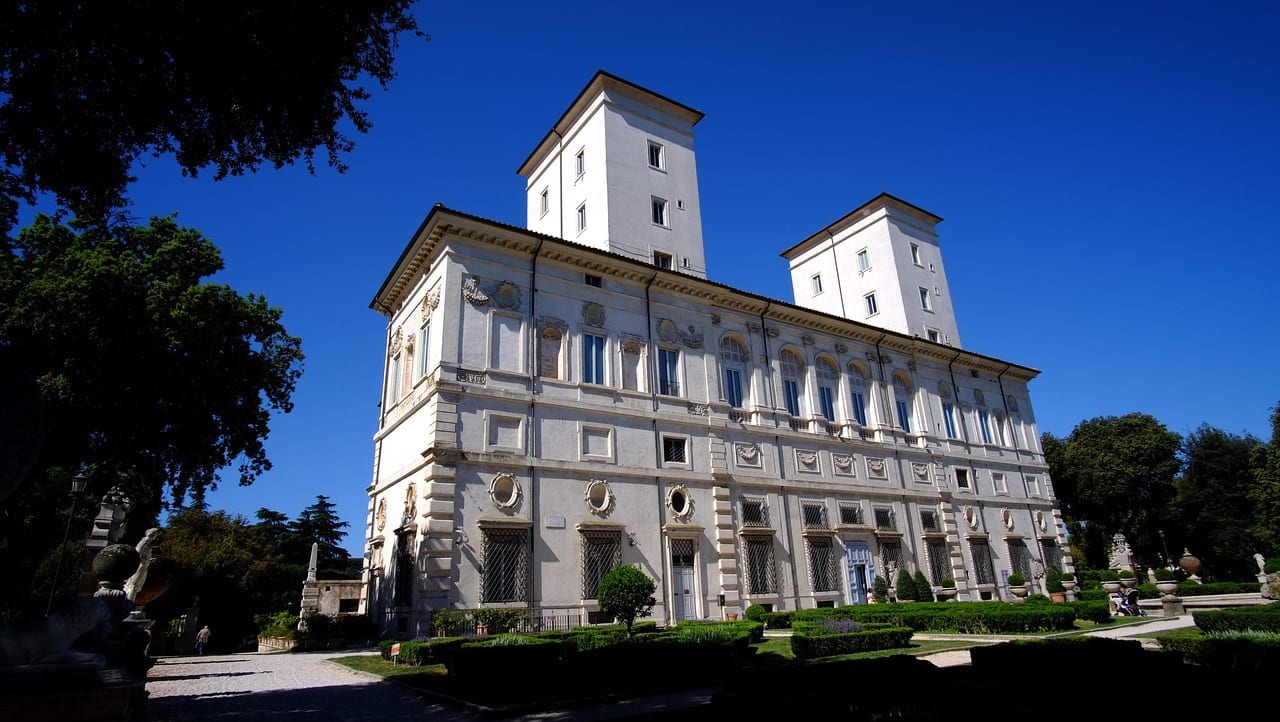
Photograph 1 of 32 of French Academy in Rome
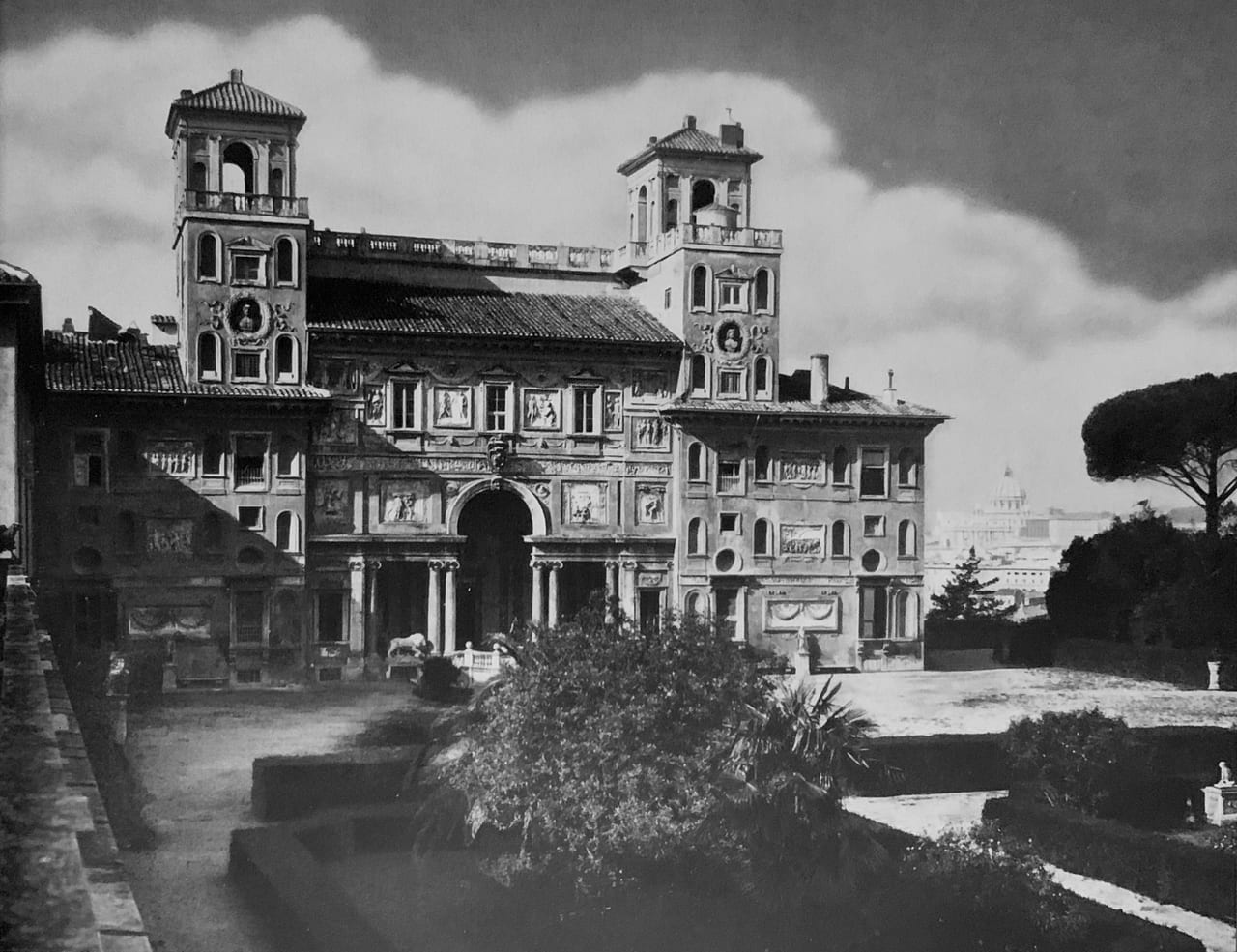
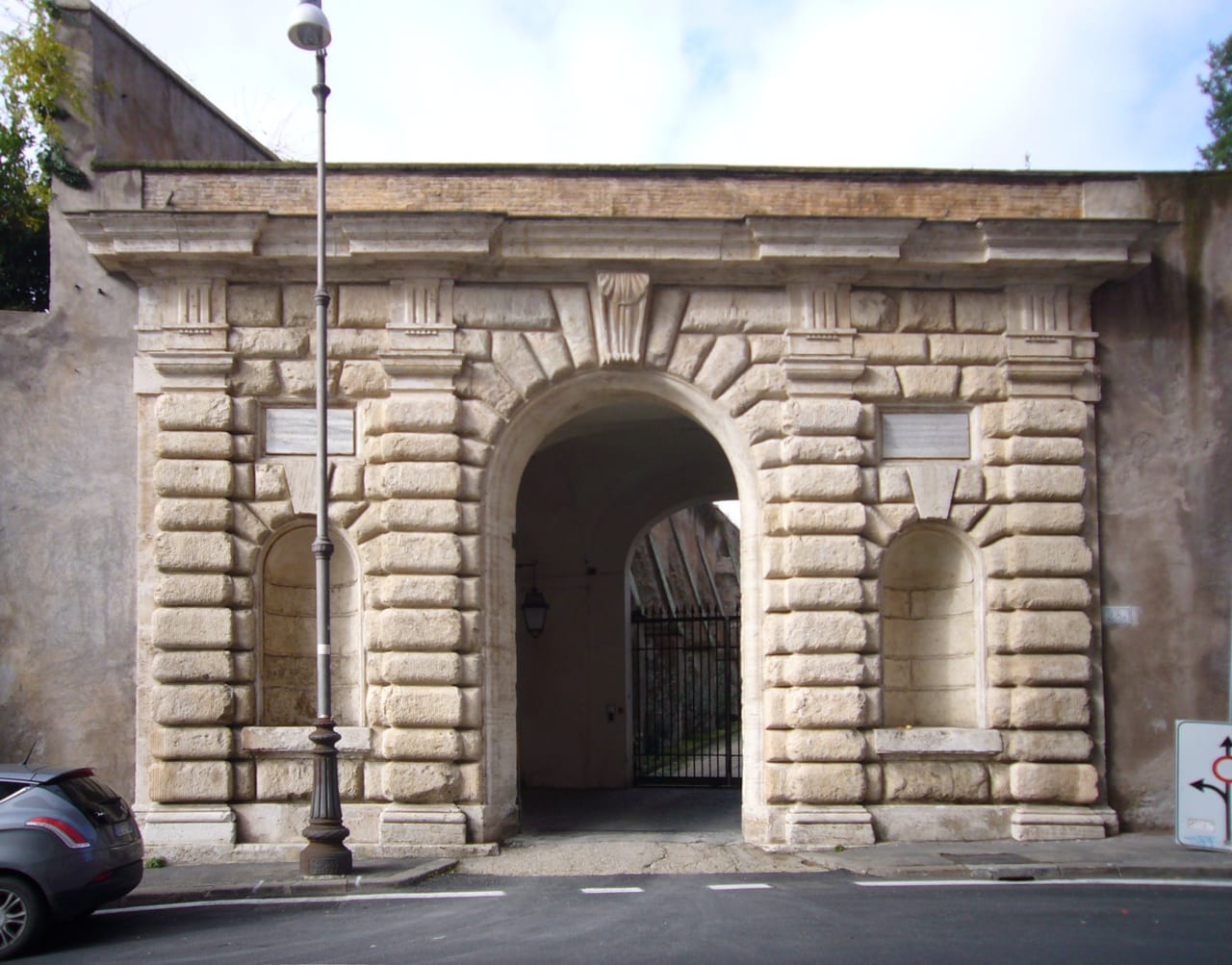
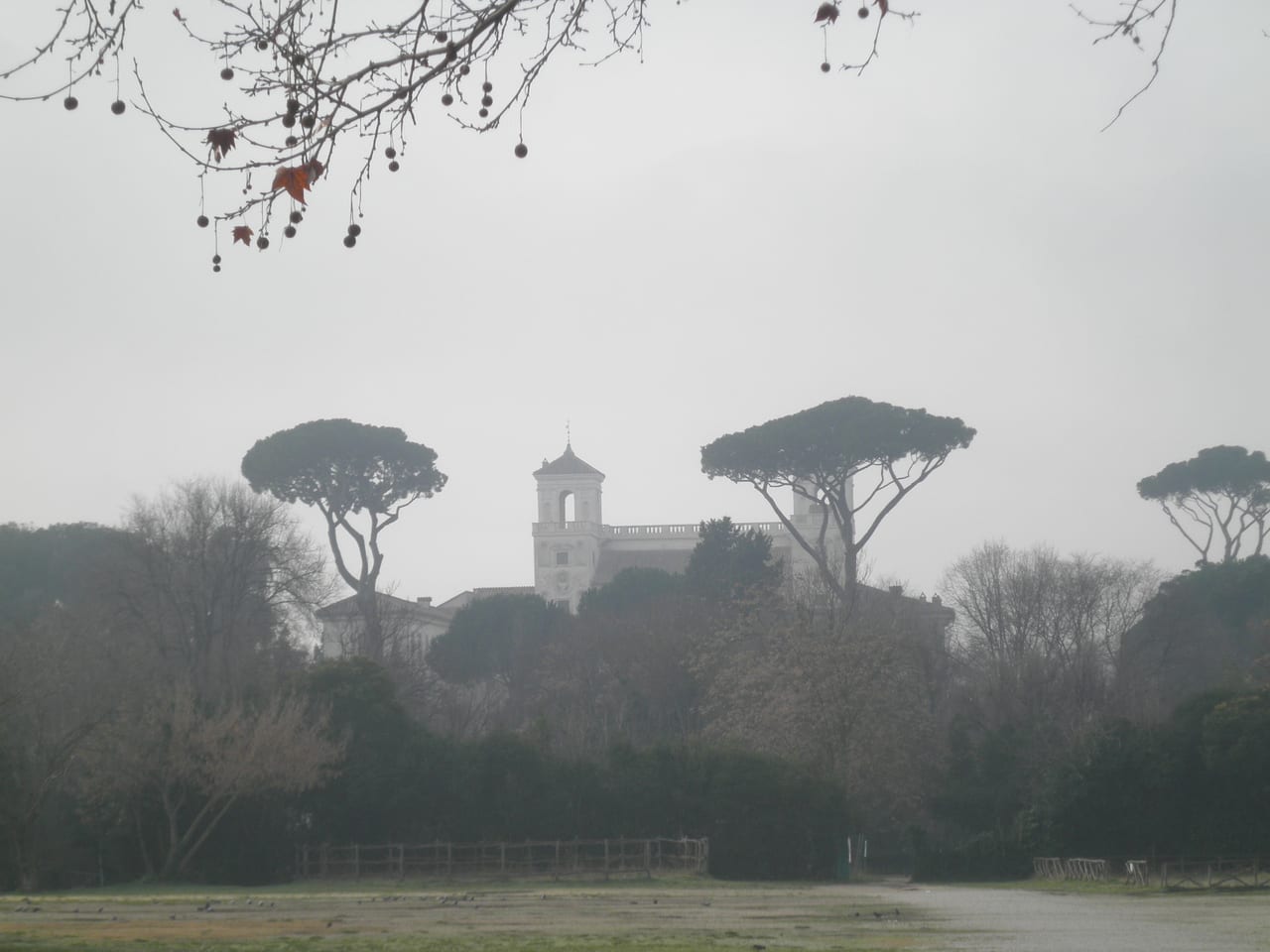
Pensioners received three-, four- or five-year scholarships to study in Rome and send annual works, or “envois de Rome,” to Paris for judgment. The institution moved to the Palazzo Mancini in 1737, then Napoleon transferred it to the Villa Medici in 1803, preserving access to ancient and Renaissance masterpieces for young French artists. The villa and gardens required renovation, and their history later included interruption during the First World War and Mussolini’s confiscation in 1941, which sent the Academy to Nice and Fontainebleau until 1945. André Malraux ended the Prix de Rome in 1968. From 1961 to 1967, director Balthus led an extensive restoration, creating a melancholic, contemporary interpretation of lost historic decoration. His work later became historic in its own right, while Richard Peduzzi oversaw further restoration and the renewal of exhibitions and performances.
At a glance
- Built
- 1666
Ways to explore French Academy in Rome
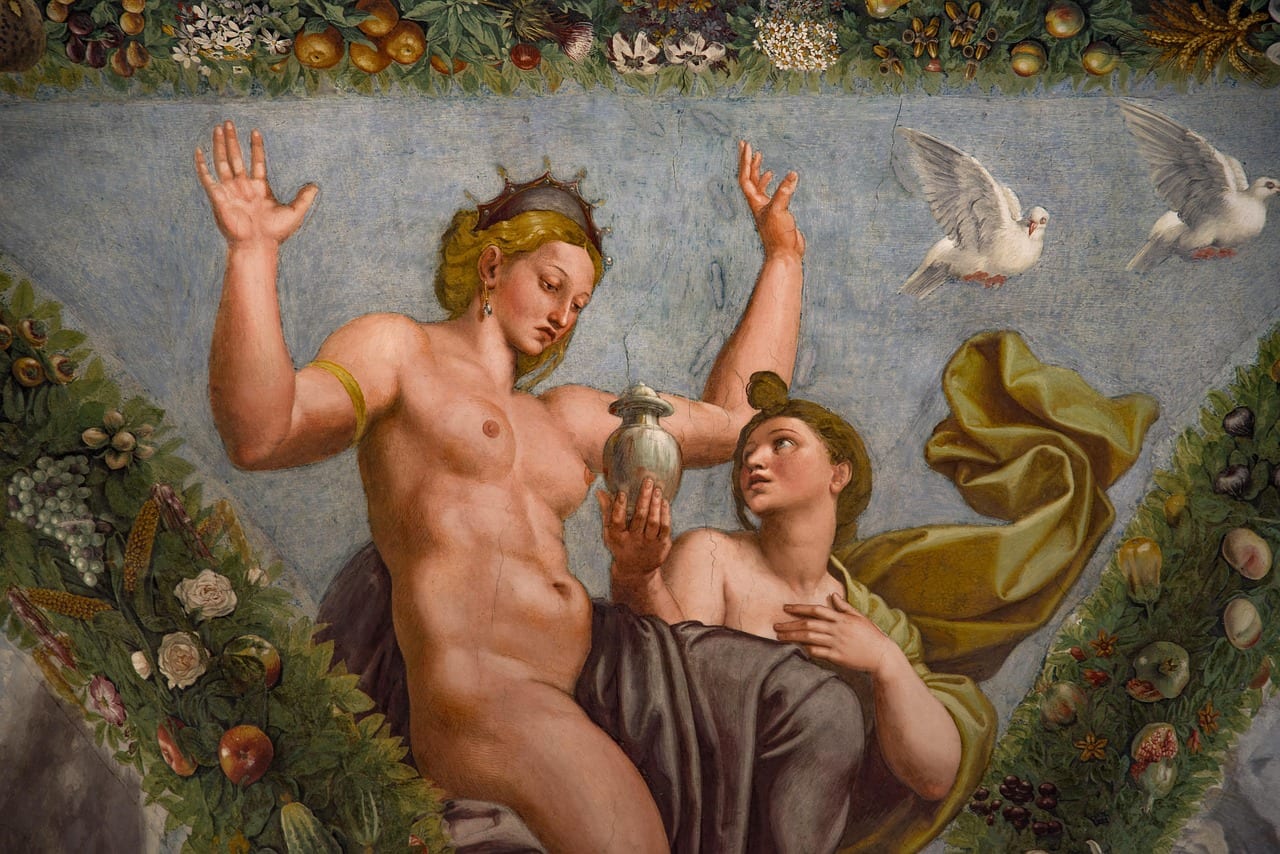
Concentrate on the relationship between palace and gardens, then look closely at Balthus’s enigmatic interiors, where invented decoration replaces elements of the vanished historic scheme. Look for exhibitions and shows created by artists in residence. Guest rooms have sometimes opened to the public when not occupied by residents or official guests, making availability an essential detail to confirm before visiting.
Places to stay near French Academy in Rome

Live availability and prices from Stay22's partners, refreshed periodically and subject to change. Booking through these links may earn us a commission at no extra cost to you. See our privacy policy.
Cafés near French Academy in Rome
Cafés near French Academy in Rome loads as you scroll.
Attractions nearby
Attractions near French Academy in Rome loads as you scroll.
Cities nearby
Cities nearby loads as you scroll.
More in Rome
See more of Rome.
Find great cafés, places to stay and other interesting places to visit in Rome.