Fountain · Rome
Four Rivers Fountain
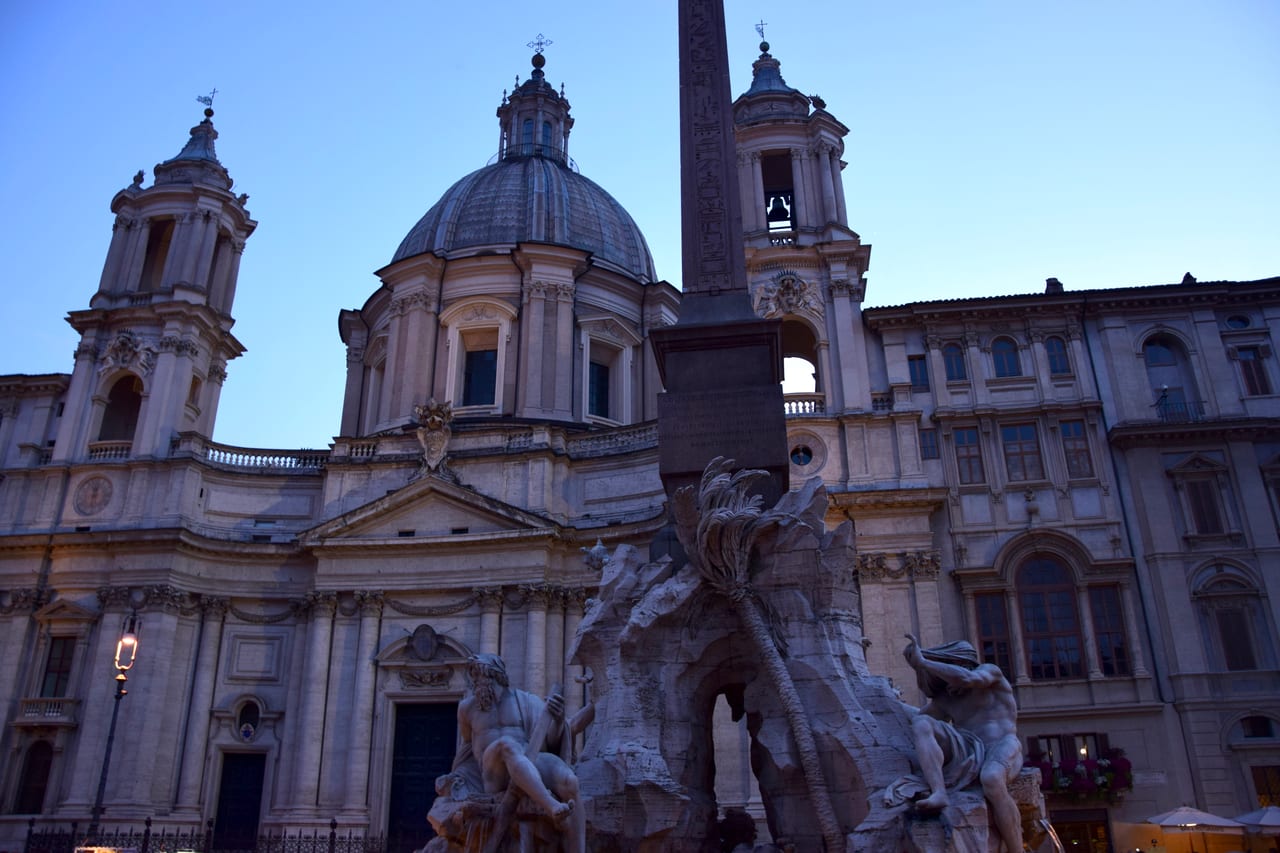
DirectionsIts massive obelisk appears to balance on the corners of a hollow rocky structure—Bernini’s audacious break with conventional architectural support.
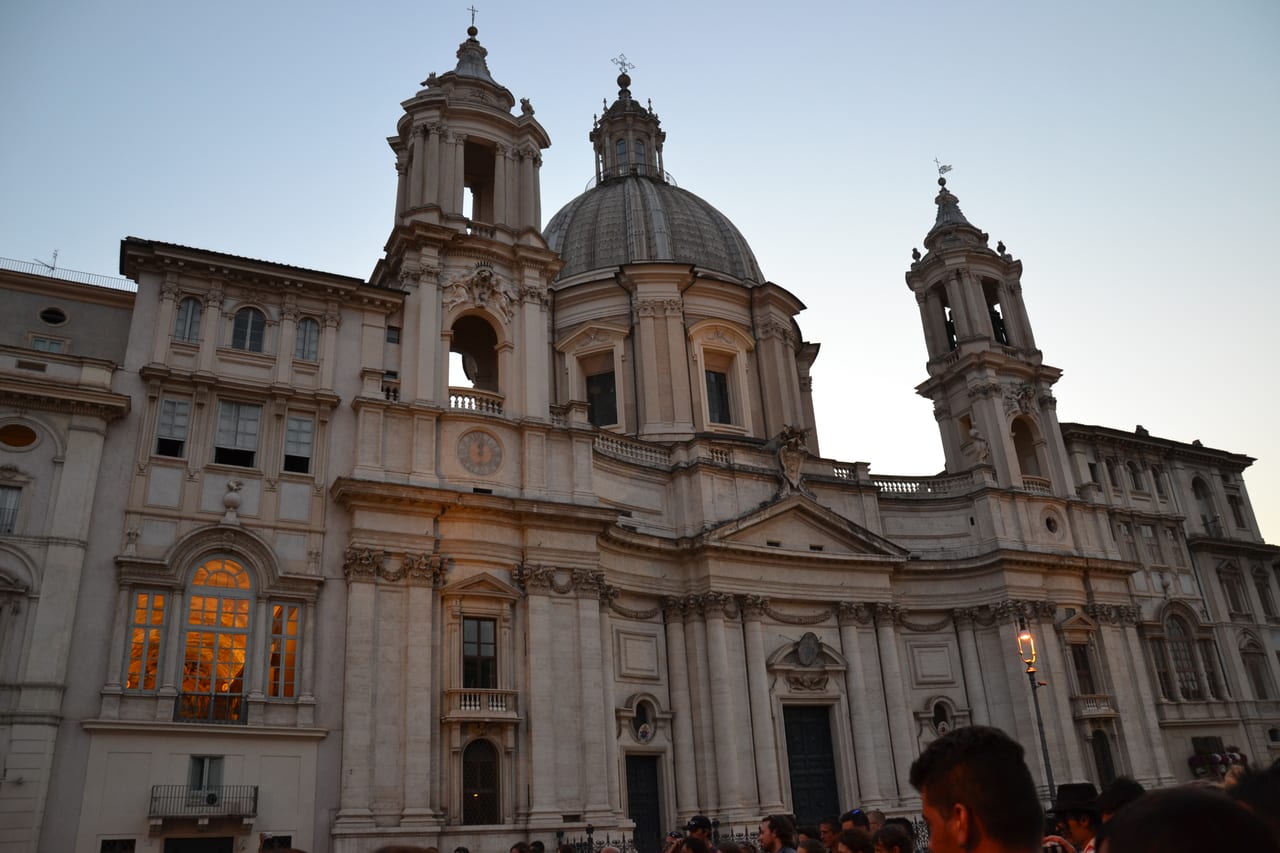
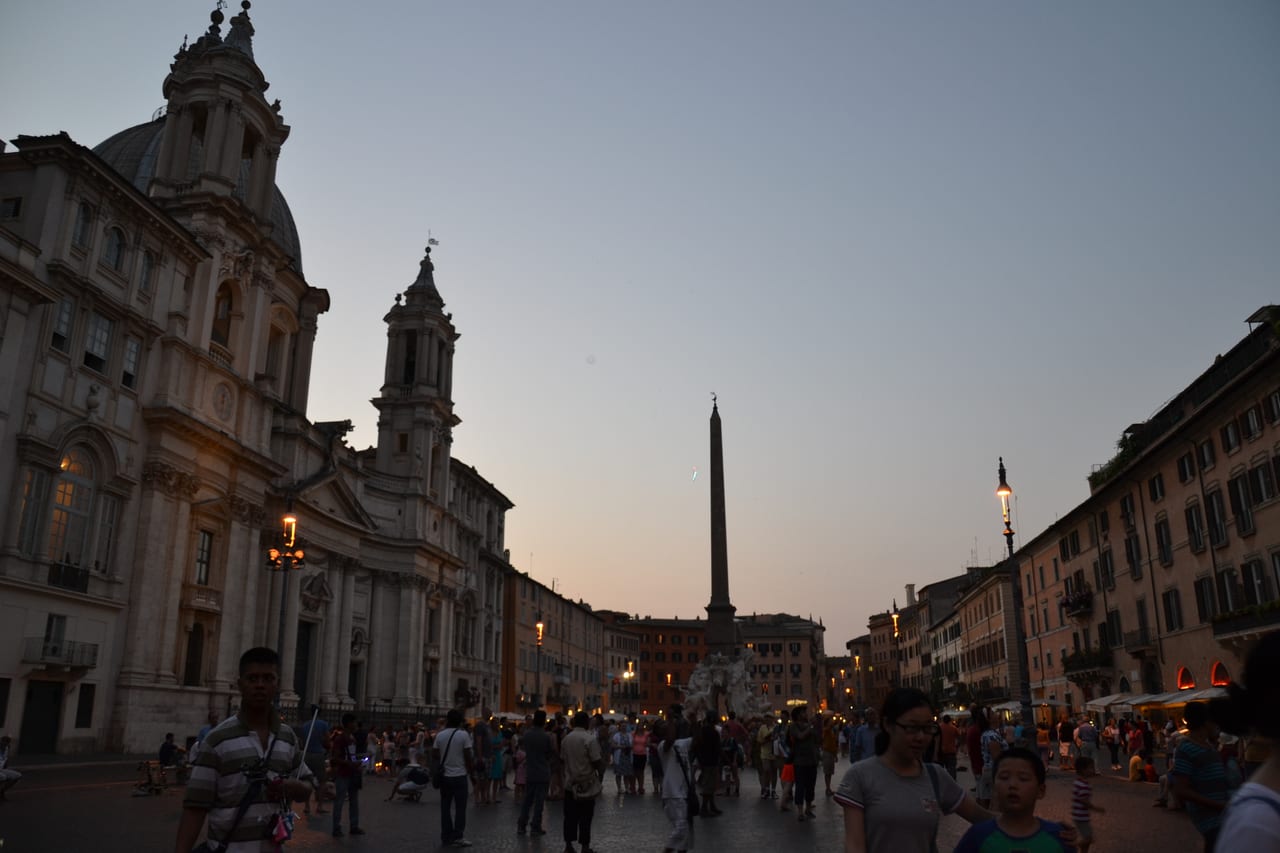
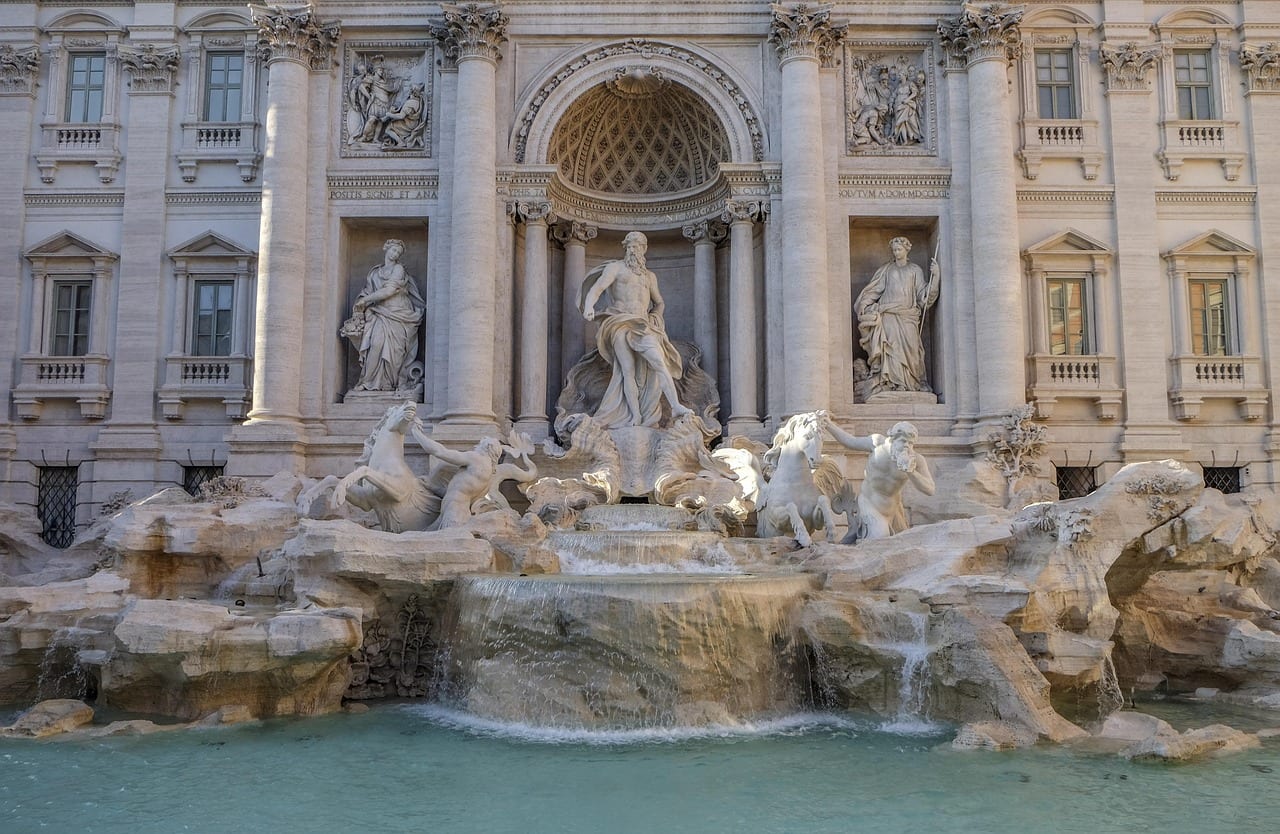
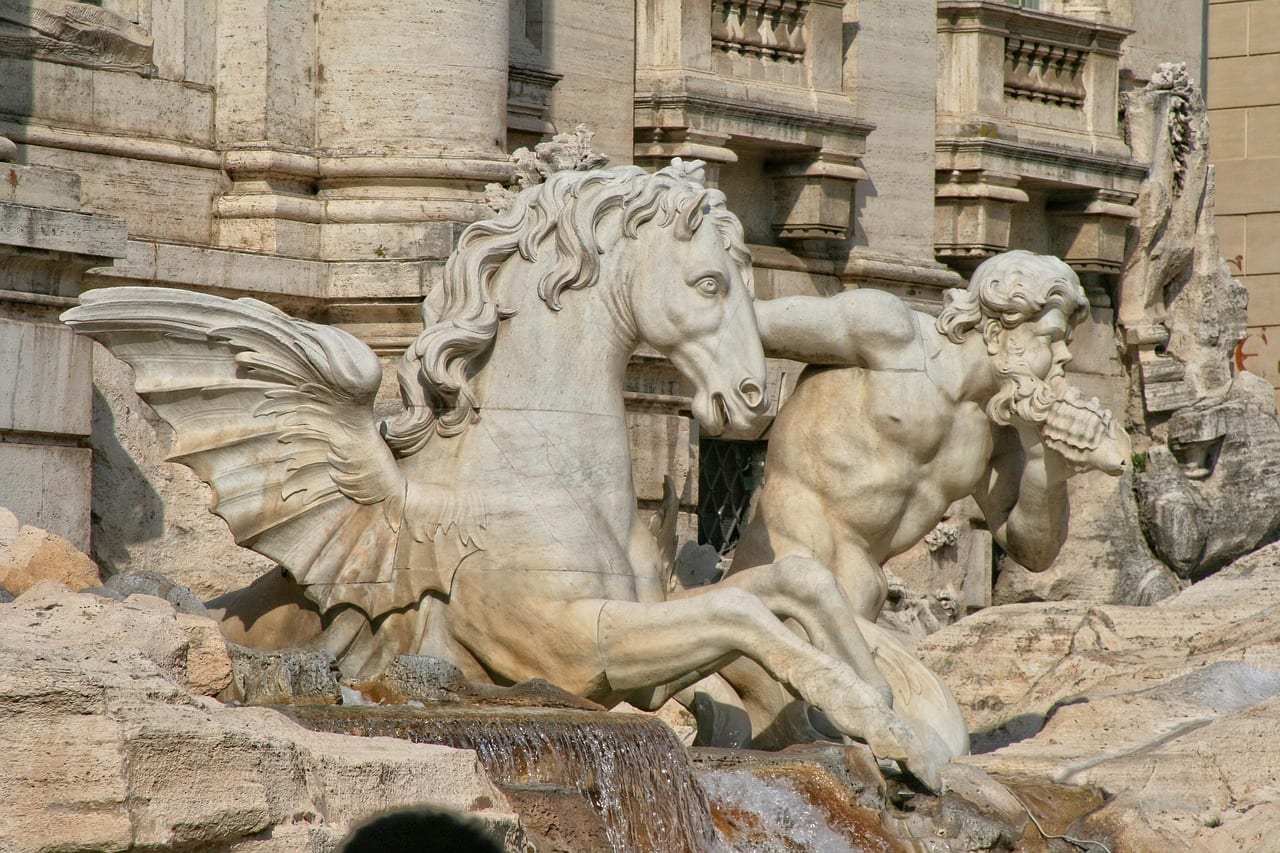
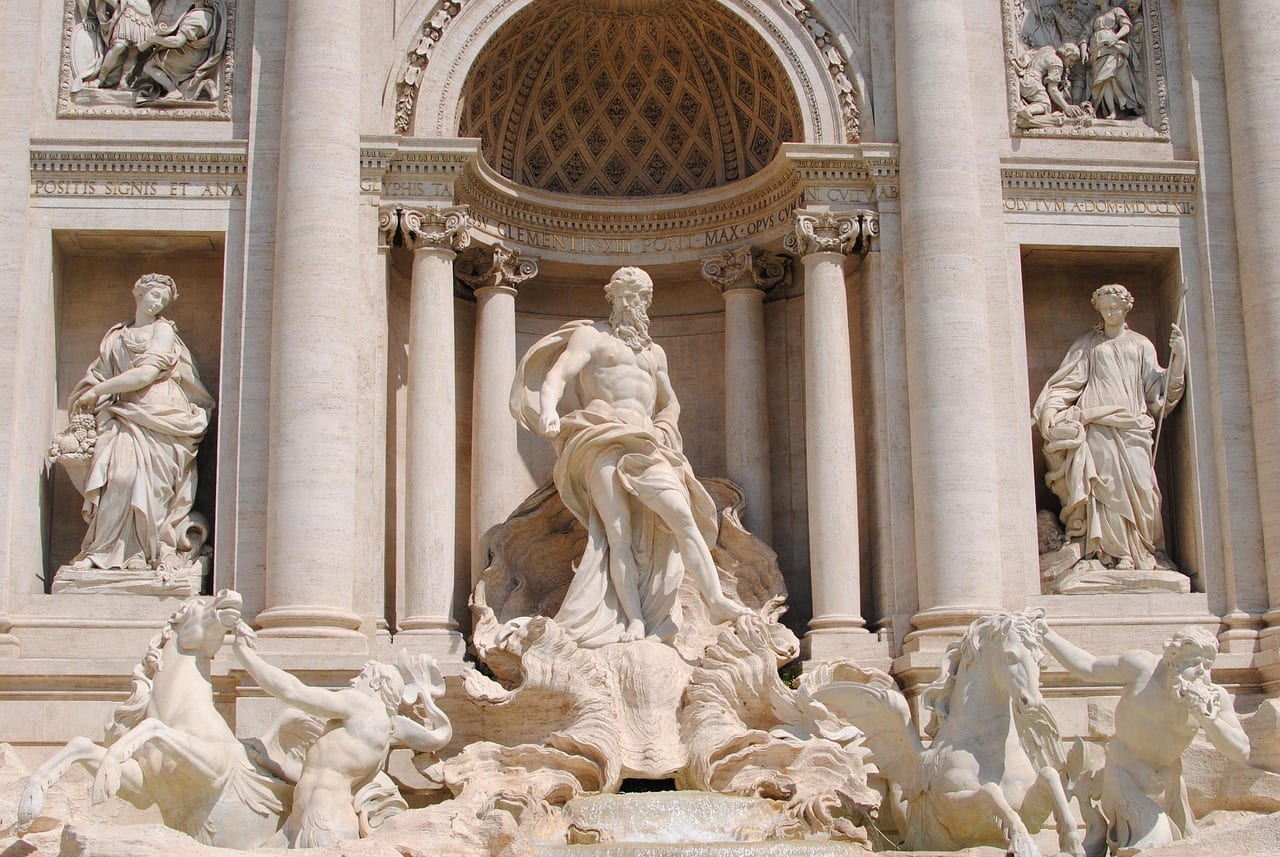
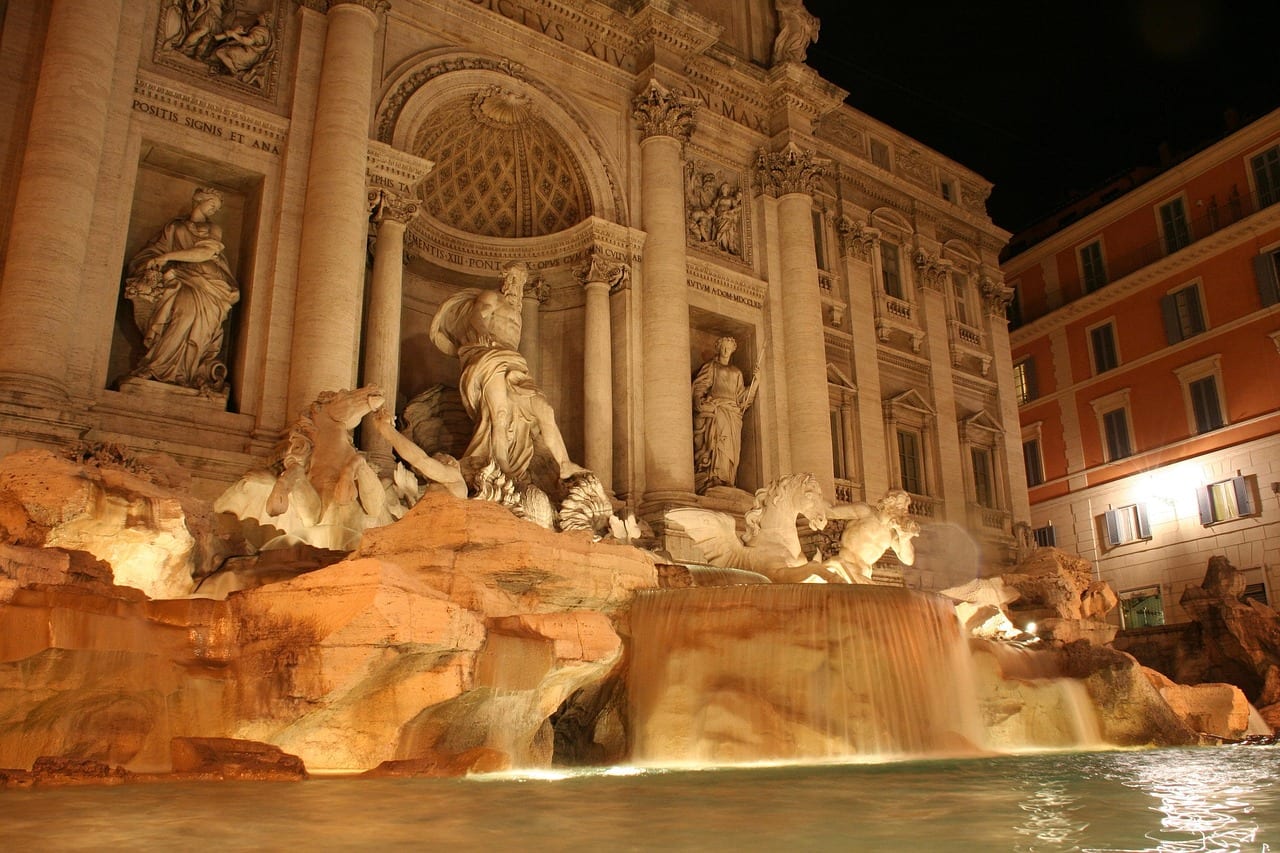
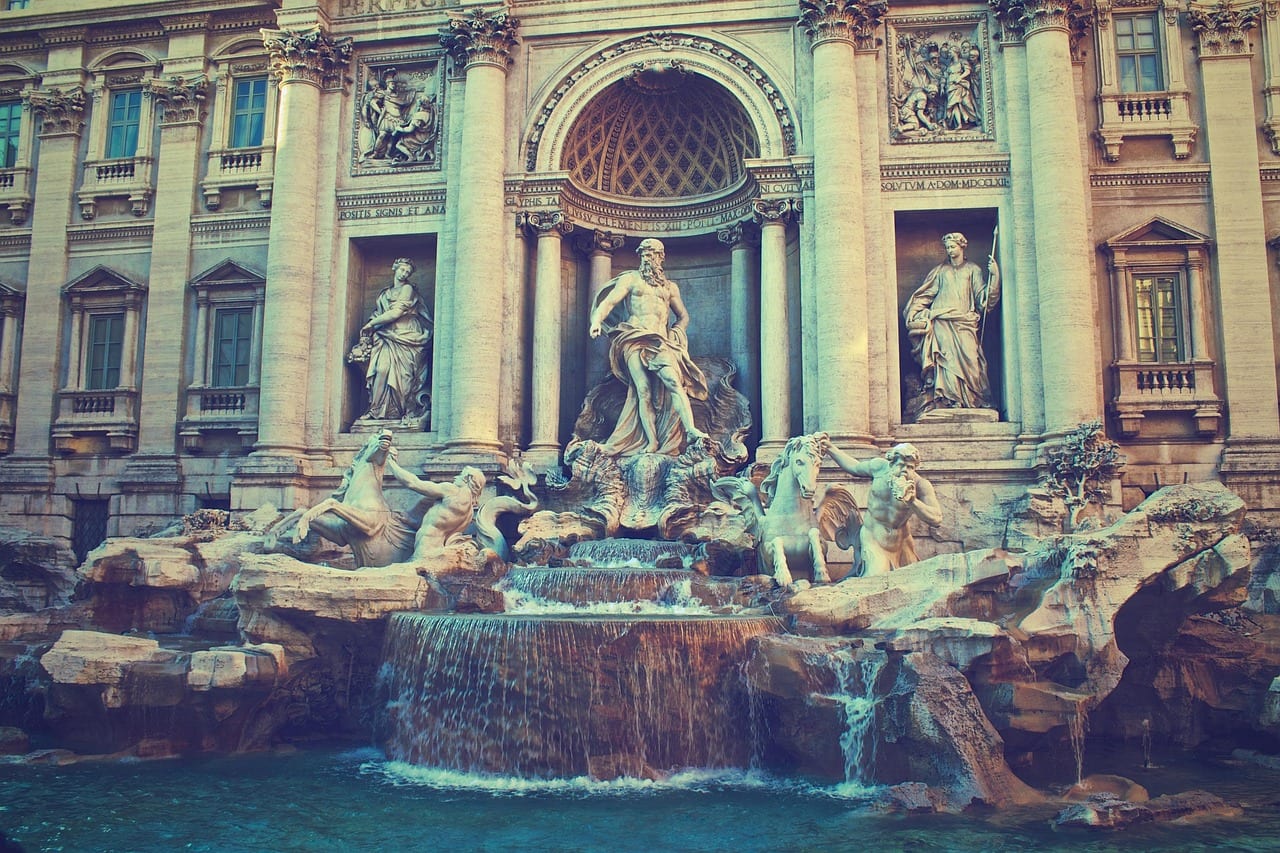
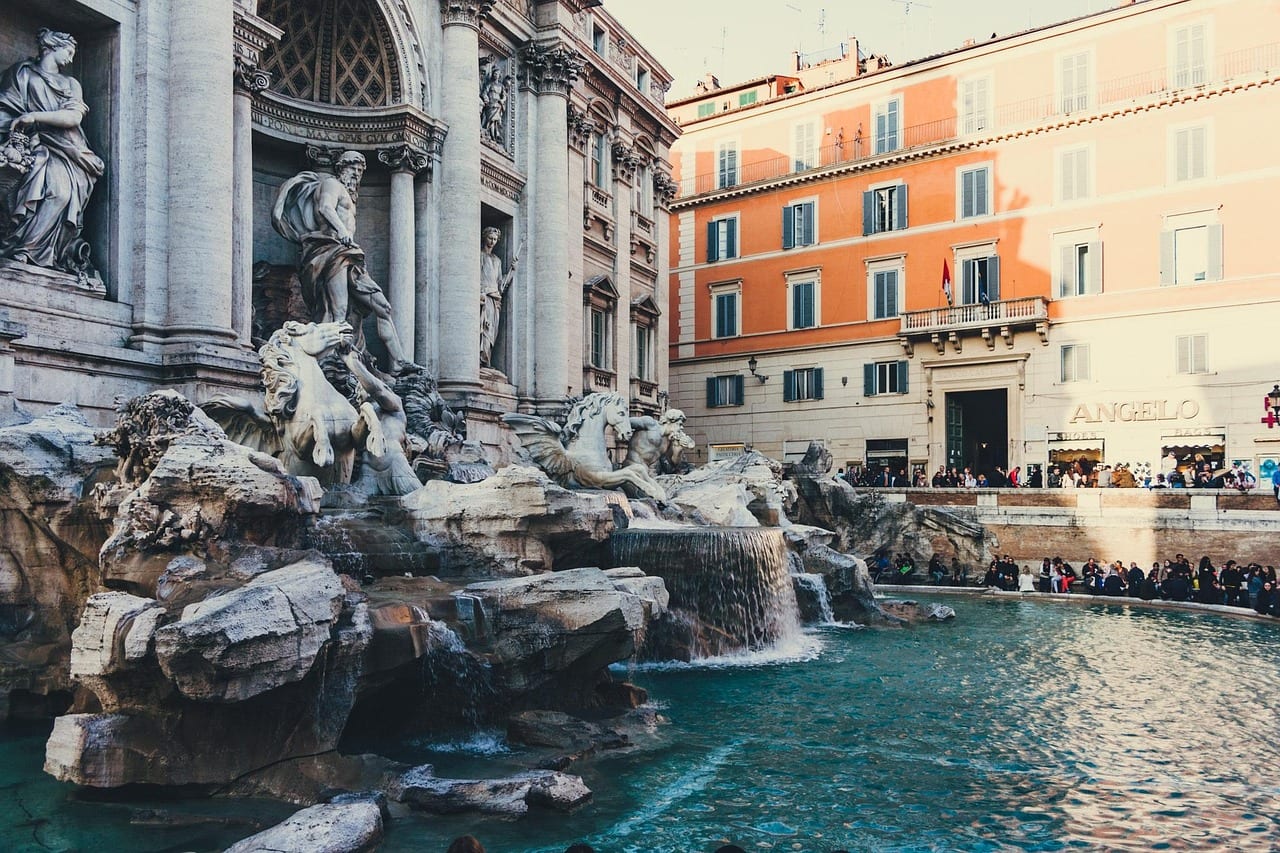
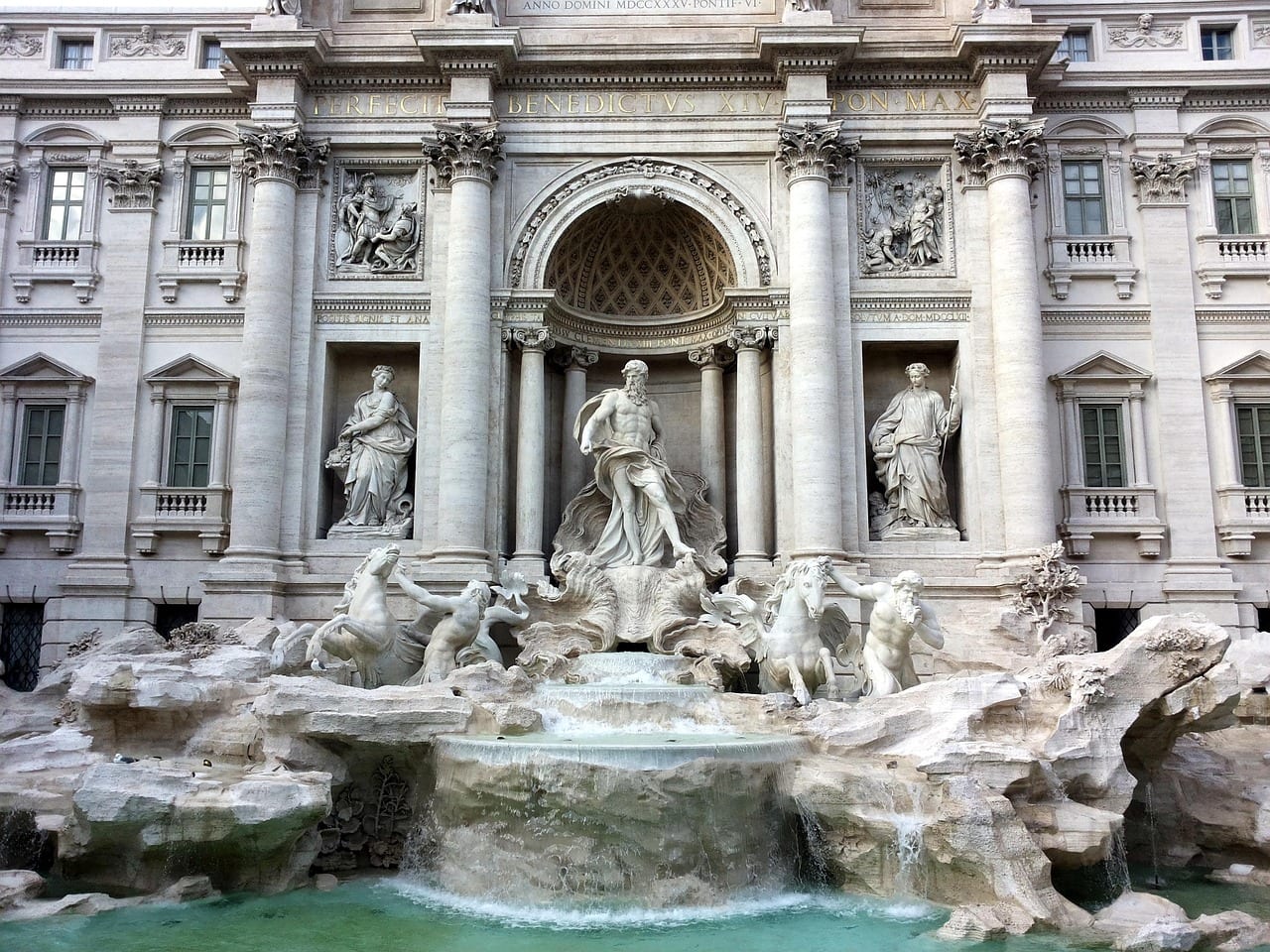
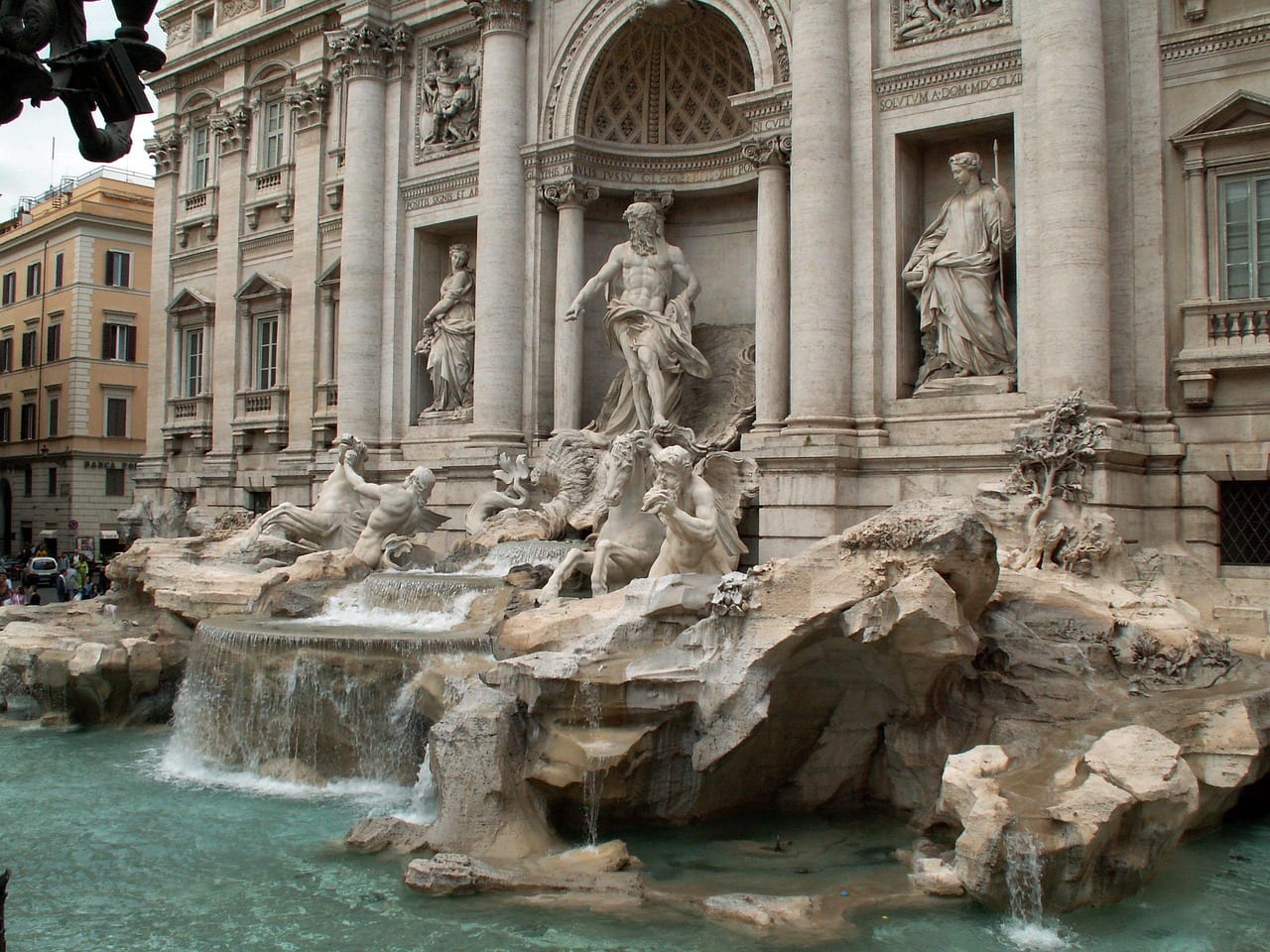
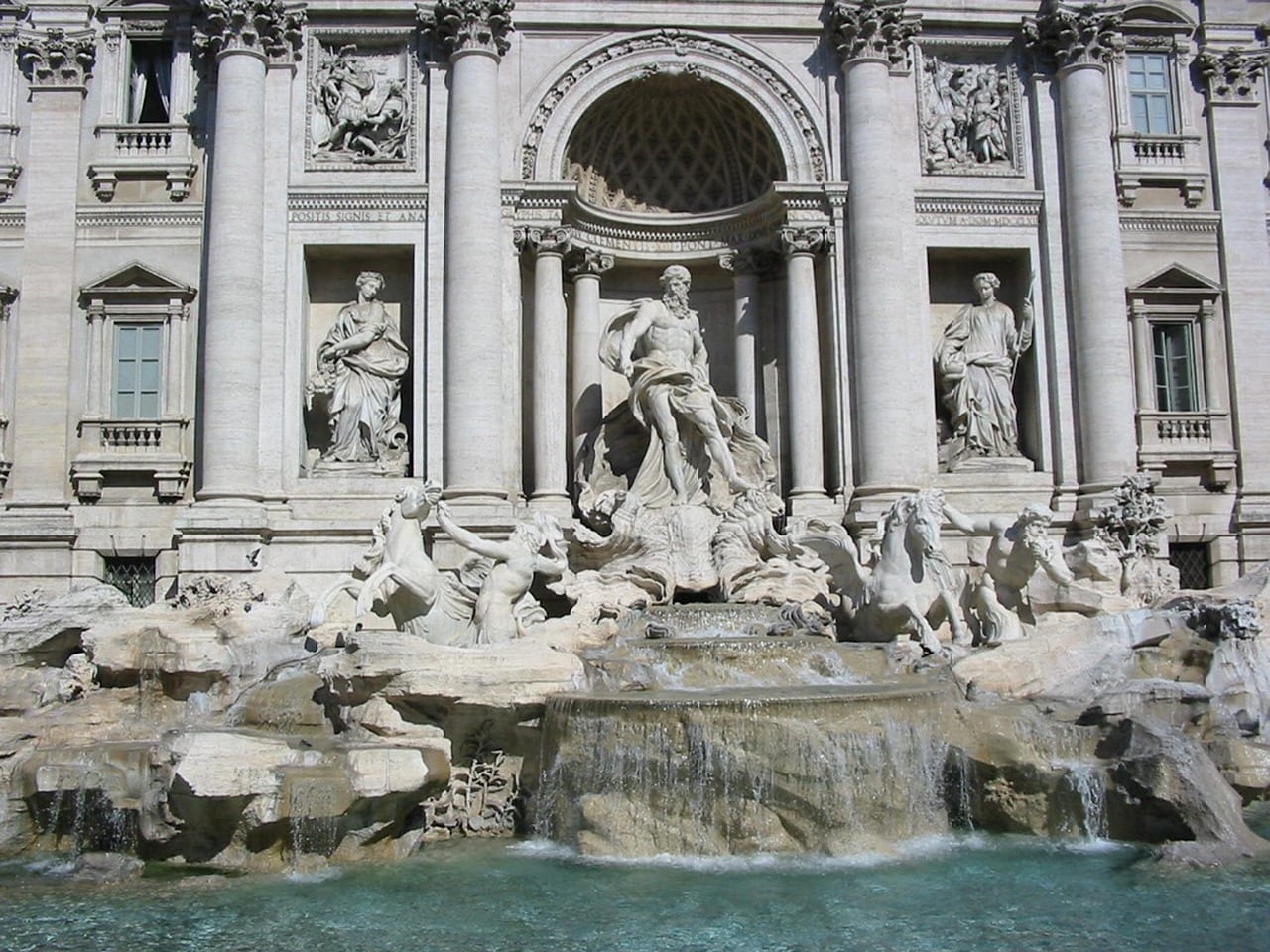
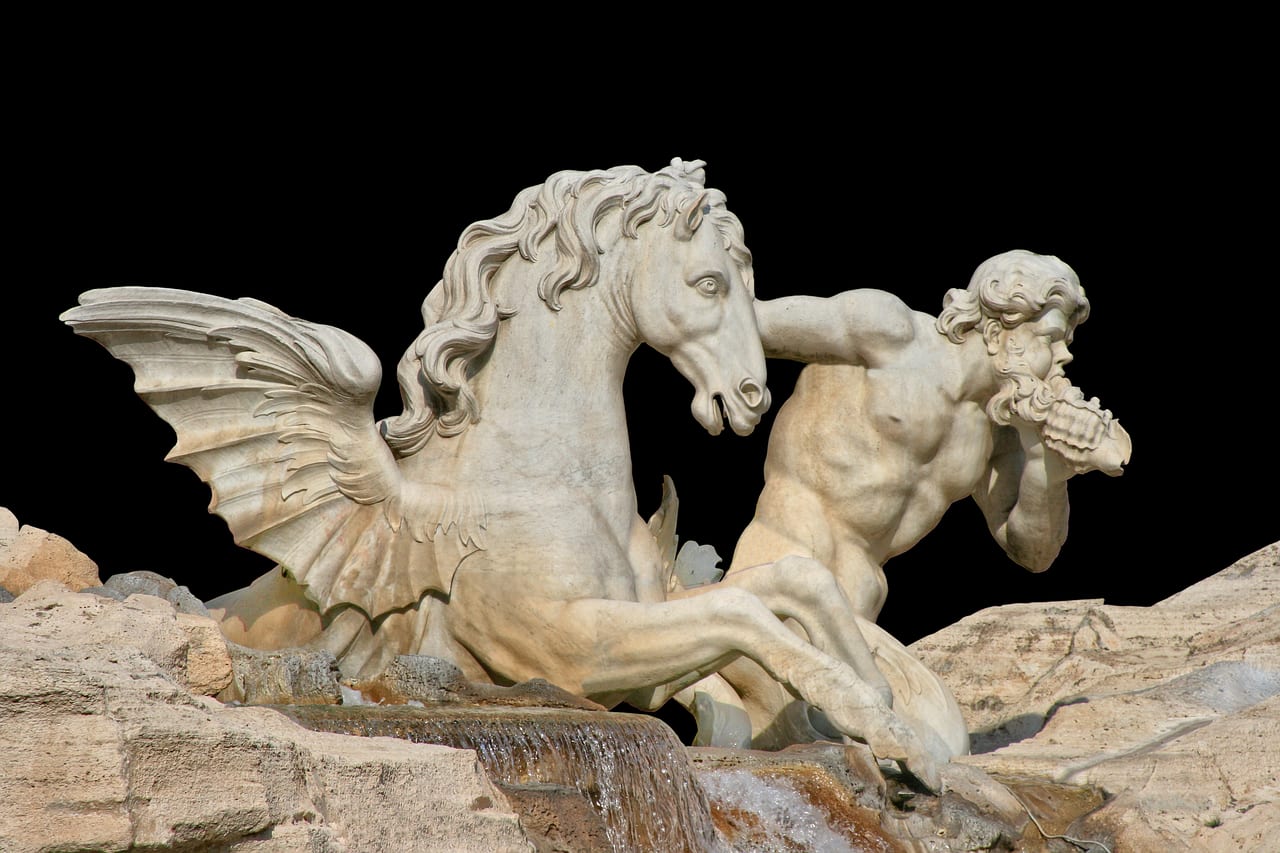
Photograph 1 of 30 of Four Rivers Fountain
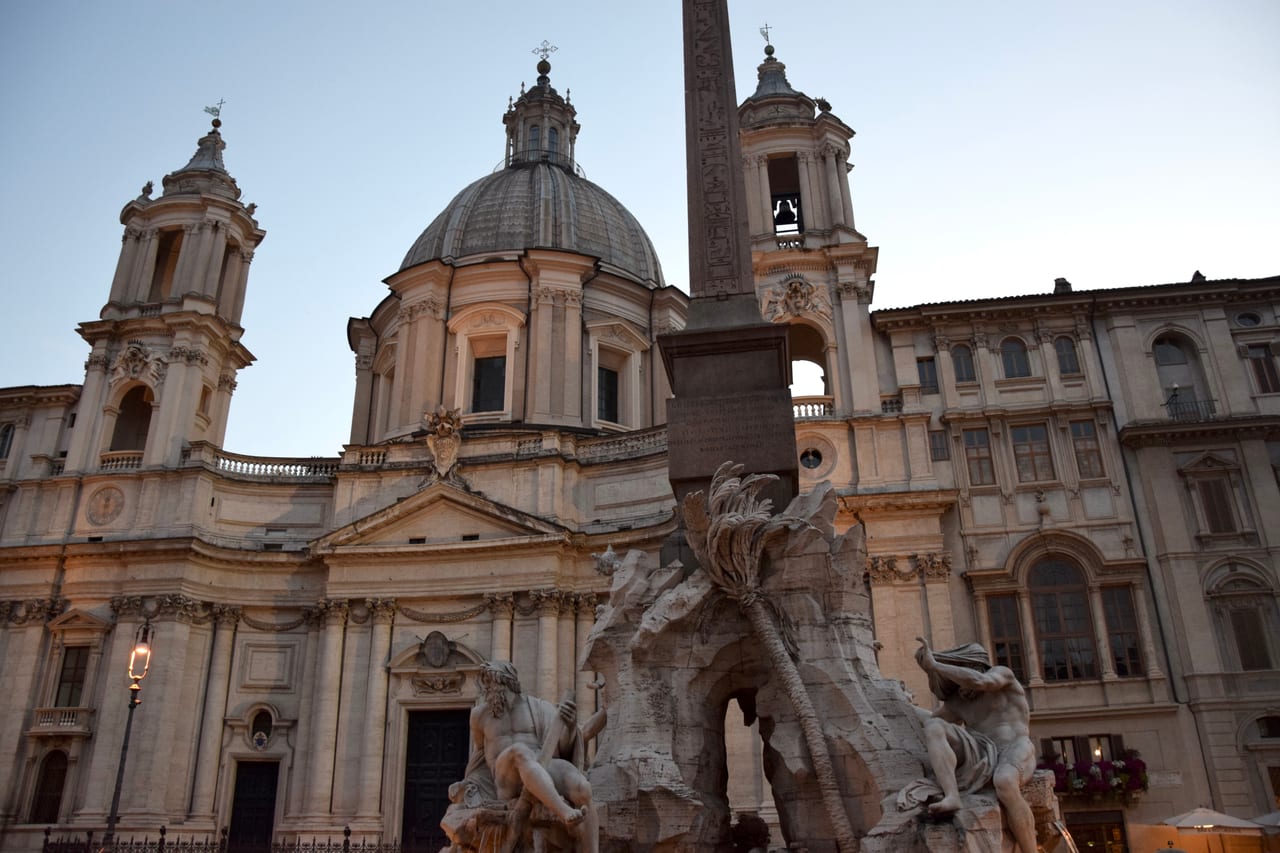
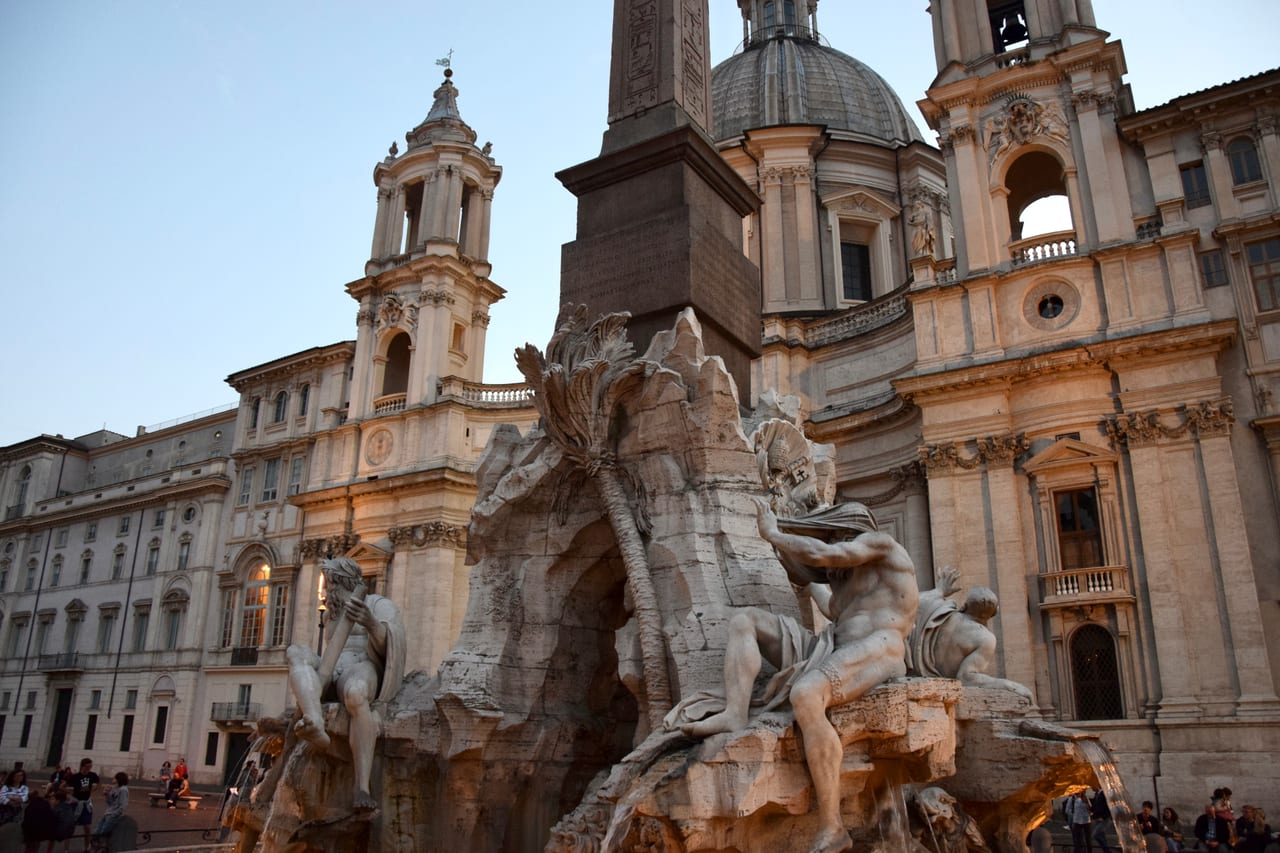
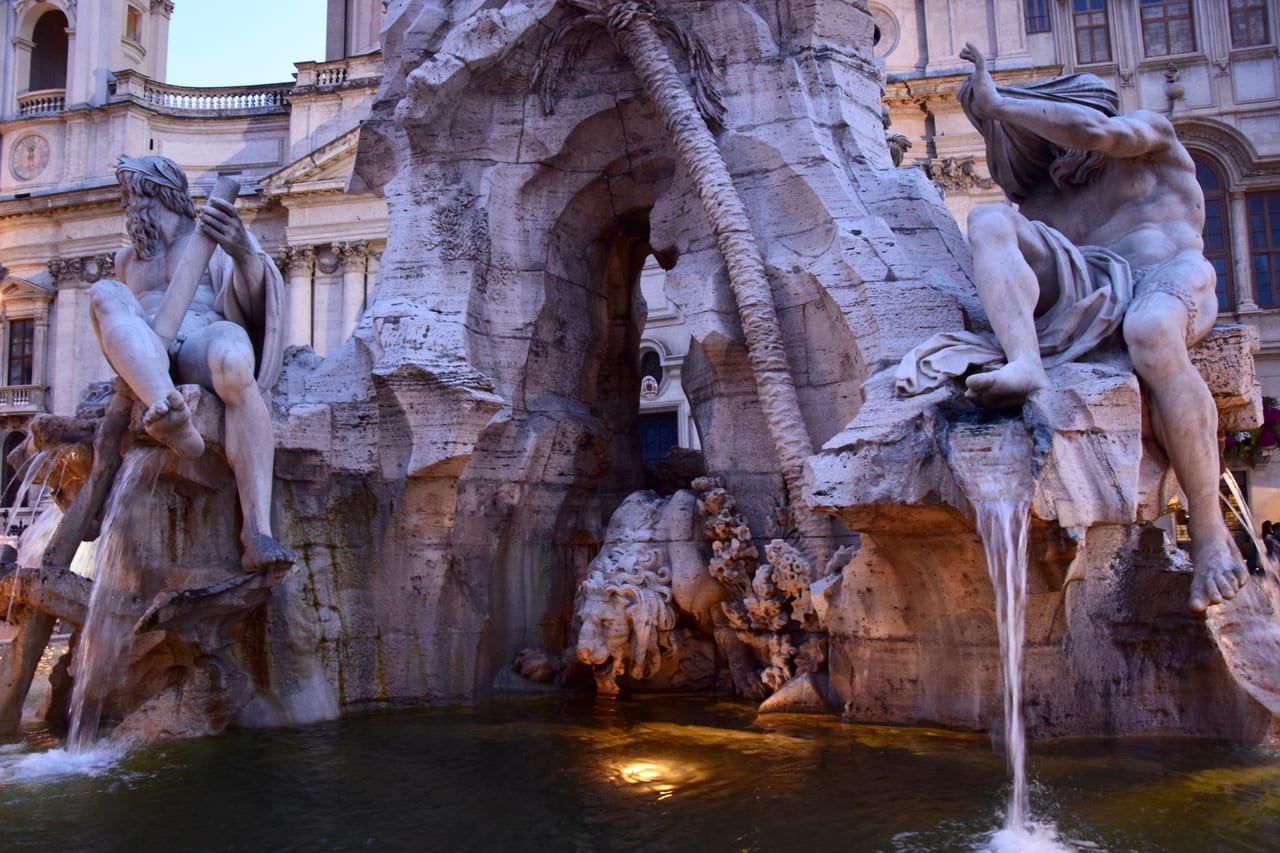
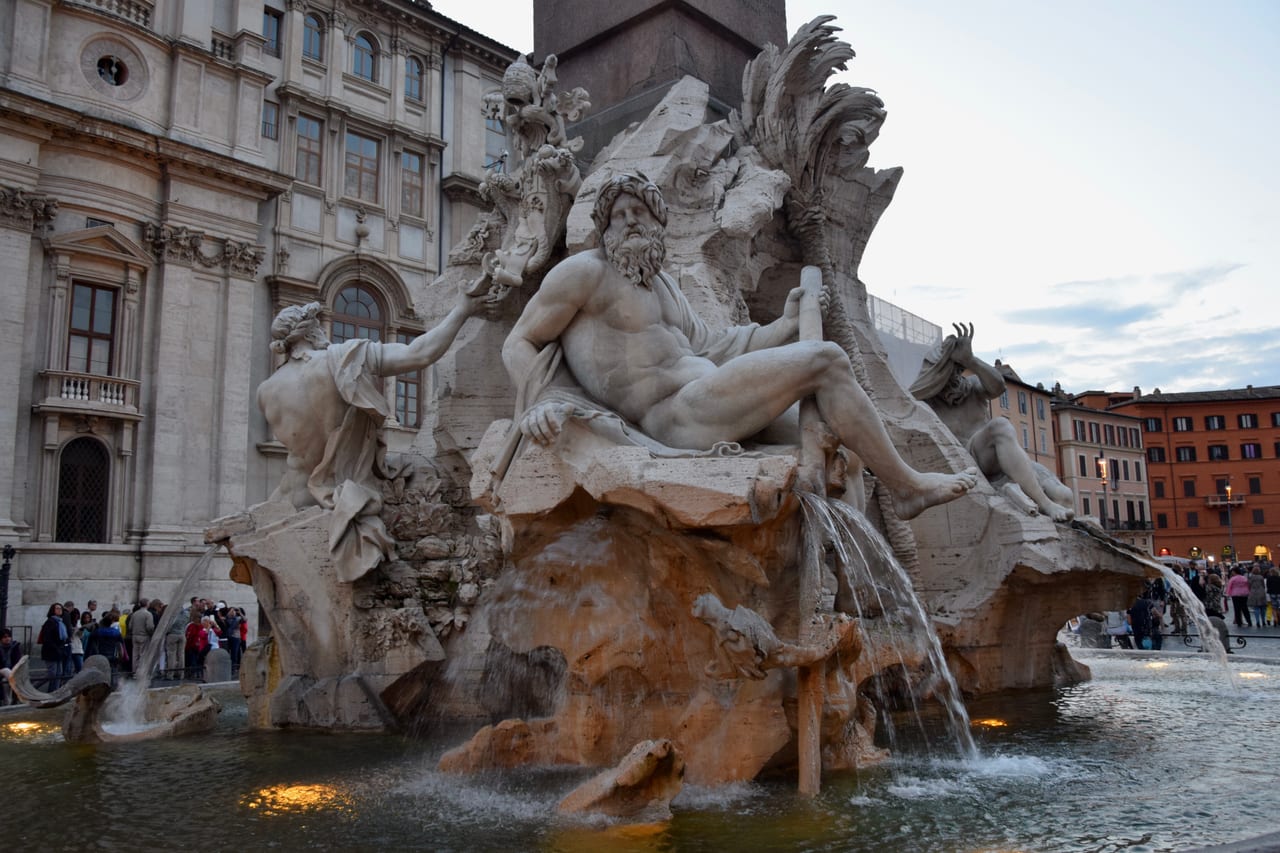
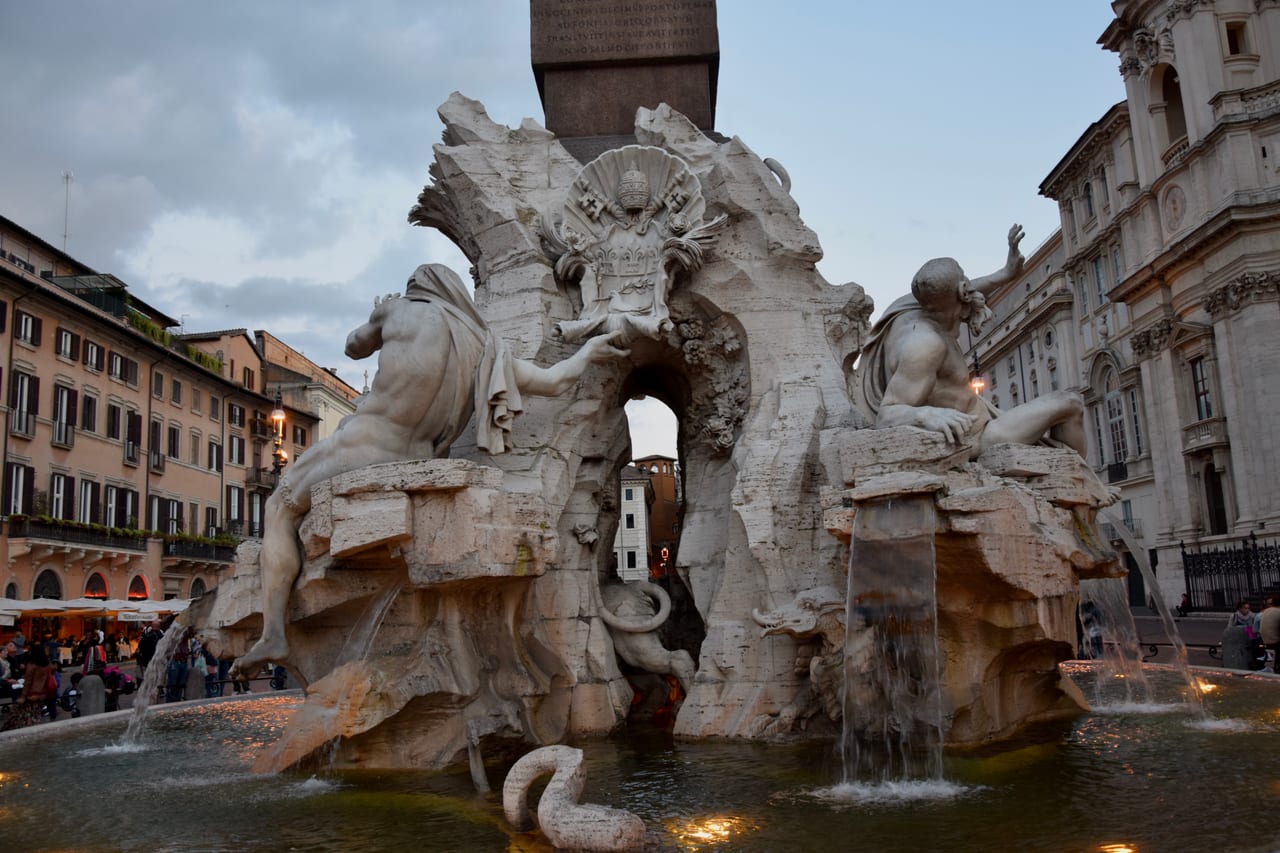
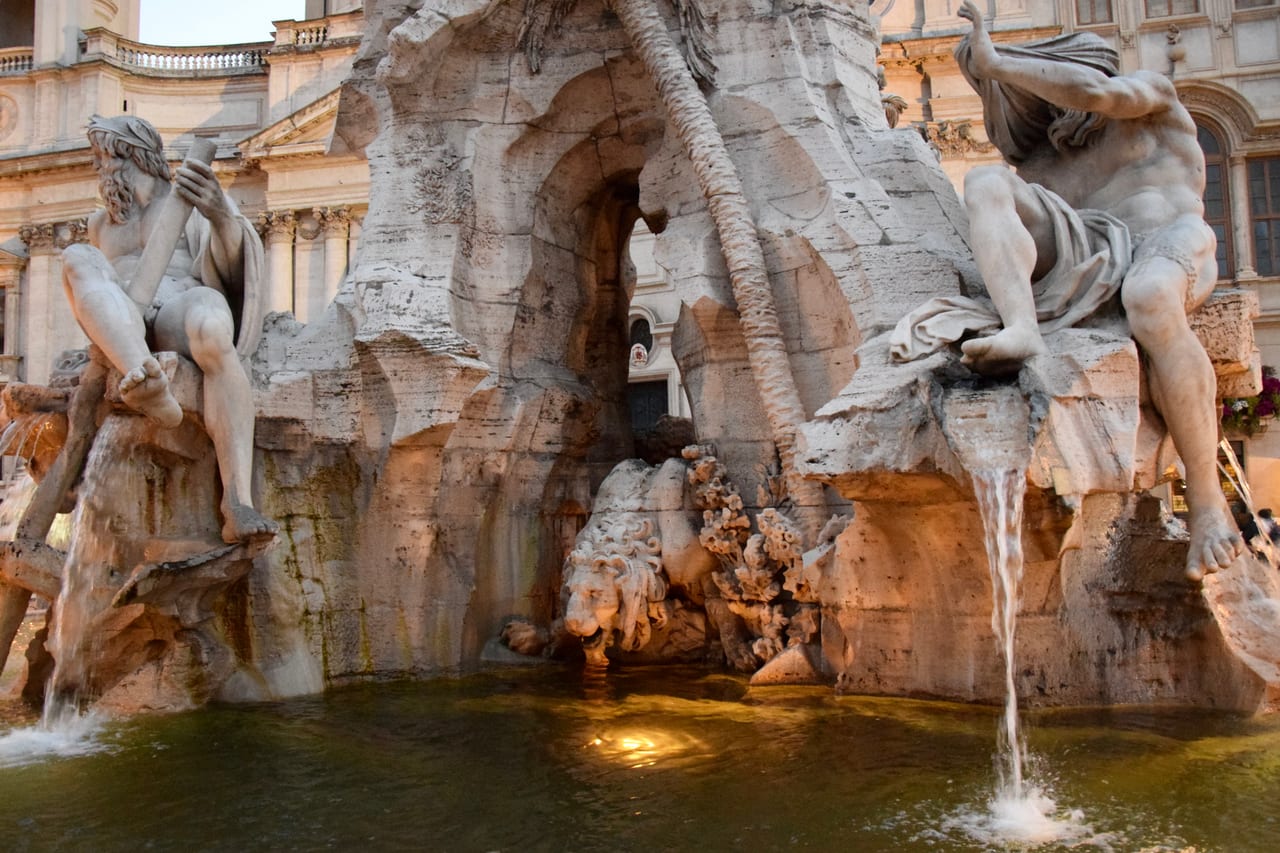
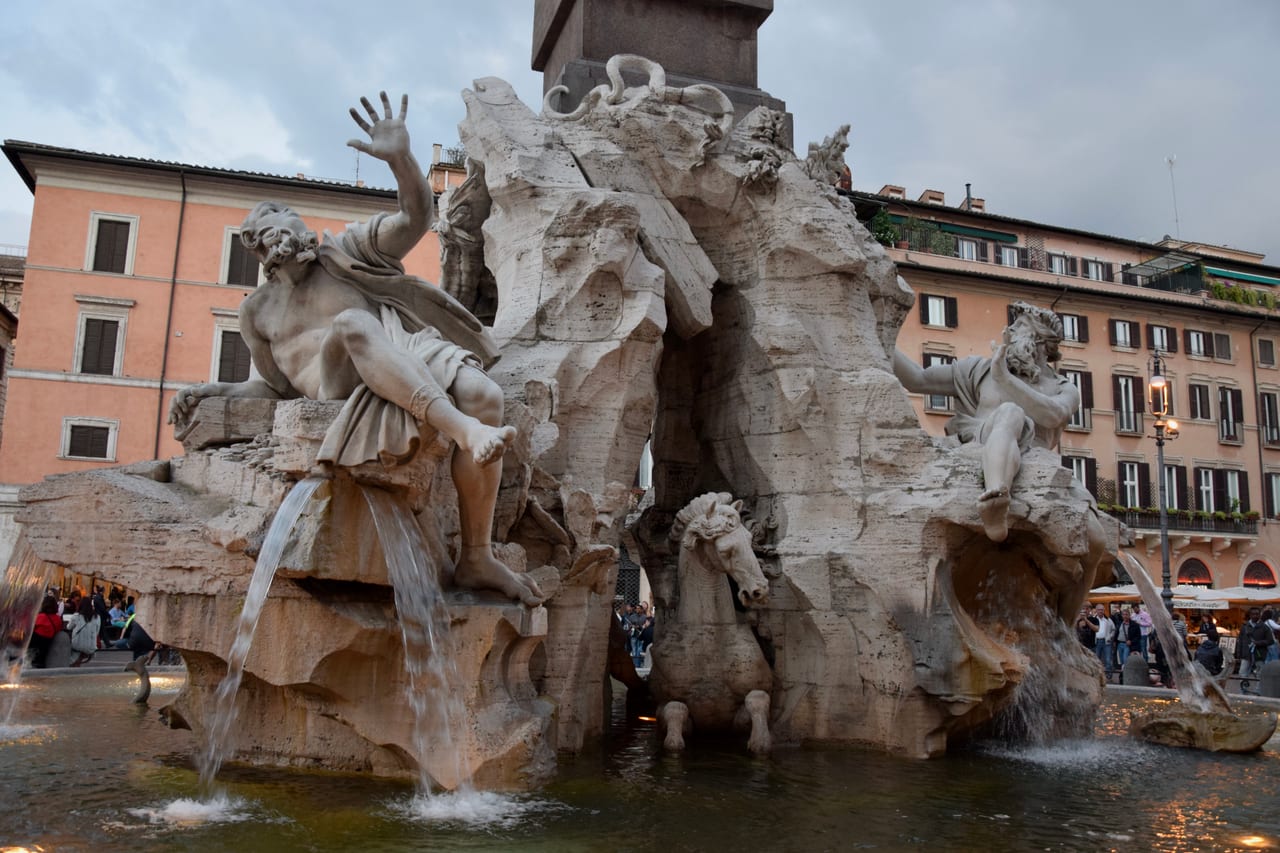
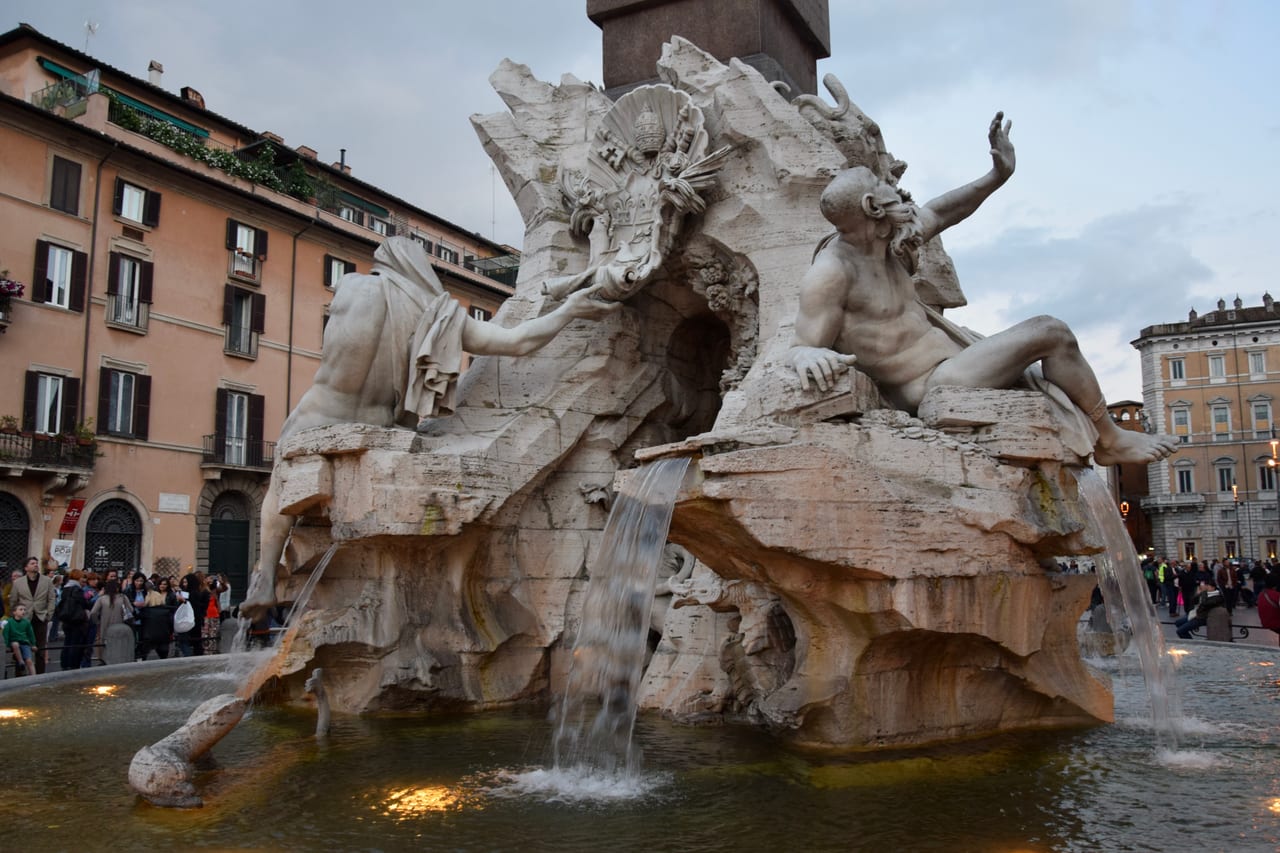
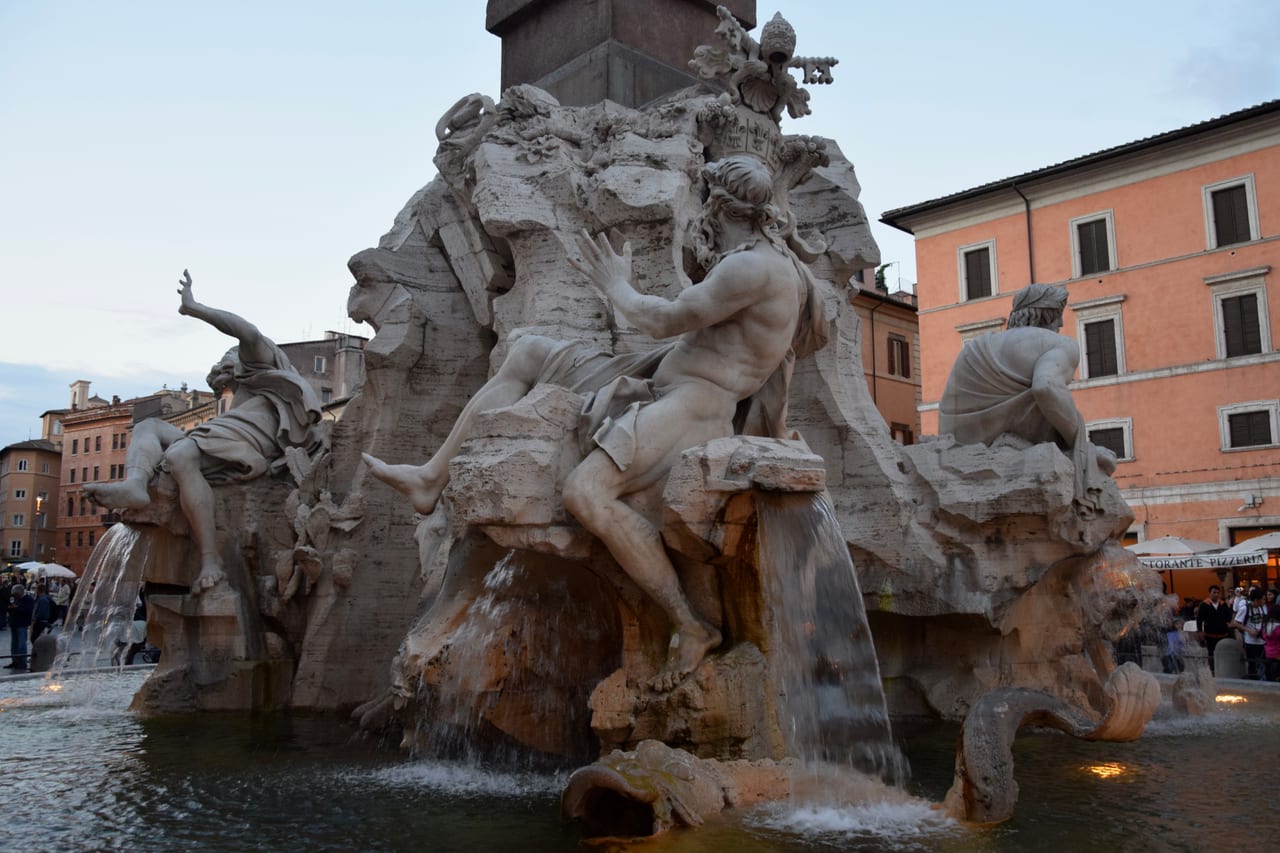
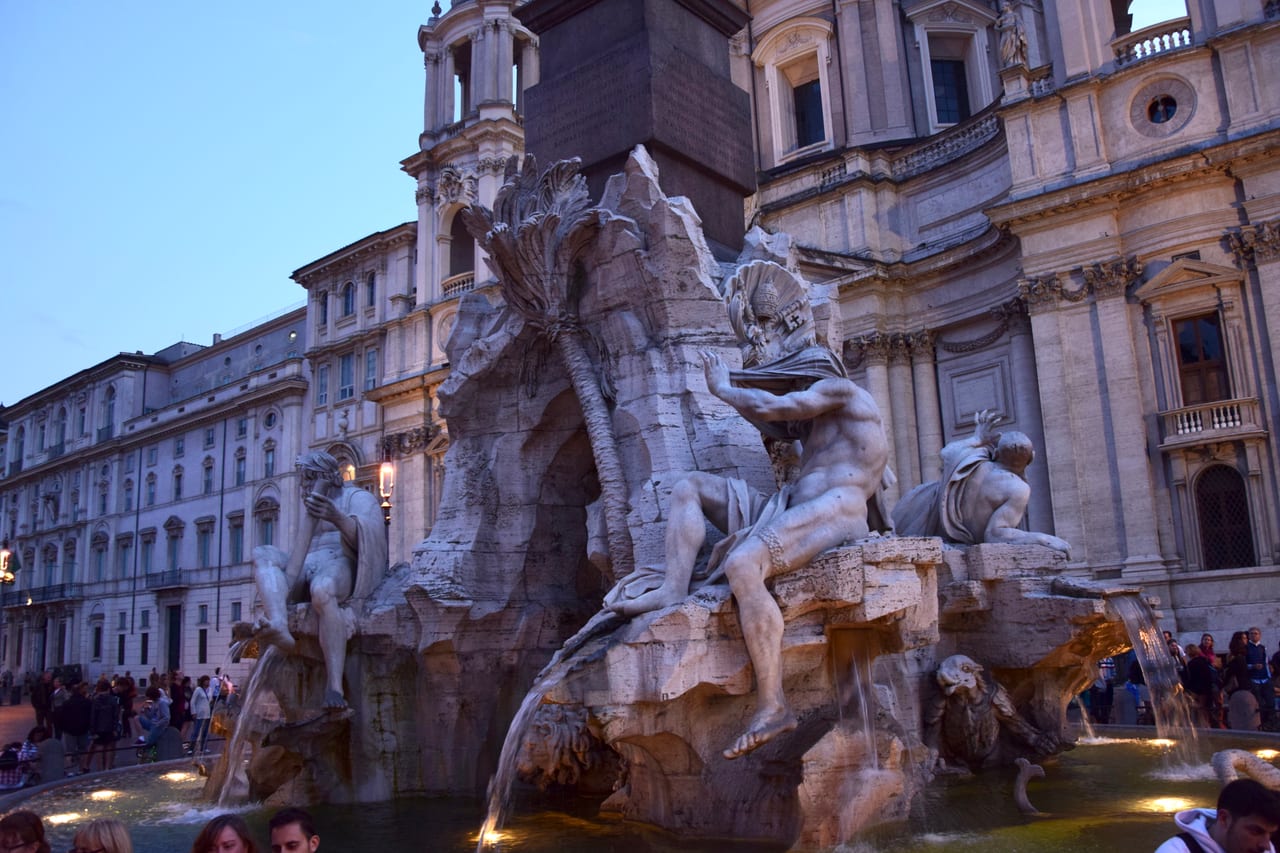
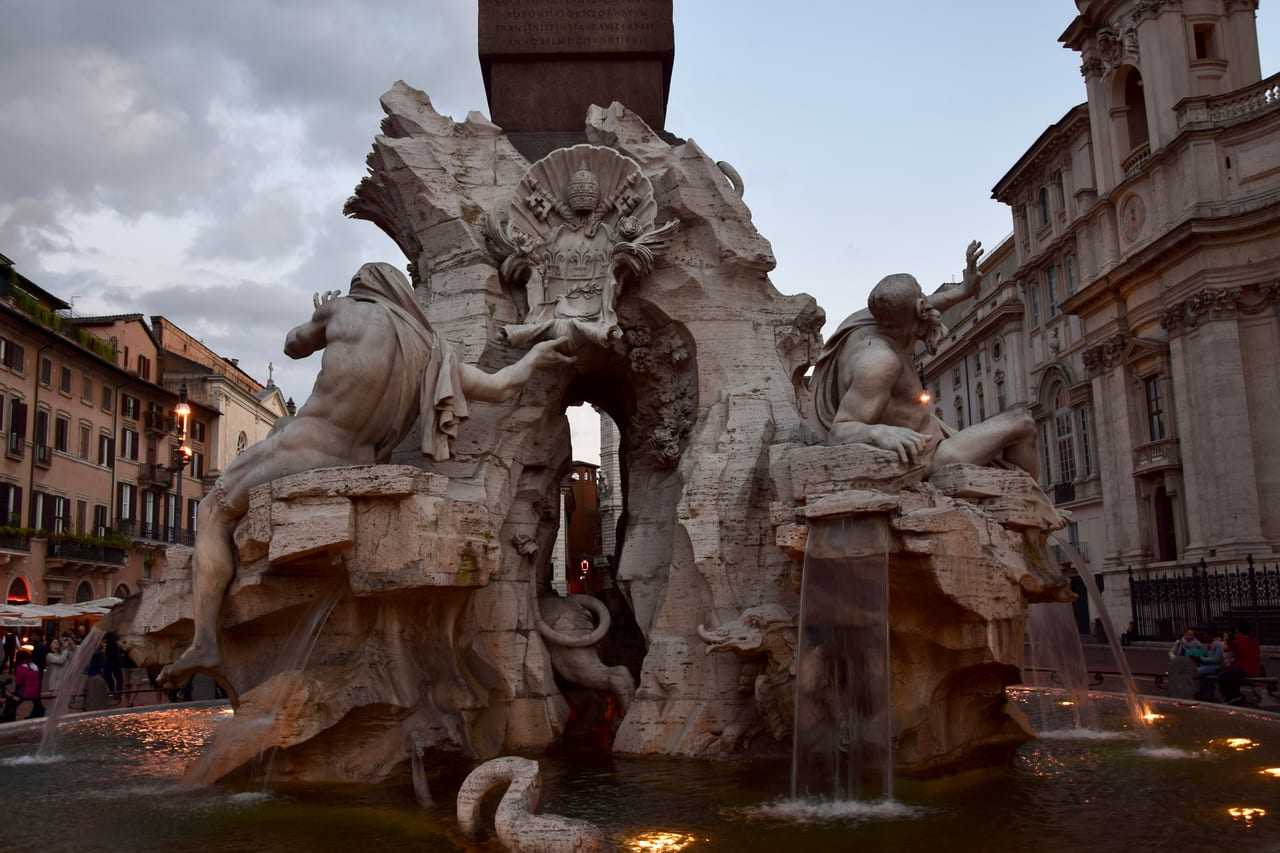
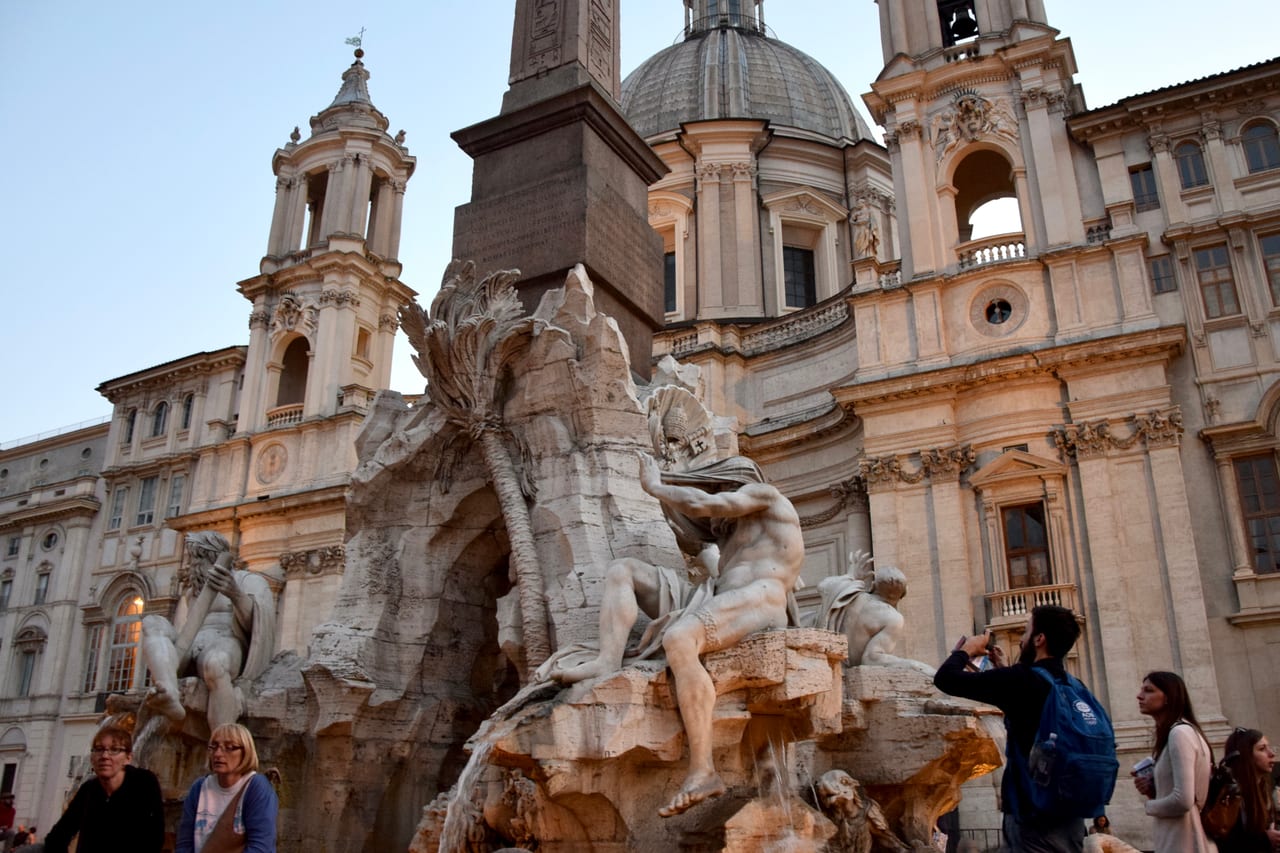
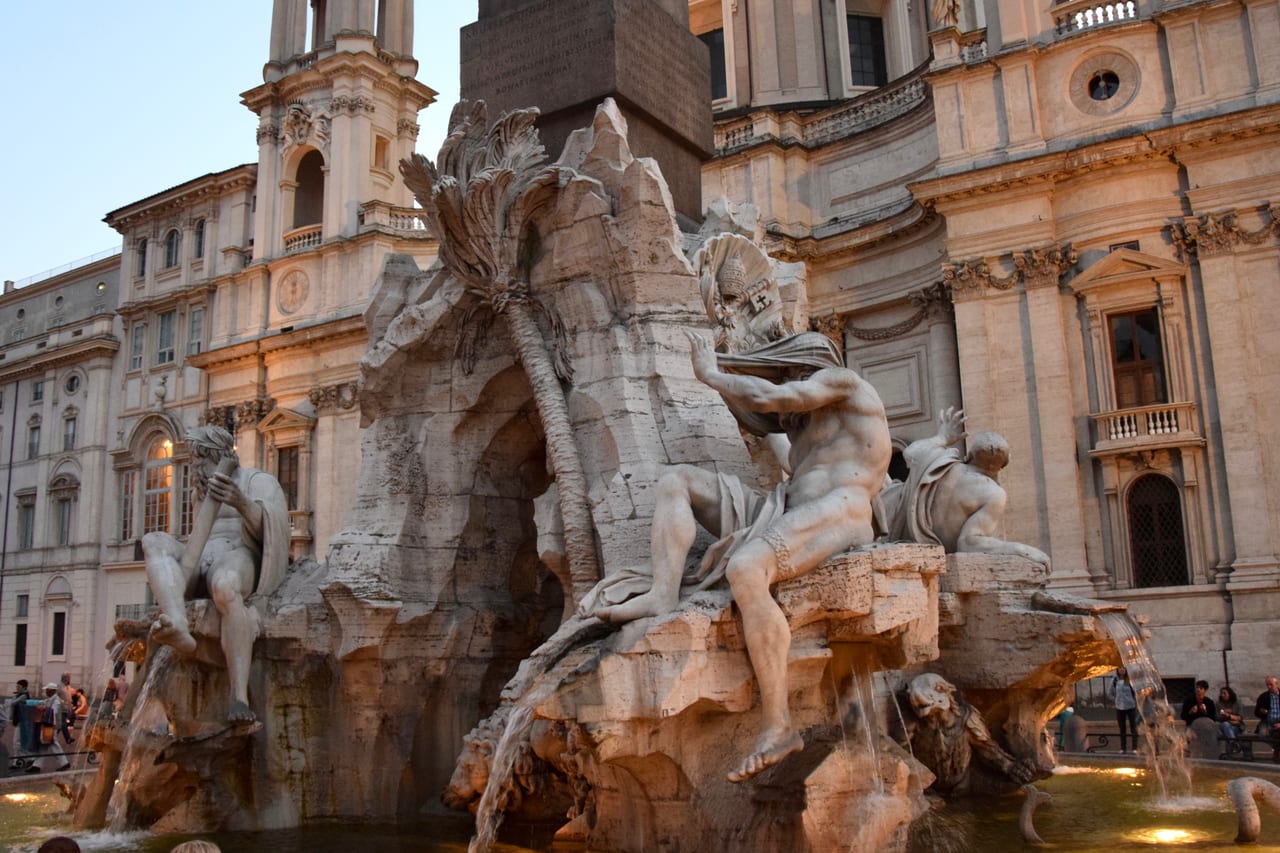
Pope Innocent X commissioned the fountain while work proceeded on Palazzo Pamphilj. In 1647, Francesco Borromini was asked to bring Aqua Virgo water to Piazza Navona, and a competition was announced; Gian Lorenzo Bernini won after presenting Olimpia Maidalchini, the pope’s influential sister-in-law, with a silver model. The Baroque composition replaced a simple horse-trough with an elliptical basin, a travertine rocky landscape and the Agonal obelisk, a Domitianic imitation recovered from the Circus of Maxentius. Oversized marble river gods personify the Danube, Ganges, Nile and Rio de la Plata, each with symbolic attributes: a raised hand toward the Pamphili arms, a veiled face, silver coins and a navigational oar. Animals, plants and water animate the scene, while original painted and gilded details intensified its theatrical effect. A 1997 act of vandalism damaged a dragon’s tail; conservation followed, including repairs in 2021. It is protected as Italian national heritage.
At a glance
- Built
- 1640
- Architect
- Gian Lorenzo Bernini
- Style
- baroque architecture
- Heritage
- Italian national heritage
Ways to explore Four Rivers Fountain
Circle the basin rather than viewing it from one position: shifting sightlines reveal animals emerging from the rock, including the horse, lion, crocodile or armadillo, dragon and snakes. Look for the bronze dove above, the Pamphili dolphins, the African palm and the small creatures that swallow water in the basin. Notice how the water issues from several rock openings instead of forming a single central jet, and inspect the contrasting gestures of the four river figures.
Places to stay near Four Rivers Fountain

Live availability and prices from Stay22's partners, refreshed periodically and subject to change. Booking through these links may earn us a commission at no extra cost to you. See our privacy policy.
Cafés near Four Rivers Fountain
Cafés near Four Rivers Fountain loads as you scroll.
Attractions nearby
Attractions near Four Rivers Fountain loads as you scroll.
Cities nearby
Cities nearby loads as you scroll.
More in Rome
See more of Rome.
Find great cafés, places to stay and other interesting places to visit in Rome.