Ancient site · Rome
Forum Nervae
DirectionsBefore the imperial complex, its ground held a Republican food market destroyed in the fire of 64 and two cremation tombs dating from the ninth or eighth century BCE.
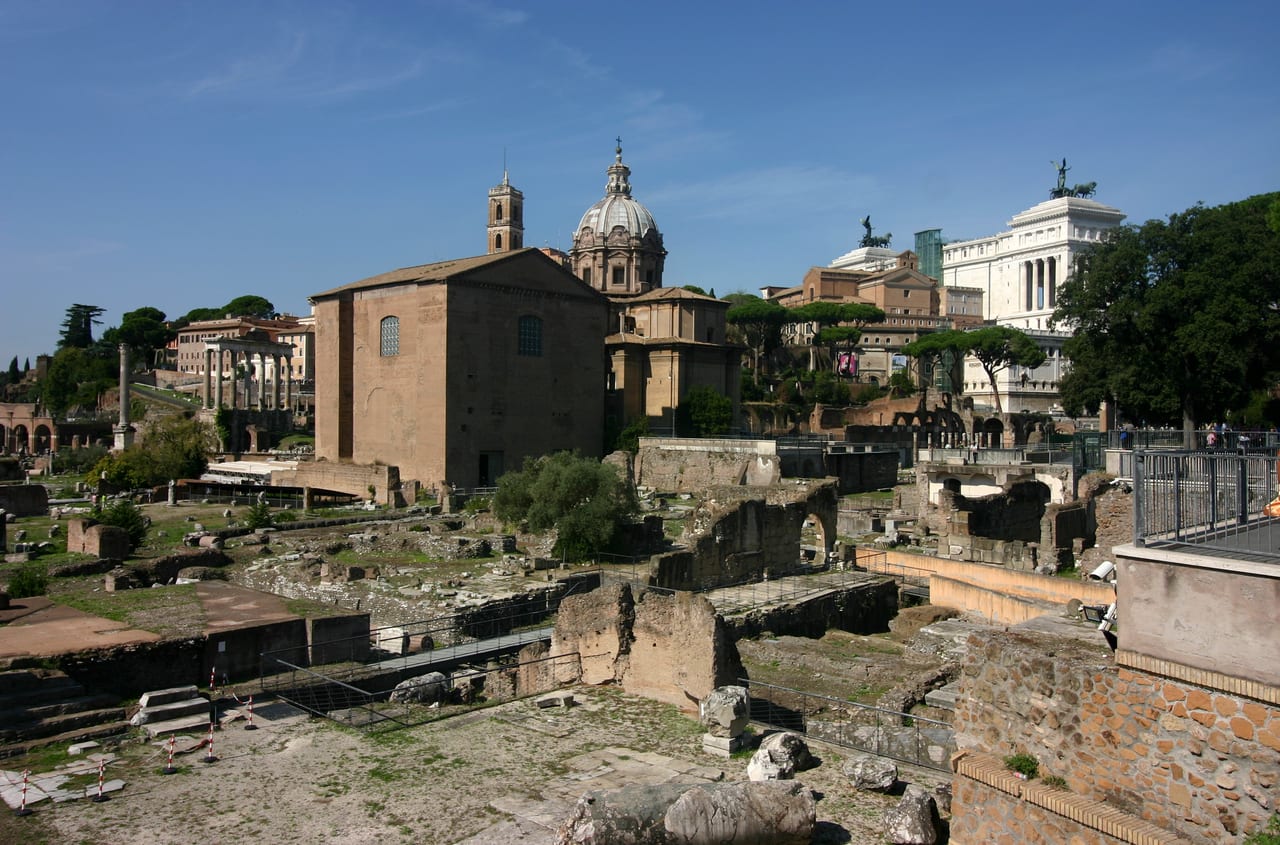
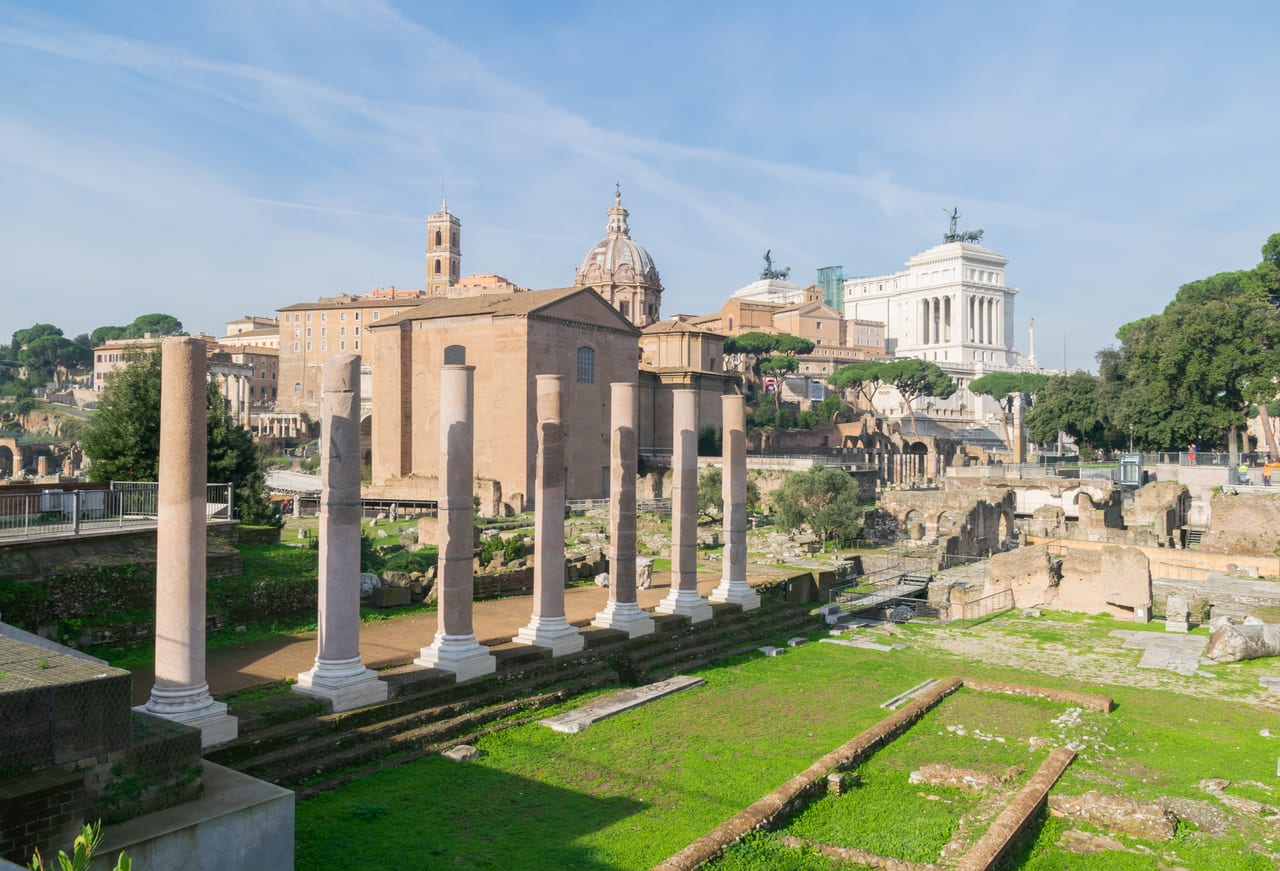
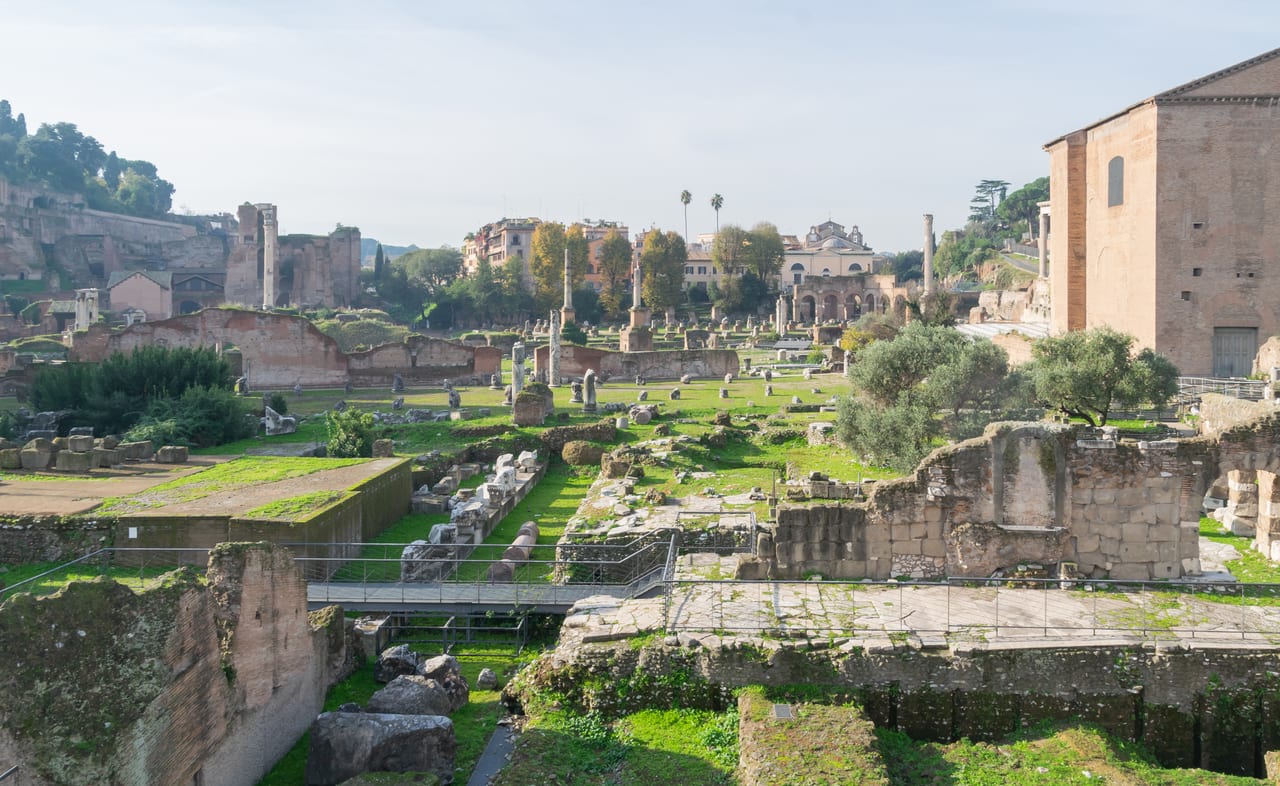
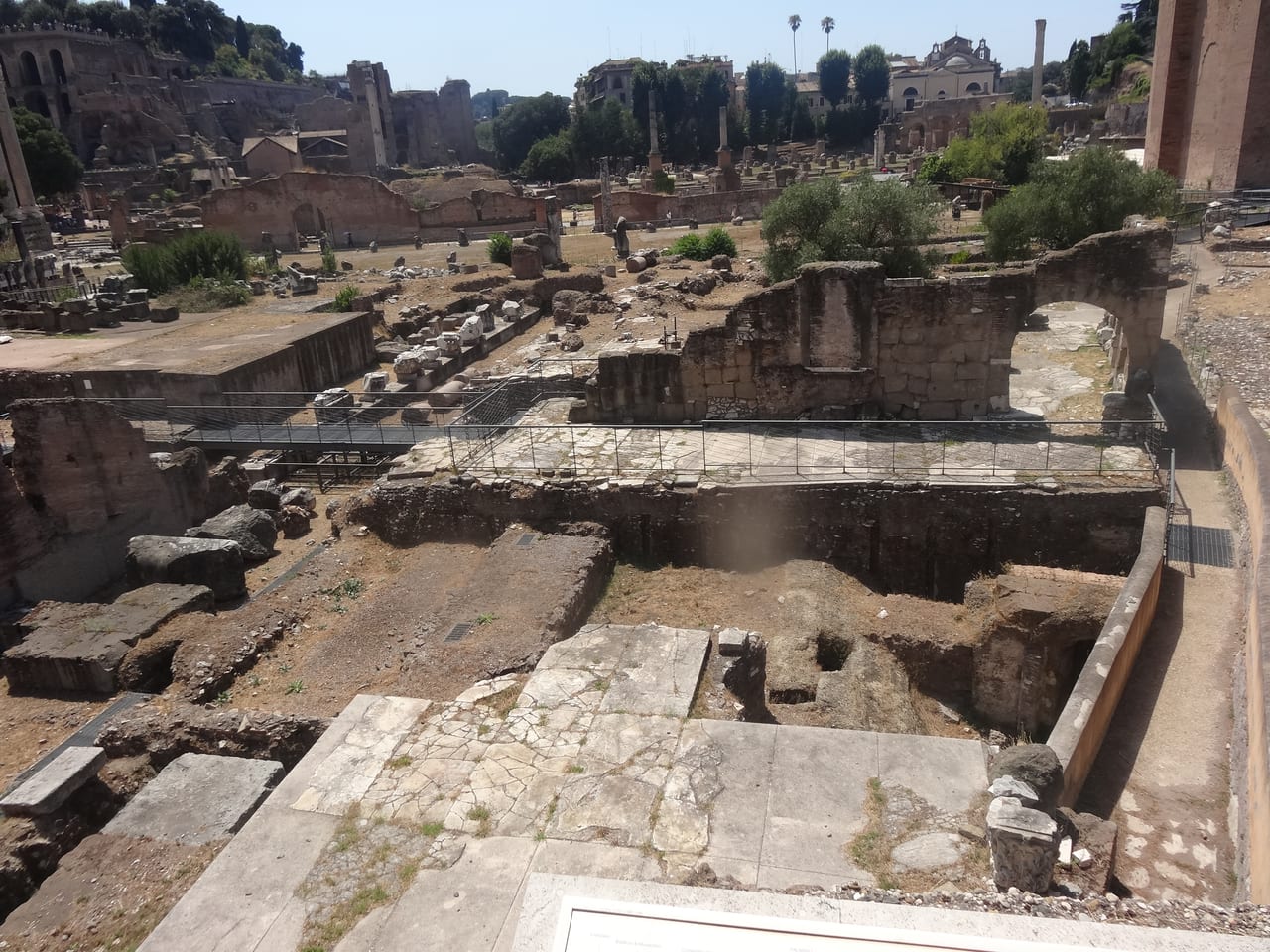
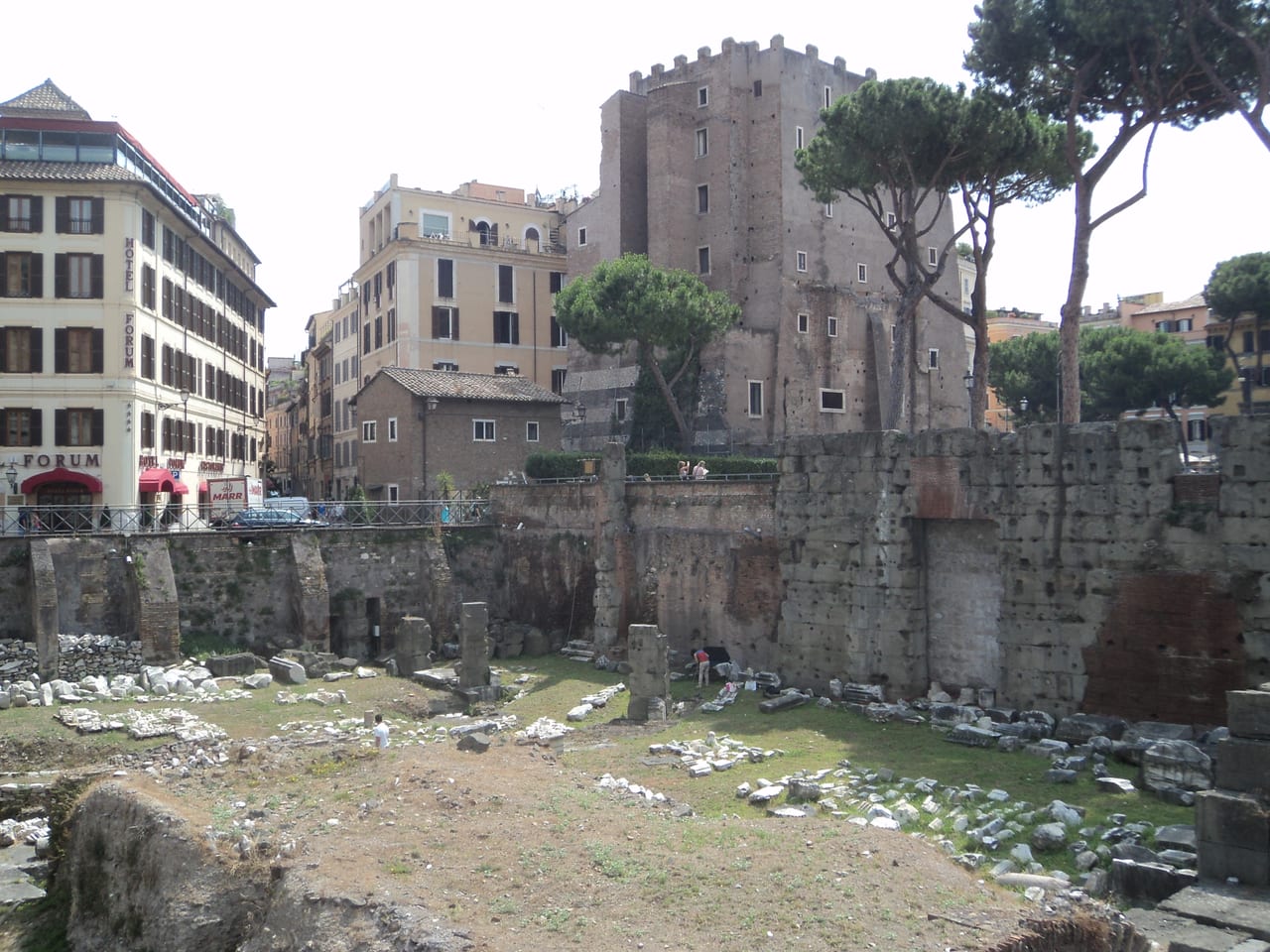
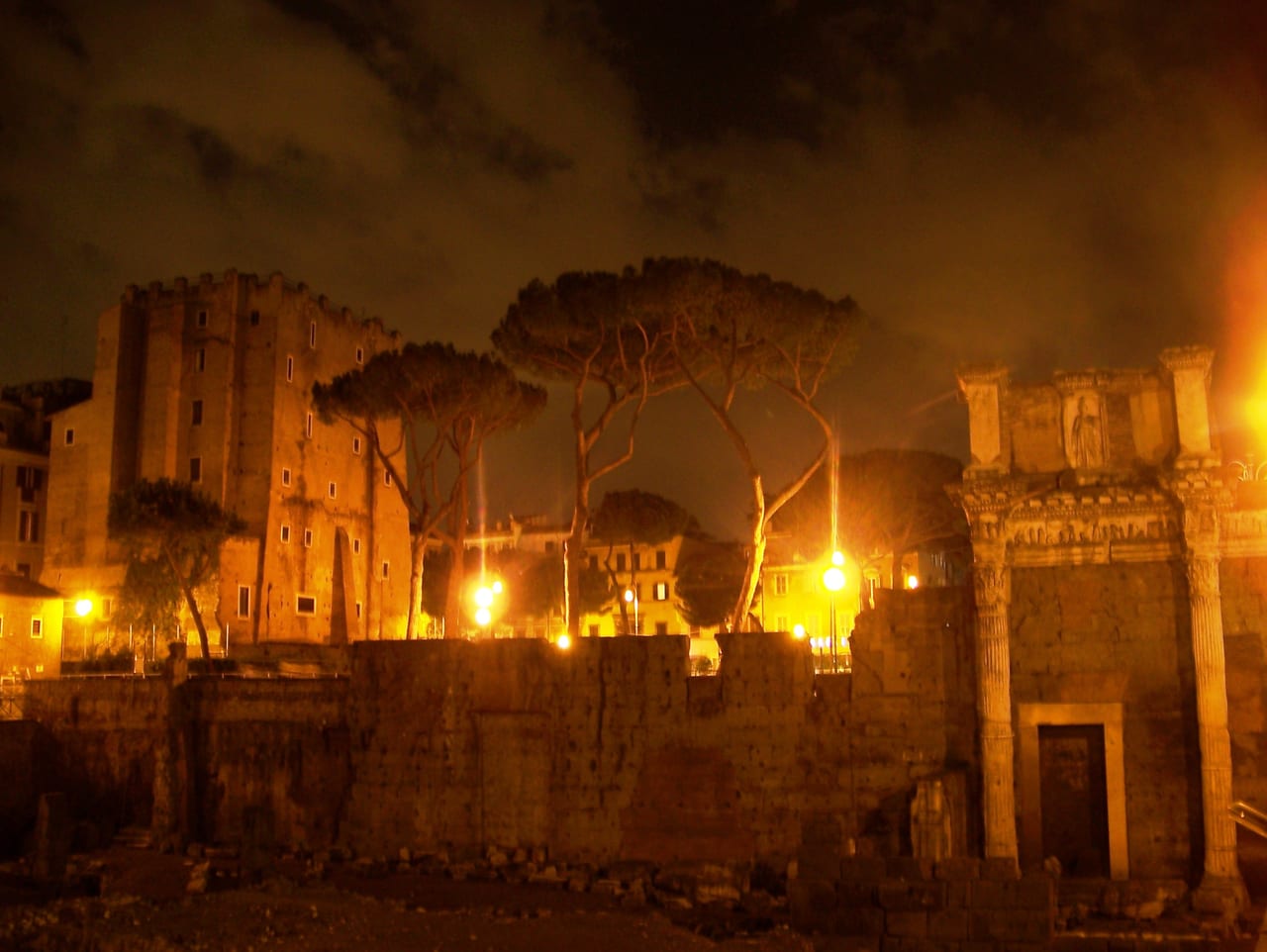
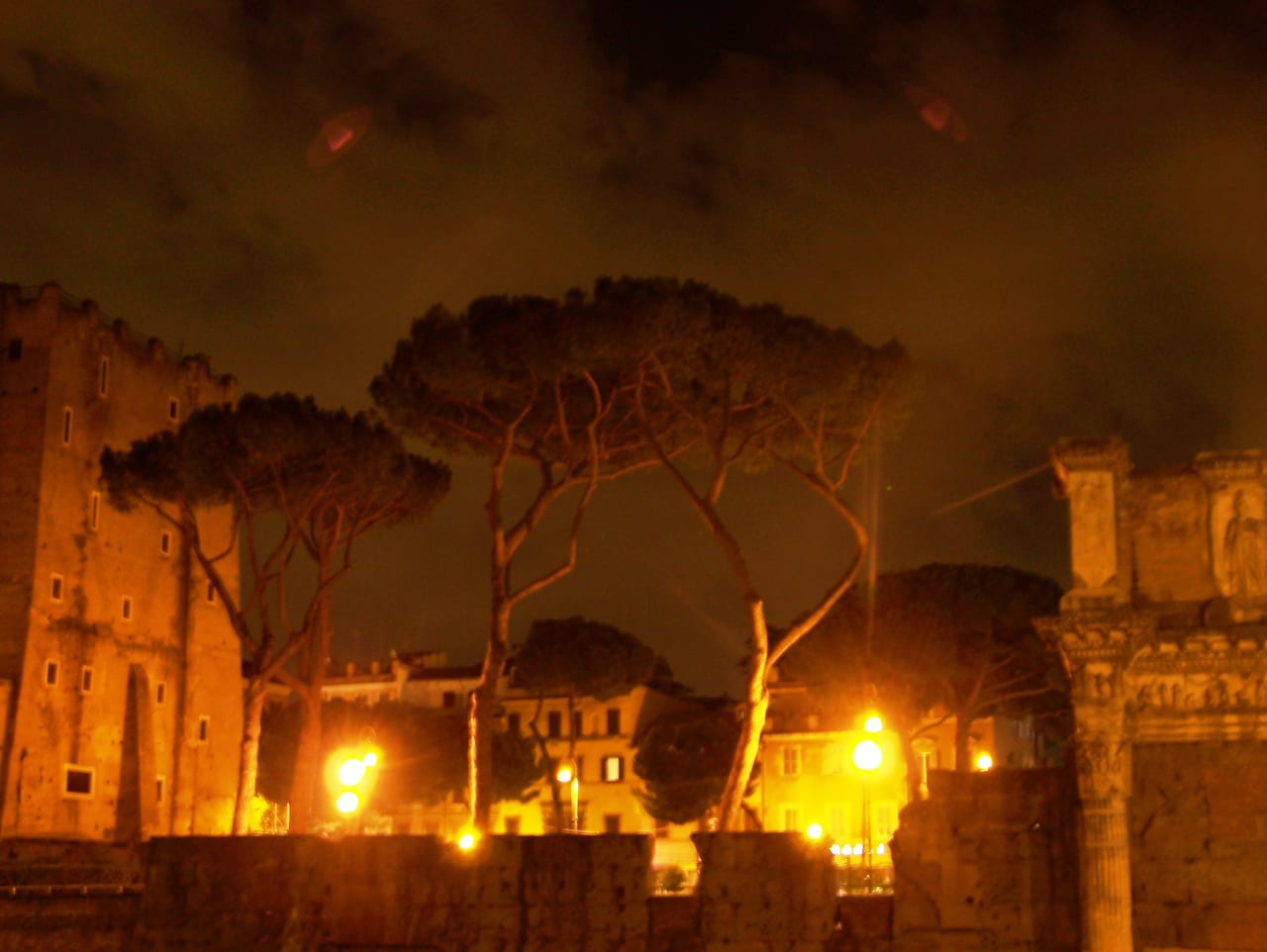
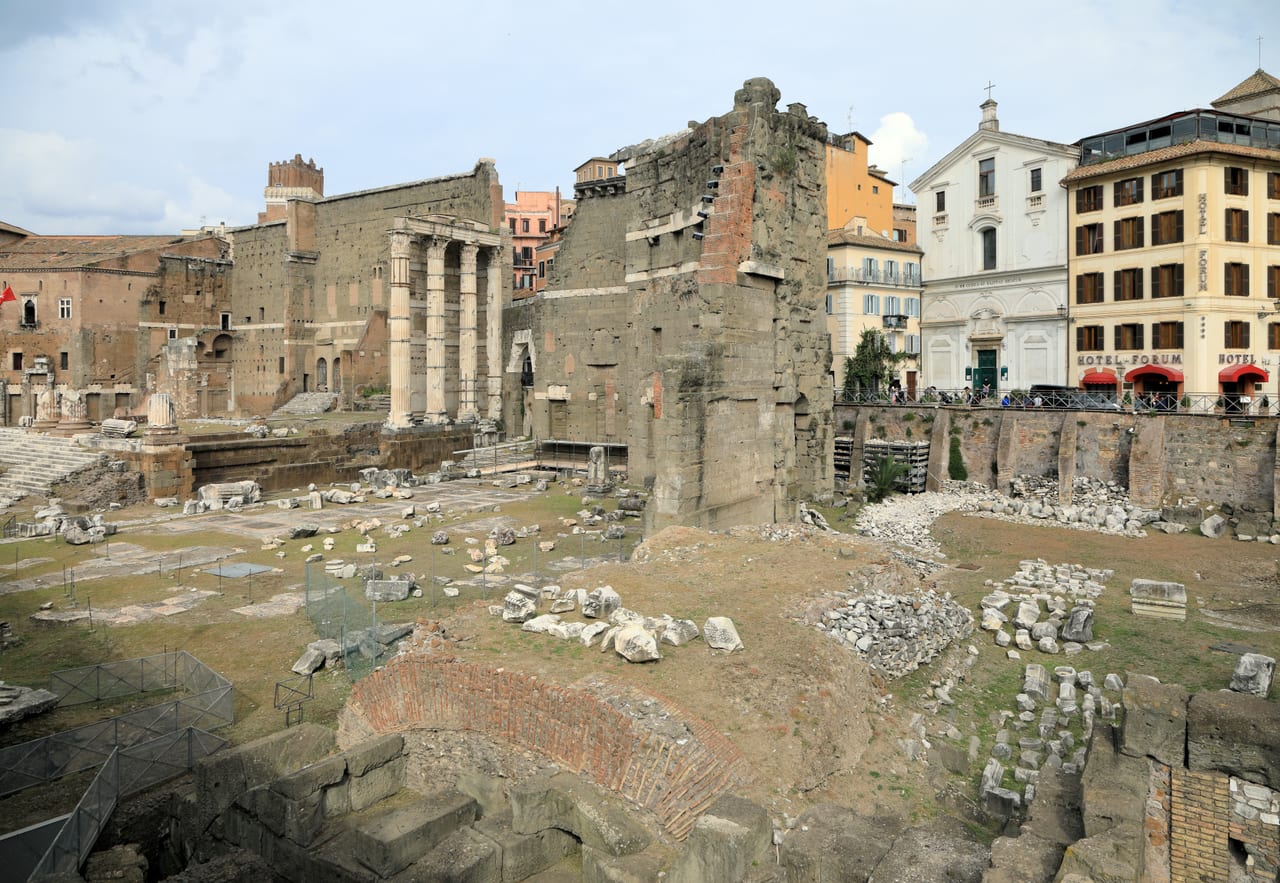
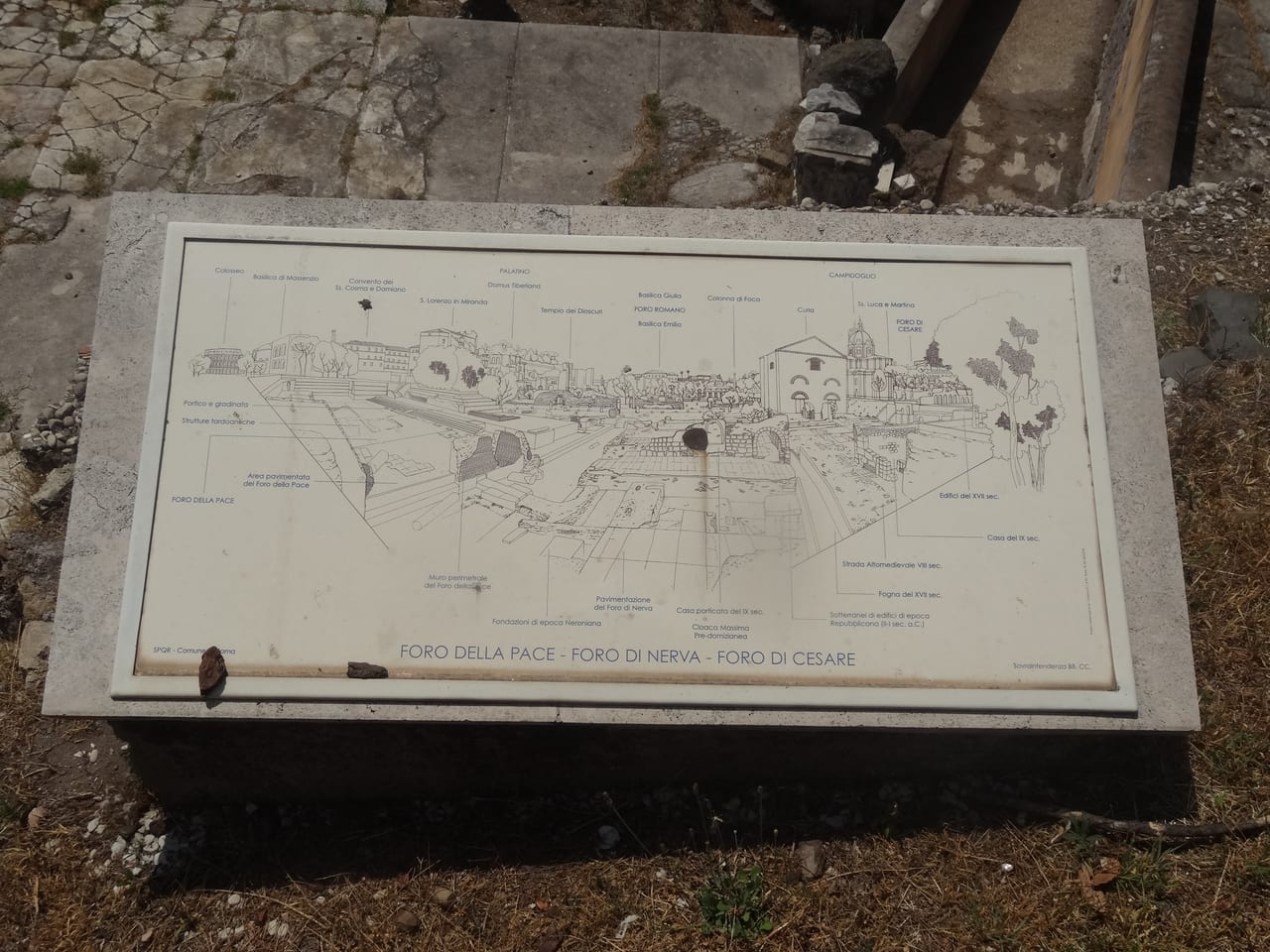
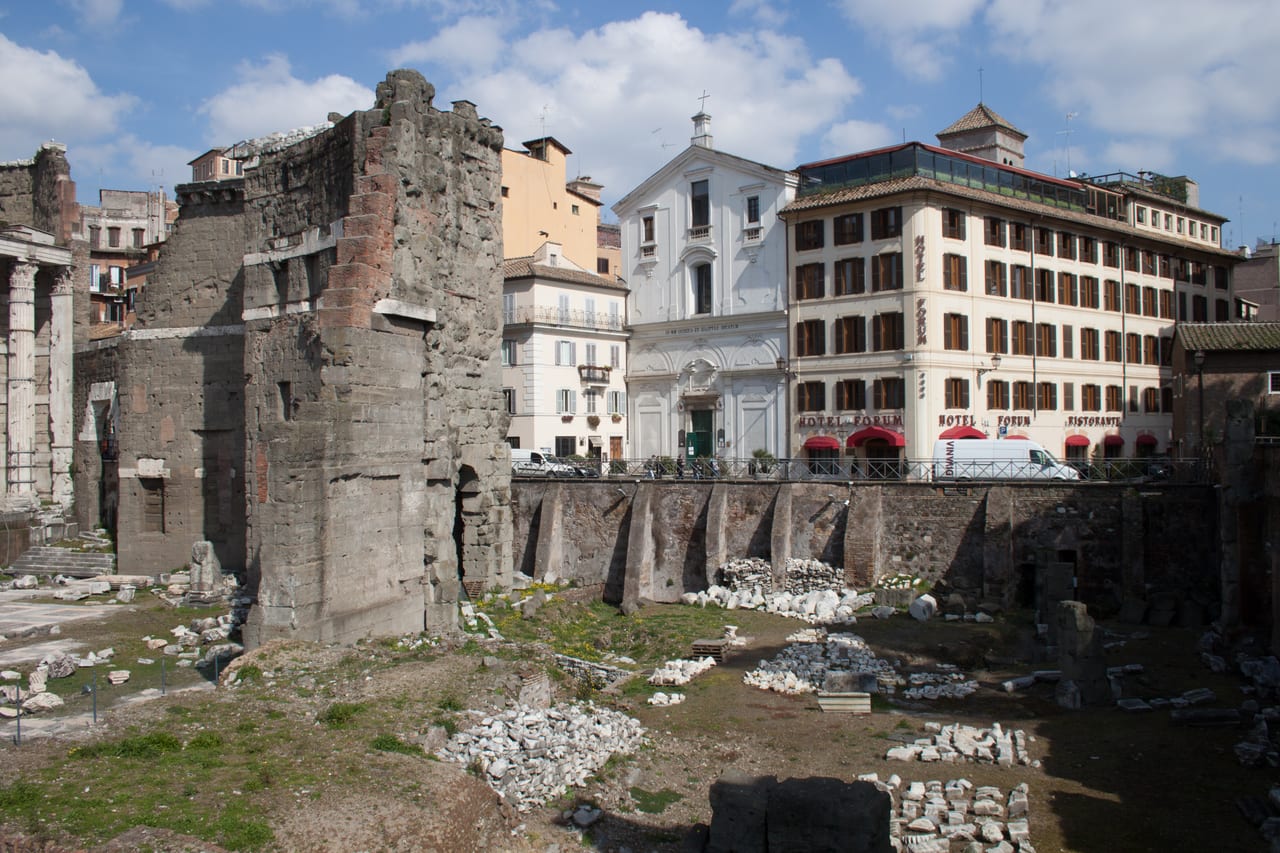
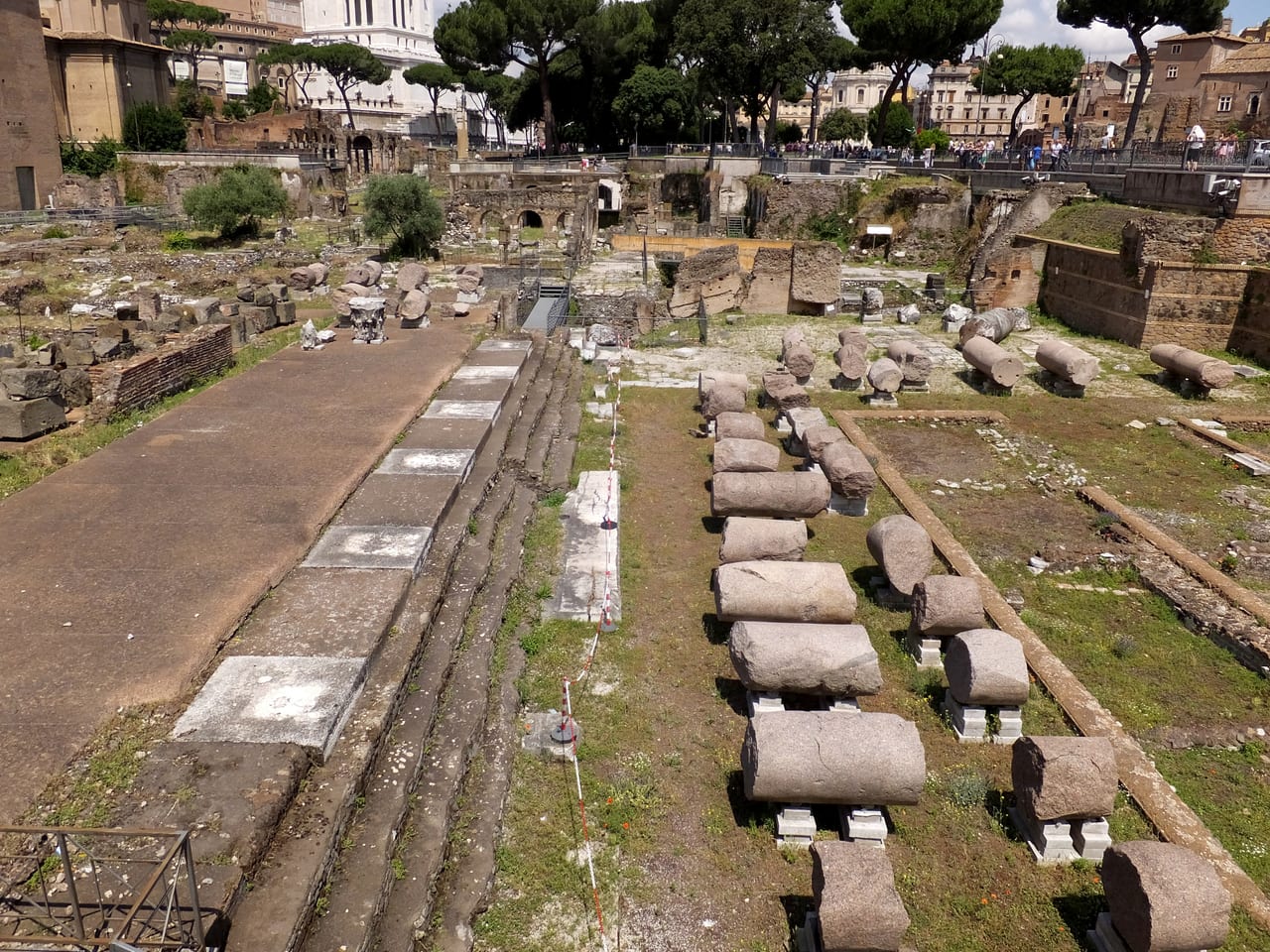
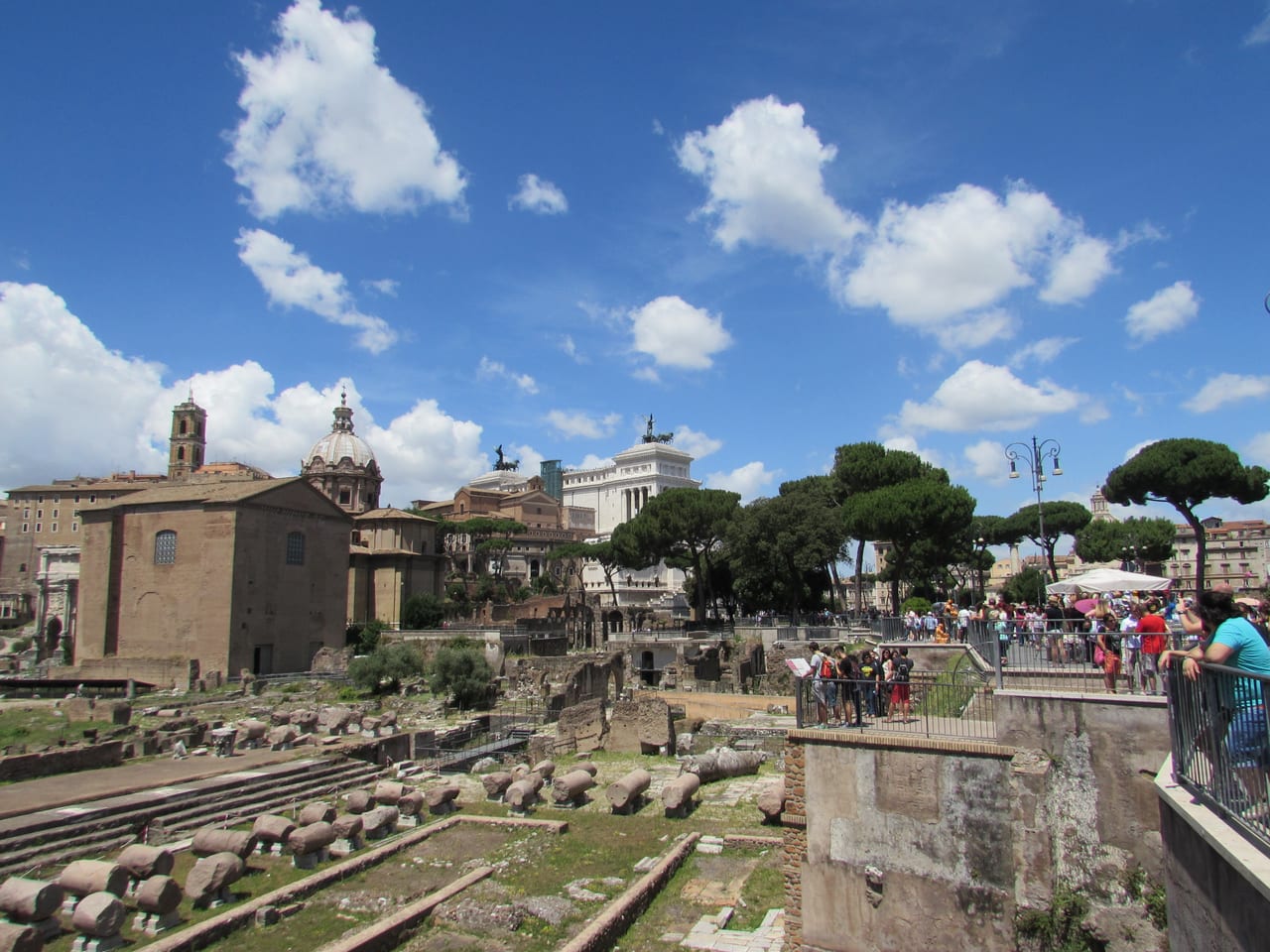
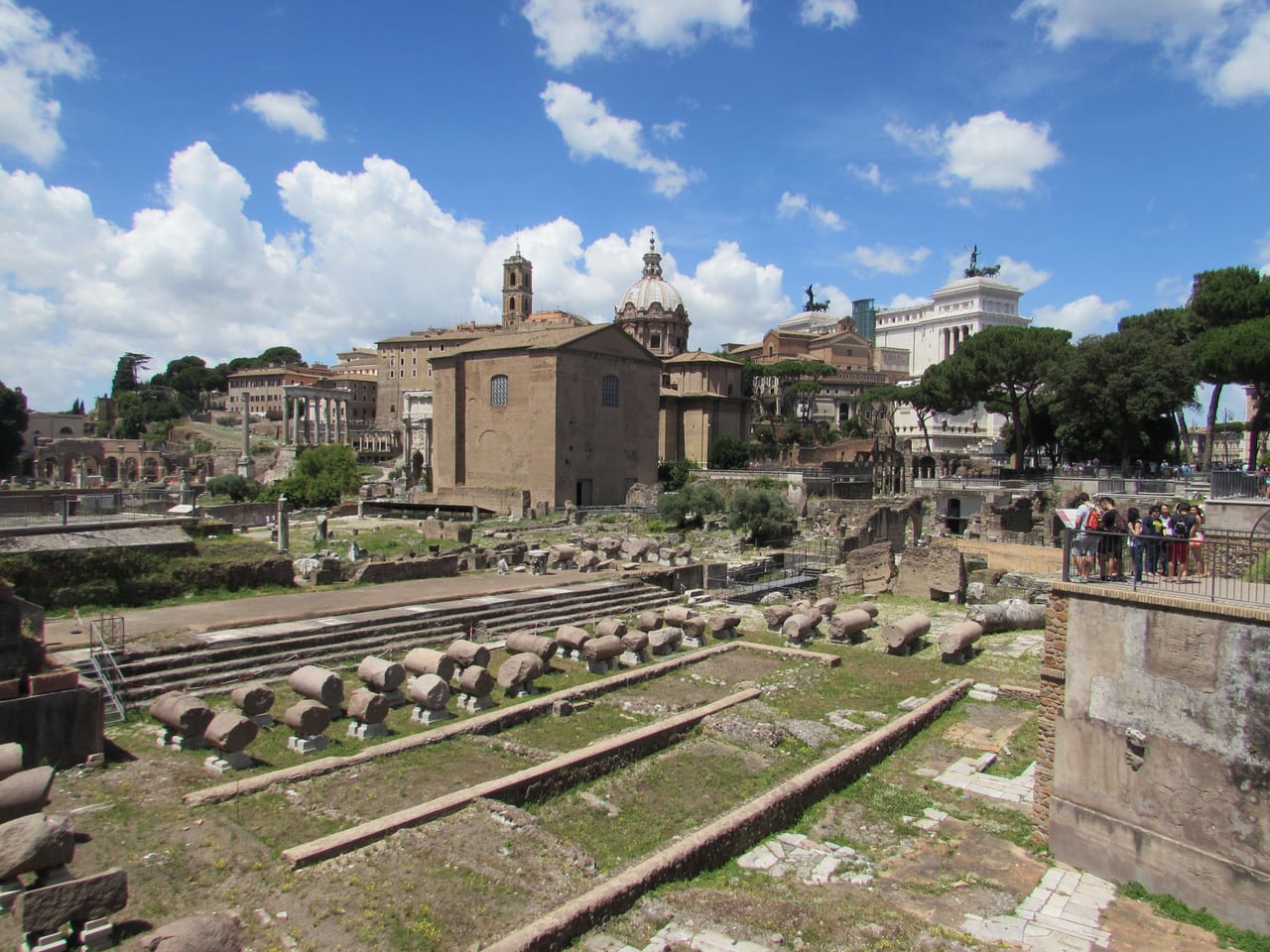
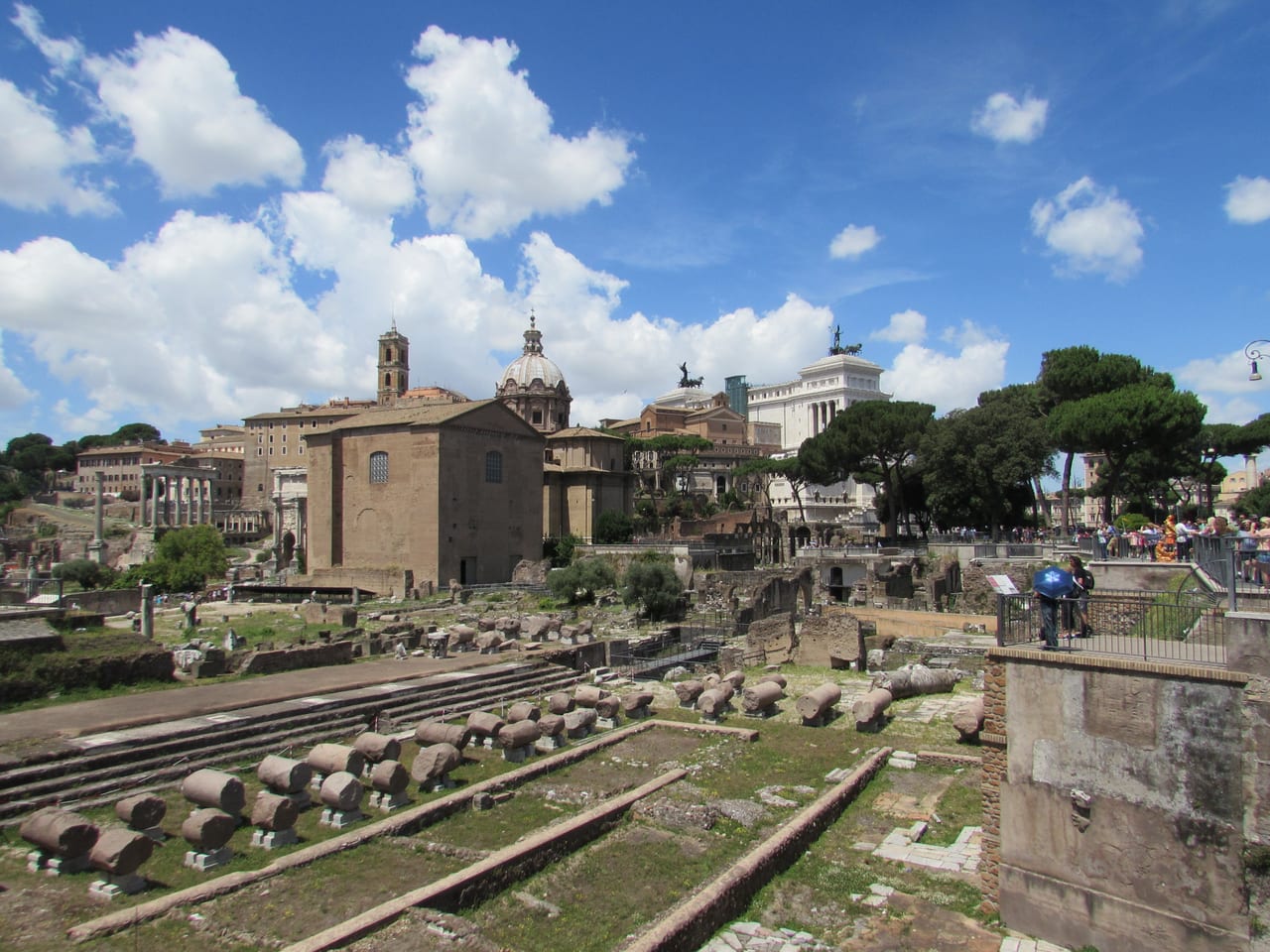
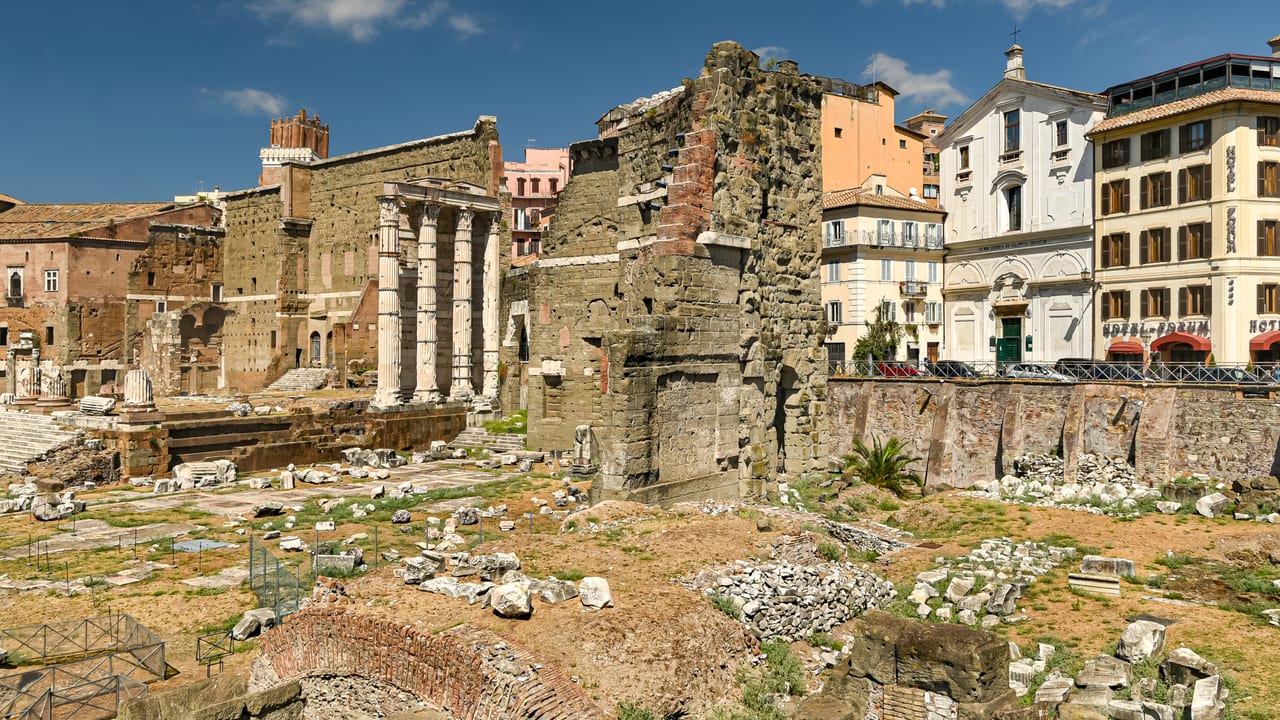
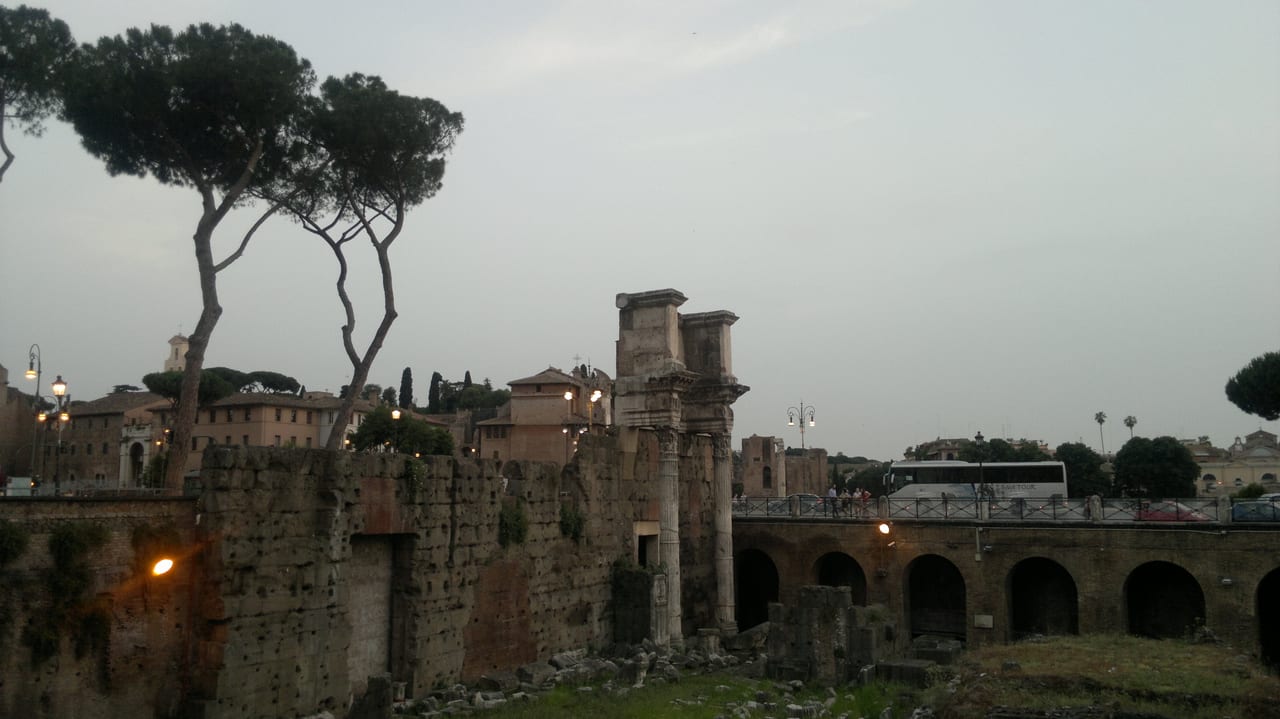
Photograph 1 of 23 of Forum Nervae
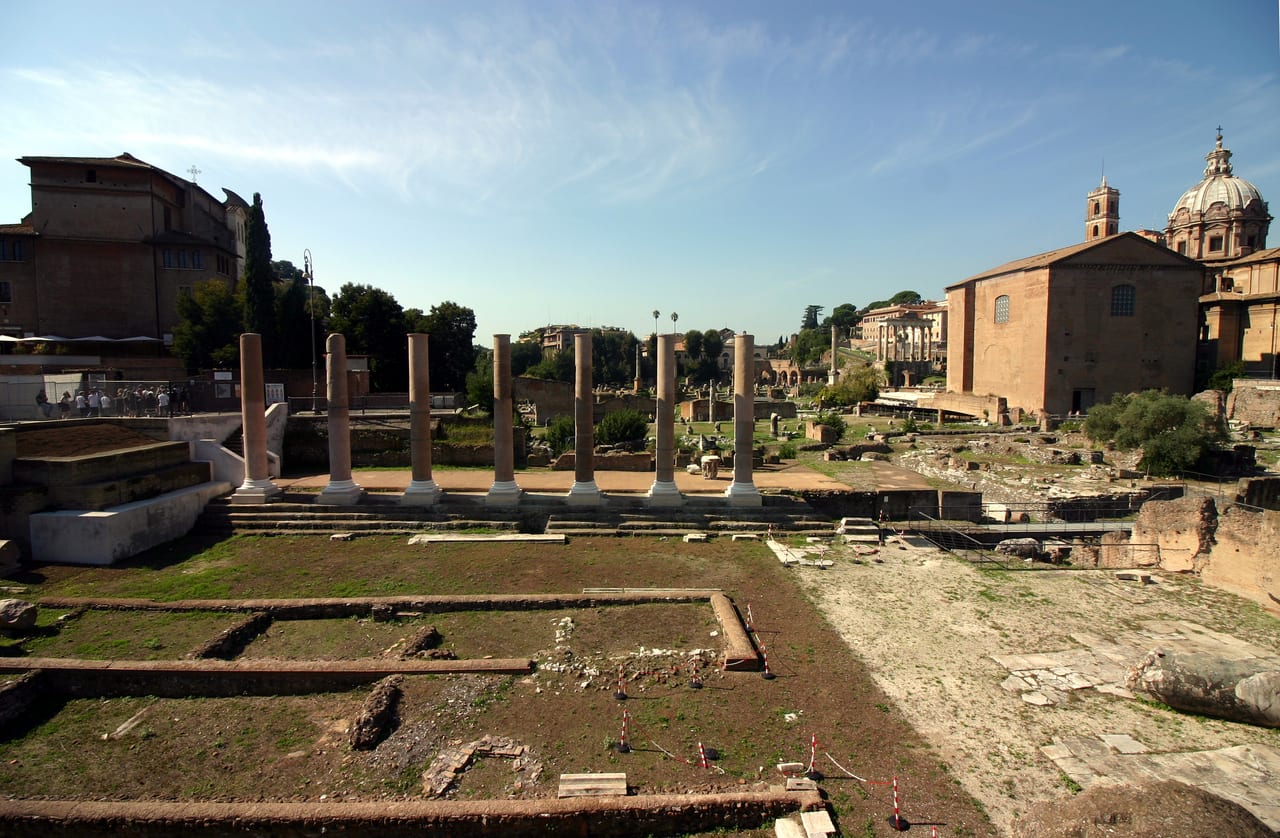
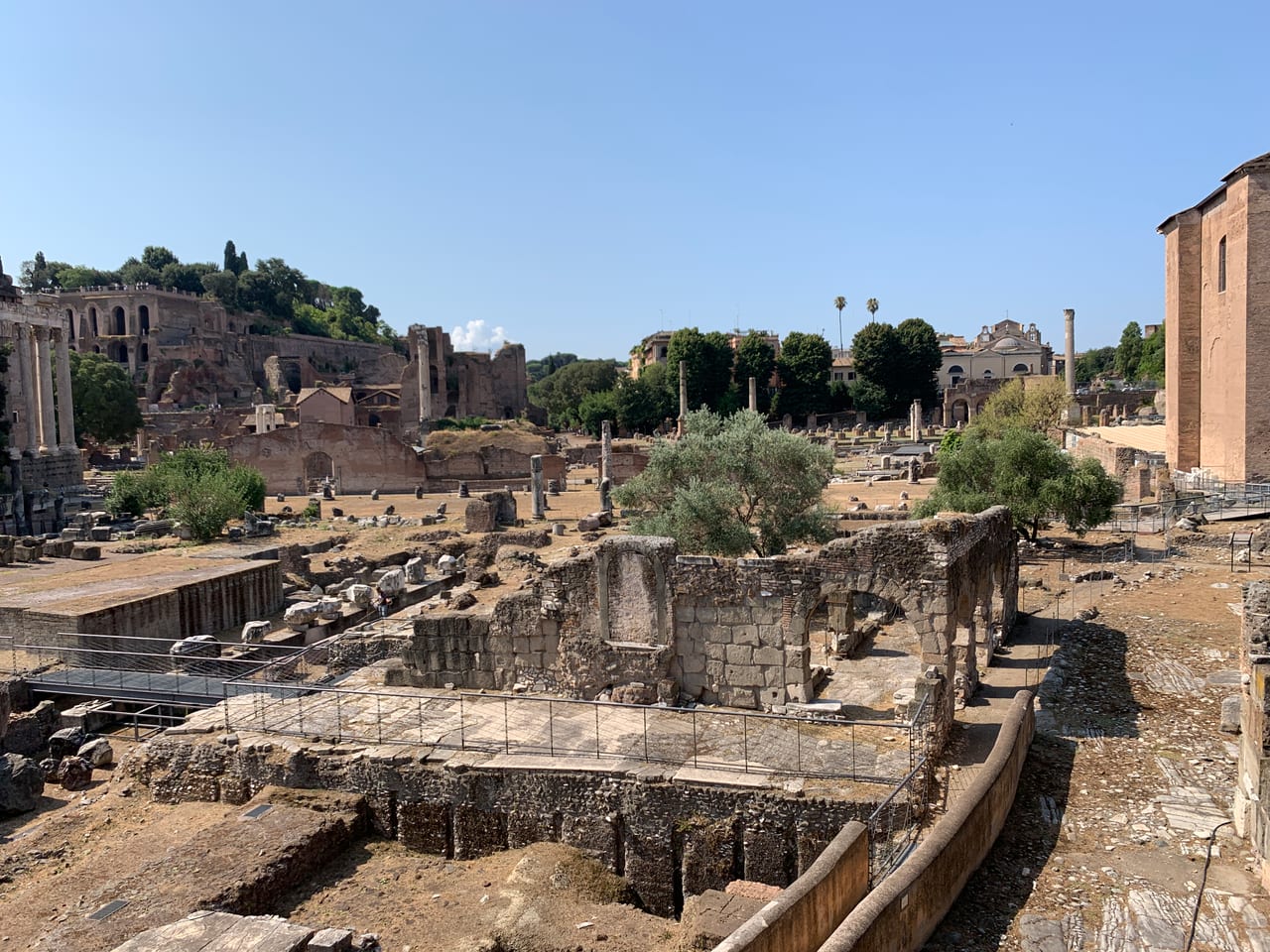
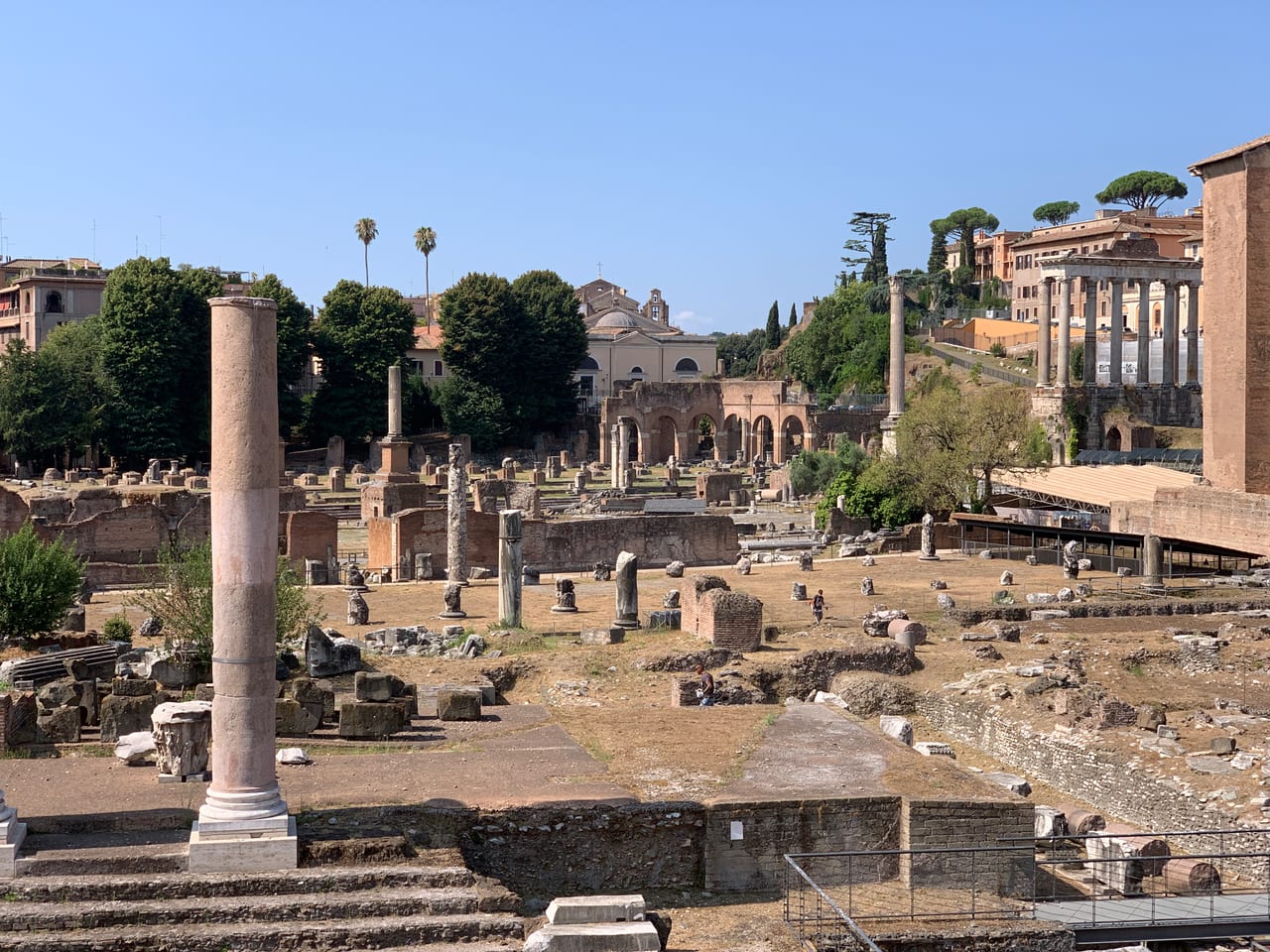
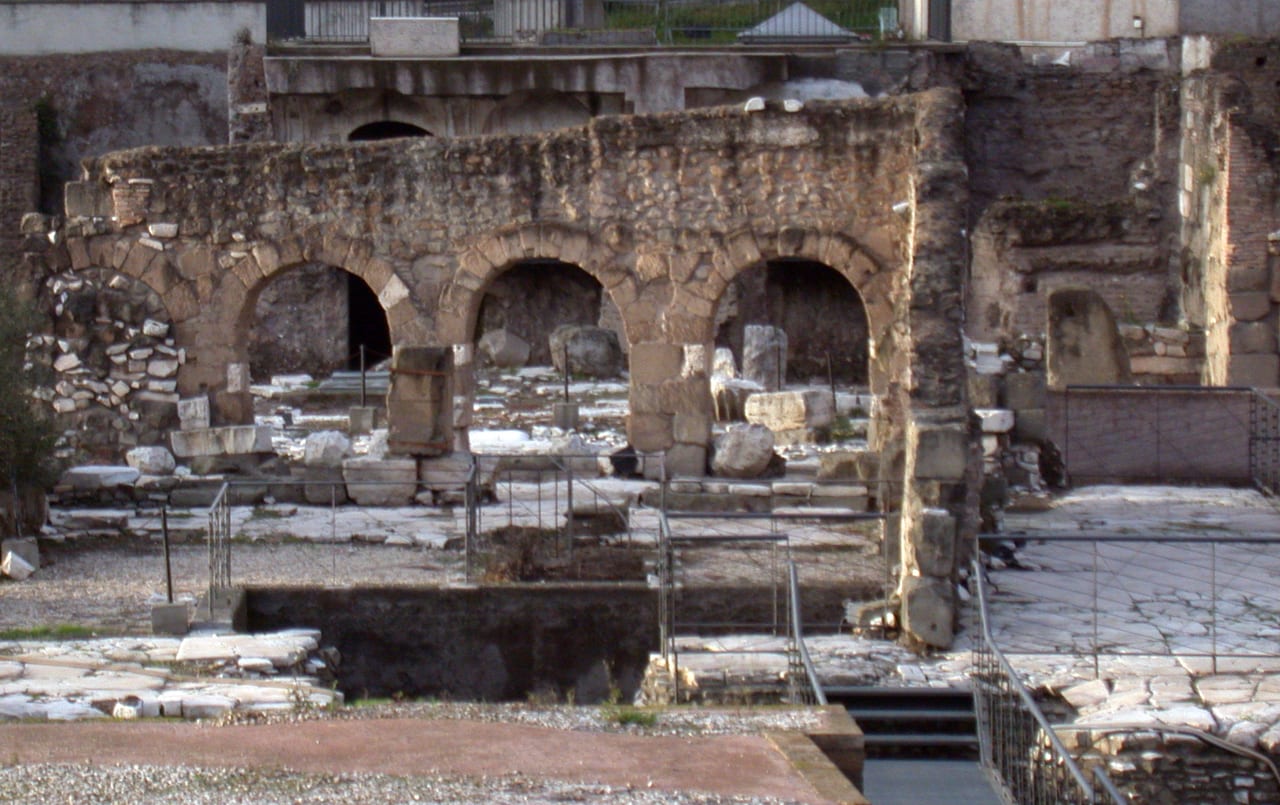
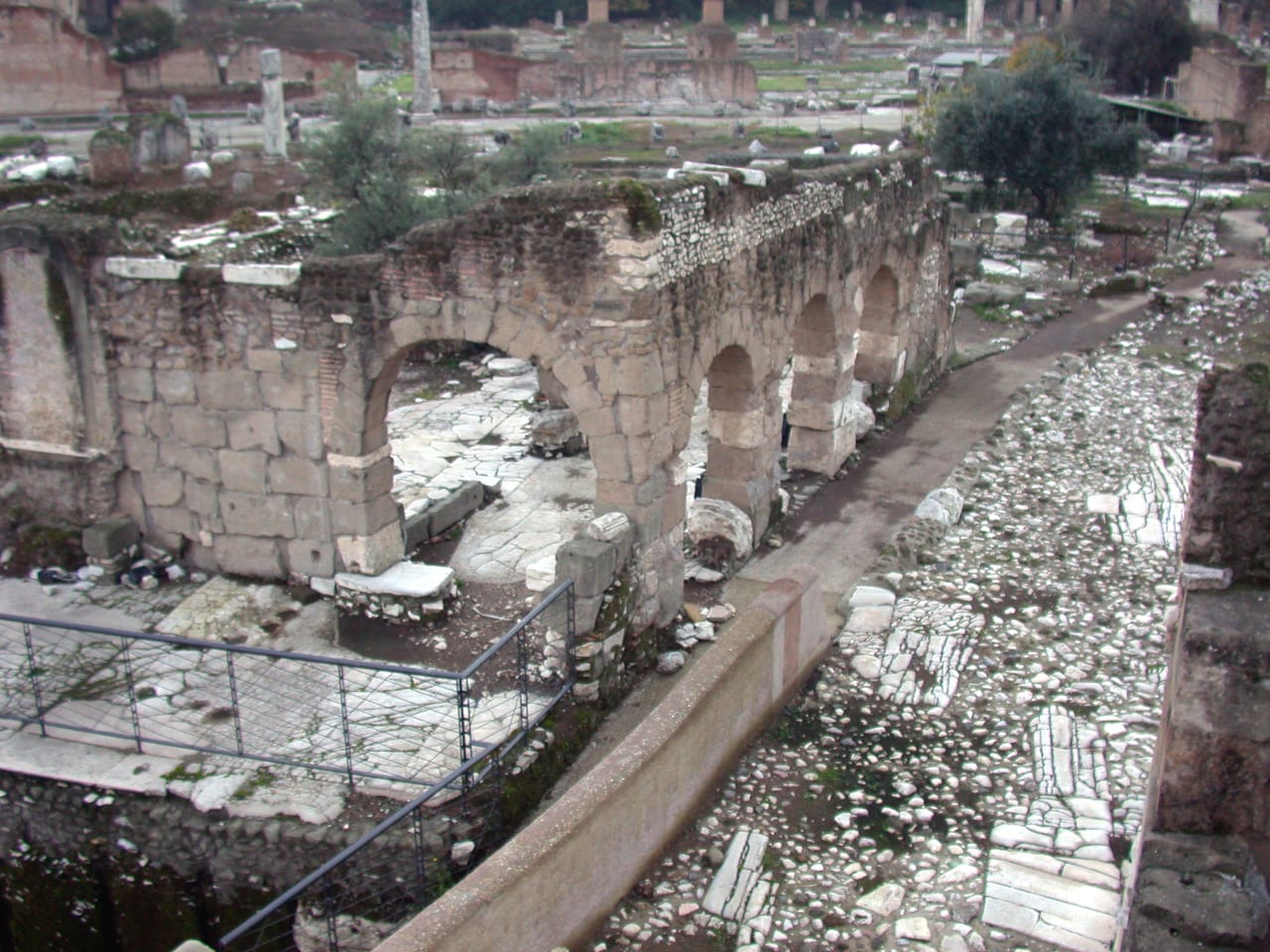
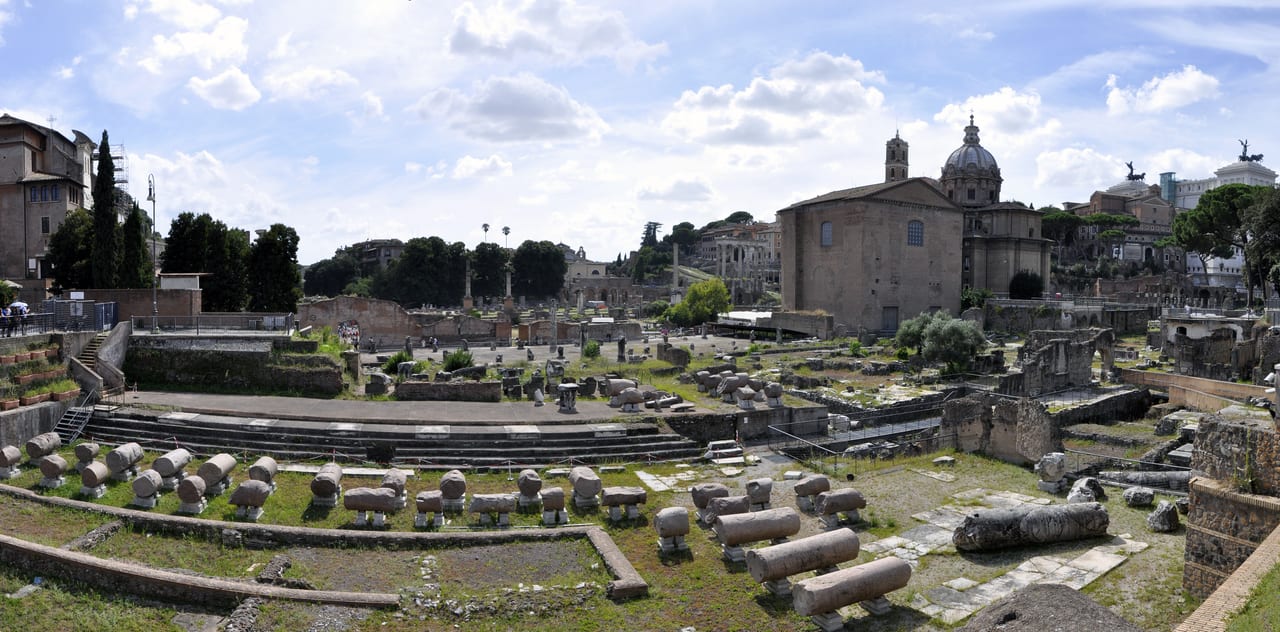
Commissioned by Emperor Domitian, the complex was probably conceived in 85–86, as a reference by Martial suggests. It was inaugurated in late 97 by his successor Nerva, after Domitian’s assassination, and took its official name from him. The alternative name, Forum Transitorium, recalls its role as a passage between the Subura and the Roman Forum, replacing part of the Argiletum, and as a link between the earlier fora, the Forum of Peace and the Roman Forum. Its restricted site produced an unusually narrow, elongated piazza, enclosed by peperino walls faced with marble. The Temple of Minerva, a deity especially favoured by Domitian, dominated one end; behind it stood the semicircular porticus absidata, providing access from the Subura. The opposite end, beside the Basilica Aemilia, had a curved plan and may have carried a monumental entrance, perhaps the Arcus Nervae, though its identification remains uncertain. Ancient sources say Alexander Severus placed colossal statues of deified emperors here, none of which survives. After abandonment, aristocratic houses occupied the area from the ninth century until the twelfth. Paul V demolished the temple in the early seventeenth century. Major excavations took place in 1926–40, with further campaigns in 1952 and 1995–2000.
Ways to explore Forum Nervae
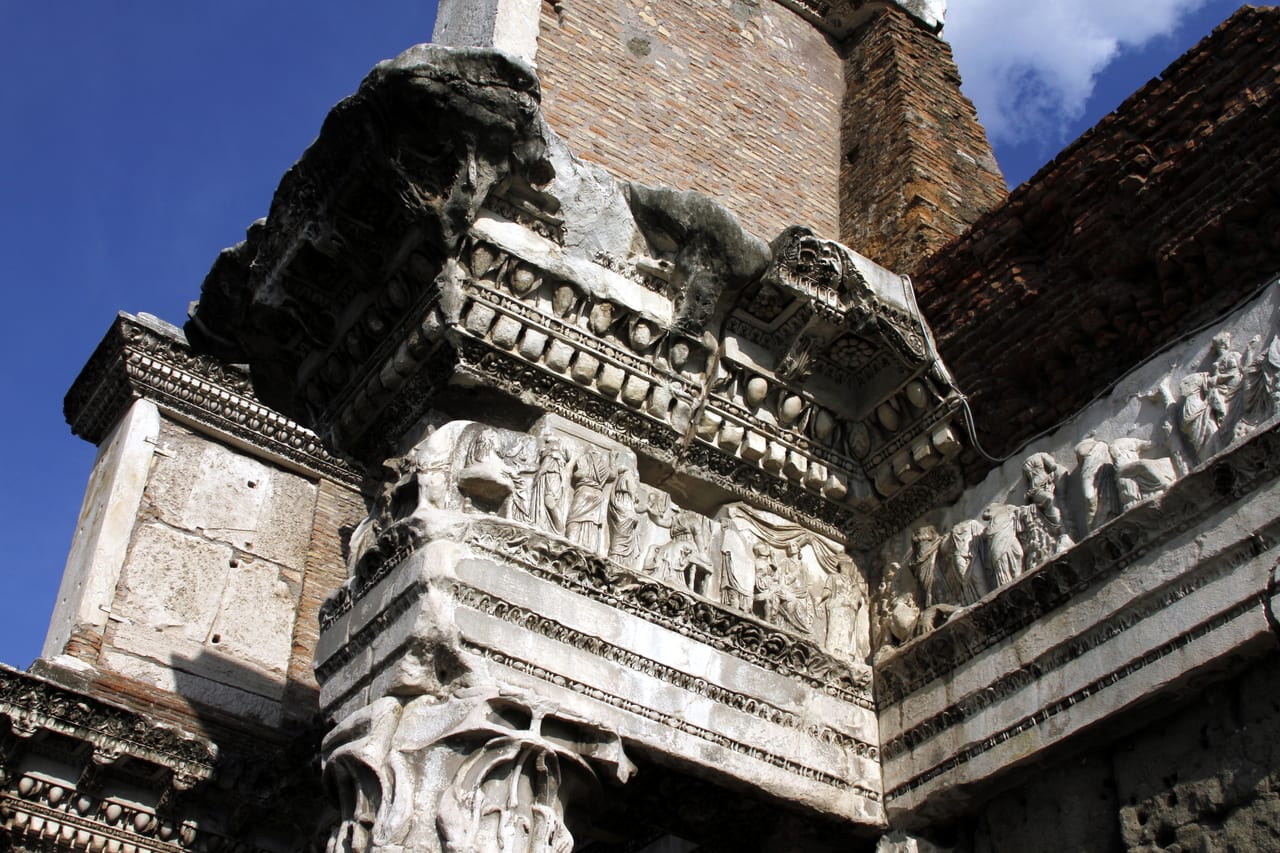
The remains are divided by Via dei Fori Imperiali, so examine both sections rather than treating the site as a single enclosure. From behind the Basilica Aemilia, follow the surviving stretch toward the piazza’s centre; at the western end, look for the temple podium and the foundations of the porticus absidata. Two projecting columns with their entablature and attic survive beside the perimeter wall: the celebrated Colonnacce. Their associated relief decoration includes scenes linked to Minerva and the myth of Arachne.
Places to stay near Forum Nervae

Live availability and prices from Stay22's partners, refreshed periodically and subject to change. Booking through these links may earn us a commission at no extra cost to you. See our privacy policy.
Cafés near Forum Nervae
Cafés near Forum Nervae loads as you scroll.
Attractions nearby
Attractions near Forum Nervae loads as you scroll.
Cities nearby
Cities nearby loads as you scroll.
More in Rome
See more of Rome.
Find great cafés, places to stay and other interesting places to visit in Rome.