Ancient site · Rome
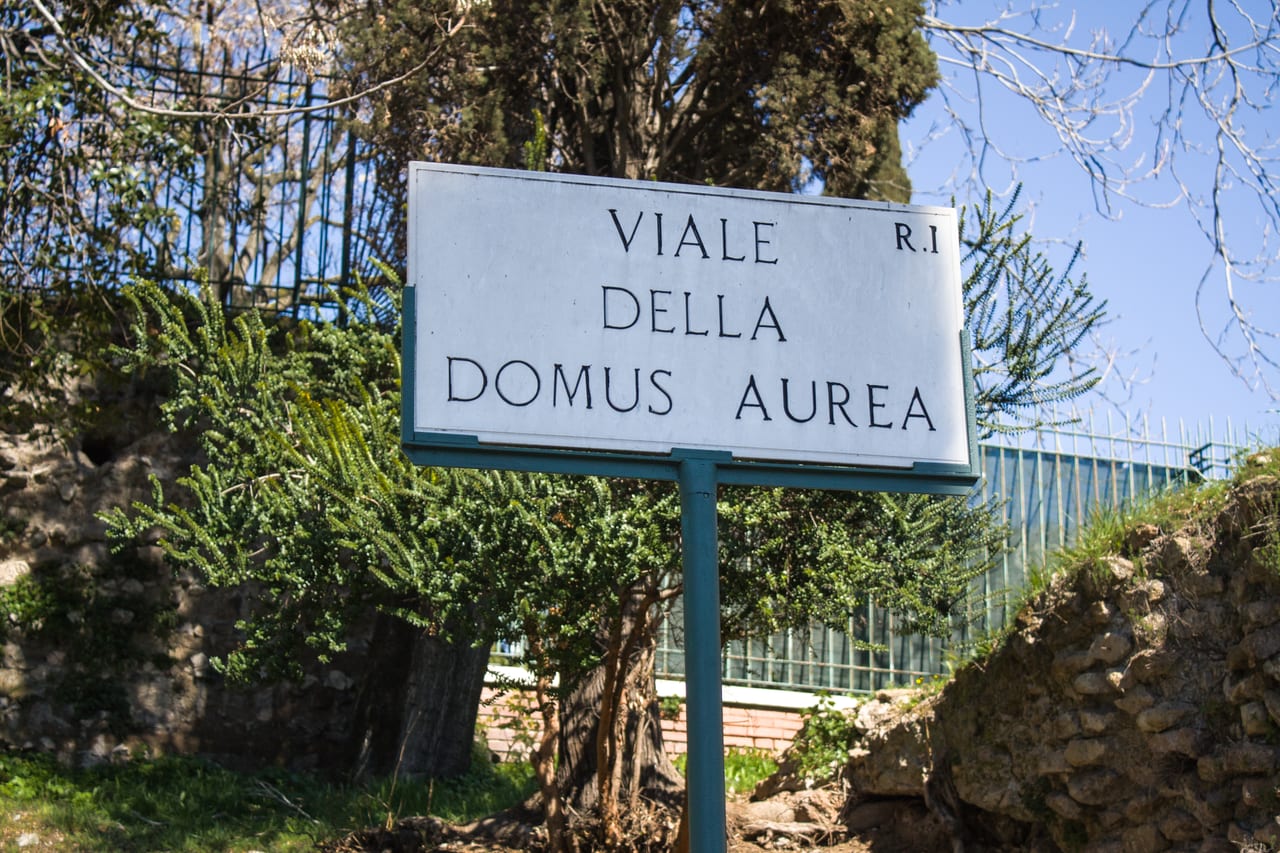
Domus Aurea
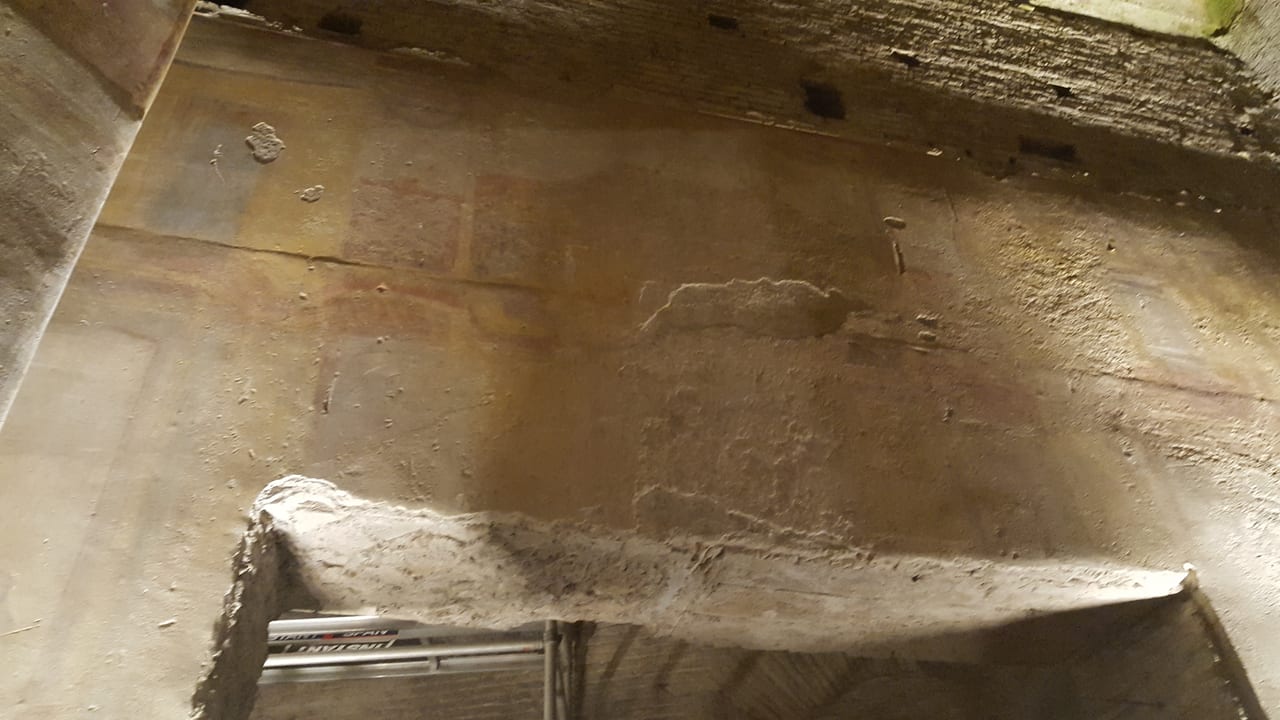
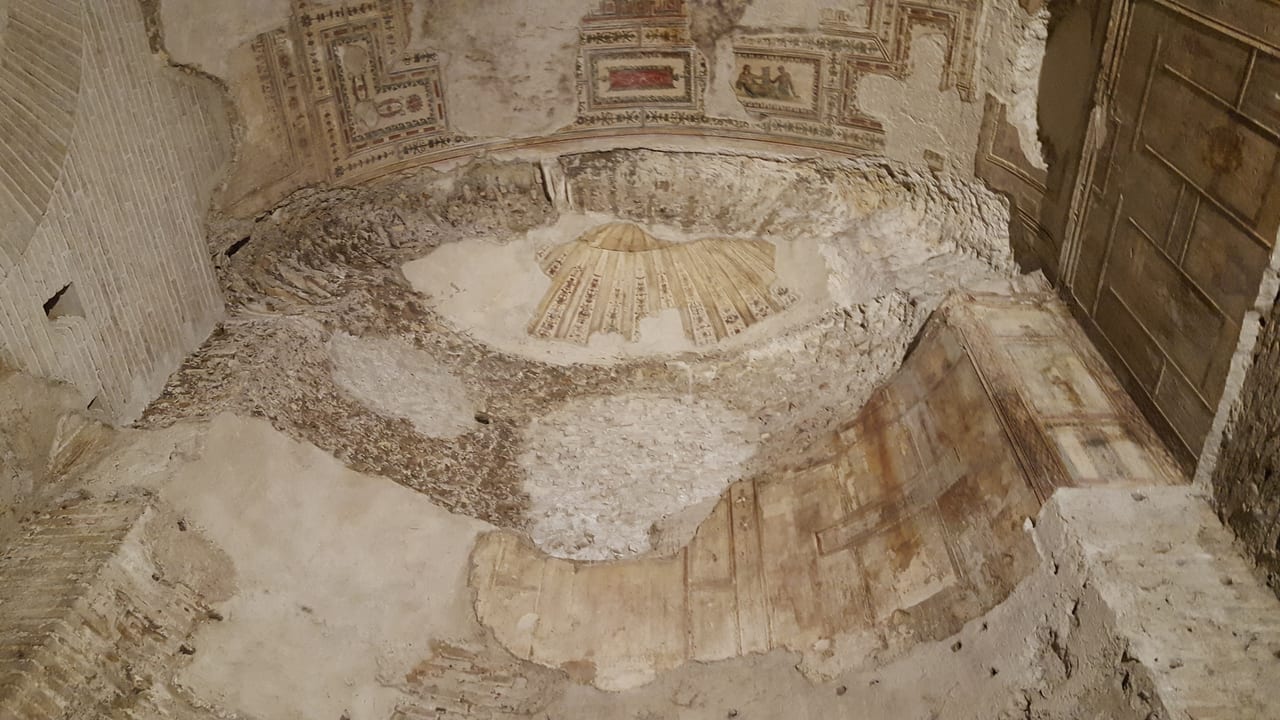
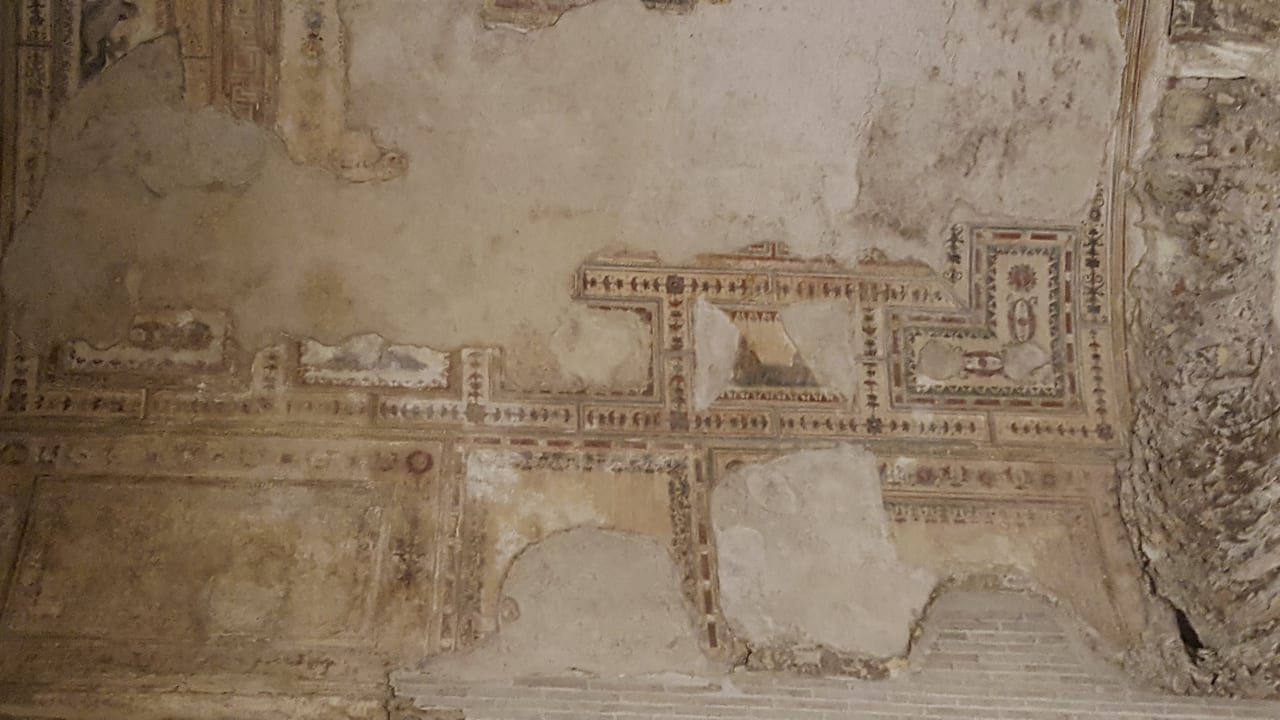
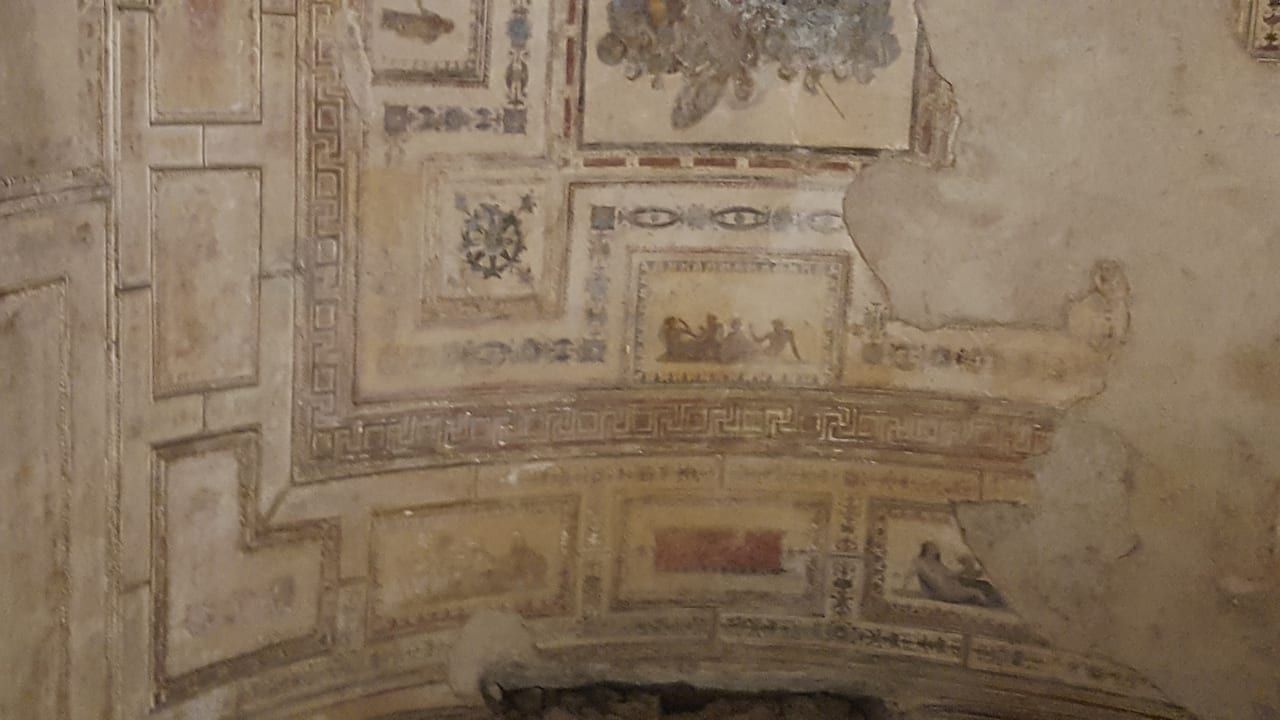
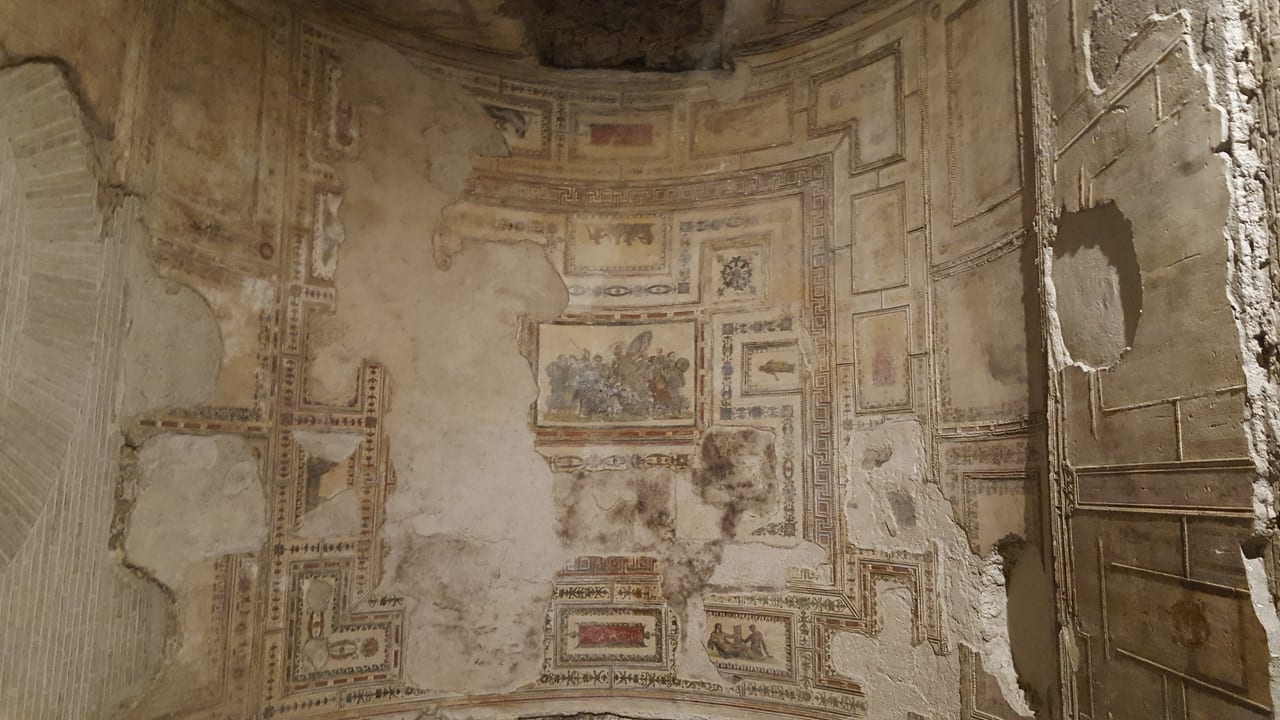
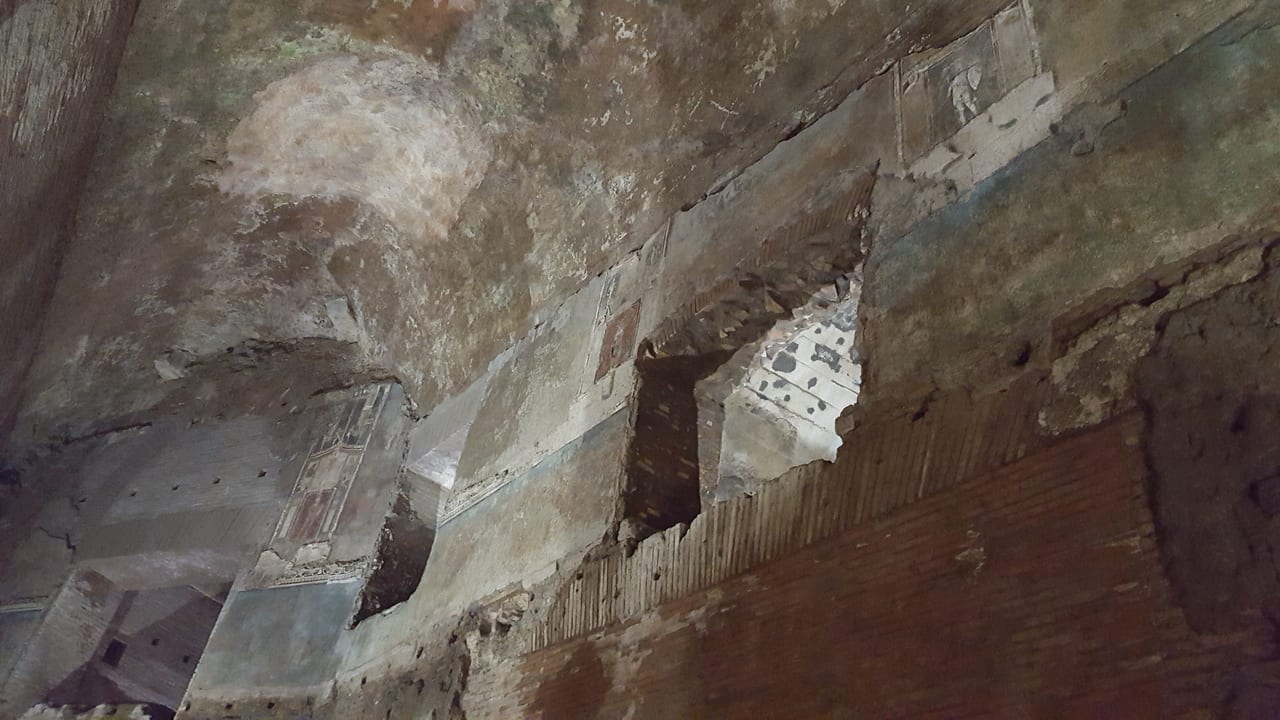
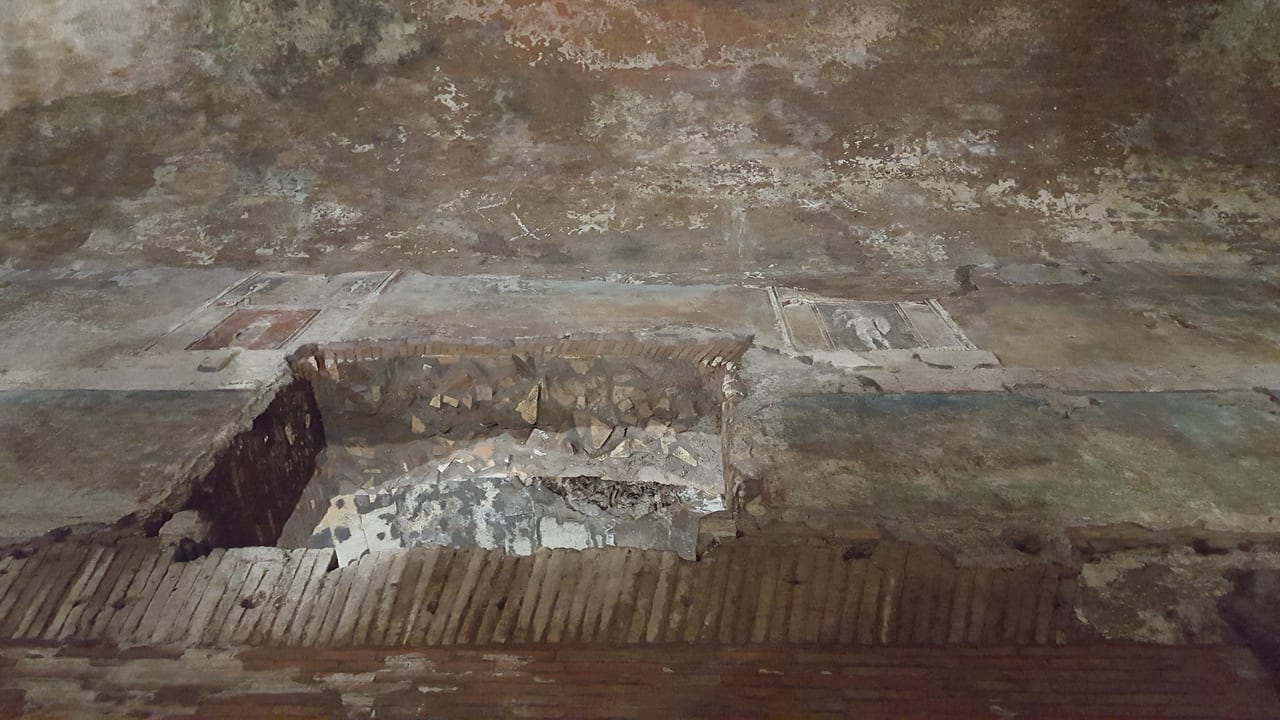
DirectionsBuried frescoes rediscovered in the late fifteenth century transformed Renaissance decoration: artists including Pinturicchio, Raphael and Michelangelo studied these “grotesques” underground.
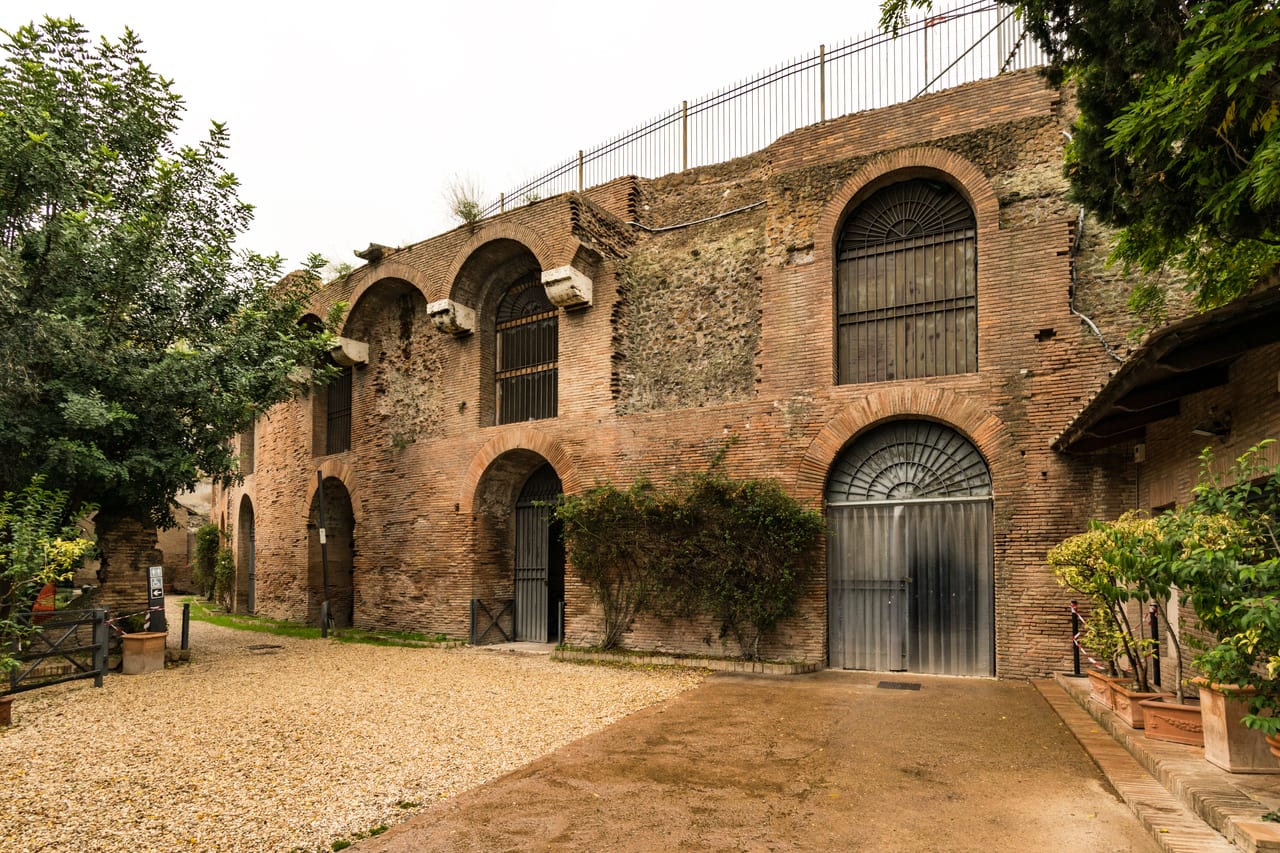
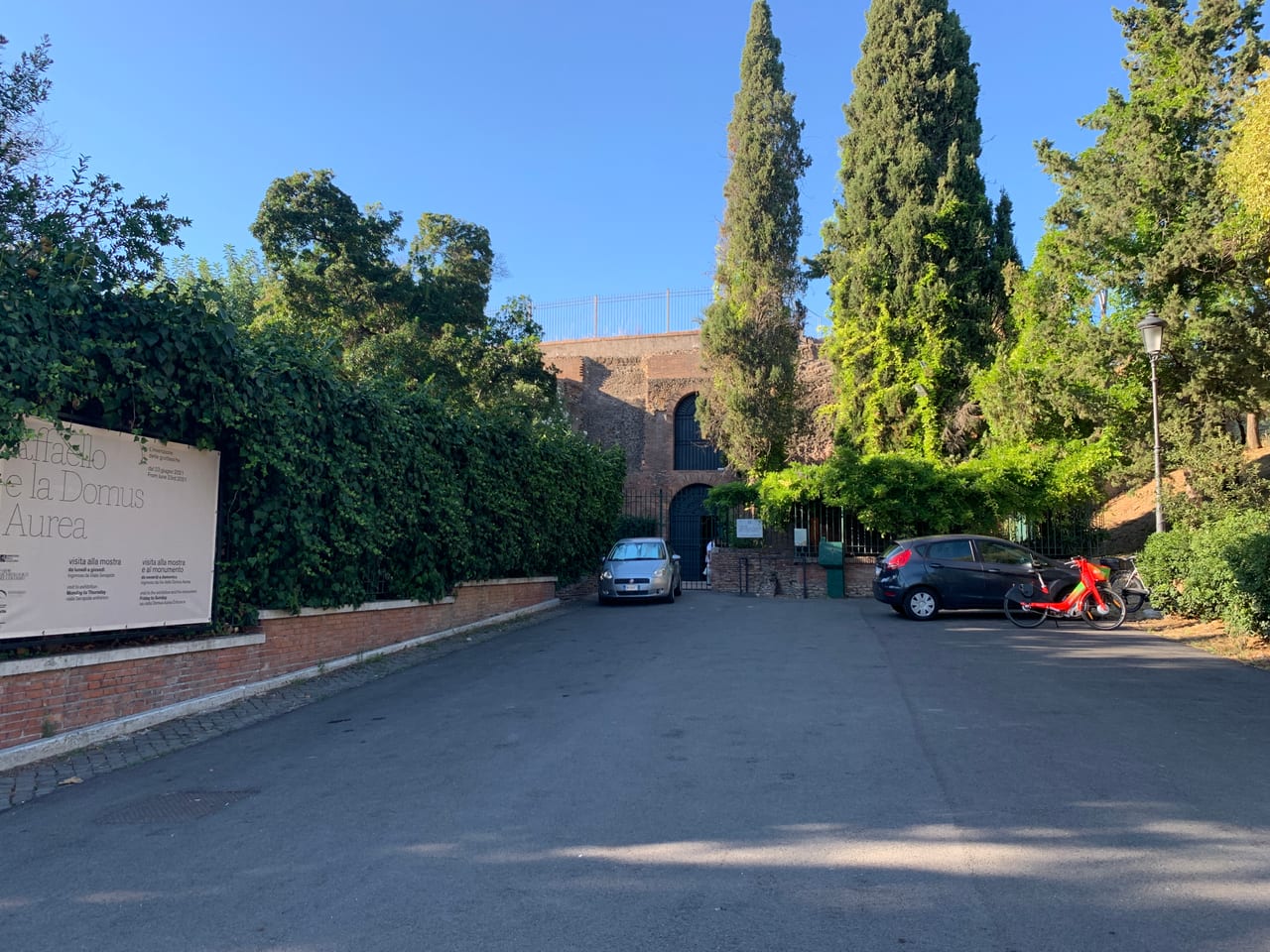
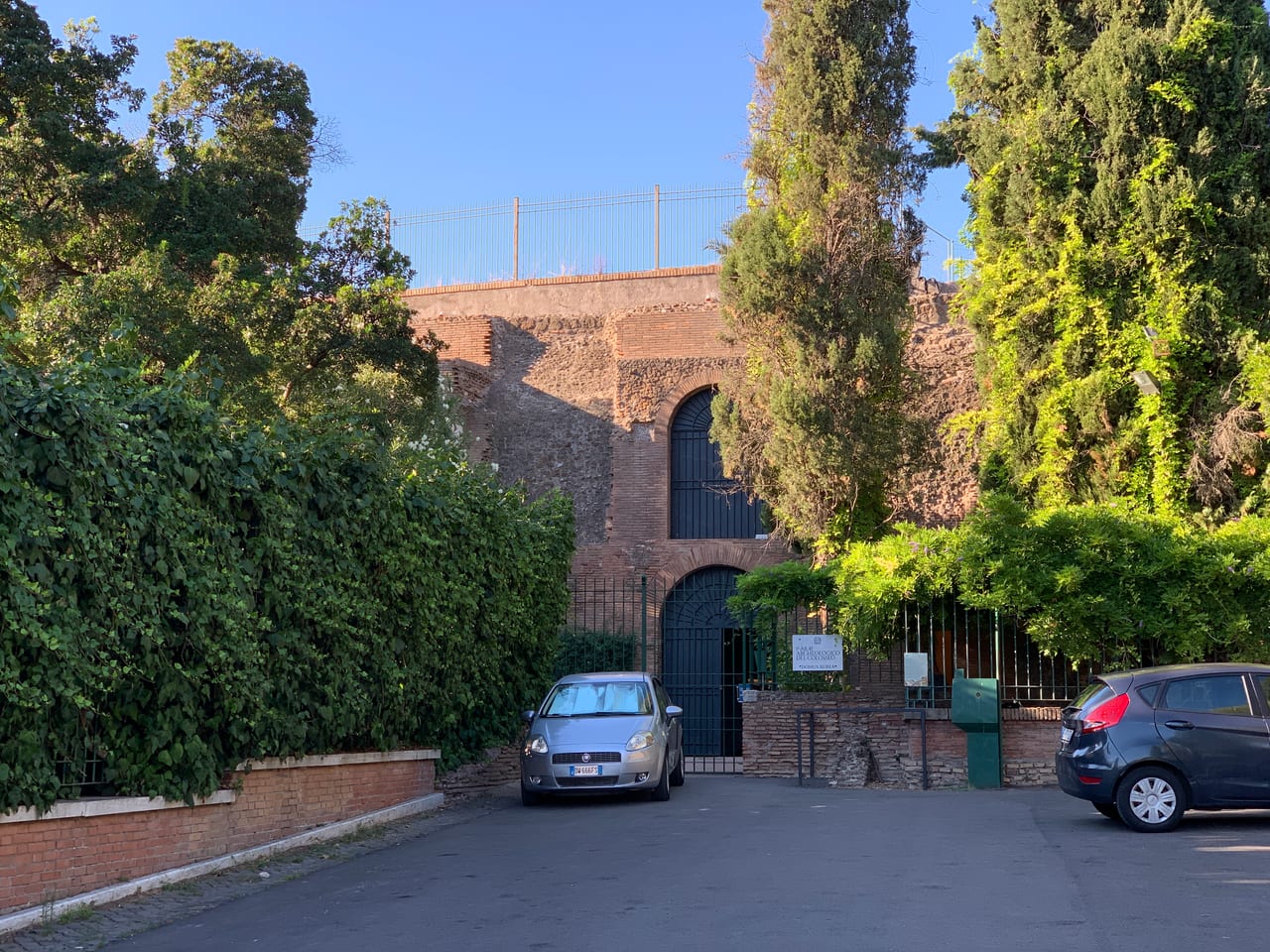
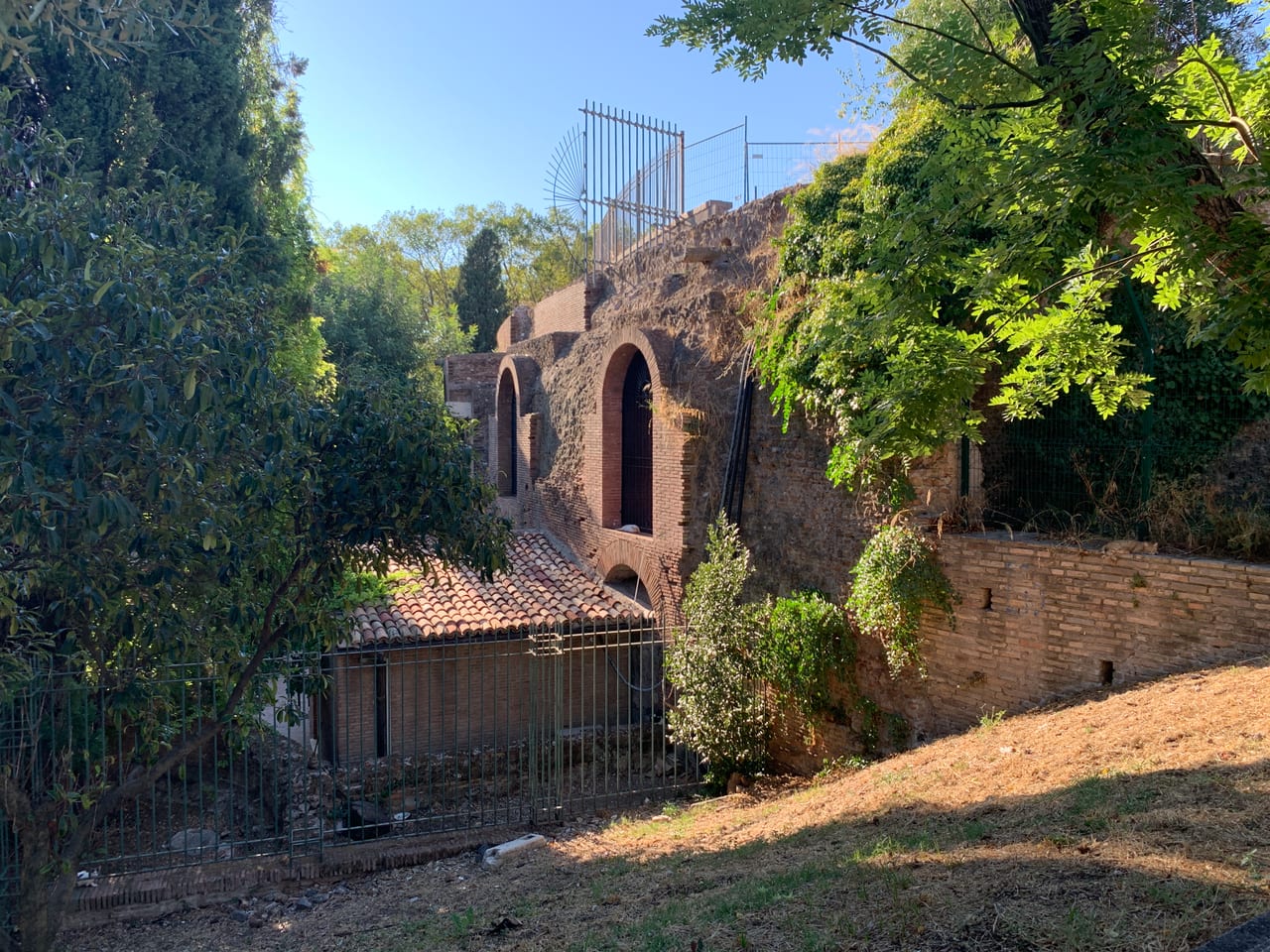
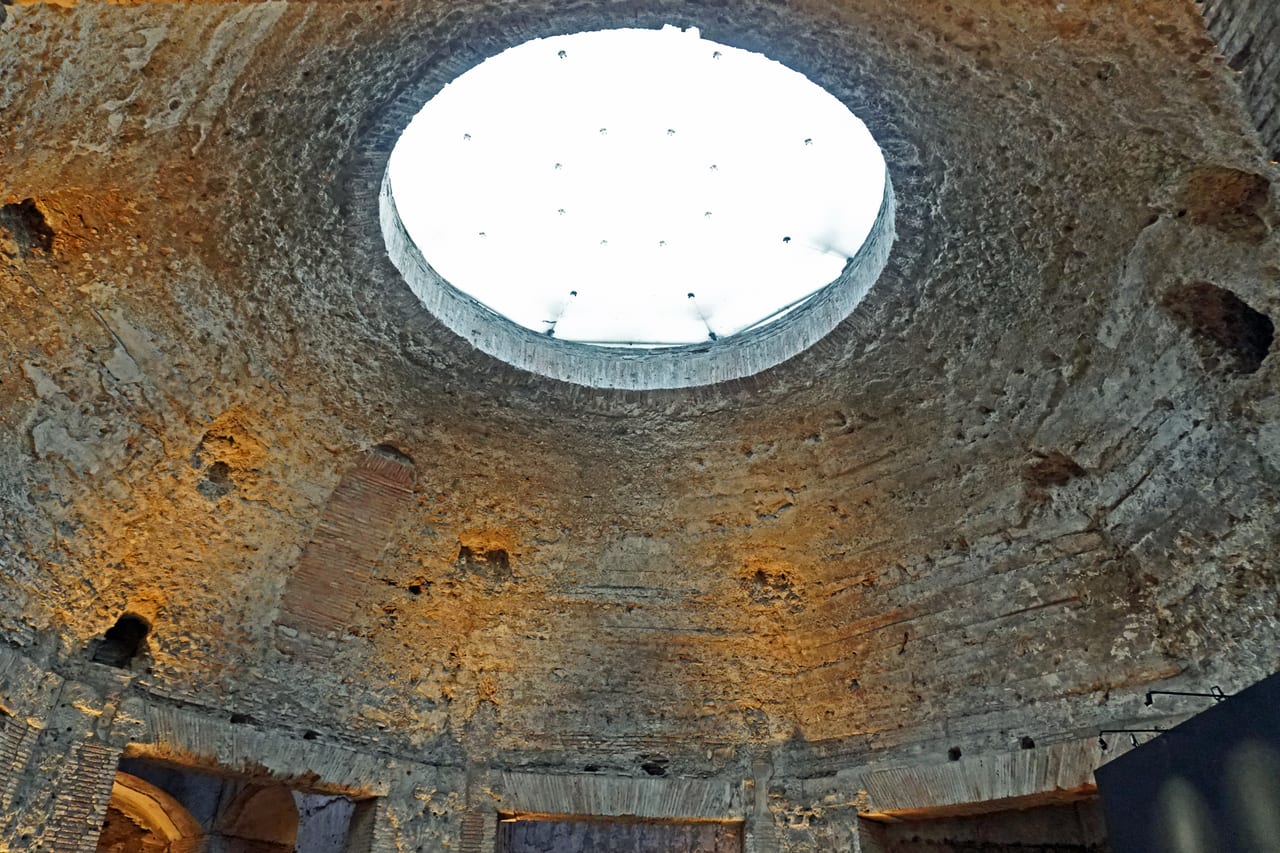
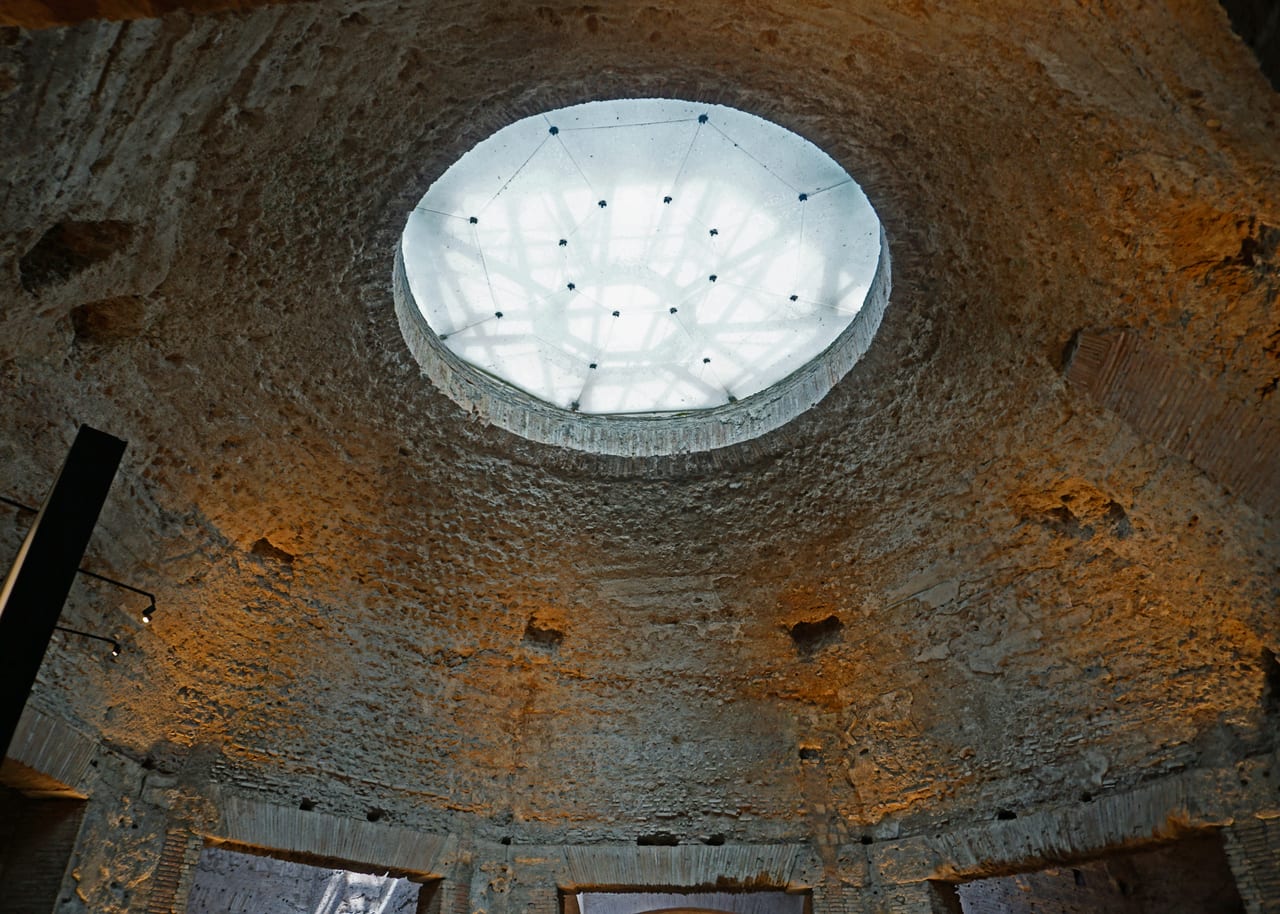
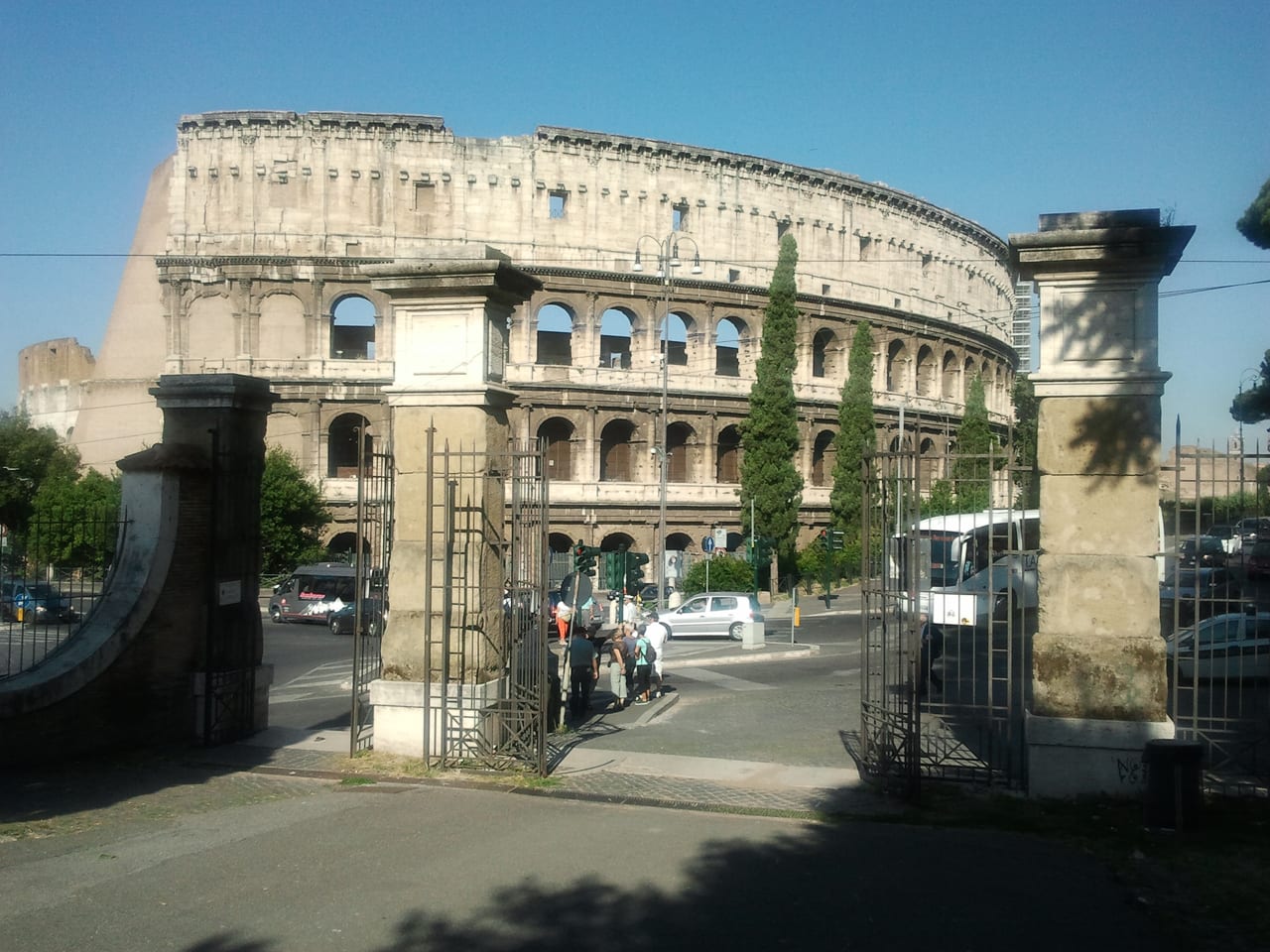
Photograph 1 of 35 of Domus Aurea
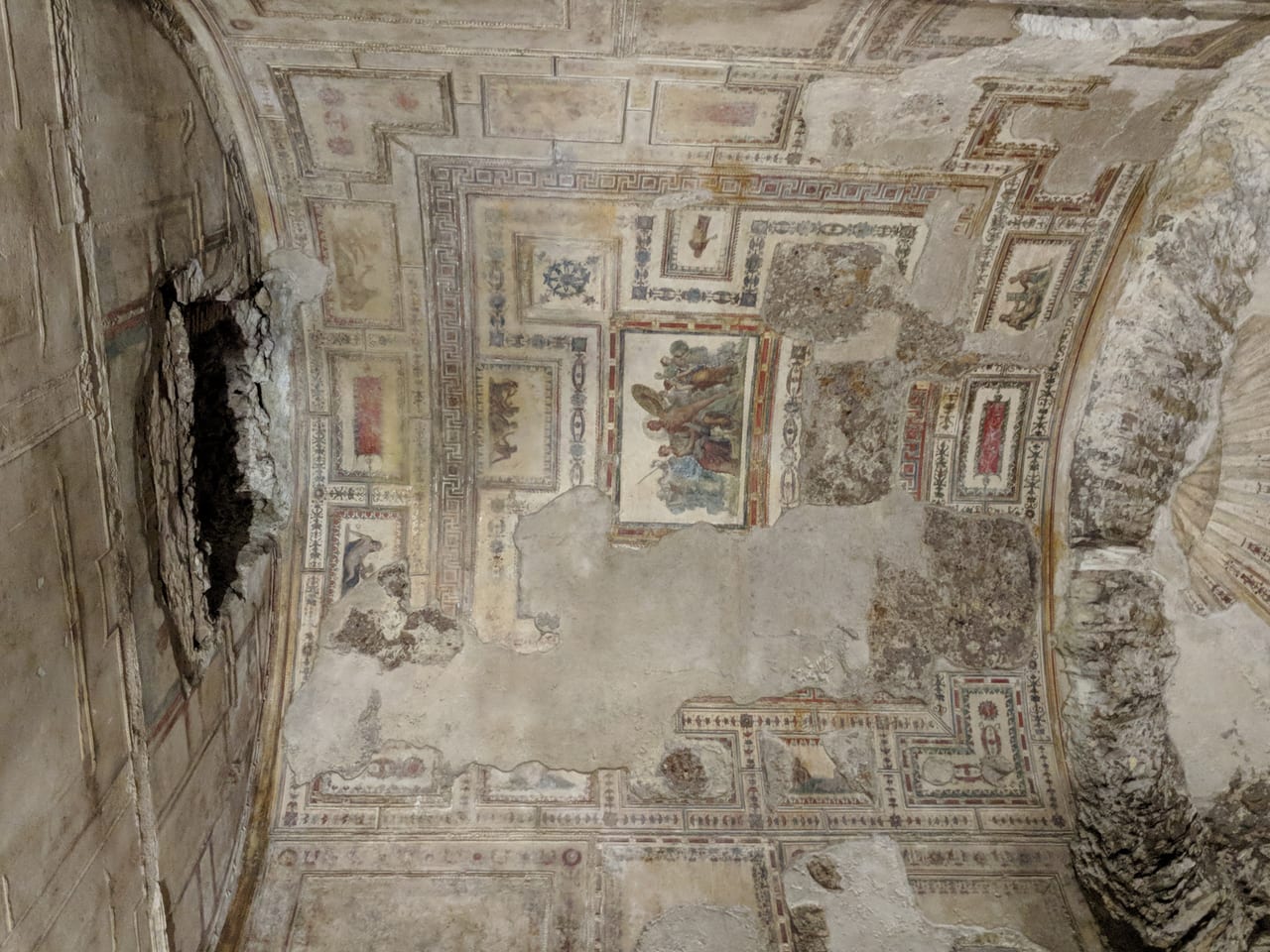
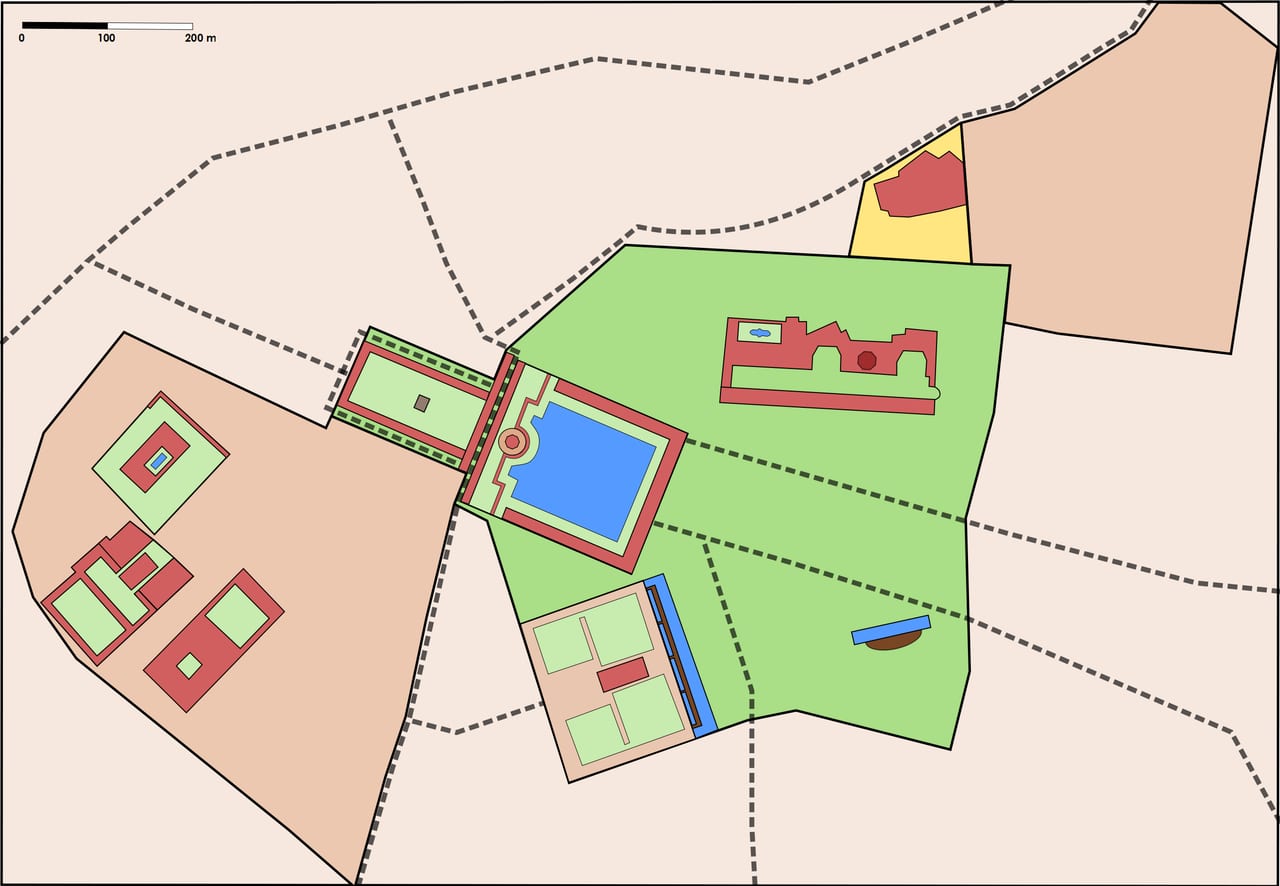
After the fire of 3 August 64 CE, which burned for six days and seven nights, Nero replaced much of the Domus Transitoria with an immense palace landscape extending across the Palatine, Velia, Oppian Hill, Esquiline and part of the Caelian. Severo and Celere designed it under the emperor’s close supervision. More than a single residence, it comprised gardens, woods, vineyards, pavilions, nymphaea and a large partly artificial lake, the stagnum, which may have incorporated a pre-existing natural pond. A triple portico extended for a Roman mile, while the entrance on the Velia was dominated by Nero’s approximately 35-metre bronze Colossus, commissioned from Zenodorus. The complex became a symbol of imperial extravagance, funded partly by the seizure of private wealth and temple treasures. In 65, Piso’s conspiracy was hatched there; in 66, Nero entertained Tiridates I of Armenia with a spectacular banquet. After Nero’s death, Vespasian drained the lake and built the Colosseum on its site. The surviving Oppian Hill sector was buried beneath the Baths of Trajan, inaugurated in 109, helping preserve its decoration. The buried complex was declared part of Rome’s UNESCO World Heritage listing in 1980. In 2019, restoration work revealed the vaulted, frescoed Sala della Sfinge.
At a glance
- Built
- 64
- Style
- ancient Roman architecture
- Heritage
- Italian national heritage
Ways to explore Domus Aurea
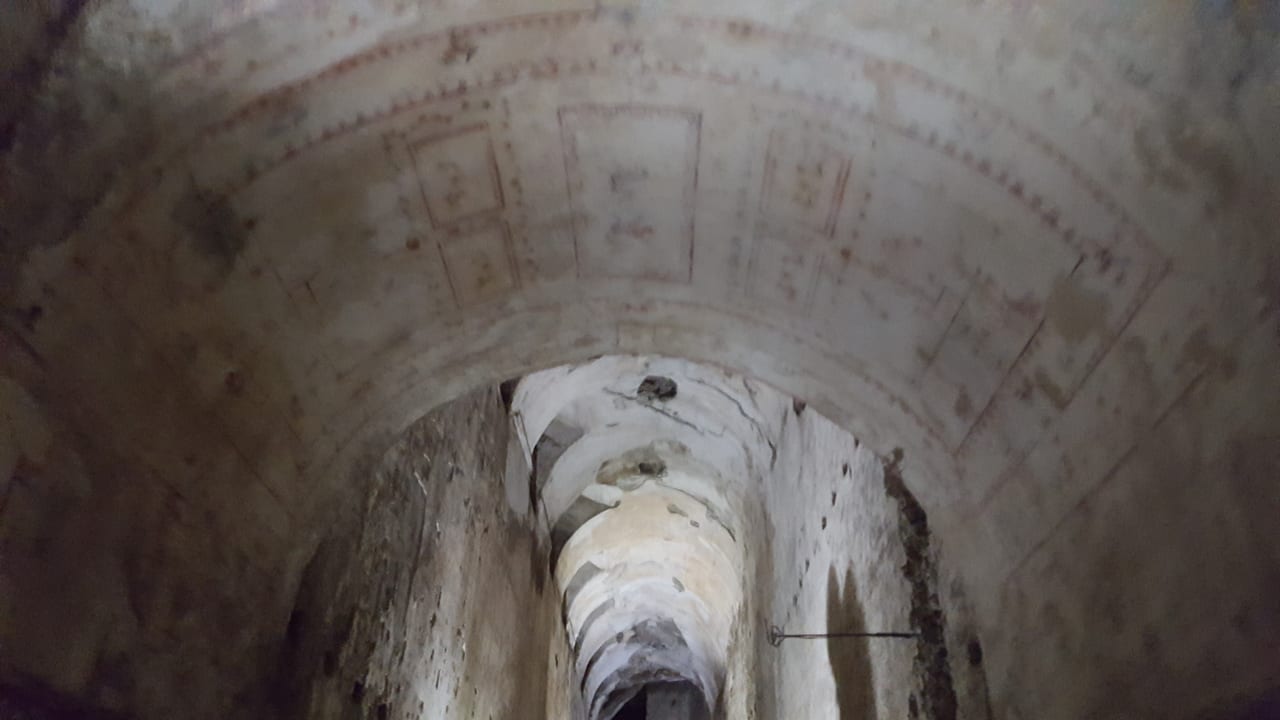
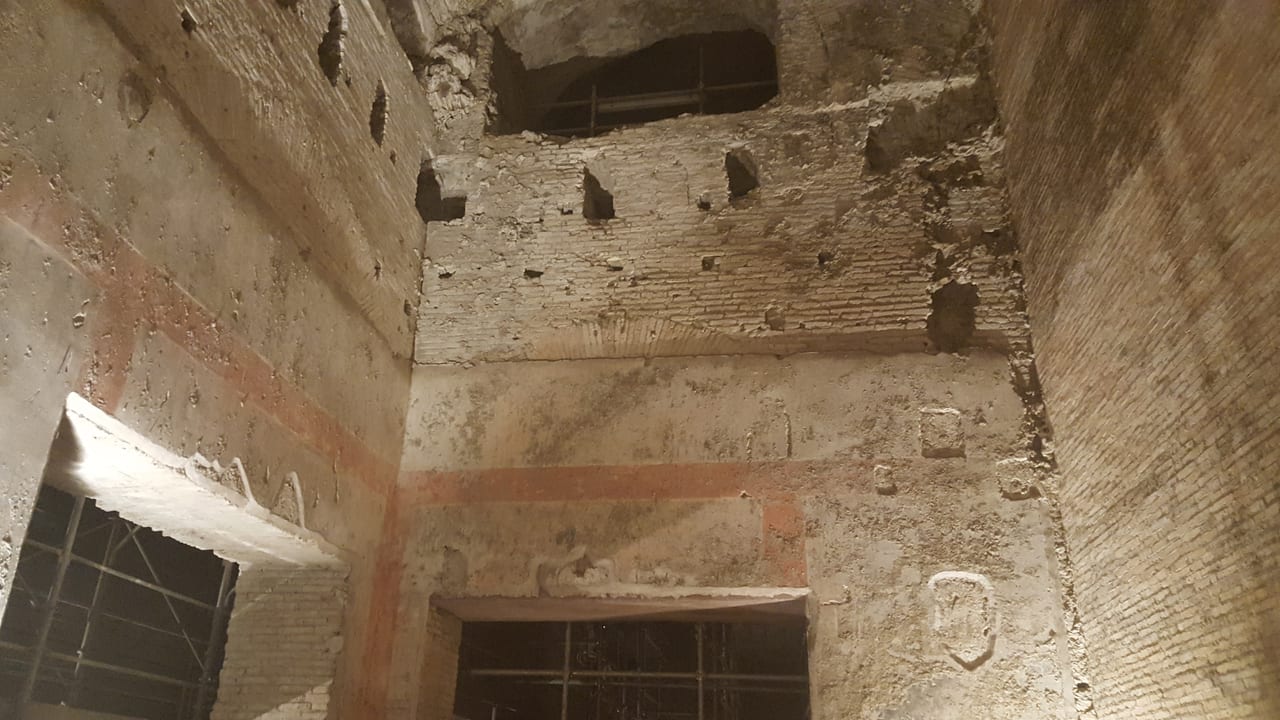
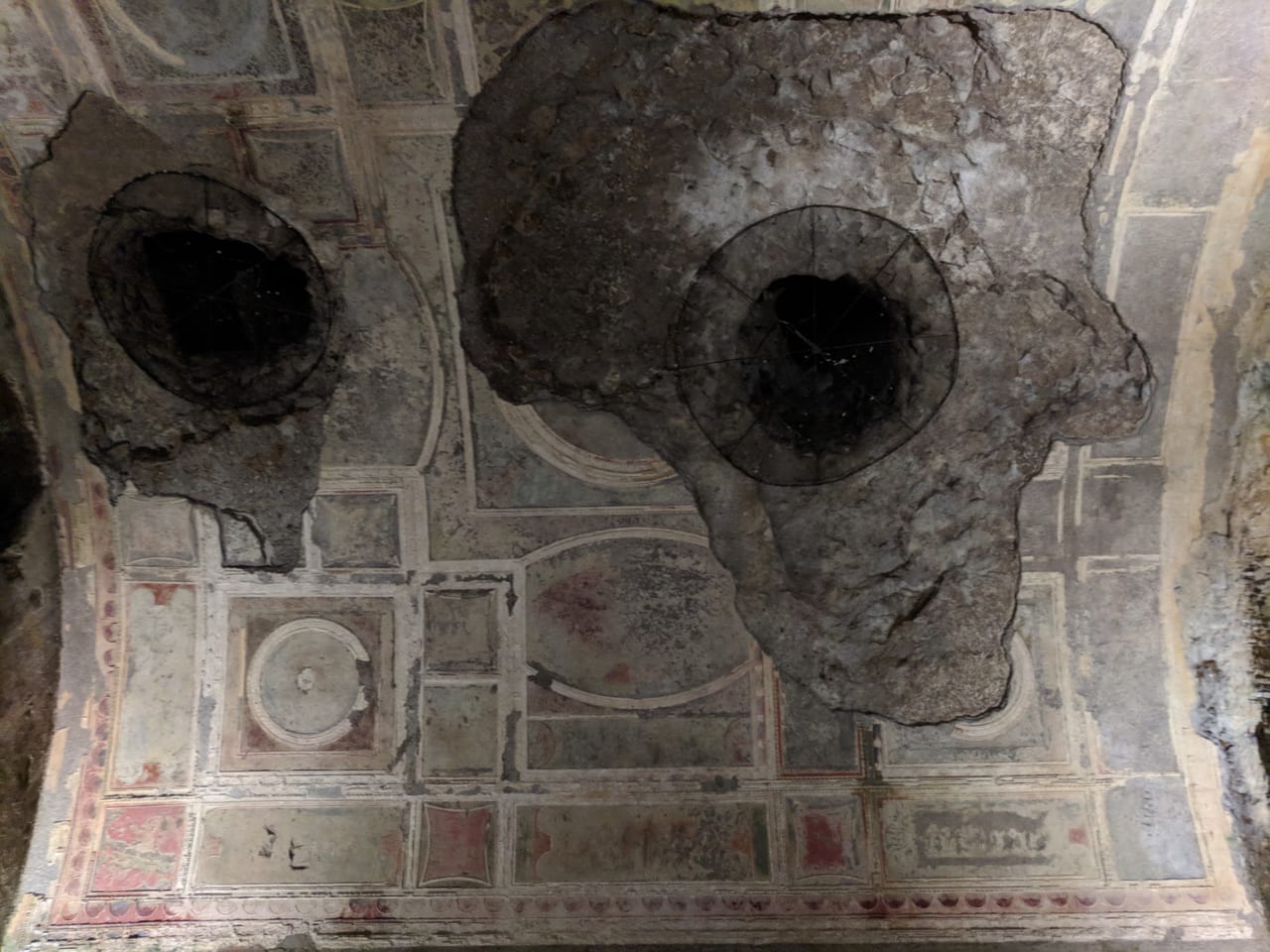
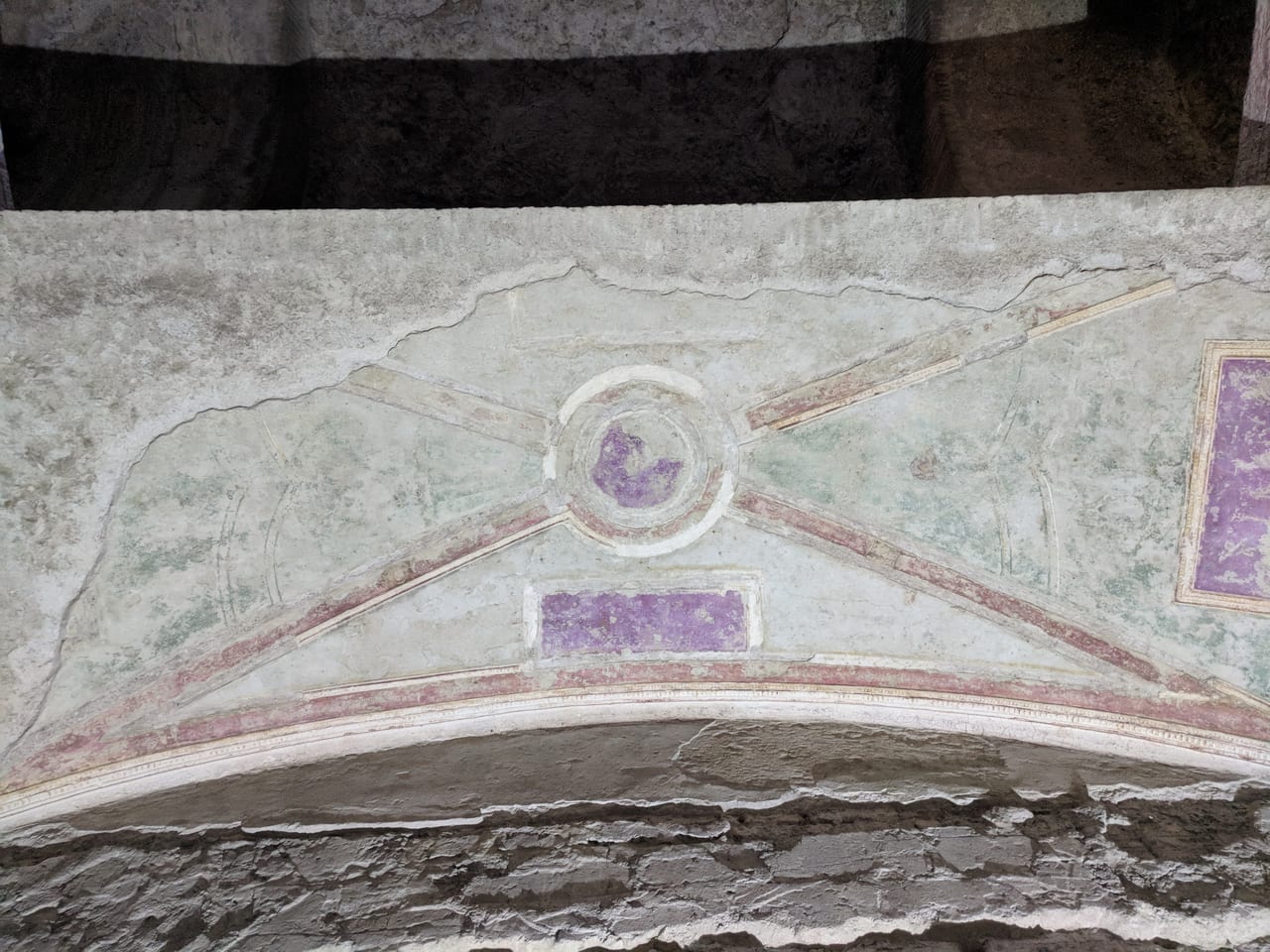
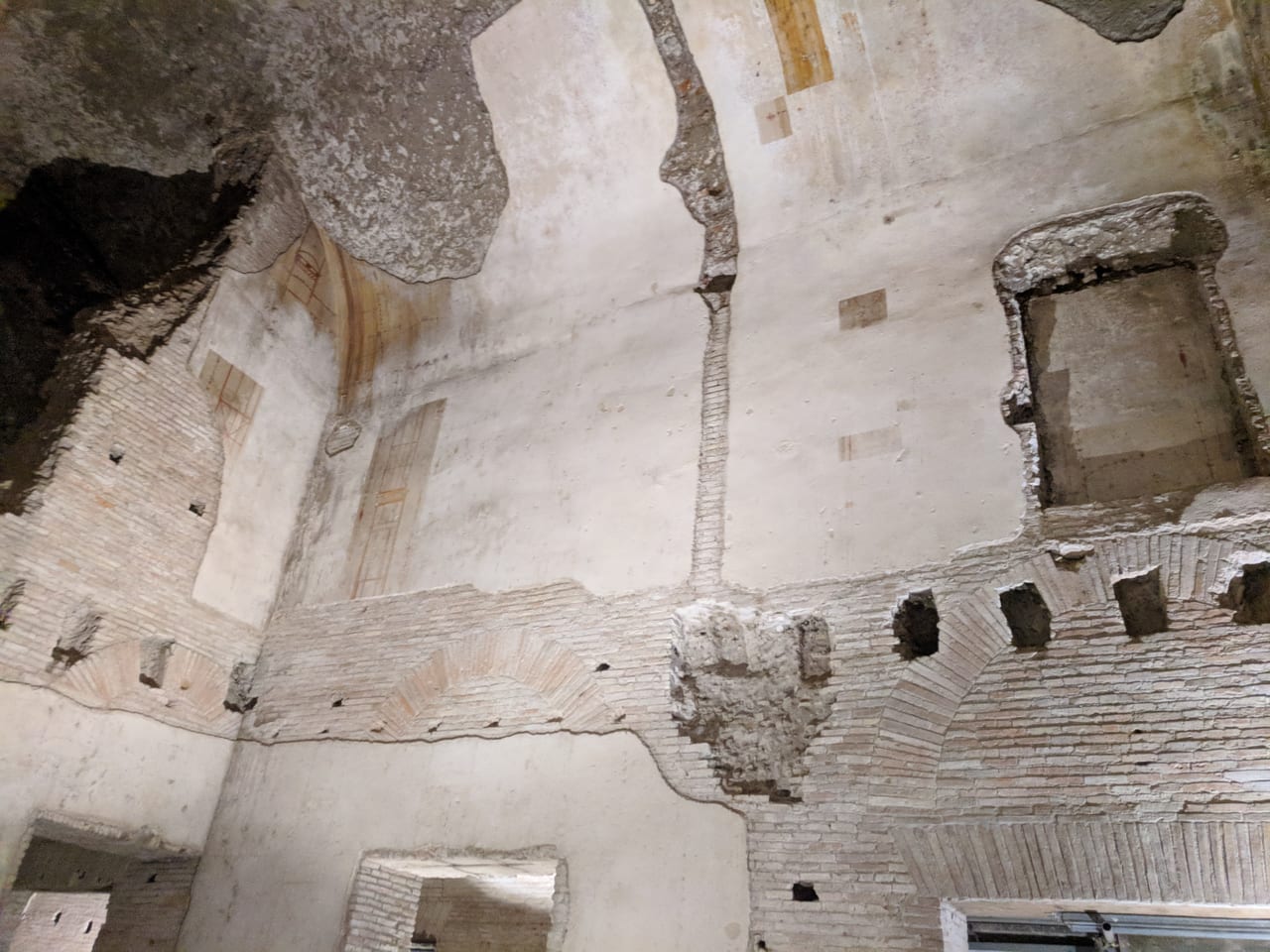
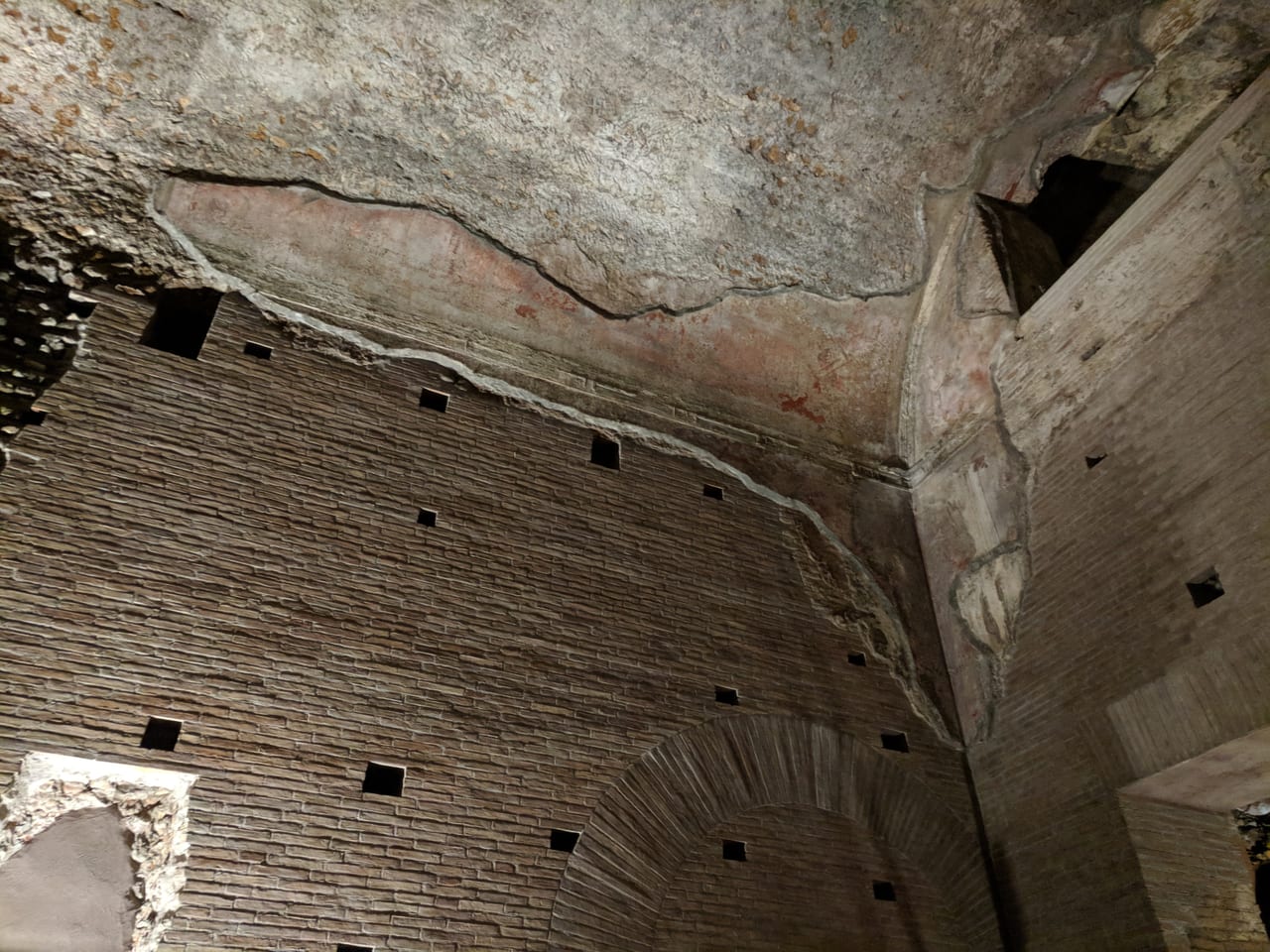
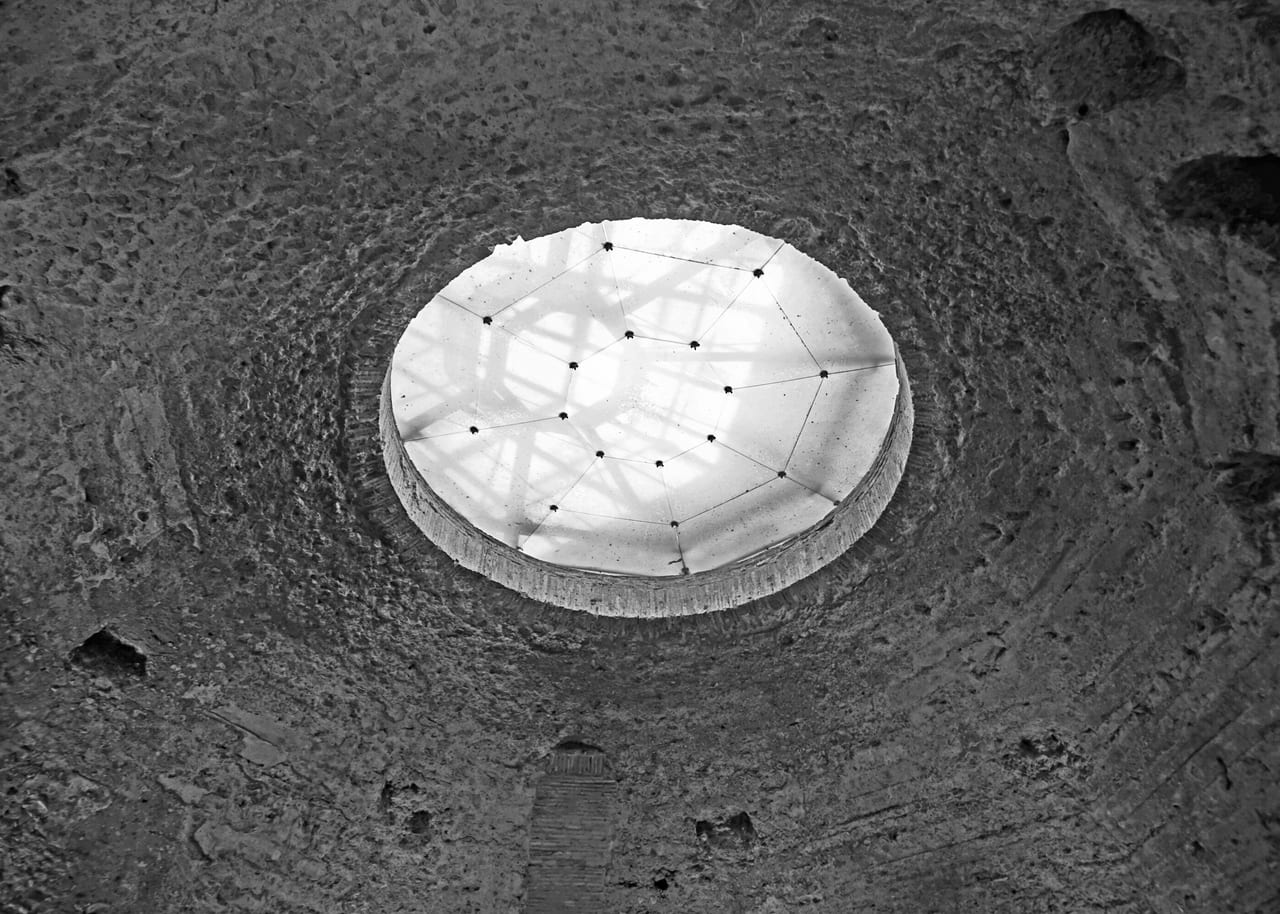
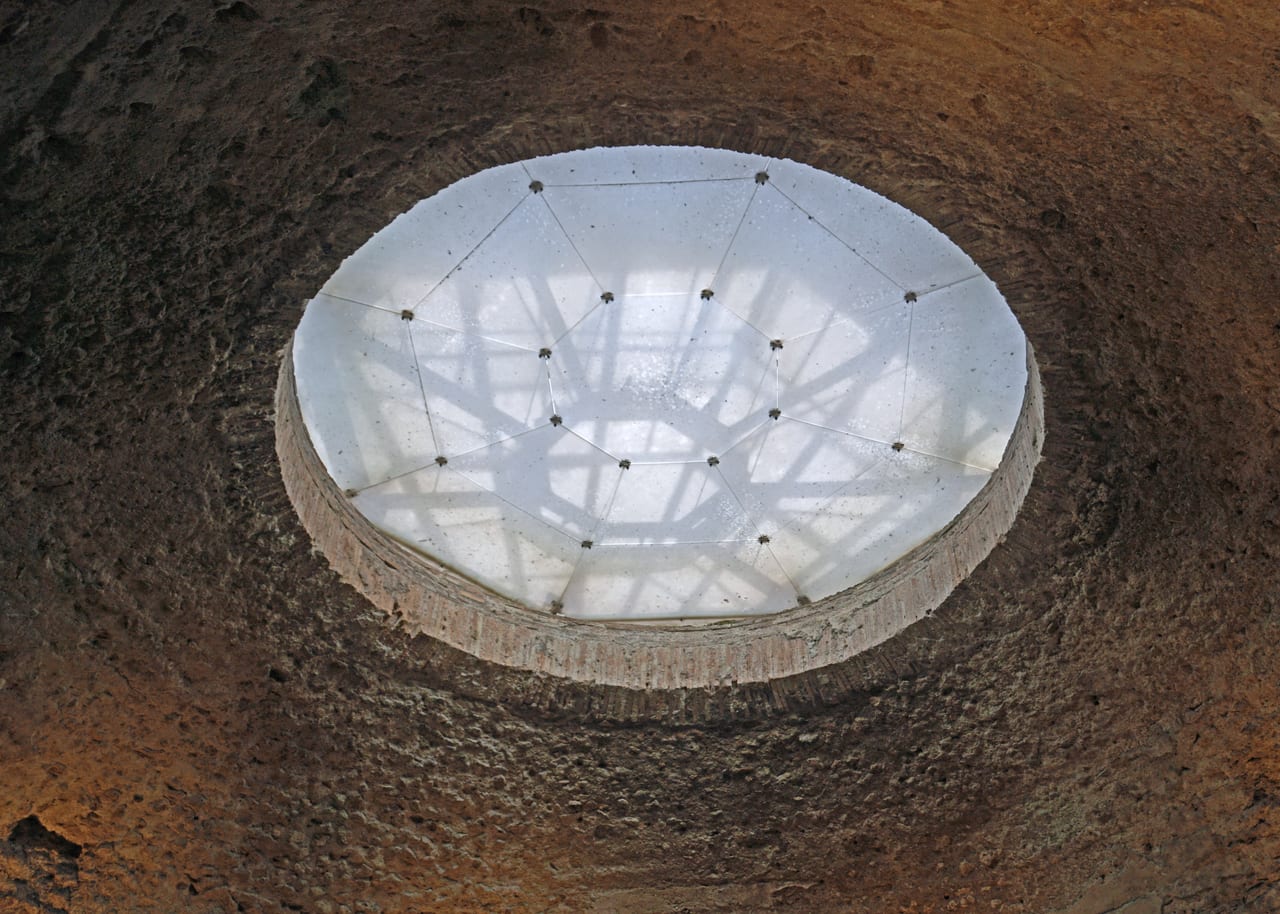
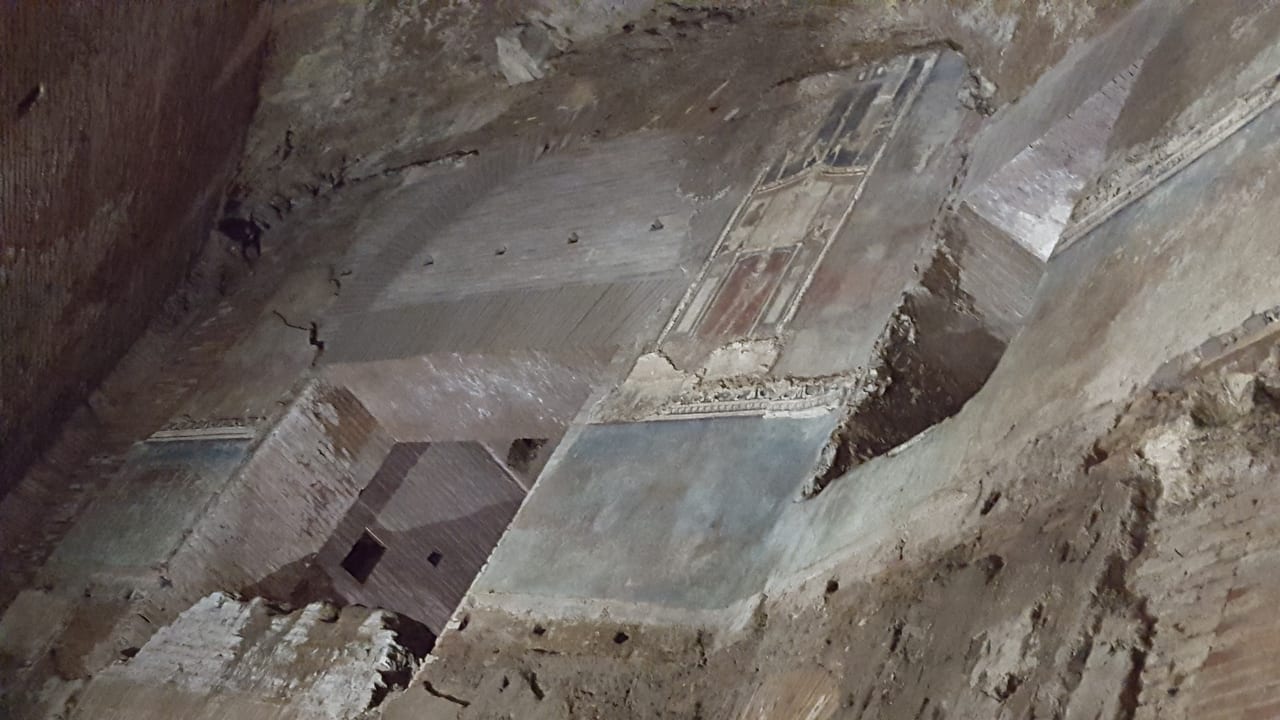
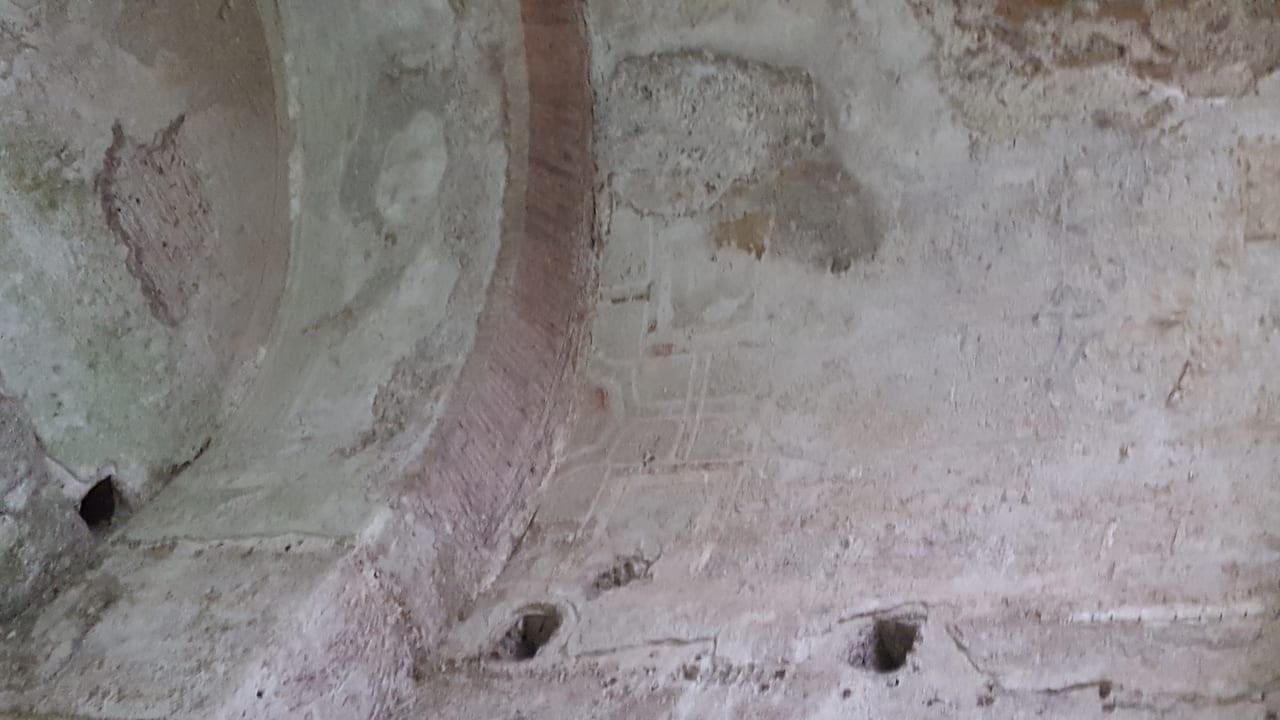
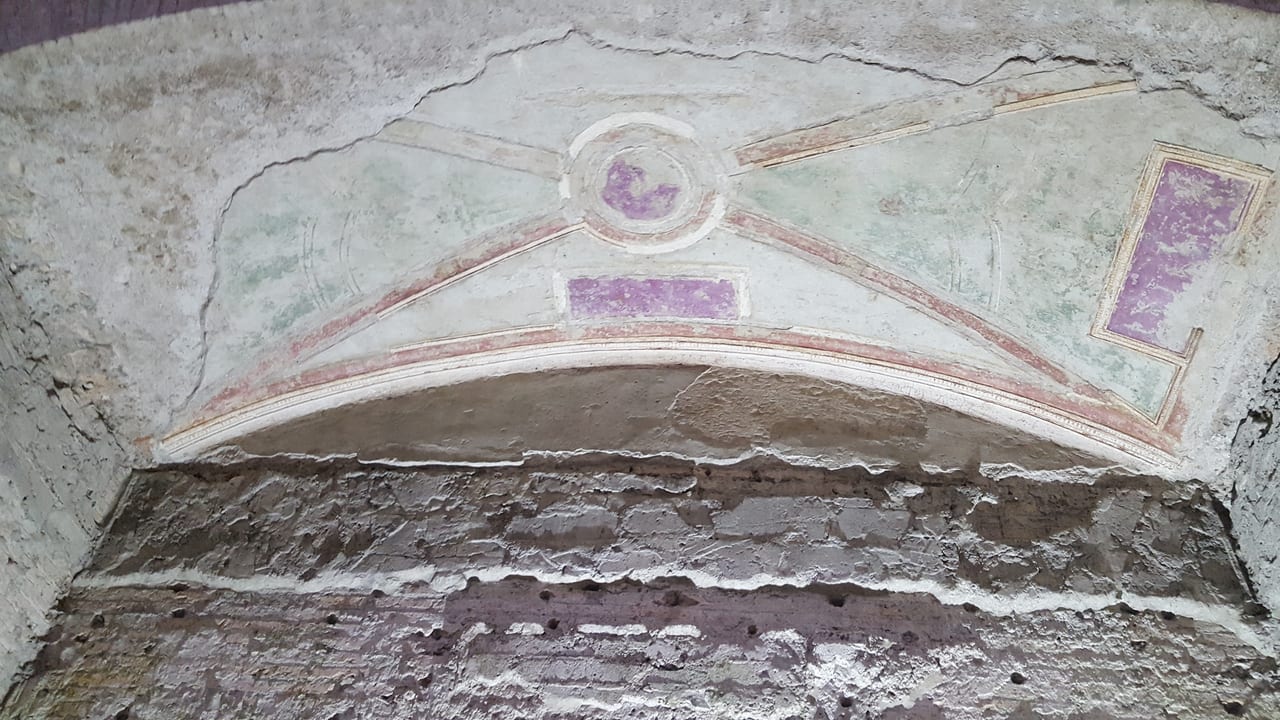
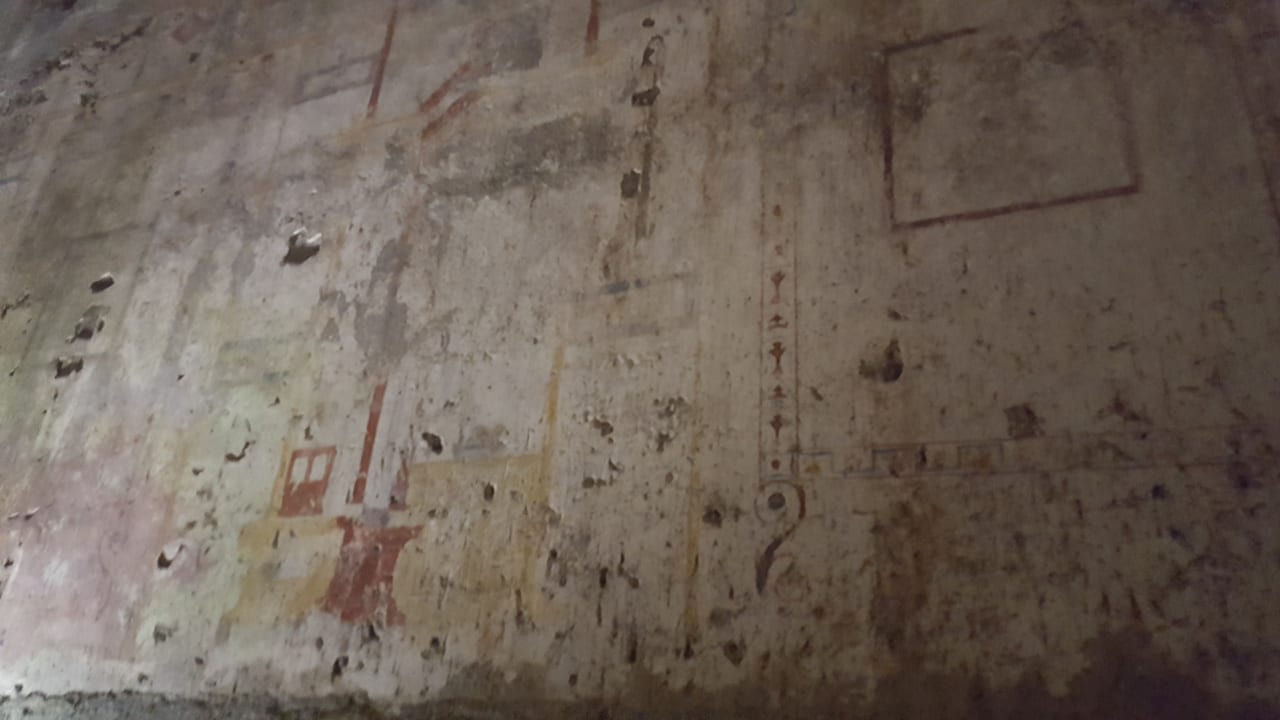
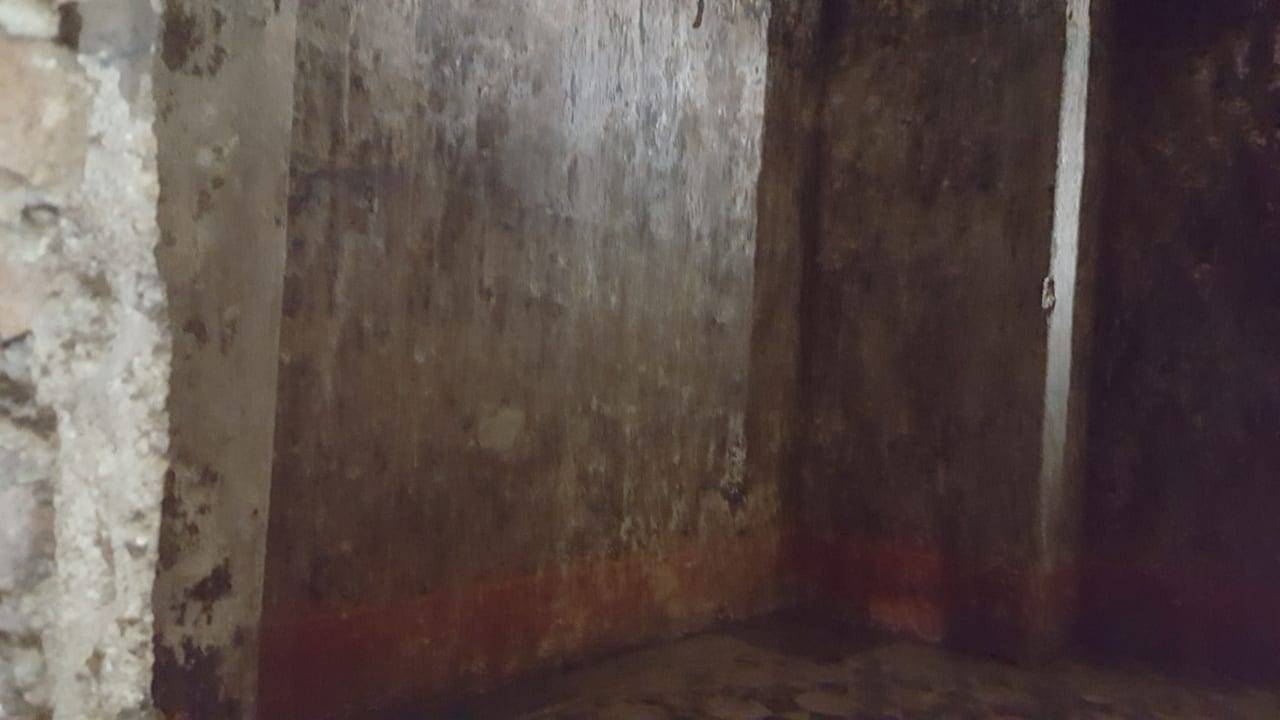
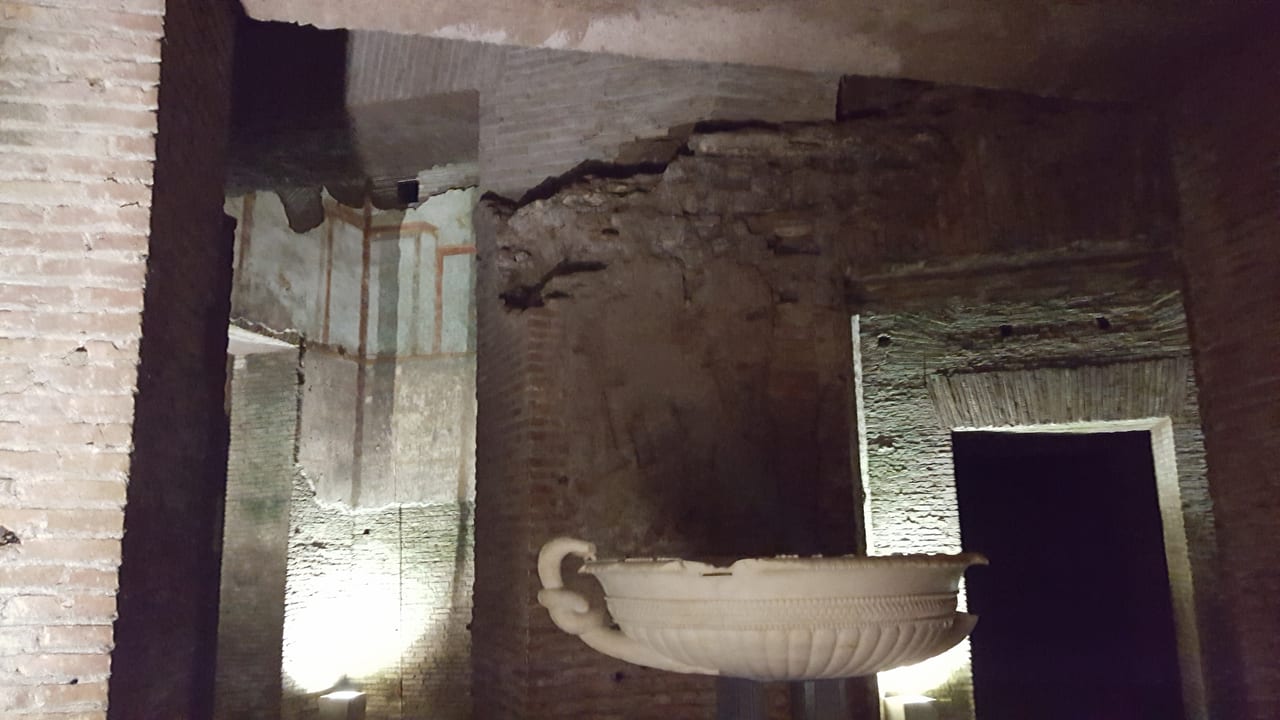
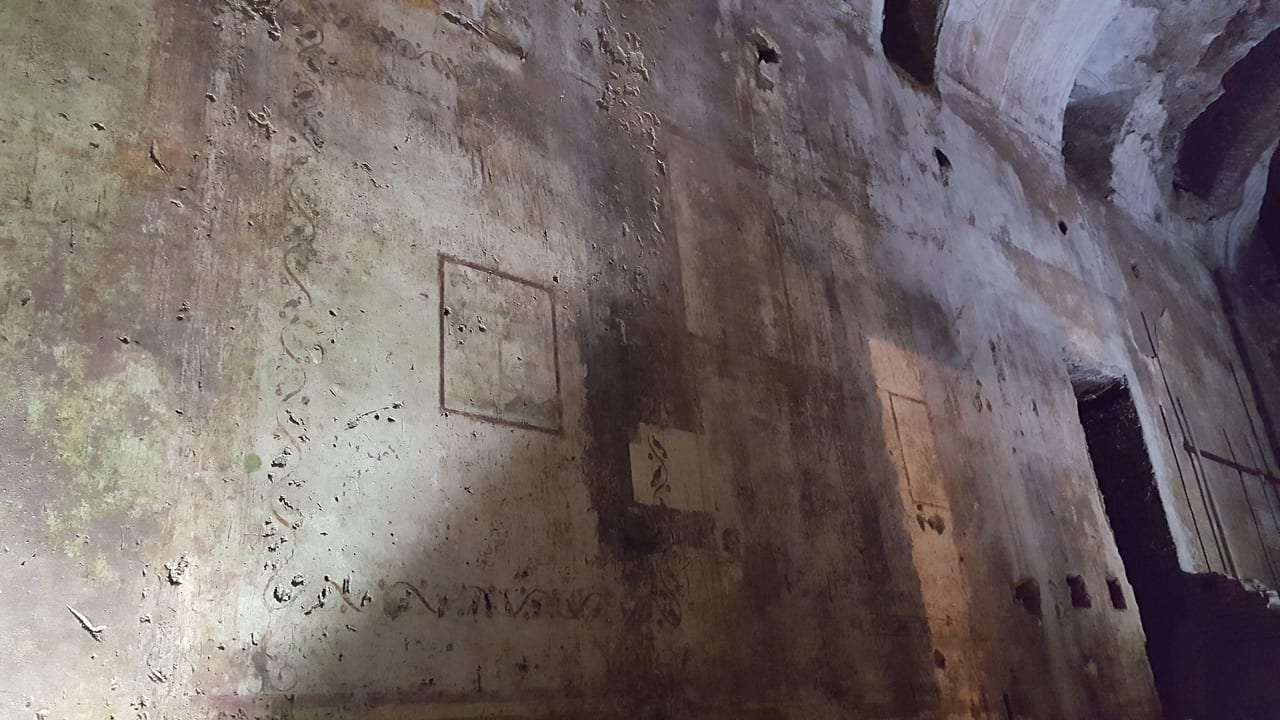
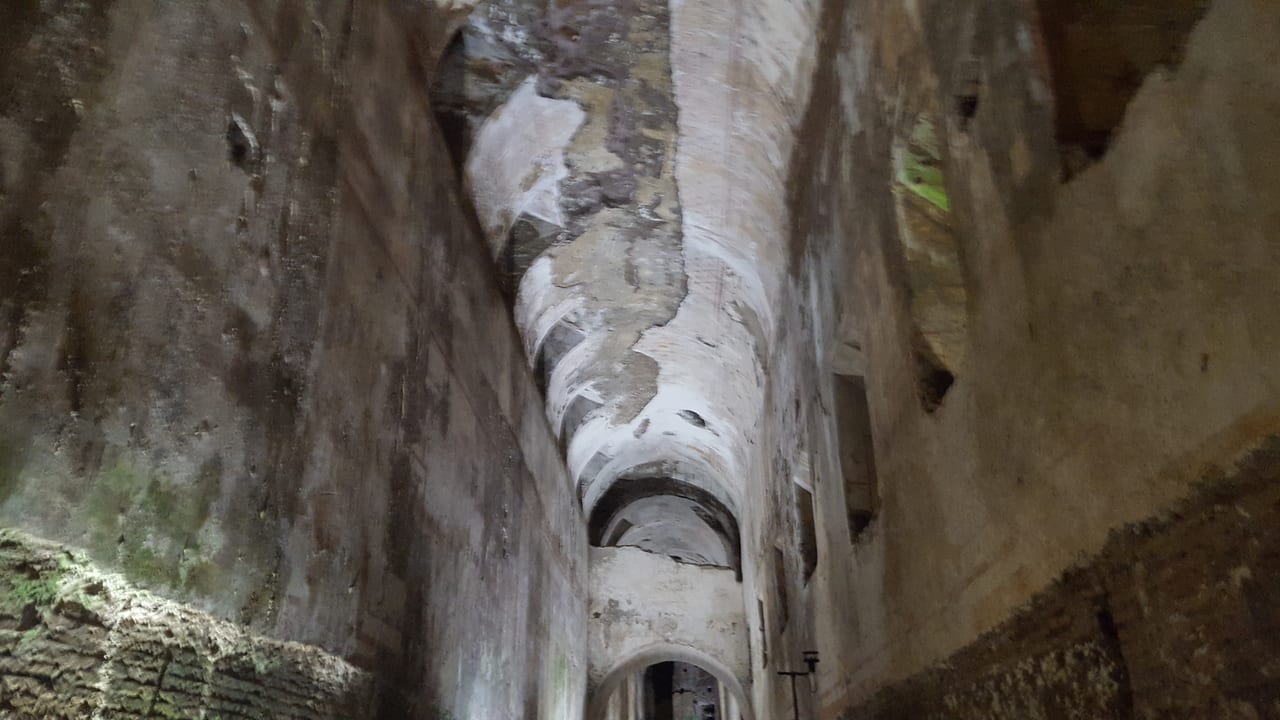
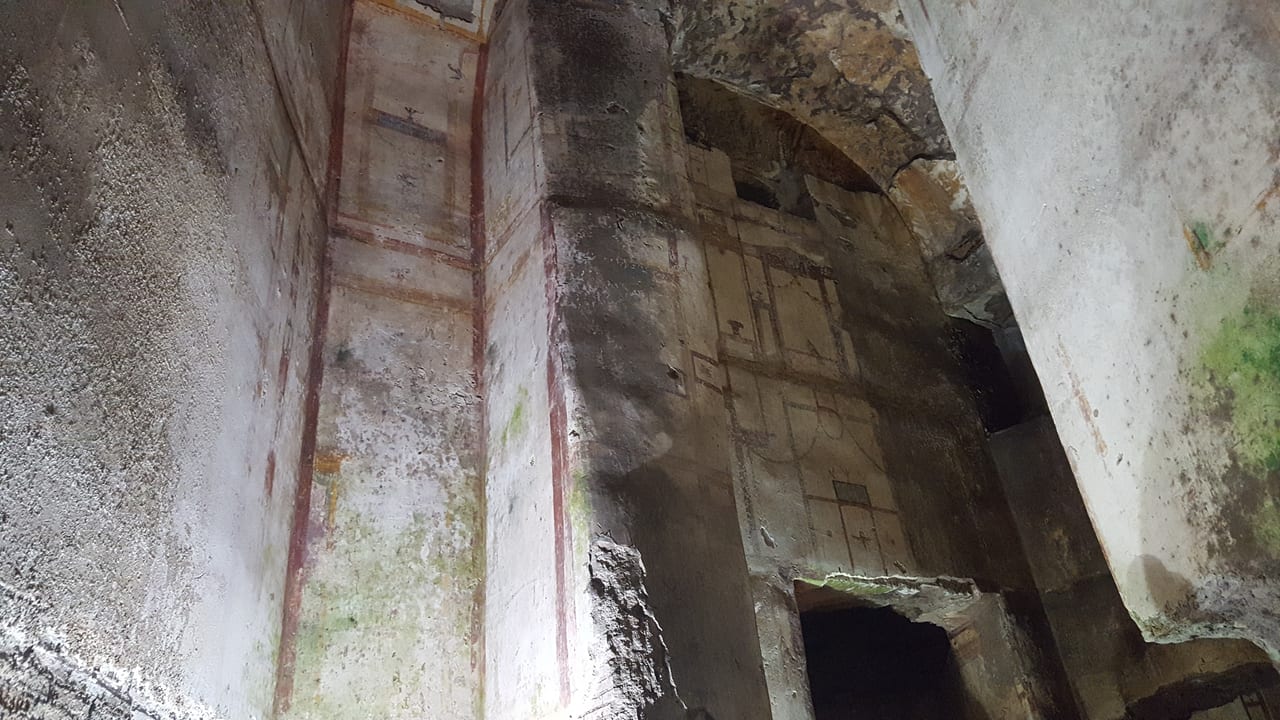
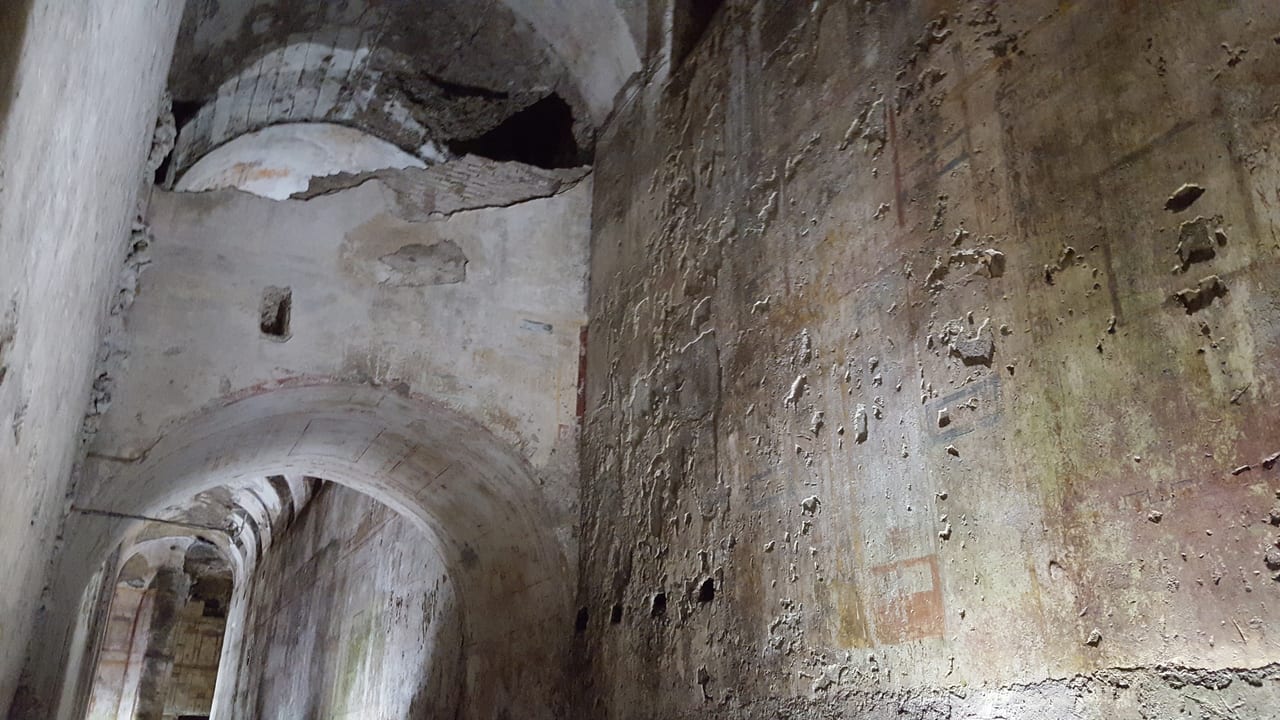
Concentrate on the surviving Oppian Hill pavilion, where the sequence of vaulted rooms reveals the complex’s theatrical use of space. Examine the painted walls and ceilings for animals, mythological figures and ornamental details, then look closely at the Sala della Sfinge, whose imagery includes Pan, panthers and a sphinx. The relationship between the buried rooms and the later Baths of Trajan is central to understanding what remains visible today.
Places to stay near Domus Aurea

Live availability and prices from Stay22's partners, refreshed periodically and subject to change. Booking through these links may earn us a commission at no extra cost to you. See our privacy policy.
Cafés near Domus Aurea
Cafés near Domus Aurea loads as you scroll.
Attractions nearby
Attractions near Domus Aurea loads as you scroll.
Cities nearby
Cities nearby loads as you scroll.
More in Rome
See more of Rome.
Find great cafés, places to stay and other interesting places to visit in Rome.